

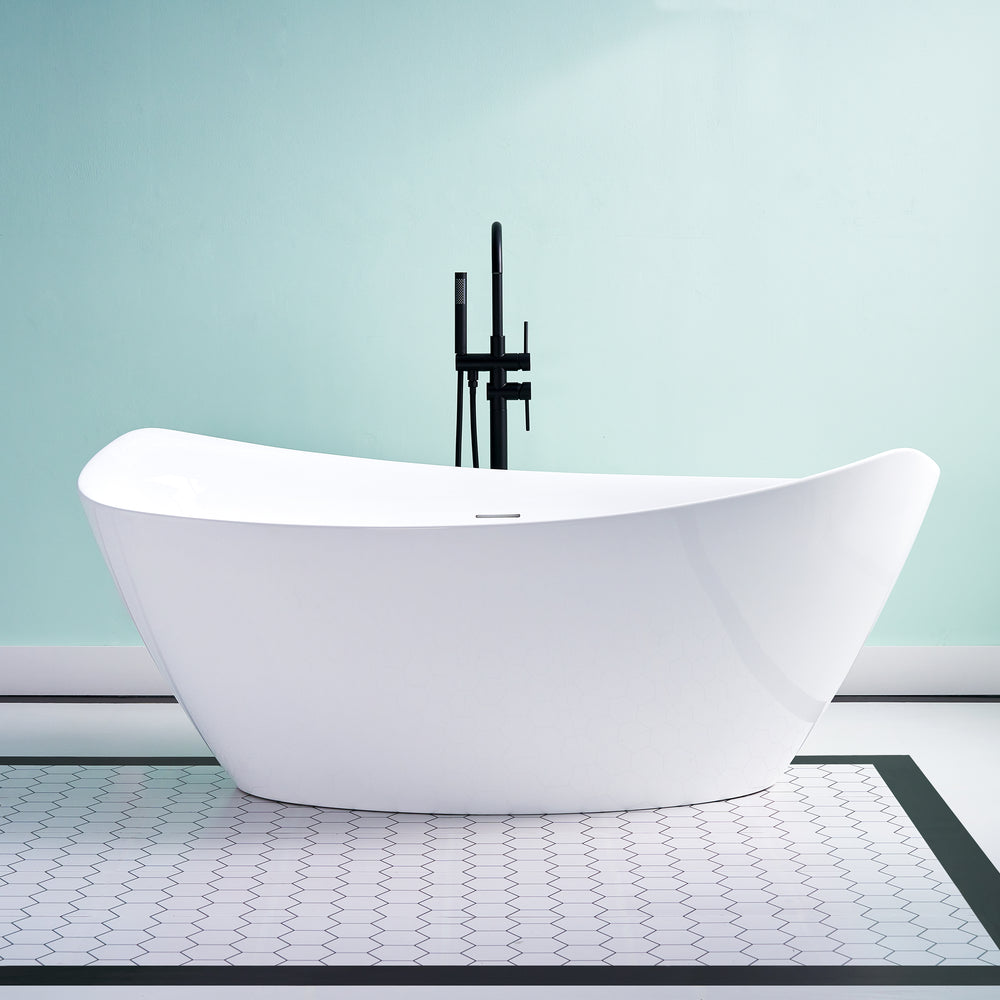
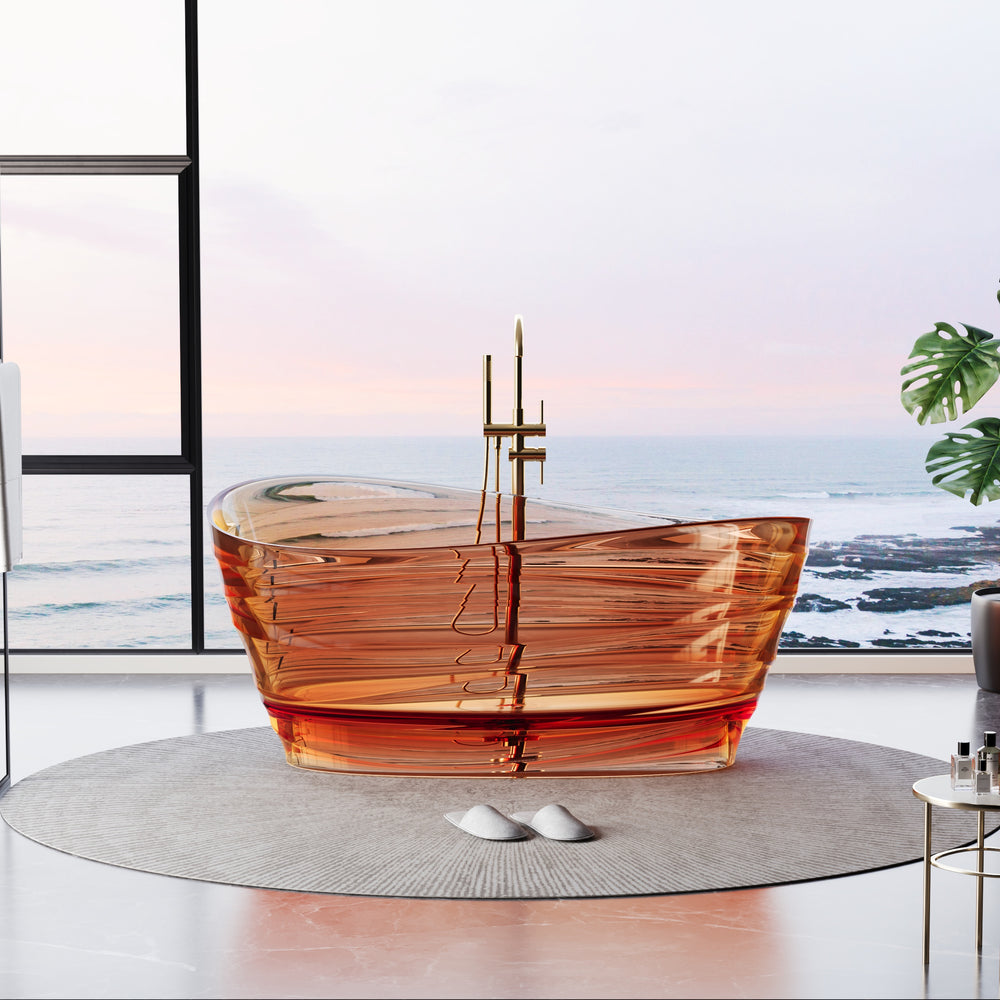



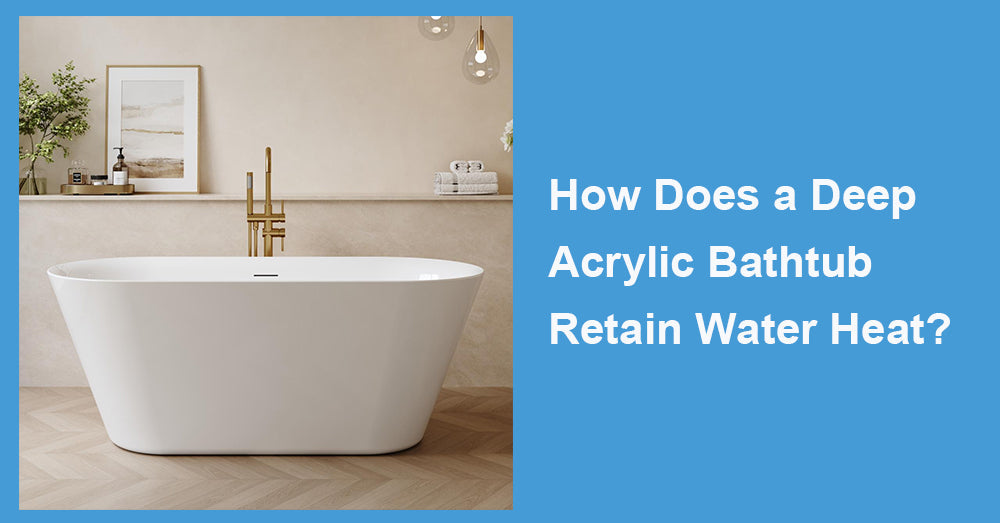
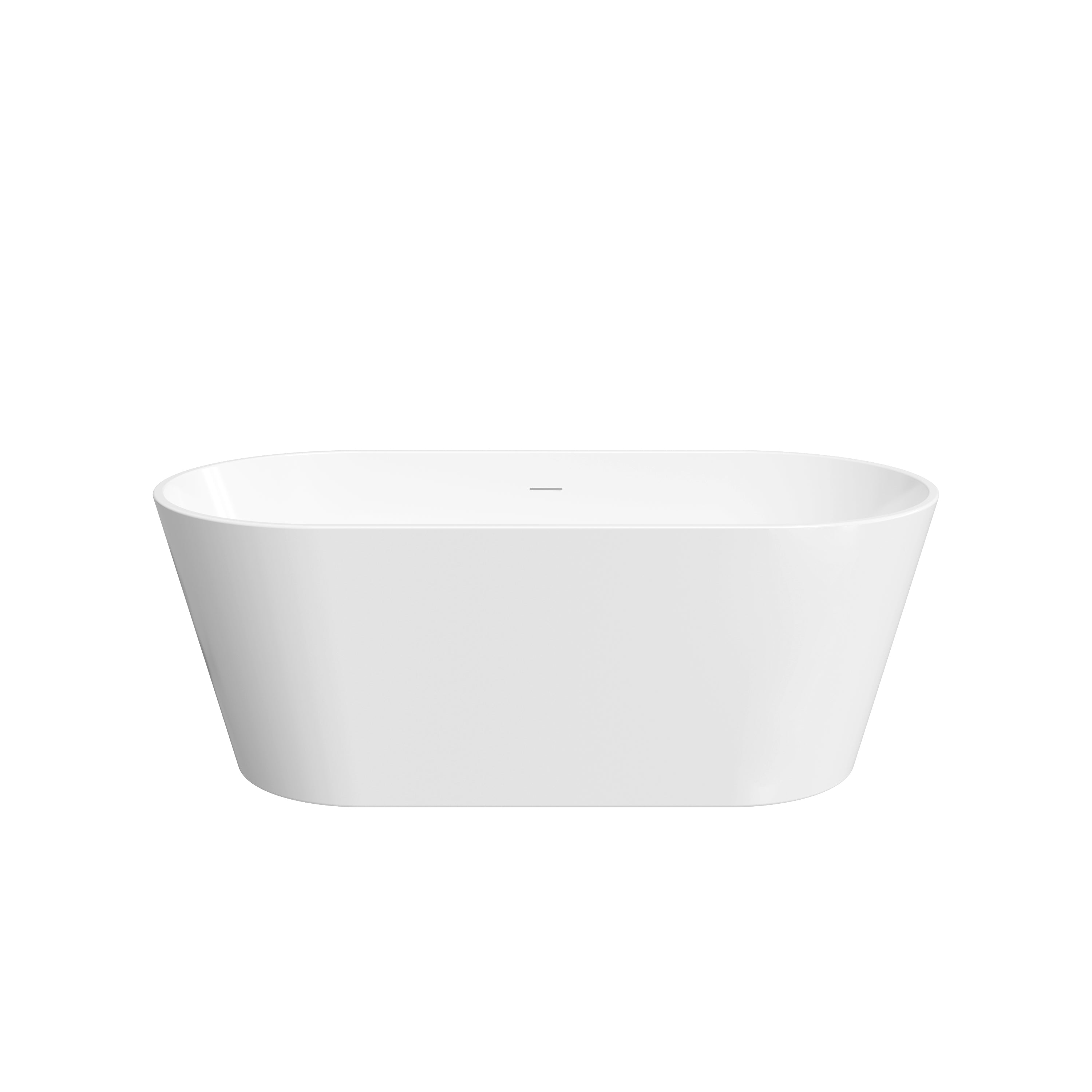
A hot bath should stay hot. But anyone who has soaked in a standard tub knows the disappointment of watching the water lose its warmth within fifteen or twenty minutes. The water does not cool because the tub is broken. It cools because of physics. A acrylic bathtub retains heat differently than cast iron or steel, and when you combine acrylic’s natural insulating properties with a deep soaking design, the result is a bathing experience that stays comfortable far longer than most people expect. Understanding exactly how this works—and where the limits are—helps you decide whether a deep acrylic model is the right choice for your bathroom.
The Physics of Heat Loss in a Bathtub
Every bathtub loses heat through three pathways: evaporation from the water surface, radiation from the water, and conduction through the tub walls . Of these, conduction is the one that depends most directly on the material you choose.
Thermal conductivity measures how quickly a material transfers heat. Lower numbers mean slower heat transfer, which is exactly what you want in a bathtub. The Engineering ToolBox lists acrylic’s thermal conductivity at approximately 0.2 W/(m·K) . Cast iron, by comparison, conducts heat roughly 275 times faster at around 55 W/(m·K) .
This single number explains a common misconception. Many people assume cast iron tubs “hold heat” better because cast iron cookware retains heat on a stove. But a cast iron skillet works because the metal absorbs heat from the burner and distributes it. In a bathtub, there is no burner. The hot water is the heat source, and the cast iron walls act as a heat sink, pulling warmth out of the water and releasing it into the surrounding air . Acrylic does the opposite. Its low conductivity means it resists pulling heat from the water in the first place.
Why Deep Matters as Much as Material
Material is only half the story. The shape and depth of the tub determine how much water surface is exposed to the air, and surface exposure is where evaporation and radiation losses occur.
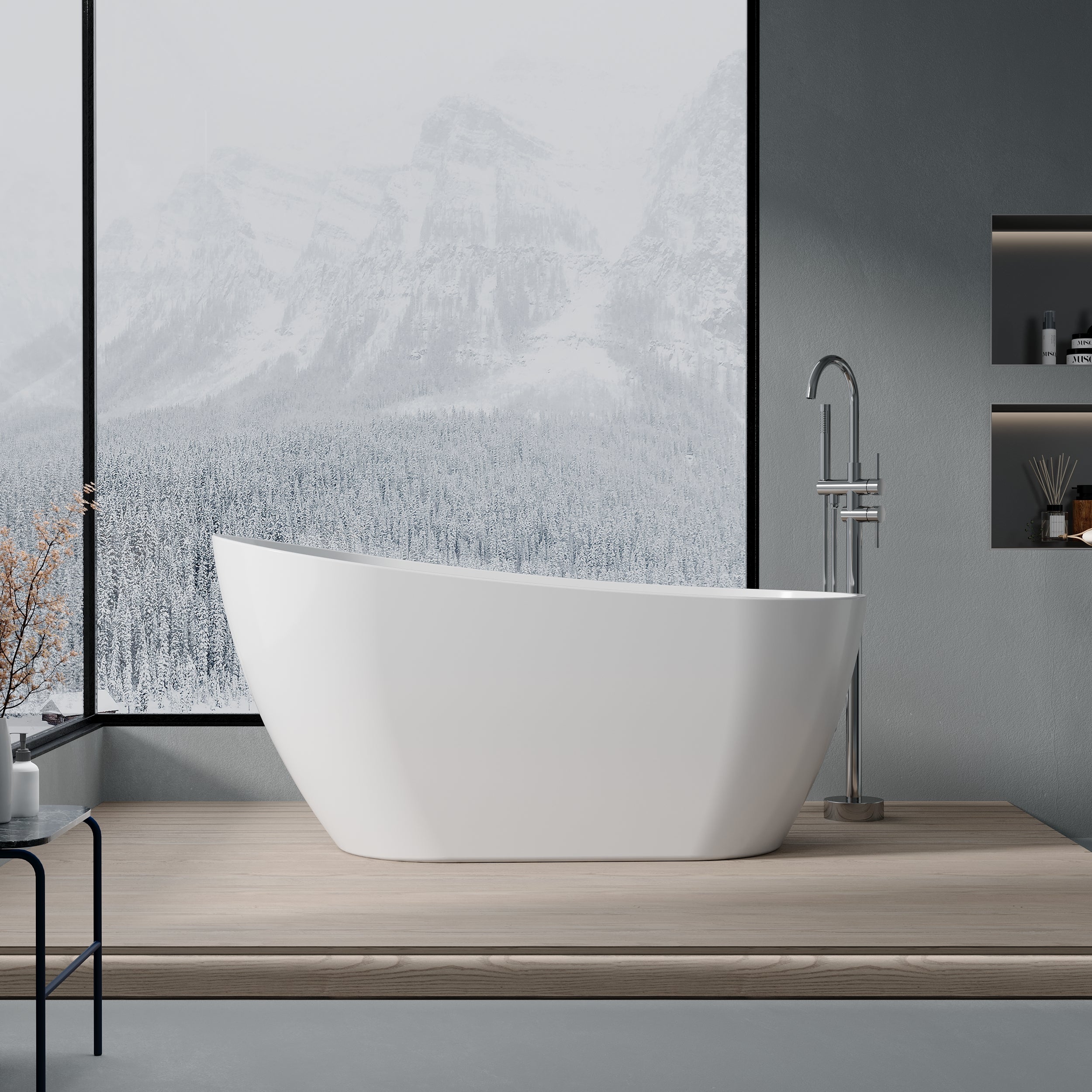
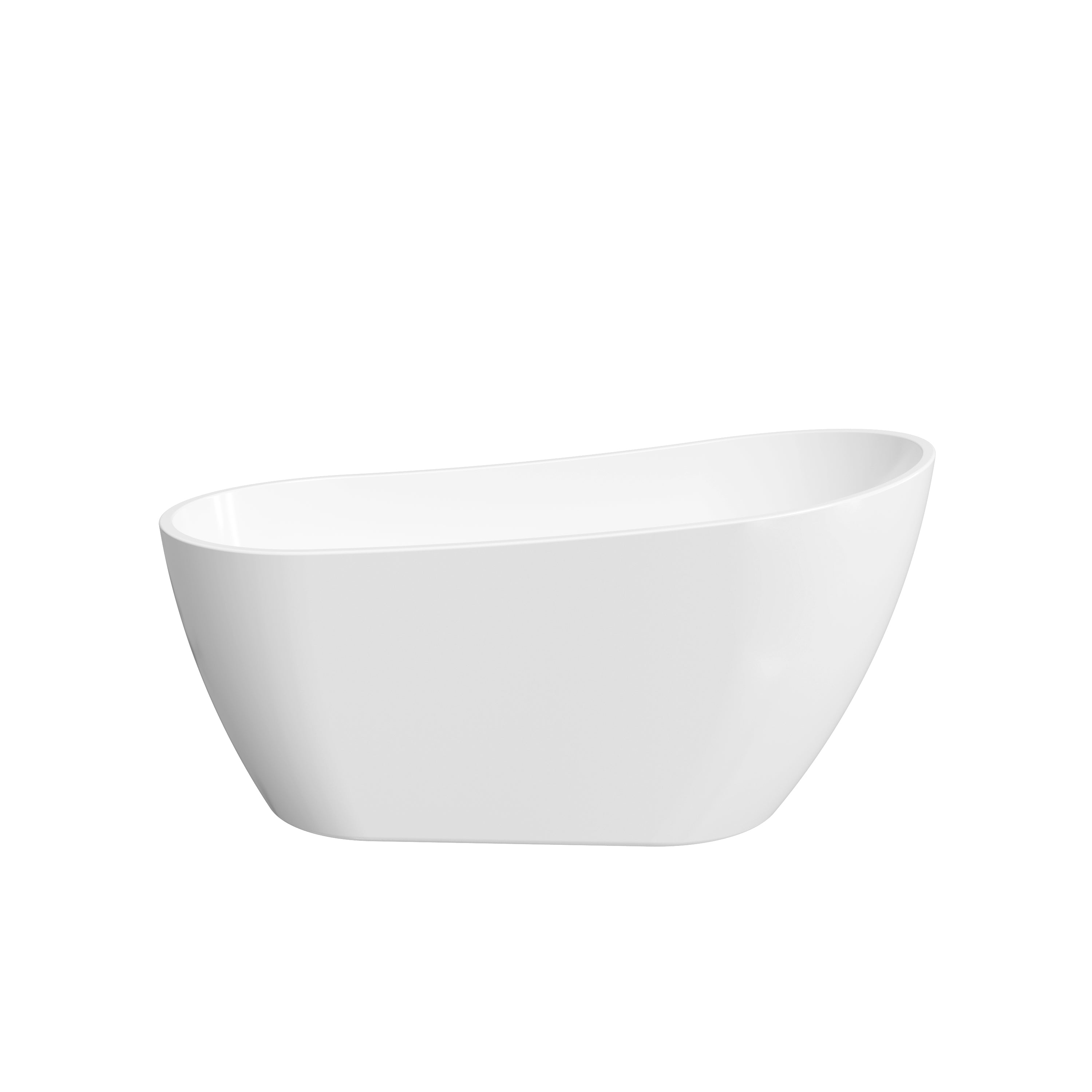
A deep soaking tub holds more water relative to its surface area. The water column is taller, so the heat has farther to travel before it escapes through the bottom and sides. More importantly, the deeper water mass takes longer to cool because there is simply more thermal energy stored in it. Cabuchon, a manufacturer of deep soaking tubs, notes that deeper designs expose a smaller surface area of water to the air, which directly reduces heat loss .
When you combine a deep water column with acrylic’s low thermal conductivity, you get a compounding effect. The material resists conducting heat outward, and the depth provides more thermal mass to maintain temperature. Neither factor alone is dramatic. Together, they make a measurable difference in how long a bath stays warm.
The Insulation Layer Most Shoppers Never See
Not all acrylic tubs are created equal. The acrylic sheet itself is thin—usually a few millimeters—and it needs structural backing to support the weight of water and a person. That backing is where heat retention is either helped or hurt.
Manufacturers like Valley Acrylic use a layered construction: a heavy acrylic sheet, followed by a resin and fiberglass mixture, then a layer of wood, and finally another resin coating . This multi-layer approach does more than add strength. Each layer adds a small amount of insulation, and together they slow heat transfer significantly more than a bare acrylic shell would.
The alternative is a tub with minimal backing or a hollow space between the acrylic and the floor. Those tubs lose heat faster because the air gap allows convection currents to carry warmth away from the tub surface. If you are shopping for a deep acrylic tub and heat retention matters to you, look for specifications that mention insulation, layered construction, or a reinforced backing. The acrylic surface is what you see. The layers behind it are what keep your bath warm.
What About Cast Iron’s Reputation?
The debate between acrylic and cast iron is old, and the internet is full of conflicting claims. Some sources insist cast iron retains heat best , while others argue that acrylic’s insulating properties make it superior for keeping water warm .
The resolution depends on what you mean by “retain heat.” Cast iron has high thermal mass, meaning it takes a long time to heat up and a long time to cool down. If you pre-warm a cast iron tub with hot water before filling it, the metal absorbs heat and releases it slowly, which can help maintain water temperature. But that same thermal mass works against you during the initial fill: the cold cast iron pulls heat from the water until the metal and water reach equilibrium . Acrylic never pulls heat from the water in the first place. It simply lets the heat stay where it belongs.

For most bathers, the practical result is that a well-insulated acrylic tub stays warm long enough for a satisfying soak, without the pre-warming ritual that cast iron requires. Angi notes that acrylic is “great at retaining warm water temperature,” while also being lightweight and easier to install . The trade-off is durability—cast iron lasts longer—but for heat retention during a normal bath, acrylic holds its own.
Practical Tips for a Warmer Soak
Even the best deep acrylic tub benefits from a few habits that slow heat loss.
Run the water as hot as you comfortably can, but not so hot that it becomes uncomfortable after ten minutes. The greater the temperature difference between the water and the room, the faster heat escapes. A moderately hot bath holds its temperature longer than a scalding one.
Close the bathroom door and turn off the exhaust fan during your soak. Ventilation removes humidity, which is good for the room, but it also pulls warm air away from the tub surface. A still, warm room helps the water stay warm.
Consider a bath pillow or a mat that covers part of the water surface. Anything that reduces exposed surface area reduces evaporation, and evaporation is a significant source of heat loss .
Summary
A deep acrylic bathtub retains water heat through two mechanisms: acrylic’s naturally low thermal conductivity, which resists conducting warmth out of the water, and the increased thermal mass of a deep water column, which takes longer to cool. The quality of the tub’s backing layers amplifies or undermines that effect, so the construction behind the acrylic surface matters as much as the material itself. Cast iron has its loyalists, and for good reason, but acrylic has earned its place as a practical, heat-retaining choice for anyone who wants a long, warm soak without the weight and installation demands of metal.
















Leave a comment
This site is protected by hCaptcha and the hCaptcha Privacy Policy and Terms of Service apply.