















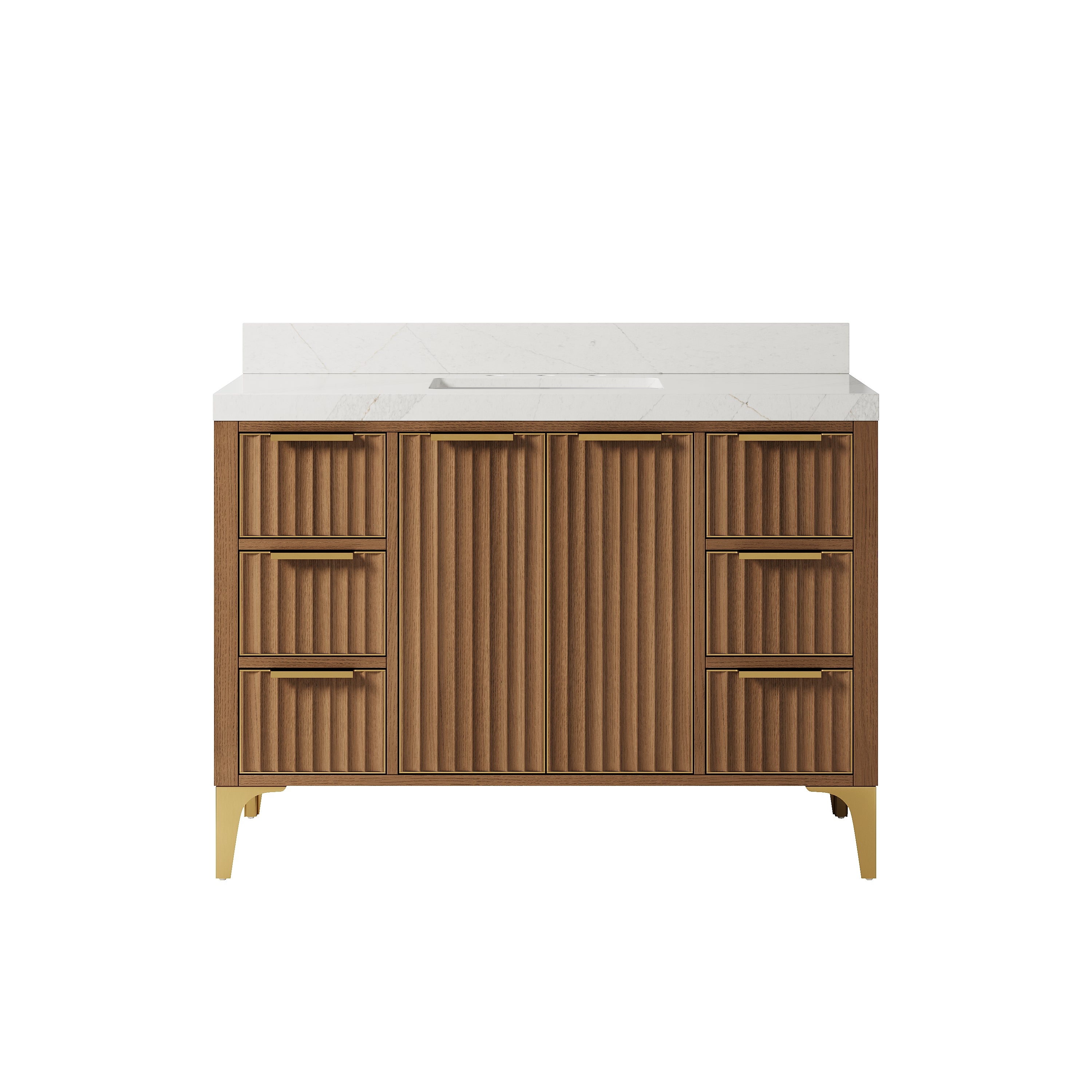


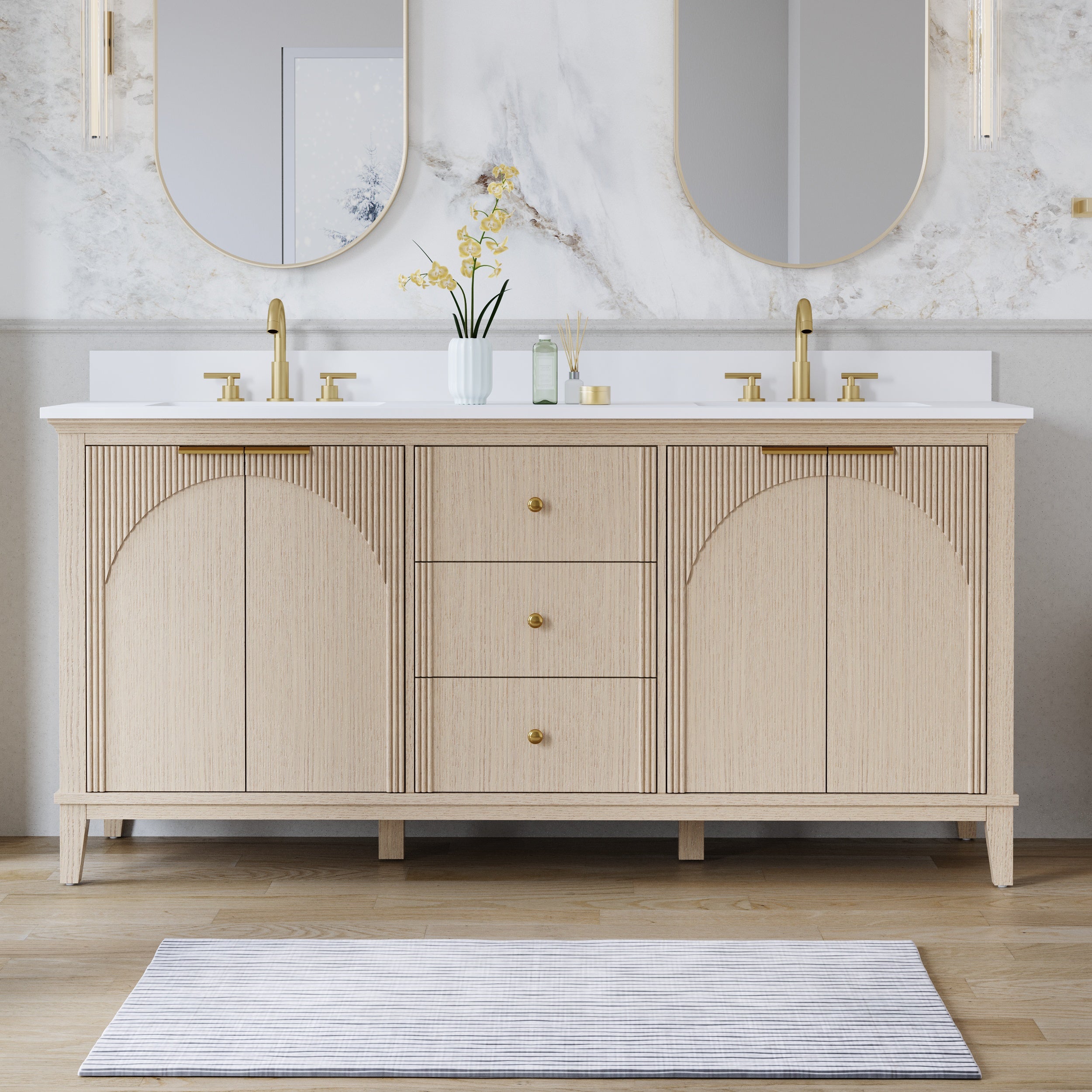
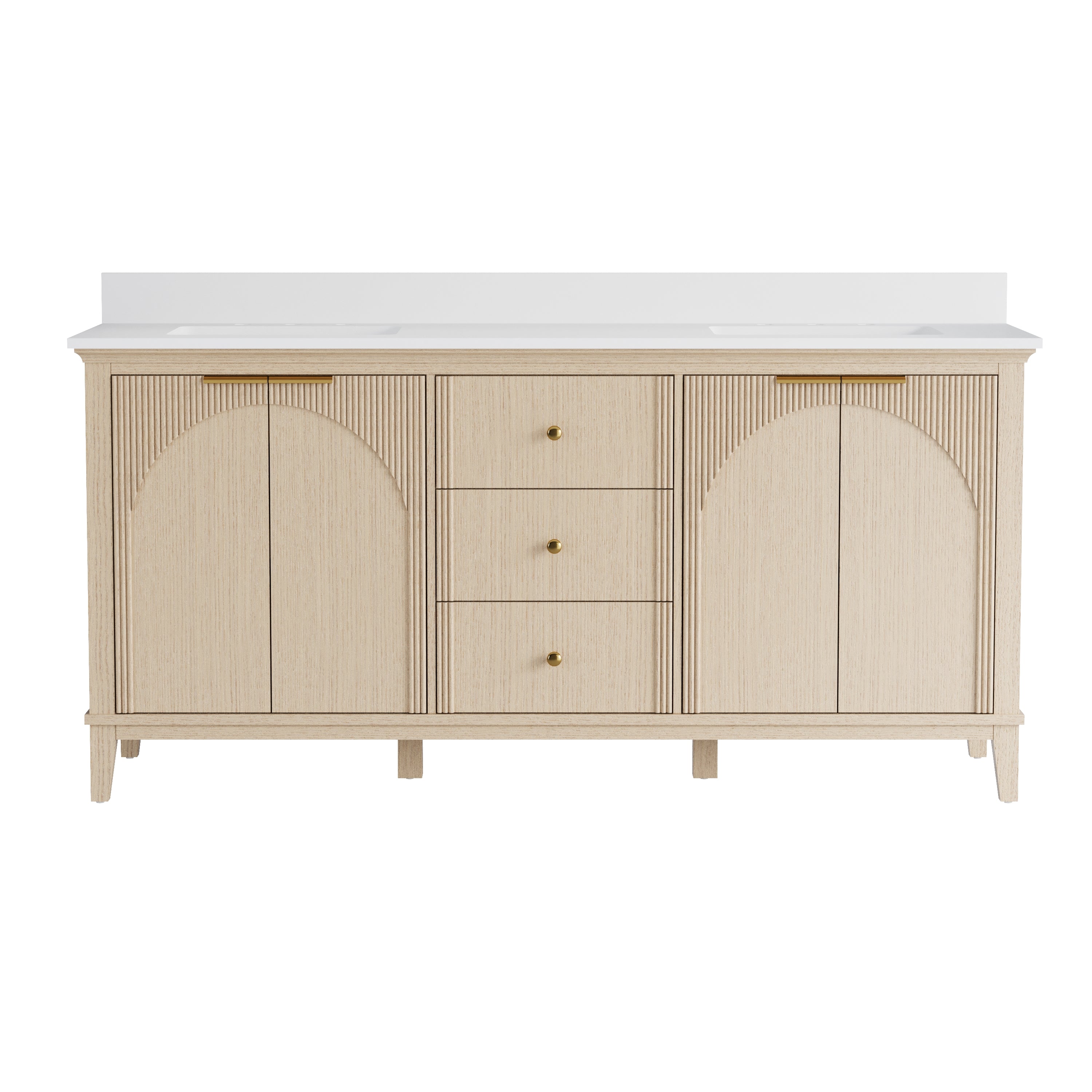
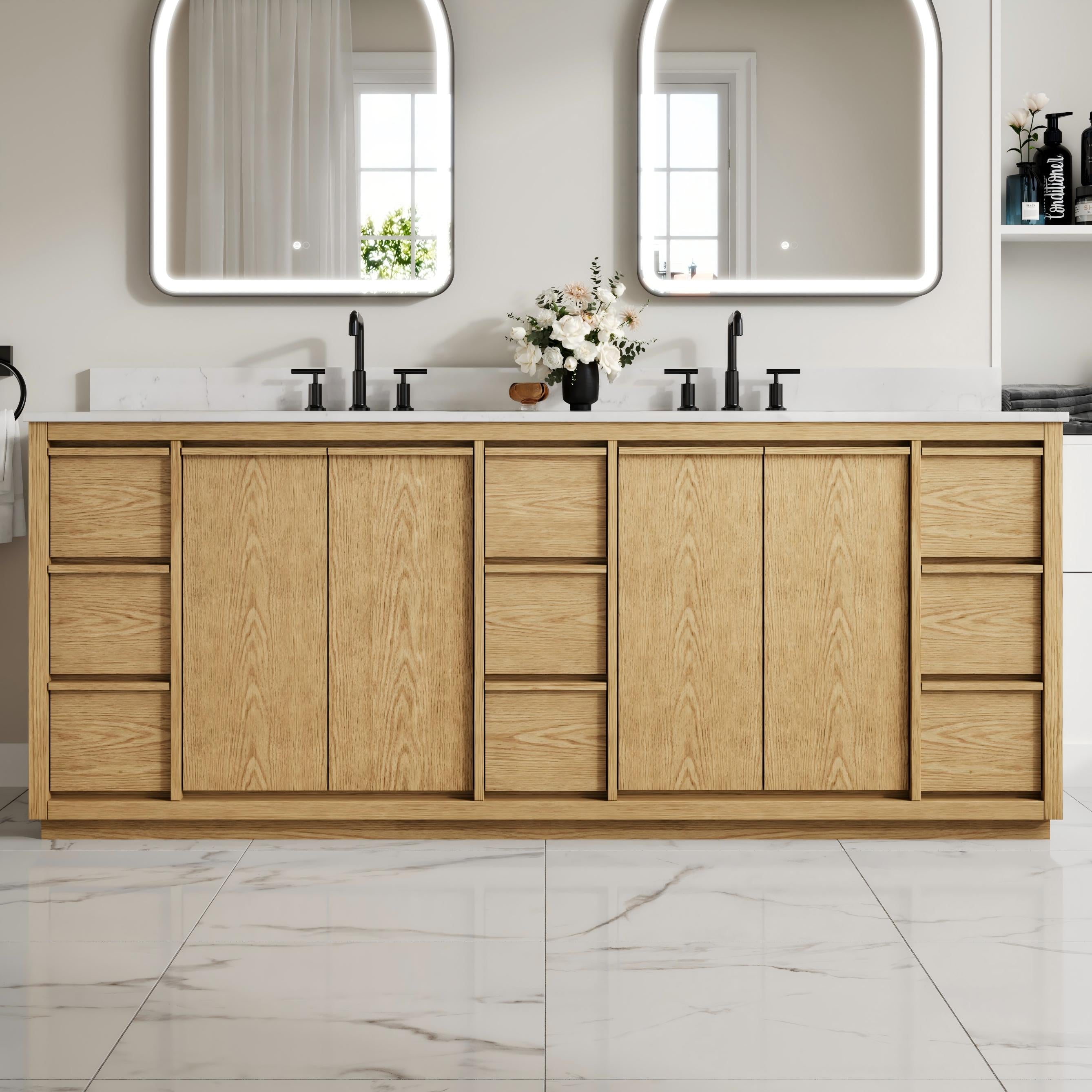
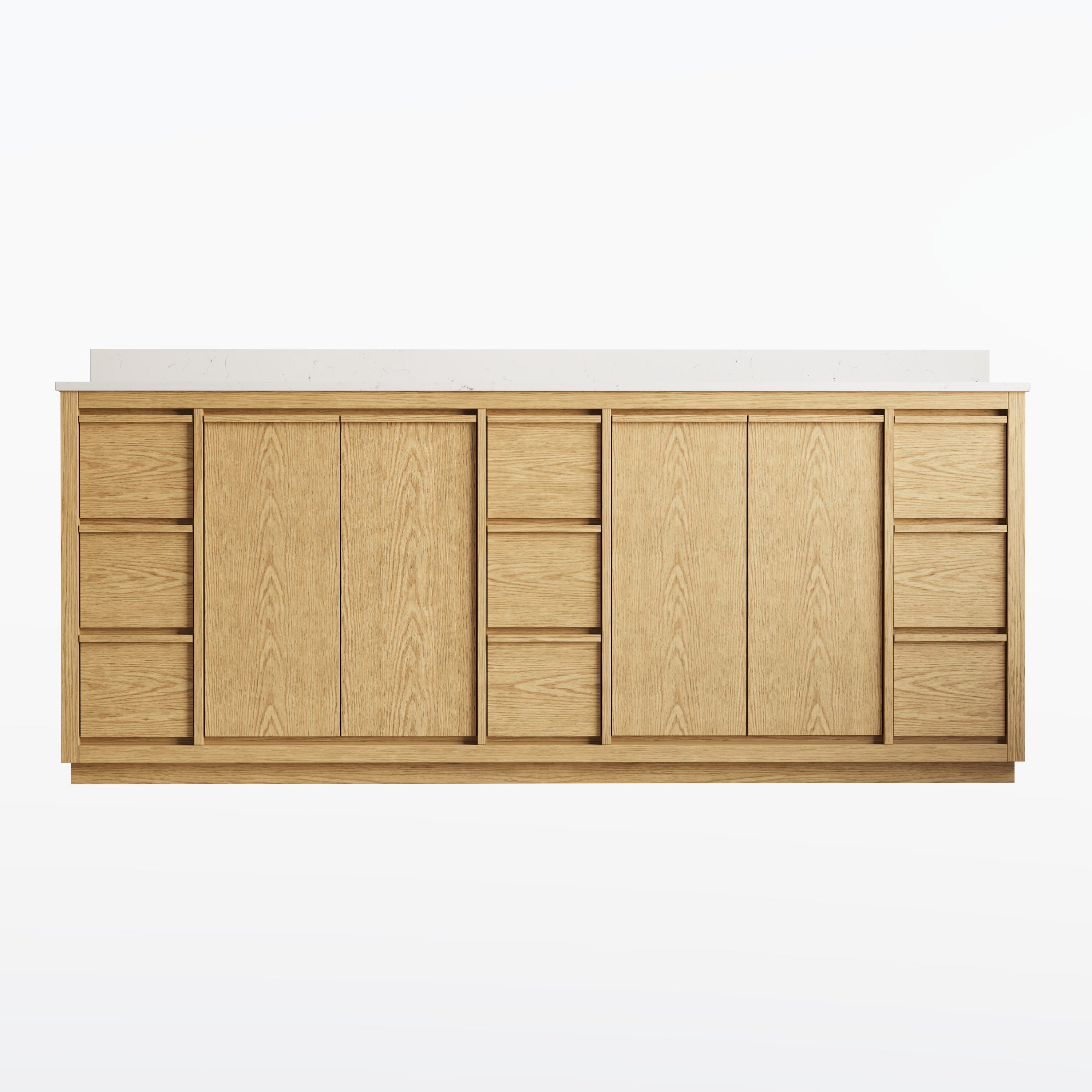
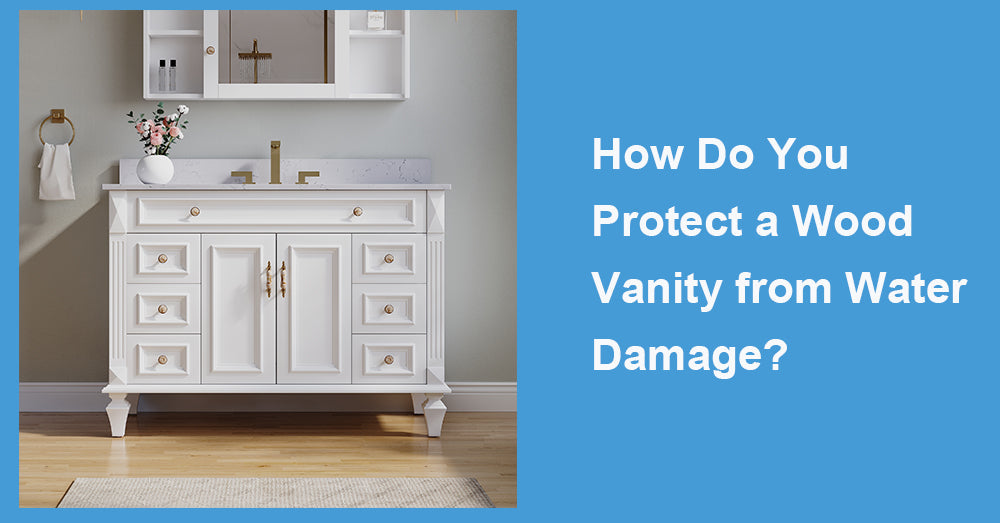
A wood vanity brings warmth and character into a bathroom, but it also sits in one of the most moisture-heavy environments in the home. After two decades working with bathroom furniture, I can say most damage does not come from dramatic leaks. It comes from small, repeated exposure—daily splashes, steam, and slow absorption around joints that were never properly sealed.
The good news is that wood can perform well in a bathroom if it is treated and maintained correctly. The difference between a vanity that lasts five years and one that lasts fifteen is usually not the material alone, but how carefully water exposure is managed from day one.
1. Why Wood Vanities Are Vulnerable to Water
Wood is naturally porous. Even when sealed, it reacts to moisture over time. In a bathroom, this exposure is constant: steam from showers, water around the sink, damp towels placed on edges, and occasional spills from daily routines.
The most common damage points are predictable:
The area around the sink cutout
Drawer edges and interior corners
Cabinet base near the floor
Joints where panels meet
These zones absorb moisture first because water naturally settles or splashes there repeatedly.
I have seen many cases where the top surface of a vanity still looks fine, while the internal structure has started to swell. That is the real issue with wood in bathrooms—it does not always fail visibly at first.
2. The First Line of Defense: Proper Sealing
The most important protection happens before the vanity is even used.
A high-quality finish—whether lacquer, polyurethane, or moisture-resistant coating—creates the first barrier against water penetration. But coatings are not permanent shields. They wear down over time, especially near high-contact areas.
Pay close attention to:
Sink cutouts (this is the highest-risk area)
Back edges near the wall
Drawer seams and handle points
A thin, even sealant layer around plumbing openings can significantly extend lifespan. Silicone-based sealants are often used for joints near sinks because they remain flexible while resisting water intrusion.
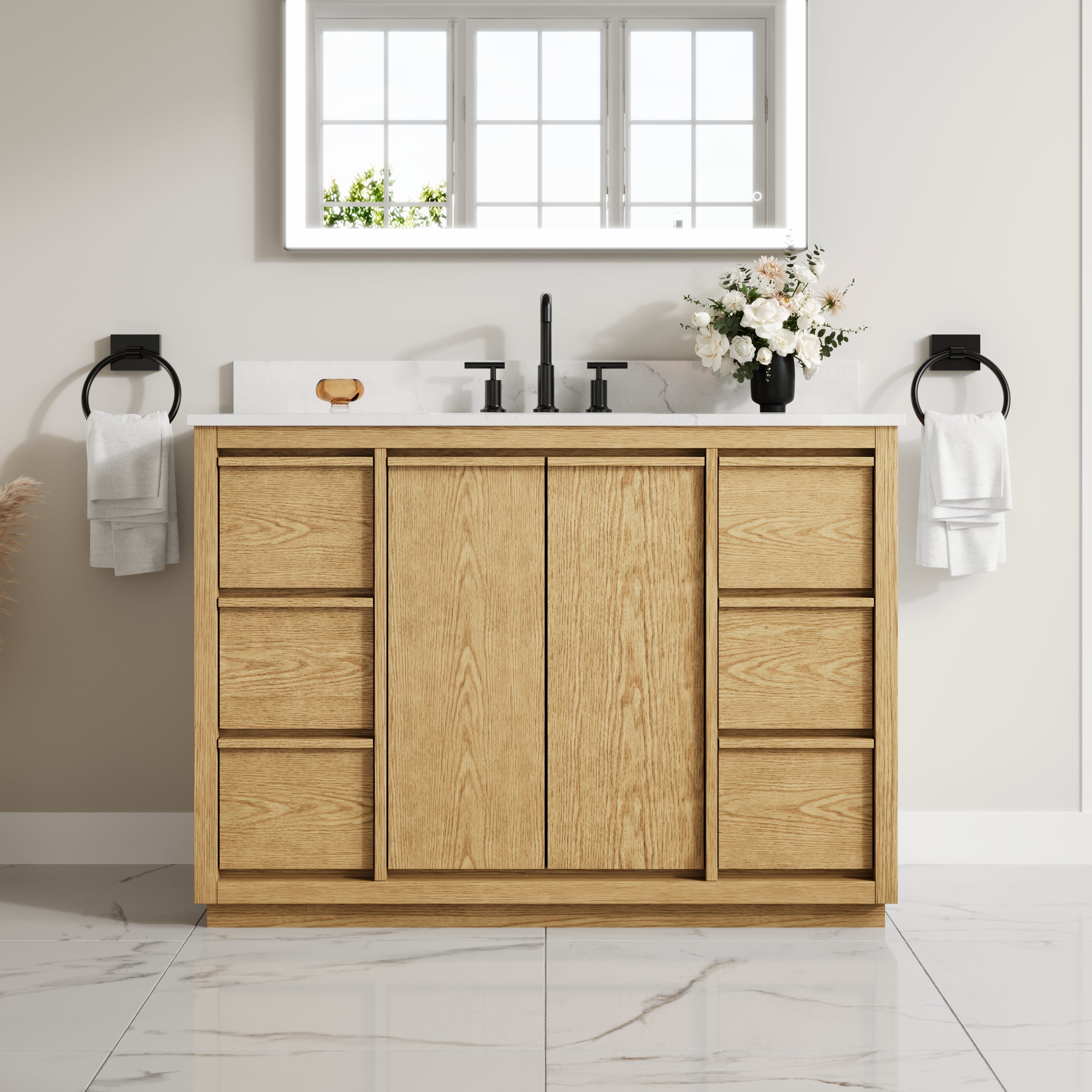
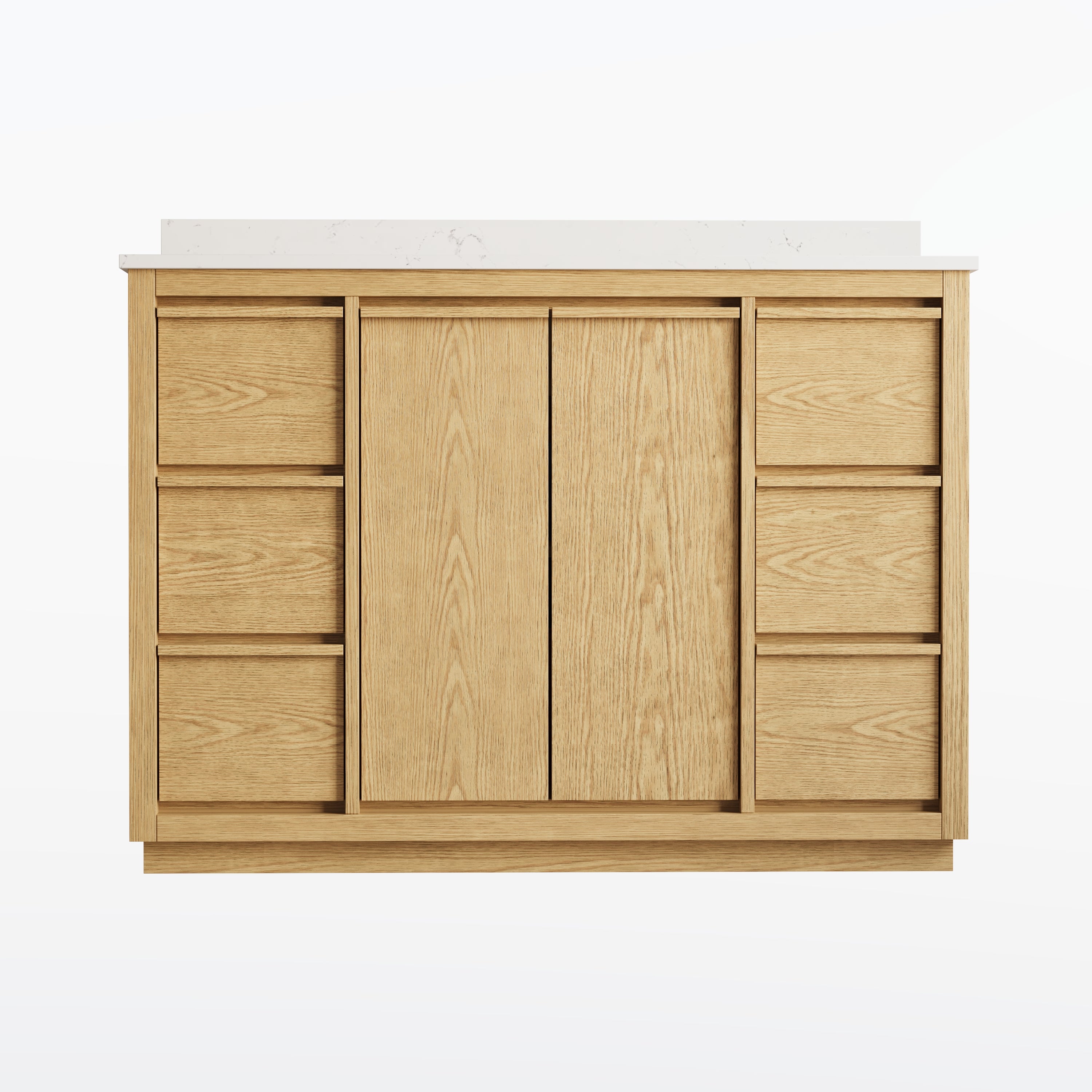
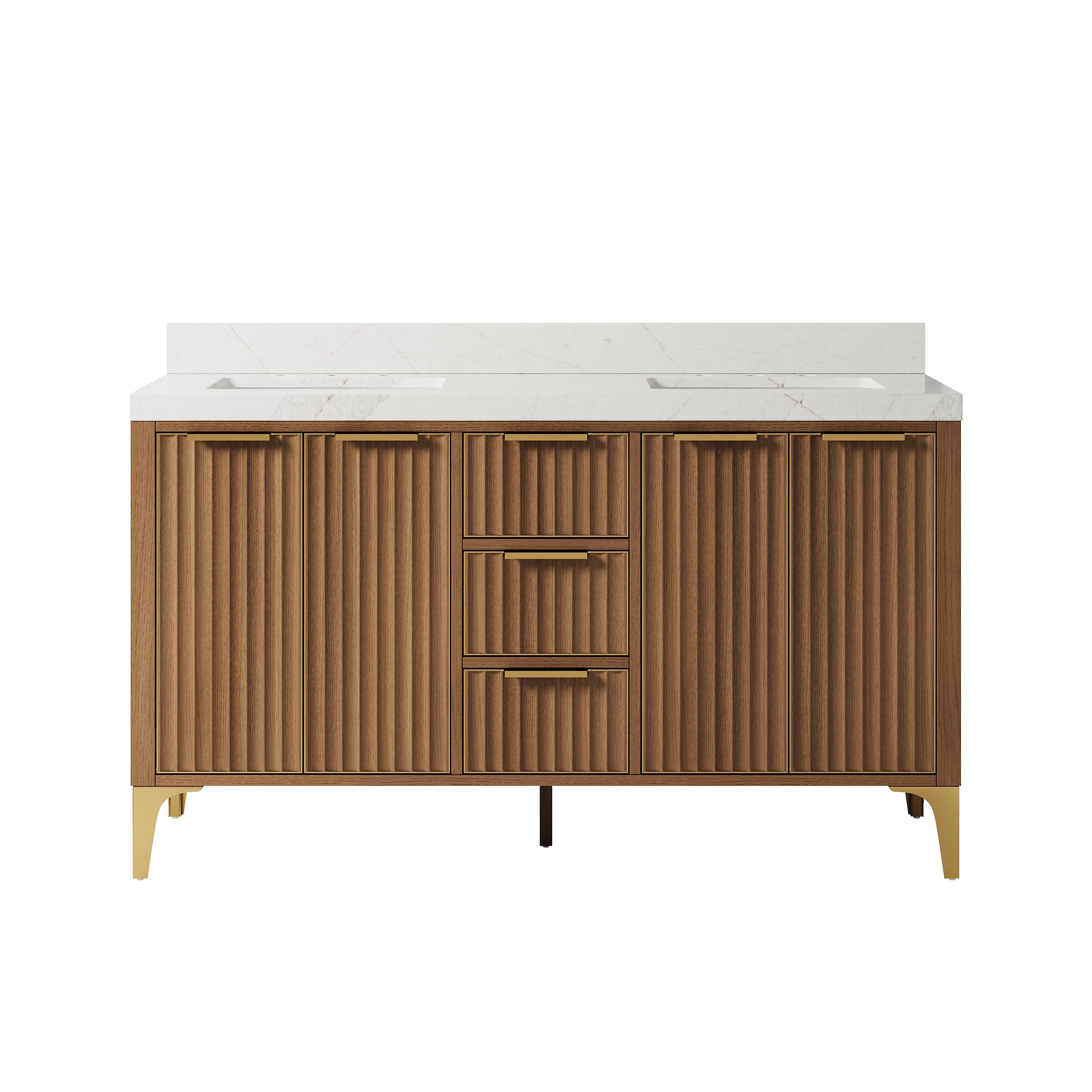
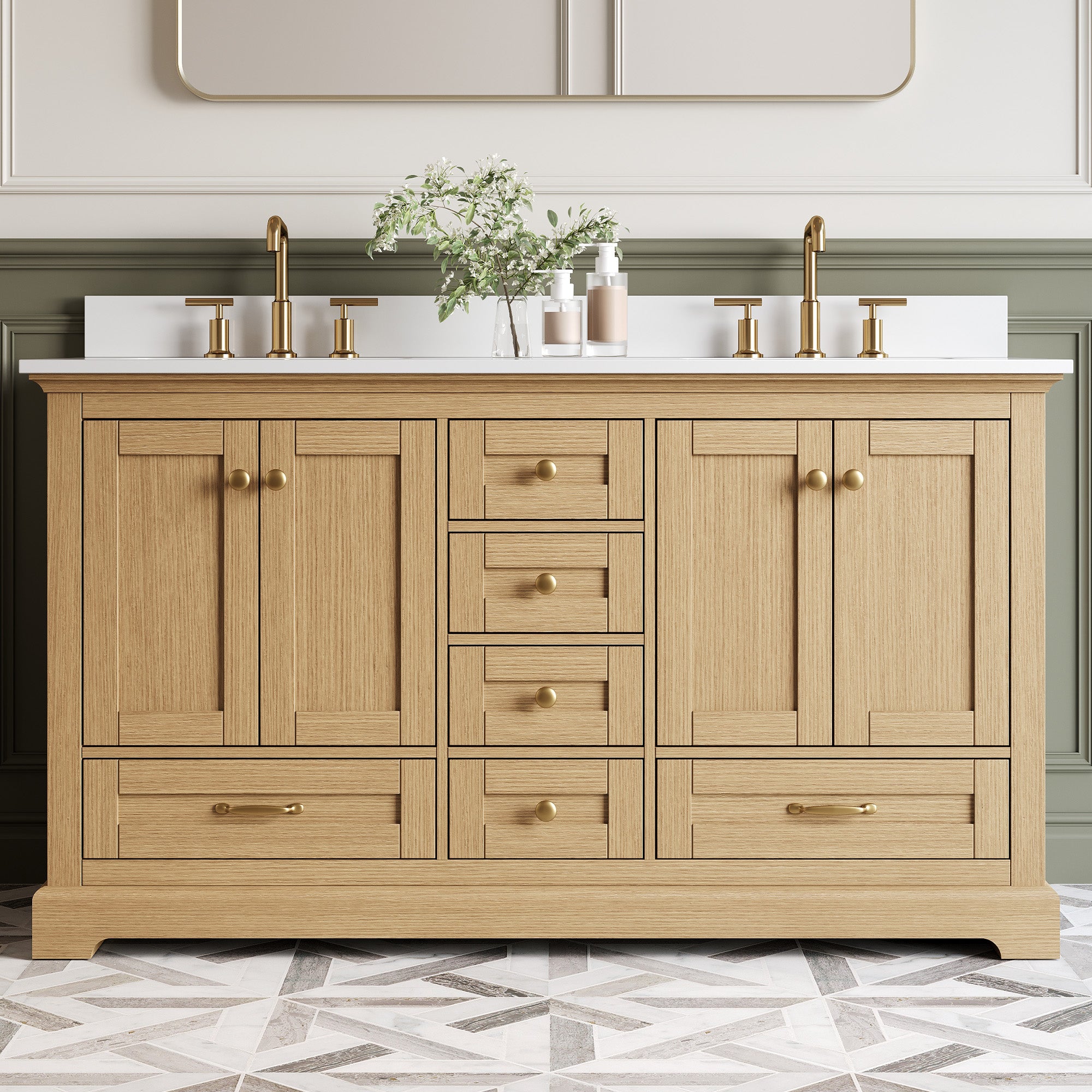
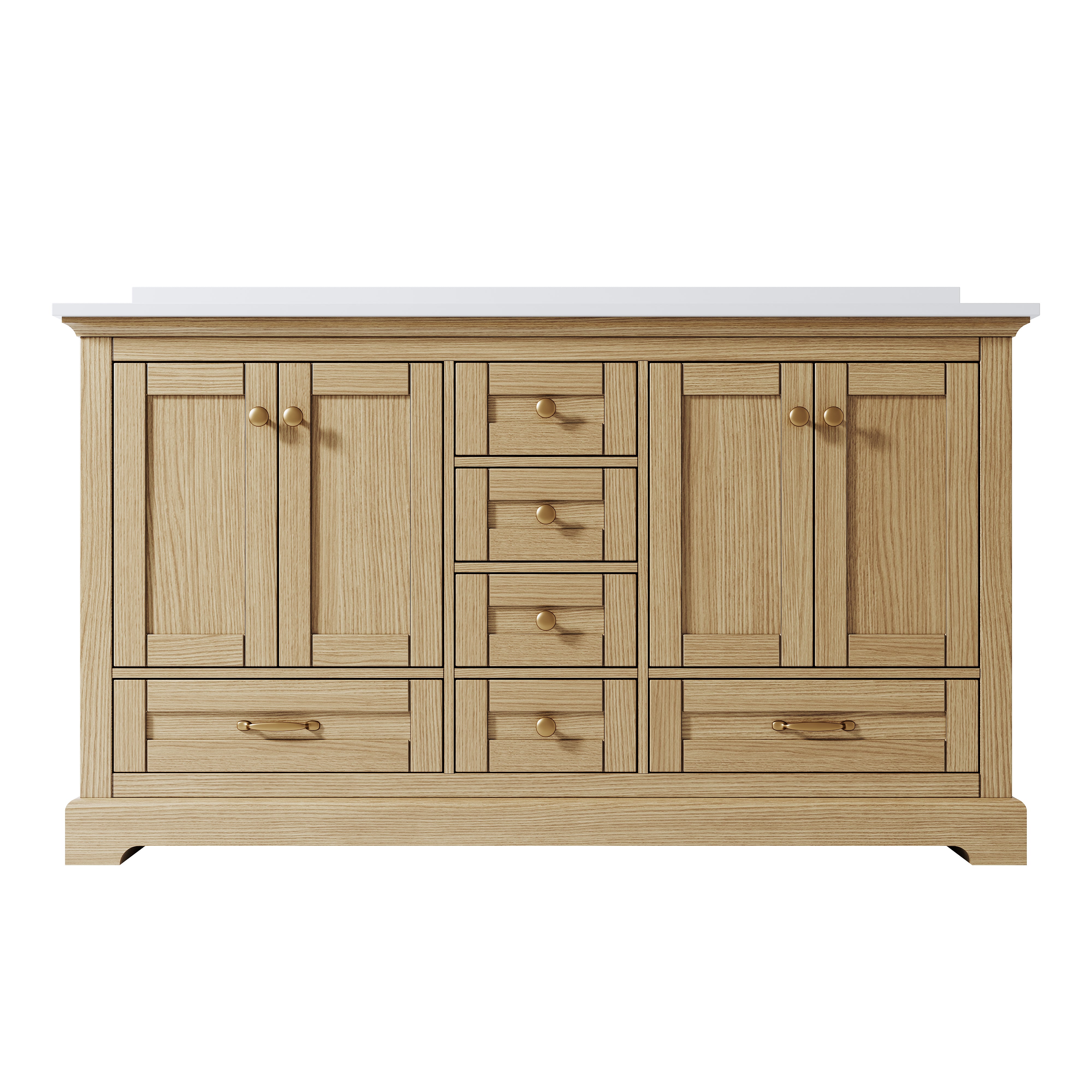
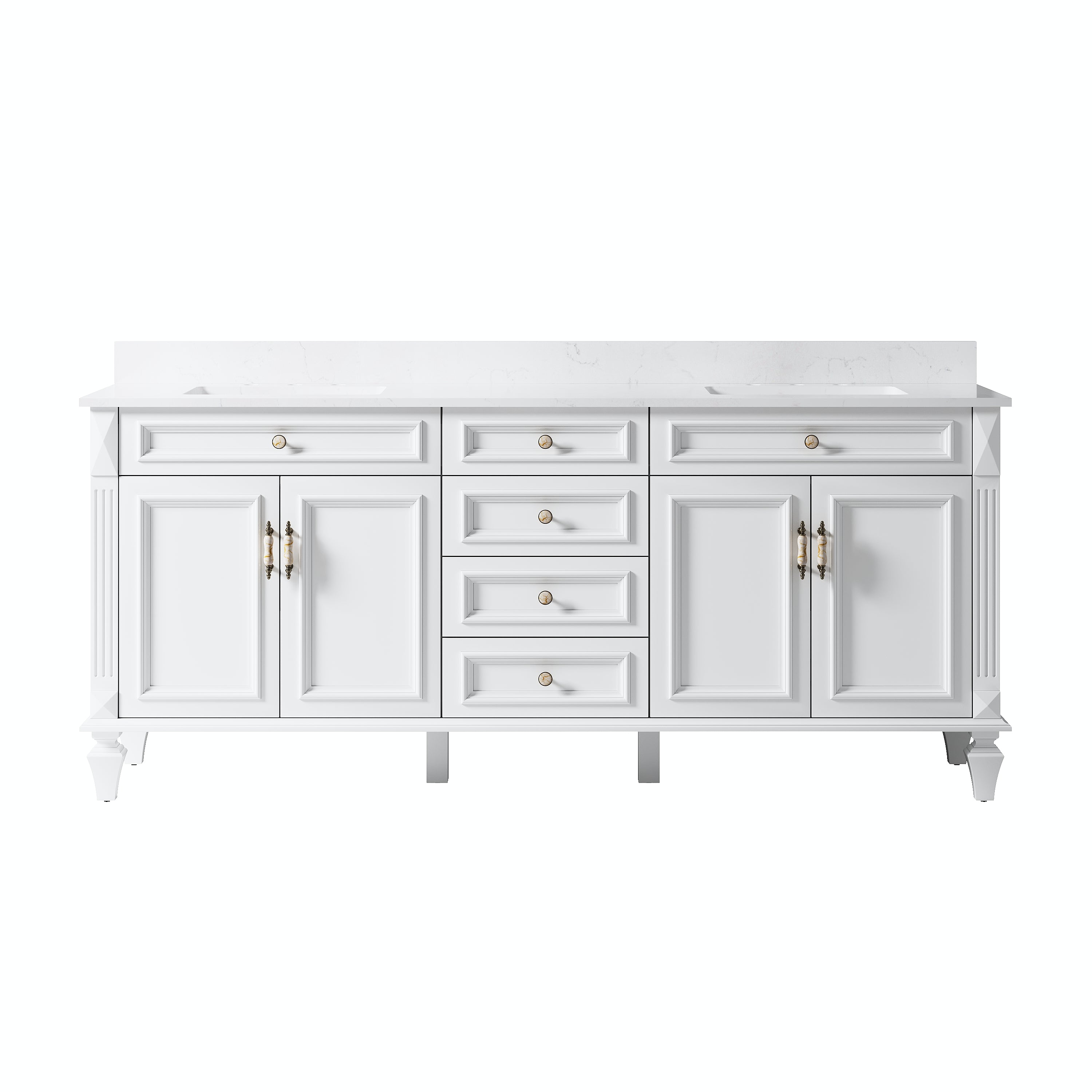
Wellfor wood vanity designs typically rely on factory-applied finishes that reduce initial absorption risk, but even factory sealing benefits from reinforcement during installation.
3. Daily Habits That Prevent Long-Term Damage
Most wood vanity failures do not come from one big spill. They come from routine neglect.
Water left on the surface after handwashing, for example, slowly penetrates protective coatings if it is not wiped away. Over time, this leads to dulling, swelling, or edge lift.
A few habits make a measurable difference:
Wipe water immediately around the sink area
Avoid leaving wet bottles or soap containers sitting on wood
Keep a small hand towel near the sink for quick drying
Do not allow standing water near the backsplash seam
These are simple actions, but they prevent the gradual breakdown that is often mistaken for “normal aging.”
Short exposure is fine. Continuous dampness is what causes structural problems.
4. Ventilation Matters More Than Most People Think
One of the most overlooked factors in protecting a wood vanity is airflow.
Bathrooms with poor ventilation trap humidity after showers. That moisture settles on cabinet surfaces, especially underneath the countertop and around drawer fronts. Even if no water is directly spilled, the environment itself becomes damaging over time.
A working exhaust fan should run during and after showers. In smaller bathrooms, I often recommend leaving it on for at least 20 minutes after use.
Without ventilation, even well-sealed wood begins to expand slightly. Repeated cycles of swelling and drying weaken joints and finishes.
5. Installation Details That Affect Water Resistance
A wood vanity’s lifespan is heavily influenced by how it is installed.
The most important installation considerations include:
1. Leveling
A slightly tilted cabinet allows water to pool in one direction. That accelerates damage along the lower edge.
2. Wall sealing
The gap between vanity and wall should be sealed properly. Even a small opening allows moisture and dust buildup behind the unit.
3. Plumbing protection
Slow leaks from supply lines or drain connections are a hidden risk. Even minor drips inside the cabinet can cause long-term swelling.
4. Floor clearance
If the vanity sits directly on a wet bathroom floor without proper sealing or elevation, the base will absorb moisture over time.
These are not design issues—they are installation decisions that determine durability.
6. Common Mistakes Homeowners Make
One frequent mistake is assuming “water-resistant” means “waterproof.” It does not. Even treated wood will degrade if exposed repeatedly.
Another issue is using harsh cleaning products. Strong chemicals or abrasive pads can strip protective coatings, leaving raw wood exposed. Once that layer is damaged, water absorption accelerates.
I have also seen homeowners place wet cleaning tools or dripping towels inside cabinets. That trapped moisture creates a slow but steady breakdown of interior panels.
Wood vanities are not fragile, but they do require respect for their limitations.
7. Where Wood Vanities Perform Best
A wood vanity performs best in bathrooms with controlled moisture and good airflow. Primary bathrooms with regular ventilation systems tend to be ideal.
They also work well in powder rooms, where water exposure is limited compared to full family bathrooms.
In high-traffic bathrooms with children or heavy daily use, protection habits become even more important. Frequent splashing and inconsistent ventilation increase long-term risk.
Wellfor wood vanity designs are typically built for residential use, where balanced humidity and routine care are realistic expectations—not extreme conditions.
8. Maintenance That Extends Lifespan
Maintenance does not need to be complicated, but it does need to be consistent.
Every few months, inspect:
Sealed edges around the sink
Cabinet base for swelling or discoloration
Drawer movement for resistance (a sign of moisture expansion)
If the finish begins to dull or micro-cracks appear, a light re-sealing can slow further damage.
Avoid letting water sit unnoticed under soap dispensers or trays. These small “hidden wet zones” are often where deterioration begins.

9. Choosing a Wood Vanity That Holds Up
Not all wood vanities are built equally. Look beyond appearance and focus on construction details.
Solid framing, moisture-resistant panels, and properly sealed joints matter more than decorative finishes. Drawers should glide smoothly even in humid conditions, and interior surfaces should not feel rough or unfinished.
A well-built vanity should feel stable even after repeated exposure to steam and cleaning.
A Wellfor wood vanity is best viewed as a balance between natural material warmth and practical bathroom engineering. When properly installed, sealed, and maintained, it can perform reliably for many years.
The real protection strategy is not one single treatment—it is a combination of sealing, ventilation, careful daily habits, and thoughtful installation. That combination determines whether the vanity slowly deteriorates or ages gracefully in a demanding environment.




















Leave a comment
This site is protected by hCaptcha and the hCaptcha Privacy Policy and Terms of Service apply.