
















Introduction
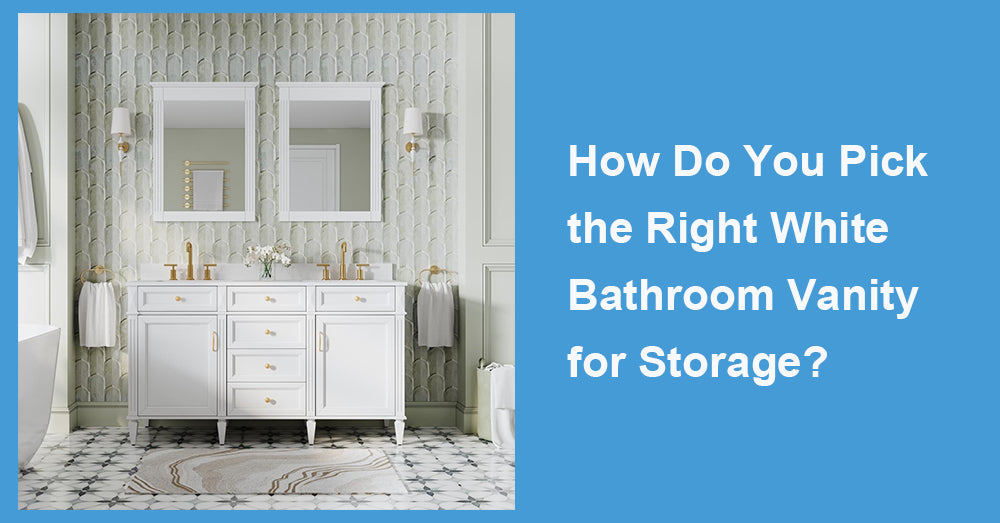
A white bathroom vanity can make a bathroom feel brighter and more organized, but that only happens when the storage works as hard as the finish. I’ve seen plenty of homeowners choose a vanity because the color looked clean and timeless, then regret it once they realized the drawers were shallow, the cabinet space was awkward, or the sink plumbing ate up most of the interior. In daily use, storage is what decides whether a vanity feels smart or frustrating.
That is why I never treat vanity shopping as a purely style-driven decision. A white finish may help the room look fresh, but the real question is simple: can it hold what your bathroom actually needs to hide?
1. Why Storage Should Shape the Decision First
Most people start with appearance. That is understandable. White vanities photograph beautifully, work with almost any bathroom style, and usually make the room feel more open. Still, once the renovation is done, the visual appeal only carries so much weight. If the countertop is crowded with skincare bottles, hair tools, extra soap, and paper goods because the vanity cannot store them properly, the room will never feel finished.
Storage needs also vary more than buyers expect. A guest bathroom may only need room for hand towels, extra toilet paper, and basic cleaning products. A family bathroom has a very different job. It may need to hold kids’ bath items, backup toiletries, medicine organizers, electrical tools, and everyday essentials all at once.
This is where the wrong vanity reveals itself quickly. It may look calm in a showroom. It may even look elegant online. Then real life moves in.
2. How to Judge Storage Layout, Not Just Size
A bigger vanity does not automatically mean better storage. I have seen oversized vanities waste space with awkward sink placement, thick framing, or unusable cabinet voids. I have also seen mid-size models outperform them because the drawer layout was smarter.
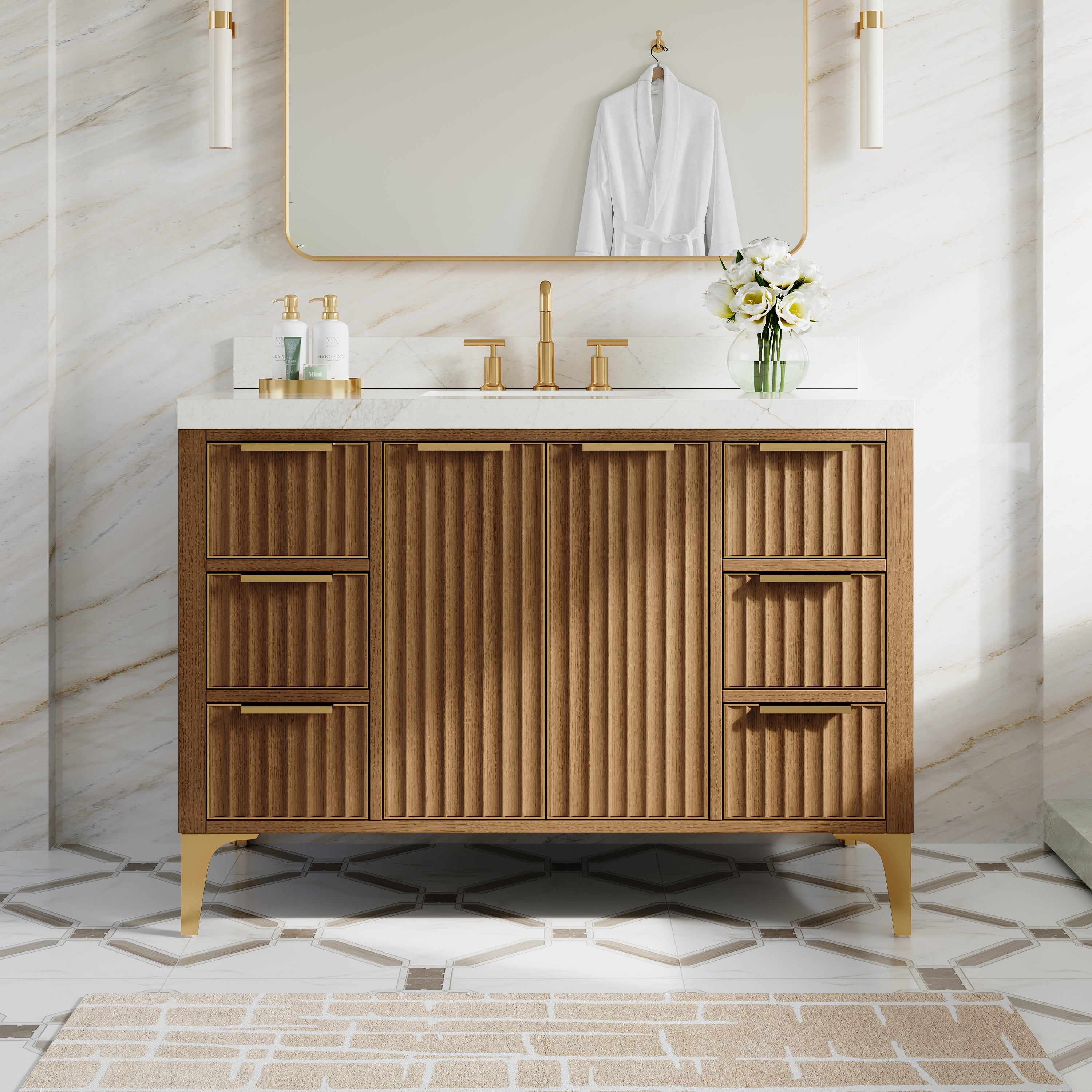
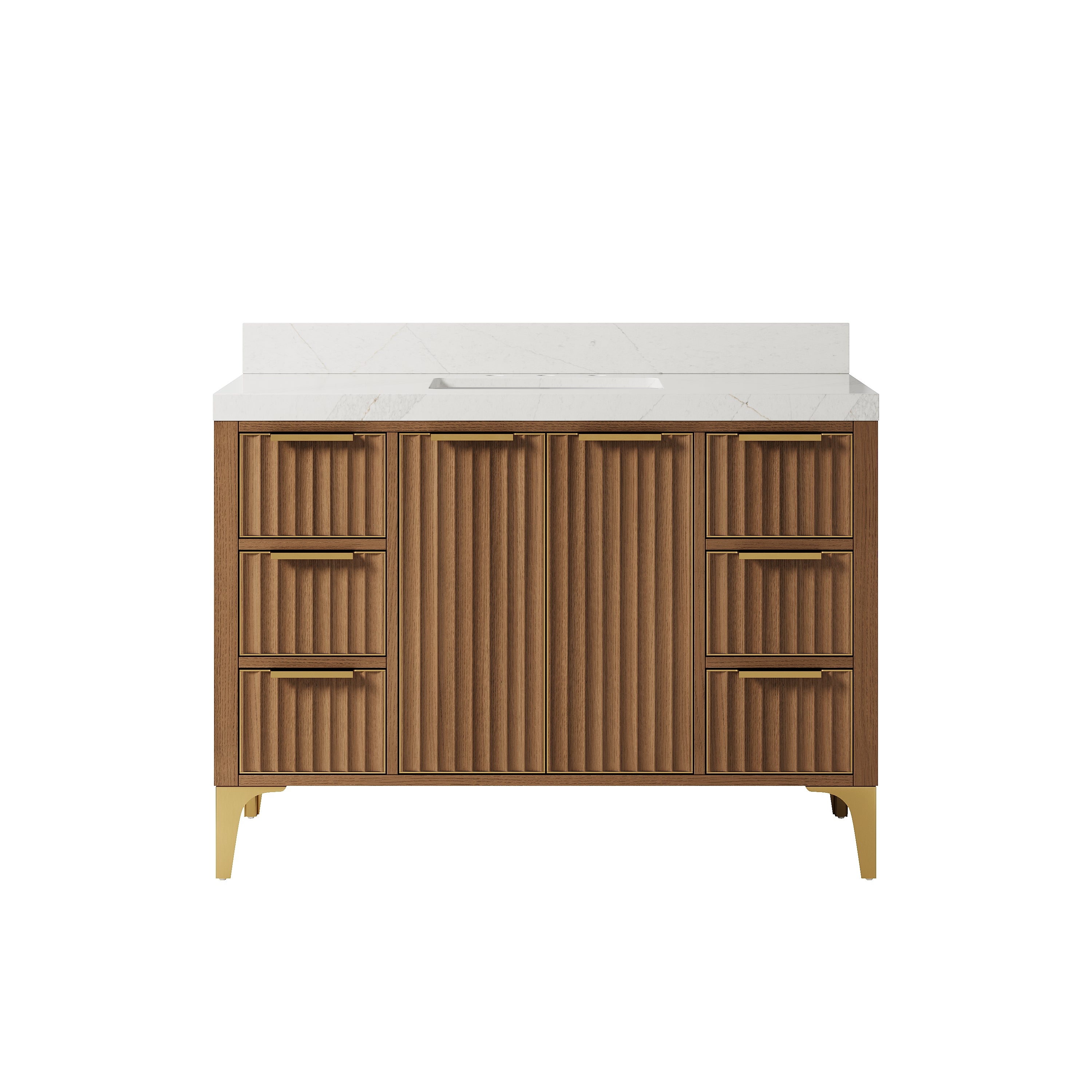
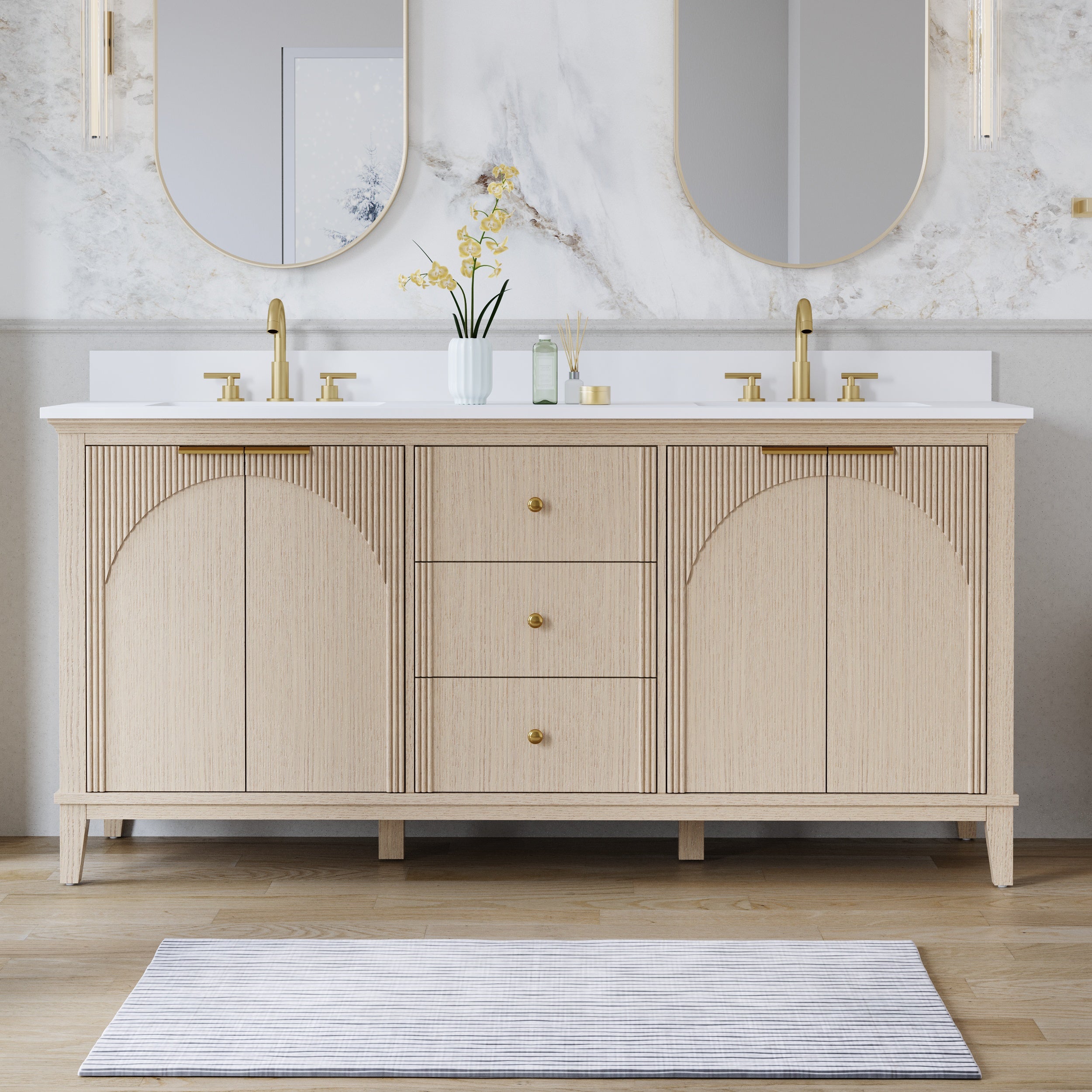
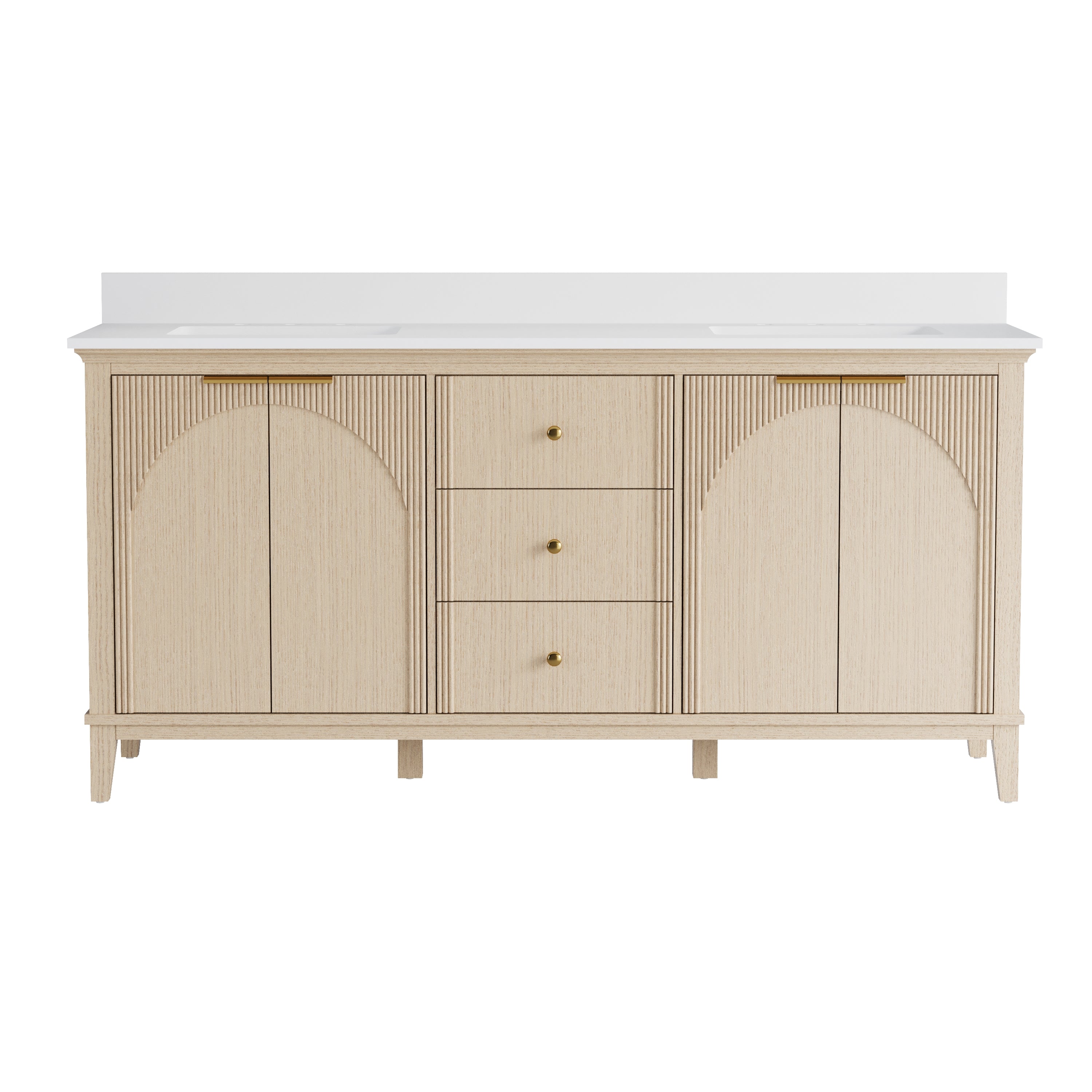
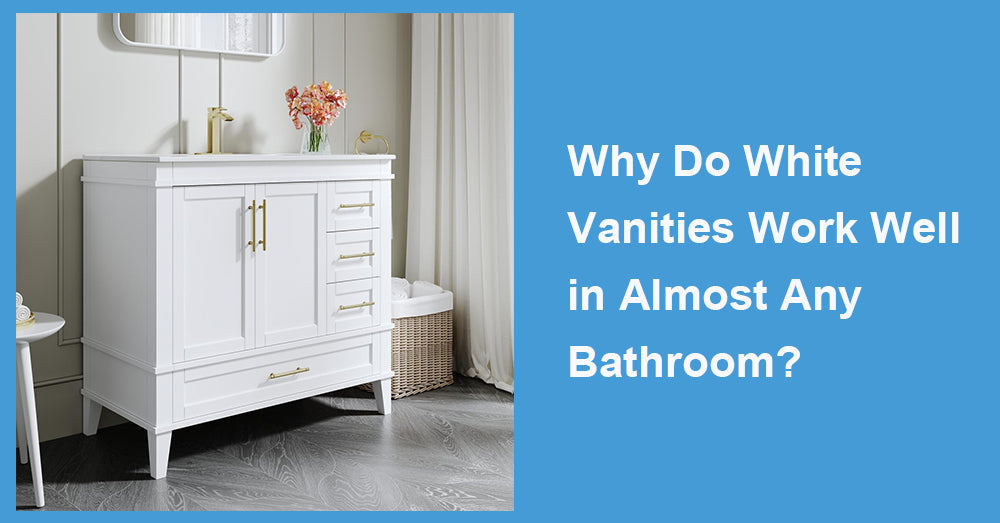
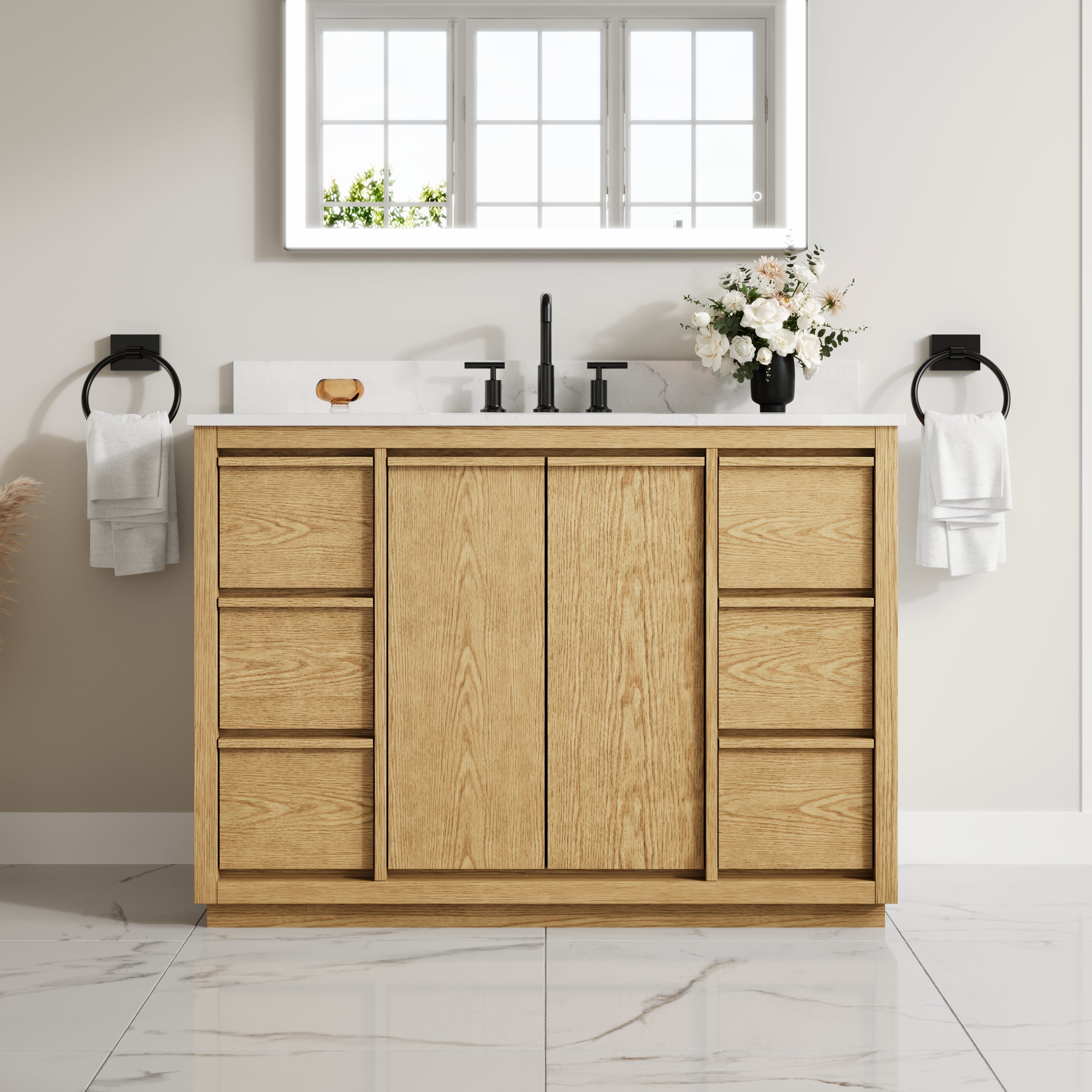
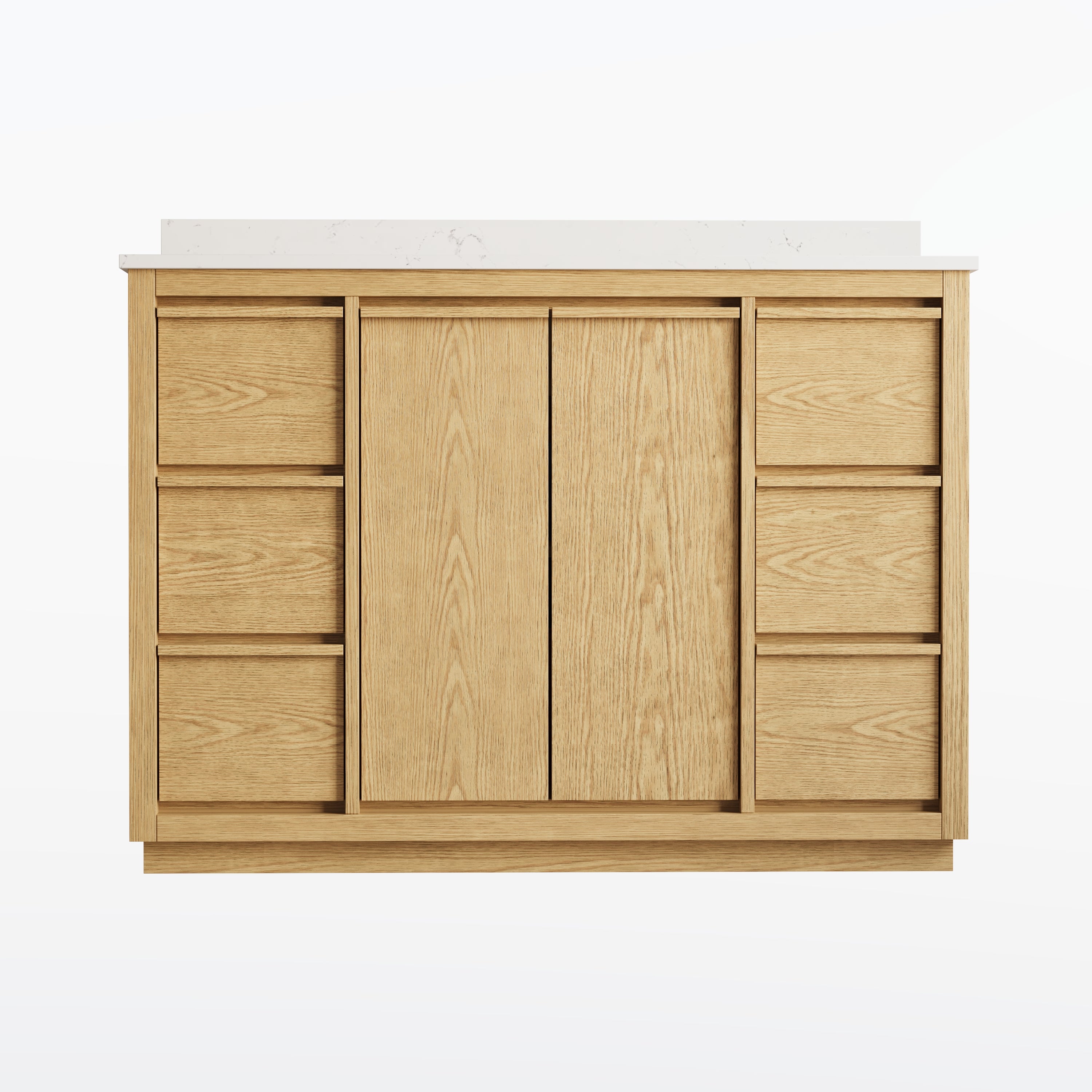
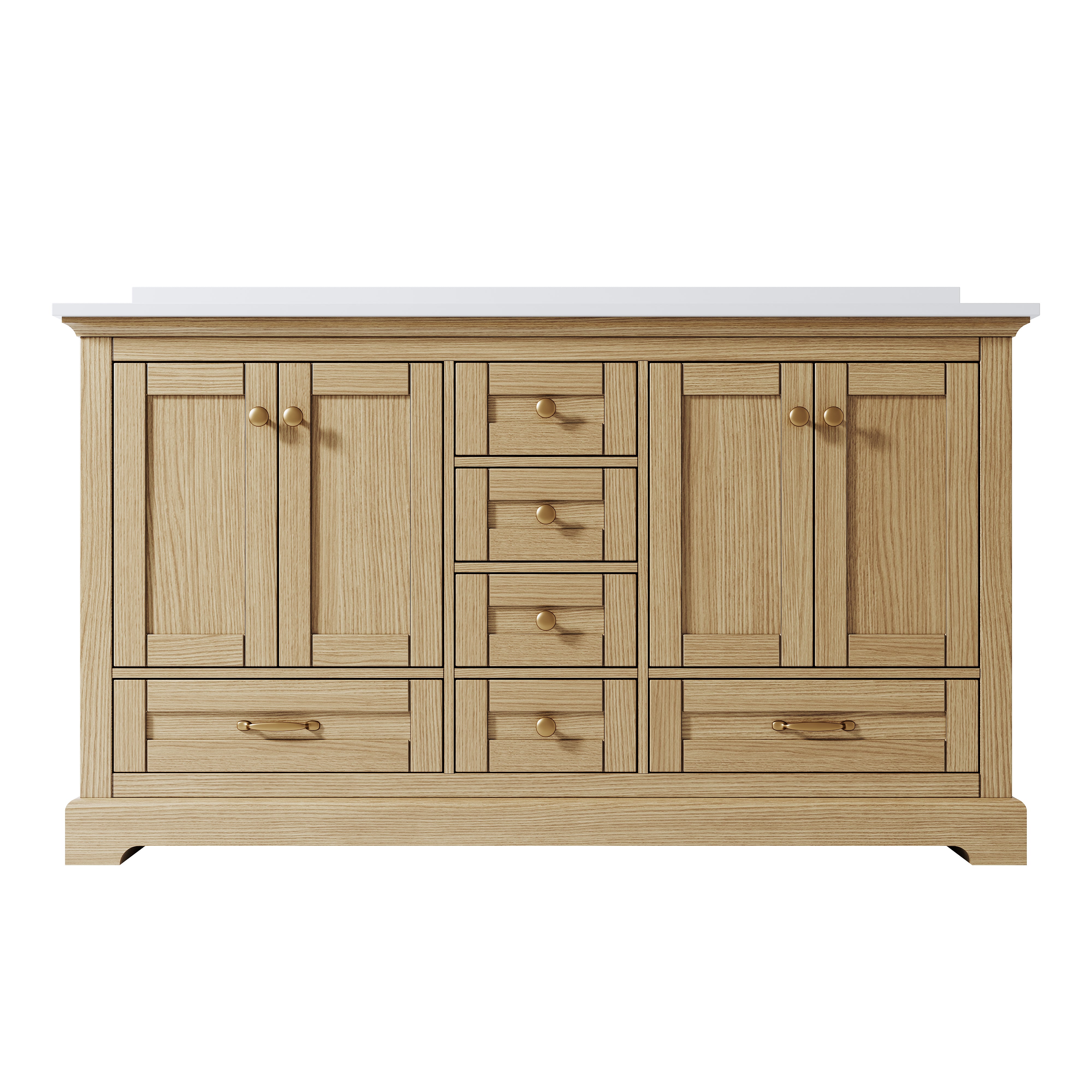
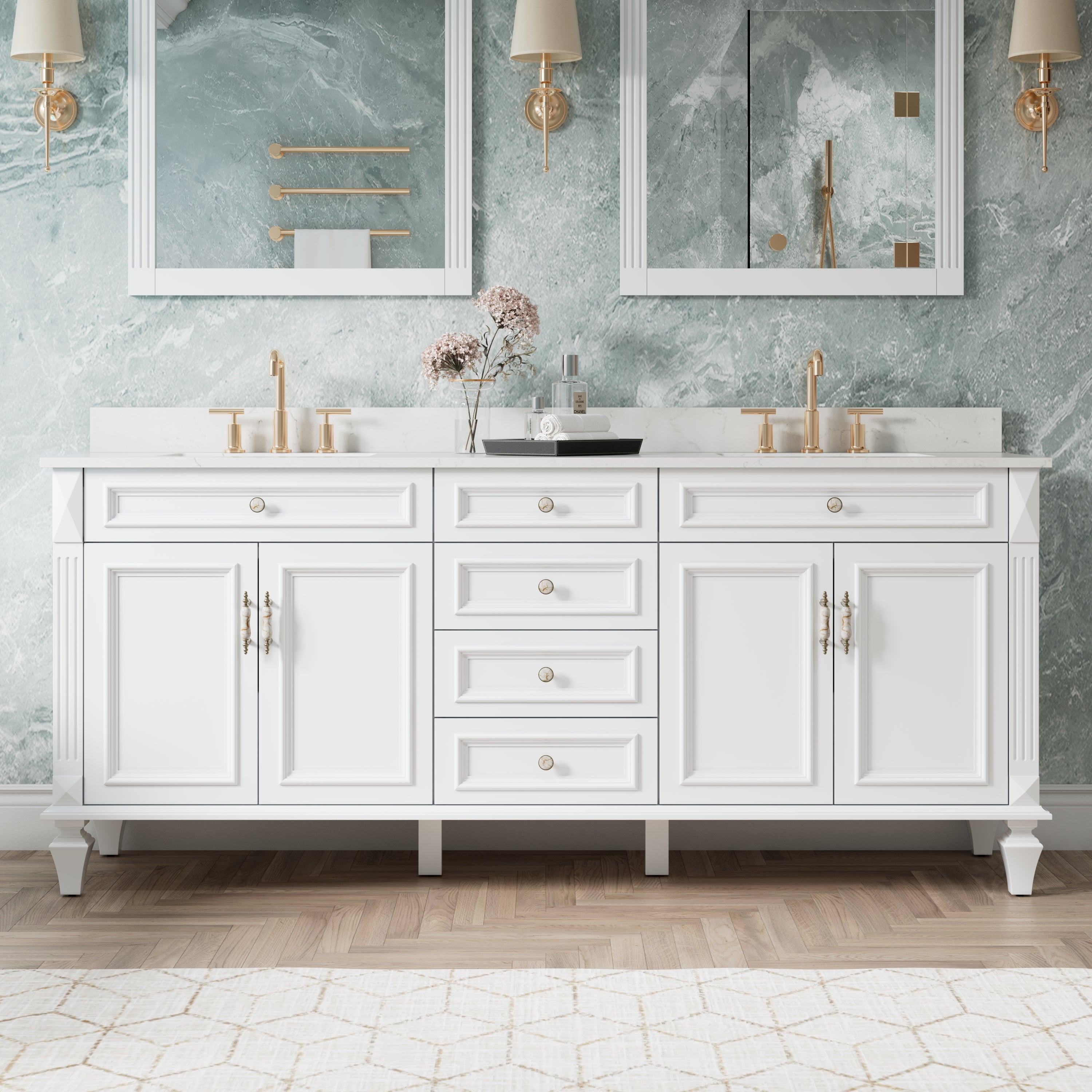
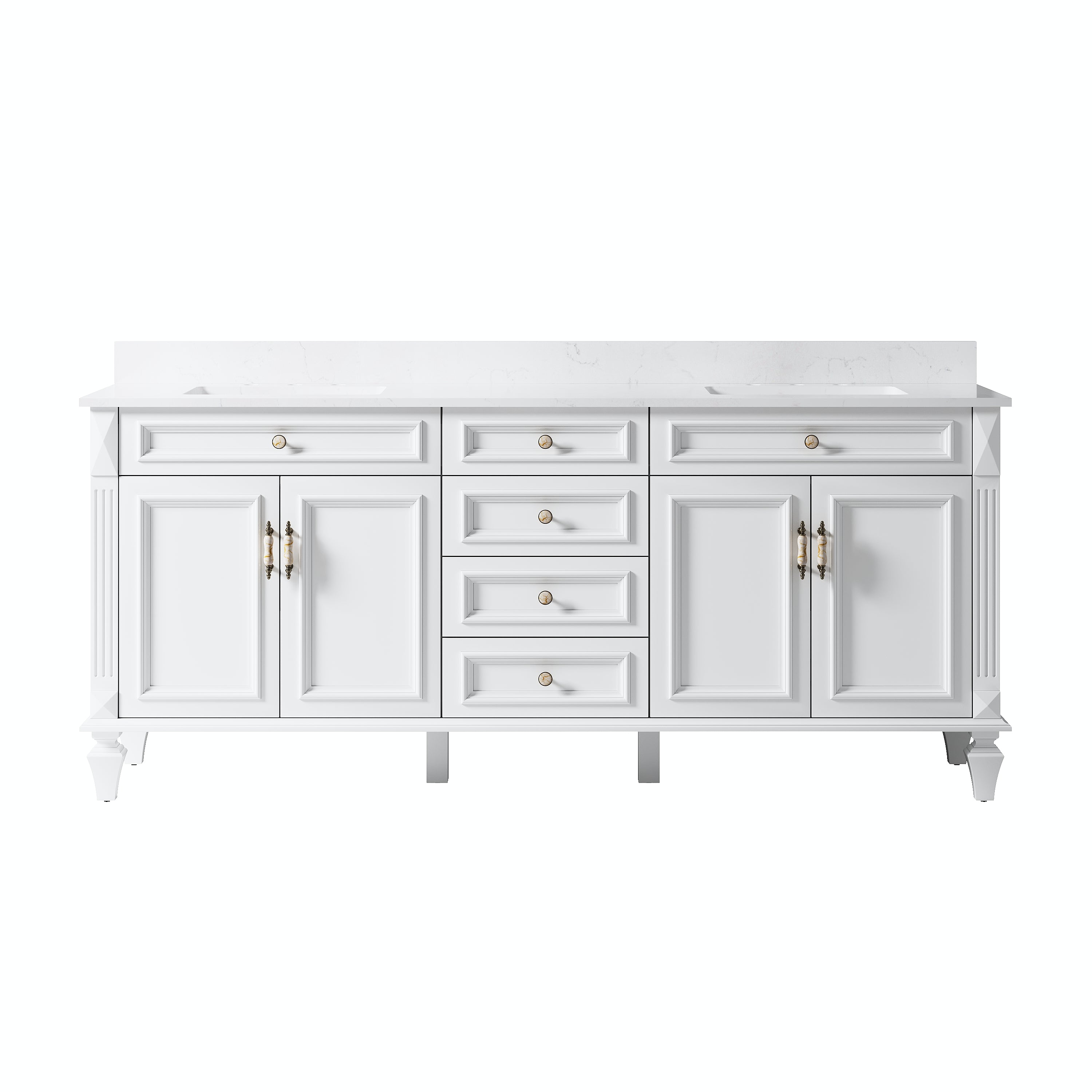
Drawers are usually more useful than many shoppers realize. They make it easier to separate smaller items, reach products in the back, and keep daily-use essentials from becoming a pile. Full-extension drawers matter here. Without them, the back section becomes dead space fast.
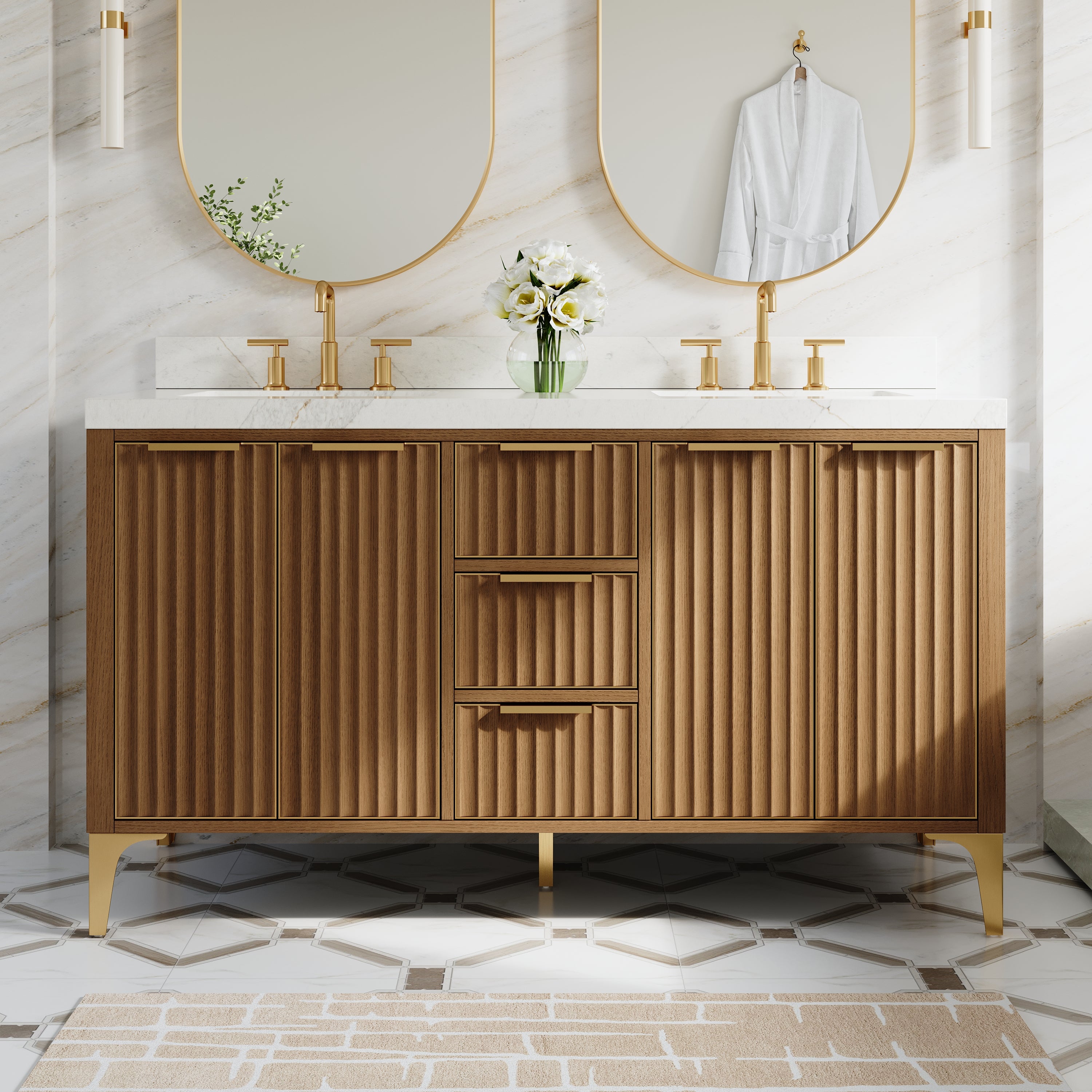
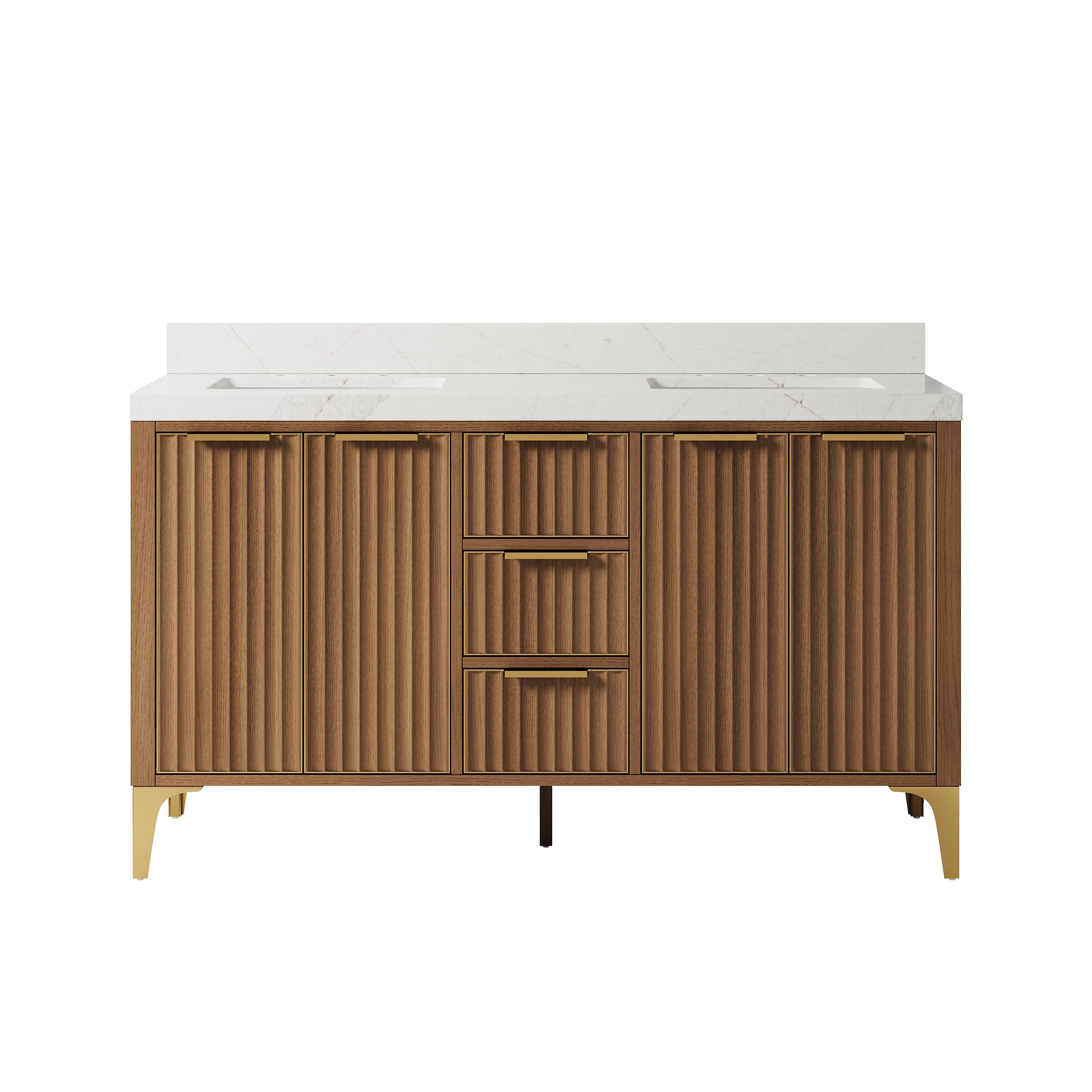
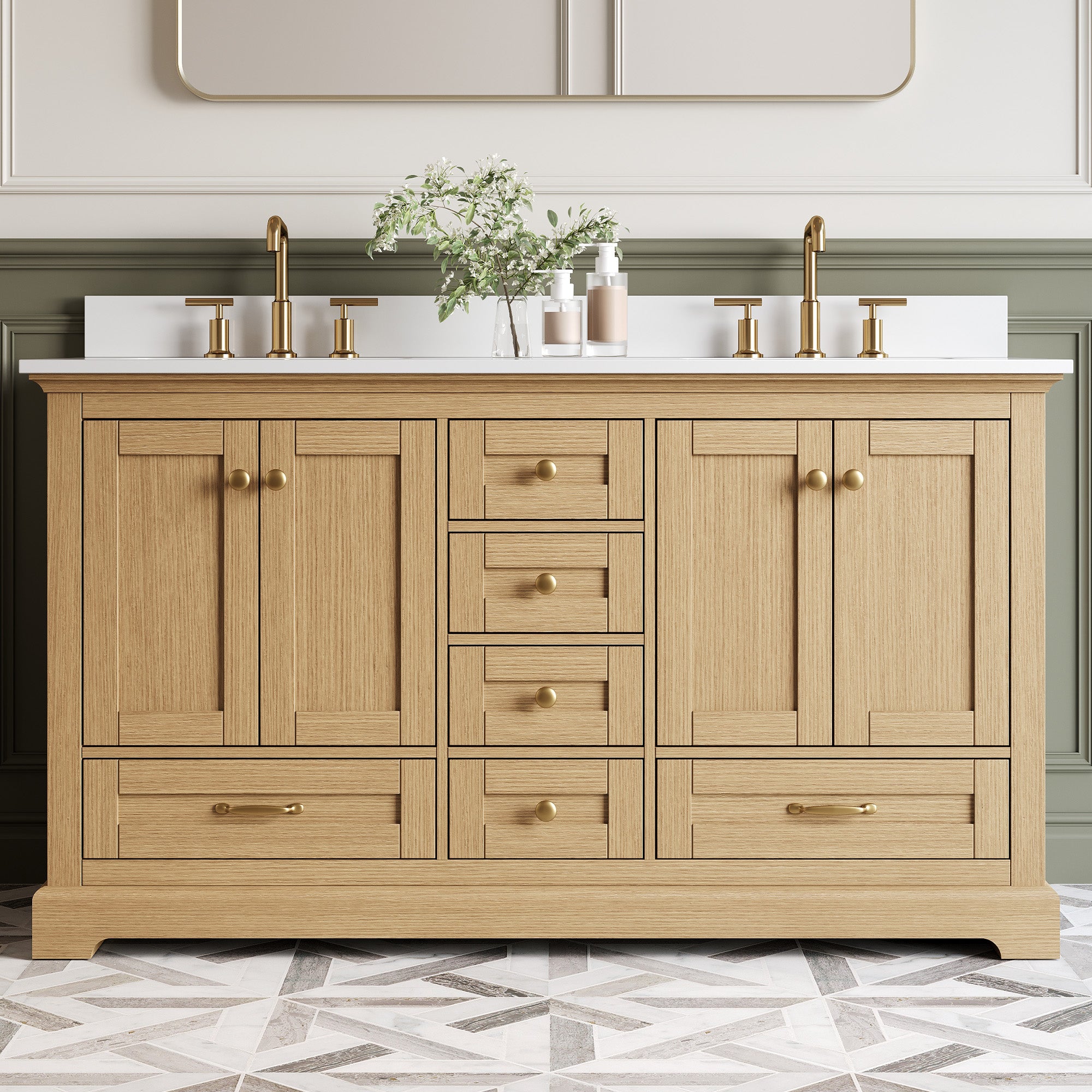
Cabinet doors still have their place, especially under the sink. That area often works best for larger or less frequently used items such as backup tissue, cleaning supplies, or taller containers. In my experience, the best storage balance often comes from a combination of drawers and closed cabinet space rather than relying too heavily on one or the other.
A common mistake buyers make
One of the biggest mistakes is counting storage features instead of evaluating whether they are usable. A vanity may advertise multiple drawers, but some top drawers are decorative only. Others lose most of their depth because of plumbing cutouts. Shallow drawers may look organized at first and then become useless once you try to fit real products inside.
Before buying, it helps to think in actual objects, not categories. Where will the hair dryer go? Where will the skincare tray go? Where will extra hand towels live? If you cannot picture that clearly, the vanity is probably not as functional as it looks.
3. Why White Still Works So Well When Storage Is the Goal
The reason white remains popular is not just style. It also helps the room feel less burdened visually, which matters when you need a vanity with real storage capacity. A deeper or wider cabinet can sometimes feel heavy in a bathroom, especially a smaller one. White lightens that effect. It makes the piece feel cleaner, quieter, and easier to integrate into the room.
That is especially useful in compact bathrooms where every fixture competes for attention. A darker vanity with the same storage volume may feel bulkier. A white vanity, by contrast, often keeps the room feeling more open while still giving you the enclosed storage you need.
There is another advantage. White plays well with almost every countertop and hardware direction, from chrome and brushed nickel to matte black and warm brass. That flexibility matters when you are prioritizing storage but still want the bathroom to feel deliberate rather than purely practical.
When a white vanity may not be enough on its own
A white vanity is not a full storage plan. This is something homeowners often discover too late.
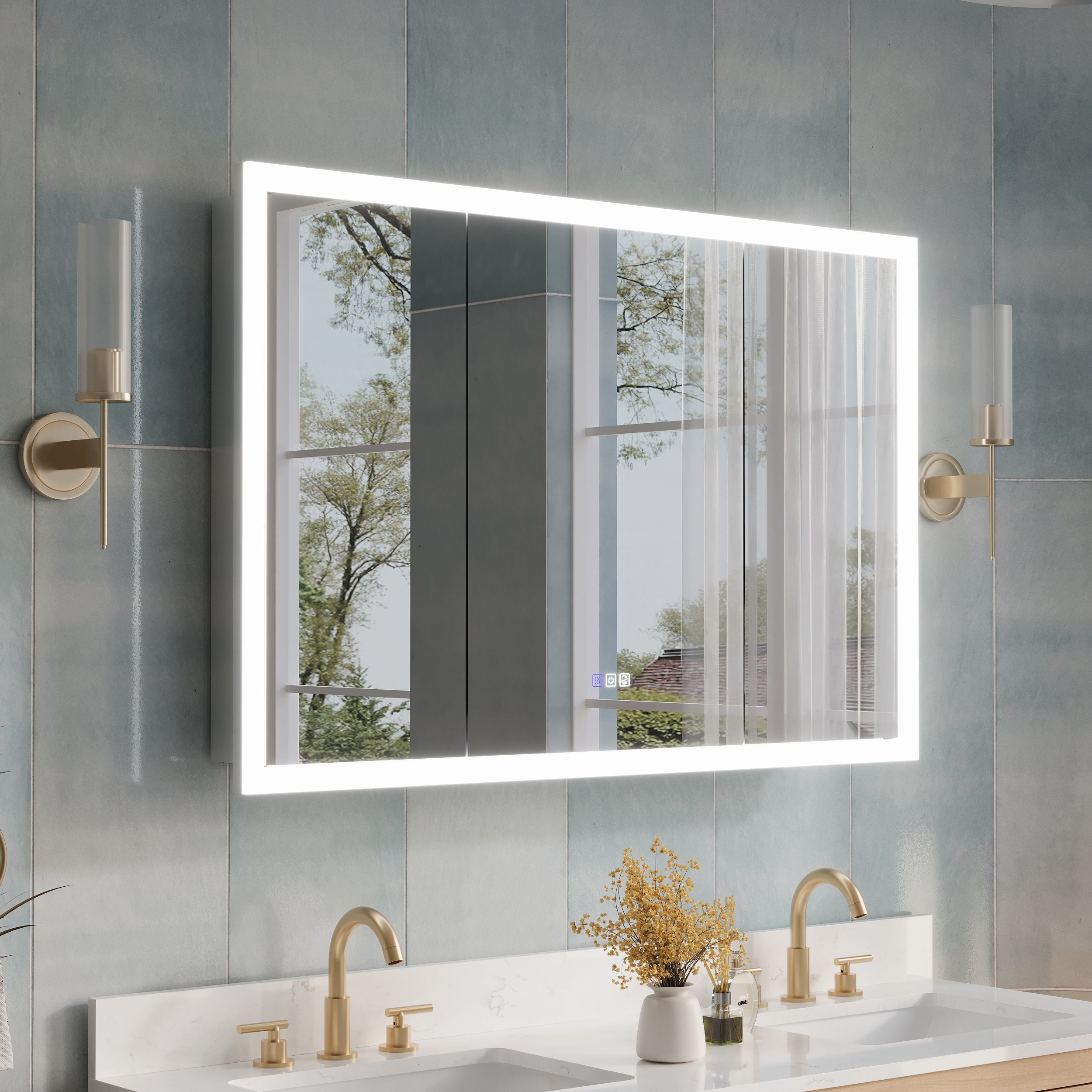
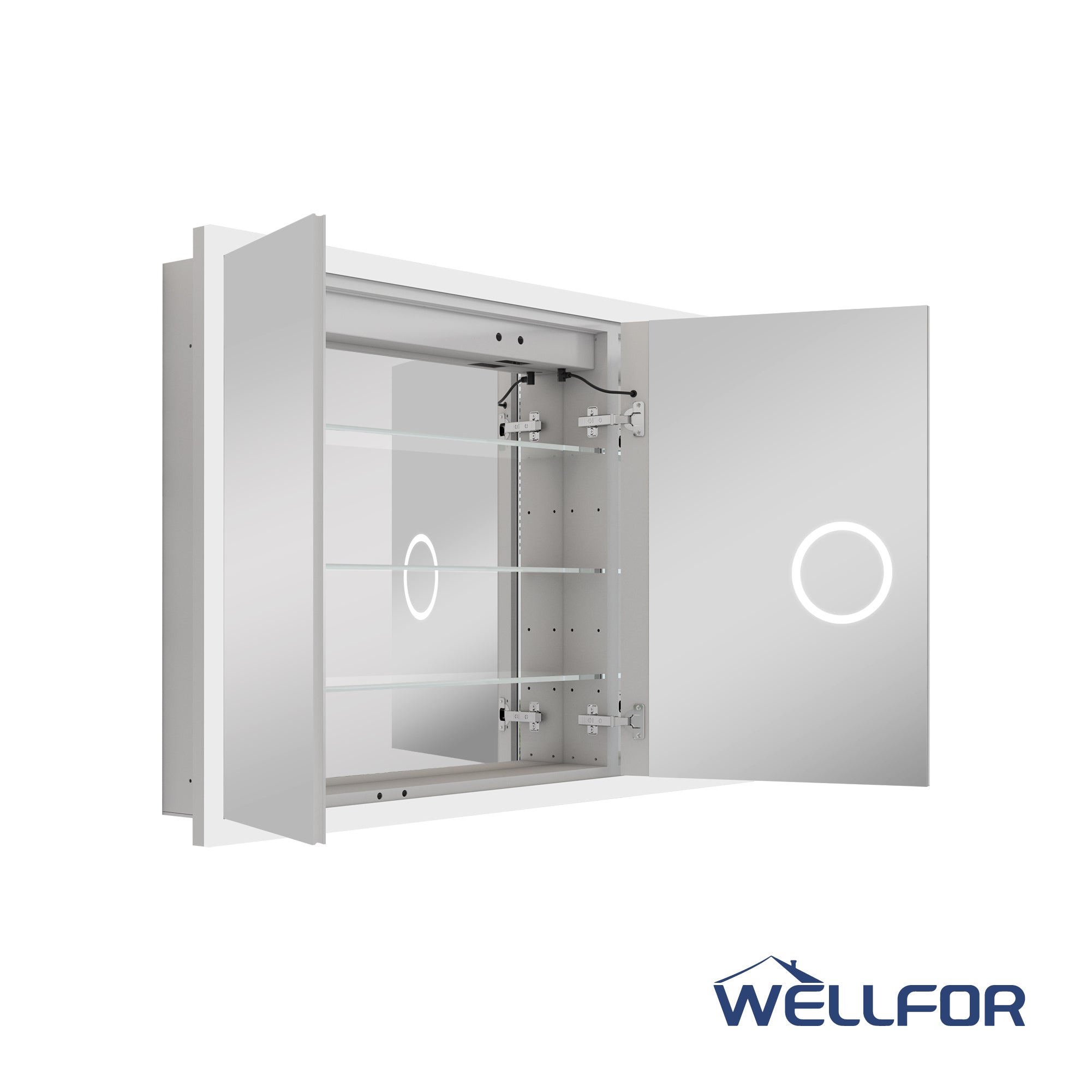
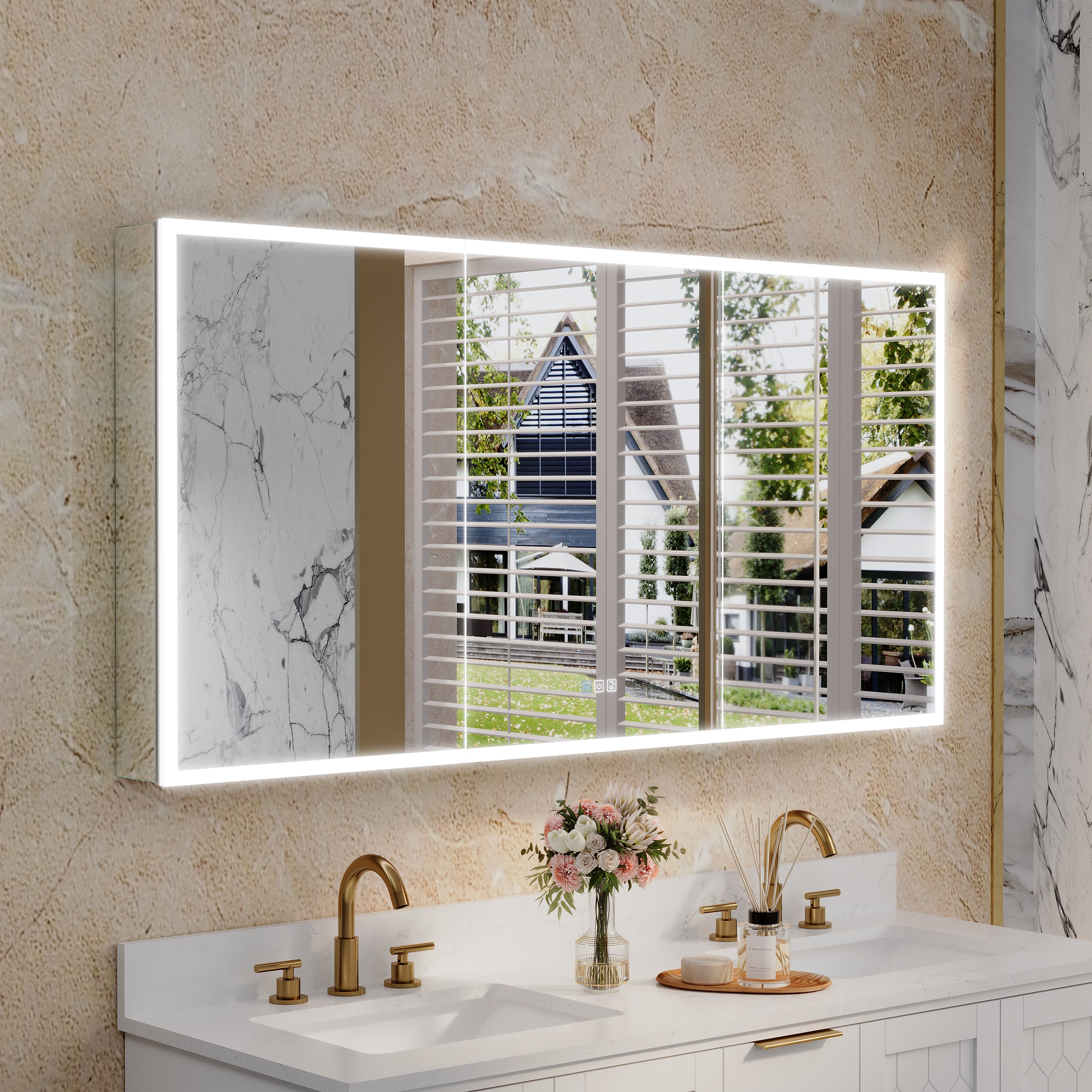
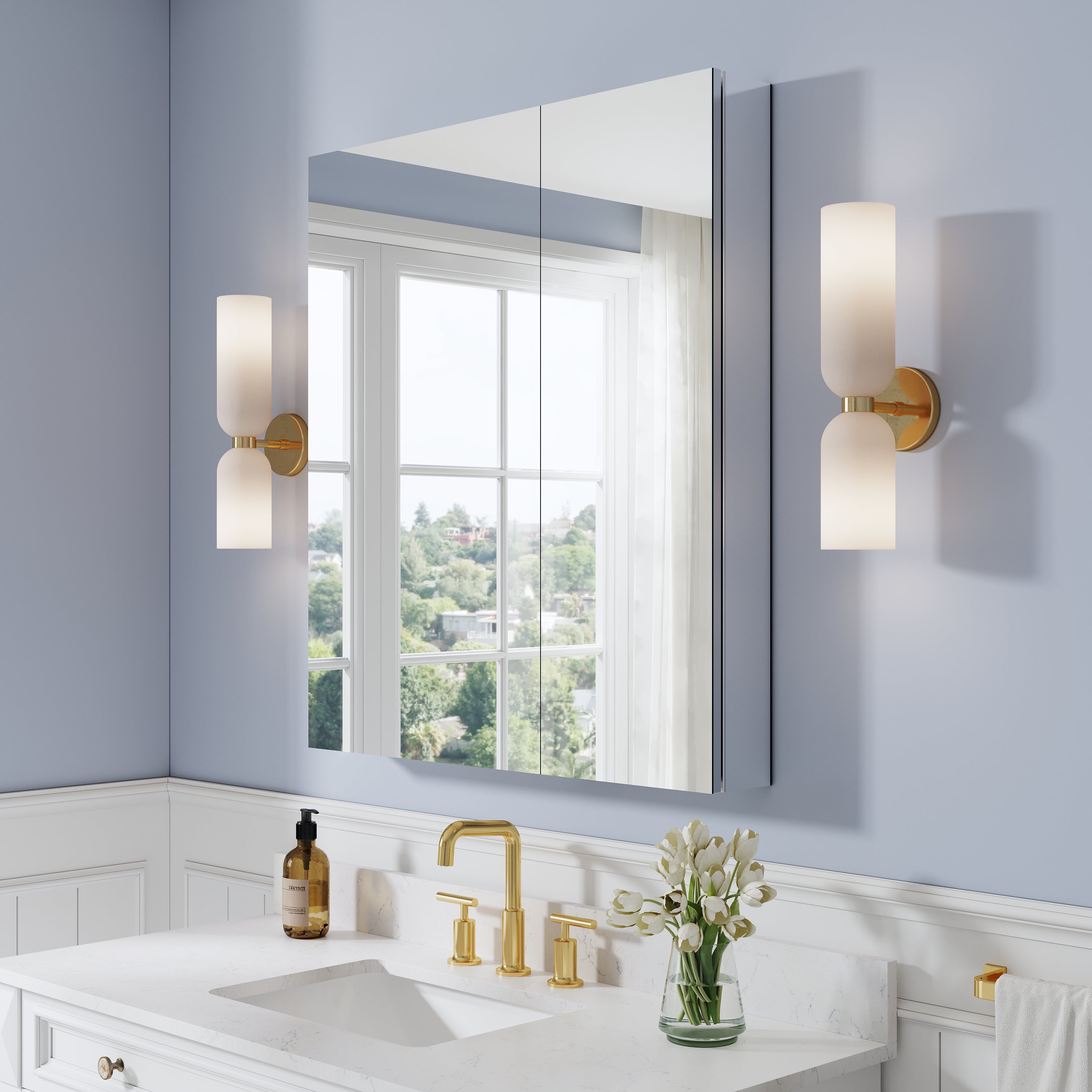
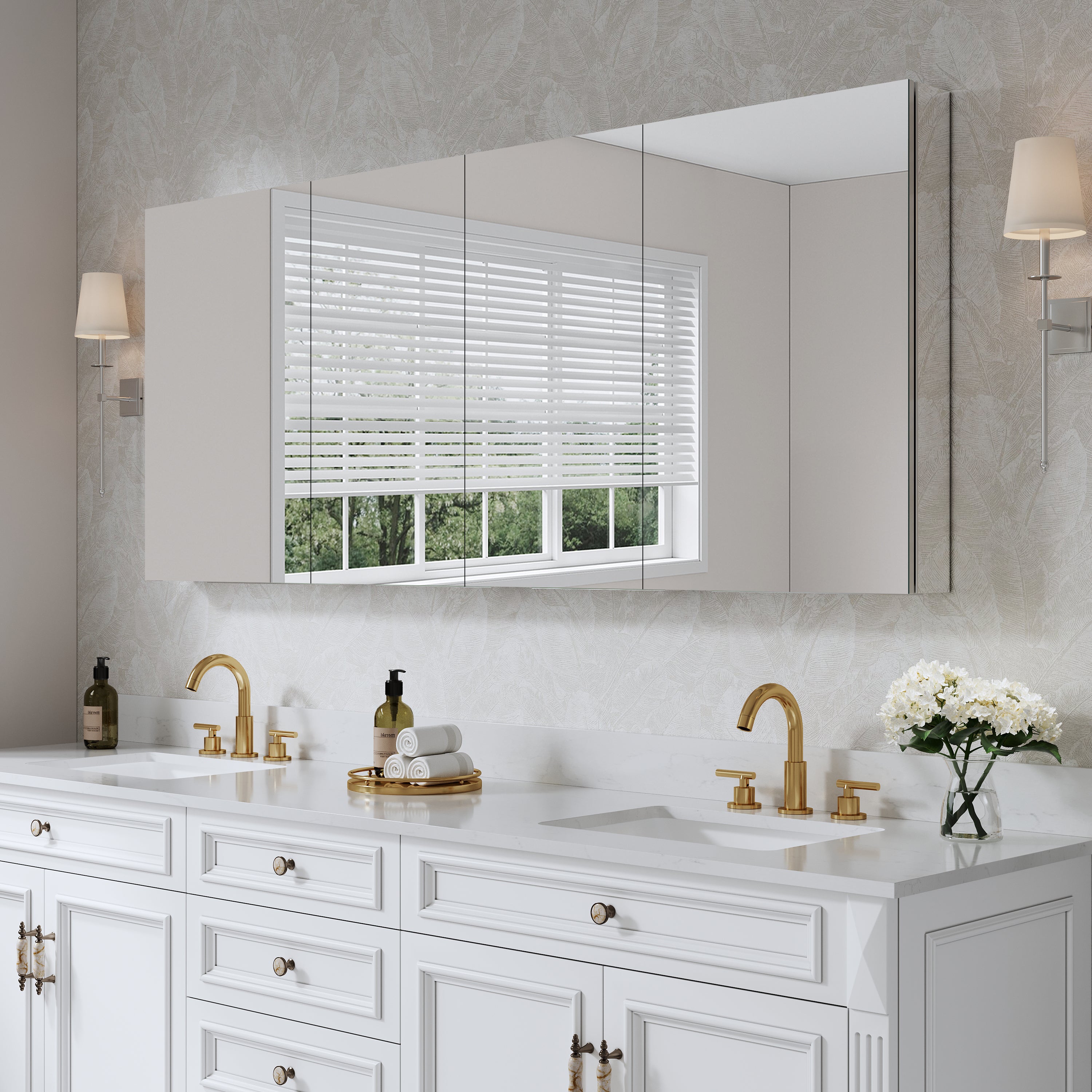
If the bathroom has very high storage needs and limited wall space, the vanity may need help from a medicine cabinet, recessed shelving, or nearby linen storage. I have seen people blame the vanity when the real issue was expecting one cabinet to carry the entire room. A vanity should do a lot, but it should not be forced to solve every storage problem alone.
4. How to Match Vanity Storage to the Way the Bathroom Is Used
The right vanity depends on the bathroom’s role. In a powder room, appearance matters more than heavy-duty storage. In a guest bath, moderate storage is usually enough, and keeping the countertop neat may be the main goal. In a primary bathroom or a shared family bath, the demands rise fast.
For busy bathrooms, I usually recommend prioritizing deep drawers, easy-to-clean interiors, and a layout that keeps daily-use items separate from bulk supplies. A vanity that works for two adults getting ready every morning needs a different storage rhythm than one used a few times a week by guests.
You also need to be honest about clutter habits. Some households are naturally tidy. Others need systems that make tidiness easier. If that second group sounds familiar, storage should be generous and structured, not minimal and optimistic.
This is also where brands like Wellfor can make a difference. The better options are not just attractive from the front; they are thoughtfully divided inside, so the storage feels planned rather than improvised.

5. What to Check Before Buying, Installing, and Living With It
Measurements should go beyond width. Depth matters just as much. A vanity that projects too far can disrupt movement in front of the sink or crowd the toilet area. A shallower vanity may preserve space, but it can also limit usable storage if the design is not handled well.
Check the interior finish too. Bathrooms are humid places, and storage needs to be durable. Moisture-resistant interiors, sturdy drawer slides, and well-sealed cabinet edges matter more than buyers think. The inside of the vanity tells you a lot about how seriously it was built.
Installation affects storage more than people expect. Poor plumbing placement can steal drawer space. A vanity set out of level can cause drawers to stick or sit unevenly over time. Slow leaks under the sink can quietly damage the interior long before the outside shows trouble.
Maintenance is simple, but steady habits help. Wipe spills inside the cabinet. Use organizers instead of letting products roll loose in drawers. Keep wet towels off the cabinet face when possible. Run the fan long enough to reduce humidity after showers.
The best way to choose a white bathroom vanity for storage is to shop with your routine in mind, not just the room photo in front of you. Focus on usable drawers, practical cabinet space, solid construction, and whether the layout supports the way your bathroom actually functions. When those details are right, a white bathroom vanity does more than brighten the room. It gives the space a sense of order that lasts long after the renovation is done.
















Leave a comment
This site is protected by hCaptcha and the hCaptcha Privacy Policy and Terms of Service apply.