






















Introduction
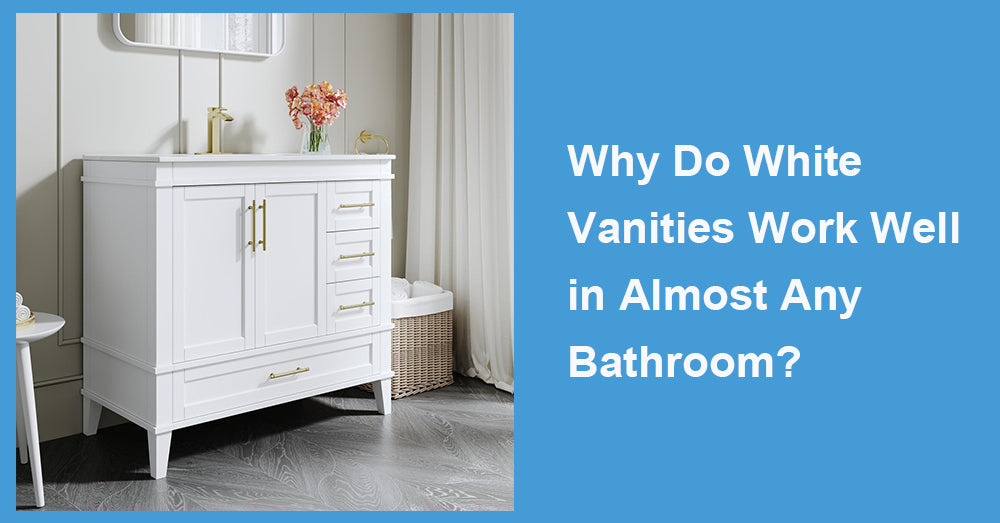
White vanities keep showing up in bathrooms for a reason, and it is not just because they feel safe. After years of looking at renovation plans, product samples, and finished spaces, I’ve found that white usually does three things very well: it brightens the room, simplifies the design, and gives homeowners more flexibility than they realize at the start. In a guest bath, a family bathroom, or a primary suite, a white vanity often makes the whole room feel cleaner and more settled without demanding attention.
That does not mean every white vanity is the right one. Some feel crisp and timeless. Some feel flat, cheap, or too stark once they are installed. The success usually depends on finish quality, proportions, undertones, and how the vanity works with the rest of the room.
1. Why White Vanities Fit So Many Different Bathroom Styles
The biggest advantage is versatility. A white vanity can sit comfortably in a modern bathroom with black hardware, a classic bathroom with polished nickel, a farmhouse space with warmer wood accents, or a coastal room with soft blues and sandy neutrals. Few finishes move that easily across styles.
I’ve seen homeowners change mirrors, update light fixtures, swap cabinet pulls, even repaint the walls years later, and the vanity still works. That matters. Bathrooms are rarely static for ten years straight. White gives you room to evolve the space without making the cabinet look like it belongs to another project.
It also helps that white reflects light better than darker finishes. In bathrooms with one small window or no natural light at all, that makes a visible difference. The room feels clearer. Less boxed in. A dark vanity can be beautiful, but in a compact bathroom it often adds visual weight that the room does not need.
There is a practical design lesson here too. When the vanity is white, the eye pays more attention to shape, texture, hardware, and surrounding finishes. That usually creates a more balanced room.
2. Where White Vanities Perform Best in Real Life
White vanities do especially well in bathrooms that need to feel fresh without much effort. Guest baths are the obvious example. People walk in and the room immediately reads as clean. That first impression matters more than many homeowners think.
They also work well in family bathrooms. This surprises some buyers because they assume white is harder to live with. In reality, a well-finished white vanity often makes messes easier to spot before they become buildup. Toothpaste splatter, water marks, and dust show up early, which usually means the vanity gets wiped down sooner.
In primary bathrooms, white is often the right choice when the homeowner wants calm instead of drama. It lets stone tops, sconces, mirrors, or tile do more of the talking.
A common mistake buyers make
Many people assume white is just white. It is not.
Some finishes lean cool and crisp. Others are softer or creamier. Under warm LED lighting, those differences become very obvious. I’ve seen a vanity look perfect online and slightly off in person because the white fought with the tile or countertop undertone. The problem was not the product. It was the pairing.
Before buying, compare the vanity finish with your wall color, lighting temperature, countertop sample, and floor tile. That one step saves a lot of regret.
3. The Advantages, and the Limits Buyers Should Be Honest About
The advantages are easy to understand. White vanities brighten a room, work with many styles, and make future updates easier. They also help smaller bathrooms feel more open. For resale-minded homeowners, that flexibility is useful. Most buyers know how to live with white.
There is also a visual discipline to them. If your bathroom already has patterned tile, textured walls, or statement lighting, a white vanity keeps the room from feeling overdesigned. It gives the space somewhere to rest.
But white is not maintenance-free, and it is not always the best answer.
A poorly finished white vanity can chip around edges and drawer fronts. Glossy surfaces may show scratches more quickly than expected. Ornate doors and heavy trim can collect dust and make cleaning more annoying than buyers anticipate. In some bathrooms, especially ones already filled with bright white surfaces, the look can become too flat unless there is texture or contrast somewhere else.
When white may not be the best choice
If the room already has white walls, white tile, a white countertop, and bright lighting, a white vanity may leave the space feeling washed out. In those cases, I usually recommend adding warmth through hardware, a framed mirror, wood shelving, or a darker floor tile.
I am also careful with low-quality white vanities in high-use bathrooms. The issue is not the color itself. It is that weak materials and thin finishes reveal their flaws quickly when the bathroom gets real daily use.
4. Buying Advice That Matters More Than Trend Talk
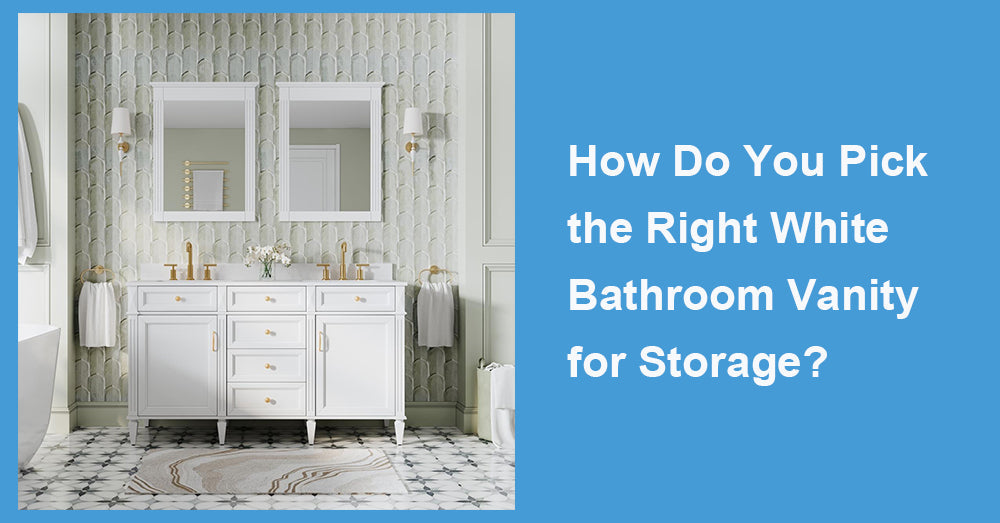
If you are choosing a white vanity, start with construction, not color. Look at the cabinet material, the finish quality, the drawer hardware, and the storage layout. A good vanity should work hard every day, not just look good in a staged photo.
Then think about scale. In smaller bathrooms, bulky furniture-style vanities can still feel heavy even when they are white. Cleaner lines or floating designs often make the room feel more open. In larger bathrooms, a white vanity may need stronger hardware or a more substantial countertop to avoid looking too light.
Storage deserves attention too. I’ve seen buyers pick a beautiful vanity and regret it because the drawers were shallow or the plumbing cutout stole most of the interior space. A bathroom cabinet should support the way you actually live, not just the way you want the room to photograph.
For shoppers looking at brands like Wellfor, that means checking beyond the finish image. Look at dimensions, usable storage, moisture resistance, and whether the style fits the rest of the room.

5. Installation and Maintenance Tips That Protect the Look
A white vanity should be installed carefully because white tends to show alignment issues more clearly than darker finishes. If the cabinet is off level, if the top is not seated cleanly, or if the mirror above is not centered, the eye catches it fast.
Good sealing matters too. Water around the sink edge, backsplash, or faucet base can wear down finishes over time. Even a slow plumbing drip inside the cabinet can quietly shorten the life of the vanity.
Maintenance is simple. Wipe standing water. Use a soft cloth and a non-abrasive cleaner. Clean makeup or tinted soap splashes before they sit too long. Run the exhaust fan long enough to clear humidity after showers.
The best reason to choose white vanities is not that they are common. It is that, when they are well built and thoughtfully placed, they make bathrooms easier to design, easier to refresh, and easier to enjoy for years. Choose one with a durable finish, the right undertone, and storage that fits your routine, and white vanities will keep proving why they work in almost any bathroom.








































Leave a comment
This site is protected by hCaptcha and the hCaptcha Privacy Policy and Terms of Service apply.