














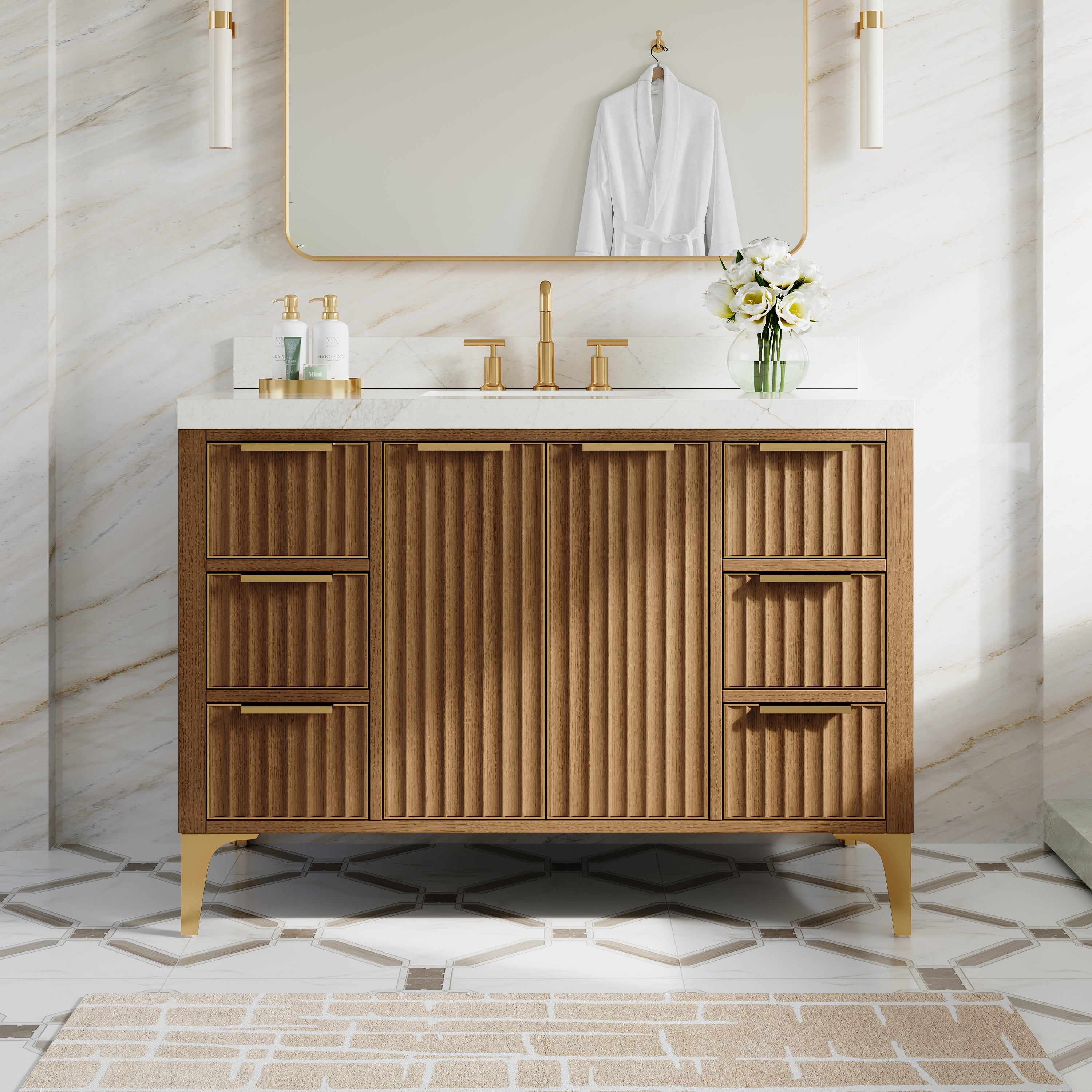


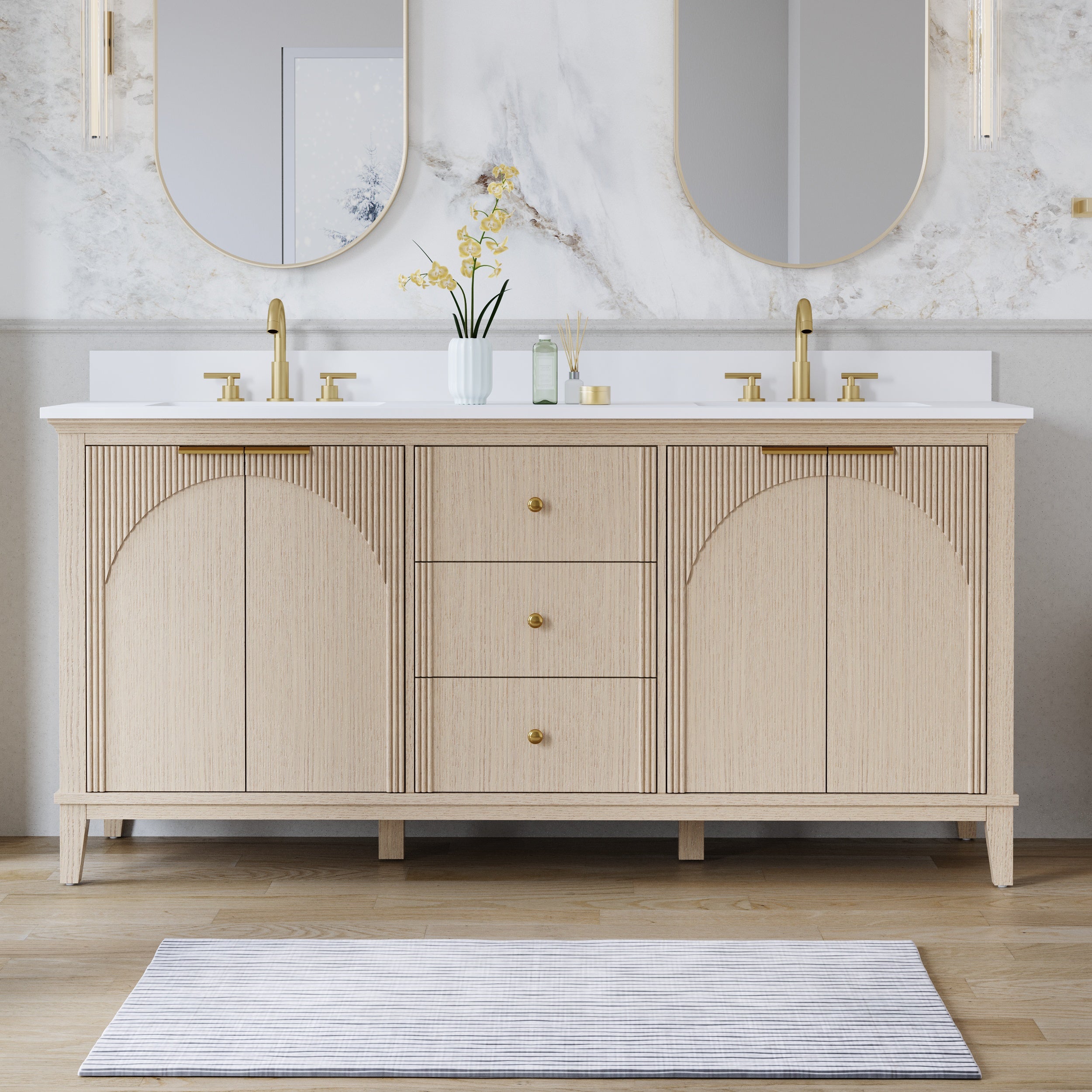
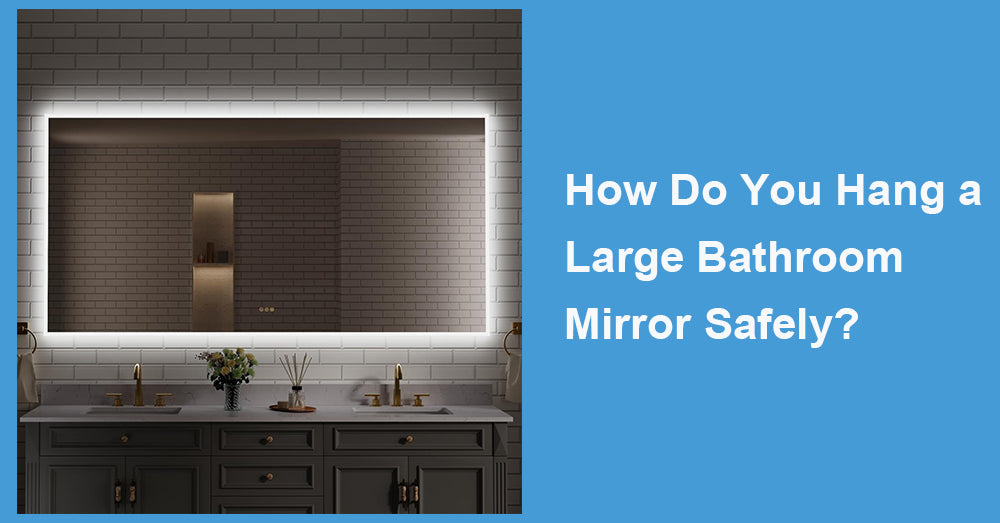
A large bathroom mirror can completely change how a bathroom feels. It expands space visually, improves lighting reflection, and becomes a central design anchor. But after 20+ years working with bathroom installations, I can tell you this clearly: the safety of a large mirror is never about the glass itself—it is about what is happening inside the wall.
Most failures I’ve seen were not product defects. They were installation shortcuts.
1. Start with the Wall, Not the Mirror
Before you even pick up a drill, you need to understand what the wall can actually support.
Bathrooms usually fall into three categories:
Standard drywall over wood studs
Tile over cement board
Reinforced or mixed plumbing walls
A large bathroom mirror should never rely on drywall alone for support. Drywall is a surface layer, not a structural anchor.
The real load must transfer into studs or rated anchors. If you skip this step, even a perfectly designed mirror becomes a long-term safety risk.
One mistake I see often: people assume “it held small decor before, so it’s fine.” A mirror is a different category of load—constant, vertical, and long-term.
2. Choose the Right Mounting Method
There is no universal method. The wall dictates the system.
1. Stud-Mounted Installation (Best Option)
This is the most reliable method. Screws go directly into studs, providing structural support.
It is simple, but only works when stud spacing aligns with mirror width.
2. French Cleat System (Most Balanced Option)
A French cleat distributes weight evenly across a long bracket.
It is especially useful for frameless or oversized mirrors because:
It stabilizes horizontal load
It allows minor leveling adjustments
It reduces point stress on glass edges
3. Heavy-Duty Anchors (Last Resort Option)
When studs are not accessible, rated anchors can be used.
But I never recommend relying on them for very heavy mirrors unless there is no alternative. The safety margin is lower compared to direct stud mounting.
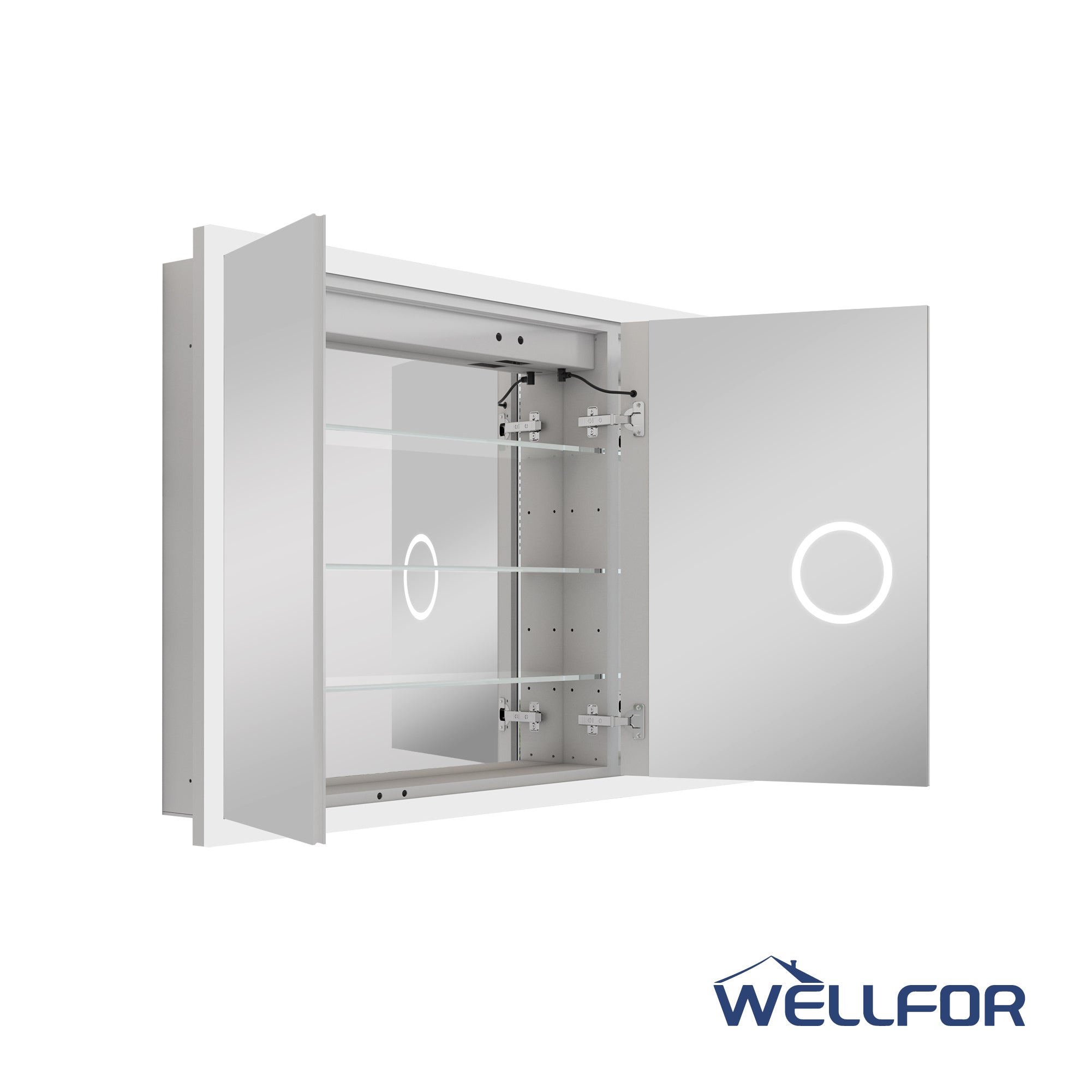
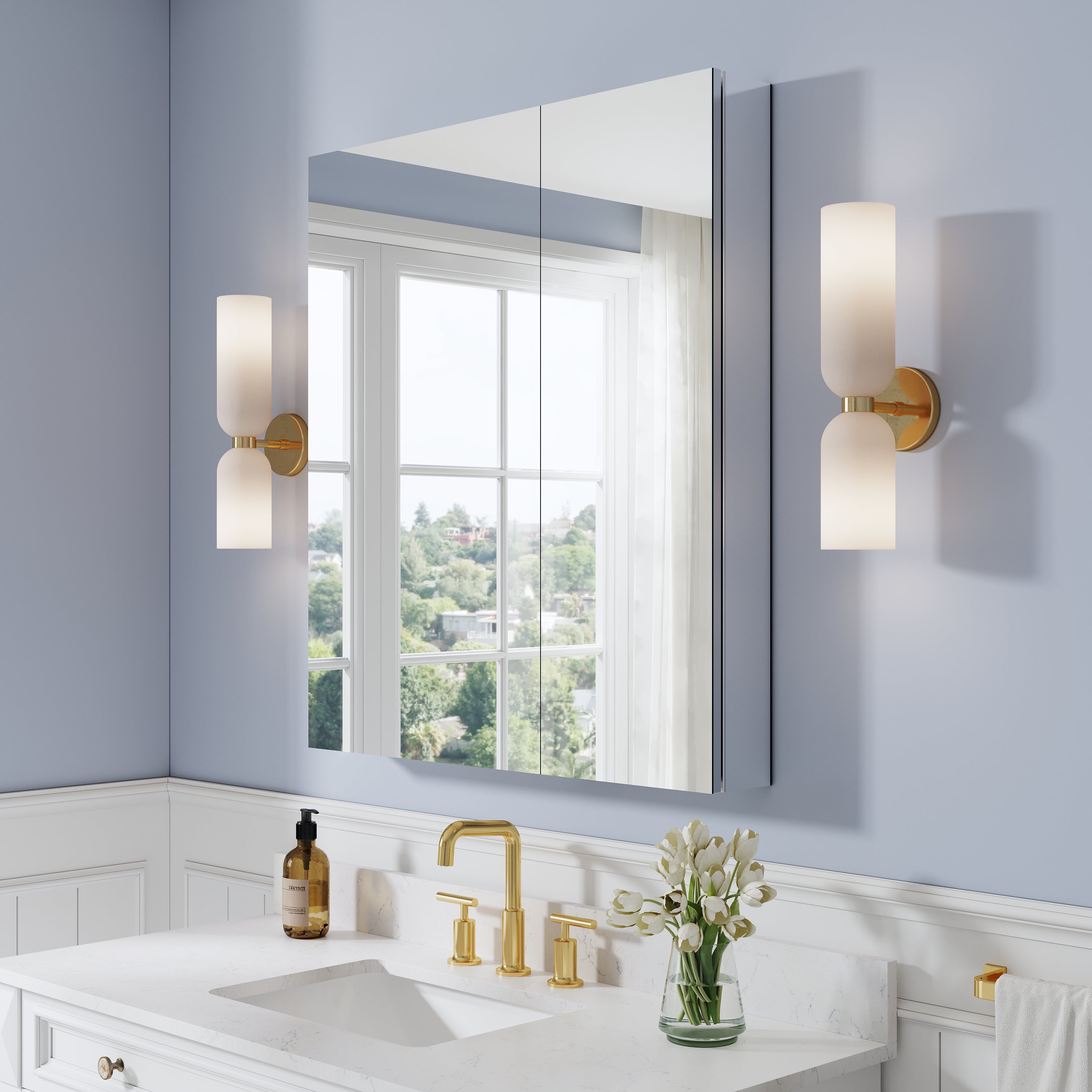
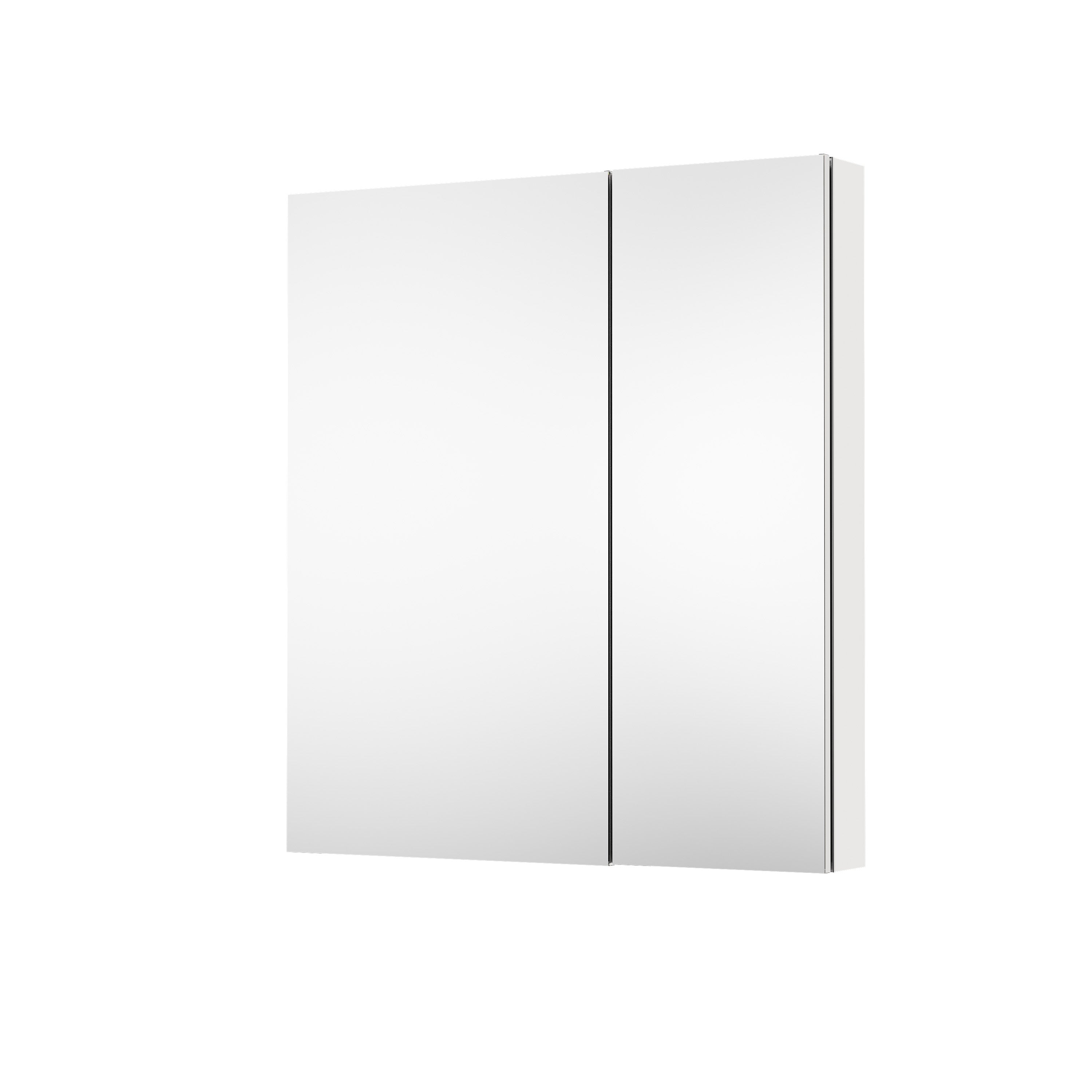
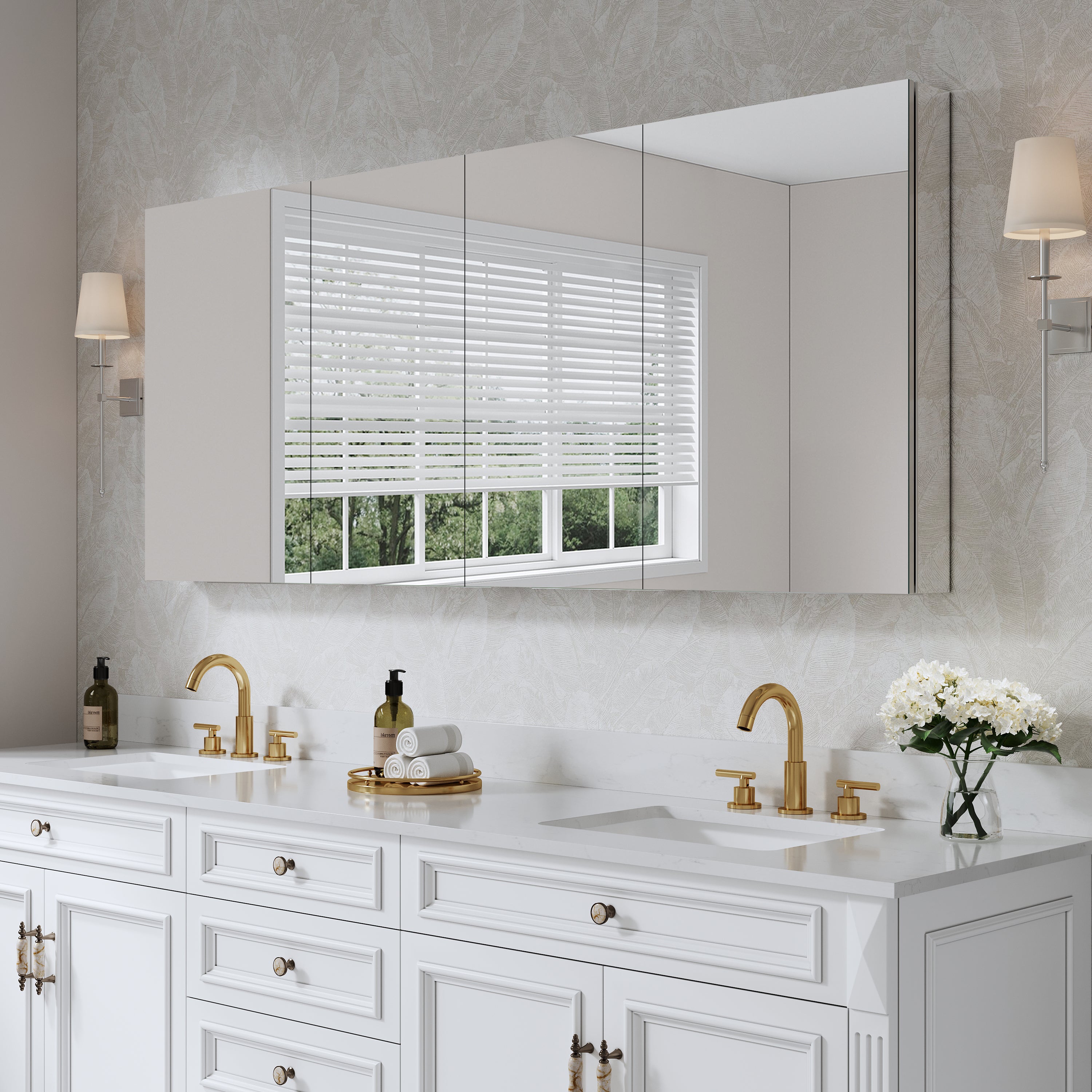
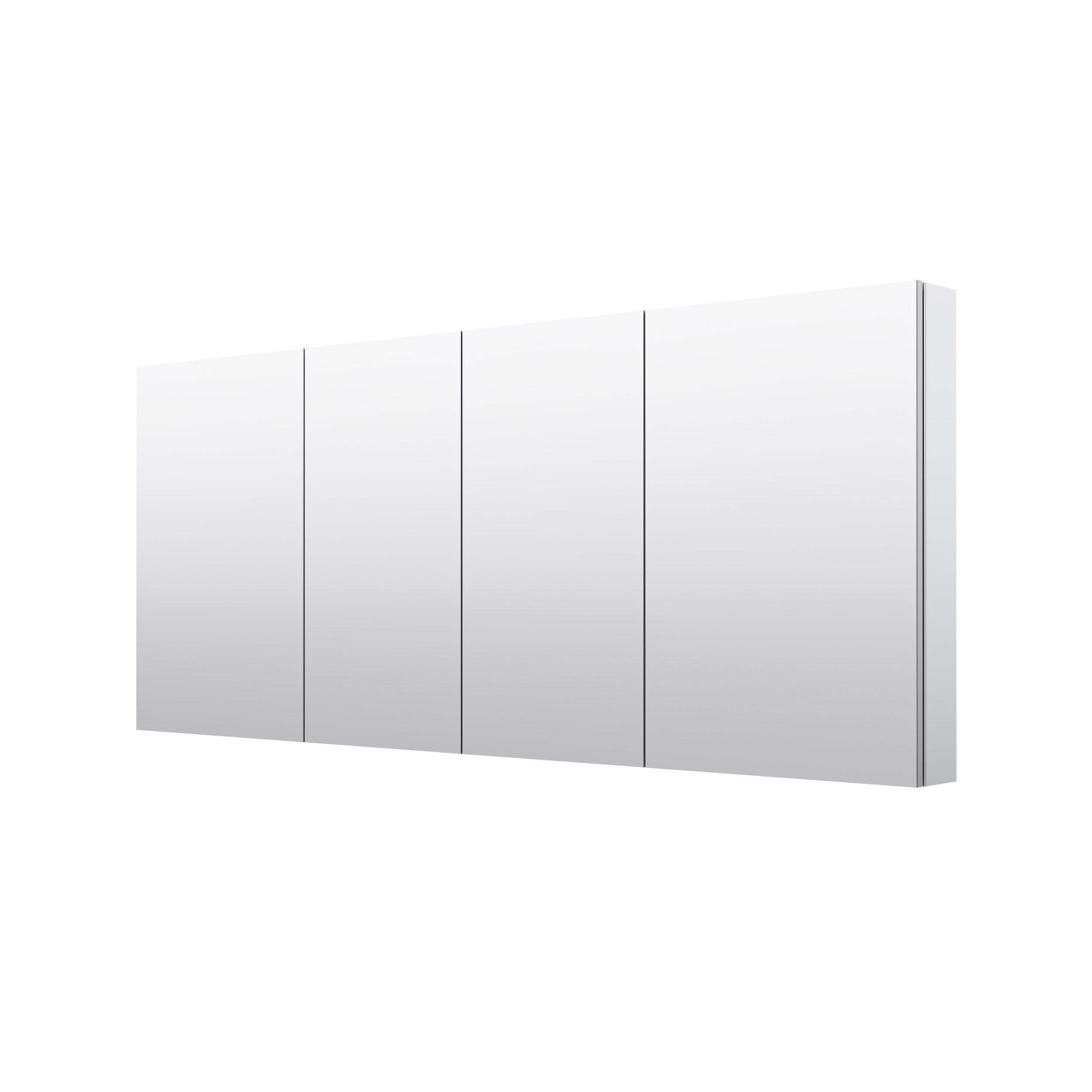
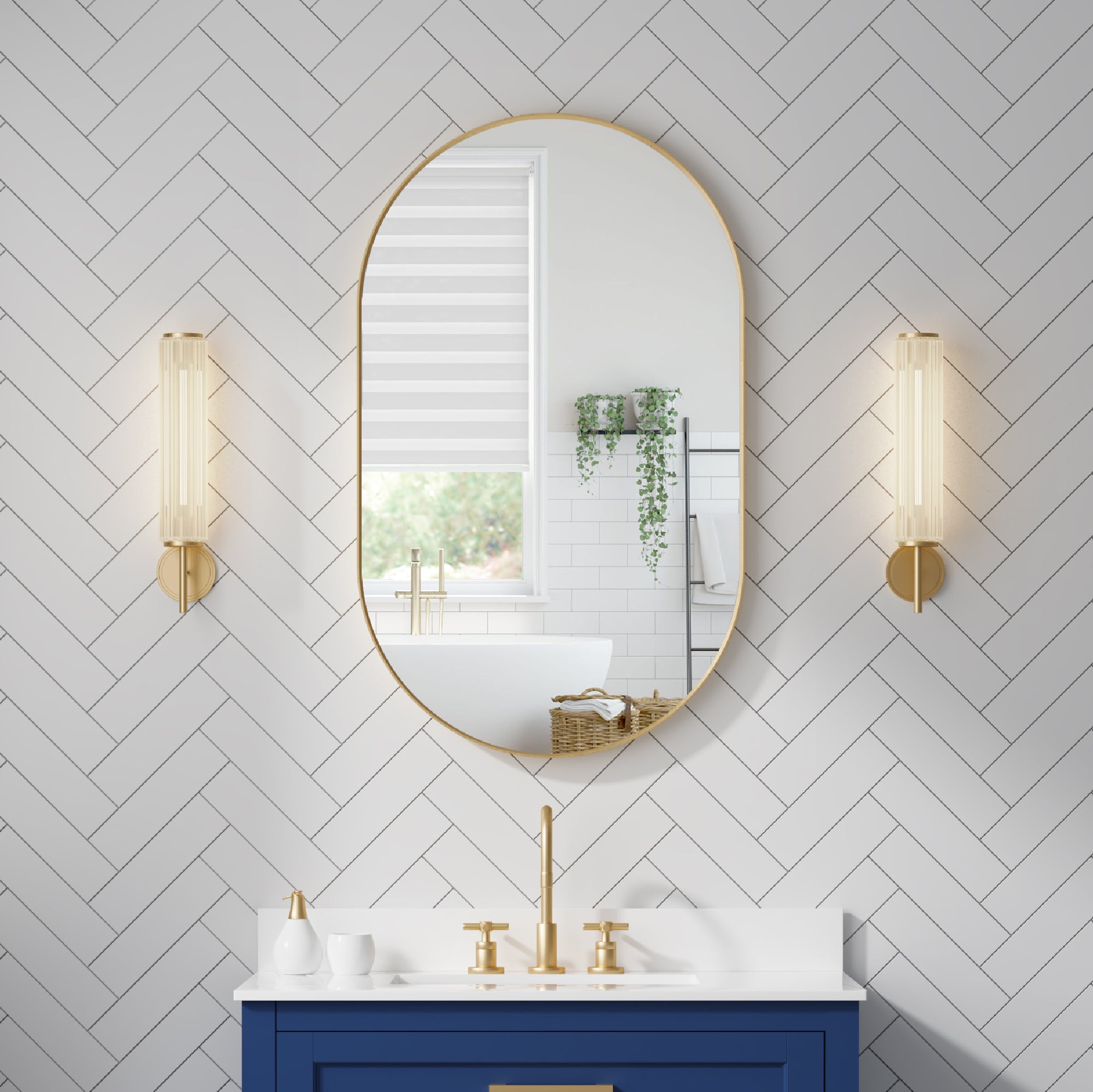
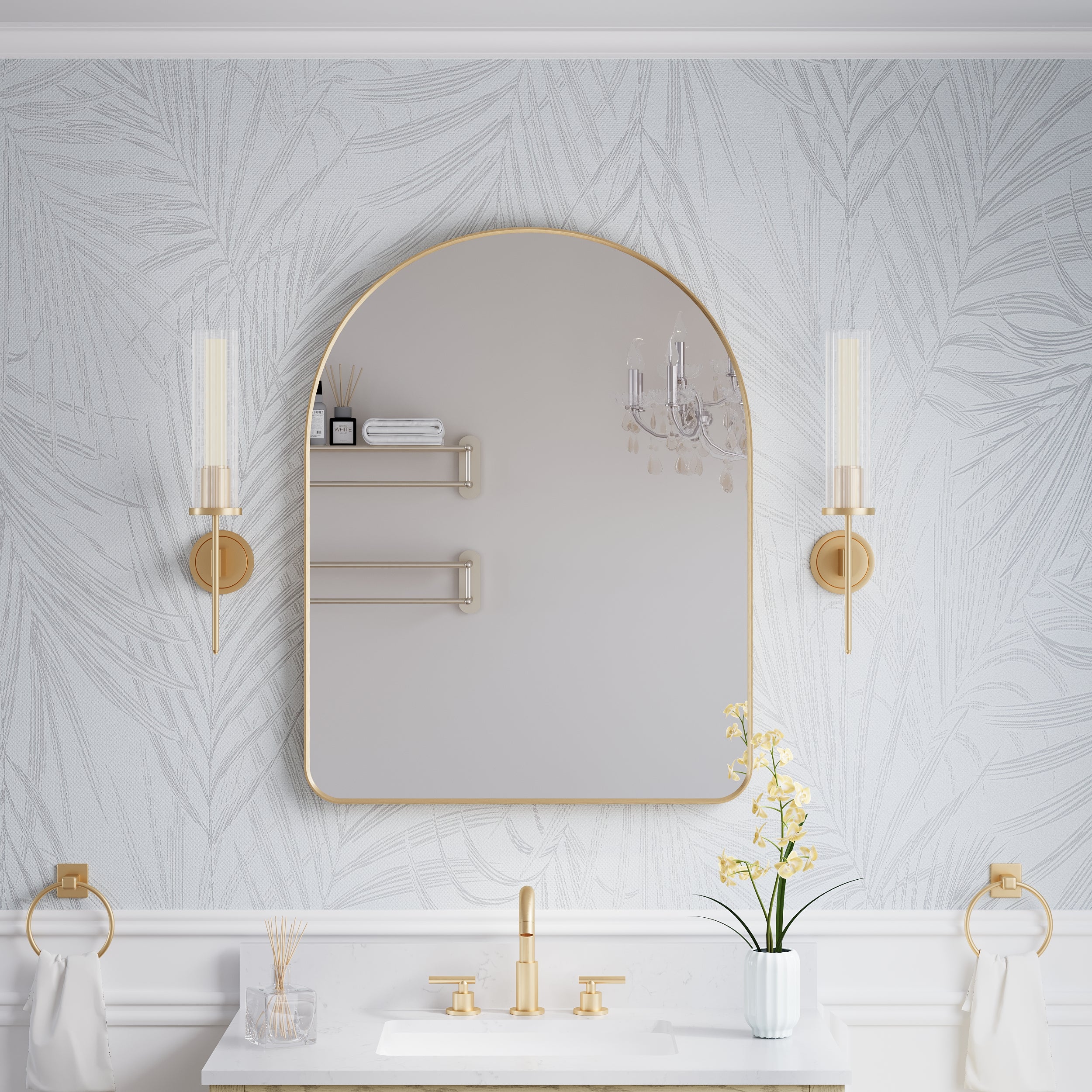
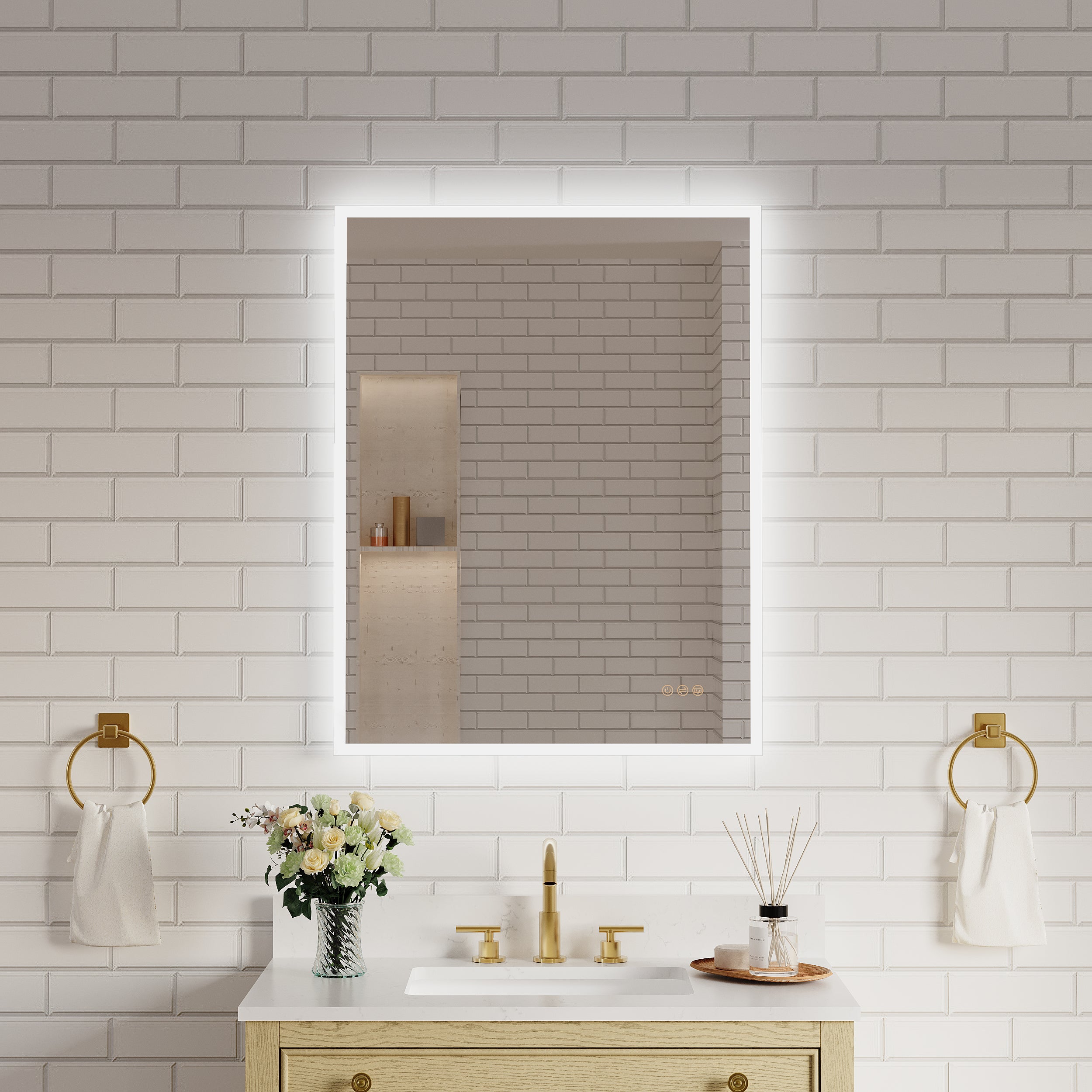
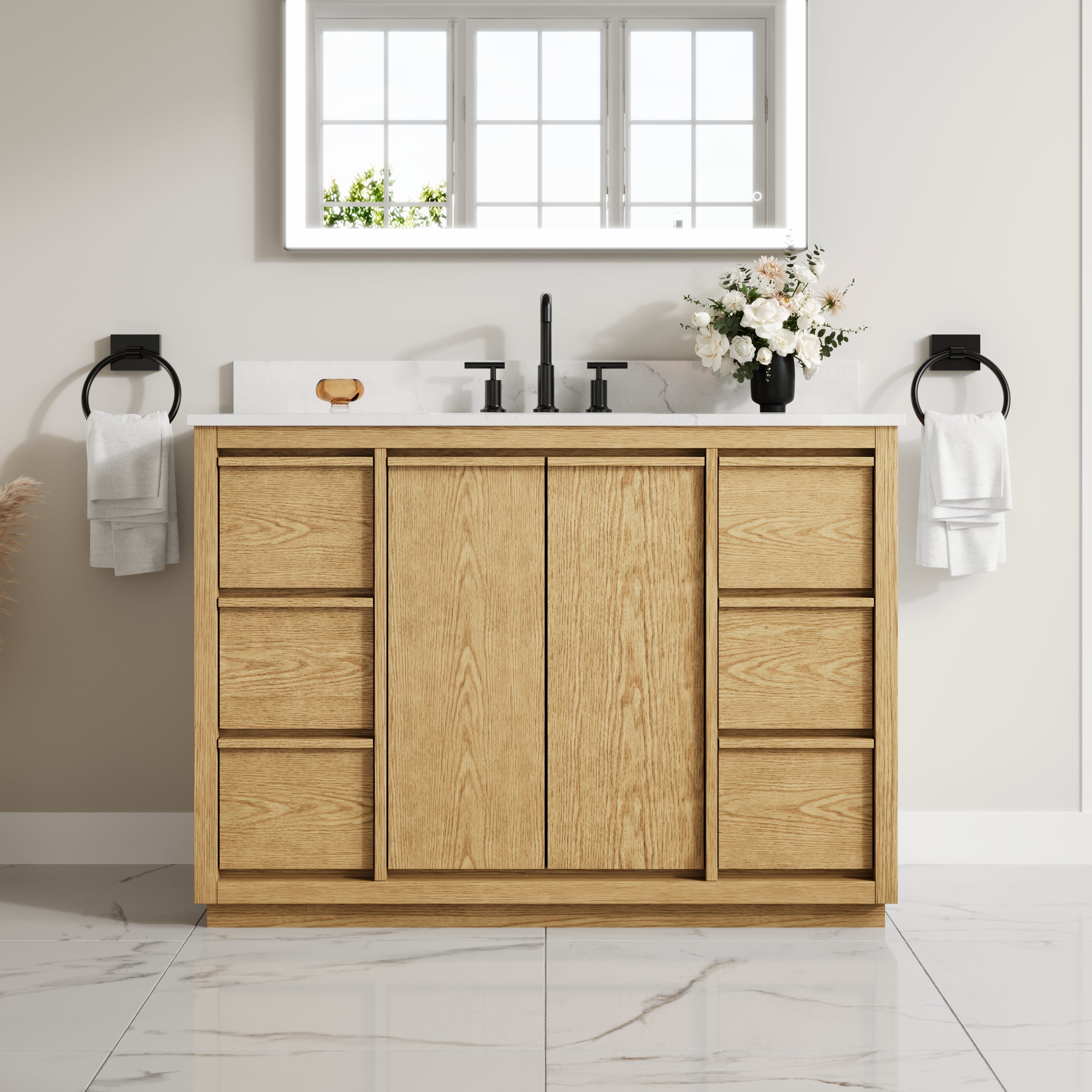
Wellfor large mirror systems are typically compatible with all three methods, but performance always depends on correct installation, not just hardware choice.
3. Measure Twice—But Plan the Layout First
A large mirror is unforgiving when it comes to alignment.
Before drilling:
Mark the vanity centerline
Align mirror width with sink or faucet position
Confirm eye-level height for primary users
Check clearance with lighting fixtures
I usually recommend taping the mirror outline on the wall first. It sounds simple, but it prevents most alignment mistakes I’ve seen in the field.
A slightly crooked mirror becomes very obvious once it reflects ceiling lines and lighting.
4. Installation Process: Safety Comes from Sequence
Once layout is confirmed, installation should follow a controlled sequence.
1. Locate Structural Points
Use a stud finder and confirm manually when possible. Bathroom walls often have plumbing or electrical runs that can affect placement.
2. Pre-Drill Carefully
Never force screws into studs. Pre-drilling prevents splitting and ensures clean alignment.
3. Install Mounting Hardware First
Whether cleat or bracket system, the wall component must be perfectly level.
A 1–2 mm error here becomes visually amplified once the mirror is installed.
4. Lift and Secure the Mirror
This step should always be done with two people for anything beyond medium size.
Align slowly. Do not “drop into place.” Controlled placement reduces edge stress and prevents micro-cracking over time.
5. Common Mistakes That Compromise Safety
After years of installations, certain errors appear repeatedly:
Relying on drywall alone
This is the most common cause of long-term failure. Drywall is not a load-bearing surface.
Ignoring mirror weight distribution
Even lightweight mirrors concentrate load at mounting points.
Skipping leveling tools
Eye-level judgment is not enough for reflective surfaces. Small tilt becomes highly visible.
Installing without checking wall flatness
Uneven walls create hidden stress points behind the mirror.
Mounting too close to moisture zones
Steam exposure can weaken adhesives or hardware over time if not properly sealed.
6. Moisture, Sealing, and Bathroom Conditions
Bathrooms are not static environments. Steam, humidity, and temperature changes all affect long-term stability.
Even a perfectly mounted mirror needs basic protection:
Seal perimeter contact points if recommended
Avoid direct water spray exposure
Ensure ventilation is functional
Check for condensation buildup behind edges
Moisture rarely causes immediate failure. It creates slow degradation of adhesives, backing layers, and wall contact points.
7. Maintenance After Installation
Once installed, a large mirror requires minimal but consistent attention.
Use a microfiber cloth for cleaning. Avoid spraying cleaners directly onto edges or mounting seams.
Periodically check:
Stability of mounting points
Any shift in alignment
Signs of wall moisture damage
Edge seal condition
In most cases, a properly installed mirror remains stable for years without adjustment.
8. Where Large Bathroom Mirrors Work Best
A large bathroom mirror performs best in bathrooms where it supports both function and scale.
Ideal environments:
Medium to large vanity areas
Bathrooms with limited natural light
Single or double sink layouts
Minimalist or modern interior designs
In smaller bathrooms, it still works—but proportions must be carefully balanced with wall space and lighting placement.
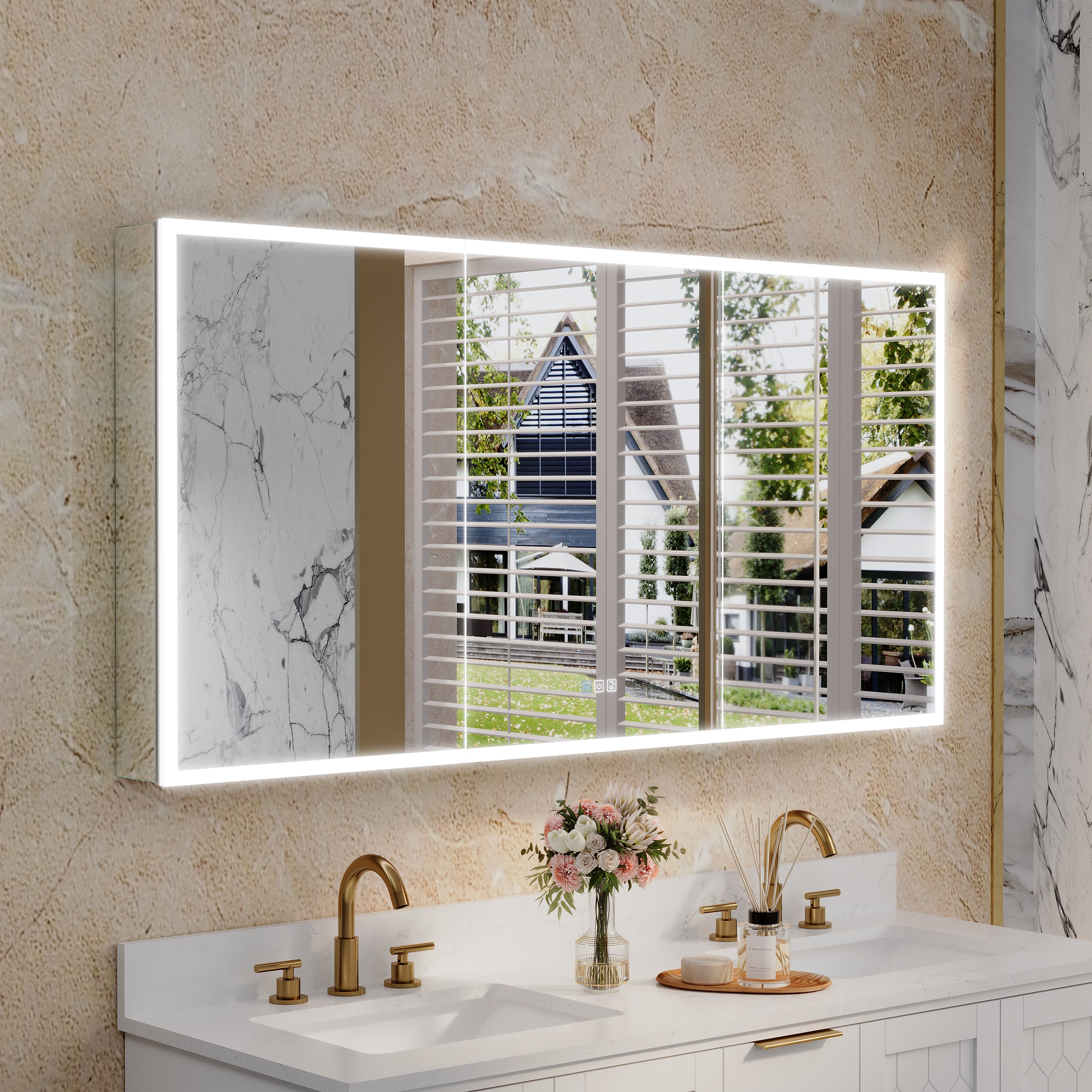
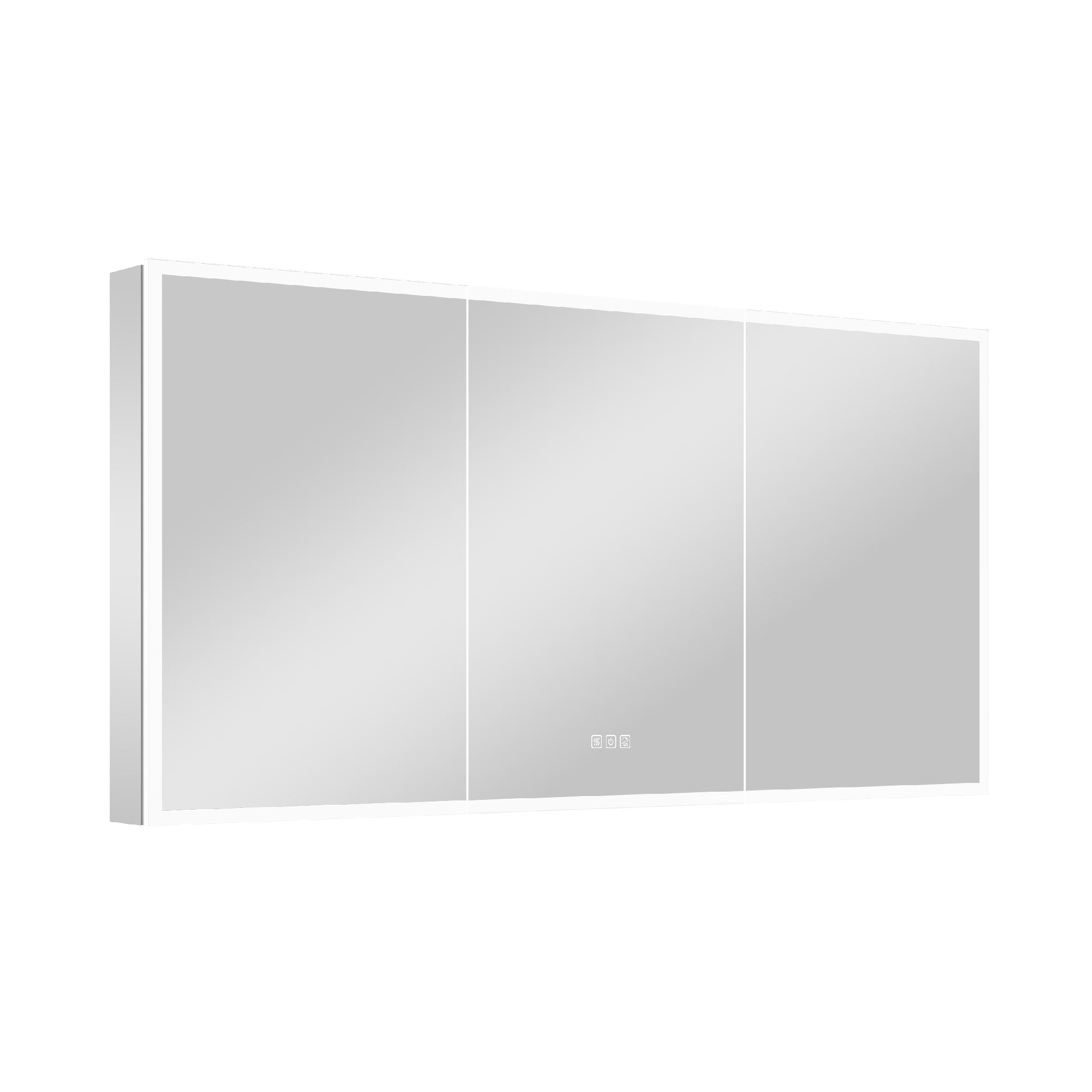
Wellfor large mirror designs are often sized for standard vanity proportions, which helps maintain visual balance in typical residential layouts.
9. What “Safe Installation” Actually Means
Safety is not just about whether the mirror stays on the wall today. It is about whether it remains stable over time under humidity, daily use, and environmental changes.
A safe installation means:
No shifting or loosening over time
No stress visible at edges
No vibration when doors close nearby
No dependency on weak surface layers
If any of those conditions are ignored, the installation is incomplete, even if the mirror looks fine initially.

Final Guidance
Hanging a large mirror safely is less about tools and more about discipline in execution.
If the wall is properly evaluated, the mounting system is correctly chosen, and installation steps are followed in order, the result is stable and long-lasting.
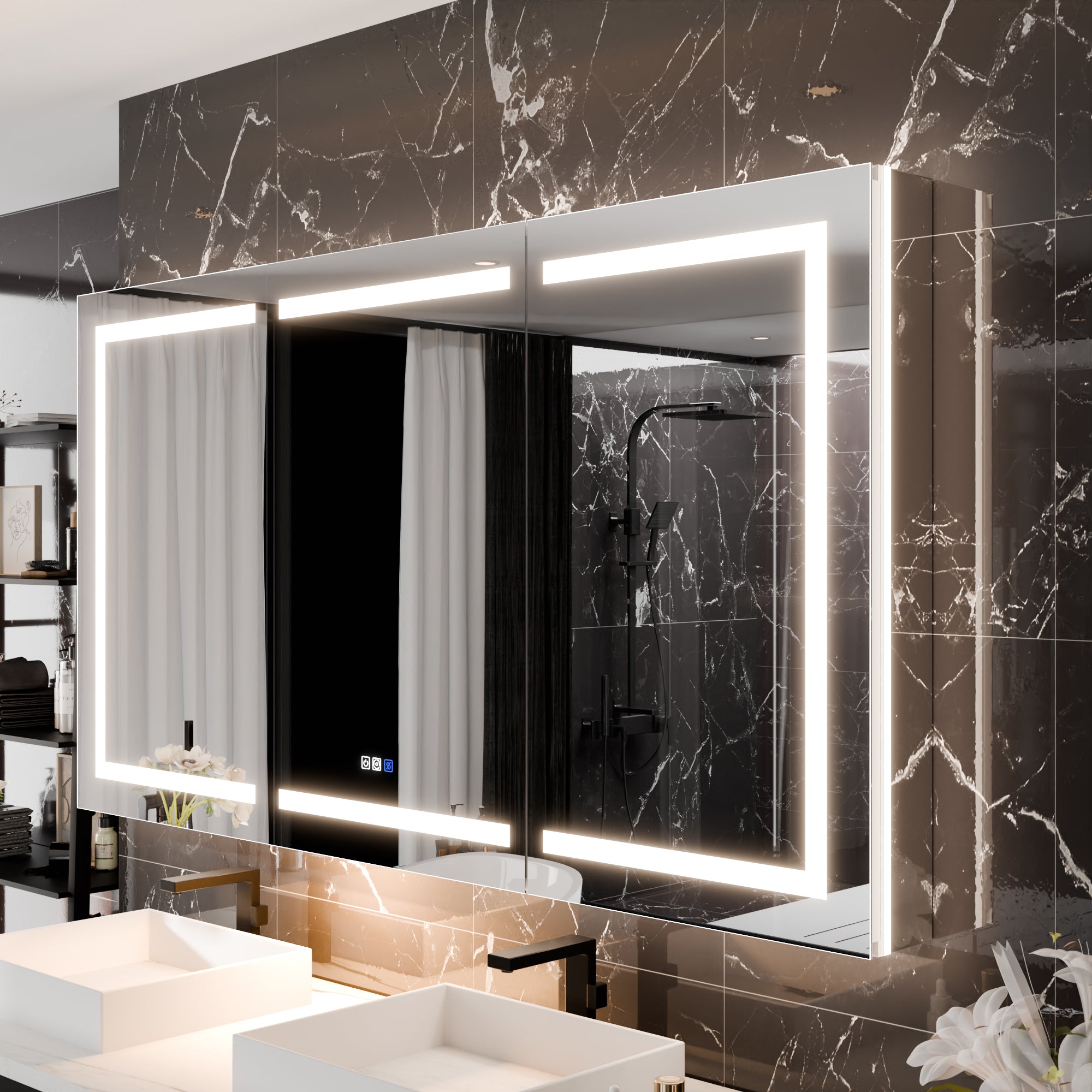
A Wellfor large bathroom mirror should feel like part of the architecture—not an accessory attached to it. That only happens when structure, alignment, and safety are treated as non-negotiable from the beginning.














Leave a comment
This site is protected by hCaptcha and the hCaptcha Privacy Policy and Terms of Service apply.