
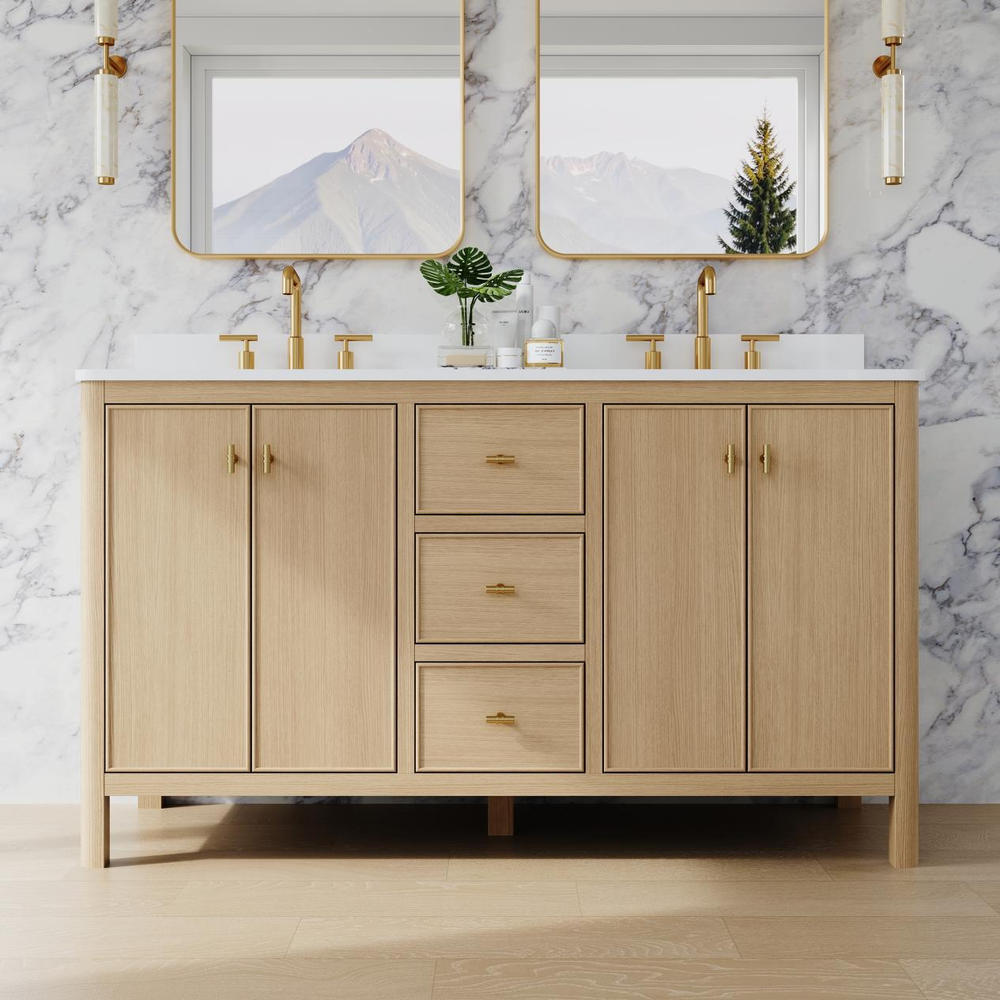
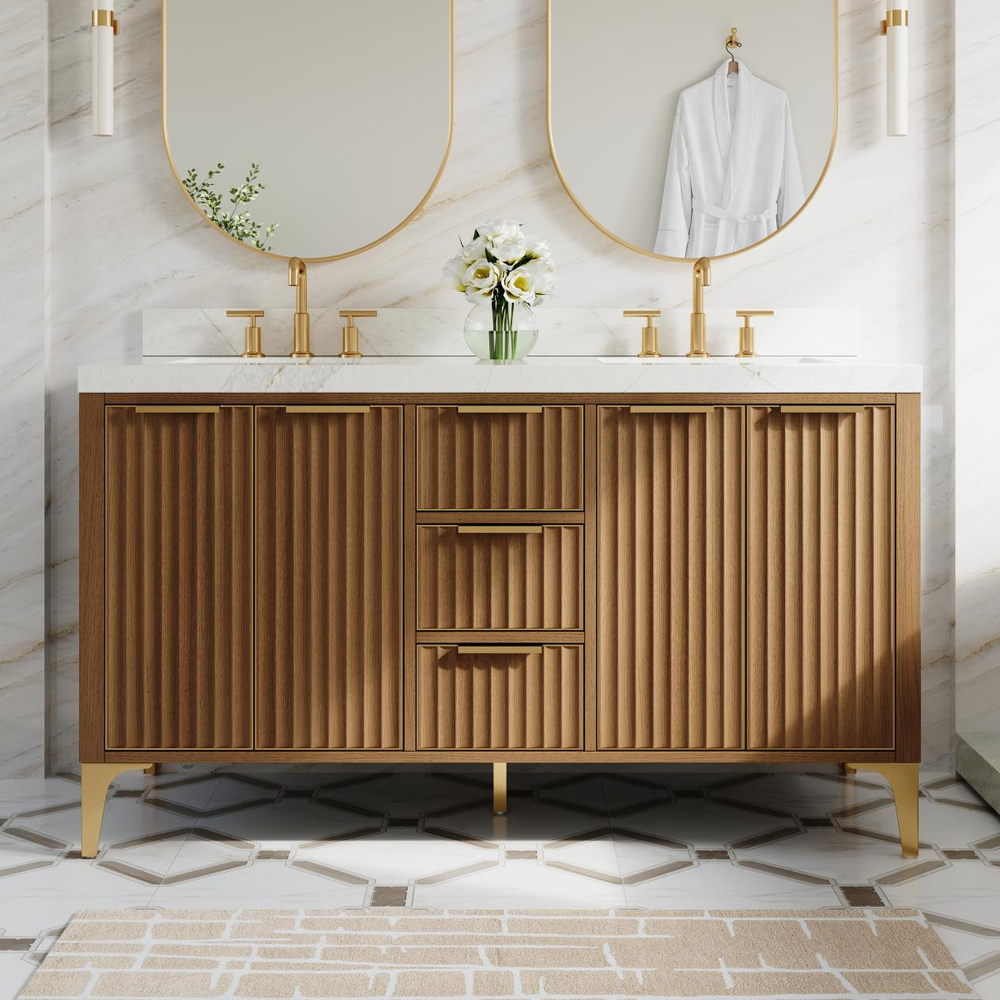
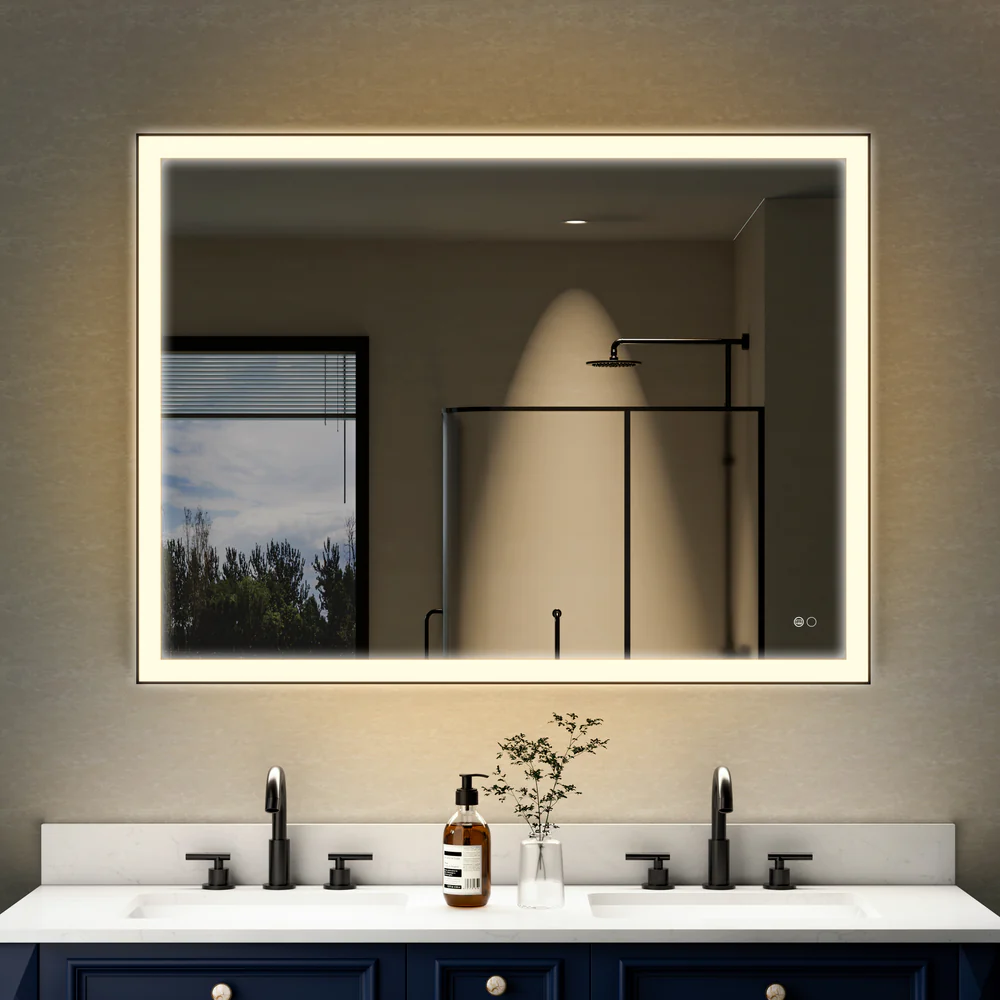

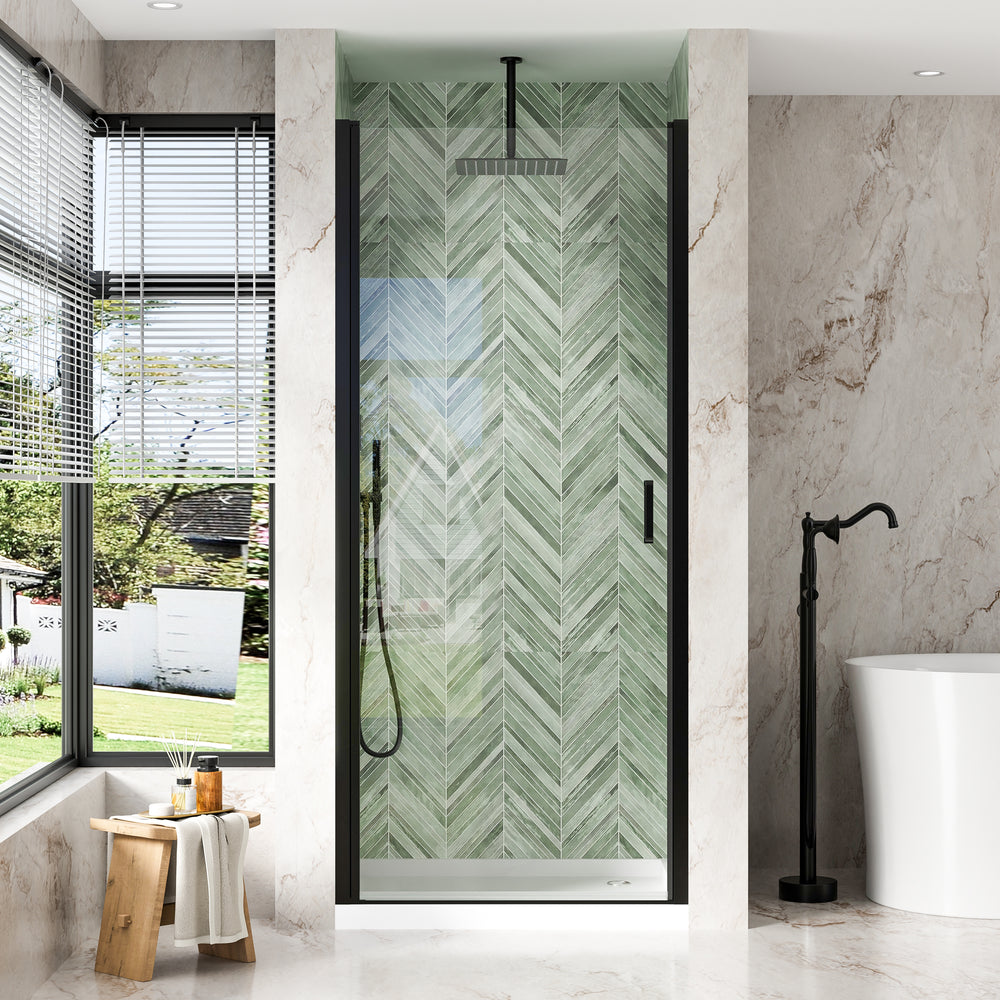

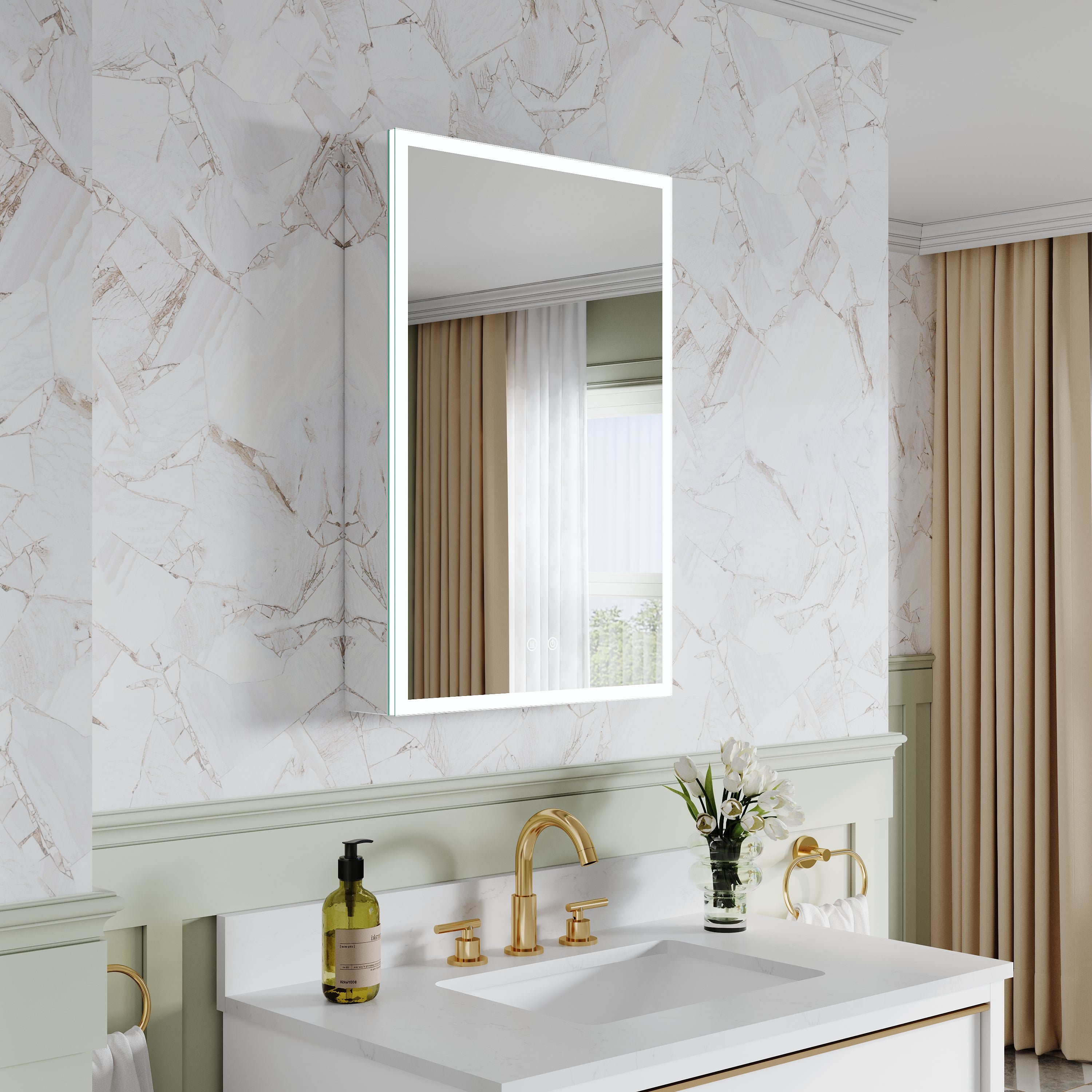
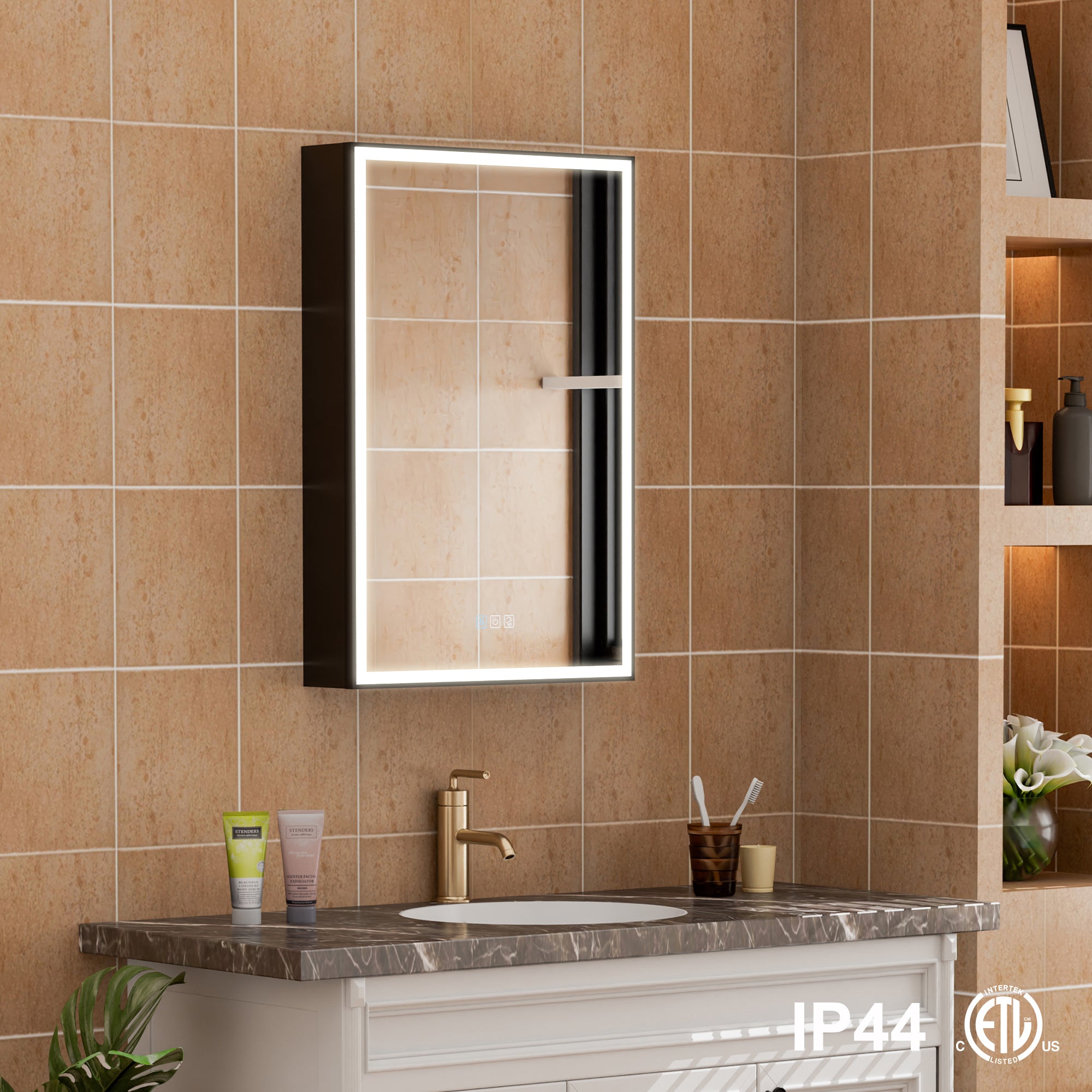


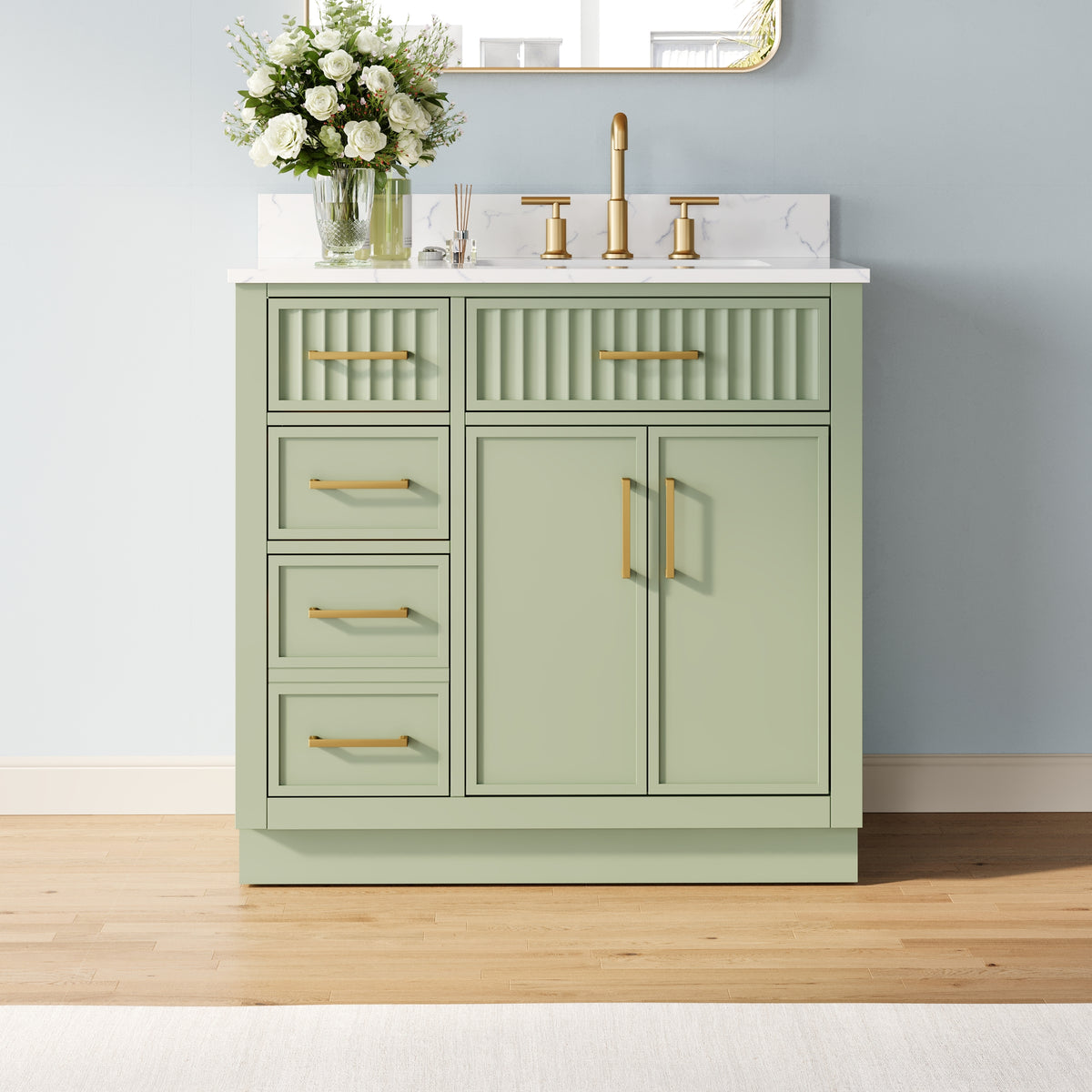
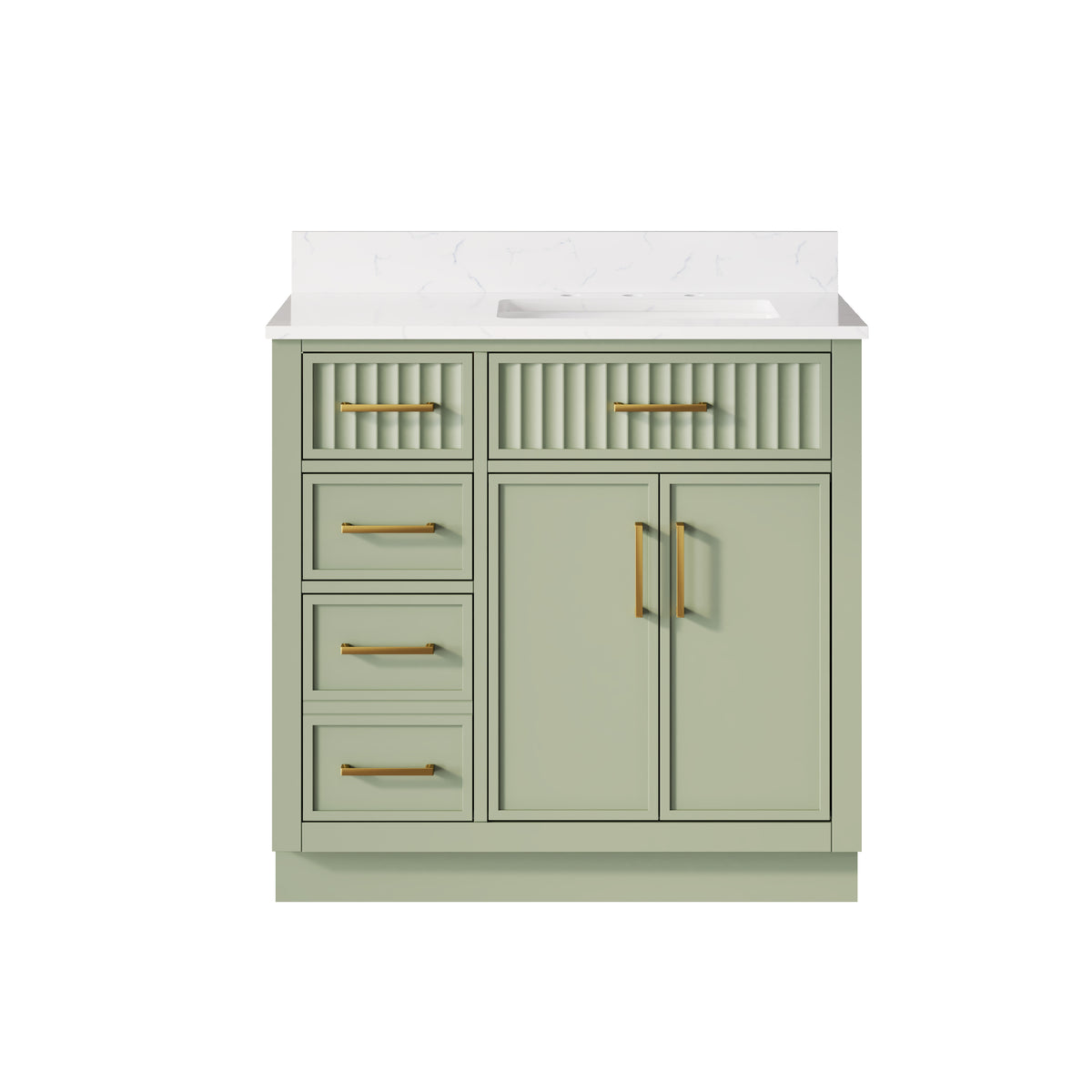
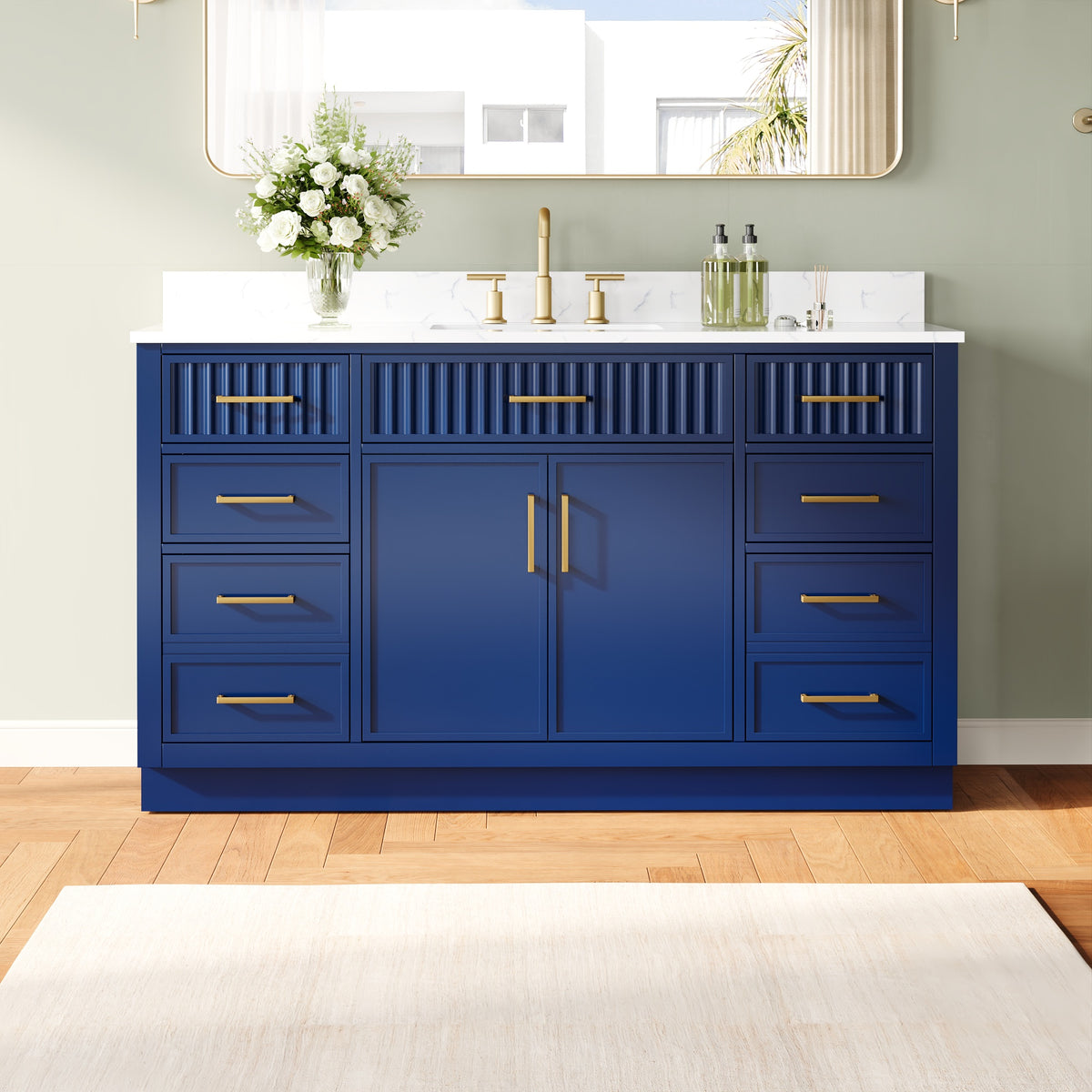
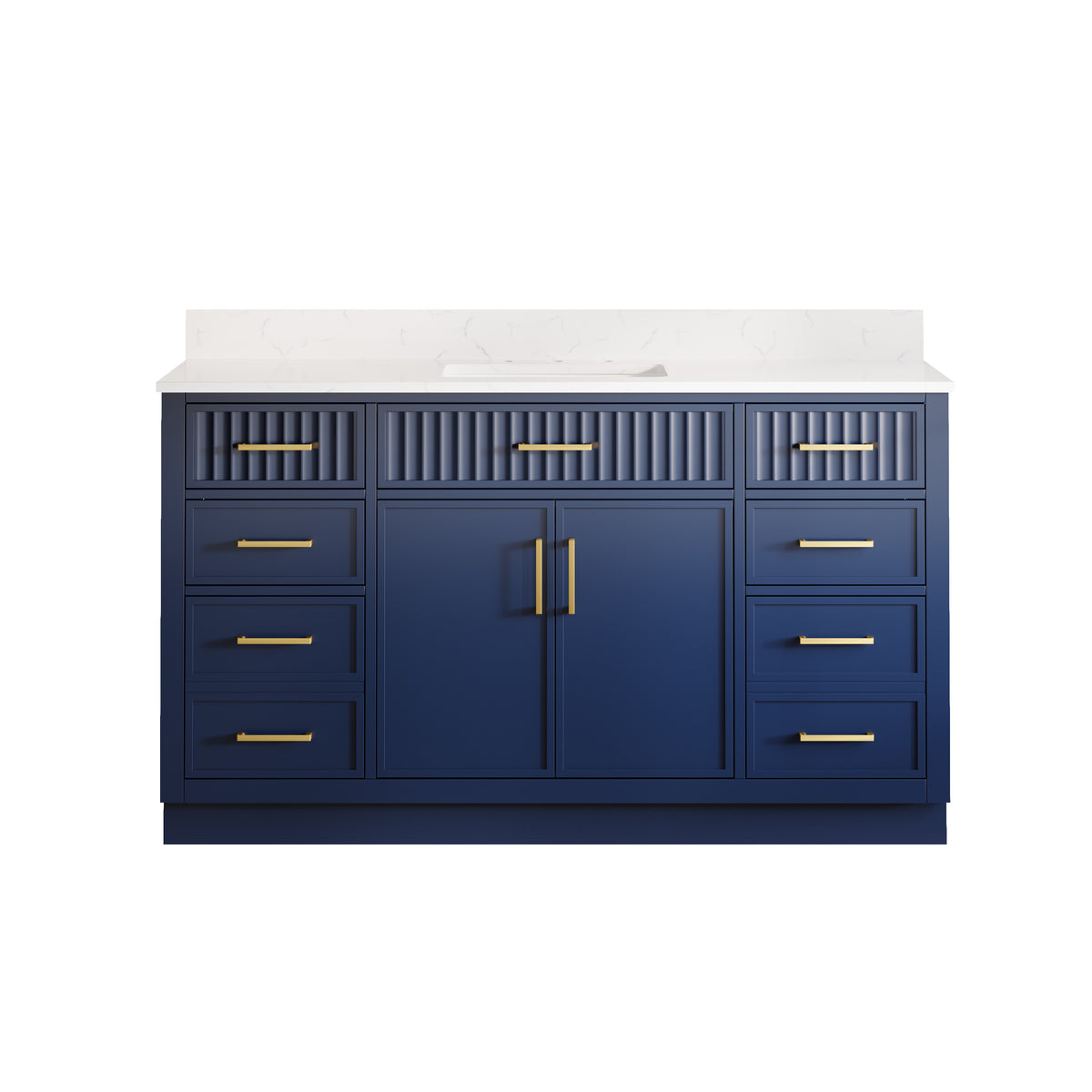
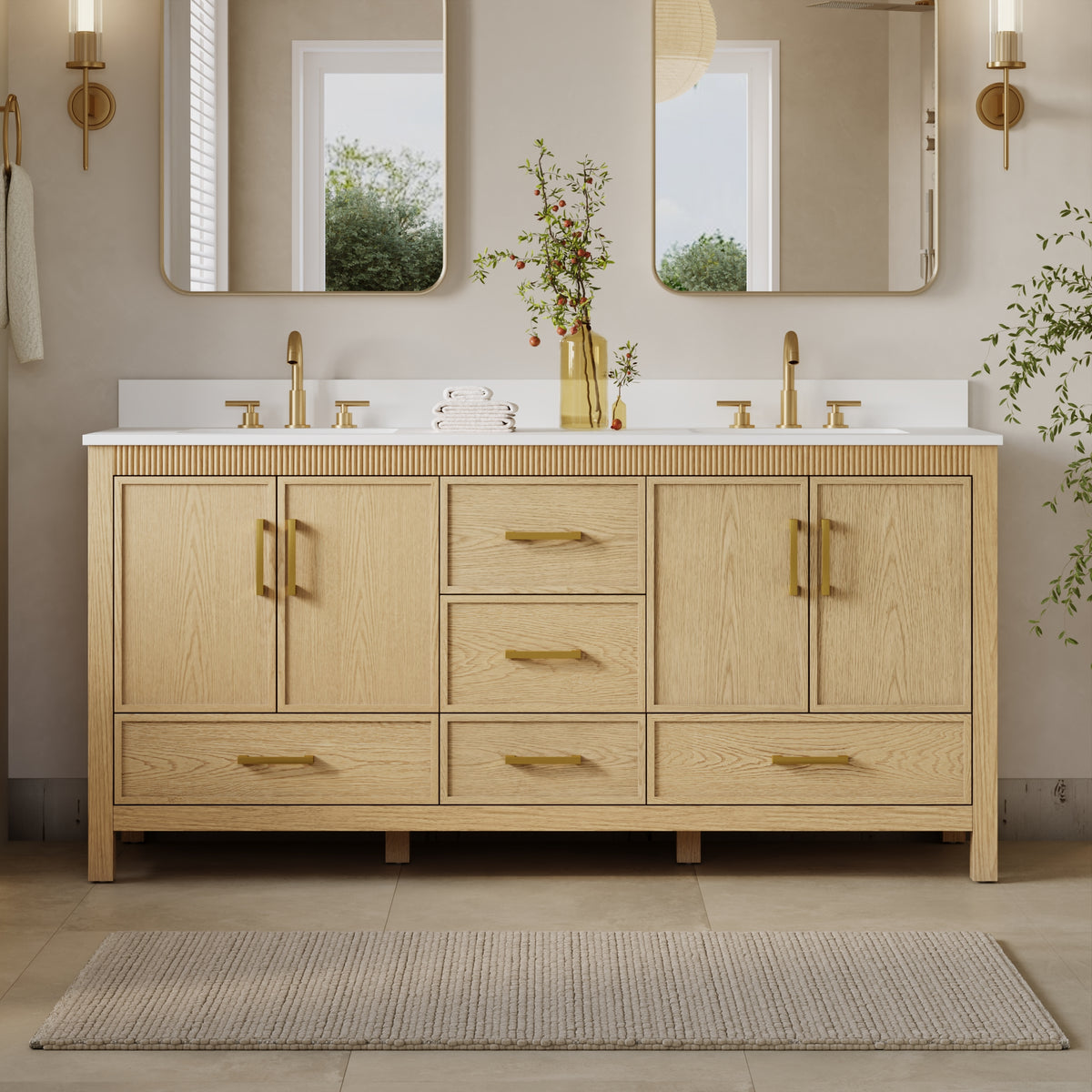
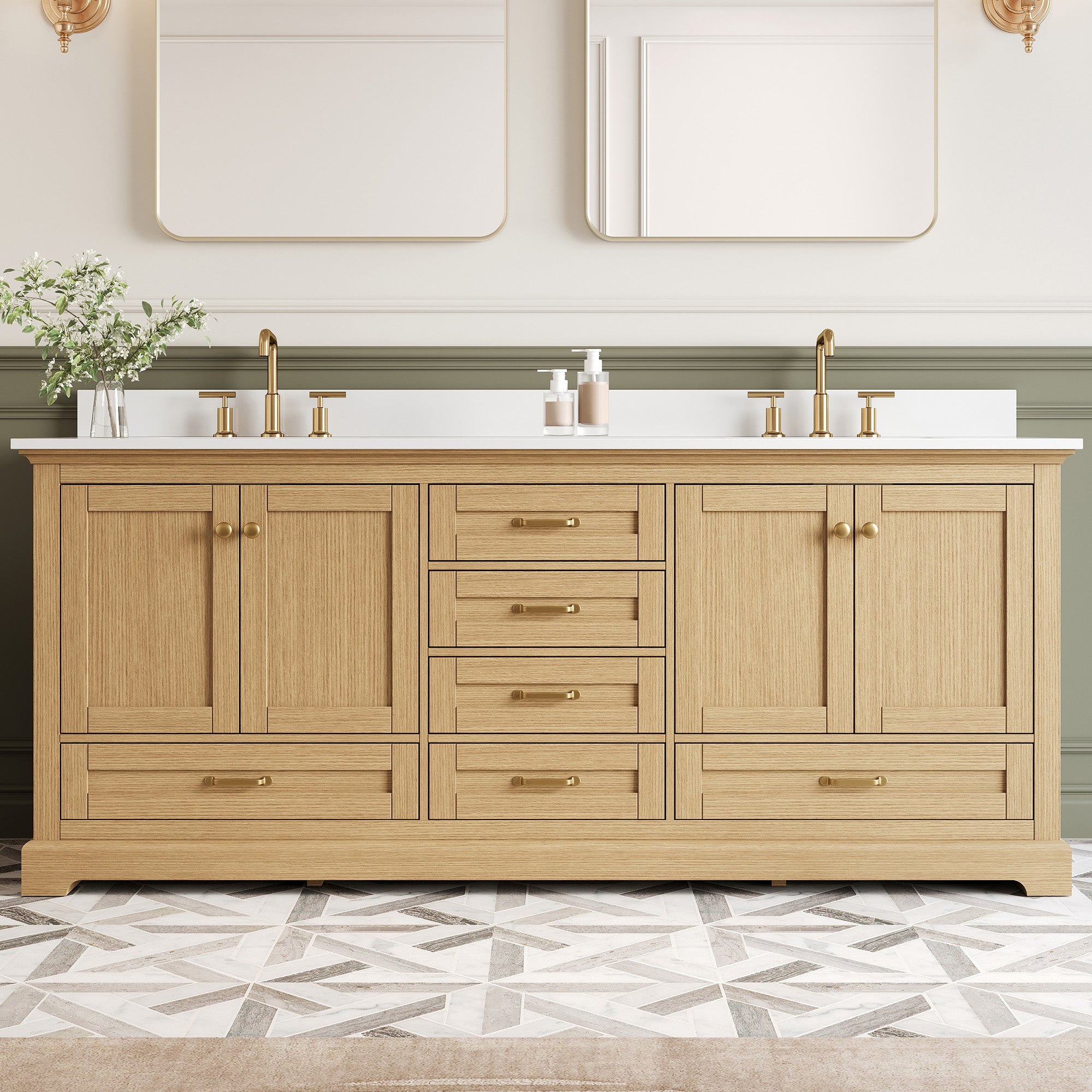
The bathroom is a challenging space for furniture to operate in. With hot showers, moist counters, splashing water, and variations in humidity, cabinet materials, and coatings can be affected over time which is why solid wood bathroom vanities enjoy greater popularity when planning a bathroom renovation. Wood is a natural material that reacts with moisture. Its efficiency is determined by the type of wood, drying method, finishing process, and construction of furniture. A properly built vanity is able to withstand normal bathroom use for years; however, the choice of materials and their maintenance is also crucial for the ultimate result.
Understanding How Wood Reacts to Moisture
Wood naturally absorbs and releases moisture as the surrounding humidity changes. This process is known as moisture exchange.
The USDA Forest Products Laboratory explains in its Wood Handbook: Wood as an Engineering Material that wood's moisture content changes with temperature and relative humidity. These changes can cause the material to expand or contract.
In a bathroom, repeated exposure may eventually contribute to:
• Minor dimensional changes.
• Surface cracking or finish deterioration.
• Warping around poorly protected edges.
• Loose joints if moisture exposure becomes excessive.
This does not mean solid wood is unsuitable for bathrooms. It means the material needs proper preparation before becoming part of a vanity.
Wood Species Influence Cabinet Performance
Different species have different densities, grain structures, and dimensional properties.
Several common choices include:
• Oak: Known for its distinctive grain and relatively strong structure. It is frequently used in furniture frames and cabinet construction.
• Rubberwood: Commonly used for furniture because of its workable structure and suitability for solid wood components.
• Maple: Has a relatively fine grain and a smooth appearance, making it suitable for painted or natural finishes.
• Walnut: Valued for its darker color and distinctive grain, particularly in furniture-inspired bathroom designs.
Properly Dried Wood Helps Reduce Warping
One of the things that does not receive as much respect from time to time is the moisture of wood that is to be used in making vanities.
If the wood is not dried correctly, it may lose moisture even after its installation. As the moisture is evaporating, some dimensional changes may occur, which may influence the joints, panels, and possibly cabinet alignment.
The USDA Forest Products Laboratory says that controlling the moisture content during drying, manufacturing, and assembly is very important to minimize dimensional changes.
It is obvious that for bathroom furniture, using properly dried wood is especially essential.
It would also be reasonable for the manufacturers to take into consideration the humidity of the environment for which the finished furniture is made.
Protective Finishes Slow Down Moisture Absorption
A protective finish provides an important barrier between wood and its surroundings.
Depending on the product, manufacturers may use polyurethane coatings, conversion varnish, lacquer, or other protective finishes.
These treatments help reduce direct moisture penetration and protect the surface from everyday splashes and cleaning.
Pay particular attention to:
• Cabinet door edges.
• Drawer fronts and corners.
• Exposed wood joints.
• Areas around hardware.
• Lower cabinet surfaces.
The USDA Wood Handbook explains that protective coatings can slow moisture-related changes in wood, although they cannot prevent moisture exchange completely.
This is an important distinction. A finished solid wood vanity is more suitable for bathroom use, but it should never be treated as a waterproof cabinet.

Cabinet Construction Matters as Much as the Material
Just because a vanity comes with solid wood features, it doesn’t imply that every part of it is made of solid wood.
A lot of furniture-quality vanities contain solid wood frameworks along with plywood panels or veneer covers.
Such a combination in construction has its advantages in terms of providing enough support as well as ensuring dimensional stability.
While the structure is made with solid wood frames, the plywood panels do their job well when it comes to creating stable surfaces for components such as doors, sides of cabinets, and so on.
When you’re purchasing a vanity, make sure to check its specifications and avoid relying only on its title.
Also pay attention to the joints in it as well as to the way the drawer is built and the quality of slides and hinges.
Countertop and Sink Areas Need Extra Protection
The countertop is where water exposure happens most frequently.
Water can collect around faucets, sink edges, backsplash joints, and the connection between the countertop and cabinet.
Even when the cabinet itself has a protective finish, repeated standing water can eventually create problems.
For better moisture management:
• Wipe up standing water after use.
• Check the seal around the sink.
l Inspect backsplash joints periodically.
• Avoid leaving wet towels against cabinet doors.
l Repair leaking faucets and plumbing connections promptly.
Quartz and cultured marble countertops are popular choices because their relatively smooth surfaces are easy to maintain.
However, the connection points still require proper installation and sealing.
Bathroom Ventilation Makes a Real Difference
Even an exquisitely designed vanity will be enhanced by a bathroom constructed with humidity control mechanisms.
The EPA recommends that humidity levels in the house should be kept below 60% and preferably within the 30%-50% range.
The importance of this recommendation is particularly notable for bathrooms since taking a shower can create enough moist air in minutes.
In this context, an exhaust fan is very useful as it removes the moist air from the bathroom before it settles on mirrors, cupboards, walls, and other surfaces.
The recommendation to leave the fan on after taking a shower is also relevant.
Proper ventilation is effective not only against the vanity but also against moisture.
Daily Maintenance Helps Preserve the Finish
Solid wood furniture does not require complicated maintenance, but a few habits can make a noticeable difference.
Use a soft, slightly damp cloth to clean cabinet surfaces, then dry them with a clean towel.
Avoid abrasive cleaners, excessive water, and harsh chemicals that may damage protective coatings.
Pay attention to the lower edges of cabinet doors and areas near the sink, where splashes are more likely to accumulate.
The EPA also recommends drying wet or damp materials within 24 to 48 hours to help prevent mold growth. Although this guidance addresses indoor moisture management generally, it reinforces the importance of dealing with water problems promptly.
Choosing Solid Wood Is About Construction, Not Just Appearance
A beautiful wood grain may attract attention, but long-term bathroom performance depends on details that are less visible.
Properly dried lumber, suitable protective coatings, well-designed joints, quality plywood components, and reliable hardware all contribute to a vanity's ability to handle everyday humidity.
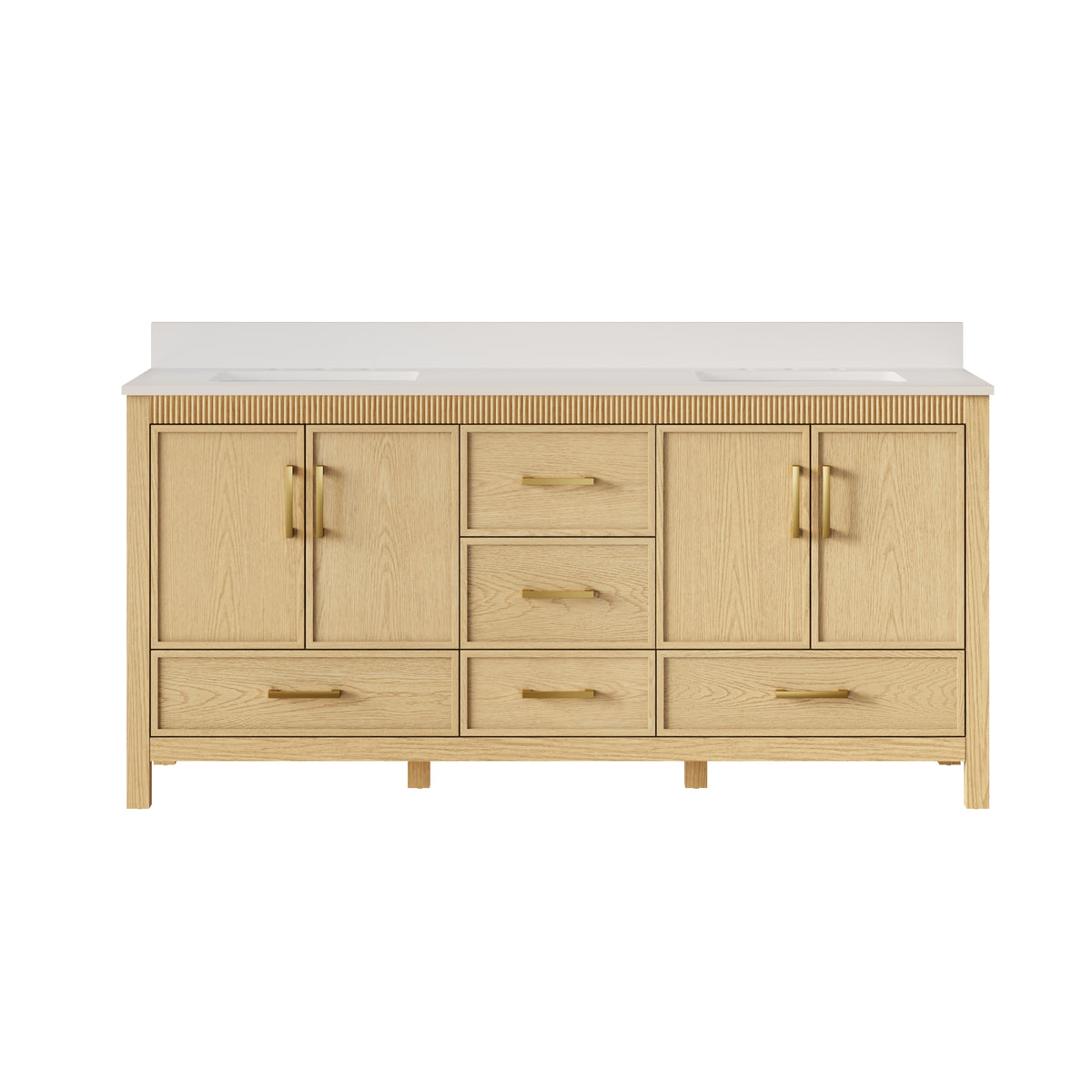
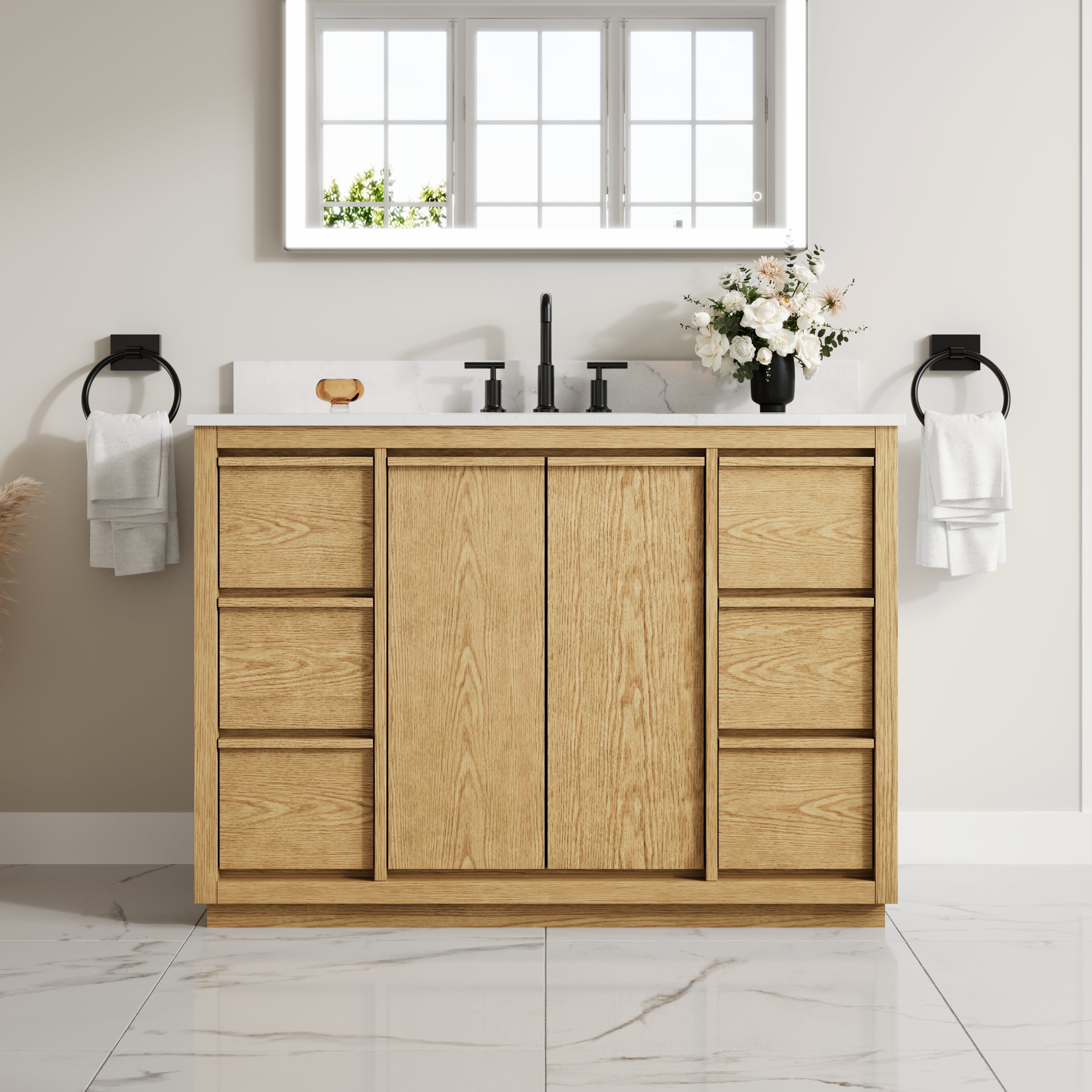
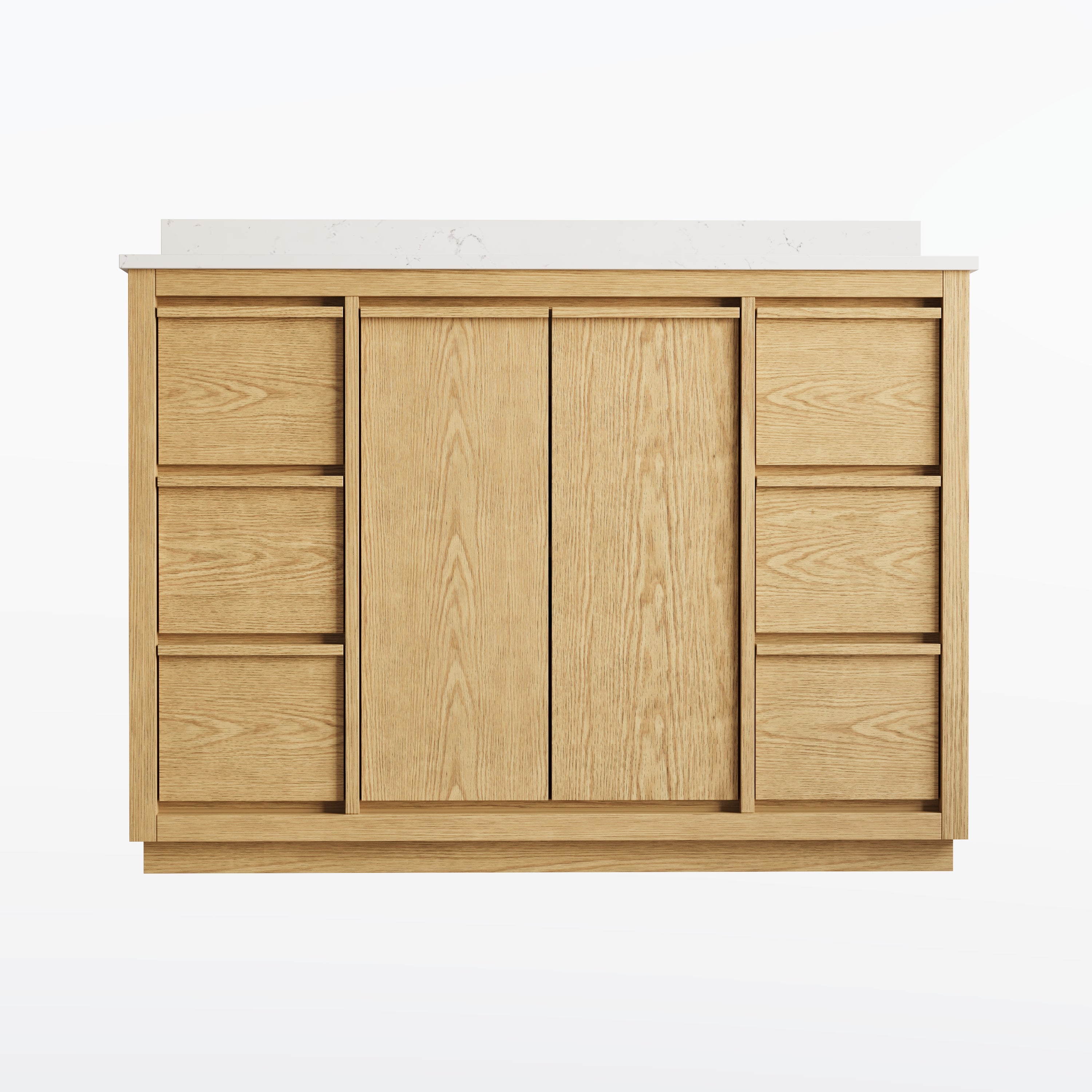
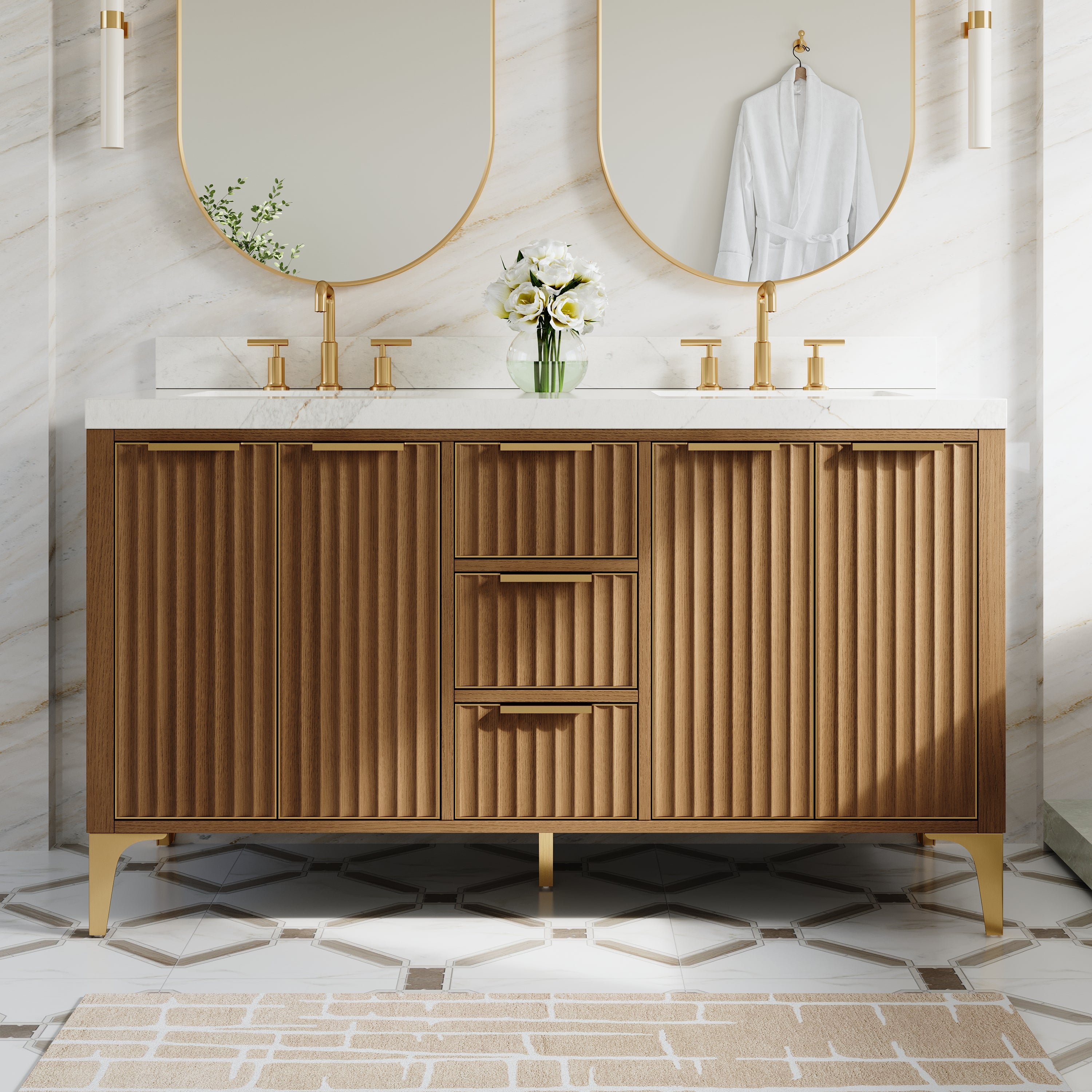
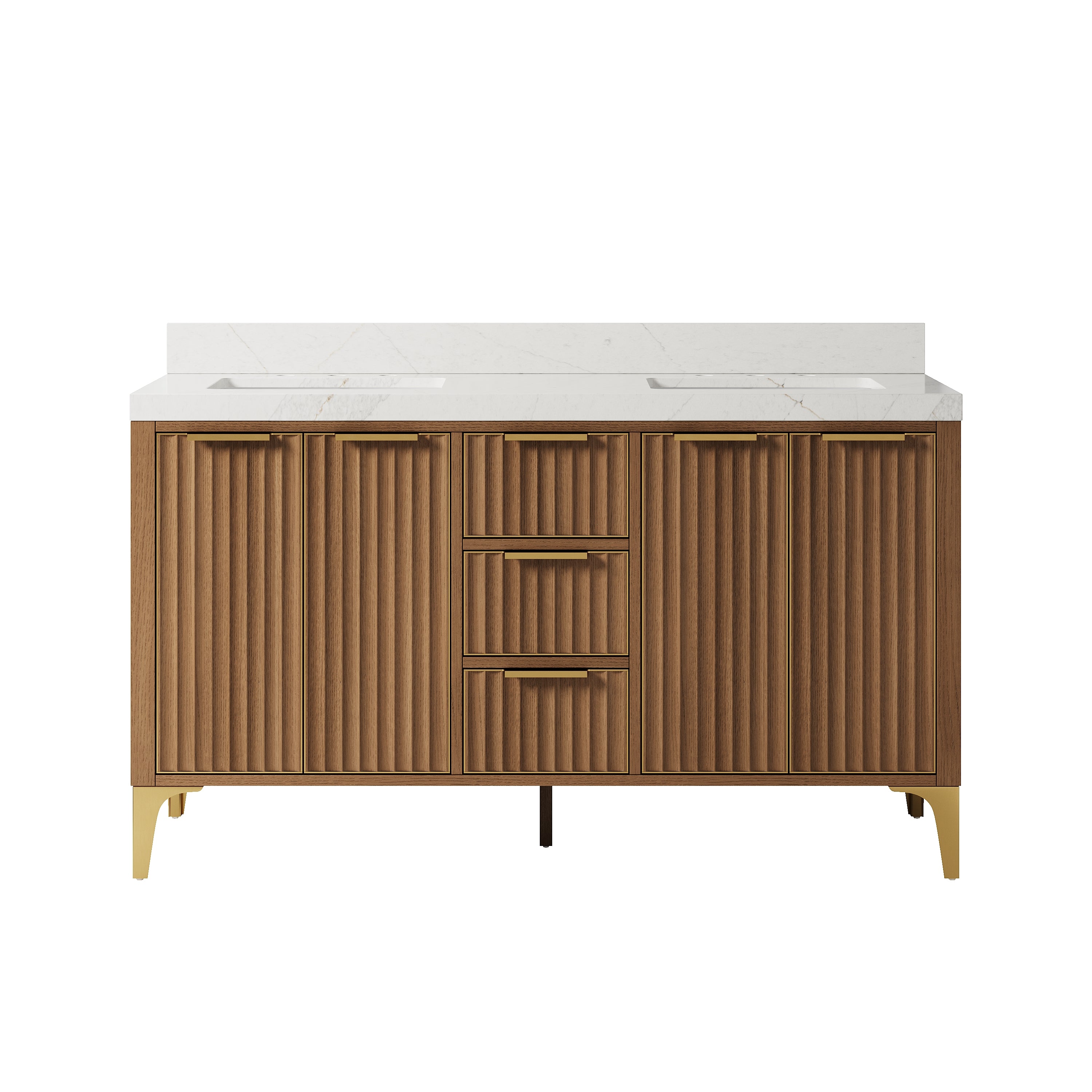
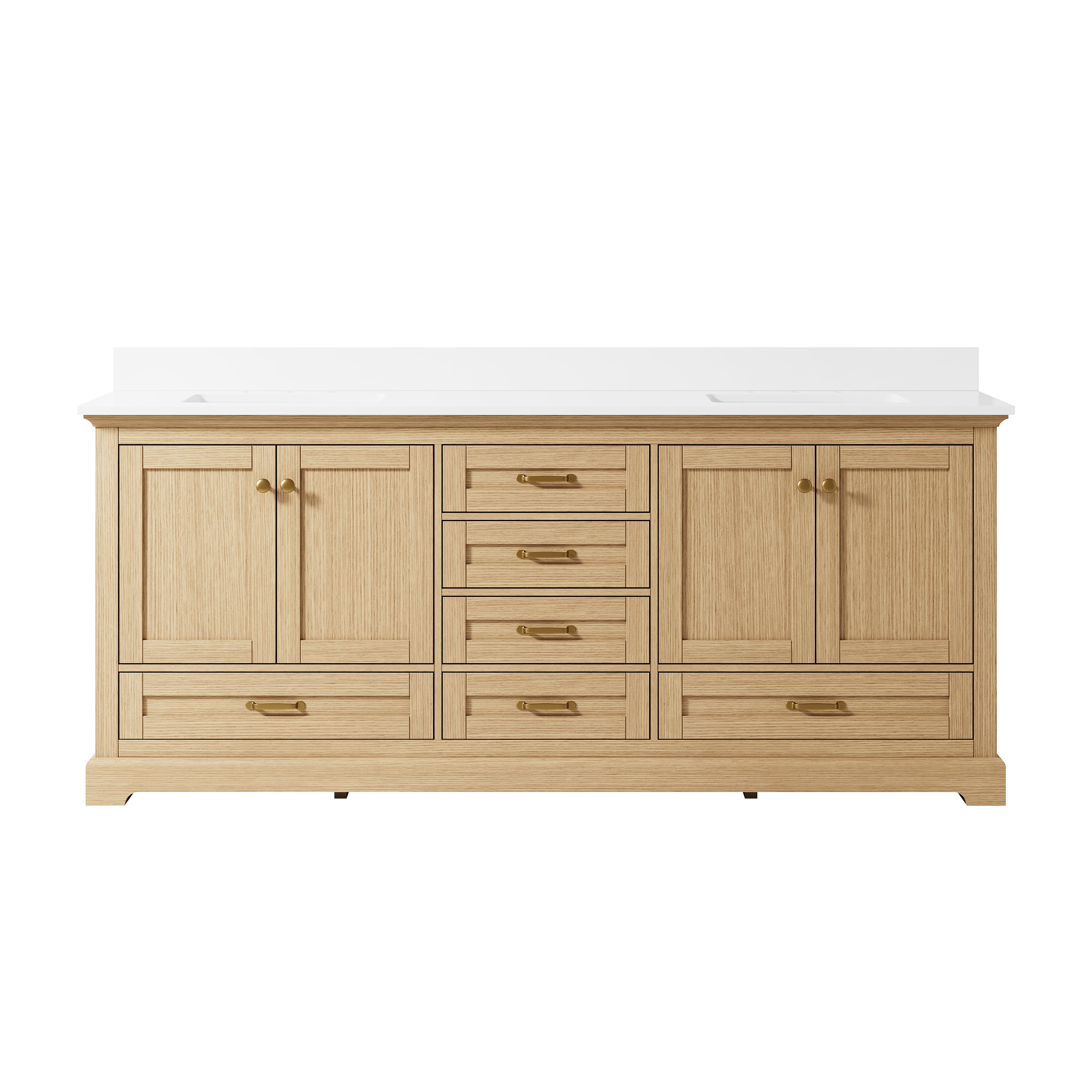
For a 36-inch single vanity or a 60-inch double vanity, the same principles apply. Cabinet dimensions do not eliminate the need for moisture protection.
A solid wood vanity is a worthwhile furniture choice when its construction is designed for the environment in which it will be used.
Conclusion
Solid wood bathroom vanities do not resist humidity simply because they are made from natural wood. Their performance comes from a combination of material selection, controlled drying, protective finishing, and thoughtful construction.
With proper ventilation and routine care, a well-manufactured vanity can maintain its appearance and structural integrity through years of normal bathroom use.
The best purchasing decision is therefore not based on the phrase "solid wood" alone. Look at what the cabinet is actually made of, how its surfaces are protected, and how its individual components are assembled. Those details ultimately determine how well the vanity handles one of the bathroom's most challenging conditions: everyday moisture.













Leave a comment
This site is protected by hCaptcha and the hCaptcha Privacy Policy and Terms of Service apply.