






















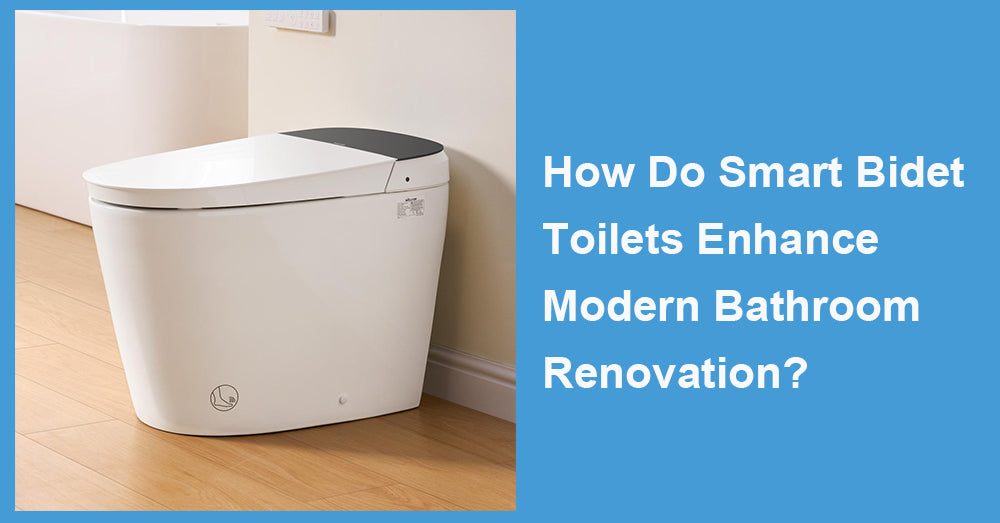
Over the past few years, bathroom renovations have evolved from "good enough" to "healthy, comfortable, and smart," with smart bidet toilets emerging as the standout product. These units offer a range of features, including washing, heating, deodorizing, and more, all in one convenient package. In short, better hygiene, better comfort, and a better, modern look. Below is an easy, industry-style run-down—straightforward language, pragmatic insights—of why smart bidet toilets deserve a space in today's bathroom projects.
1) A Hot Market: From Novelty to Near-Standard
Smart bidet toilets used to appear mainly in show homes and luxury hotels. Today, prices are coming down, local brands are improving, and installation is easier. That's pushing the category from a "nice extra" toward a "common choice."
· Developers like the value-add and marketing appeal.
· Homeowners like the comfort and better hygiene.
· Designers use them as a visible technology highlight to lift the overall feel of the bathroom.
2) Core Benefits: Hygiene, Comfort, Efficiency, and Design
Hygiene: Warm-water cleaning is more thorough than paper alone and is gentler on skin. It's especially helpful for seniors, people with sensitive skin, and anyone with mobility challenges.
Comfort: Heated seats, instant warm water, adjustable spray positions and pressure, and warm-air drying make daily use easier and more pleasant—especially in winter.
Low-touch convenience: Self-cleaning nozzles, automatic deodorizing, auto-flush, and motion-sensing lids reduce hand contact and simplify upkeep.
Efficiency: Many models have energy-saving modes and on-demand heating. Lower toilet paper use is an added environmental benefit.
Aesthetics: Integrated designs with smooth lines pair well with floating vanities and frameless showers, creating a clean, premium look for the bathroom.
3) Where They Fit Best: Broad Use Cases
New homes and "upgrade" projects: Combine with thermostatic showers, floor heating, and better lighting to create a home "spa" feel.
Aging-in-place and recovery: Less bending, less wiping, more independence, and more dignity for those with limited mobility.
Small apartments and rentals: Smart bidet seats (also known as retrofit seats) offer the most benefits with simple installation and modest budgets.
Hotels and rentals (including short-term stays): A visible point of difference that can boost guest ratings and repeat bookings.
4) Product Types: All-in-One vs. Add-On Seat
All-in-one smart toilet:
· Sleek look and the most integrated features.
· The flush system and electronics are designed as a single unit.
· Requires careful planning for power, water, and drainage, with a higher purchase cost.
Smart bidet seat (add-on):
· Replaces the existing toilet seat; quick upgrade for renovations.
· Delivers core functions (warm water, heated seat, drying).
· Slightly less "seamless" appearance than an all-in-one, but great value.
5) Buying Checklist: Key Things to Prioritize
1. Cleansing performance
· Instant heating, steady water flow, front/rear wash modes.
· Self-cleaning nozzles and adjustable spray positions are big pluses.
2. Comfort and usability
· Adjustable and memory settings for seat temperature, water temperature, pressure, and nozzle position.
· Night light and soft-close seat improve everyday experience.
3. Hygiene and deodorizing
· Consider deodorizing systems (e.g., carbon filters or circulating fans).
· UV nozzle sterilization and antimicrobial materials are nice extras.
4. Flushing and water savings
· Look for strong yet quiet flushing performance.
· Check actual water consumption and noise ratings.
5. Electrical safety
· Confirm waterproofing, leakage protection, and the type of plug.
· Match power requirements to your home's electrical circuit.
6. Installation basics
· Do you need a nearby outlet?
· Is your drainage floor-mounted or wall-hung?
· For older apartments, a seat upgrade may be the easiest path.
7. After-sales support
· Warranty length, service response time, and the cost/availability of consumables or spare parts.
6) Installation & Cost: Plan to Save Time (and Stress)
Power and water points:
· Most smart toilets need a dedicated outlet (often 10A or 16A) with ground fault protection.
· Place outlets where they won't be splashed; route the cold water supply on the correct side.
Size and rough-in:
· Confirm the rough-in distance (commonly 300 mm or 12″, and 400 mm or 16″ in some markets).
· For all-in-ones, check overall dimensions and clearance for covers and side panels.
Budget ranges (typical):
· Smart bidet seats: budget to mid-range pricing; great ROI for most households.
· All-in-one toilets: broader price range; premium models cost more but deliver seamless looks and fuller automation.
Cleaning and maintenance:
· Removable nozzles, quick-release seat hinges, and one-touch cleaning modes cut long-term upkeep costs.

7) Industry View: Brands, Channels, and Design "Combos"
Brands:
· Global brands often emphasize long-term reliability and ergonomics.
· Local brands compete well on price, innovative features, and responsive service.
Channels:
· Showrooms allow you to test water pressure, try seat comfort, and explore finishes.
· E-commerce makes price comparisons easy and offers large volumes of user reviews.
· Project procurement (for developers, hotels, multi-unit builds) often involves pilot installs or mock-up testing.
Design combos that work:
· Pair smart toilets with smart mirrors, thermostatic showers, and heated towel rails for a complete comfort package.
· Keep a unified look by matching metal finishes and ceramic tones across fixtures.
8) Common Concerns—and Practical Fixes
Reliability: Choose established models, check warranty terms, and look for branded parts in key components (valves, heaters).
Energy and water use: Favor instant-heating designs and enable eco modes; set reasonable wash durations.
Privacy and Data (for App-Connected Models): Review app permissions; for public or rental use, consider disabling connectivity.
Power outages: Look for units that allow manual flushing or have a basic backup plan in place.
9) Where the Category Is Heading: From "Smart" to "Health-Smart"
The next phase goes beyond feature lists toward health and system integration:
· Fundamental health indicators: Early experiments with waste analysis can flag trends (with user consent and privacy safeguards).
· AI-assisted comfort: Automatic adjustment of spray and temperature based on usage patterns; predictive maintenance alerts.
· Lower barriers to entry: Lighter, modular designs that are easier to retrofit; continued price reductions as production scales.
· Greener footprint: Lower standby power, smarter flush algorithms, and more recyclable materials.
10) Bottom Line: Small Fixture, Big Daily Upgrade
In today's bathrooms, a smart bidet toilet isn't a mere gimmick. It's a functional enhancement that meshes hygiene, comfort, efficiency, and aesthetics. A smart bidet toilet is beneficial whether you are completing a ground-up project or reclaiming an older home; the advantages will be enjoyed daily. Ensure you coordinate the electrical outlet and plumbing before the project starts, select a bidet toilet that works with the footprint/budget you have, and make sure to discuss installation and service beforehand. This will give you a tactile "premium feel" in the space you use most without drastically complicating your renovation.










































Leave a comment
This site is protected by hCaptcha and the hCaptcha Privacy Policy and Terms of Service apply.