














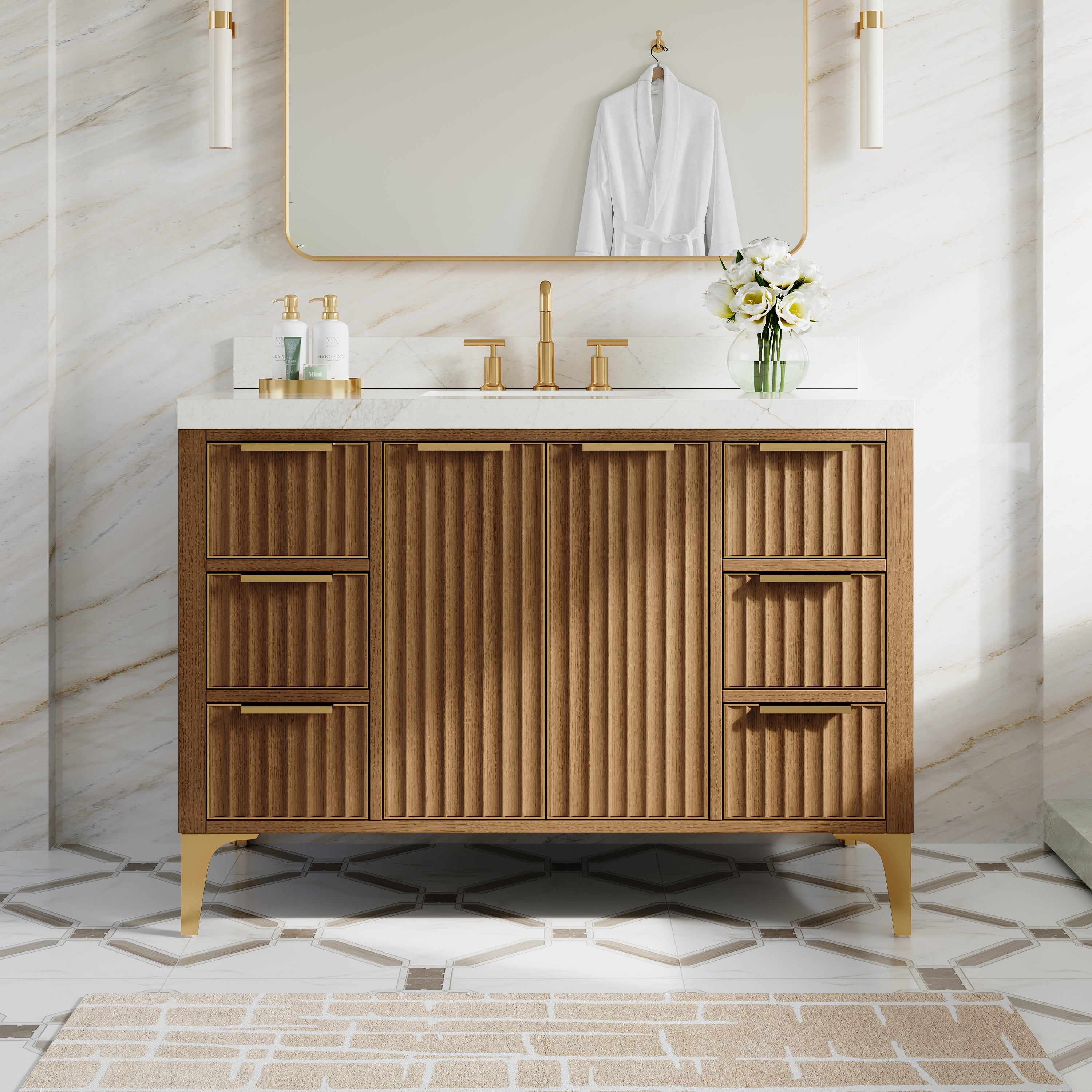


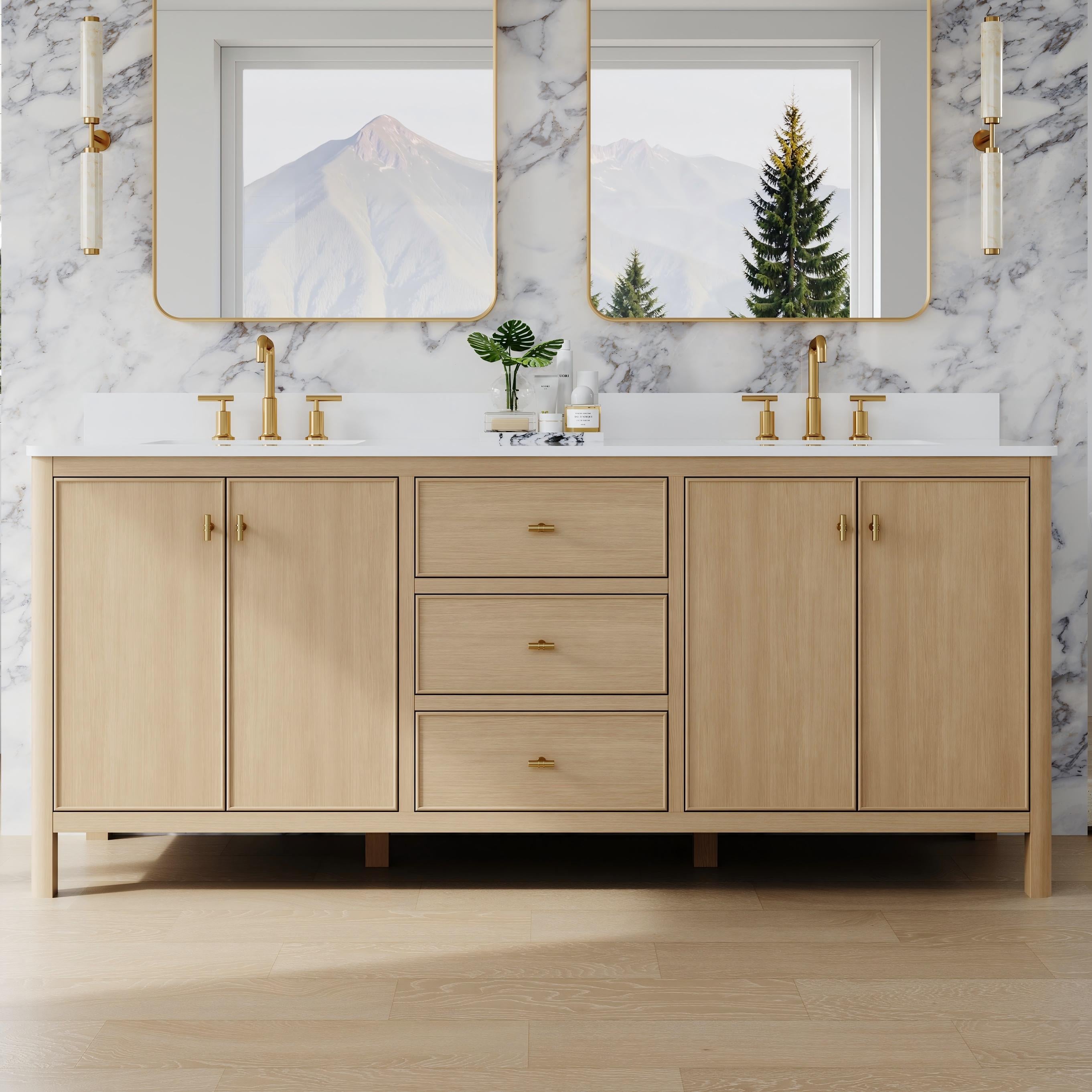
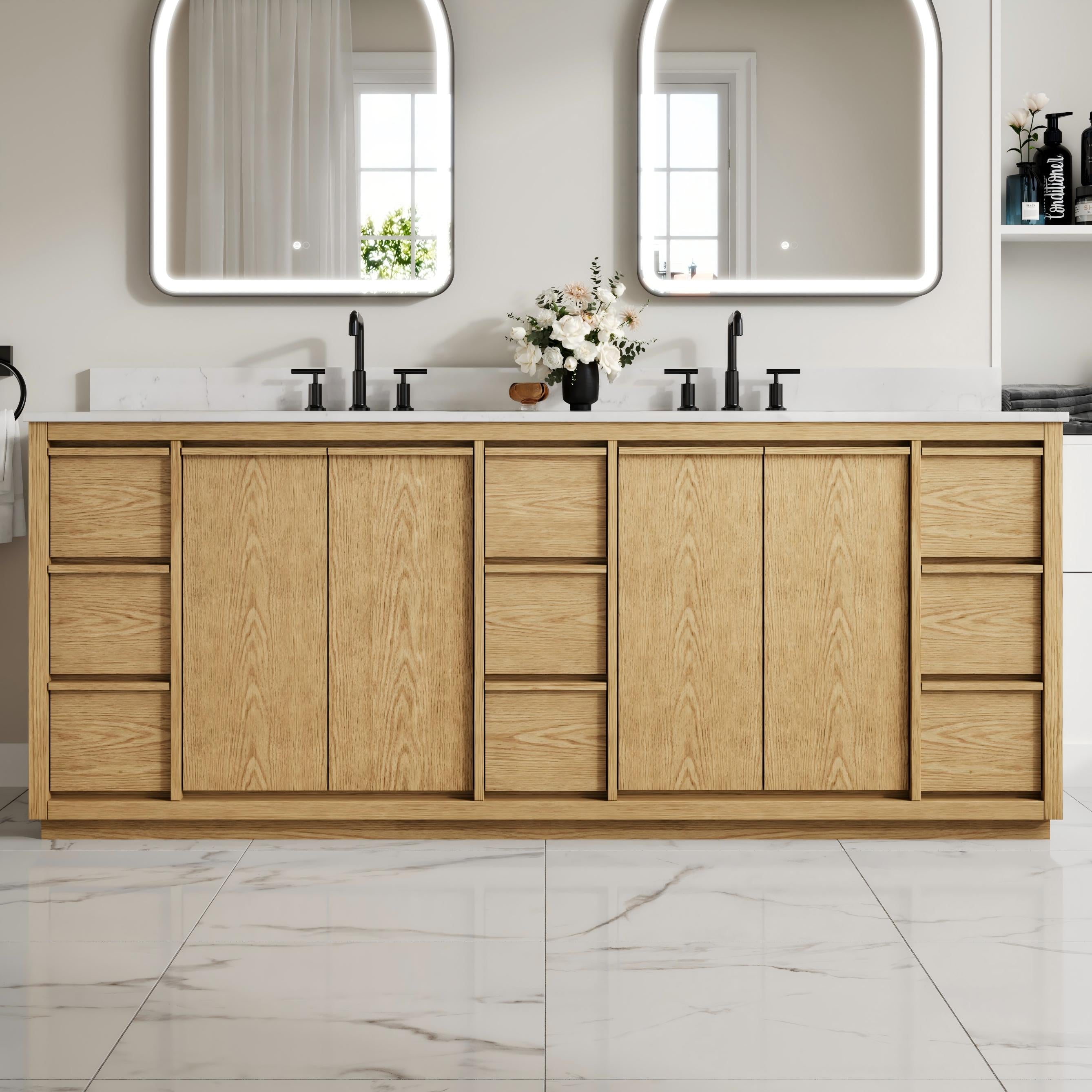

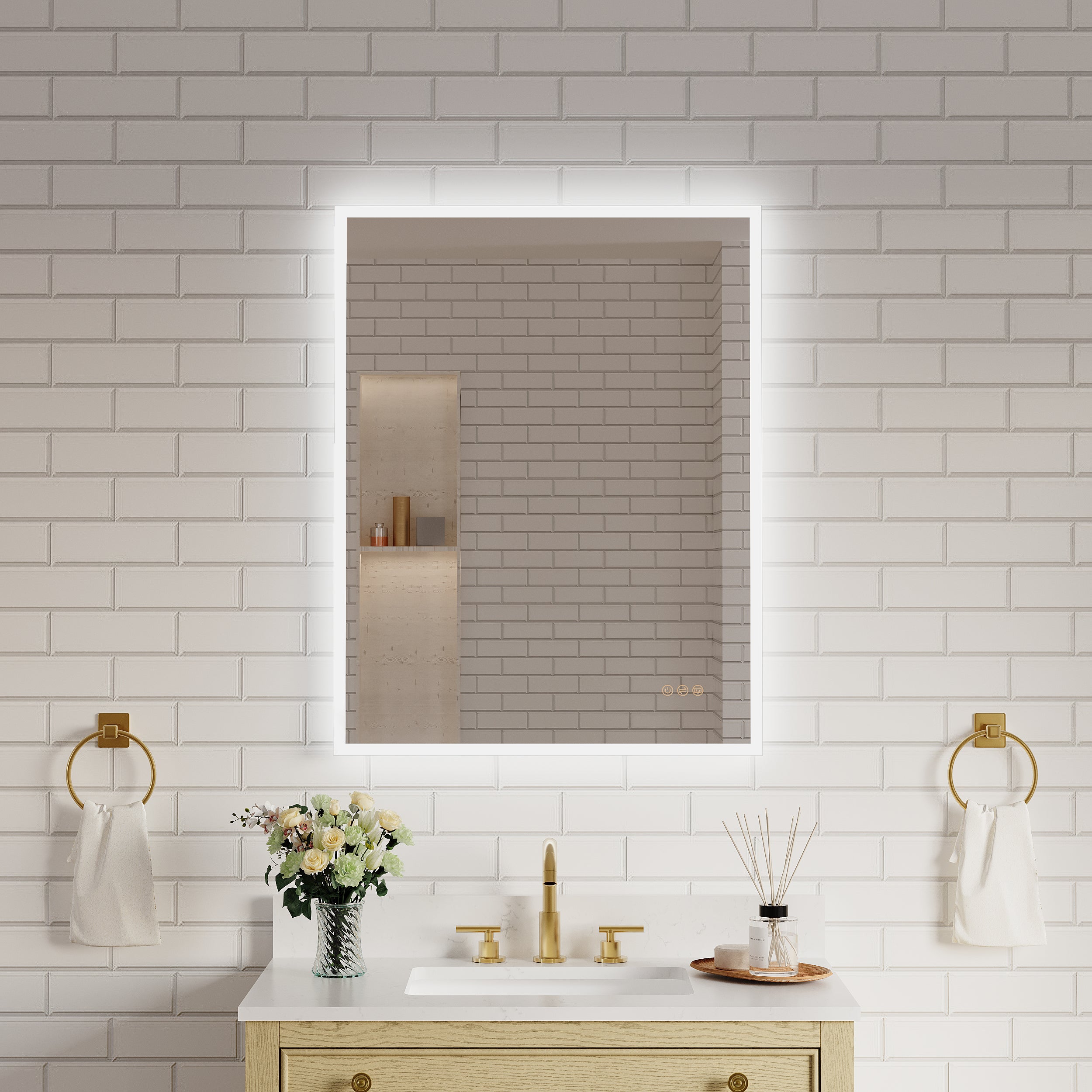
In the trend of modern bathroom upgrades, LED lights mirrors are becoming an important tool for optimizing functional lighting. Compared to the traditional combination of "top main light+side wall light+ordinary mirror", the mirror structure with an integrated LED light source can directly improve facial lighting quality, reduce shadow areas, and enhance the brightness uniformity across the entire bathroom functional area. Industry data shows that in recent years, the proportion of mirror products with LED lighting in high-end bathroom renovation projects has exceeded 50%, especially in the main bathroom, where growth has been more significant. This change not only enhances the visual effect but also brings structural optimization at the functional lighting level.
1. Resolve the issue of top lighting shadows
Traditional top lighting, which shines from top to bottom, can easily create noticeable shadows under the eyes and the chin. This light structure affects the judgment of detail during shaving or makeup.
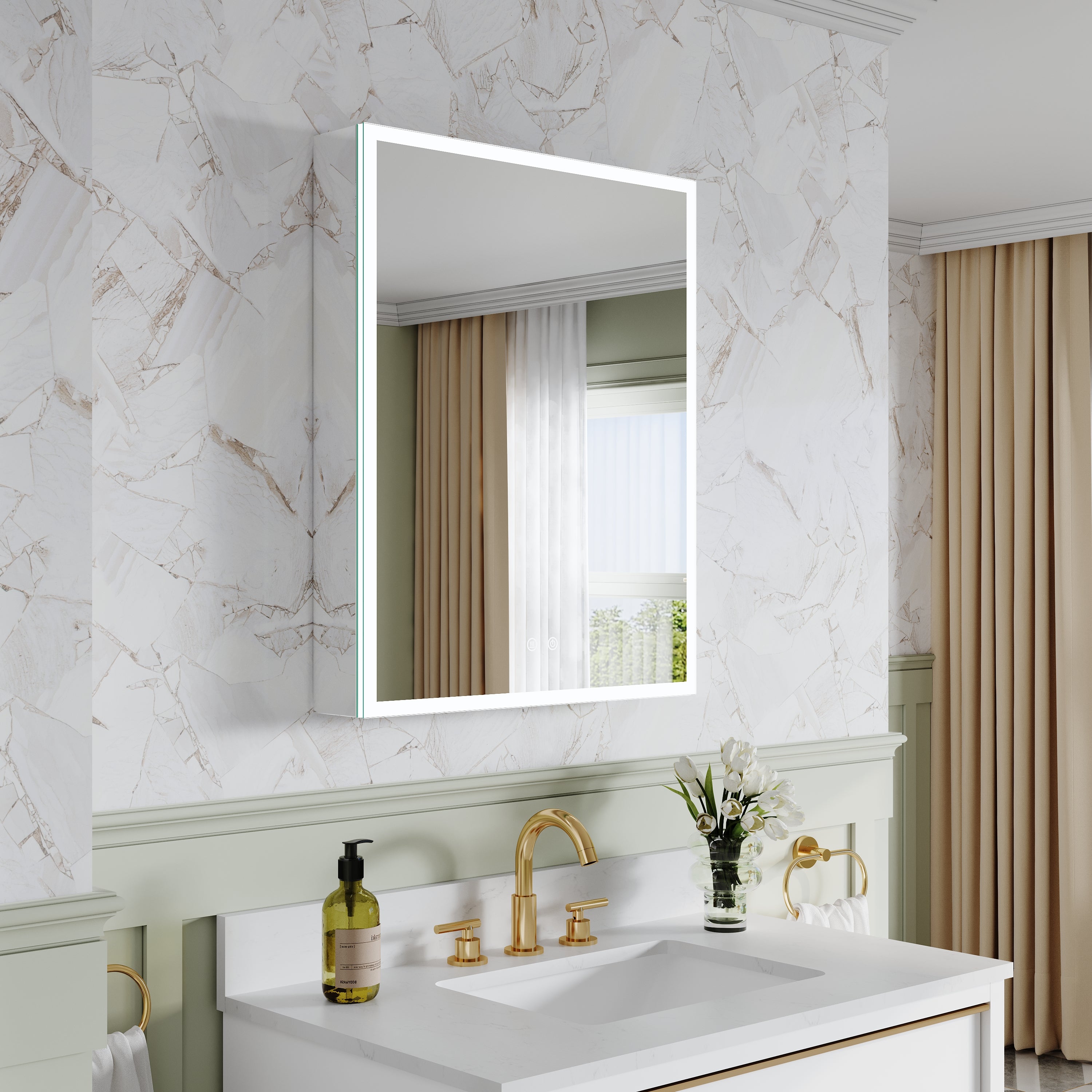
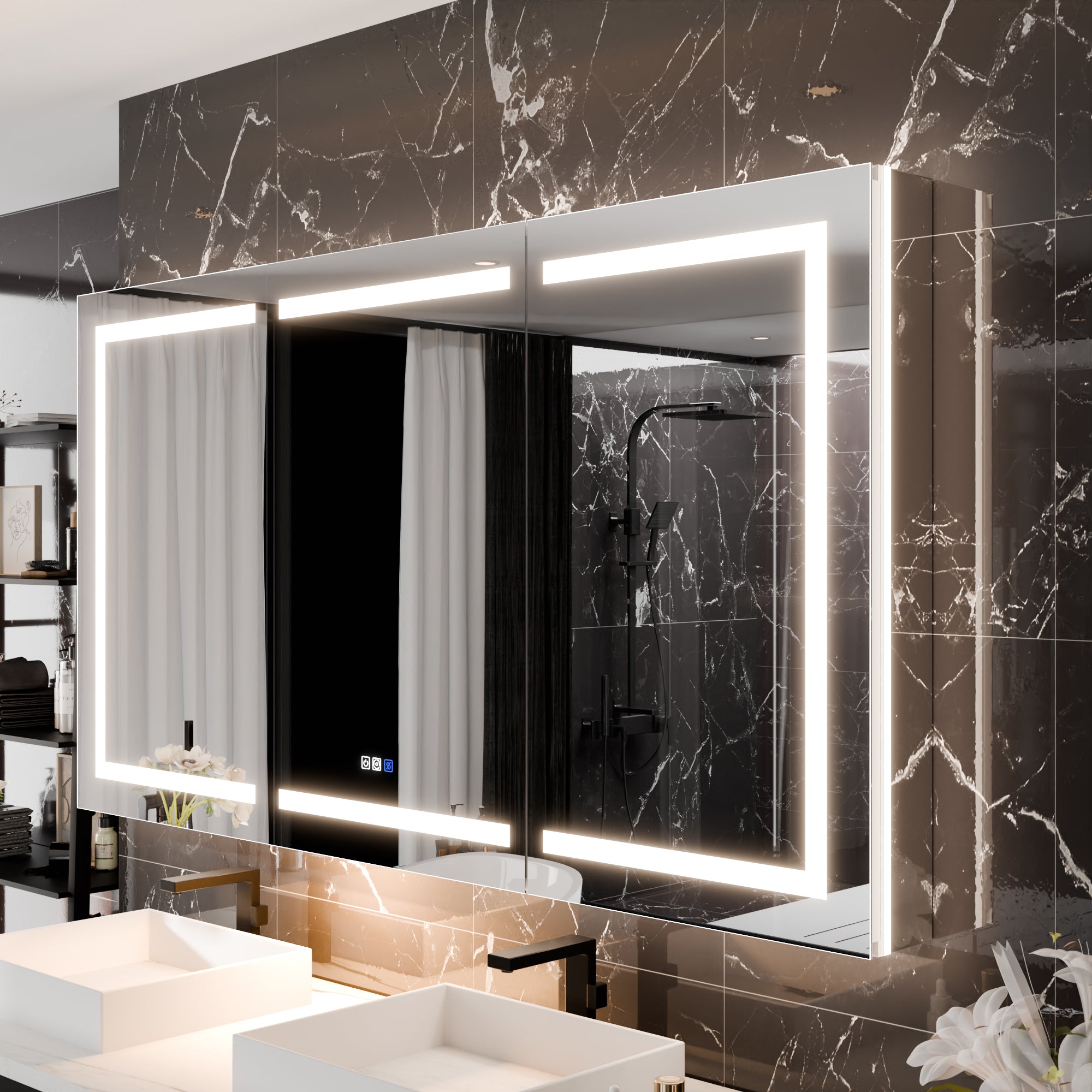
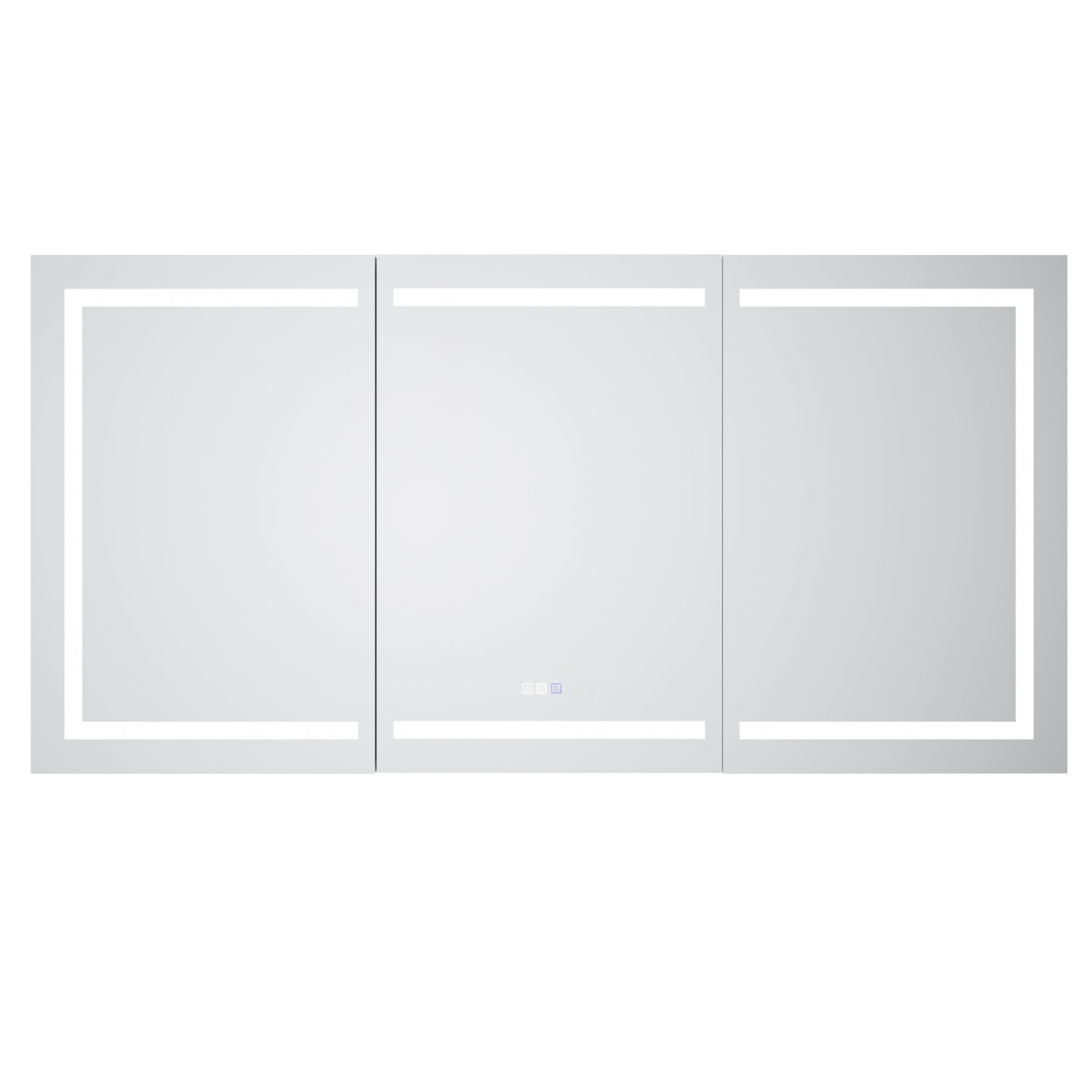
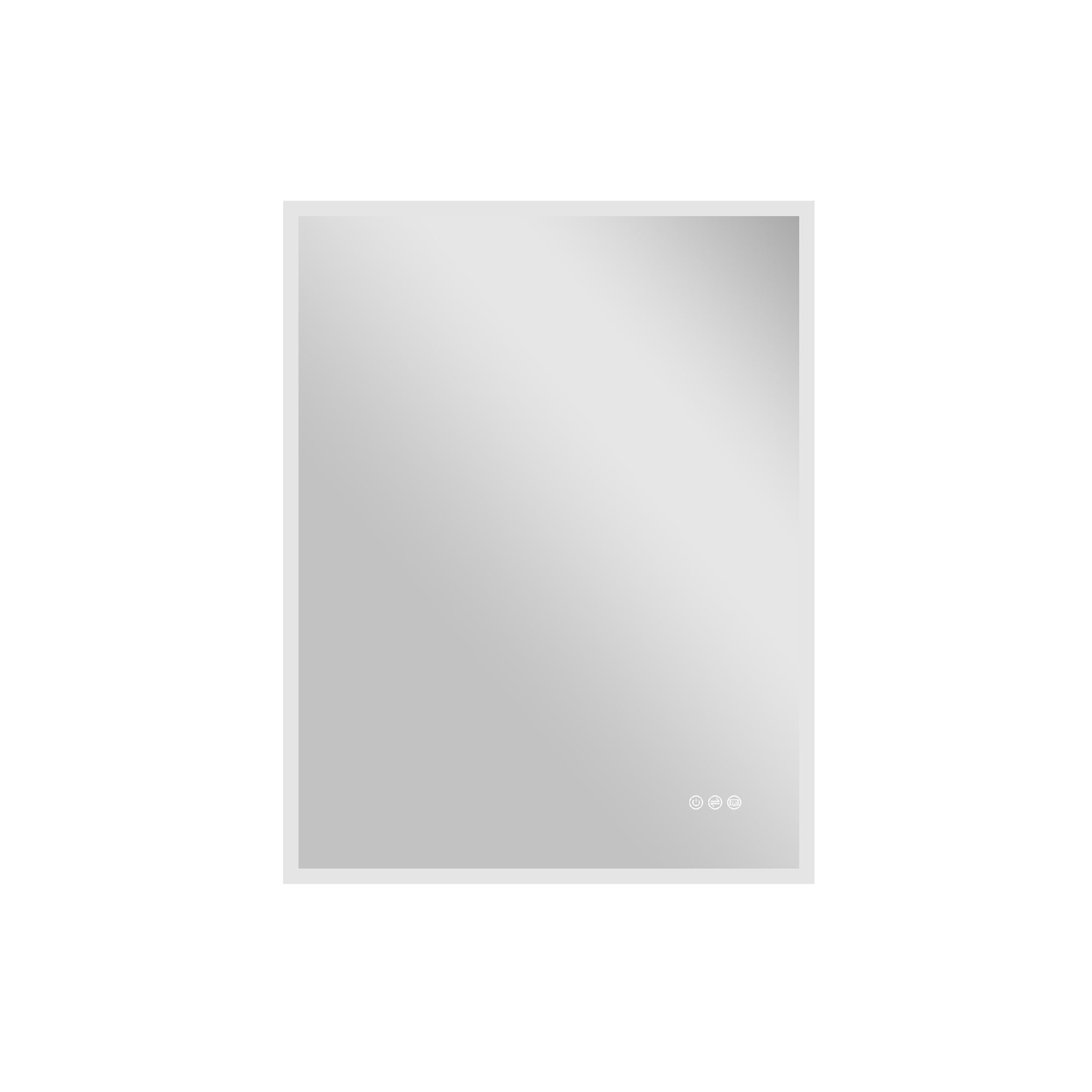
LED mirrors usually use a surround or side-light strip design to evenly illuminate the front. The common 36-inch model outputs brightness between 1200 and 2000 lumens; the 48-inch to 60-inch model can reach 2500 to 3500 lumens.
Test data show that when the color rendering index (CRI) reaches 90 or higher, facial detail clarity increases by about 20% and shadow contrast decreases by about 25%. This improvement directly enhances the precision of functional lighting.
2. Improve brightness uniformity
Functional lighting emphasizes "uniform coverage" to avoid local areas that are either too bright or too dark.
Research data shows that in bathrooms with an area of approximately 80 to 100 square feet, when the mirror output brightness reaches 2000 lumens or more, the uniformity of wall brightness increases by about 15% to 18%.
This uniform light distribution helps reduce dark corners and glare, making the functional area more comfortable.
3. Optimize spatial proportions and lighting levels
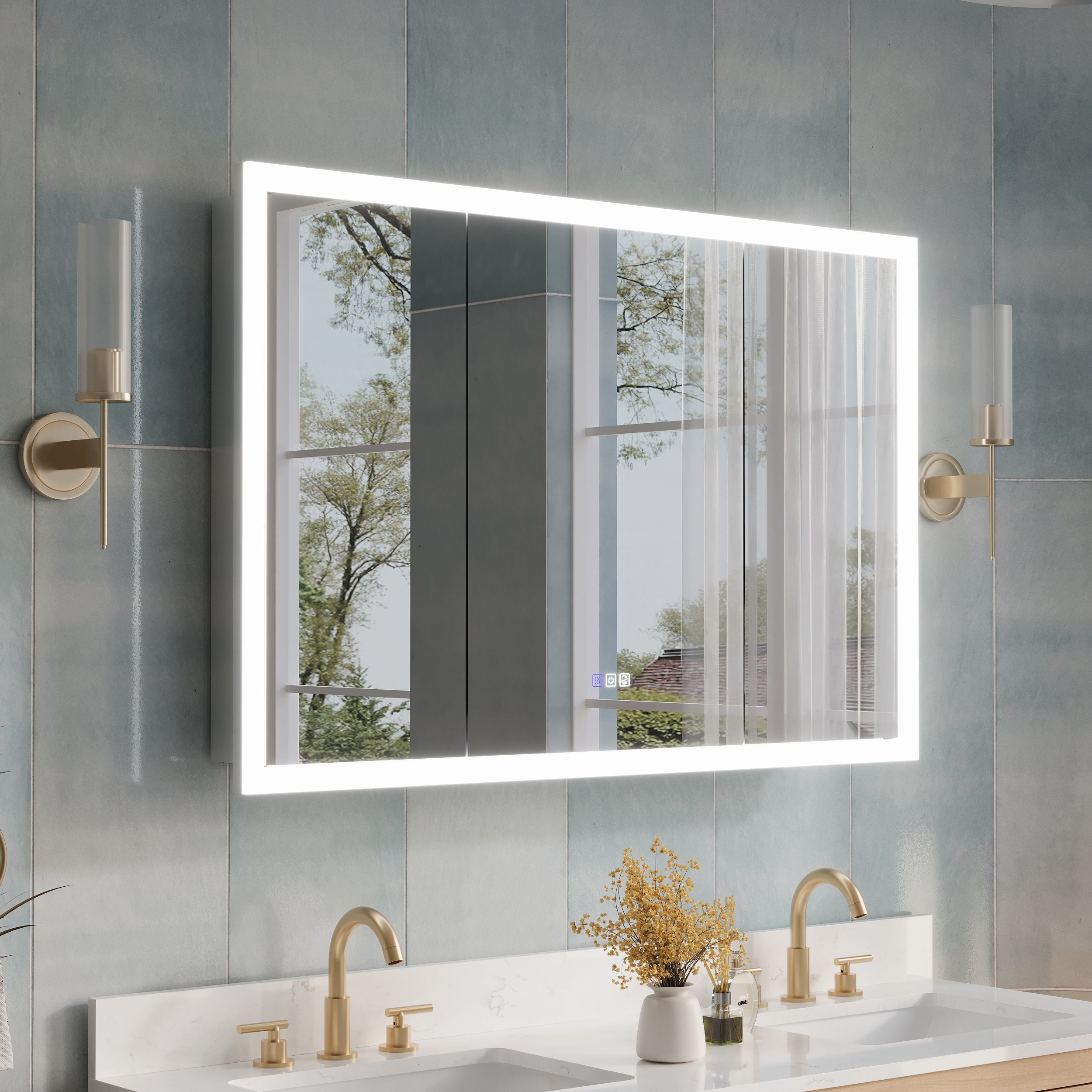
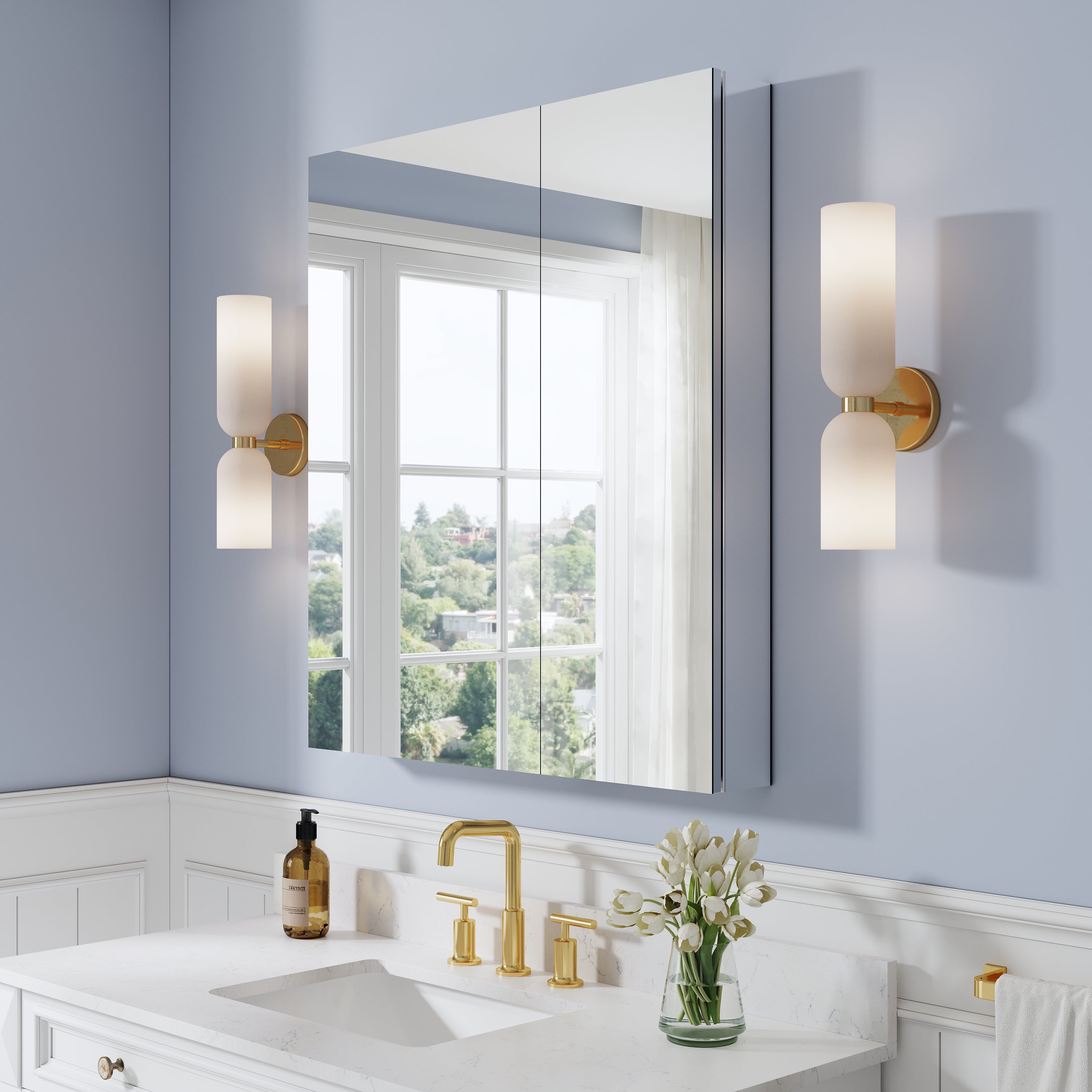
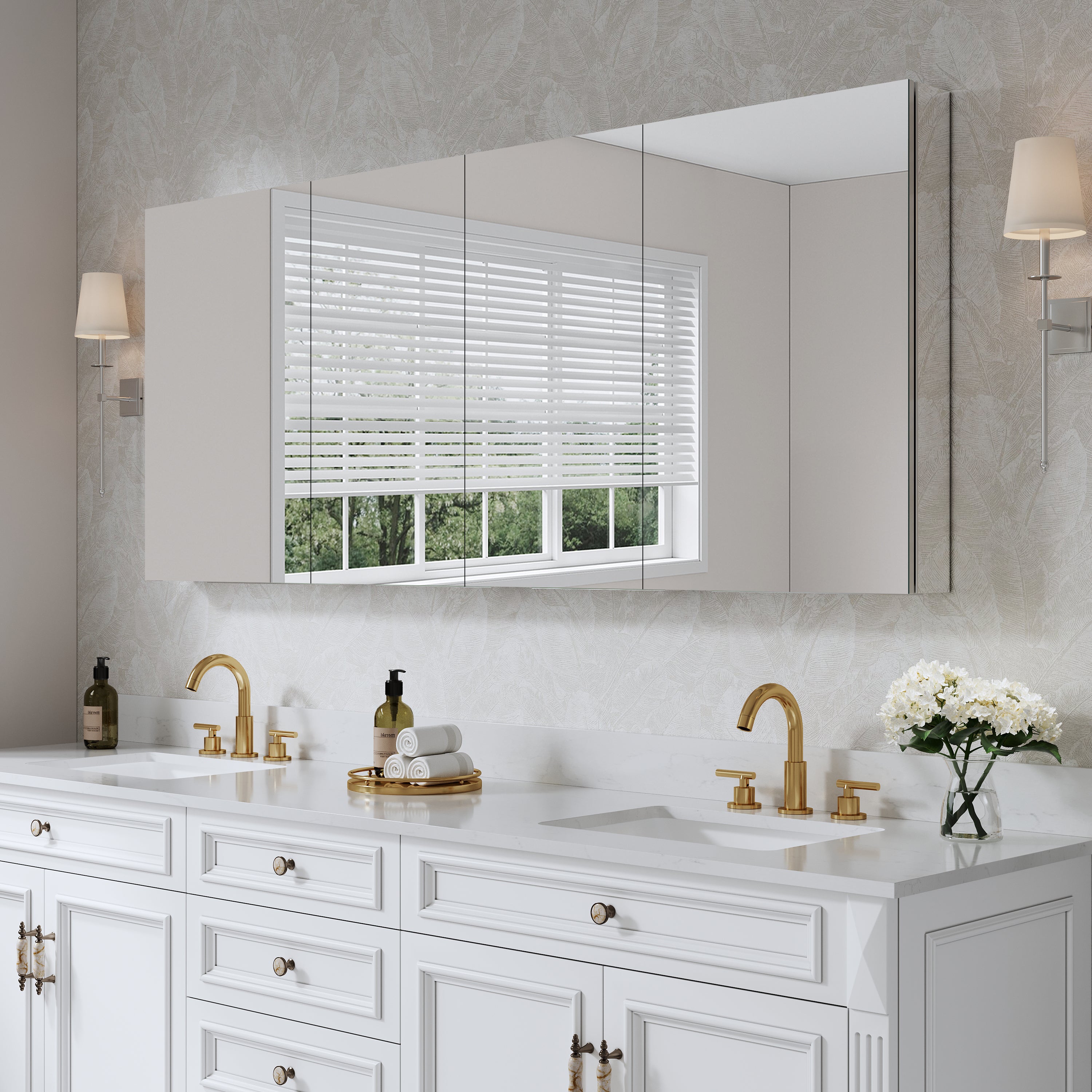
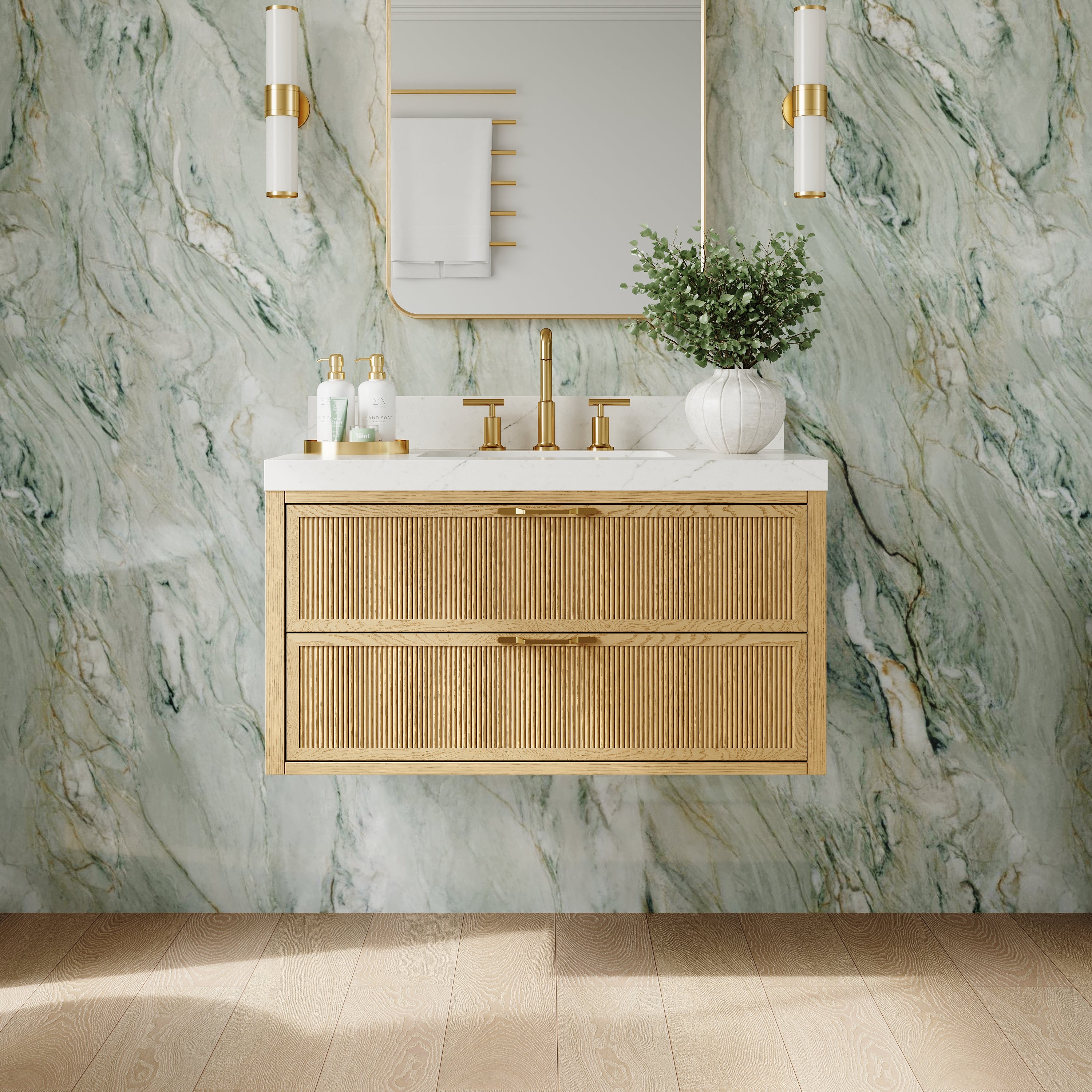
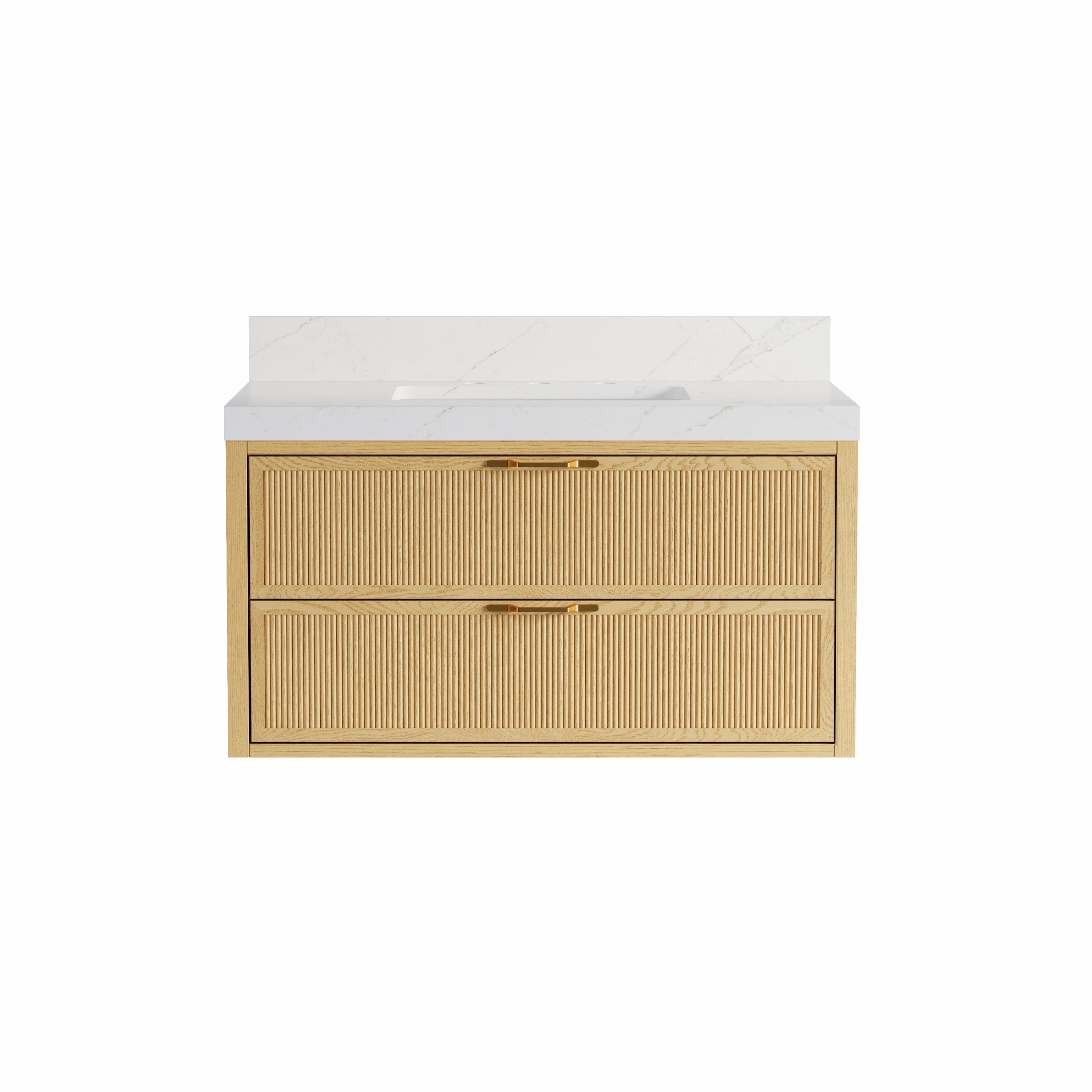
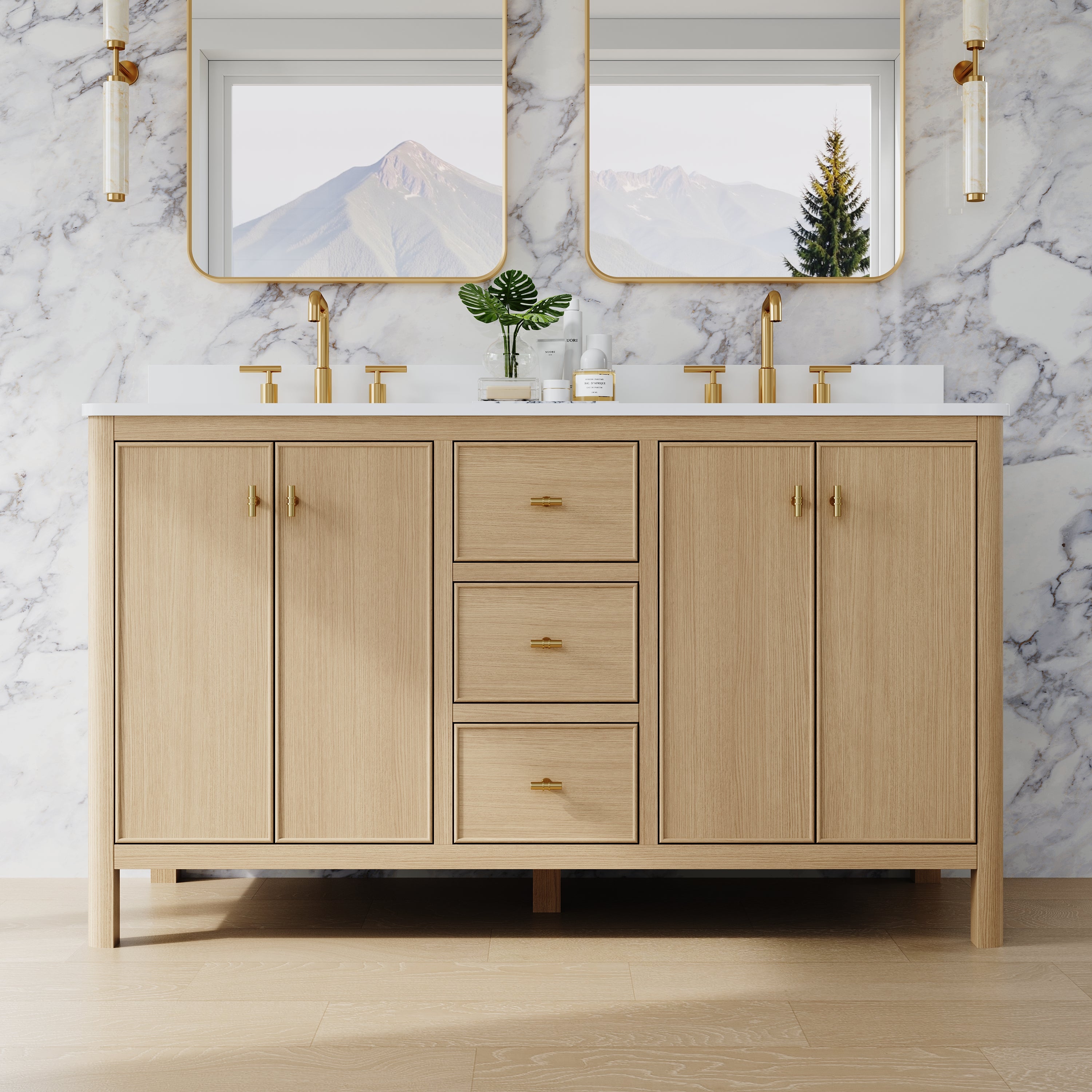
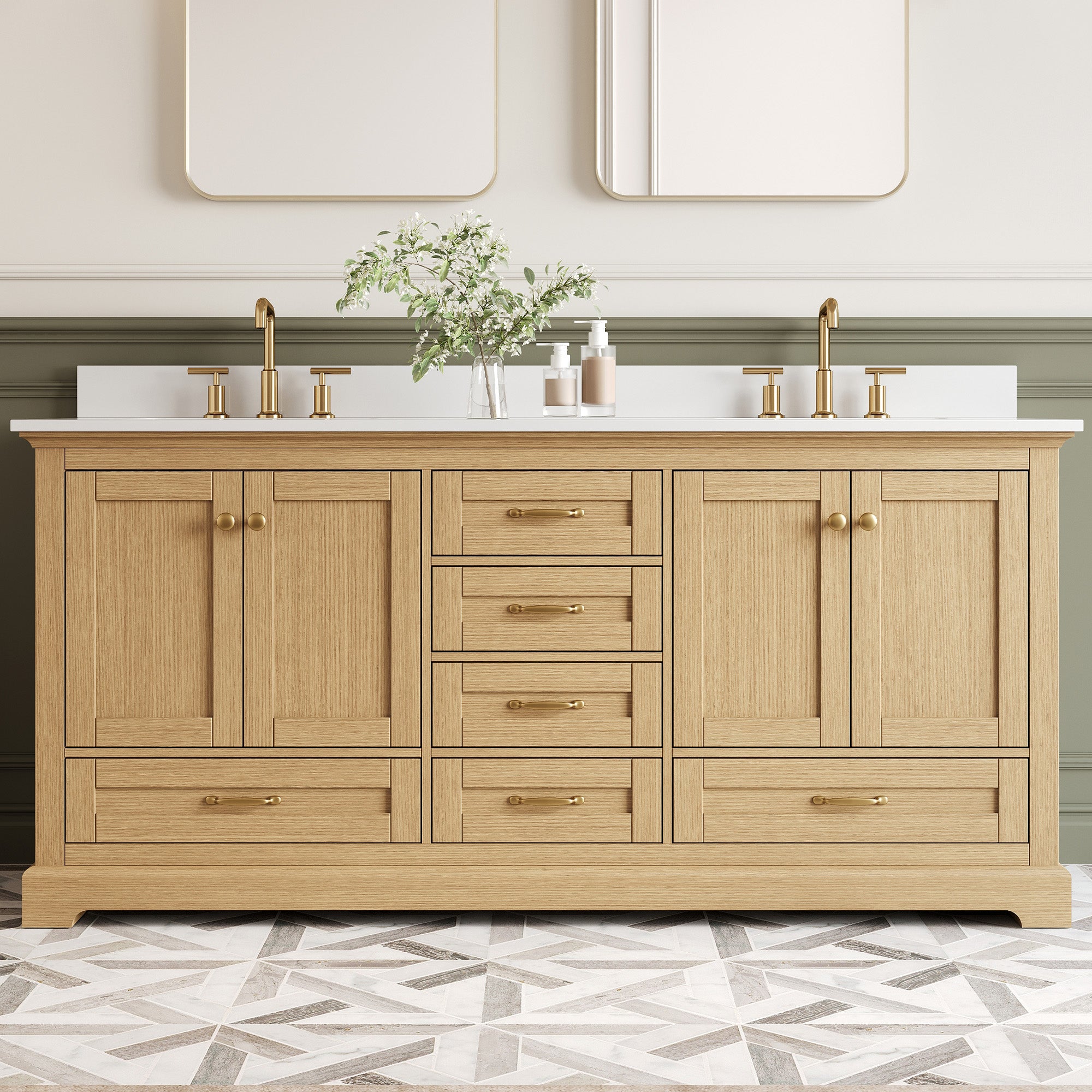
The mirror width is usually 70% to 90% of the tabletop width. For example, a 36-inch countertop is suitable for 28-inch to 32-inch mirrors; the 60-inch double-basin structure can be paired with 54-inch to 60-inch integral mirrors.
When the mirror proportions are coordinated, the spatial visual balance is significantly improved. The data shows that in a reasonably proportioned space, the overall lighting satisfaction score has increased by about 15%.
LED light strips outline the edges of the mirror, enhancing the sense of hierarchy and directing light more effectively.
4. Color temperature adjustment meets the needs of multiple scenarios
Modern LED mirrors typically support switching the color temperature from 3000K to 5000K.
Warm-colored light is better for relaxing at night, while cool white light is better for organizing in the morning. Data shows that under adjustable color temperature conditions, user satisfaction has increased by approximately 18%.
This flexibility enables a single functional area to meet different lighting needs at different times.
5. Enhanced practicality of defogging function
After showering, the humidity often exceeds 70%, and ordinary mirrors are prone to condensation.
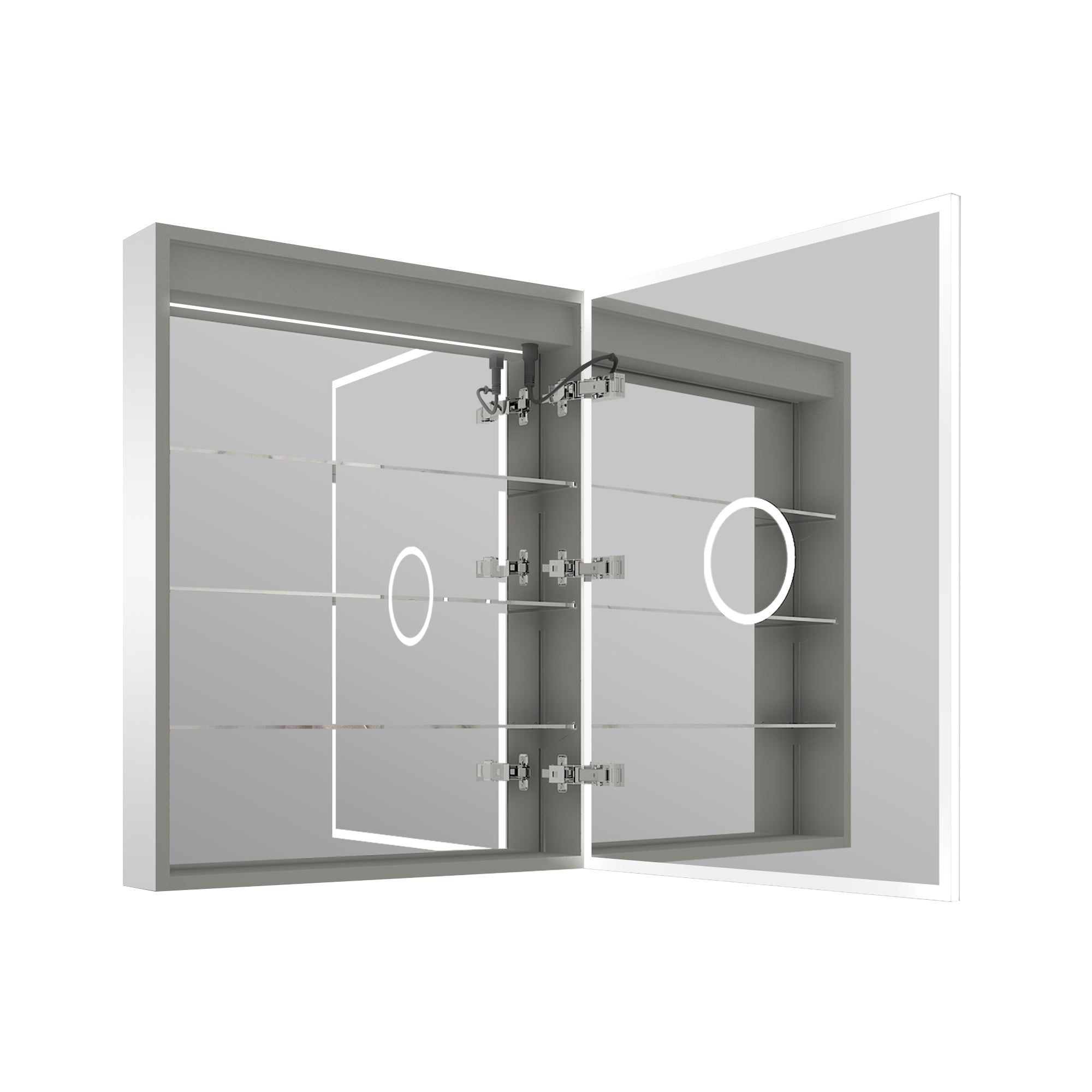
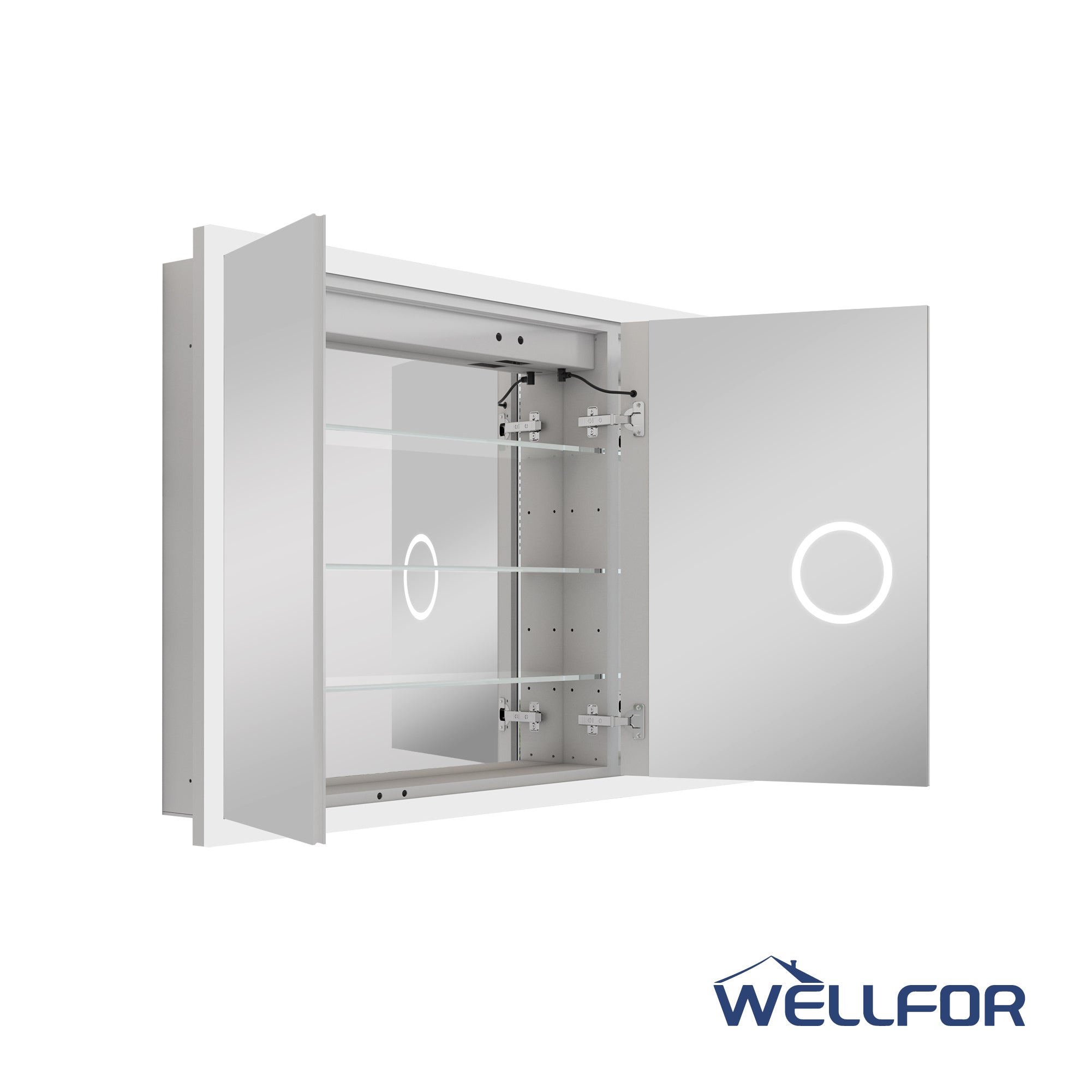
Mirrors with LED lighting usually feature a heated defogging film that restores clarity in 2 to 5 minutes. Data shows that in environments with humidity exceeding 75%, the defogging function maintains a mirror clarity retention rate of over 90%.
This function ensures the functional area maintains good lighting and visibility, even in high-humidity environments.
6. Reduce dependence on additional lighting fixtures
In spaces with an area less than 90 square feet, LED mirrors with an output of 2000 lumens or more can replace at least one set of side wall lights.
The data show that under this integrated layout, both construction complexity and wall-occupying area have decreased.
Reducing the number of lighting fixtures not only simplifies the design but also improves the space's cleanliness.
7. Energy saving and long-term operational efficiency
The average power of LED light sources is between 30W and 60W, and their energy consumption is significantly lower than that of traditional halogen lamps.
Data shows that compared to traditional lighting fixtures, LED systems can reduce energy consumption by about 70% and have a longer lifespan.
Under long-term operating conditions, this energy-saving advantage helps to reduce overall maintenance costs.
8. Installation height and ergonomics
The mirror center is usually installed at a distance of 60 inches to 65 inches from the ground, and the lower edge is 5 inches to 10 inches from the tabletop.
In an 8-foot-high floor space, this installation ratio helps ensure that light covers the face and upper body.
The data show that under ergonomic installation conditions, lighting comfort scores are significantly improved.
9. Enhance the overall value of the functional area
The lighting quality of the bathroom functional area directly affects the user experience. Mirrors with LED light sources have gradually become the core configuration in renovation projects due to their integration and modernity.
Industry data shows that LED mirror adoption continues to increase in high-end refurbished spaces.
It not only improves the functional lighting structure but also enhances the spatial quality at the visual level.

10. Conclusion
The improvement in bathroom functional lighting with LED mirror lights is reflected across multiple aspects, including light uniformity, shadow control, and energy efficiency. From the compact layout of 1200 lumens to the wide design of 3500 lumens, every inch size and unit brightness affects the actual user experience. Through reasonable proportion matching and color temperature adjustment, LED mirrors not only optimize the lighting structure but also create a more precise and comfortable lighting environment in the bathroom functional area, achieving a balance between practicality and design sense in the renovation project.
















Leave a comment
This site is protected by hCaptcha and the hCaptcha Privacy Policy and Terms of Service apply.