














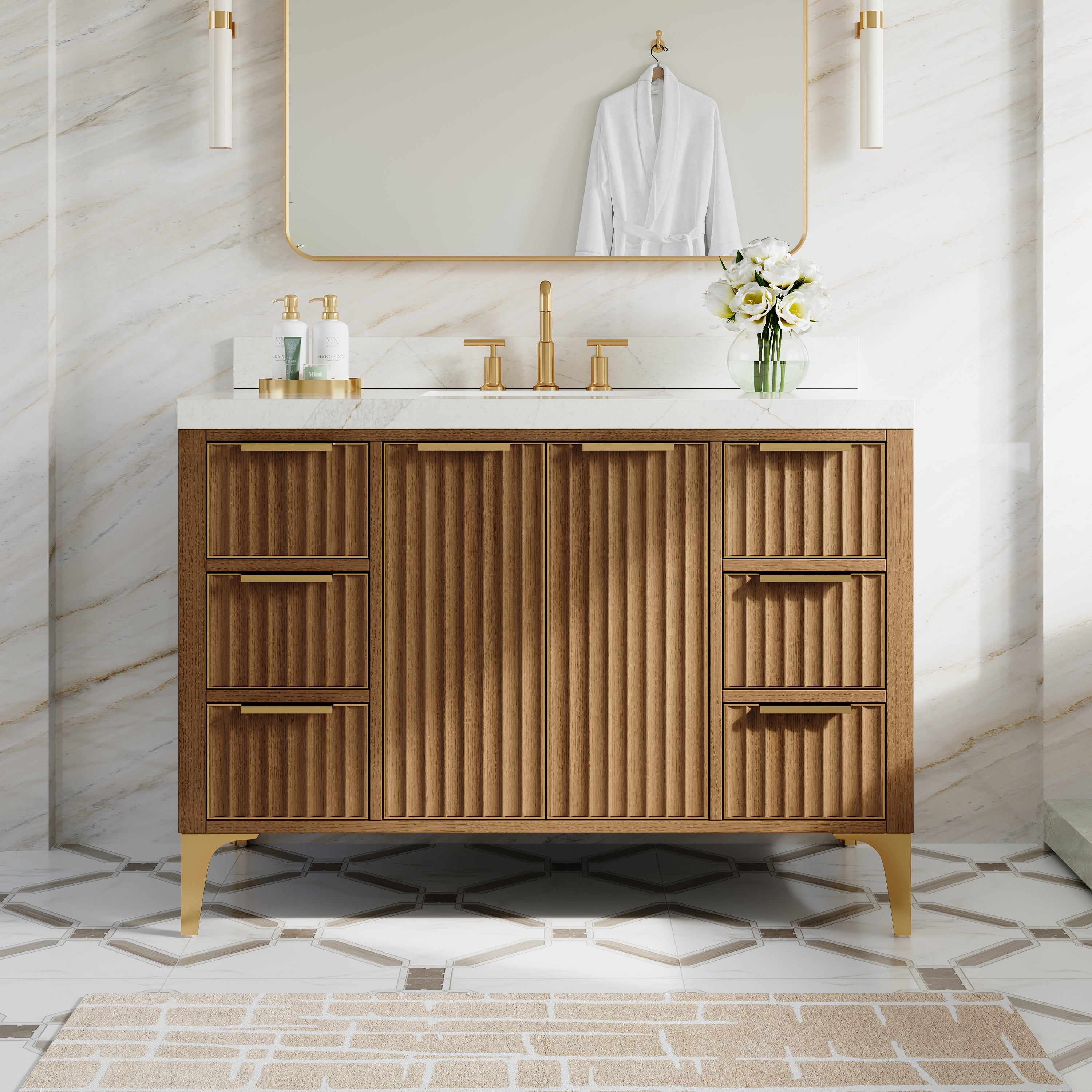
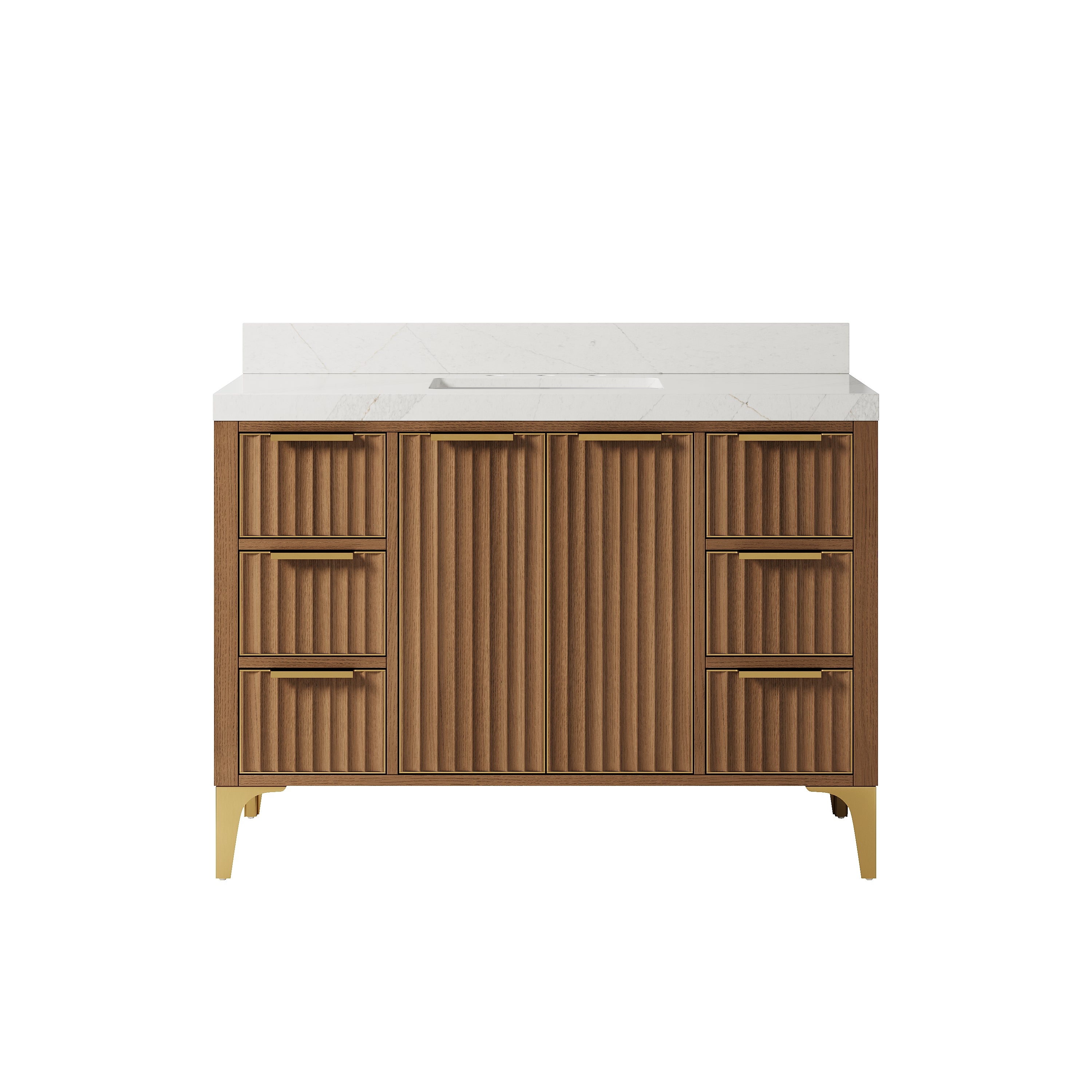


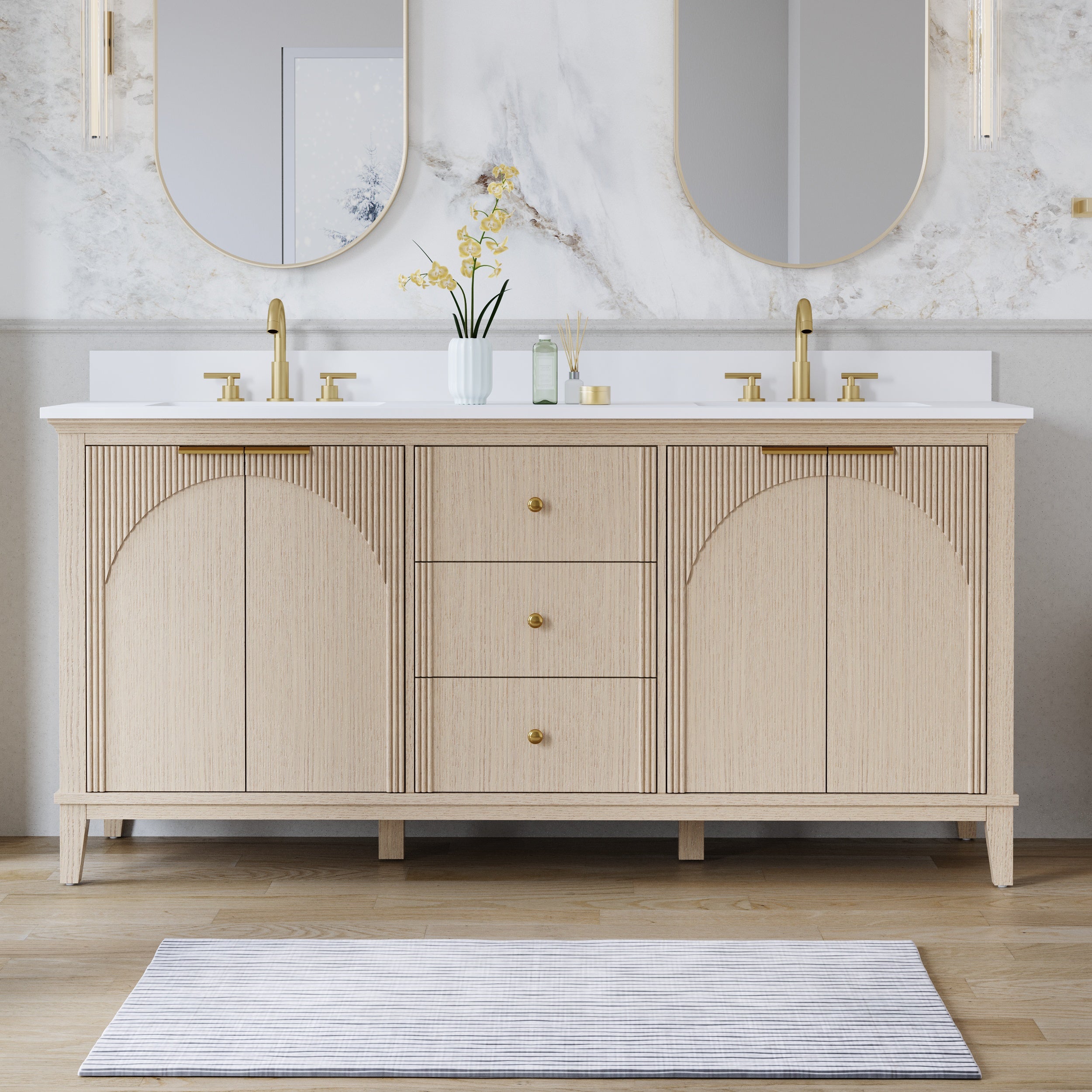
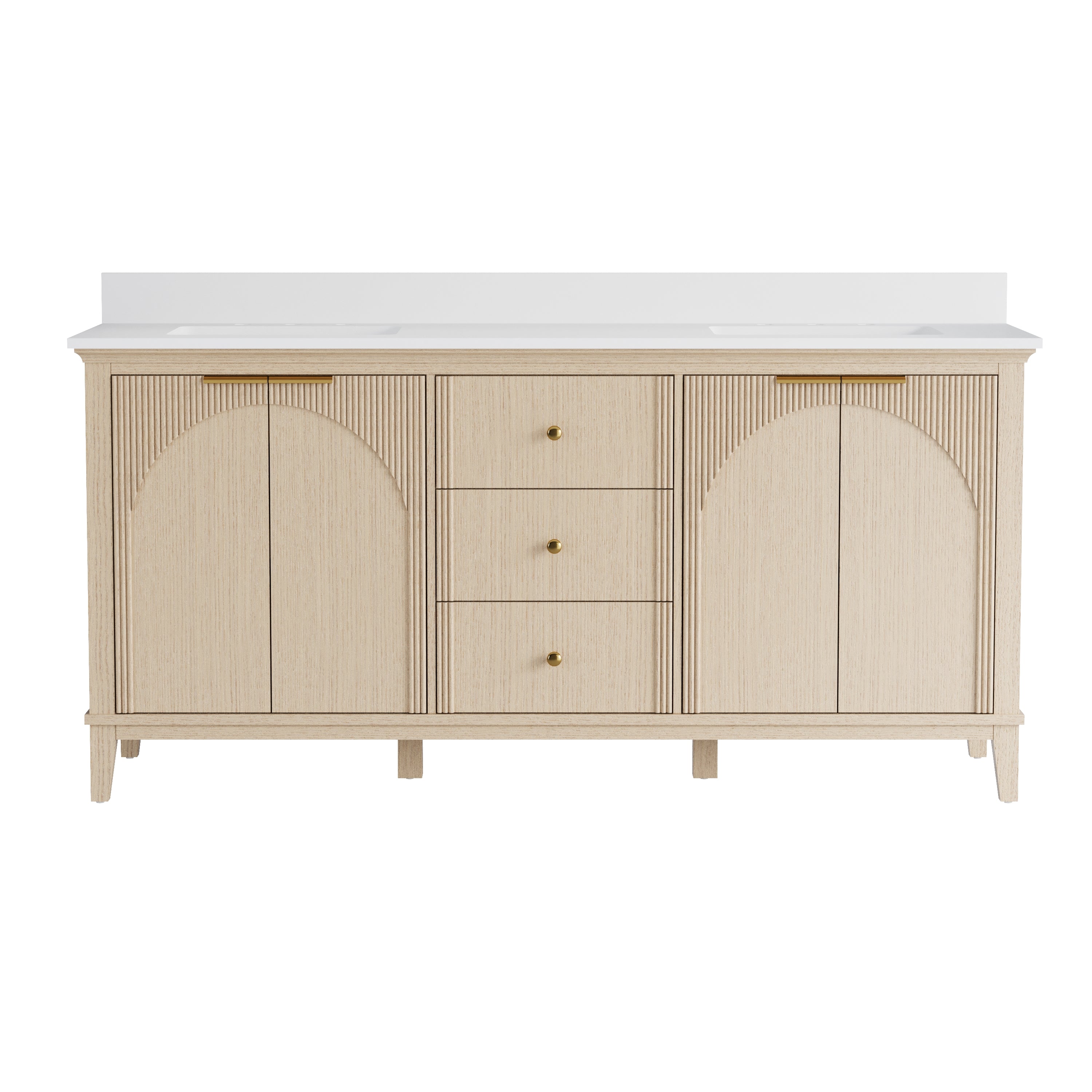
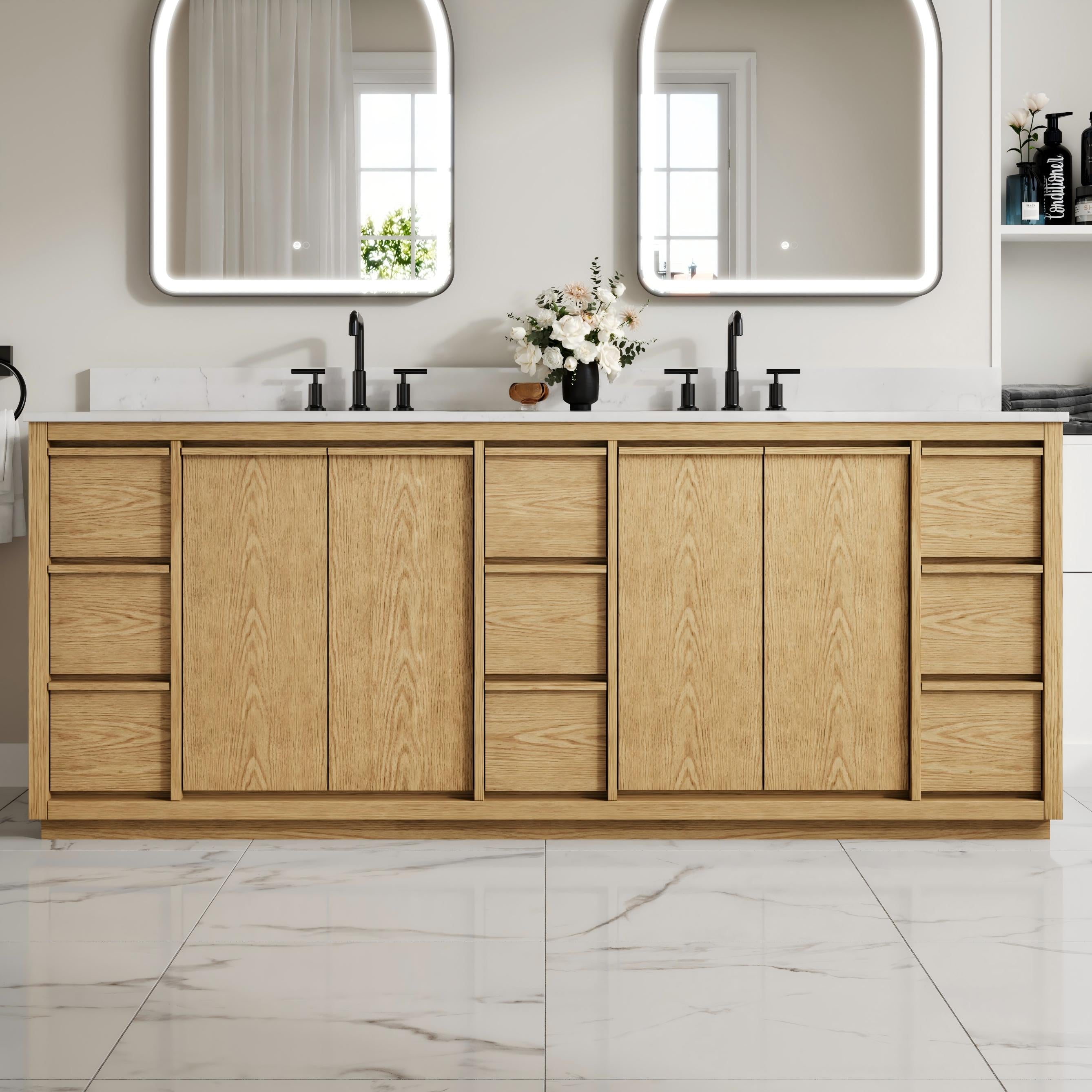
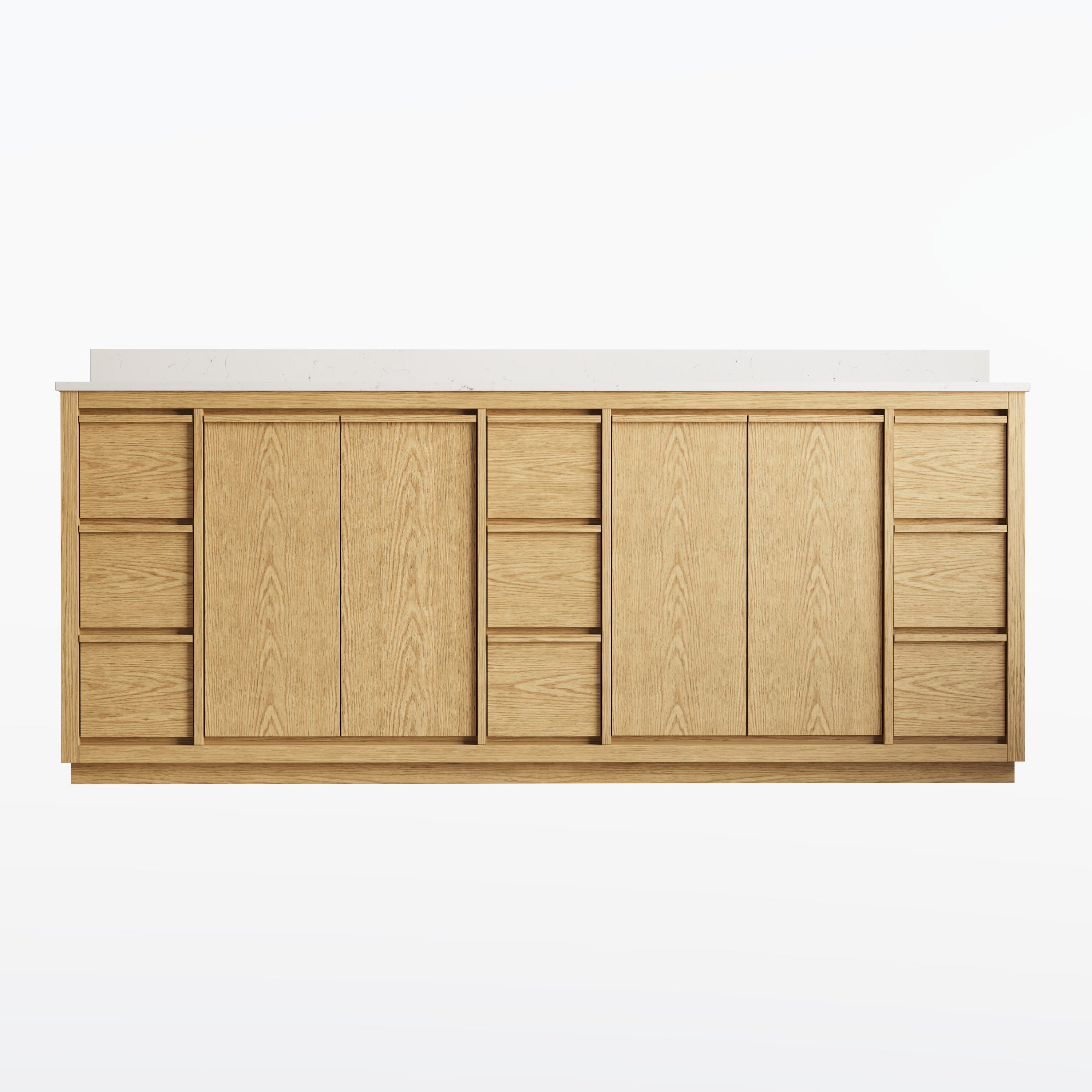
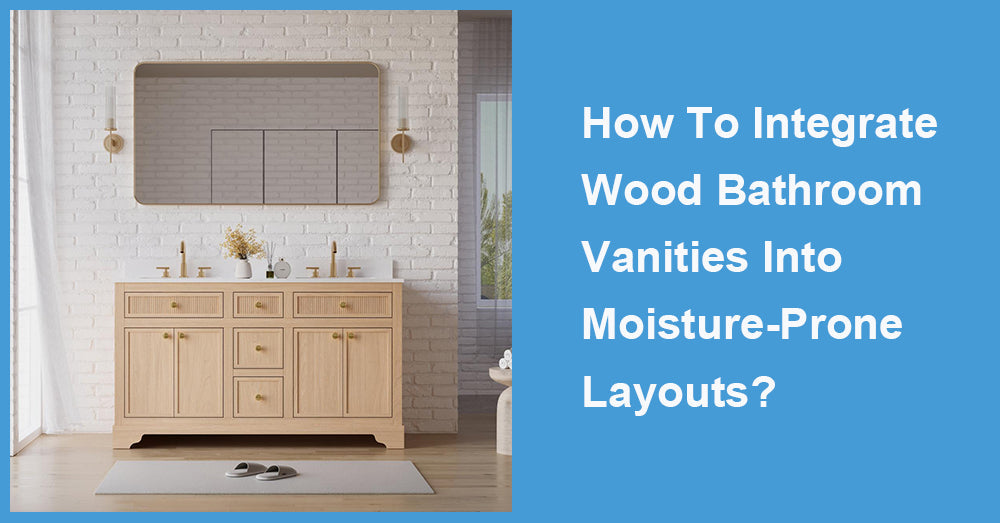
In modern bathroom renovation design, wood bathroom vanities are favored for their natural texture and warm appearance. However, the bathroom is a high-humidity space, and the air humidity after showering often exceeds 70%, which makes many people worry about whether the wooden cabinet can be used stably for a long time. Industry data shows that the proportion of wooden bathroom cabinets used in mid- to high-end bathroom renovation projects continues to rise, provided that reasonable structural design and moisture-proof treatment are in place. Successfully integrating wooden bathroom cabinets in a layout with high humidity requires systematic consideration from multiple dimensions, including material selection, ventilation planning, installation height, and daily maintenance.
1. Prioritize solid wood or multi-layer structures with a stable structure
Not all "wooden" cabinets are equally stable. High-quality solid wood cabinets usually adopt a whole board structure with a thickness of about 3/4-inch, or are designed with a solid wood frame combined with multi-layer board core materials to enhance deformation resistance.
Data shows that in an environment with humidity maintained between 40% and 55%, the service life of high-quality solid wood cabinets can exceed 15 to 20 years. However, low-density boards without sealing treatment have a significantly increased risk of edge expansion in high-humidity environments.
Therefore, in high-humidity environments, prioritizing the selection of wooden cabinets with a stable structure and advanced sealing technology is the foundation for long-term design.
2. Control the height of the cabinet above the ground
The ground is the main area where moisture accumulates. If the bottom of the wooden bathroom cabinet is directly attached to the ground, it may corrode over time due for water vapor.
In the design, it is recommended that the cabinet be placed 4 to 6 inches above the ground, or that a suspended structure be used with a height of 8 to 12 inches above the ground. The data shows that the risk of bottom moisture is significantly reduced when the height above the ground exceeds 4 inches.
The suspended design not only enhances visual lightness but also helps with air circulation and reduces moisture retention.
3. Optimize ventilation and air flow
Humidity control is a key factor in the stability of wooden cabinets. The humidity in the bathroom often exceeds 70% after showering, but with reasonable ventilation, it can recover to around 50% within 30 to 60 minutes.
Data show that in spaces equipped with effective exhaust systems, the risk of cracking and surface deformation on wooden cabinets is significantly reduced.
If the space area is between 80 and 120 square feet, installing exhaust equipment and properly managing door gaps can help maintain stable humidity.
4. Reasonable layout of countertop and water source location
Wooden cabinets are usually paired with quartz or natural stone countertops, typically 1 inch thick. The stone countertop has waterproof properties and can effectively protect the cabinet structure.
In the faucet's installation area, ensure the joints are well sealed. Data shows that with complete sealing treatment at the edge of the water basin, the risk of water leakage is reduced by about 30%.
Avoiding long-term water dripping onto the surface of wooden door panels is an important factor in extending their service life.
5. Surface coating and protective process
High-quality wooden cabinets are usually treated with multi-layer waterproof coatings or polyurethane paint to enhance their moisture resistance.
The data shows that the water absorption rate is significantly reduced on the surface of wood treated with a sealing coating.
Regularly inspecting the paint surface for integrity in high-humidity environments and promptly repairing minor cracks can effectively extend the cabinet's lifespan.
6. Internal structure and storage planning
A reasonable ventilation space should be provided inside the wooden cabinet to avoid complete sealing.
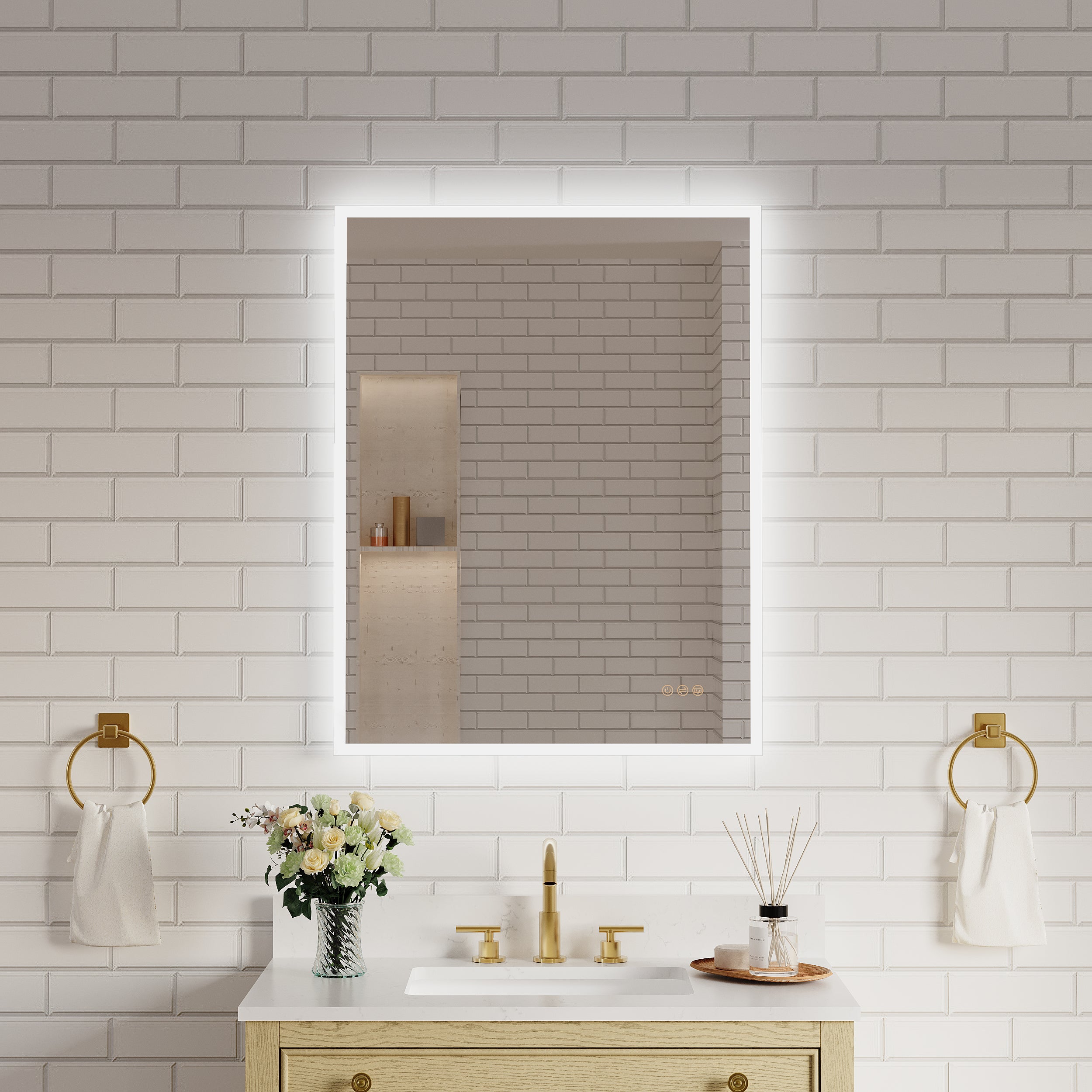
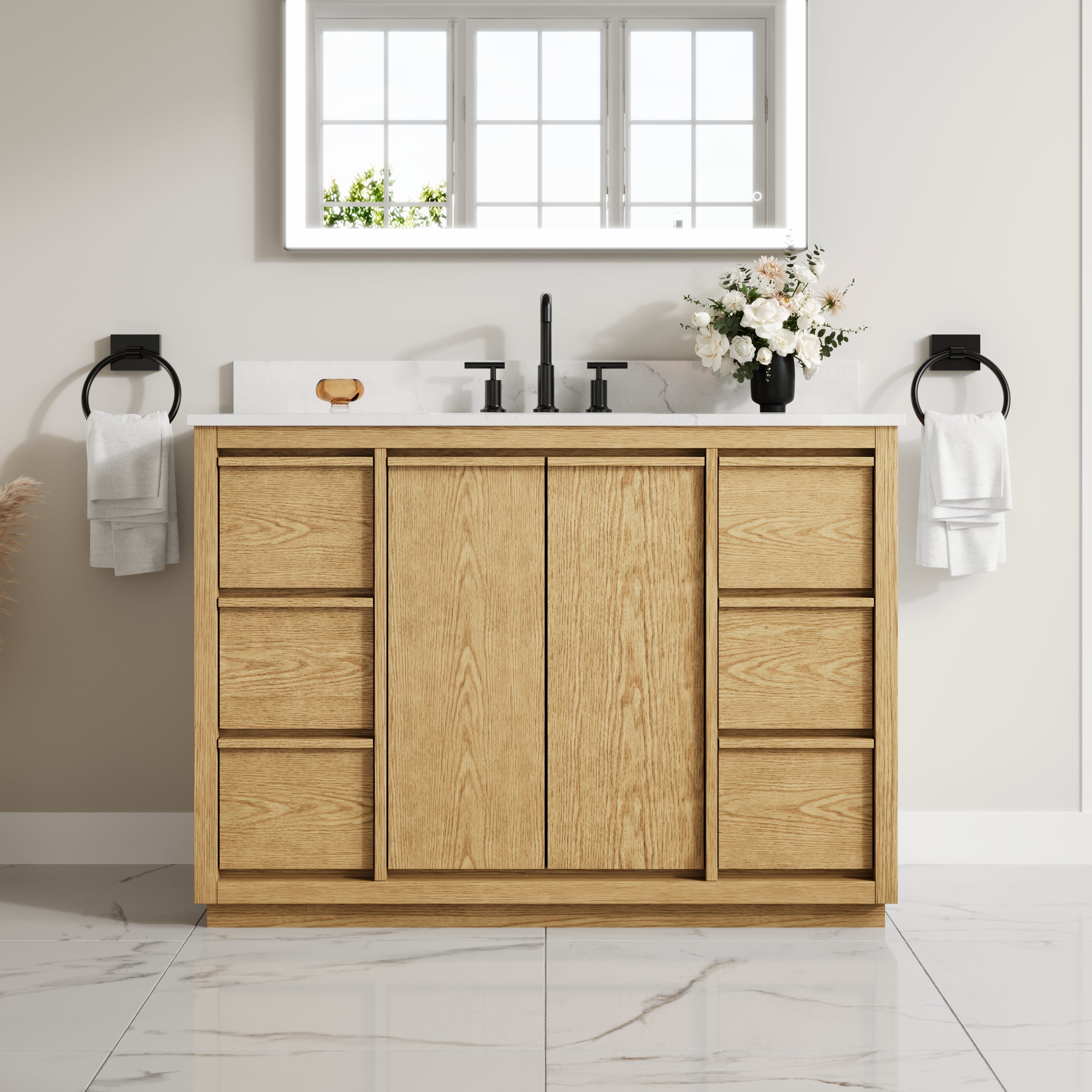
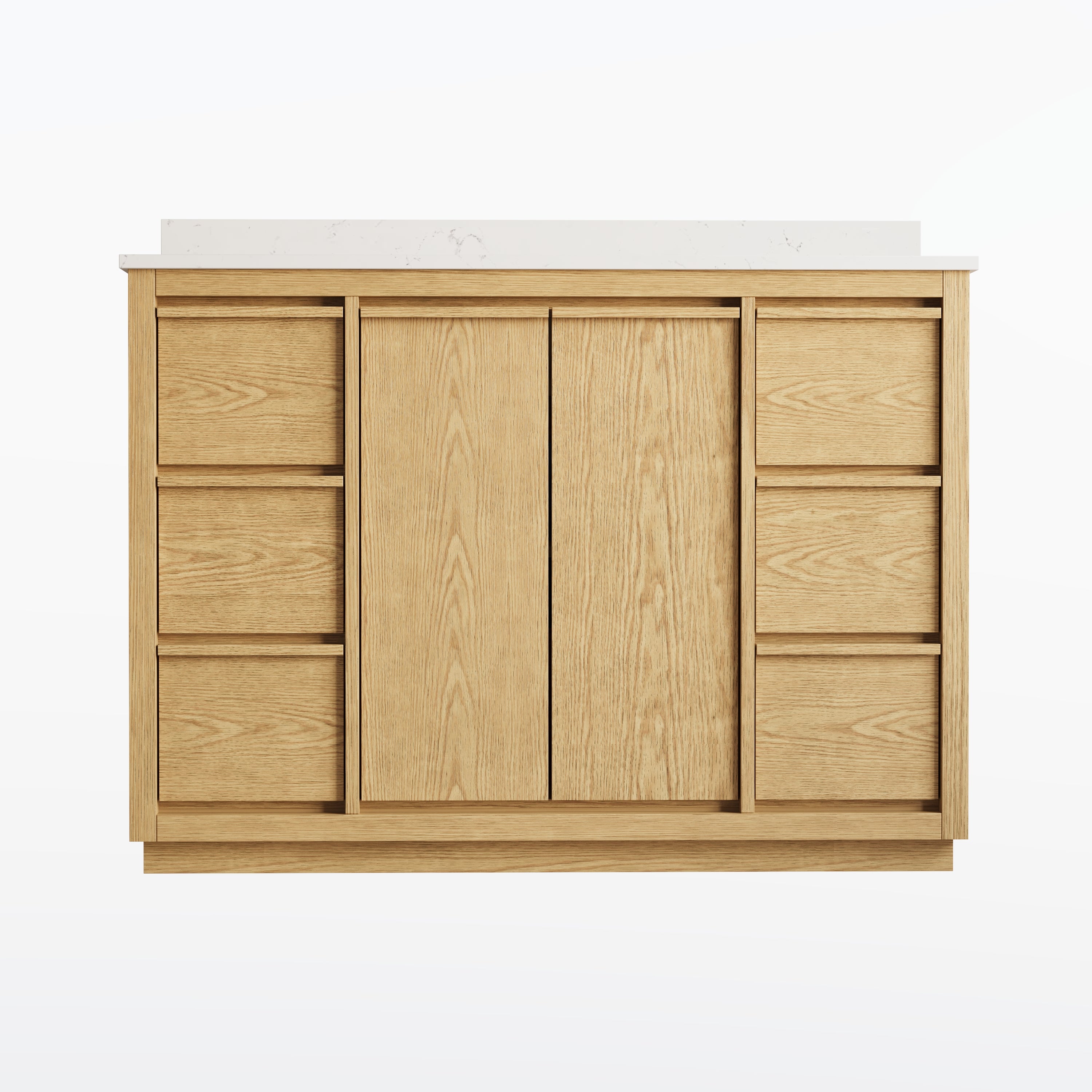
For example, in a 36-inch single-pot structure, a well-balanced distribution of drawers and cabinet doors can improve airflow. The data show that in well-ventilated internal spaces, the risk of mold growth is significantly reduced.
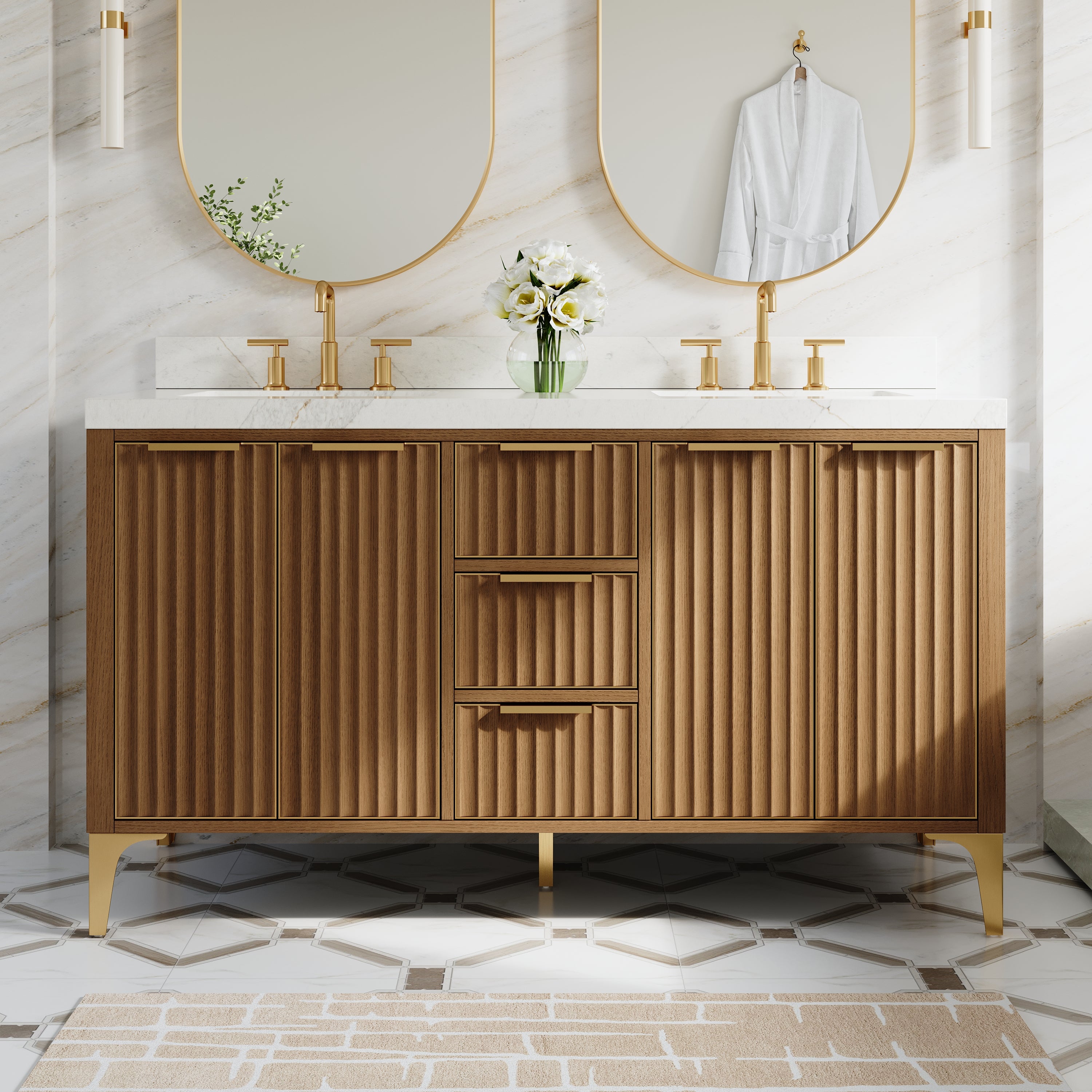
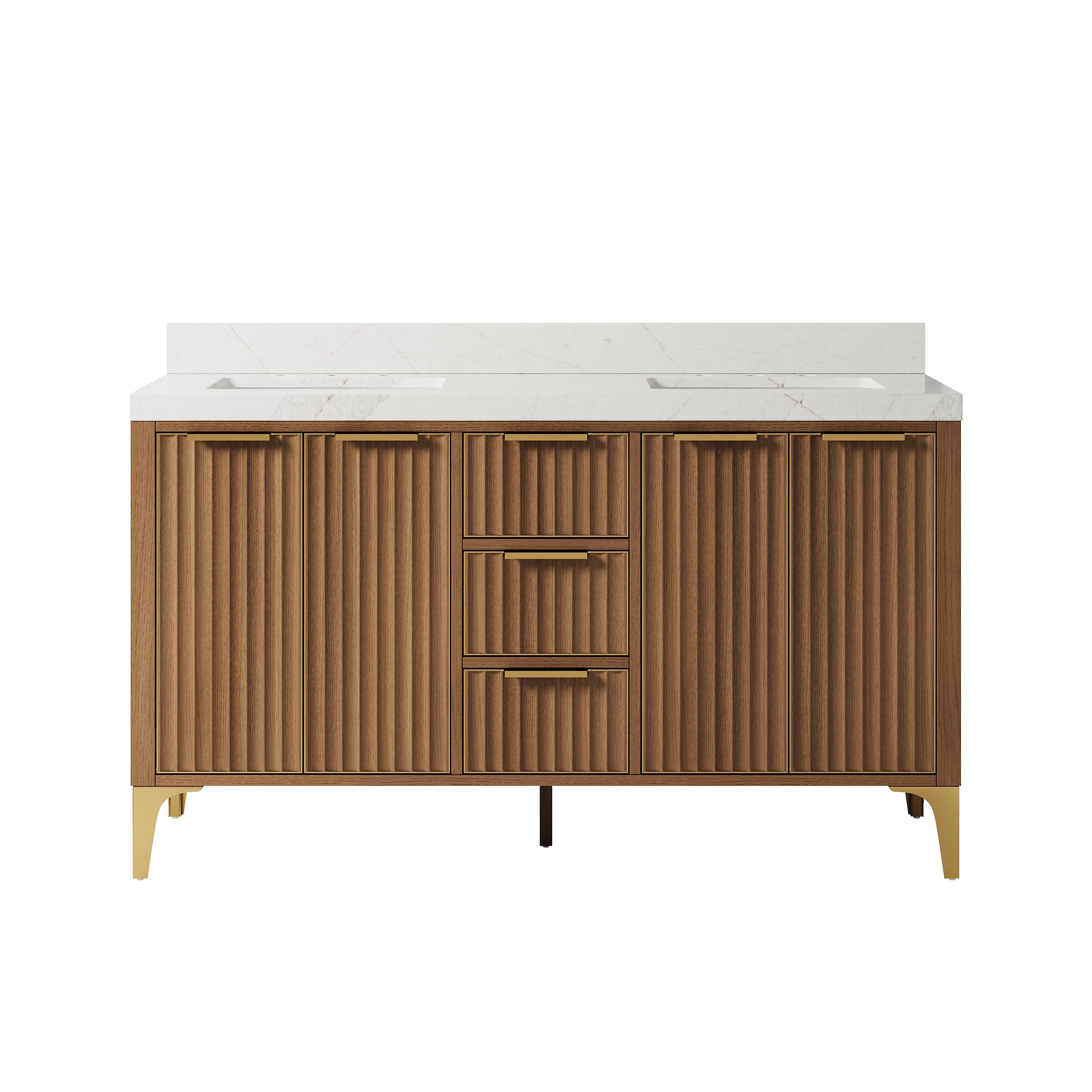
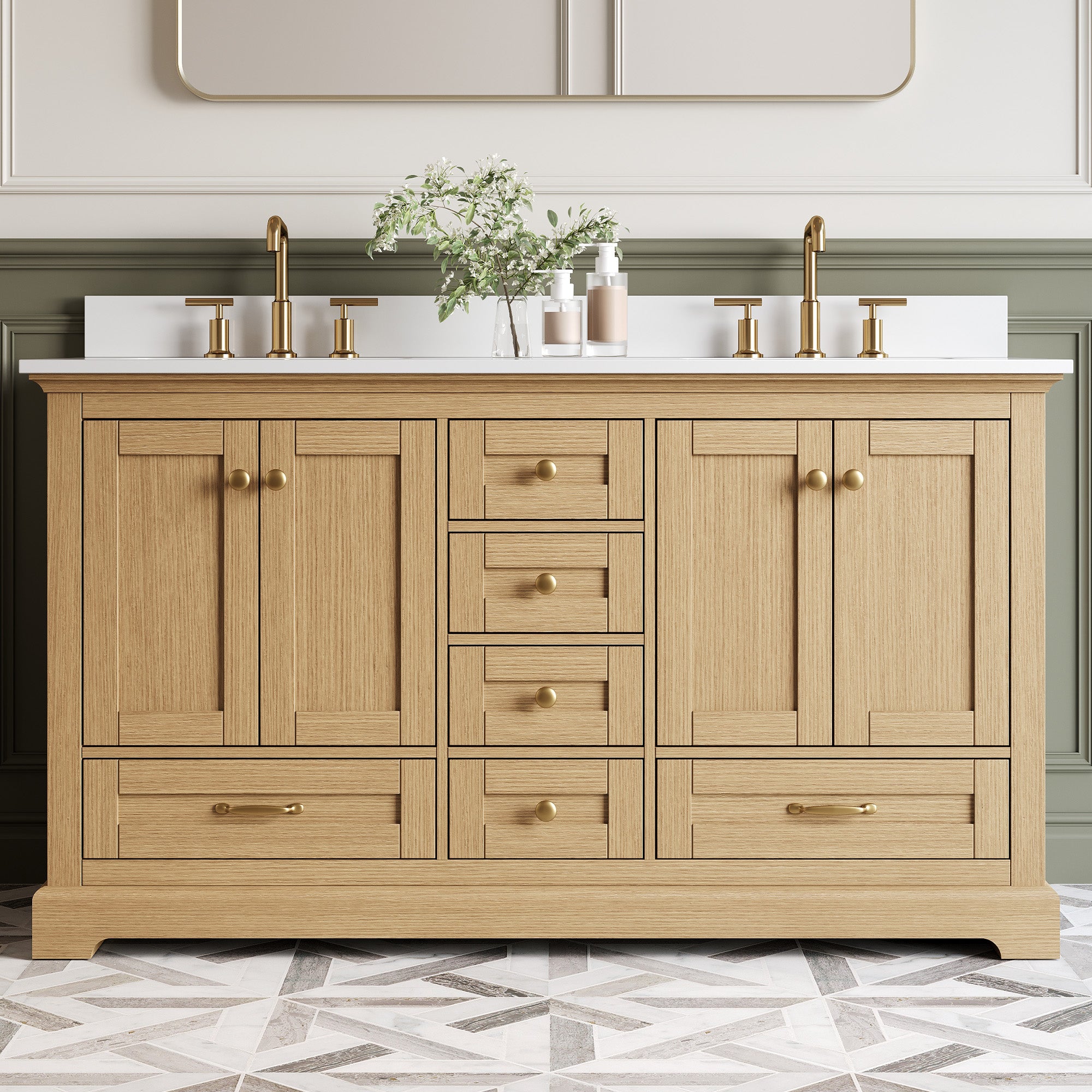
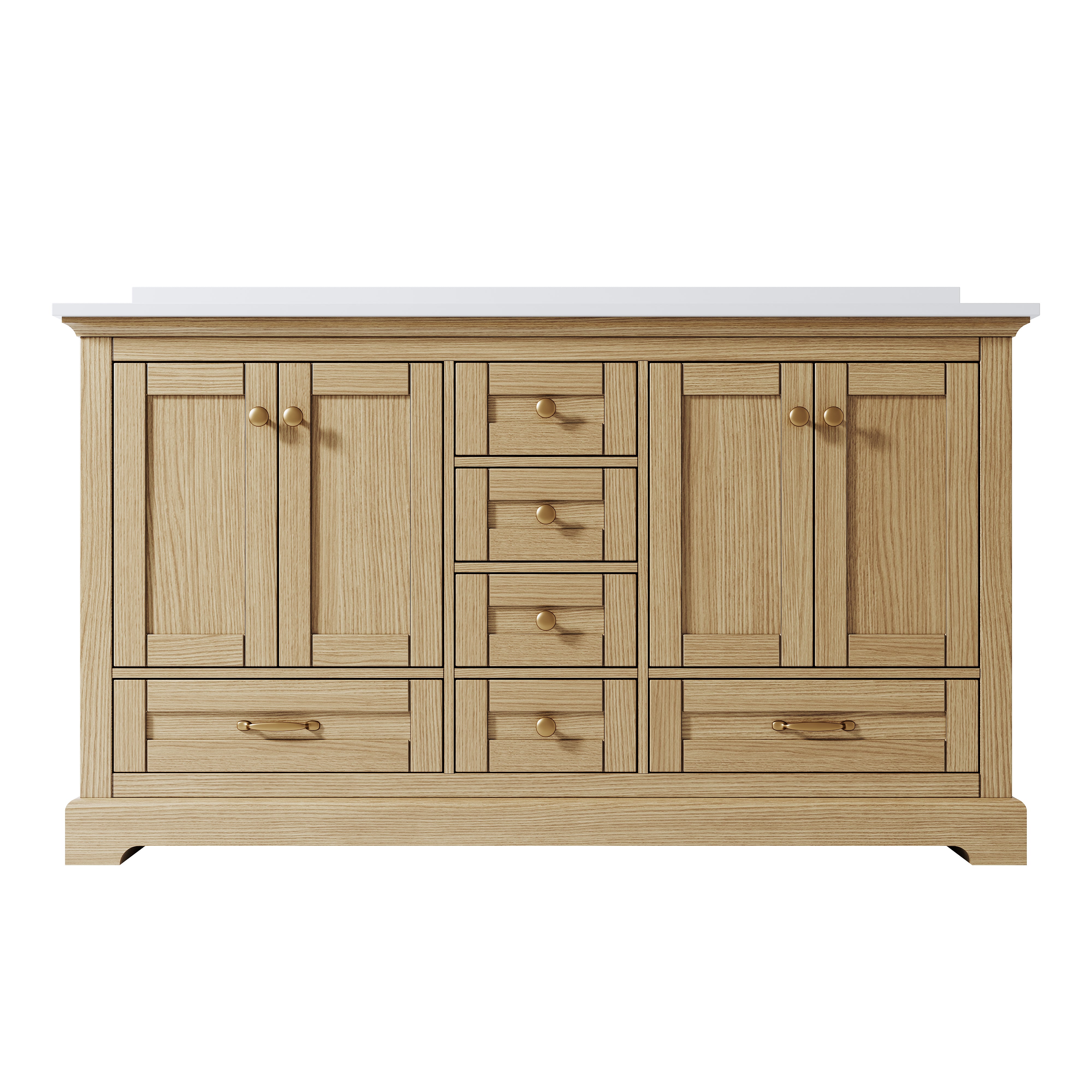
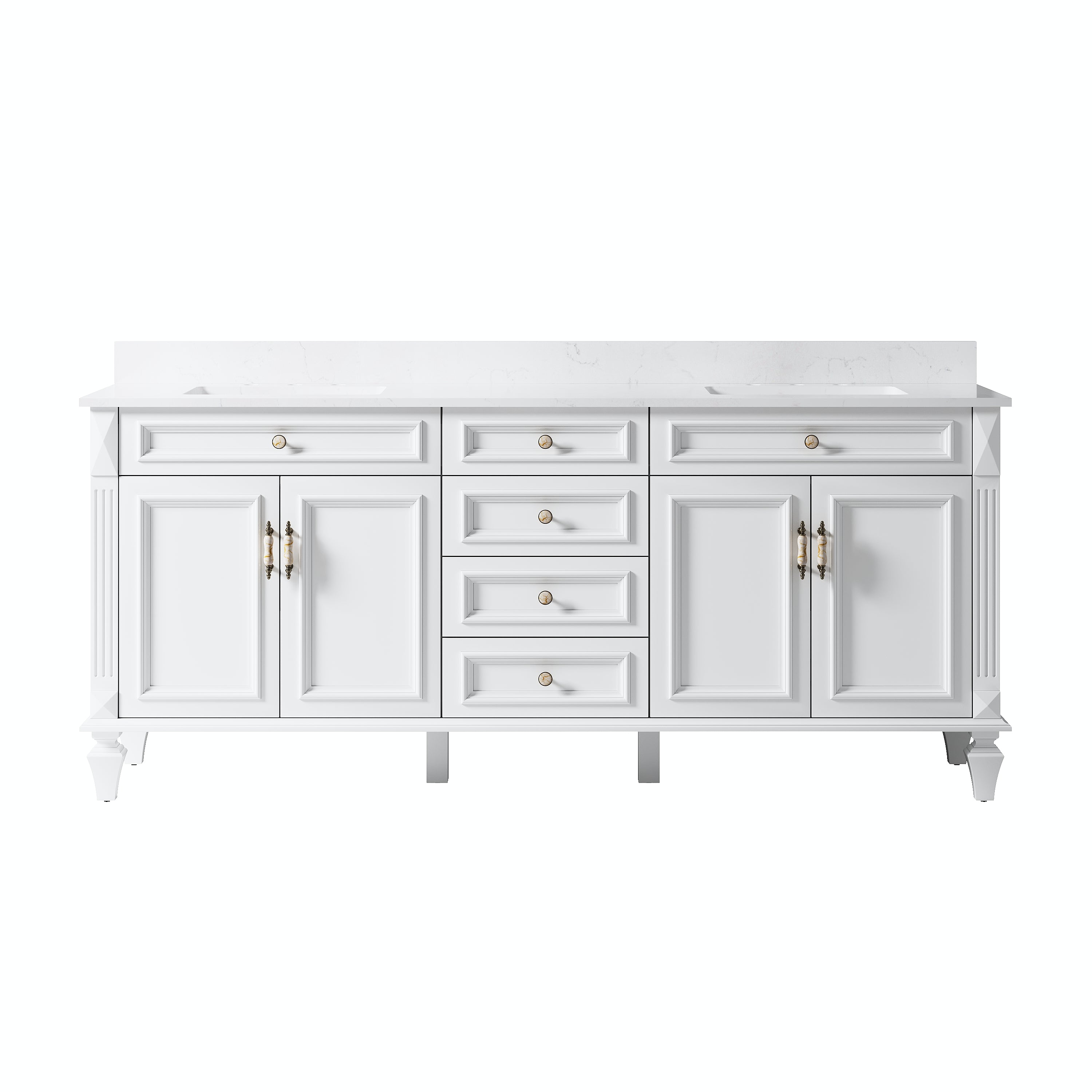
For a 60-inch dual-basin layout, a ventilation hole can be added in the middle partition.
7. Maintain a reasonable distance from wet areas
In layout planning, it is advisable to avoid placing wooden cabinets too close to the edges of shower areas or bathtubs.
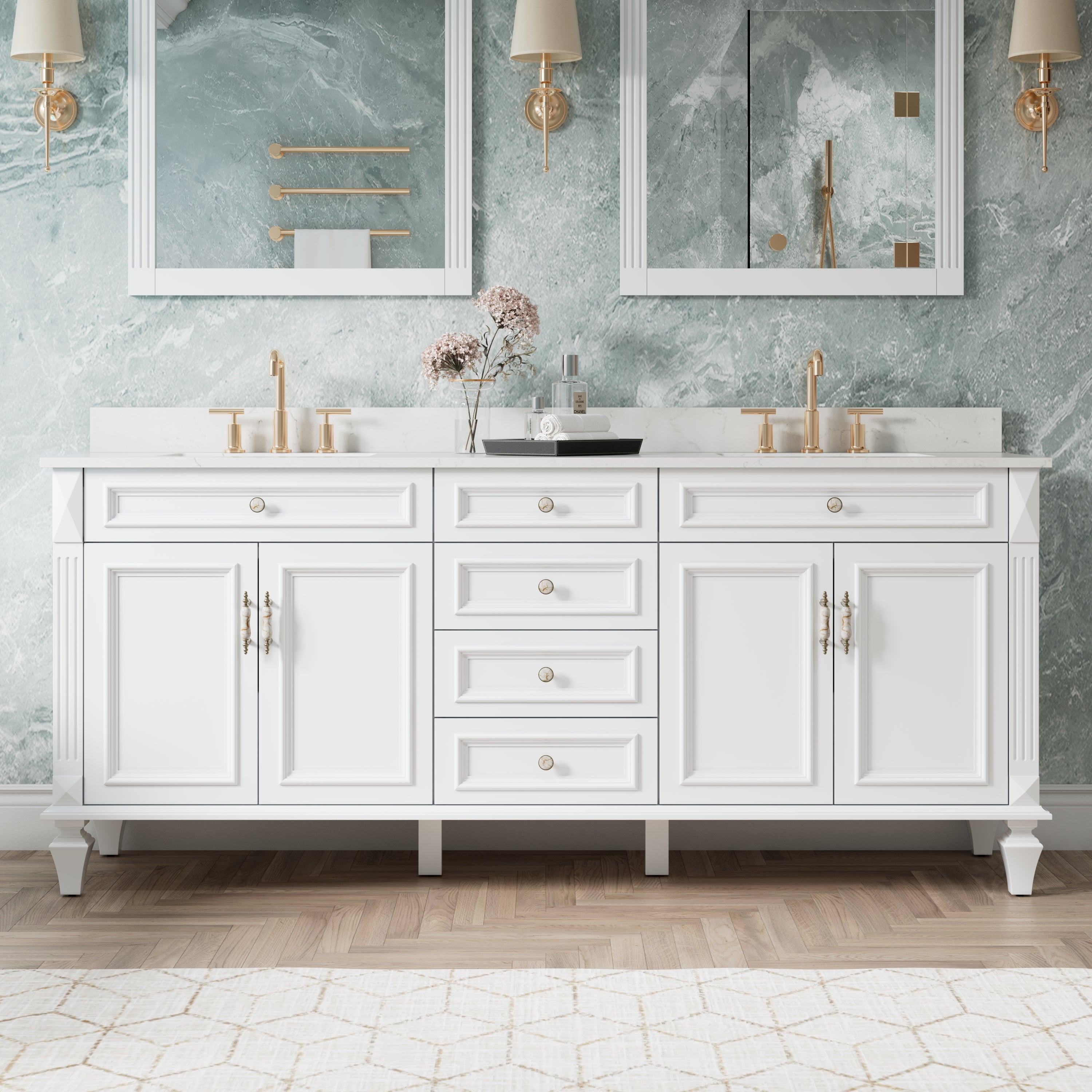
It is recommended to leave at least 24 inches of clearance between the shower area and the cabinet, and to use glass partitions to reduce direct contact with water vapor.
Data show that in layouts with clear dry and wet zones, the stability score of wooden cabinets is about 15% higher than in designs without zones.
8. Maintenance and daily management
Wooden cabinets require moderate long-term maintenance.
Data shows that wiping and keeping the surface dry every week can reduce water stains by about 40%. Maintaining indoor humidity between 40% and 55% is an important condition for extending the lifespan of wood.
If there are slight scratches on the surface, they can be repaired by polishing and repainting, a major advantage of wooden materials.
9. Long-term design value and style continuity
Natural wood has strong style compatibility and can blend with modern minimalism or traditional classic styles.
Common layouts of 30-inch, 36-inch, or 60-inch wooden cabinets can bring a warm texture to the bathroom. The data show that in spaces that emphasize natural materials, design satisfaction ratings increase significantly.
The temporal sedimentation of this material makes it a stable element in long-term design planning.

10. Conclusion
WooWood bathroom vanities are not unfeasible in high-humidity layouts; the key lies in appropriate structural selection and humidity control. From 3/4-inch-thick plate structures to installations above ground by 4 inches, every inch of design detail will affect long-term performance. By optimizing ventilation, strengthening sealing, and implementing reasonable dry and wet zoning, wooden cabinets can not only adapt to humid environments but also maintain their natural texture and structural stability over time, bringing long-lasting, warm design value to bathroom renovations.
















Leave a comment
This site is protected by hCaptcha and the hCaptcha Privacy Policy and Terms of Service apply.