
















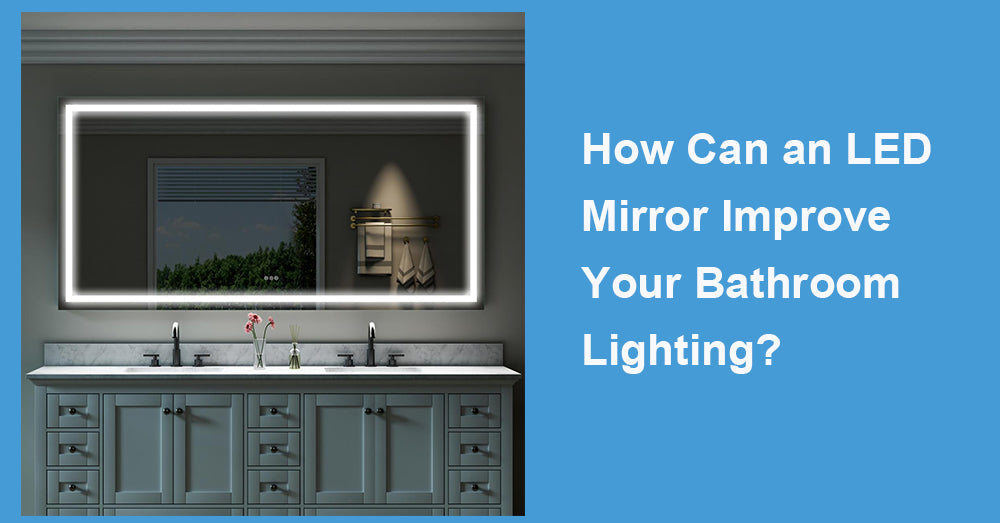
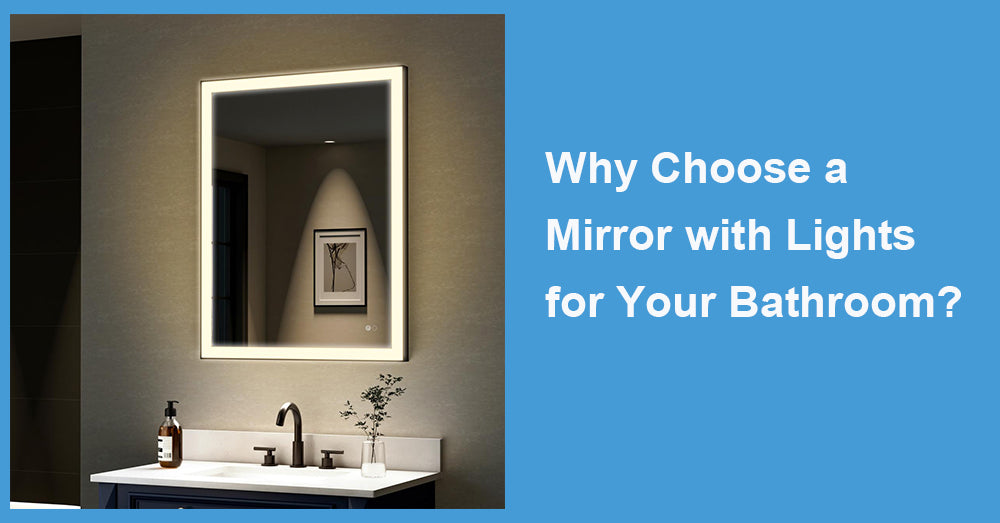
In bathroom renovations and lighting upgrades, LED mirror are gradually transforming from "functional add-ons" into a core lighting solution. Unlike traditional ceiling or wall lights, LED mirrors do not just add a light source; they systematically improve the overall lighting quality of the bathroom by changing the direction, distribution, and usage logic of light. From an industry perspective, the value of LED mirrors does not lie in being "brighter", but in being "more suitable".
1. The core issue with bathroom lighting is not insufficient brightness
In many bathrooms, even with high-powered ceiling lights installed, users still feel that the lighting is not ideal. This is not because the light is not bright enough, but because its direction and distribution are unreasonable.
Traditional ceiling lights are located above or behind the head, which can easily create shadows on the face, especially in scenes that require careful observation, such as grooming, shaving, or makeup, where these shadows are constantly magnified. LED mirrors fundamentally change the lighting logic by placing the light source directly in front of the face.
2. How LED mirrors change the distribution of light
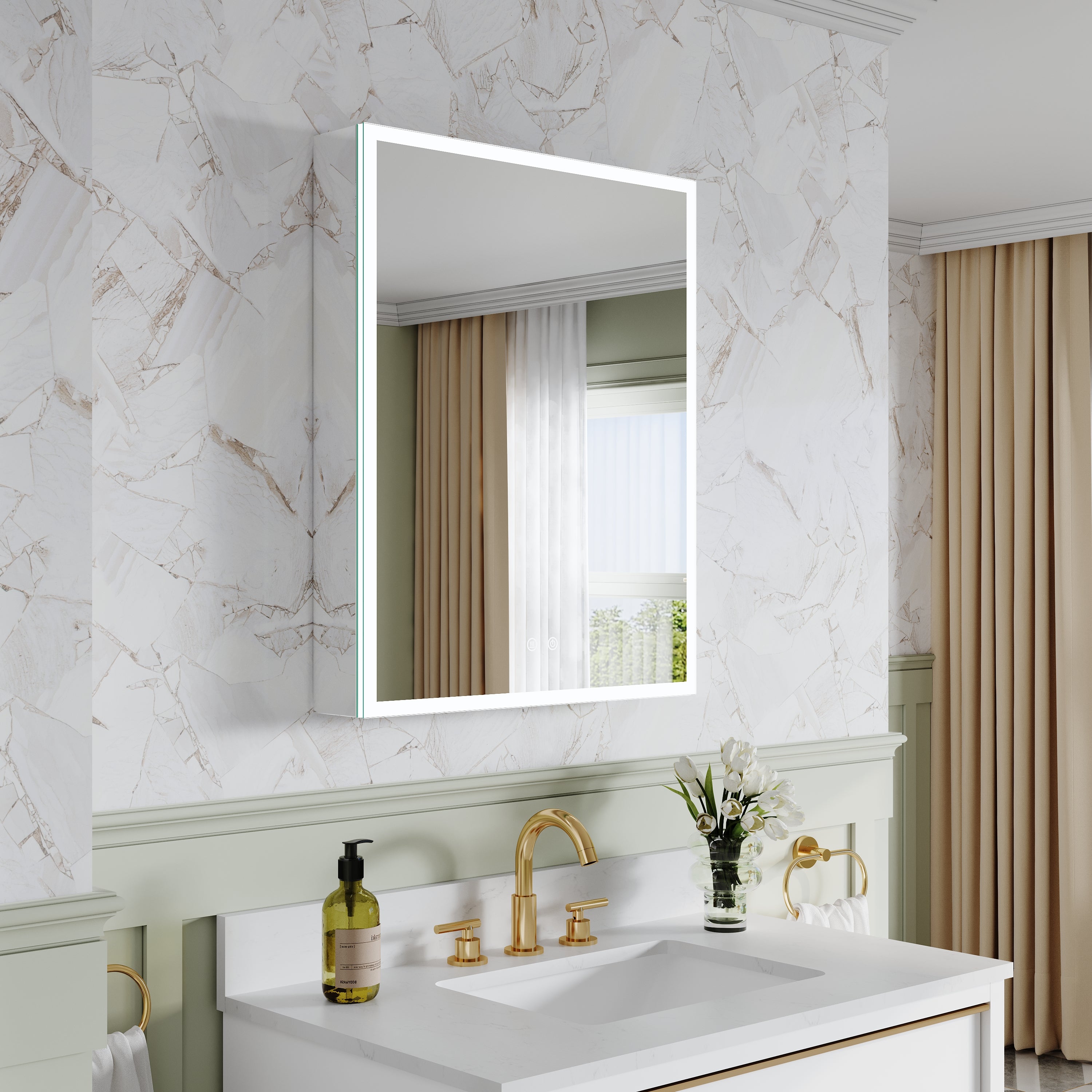
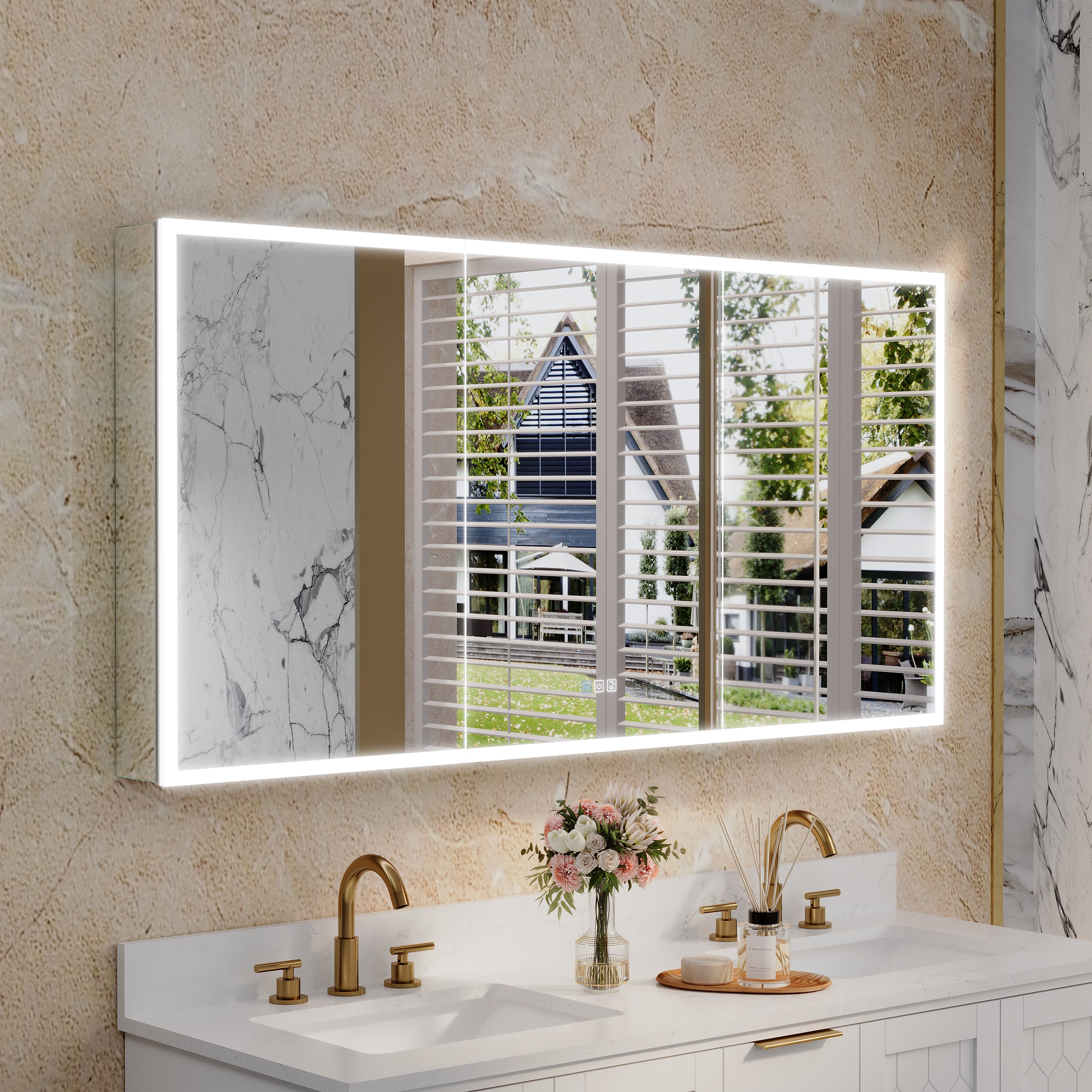
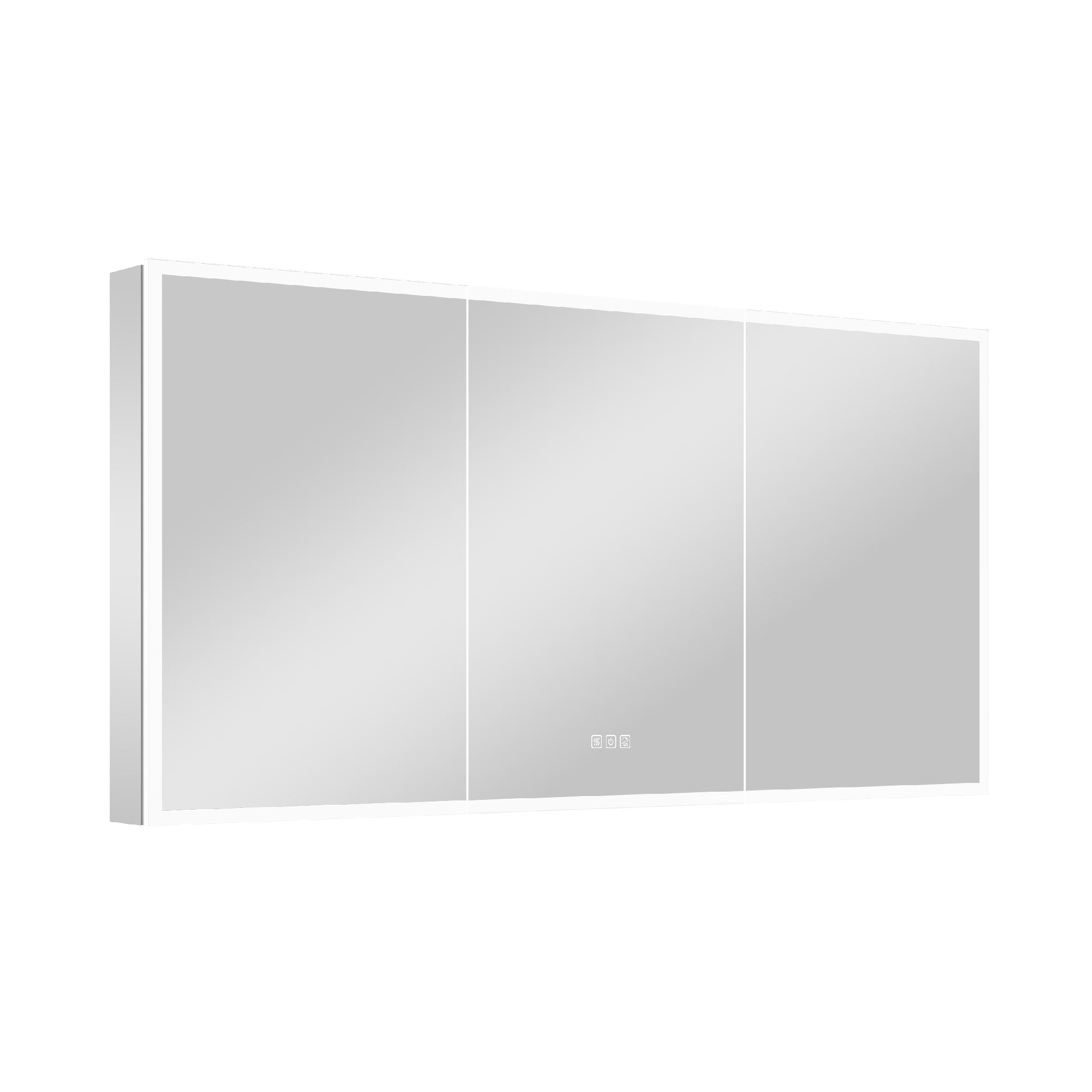
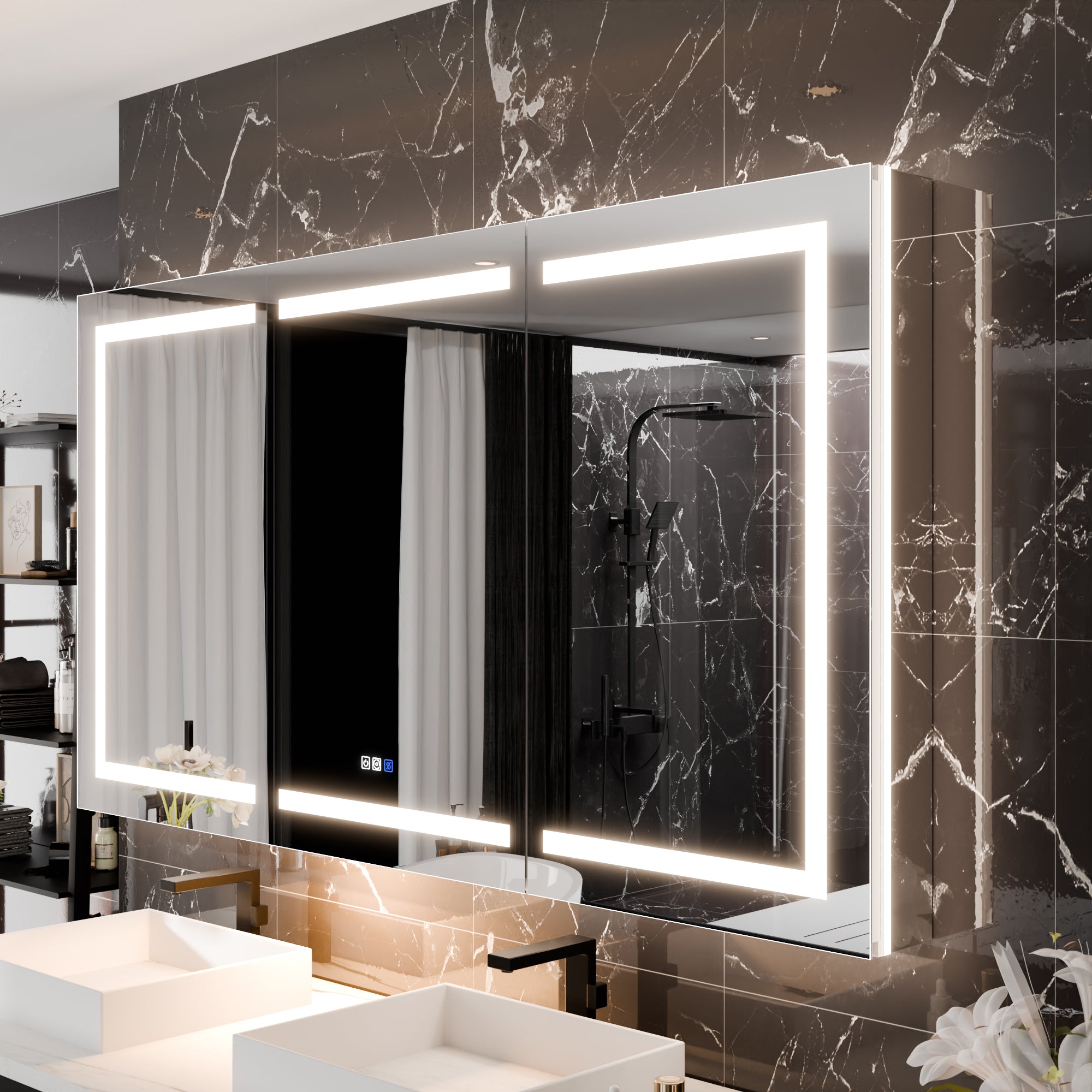
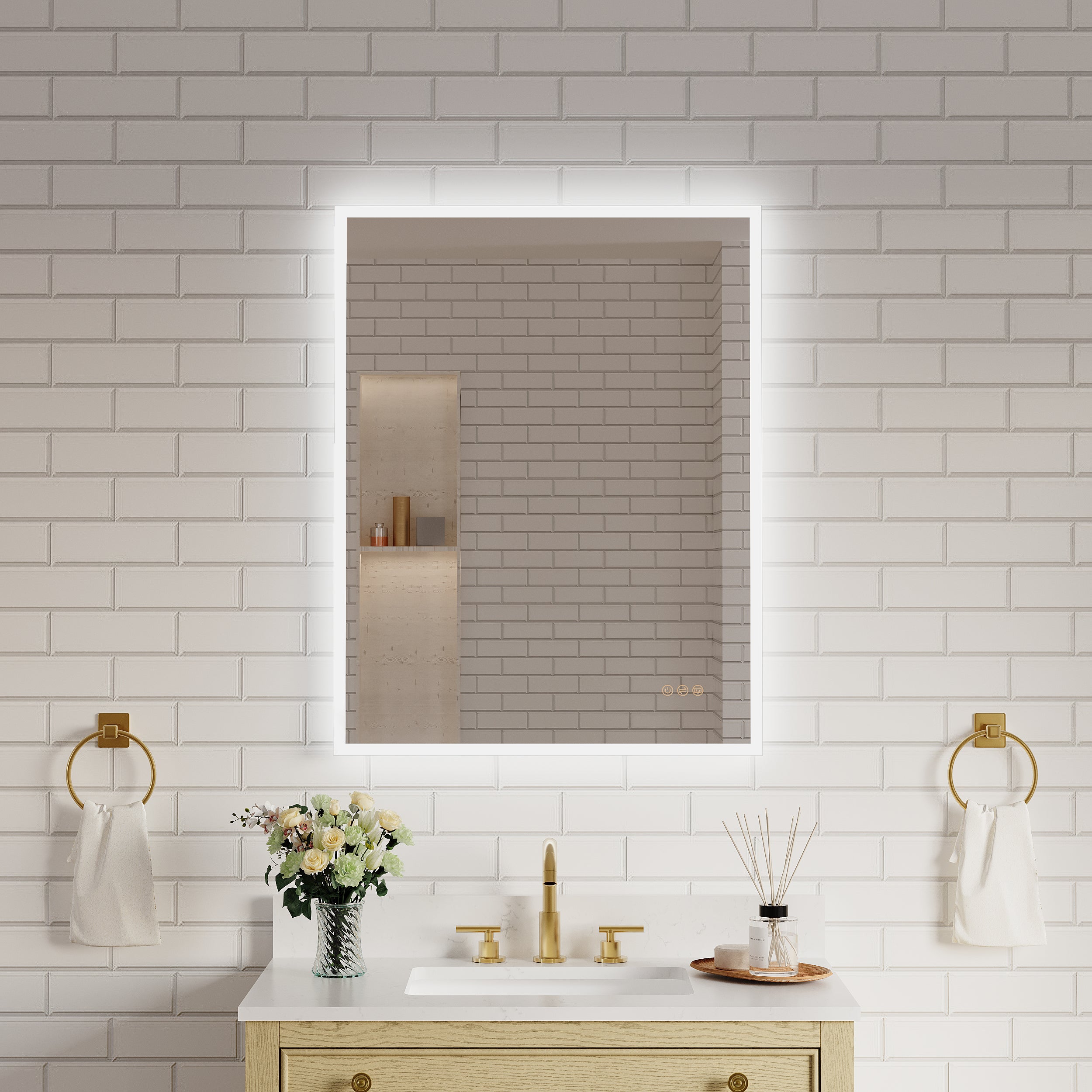
Unlike single-point illumination, LED mirrors typically use a surround or backlit structure, allowing light to spread evenly along the edges or from the back of the mirror. This design can create a more uniform distribution of illumination across the face, reducing contrast between light and dark areas.
Industry research shows that uniform front lighting can significantly improve the visibility of facial details while reducing visual fatigue. This is also why, in high-quality bathroom design, LED mirrors gradually assume the role of "main functional lighting" rather than serving solely as supplementary light sources.
3. The relationship between mirror size and lighting effect
The lighting effect of LED mirrors is closely related to the size of the mirror surface. The larger the mirror surface, the larger the area involved in light diffusion.
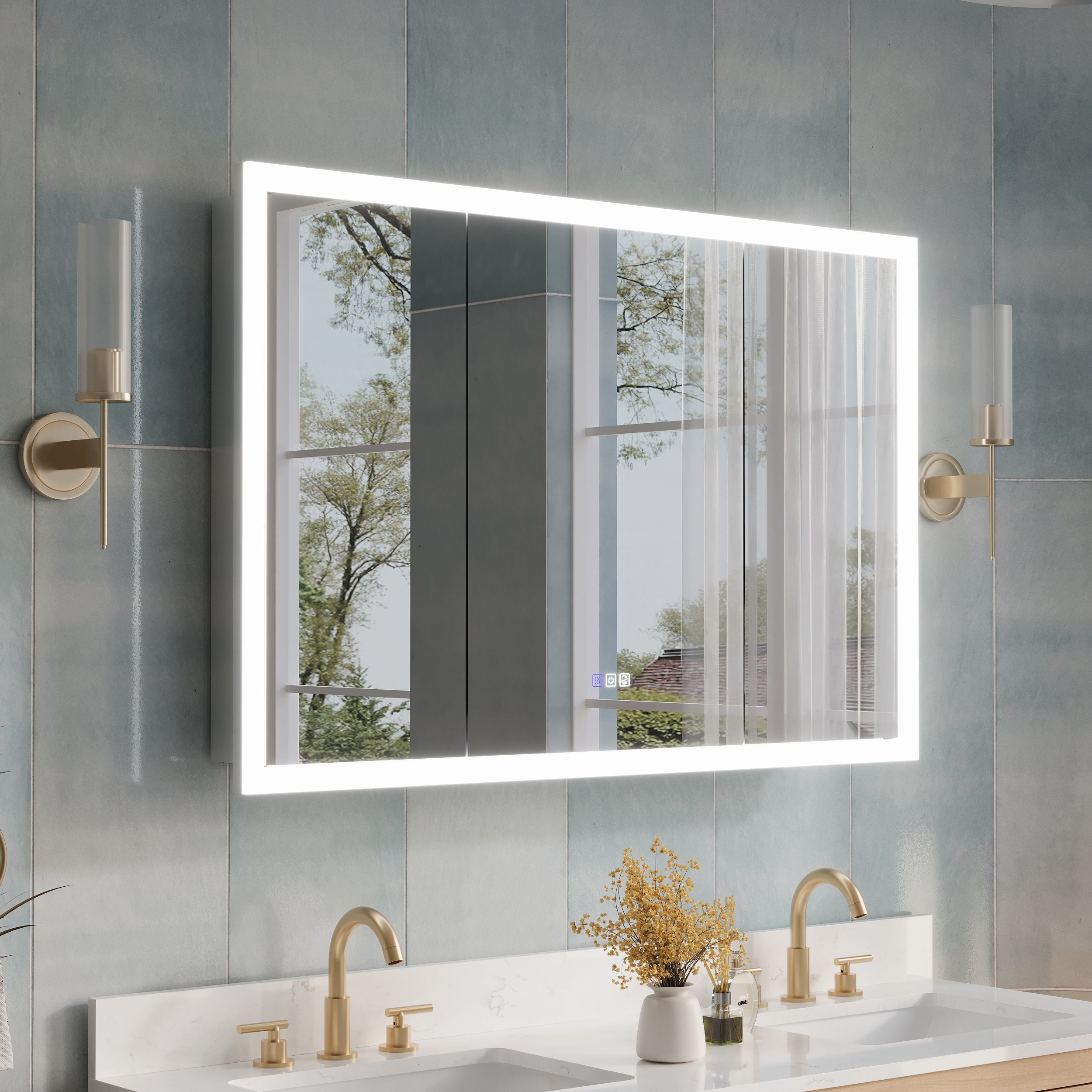
In practical applications, the standard width of the primary washing area mirror is 30-48 inches, and the height is mainly 26-32 inches. This size range can not only cover the line of sight of the main users, but also form a stable light distribution in both vertical and horizontal directions.
If the mirror is too small, even with LED light strips, its illumination coverage will be limited, making it difficult to achieve a good overall effect.
4. The impact of color temperature control on lighting experience
One of the essential advantages of LED mirrors is the controllability of color temperature. Different color temperatures will directly affect the spatial atmosphere and user experience.
A warm color temperature is more suitable for relaxing environments in the morning and evening, while a cool color temperature has advantages in clarity and detail presentation. The adjustable color temperature range is typically 3000K to 6000K, covering most daily use scenarios.
From an industry perspective, a stable, adjustable color-temperature system is more practically valuable than a single bright light source.
5. Brightness adjustment is more important than "maximum brightness."
A common misconception in lighting design is the pursuit of extremely high brightness. But in high-reflectance, high-humidity spaces like bathrooms, excessive light can easily cause glare and discomfort.
LED mirrors usually support a brightness adjustment function, allowing users to adjust light intensity as needed. Lower brightness is more comfortable in the morning or at night; During delicate operation, brightness can be increased.
This flexibility is difficult to achieve with traditional fixed lighting fixtures.
6. The synergy between LED mirrors and overall spatial lighting
LED mirrors are not meant to replace other lighting fixtures completely, but rather to complement ceiling lights and wall lights in a synergistic relationship.
In a reasonable lighting scheme, LED mirrors are responsible for facial functional lighting, while ceiling lights are responsible for overall environmental brightness. By combining the two, it is possible to enhance spatial brightness and layering without significantly increasing energy consumption.
Industry practice has shown that this lighting structure, with a clear division of labor, is more conducive to long-term use.
7. Mirror structure and light reflection efficiency
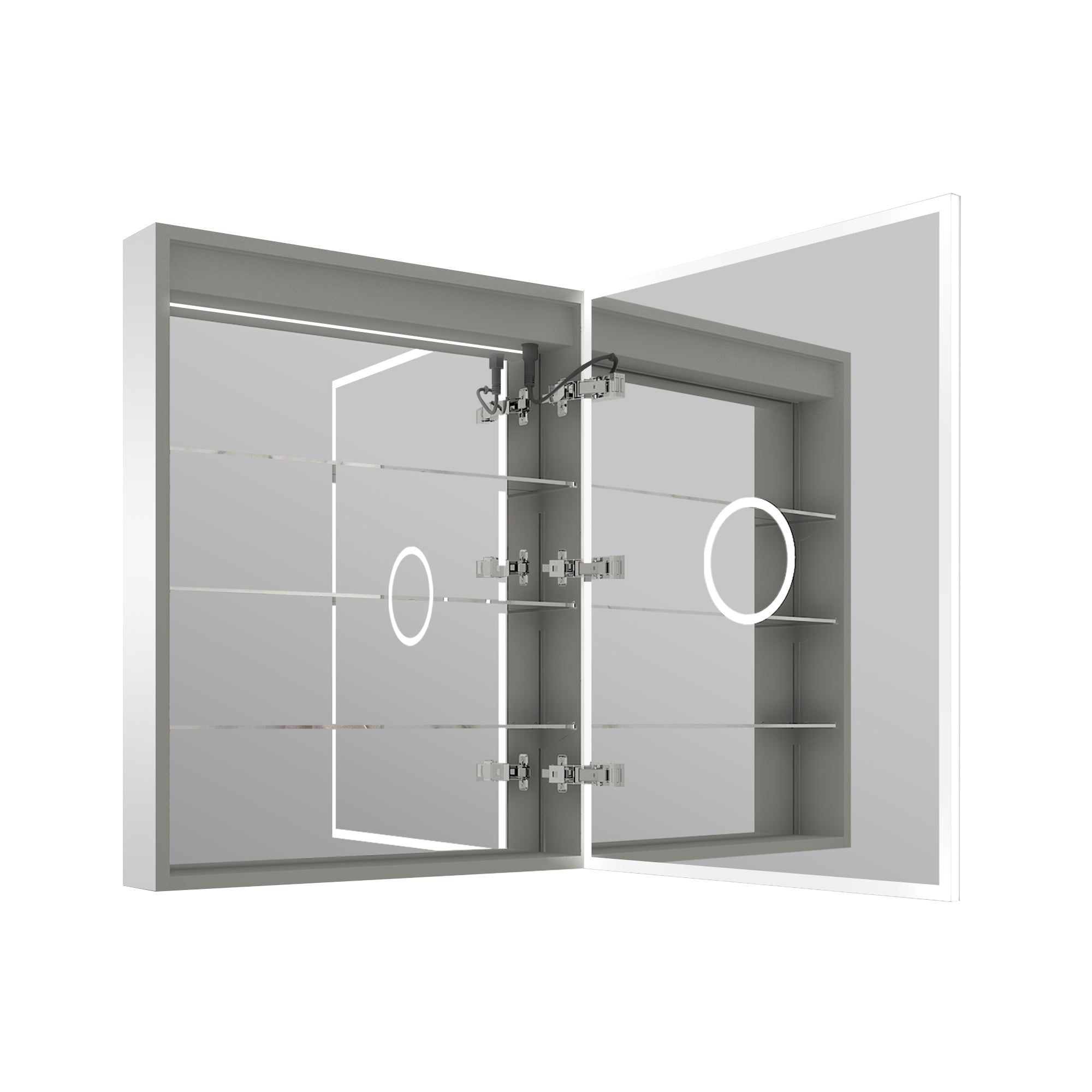
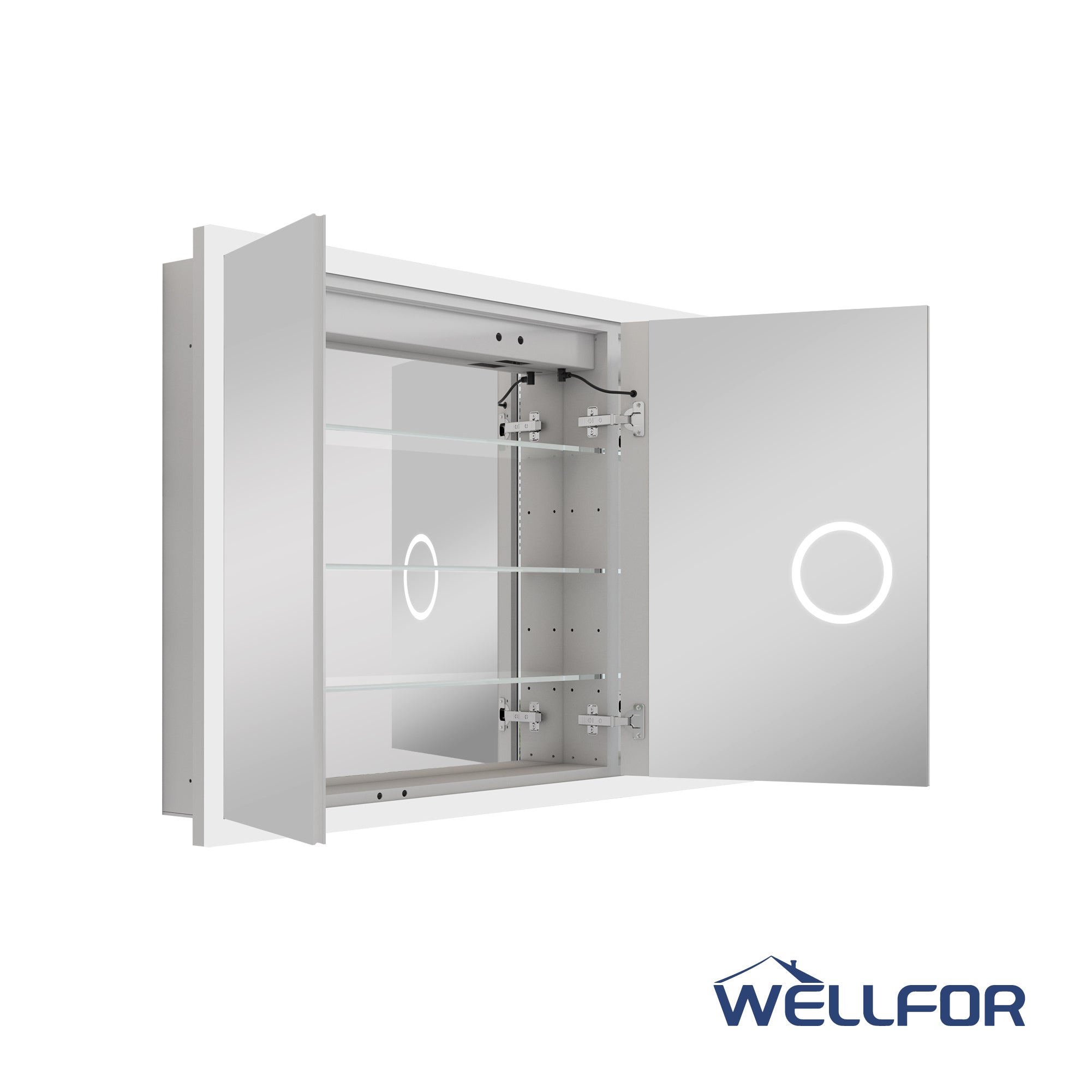
The quality of the mirror itself can also affect the illumination performance of LED mirrors. A high-reflectivity, low-distortion mirror can more realistically restore light and skin color, avoiding color cast or darkening.
In addition, borderless or extremely narrow border designs help reduce light obstruction and create a more complete lighting effect. Thick or dark borders may weaken the diffusion efficiency of LED light sources.
8. Realistic considerations of energy consumption and service life
According to industry data, LED light sources offer significant advantages in energy efficiency and lifespan. Under reasonable usage conditions, its service life can usually reach 10-15 years, and its energy consumption is relatively stable.
This means that LED mirrors can not only provide a better lighting experience over the long term, but also reduce maintenance and replacement costs.
9. The value of LED mirrors from a long-term usage perspective
In bathroom renovation, once the lighting scheme is determined, the cost of later adjustments is relatively high. Therefore, it is imperative to choose a lighting method that is better suited for long-term use.
LED mirrors improve overall lighting quality by adjusting the direction, distribution uniformity, and controllability of light without altering the spatial structure. This improvement is not a short-term visual stimulus, but an experience optimization that is constantly perceived in daily use.

10. Conclusion
LED mirrors are not simply "illuminated mirrors", but a lighting scheme redesigned around the user's perspective. With more even light distribution, more stable color temperature control, and greater flexibility of use, LED mirrors can significantly improve bathroom lighting quality without increasing complexity. In the rational planning of bathroom renovation, LED mirrors are often a cost-effective option to enhance the overall experience.














Leave a comment
This site is protected by hCaptcha and the hCaptcha Privacy Policy and Terms of Service apply.