
















Introduction
A white bathroom vanity can do more than fill a wall and hold a sink. In real projects, it is often the piece that changes how the whole room feels the moment you walk in. I’ve seen dim guest baths feel cleaner, narrow family bathrooms seem wider, and older primary baths look fresher just by replacing a dark or dated cabinet with a well-proportioned white vanity. It is a simple move, but the visual payoff is usually immediate.
That said, brightness is not only about color. It comes from the way white reflects light, opens up tight sightlines, and gives the rest of the room room to breathe. A vanity can help a bathroom look brighter, but the wrong finish, the wrong size, or poor installation can cancel that benefit quickly.
1. Why White Has Such a Strong Visual Effect in Bathrooms
Bathrooms are often short on natural light. Many have one small window, frosted glass, or no window at all. That is one reason white works so well here. It reflects both daylight and artificial light better than darker finishes, which helps the room feel clearer and less enclosed.
A white vanity also reduces visual weight. Dark wood, black cabinetry, and heavy gray finishes can look rich, but in a smaller bathroom they often sit like a block in the room. White recedes. It does not disappear, but it stops demanding attention from every angle. That makes walls seem taller, floor space feel less crowded, and the entire layout feel calmer.
I have noticed this most in condo bathrooms and secondary baths where every inch matters. Homeowners usually expect the new vanity to look cleaner. They do not always expect the room to look bigger too.
2. Where a White Bathroom Vanity Works Best
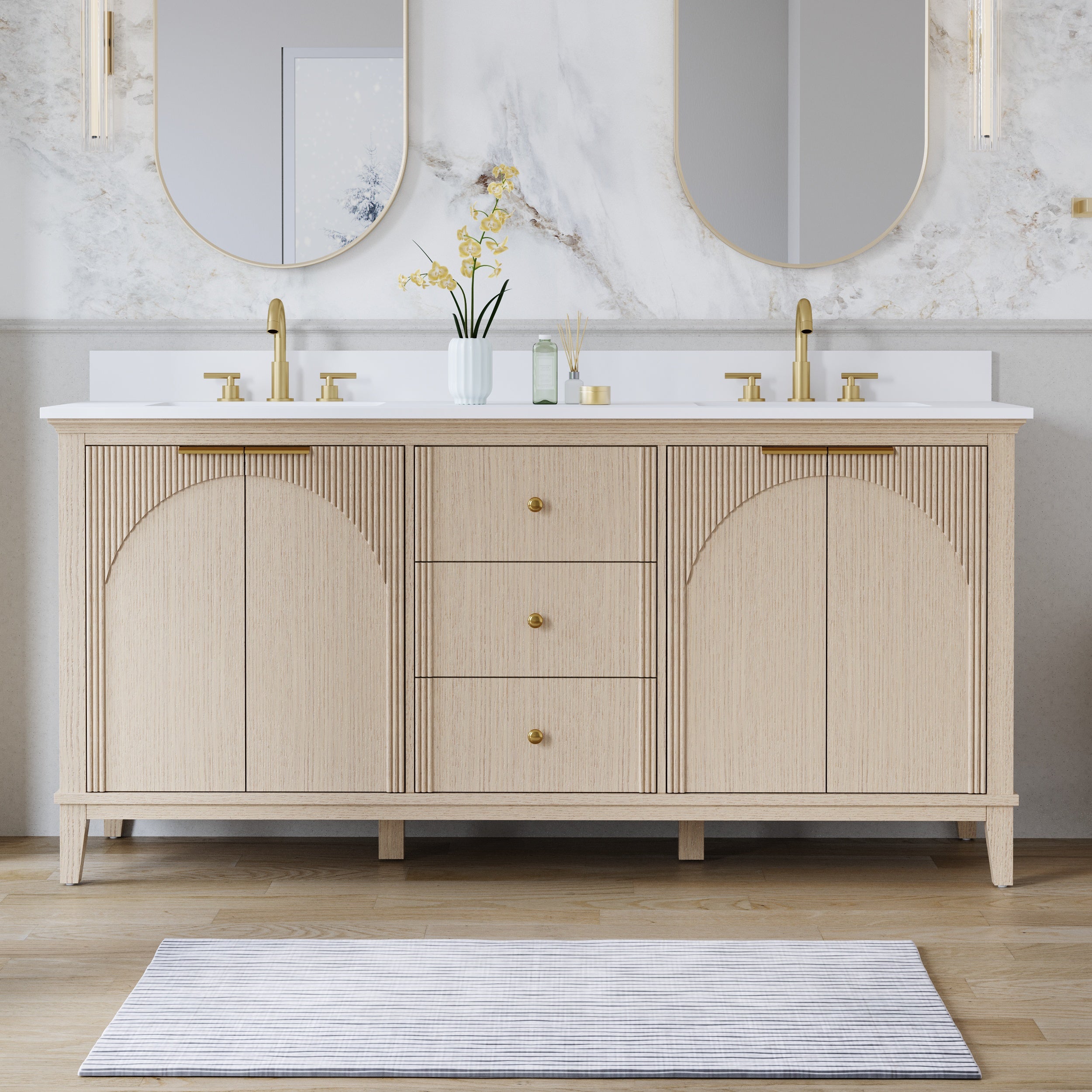
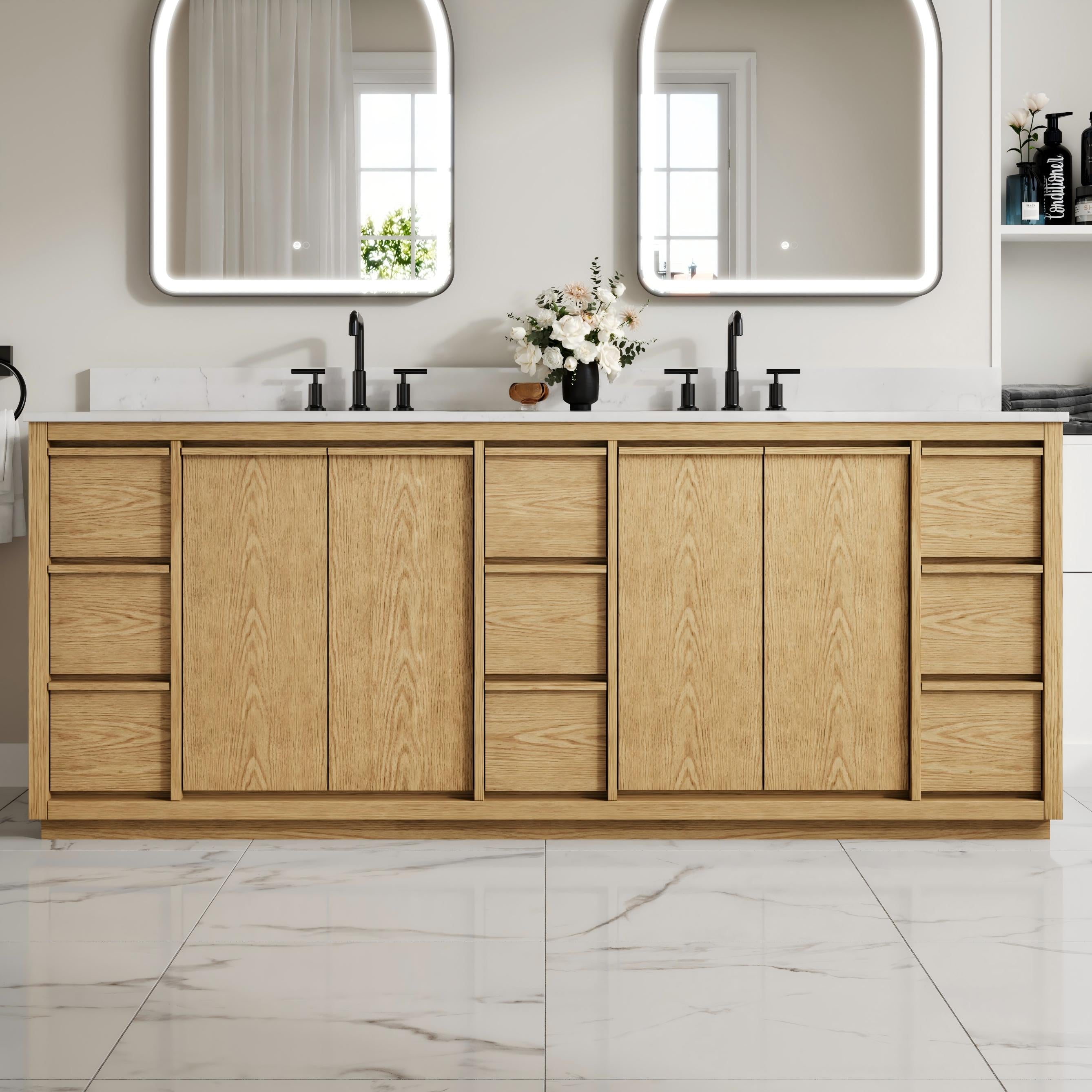
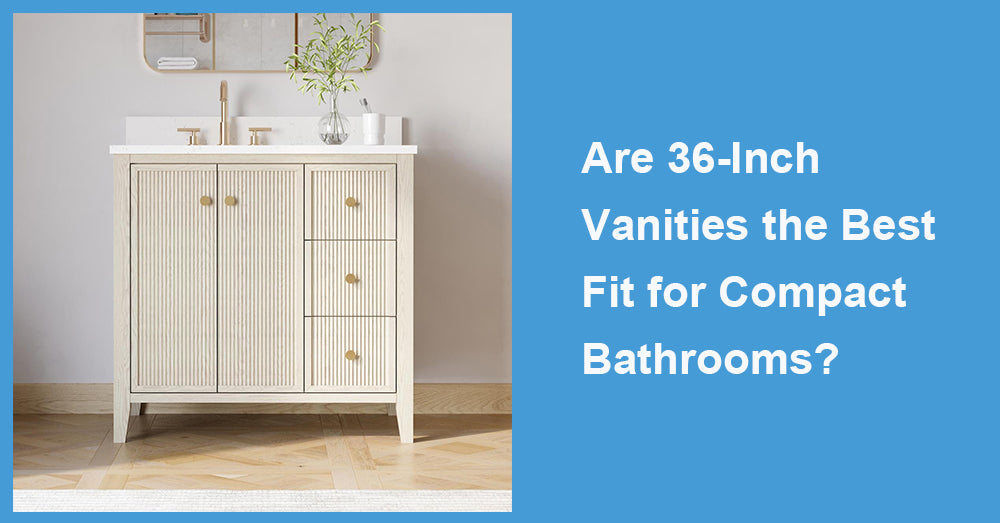
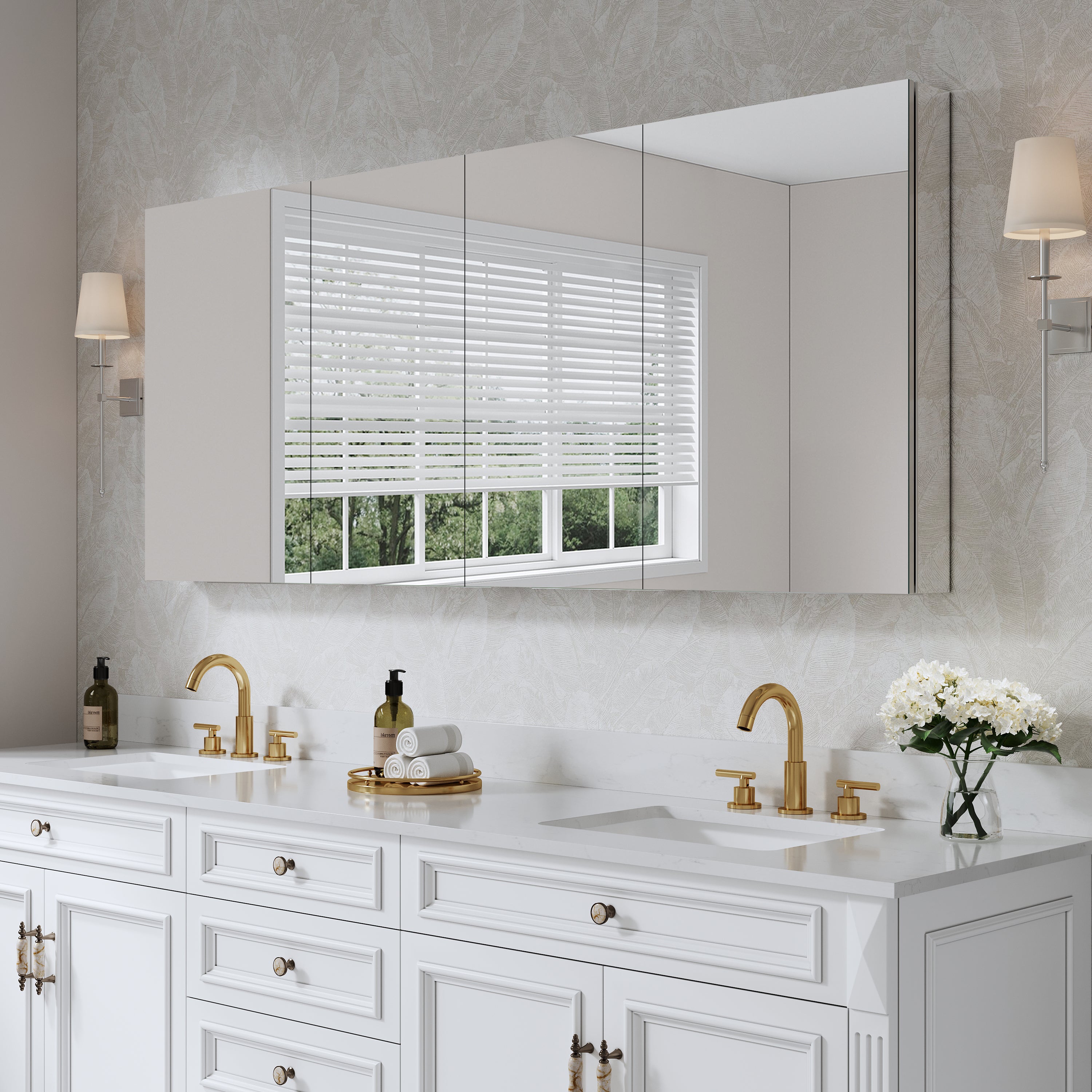
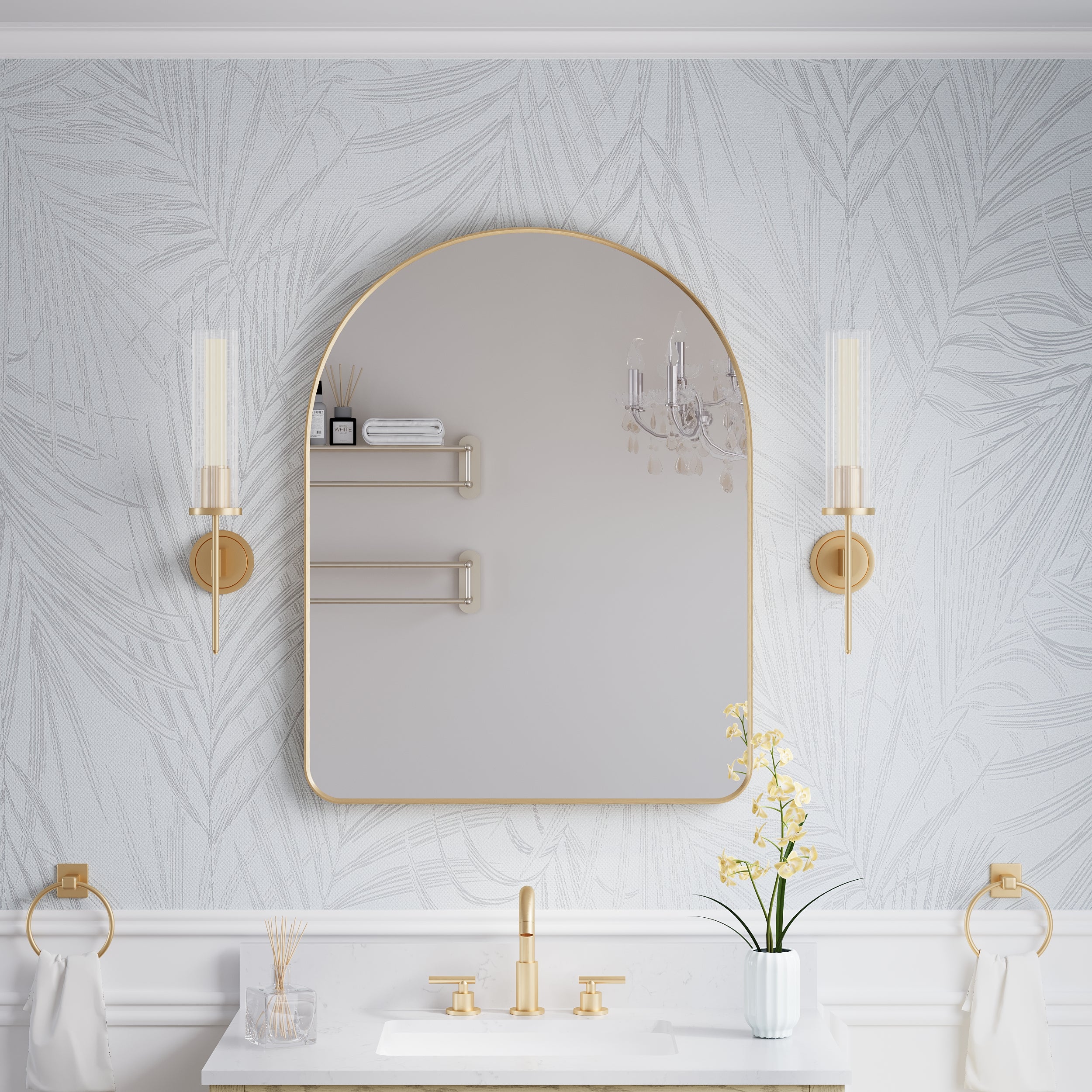
A white bathroom vanity is a strong fit for small bathrooms, guest baths, transitional spaces, and primary bathrooms that need a clean, polished base. It also works well in homes where the surrounding finishes are mixed. If you have brushed nickel fixtures, marble-look tops, warm wall paint, or matte black lighting, white usually ties them together without a fight.
This is one reason it shows up so often in professionally designed spaces. It gives you flexibility. You can change mirrors, repaint the walls, swap cabinet hardware, or update sconces later, and the vanity still makes sense.
It also performs well in family bathrooms. That surprises some people. They assume white is too delicate for daily use, but a durable finish paired with a simple cabinet shape can actually be easier to live with than darker surfaces that show soap residue, hard water spots, or dust in a more obvious way.
A common mistake buyers make
Many people assume all whites look the same. They do not.
Some lean cool and bright. Some have a creamy cast. Under warm LED lighting, those undertones become much more noticeable. I’ve seen a vanity that looked crisp online arrive in person and clash with the tile because one white was clean and the other was slightly yellow. Before buying, compare the vanity finish with your countertop, flooring, wall paint, and lighting temperature. That step saves people from disappointment more often than any trend advice does.
3. The Real Benefits, and the Limits Nobody Should Ignore
The obvious benefit is brightness. A white vanity bounces light, helps the room feel open, and supports a cleaner visual style. It also makes it easier to build around. If you want wood accents later, white works. If you want brass hardware, it works. If you want a more modern mirror or a softer traditional sconce, it still works.
There is a resale advantage too. Buyers tend to respond well to bathrooms that look fresh and easy to personalize. White usually communicates both.
Still, it has limits. Poor-quality painted finishes chip. Glossy surfaces can show scratches. Ornate white vanities with too many grooves and details collect dust faster than people expect. In households with heavy use, hair color products, makeup residue, or careless cleaning habits, white can reveal neglect quickly.
That is not always a reason to avoid it. It is simply a reason to buy better and plan honestly.
When white may not be the best choice
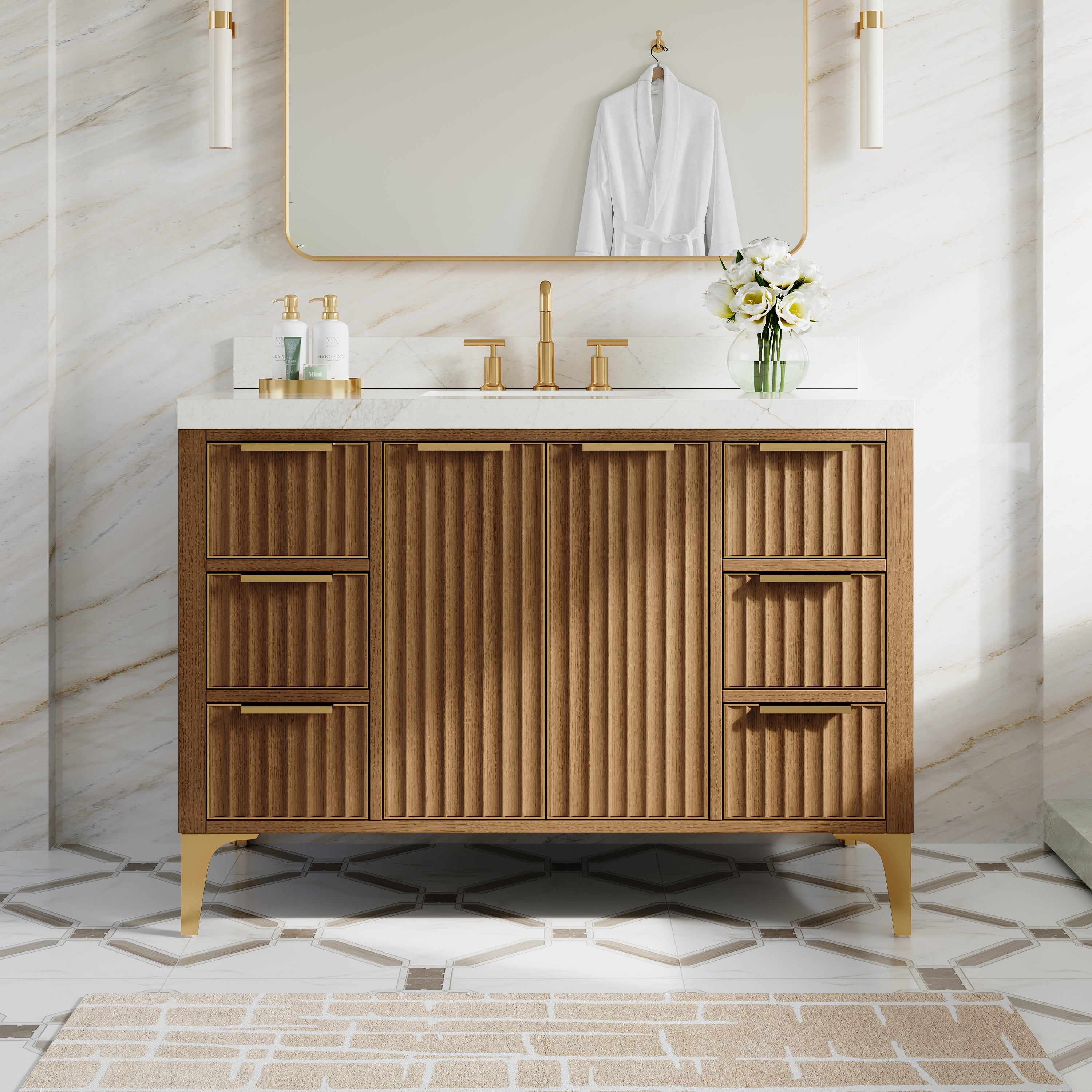
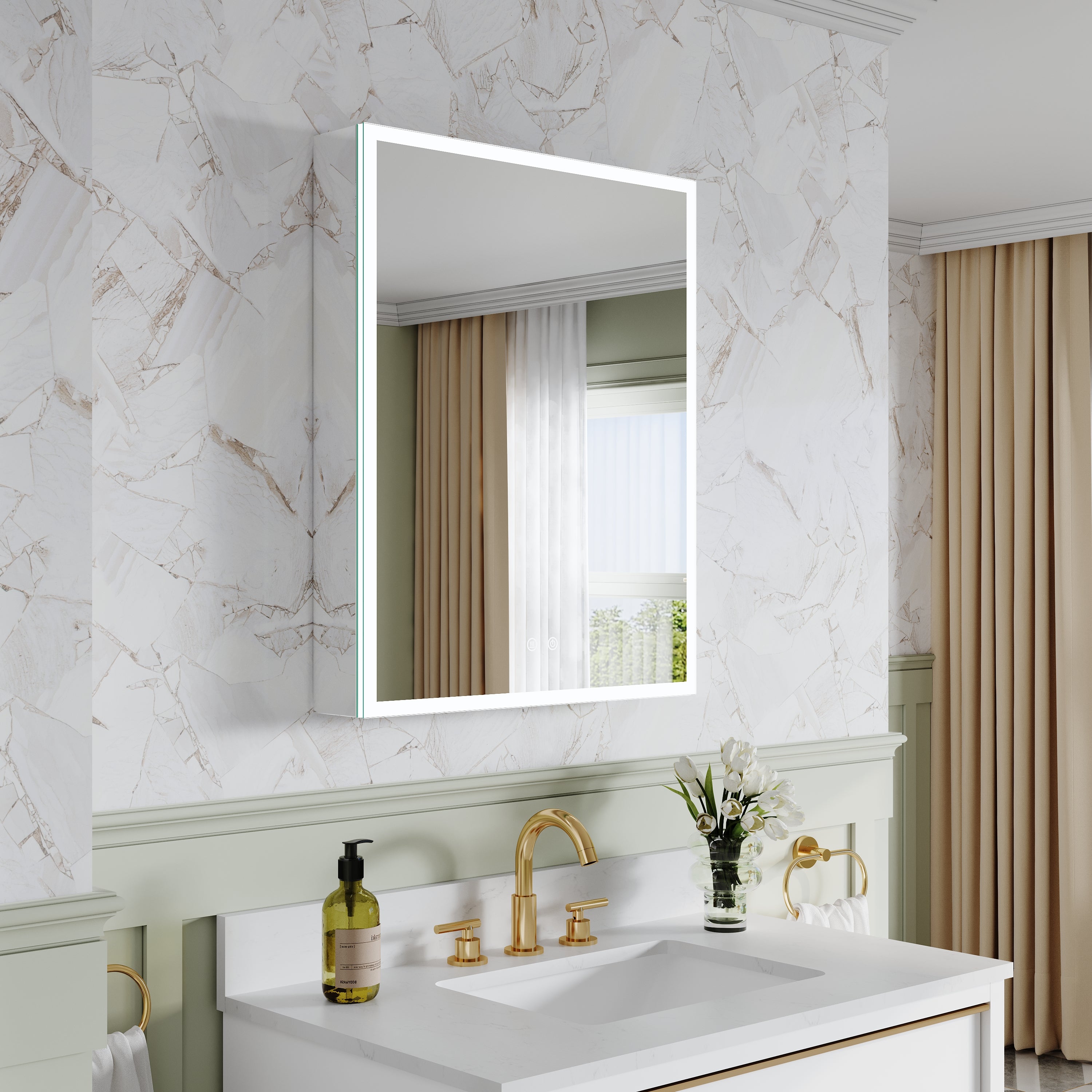
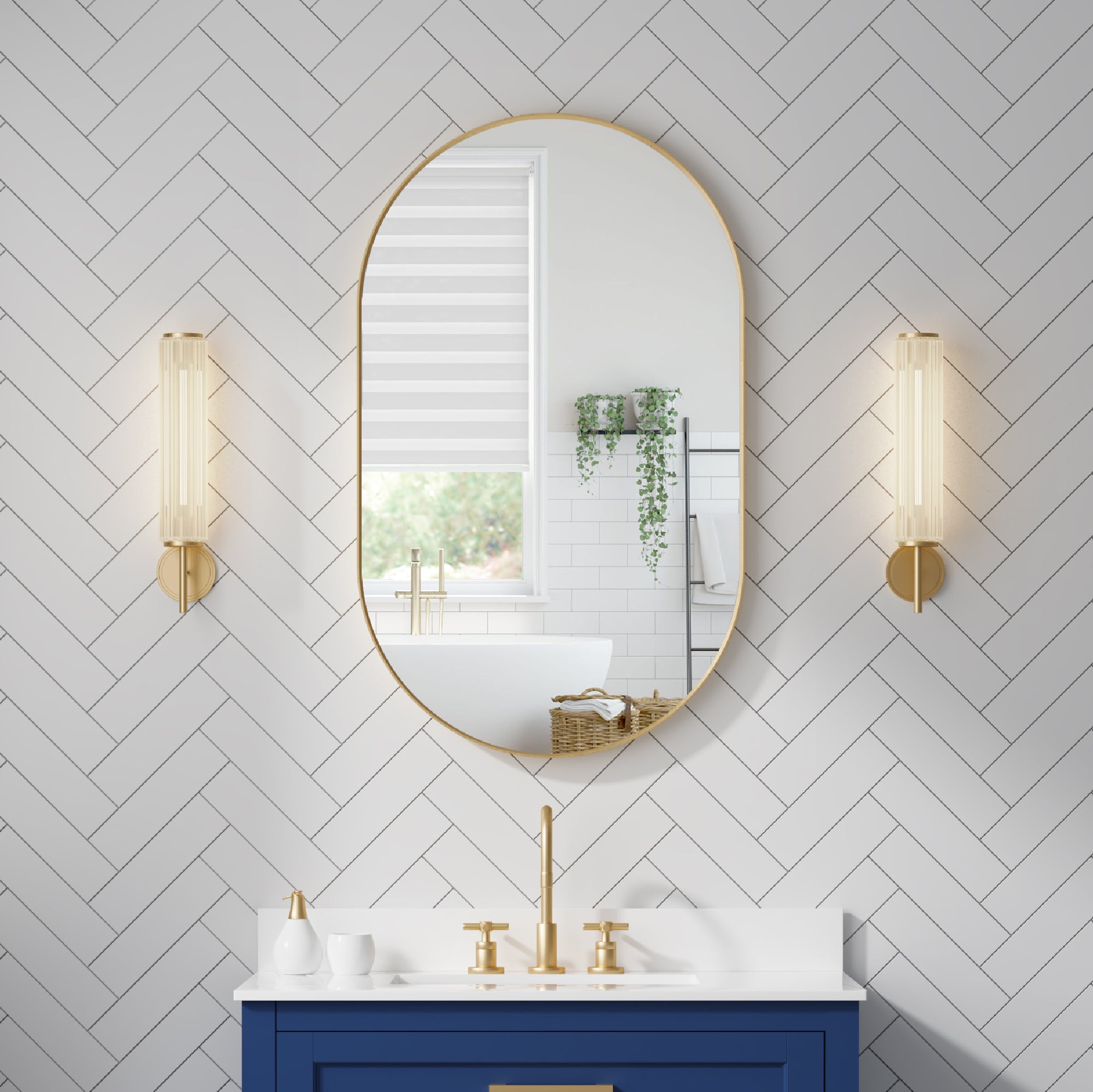
If the bathroom already has bright white walls, a white floor, a white shower surround, and a white countertop, the room can start to feel flat. In those cases, the vanity is not the problem by itself, but it does need support from texture and contrast. A warm mirror frame, darker hardware, patterned tile, or natural wood shelving can keep the room from looking washed out.
I am also cautious with low-grade white vanities in rental properties or very busy kids’ bathrooms. If the finish is weak, wear shows up fast around corners, doors, and sink edges.
4. How to Choose One That Actually Improves the Room
Start with scale. A vanity that is too deep can block movement and make the bathroom feel tighter, even if the finish is bright. A vanity that is too small may look lost and do little to improve the room visually. Measure carefully, including door swing, toilet clearance, and drawer access.
Then look at construction. Moisture-resistant materials, smooth painted finishes, and sturdy drawer boxes matter more than people think. In the showroom or online, many vanities look similar. After a year in a humid bathroom, they do not.
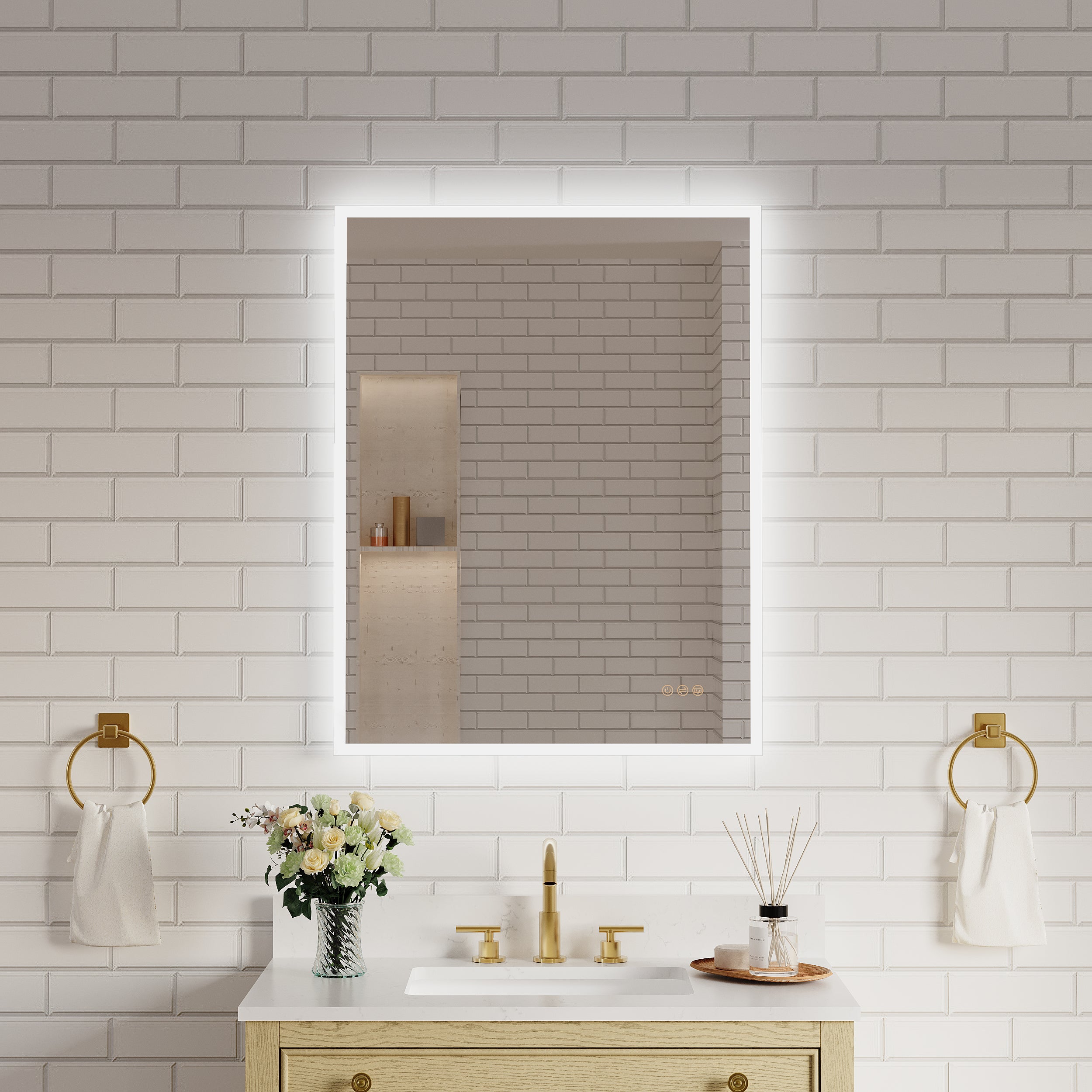
Countertop choice matters too. White vanity bases pair well with quartz, cultured marble, and stone-look tops, but the tone needs attention. A bright white cabinet with a warm ivory top can work, though only if the rest of the room supports that blend. If not, it can feel slightly off every day.

5. Installation and Maintenance Tips From Real Use
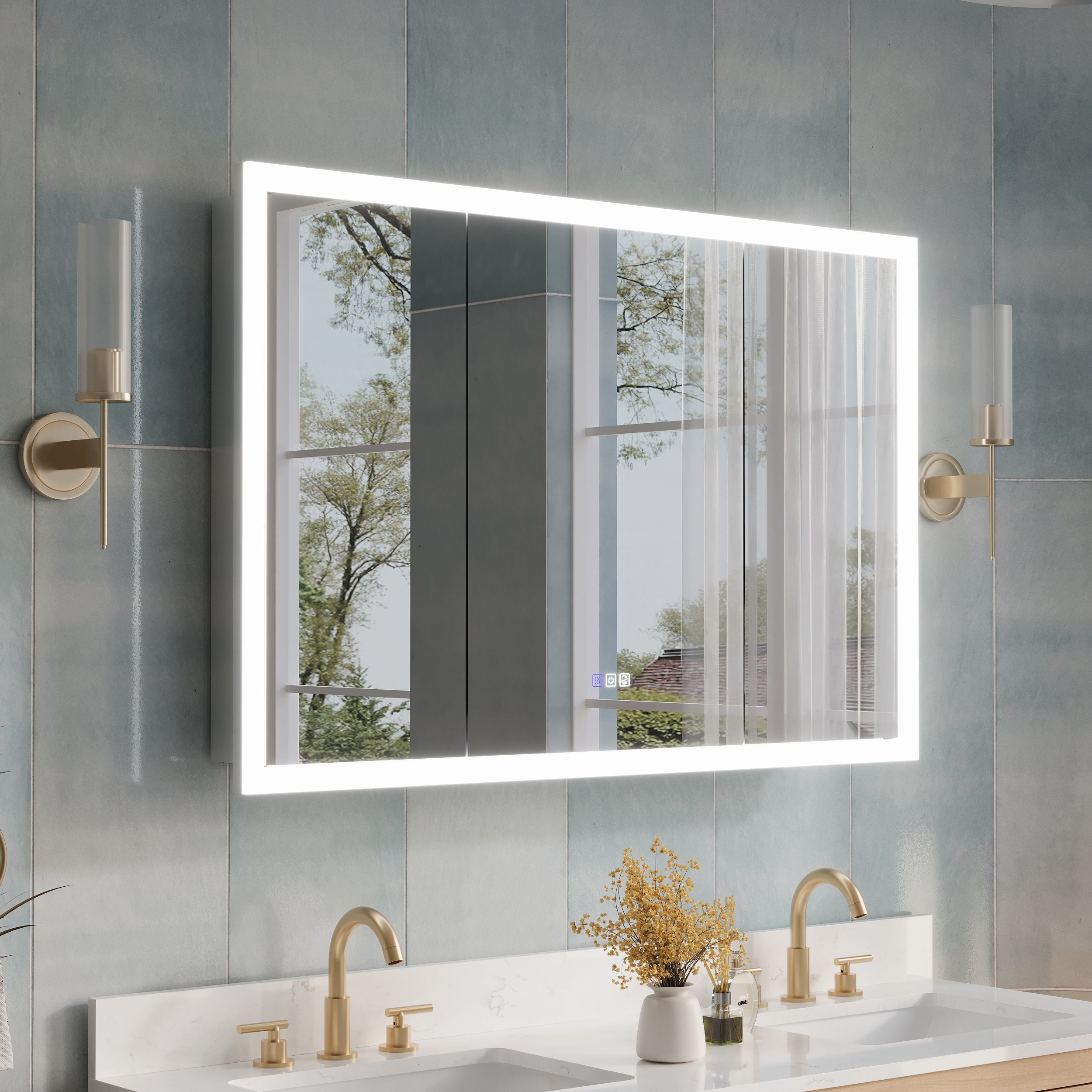
Good installation makes the brightness feel intentional. A white vanity should sit level, meet the wall cleanly, and align properly with the mirror and lighting above it. If the cabinet is slightly crooked or the backsplash line is messy, the eye catches it quickly because white tends to highlight flaws rather than hide them.
Maintenance is simple, but consistency matters. Wipe standing water near the faucet and sink edge. Use a soft cloth and a non-abrasive cleaner. Clean makeup splashes, tinted soap, and hair product residue before they settle. In bathrooms with weak ventilation, run the exhaust fan longer than you think you need to. Moisture is what shortens the life of most vanity finishes.
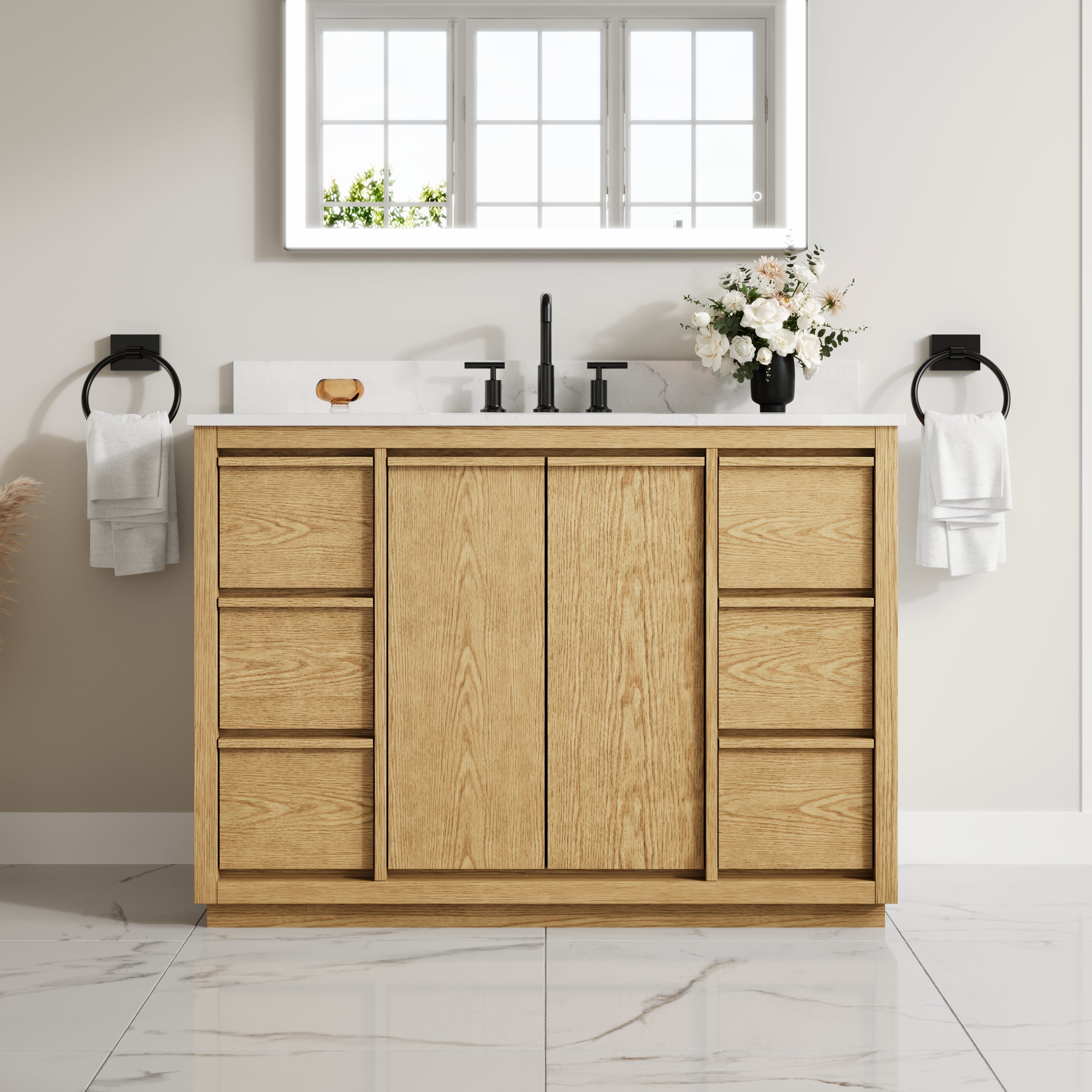
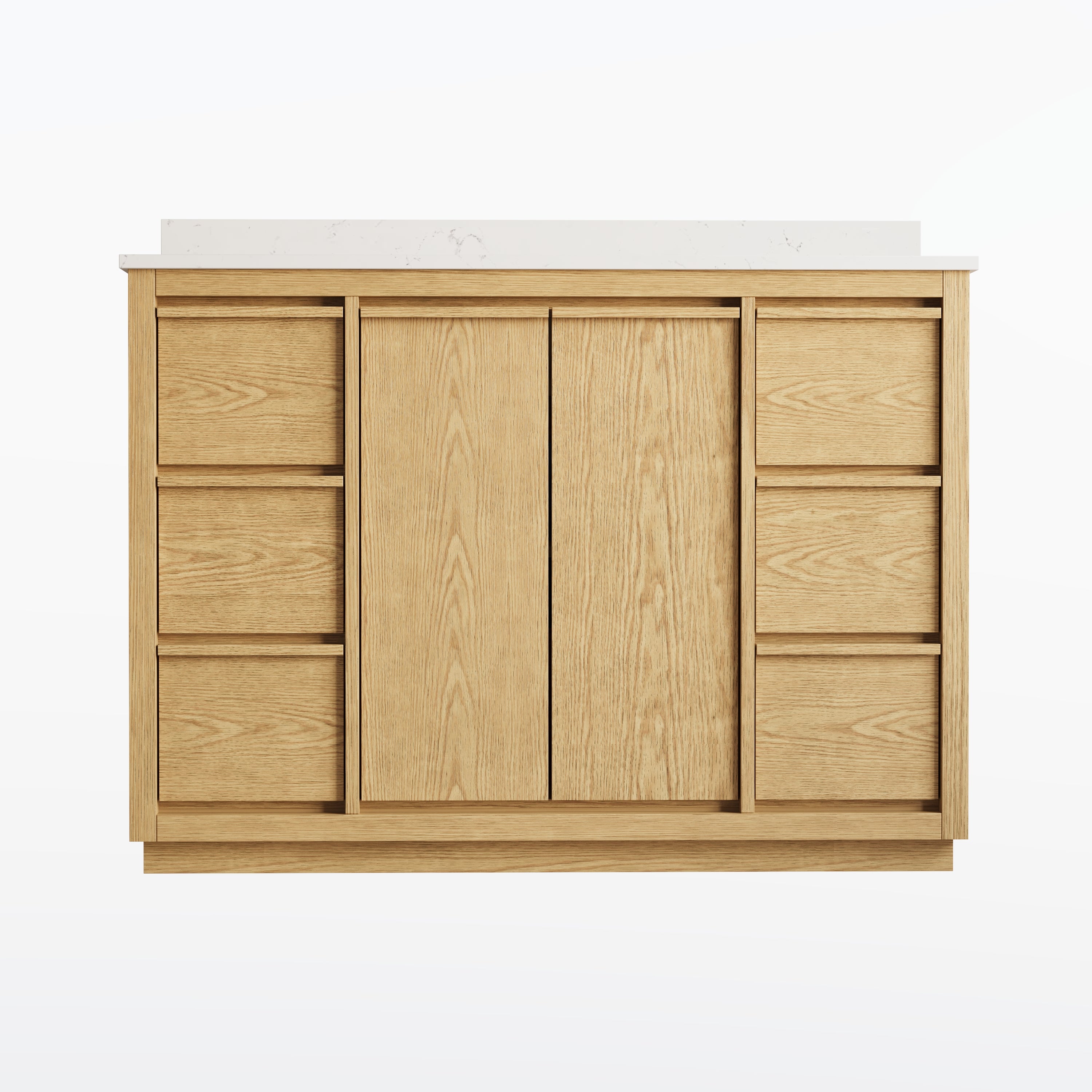
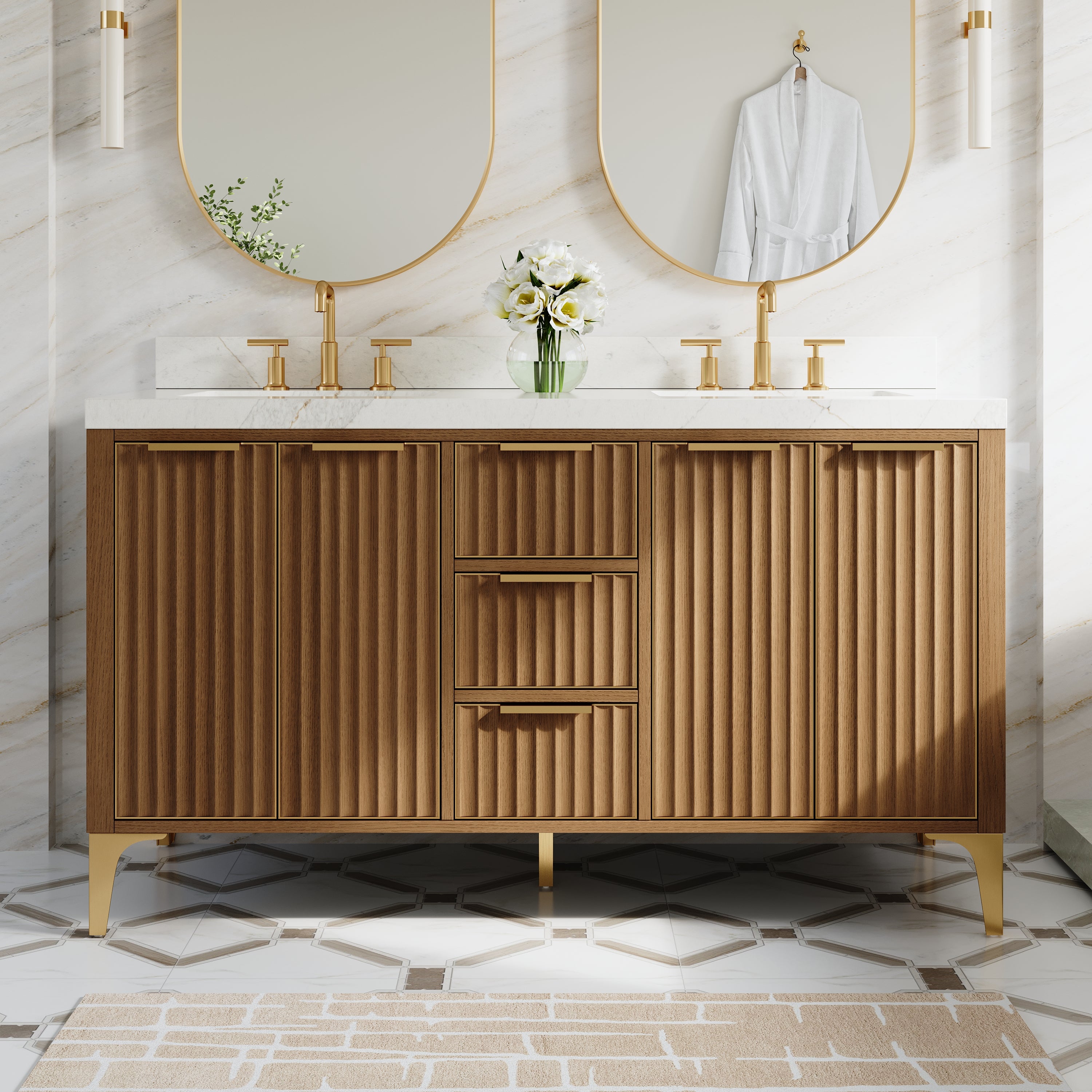
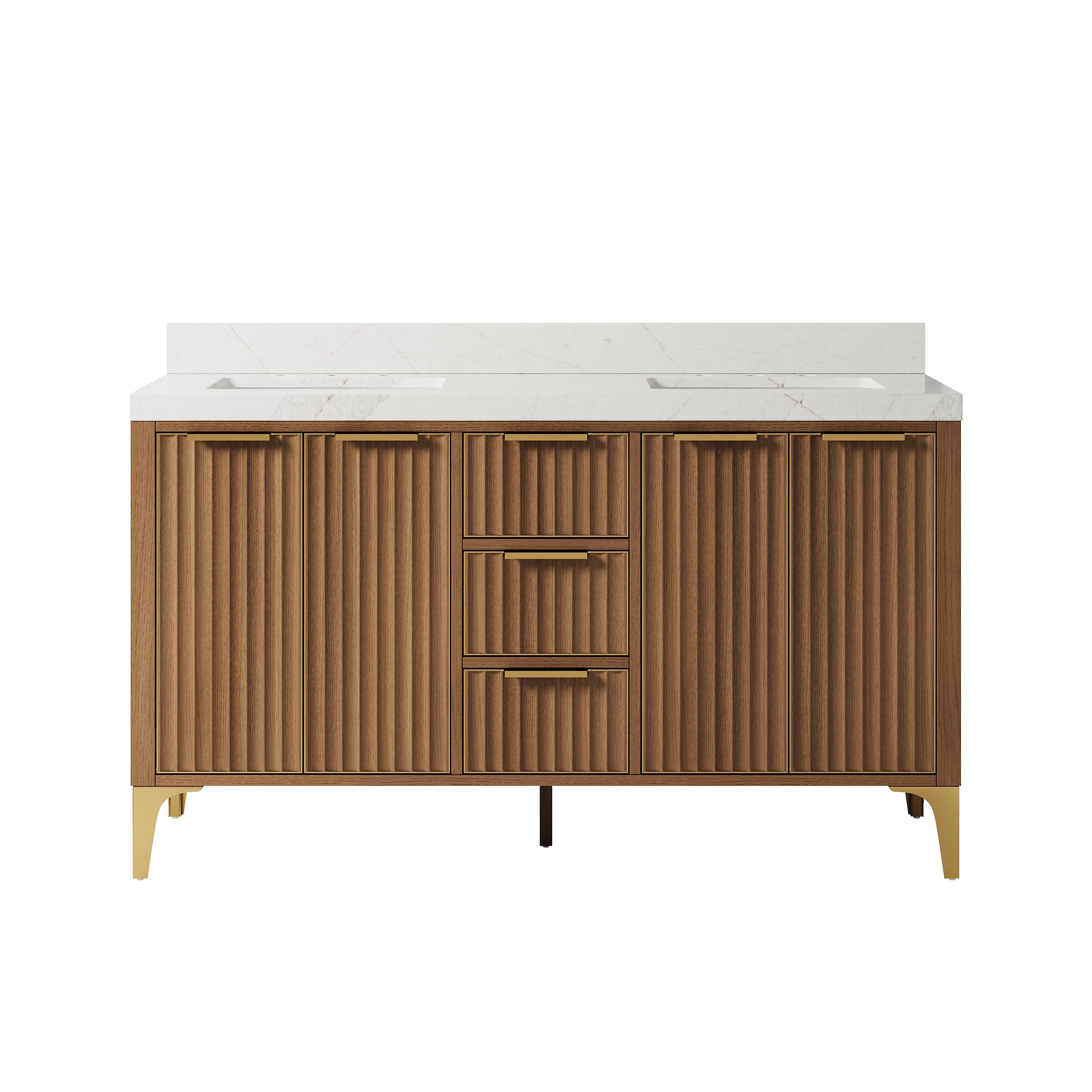
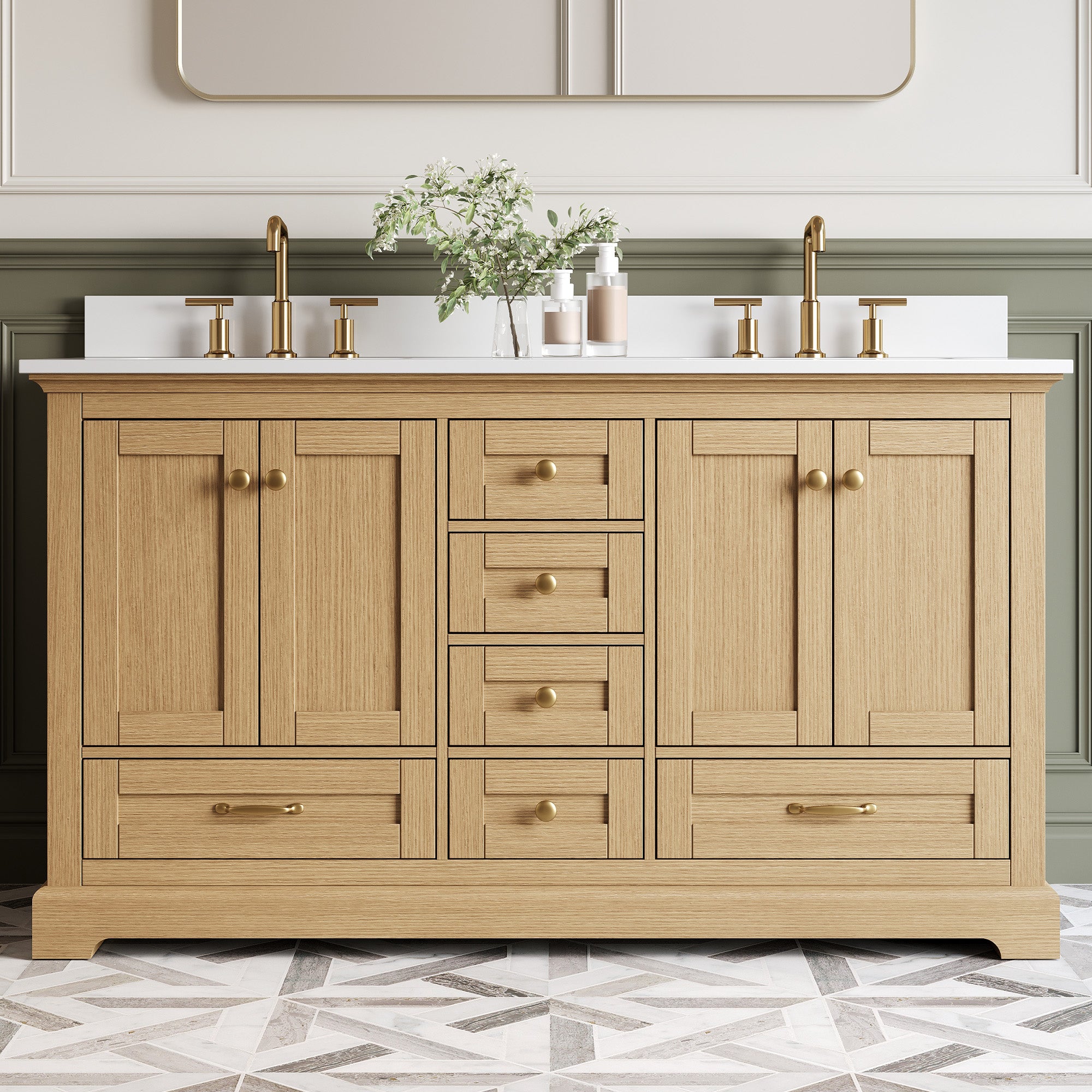
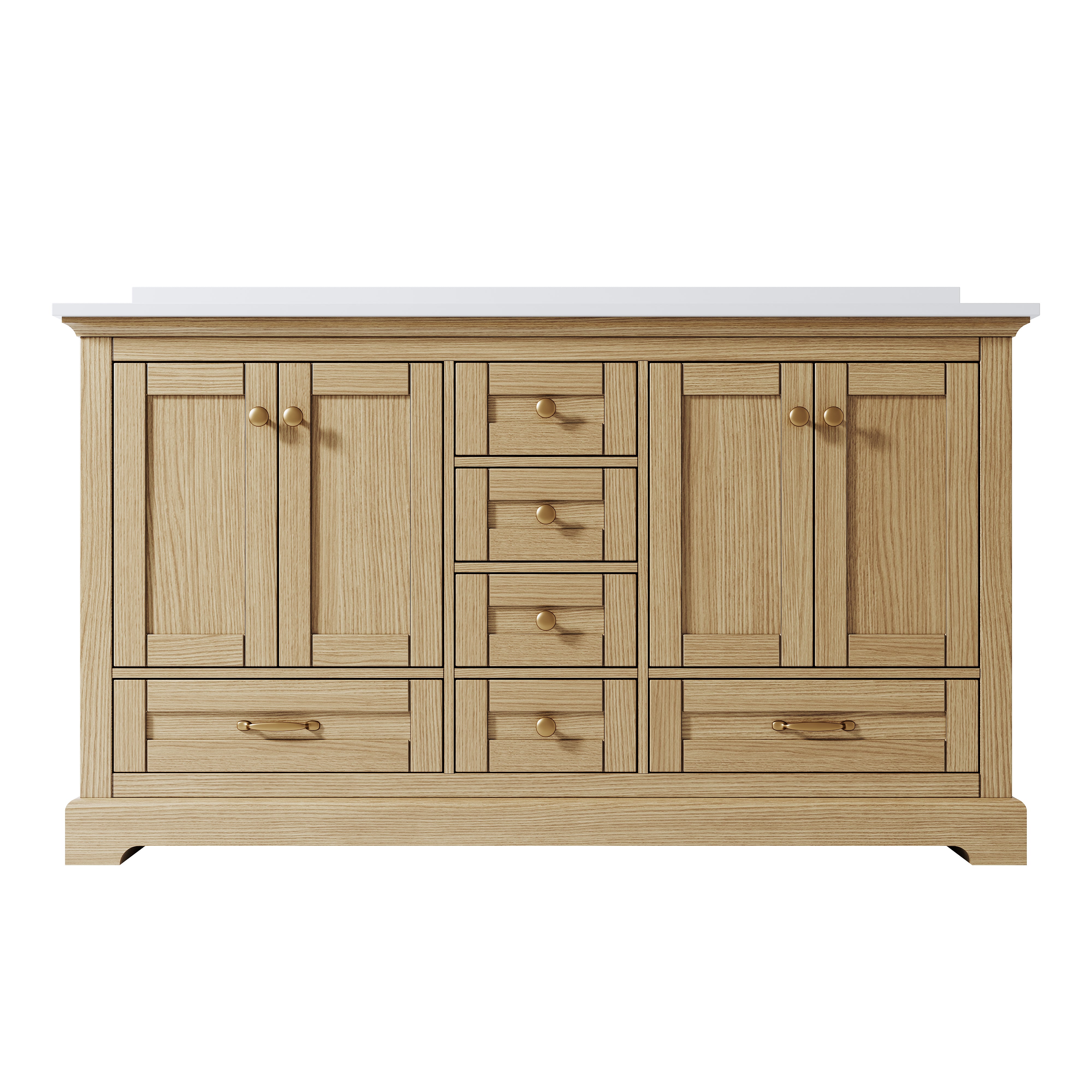
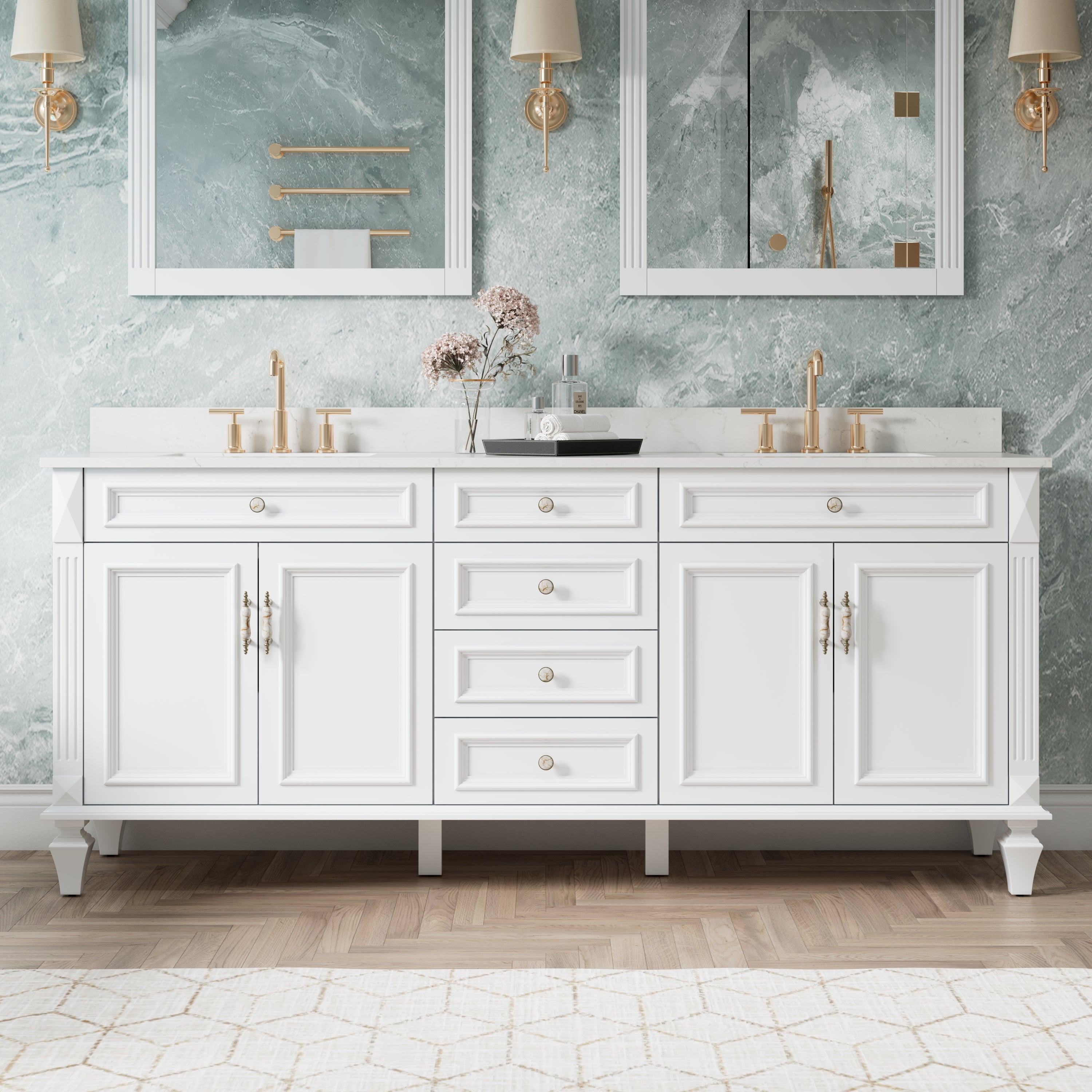
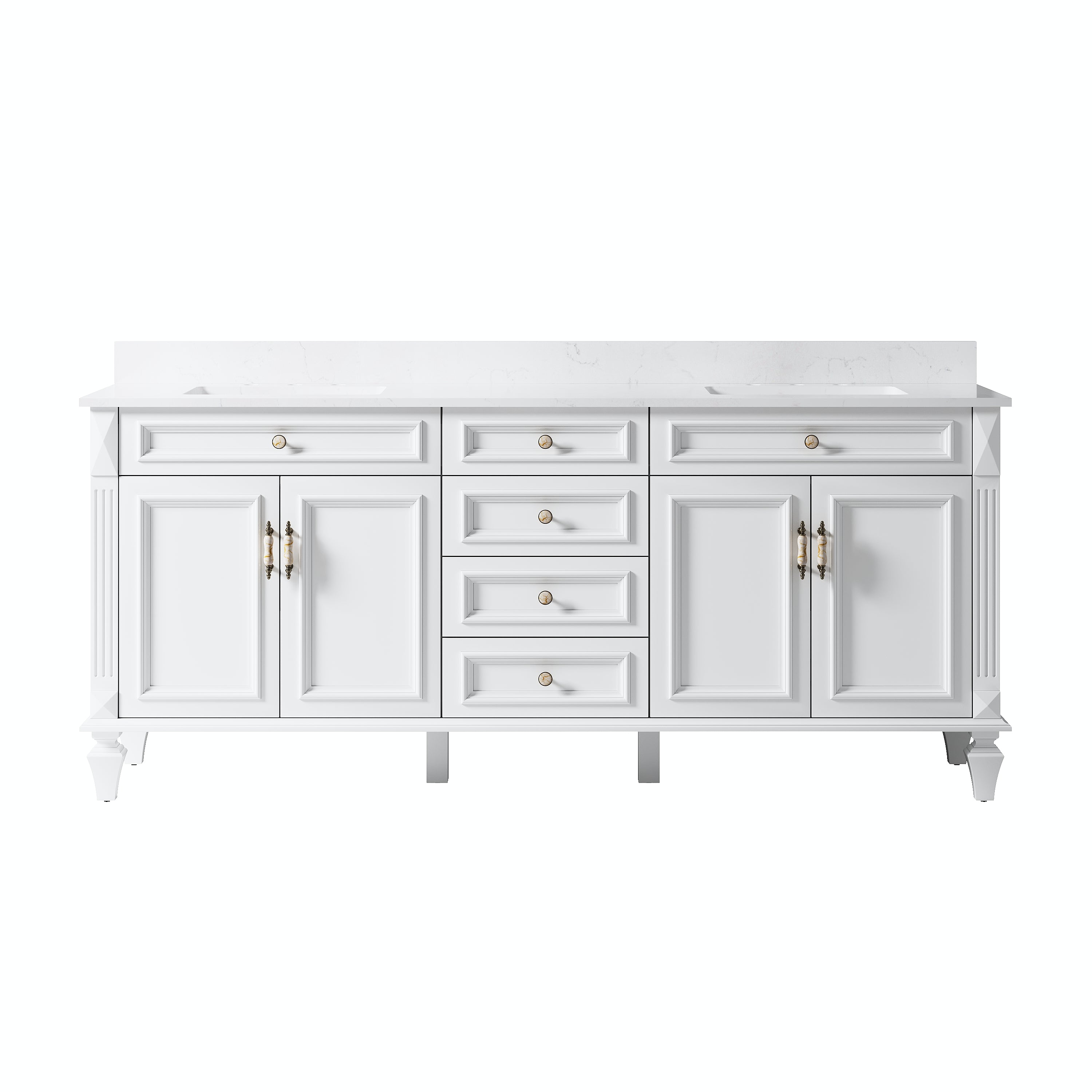
For homeowners shopping brands like Wellfor, the smartest move is to choose a white bathroom vanity for the right reasons: not because it feels safe, but because it fits the light, size, and style of the room you actually have. If the finish is durable, the proportions are right, and the surrounding materials give it some contrast, a white bathroom vanity can brighten your space in a way that still feels fresh years later.

















Leave a comment
This site is protected by hCaptcha and the hCaptcha Privacy Policy and Terms of Service apply.