
















Introduction
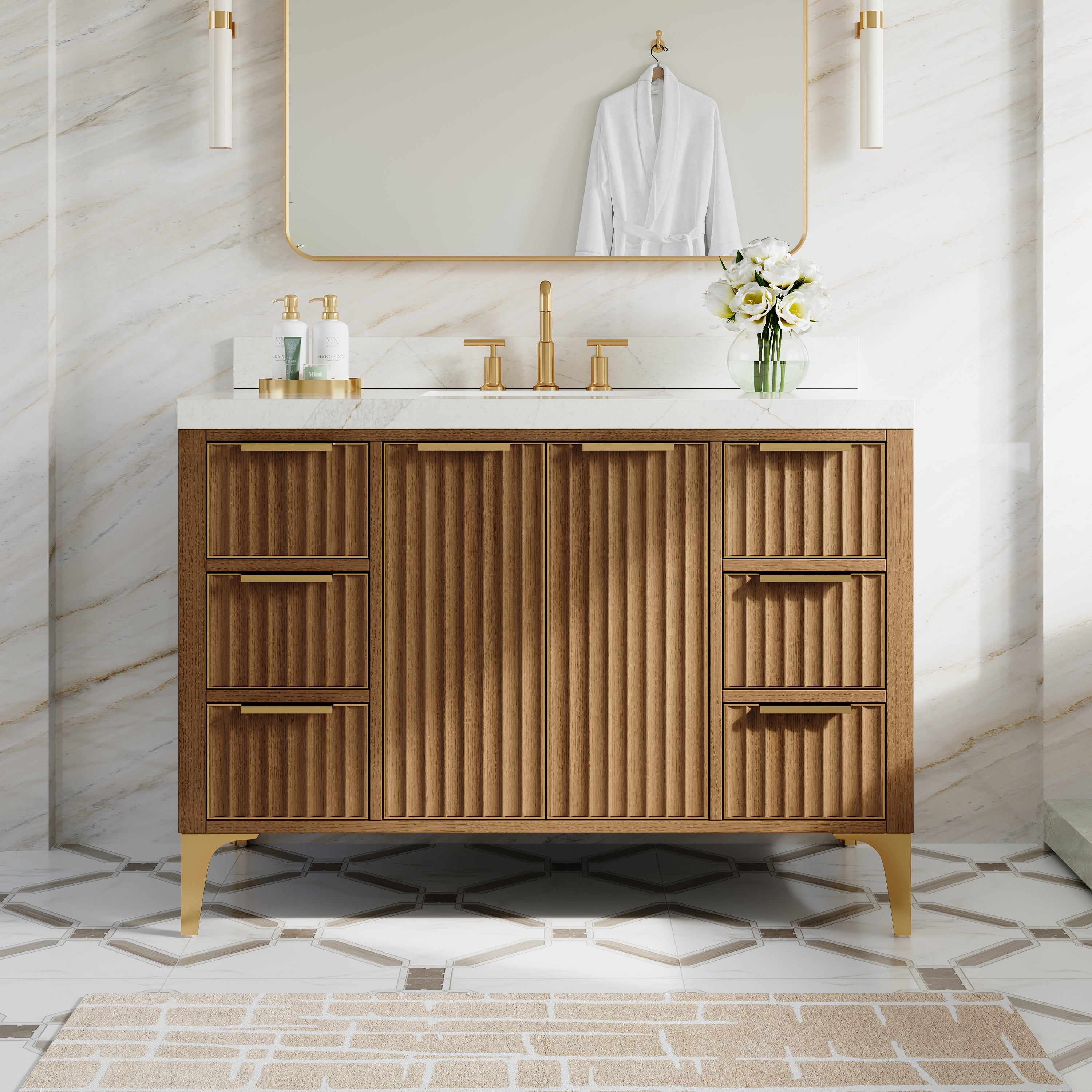
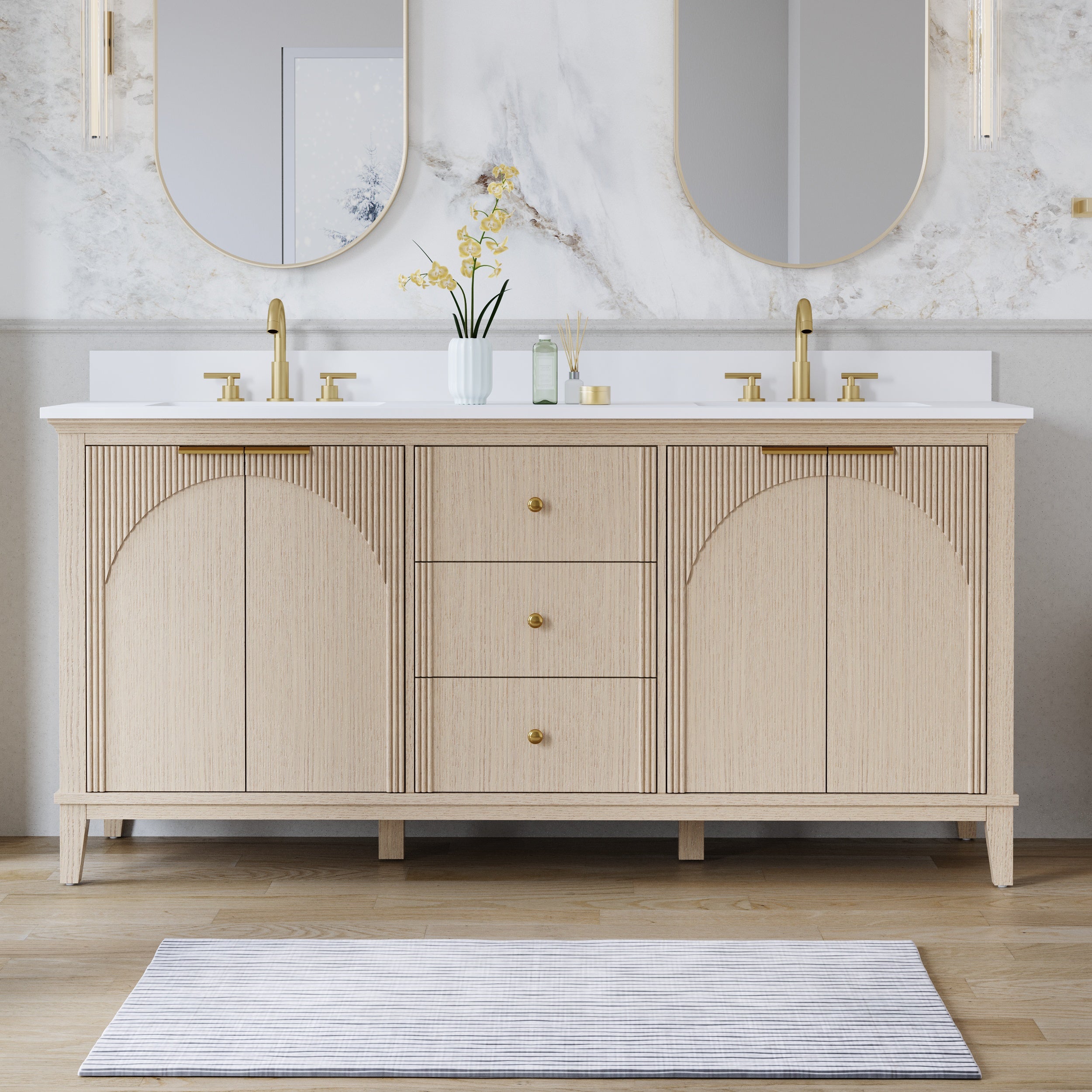
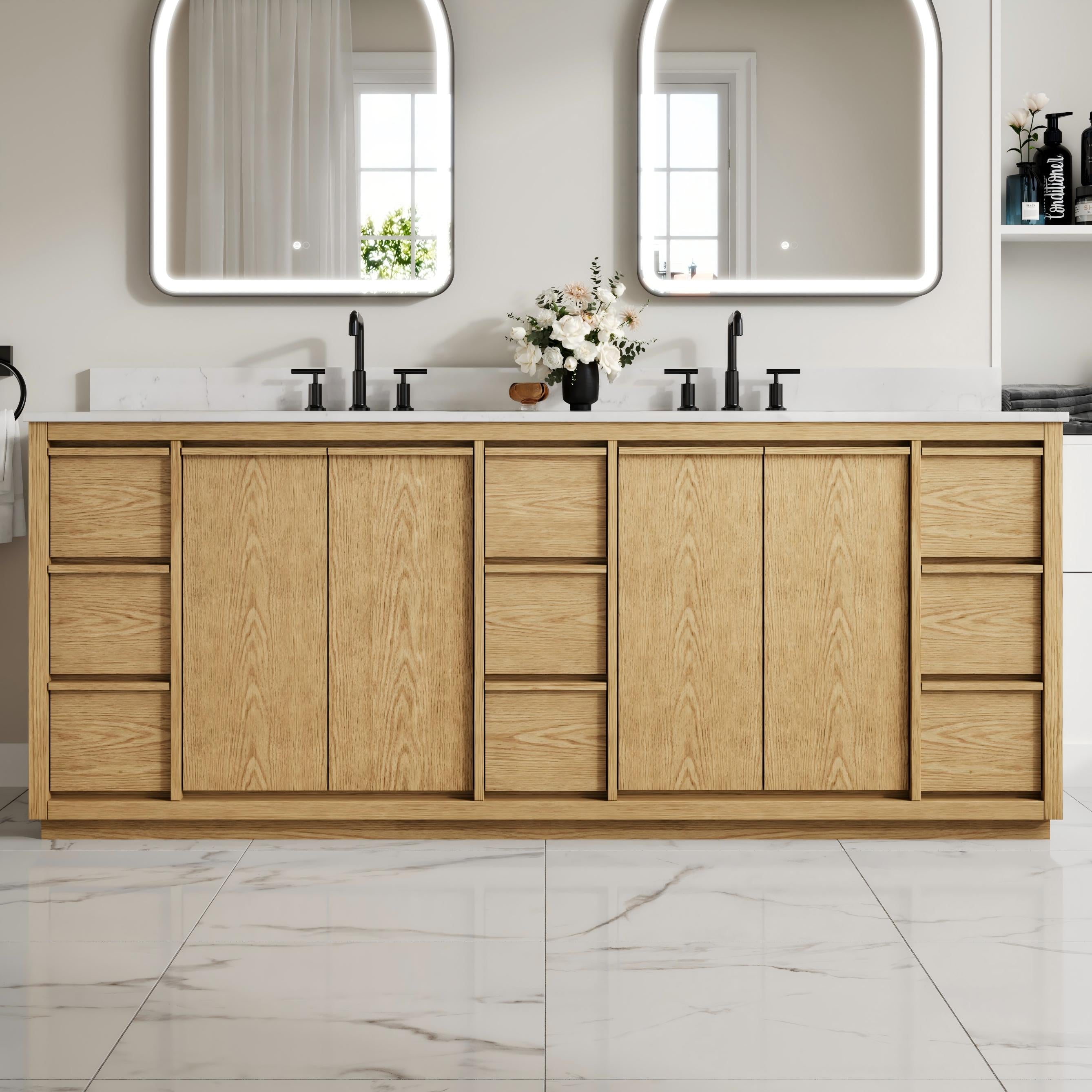
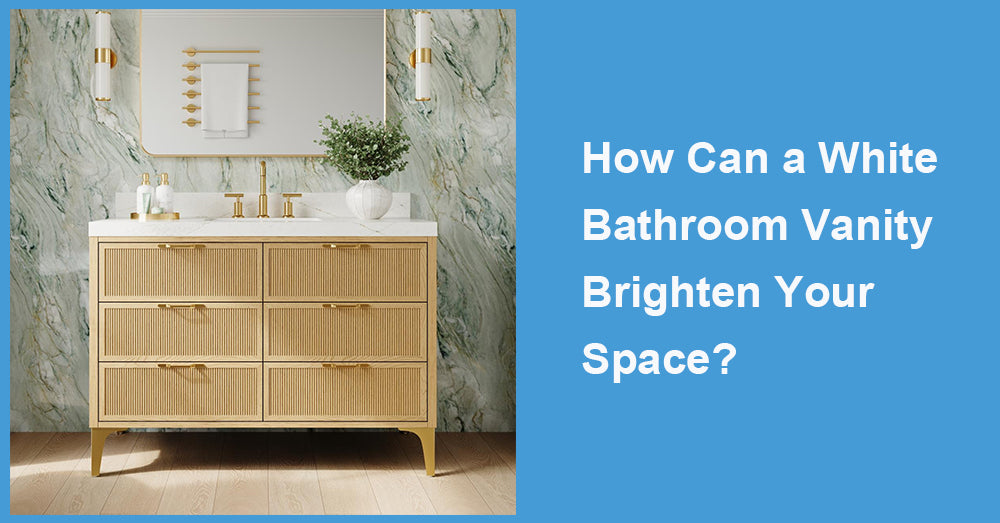
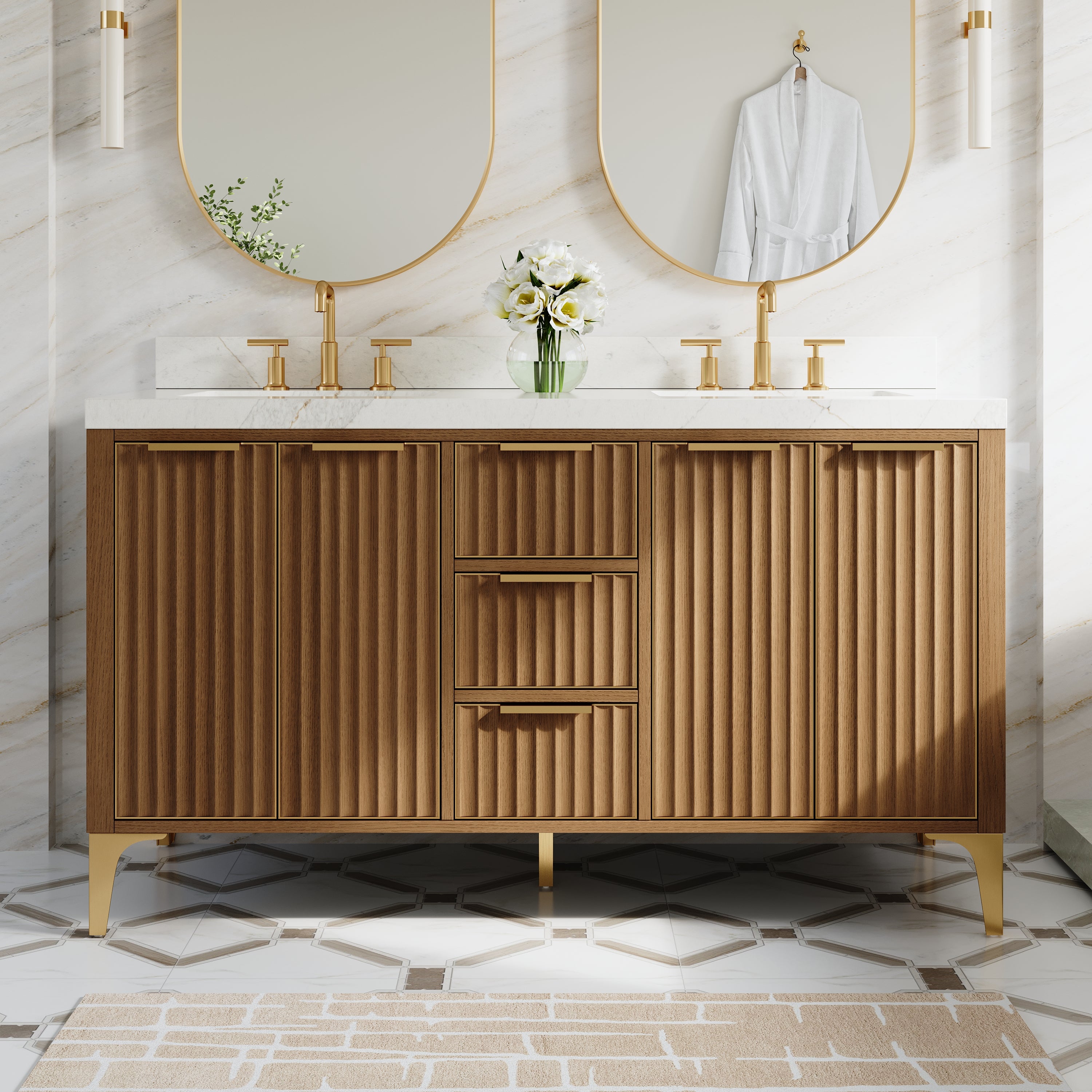
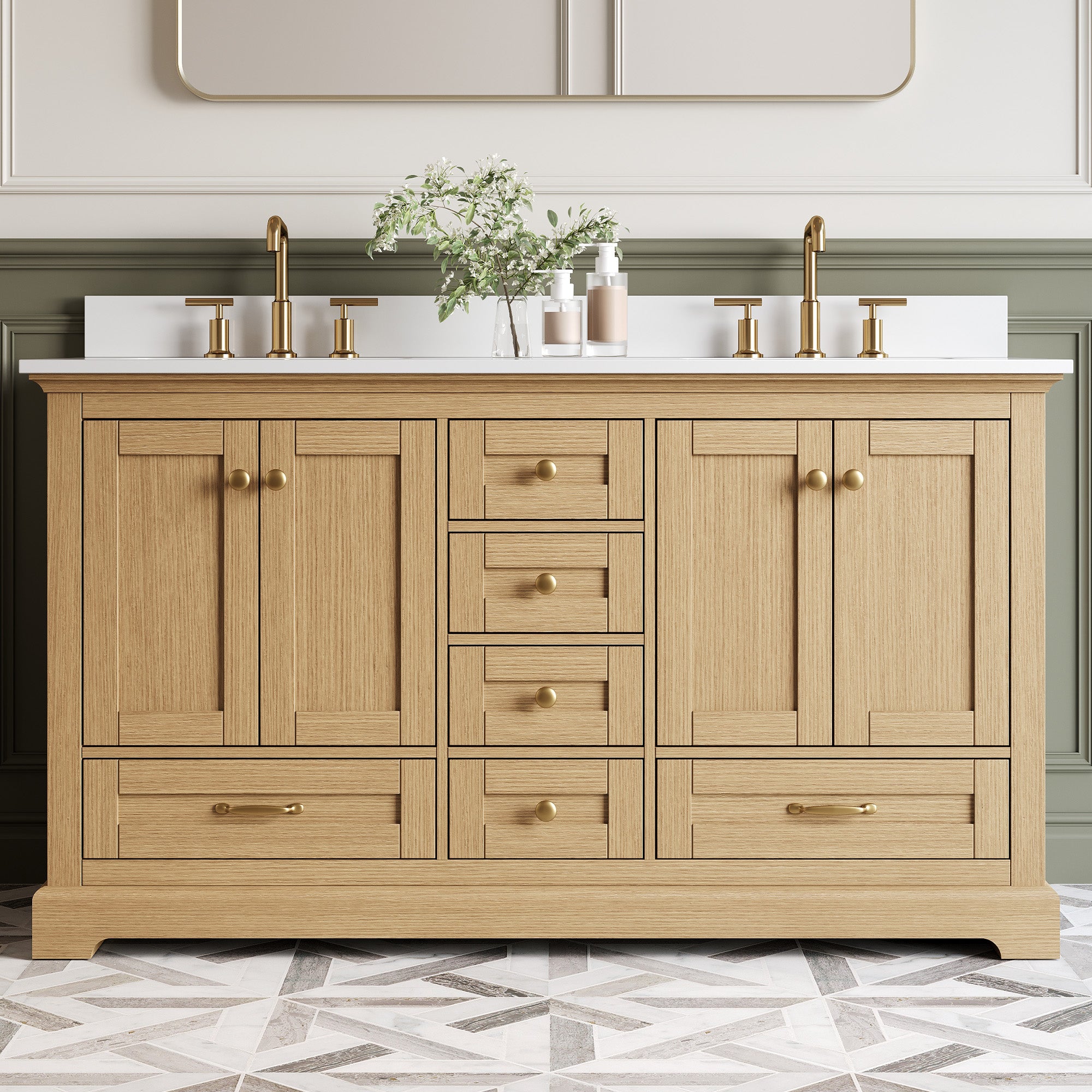
A light wood vanity has a way of changing a bathroom without making a show of it. After years of looking at remodels, product samples, and finished installations, I’ve found that this is one of the easiest ways to create a bathroom that feels softer, warmer, and more current without chasing a short-lived trend. It brings in natural texture, keeps the room visually calm, and works especially well when homeowners want something modern that still feels comfortable.
That balance is hard to get right. Too much white and the room can feel flat. Too much dark wood and it may start to feel heavy, especially in smaller bathrooms. Light wood sits in the middle. It brightens the room without turning cold, and it adds warmth without overwhelming the space.
1. Why a Light Wood Vanity Works So Well in Modern Bathrooms
Modern bathrooms often rely on clean lines, simple forms, and a fairly restrained material palette. That can look beautiful, but it can also go sterile very quickly. A light wood vanity solves that problem better than many painted options because it introduces grain and texture while keeping the overall look quiet.
In practical terms, it softens all the hard surfaces around it. Tile, glass, porcelain, mirrors, stone, and metal finishes can make a bathroom feel crisp to the point of feeling impersonal. Light wood breaks that up. The room still feels modern, but it feels lived in too.
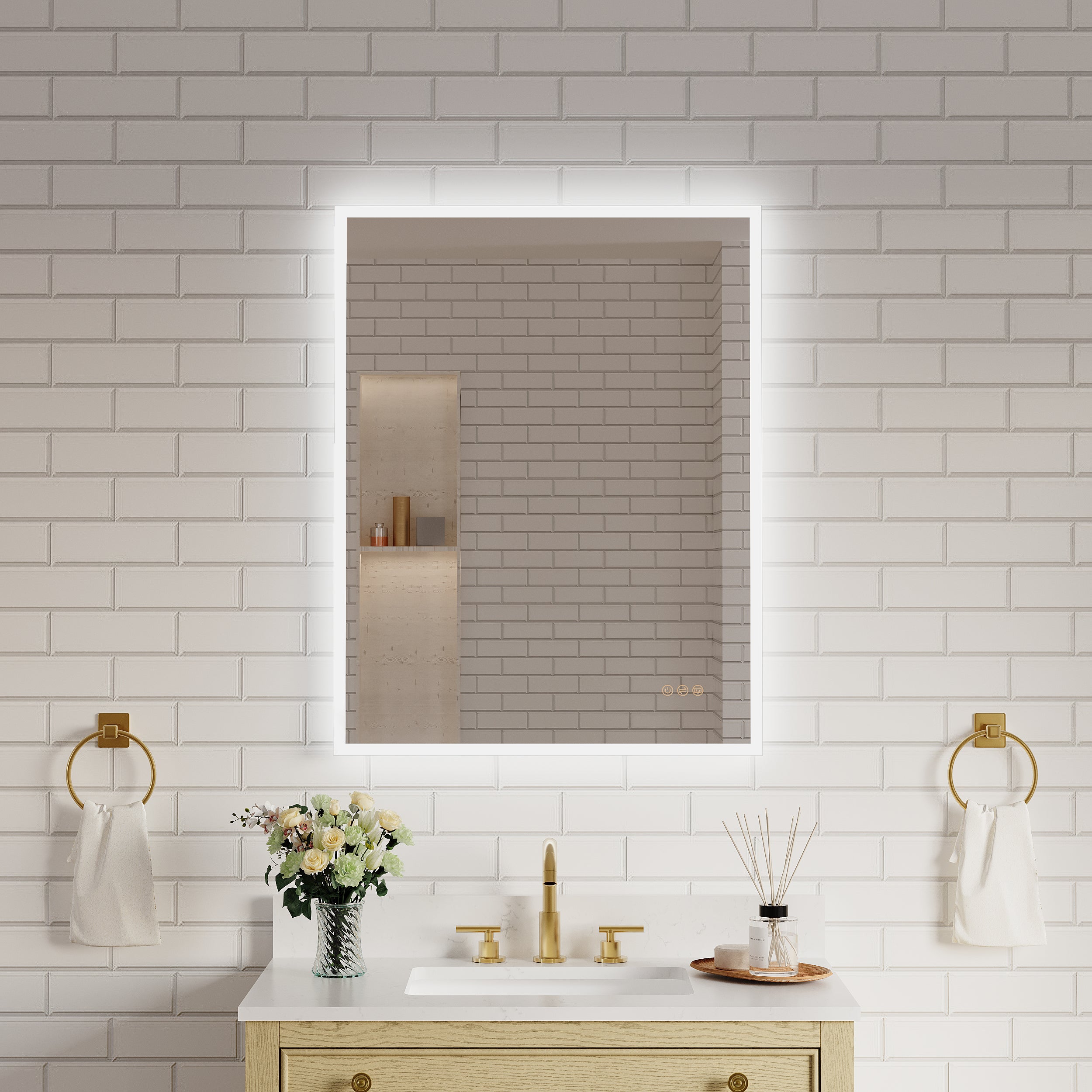
I see this most often in primary bathrooms, guest baths, and smaller remodels where the goal is not dramatic luxury, but calm everyday comfort. A light wood vanity gives the room enough character to feel designed, yet it rarely fights with the mirror, countertop, faucet, or wall tile.
2. How a Light Wood Vanity Supports a Soft, Modern Look
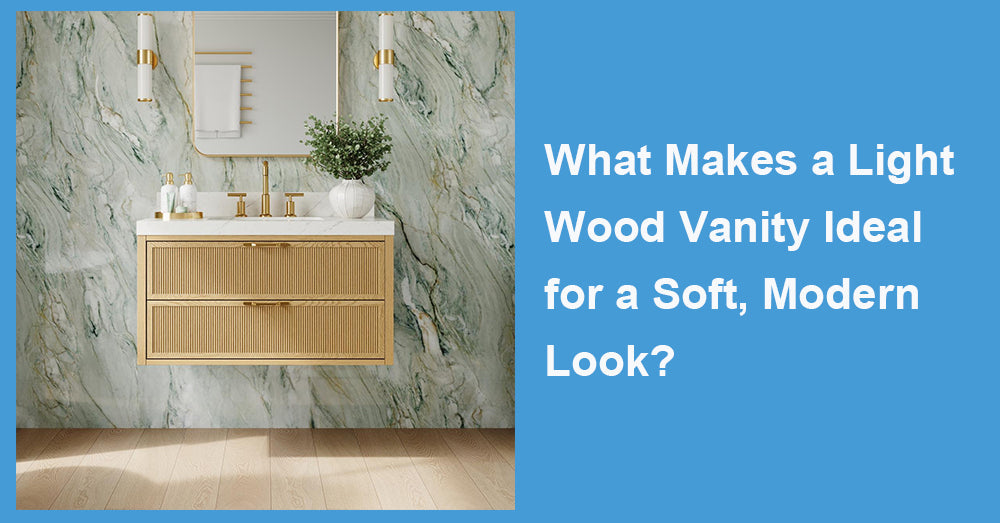
The phrase “soft modern” gets used a lot, sometimes too loosely. In real bathrooms, it usually means clean lines, gentle contrast, natural materials, and finishes that feel easy to live with. A light wood vanity fits that idea almost perfectly.
It keeps the space bright, which matters in bathrooms with limited natural light. Unlike darker walnut or espresso finishes, lighter woods do not visually weigh down the lower half of the room. The vanity feels present, but not bulky. That is one reason it performs so well in compact bathrooms and condo layouts.
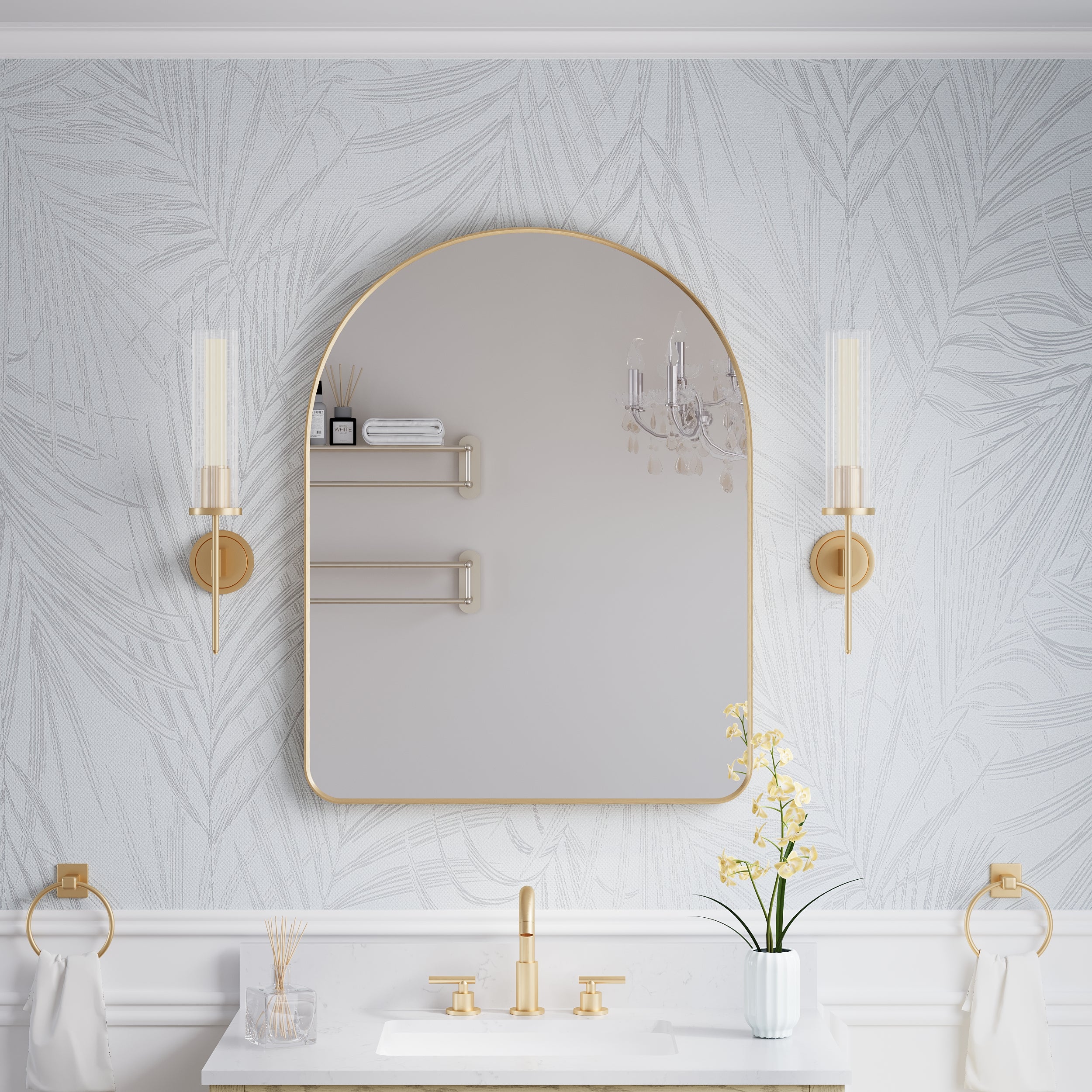
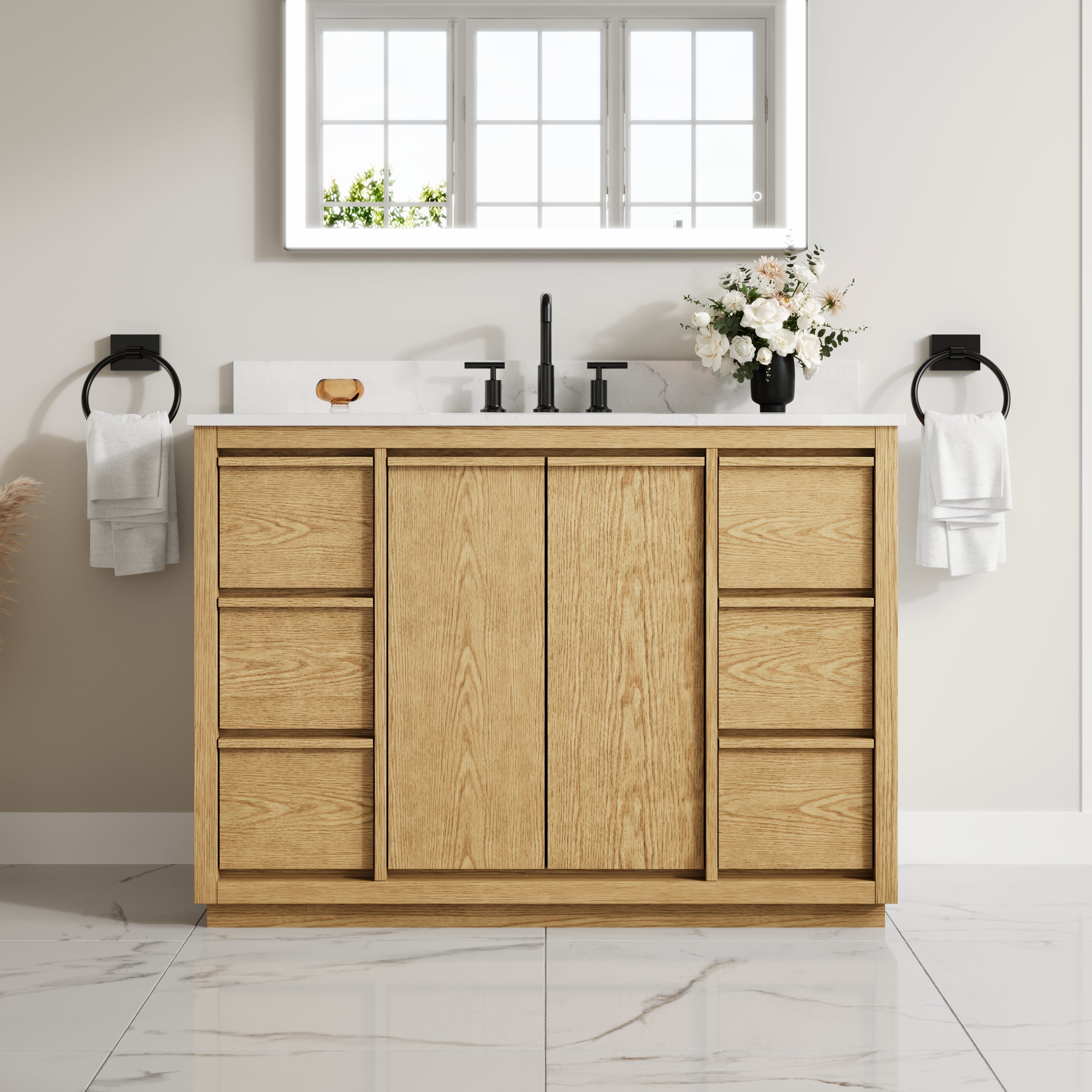
It also pairs naturally with the finishes homeowners are choosing right now: matte black hardware, brushed nickel faucets, warm brass details, white quartz tops, creamy stone, large-format tile, and soft neutral paint colors. The vanity becomes the bridge between cool modern materials and a more welcoming atmosphere.
A common mistake buyers make
Many people assume all light wood finishes create the same effect. They do not.
Some lean pale and Scandinavian. Some have warmer golden notes. Others have a slightly gray cast. I’ve seen homeowners fall in love with a vanity online, then realize in person that the undertone fights the floor tile or wall color. Light wood only looks effortless when the tones around it make sense together. That is why samples, or at least careful comparison, matter more than buyers expect.
What it does better than white or dark finishes
A white vanity can brighten a room, but it may feel too stark if the rest of the bathroom is also pale. A dark vanity can look rich, though it often makes smaller rooms feel more compact. Light wood gives you some of the brightness of white and some of the warmth of darker wood, which is exactly why it sits so comfortably in modern bathrooms.
3. The Advantages, the Drawbacks, and Who It Suits Best
The advantages are fairly clear. A light wood vanity adds warmth, keeps the room visually open, and gives the bathroom a more natural feel. It is versatile too. It works in modern, Japandi, Scandinavian-inspired, transitional, and even coastal-style bathrooms without feeling out of place.
It also tends to age well visually. Trend-heavy colors often date a bathroom faster than homeowners expect. Light wood usually does not. It feels quieter. More grounded. That makes it a smart choice for people who want a bathroom to stay relevant for years.
There are drawbacks, though, and they are worth saying plainly. If the finish quality is poor, a light wood vanity can look washed out or artificial. Cheap printed grain patterns are usually obvious in person. Light finishes can also show grime around handles or lower drawer fronts if the bathroom sees heavy daily use. And in a very busy household, a vanity with too little storage will feel frustrating no matter how good the finish looks.
When it may not be the best fit
A light wood vanity is not ideal for every bathroom. If the room already has a lot of pale wood, beige tile, and soft neutrals with very little contrast, the result can feel bland rather than refined. It may also be the wrong choice if the homeowner wants a bold, dramatic bathroom where the vanity is meant to anchor the room visually.
I am also cautious about light wood in bathrooms with poor ventilation if the construction quality is weak. Moisture always finds weak points first, and bathrooms are not forgiving environments.
4. What to Look for Before You Buy
Start with construction. Always. A good light wood vanity should be built from materials that can handle bathroom humidity, whether that means solid wood in key areas, quality plywood, or a well-finished veneer over a stable core. What matters is not just the label, but the overall build and sealing.
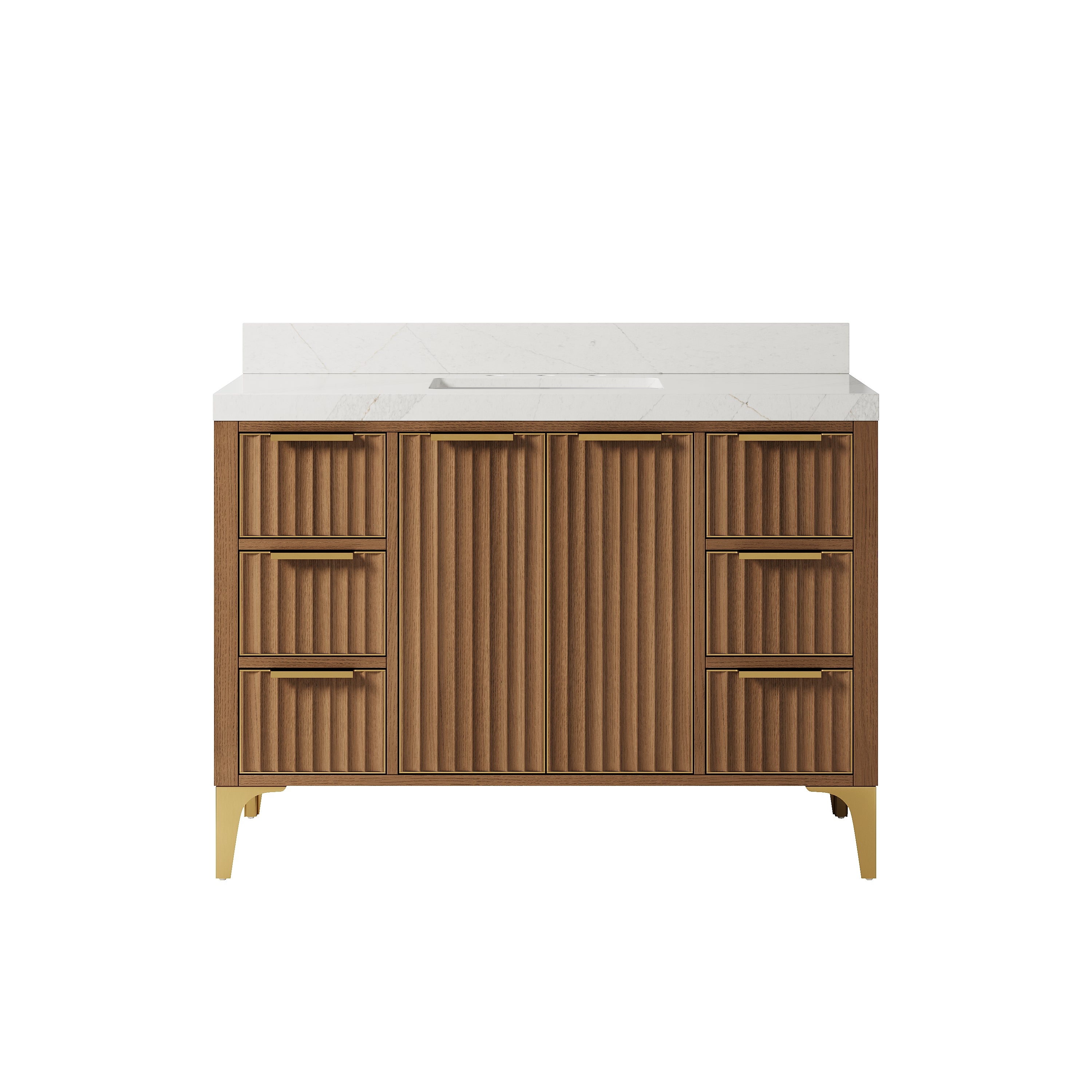
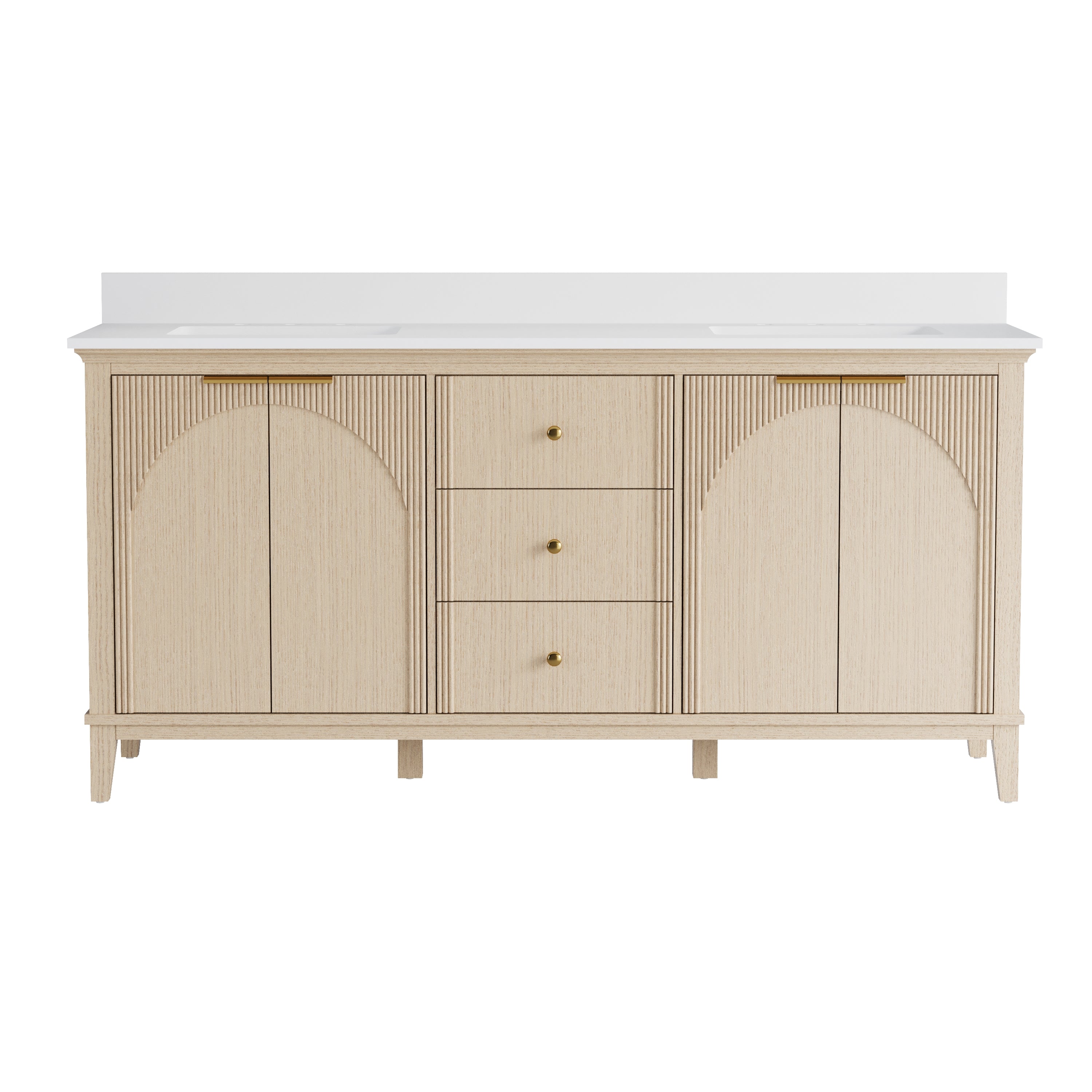
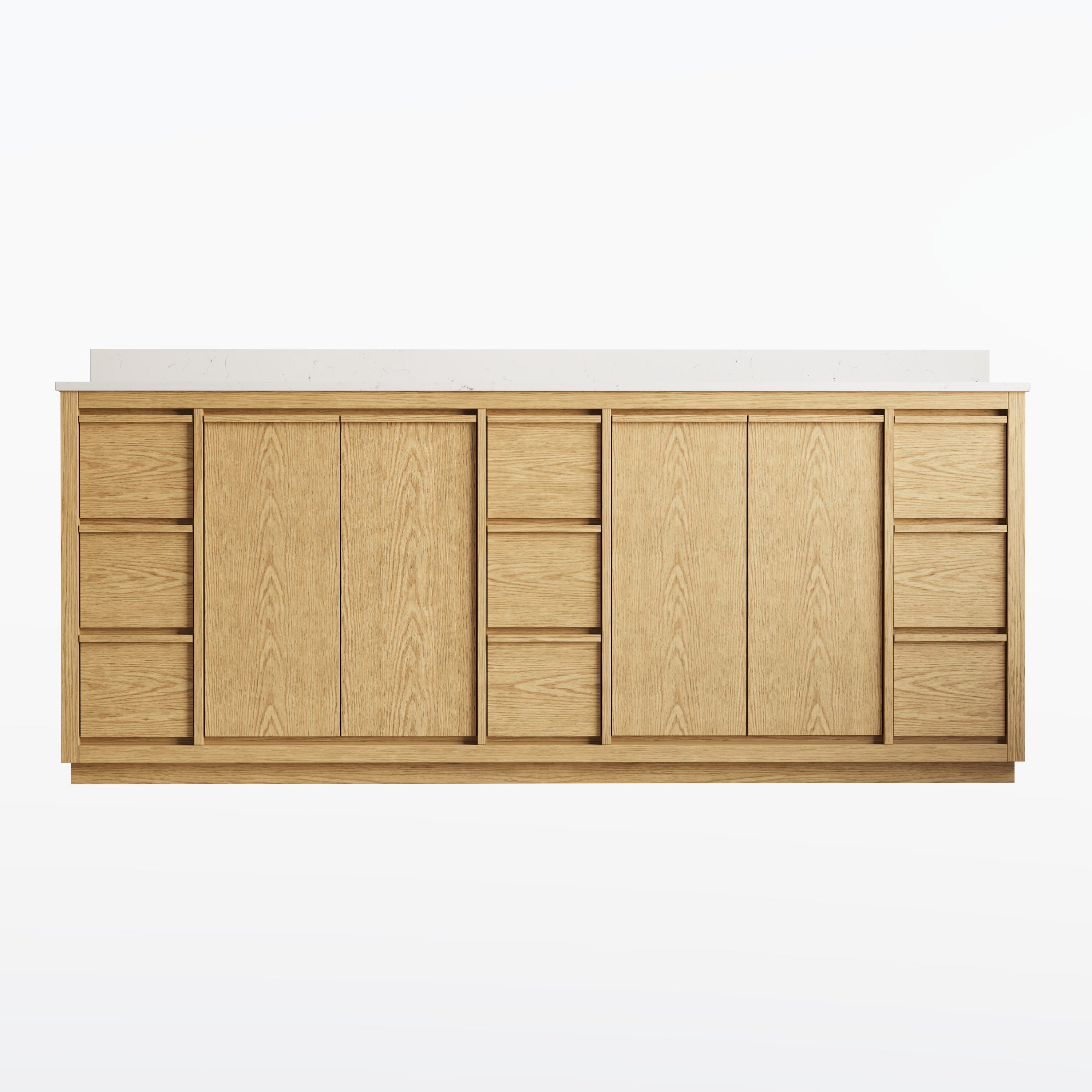
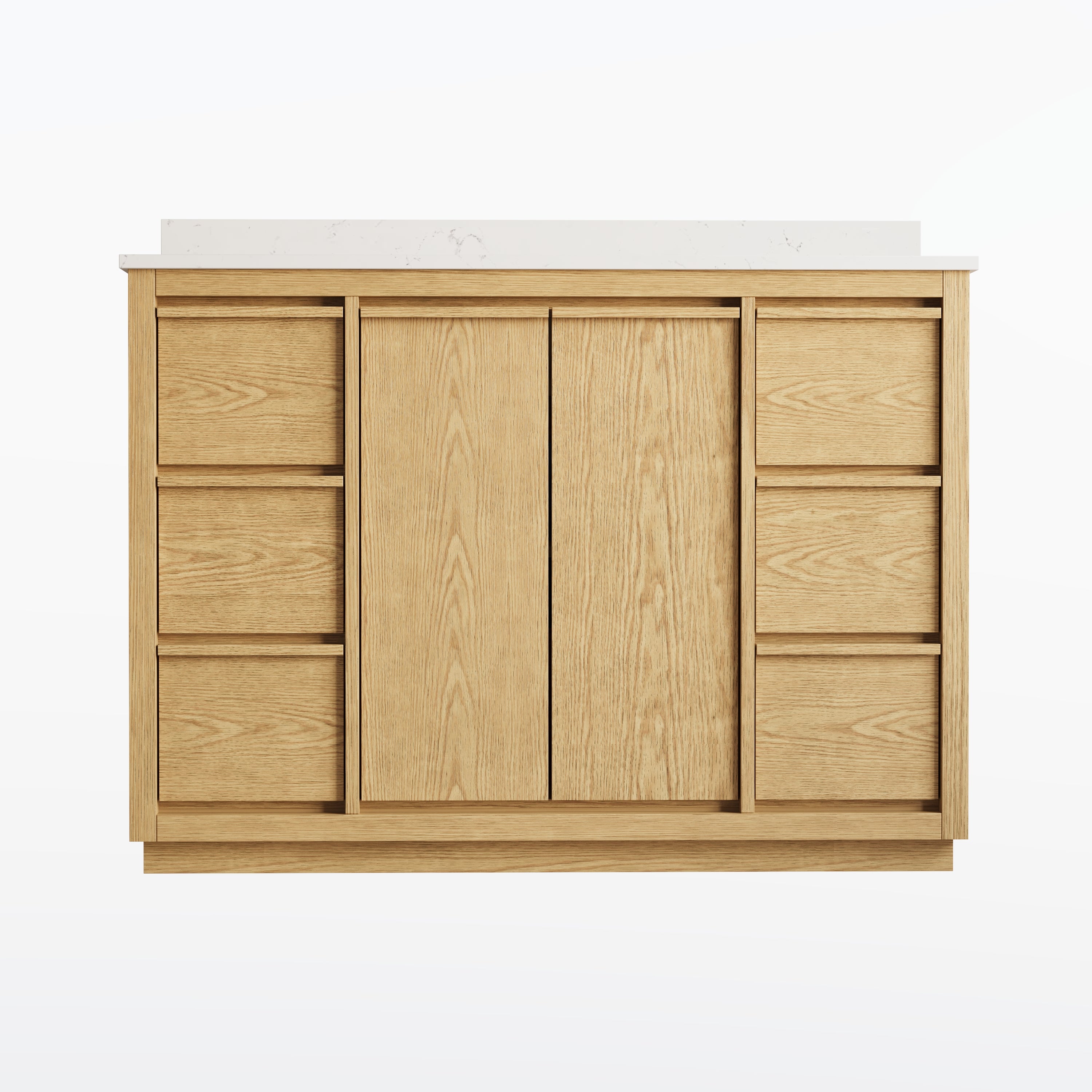
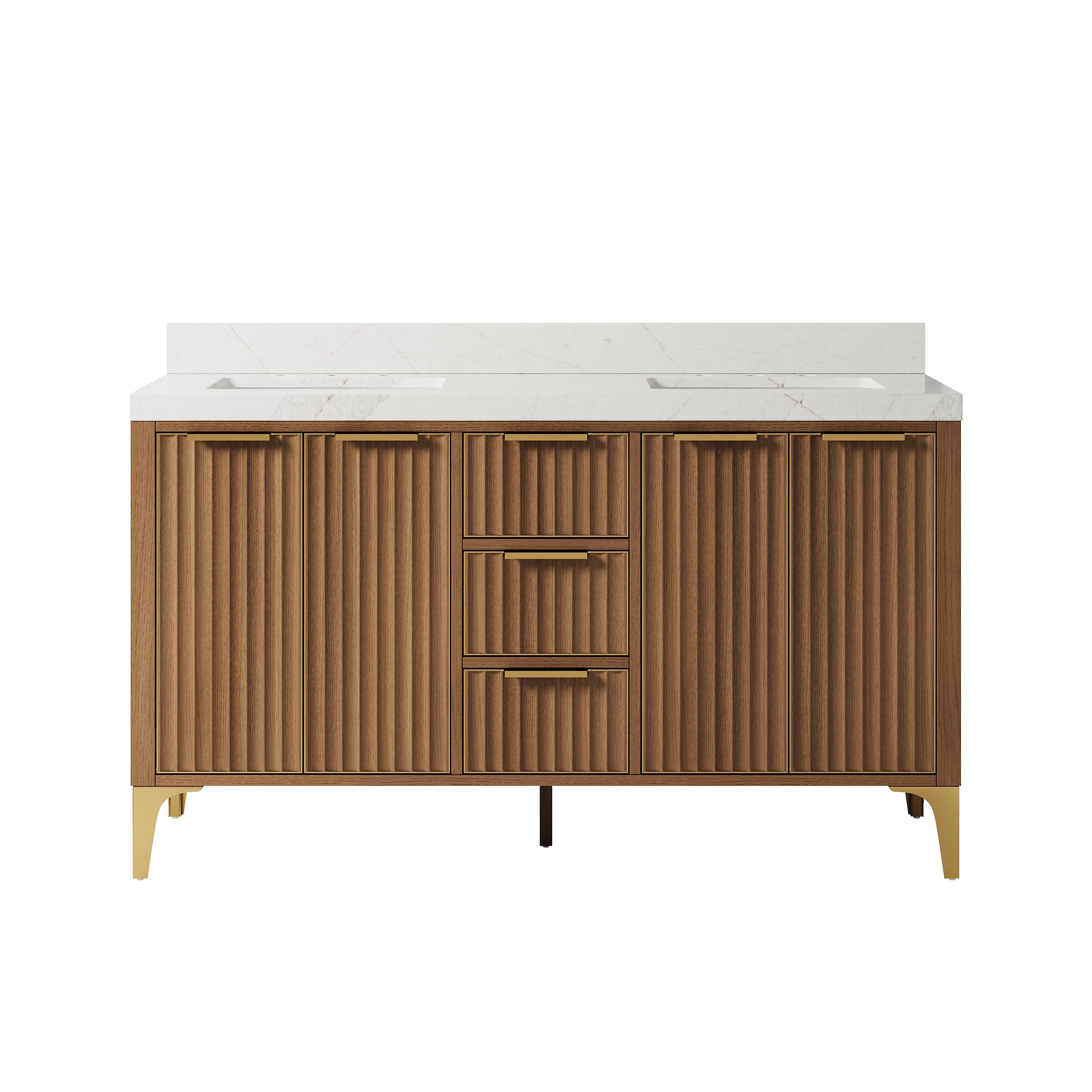
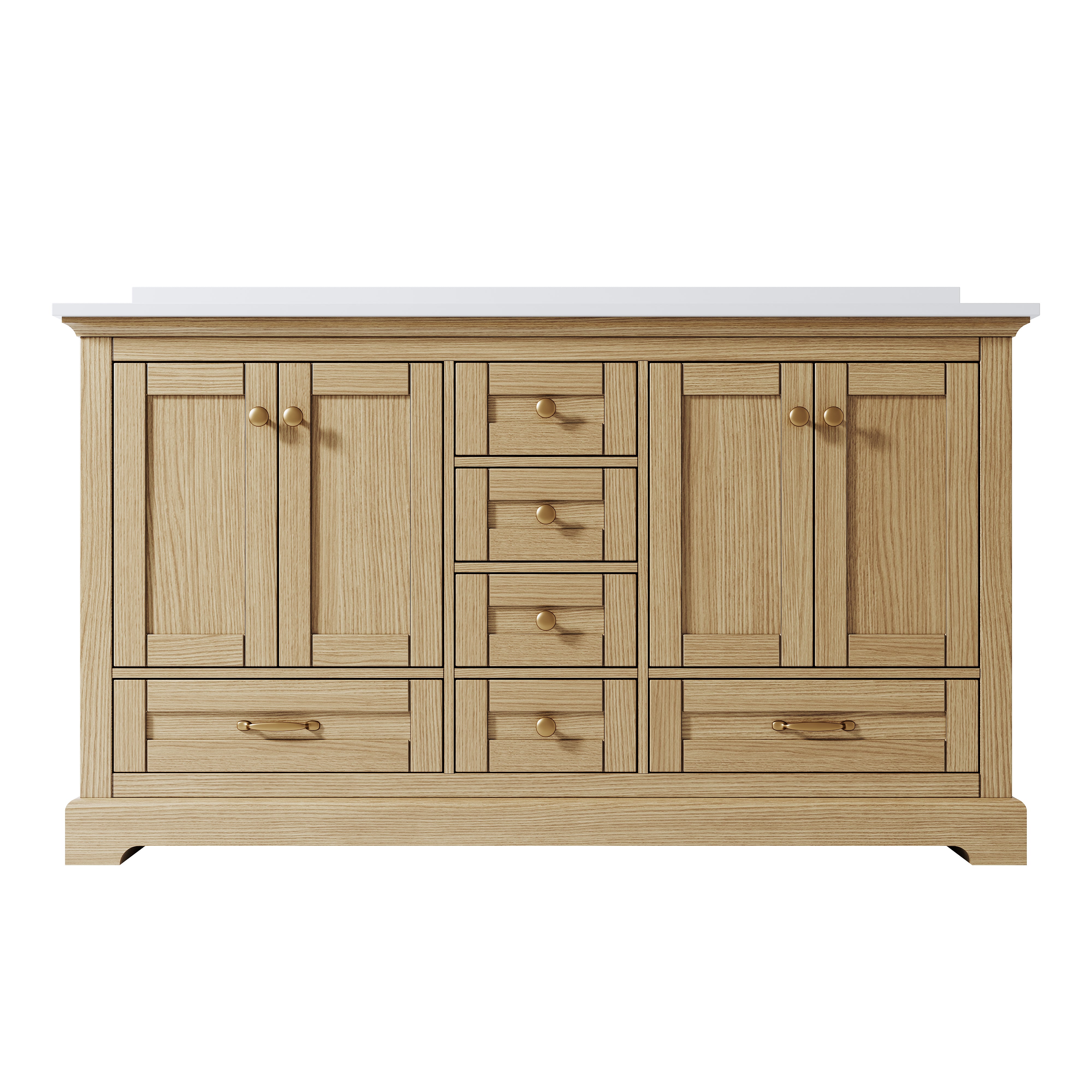
Then look at the shape. Flat-front drawers and cleaner lines usually support a soft modern look better than ornate detailing. Floating vanities can make the room feel lighter. Freestanding vanities can provide more storage and a slightly more substantial presence. The better choice depends on the bathroom, not just the trend.
Storage layout matters more than many people realize. A beautiful vanity with awkward plumbing cutouts or shallow drawers becomes a daily annoyance fast. Think about what actually needs to go inside: skincare, hair tools, cleaning supplies, extra paper goods, guest towels. That tells you more than the product photo ever will.

5. Installation and Maintenance Advice That Protects the Look
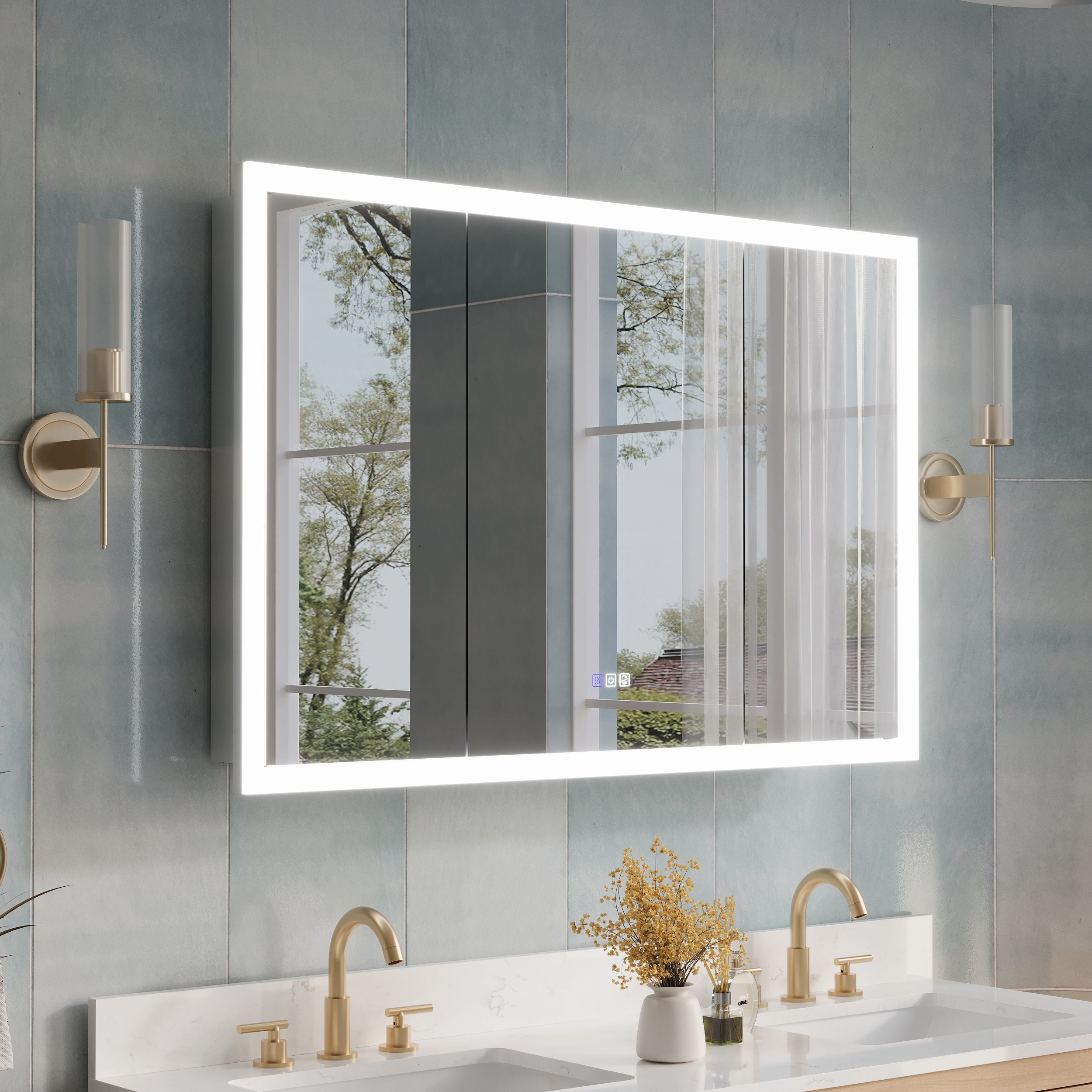
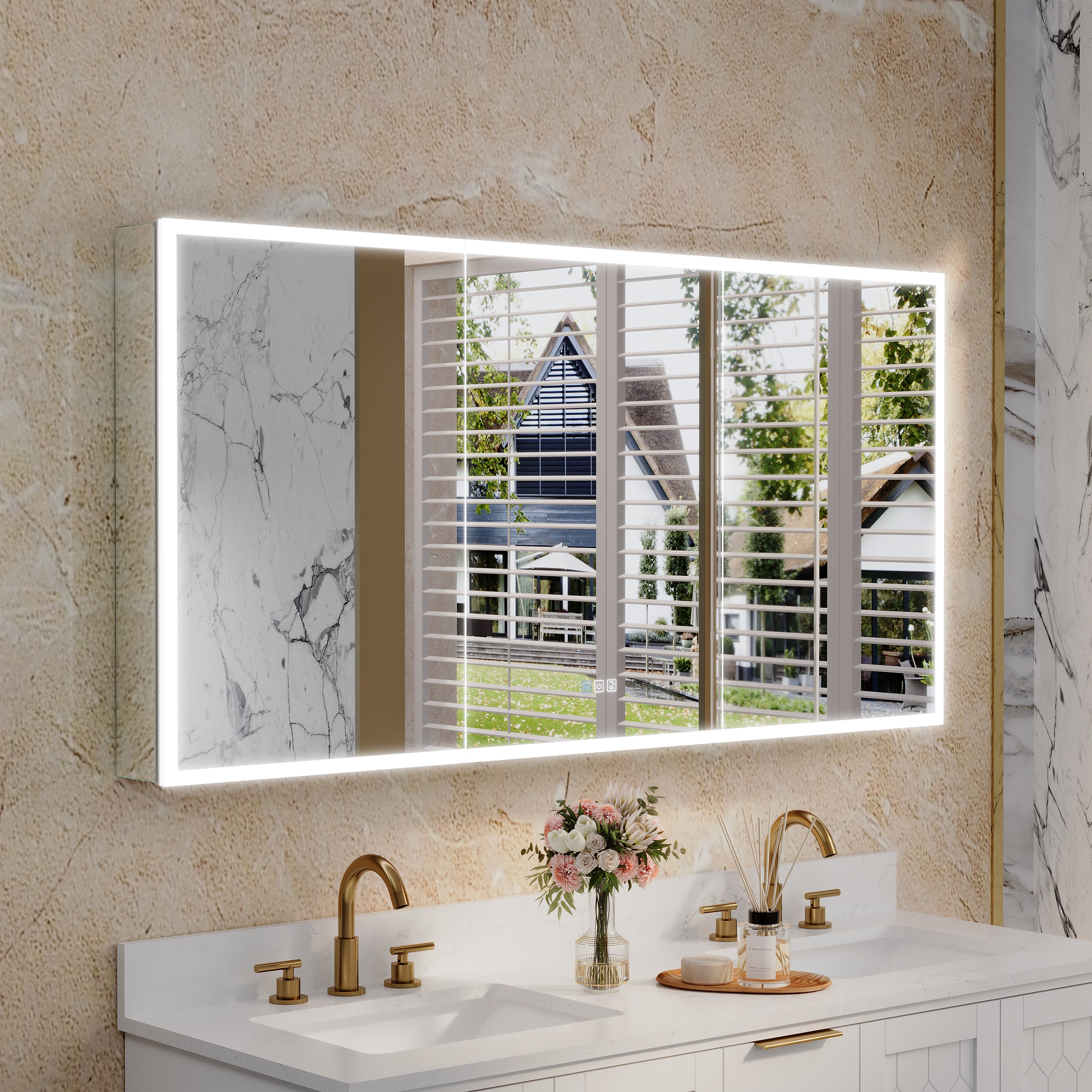
A light wood vanity needs careful installation because small mistakes show up quickly in a simple bathroom. The cabinet should be level, centered properly, and aligned with the mirror and lighting above. Soft modern spaces depend on clean lines, so crooked installation stands out immediately.
Moisture protection matters just as much. Make sure sink edges are sealed well, plumbing is checked for slow drips, and the vanity is not constantly exposed to standing water. I’ve seen more damage from quiet leaks than from ordinary wear.
Maintenance is straightforward. Wipe splashes early. Use a soft cloth and a mild cleaner. Do not leave wet towels hanging over drawer fronts for hours at a time. Run the fan long enough to pull steam out of the room. Those small habits protect both the finish and the overall feel of the vanity.
For homeowners shopping brands like Wellfor, my best advice is to choose a light wood vanity when you want the bathroom to feel modern without feeling cold. Focus on undertone, construction quality, storage, and how the vanity will sit with the rest of the room. When those pieces line up, a light wood vanity does something very few bathroom elements manage on their own: it makes the whole space feel softer, smarter, and easier to live with every day.















Leave a comment
This site is protected by hCaptcha and the hCaptcha Privacy Policy and Terms of Service apply.