
















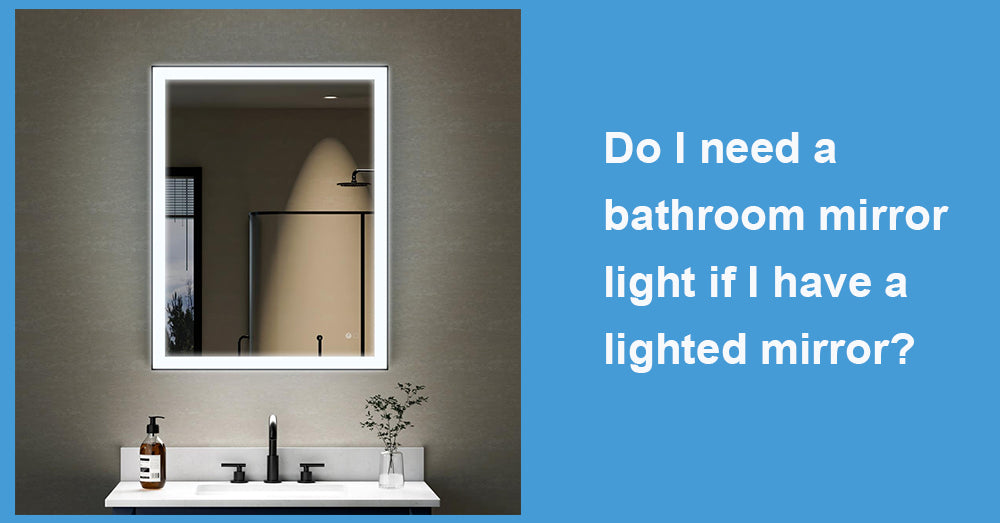
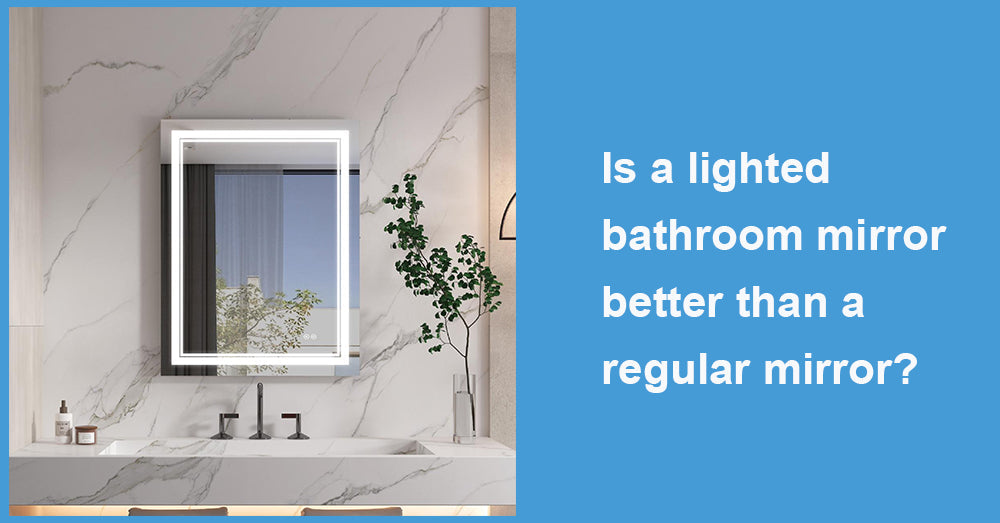
In home lighting design, "bathroom mirror light" remain a highly debated topic. Many people ask the same question when selecting bathroom fixtures: "If I've already purchased a lighted mirror, do I still need to install separate bathroom mirror lights?"
Don't underestimate the impact of adding just one light above the mirror. It involves balancing functionality, ambiance, visual appeal, electricity usage, and budget. Today, we'll explore this topic from multiple angles to help you determine whether your bathroom truly needs an additional Bathroom Mirror Light.
First, understand the difference between a lighted mirror and a bathroom mirror light.
Many confuse "lighted mirrors" with "mirror lights," but their design philosophies differ fundamentally:
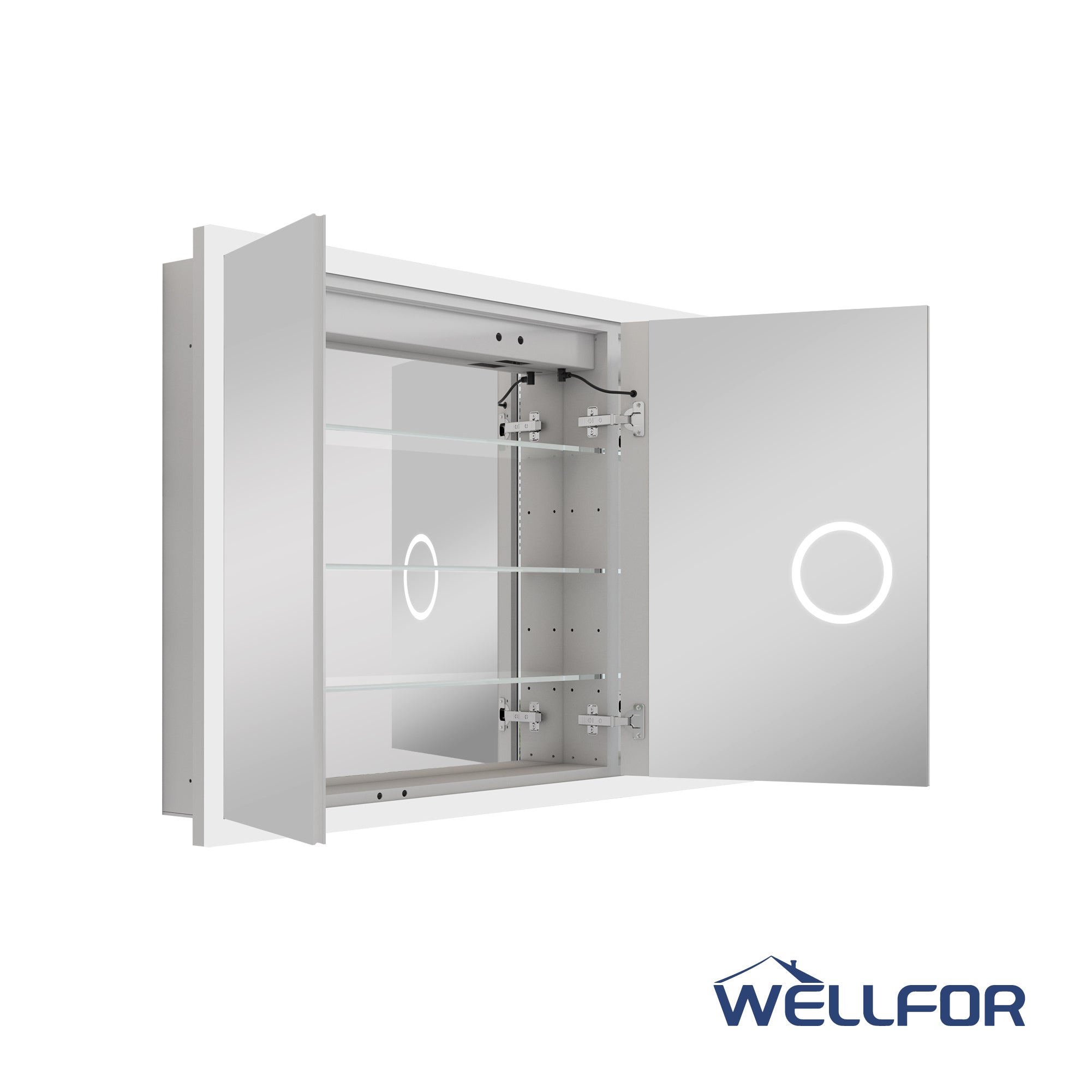
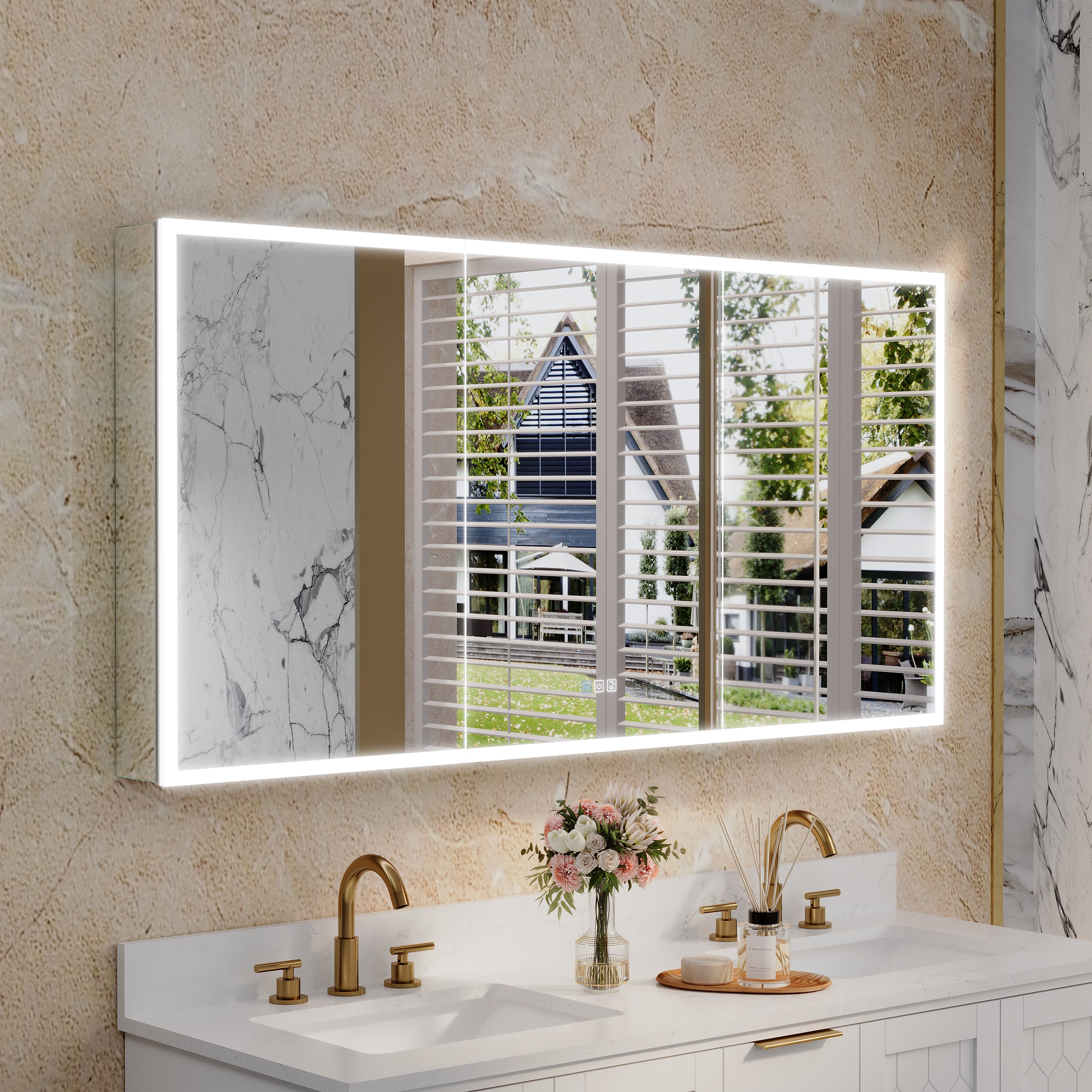
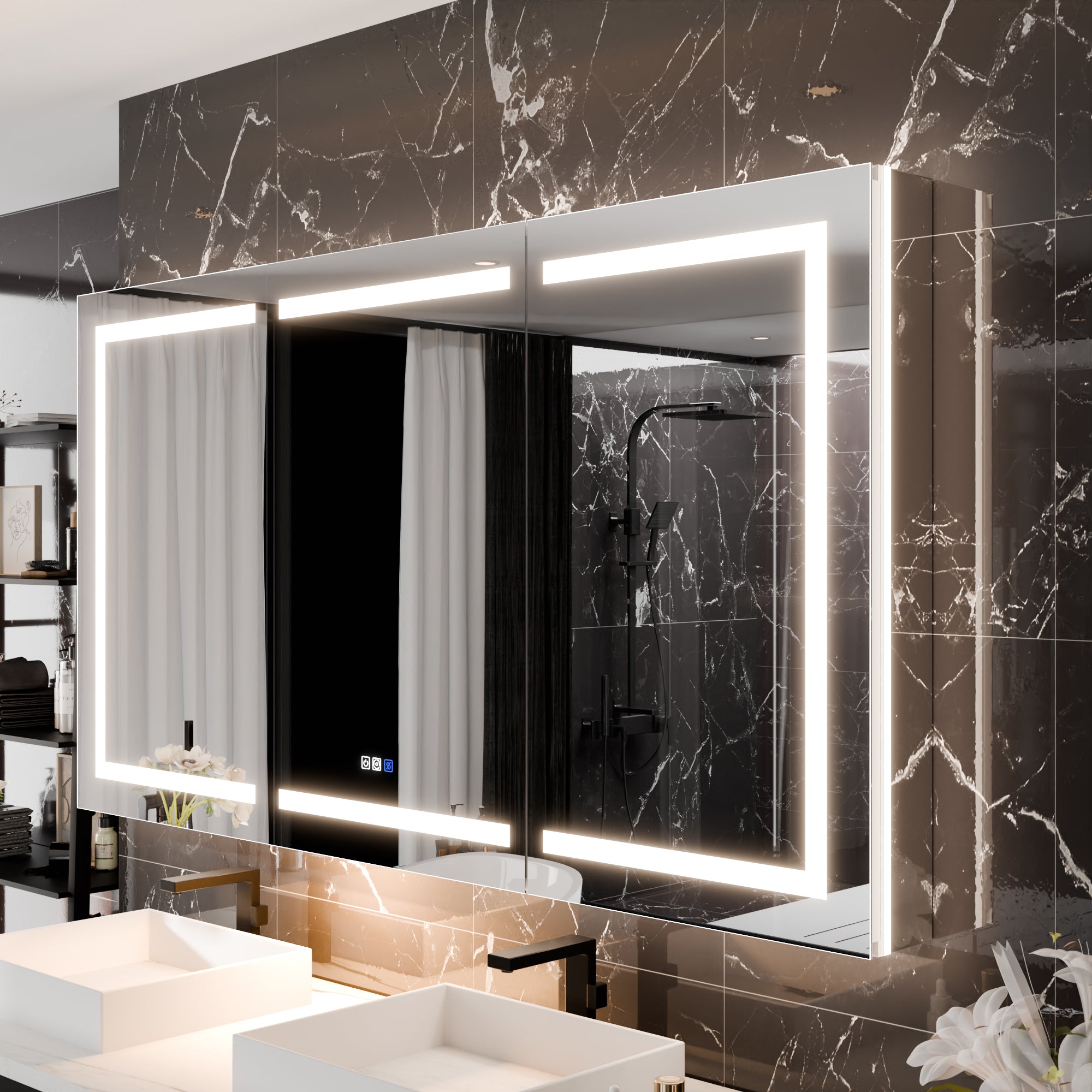
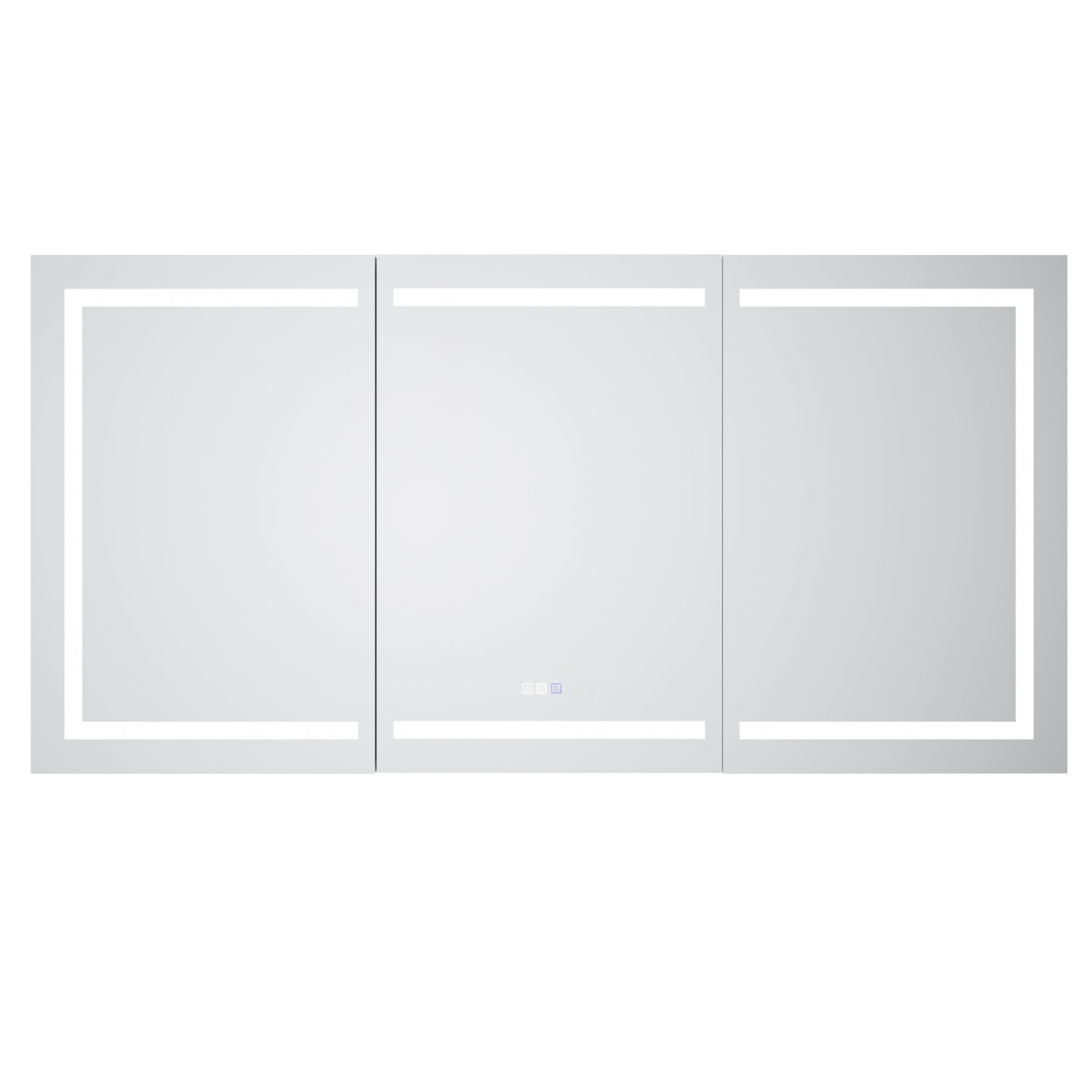
Lighted Mirror
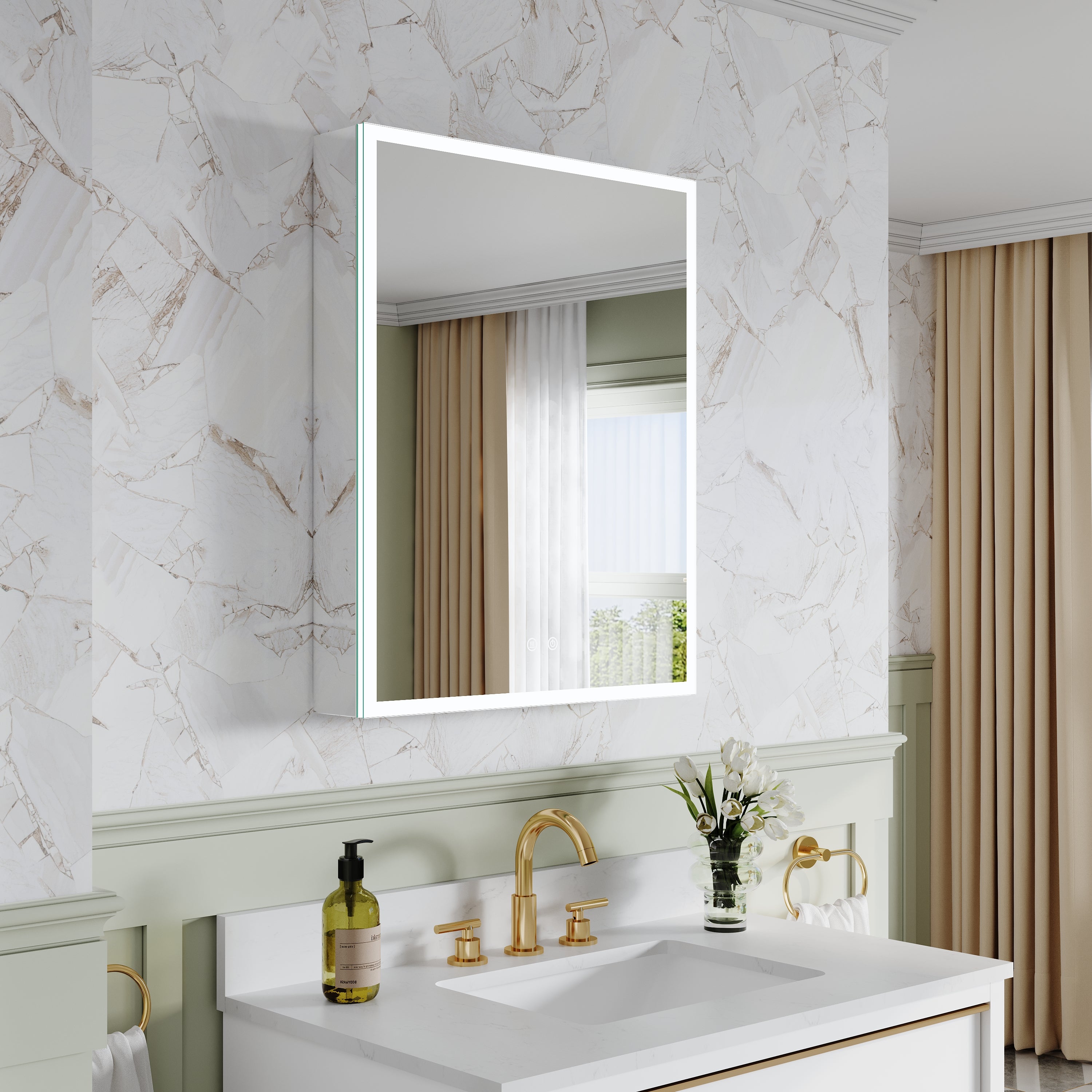
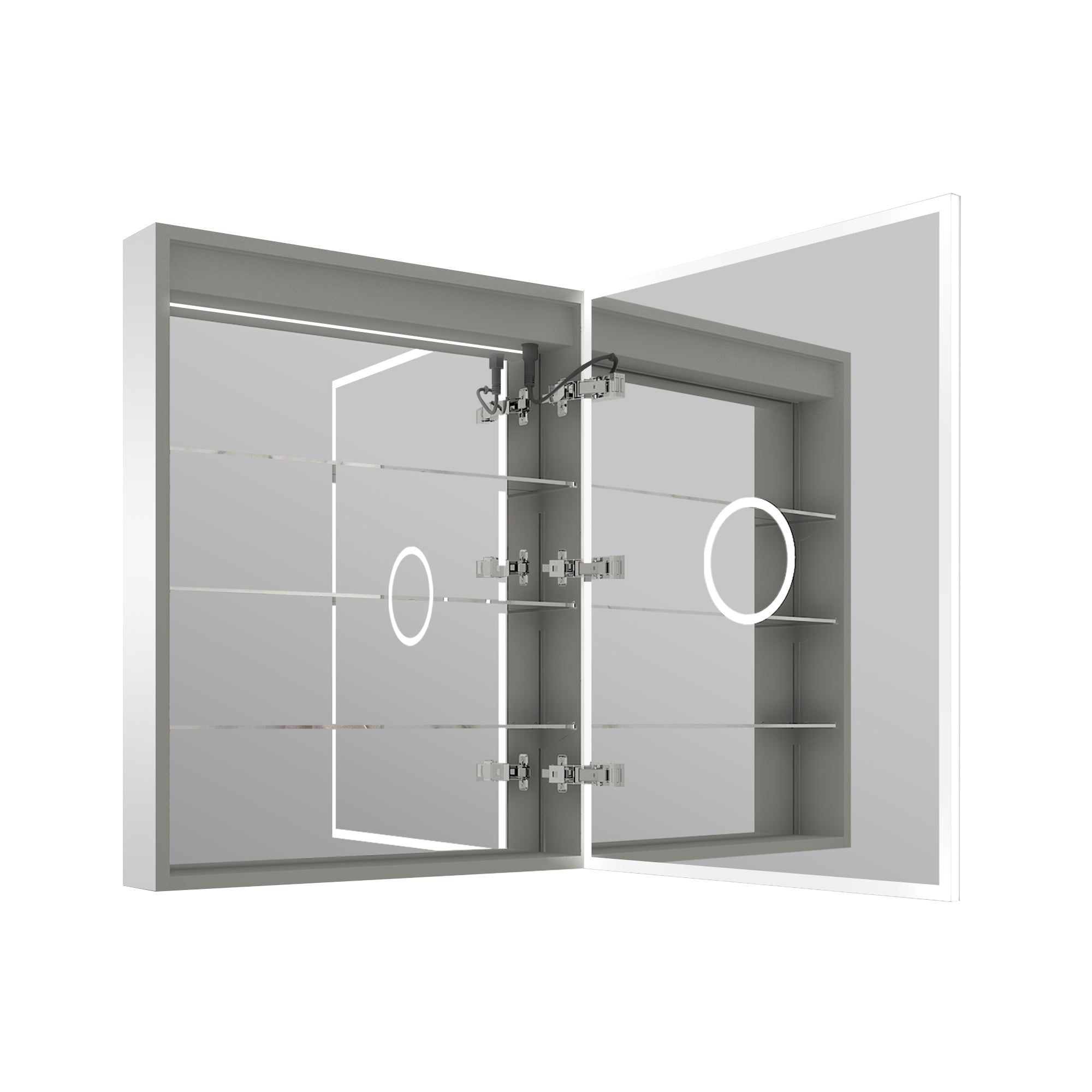
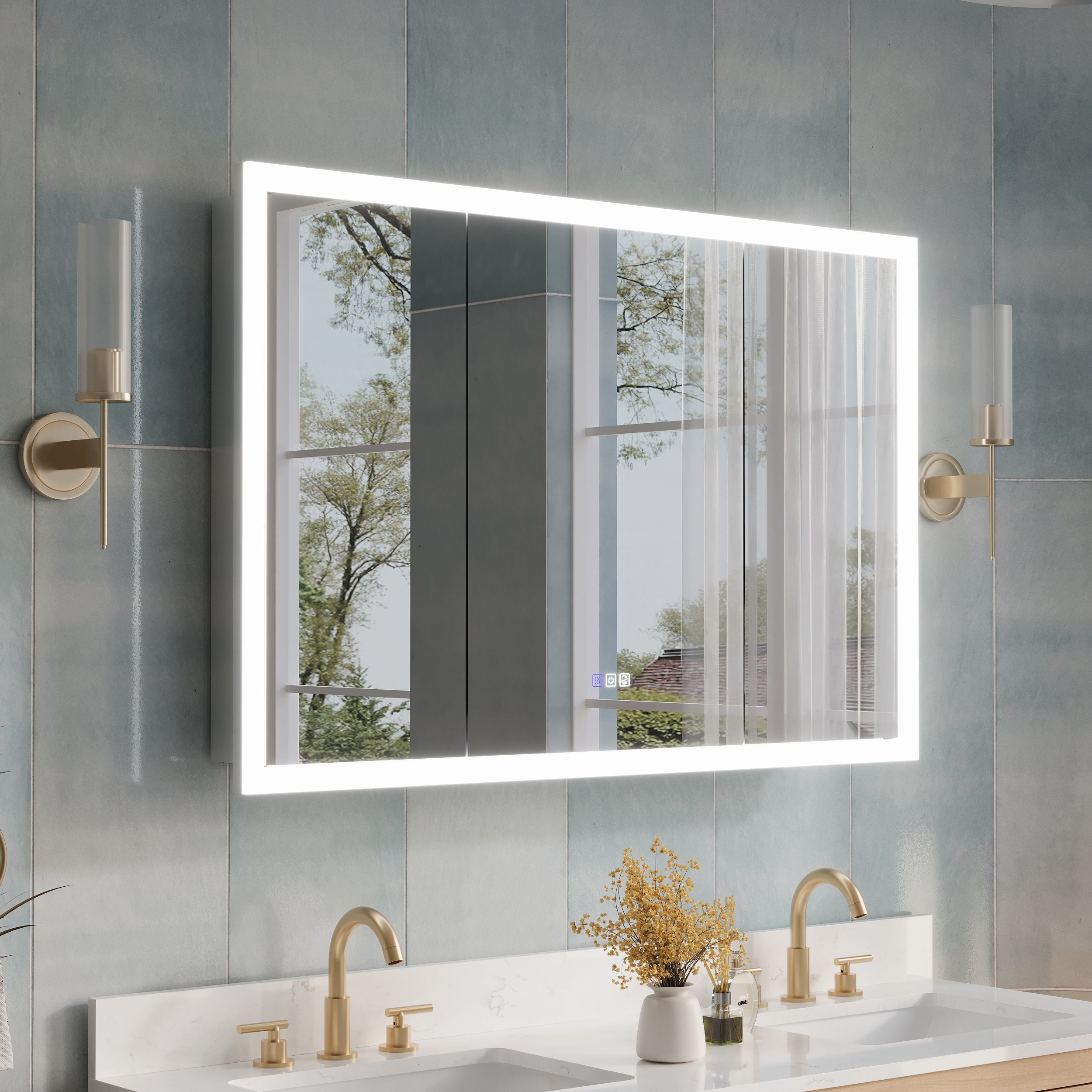
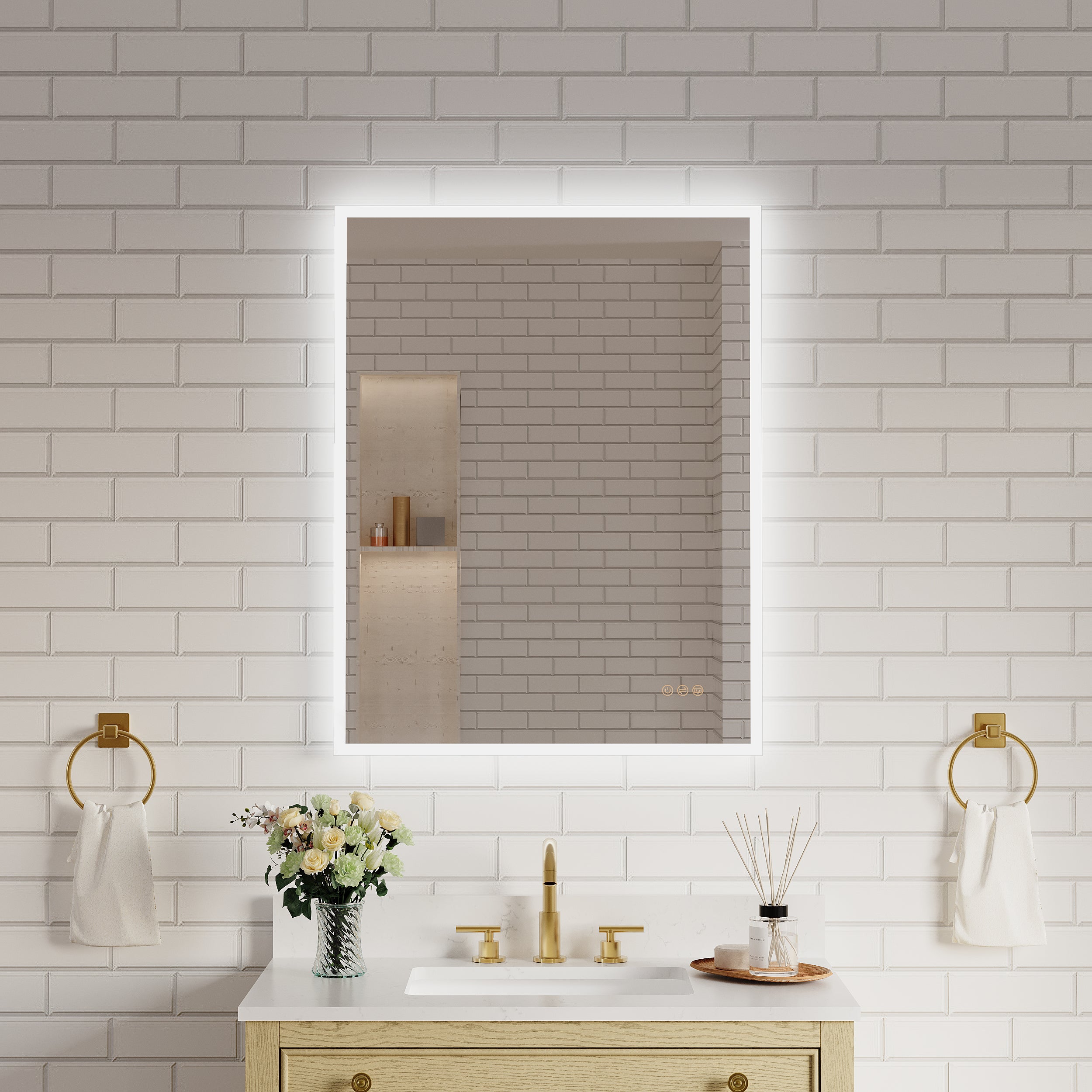
Typically features built-in LED strips, often with ring-shaped or side-emitting light. Emphasizes even, glare-free facial illumination ideal for detailed tasks like makeup application, shaving, and skincare.
Features:
l Soft light positioned close to the face.
l Usually includes touch controls, dimming, and color temperature adjustment.
l Clean, minimalist aesthetic with a strong tech-forward feel.
Bathroom mirror light
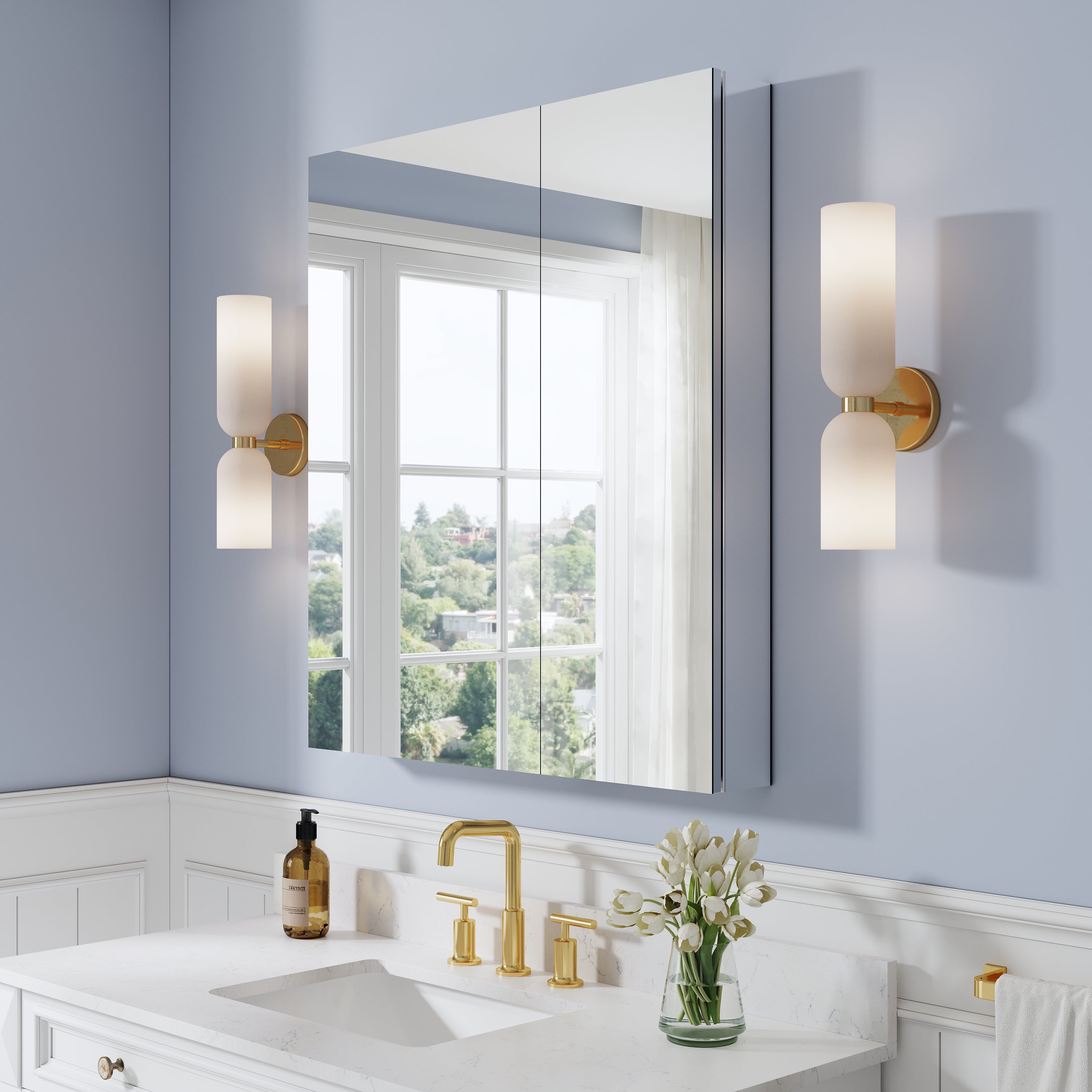
Refers to standalone fixtures mounted above or beside the mirror, such as strip lights, wall sconces, or spotlights.
Features:
l Flexible installation positioning with adjustable coverage
l A single fixture often illuminates both the mirror area and part of the surrounding space.
l Diverse styles with stronger decorative appeal
In a nutshell:
Lighted mirrors function as "face-illuminating tools," while Bathroom mirror lights serve as "area lighting & ambiance creators."
Is a lighted mirror alone sufficient?
Theoretically, if your bathroom is compact with only a sink area, a high-quality lighted mirror can meet most daily needs, such as:
l Morning and evening grooming
l Basic skincare
l Basic makeup application, shaving
l Low-intensity nighttime illumination for bathroom visits
But here's the catch—there's a significant gap between "adequate" and "comfortable/user-friendly."
Many users who install only lighted mirrors often experience these issues post-move-in:
The vanity area is well-lit, but the overall space feels dim
Especially around the shower and toilet zones, where light gaps create inconsistent ambiance.
Lighting direction is uniform, lacking facial dimension
Most lighted mirrors provide even illumination from the front or side. While this hides imperfections, it may feel "unrealistic" for detailed makeup requiring dimensional lighting.
Unable to create layered ambiance
A single ring of mirror lights can feel monotonous over time, reminiscent of a "hotel vanity mirror," lacking warmth and design flair.
If your lighting needs are minimal—merely "bright enough" suffices—then a lighted mirror alone may be adequate.
But if you value living quality, ambiance, and visual depth even slightly, that's when bathroom mirror lighting truly begins to shine.

When is it strongly recommended to add an additional bathroom mirror light?
1.Bathroom area exceeds 53.8 sq ft
The larger the space, the harder it is to achieve even lighting coverage relying solely on the mirror's built-in light.
A mirror light can serve as supplementary area lighting, creating an immediate impression of "this bathroom is bright and clean" upon entering.
2. Preference for detailed makeup application or precise color assessment
If you have the following habits:
- Demanding daily makeup routines
- Distinguishing cool/warm undertones in foundation or eyeshadow
- Requiring accurate skin tone and texture representation
Consider a combination of a lighted mirror + Bathroom mirror light + ceiling fixture. This multi-directional lighting envelops your face, minimizing shadows and color casts. You'll see consistent results from any angle, avoiding that "Why do I look different outside than at home?" moment.
3. For a more design-oriented bathroom
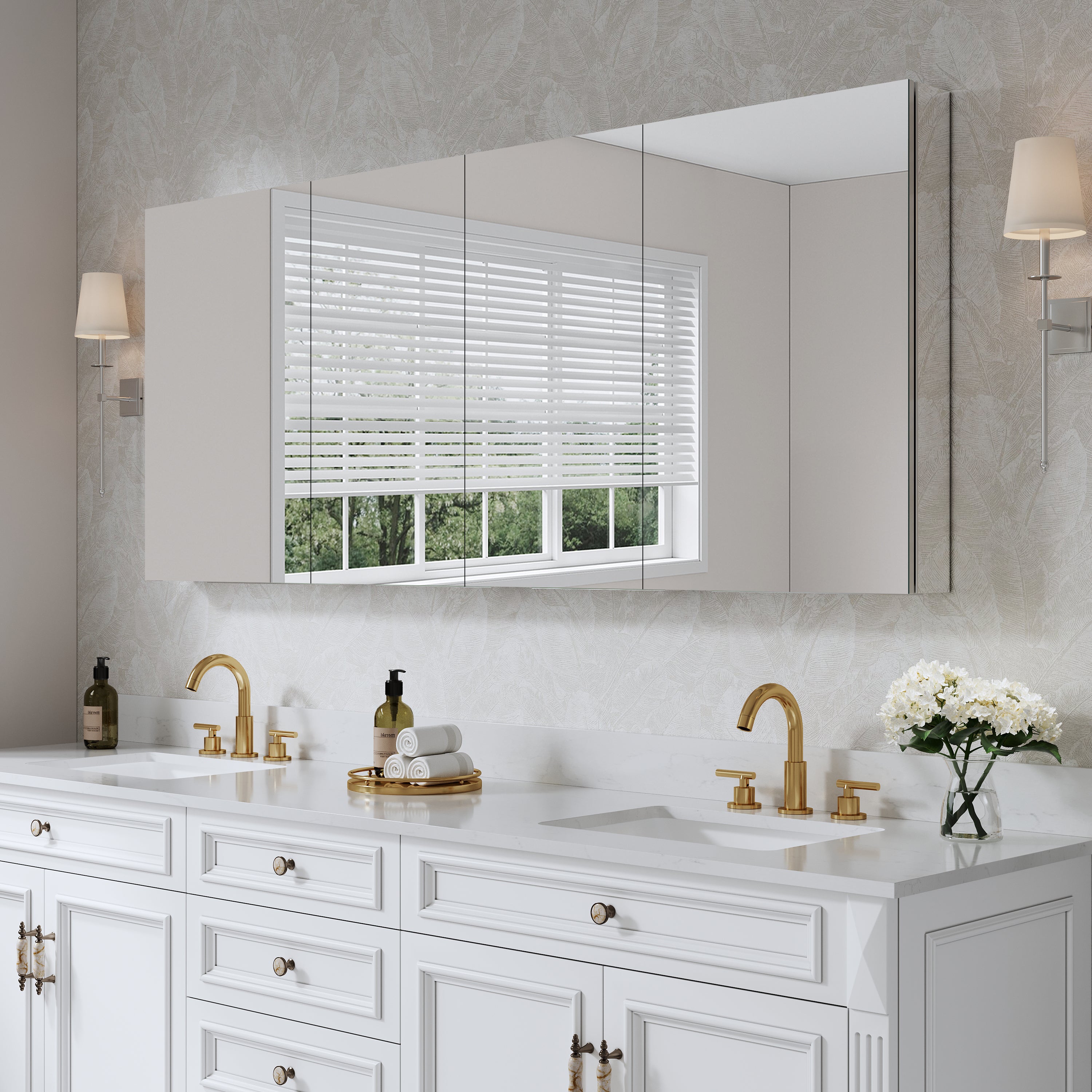
The mirror light itself serves as an excellent decorative element. For example:
Slim linear lights extend the horizontal visual space
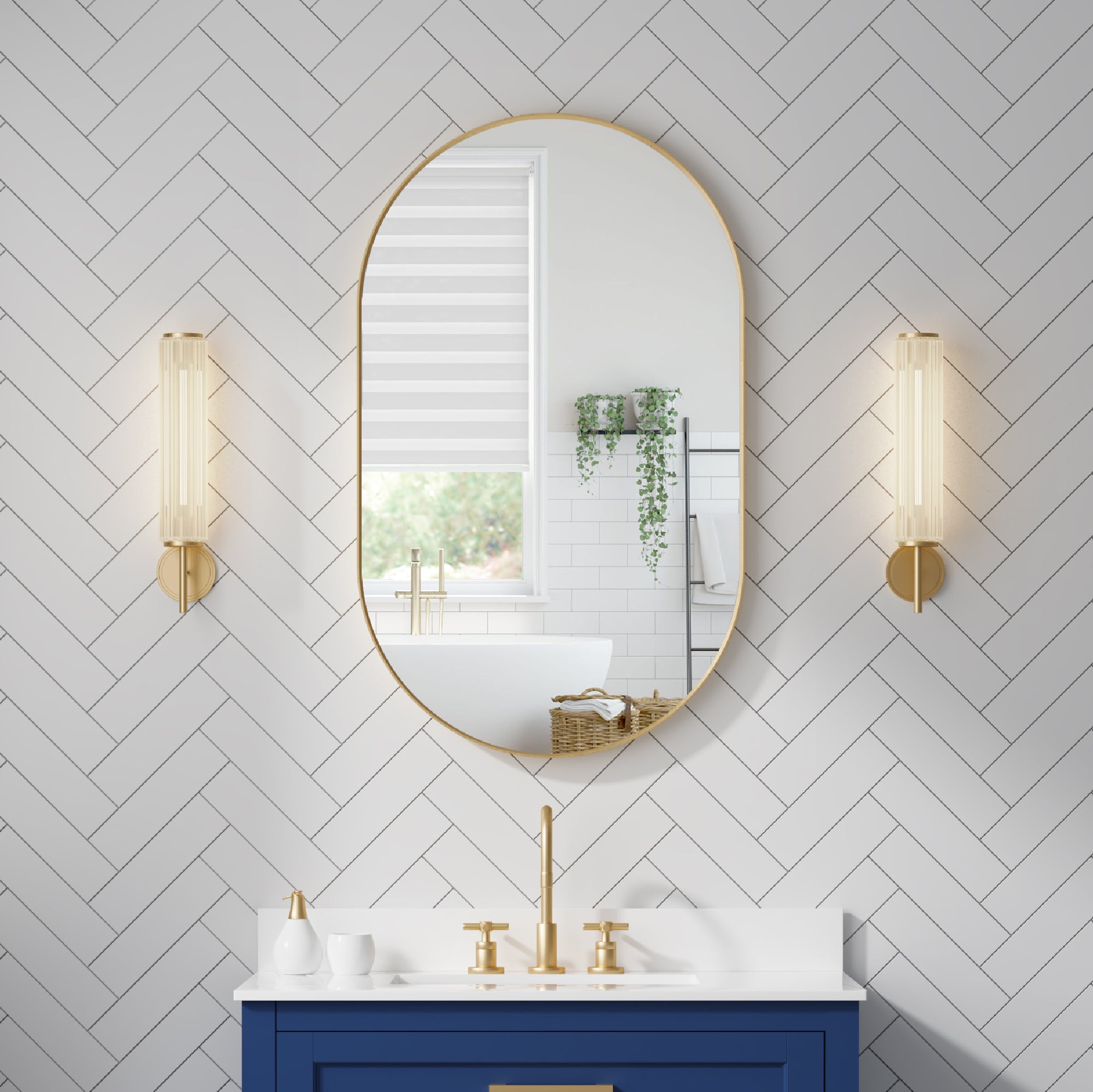
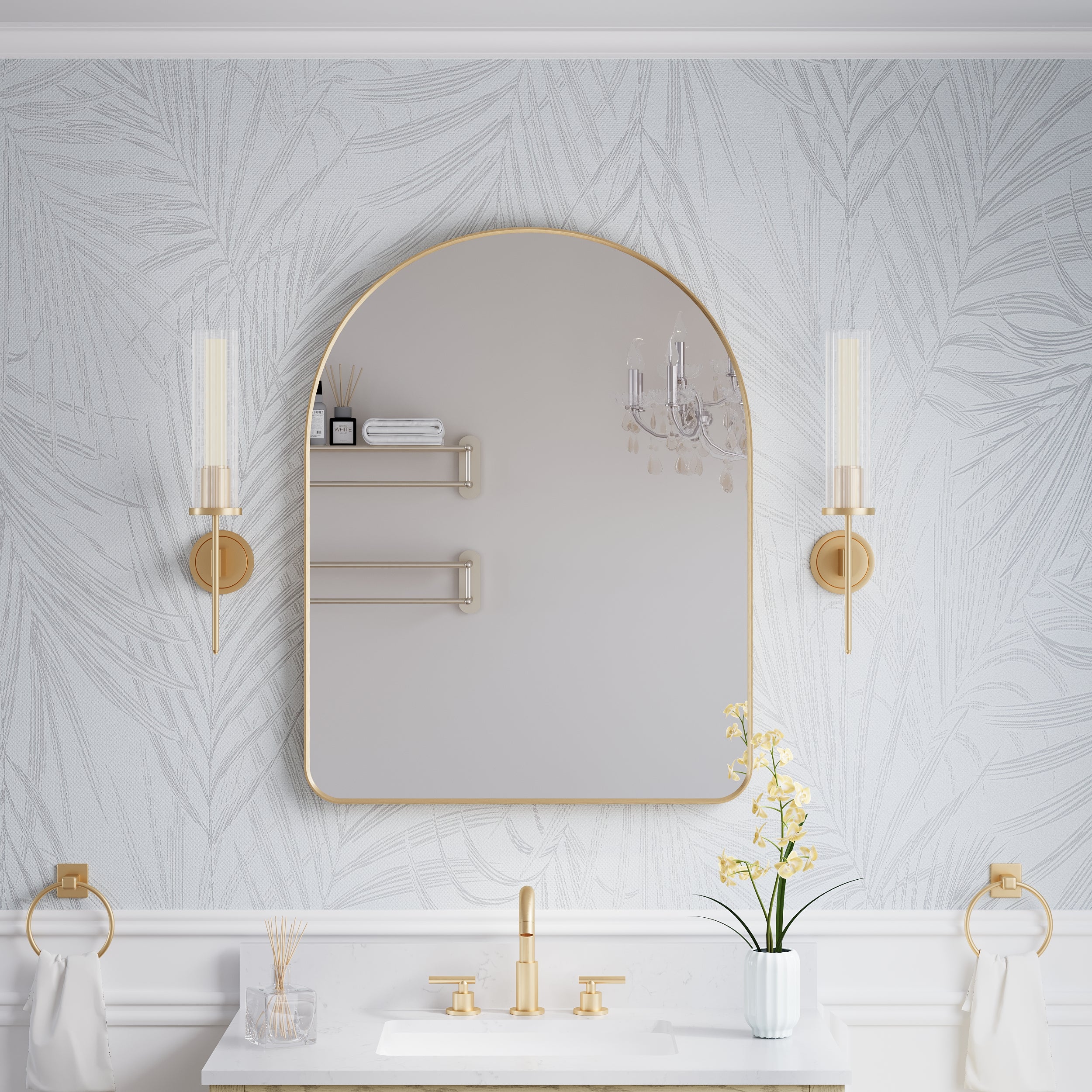
Symmetrical wall sconces on both sides give the bathroom a "dressing room" or "boutique hotel" feel
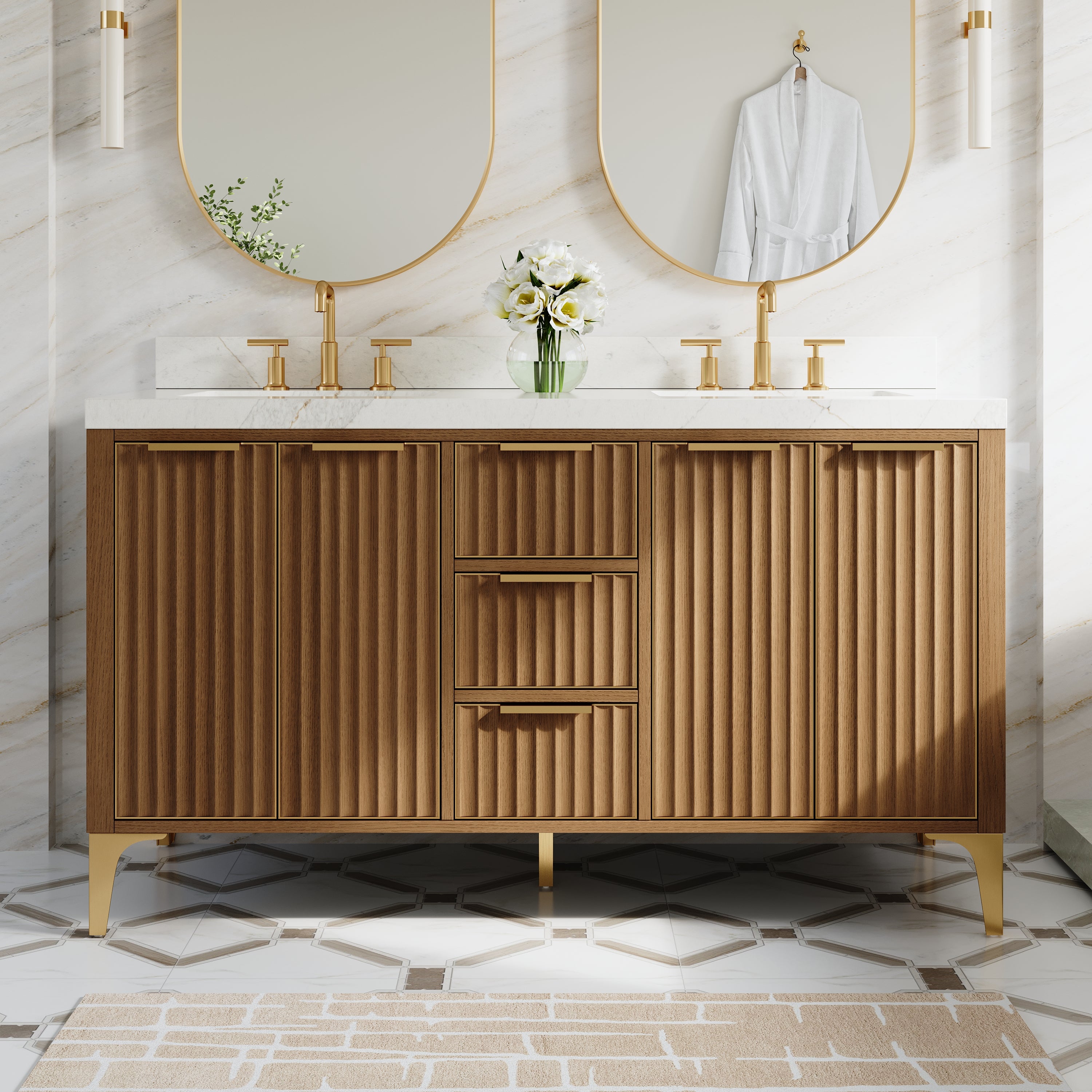
Unique brass fixtures instantly elevate the space's aesthetic
Here, the bathroom mirror light becomes not just a "lighting tool," but a "design focal point."
4. Human-Centered Lighting for Households with Seniors or Children
With mirror lights installed, you can:
- Use only the mirror light as a soft nightlight
- Opt for low-wattage bulbs or warm tones to avoid nighttime glare
- Reduce glare and energy consumption by minimizing full-space lighting when using the mirror area
For family members, the flexibility of zone lighting delivers a more comfortable living experience.
How to Pair Lighted Mirrors + Bathroom Mirror Lights Without Overpowering Each Other?
Many worry: "Won't two light sources create clutter? Or be too bright?"
In fact, following a few principles ensures they complement rather than compete.
1. Establish the "main light" first, then add "accent lighting"
If you prefer the tech-savvy look of a lighted mirror:
→ Let the lighted mirror serve as the primary light source. Choose a mirror light with clean lines and minimal decoration. Keep the brightness moderate—it should primarily supplement and enhance the decor.
If you prioritize the overall spatial effect:
→ Let the Bathroom mirror light take the lead. Opt for a softer light for the mirror's built-in illumination, ensuring it doesn't overpower the space.
2. Consistent light color is crucial
Whether using a Bathroom mirror light or lighted mirror, aim for uniform color temperature. Common recommendations:
Around 4000K: Natural light feel, ideal for makeup application and shaving
Around 3000K: Warmer tone, creates better ambiance, perfect for cozy bathrooms
Avoid mixing cool white and warm yellow, as it distorts skin tones.
3. Separate circuit switches for flexible combinations
Ideal setup:
- One switch for the mirror light
- One switch for the mirror's built-in light
- One switch for the ceiling light
This allows you to freely choose:
- Only the mirror light: Soft ambiance for nighttime use
- Only the mirror light: Quick grooming or touch-ups
- All lights on: Detailed makeup application or full grooming routine
Conclusion: Lighting—The Most Underestimated Detail in Home Decor
When renovating, many people focus their budget and attention on tiles, fixtures, and hardware, overlooking the importance of seemingly "minor accessories" like bathroom mirror lights.
But once you actually move in, you'll realize:
Those few minutes in front of the mirror each day are your time for self-reflection.
The quality of lighting directly impacts how you perceive your appearance, your mood, and your confidence.
So, the next time you face this question—
"Do I need a bathroom mirror light if I have a lighted mirror?"
Ask yourself one more thing:
Do I want merely "to see," or do I want "to see comfortably, to see beautifully, and to elevate the entire bathroom's sophistication"?
If it's the latter, then this little bathroom mirror light might just be the most worthwhile "bonus feature" in your entire bathroom space.












Leave a comment
This site is protected by hCaptcha and the hCaptcha Privacy Policy and Terms of Service apply.