
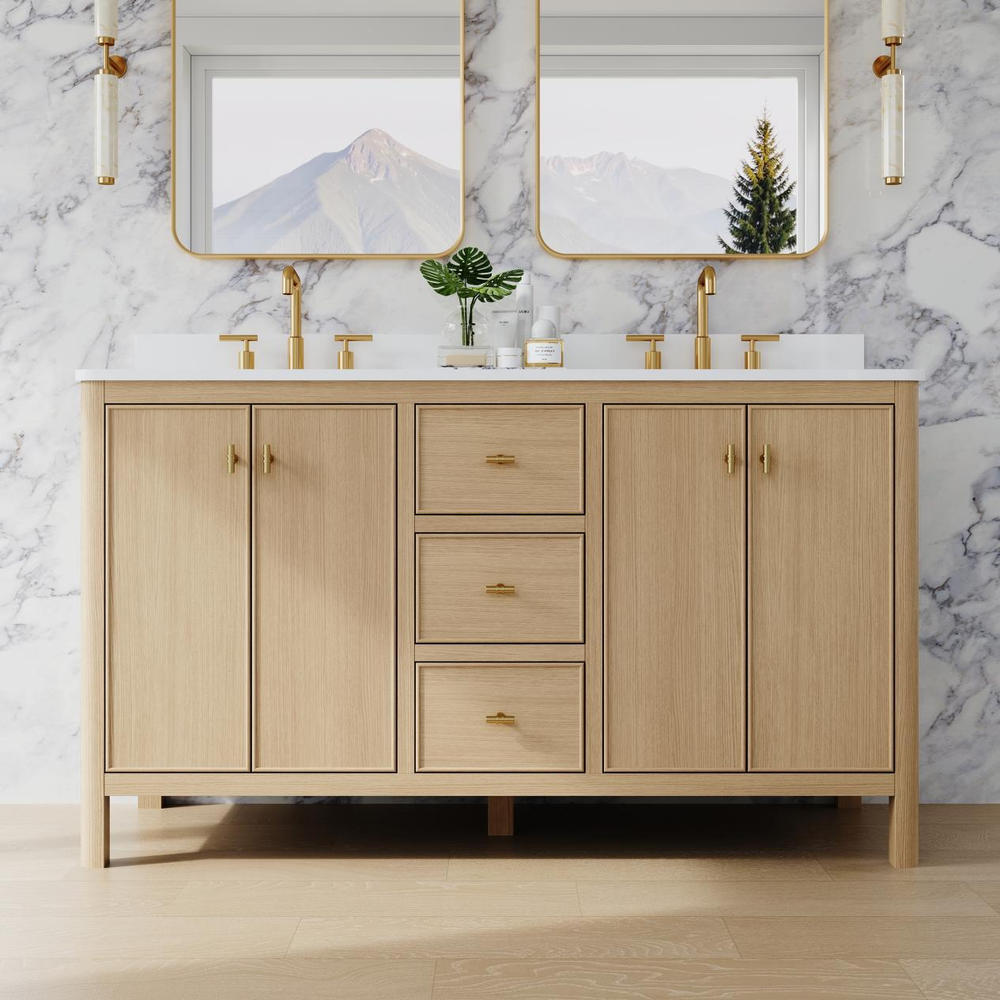
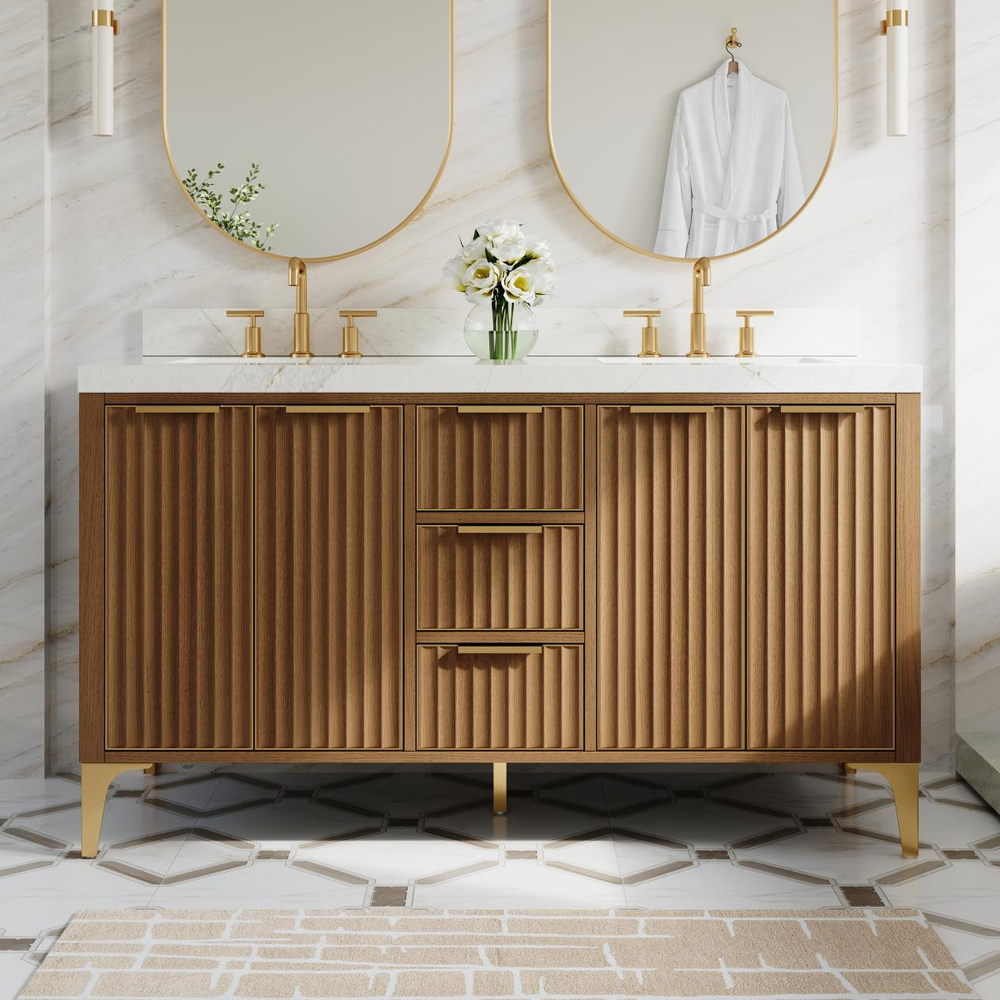






Large bathroom mirrors get sold on a promise that sounds almost too simple: put a big sheet of glass on the wall and the room grows. Anyone who has actually renovated a tight bath knows it doesn’t work quite that way. Sometimes it does. Sometimes the mirror just doubles the clutter and makes the walls feel closer. The difference comes down to a few unglamorous decisions—where it hangs, what it faces, how it’s scaled to the vanity—and those decisions are what this piece is about. Below is what designers, showroom data, and a fair amount of trial and error say about getting it right.
1. The Short Answer Is Yes, But Not for the Reason Most People Think
Large bathroom mirrors can absolutely make a tight room feel more generous. But the magic isn’t in the glass itself. It’s in what the glass reflects.
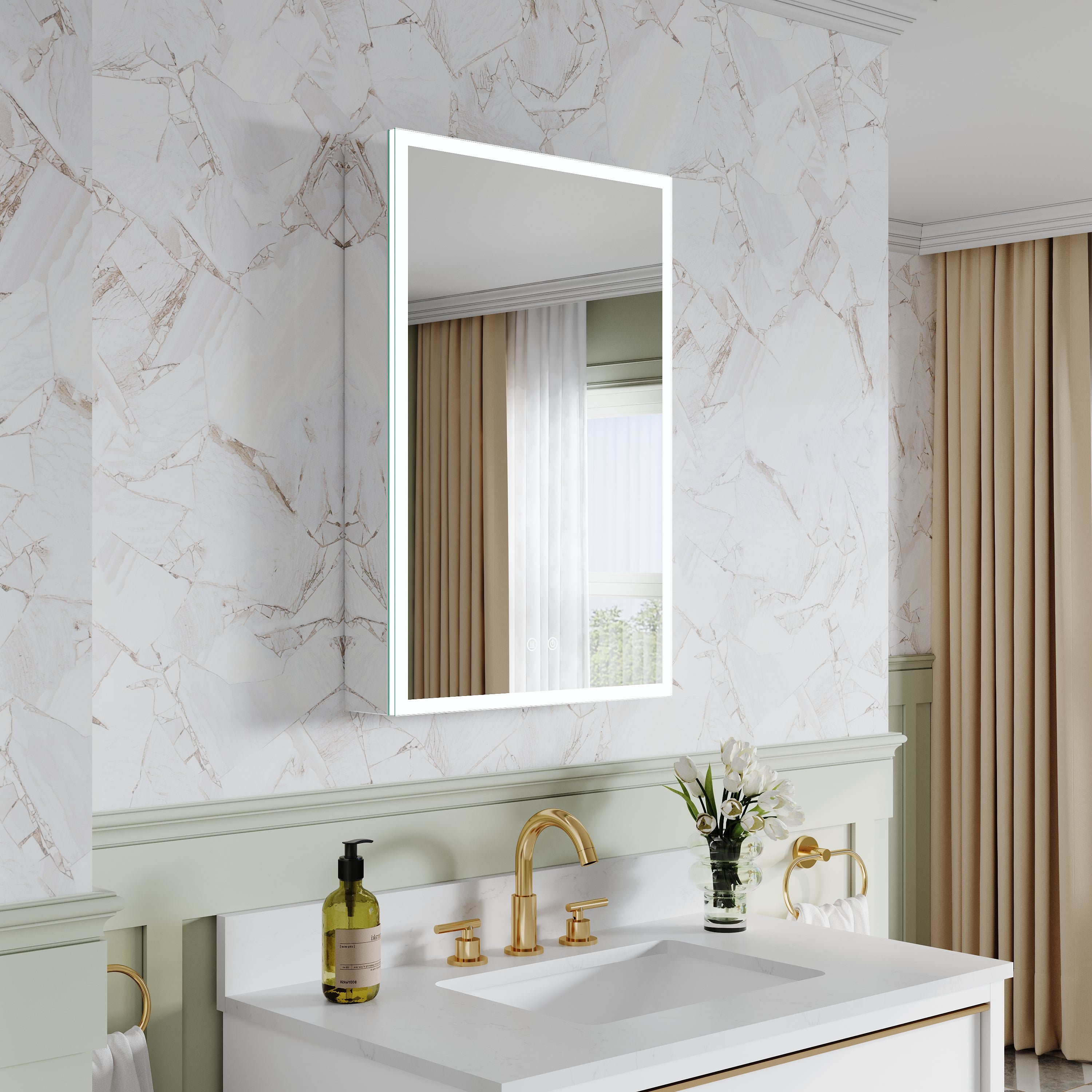
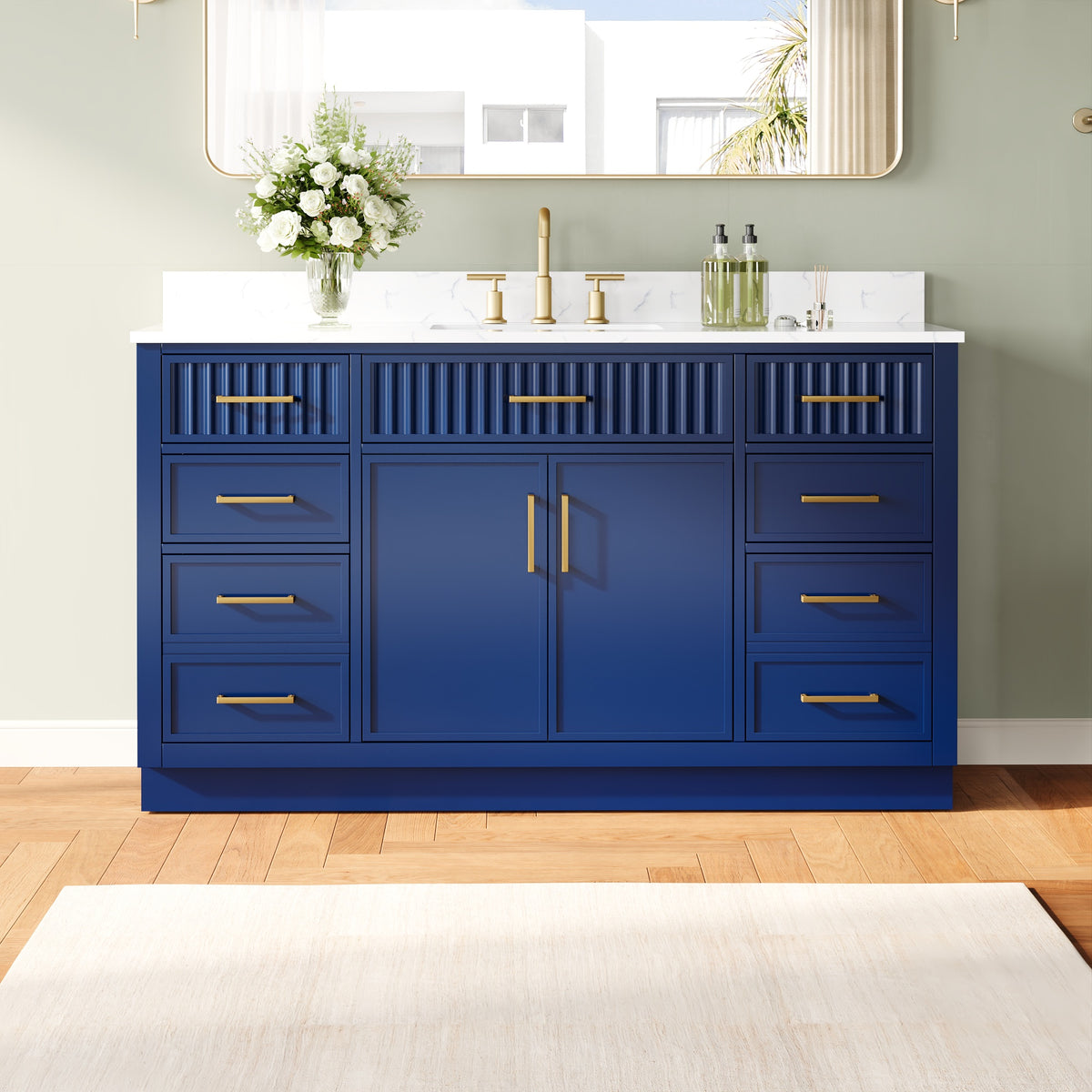
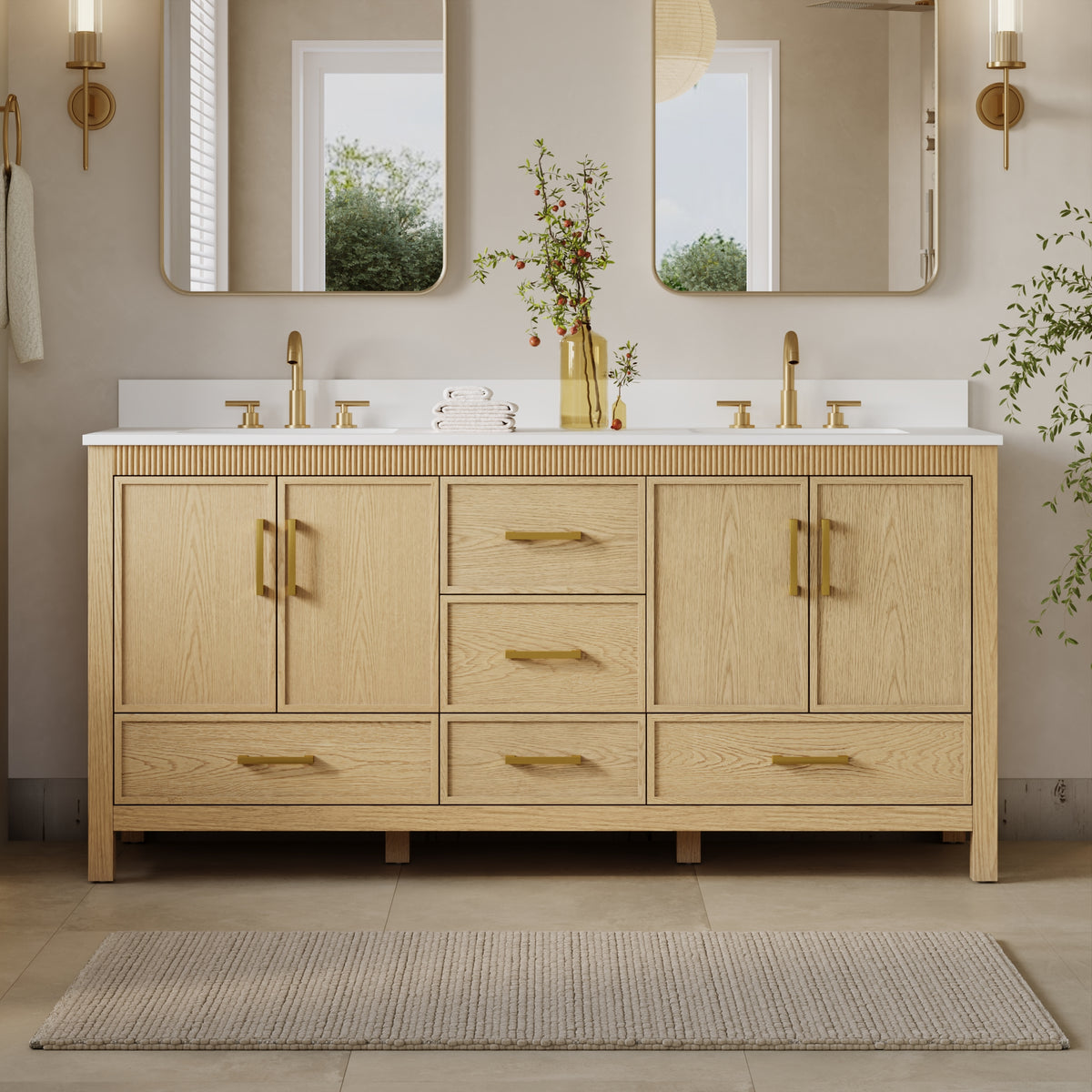
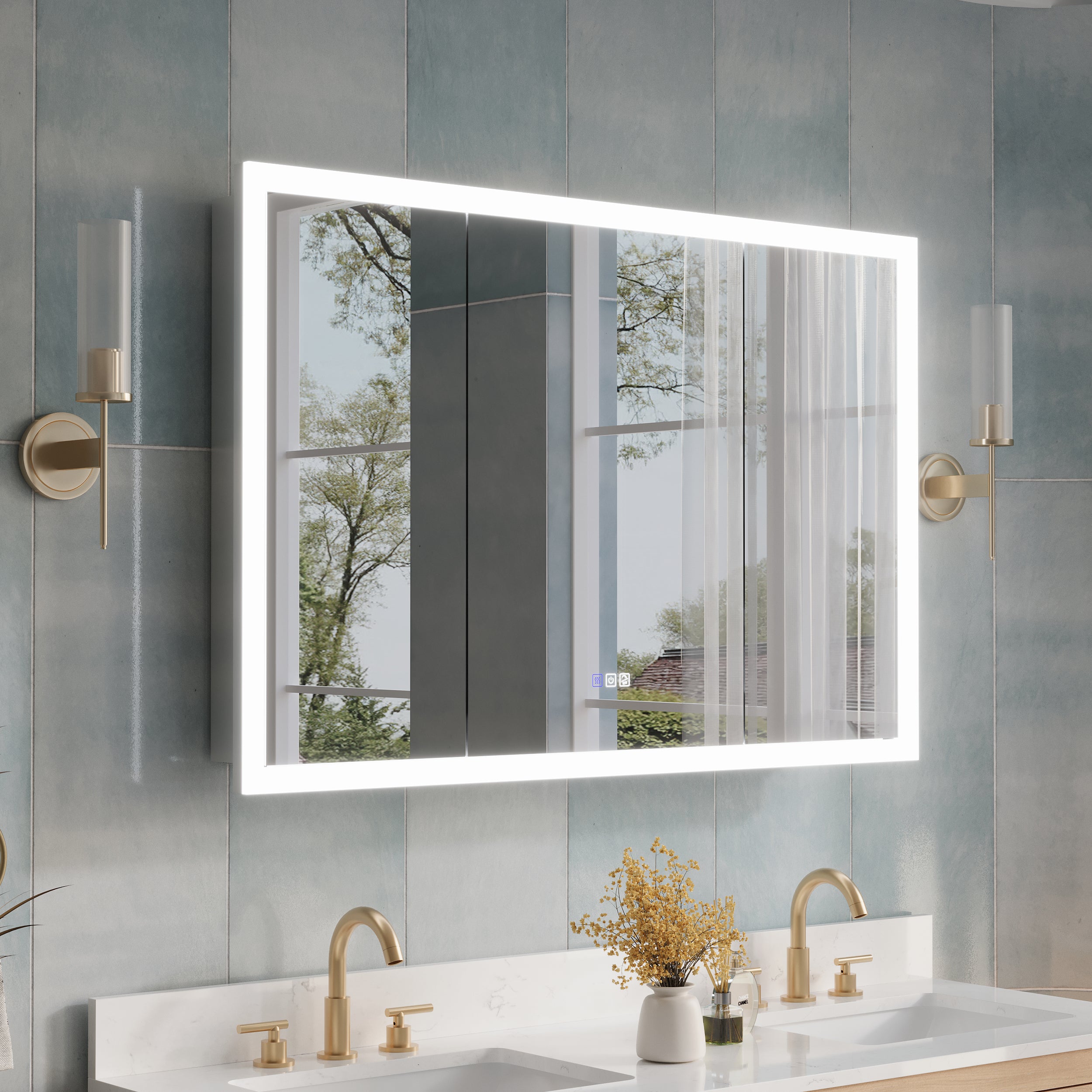
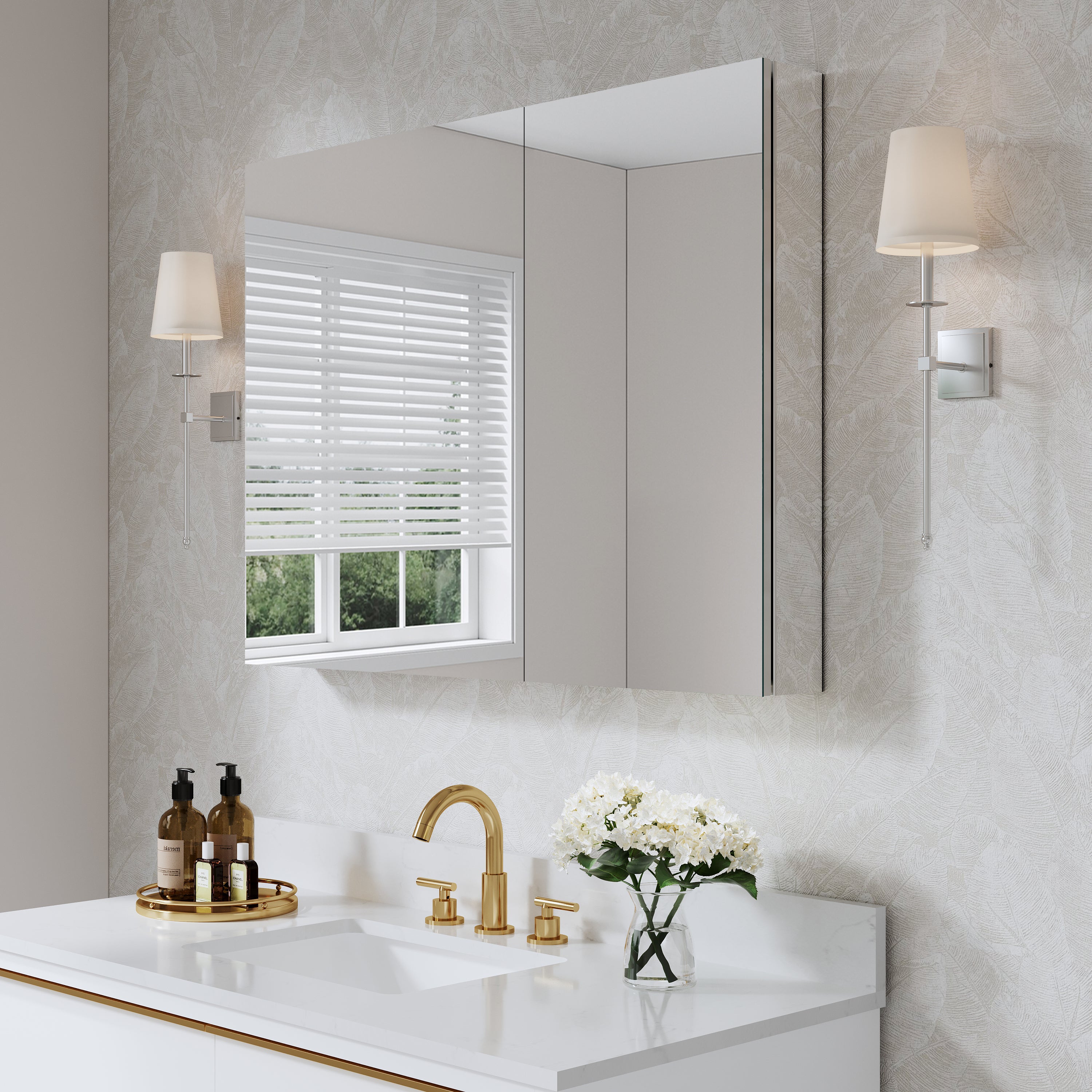
Hang a big mirror facing a blank wall, and you’ve just made the blank wall twice as noticeable. Hang that same mirror across from a window, a nice light fixture, or a decent stretch of open space, and the room quietly doubles. Designers have been saying this for years, and it keeps being true: placement beats size every time.
The judgment worth holding onto: a large mirror is a multiplier, not a creator. It amplifies whatever is already in the room. Give it something good to work with.
2. The Window Trick Works Harder Than Any Frame
Most small bathrooms have one source of natural light, if they’re lucky. A mirror positioned to catch that light bounces it back into the room and pushes the perceived depth outward. The effect is strongest when the reflection shows something worth looking at—greenery, sky, a clean wall of tile—rather than a towel pile or the back of a door.
This is why the old advice about hanging a mirror “where the light falls” keeps circulating. It’s not folklore. It’s optics.
3. Scale Up, But Respect the Vanity
Here’s where people get carried away. A dramatic oversized mirror can look fantastic in a powder room. In a five-by-eight full bath, it can also swallow the entire wall and leave nowhere for the eye to rest.
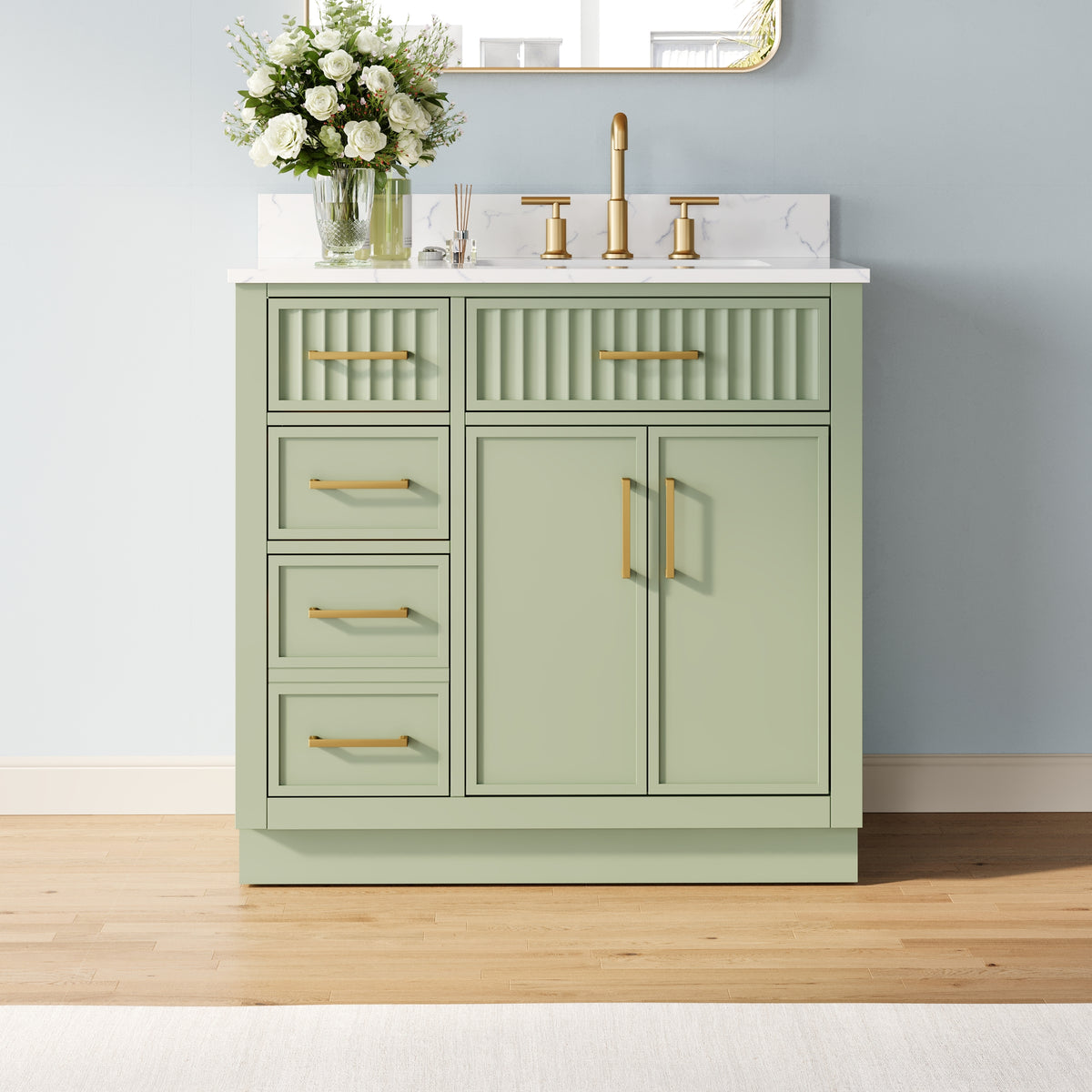
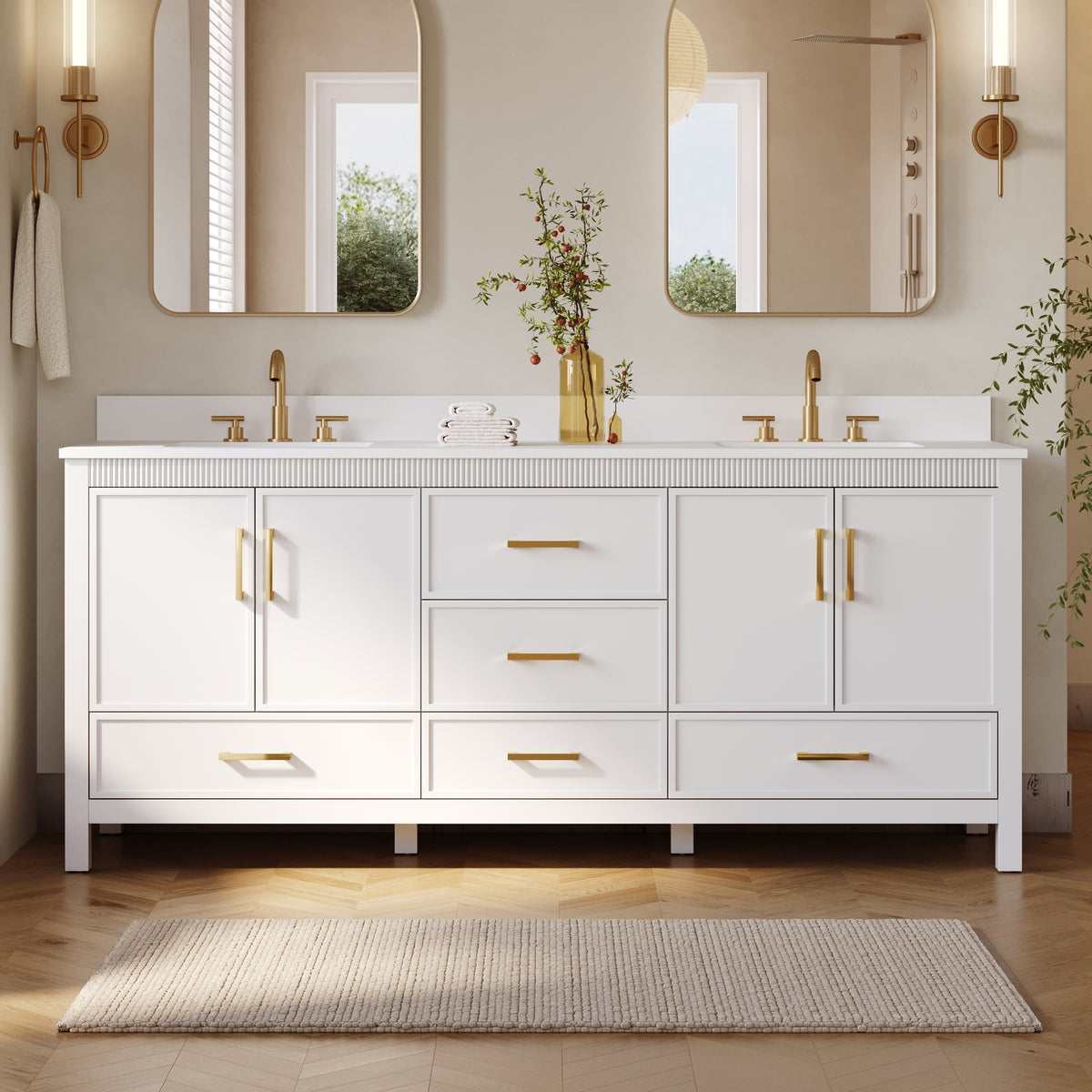
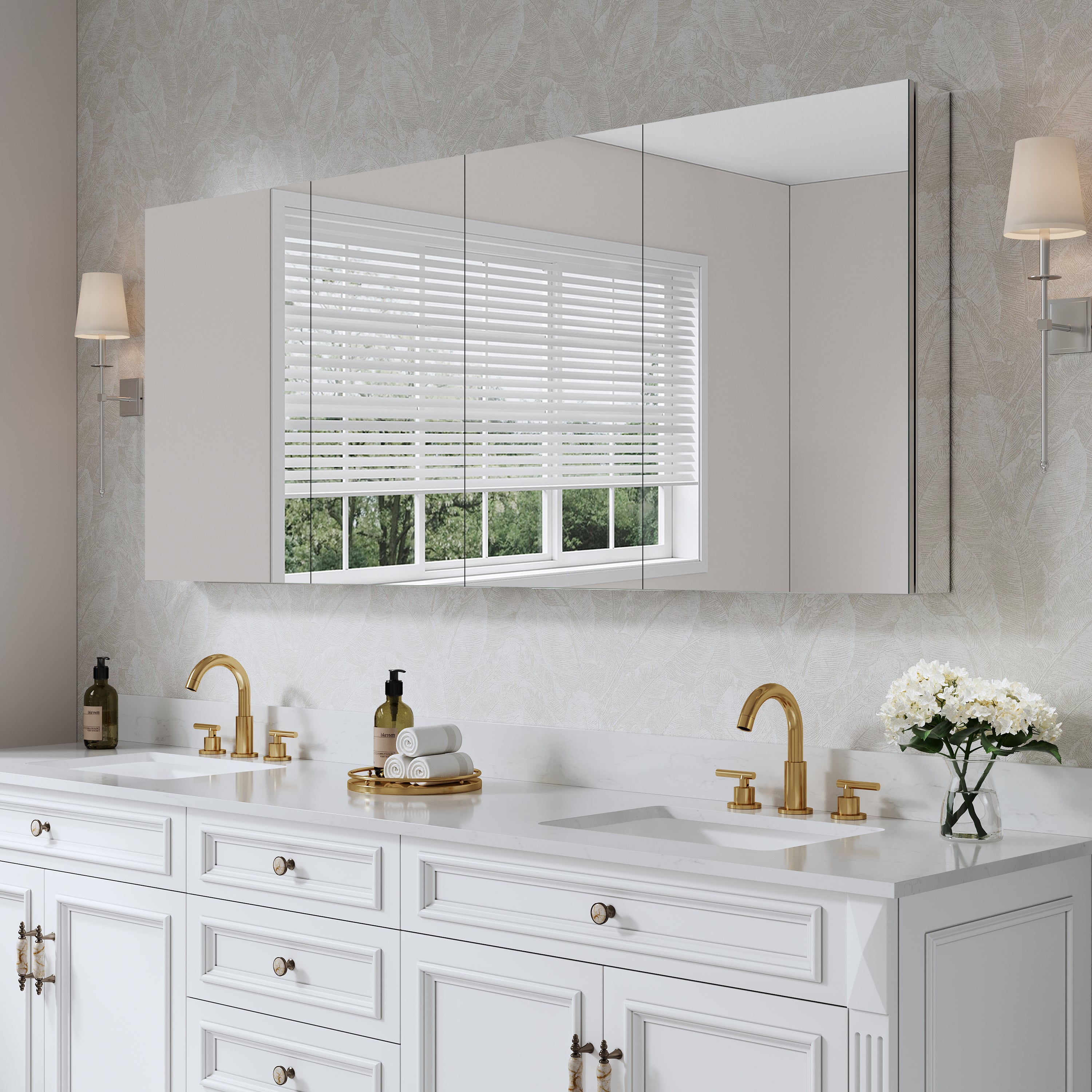
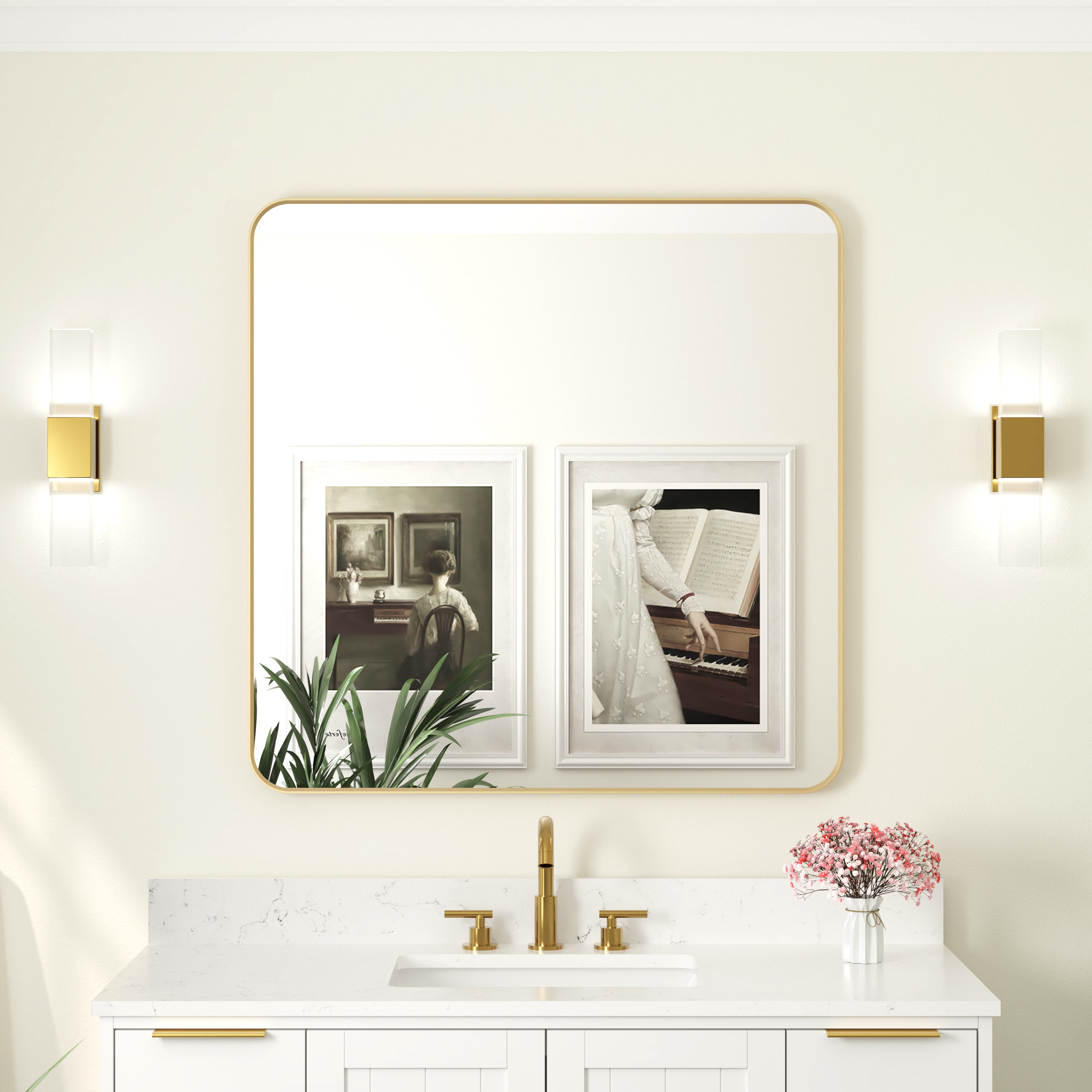
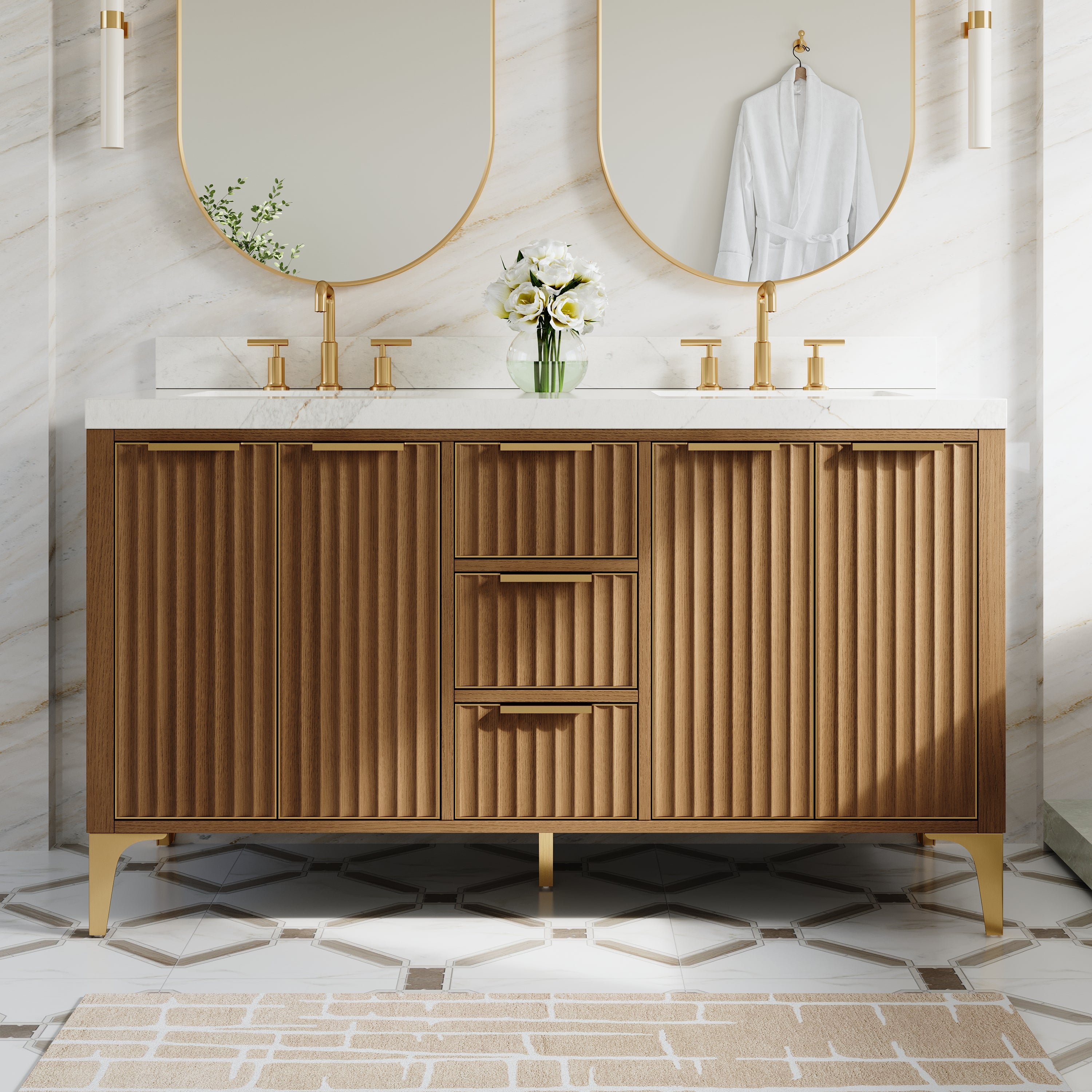
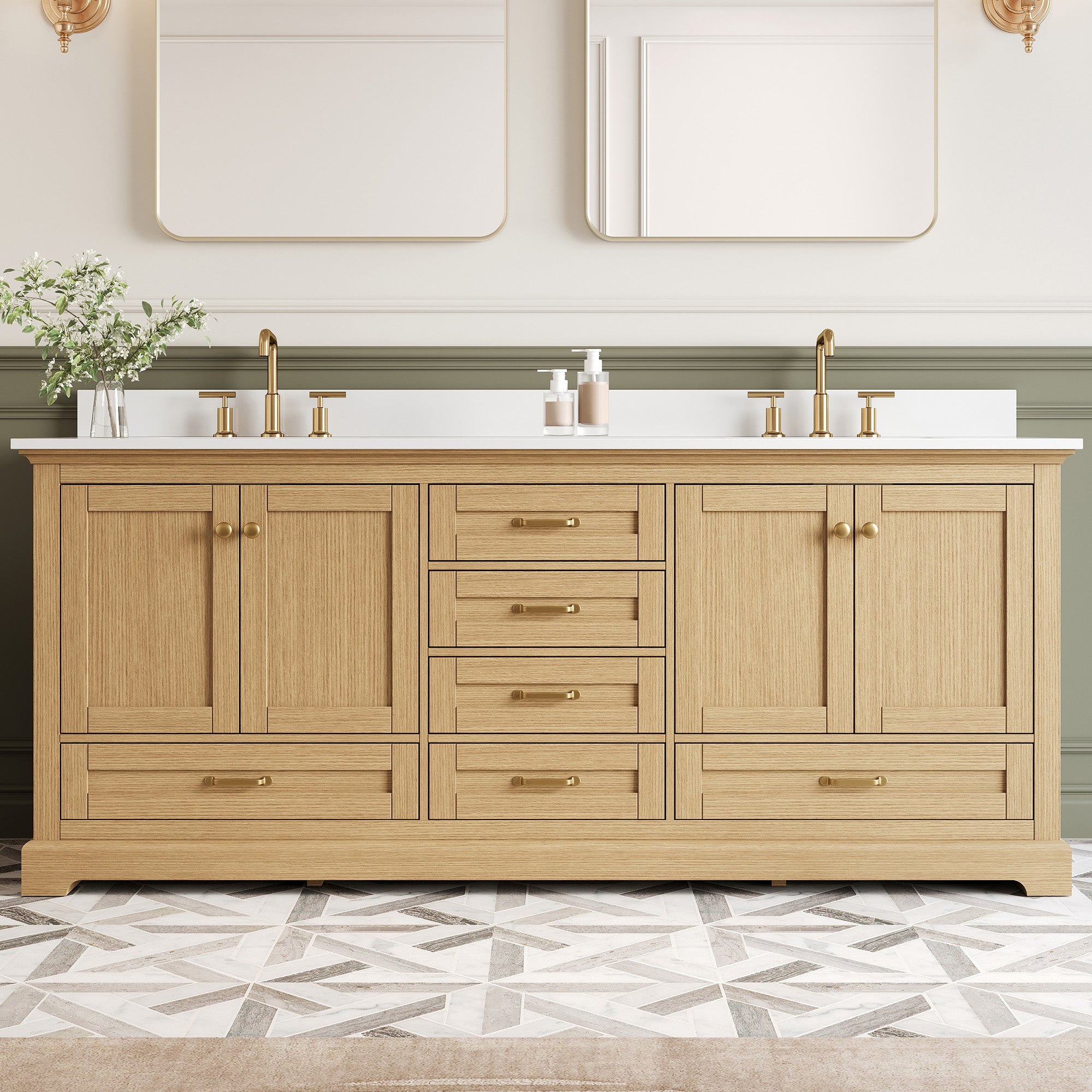
The working proportion most designers return to: the mirror should cover roughly 70 to 90 percent of the vanity width. On a 36-inch vanity, that means something in the 28-to-32-inch range. Go wider, and the mirror starts competing with the room instead of expanding it.
Height matters too. A mirror that climbs too close to the ceiling can make a low room feel squeezed. Leaving a few inches of wall above the frame gives the eye a stopping point and actually makes the ceiling read higher.
4. Tall Beats Wide in Tight Quarters
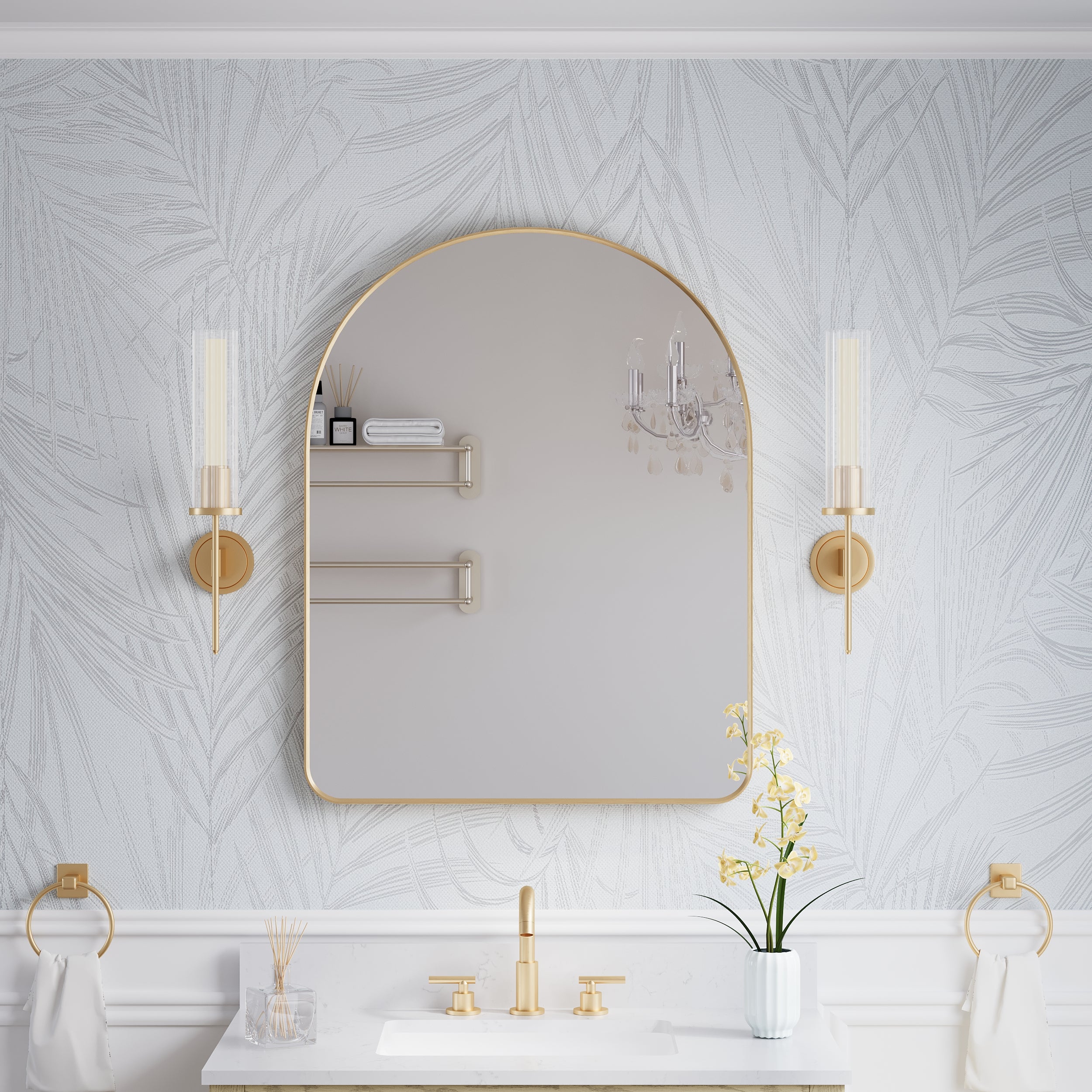
If the room is narrow but has decent ceiling height, a taller mirror is usually the smarter move. Vertical lines pull the eye up. The room feels loftier without pretending the floor plan is something it isn’t.
This is also where the mirror-wall trend gets tricky. A full wall of mirrored panels can look spectacular in the right space, but in a small bathroom it risks reading like a gym or a dressing room rather than a calm retreat. Designers quoted in Good Housekeeping noted that antiqued or softened finishes work better than pure reflective glass in intimate spaces because they add texture instead of pure duplication.
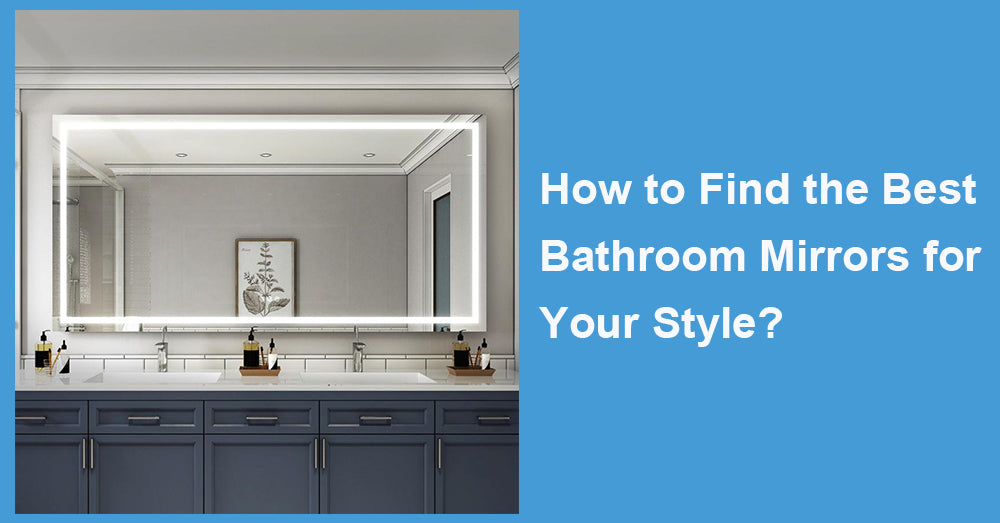
The practical takeaway for a small bath: one generous, well-placed mirror beats a patchwork of smaller ones. Visual clutter is the enemy of spaciousness.

5. The Lighted Mirror Question Has a Small-Room Twist
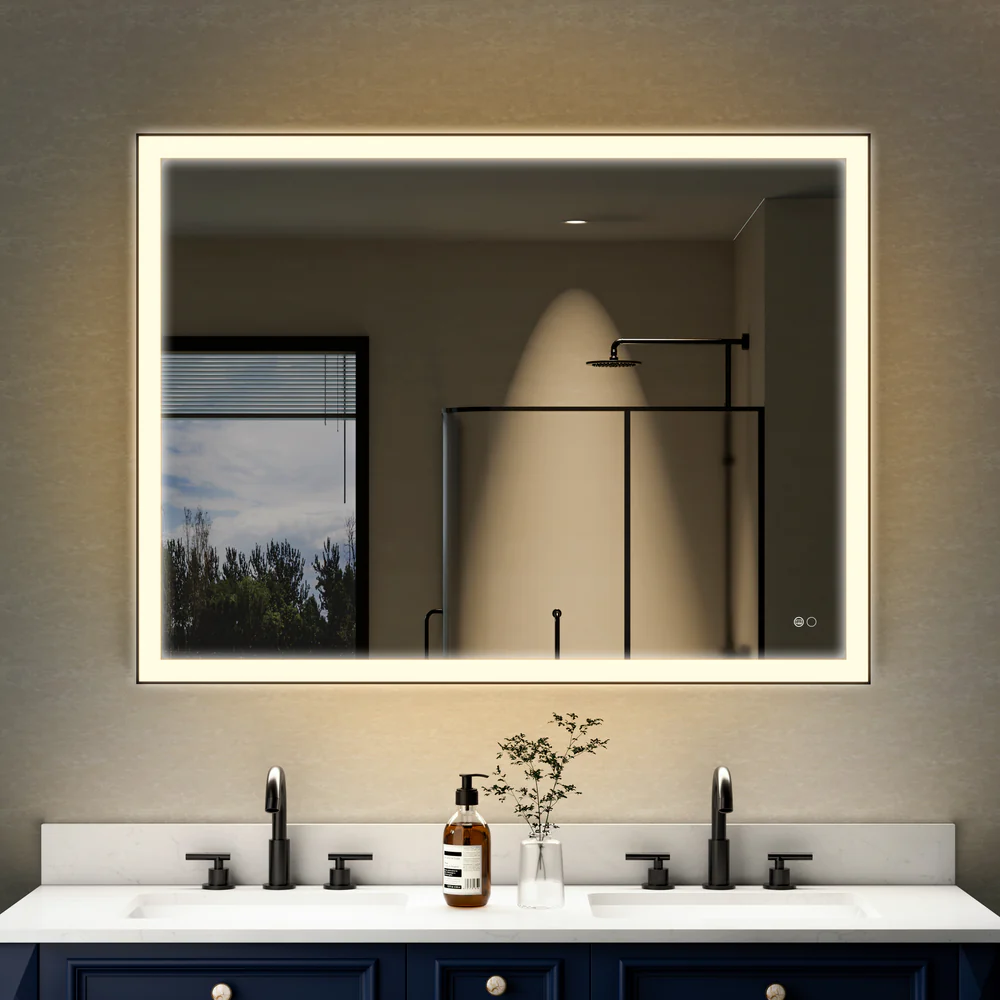
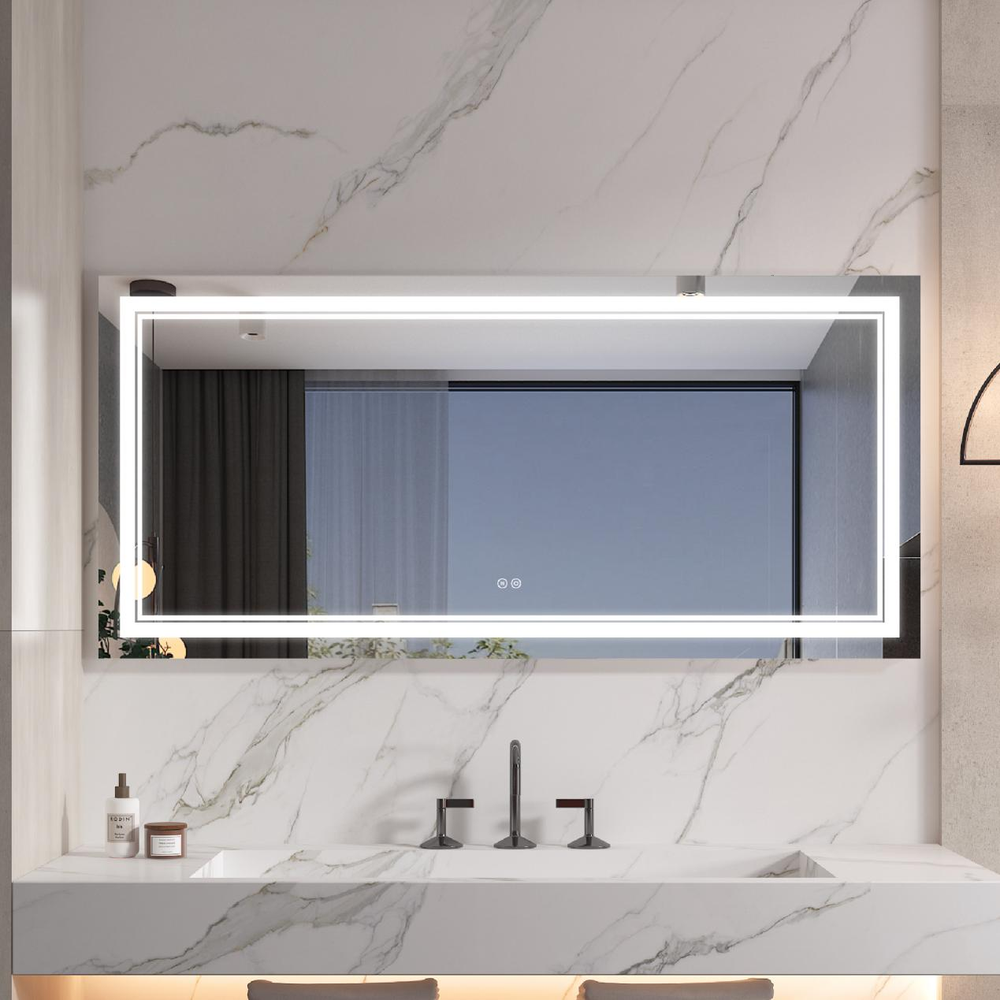
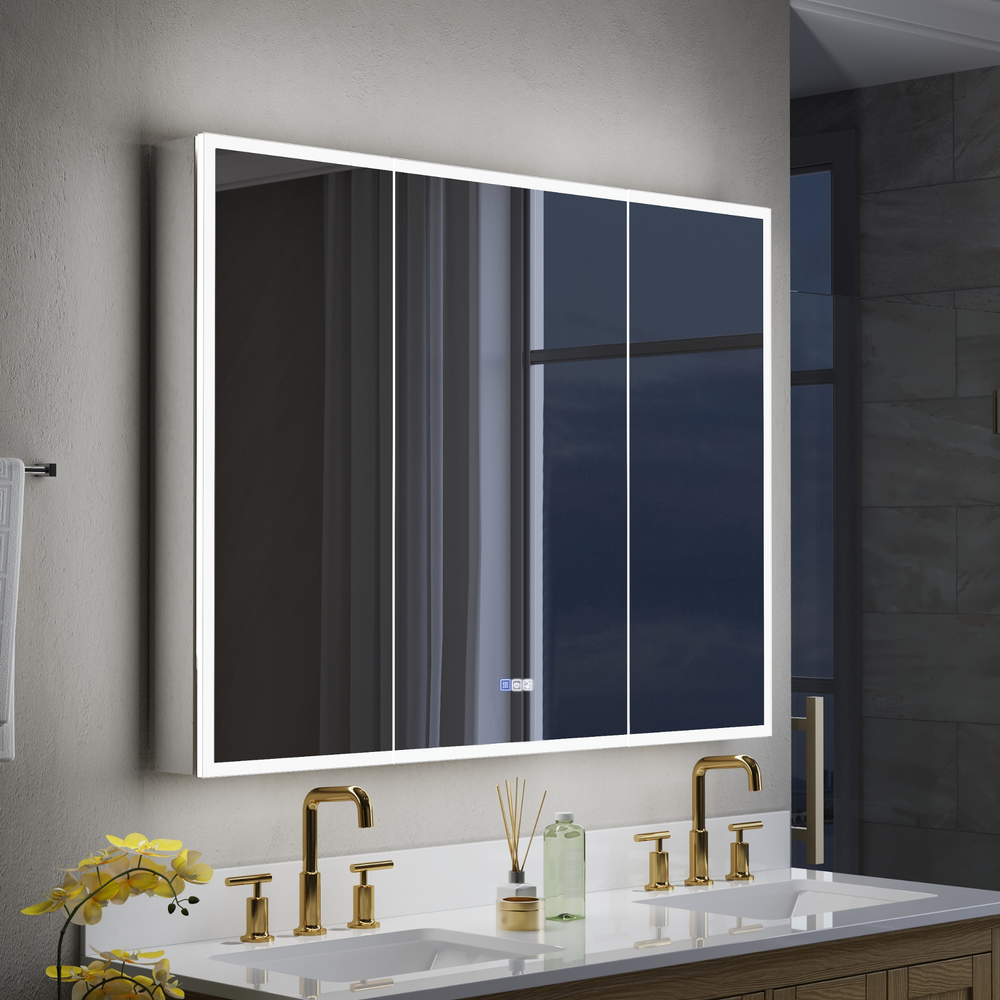
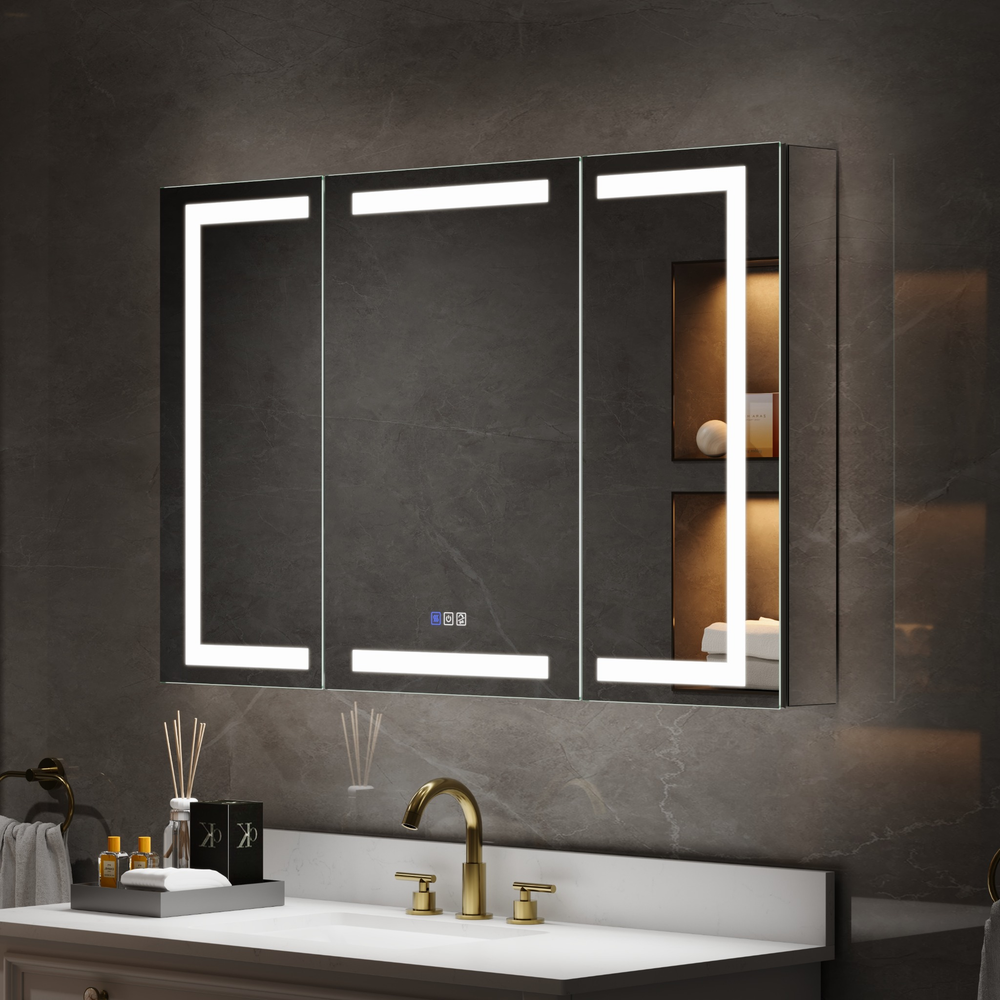
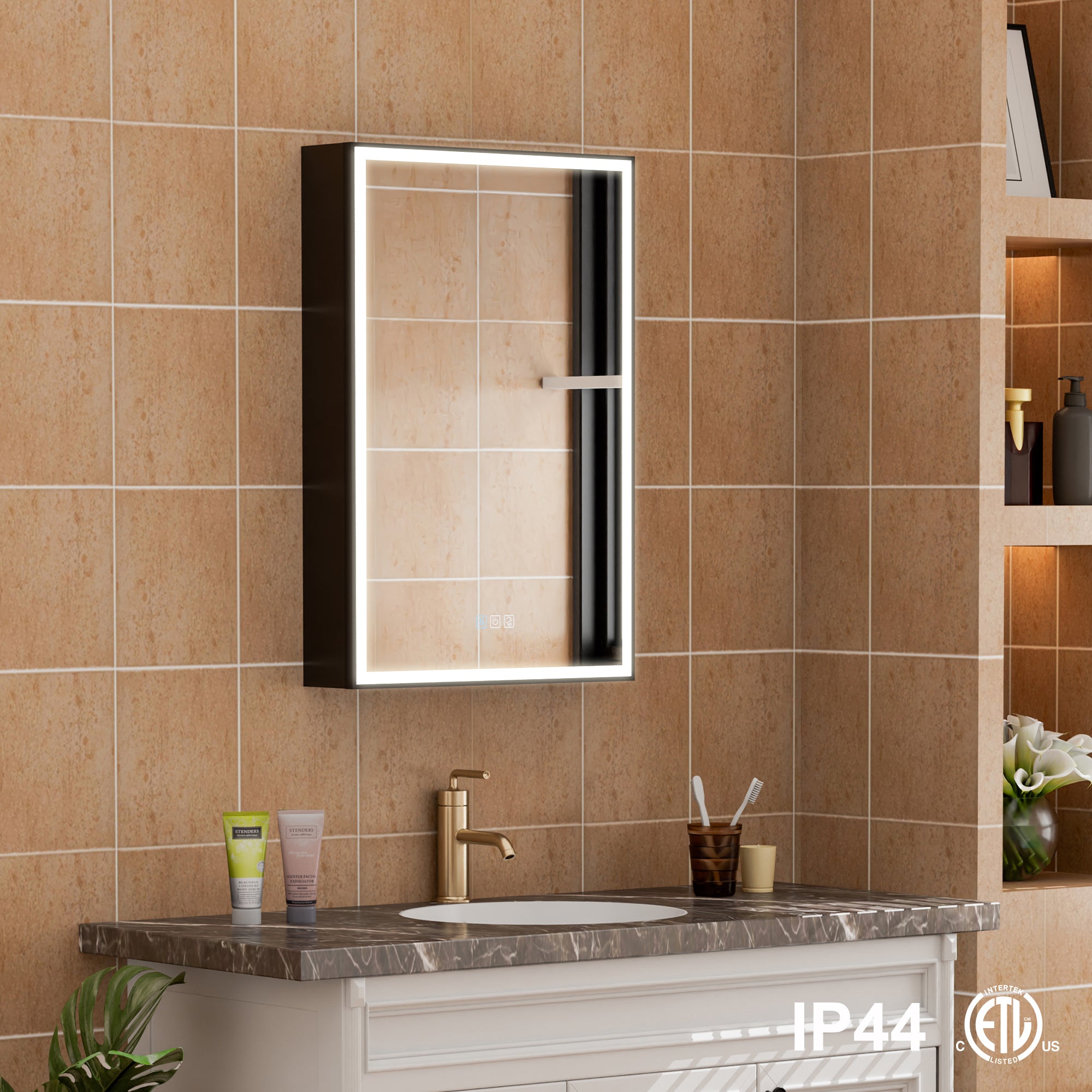
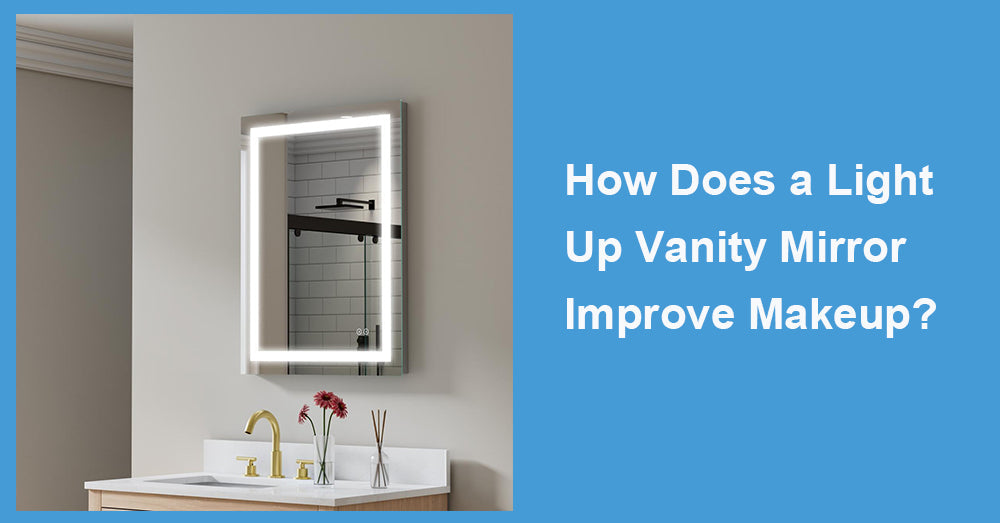
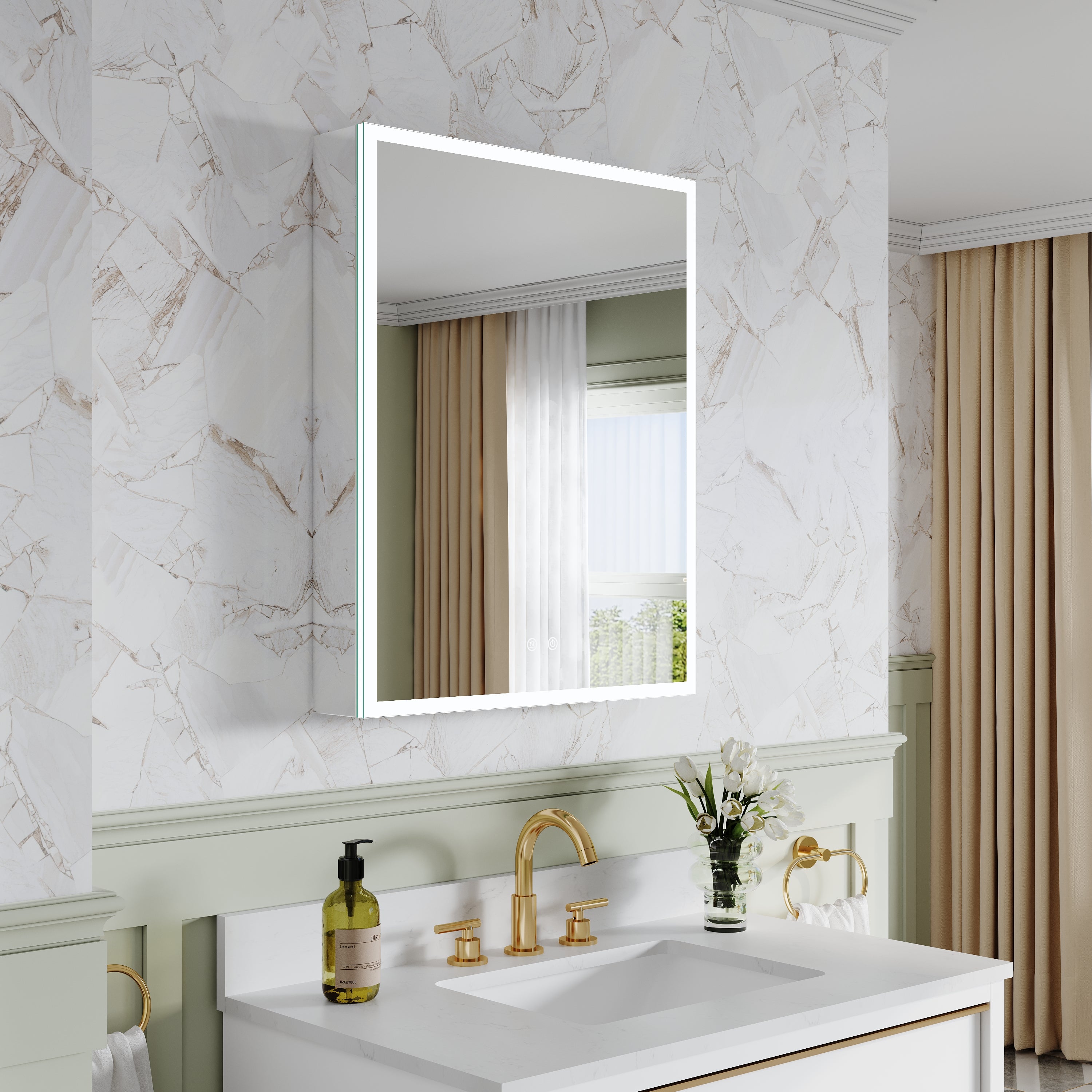
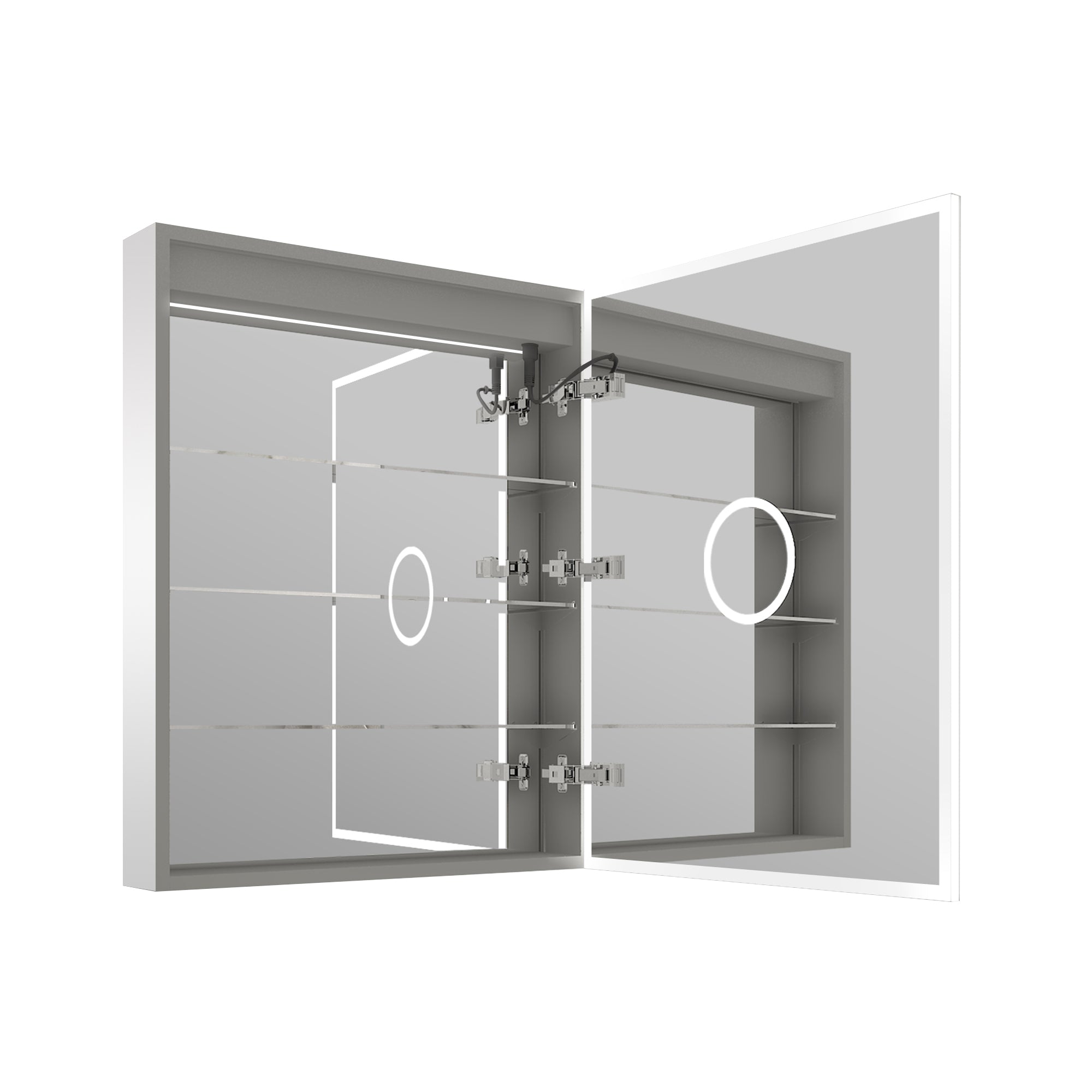
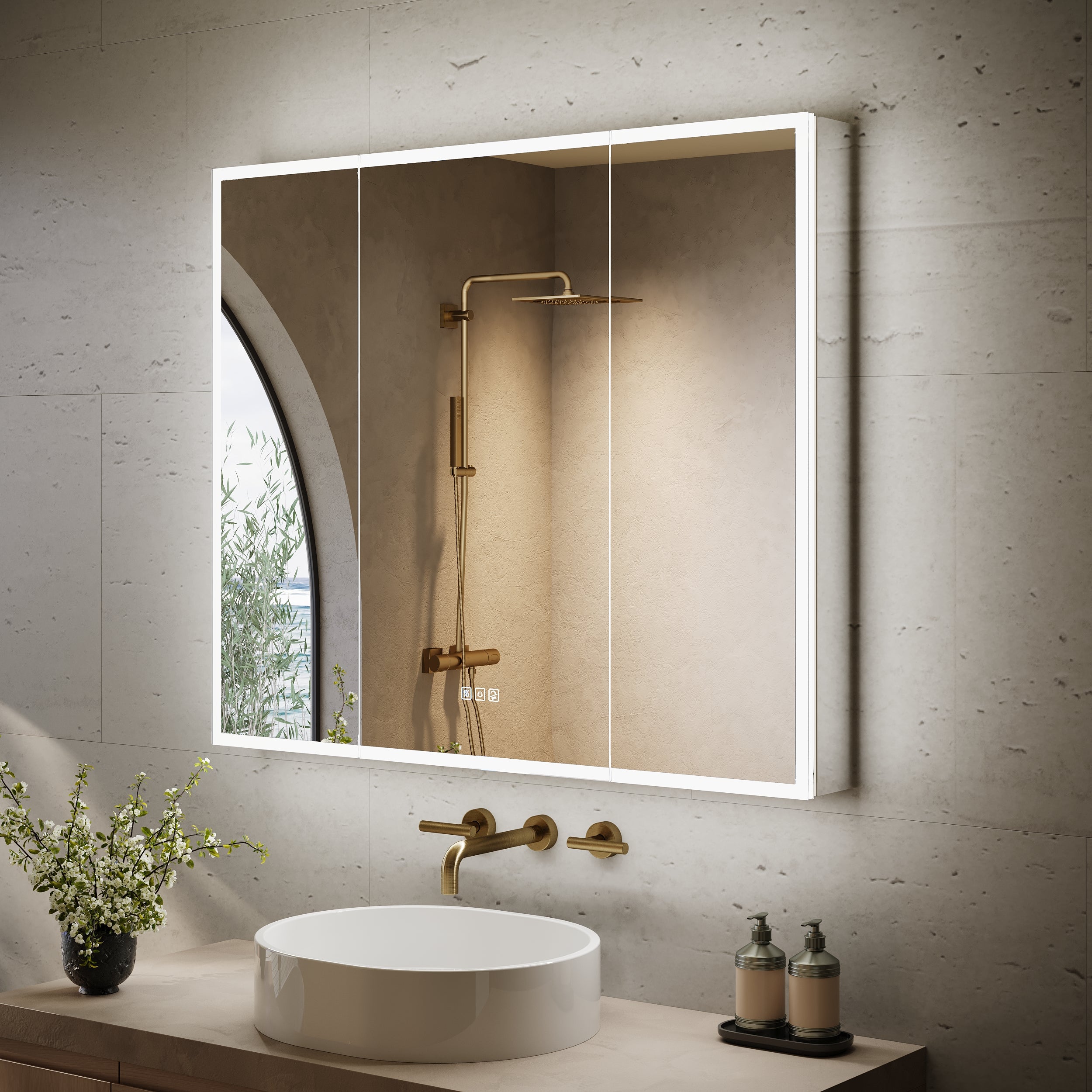
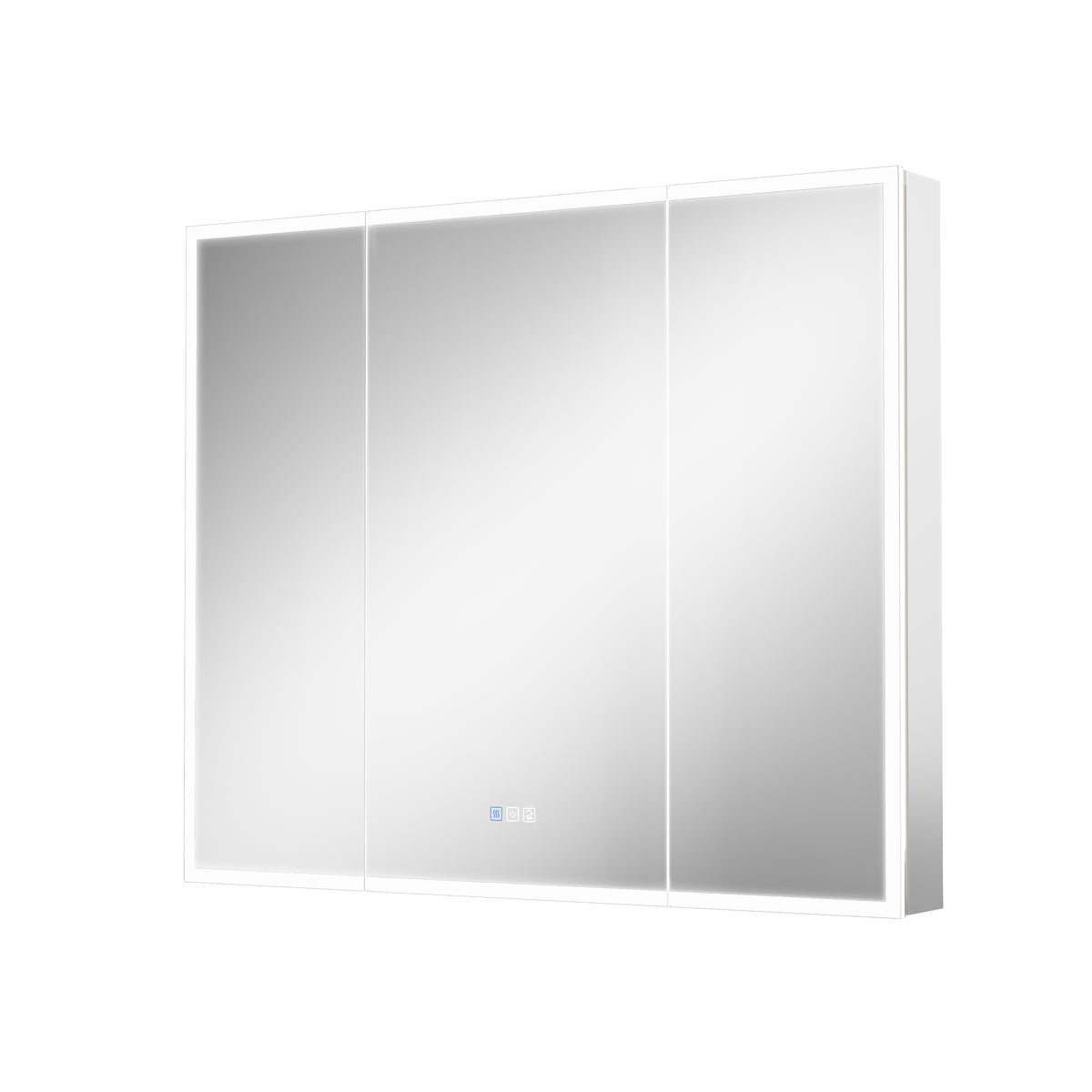
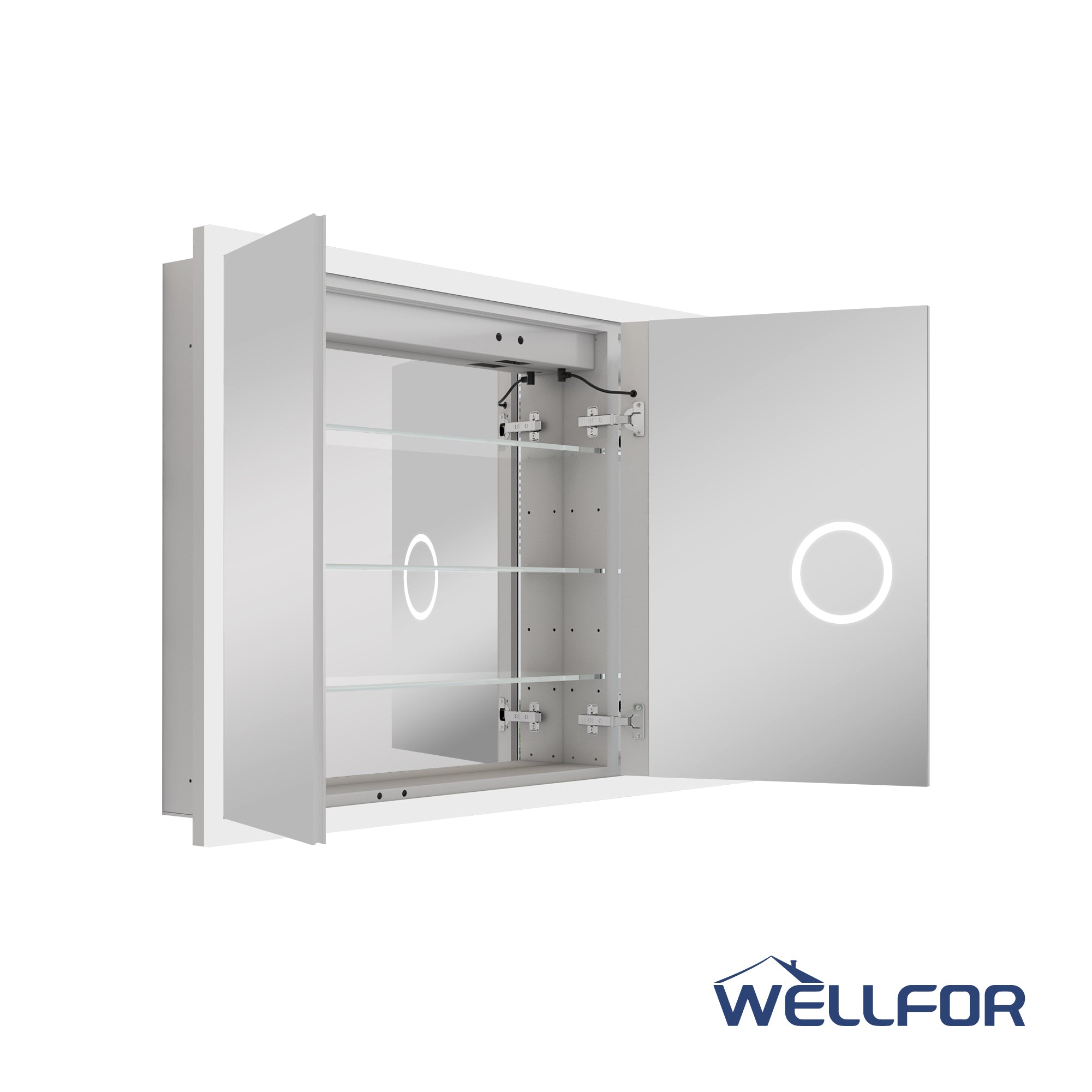
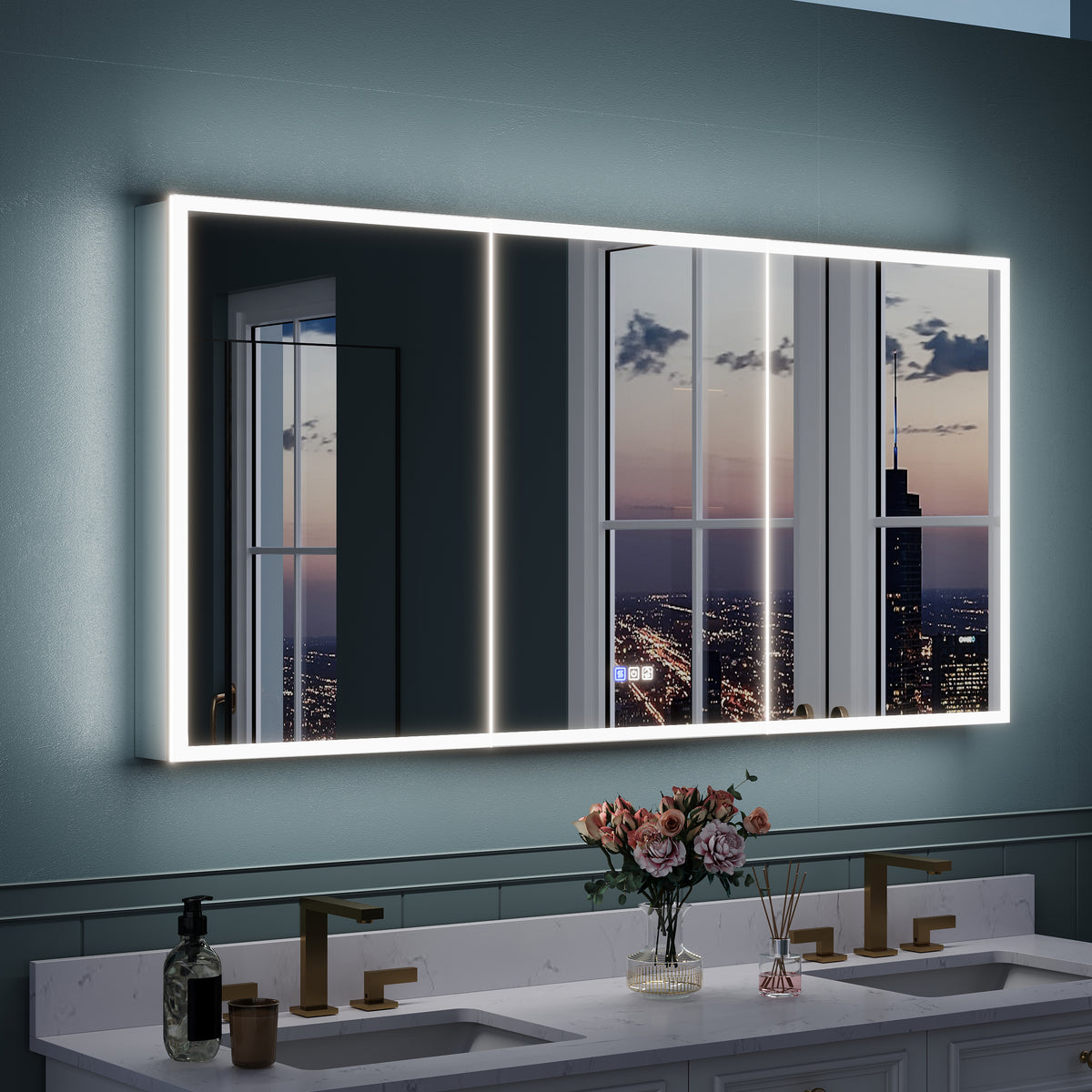
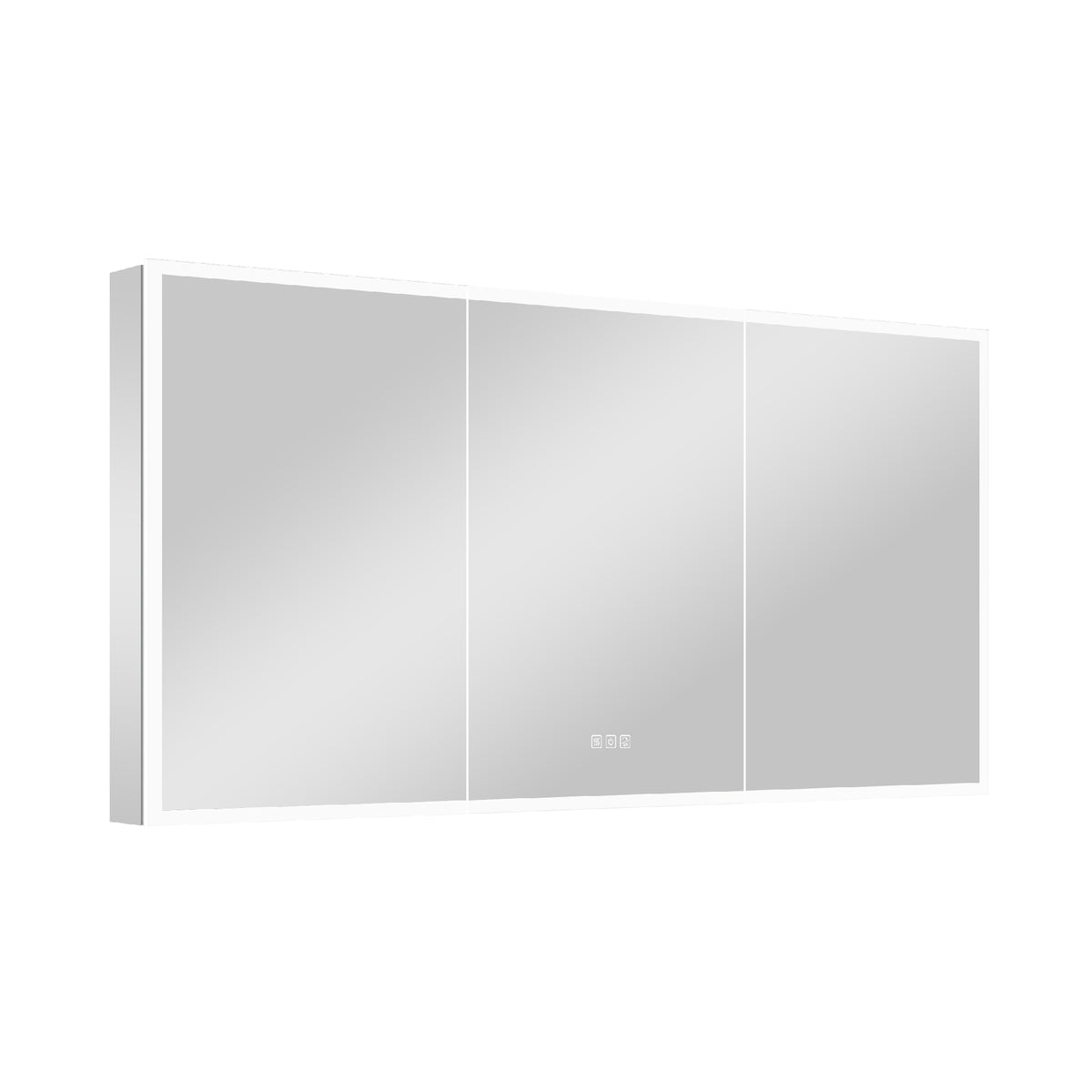
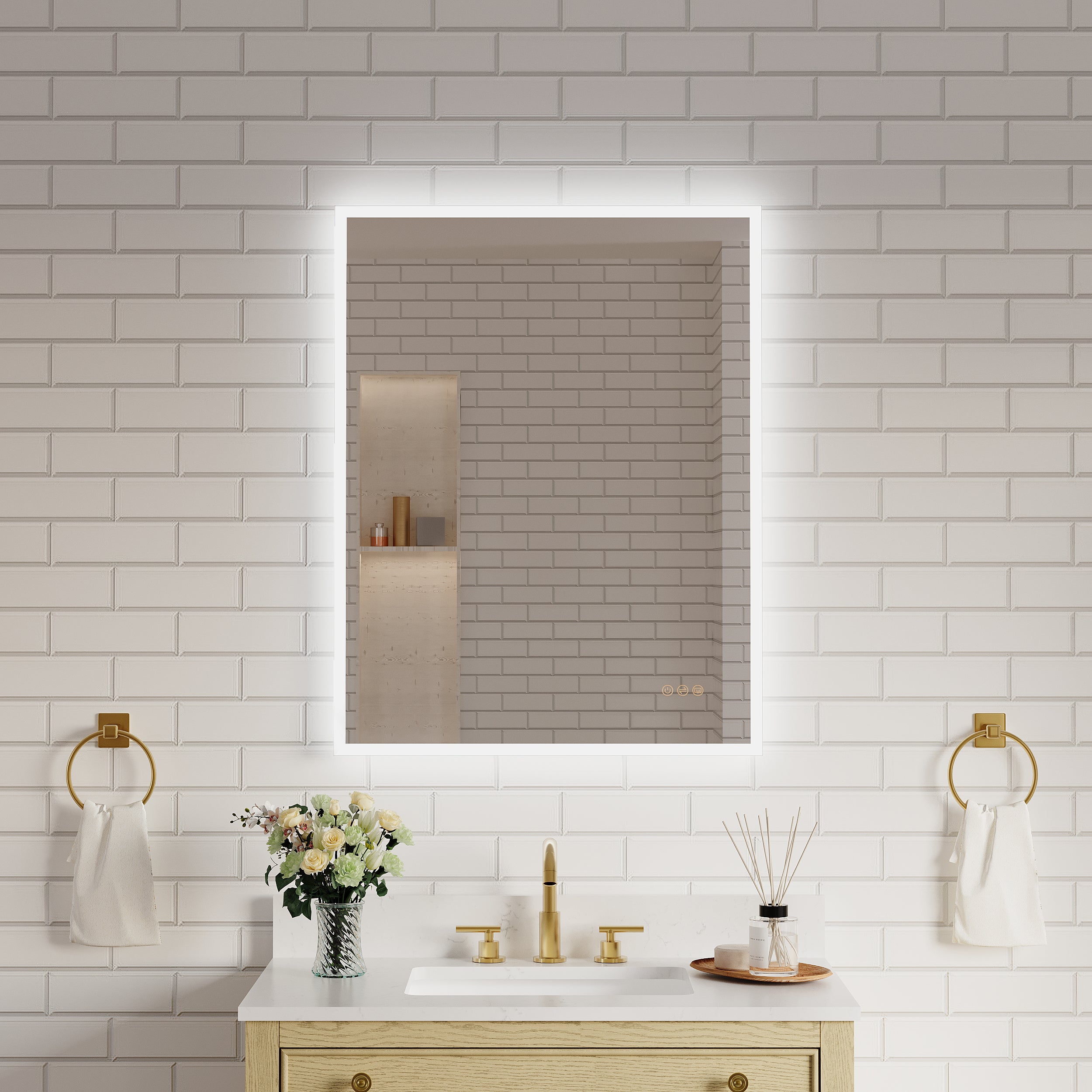
Illuminated mirrors held 48.52 percent of the North American illuminated bathroom mirror market in 2025, according to industry tracking. In a small bathroom, the appeal is obvious. You get task lighting without adding wall sconces that eat into precious square footage.
But there’s a catch. A glowing rectangle on a tight wall can become the only thing anyone notices. The light needs to be good—high color rendering, low flicker, properly listed—or it’s just a bright gimmick. And if the bathroom already has decent overhead and vanity lighting, an unlit mirror with a beautiful frame may serve the room better than a mediocre backlit panel.
One more thing worth saying plainly: a mirror is not a substitute for actual light. It reflects. It doesn’t illuminate. In a windowless half bath, the answer is better fixtures, not a bigger mirror.
6. What the Room Actually Needs Is Less Stuff, Reflected Better
The uncomfortable truth about small bathrooms is that mirrors can’t fix clutter. They can only double it.
A large mirror facing a messy counter makes the mess look twice as big. Clear the vanity, choose a frame that complements rather than competes, and let the reflection do its quiet work. That’s the least glamorous advice in this entire piece, and probably the most useful.
The best large bathroom mirrors for small rooms aren’t the biggest ones you can fit. They’re the ones placed with intention, scaled to the vanity, and given something worth reflecting. Get those three things right, and the room will feel bigger without a single wall coming down.
7. Conclusion
Large bathroom mirrors can make a small room feel bigger, but placement matters more than size—a mirror facing a window acts like a second window, while one facing a blank wall just doubles the blankness. Scale it to roughly 70 to 90 percent of the vanity width (a 36-inch vanity wants a 28-to-32-inch mirror), go tall rather than wide in narrow rooms, and leave a few inches of wall above the frame so the ceiling reads higher. Lighted mirrors, which held 48.52 percent of the North American illuminated mirror market in 2025, save wall space but can dominate a tight room, and they reflect light rather than replace it. Most importantly, mirrors can't fix clutter—they double it. The best large bathroom mirrors for small rooms are placed with intention, scaled to the vanity, and given something worth reflecting.













Leave a comment
This site is protected by hCaptcha and the hCaptcha Privacy Policy and Terms of Service apply.