
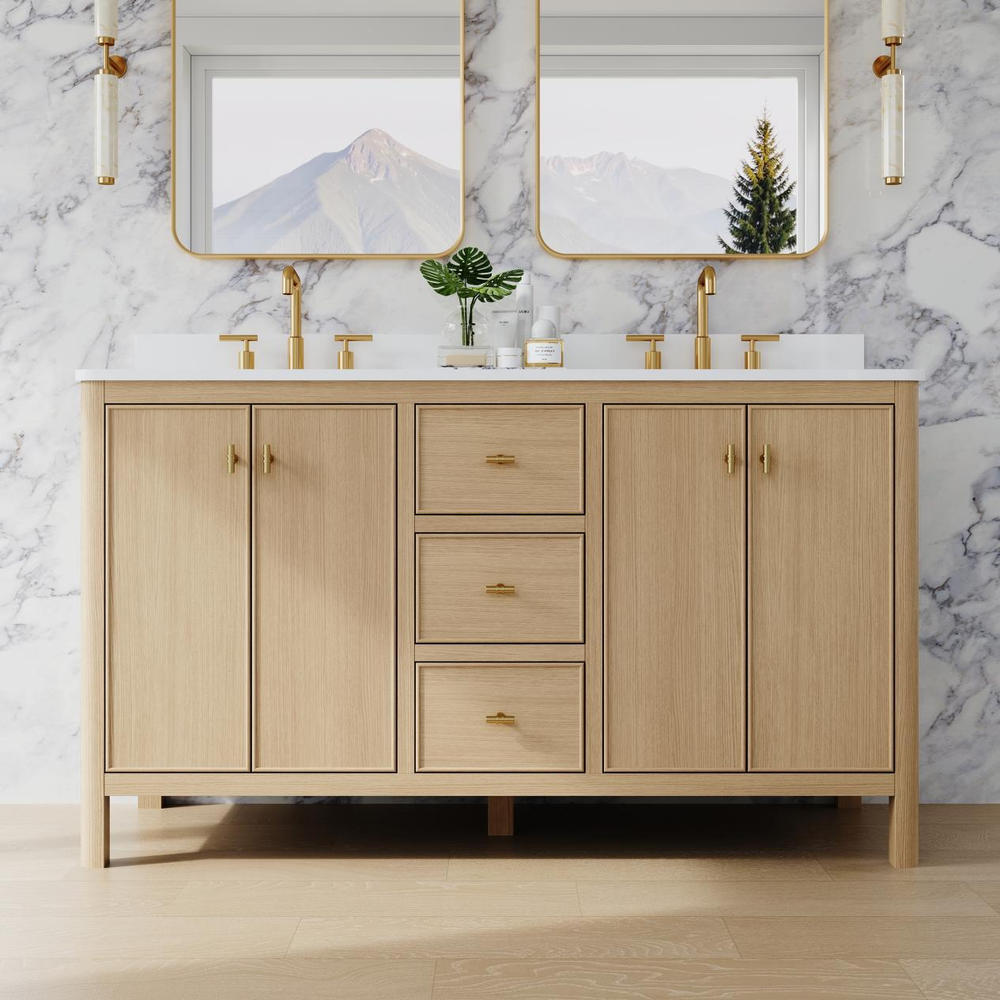
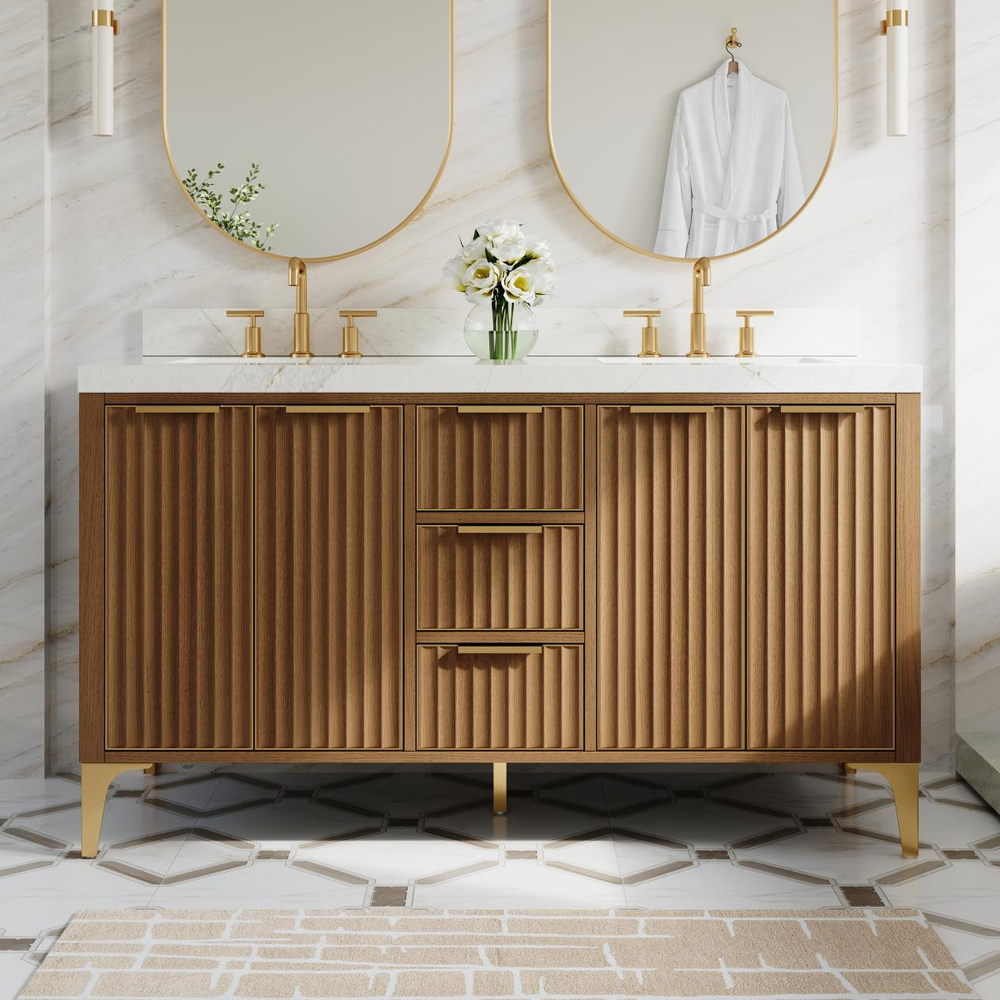
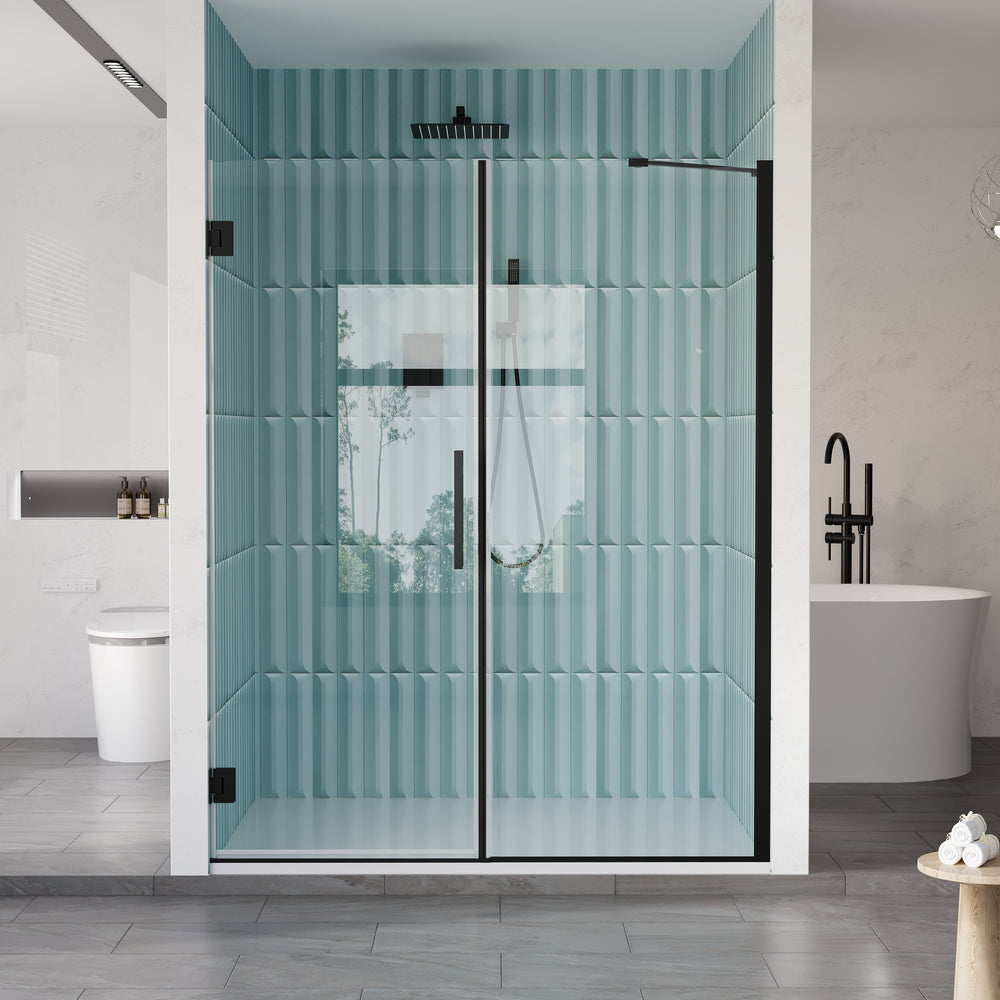
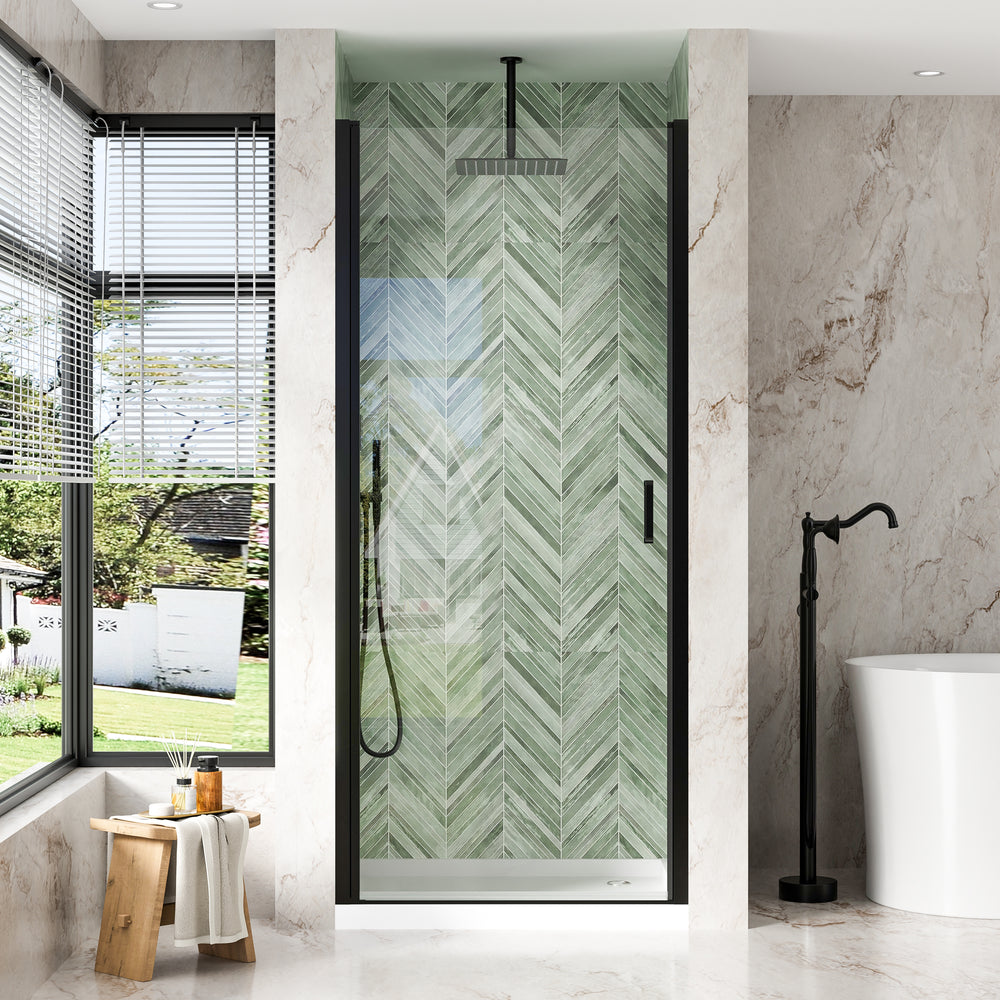
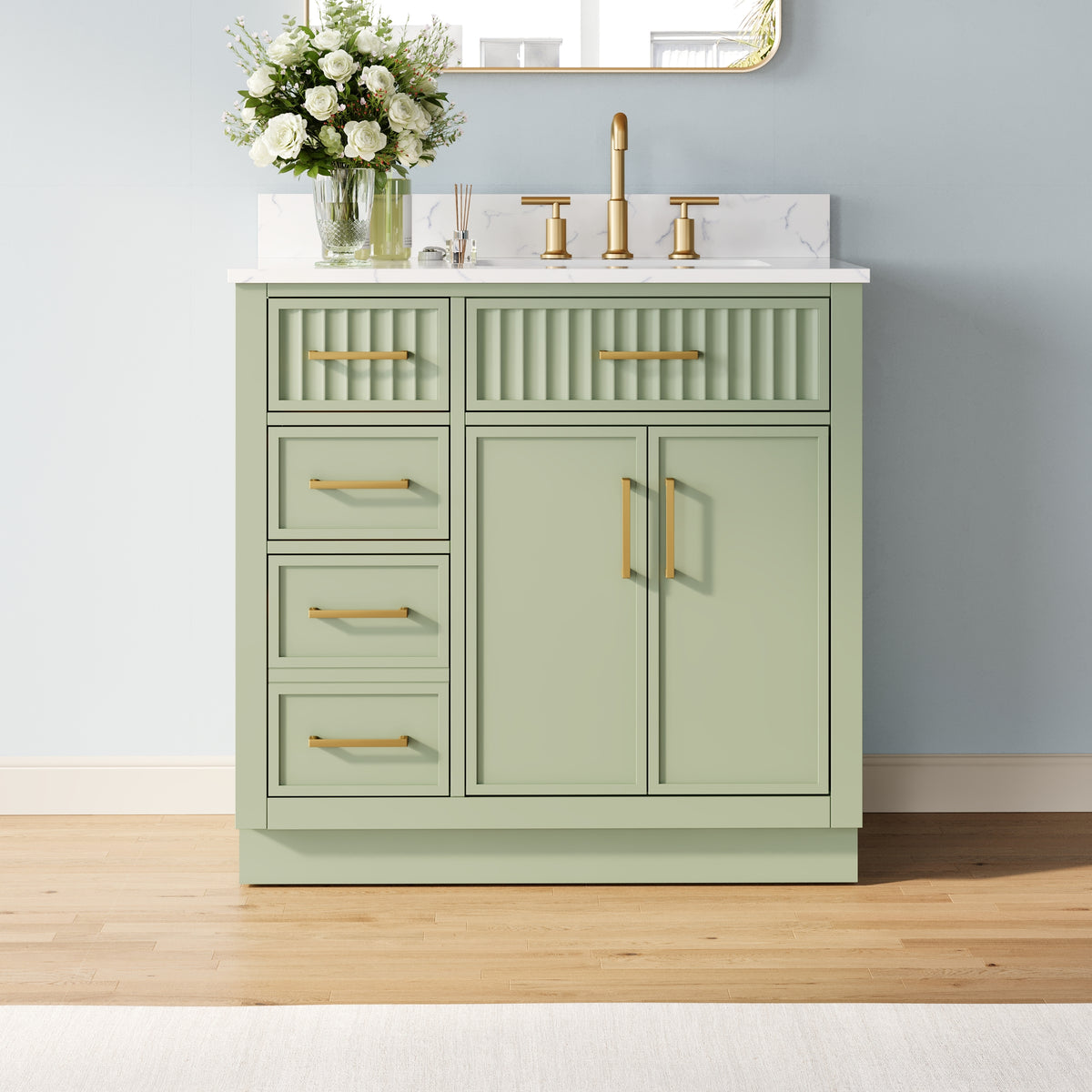
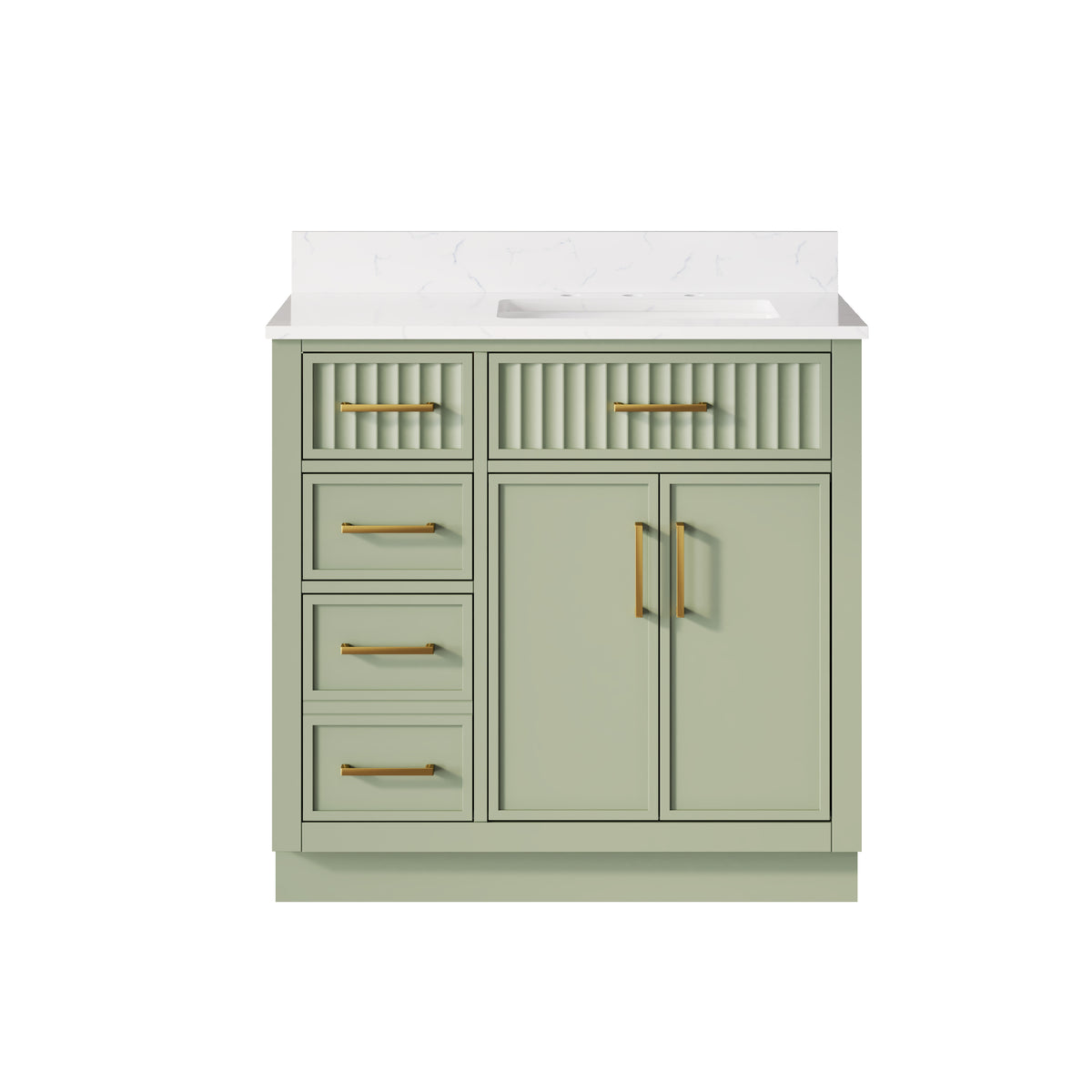
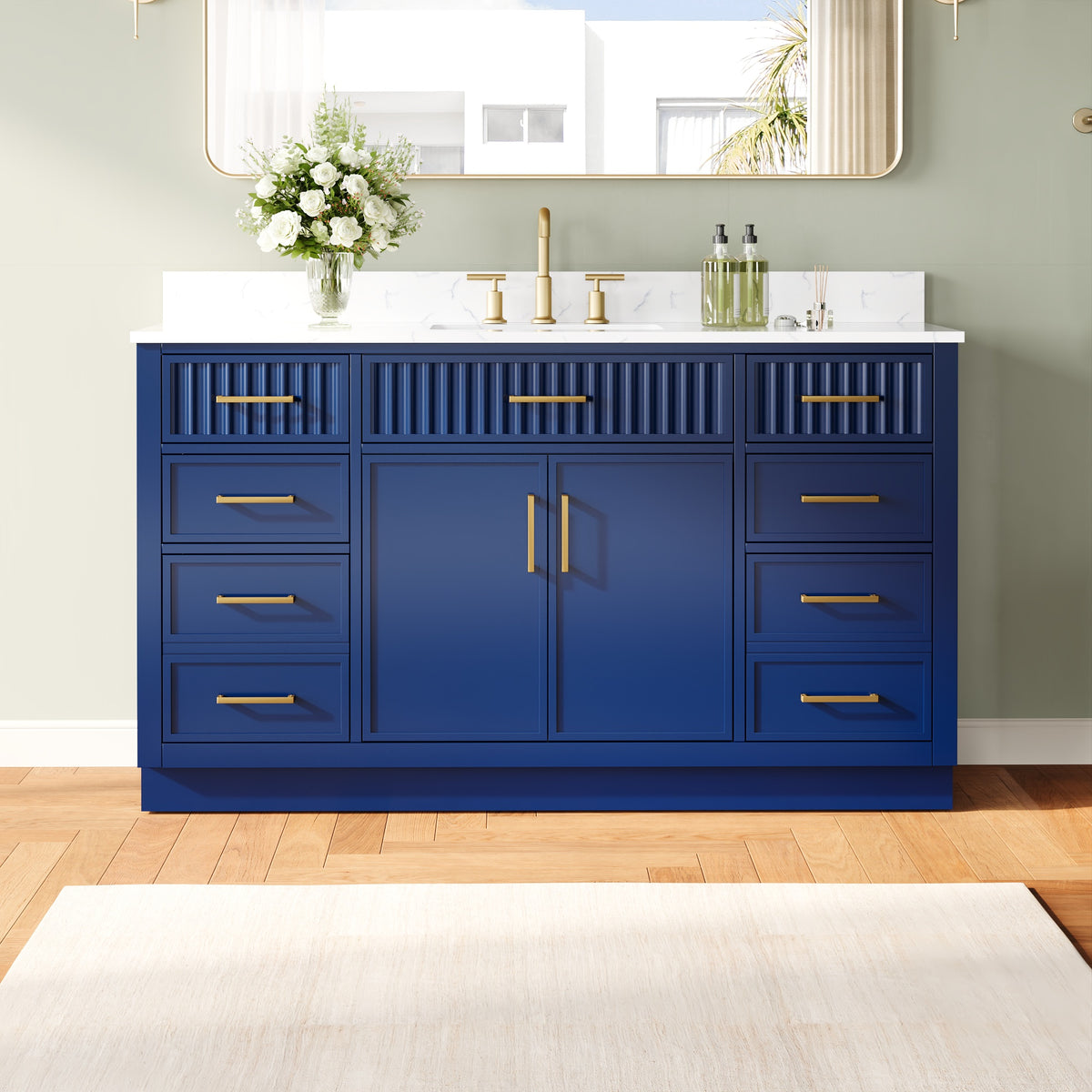
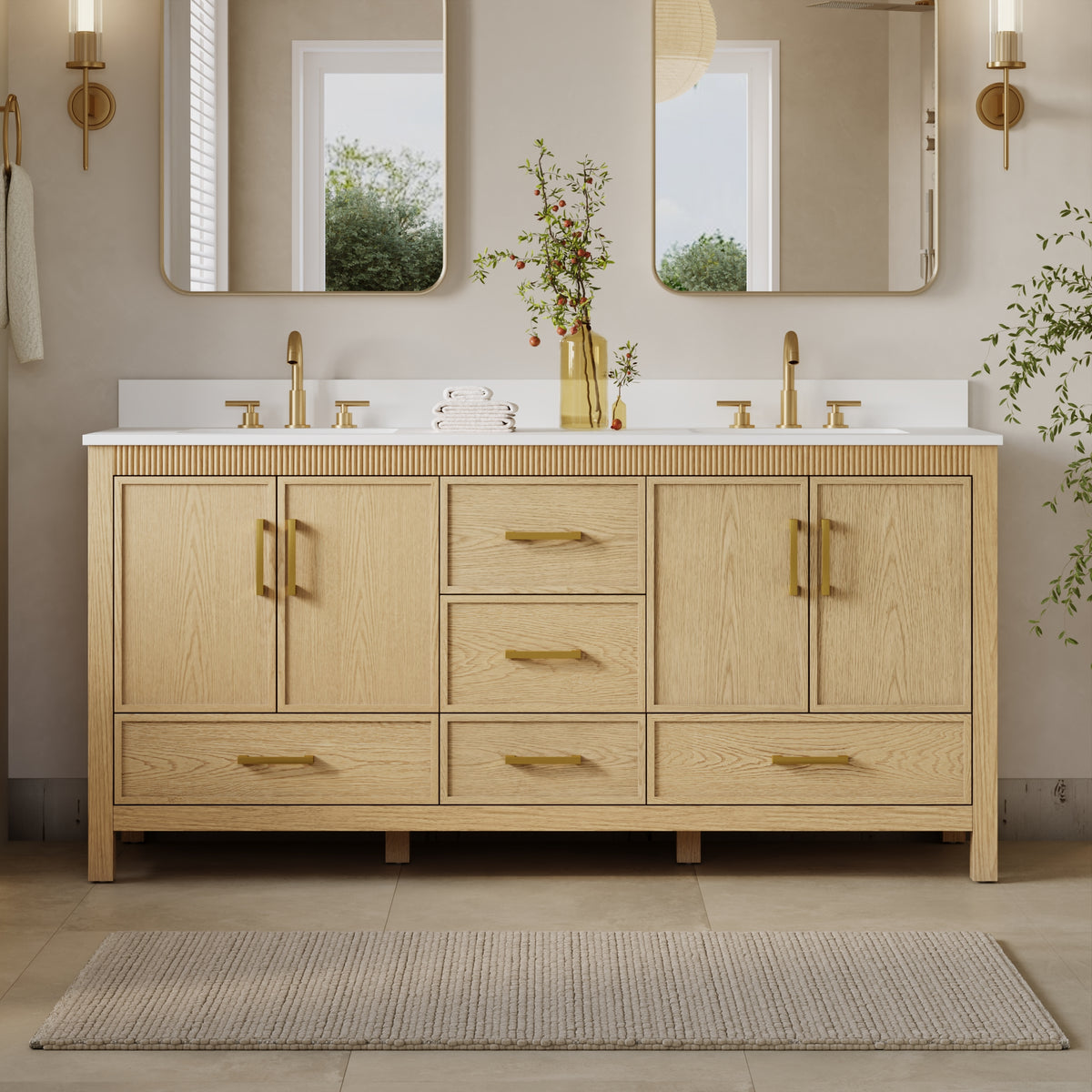
Finding the best bathroom mirrors is about way more than grabbing something that looks nice above your sink. The right mirror can totally shift the vibe of your whole bathroom. It can make a tiny space feel bigger, add warmth to a sleek modern vanity, or wrap up a plain room with that final nice touch. With so many shapes, frame colors, sizes, and lit-up styles out there, picking one can be trickier than you’d think. The easy trick? Start with what you already have in your bathroom, then pick a mirror that fits both the space and how you actually use it day-to-day.
1. Start With the Vanity, Not the Wall
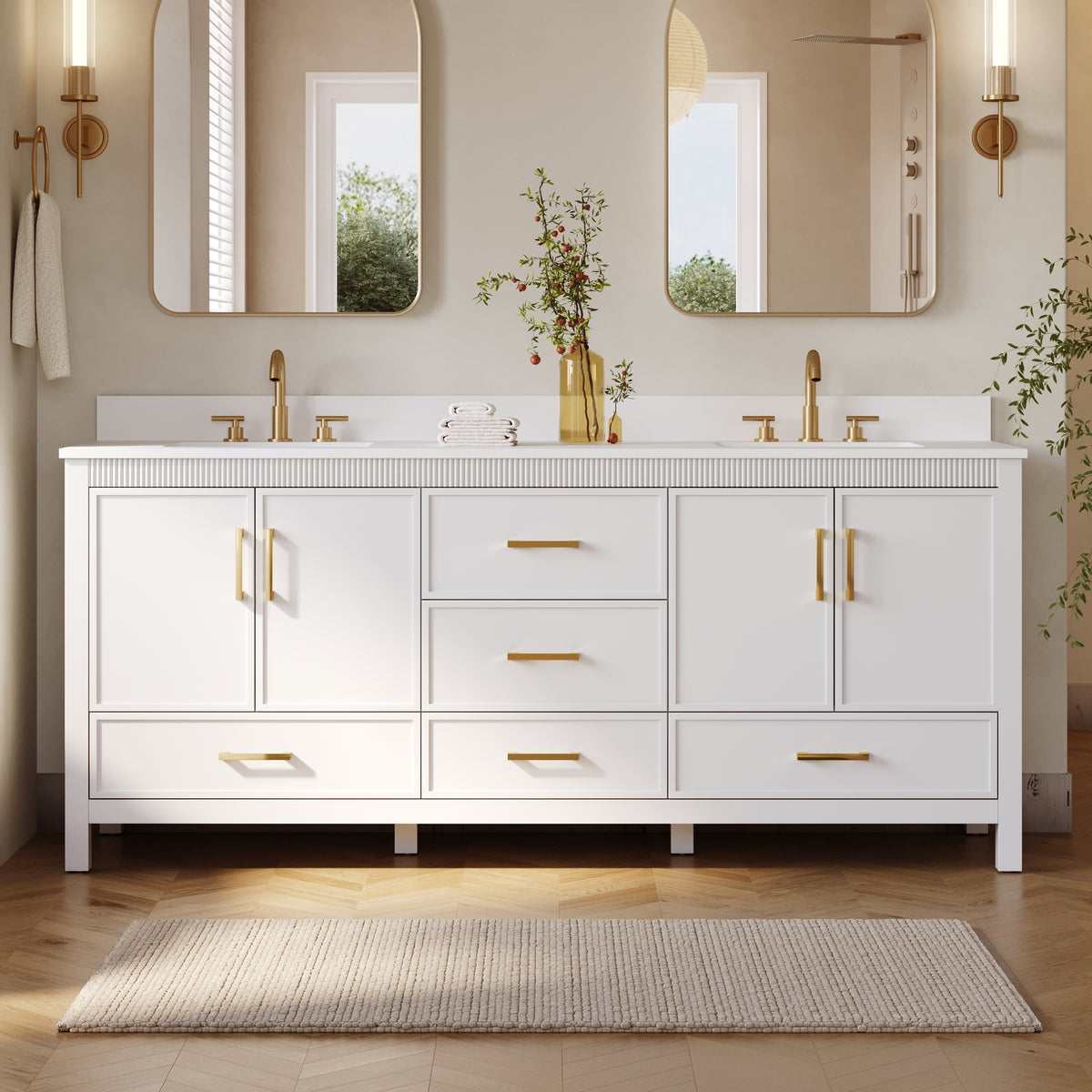
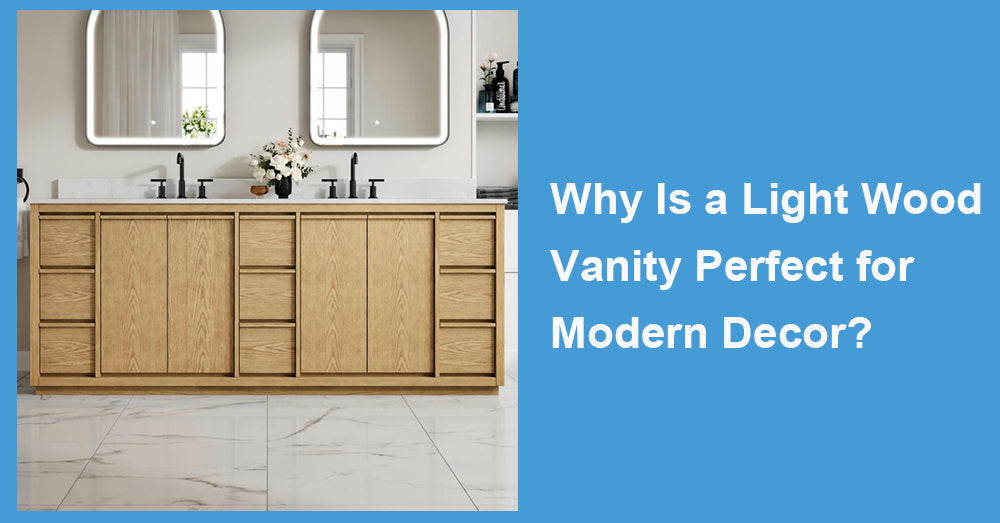
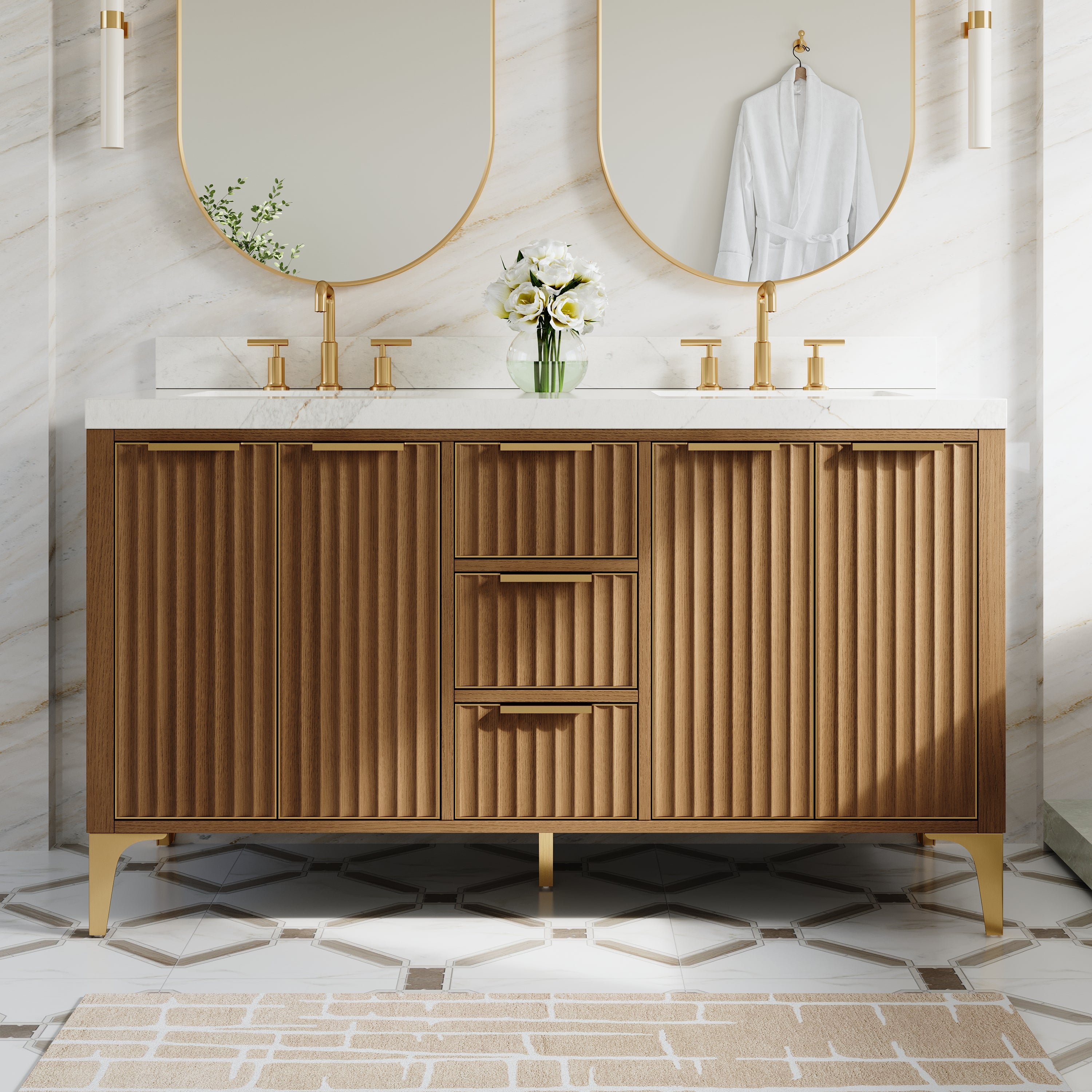
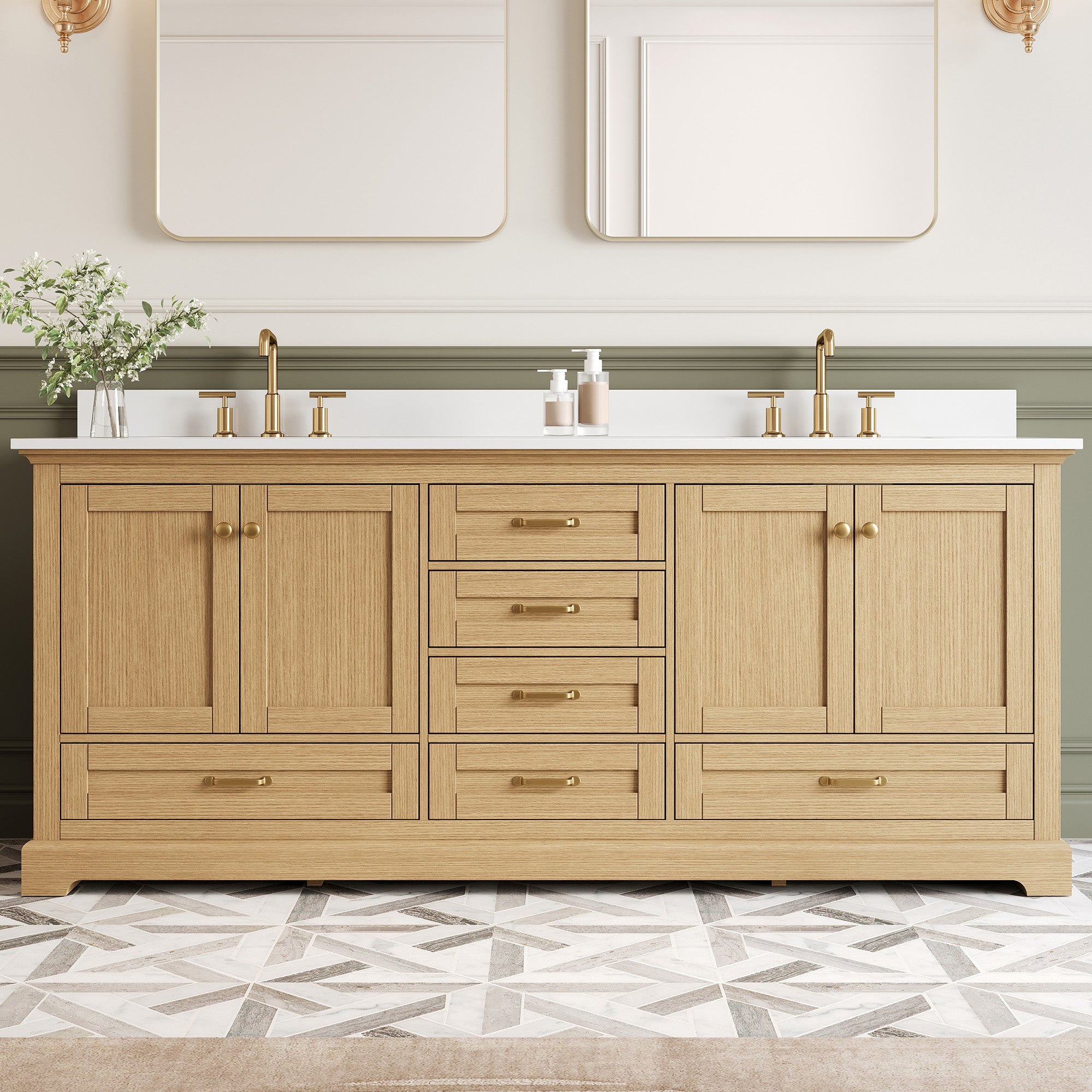
Here’s the mistake I see over and over: people fall for a shape or a frame before they’ve checked the proportion above the vanity. The best bathroom mirrors don’t just reflect a style preference. They solve a spatial equation.
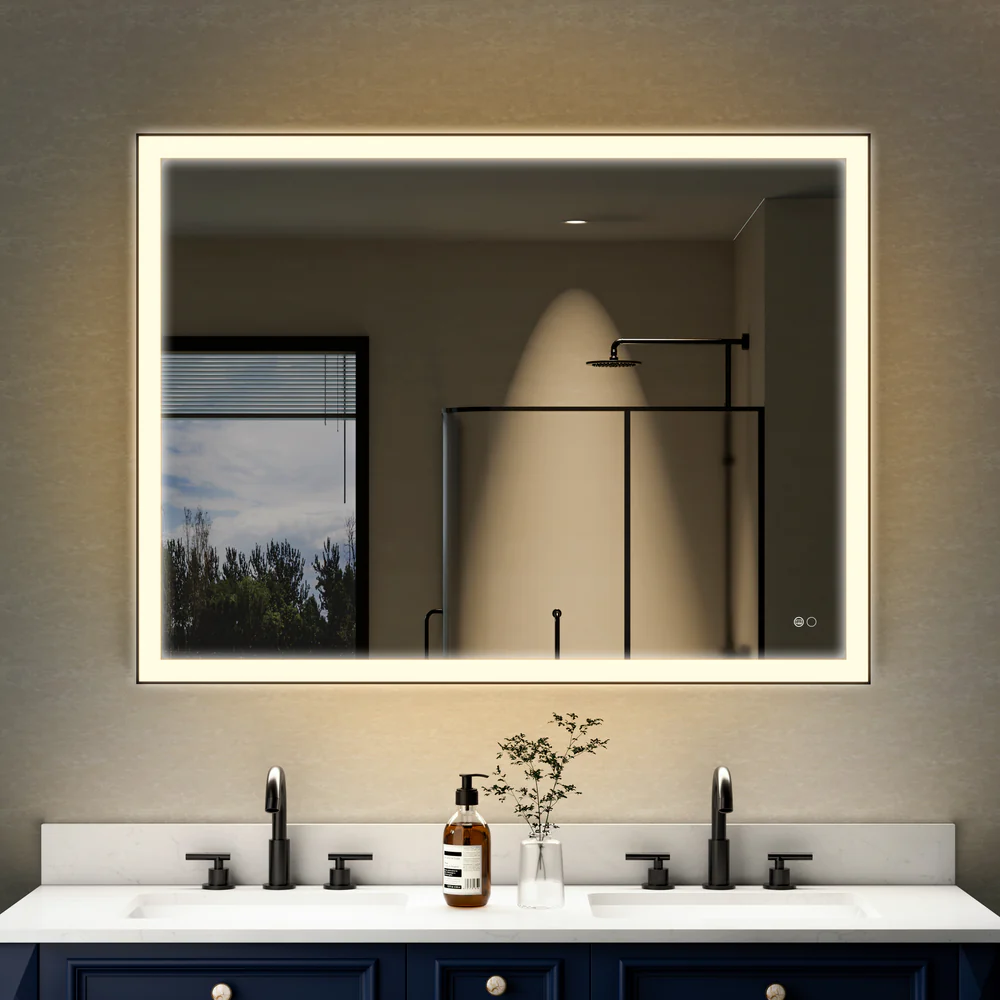
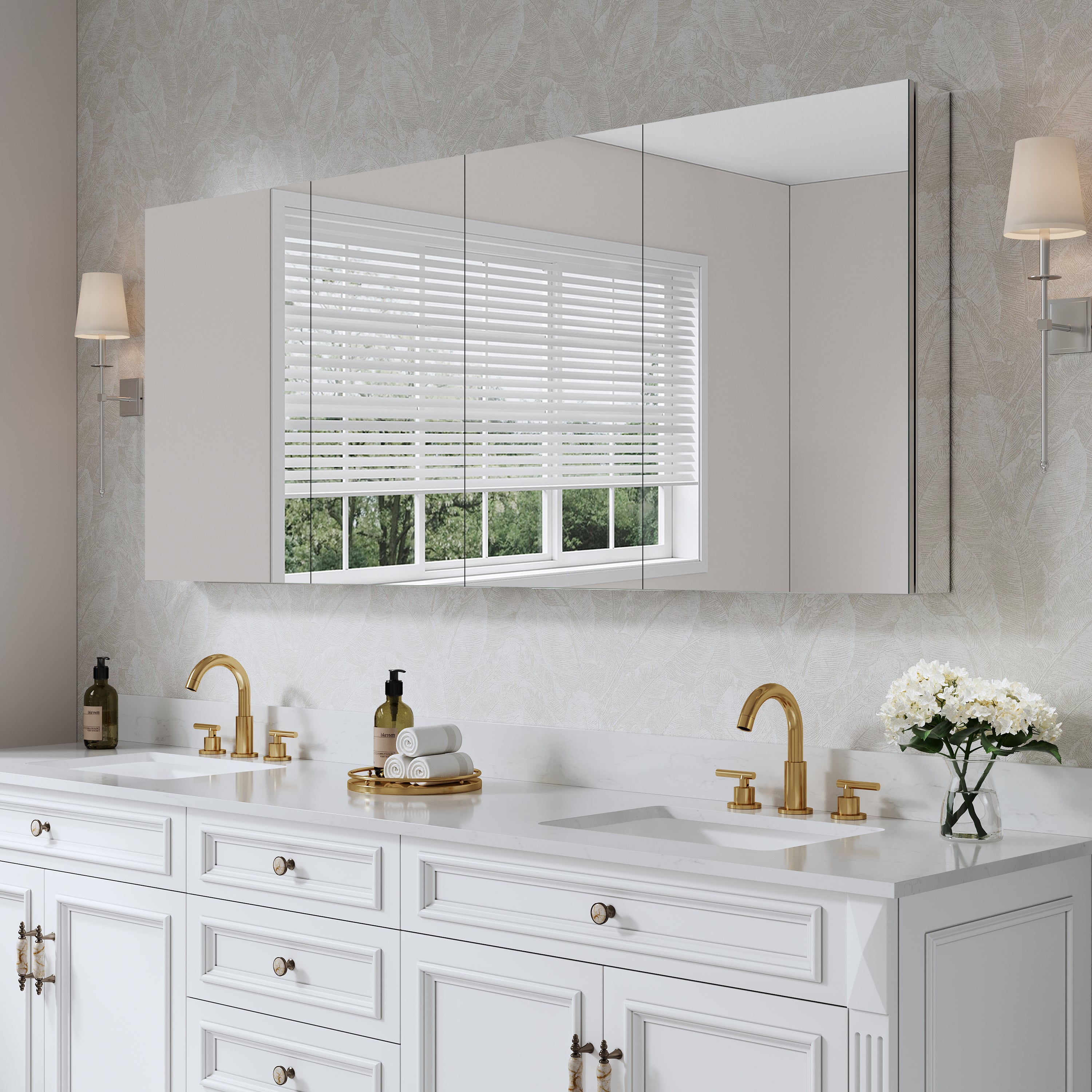
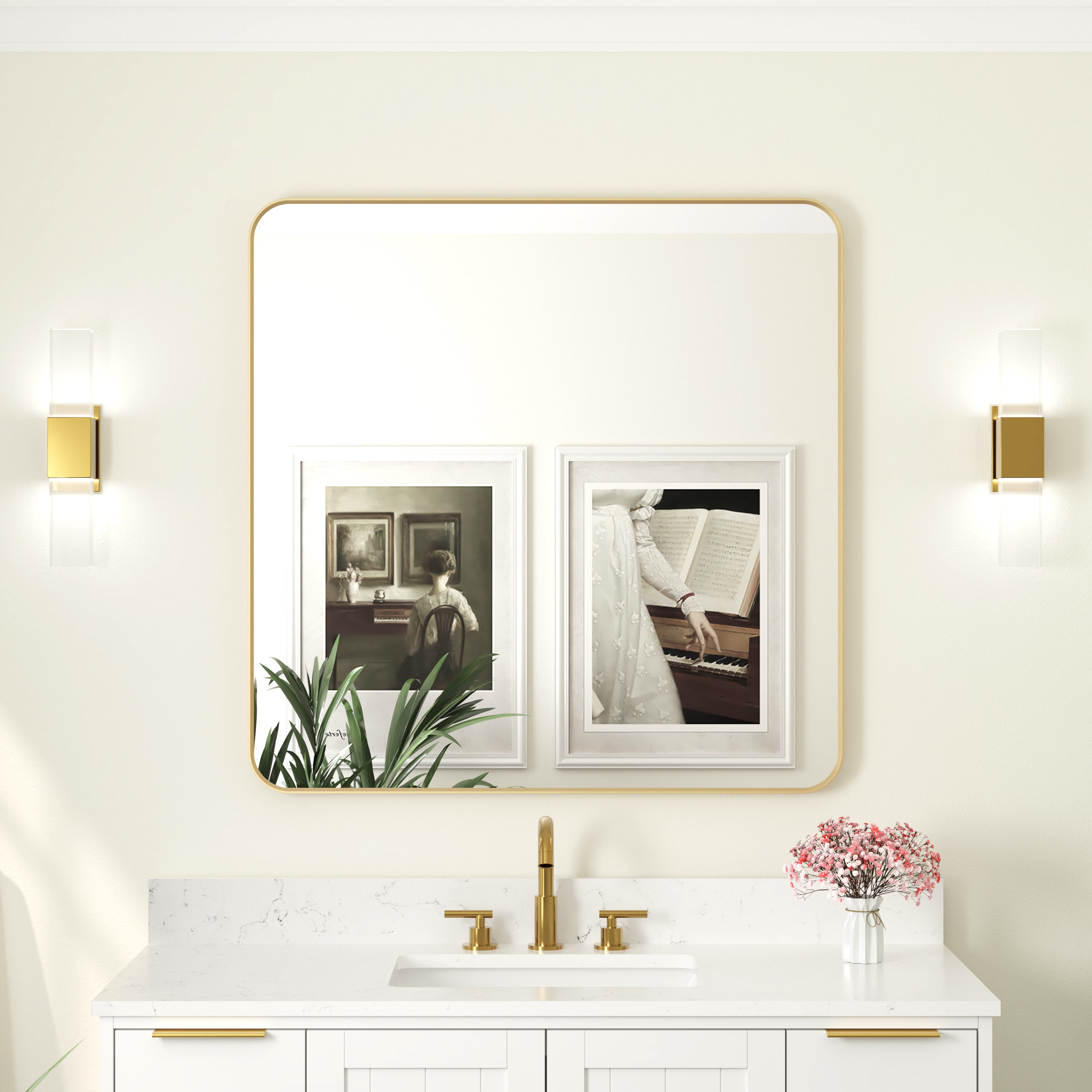
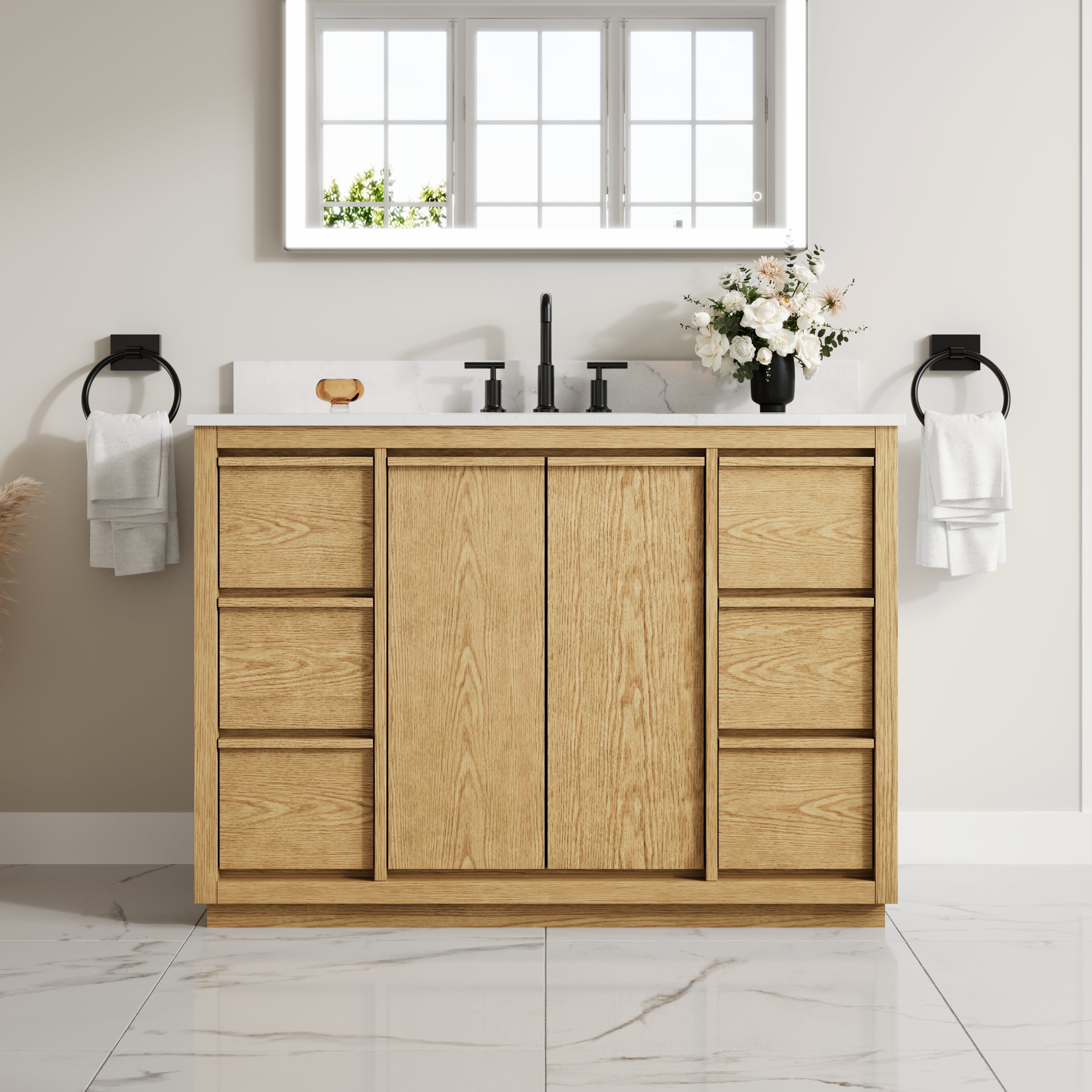
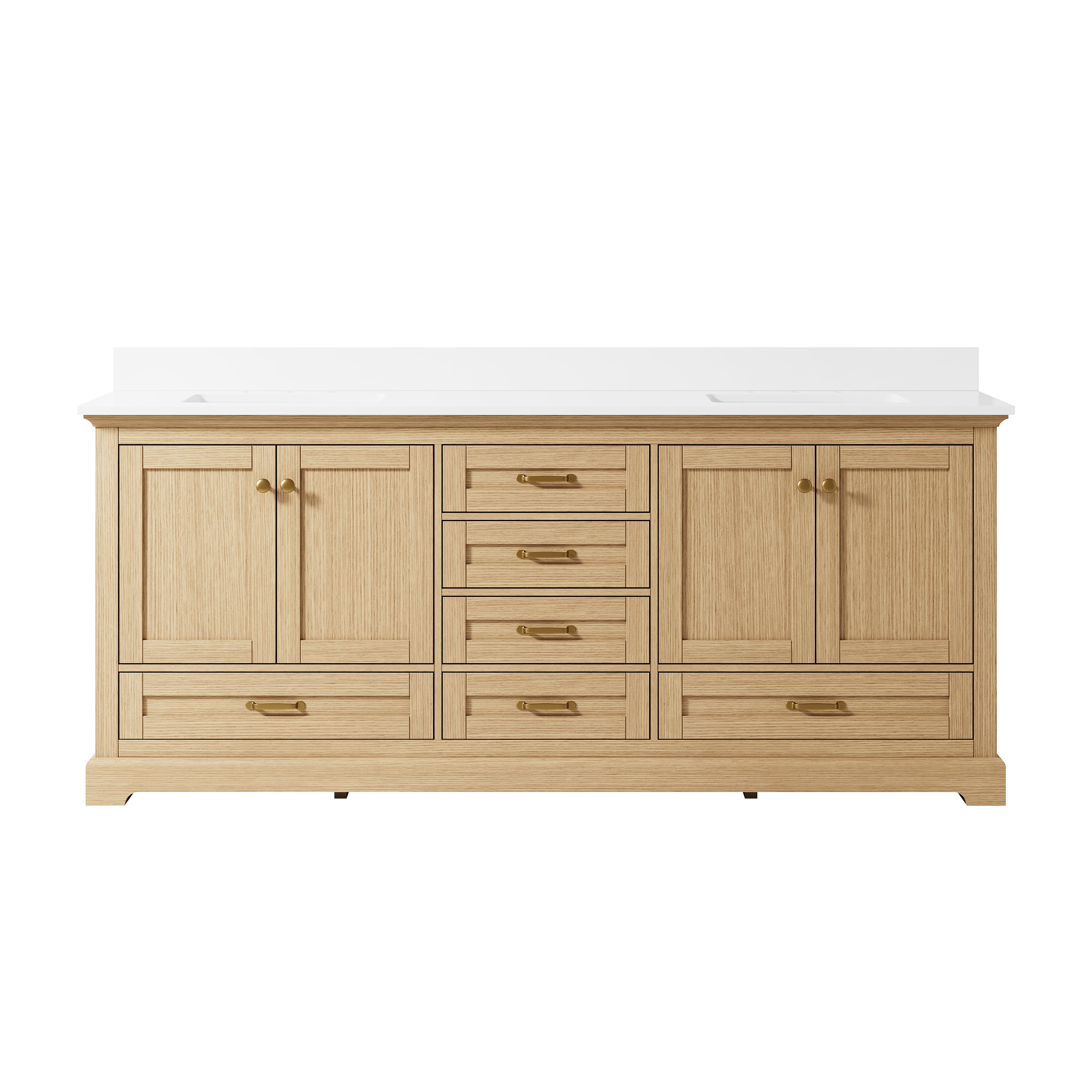
Designers keep landing on the same rule. The mirror should take up roughly 70 to 90 percent of the vanity width, with a few inches of breathing room on either side. Most standard bathroom mirrors sit between 24 and 48 inches wide. So a 36-inch vanity usually wants something in the 28-to-32-inch range, not a 48-inch statement piece that swallows the whole wall.
Worth saying plainly: a mirror that overpowers the vanity reads like a contractor-grade afterthought. One that undersizes it makes the bathroom feel unfinished. The proportion is the design.
2. Shape Is a Mood Decision, Not a Trend Chase
Curved silhouettes keep gaining ground, and the data backs the shift. A 2026 survey of roughly 100 interior designers and home stagers found rounded mirrors and fixtures cited by 34 percent as an emerging preference. High-tech backlit mirrors landed on the way-out list for 11 percent of respondents.
That doesn’t mean LED mirrors are dying. Far from it. It means the novelty of a glowing rectangle is wearing off, and the shape itself has to carry the room now.
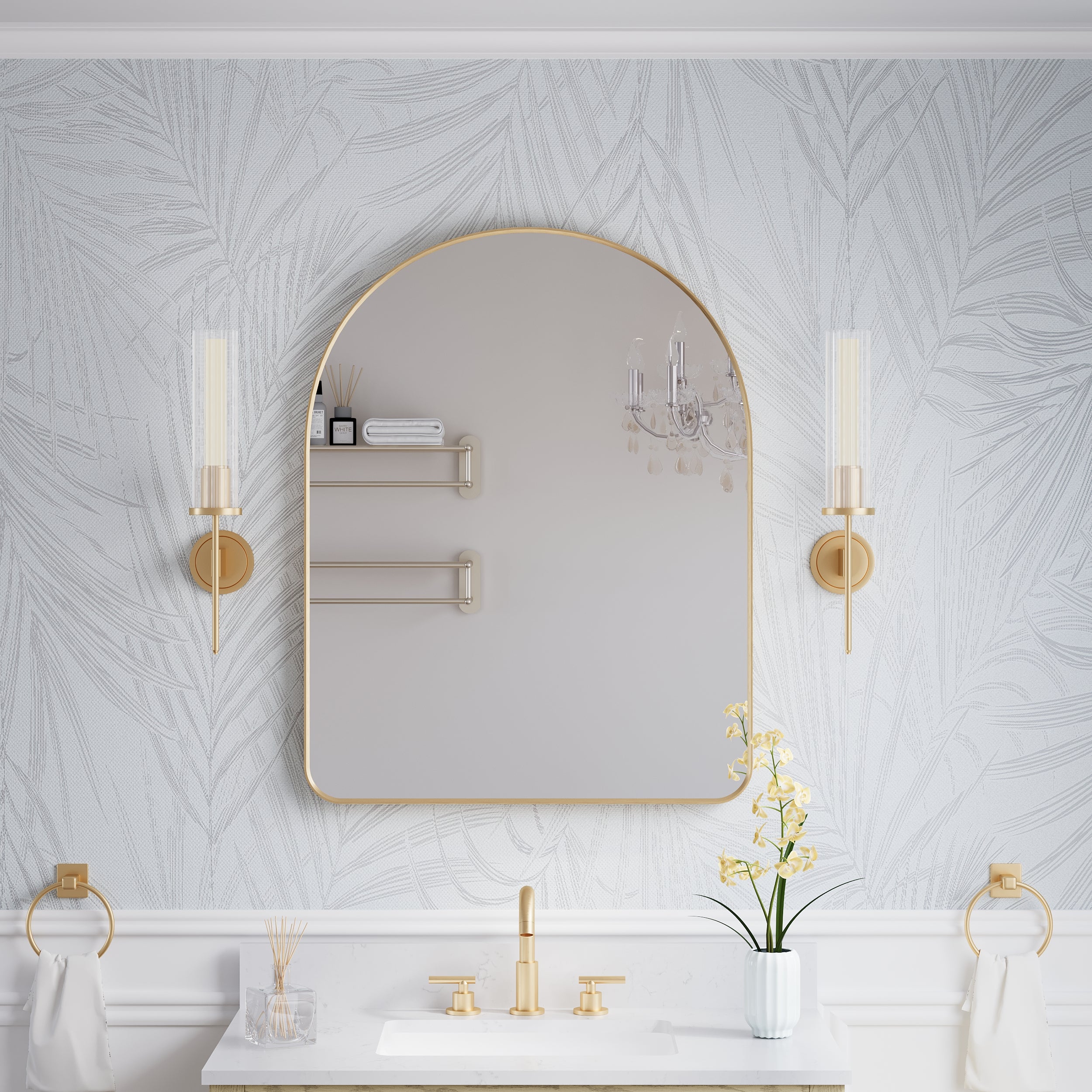
Round and pill-shaped mirrors soften bathrooms built from hard lines: square tiles, rectangular vanities, angular brassware. Arched mirrors add vertical lift without the severity of a rectangle, but they need wall height above the vanity, or they look forced. Rectangles remain the default because they maximize reflective surface and forgive scale errors. But a frameless rectangle with polished edges is a different animal from a builder-grade plate-glass slab. The frame, or the deliberate absence of one, is where the style actually lives.
3. The Lighted Mirror Question Deserves a Second Look
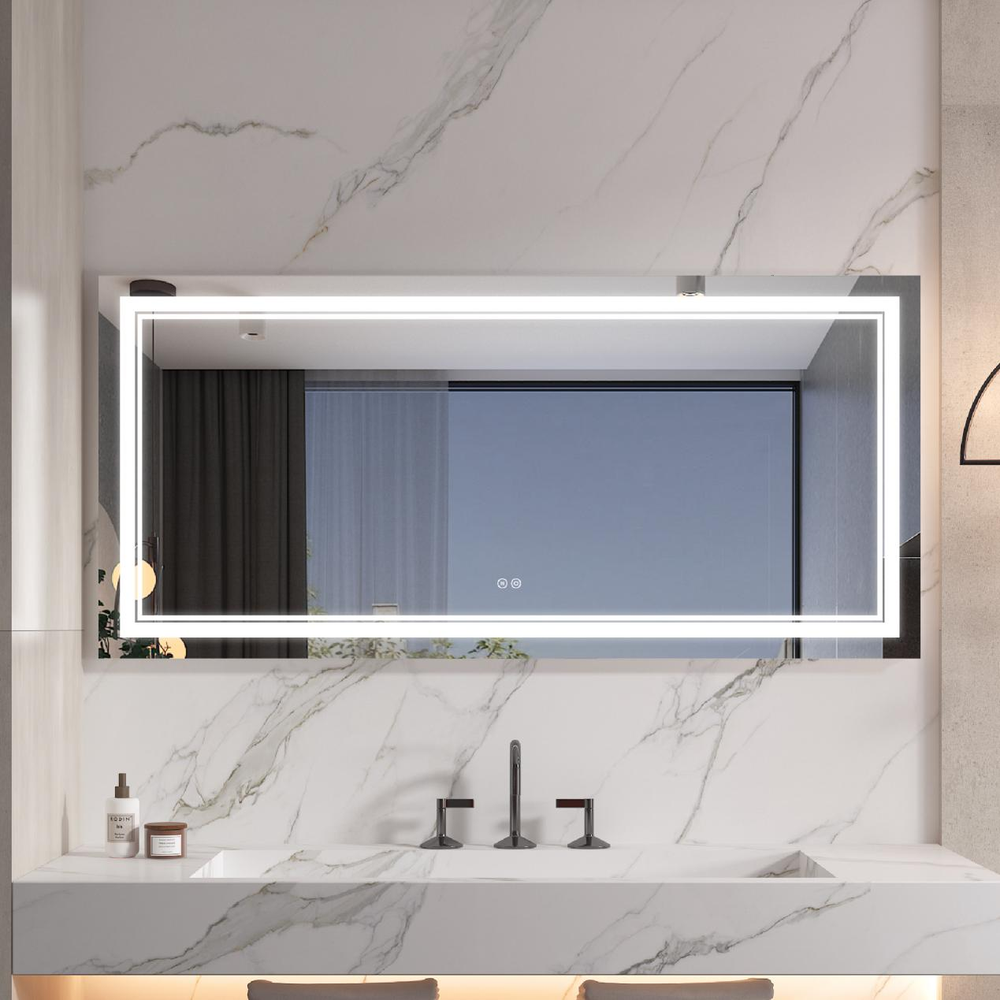
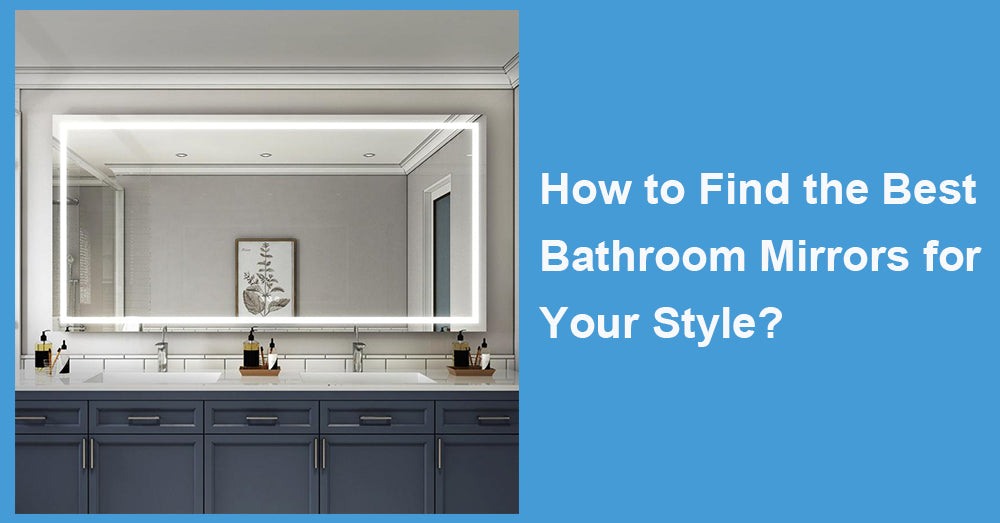
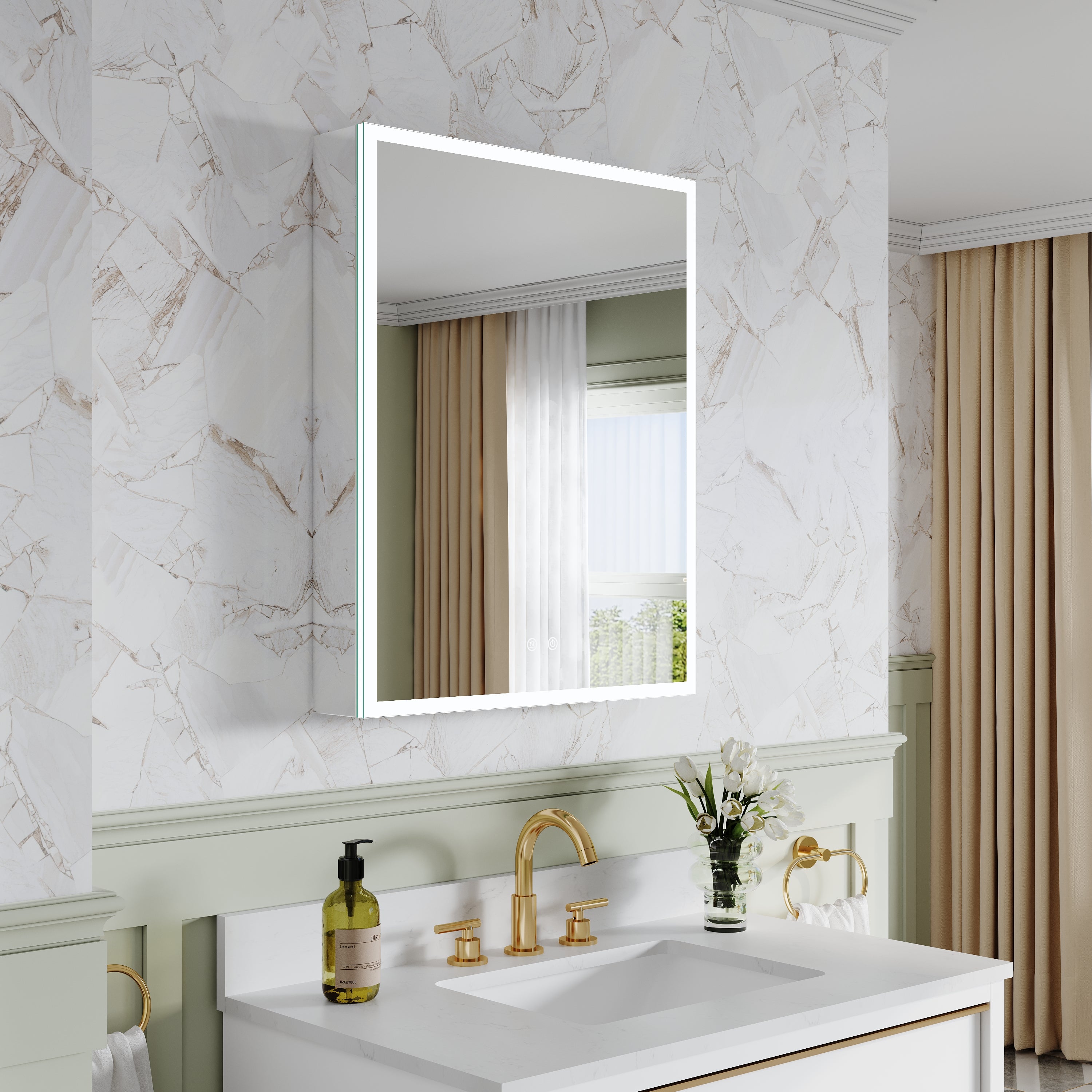
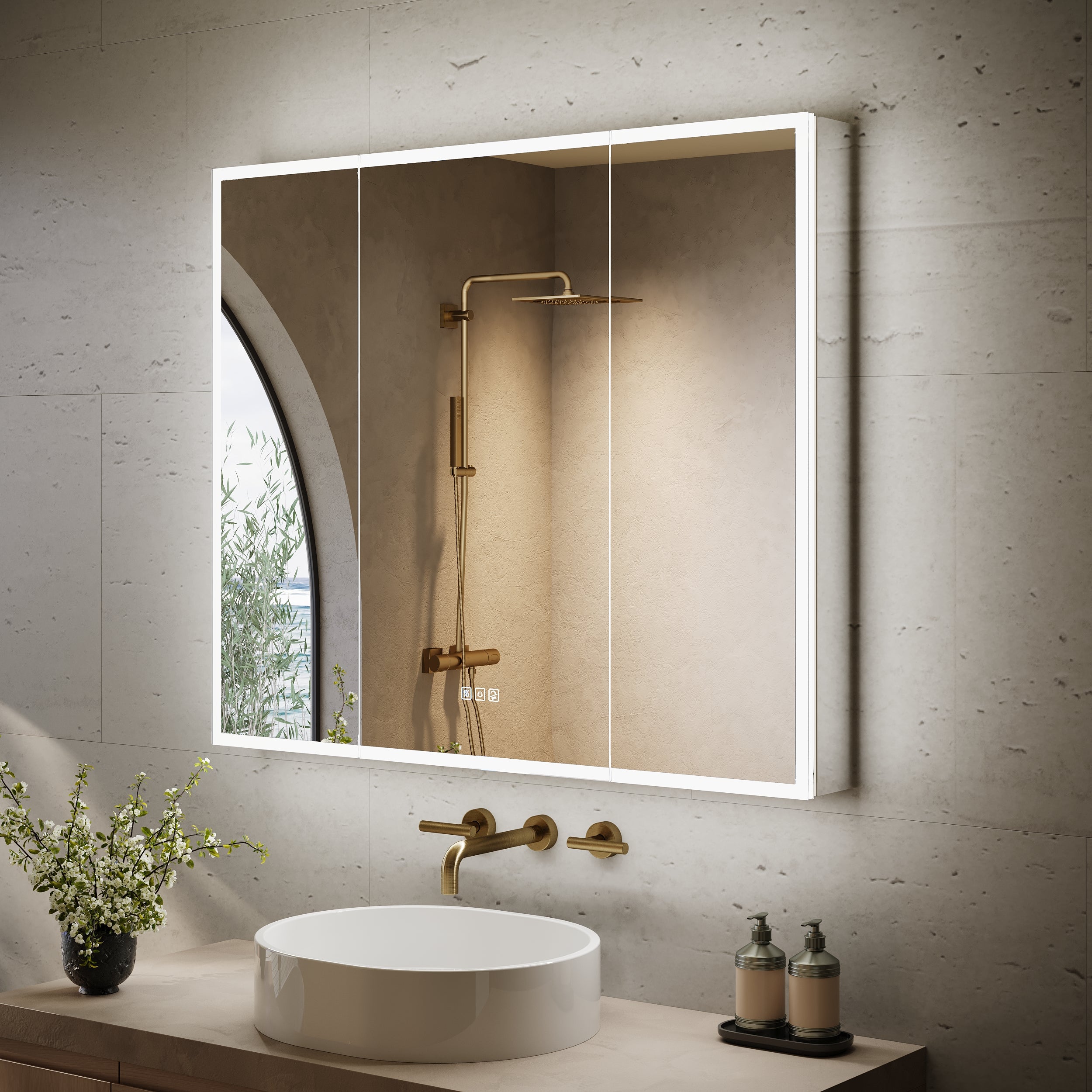
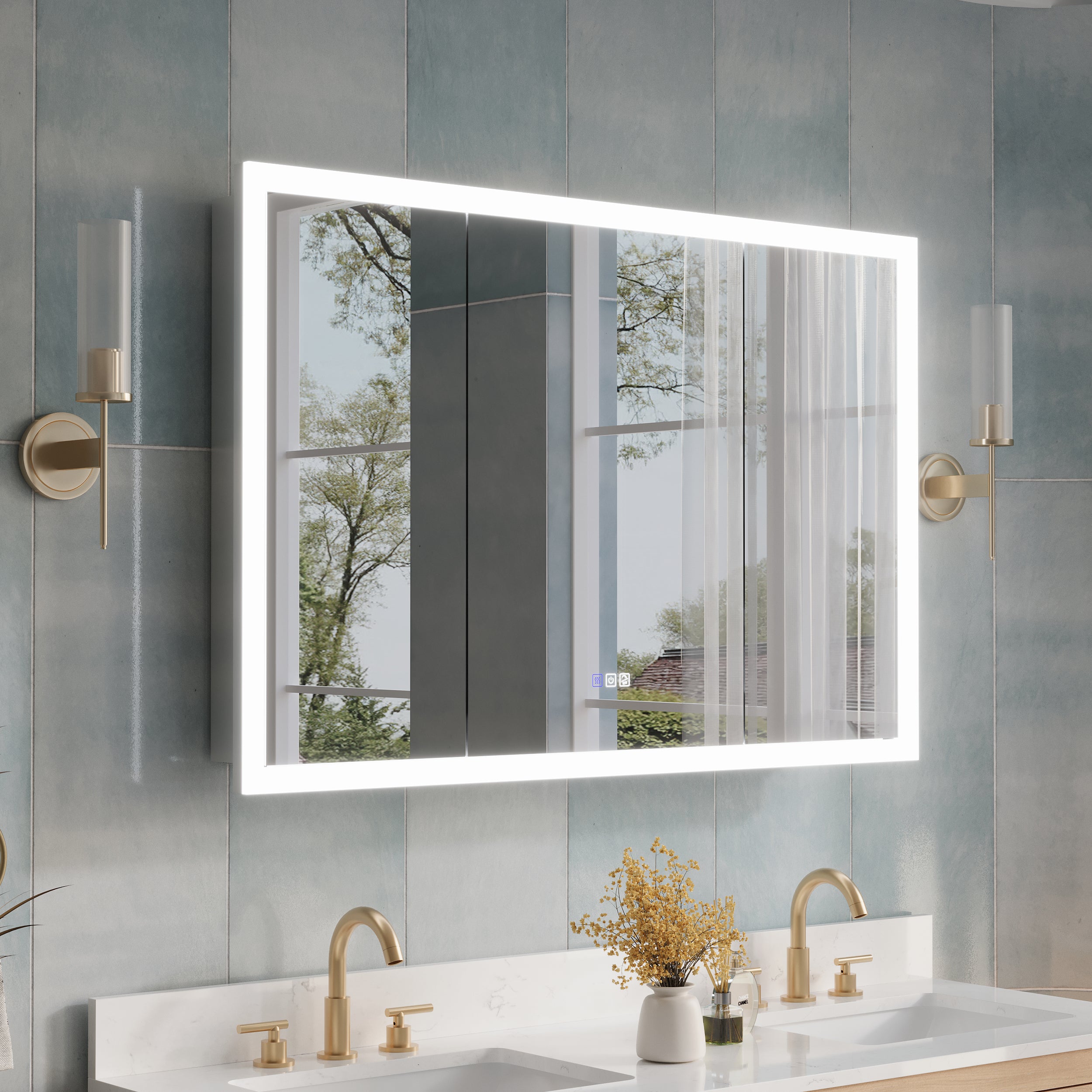
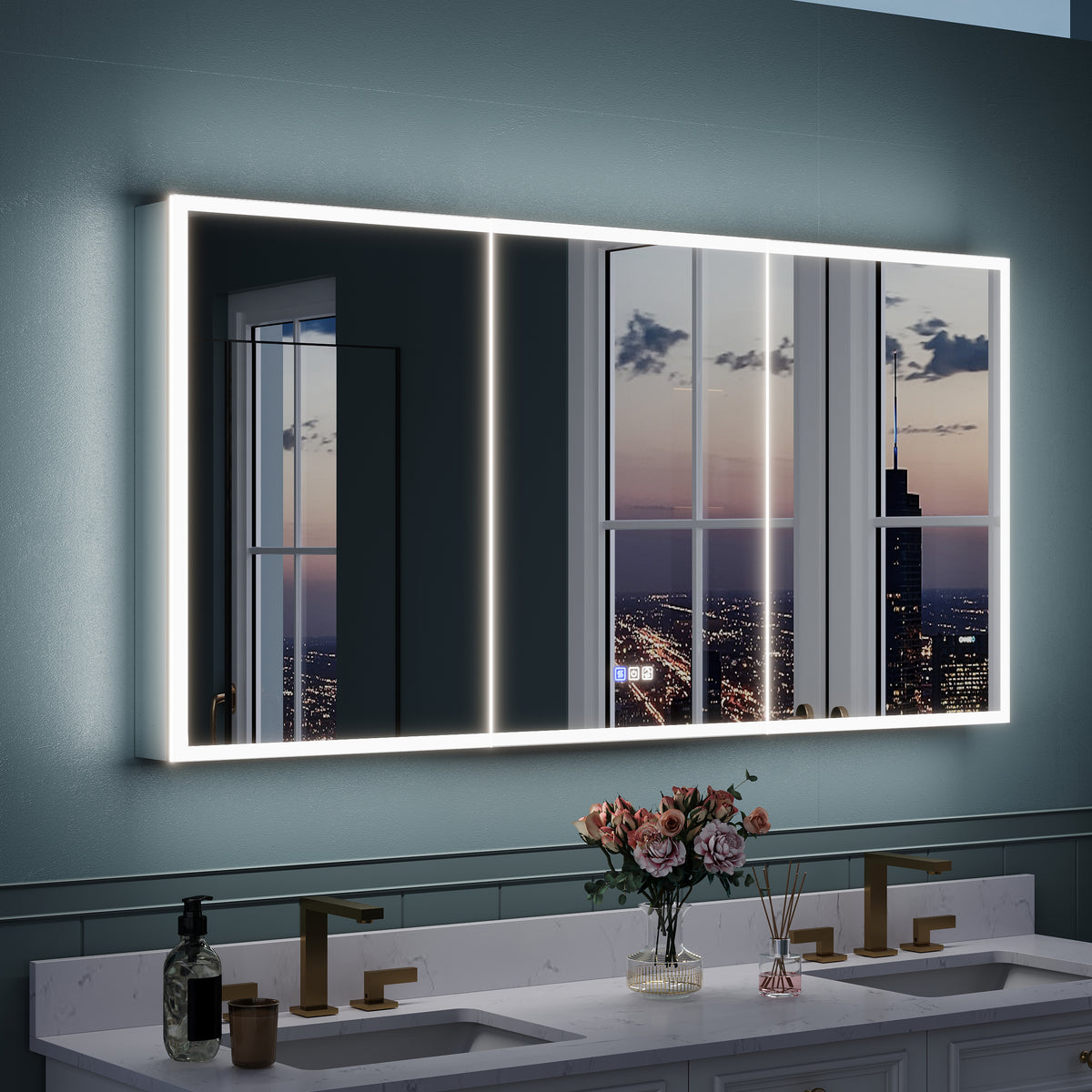
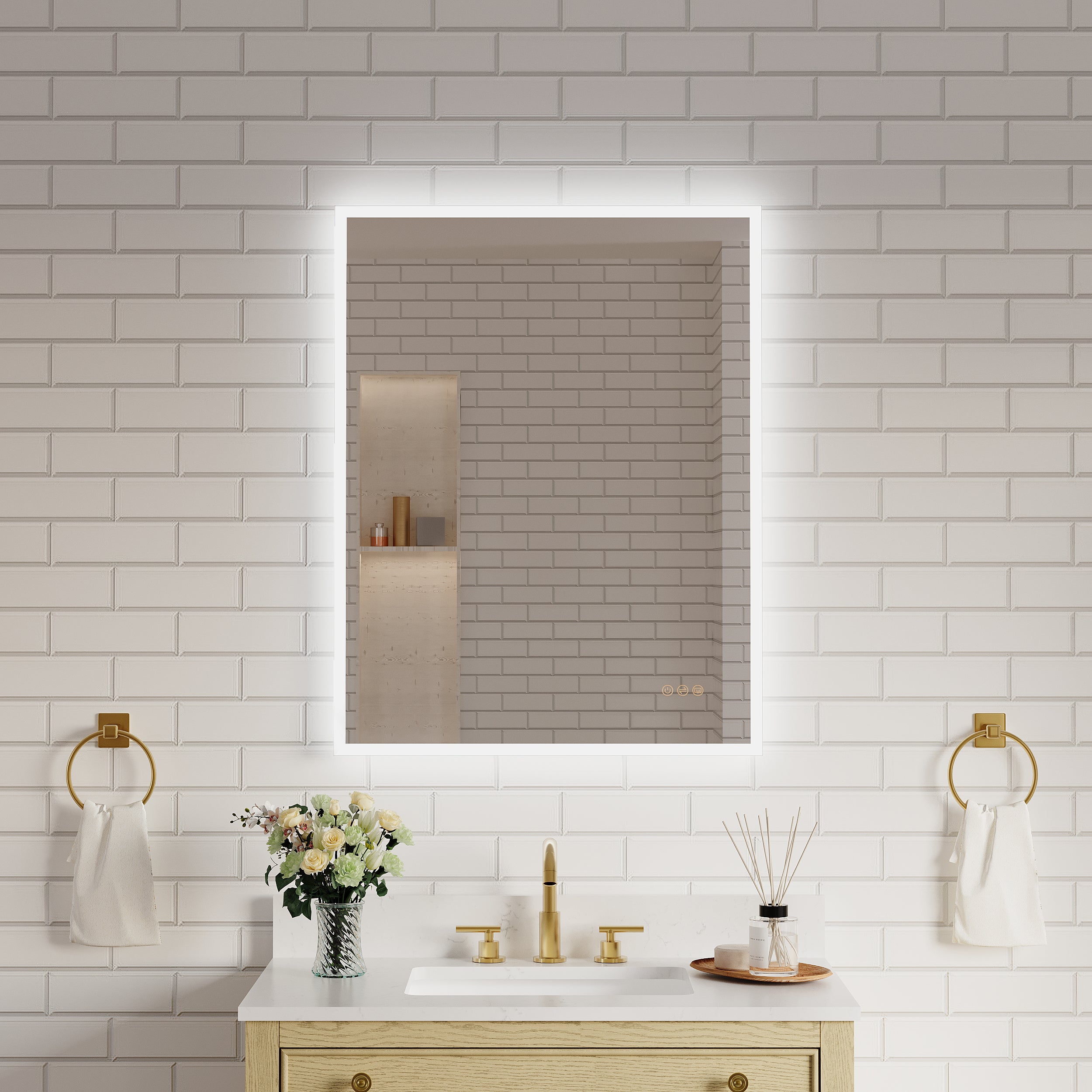
Illuminated mirrors held 48.52 percent of the North American illuminated bathroom mirror market in 2025, according to industry tracking. That makes LED the default choice for new builds and renovations chasing energy savings and tunable color.
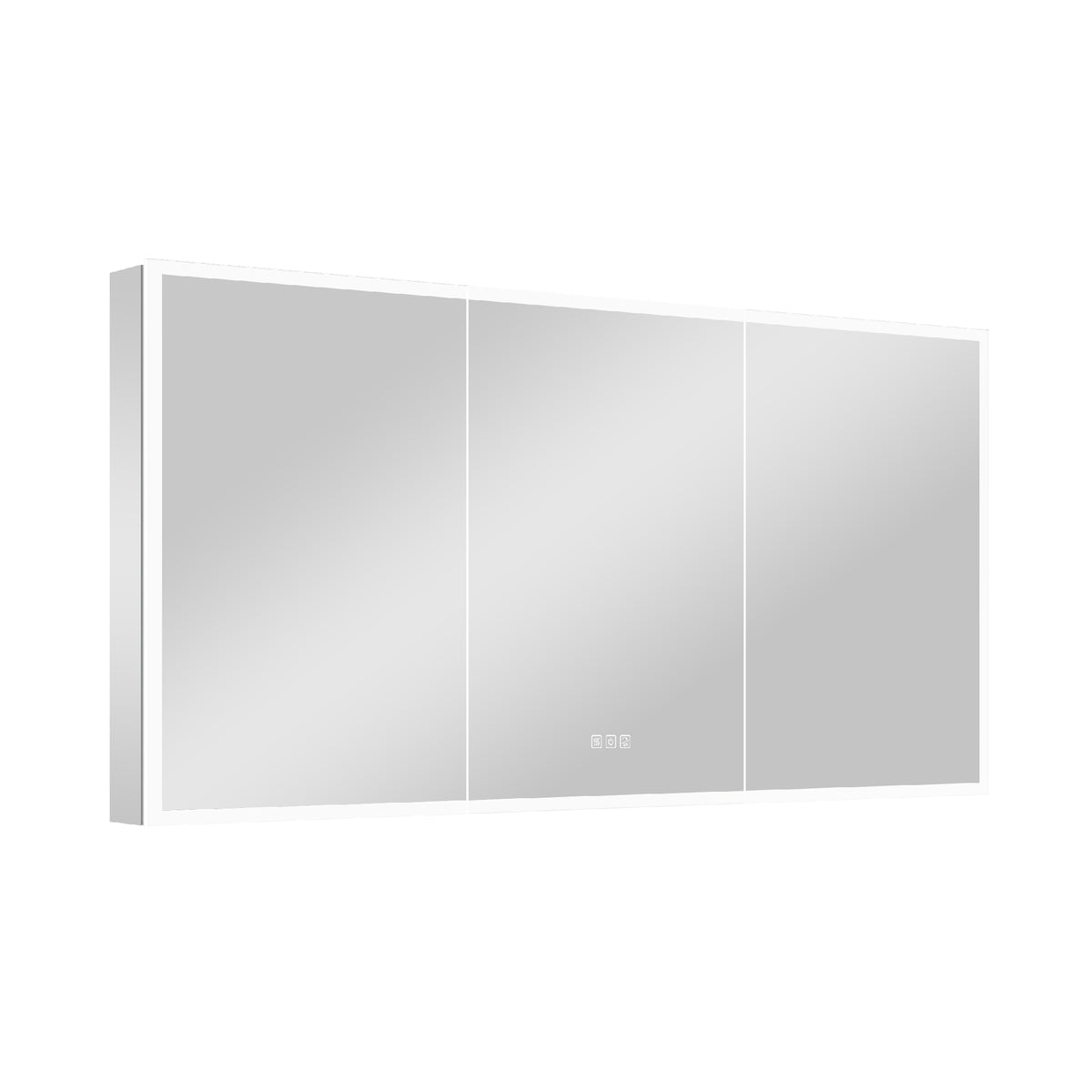
The practical argument is simple. Integrated lighting at 4000K to 5500K gives even, shadow-free light for grooming. Defoggers solve a real daily frustration. Robern’s Instinct line now supports on-mirror color temperature control from 2700K to 5600K, and IKEA’s FAXÄLVEN series has pushed smart pairing into mid-market price points.
But the designer survey’s skepticism toward high-tech backlit mirrors is a useful counterweight. My take: a lighted mirror earns its place when the lighting is genuinely good—high color rendering, low flicker, UL or ETL listed—and loses its appeal when it’s a thin glow ring bolted to glass as a gimmick. If the bathroom already has excellent layered lighting, a beautiful unlit mirror may serve the room better than a mediocre illuminated one.

4. Price and Weight Are Quiet Dealbreakers
Input costs have reshaped the mirror aisle. Flat glass manufacturing prices rose 6.5 percent year-over-year in February 2026. Aluminum mill shapes jumped 33 percent. Copper climbed 15.7 percent. Those numbers filter down to retail tags, and they explain why a well-made large mirror isn’t a casual purchase.
A 24-by-36-inch framed mirror is manageable for most DIYers. A 60-inch-wide mirror weighing 40 pounds or more demands wall anchoring rated for the load, and often a second set of hands. Measure the wall cavity. Confirm stud placement or use appropriate plasterboard anchors. Don’t assume the hardware in the box is adequate for anything beyond the smallest sizes. A mirror that falls isn’t a style problem. It’s a safety problem.
5. Match the Mirror to the Routine, Then the Room
A powder room mirror gets judged on reflection and looks. A primary bath mirror gets judged at 6:45 a.m. with a razor or a mascara wand in hand. That distinction matters more than any single trend.
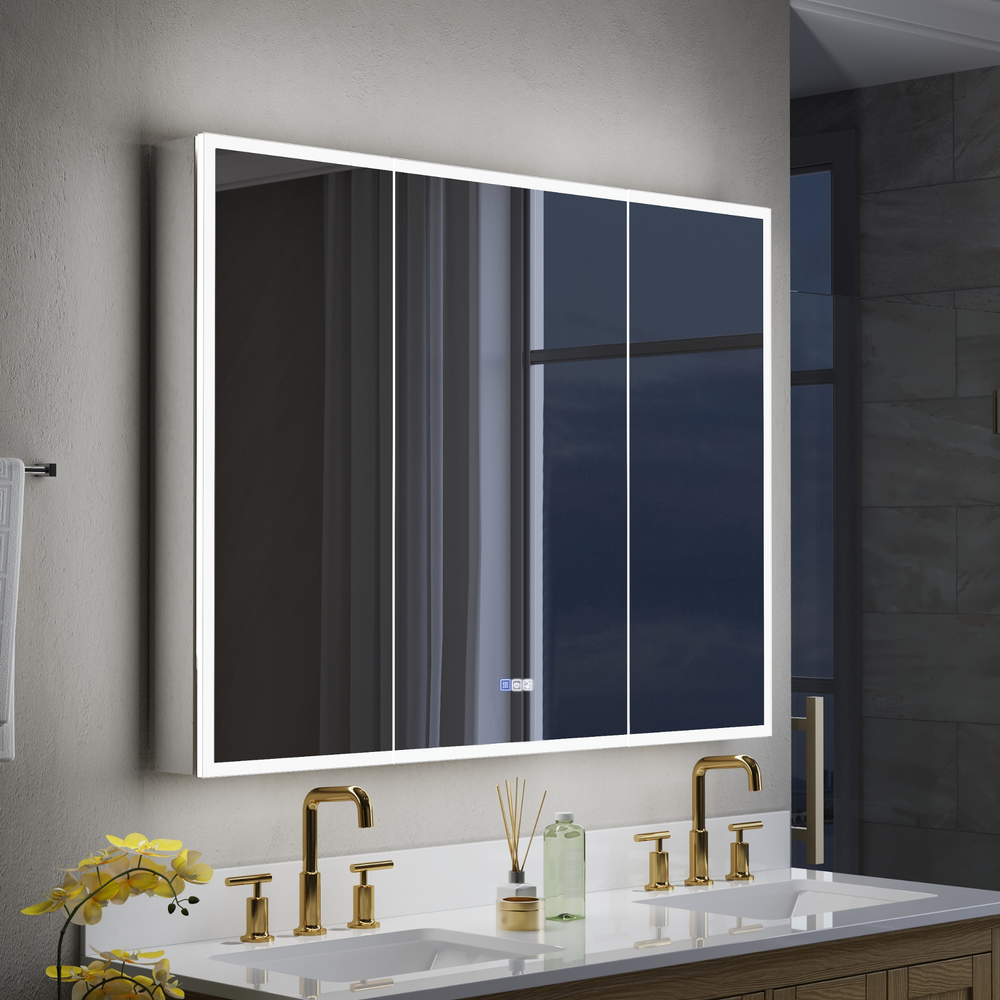
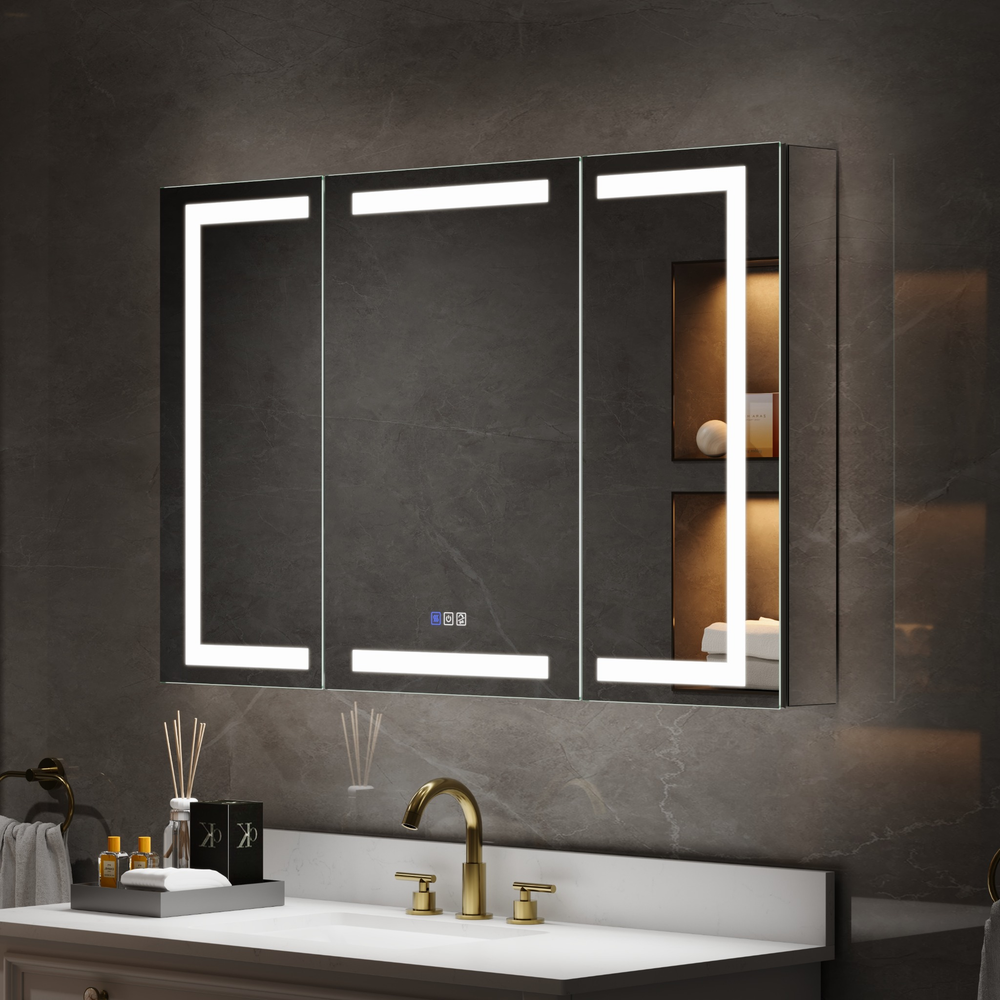
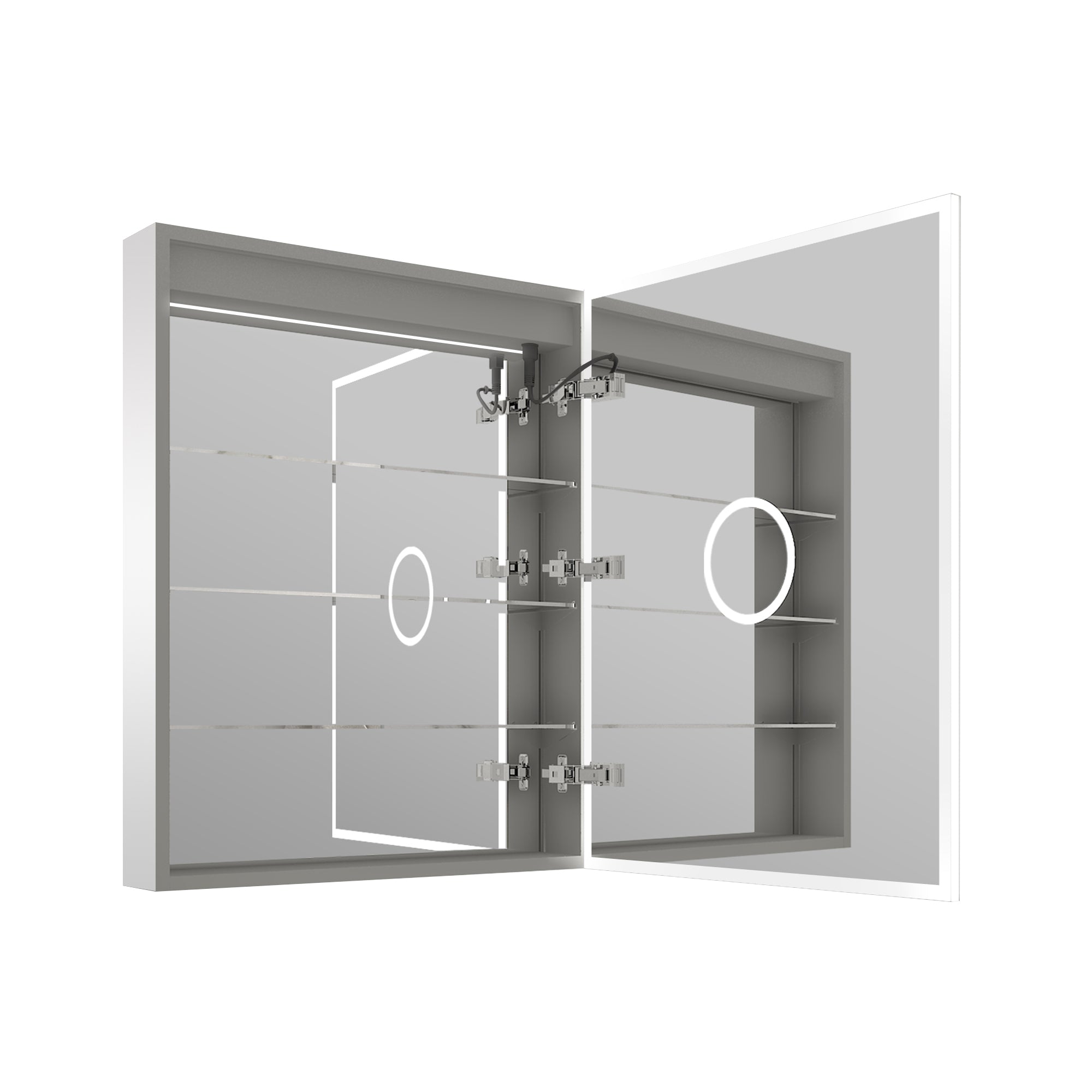
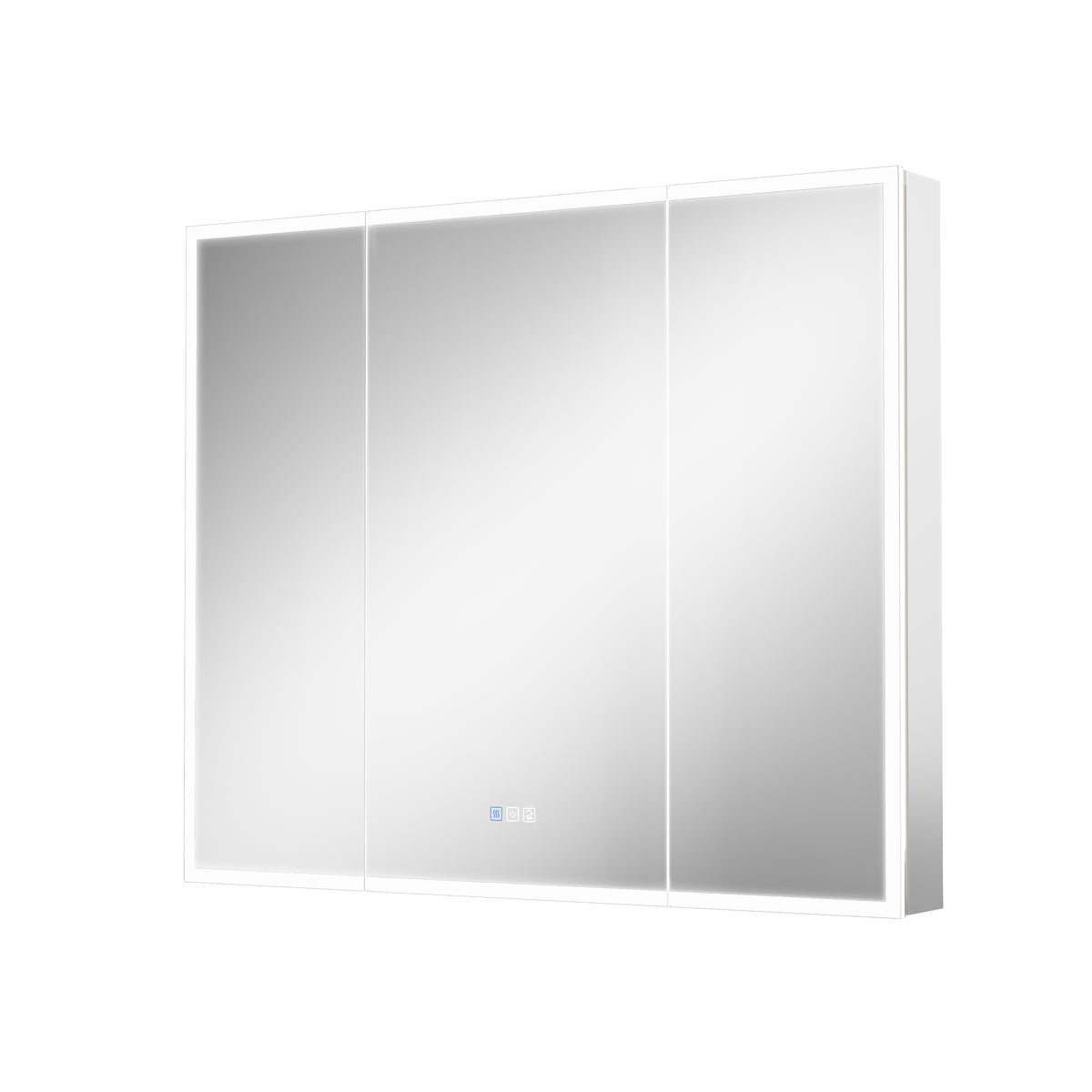
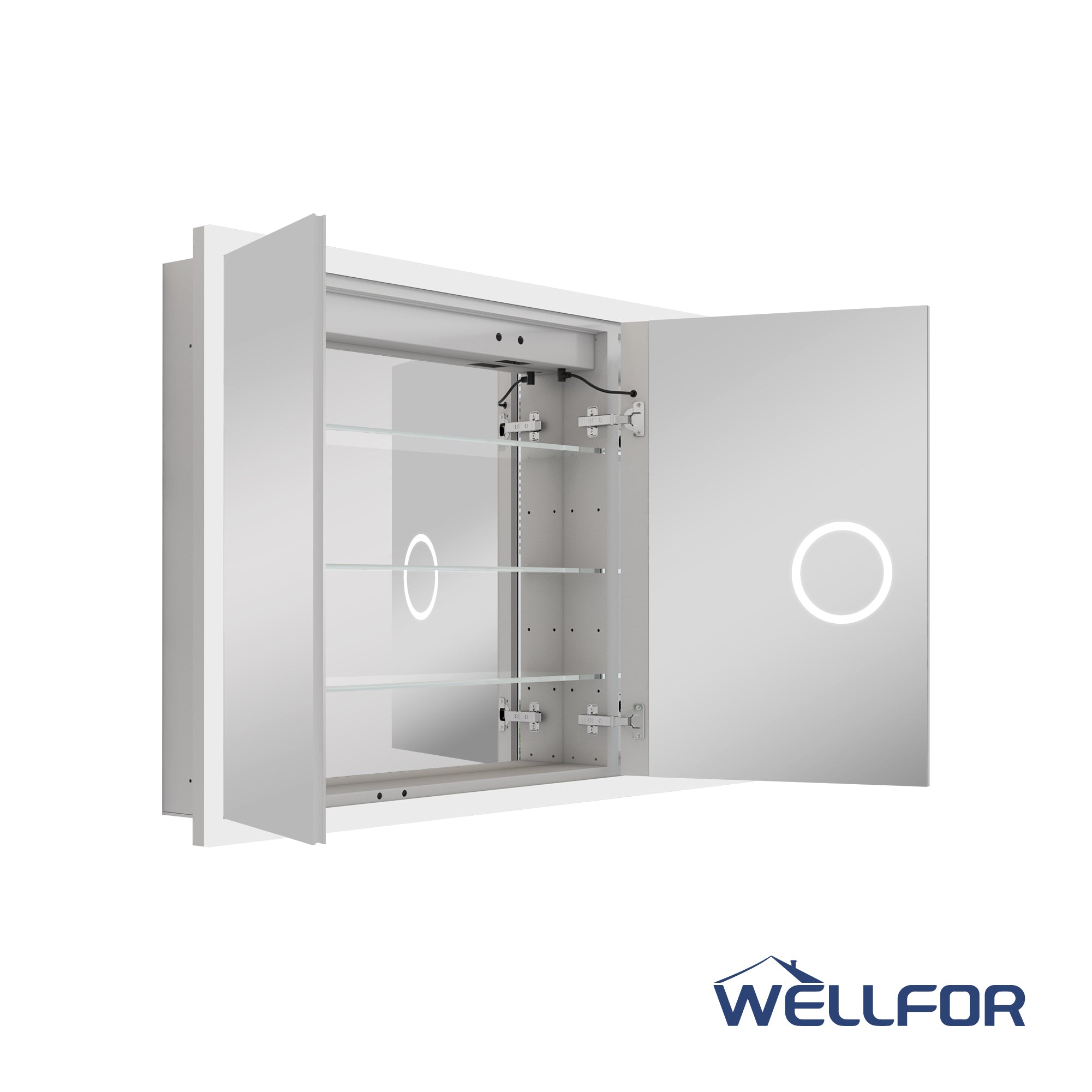
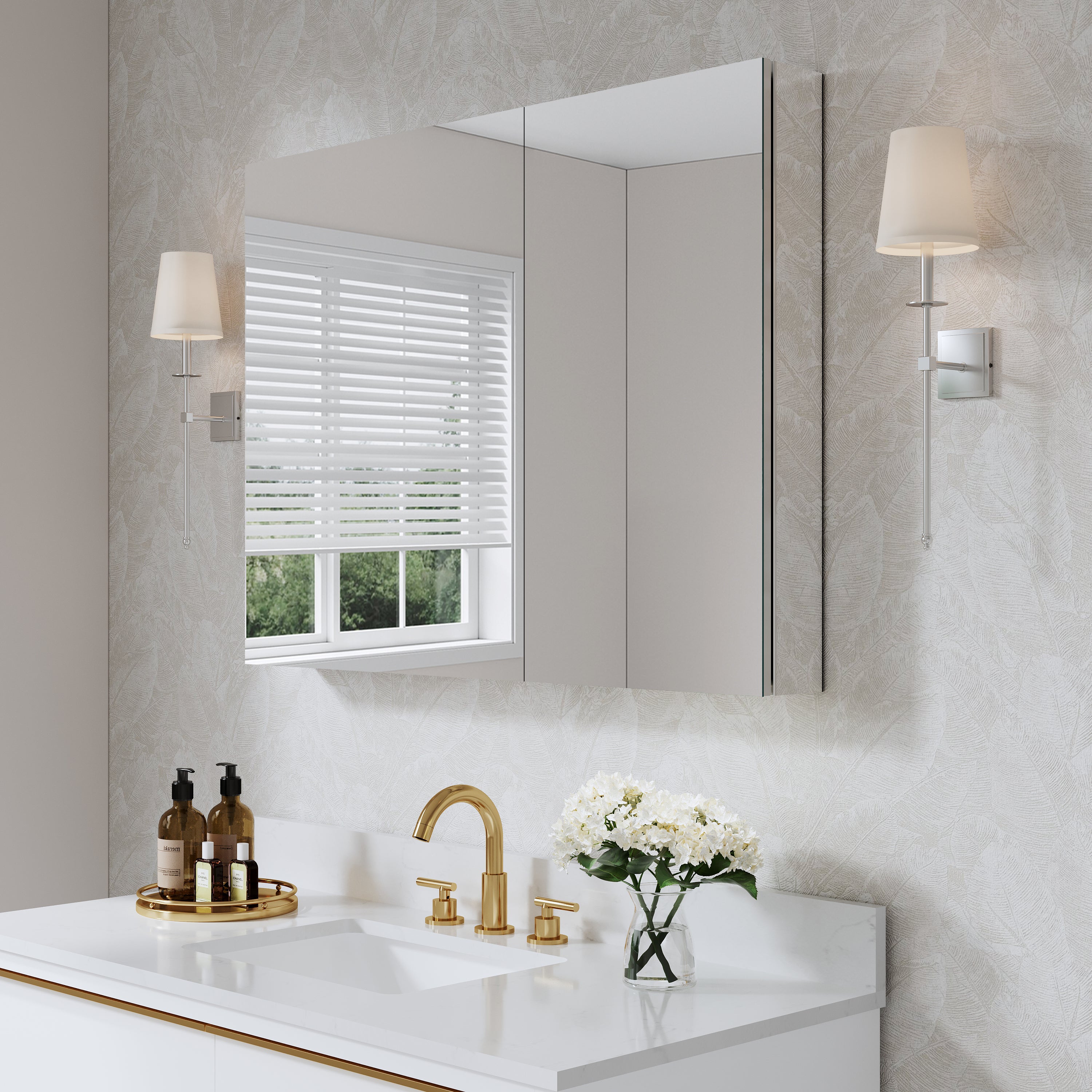
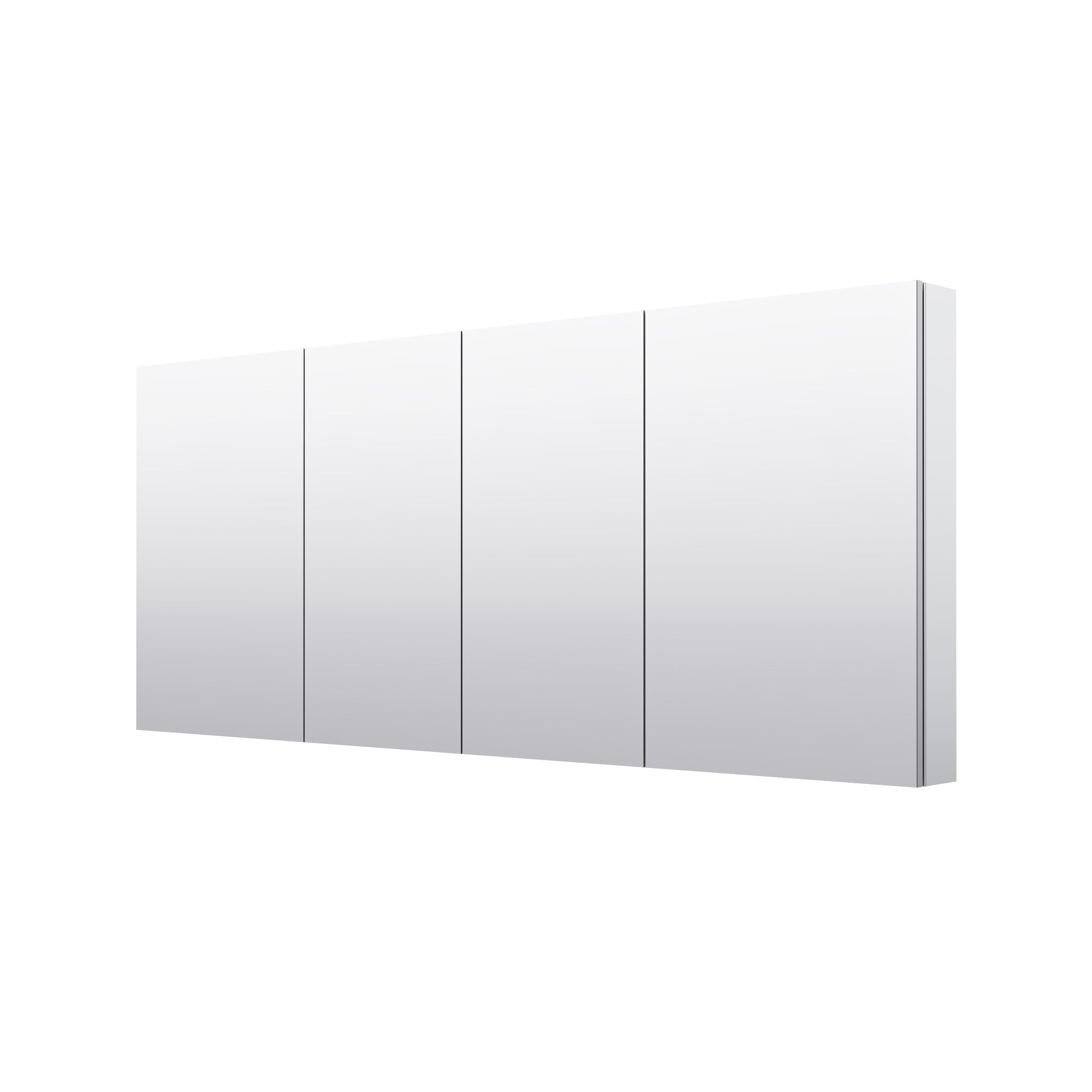
If someone in the house applies makeup daily, a mirror with high color rendering and even frontal light is worth prioritizing over a sculptural frame with mediocre light. If storage is the chronic complaint, a mirrored medicine cabinet with interior lighting and adjustable shelves quietly beats a prettier flat mirror every day of the week.
The best bathroom mirrors are the ones that disappear into the routine while elevating the room. Style gets the first glance. Proportion, light quality, and installation integrity get the years of satisfaction that follow.
6. Conclusion
Choosing the best bathroom mirror comes down to finding the right balance between appearance, proportions, and everyday function.
Before making a decision, consider your vanity dimensions, existing finishes, lighting conditions, and daily habits.
A good bathroom mirror should do more than fill an empty wall. It should bring the room together, make everyday routines more comfortable, and remain a natural part of the bathroom long after the latest design trends have passed.













Leave a comment
This site is protected by hCaptcha and the hCaptcha Privacy Policy and Terms of Service apply.