
















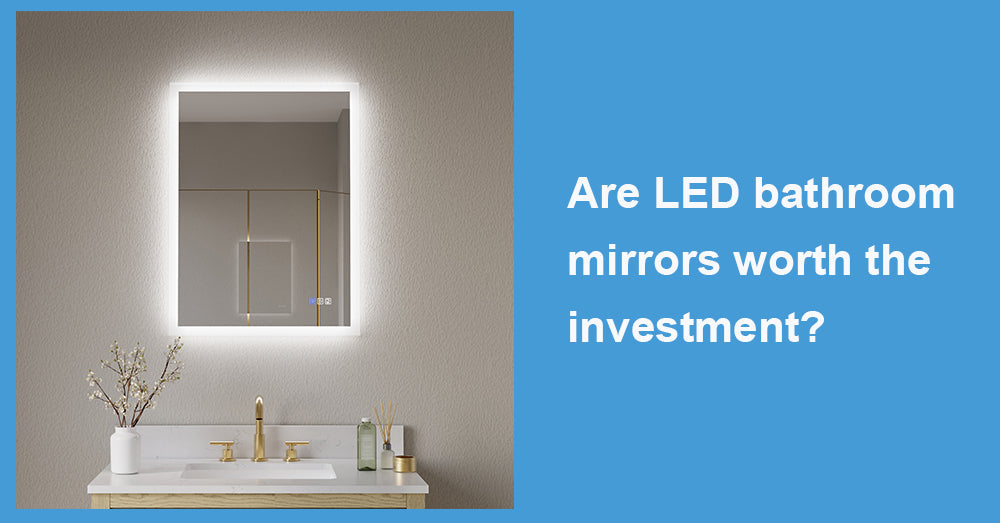
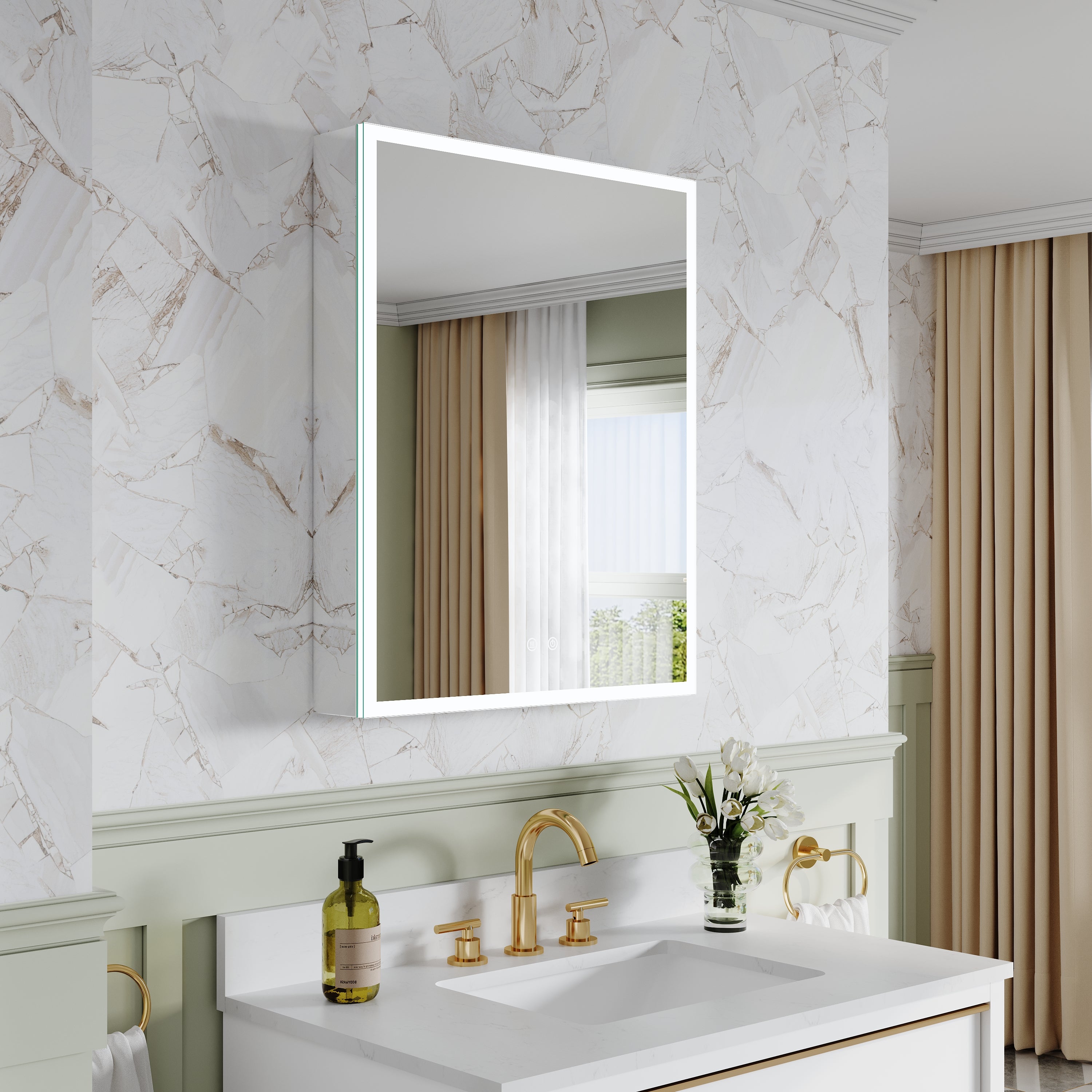
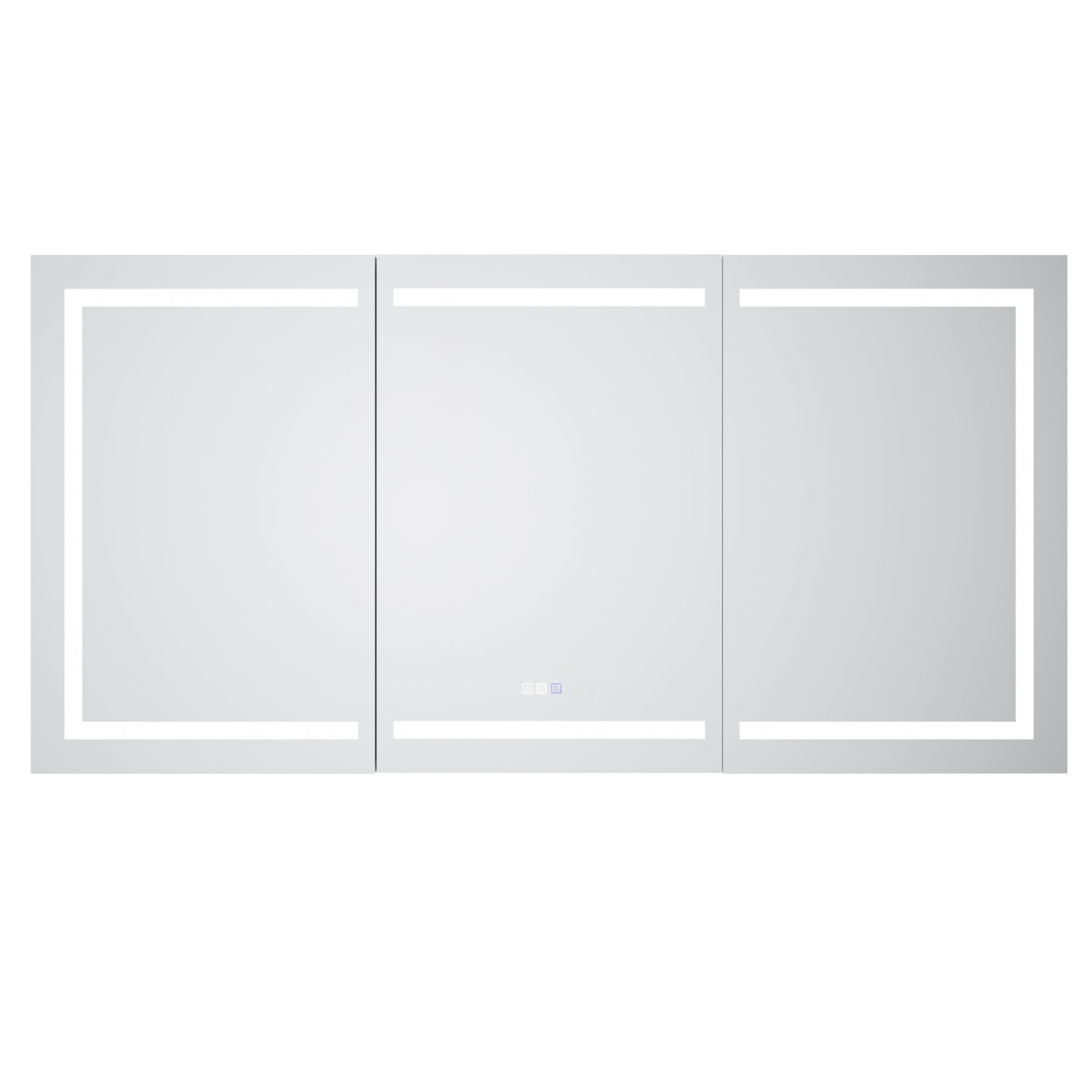
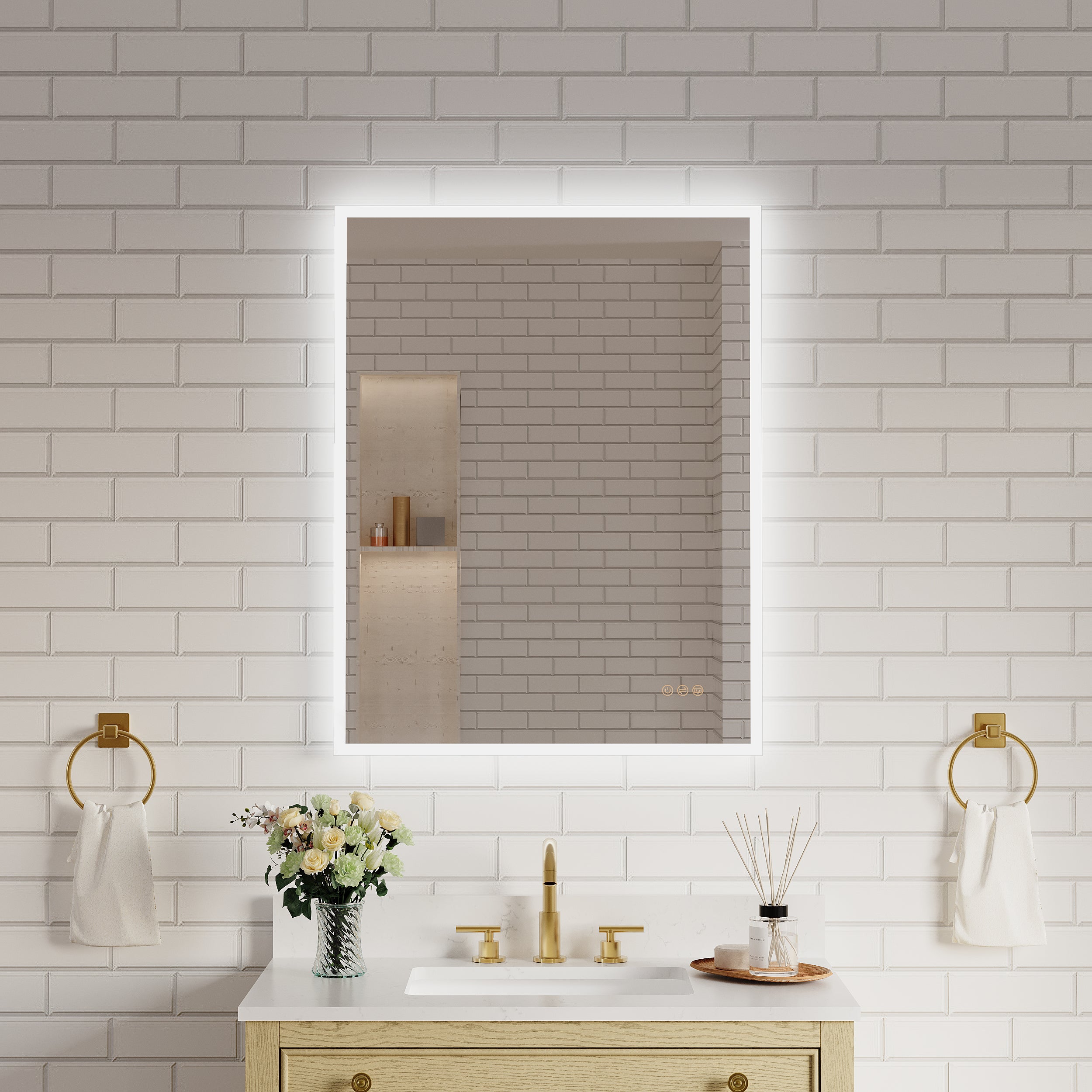
In recent years, LED bathroom mirror have become one of the most frequently mentioned items in bathroom upgrade trends. Compared to traditional mirrors, this type of product integrates lighting, defogging, dimming, and touch functions, and the price range is significantly widened. From an industry perspective, whether it is worth investing in is not just an aesthetic issue but a comprehensive judgment involving lighting quality, energy efficiency, space utilization, and long-term maintenance costs. Multiple residential renovations and indoor lighting surveys have shown that improving mirror lighting quality often has a more direct impact on daily user experience than replacing the leading light.
1. The quality of the illumination in front of the mirror is more important than the brightness itself
In most residential bathrooms, mirrors are typically 24 to 48 inches wide and 28 to 36 inches high. Traditional ceiling lights or tube lights usually come from above, and when a person stands in front of a mirror, the light can easily cast shadows on the nose bridge, eye sockets, and lower jaw. The lighting engineering data shows that to achieve uniform illumination in the facial area, at least 300-500 lux of illumination is required in front of the mirror, and the light should be projected from the front or side.
The most significant value of LED mirrors lies in this: the light source is highly aligned with the line of sight, reducing shadows and glare. Multiple lighting experience studies have found that when the uniformity of light in front of the mirror is increased to 0.6 or higher, operational errors in makeup, shaving, and skincare significantly decrease, especially in low-natural-light environments in the morning and evening.
2. Color temperature and color rendering directly affect the authenticity of what one sees as oneself
Traditional bathroom lighting often uses fixed-color-temperature bulbs, while LED mirrors generally support adjustment in the 3000K-6000K range. Industry testing shows that:
3000K-3500K is more suitable for relaxation and nighttime use, with a softer skin tone.
4000K-4500K is closer to neutral sunlight and suitable for skincare and daily grooming.
5000K-6000K is more conducive to fine makeup and shaving.
In addition to color temperature, the Color Rendering Index (CRI) has a greater impact on the user experience. The lighting industry generally considers a CRI ≥ 80 required to meet basic restoration requirements, while high-quality LED mirrors often have a CRI above 90. Industry comparative experiments have shown that under a CRI 90 environment, skin color deviation can be reduced by about 30% compared to a CRI 80 environment, which is also why high-end mirror lighting is more readily adopted in professional makeup rooms.
3. Energy consumption and lifespan: long-term costs are often underestimated
From an energy-efficiency perspective, the power of LED mirrors is mainly concentrated in the 20W-40W range. Compared with traditional mirror headlights, overall power consumption is usually reduced by 40%-60% under the same illumination conditions. More importantly, the lifecycle:
The rated lifespan of conventional LED light sources is mostly between 30000 and 50000 hours.
Calculated based on 1-2 hours of daily use, it can be used stably for more than 20 years.
Industry maintenance records show that a significant portion of the cost of replacing bathroom lighting fixtures comes from labor and disassembly, rather than the fixtures themselves. Integrating the lighting system with the mirror reduces the likelihood of multiple lamp replacements and line changes in the future, particularly in high-end residential and apartment projects.
4. The value of defogging and integrated functions for high-humidity environments far exceeds imagination
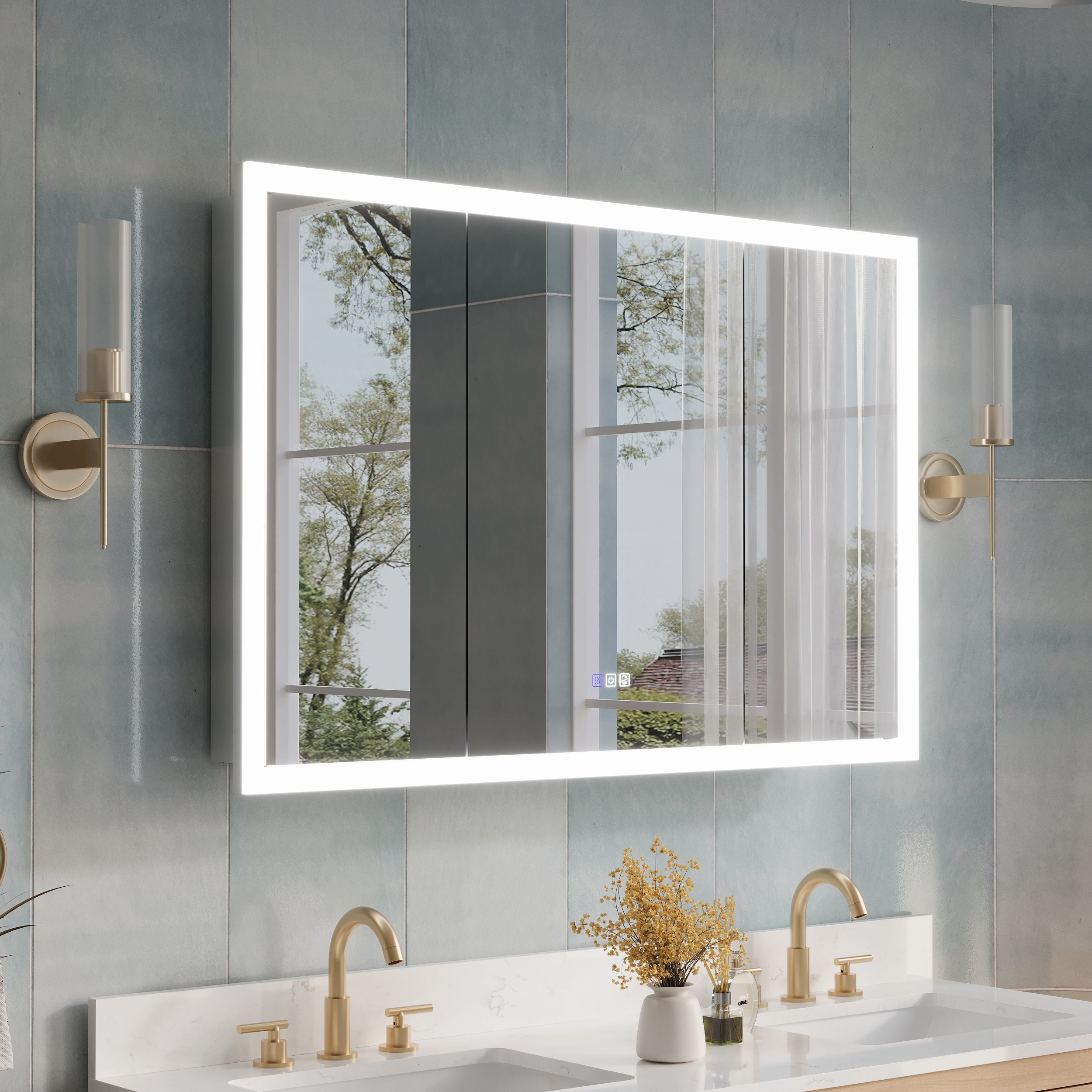
In high-humidity bathroom environments, the fogging time of ordinary mirrors is often completed within 3-5 minutes. LED mirrors are usually equipped with independent defogging films with a power range of 15W-30W, which can restore clarity in 1-2 minutes. Industry research shows that in bathrooms equipped with defogging function, the average waiting time in front of the mirror is reduced by more than 70%.
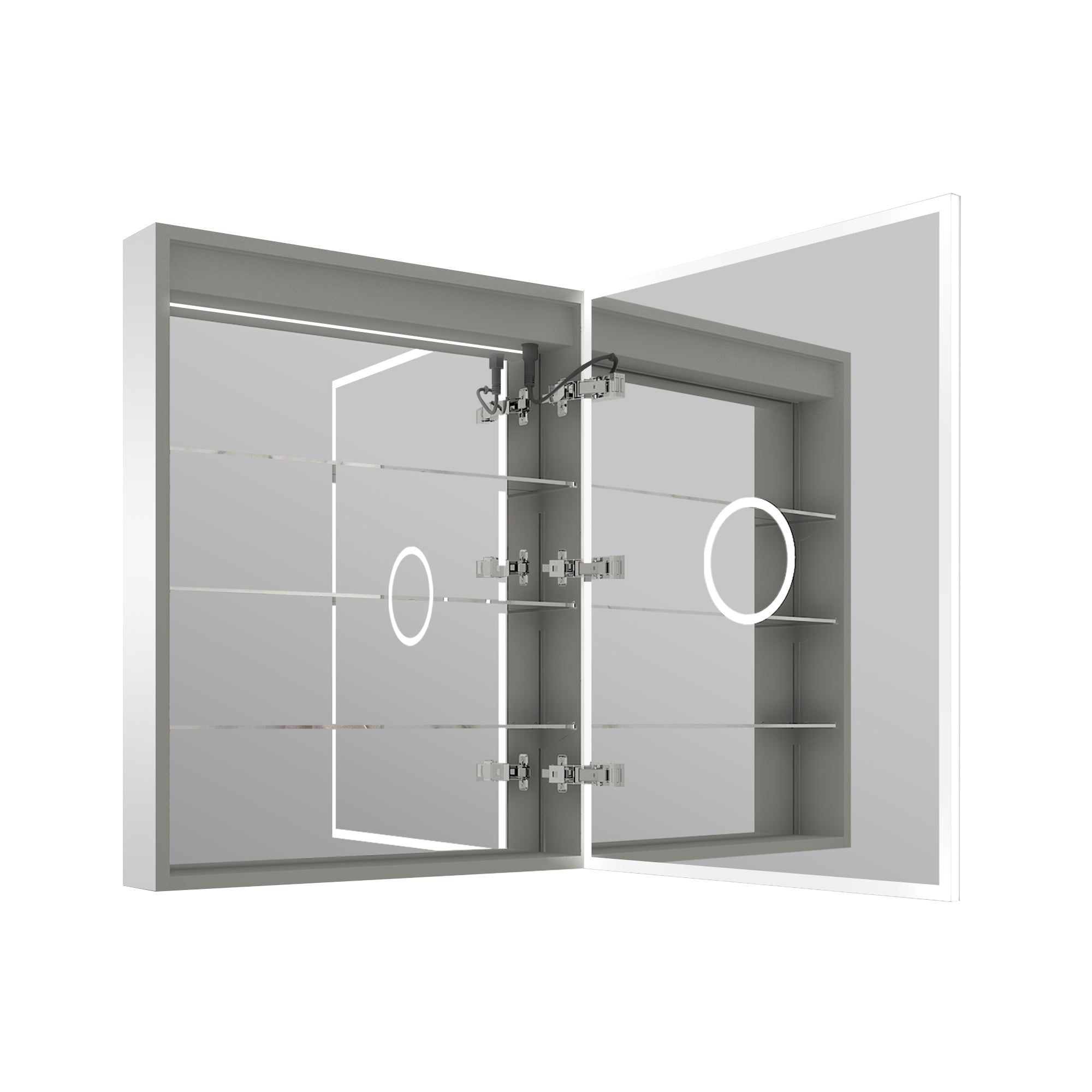
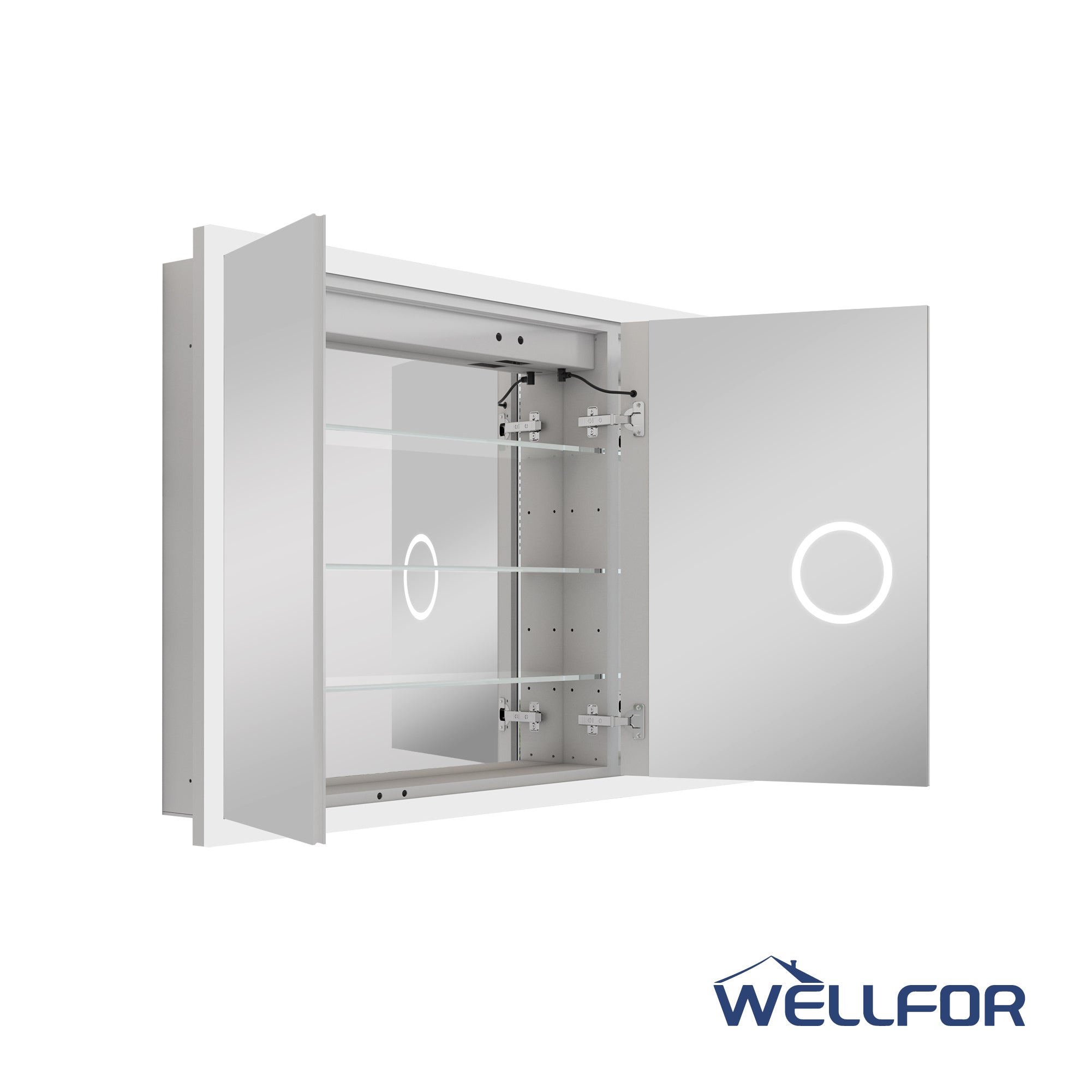
In addition, the integrated socket, USB interface, and memory dimming function, although seemingly an "additional item", have a much higher usage rate of touch switches and brightness memory in daily frequency statistics than initially expected. These types of detailed features are an essential source of repurchase rate and satisfaction for high-end projects.
5. The implicit improvement of spatial value and decoration return rate
In the indoor renovation evaluation model, the bathroom is one of the spaces with the highest value weight per unit area. According to statistics on the return on investment for multiple residential renovations, upgrading mirror cabinets and mirrors is often more cost-effective than replacing floor tiles or partial walls. The reason is that:
The mirror is the visual focal point.
Directly affecting the user experience.
The cost of renovation is relatively controllable.
In model rooms with illuminated mirror configurations, the "brightness score" and "cleanliness score" of the space are usually 15%-25% higher than in traditional mirror schemes. These differences are often directly reflected in the display effects of houses and the premiums in later transactions.
6. Not all LED mirrors are worth investing in: three indicators that truly widen the gap
Long-term industry testing has found that the long-term value of LED mirrors is not determined by appearance, but by the following three core parameters:
Light source layout method
The uniformity of front light emission and lateral fill light is significantly better than that of a single backlight structure, and the difference in shadow control ability can reach more than twice.
Power supply and drive quality
Low-quality drivers are more prone to flicker or lifespan degradation in high-humidity environments, directly affecting the stability of the entire mirror.
Waterproof grade and sealing structure
Mirrors with IP44 or higher have significantly lower failure rates in long-term humid environments.

7. Conclusion
Returning to the question itself: Are LED bathroom mirrors worth the investment?
From the comprehensive dimensions of lighting quality, energy consumption, lifespan, spatial value, and long-term maintenance costs, the return on investment of high-quality LED bathroom mirrors is often underestimated. It is not an upgrade for the sake of aesthetics, but a systematic optimization that simultaneously improves the lighting environment, usage efficiency, and spatial quality.
What is truly worth investing in are not "mirrors with or without lights", but products that have stood the test of time in terms of light source design, color rendering performance, structural sealing, and functional stability. When a mirror still provides stable, authentic, and comfortable light 10 years later, this investment often quietly recoups itself in daily use.












Leave a comment
This site is protected by hCaptcha and the hCaptcha Privacy Policy and Terms of Service apply.