














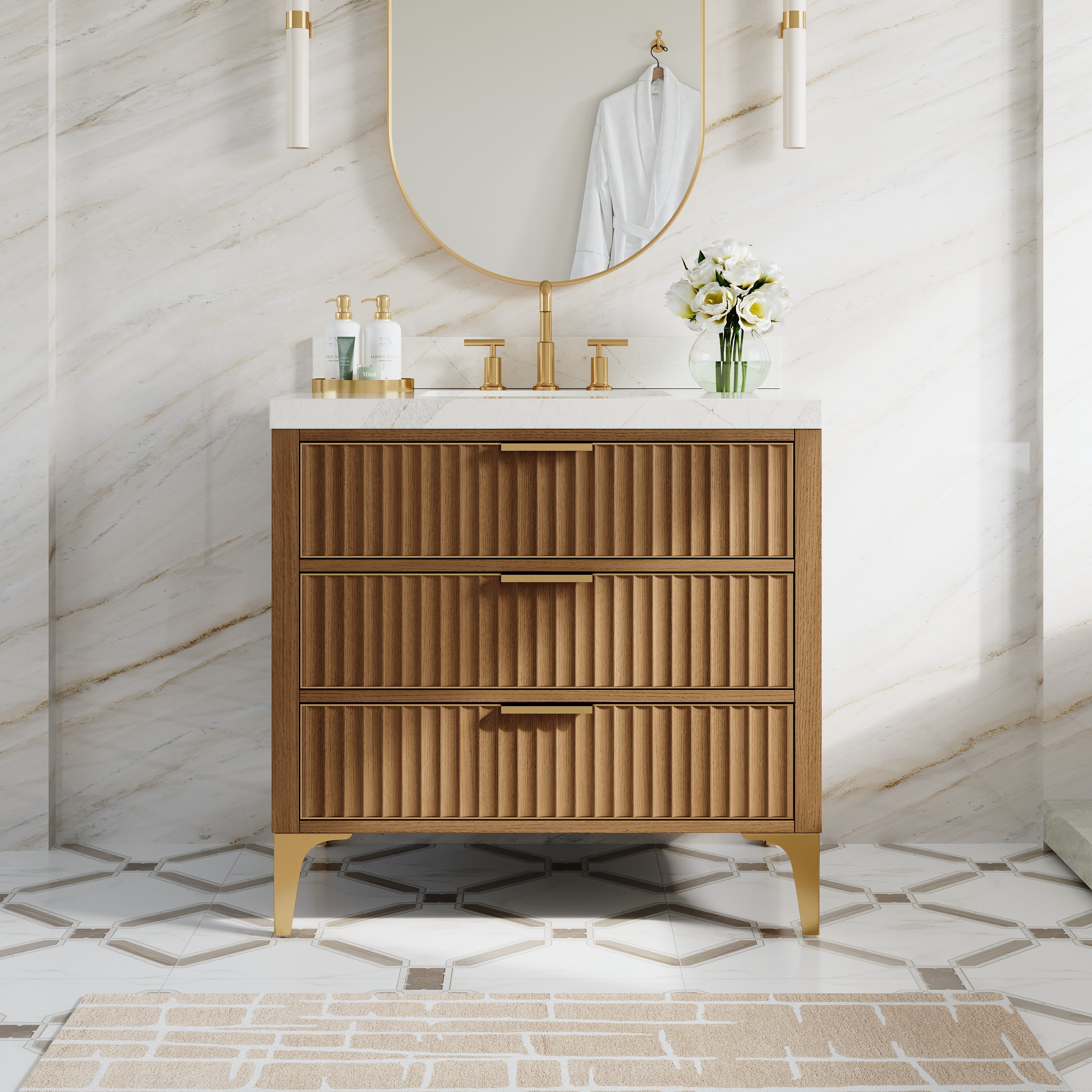
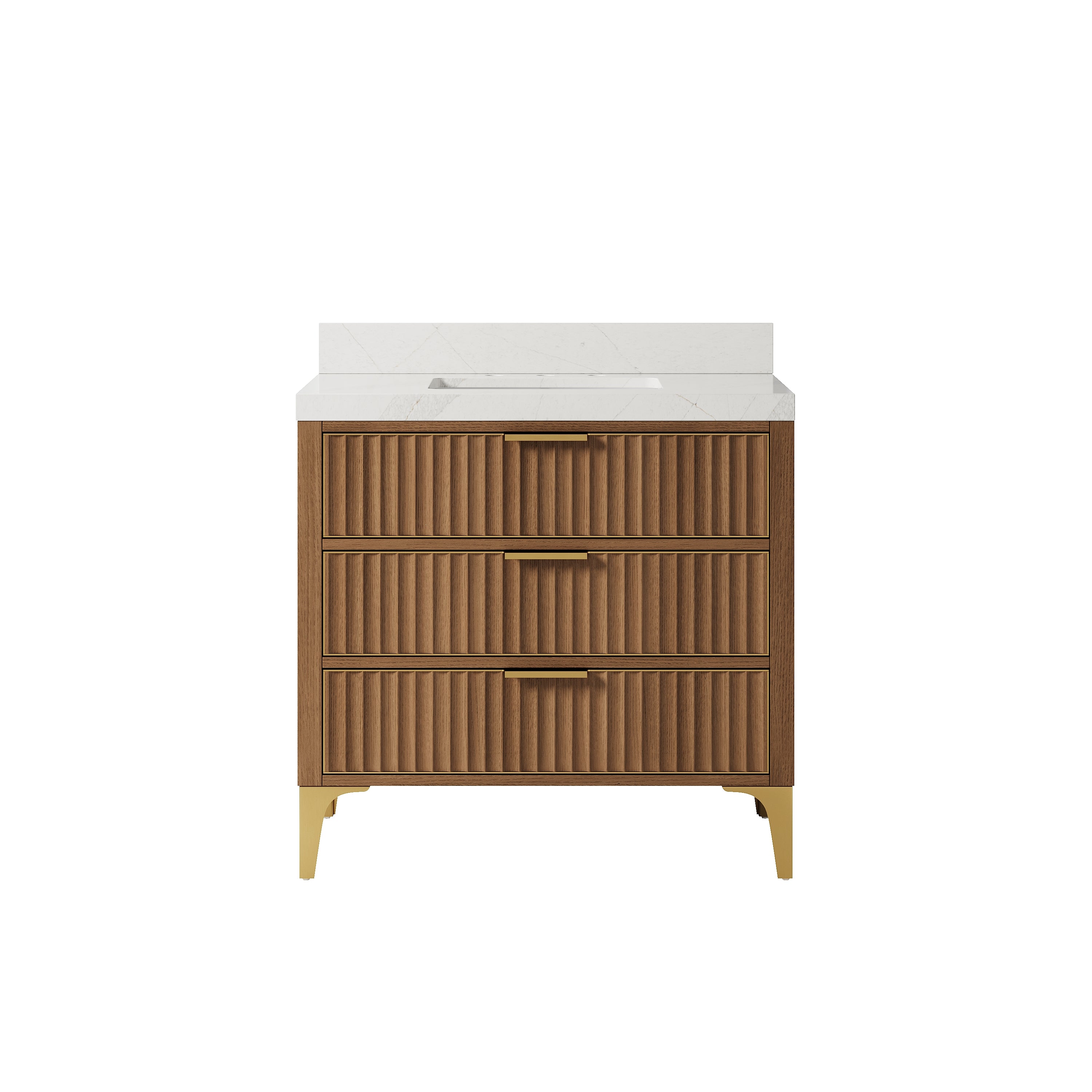
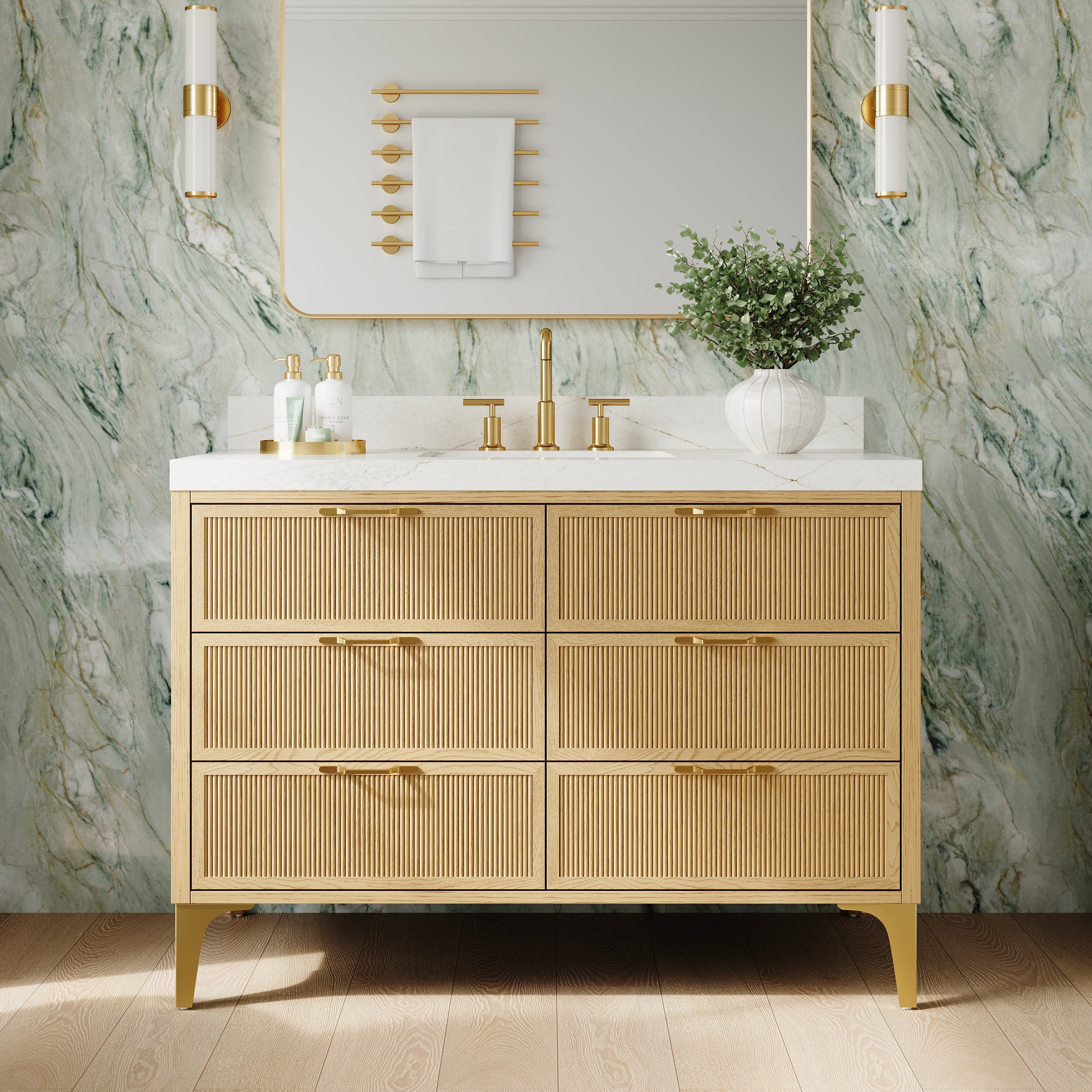
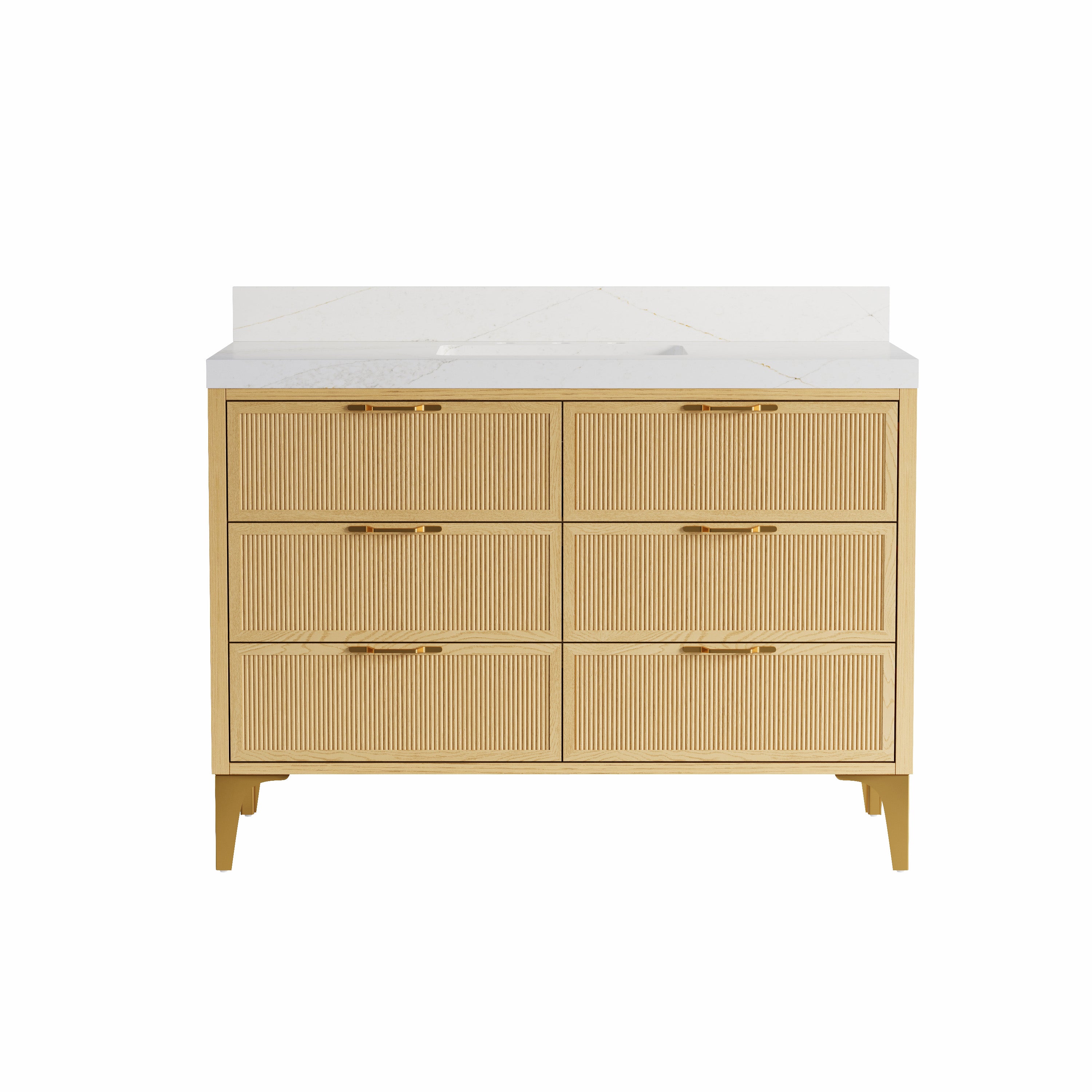


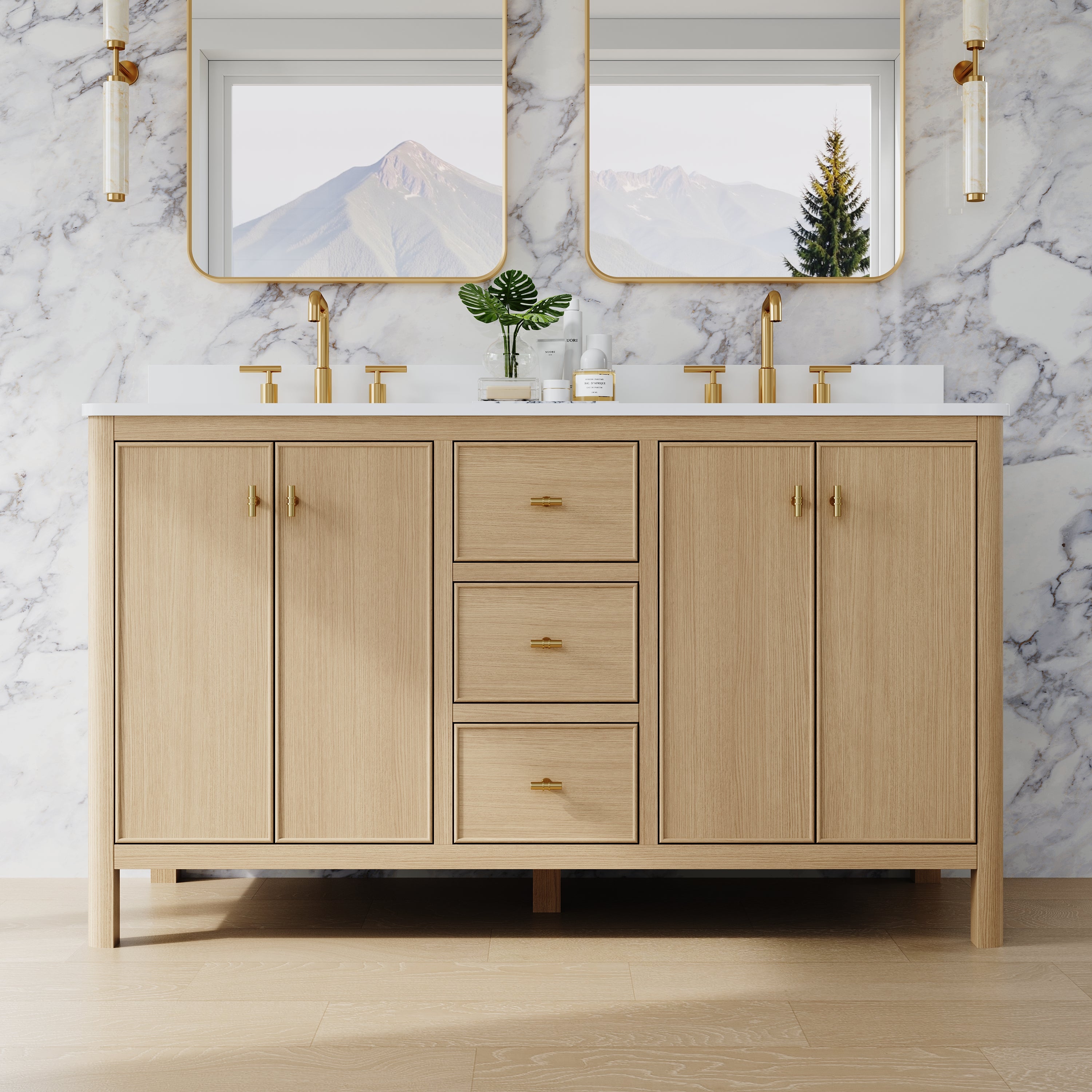
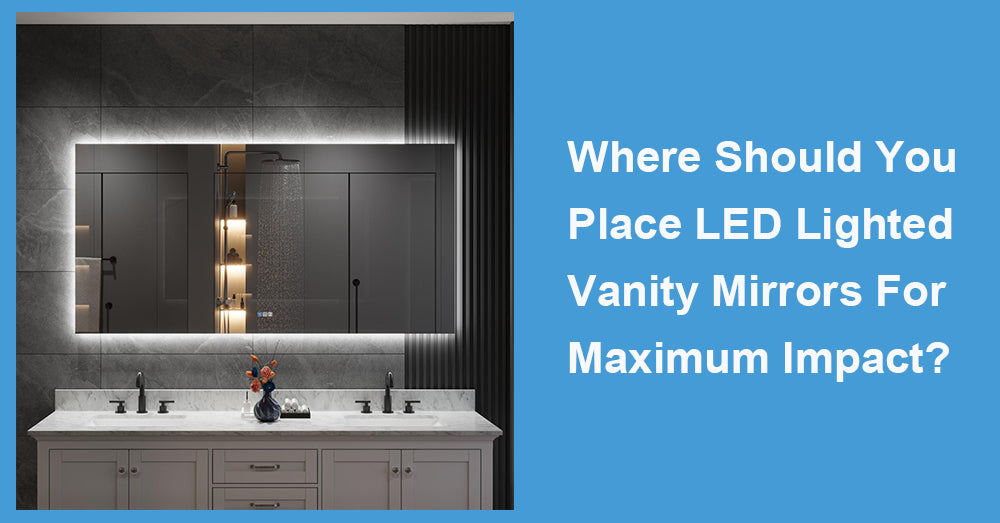
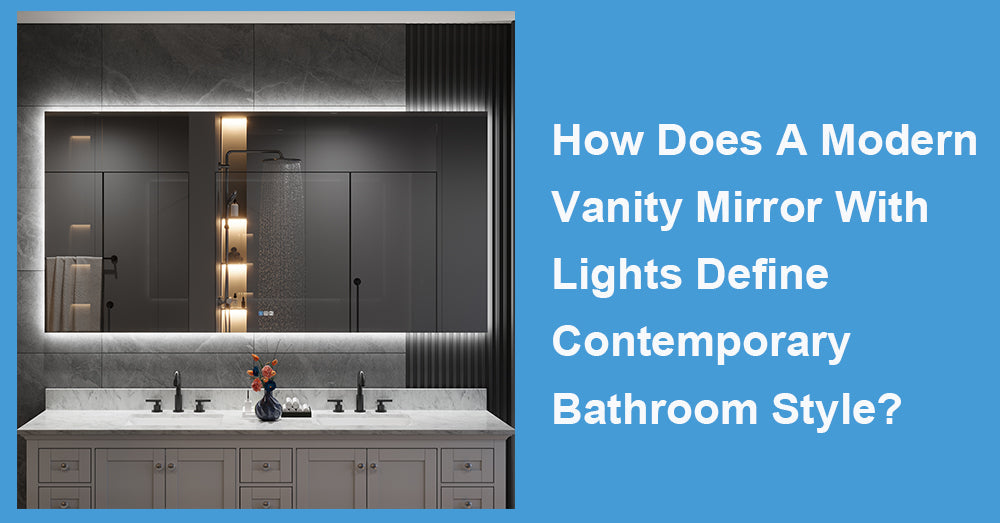
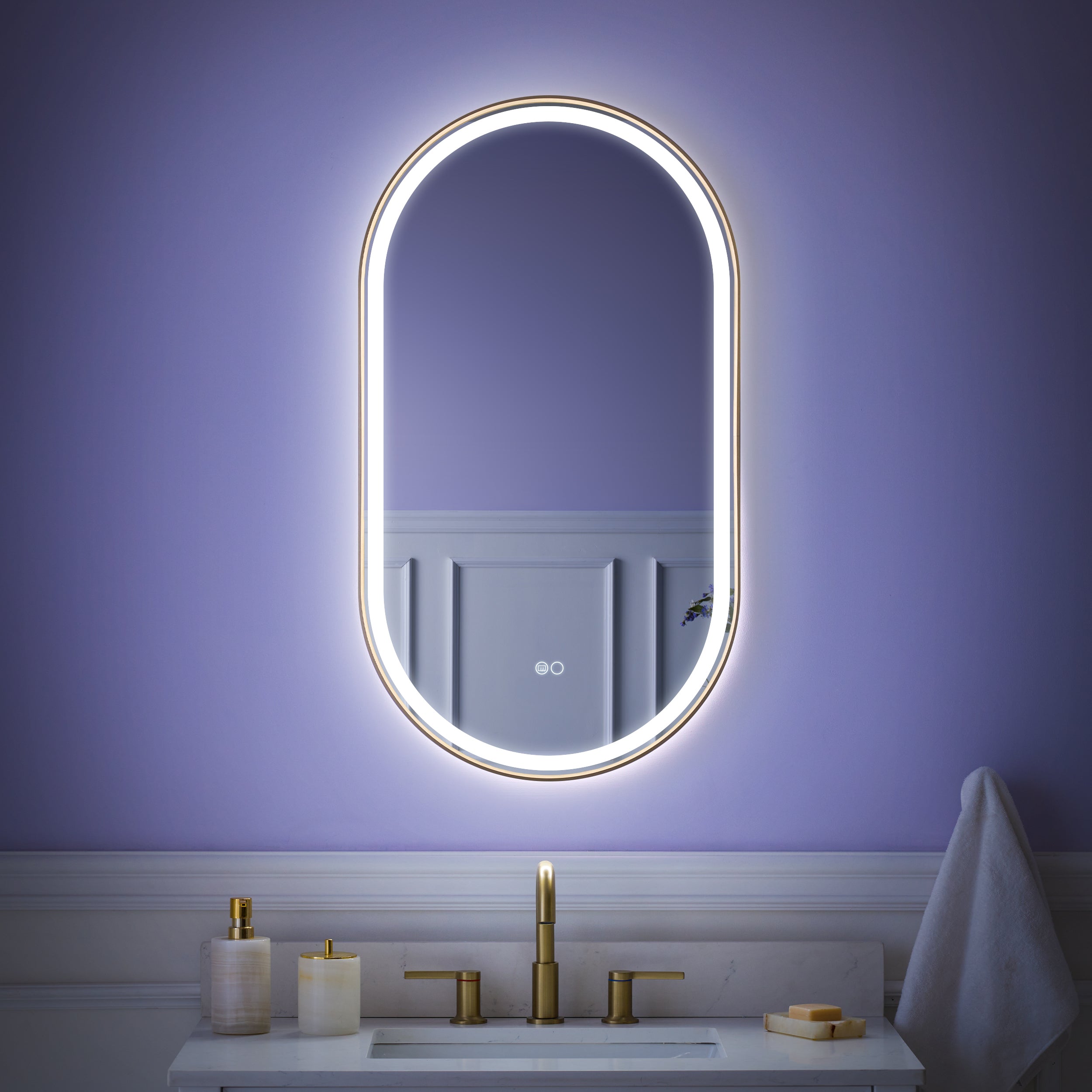
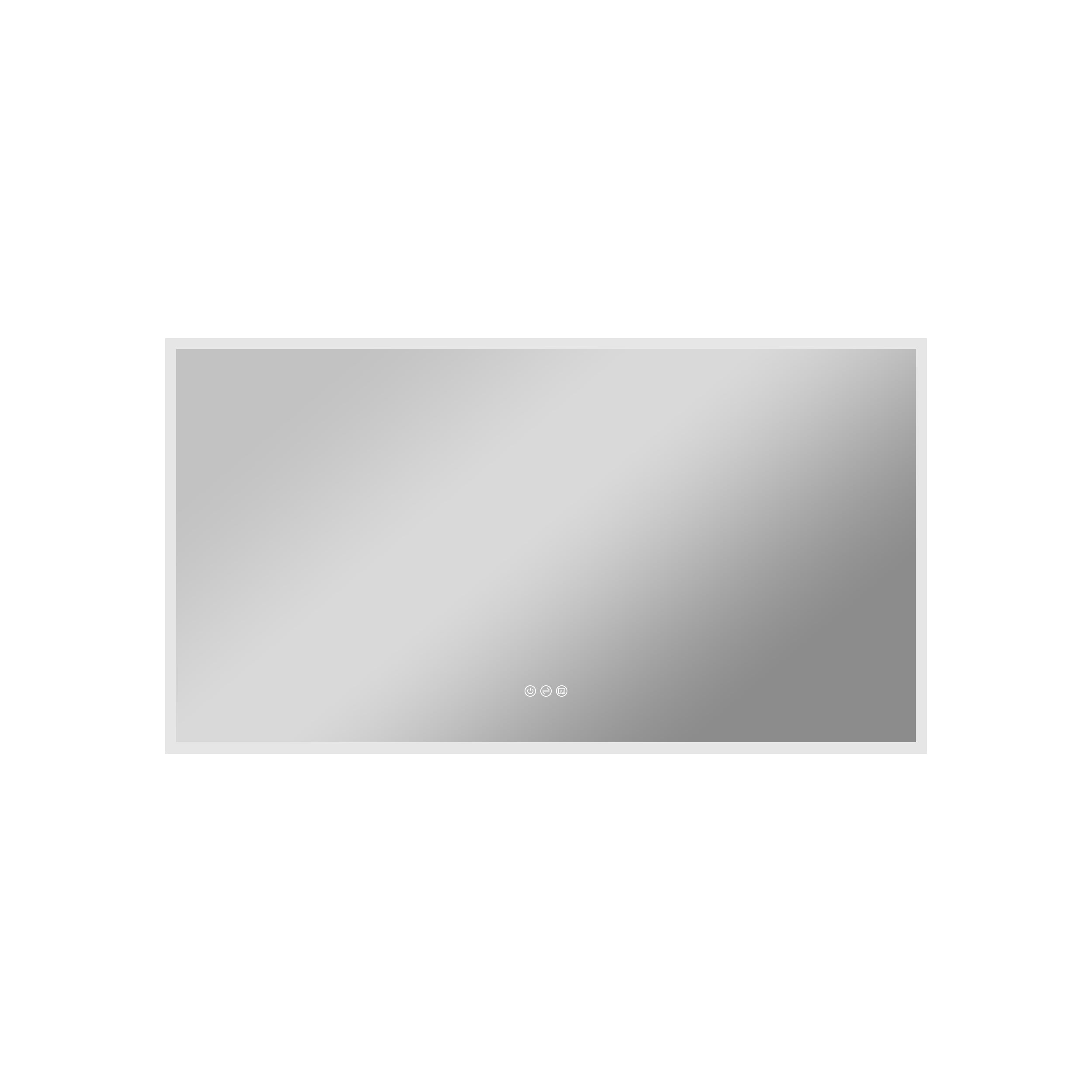
In modern bathroom renovation planning, LED lighted vanity mirrors are no longer just lighting tools but important elements that determine spatial hierarchy, proportional relationships, and visual focus. Unlike the traditional "mirror+top light" structure, the dressing mirror with an LED light source can reconstruct the wall light distribution, making the functional area clearer and enhancing the overall design expression. Industry data shows that in recent years, the proportion of integrated lighting mirrors in high-end bathroom renovation projects has exceeded 50%, especially in the main bathroom, where growth has been more significant. However, how should LED mirrors be placed to achieve maximum spatial impact? This not only involves height issues, but also concerns proportions, flow lines, and lighting logic.
1. The height of the mirror center determines comfort
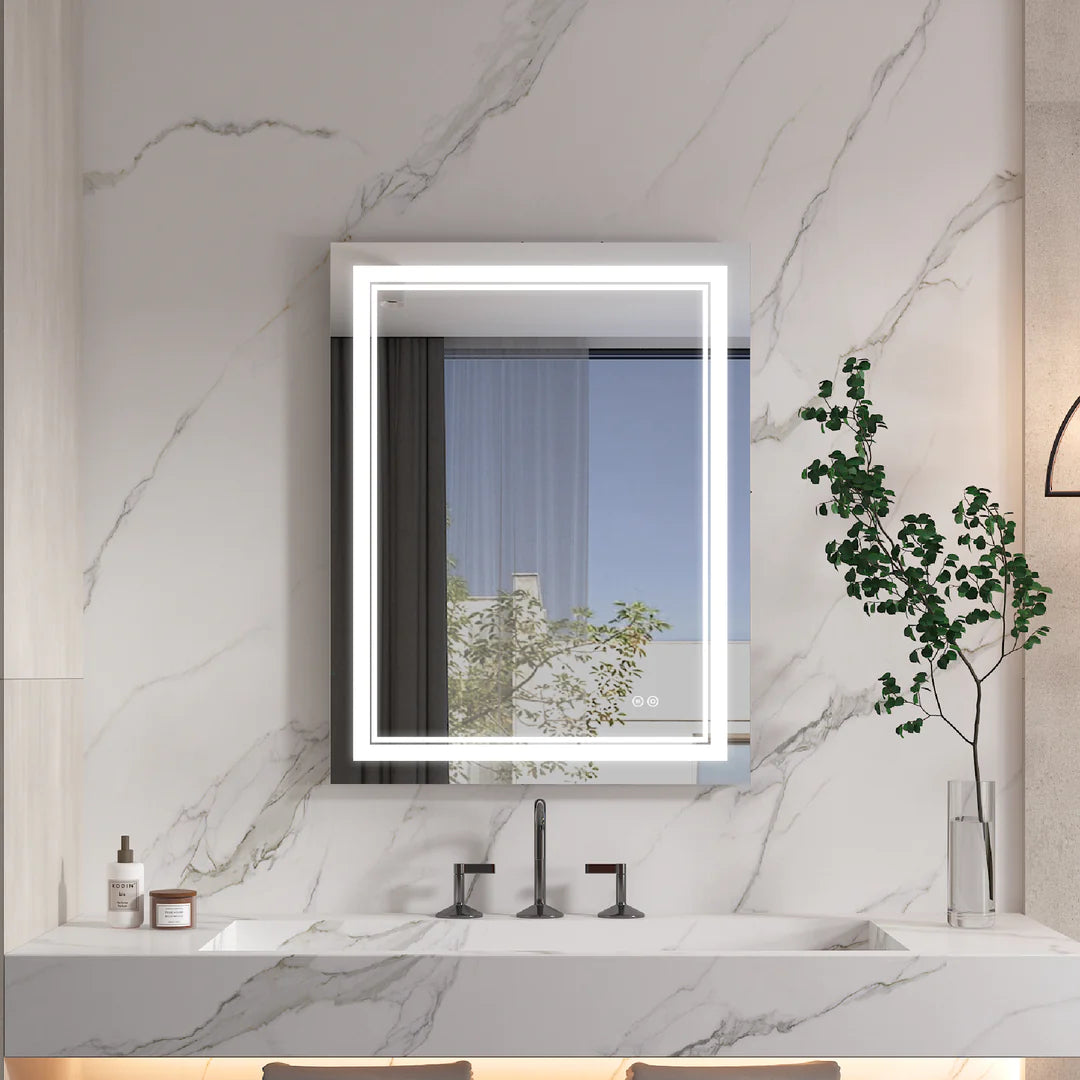
The installation height of LED mirrors should first be determined by ergonomics. A common suggestion is to set the mirror's center height between 60 and 65 inches from the ground.
For standard 32-inch to 34-inch-high bathroom cabinets, the lower edge of the mirror is typically 5 to 10 inches from the countertop. In an 8-foot-high floor space, this ratio ensures that the light covers the face and upper body.
The data show that when the mirror's center height is in the 60-inch range, the lighting comfort score is highest, exceeding other heights by about 15%.
2. The width ratio determines visual balance
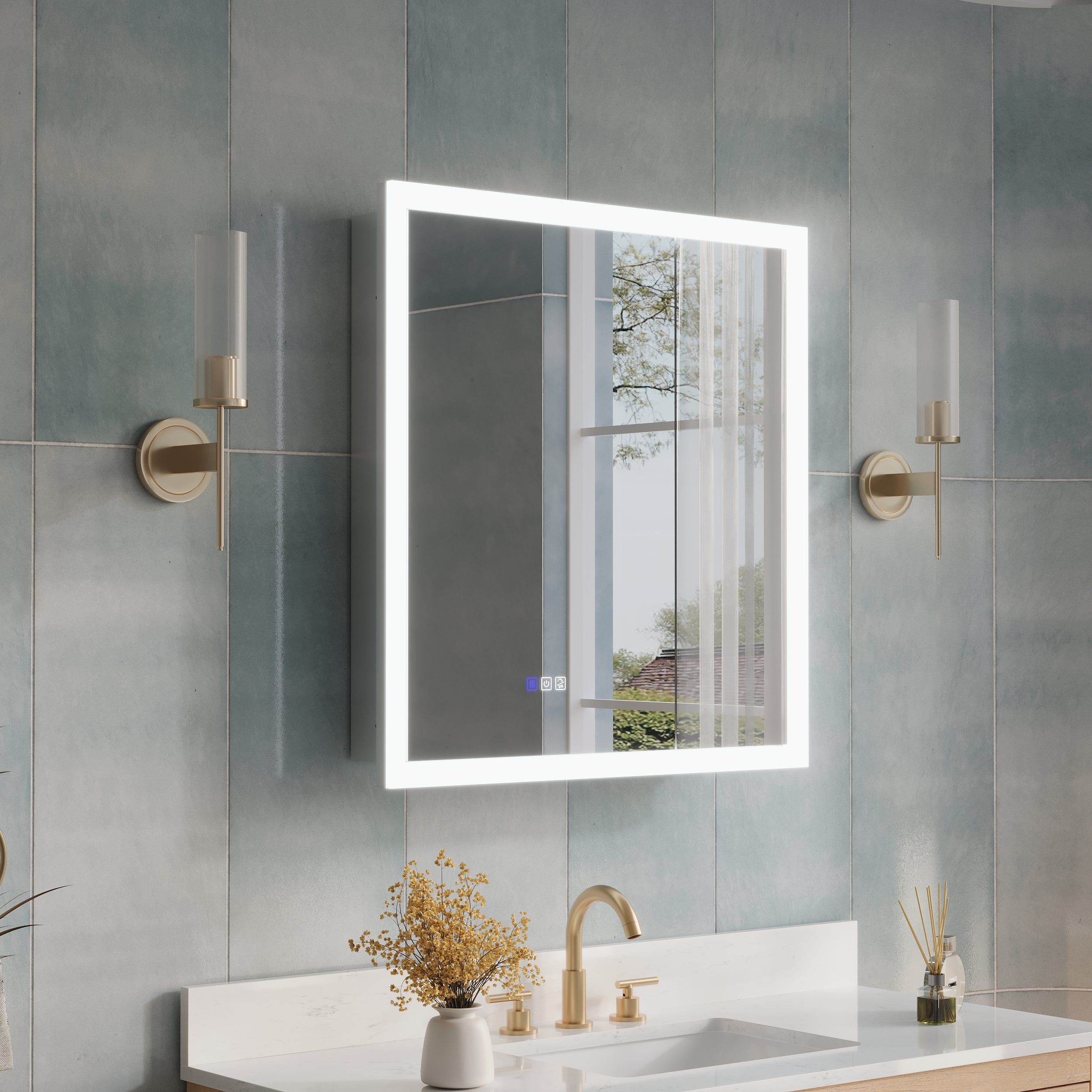
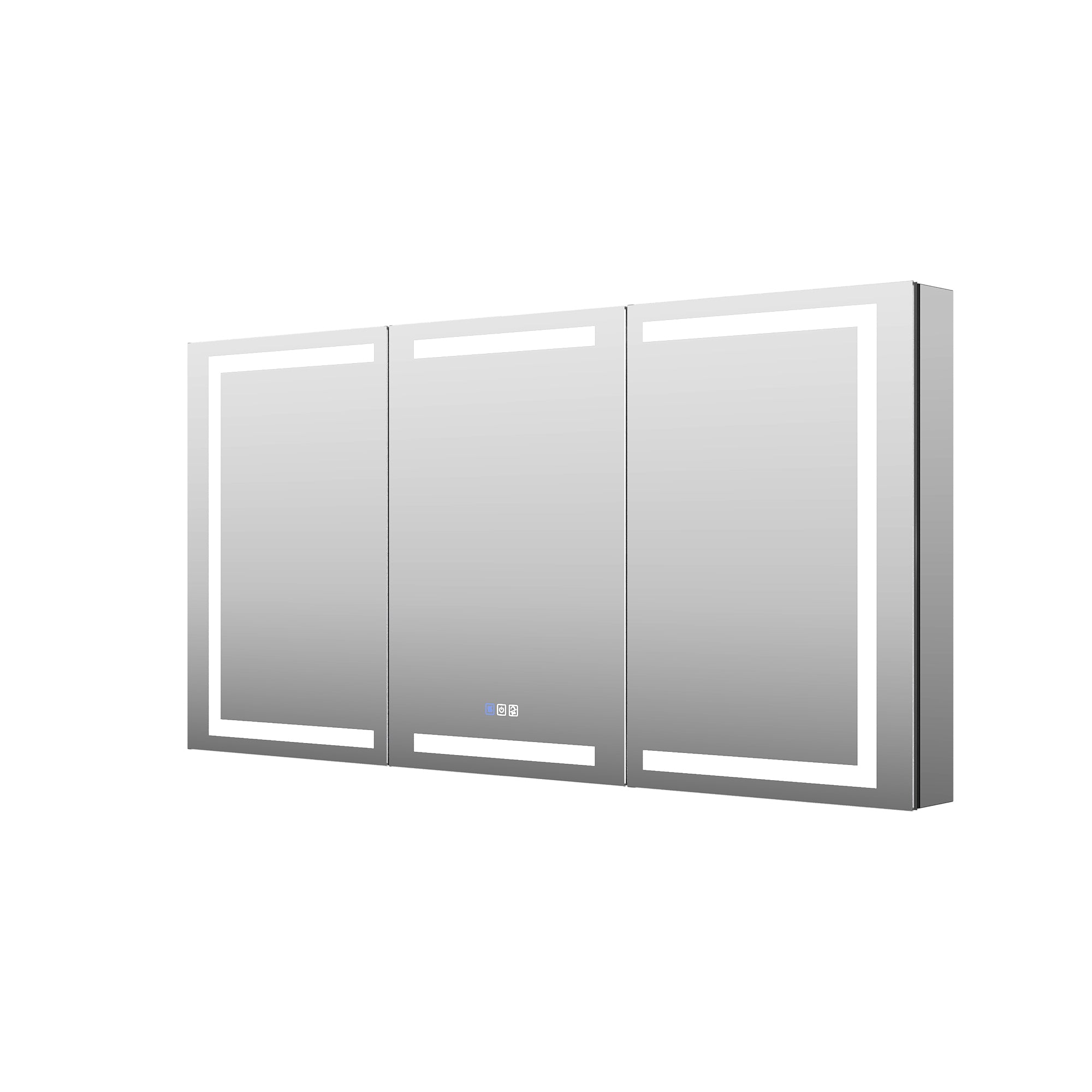
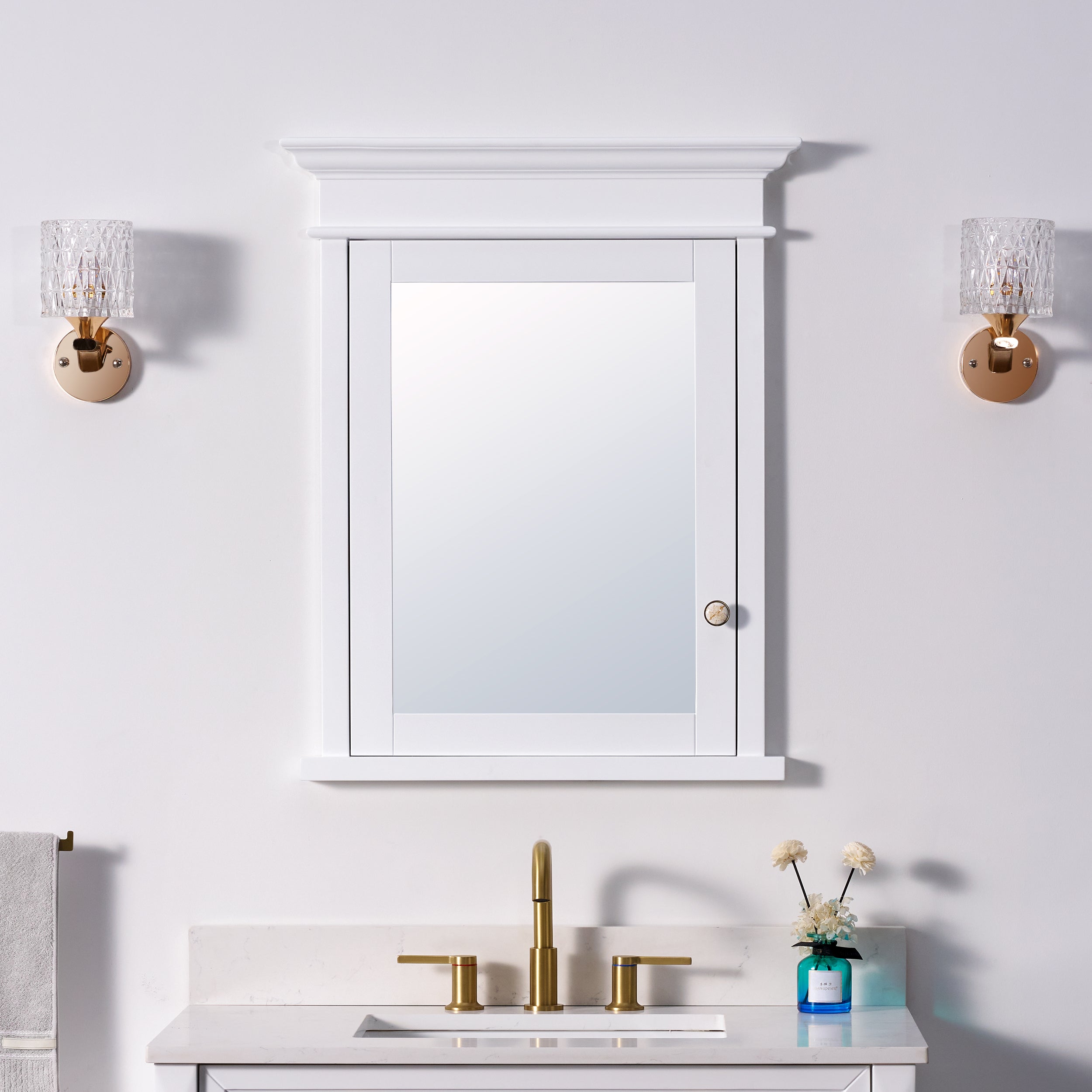
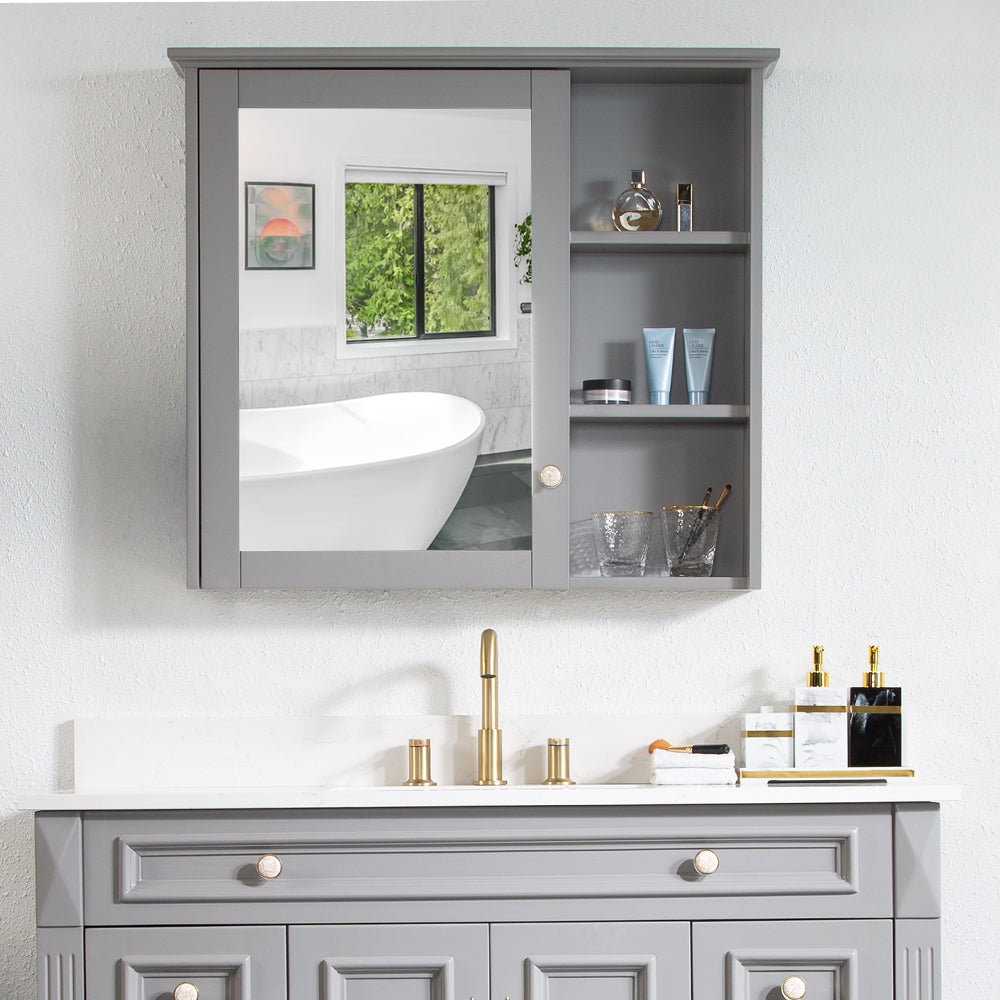
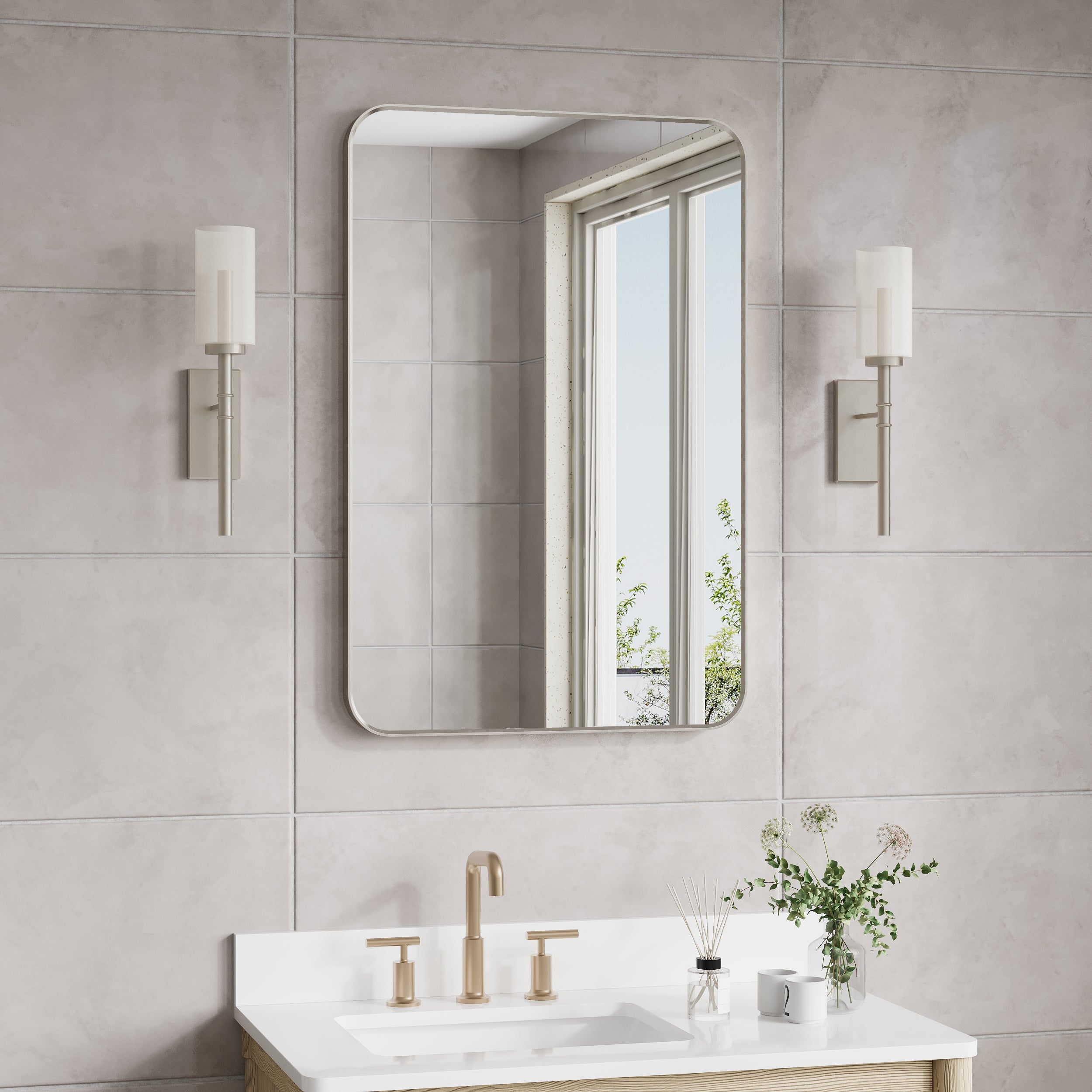
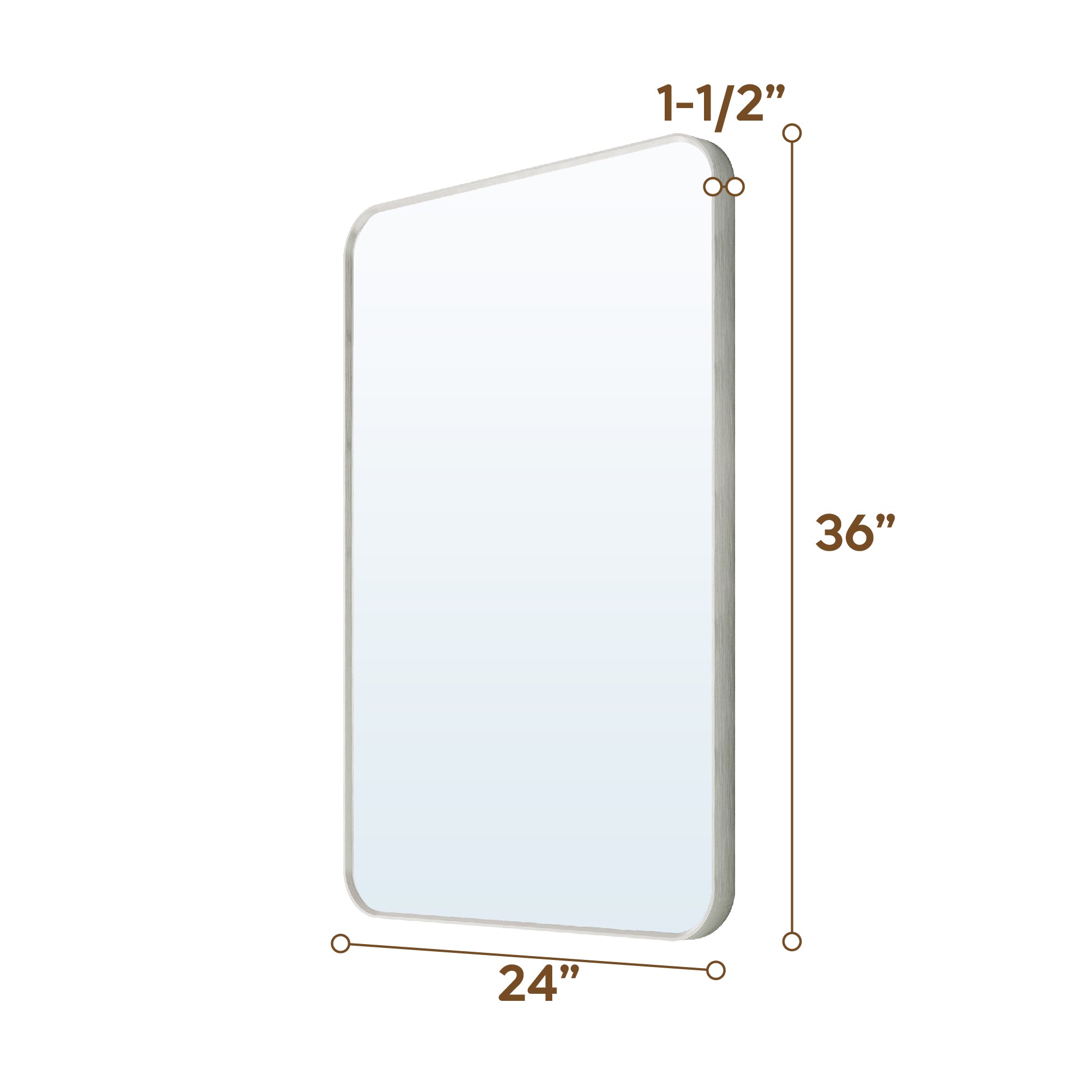
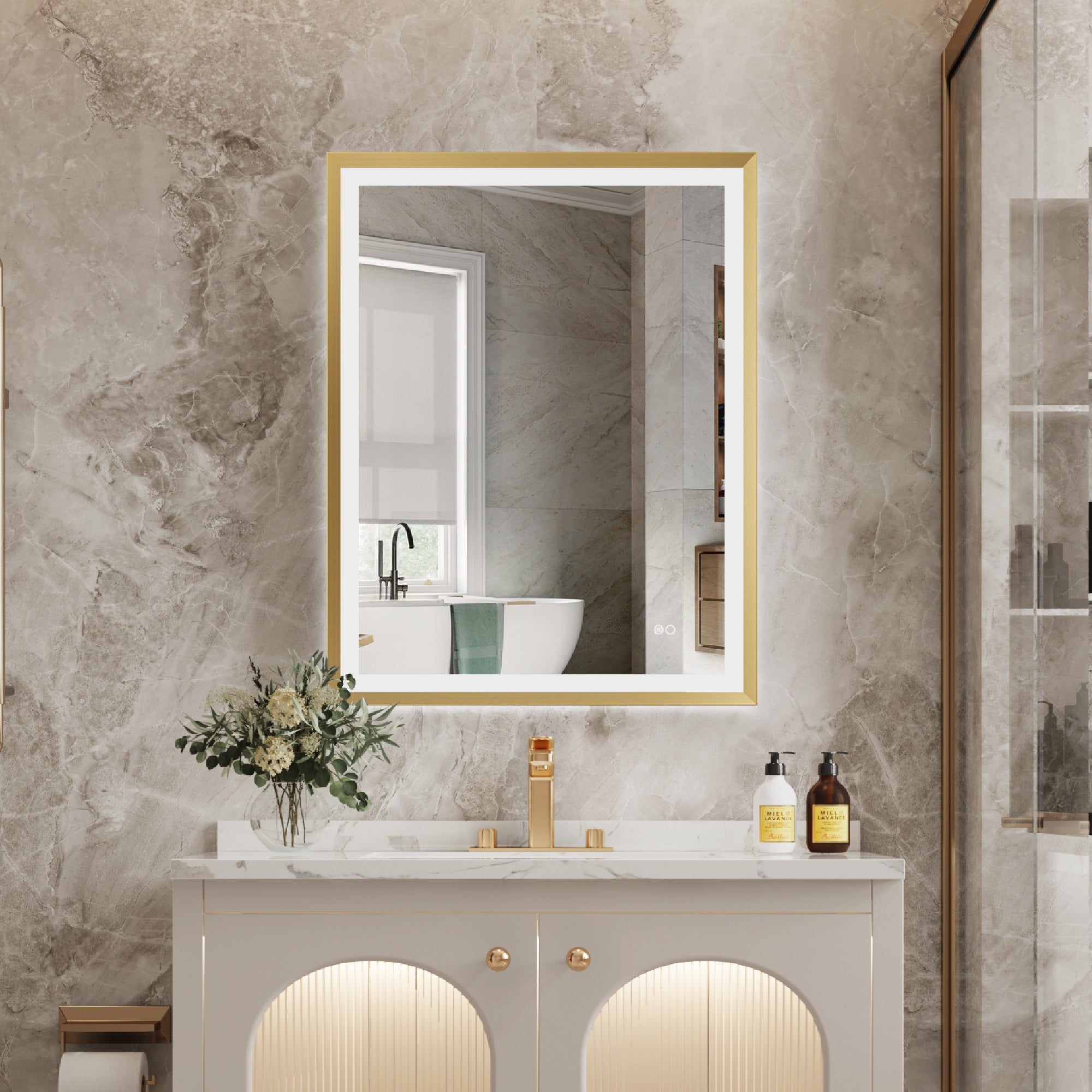
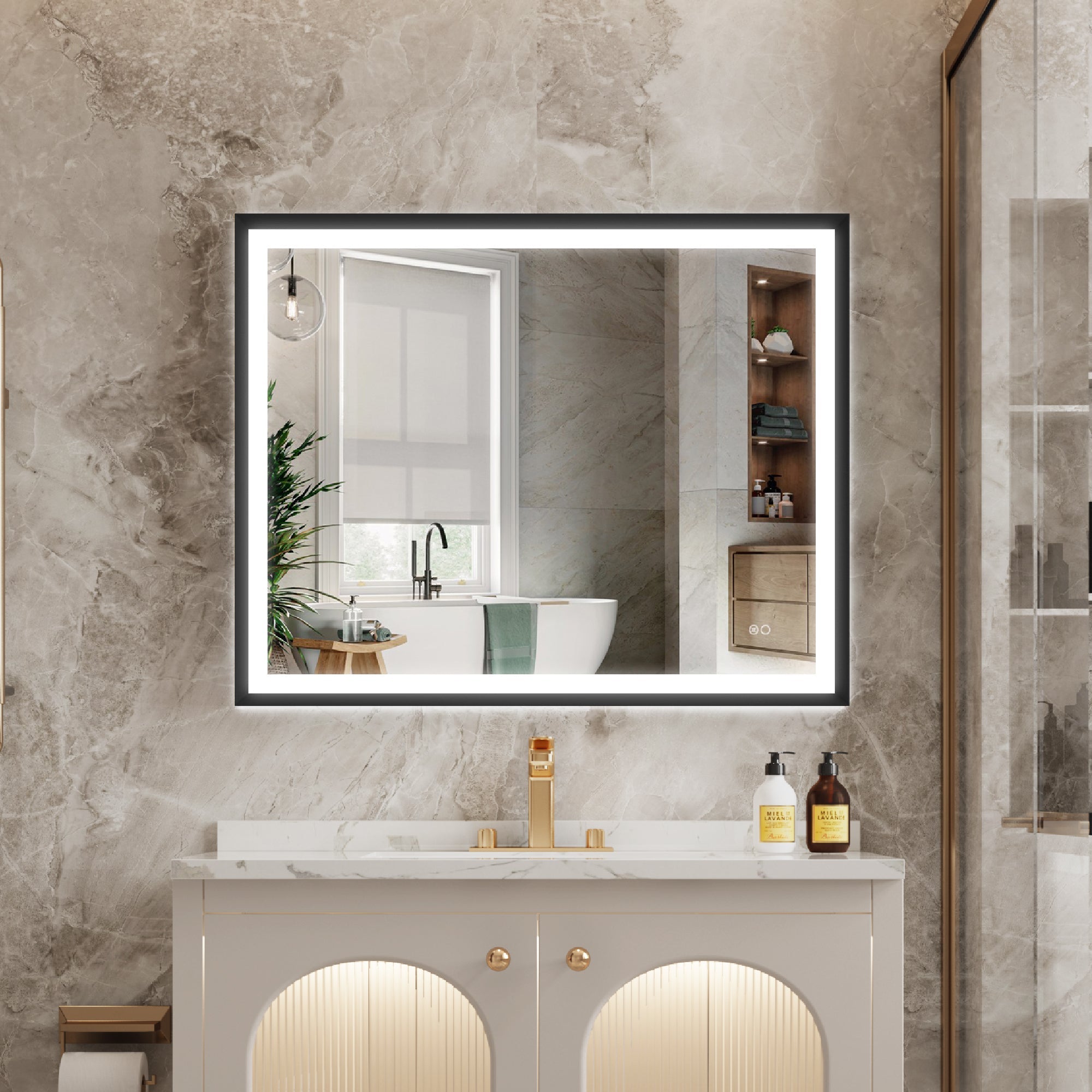
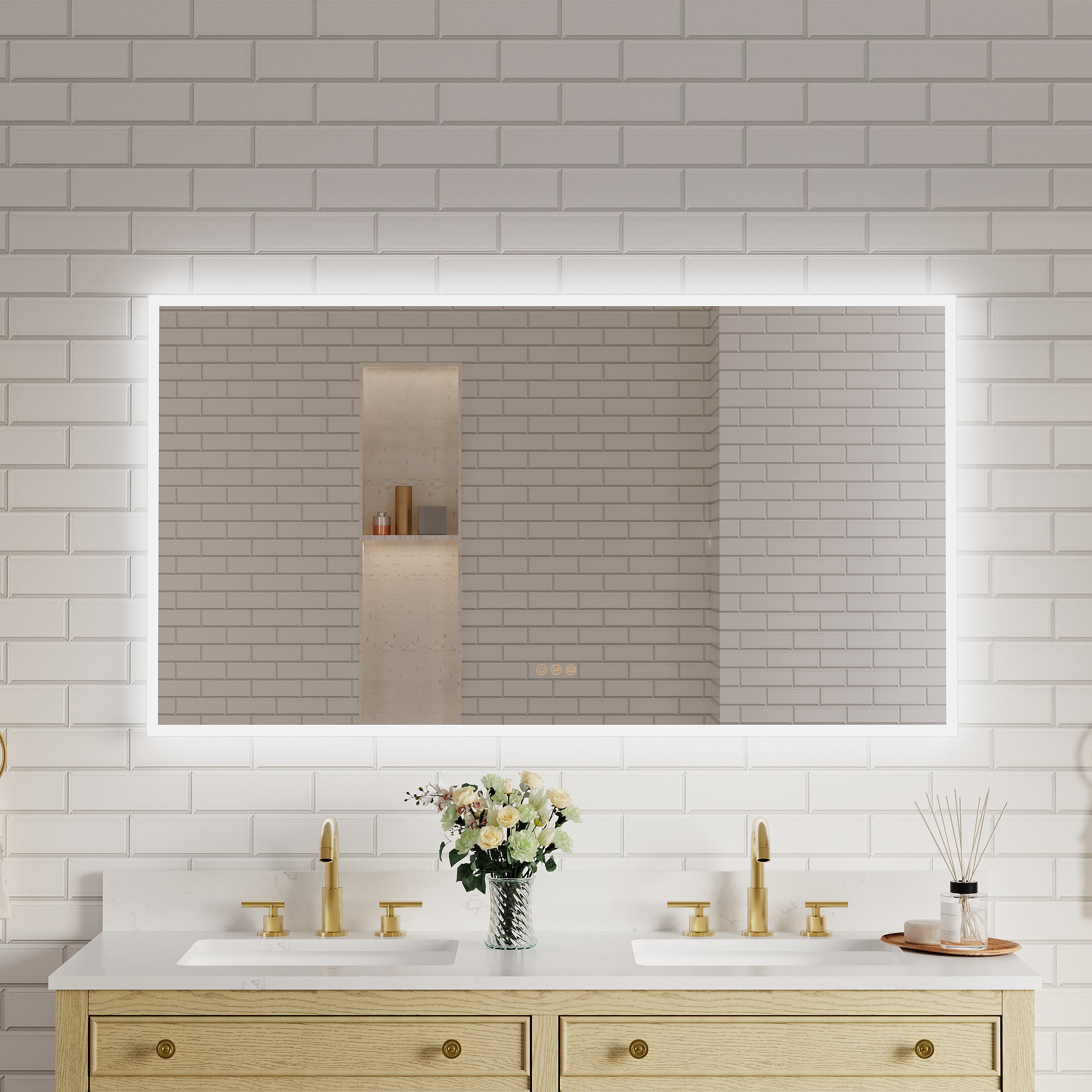
The mirror width is usually 70% to 90% of the tabletop width. For example, a 36-inch single basin countertop is suitable for pairing with 28-inch to 32-inch LED mirrors; the 60-inch dual basin layout can choose between two 30-inch mirrors or one 54-inch to 60-inch integral mirror.
When the mirror width is less than 60% of the tabletop, the wall appears spacious; if it exceeds 95%, it can feel crowded. The data shows that when the proportion is in the 80% range, the spatial coordination score increases by about 18%.
Therefore, the placement should be based on aligning the tabletop's center with the object's center.
3. The difference in placement between single basin and double basin layouts
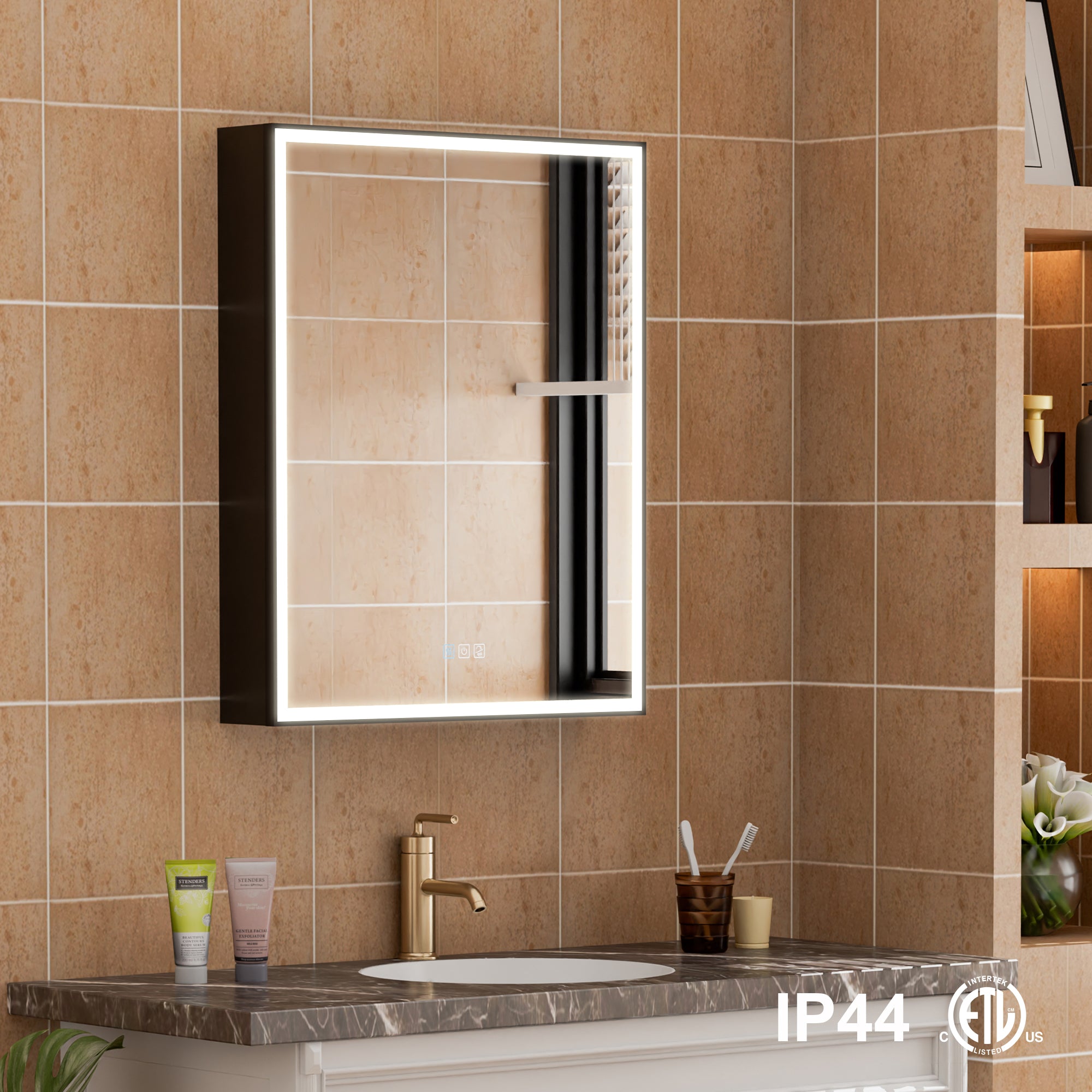
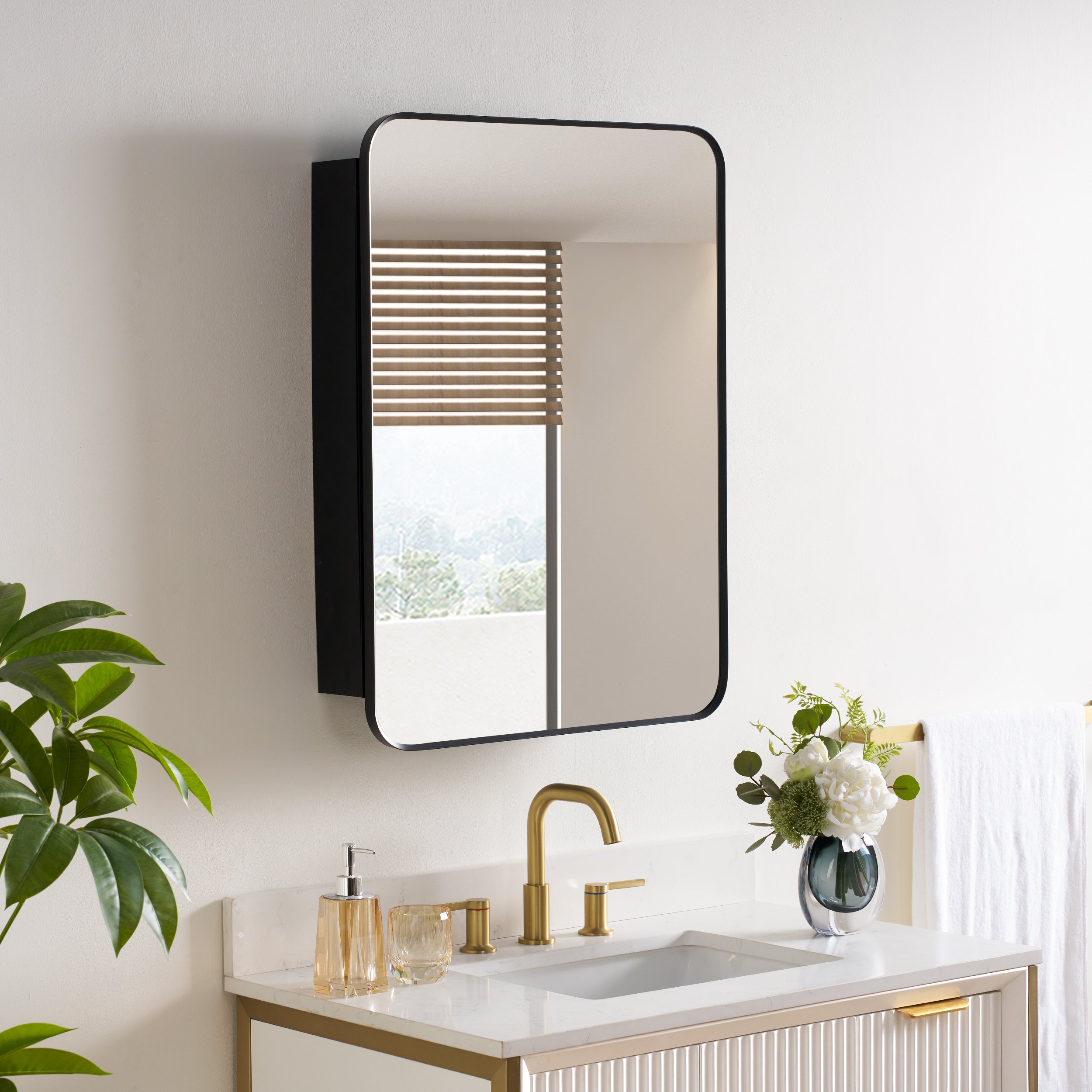
In a 36-inch single-basin layout, LED mirrors are typically installed in the center to create a single visual focal point.
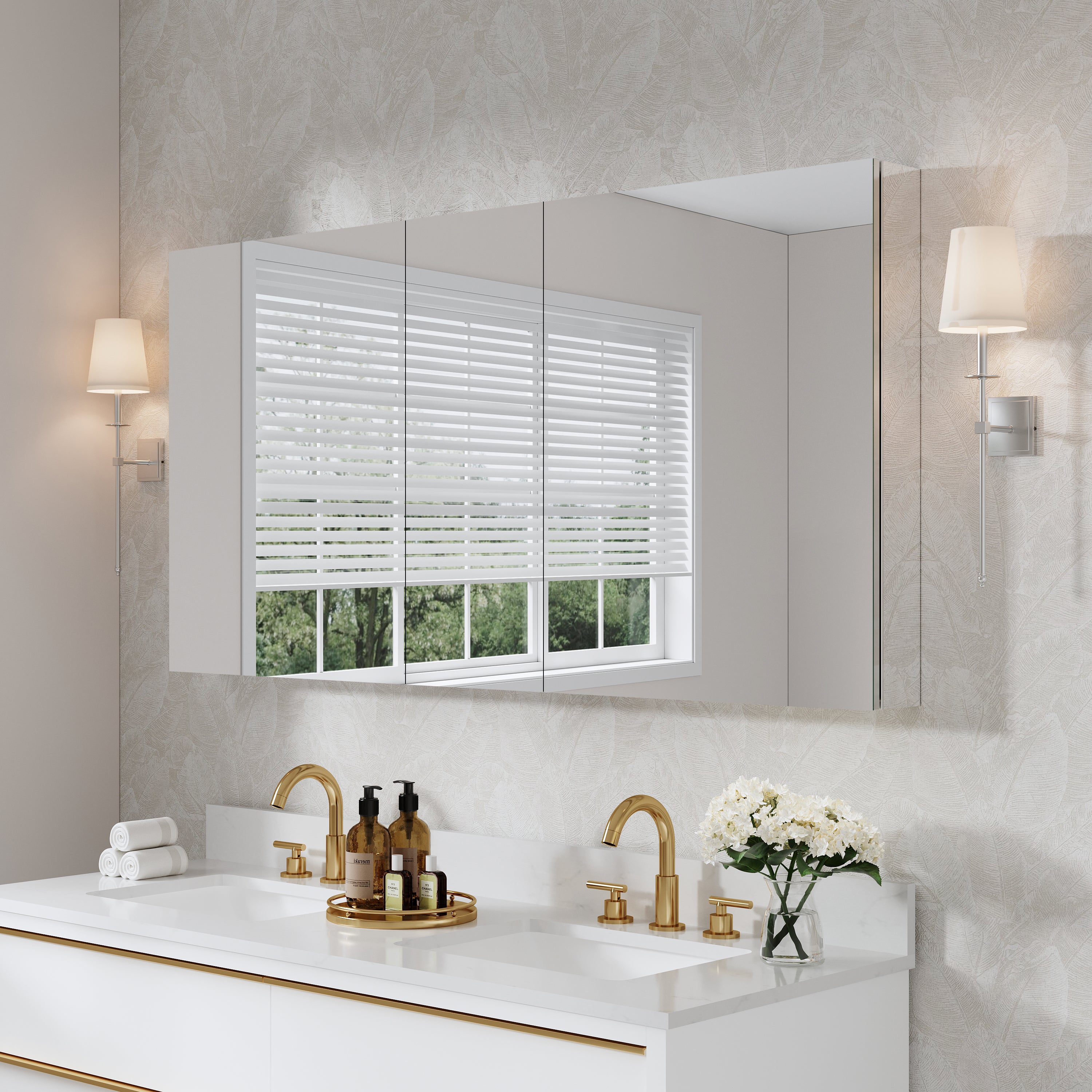
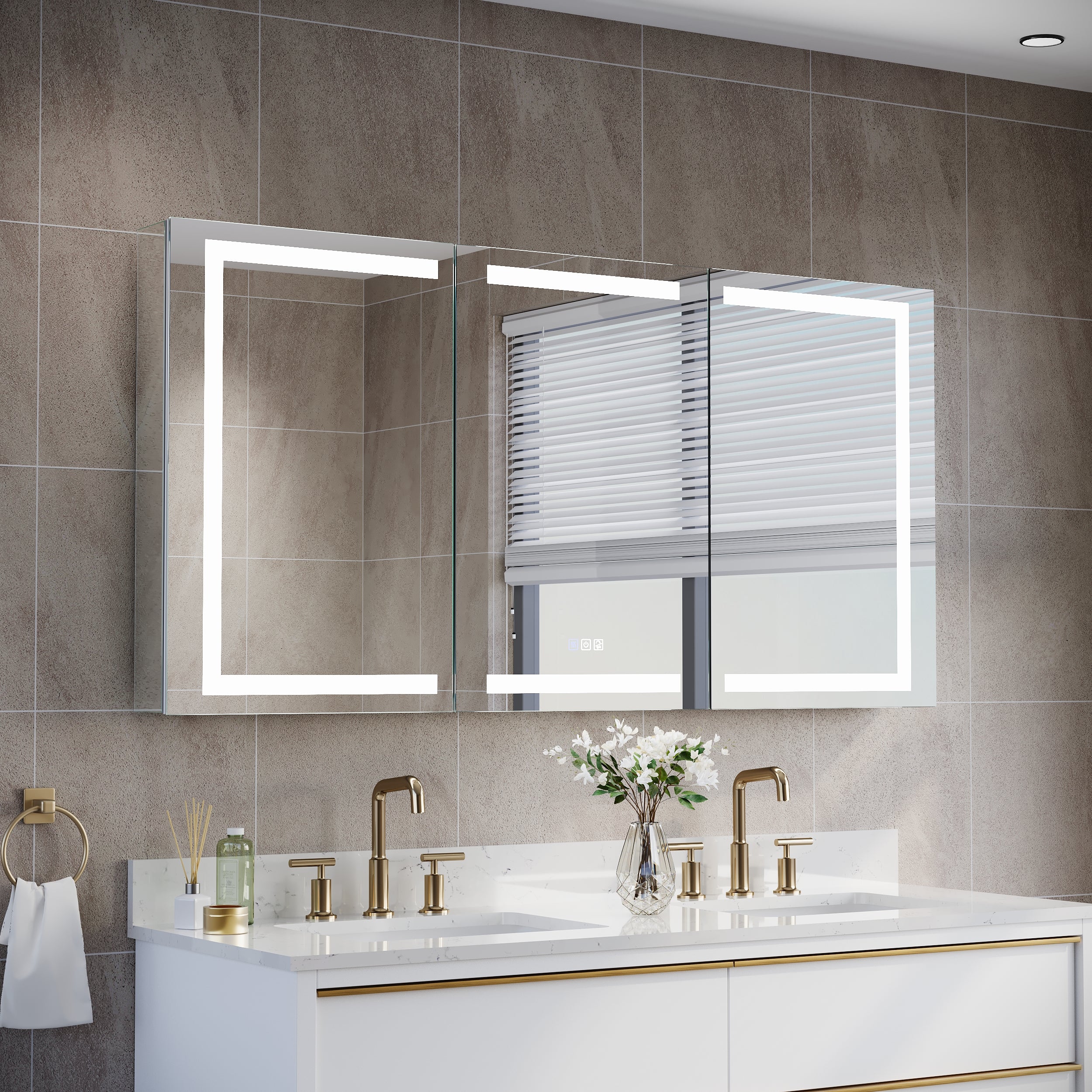
In a 60-inch dual-basin layout, two independent mirrors can be selected to align each basin to the center; alternatively, a full-length mirror can be used to enhance spatial consistency.
Data show that in the two-person use scenario, the practical satisfaction with the dual mirror structure is about 12% higher than with the single mirror structure. The long mirror overall offers greater visual extension.
4. Layout strategy for areas near windows or side walls
If there is a window on one side of the bathroom, LED mirrors should usually be avoided from directly facing the window frame to prevent light reflection imbalance.
In the window layout, the mirror surface can be slightly offset from the center to maintain visual balance. The data show that in the combined space of natural and LED light, brightness uniformity improves by about 15%.
In windowless environments, mirrors should be placed as centrally as possible to enhance the reflection effect of light.
5. Collaborative relationship with top lighting fixtures
Although LED mirrors can serve as the primary source of task lighting, it is still recommended to pair them with top auxiliary lighting in spaces with an area exceeding 100 square feet.
When the mirror output brightness reaches 2000 lumens or above, it can meet daily functional requirements. The 48-inch to 60-inch models typically reach 2500 to 3500 lumens.
Data show that in the integrated lighting layout, wall brightness uniformity improves by about 20%.
6. Combination of suspended cabinet and LED mirror
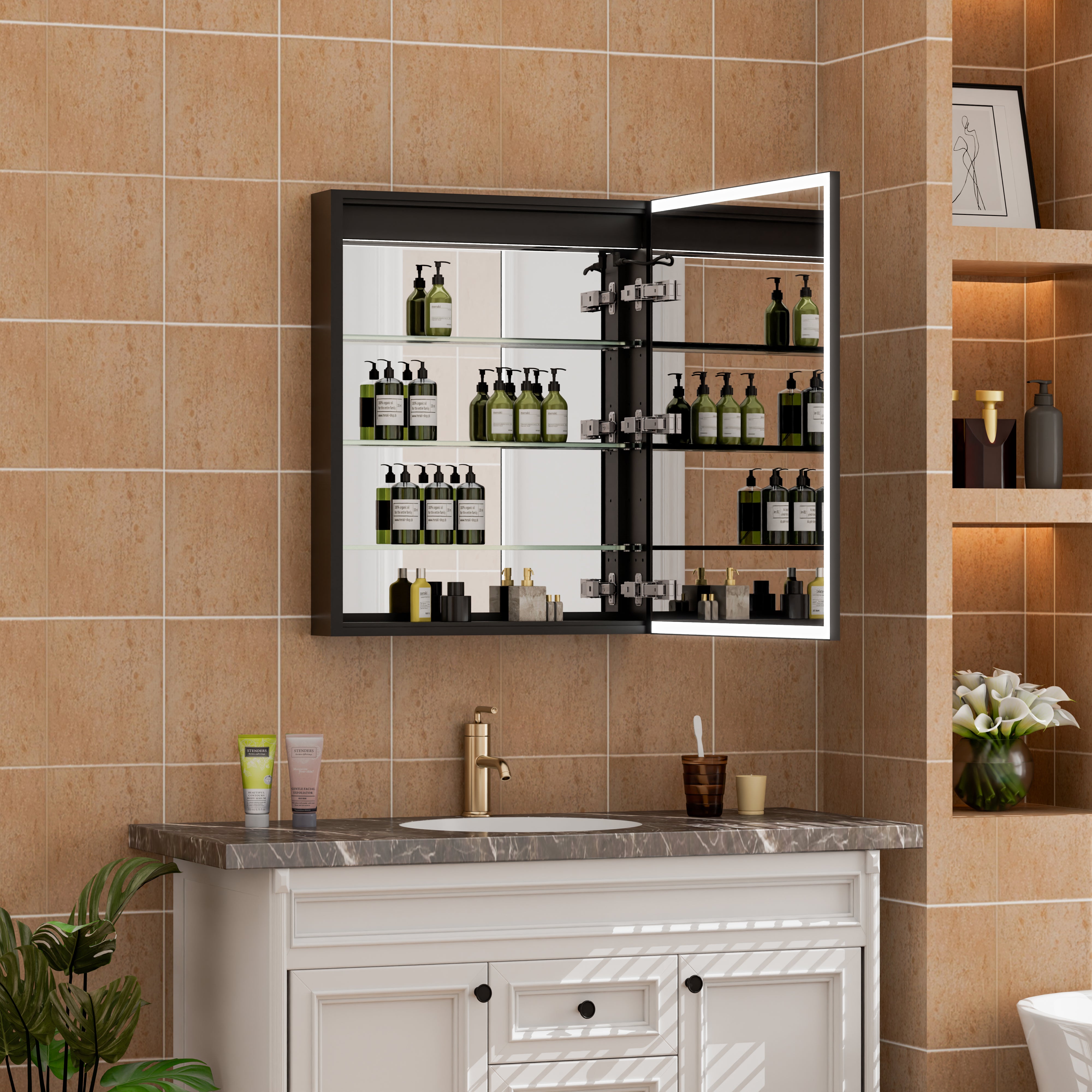
In the layout of suspended cabinets (8 to 12 inches above ground), the floating light strip effect of LED mirrors is more pronounced.
This combination can enhance the sense of lightness and extend the spatial visual experience. Data shows that in compact bathrooms, suspended cabinets paired with backlit LED mirrors increase the space width rating by about 15%.
This layout is particularly suitable for spaces with an area of less than 90 square feet.
7. Color temperature position and functional area division
LED mirrors typically support color temperature adjustment from 3000K to 5000K.
If the bathroom has both makeup and relaxation functions, the mirror should be installed in a front position that receives direct facial light to ensure maximum color temperature adjustment.
Data shows that in a color-adjustable temperature environment, overall satisfaction with use has increased by approximately 18%.
8. Distance between defogging area and water source
Mirrors should be avoided from being too close to shower heads or other areas of direct water flow. Although most LED mirrors are equipped with a defogging function that restores clarity in 2 to 5 minutes, a reasonable distance can still extend their service life.
Data shows that maintaining appropriate ventilation conditions can improve the durability of mirrors in environments with humidity exceeding 75%.
9. Position strategy for creating visual focus
In the main bathroom, LED mirrors are often the first visual focus upon entering. Therefore, its position should be aligned with the line of sight at the entrance.
In double basin layouts above 60 inches, the integrated long mirror can enhance symmetry and balance. Data shows that in spaces with a clear focus, overall design satisfaction increases by about 20%.
The accurate selection of the mirror position directly affects the spatial impression.

10. Conclusion
The placement of LED-illuminated vanity mirrors is not only a matter of height but also a comprehensive plan for spatial proportions, flow logic, and light structure. From a 28-inch compact mirror to a 60-inch wide design, each inch size and unit brightness affects the final effect. By reasonably controlling the height, width ratio, and light-source coordination at the center, LED mirrors can maximize the visual impact and functional lighting efficiency of the space, achieving the best balance between practicality and design sense in bathroom renovation.













Leave a comment
This site is protected by hCaptcha and the hCaptcha Privacy Policy and Terms of Service apply.