














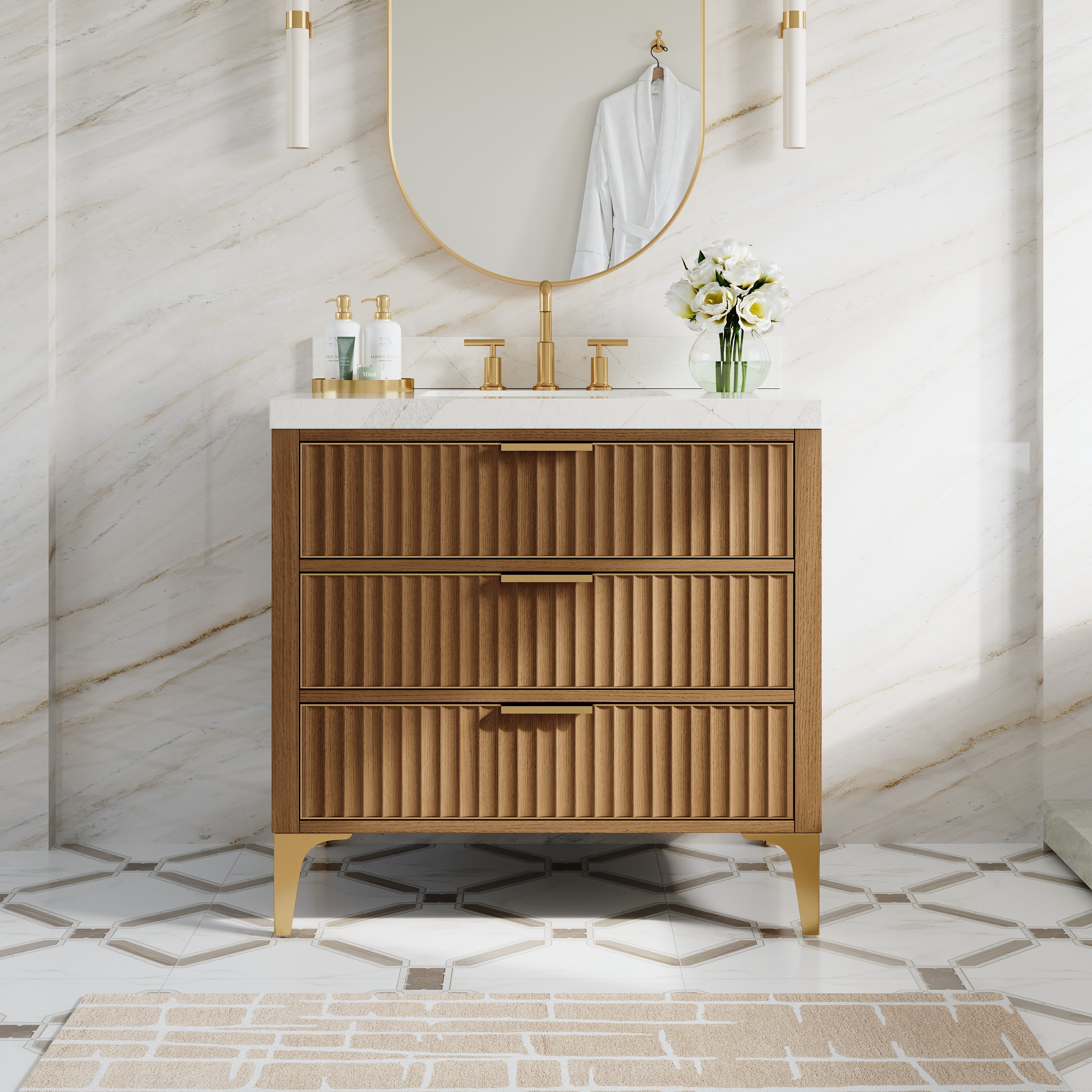
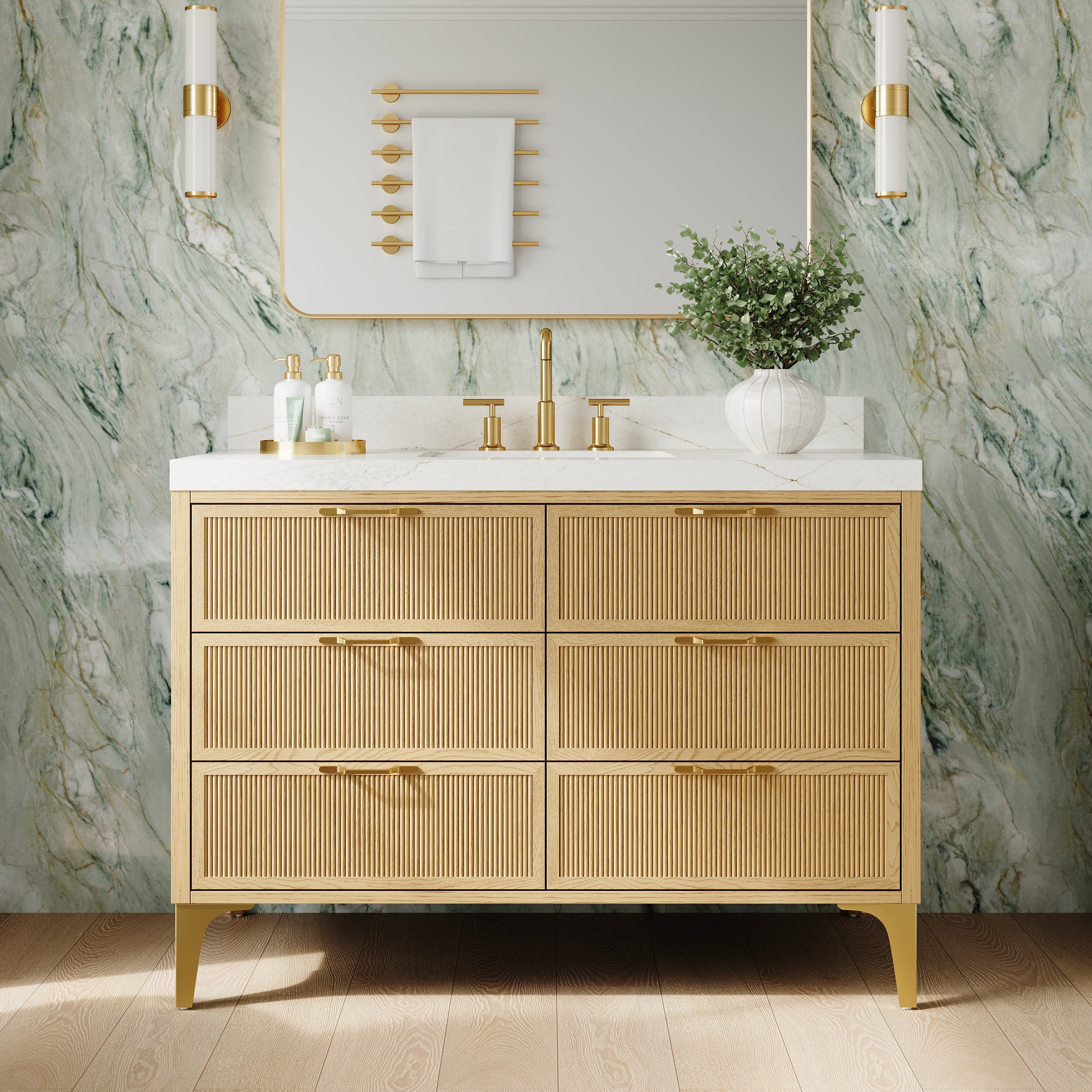


In bathroom renovation, a vanity mirror is by no means a 'last resort' decoration. It directly affects the lighting quality, standing in front of the mirror, visual openness during morning and evening washing, and may even determine whether you need additional storage. The latest Houzz bathroom renovation study shows that 59% of renovation projects will upgrade mirrors.
In households that upgrade their mirrors, mirrors are no longer just reflective surfaces, and the selection of mirror surfaces with lighting, anti-fog, and other features is continually expanding. In other words, the mirror has evolved from an "accessory" to a "functional core".
1. Don't rush to choose a shape yet; first, determine whether you are a mirror or a two-sided mirror.
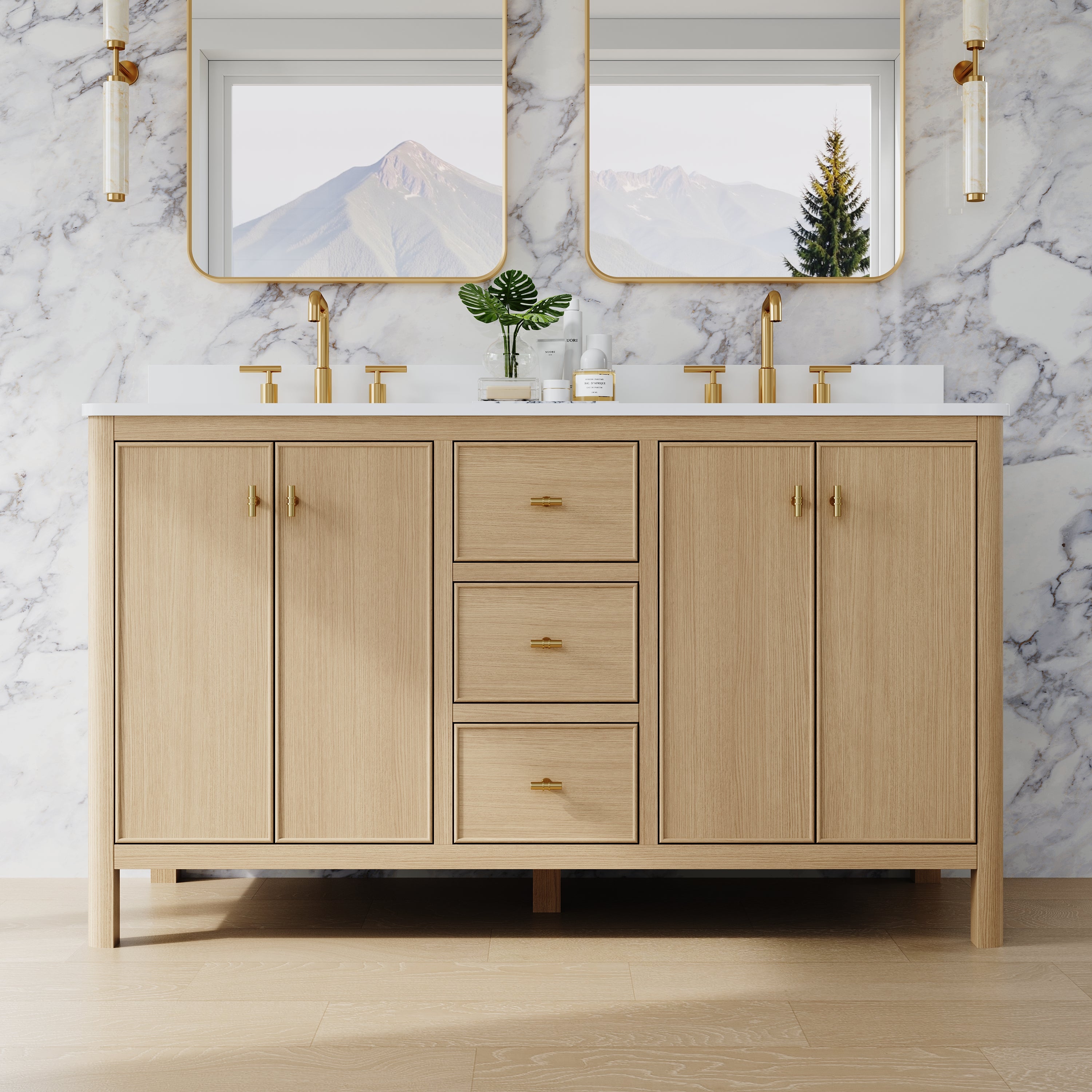
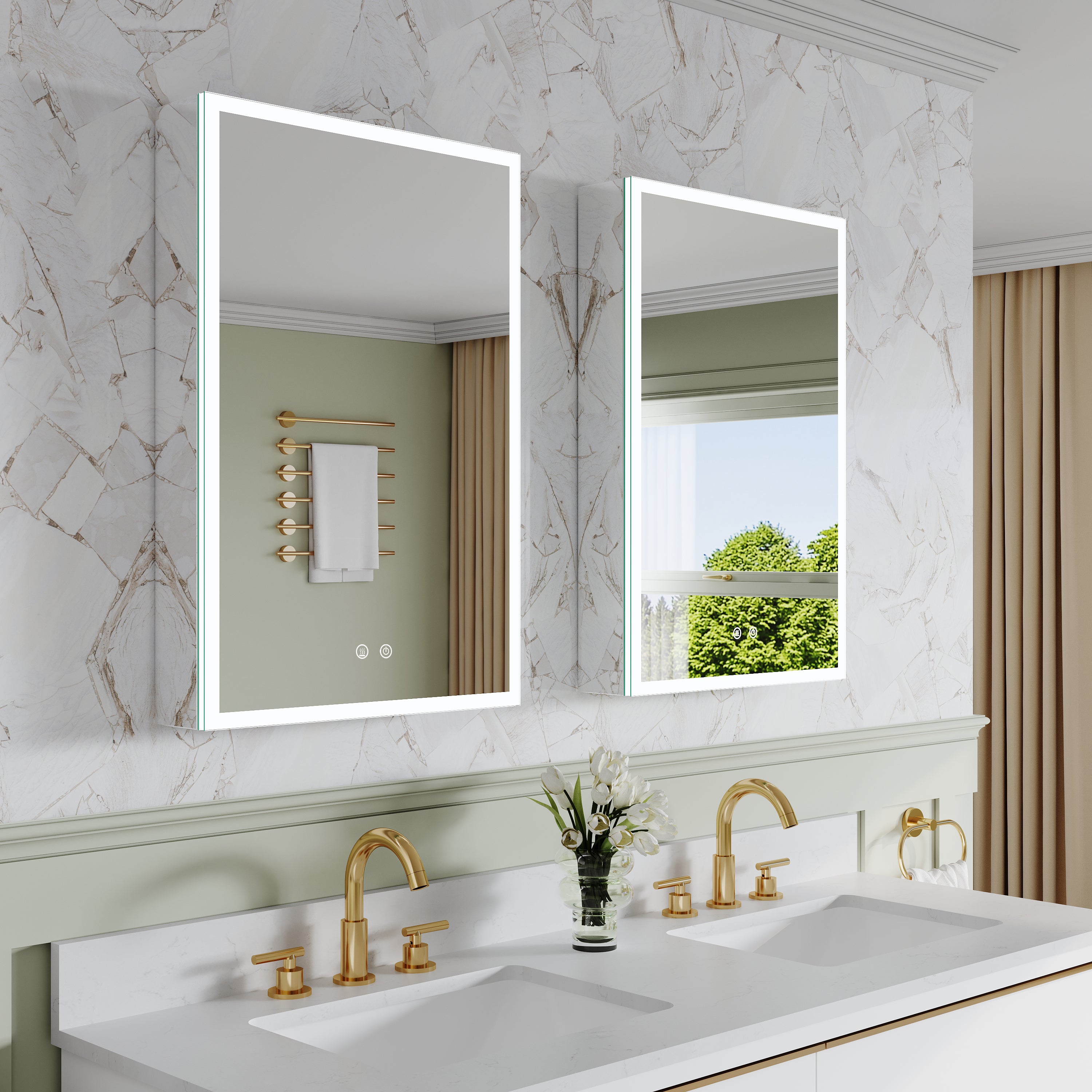
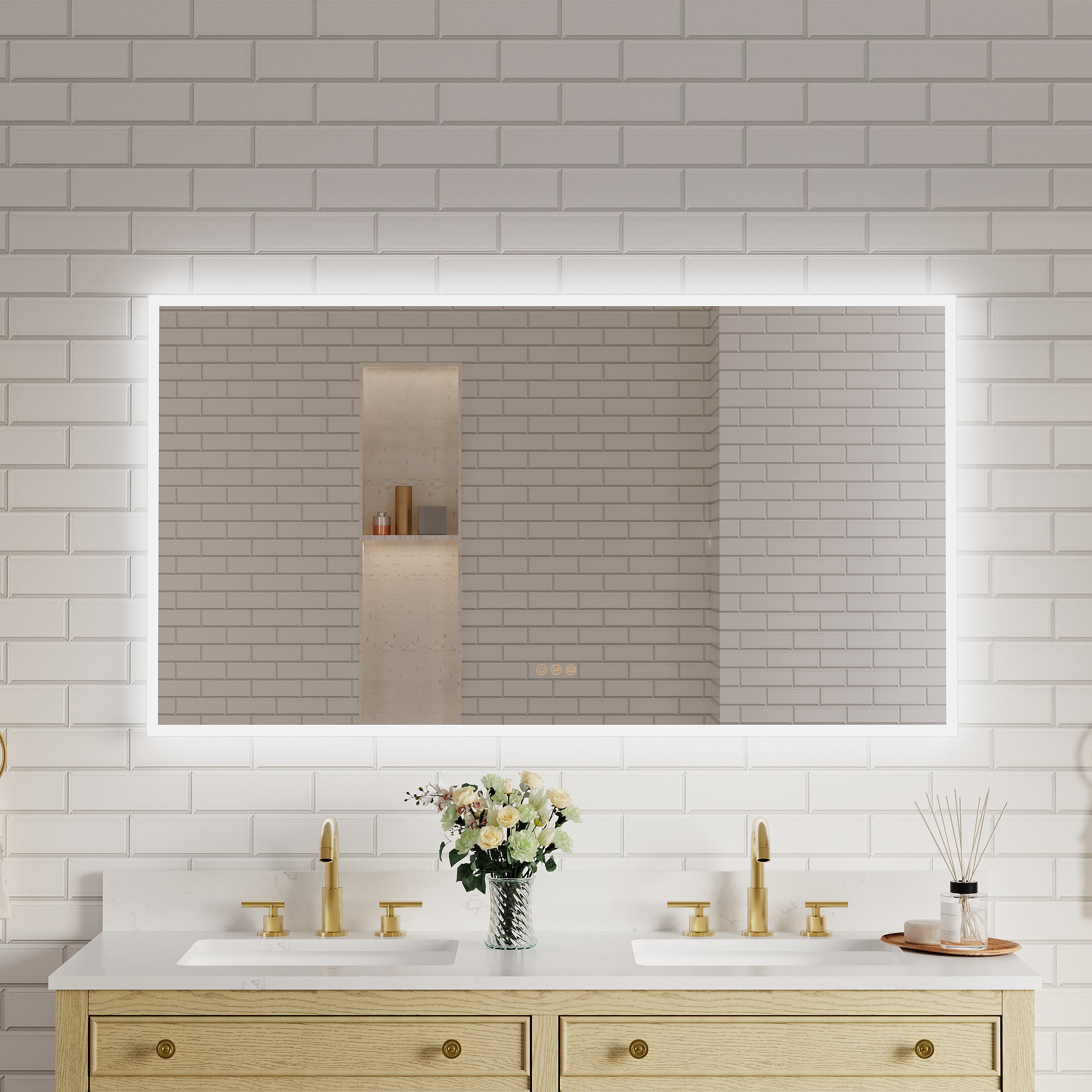
Many people first look at round mirrors, arched mirrors, or luminous mirrors, but the order is actually reversed. What should be judged first is whether your washbasin is for single use or high-frequency shared by two people, whether the sink is for single or double use, and whether two people will stand at the same time during rush hour in the morning and evening. According to Houzz data, in mirror-upgrade projects, 59% choose single mirrors, 37% choose double mirrors, and only 5% choose three or more mirrors. This indicates that a single mirror is still mainstream because it is easier to create a sense of unity and is more suitable for most conventional washbasins; dual mirrors are more suitable for dual basin, dual person parallel use of the main guard, which can distinguish the boundaries of the standing position and reduce the problem of grabbing mirrors and lights. The easiest mistake to make here is not choosing a small mirror, but using double mirrors instead of a single person moving line, which ultimately shatters the wall and makes the vision even more chaotic.
2. A truly useful mirror should first meet the requirements of "seeing everything and standing smoothly."
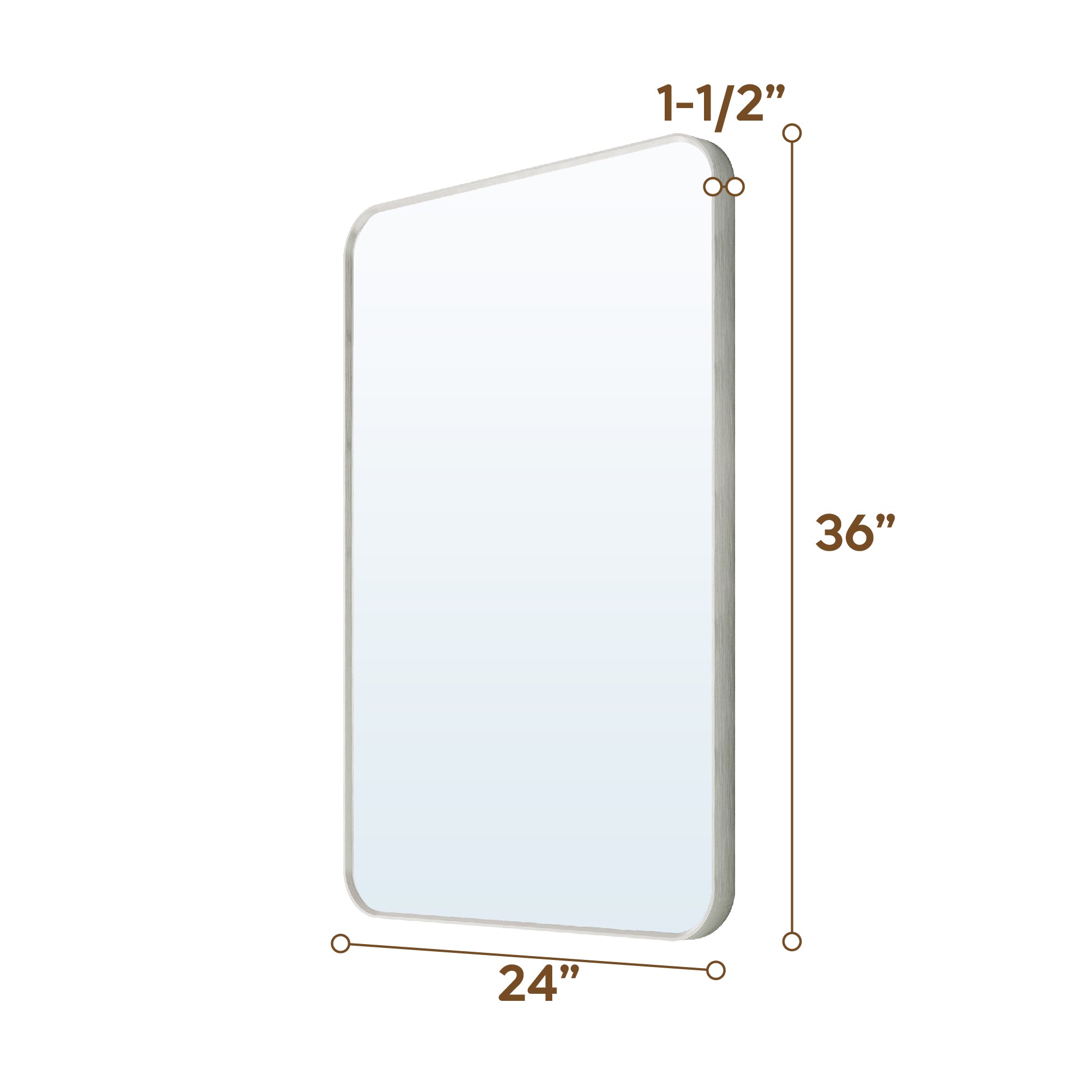
Whether a mirror is "appropriate" does not depend on its size, but on whether your head, shoulders, and upper body can naturally and completely enter the line of sight when standing in front of it. NKBA's bathroom planning suggestion is very clear: mirrors that can provide complete reflection at eye level should be planned as much as possible; If the mirror is placed near the washbasin, it is best not to have the bottom edge of its reflective surface higher than 40 inches. The core of this standard is not to make brainless mirrors, but to avoid hanging the mirror too high, which may result in always looking up or leaning forward during use, or only seeing the face but not the shoulder and neck lines. For renovation, the safest approach is not to make the mirror as large as the wall, but to first determine the mirror's height and field of view based on the user's position and line of sight.
3. The usability of a mirror is often not determined by the mirror itself, but by the light.
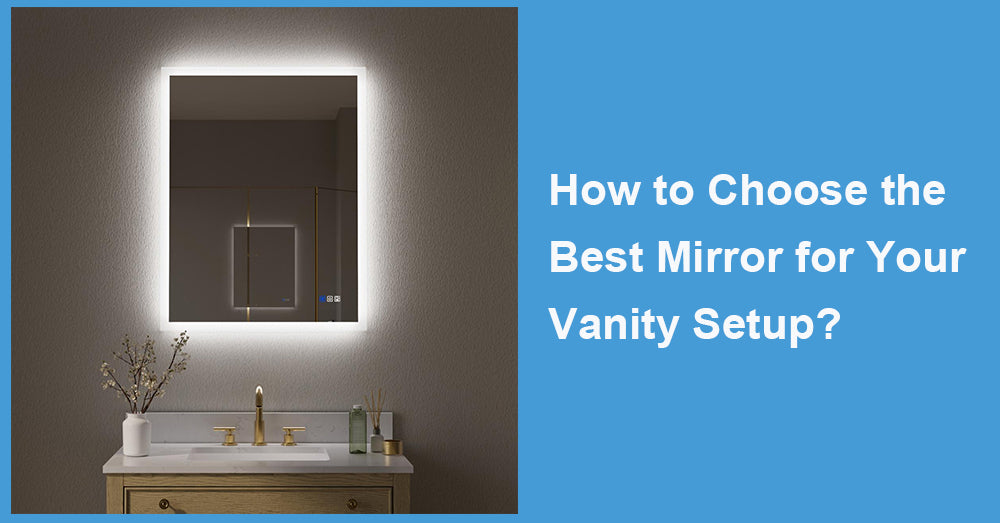
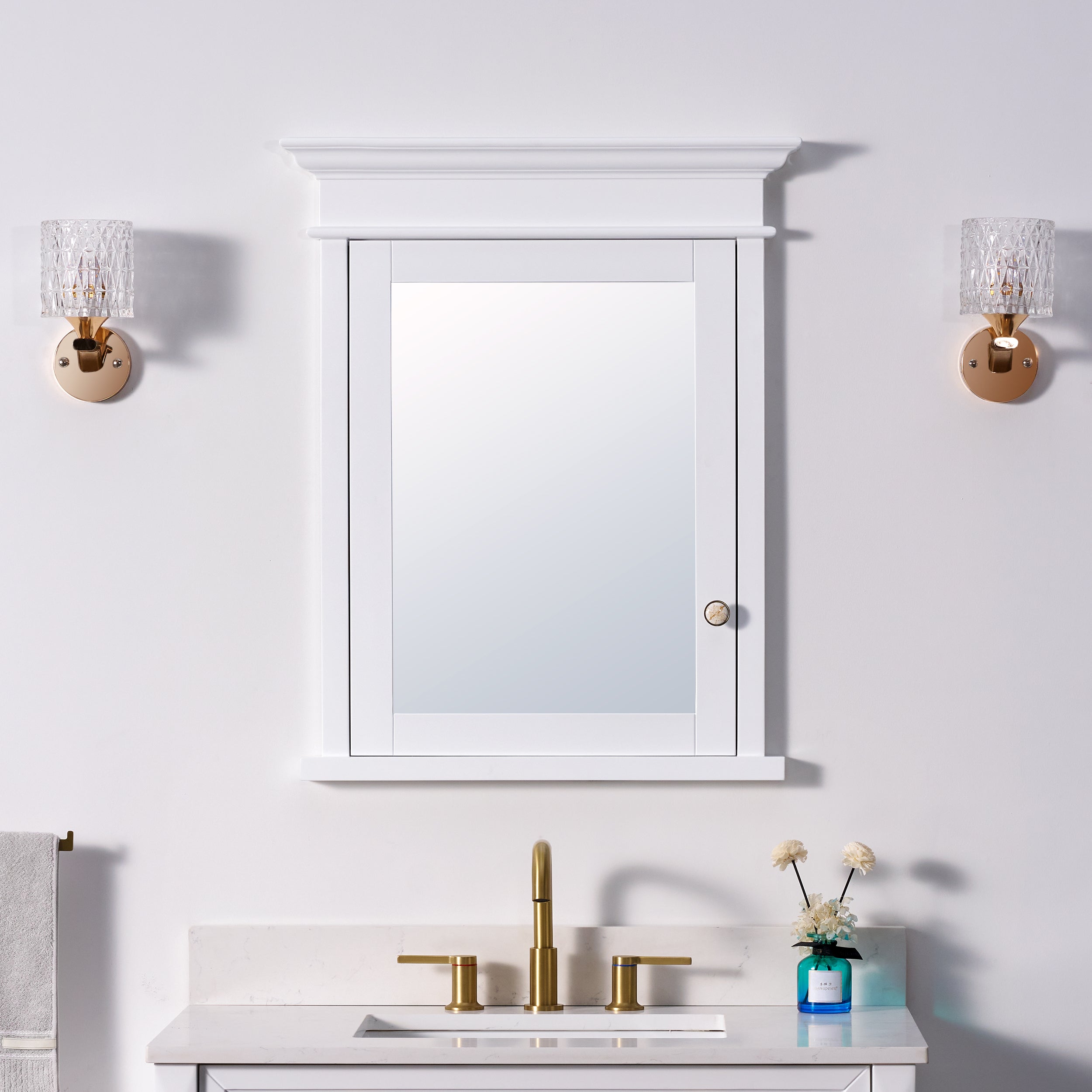
The most common cause of car accidents in the bathroom is not mirror distortion, but the wrong lighting position. NKBA suggests that the task lighting in front of the mirror should be arranged on both sides of the mirror as much as possible, near the height of the eyes, and the lamp body itself should not directly direct the line of sight; For wall lamps installed above mirrors, it is recommended to set them within the range of 78-84 inches above the ground and adjust them according to the user's height. The logic is simple: lateral lighting can significantly reduce facial shadows, making shaving, makeup, invisibility mask use, and skincare more accurate. When there is only overhead light or a distant main light, the shadows on the nose, eye sockets, and chin will be very heavy, and a mirror is useless, no matter how expensive it is. So, the "best" vanity mirror is usually not chosen in isolation; it must be considered alongside the side wall lights, the upper light strip, or a built-in lighting system.
4. Luminescence and anti-fog are no longer gimmicks.
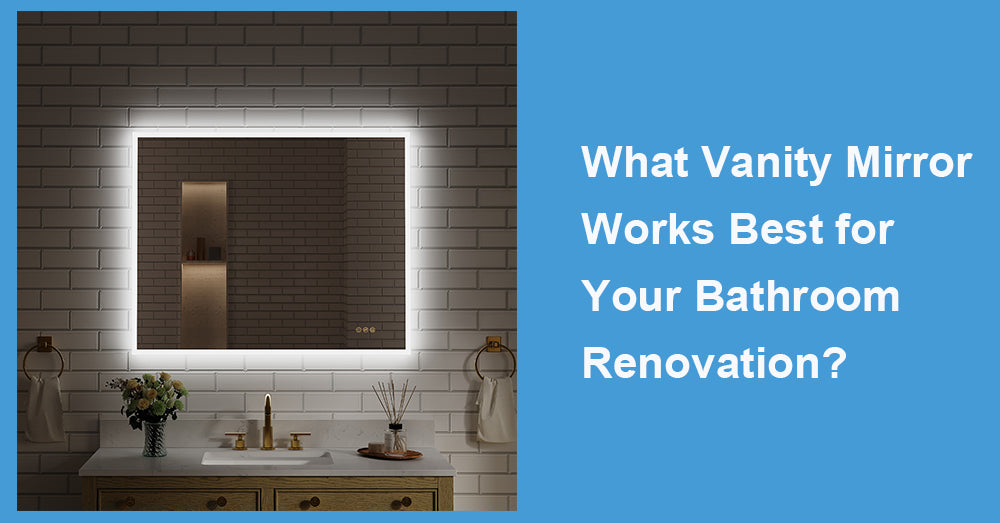
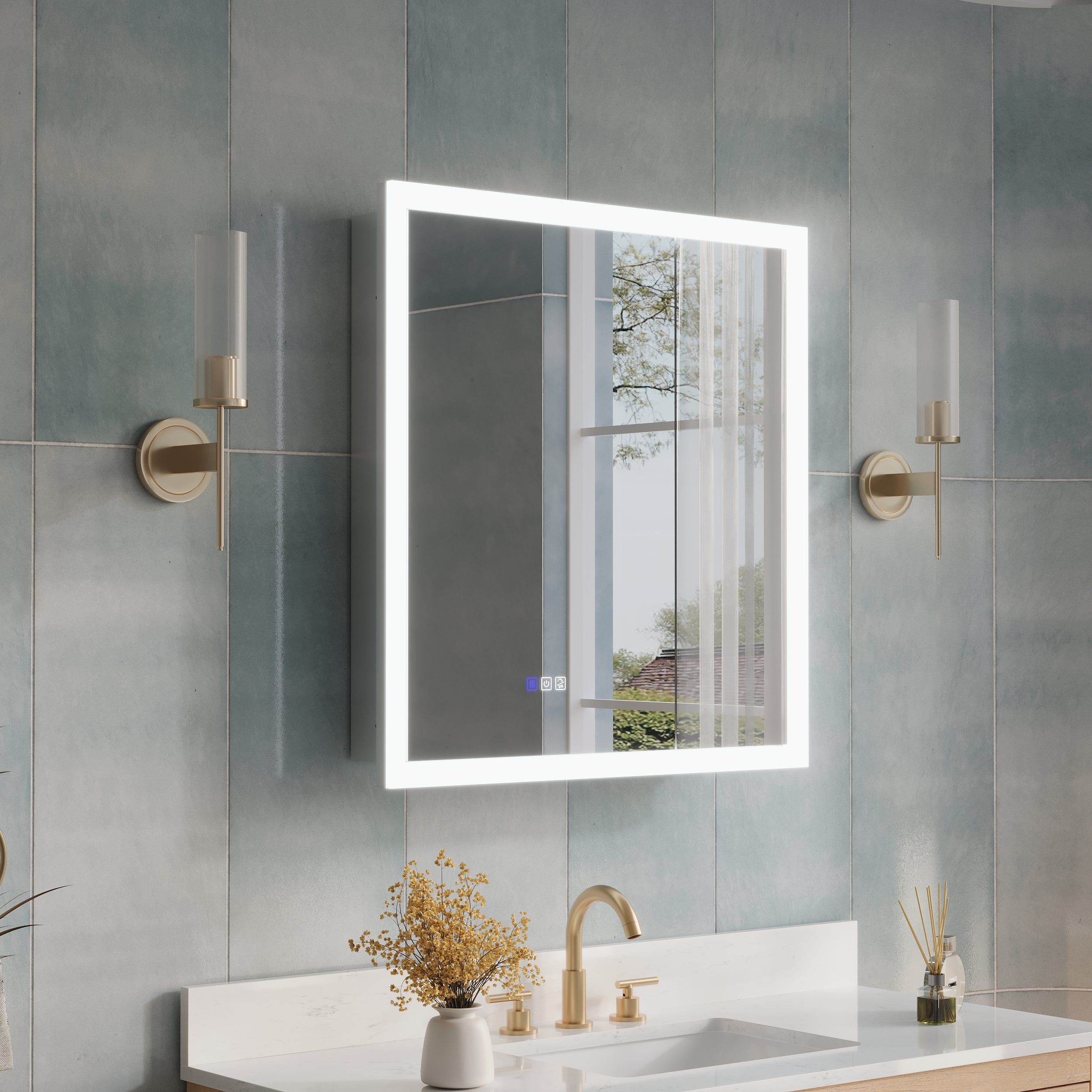
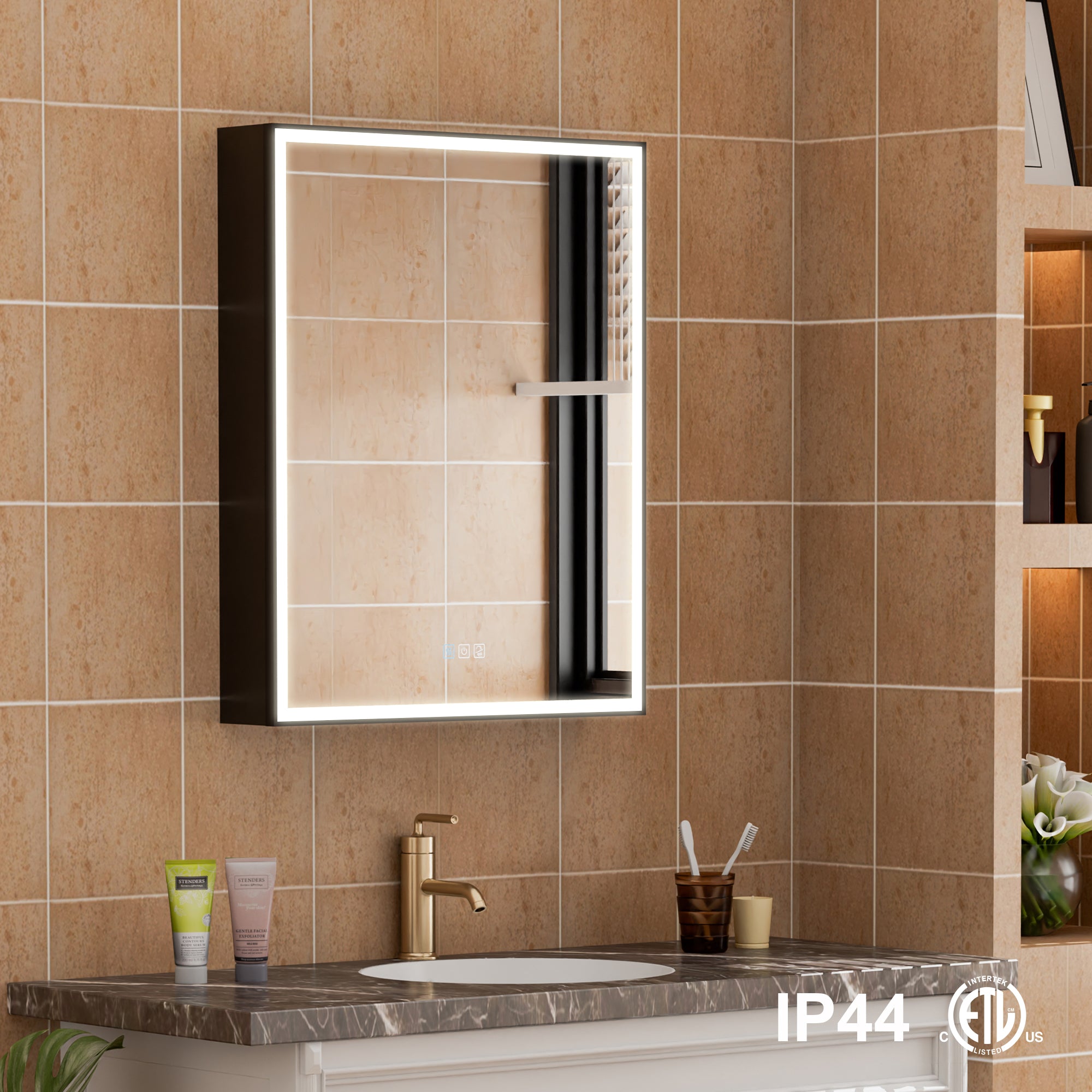
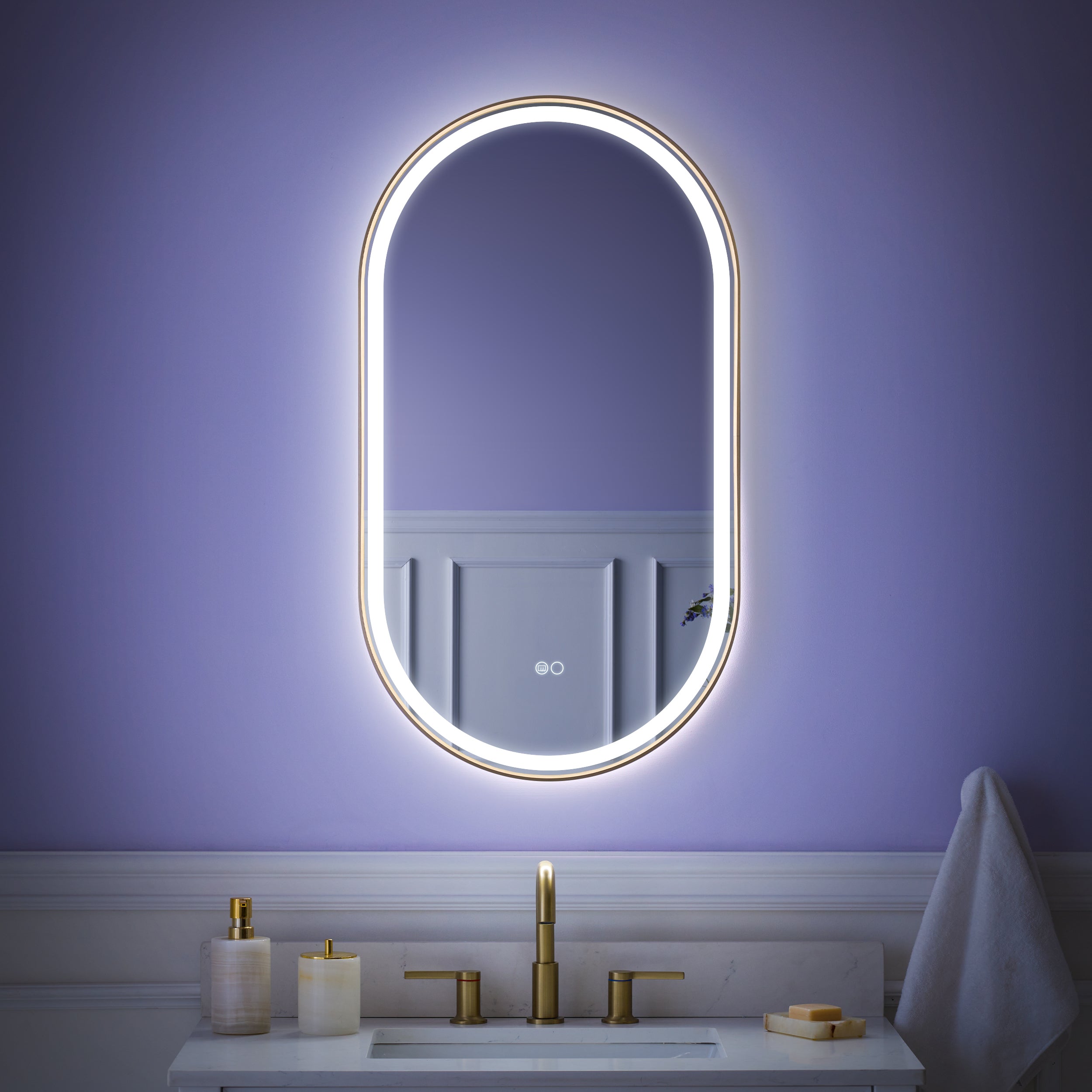
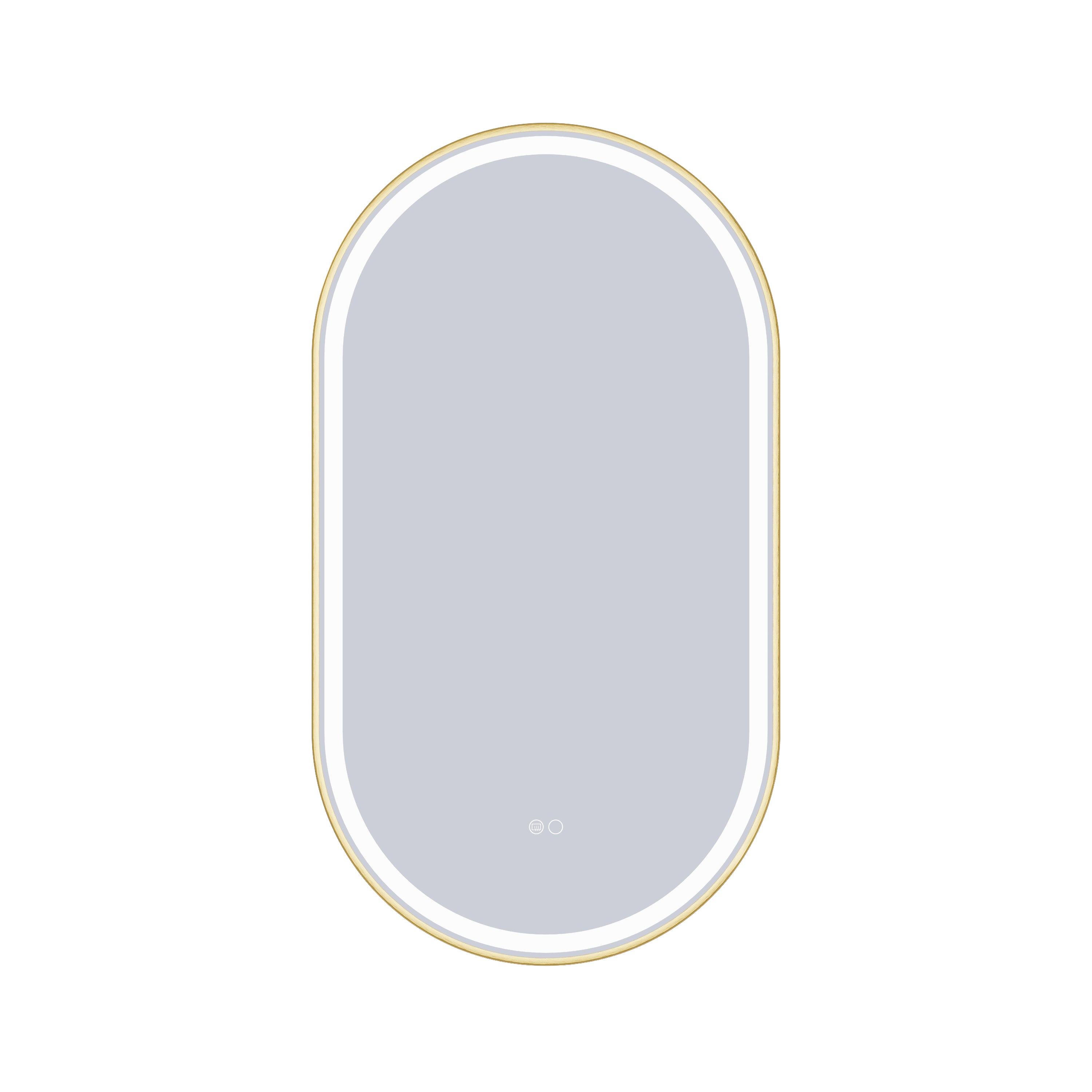
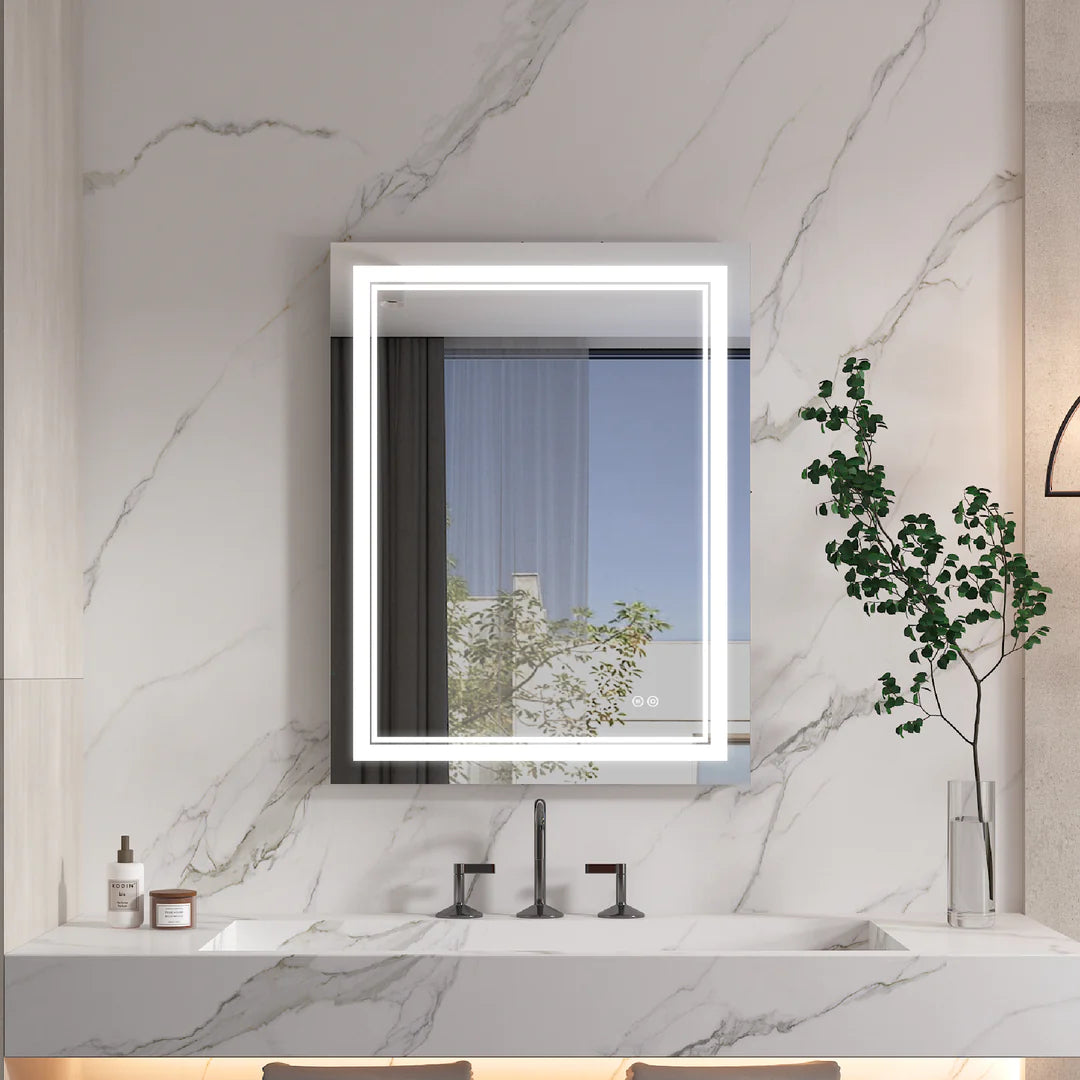
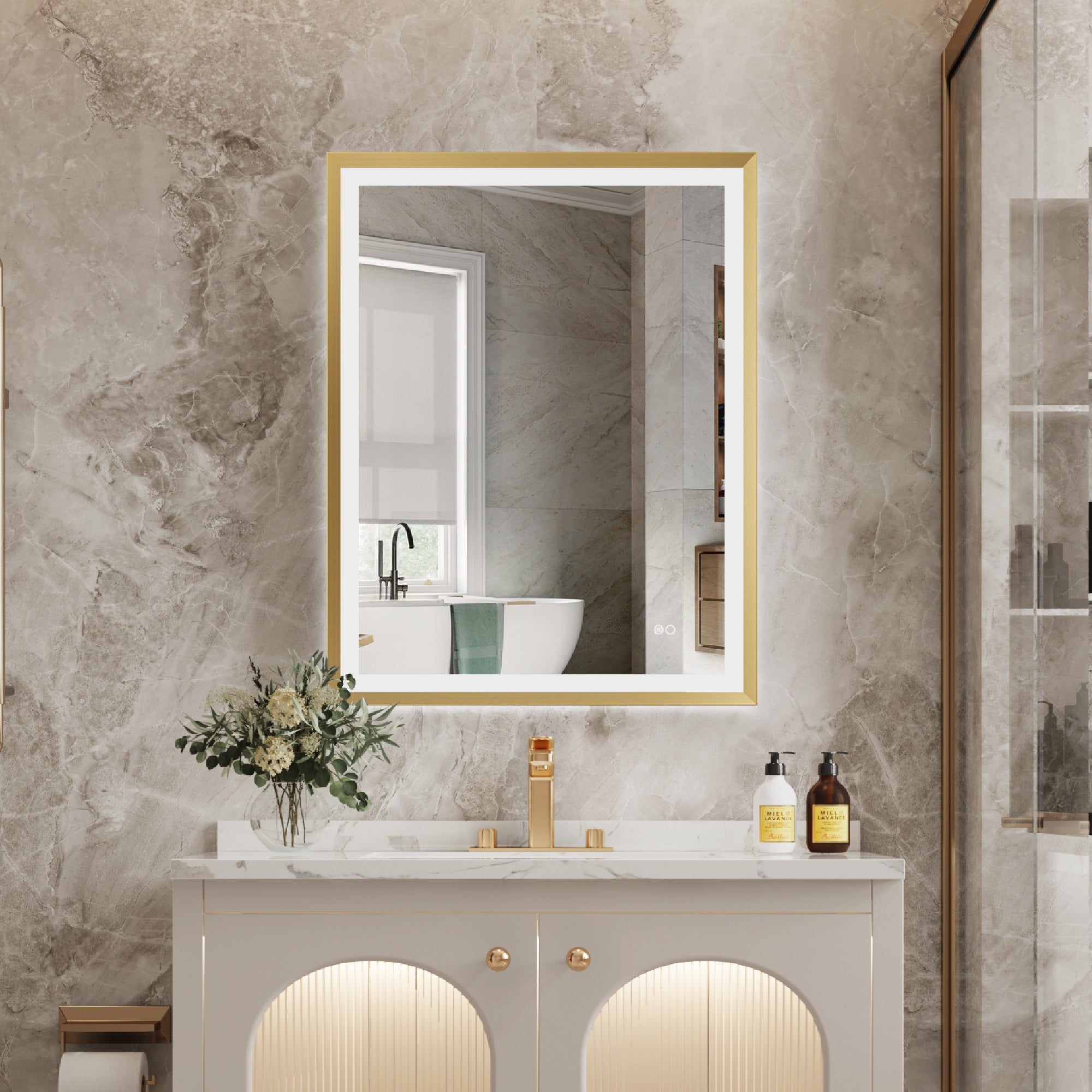
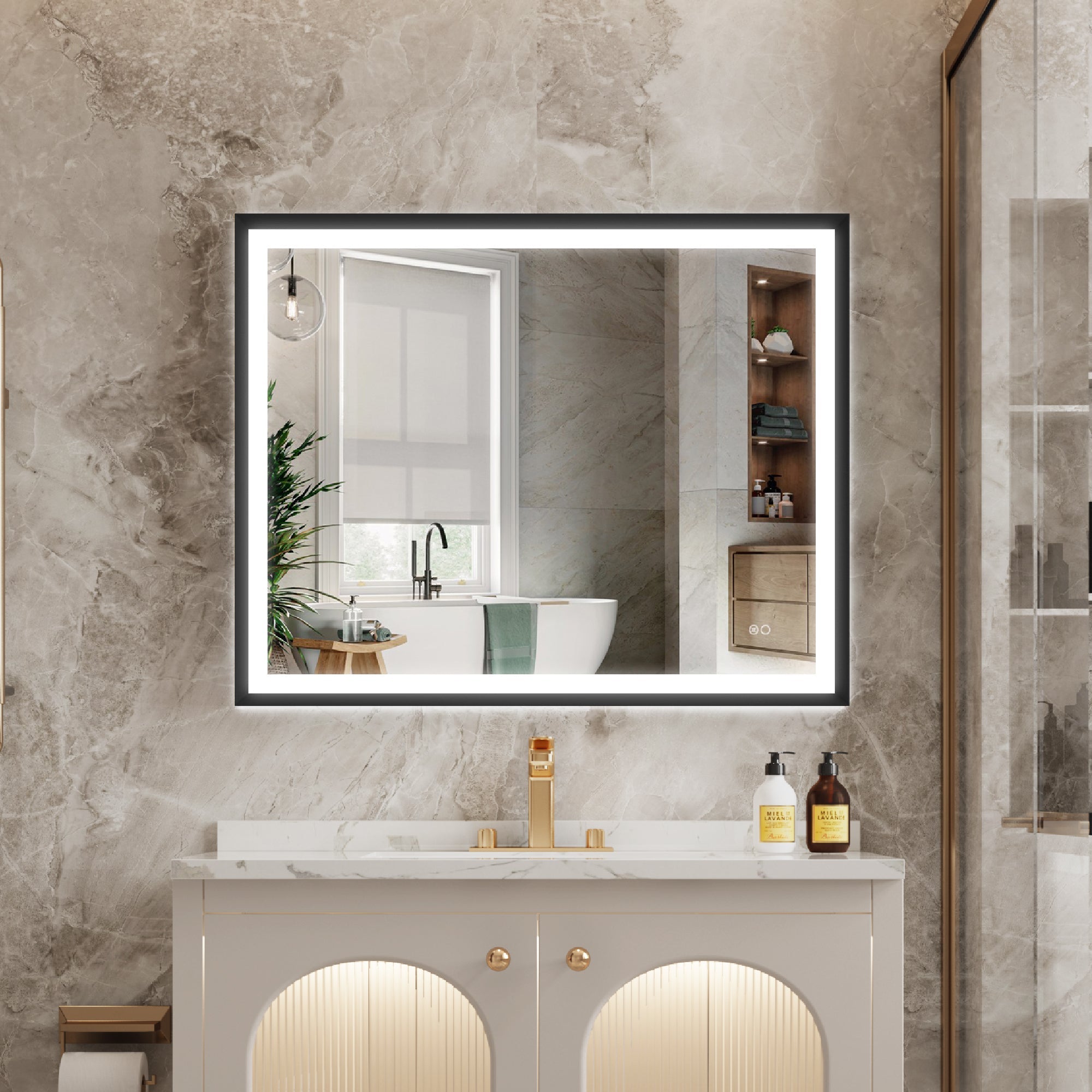
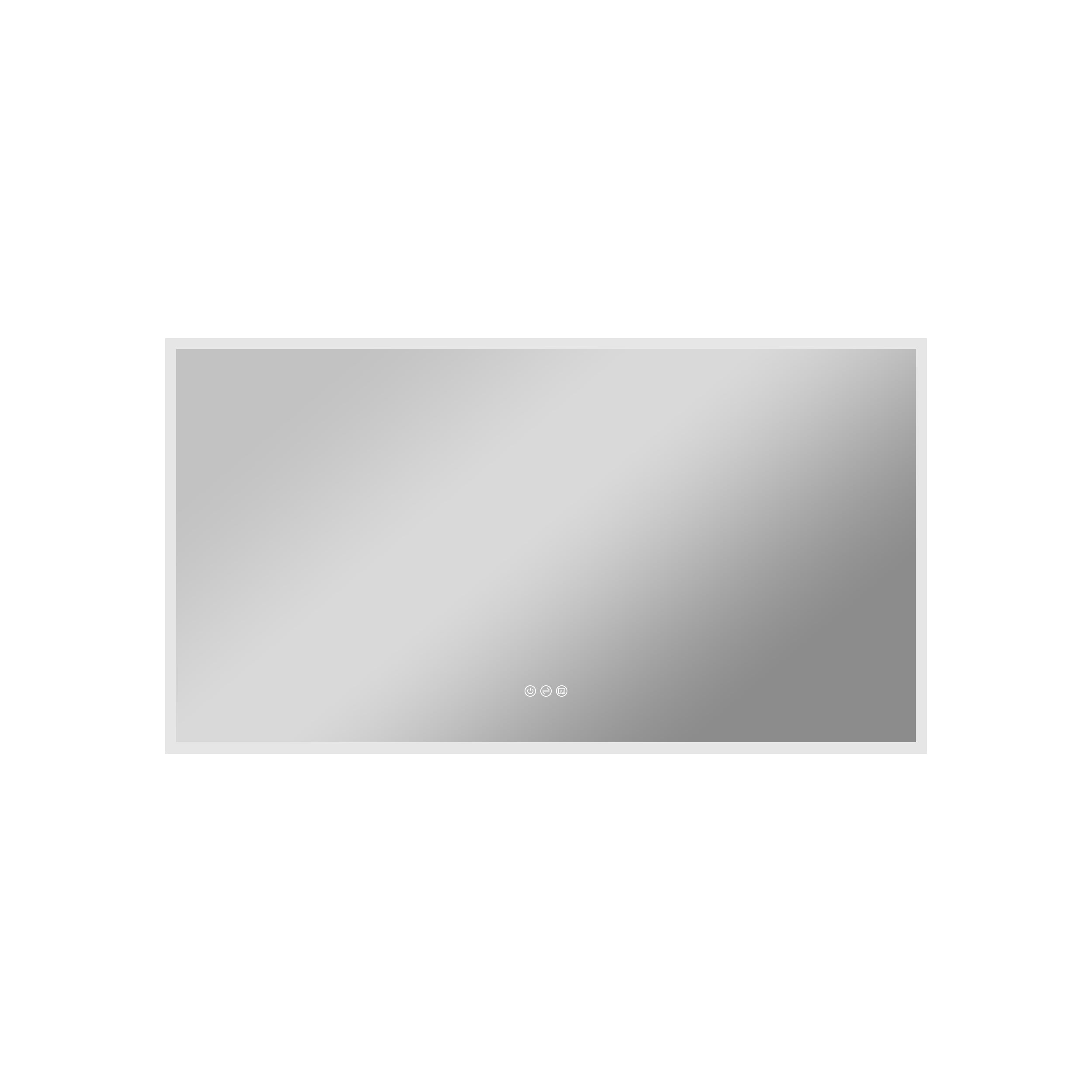
If this is a renovation of the main bathroom rather than a low-frequency guest bathroom, a functional mirror is worth a serious look. According to Houzz's 2025 research, 34% of renovation projects will choose mirrors with specialized functions, with LED lighting accounting for 24% and anti-fog coating accounting for 22%. Compared to 2024, the upgraded mirror features include 21% LED lighting and 20% anti fog, both of which have entered the high-frequency selection range. This indicates that functional mirrors are not a novelty for a few people, but are gradually becoming a mainstream practical upgrade. Especially for bathrooms with high humidity after showering, rush in the morning, and high demand for mirror cleaning, anti-fog and lighting are not "bonus points", but rather efficient configurations that can truly reduce waiting, light replenishment, and repeated mirror cleaning actions.
5. If you lack storage, mirror cabinets are often more valuable than regular mirrors.
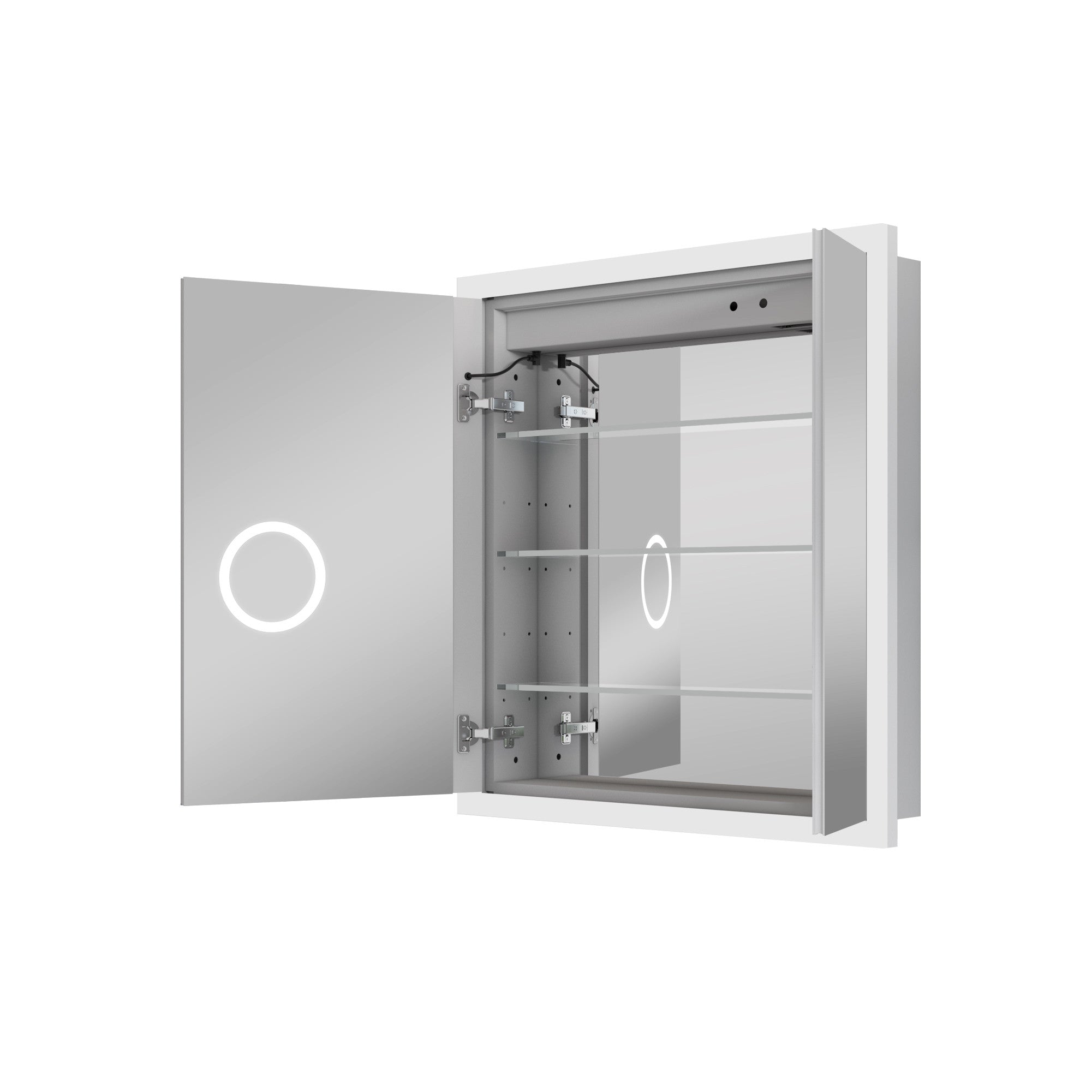
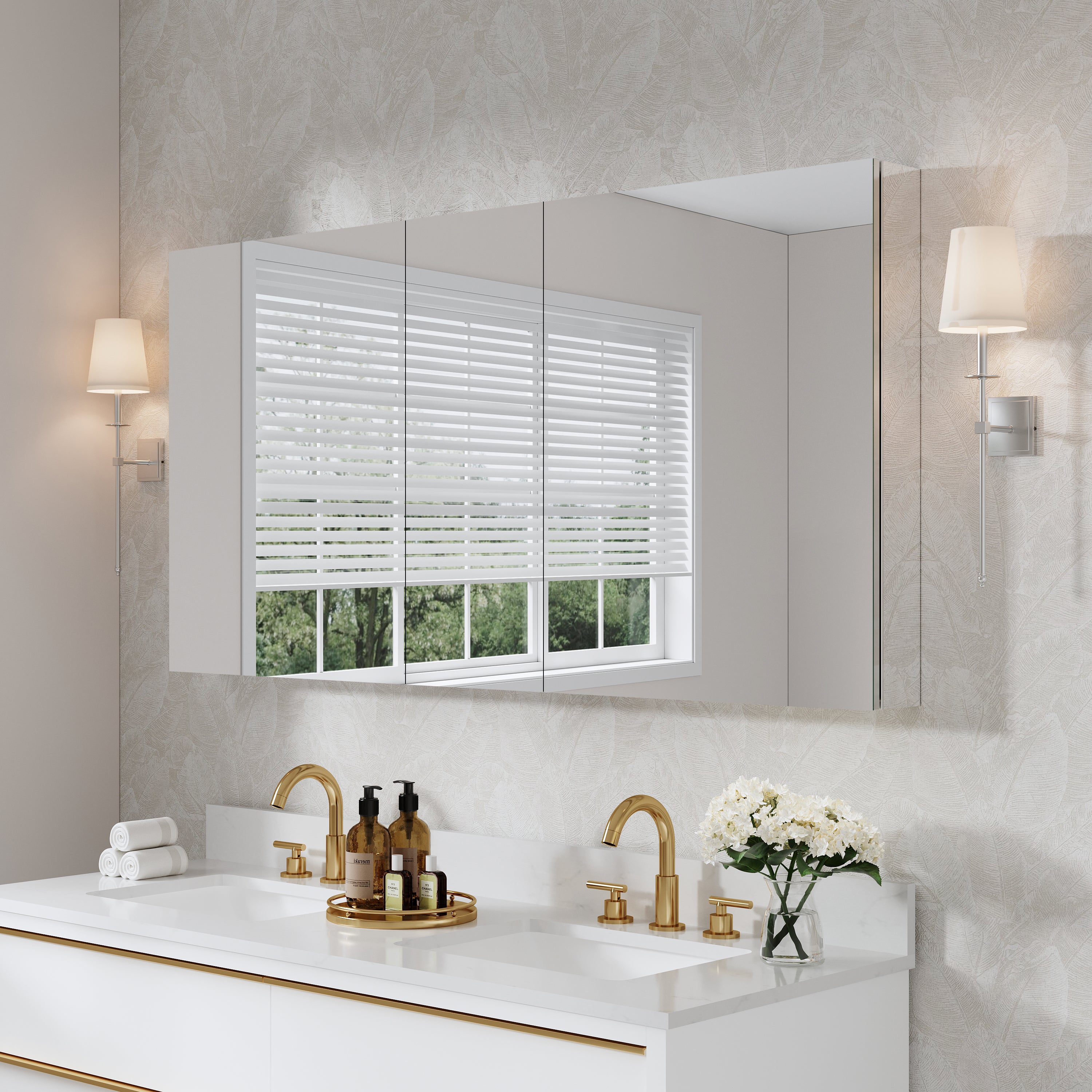
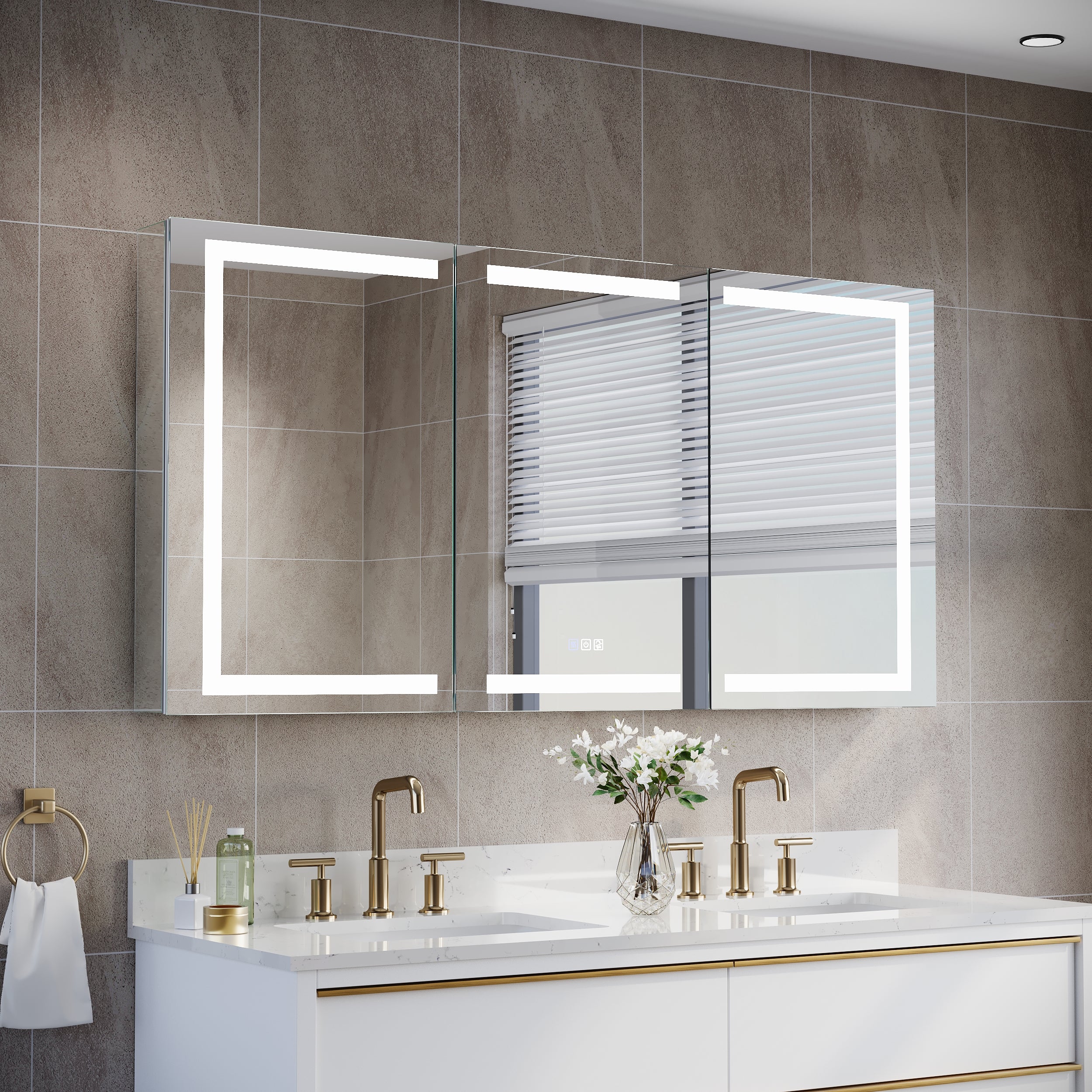
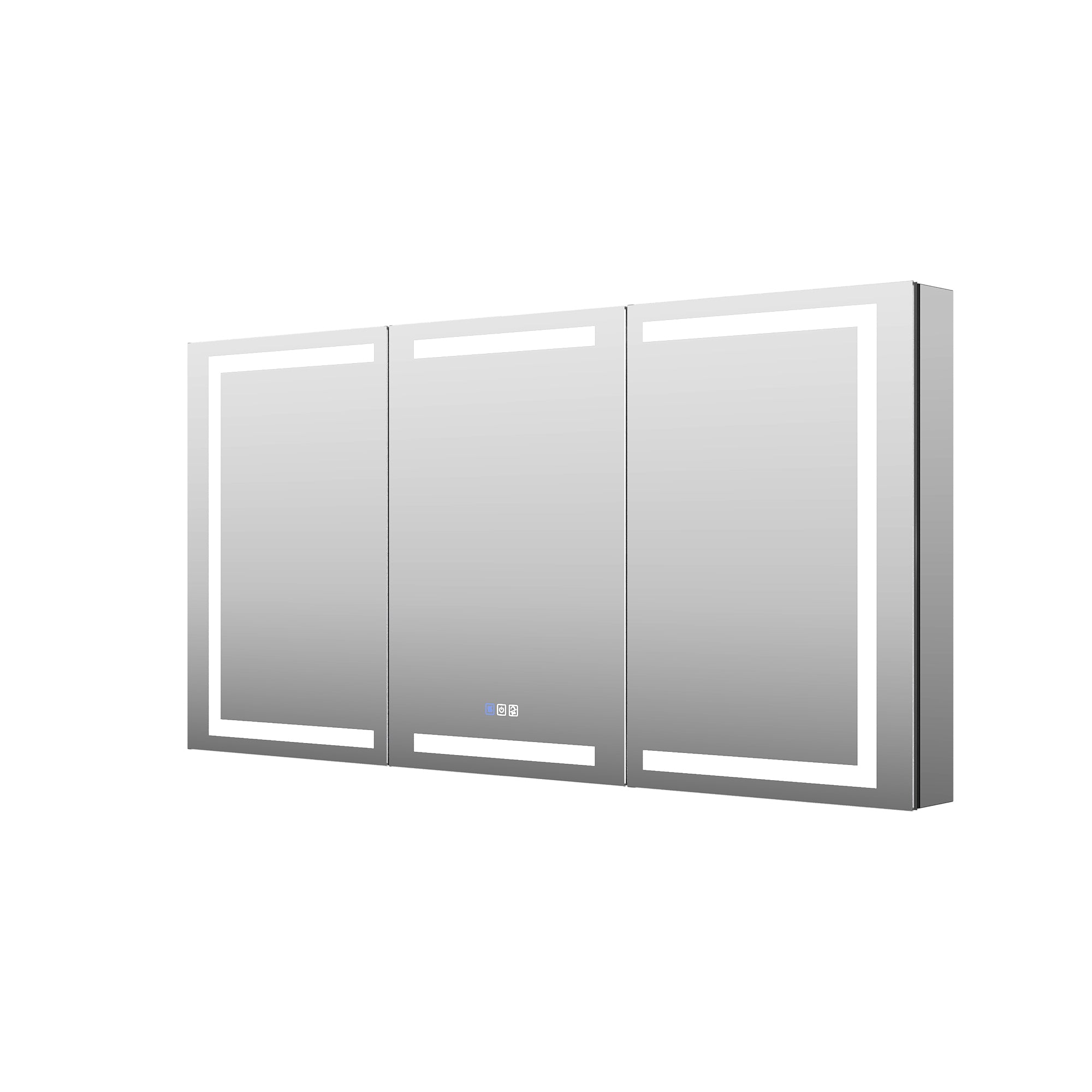
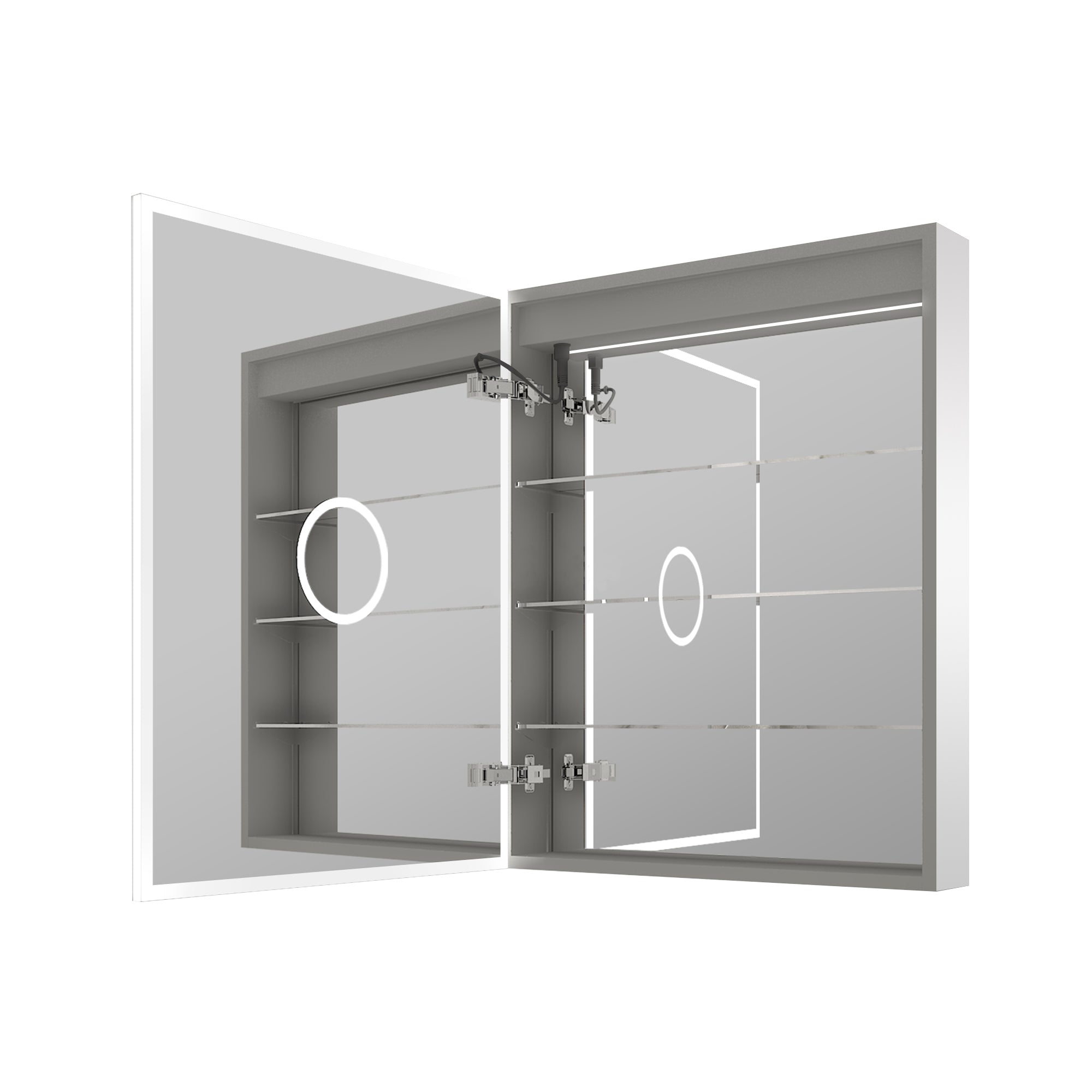
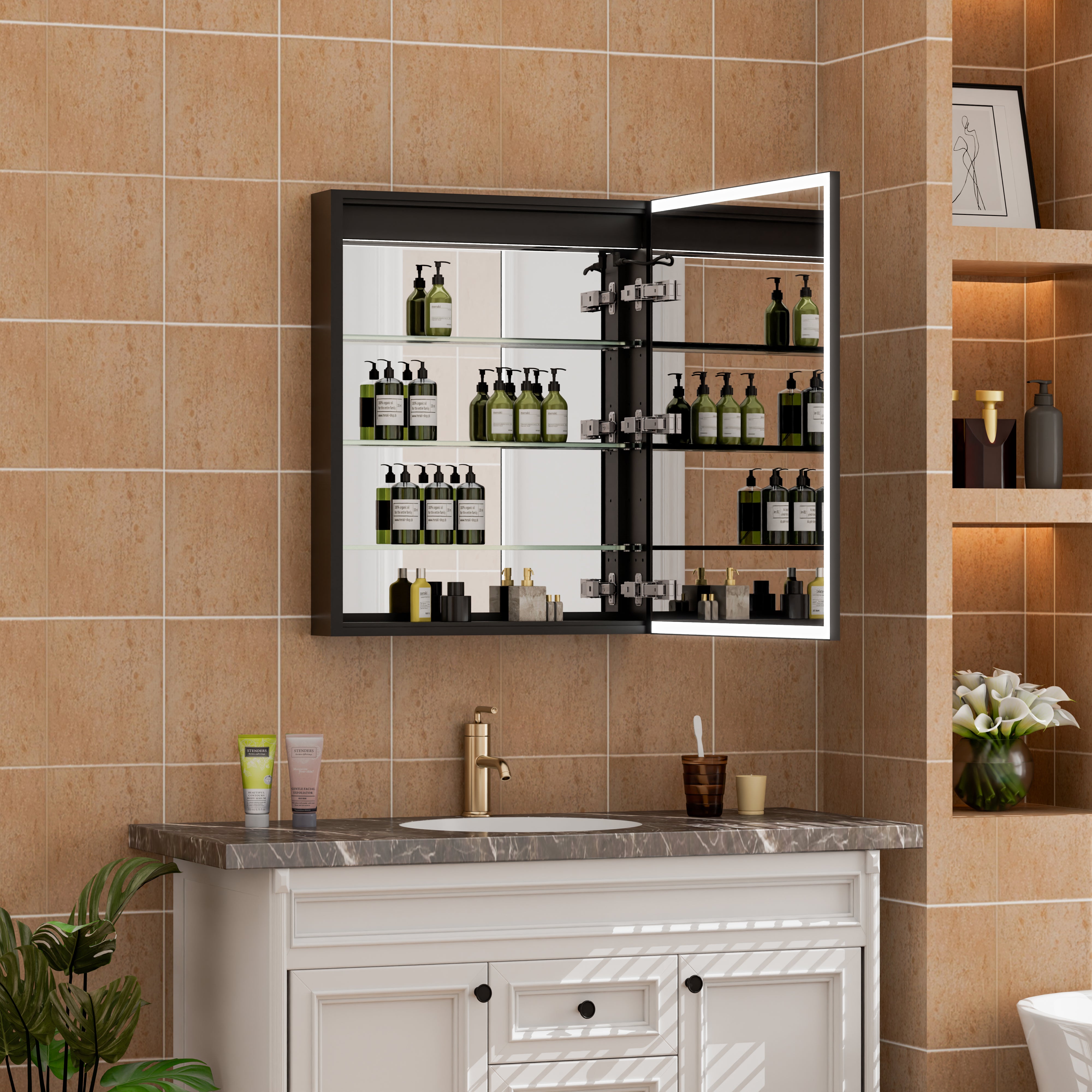
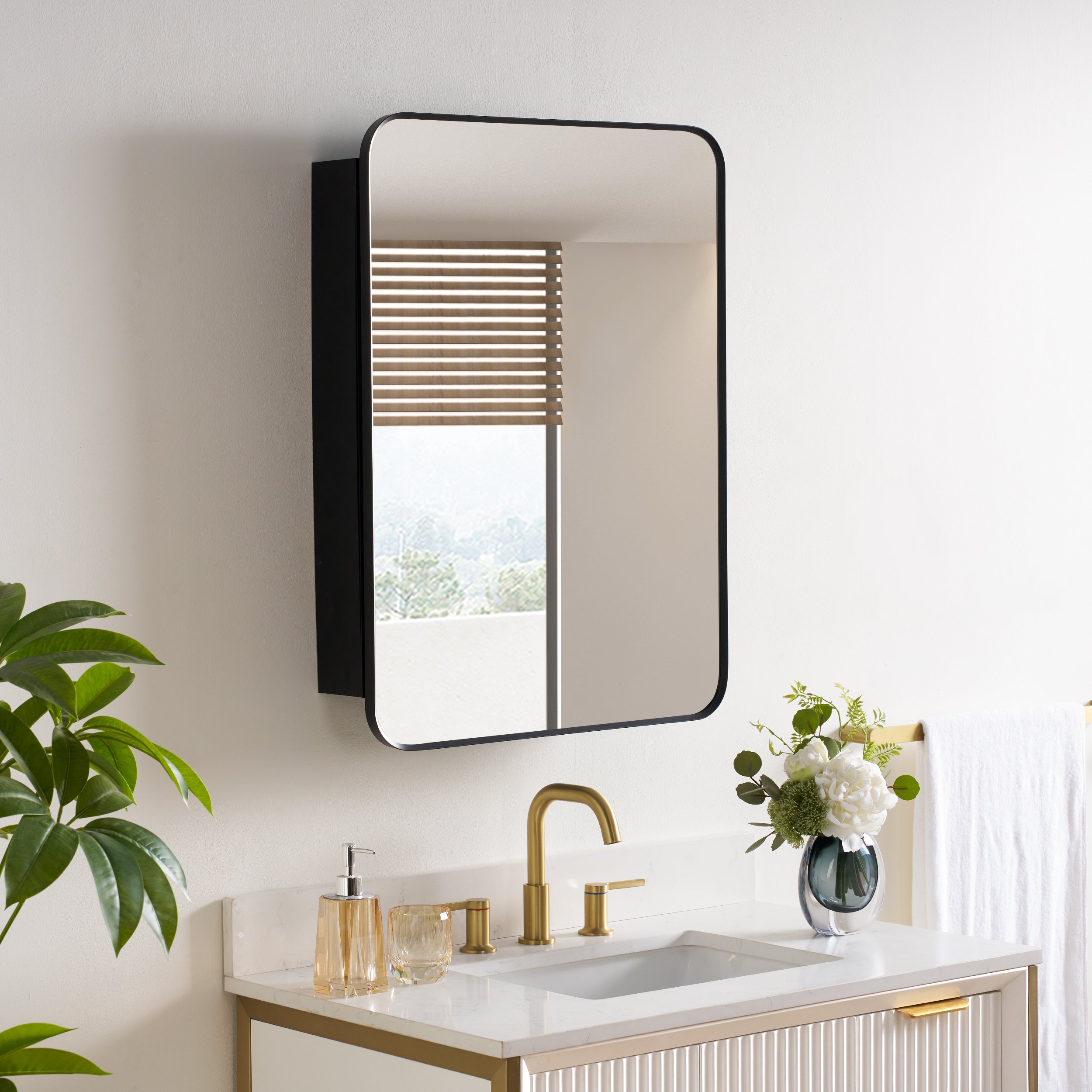
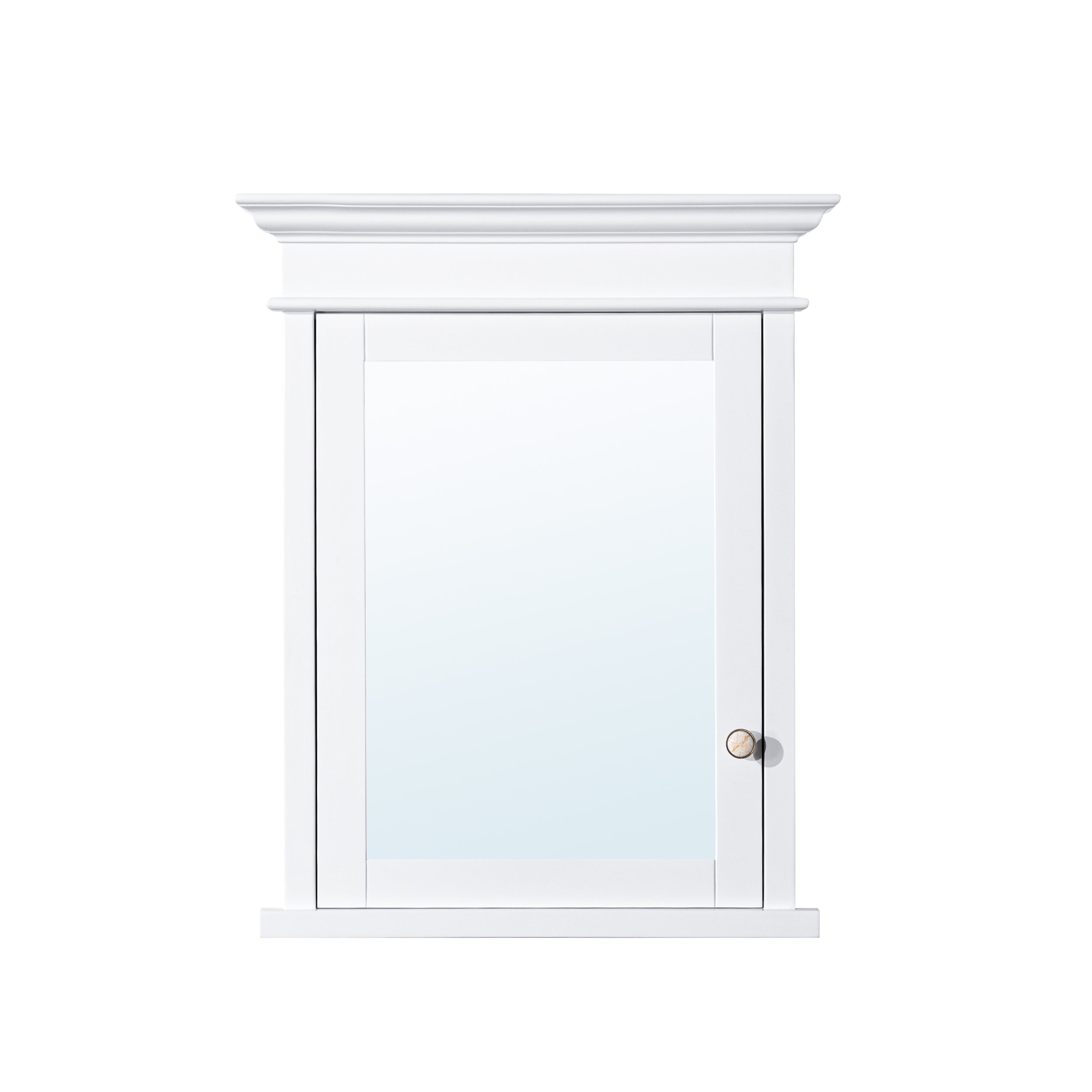
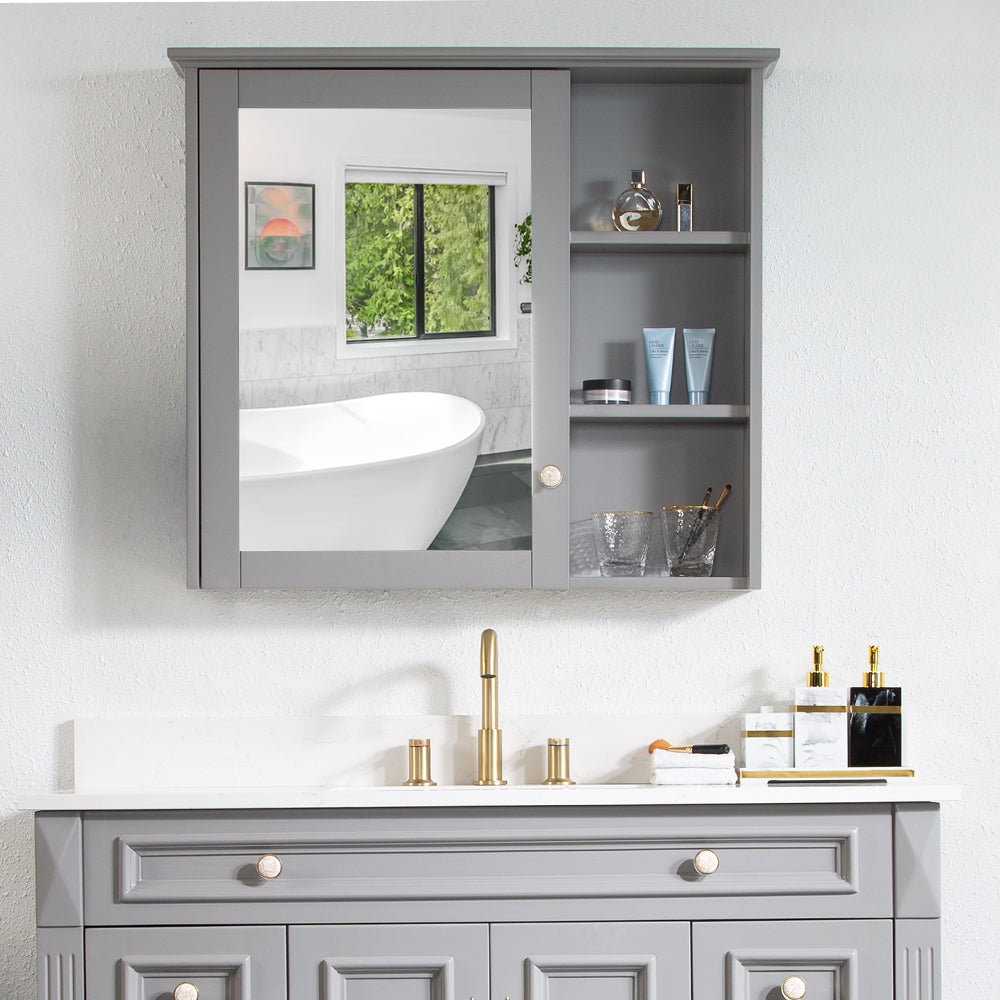
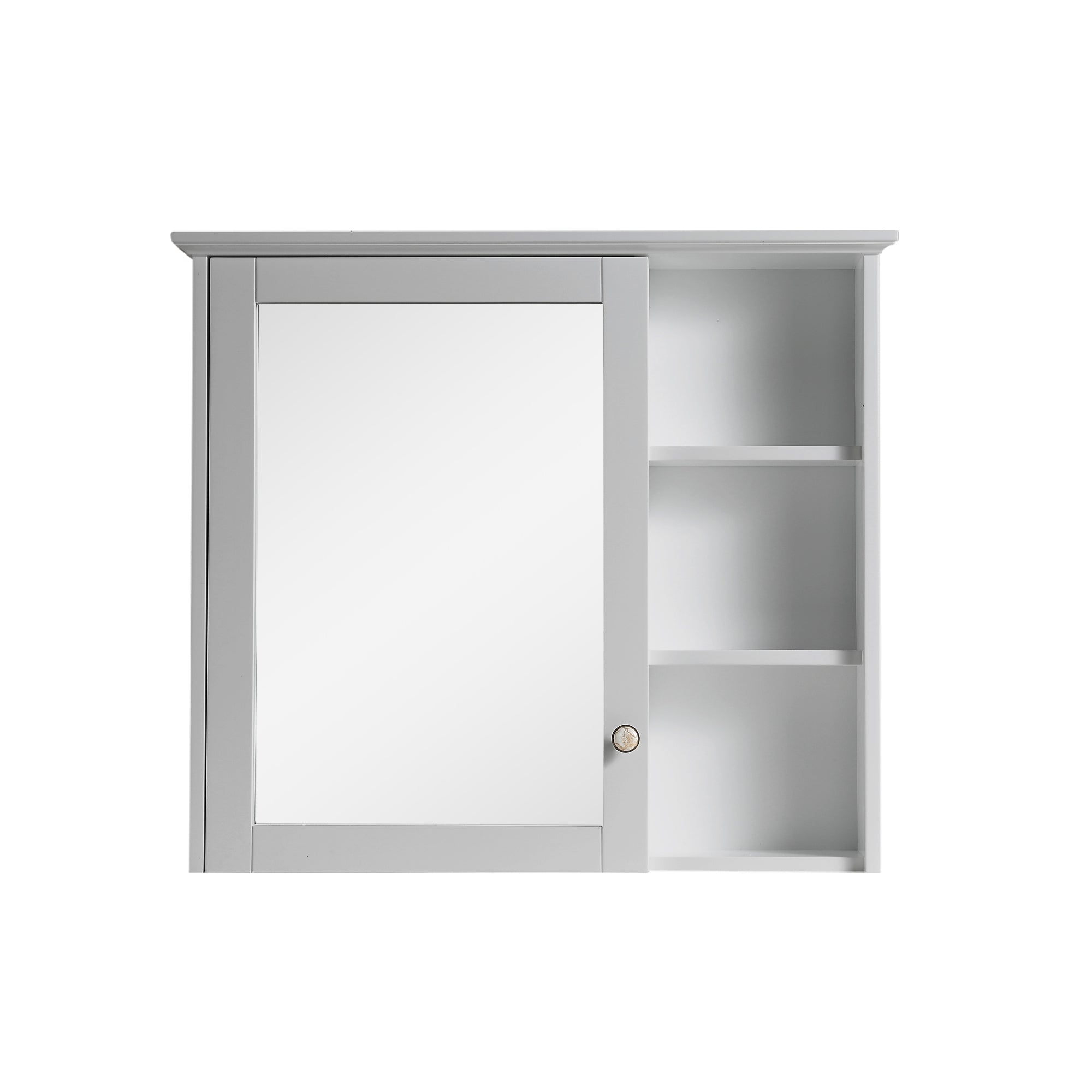
The final problem with many renovation projects is not that the mirror looks bad, but that the countertop is too messy. Hair dryers, razors, toothbrush chargers, skincare bottles, and spare medicines are all piled up on the countertop, and even the most beautiful stone countertop will be destroyed. According to Houzz 2025 data, in the project of upgrading medicine cabinets, the proportion of mirrors installed on the outside is 64%, hidden sockets is 22%, anti-fog systems are 17%, and mirror cabinets with lighting are also on the rise: 26% for external lighting and 20% for internal lighting. In terms of installation methods, the recessed embedded type accounts for 66%, while the surface mount type accounts for 31%. The conclusion from this data is very realistic: if your bathroom has a small countertop and a lot of clutter, a regular mirror may not be the best option. Often, an embedded mirror cabinet is a smarter upgrade because it solves four problems at once: reflections, storage, plugging in, and visual cleanliness.

6. Finally, let's talk about style: first obey the space, then talk about beauty.
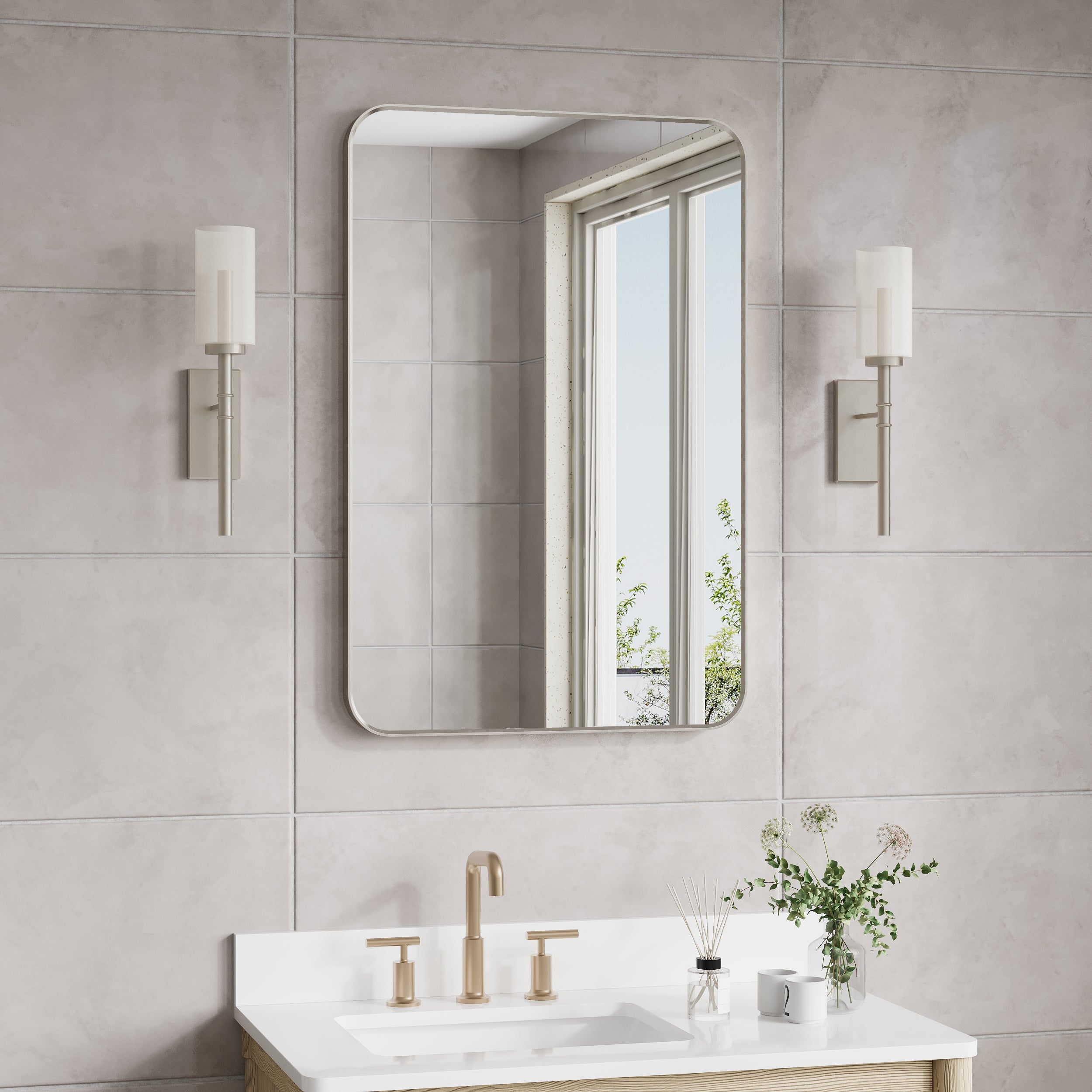
A mirror that fits a renovation follows one rule: first solve for size, line of sight, lighting, and wet-area function. Only then should you decide the shape. Modern, simple washbasins pair best with rectangular mirrors with clear lines. If your bathroom has hard lines and you want to soften the overall look, an arched mirror helps. Circular mirrors look lighter but need specific wall proportions and space. They do not fit all designs. You want a mirror that fits your sink width, standing height, lighting, and storage needs. The best mirror is not always the largest or brightest. It should allow you to stand each day comfortably without having to lower your head, adjust the lighting, clear the fog, or deal with a cluttered countertop. That is what truly matters in a renovation.












Leave a comment
This site is protected by hCaptcha and the hCaptcha Privacy Policy and Terms of Service apply.