

















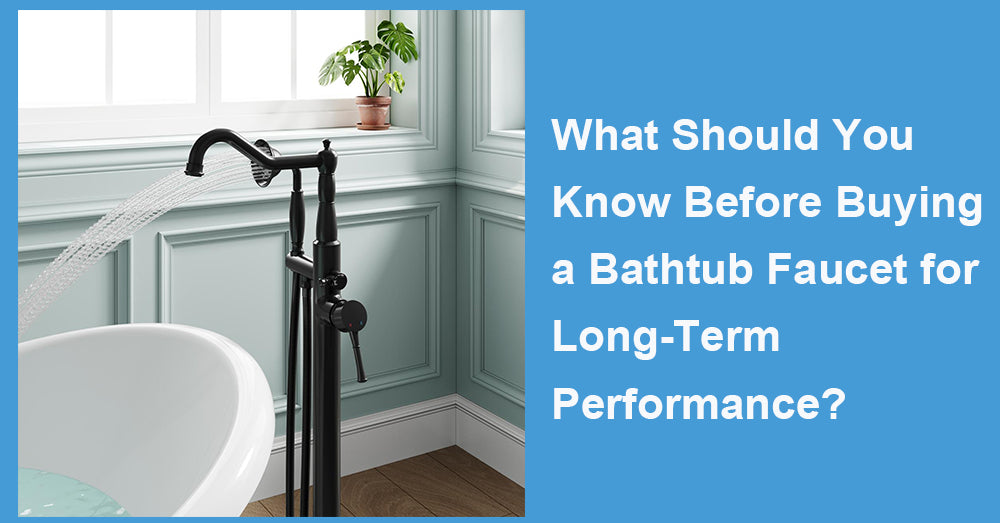
A bathtub faucet is easy to shop for by looks alone, but long-term performance depends on what you don’t see: valve quality, safety controls, material standards, realistic flow expectations, and whether the faucet matches how the tub is actually used. A gorgeous trim kit can still disappoint if fill times are slow, temperature swings are annoying, or the finish corrodes in a humid room. This guide breaks down the decisions that matter most—using measurable references and widely recognized standards—so you can buy once and stay satisfied for years.
1. Start With the Faucet “System,” Not the Trim
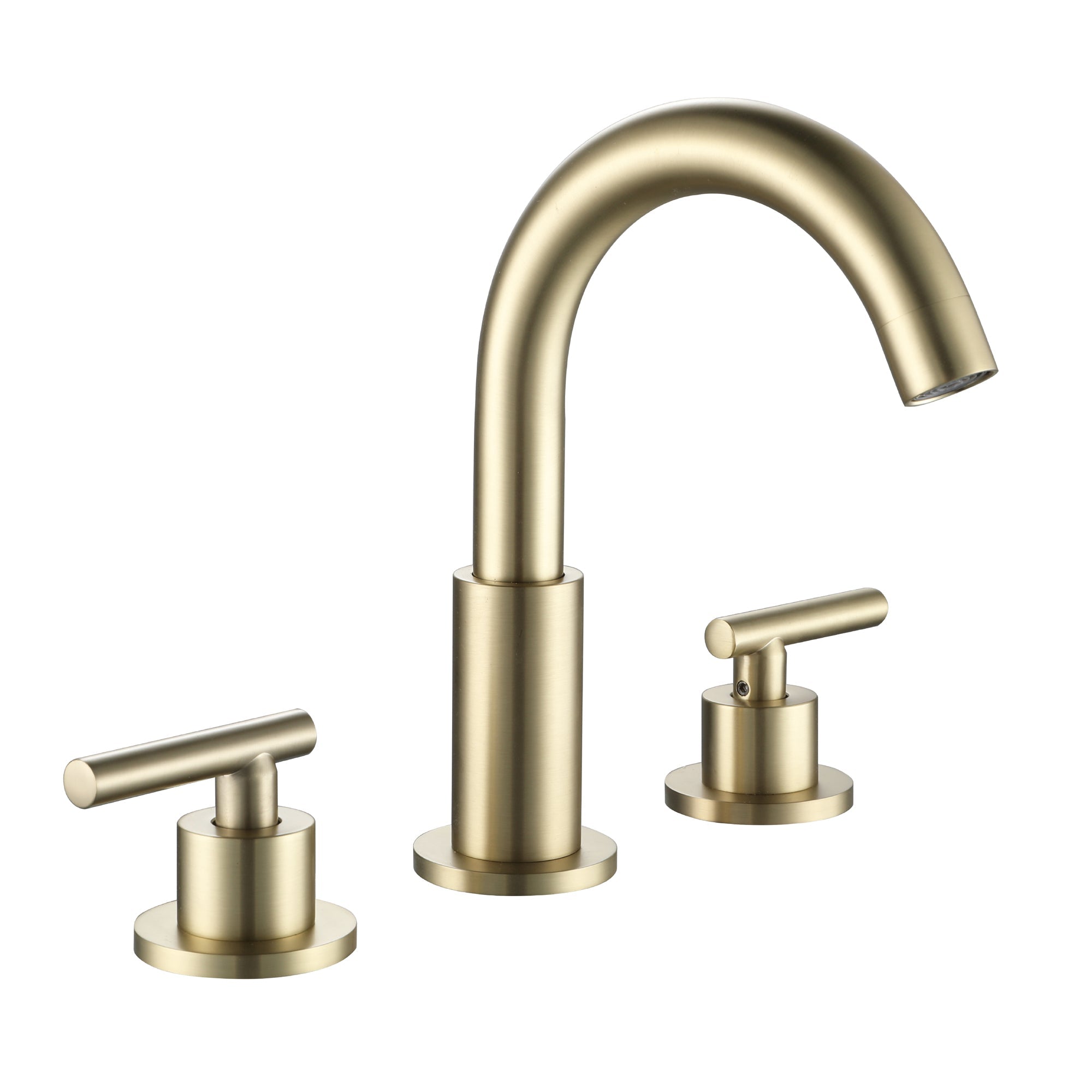
A bathtub faucet is typically a combination of:
· The valve body (the internal mixing/control mechanism)
· The trim (handle, spout, escutcheon, finish)
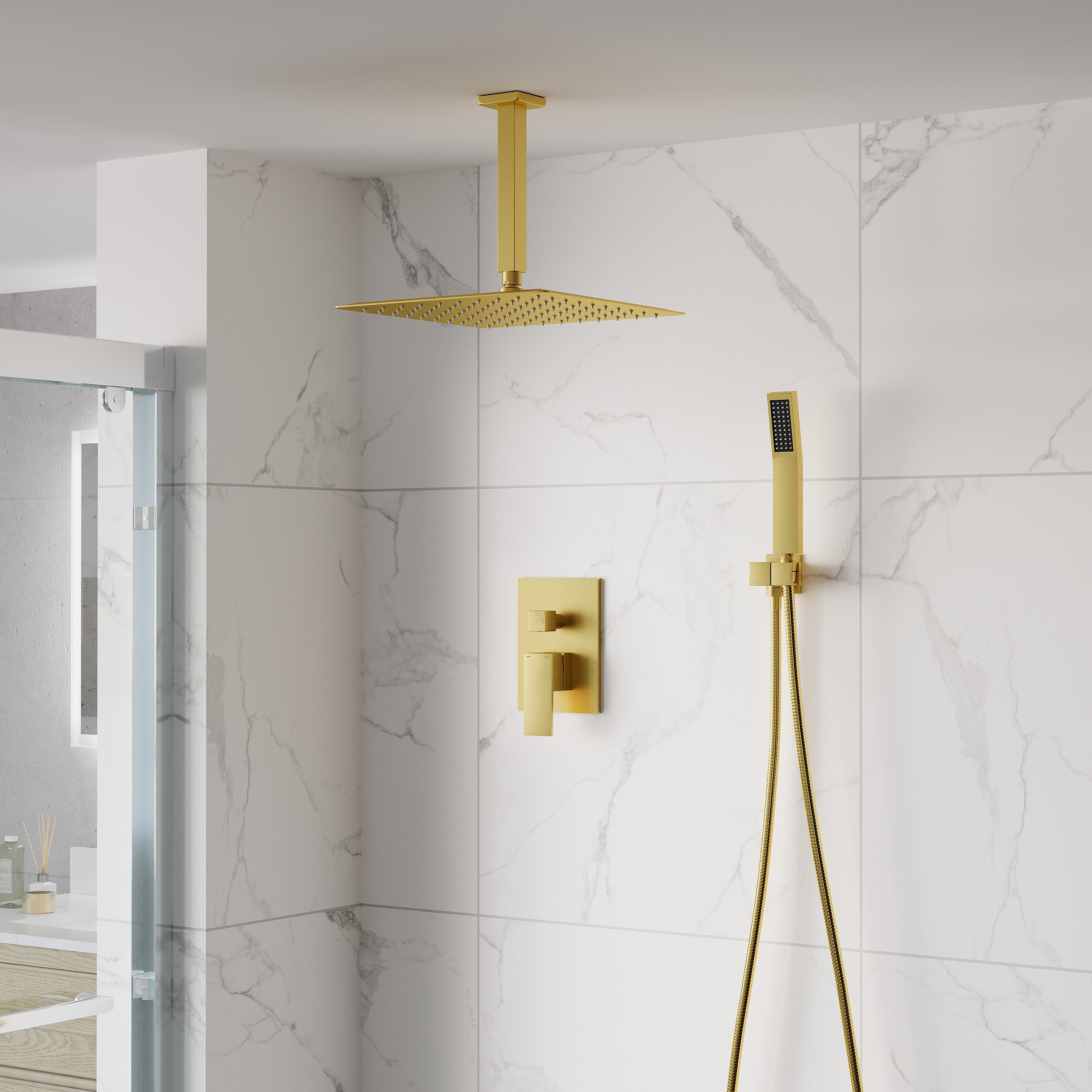
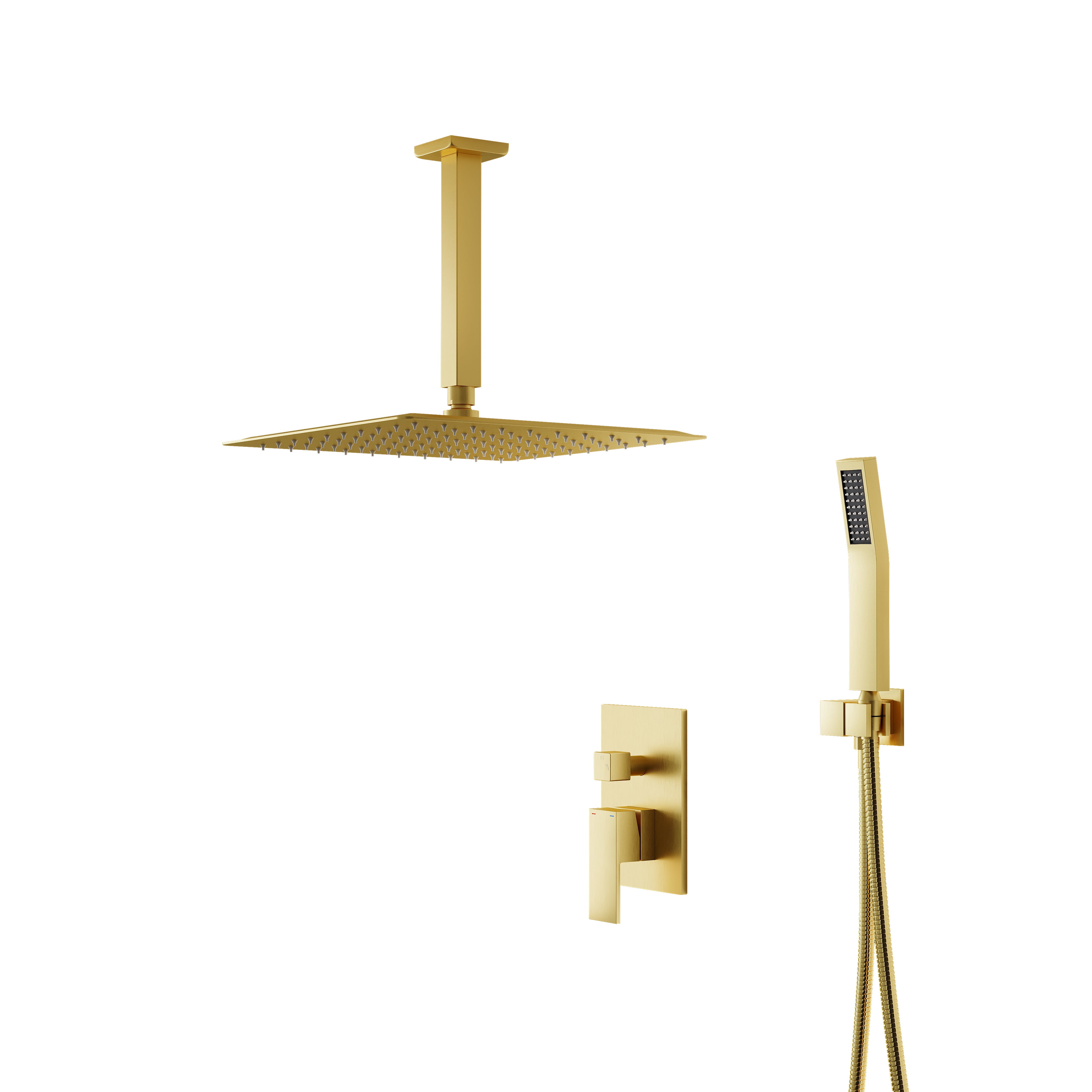
· Optional diverter (for showerhead or hand shower)
· Supply connections (pipes, fittings, mounting support)
For long-term reliability, the valve and installation matter more than the handle design. Trim is the easy part to replace; the valve in the wall is not.
A useful credibility signal is whether the product (or its valve) is built and tested to recognized plumbing fitting standards, such as ASME A112.18.1/CSA B125.1, which covers bath and shower supply fittings among many other fitting types (Source: ASME standard listing; CSA scope listing).
2. Choose the Right Installation Type for Your Tub Layout
Before you pick a style, identify how the faucet must mount. The common types:
A) Deck-mount (tub rim or deck)
· Often used with drop-in tubs or tiled decks
· Easier access for service (compared with deep wall work)
· Needs enough flat surface area and proper bracing below
B) Wall-mount (spout and control on the wall)
· Clean look, keeps the tub deck uncluttered
· Requires careful rough-in planning and precise spout reach
· Repair access depends on wall construction and access panels
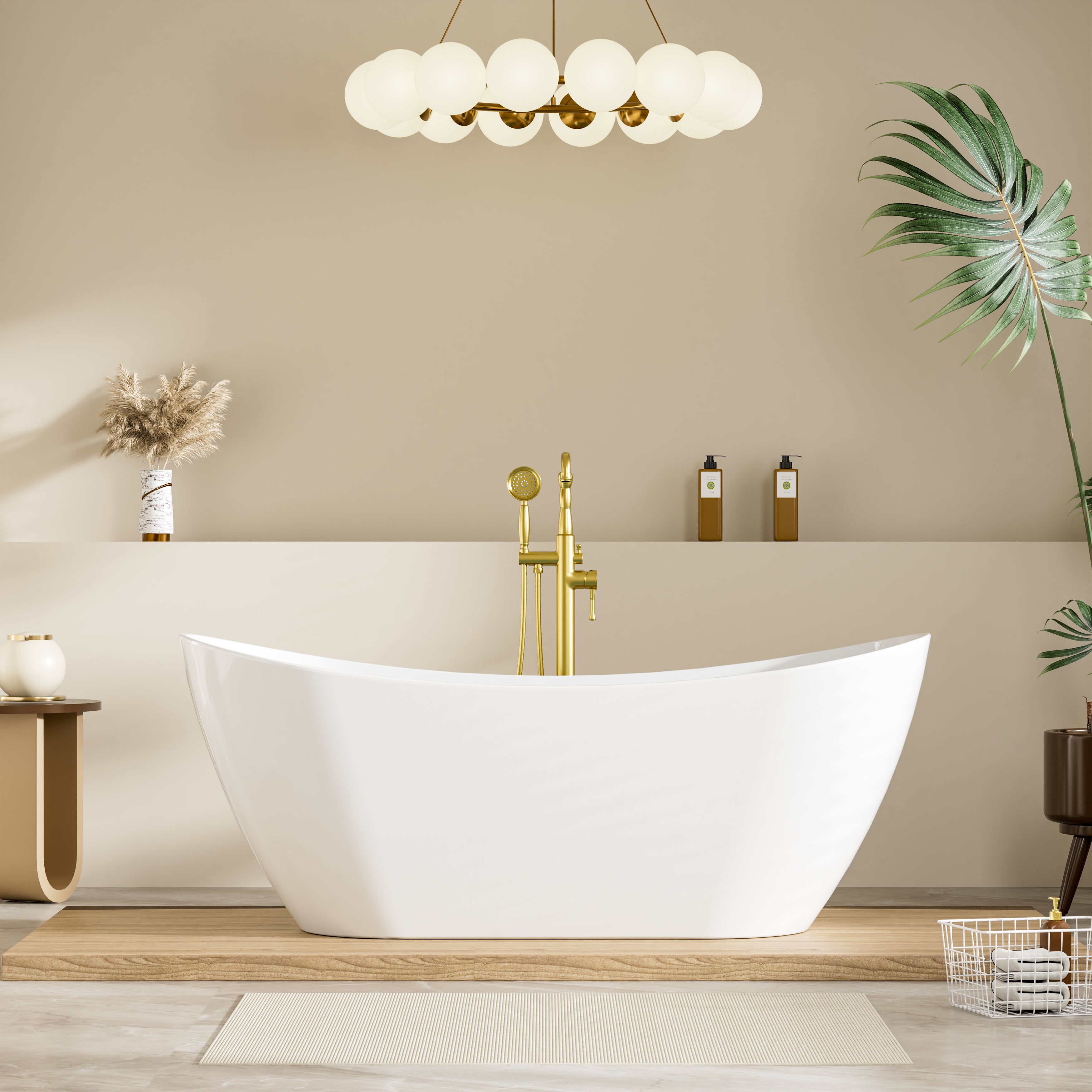
C) Freestanding tub filler
· Common with freestanding tubs placed away from walls
· Requires strong floor mounting and correct supply routing
· Any wobble or poor anchoring becomes a long-term annoyance
Tip: Make sure the spout reach lands where water won’t splash excessively—ideally closer to the center line of the tub rather than right at the edge.
3. Understand Flow Rate and Real Fill Time (So You’re Not Disappointed)
People often discover too late that the “pretty faucet” fills the tub slowly—especially if the tub is large or the plumbing pressure is modest.
3.1 Know your tub’s realistic water volume
A typical tub often holds about 40–60 gallons, depending on shape and depth (Source: TubSafe capacity guide).
3.2 Use the fill-time formula (and your faucet’s spec sheet)
Fill time (minutes) ≈ Tub gallons ÷ Faucet flow rate (gpm)
Example (simple math):
If your tub uses 50 gallons and the tub spout is rated at 5 gpm, fill time is about 10 minutes.
The key is: use the manufacturer’s rated flow (gpm) for the tub spout at the stated pressure. If the listing doesn’t provide a clear spec, that’s a yellow flag for long-term satisfaction.
3.3 If you’re buying a tub/shower combo, know the shower limits
Showerheads are regulated differently from tub spouts. The federal maximum water use for showerheads is 2.5 gpm at 80 psi (Source: 10 CFR § 430.32).
WaterSense-labeled showerheads must use no more than 2.0 gpm while meeting performance criteria (Source: U.S. EPA WaterSense showerheads).
Why it matters: if your setup includes a showerhead, don’t expect “high-flow” shower performance. Instead, focus on spray design and pressure-compensating performance—within the allowable flow range.
4. Prioritize Temperature Safety and Comfort (This Is Where Quality Shows)
A long-term “good faucet” is one that delivers stable temperature without surprises.
4.1 Set expectations for safe hot water delivery
A widely cited safety recommendation is keeping residential water heaters around 120°F to reduce scald risk (Source: U.S. CPSC “Tap Water Scalds” publication).
Even if the water heater is set higher for other reasons, the safest approach is controlling temperature at the fixture with the right valve and/or mixing strategy.
4.2 Pressure-balance vs. thermostatic valves
If you’re choosing a valve (especially for tub/shower combos), look for recognized performance standards for compensating valves that help prevent scalding and thermal shock. Guidance from a plumbing safety organization notes that point-of-use tub/shower valves meeting ASSE 1016 (including pressure-balancing or thermostatic types) are used to minimize scalding and thermal shock risks (Source: ASSE scald hazards PDF).
Practical takeaways
· Pressure-balance valves help reduce sudden temperature swings caused by pressure changes (e.g., someone flushes a toilet).
· Thermostatic valves aim to maintain a set temperature more precisely and can feel more “premium,” especially for longer baths and multi-outlet systems.
If long-term comfort is a priority, don’t downgrade the valve to save a small amount—this is the part you’ll feel every day.
5. Verify “Lead-Free” and Material Credibility (Especially for Drinking-Water Pathways)
Even though a bathtub faucet isn’t usually used for drinking, it still carries household water—and many people fill containers, rinse, or wash items in tubs.
A key “lead free” benchmark for plumbing products intended for potable uses is a maximum weighted average of 0.25% lead across wetted surfaces (Source: NSF on NSF/ANSI/CAN 372 technical requirements; EPA compliance advisory).
What to look for
· Clear documentation referencing reputable certification or compliance (e.g., NSF/ANSI/CAN 372 or equivalent “low lead” certification claims backed by testing)
· Transparent product documentation and manufacturer support
Avoid vague phrases like “eco brass” without standards-based context.
6. Don’t Ignore Weight and Structure (Especially for Freestanding Fillers)
Water gets heavy fast. One gallon of water weighs about 8.34 lb (Source: CK-12 explanation of water weight).
So a 50-gallon bath adds roughly 417 lb of water weight—before counting the tub itself and the person using it. That doesn’t automatically mean “problem,” but it reinforces why:
· floor mounting must be solid for freestanding fillers,
· supply connections should be stable and protected,
· and any flexing/looseness should be solved during install, not tolerated.
7. Finish and Maintenance: Buy What You Can Actually Keep Looking Good
Many finishes look identical online but age differently in real bathrooms. Long-term performance is partly about:
· resistance to spotting and corrosion in humid air,
· how easy the surface is to wipe clean,
· whether replacement parts (cartridges, diverters, seals) are available years later.
Practical questions to ask before purchase
· Are replacement cartridges and parts sold separately?
· Does the manufacturer provide a parts diagram and model-specific support?
· Is the finish warranty meaningful (and written clearly)?
A faucet that’s easy to service tends to last longer because small issues get fixed instead of ignored.
8. A Copy-Friendly Checklist Before You Click “Buy”
A) Fit and configuration
· Correct mount type (deck / wall / freestanding)
· Spout reach lands water where it won’t splash out
· Valve access plan (serviceability)
B) Performance
· Tub spout flow rate (gpm) is clearly stated
· If tub/shower combo: showerhead respects 2.5 gpm limit at 80 psi (Source: 10 CFR § 430.32)
· Fill time estimated using your tub volume (typical 40–60 gallons, but verify your tub) (Source: TubSafe)
C) Comfort and safety
· Anti-scald strategy and valve quality
· Consider ASSE 1016-compliant tub/shower valves for scald/thermal shock protection (Source: ASSE scald hazards PDF)
· Safe hot-water practices: 120°F is a common safety recommendation (Source: CPSC)
D) Materials and credibility
· “Lead free” claims align with 0.25% weighted average benchmark and credible documentation (Sources: NSF; EPA)
· Product built to recognized plumbing fitting standards (ASME A112.18.1/CSA B125.1 as applicable) (Sources: ASME; CSA/ANSI store listing)
E) Long-term ownership
· Replacement parts availability (cartridge, diverter, seals)
· Clear warranty terms and support

Final Thoughts
A bathtub faucet that performs well for the long haul is usually not the one with the flashiest photos—it’s the one with a strong valve, verified standards, realistic flow specs, stable temperature control, and easy-to-find parts. Use your tub’s capacity and the faucet’s rated flow to predict fill time, prioritize anti-scald protection and stable mixing, and treat “lead-free” claims and standards documentation as proof—not marketing.
If you share your tub type (alcove / drop-in / freestanding), whether you need a shower diverter, and the tub’s size or model, I can convert this into a one-page “purchase spec” (recommended valve type, mounting approach, and what minimum documentation to require from the seller).




























Leave a comment
This site is protected by hCaptcha and the hCaptcha Privacy Policy and Terms of Service apply.