

















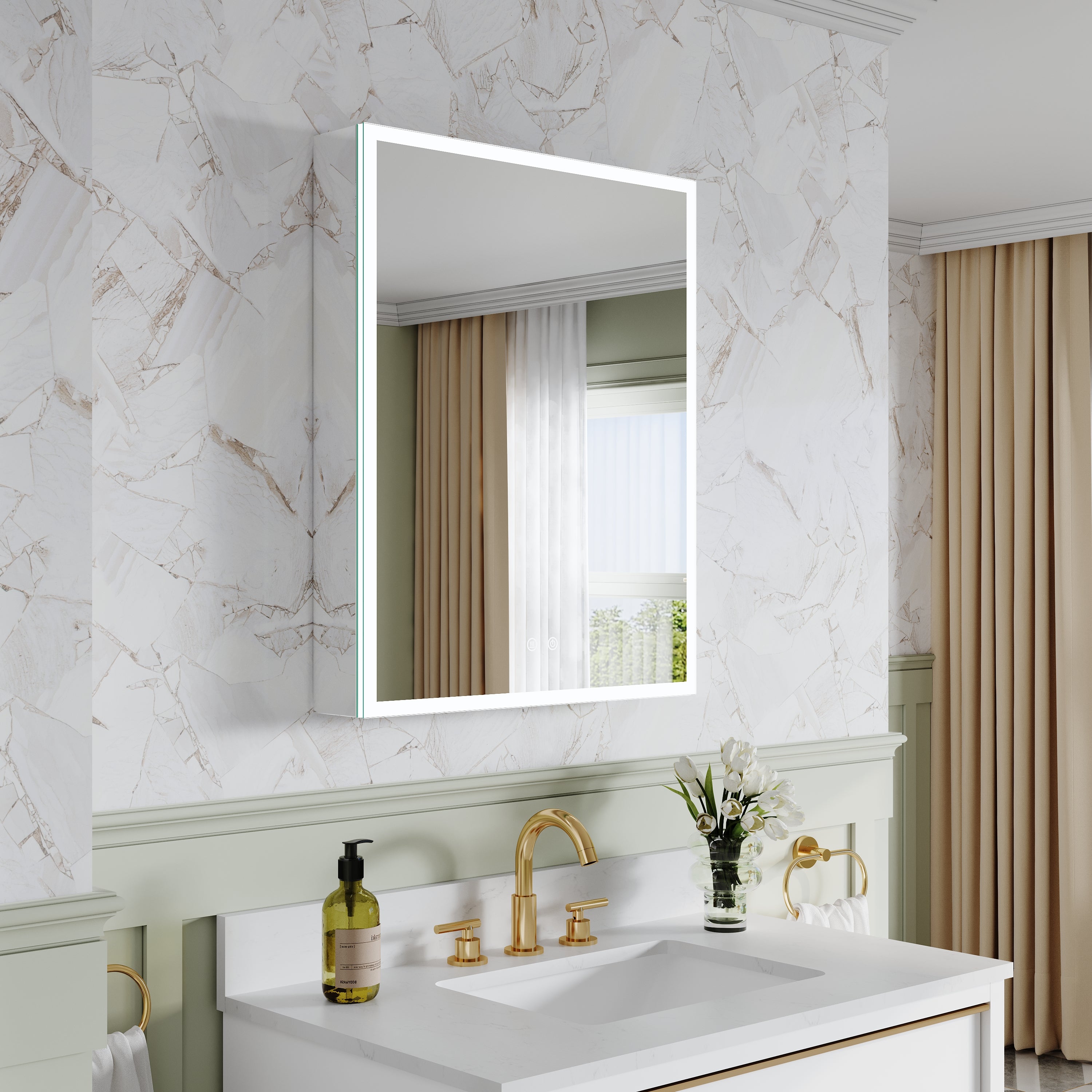
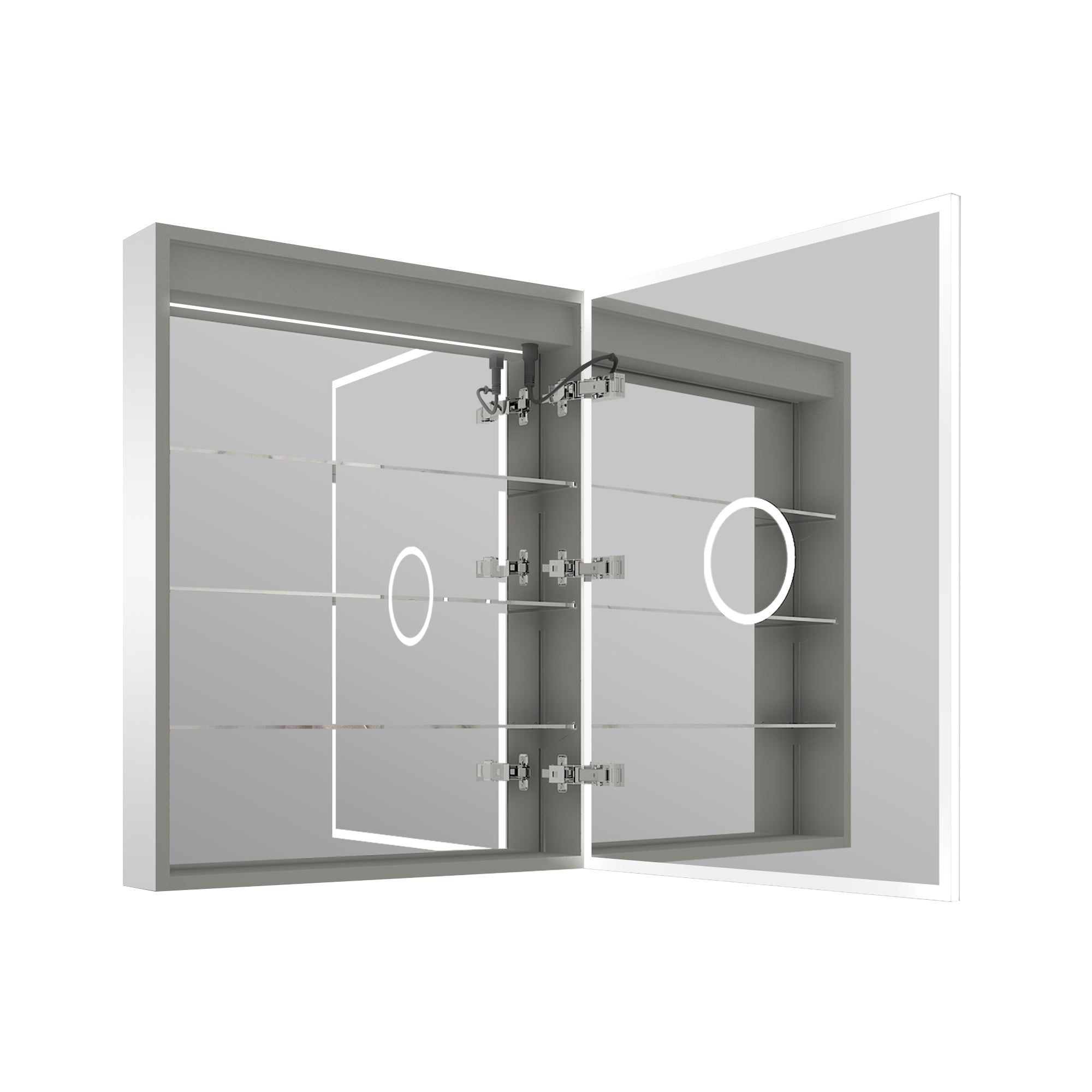
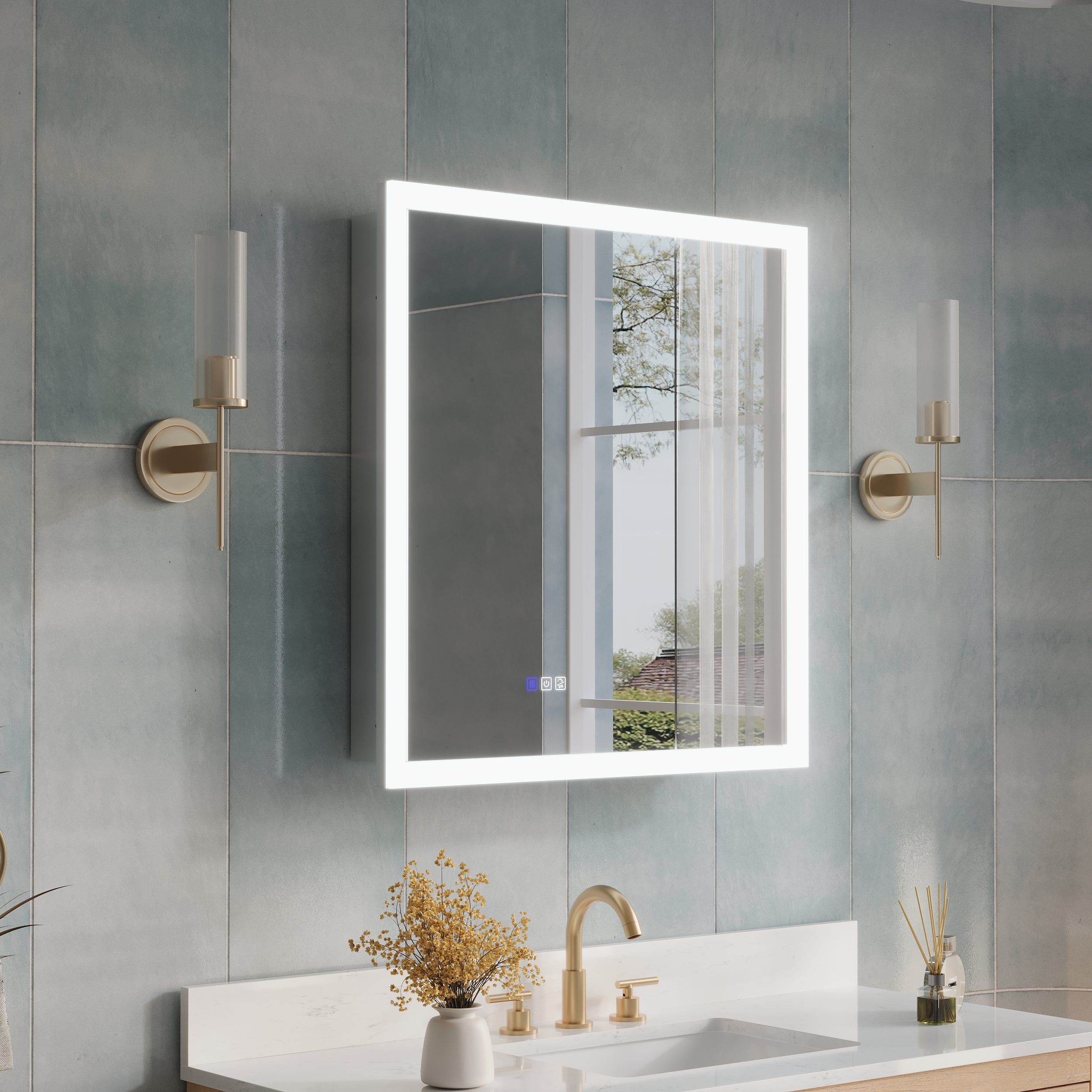
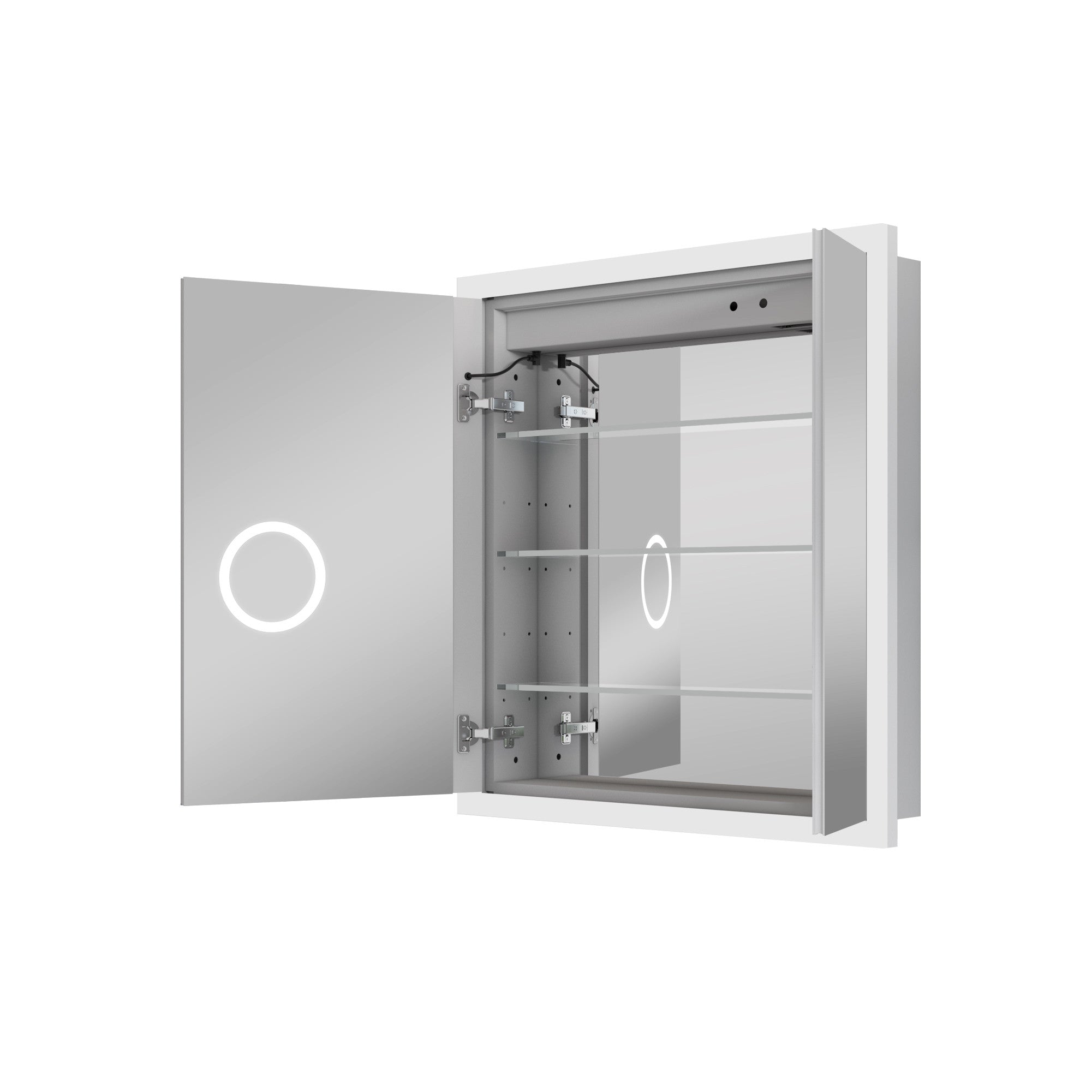
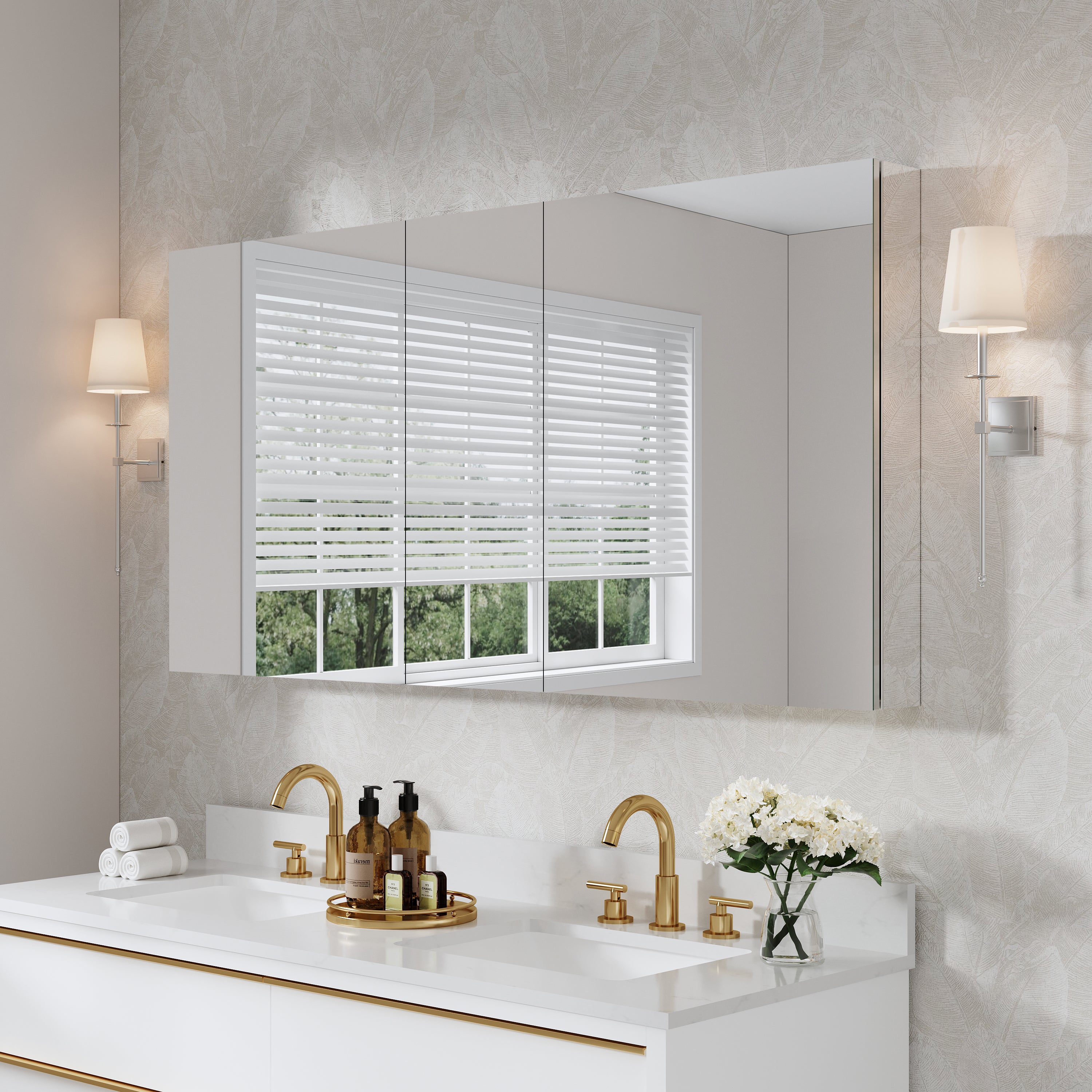
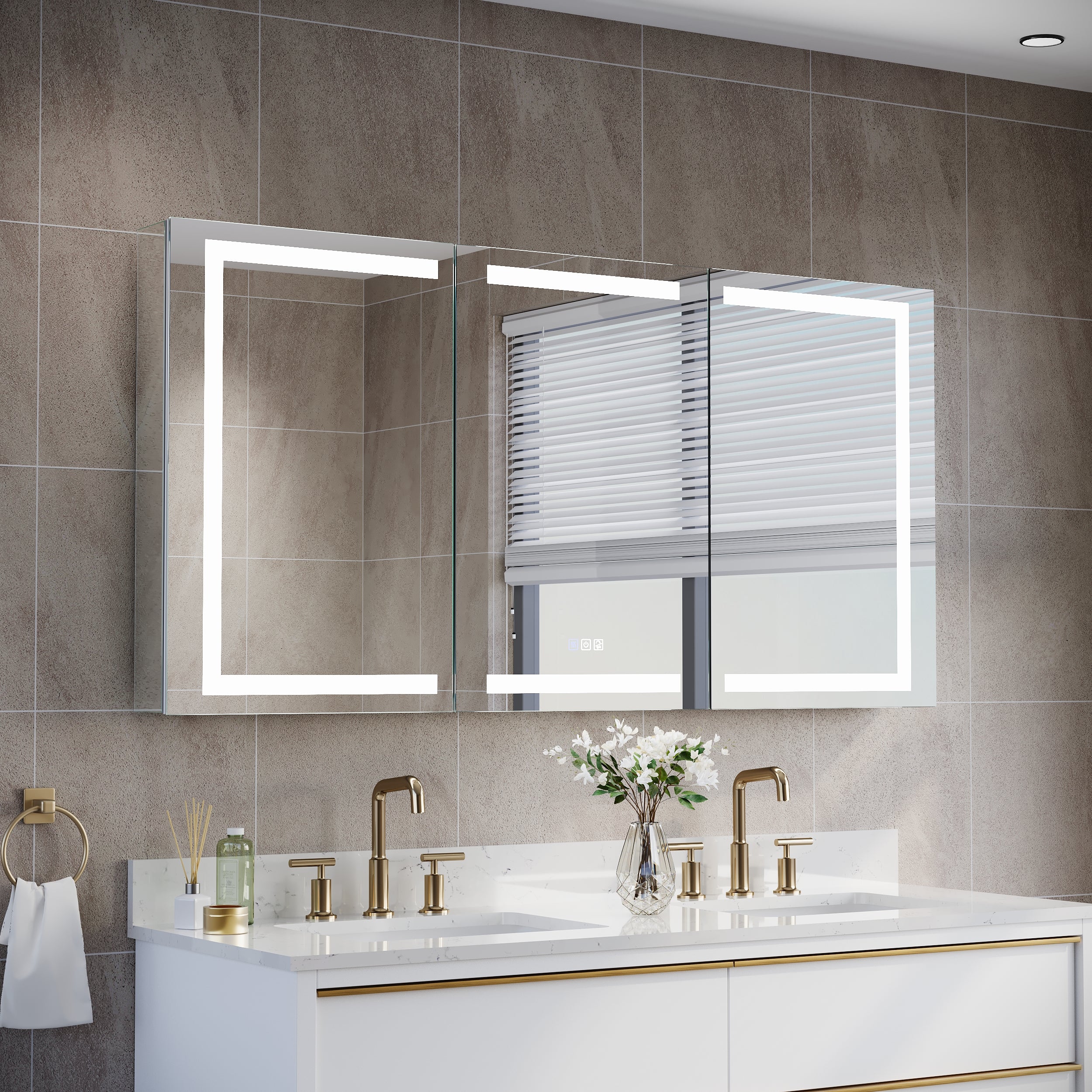
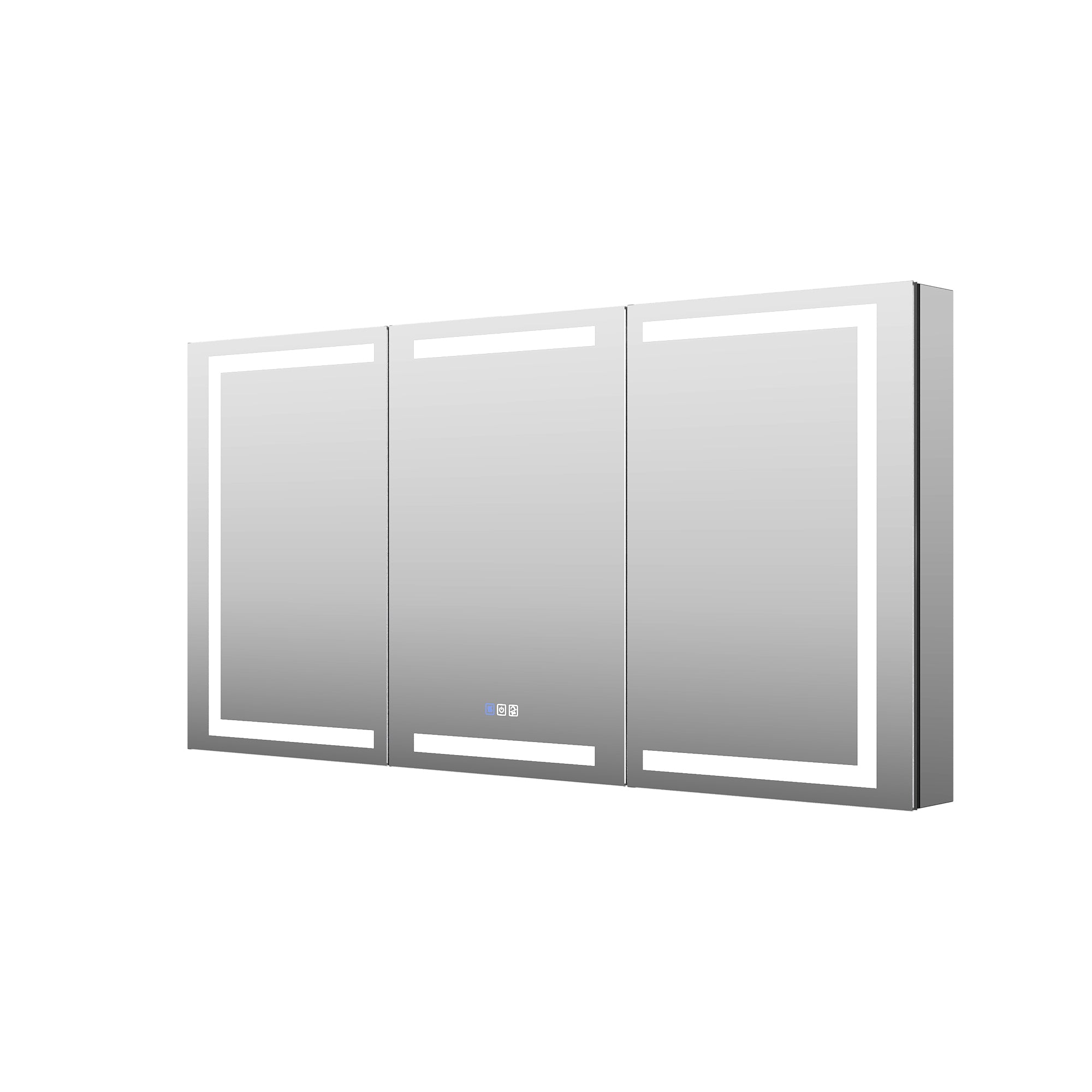
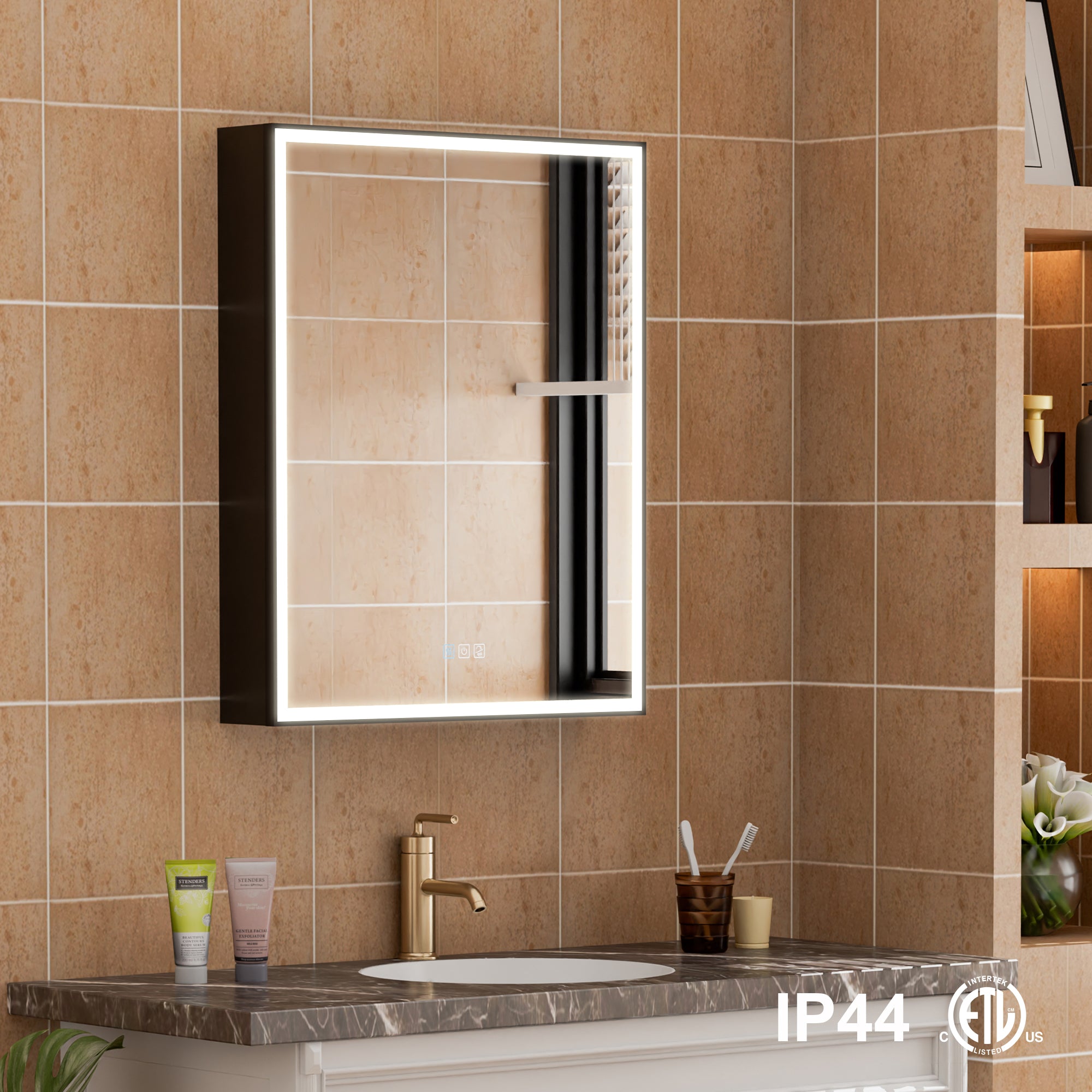
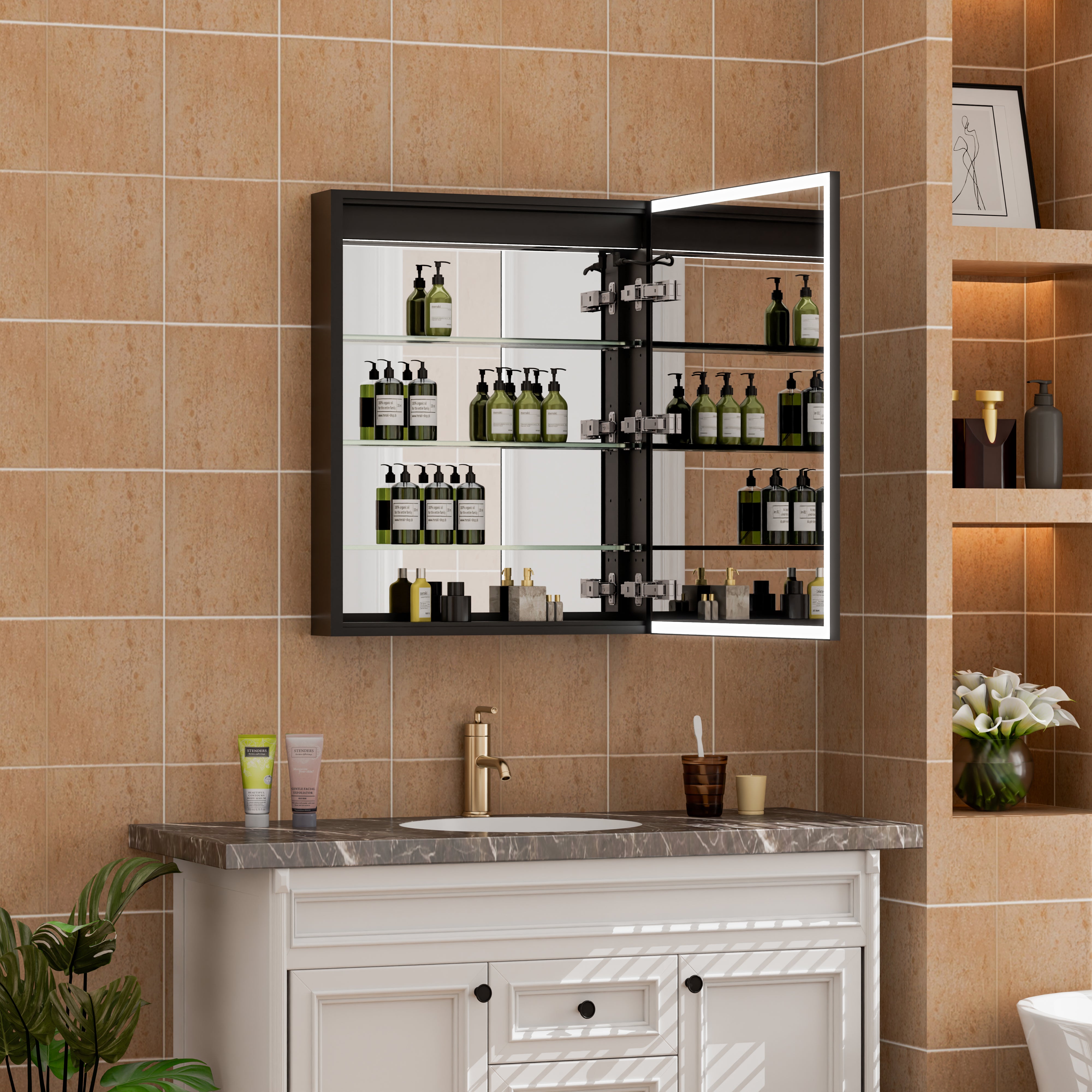
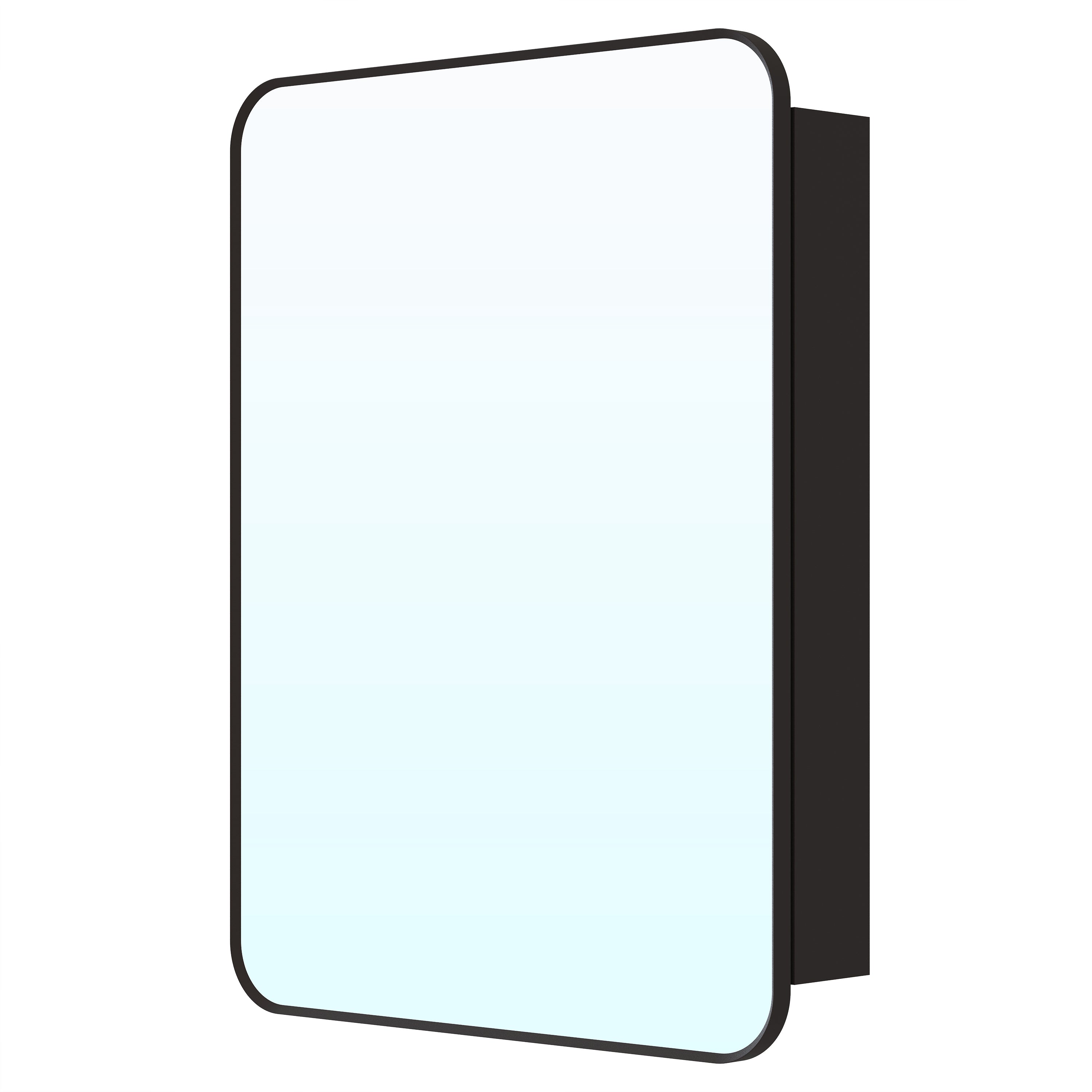
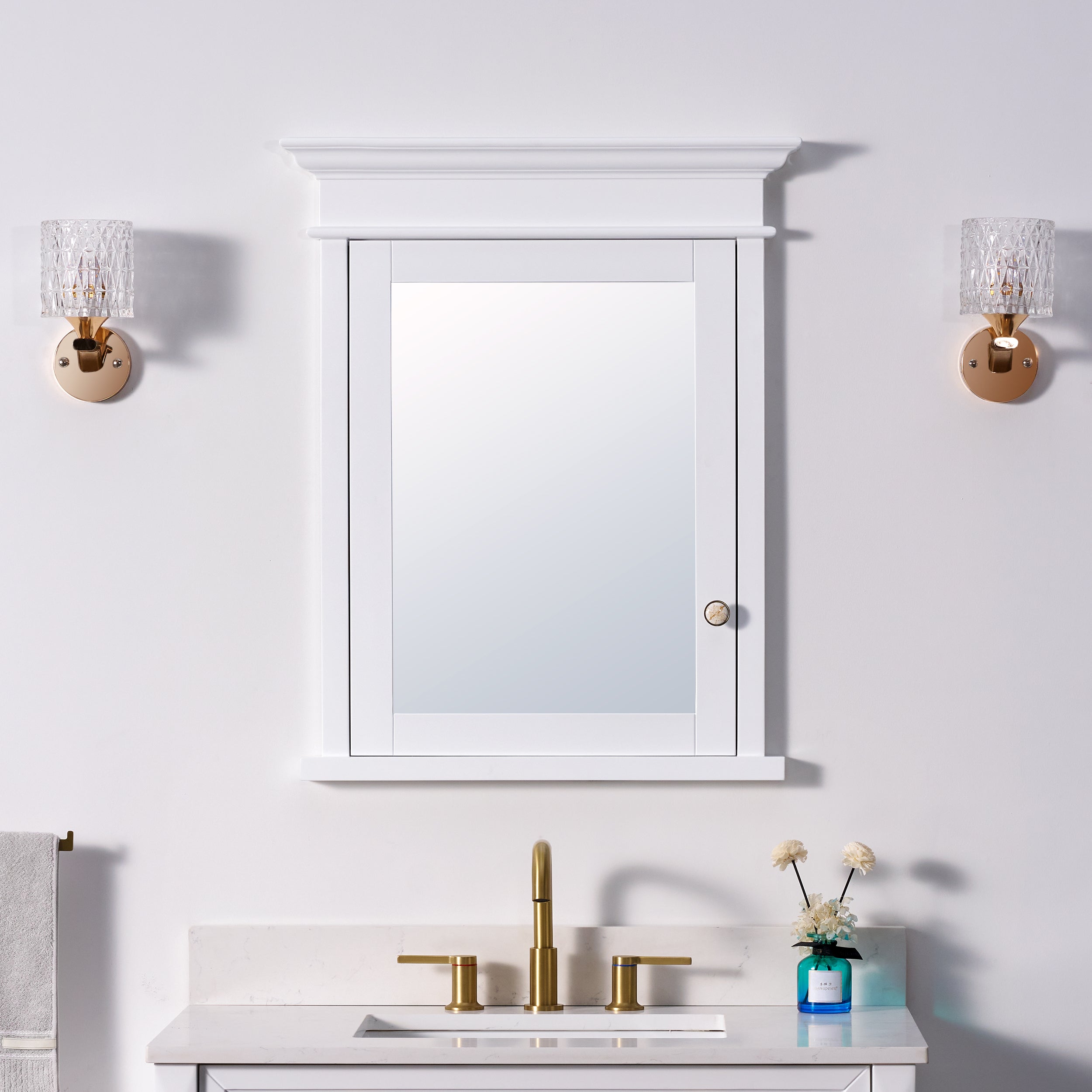
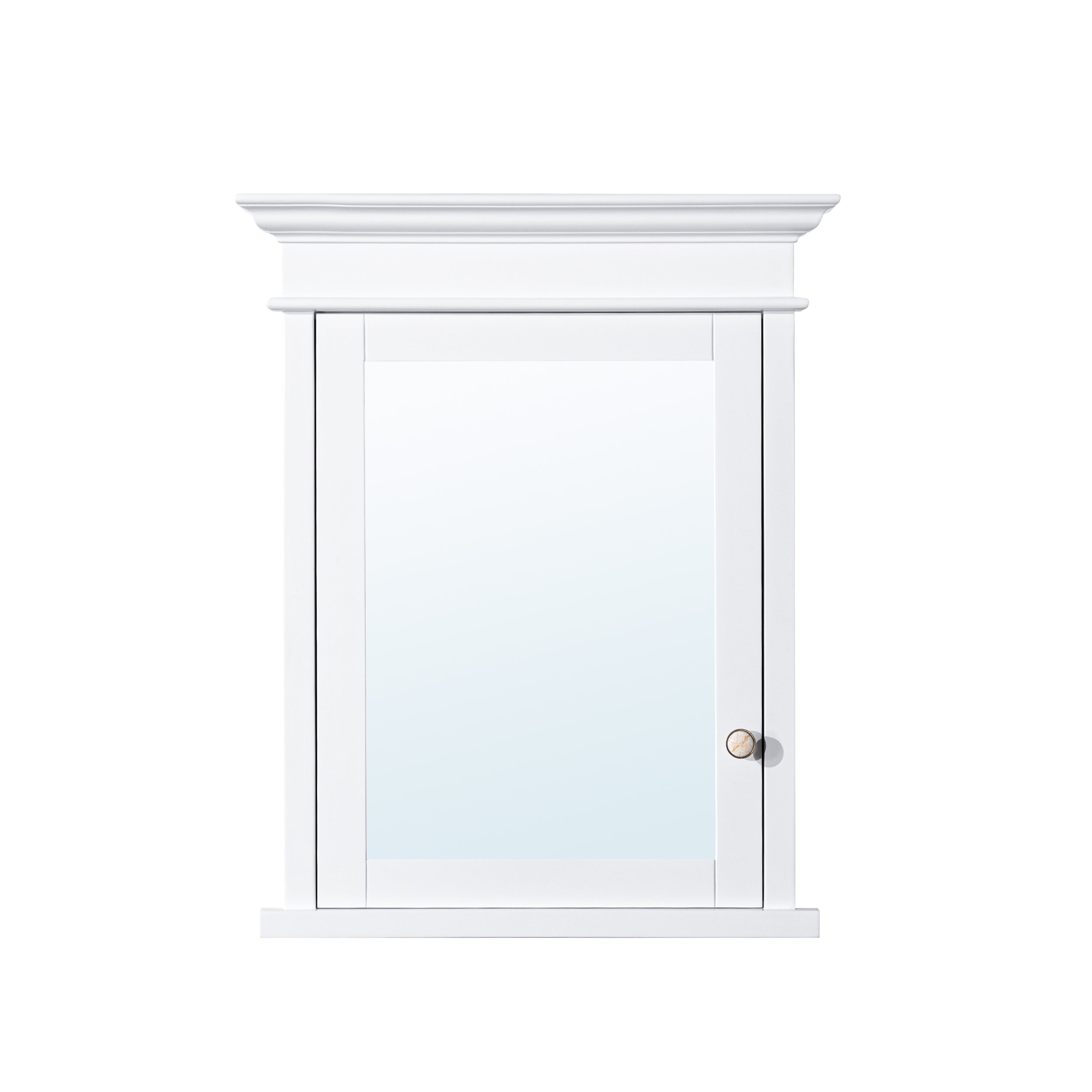
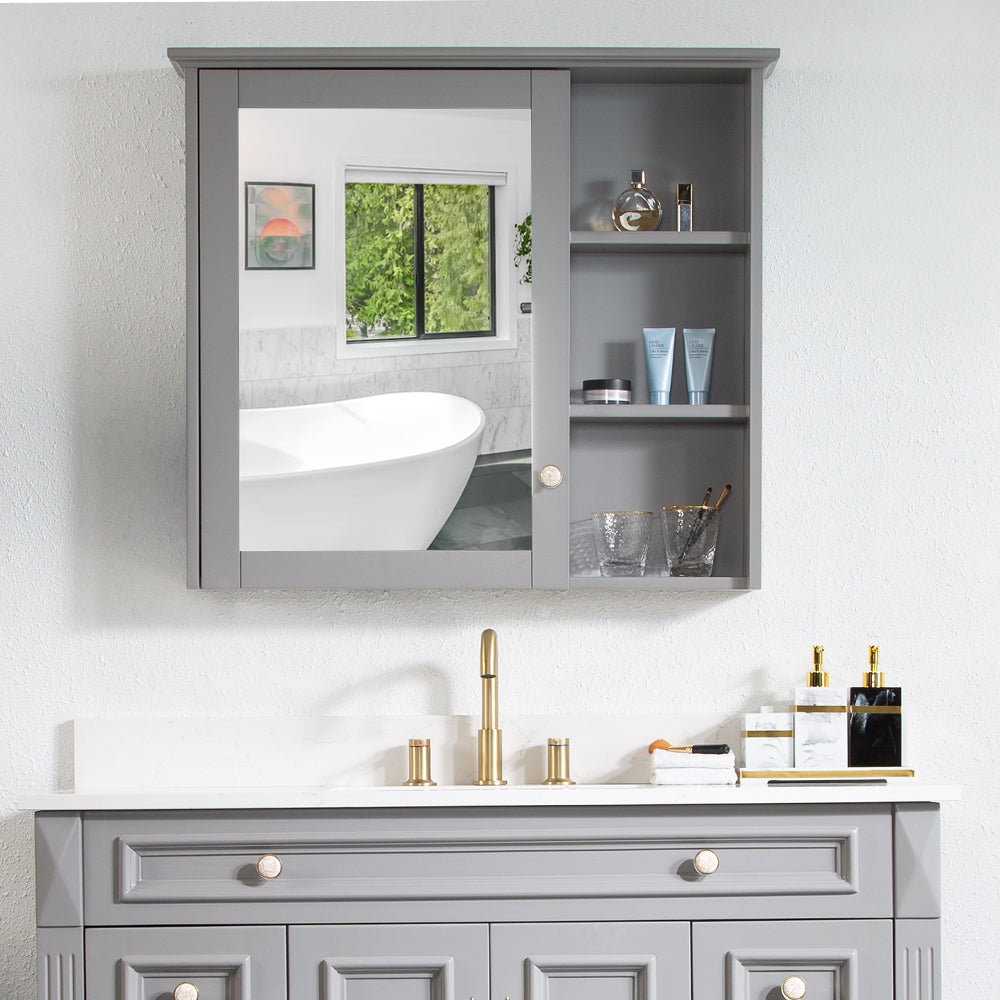
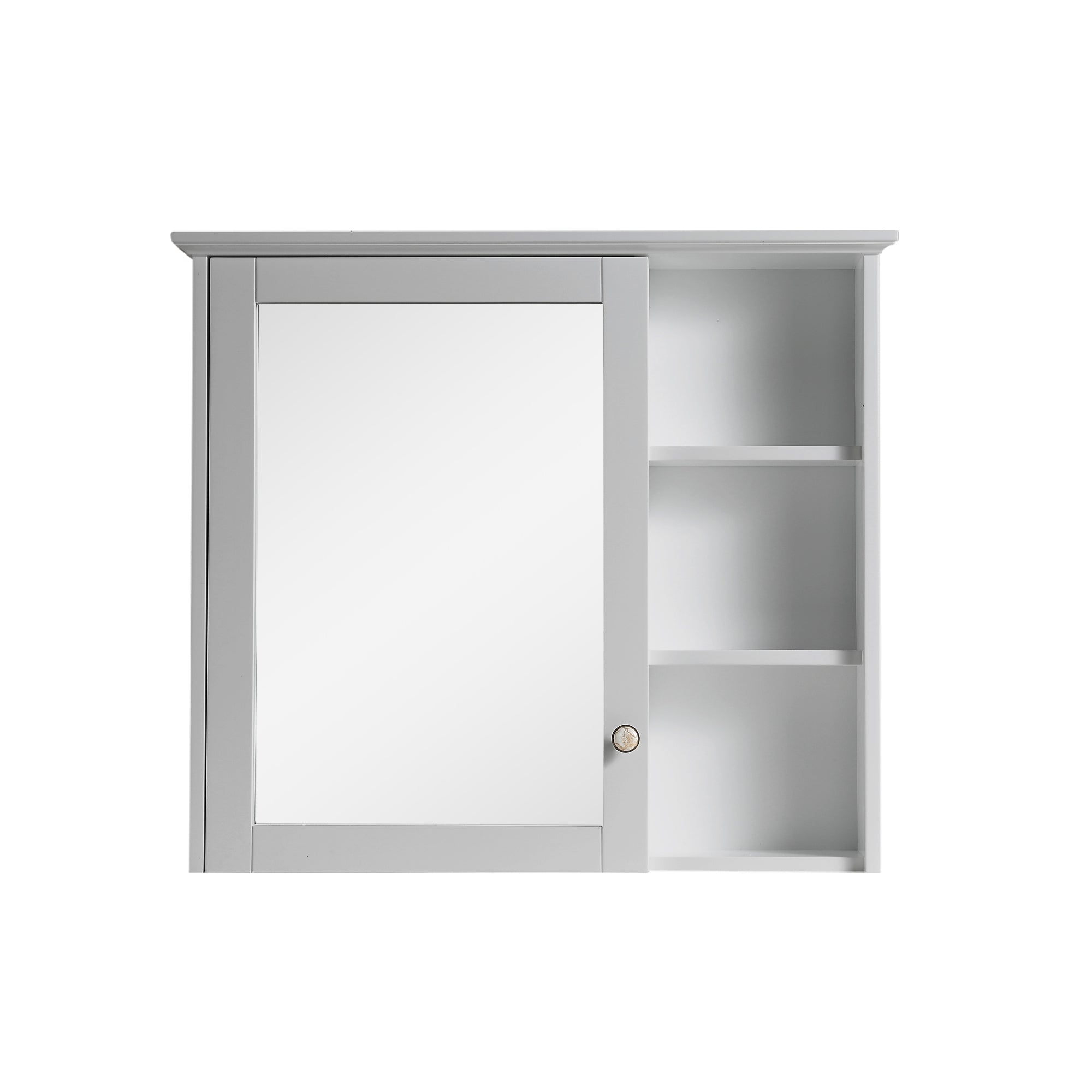
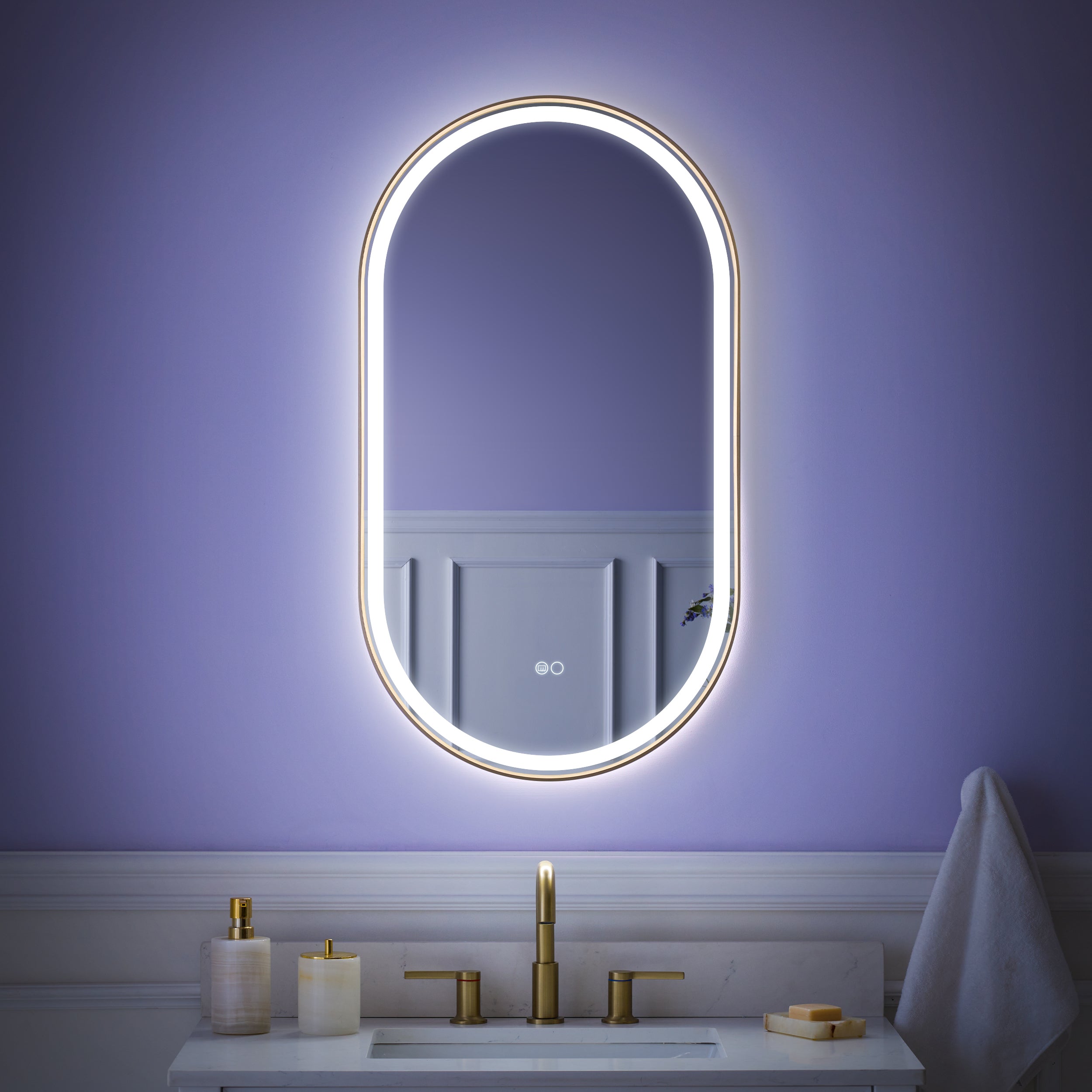
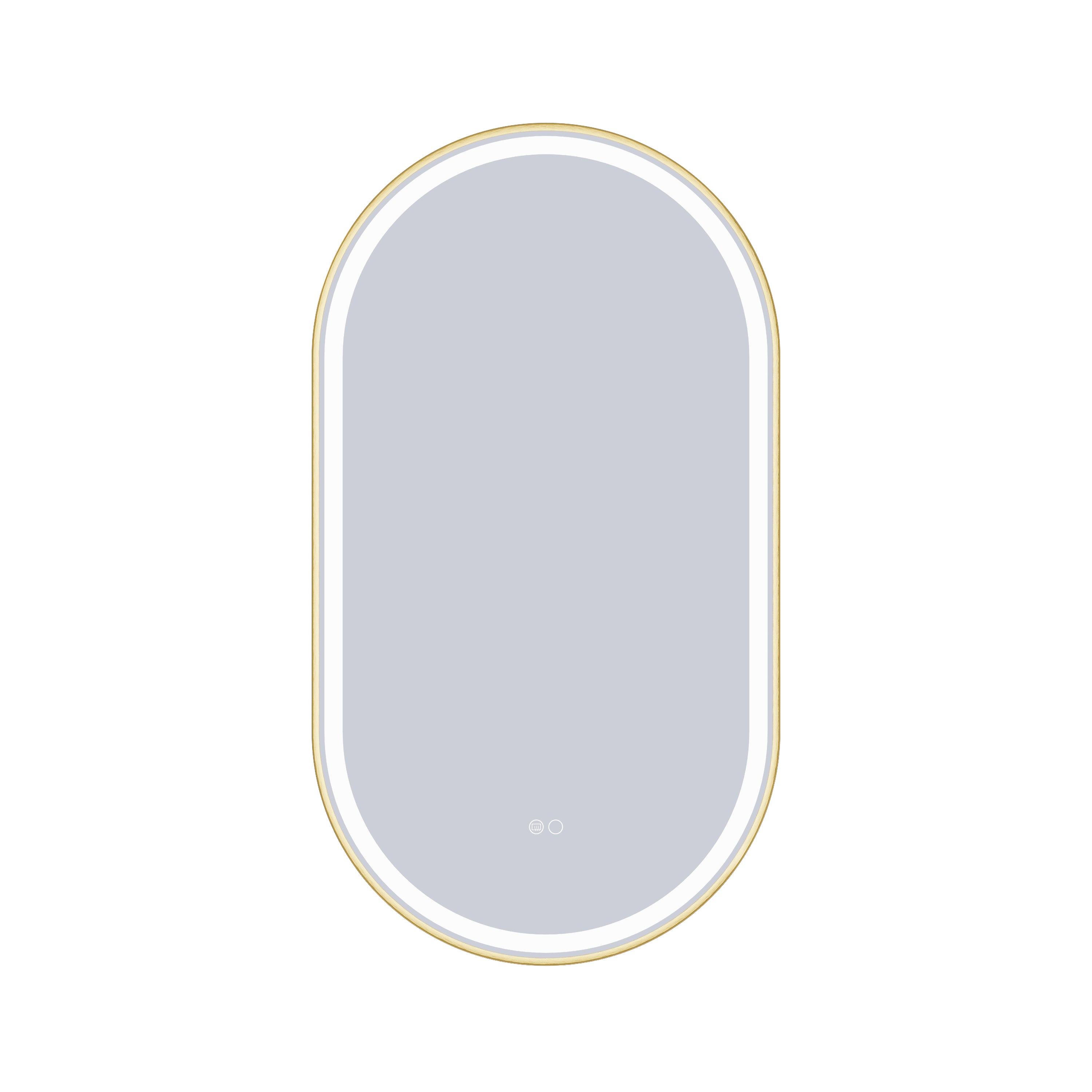
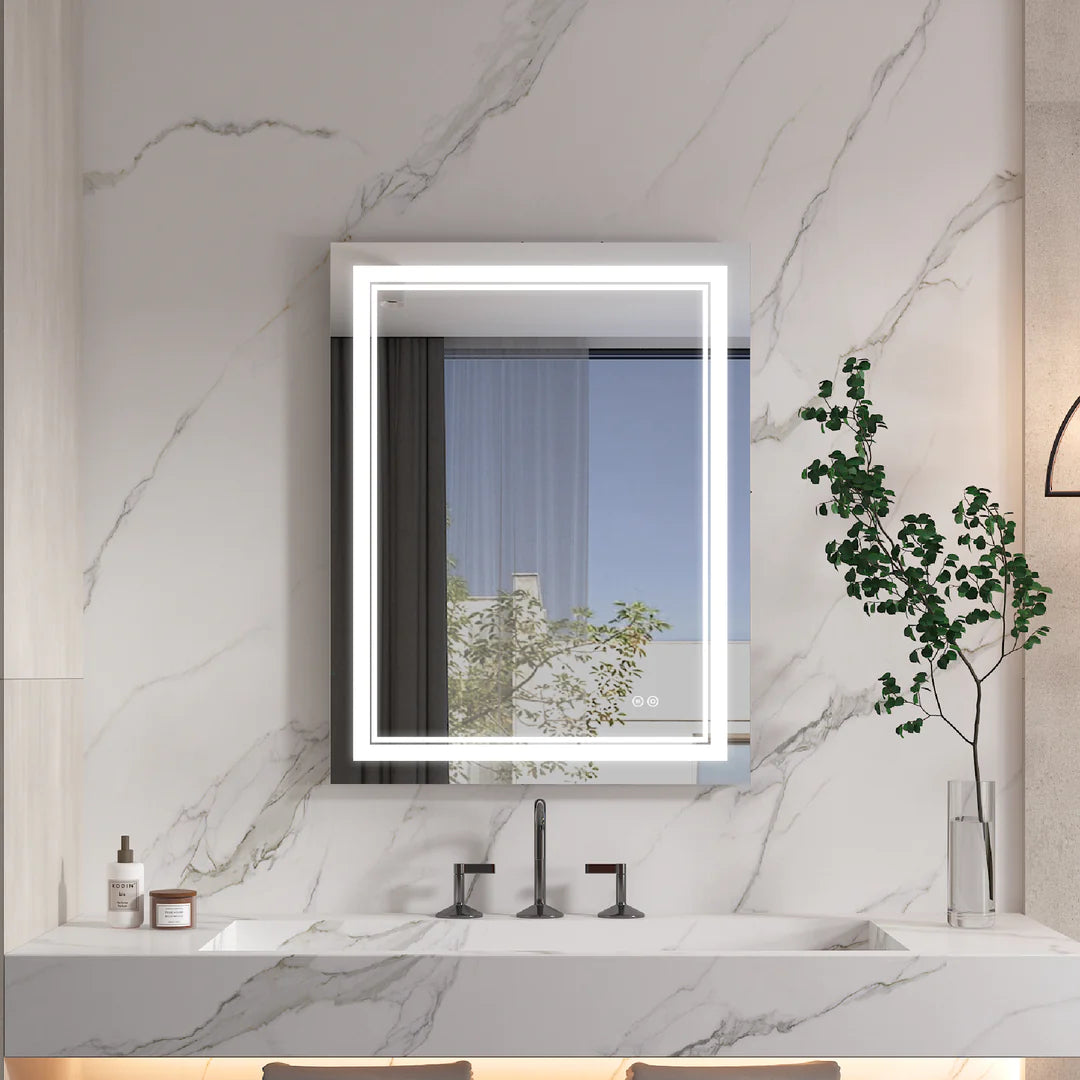
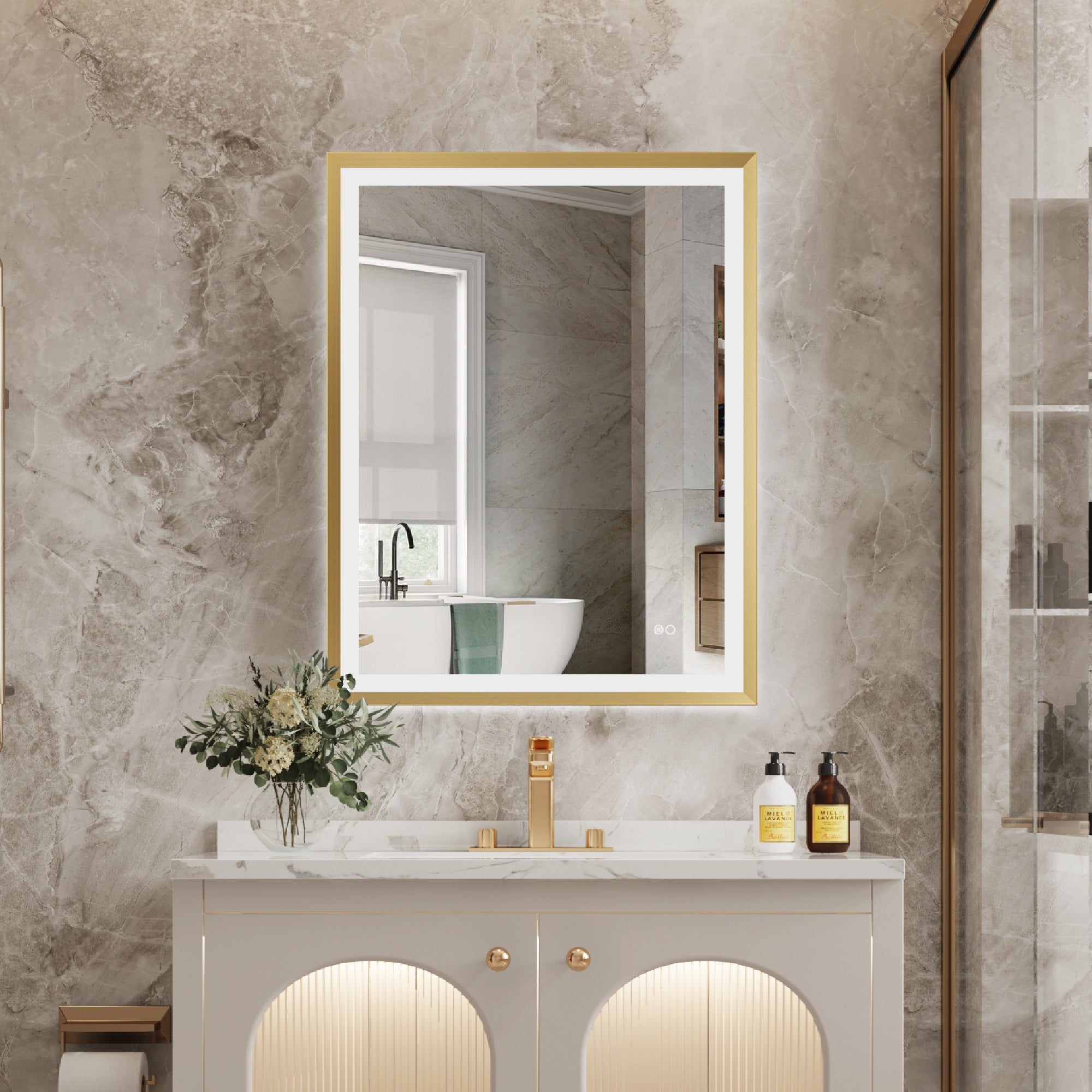
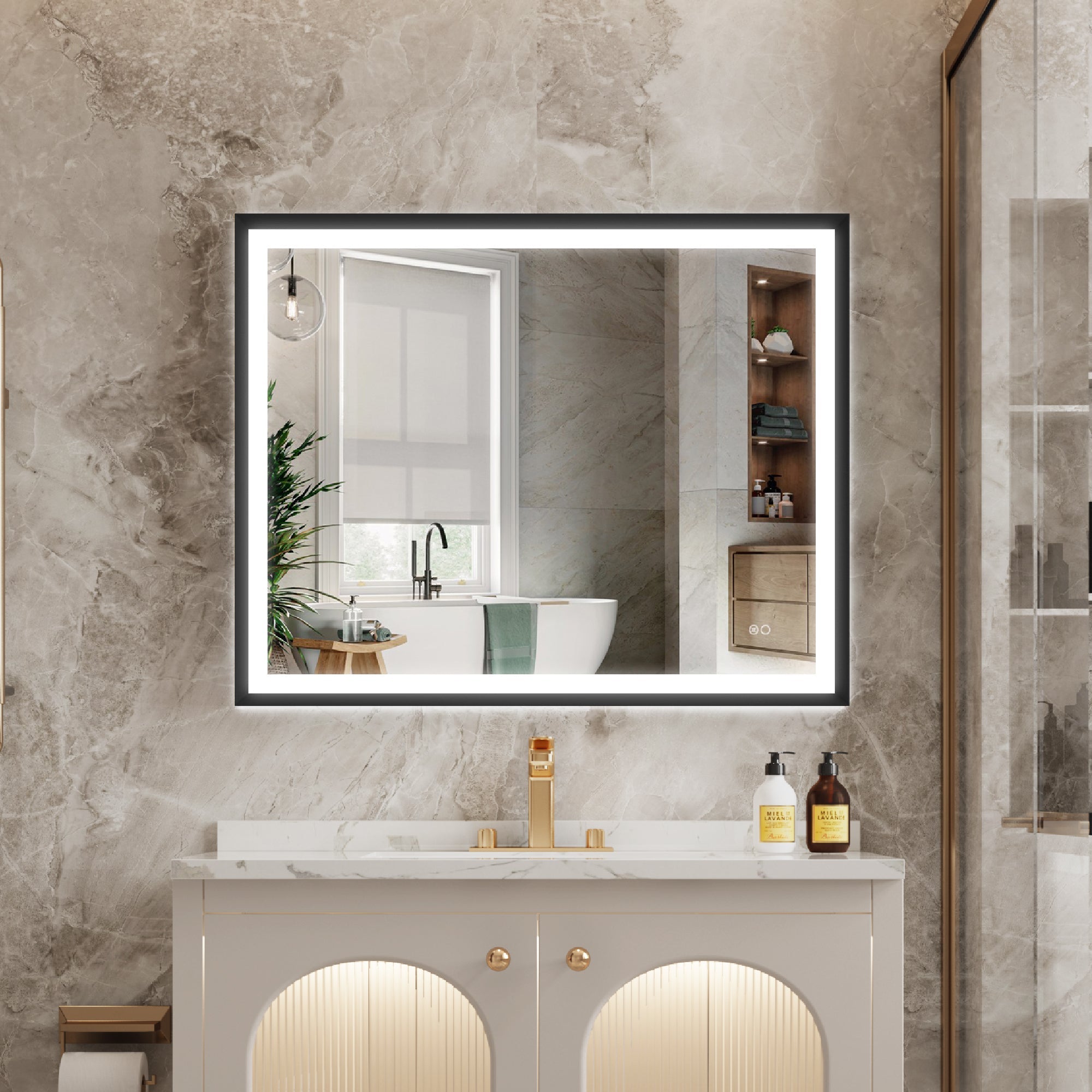
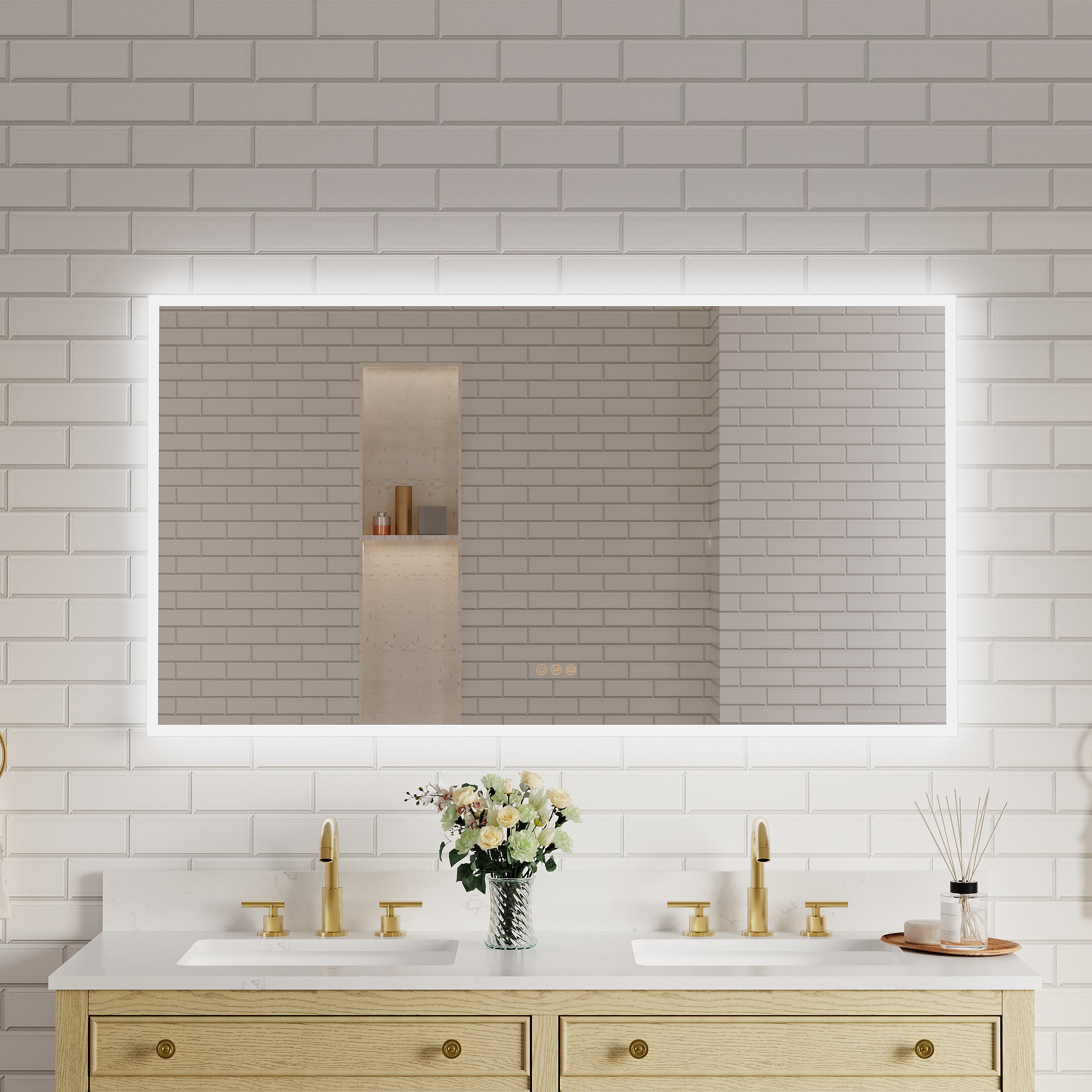
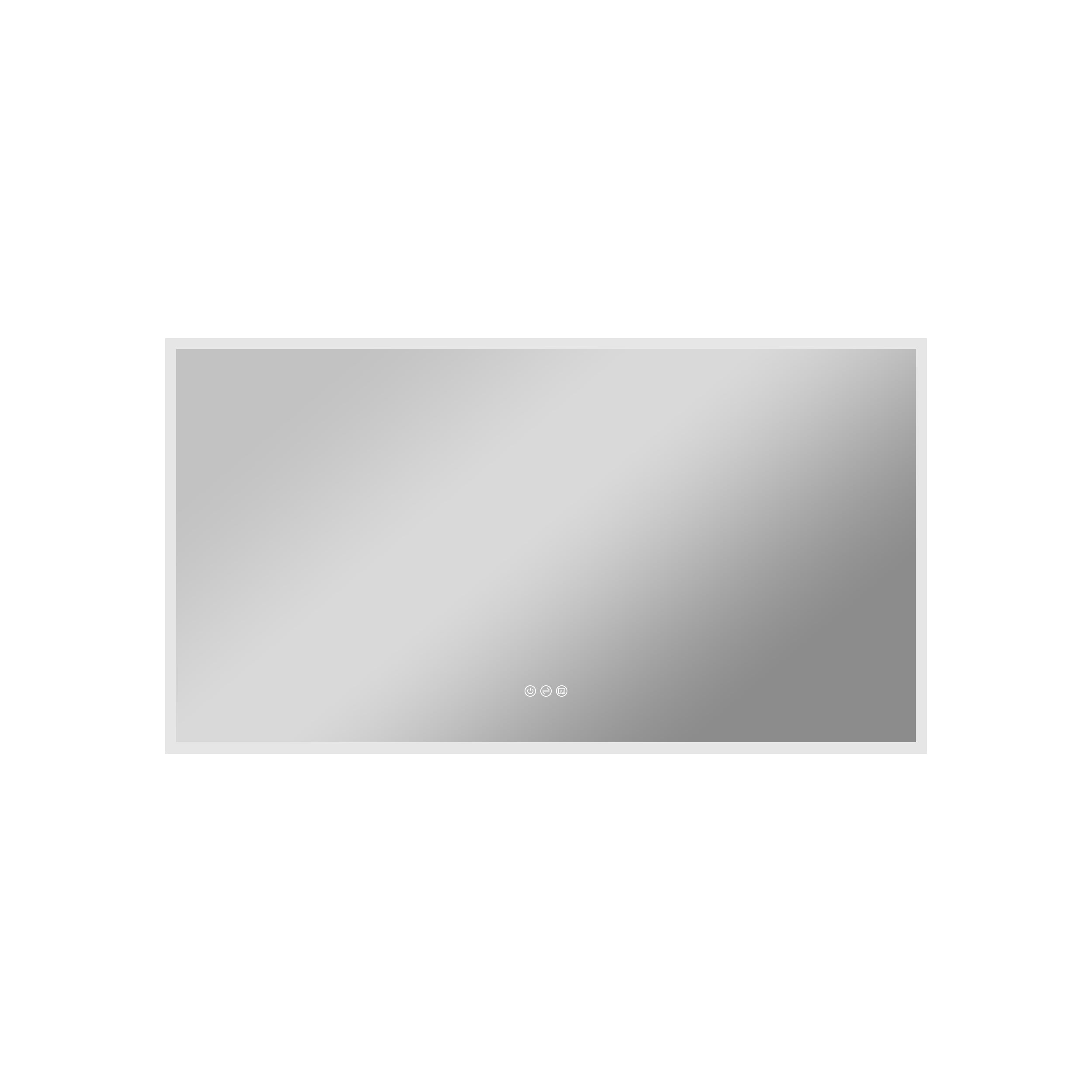
In the wave of upgrading residential and commercial bathroom spaces, LED medicine cabinet is gradually becoming the focus of attention for designers and developers. Compared to the combination of traditional mirror cabinets and independent lighting fixtures, LED mirror cabinets demonstrate significant advantages in energy efficiency, maintenance costs, and space design by integrating LED lighting, storage, intelligent control, and anti-fog systems. With tightening energy-saving regulations and increasing consumer demand for smart home experiences, the market for LED mirror cabinets is expanding.

Significant improvement in electricity efficiency
In traditional bathroom lighting systems, bathroom mirror headlights or wall lights typically use incandescent or halogen lamps, with power generally between 40 and 60 watts. Even if ordinary LED bulbs gradually replace them later, their overall power is often maintained at around 25-40 watts. Modern LED mirror cabinets typically use high-efficiency LED light strips or surface-mounted light sources, and the entire lighting system's power is usually between 10 and 20 watts.
If we take the example of an ordinary household using mirror lighting for about 2 hours a day, the annual power consumption of traditional lighting systems is approximately:
50W x 2 hours x 365 days ≈ = 36.5 kWh)
The annual power consumption of the LED mirror cabinet lighting system is approximately:
15W × 2 hours × 365 days ≈ 10.95 kilowatt hours (kWh)
Based on the current average electricity price of about 0.16 US dollars per kilowatt-hour for residents, the annual lighting electricity cost for a single bathroom is about 1.7 US dollars, while the traditional lighting scheme costs about 5.8 US dollars. Although the savings from a single household perspective are limited, for hotels, apartment projects, or large-scale chain apartments, the energy-saving effect will increase significantly as scale expands.
The energy-saving advantages of commercial projects are more obvious
In the commercial real estate field, such as hotels, long-term apartments, and student apartments, the number of bathrooms can reach hundreds or even thousands. Assuming a hotel with 300 guest rooms all use LED mirror cabinets and each bathroom saves about 25 kWh of electricity per year, the entire building can reduce electricity consumption by about 7500 kWh per year.
In some states with higher electricity prices, such as California or New York, commercial electricity prices may exceed $0.2 per kilowatt-hour, which means hotels can save about $ 1,500 or more on electricity bills each year just for the mirror lighting section. In addition, energy-efficient design can improve a building's energy rating, providing developers with additional advantages in green building certification or energy-saving subsidy applications.
Significant reduction in maintenance costs
In addition to energy-saving benefits, another important advantage of LED mirror cabinets is their lower long-term maintenance costs. The lifespan of traditional light bulbs is usually between 1000 and 2000 hours, and even energy-saving light bulbs typically last 6000 to 8000 hours. The design lifespan of modern LED light sources generally reaches 30000 to 50000 hours.
Based on a household usage of 2 hours per day, ordinary light bulbs may need to be replaced every 2 to 3 years, whereas the LED mirror cabinet system can theoretically last for more than 15 years. This not only reduces the frequency of bulb replacement but also lowers property management and maintenance costs. For hotel or apartment operators, reducing maintenance frequency lowers labor costs and minimizes disruptions to room usage.
The additional energy consumption brought by intelligent functions is limited
In recent years, LED mirror cabinet products on the market have been continuously adding intelligent functions. For example, a touch dimming system, color temperature adjustment, anti-fog heating, Bluetooth speaker, and a built-in clock or temperature display. These additional features not only enhance user experience but also raise concerns among some consumers about additional power consumption.
Industry technicians point out that the power of most intelligent modules is relatively low. For example, touch control systems typically consume less than 1 watt of power, while Bluetooth audio systems have low standby power consumption. The modules with relatively high power consumption are mainly anti-fog heating systems, which typically have a power between 20 watts and 40 watts, but are only used for a few minutes after showering.
Therefore, from the overall usage perspective, even with these functions included, the total energy consumption of LED mirror cabinets is still significantly lower than the combination of traditional lighting and independent anti-fog equipment.
Energy-saving policies drive market growth
In recent years, the upgrading of building energy efficiency standards has been continuously promoted. Building codes in multiple states are encouraging or requiring the use of efficient LED lighting systems in new residential and commercial buildings. Integrated LED mirror cabinets have gradually become one of the mainstream choices for bathroom space lighting due to their high energy efficiency and simple design.
In addition, consumers' aesthetic demands for modern bathroom spaces are also changing. The minimalist design, hidden light source, and shadowless lighting effect make LED mirror cabinets popular in the field of interior design. For developers, such products can not only improve the quality of space but also help enhance the overall value of the property.
Industry competition is intensifying
With growing market demand, more and more bathroom brands and home manufacturers are entering the LED mirror cabinet market. The current product types in the market range from basic lighting to high-end products with integrated smart home control systems, with prices ranging from hundreds to thousands of dollars.
Industry insiders believe that the competition in the future LED mirror cabinet market will no longer be limited to lighting brightness or appearance design, but will revolve around energy efficiency, intelligent interconnection, and modular functionality. Products that can strike a balance between energy-saving performance and user experience will be more likely to gain market recognition.
Future Development Trends
Overall, LED mirror cabinets in the bathroom industry are still in a growth phase. With further improvements in LED light-source efficiency and the popularization of smart home systems, mirror cabinet products will gradually evolve from single lighting devices into multifunctional bathroom terminal devices.
Against the backdrop of increasing energy-saving pressure, low-power, high-lifespan, and intelligent LED mirror cabinets are expected to continue expanding their market share in the coming years. For manufacturers, controlling product costs while ensuring energy-saving performance and enhancing design and functional innovation capabilities will become an important factor in determining market competitiveness.










Leave a comment
This site is protected by hCaptcha and the hCaptcha Privacy Policy and Terms of Service apply.