
















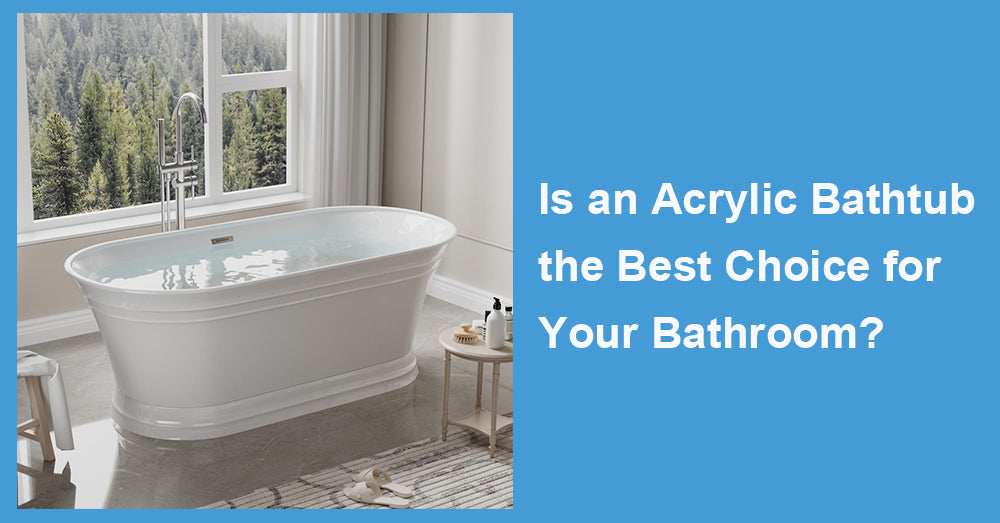
In the high-end bathroom market in 2026, despite the abundance of materials such as cast iron, artificial stone, and stainless steel, acrylic bathtub still account for over 60% of the global household bathtub market due to their high cost-effectiveness and design flexibility. With the evolution of production processes, modern acrylic materials have long shed the label of "cheap plastic feeling" from earlier years and evolved toward greater durability, intelligence, and customization.
However, for homeowners who pursue ultimate quality, does choosing acrylic mean compromising on texture? Can it support a modern, frequently used bathroom? This article will analyze in depth whether acrylic bathtubs are truly your "best choice" from seven dimensions: material properties, installation and maintenance, thermodynamic performance, and long-term investment value.
1. Material flexibility: unlocking infinite possibilities for 'alien design.'
Acrylic (polymethyl methacrylate) is a thermoplastic that offers unparalleled design freedom compared to other hard materials.
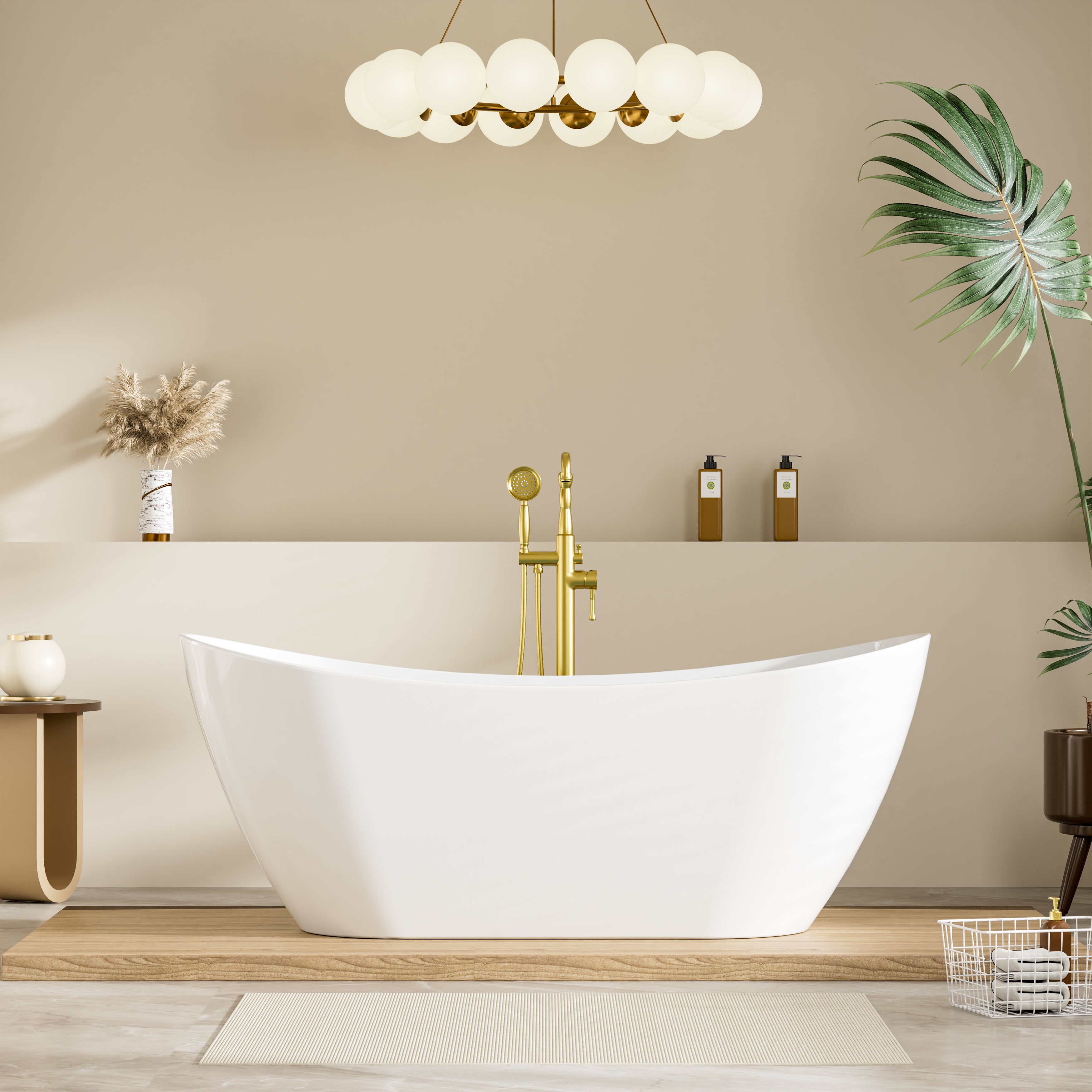
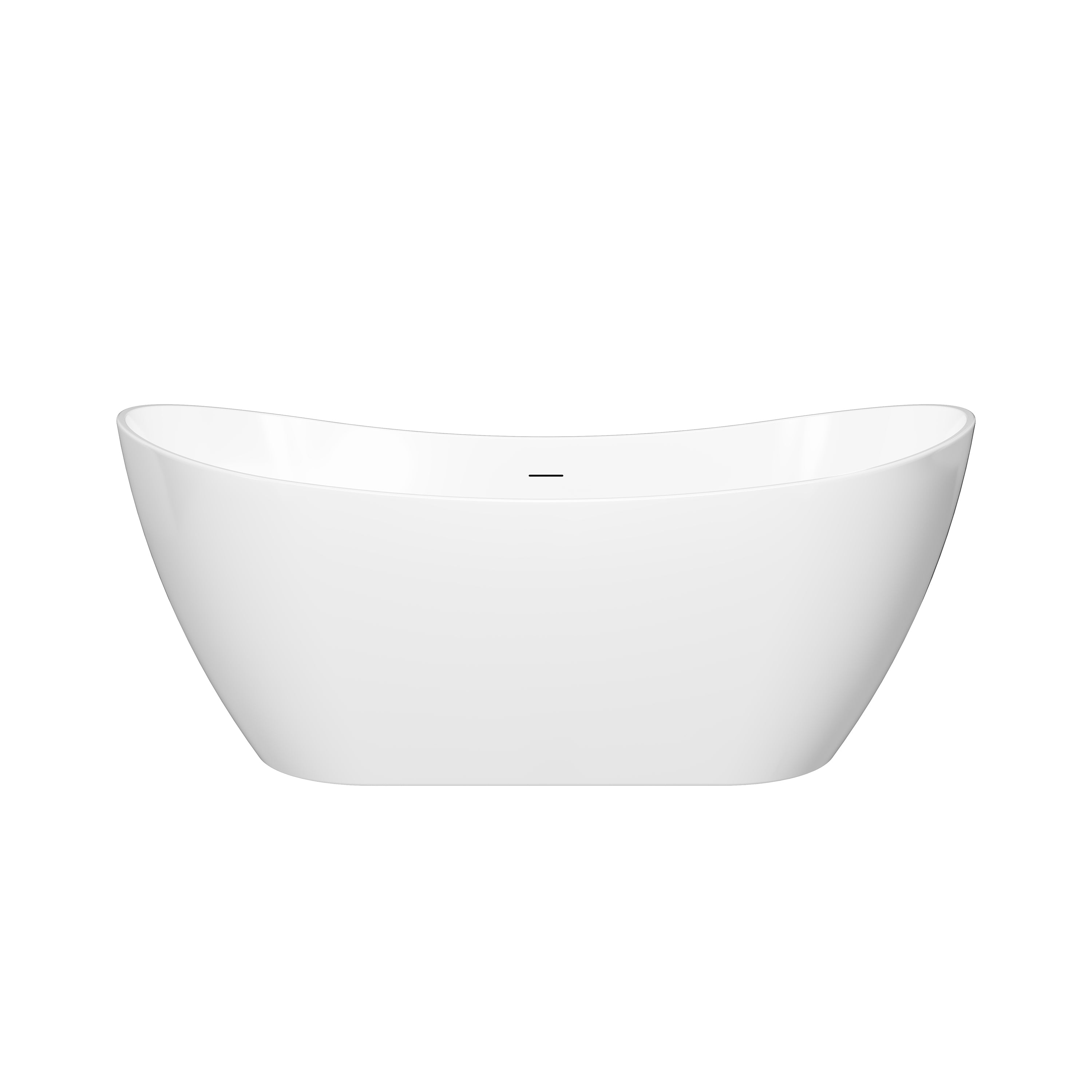
Diverse shapes: Unlike bulky cast-iron bathtubs, acrylic can be vacuum-formed into complex ergonomic curves. Whether it's back support, integrated armrests, or a corner design that fits small units, acrylic can achieve precise results.
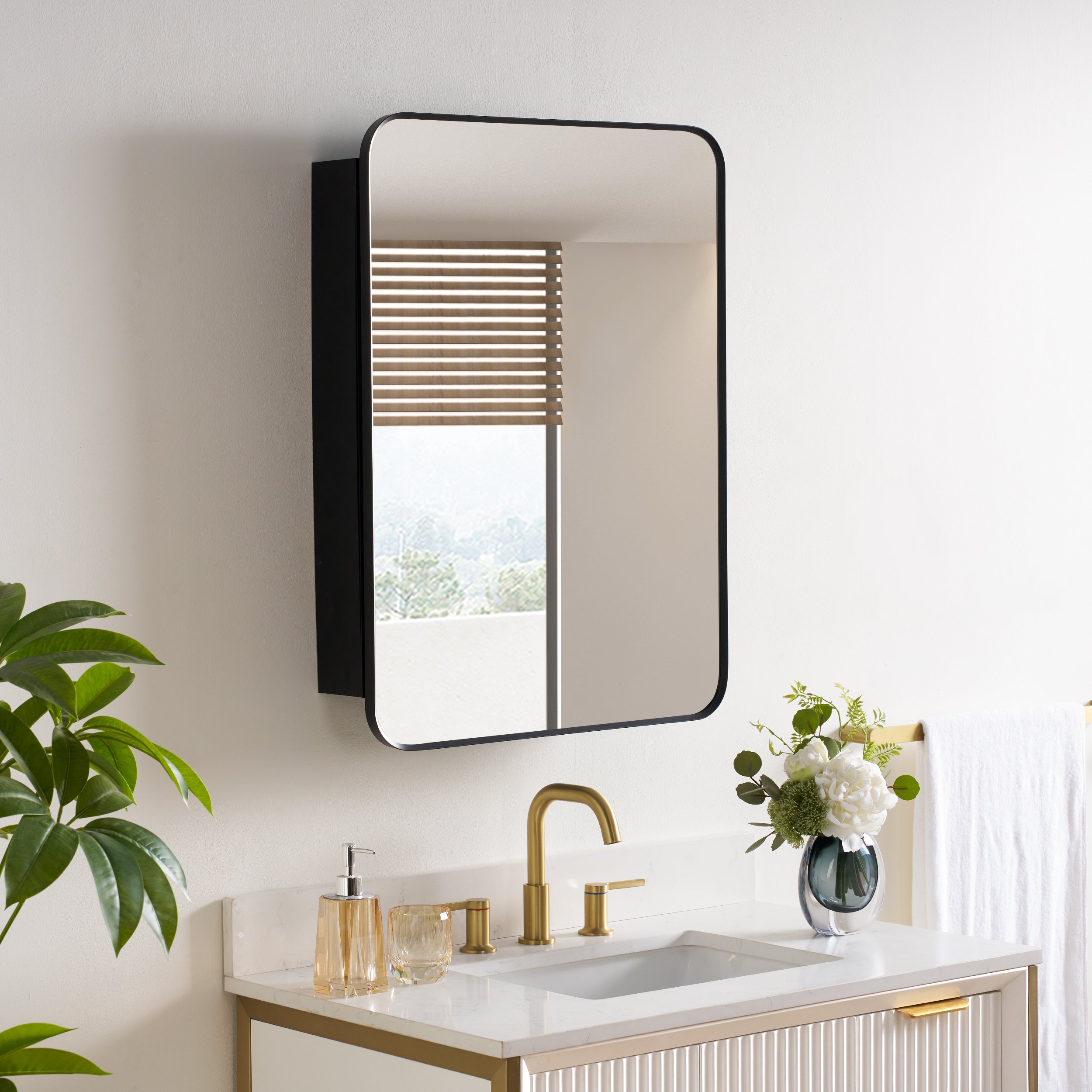
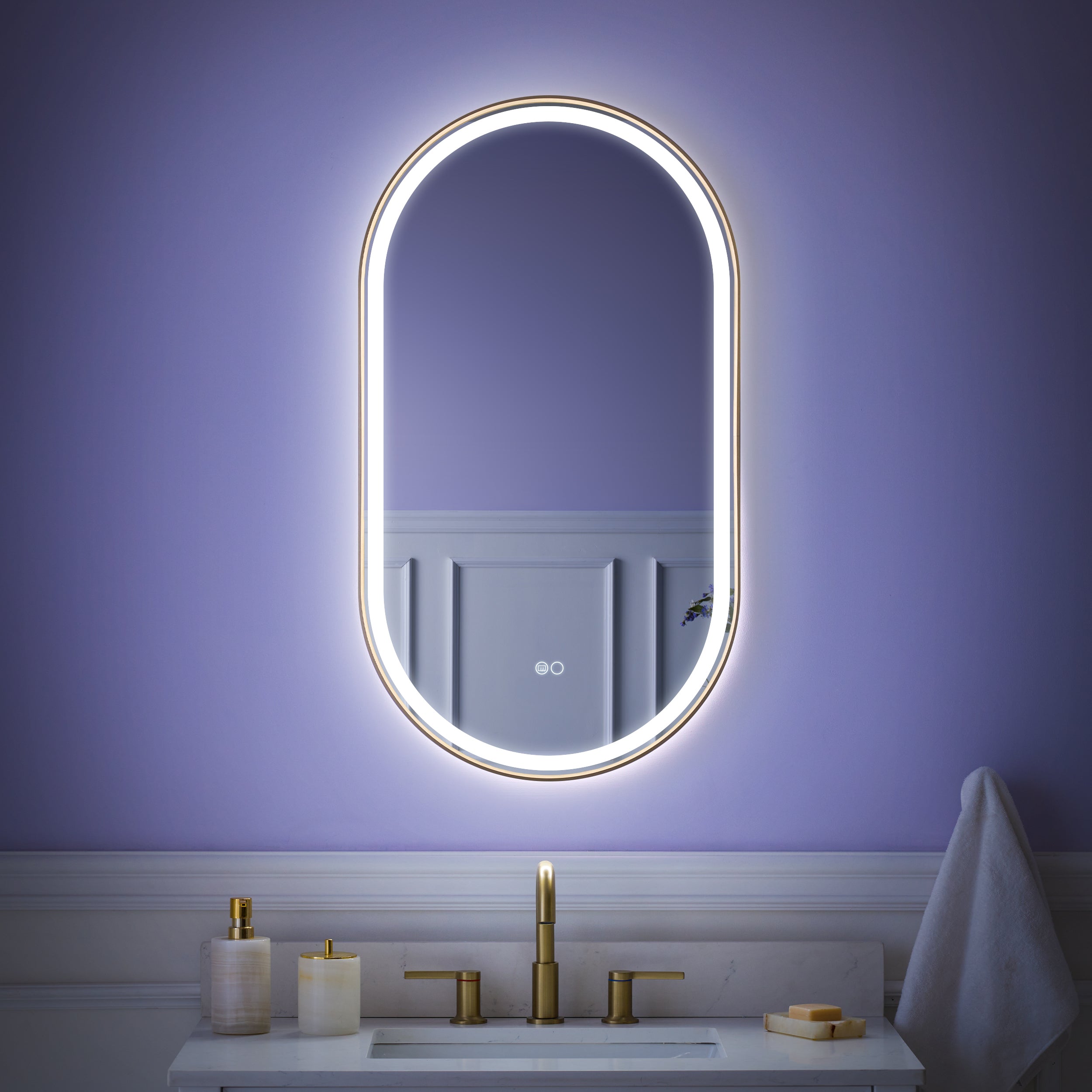
Visual lightness: It can be processed into extremely narrow borders or irregular geometric shapes, making it the perfect visual partner for homeowners who want to place a Round Mirror in the bathroom to create dynamic beauty. The streamlined appearance of the acrylic bathtub is the perfect visual partner.
2. Excellent thermodynamic performance: tactile temperature and insulation power
The quality of the bathing experience often depends on the feeling of skin contact with the bathtub.
Warm touch: Acrylic is a "non-cold" material. Even on winter mornings, contact with acrylic surfaces will not be as bone-chilling as cast iron or stone.
Excellent insulation performance: Acrylic has an extremely low thermal conductivity. Industry tests have shown that at the same room temperature, the cooling rate of hot water in acrylic bathtubs is significantly slower than that of metal materials. This means you can enjoy longer soaking times, reducing the hassle of frequent hot water refills, in line with the "slow living" bathroom concept advocated in 2026.
3. The benefits of installation engineering: reduced burden brought by lightweighting
For the renovation of high-rise apartments or old residential buildings, the weight of bathtubs is a structural risk that cannot be ignored.
Floor load-bearing capacity: Acrylic bathtubs typically weigh only about 20% as much as cast-iron bathtubs. This means that no additional lifting equipment or expensive floor reinforcement is required during handling and installation.
Convenient construction: Due to its light weight, the installer can adjust the position of the drainage outlet more accurately, reducing the risk of water leakage caused by installation errors. For DIY enthusiasts or decoration projects that require controlling labor costs, this is undoubtedly a huge advantage.
4. Surface maintenance and repair: the "elasticity" against the wear and tear of time
Many people are concerned that acrylic may scratch easily, but in fact, it is one of the few materials with the potential for "self-healing".
Scratch treatment: Acrylic is the overall color. If there are slight scratches on the surface, they can be restored to their luster by sanding with fine sandpaper and polishing paste, which has the advantage over cast iron (enamel chipping cannot be repaired).
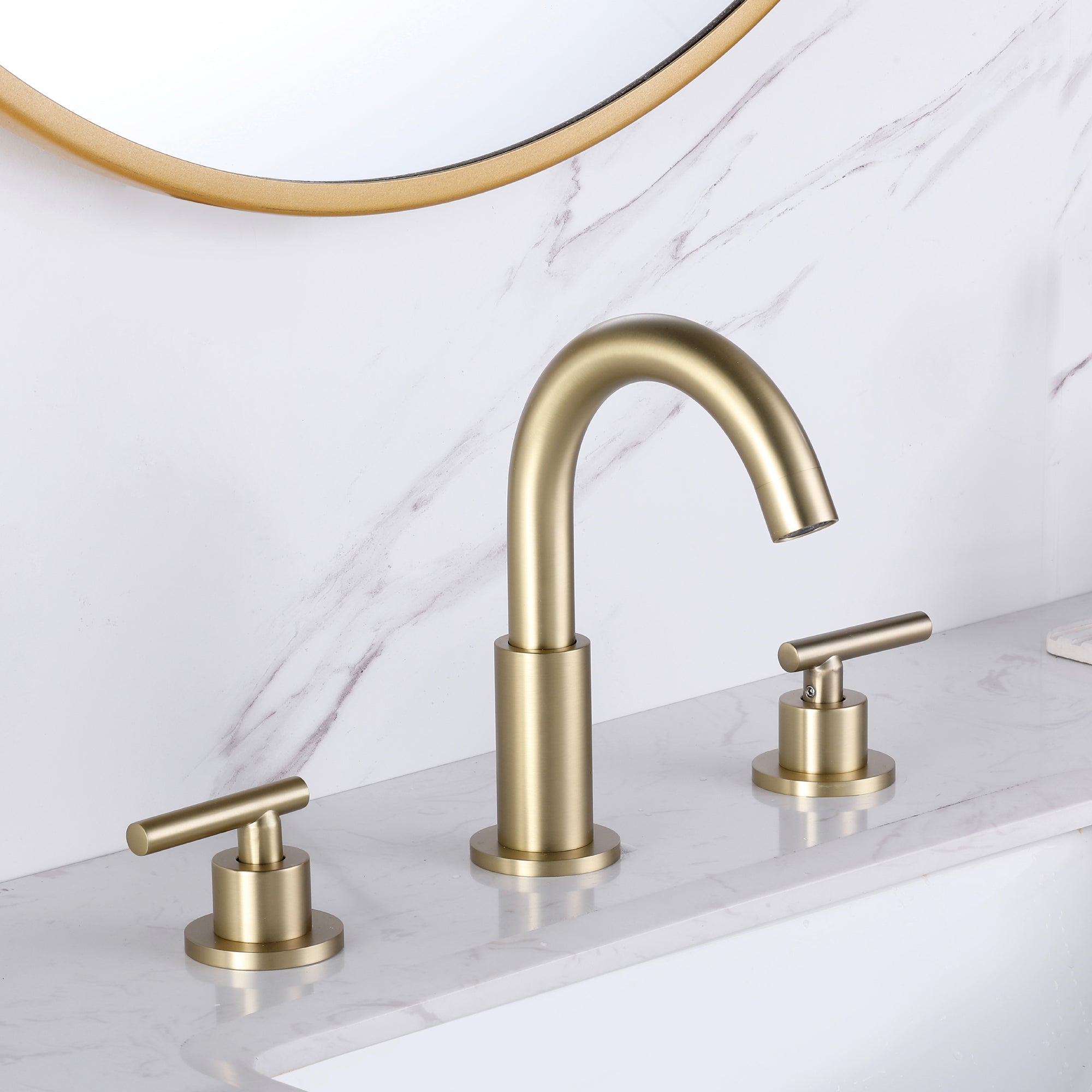
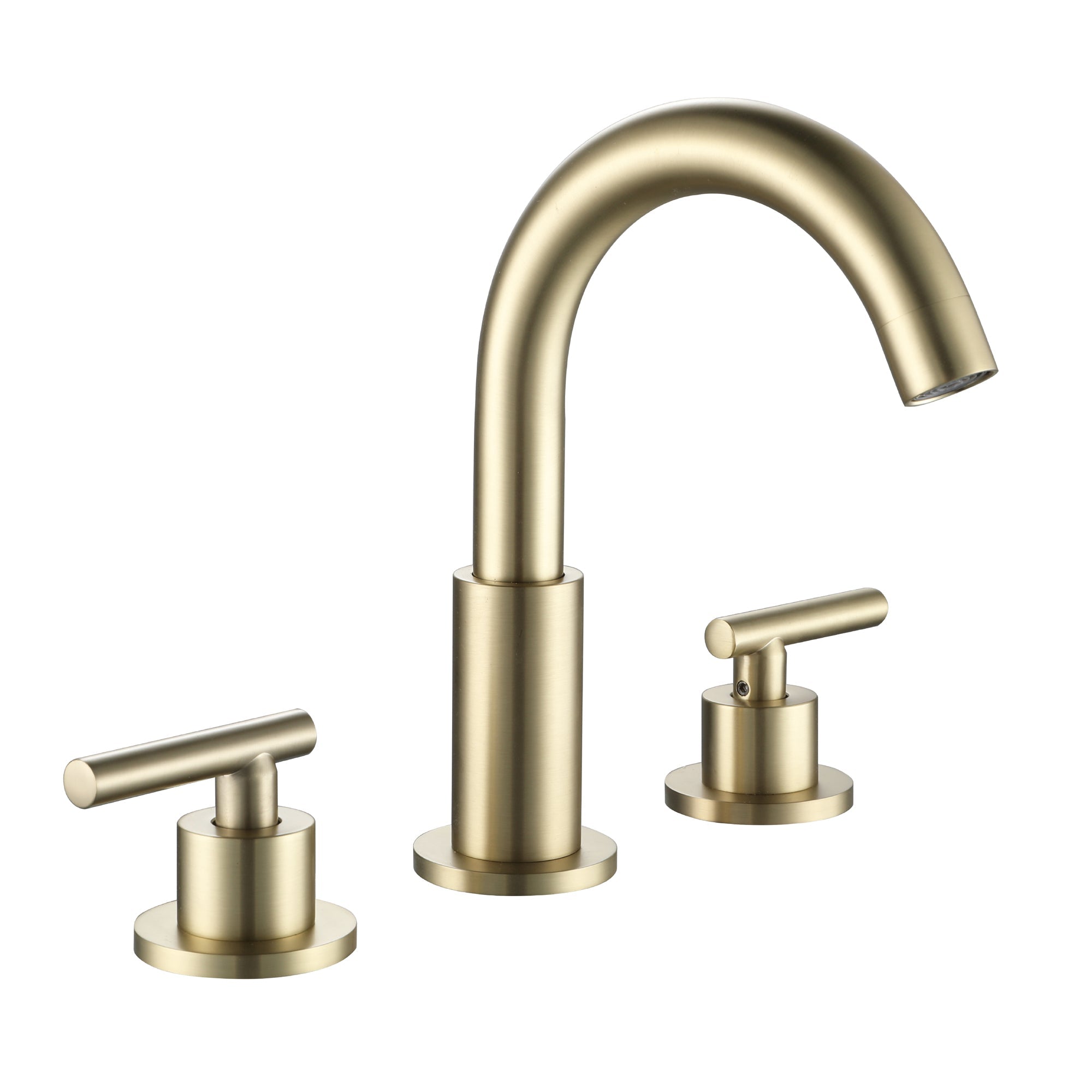
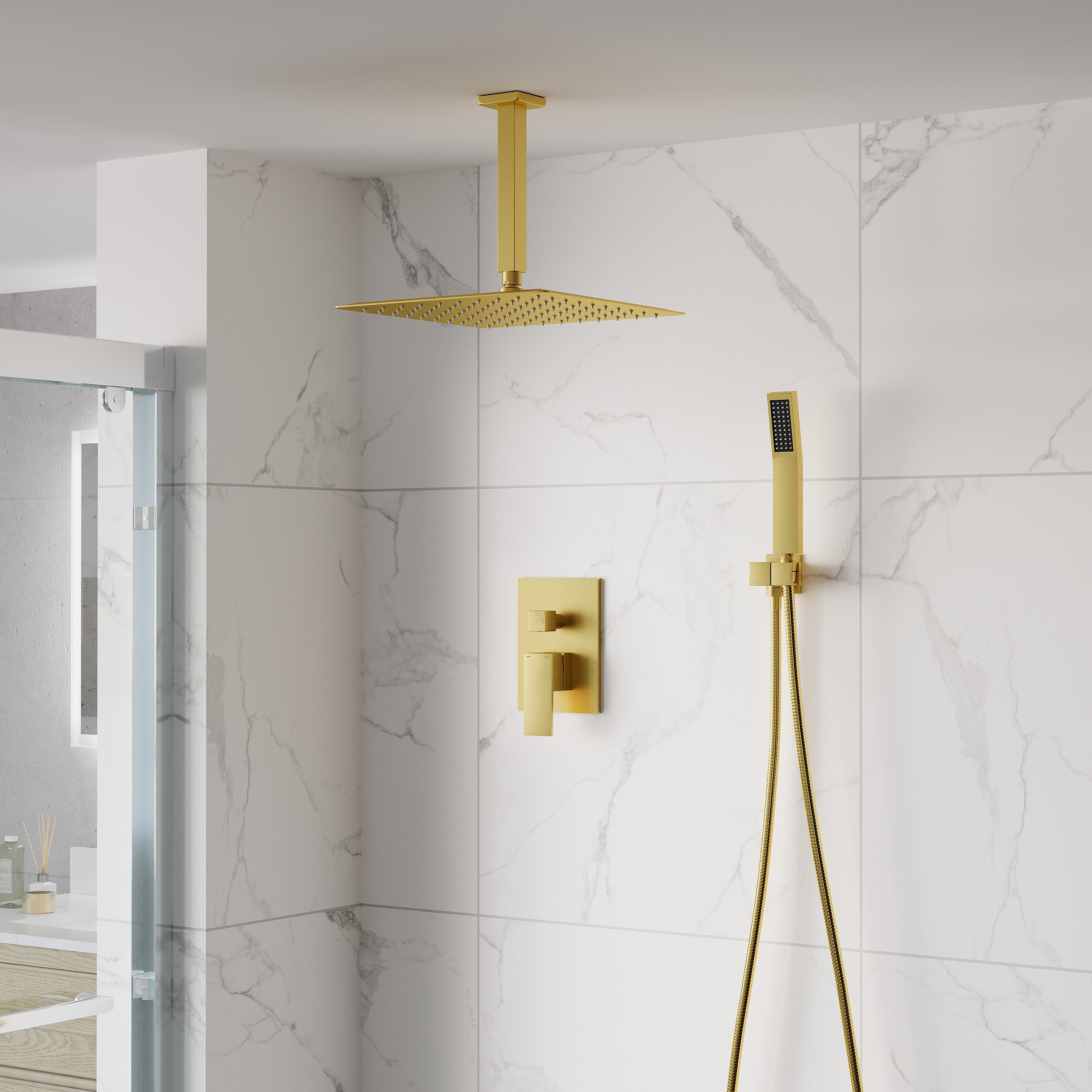
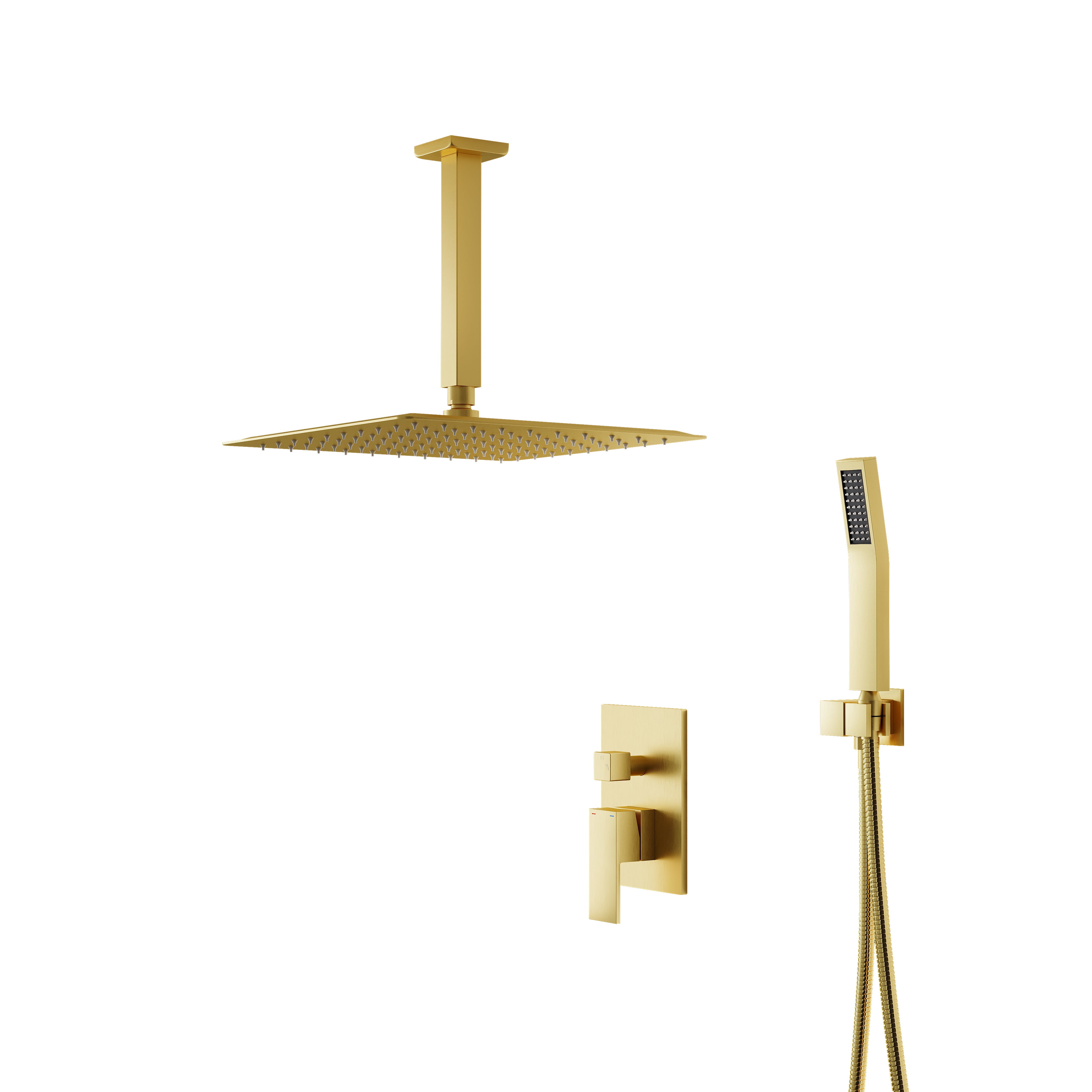
Chemical resistance: Modern acrylic polymers exhibit excellent resistance to yellowing. As long as you avoid using cleaning agents containing strong solvents and follow the neutral cleaning logic outlined in our Gold Bath Fixtures maintenance, acrylic bathtubs can maintain their shine for more than 10 years.
5. Cost-benefit ratio: wisdom in budget allocation
In the renovation logic of 2026, how to spend the budget on the cutting edge is an art.
The procurement cost of acrylic bathtubs is usually at a mid-range level, and the budget saved can be invested in more technologically advanced components, such as:
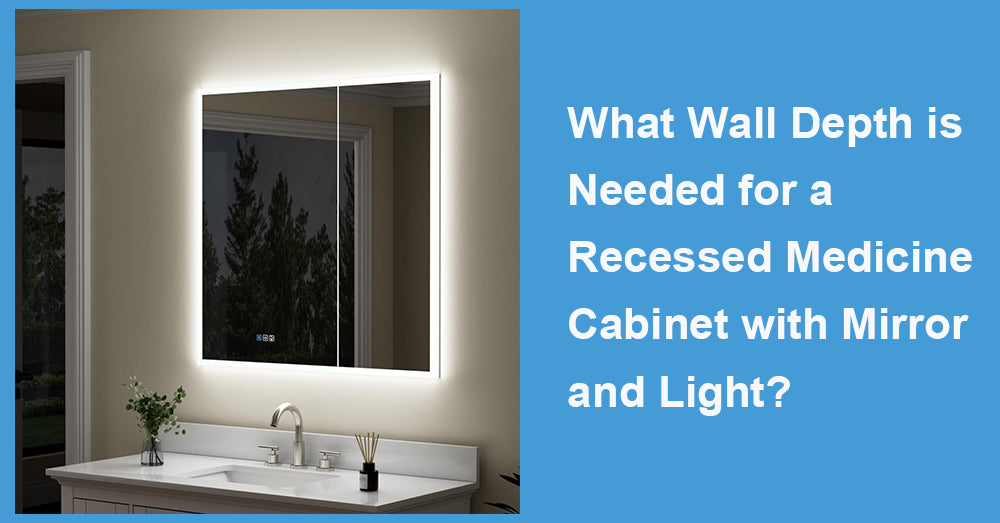
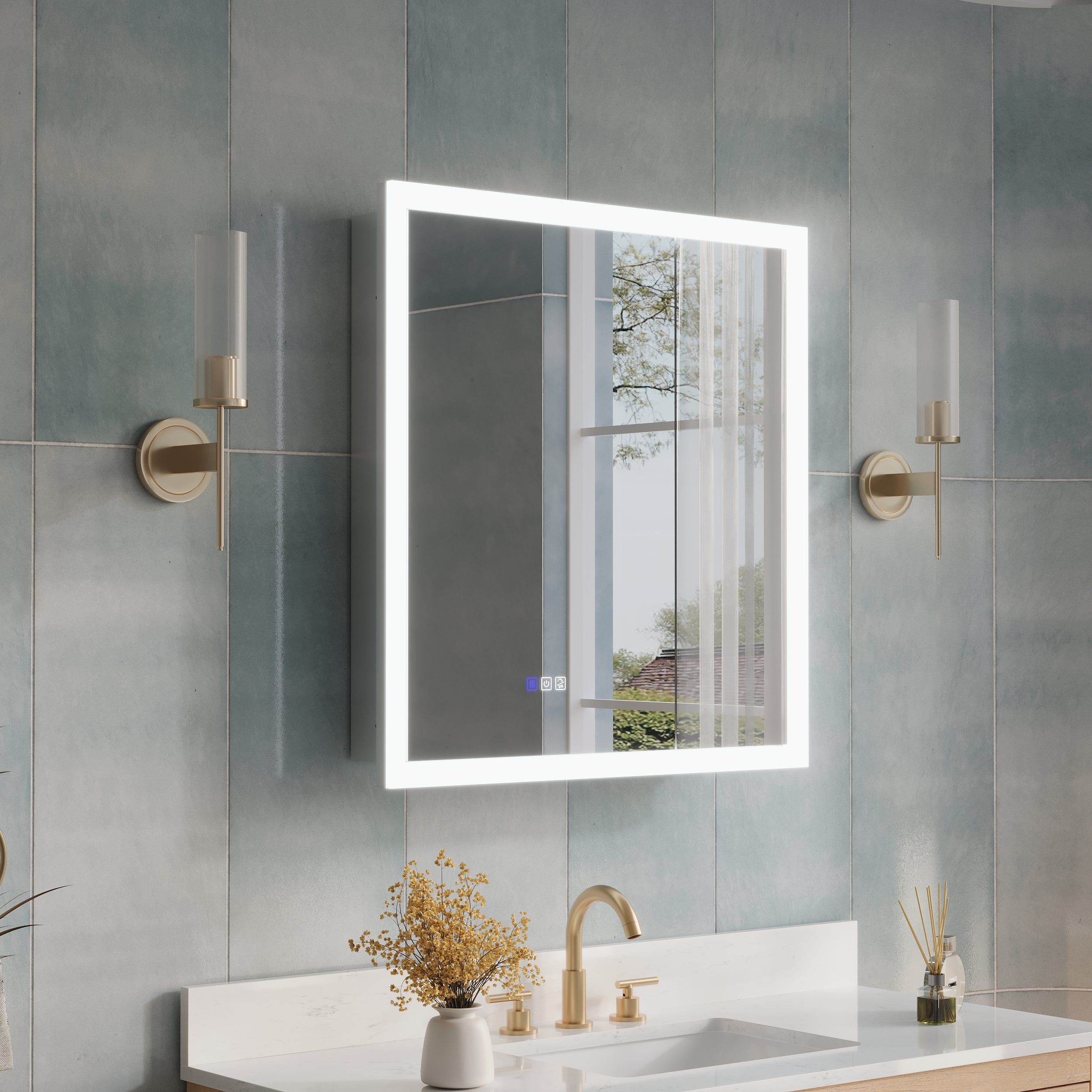
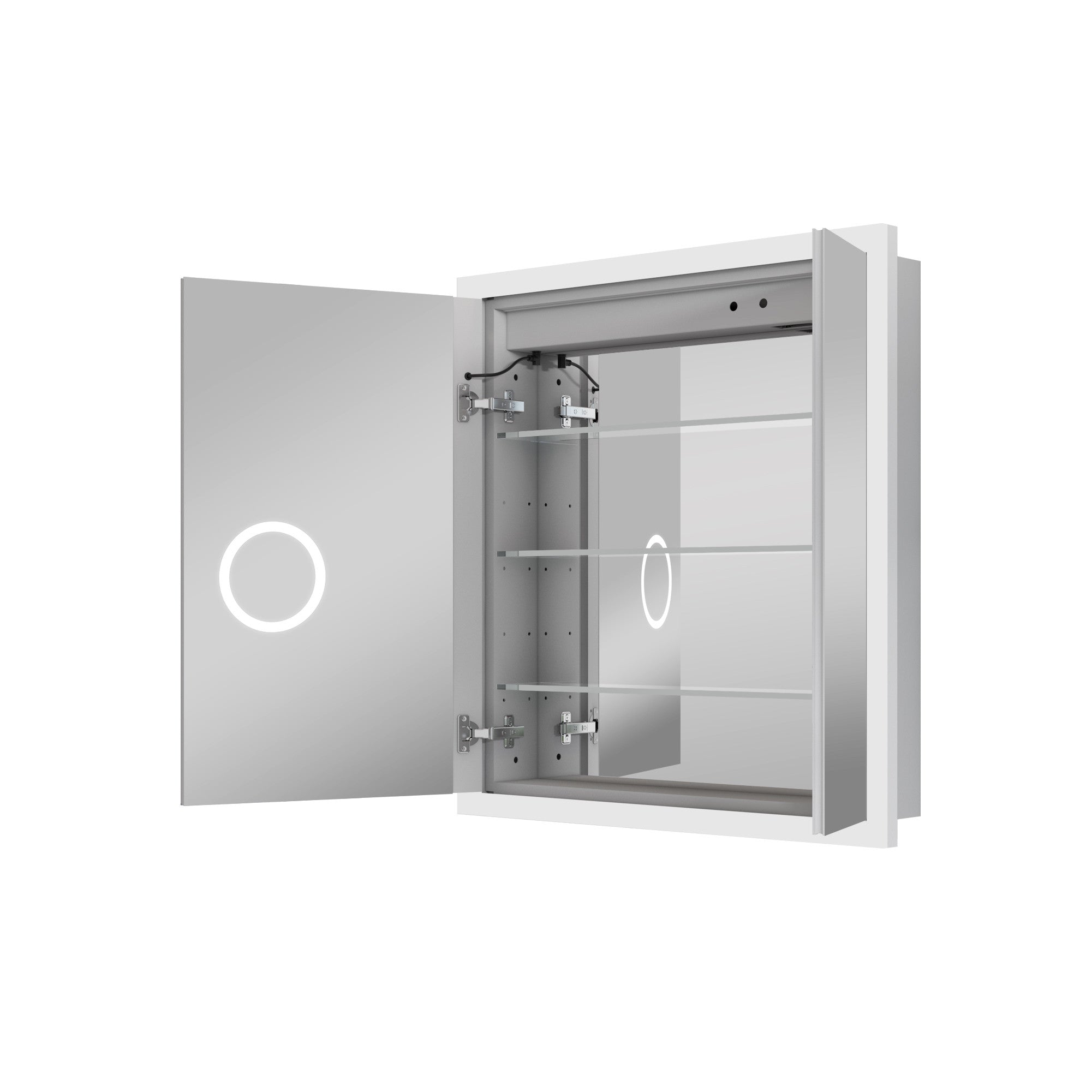
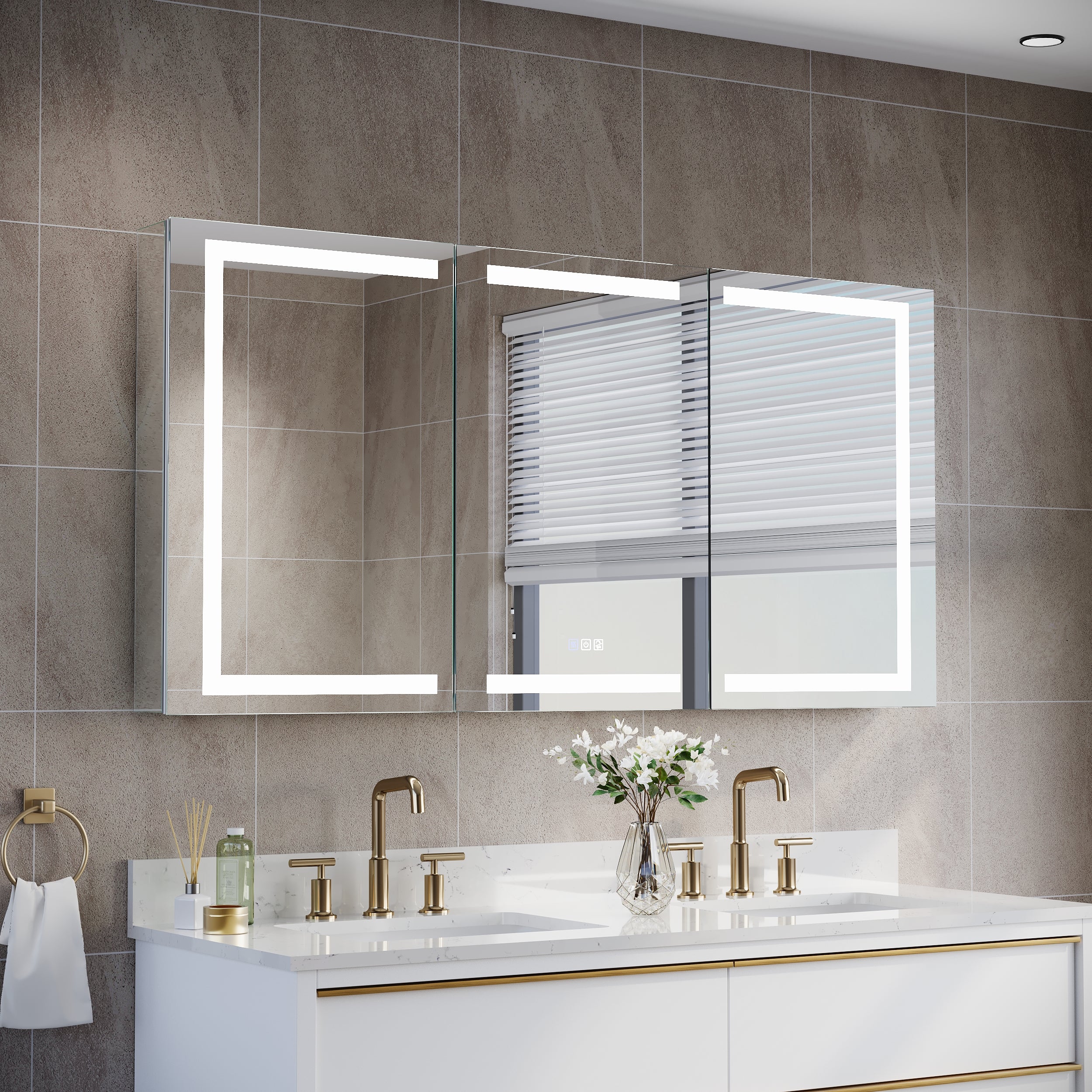
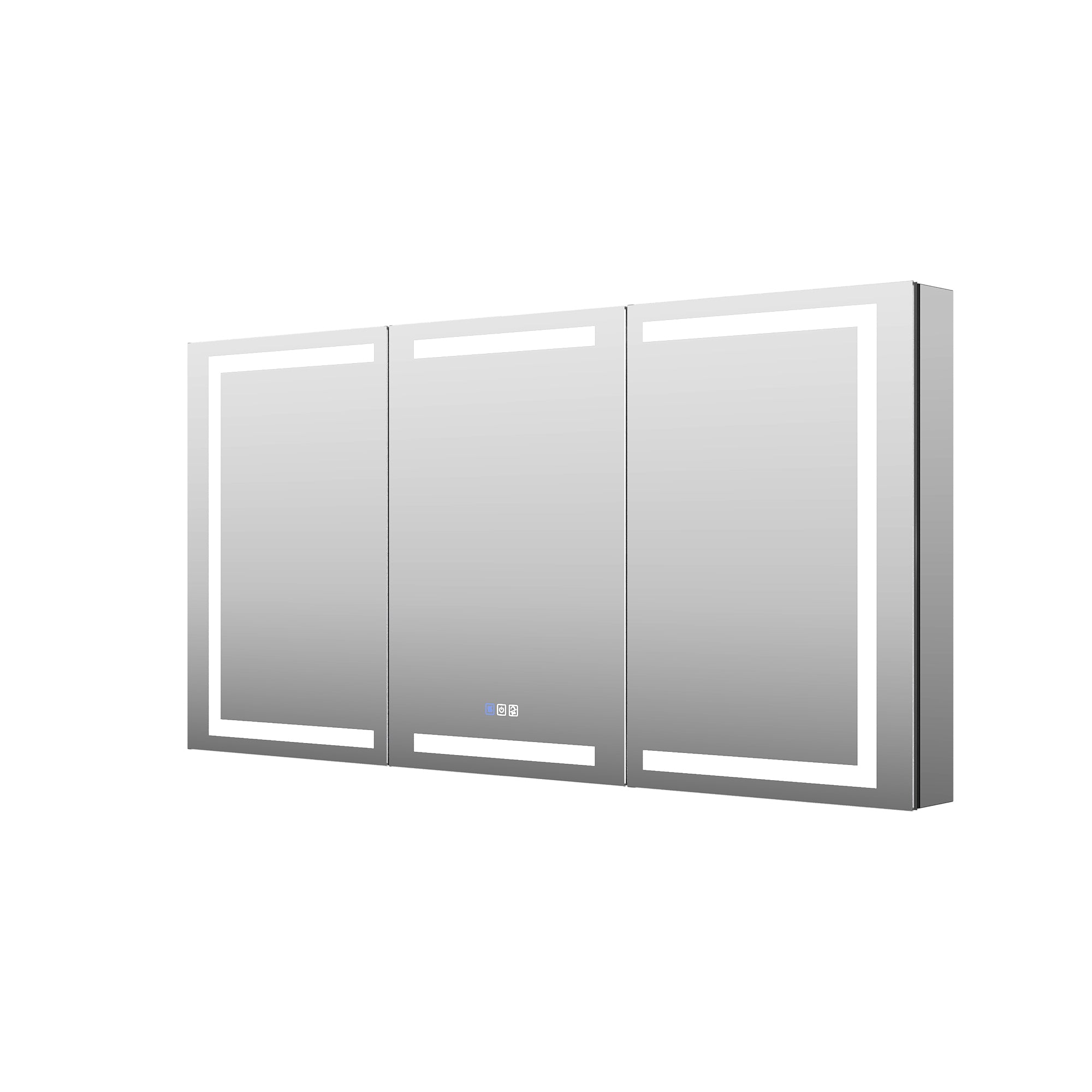
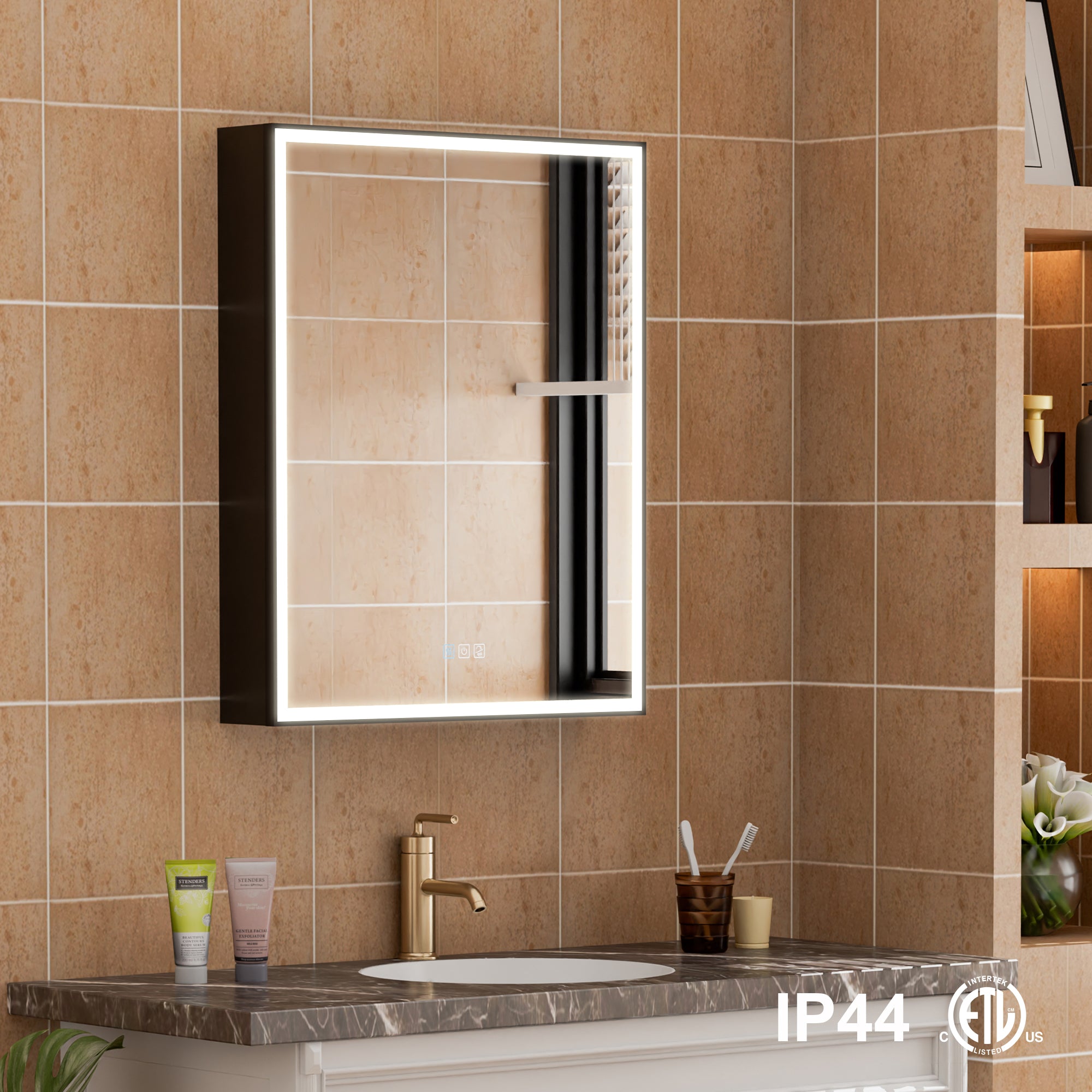
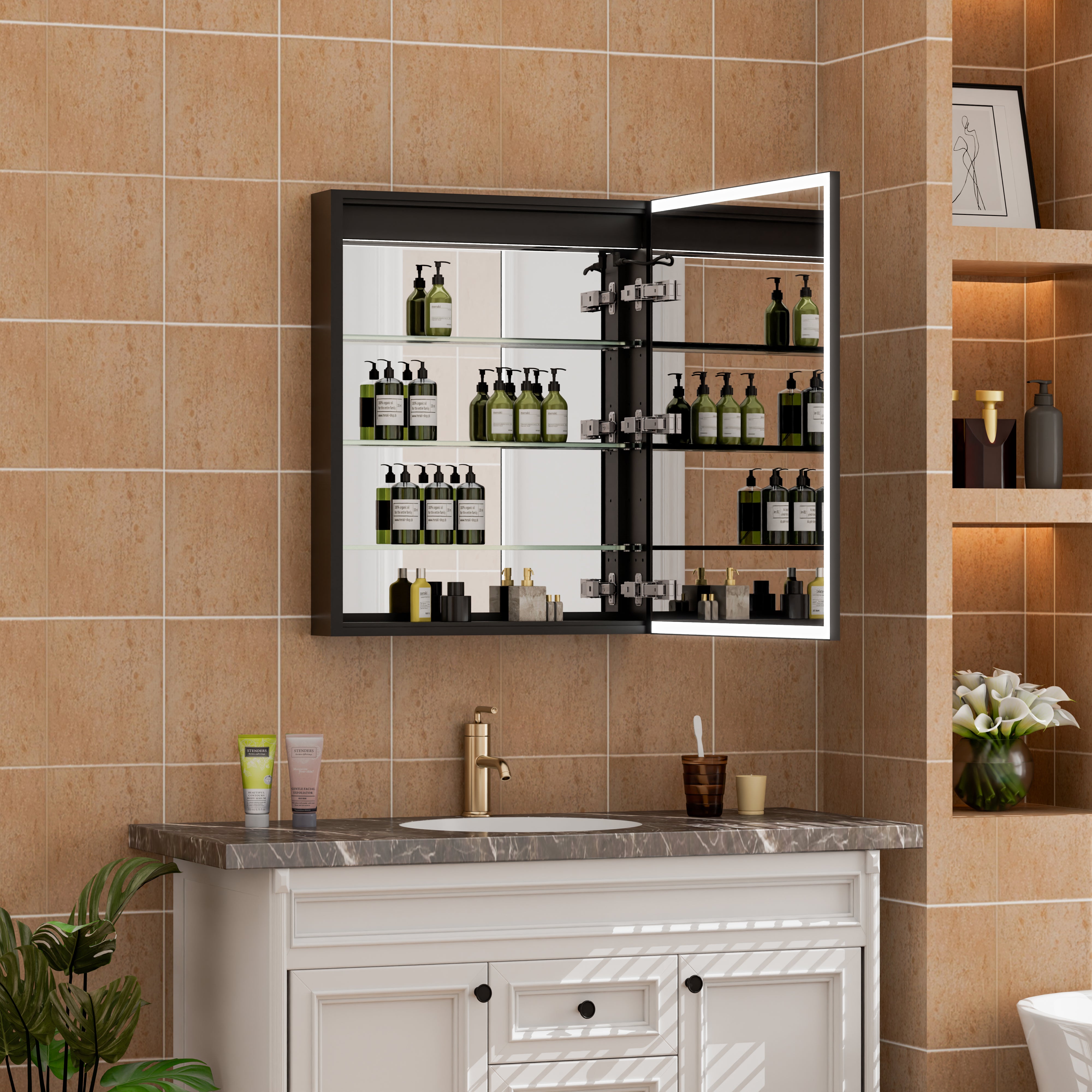
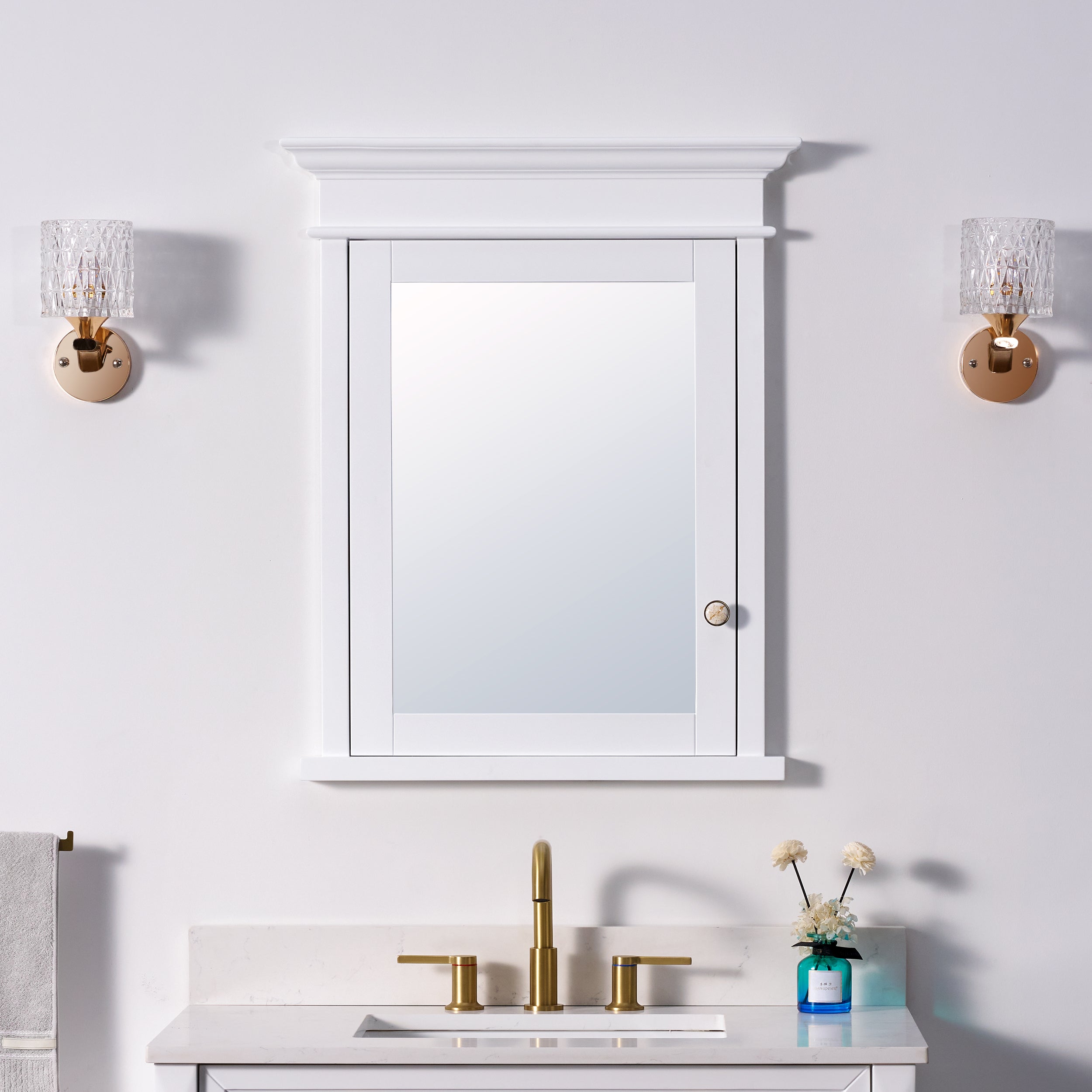
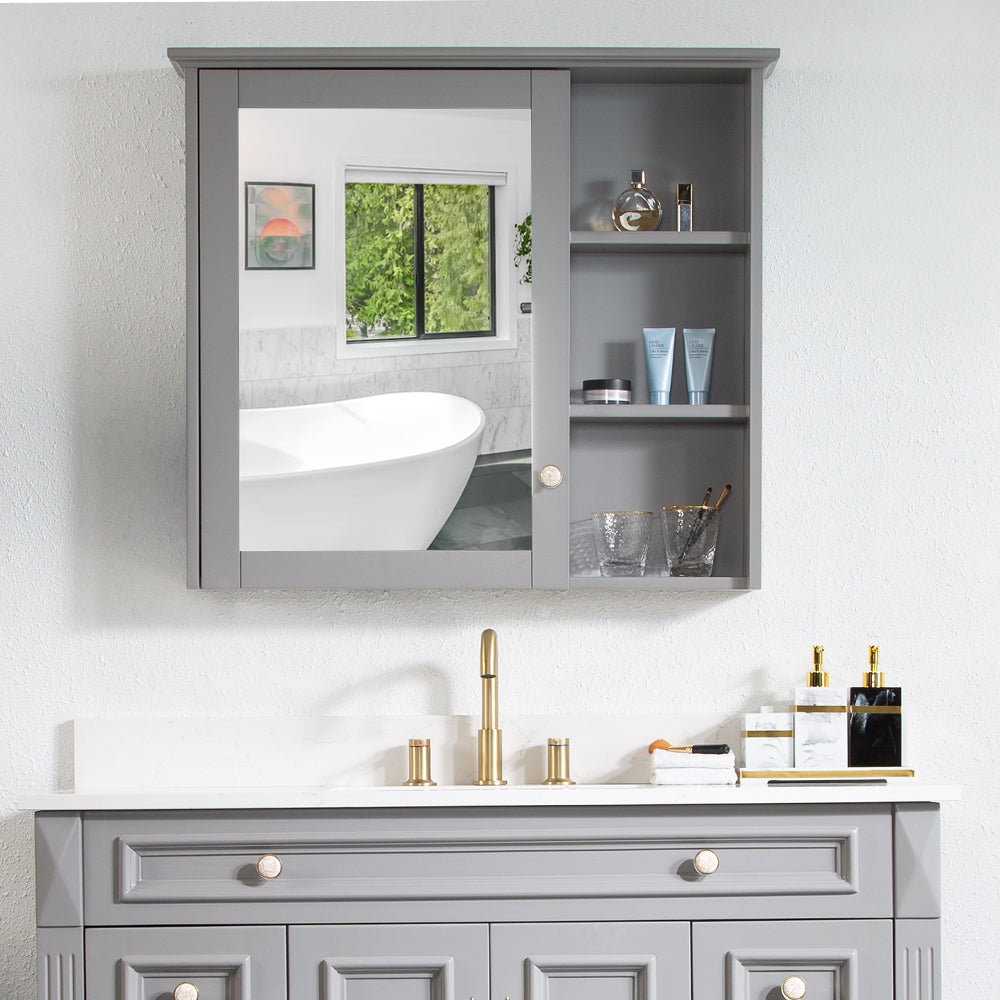
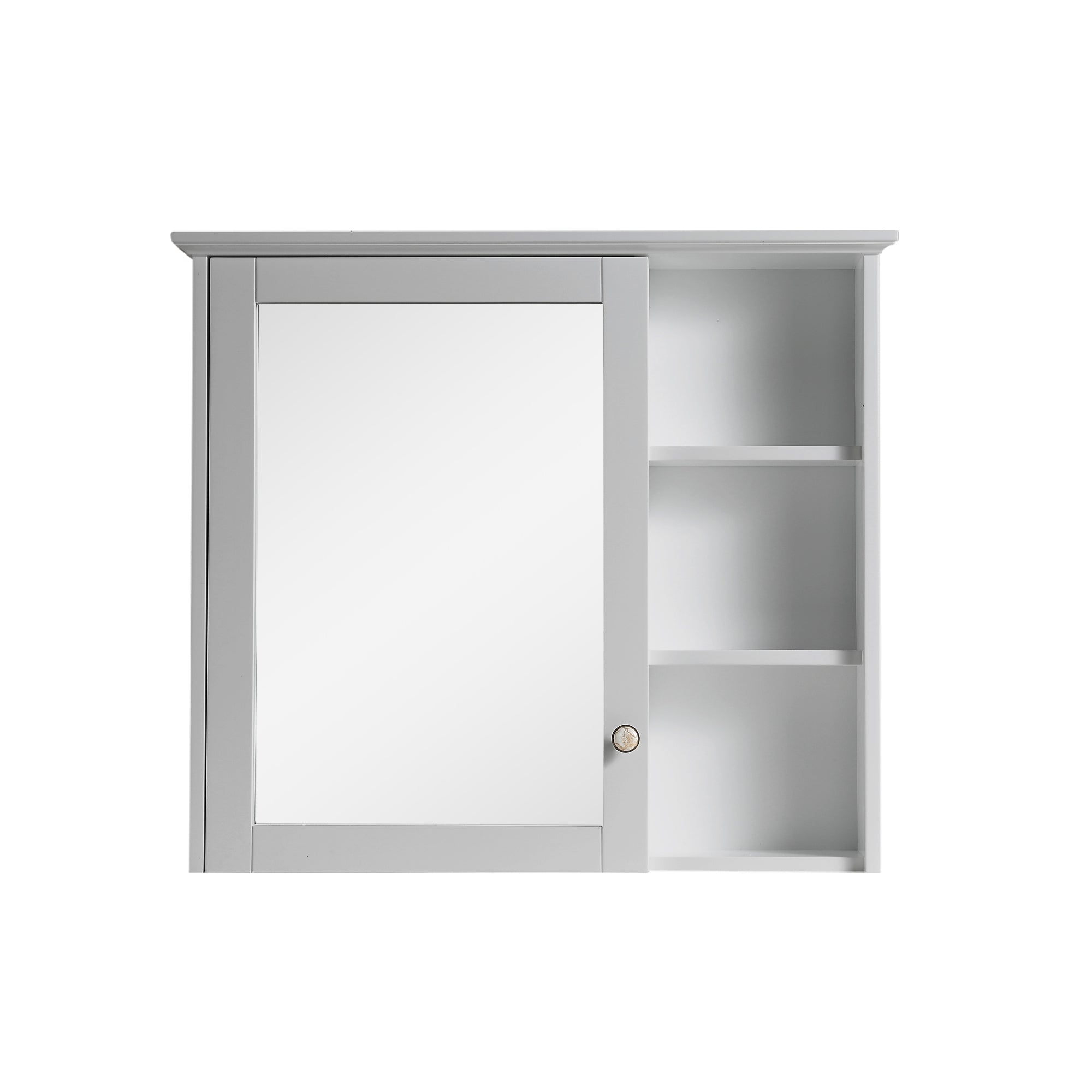
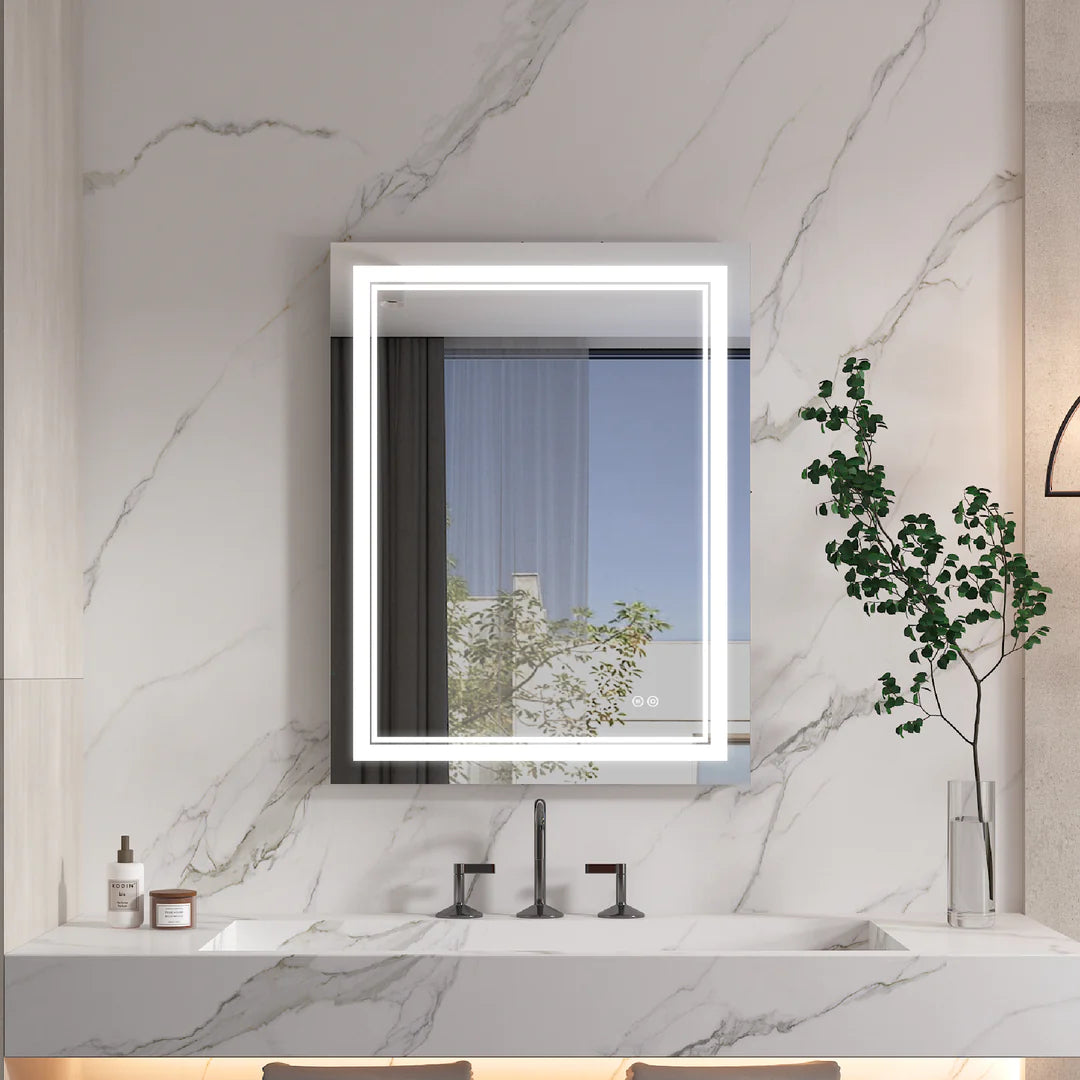
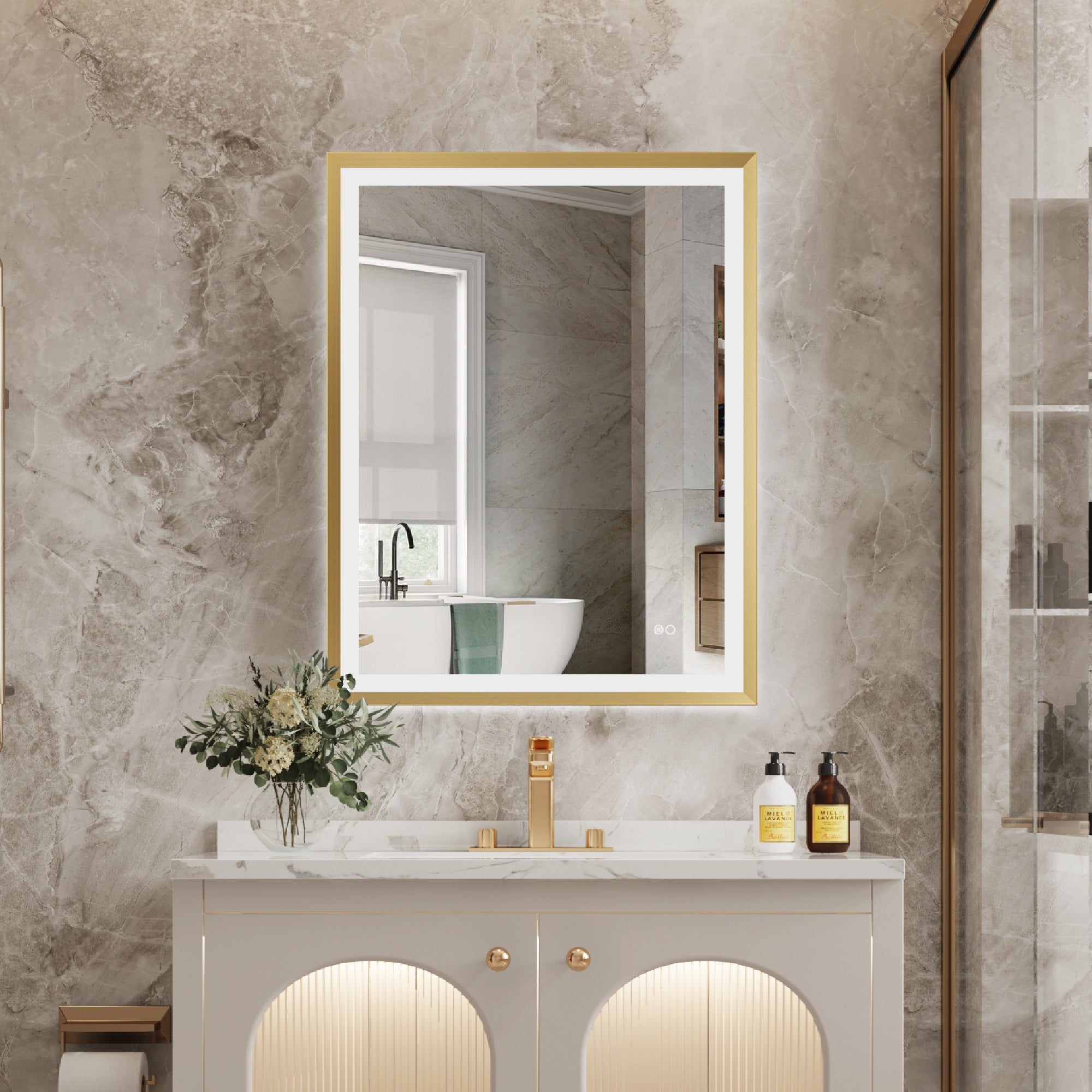
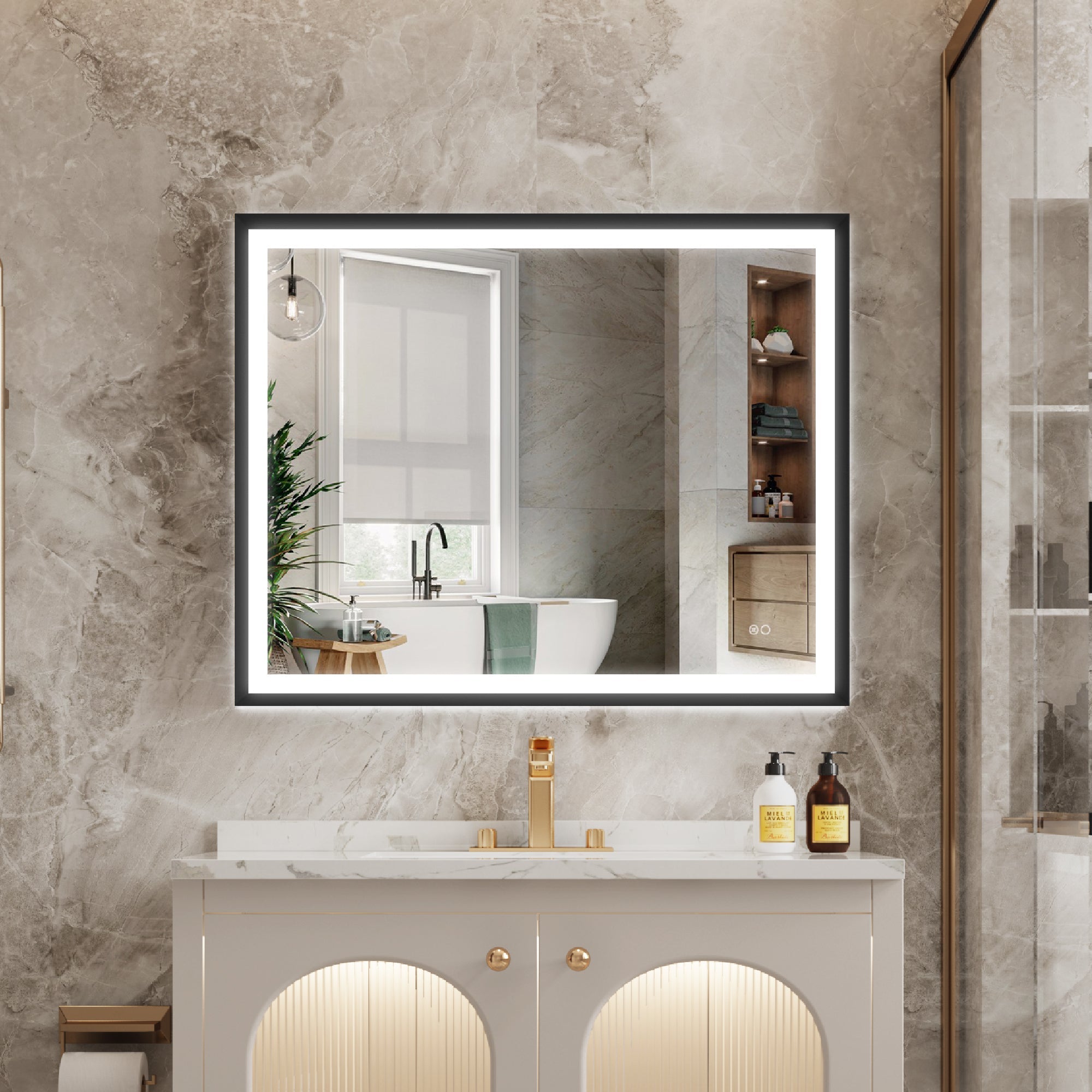
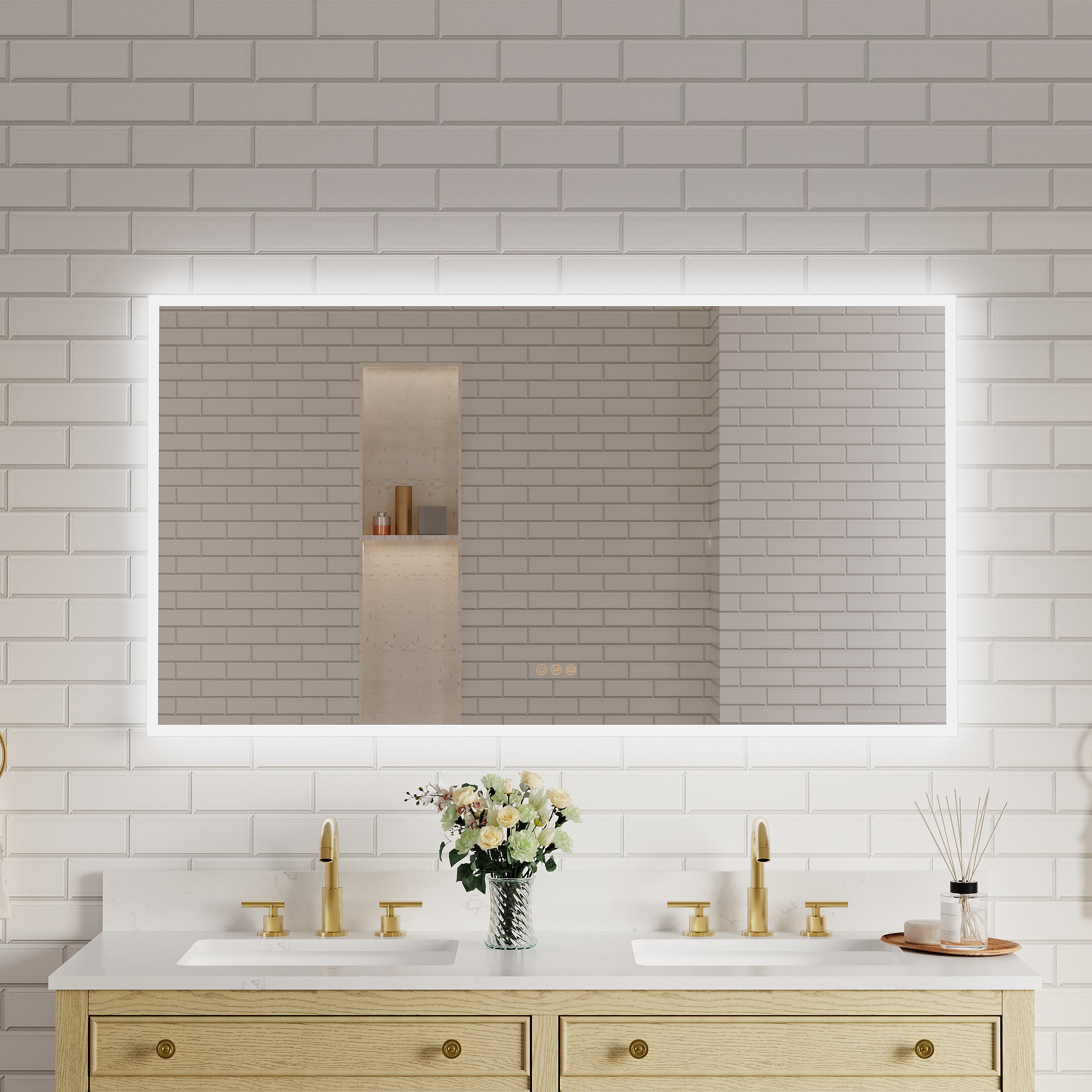
Choose an intelligent mirror cabinet with LED Lights.
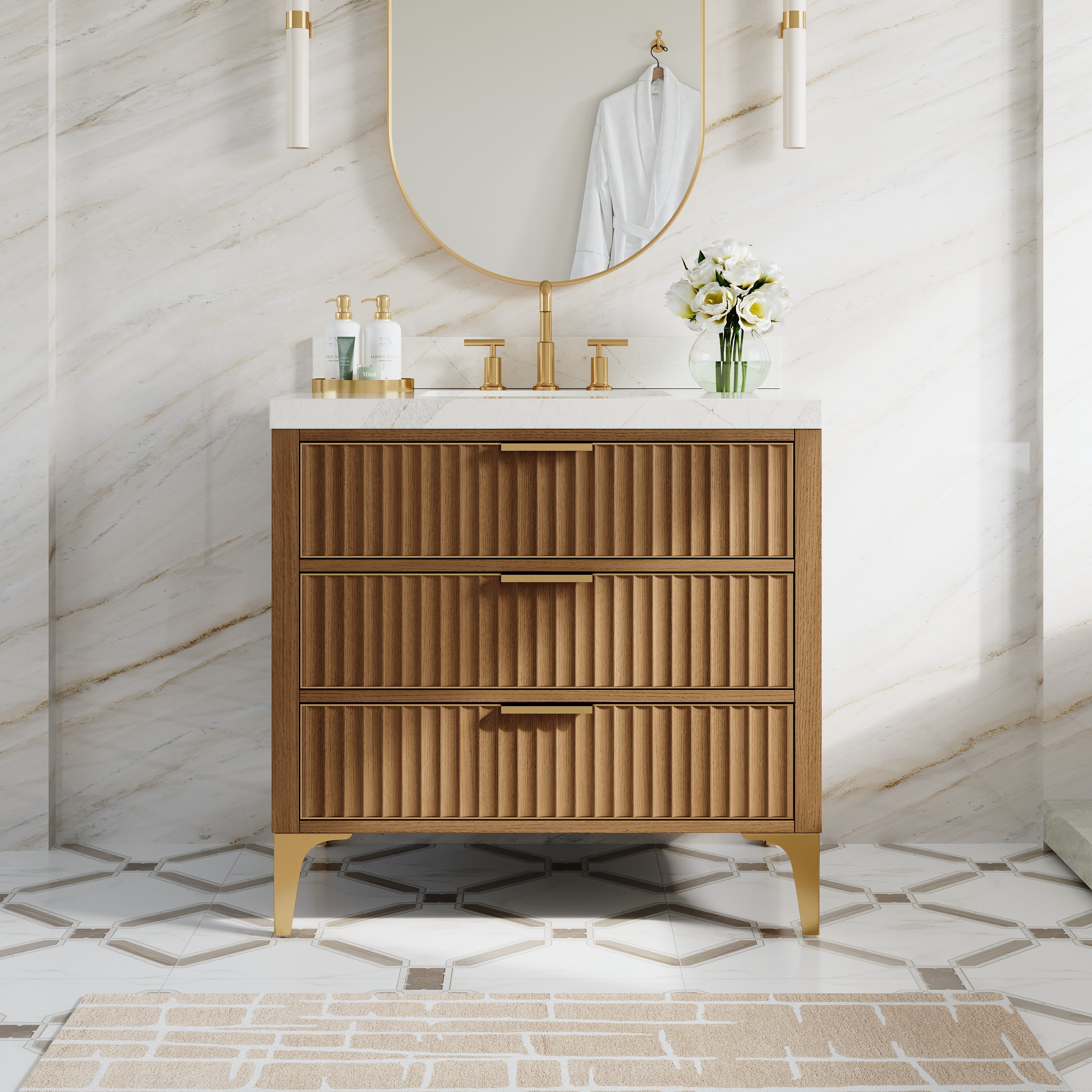
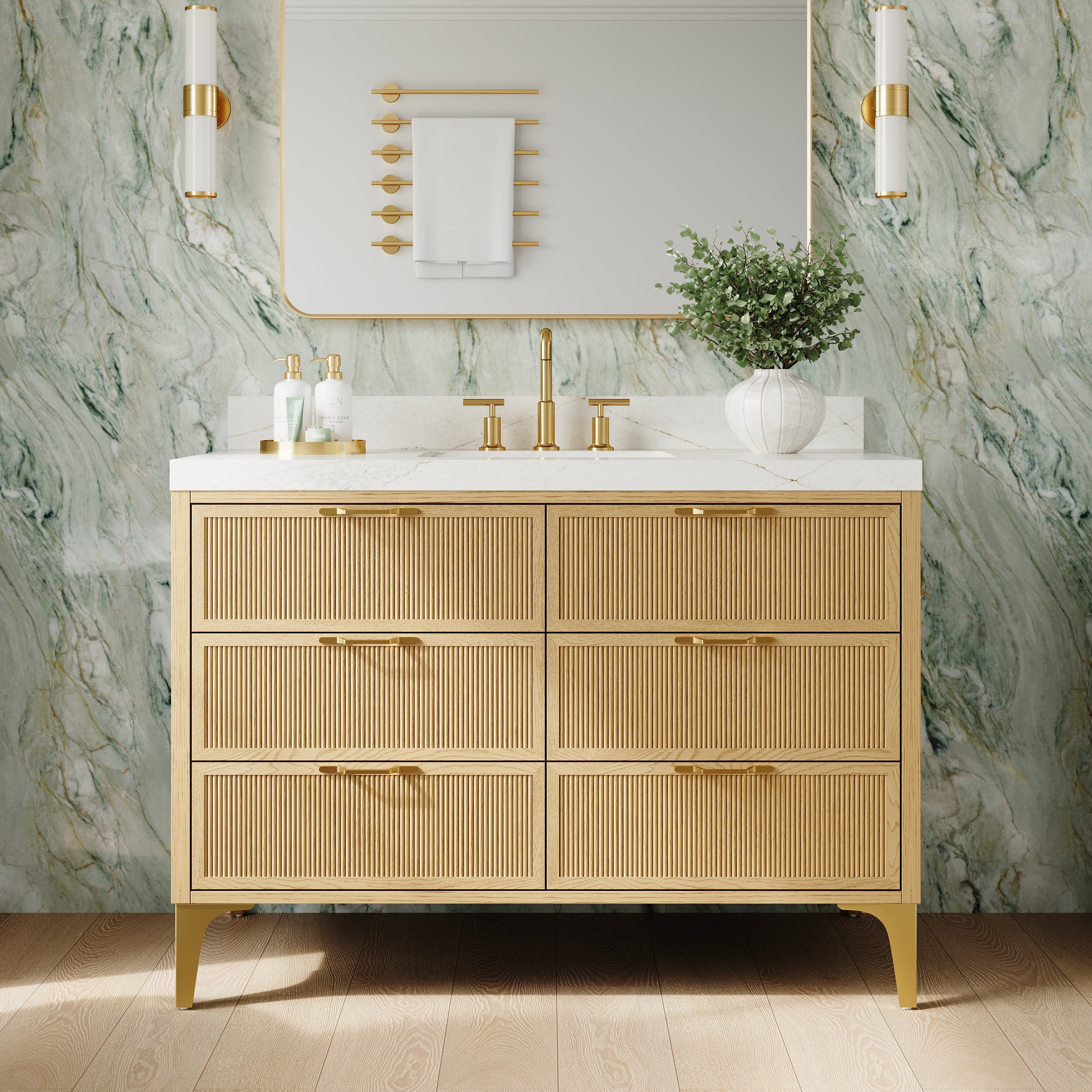
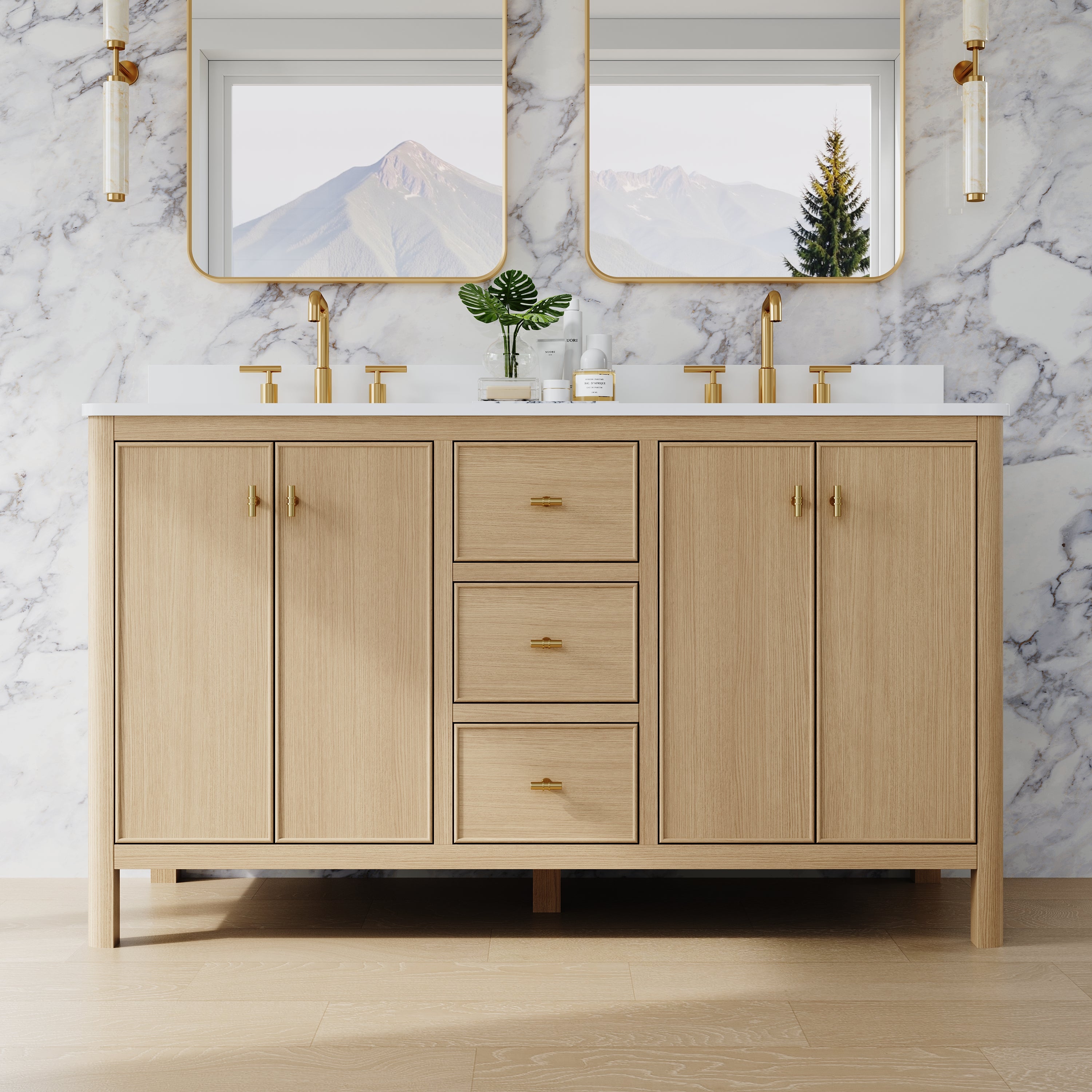
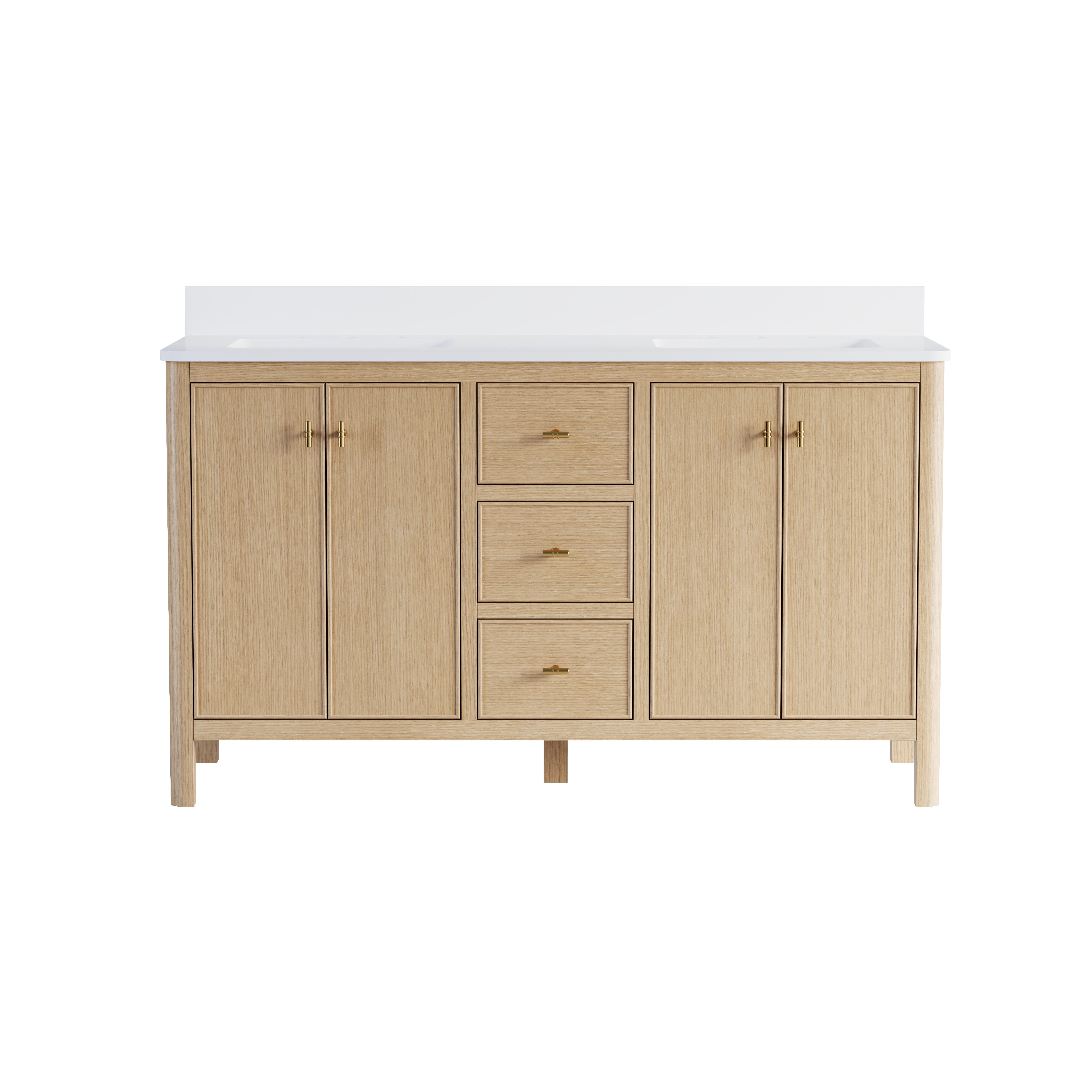
Upgrade to high-spec 36-inch vanities (36-inch bathroom cabinets).
This reasonable budget combination can elevate the overall sense of luxury in the bathroom through smart devices and high-end furniture, rather than being hollowed out by a heavy bathtub.

6. Anti-slip and safety: invisible barrier for family members
Bathroom safety is the bottom line of all designs, and acrylic performs steadily in this field.
Natural slip resistance: Acrylic surfaces have a natural viscosity when wet, making them less prone to slipping than smooth enamel surfaces.
Structural reinforcement: The 2026 standard acrylic bathtubs are reinforced with multiple layers of fiberglass and reinforced wooden boards at the bottom, ensuring that there is no uncomfortable "soft collapse" during use and providing a solid sense of psychological safety.
7. Limitations review: When should you not choose it?
As industry news, we must fairly point out the limitations of acrylic:
Texture: If you are looking for a sense of stability and metal echo in your knuckles, acrylic may make you feel "light".
Detergent sensitivity: It is strictly prohibited to use acetone (such as nail polish remover) or a strong corrosive pipe cleaner directly on the bathtub, as this will cause permanent damage to the surface.
Summary: Is acrylic your "best answer"?
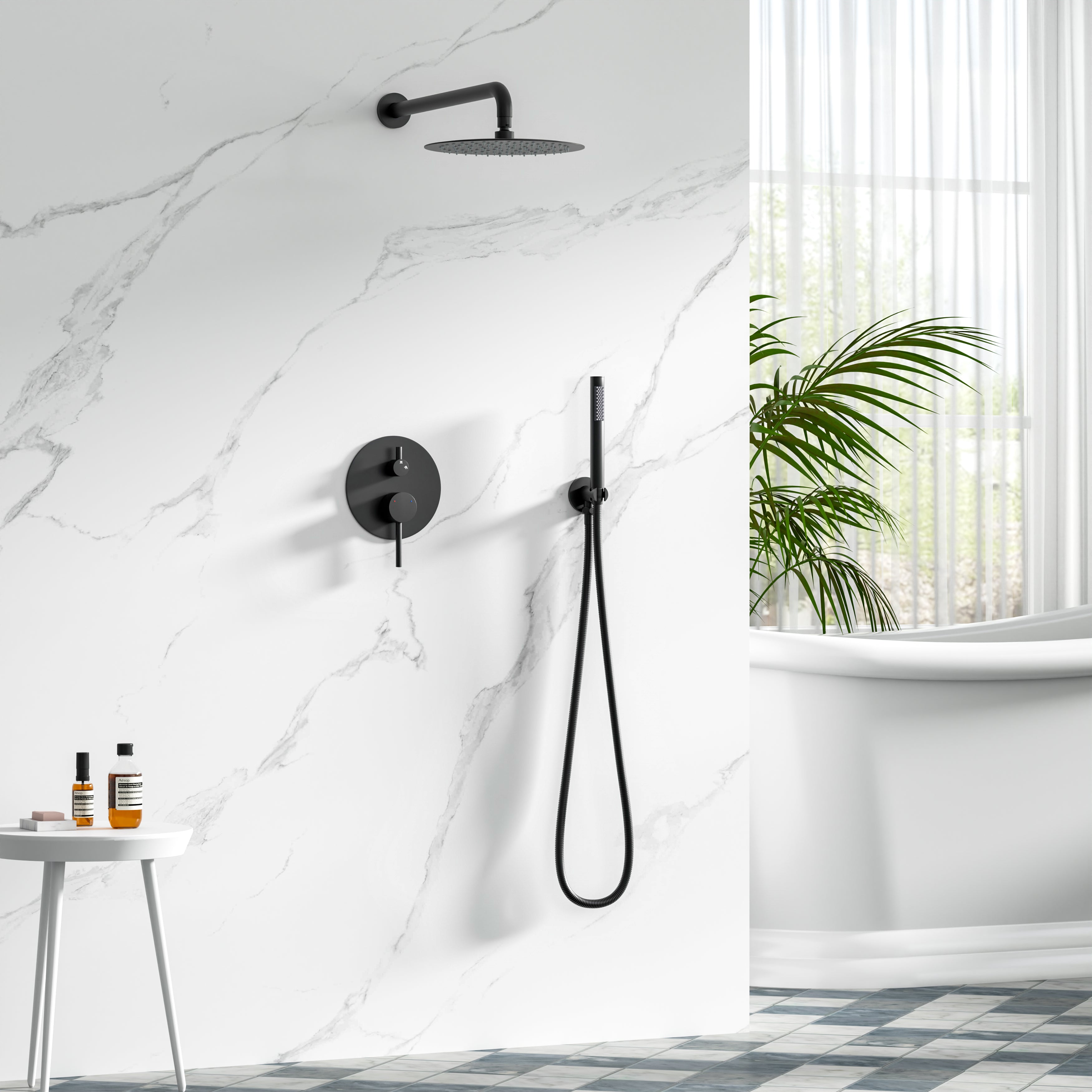
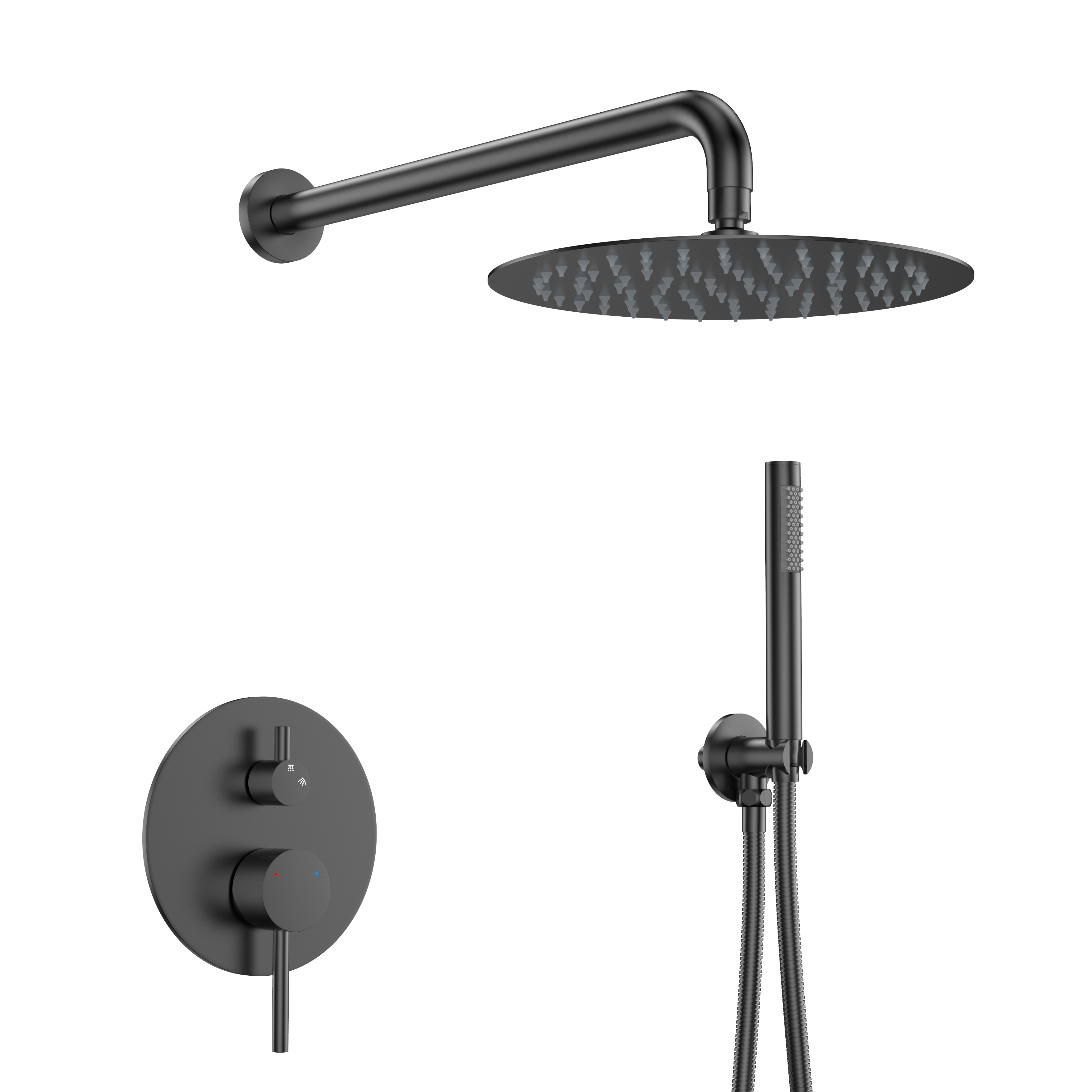
When exploring the ultimate evolution of bathroom space, Acrylic Bathtub remains the best choice for modern homes to balance aesthetics and practicality in 2026 due to its excellent thermodynamic insulation performance, ergonomic flexibility in design, and installation advantages brought by its lightweight. Compared to bulky cast iron or expensive artificial stone, acrylic material not only has a warmer, more skin-friendly touch but also offers strong resistance to yellowing and repairability. Combined with the premium texture of Gold Shower Fixtures, it can deliver a five-star hotel-like private spa experience at a better cost-effectiveness. Although it is sensitive to highly corrosive cleaning agents, as long as neutral cleaning logic is followed in daily maintenance and combined with the whole-house soft water system to reduce hard water deposition, acrylic bathtubs can remain as new for a lifespan of up to ten years, becoming the core visual anchor for improving the overall living quality and asset preservation of bathrooms.














Leave a comment
This site is protected by hCaptcha and the hCaptcha Privacy Policy and Terms of Service apply.