














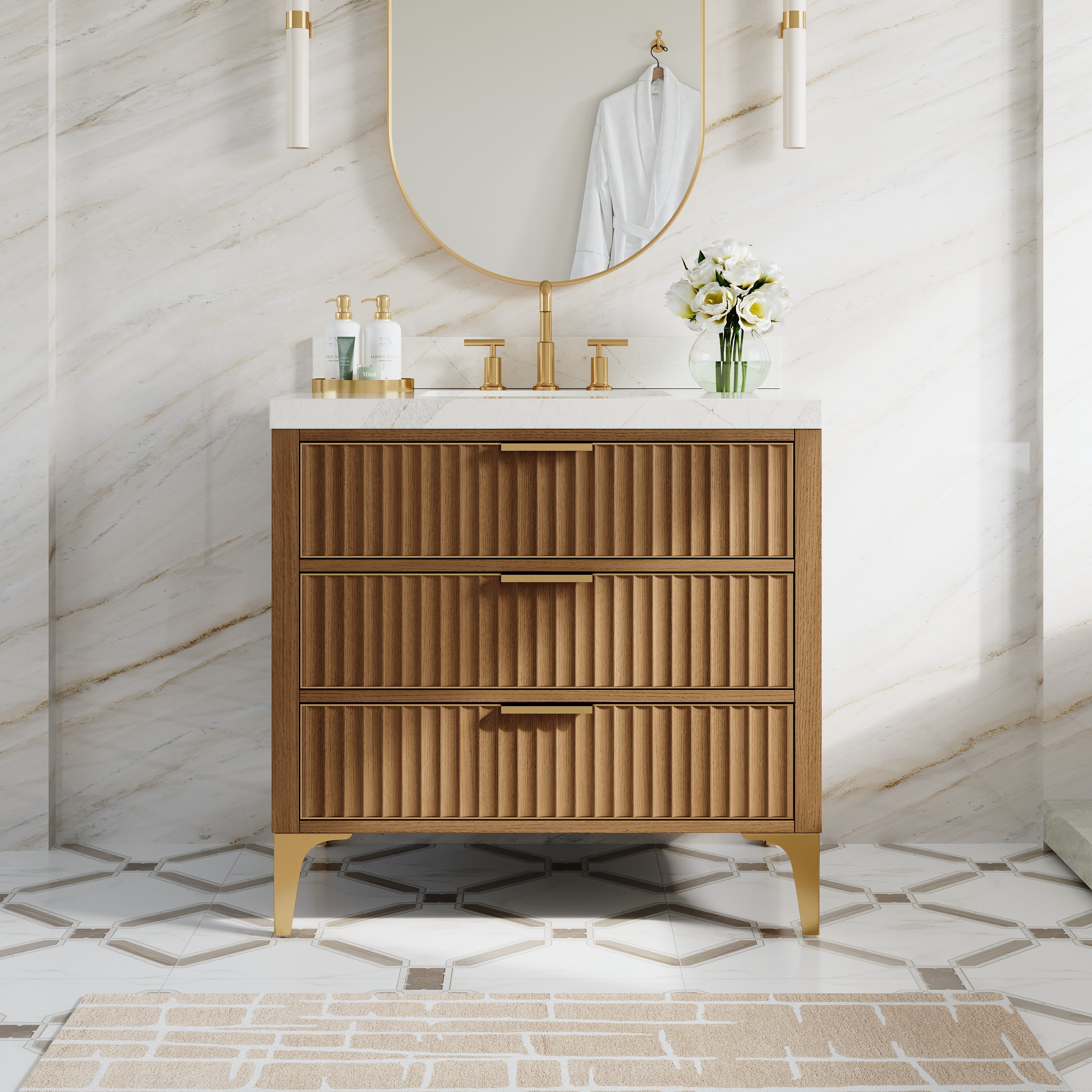
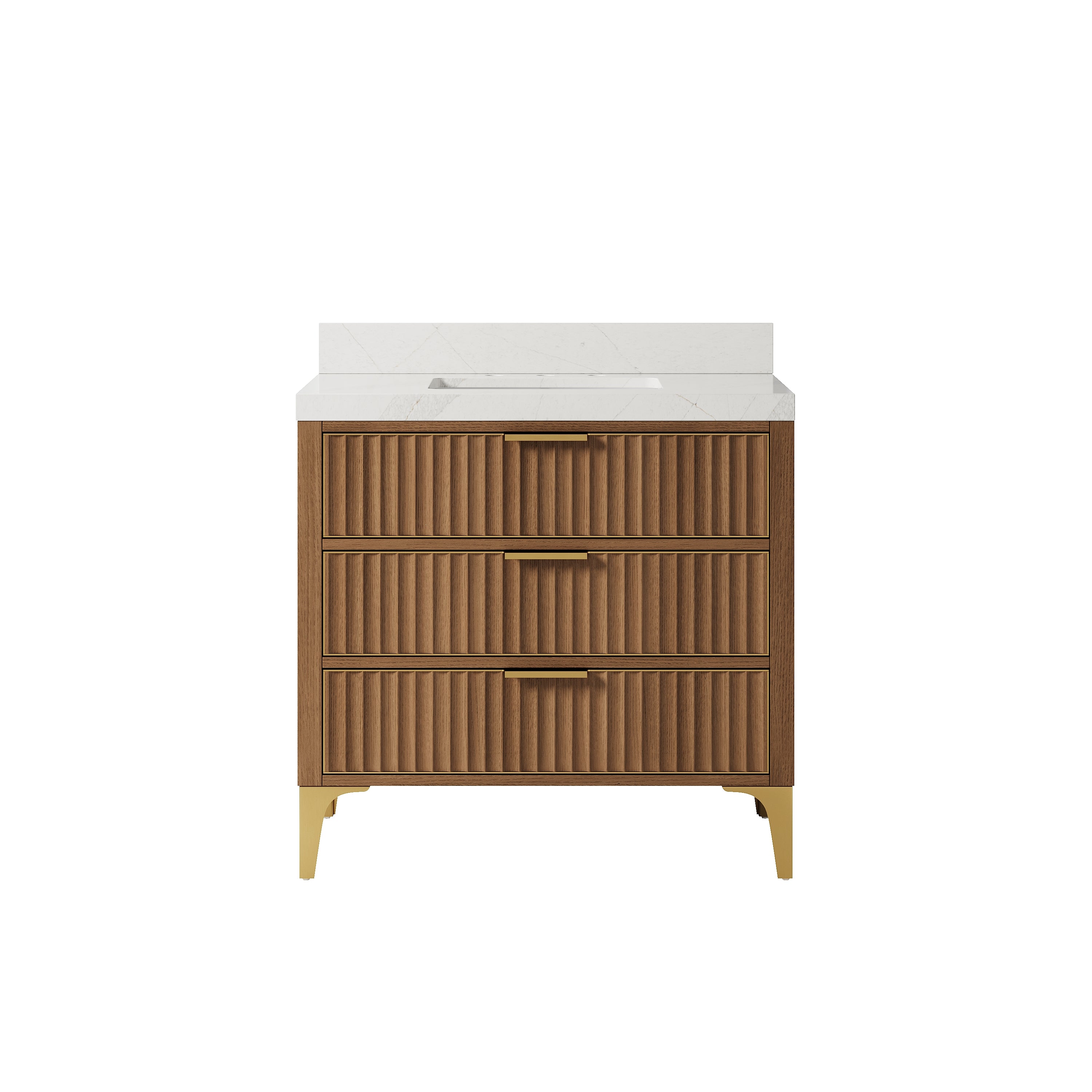
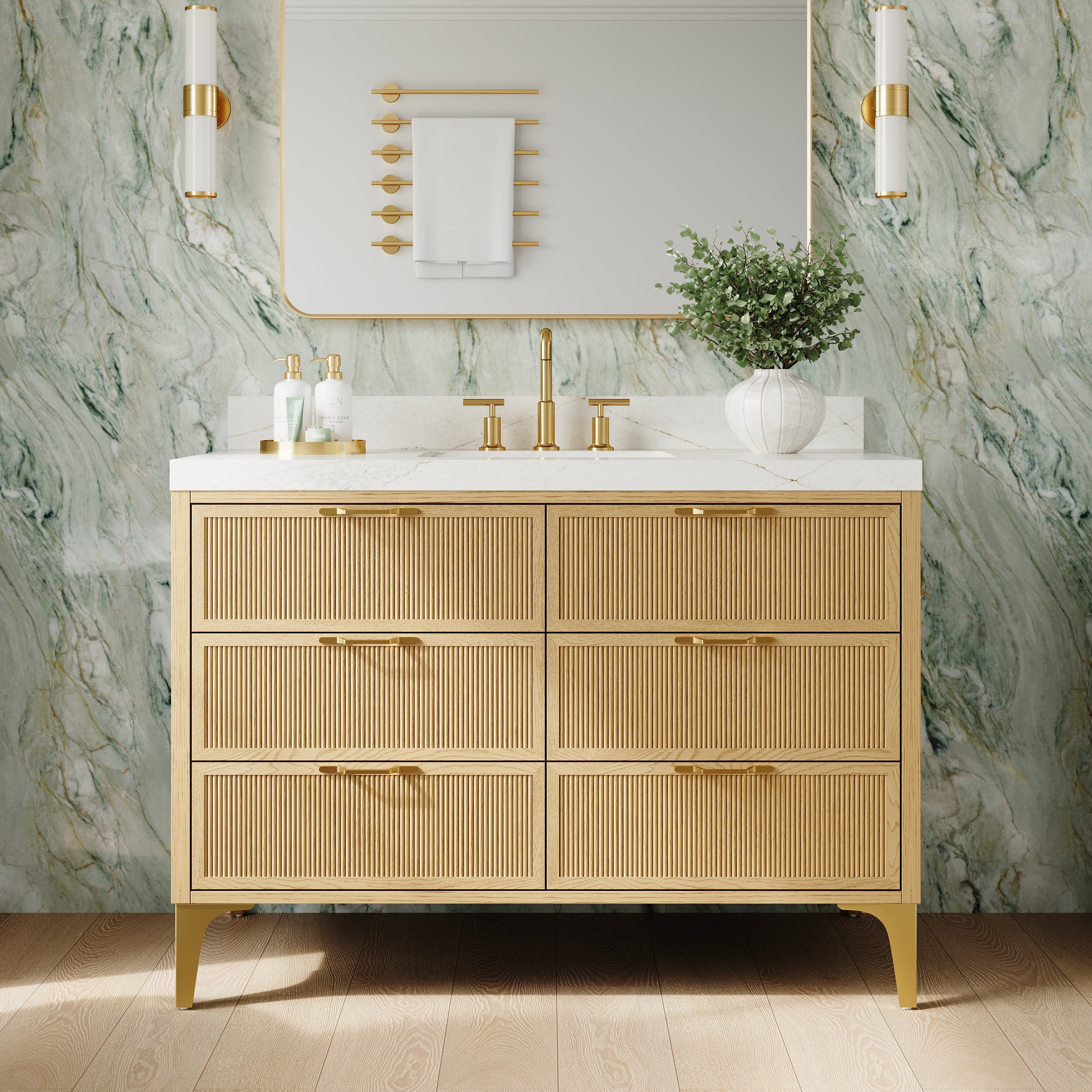
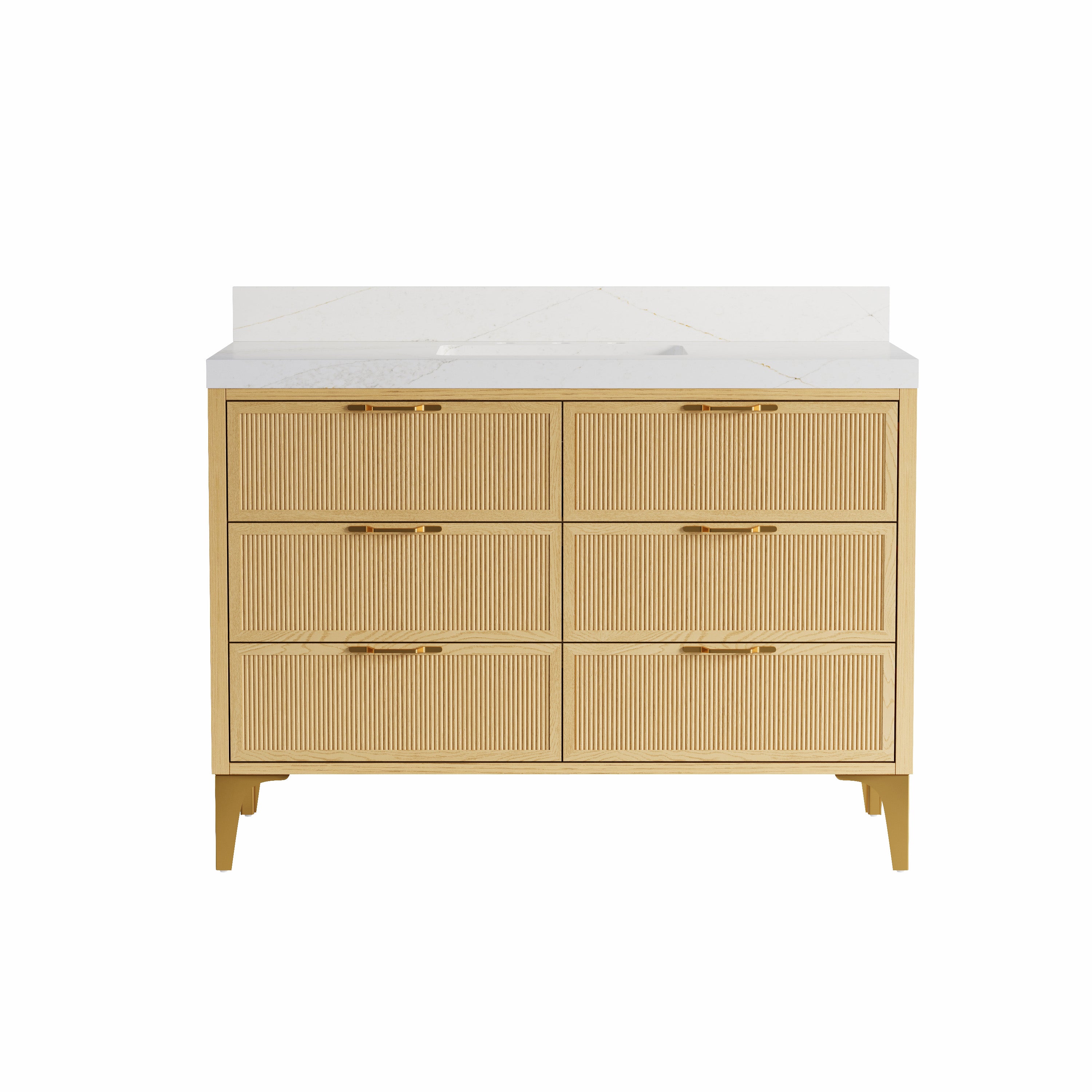


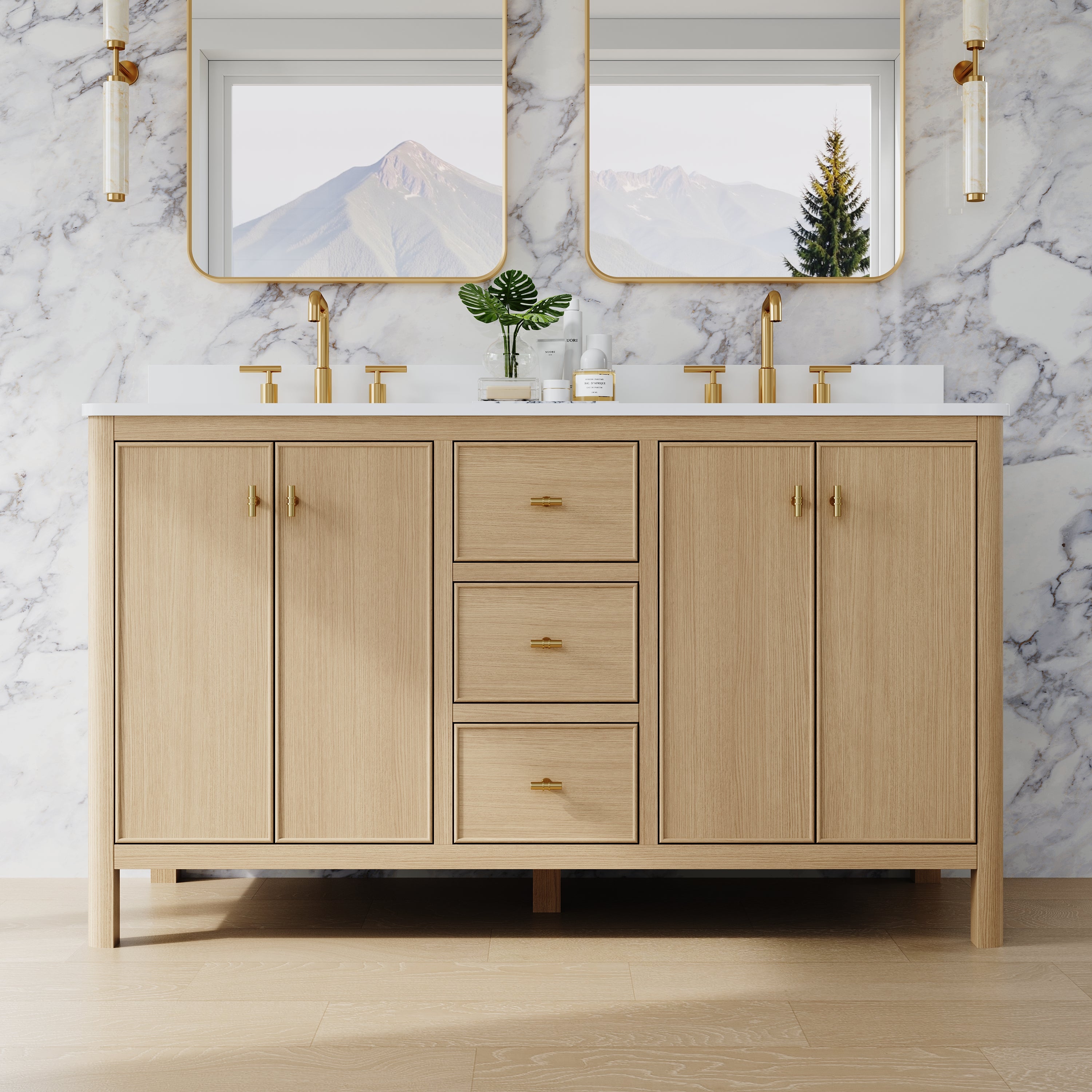
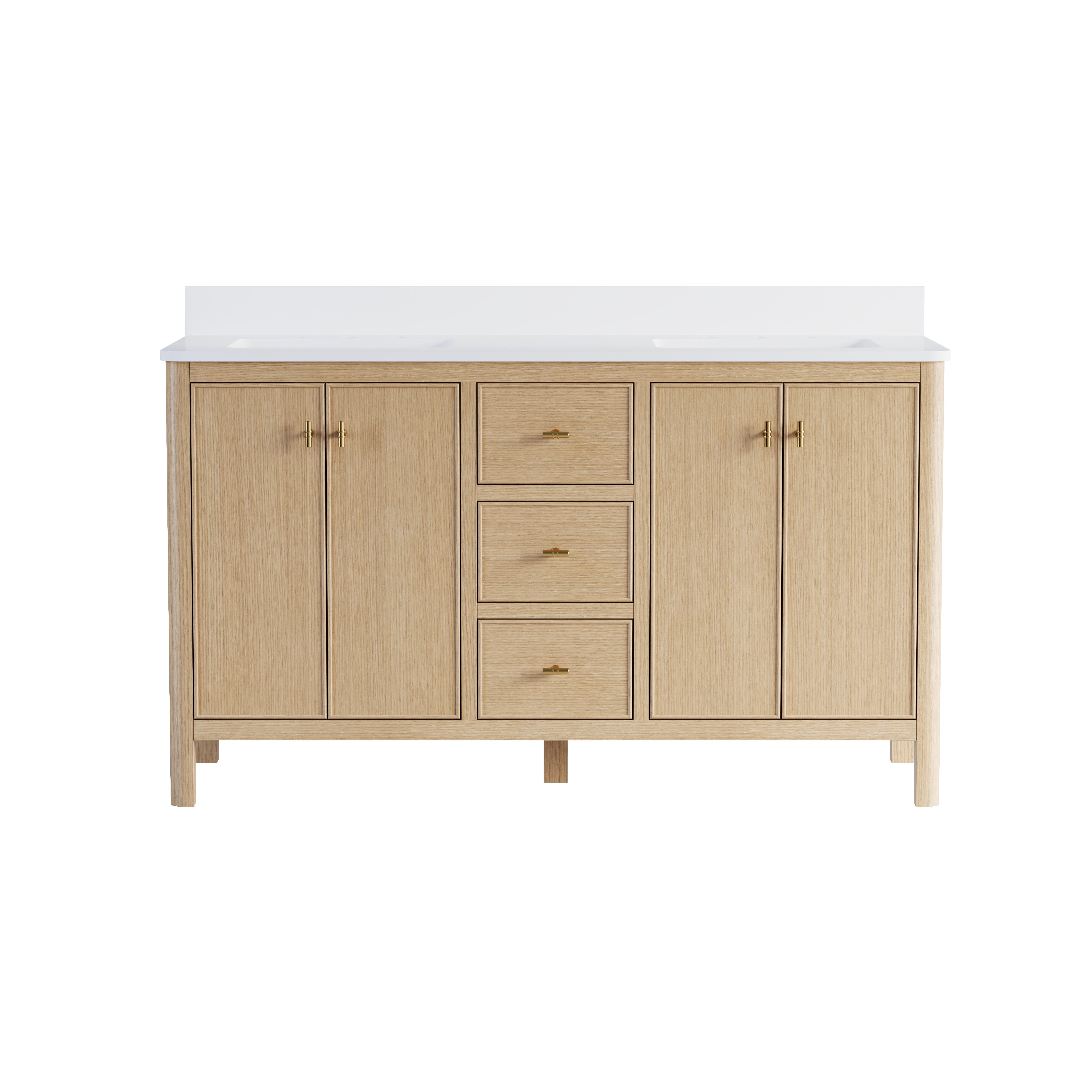
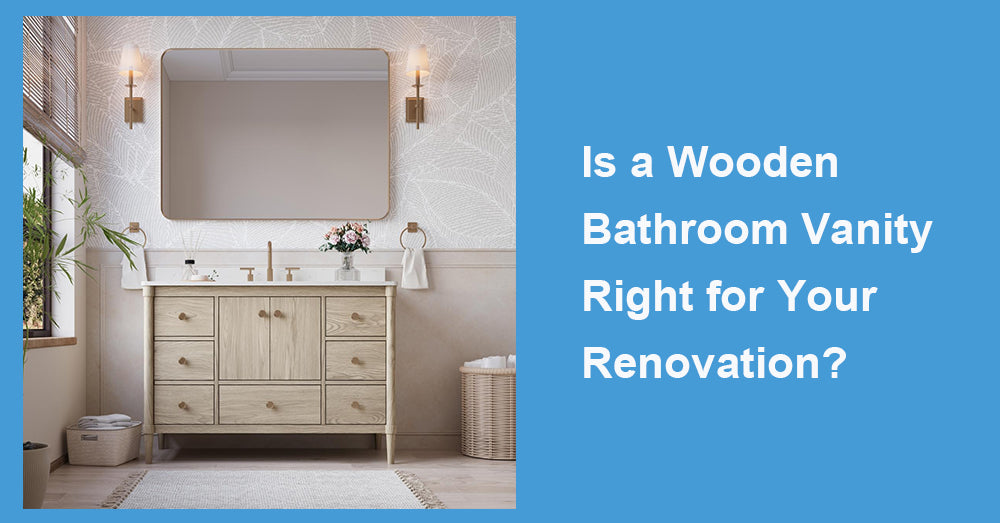
A wooden bathroom vanity can be a smart renovation choice when you want warmth, texture, and storage to feel like part of the room rather than an afterthought. That question matters because bathrooms remain one of the busiest areas in renovation planning: in Houzz’s 2024 renovation study, guest bathrooms and primary bathrooms ranked among the most commonly renovated interior rooms, and in the 2025 Houzz bathroom study, major bathroom remodels reached a median spend of $22,000. Harvard’s Joint Center for Housing Studies also projects that home improvement and repair spending will continue to grow in 2025, with the market size revised to about $509 billion.
1. Why Wooden Vanities Keep Winning Attention
Wood has a quality that engineered surfaces often struggle to imitate. It softens hard bathroom finishes such as tile, stone, glass, and metal, and it fits equally well in modern, traditional, farmhouse, and transitional interiors. In practical terms, a wood vanity also tends to feel more furniture-like, which is one reason it remains popular in upgrades that aim to make the bathroom feel less utilitarian and more designed. That preference aligns with broader renovation behavior: bathrooms continue to attract steady investment, and more than 9 in 10 renovating homeowners hire professionals, indicating that buyers are still willing to spend on materials and installation details that improve both appearance and long-term function.
2. Where Wood Performs Best
A good wooden vanity is not just about appearance. It performs well when the build quality is right. Solid wood frames, quality plywood cabinet boxes, durable joinery, and a well-applied finish usually offer a better long-term experience than low-cost cabinets made mostly from thinner composite boards. Wood also has one major advantage in real homes: it is often easier to refinish, touch up, or repair after small dents, chips, or years of use. That matters in bathrooms, where drawers and doors get opened constantly and where every inch of storage needs to work hard. Industry trend coverage from Houzz also shows that storage remains a major planning priority in bathrooms, which helps explain why buyers continue to pay attention to vanity design instead of treating it as a purely decorative purchase.
3. The Biggest Risk Is Moisture, Not Style
The strongest argument against using wood in a bathroom is its susceptibility to moisture. The wood science is clear on this point. The USDA Forest Products Laboratory notes that the in-service moisture content of interior wood depends largely on indoor relative humidity, ventilation, and dehumidification. That correct drying, handling, and storage help prevent major dimensional changes after installation. In plain terms, when humidity swings too far or water sits on the cabinet, wood can swell, shrink, or move, potentially stressing its finish. EPA guidance points in the same direction: indoor humidity should ideally stay between 30 percent and 50 percent, and bathrooms should have enough ventilation to remove moisture efficiently. EPA also cites bathroom exhaust guidance of 25 cfm for a continuously operating fan or 50 cfm for a fan used as needed.
That does not mean wood is a bad bathroom material. It means wood is a material that rewards good conditions and punishes neglect. A properly finished vanity in a well-ventilated room can perform very well for years. A poorly sealed vanity beside a leaky faucet, in a room with weak airflow and persistent condensation, is far more likely to show trouble early. USDA research also notes that finishes can slow moisture absorption, but they do not eliminate wood’s natural response to surrounding humidity. So the finish matters, but the environment matters just as much.
4. When a Wooden Vanity Is the Right Choice
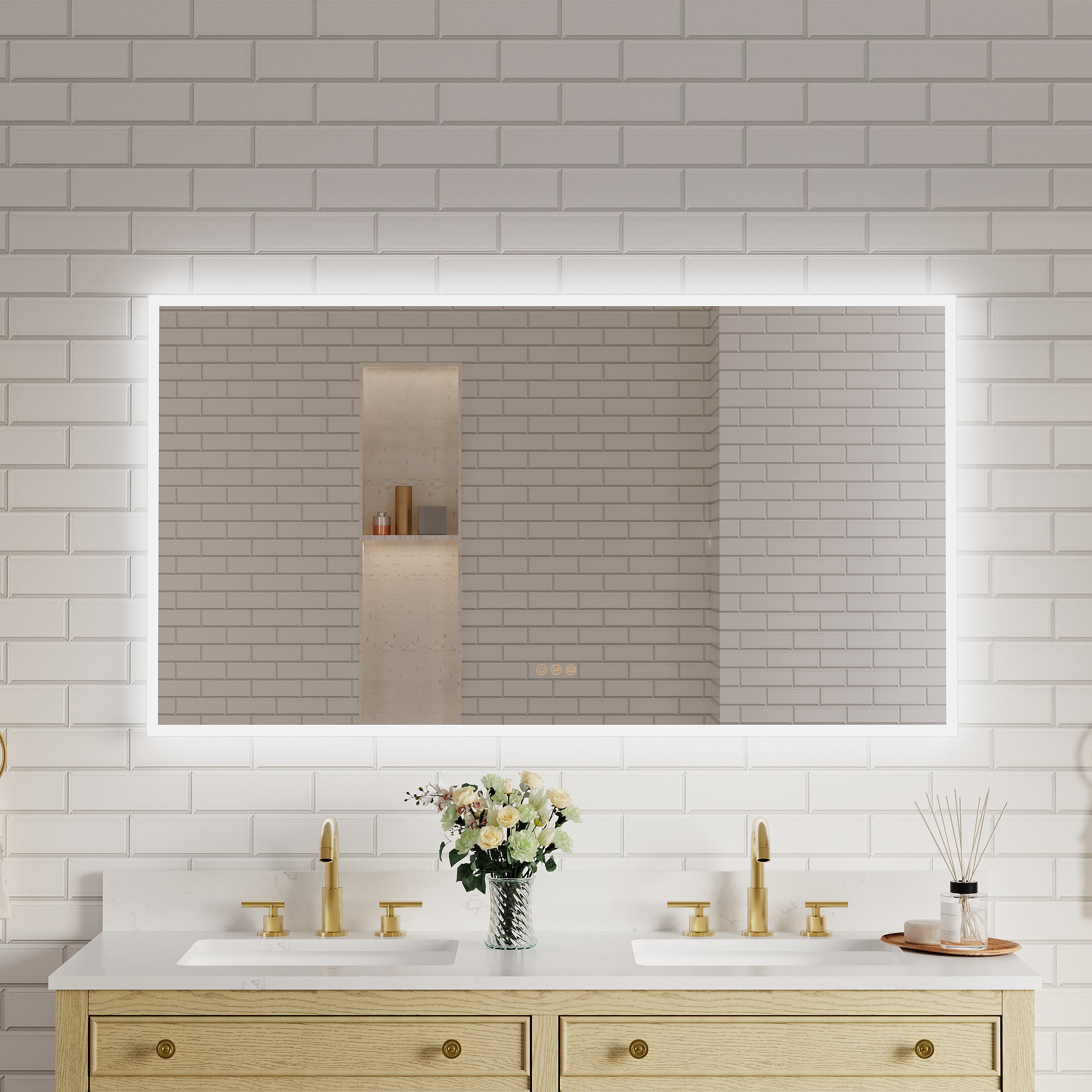
A wooden vanity is usually the right choice when you care about visual warmth, want the room to feel more upscale, and are willing to prioritize construction quality over the lowest sticker price. It is especially effective in bathrooms where the vanity is the main anchor piece, such as a 30-inch powder room setup that needs more personality, or a larger primary bath where cabinetry sets the tone for the whole space. Wood also makes sense when your renovation goal is longevity rather than a quick cosmetic swap. As renovation spending remains near recent highs and bathroom projects continue to draw meaningful budgets, buyers are increasingly weighing long-term value, not just first cost.
It is also a strong option when paired with practical details: an undermount sink that reduces edge exposure to water, drawer storage that keeps countertops clear, a countertop material that sheds splashes easily, and hardware finishes that do not visually overpower the cabinet face. In those situations, wood becomes more than a trendy material. It becomes the element that gives the room depth and permanence.

5. When You Should Think Twice
A wooden vanity may not be the best fit if the bathroom has chronic moisture problems, weak ventilation, recurring plumbing leaks, or daily heavy splash zones that never dry properly. It is also a less forgiving choice in low-budget renovations, where the cabinet is likely to be made with lower-quality materials and to have minimal sealing on edges, interiors, and the backs of doors. In those cases, the issue is not that wood fails automatically. The issue is that low-quality construction leaves less room for error.
If your household is hard on cabinetry, or if this is a high-traffic bathroom used by children, guests, and rushed morning routines, you should be even more selective. The wrong wood vanity can look tired fast. The right one, however, can age gracefully and still look better after several years than cheaper alternatives that started out looking more uniform.
6. What to Look for Before You Buy
If you decide to go with wood, focus on a few practical checkpoints. Look for kiln-dried materials, a stable frame-and-box construction, and a finish designed for high-humidity interiors. Ask whether the interior, drawer sides, and exposed edges are sealed, not just the visible front. Check that the sink cutout and plumbing openings are cleanly finished. And make sure the room itself supports the cabinet: proper exhaust, reasonable humidity control, and quick cleanup of standing water are part of the product’s real-life performance, not optional extras. USDA guidance on moisture control and EPA guidance on humidity and ventilation both support that approach.
7. Final Take
So, is a wooden bathroom vanity right for your renovation? In many cases, yes. It offers warmth, design flexibility, and a more tailored look than many budget-friendly alternatives. But it is not a carefree material. It works best when the bathroom is properly ventilated, the cabinet is well built, and the finish is treated as part of the performance story rather than just decoration. In a renovation climate where bathroom spending remains ,significant and homeowners continue to invest in quality upgrades, wood remains a compelling choice. Just make sure you are buying real durability, not only the appearance of it.













Leave a comment
This site is protected by hCaptcha and the hCaptcha Privacy Policy and Terms of Service apply.