




















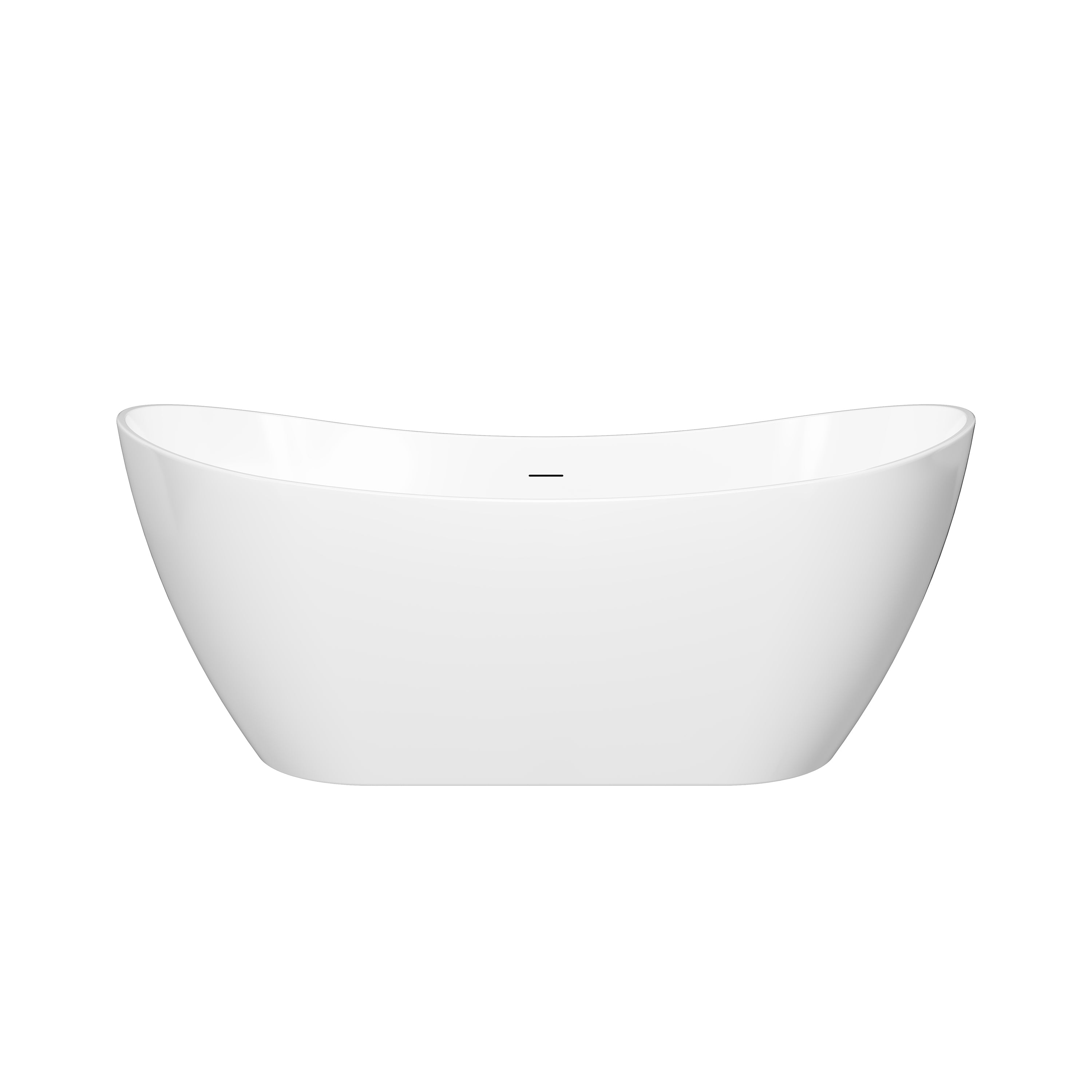
One of the most common items in American bathrooms is a white bathtub. Its white, spotless look immediately makes a room look fresh and invigorating. Nevertheless, it may not be that easy to sustain such a clean appearance. The surface can become dull due to soap scum, hard-water deposits, and daily use.
Luckily, it does not cost much to make a white bathtub look clean without a complex cleaning process. Homeowners can easily maintain the beauty of their tub for years when the correct maintenance habits are upheld, as well as stain removal practices.
The guide will take us through practical cleaning techniques, the most common causes of stains, and basic habits that help keep a white bathtub shiny and clean.
1. Why White Bathtubs Stain So Easily.
Light reflects well from white surfaces, which is one of the reasons they make bathrooms look bigger and cleaner. But that brightness is equally taken to imply that stains and residue become more noticeable.
There are a number of common things that lead to discoloration of a bathtub:
Minerals like calcium and magnesium are hard in nature.
Body wash and shampoo soap remnants.
Stains on the metal left on the tub surface.
Brown or mould brought about by constant moisture.
Hair colour or cosmetics that are pigmented.
The first step towards preventing stains is to understand their causes.
2. Best Home Cleaning Hacks Every Day.
The most convenient way to keep a white bathtub in good condition is to clean it lightly and frequently, rather than deep-cleaning it only once in a while.
Rinse the Tub After Each Use
When bathing or showering, make sure to fill the tub with warm water. This eliminates soap residue before it dries and creates a buildup.
Wipe Down the Surface
Drops of water can be removed with a microfiber cloth or a soft sponge. This easy practice will prevent the formation of mineral deposits.
Enhance Bathroom Ventilation.
Wetness promotes the growth of mold and mildew. Using a bathroom fan or an open window allows for keeping the room dry and lessening any stains after a certain period of time.
These little routines do not take more than a minute; however, they do a lot to prevent excessive cleaning in the future.
3. White bathtubs: Safe Cleaning Solutions.

The various types of bathtubs, such as acrylic, porcelain, and fiberglass, may react differently to cleaning products. Selecting soft yet powerful remedies safeguards the surface as well as eradicates the stains.
Baking Soda Paste
Baking soda is a safe and effective natural cleaner.
Combine a little water with baking soda until a paste forms.
Place the paste onto the stained places.
Let it sit for 10–15 minutes.
Wipe down with a soft sponge.
The technique is effective for soap scum and light discolouring.
Vinegar Spray
White vinegar is used to dissolve the mineral deposits that form due to hard water.
In a spray bottle, combine equal amounts of water and vinegar.
Spray the tub solution on the surface.
Let it rest for a few minutes.
Wipe and rinse thoroughly.
The vinegar comes in handy, especially for eliminating the cloudy residue and restoring the shine.
Mild Dish Soap
To clean daily, warm water and dish soap can be used to remove oils and general dirt without damaging the finish.
4. Eradicating Bathtub Stains.
Stains may still occur even after regular cleaning. The various stains slightly differ in their processes.
Soap Scum
Soap scum is a result of a mixture of soap and minerals in the water.
Solution:
Apply a baking soda paste or a non-abrasive cleaner to the bathroom. A spongy brush may be used to loosen a stubborn accumulation of material at the edges of the tubs.
Hard Water Deposits
Hard-water stains usually appear as white or chalky deposits.
Solution:
Vinegar is effective in breaking these mineral deposits. Allow it to rest on the stain for several minutes, then wipe it off.
Rust Stains
Rusts may grow when metal cans or razors for shaving are left on the tub surface.
Solution:
It can be dissolved by a mixture of lemon juice and baking soda without scratching off the finish.
Mold and Mildew
The dark spots surrounding the edges of the tub are generally mildew.
Solution:
Apply a diluted bleach solution or a mildew cleaner. Wash with water after it.
5. Equipment that can be used to shield the surface of the tube.
However, proper cleaning tools are as important to use as proper cleaning products.
Recommended tools include:
Soft sponges
Microfiber cloths
Non-abrasive scrub pads
Cleaning brushes with soft bristles.
Do not use steel wool, a hard brush, or hard abrasive powders, as they may leave scratches on the surface, making subsequent stains harder to clean.
6. Stain Prevention: Before It Stains.
The best way to maintain a white bathtub in pristine condition is through preventive care.
Do not leave Bottles on the tub floor.
Shampoos and cans of shaving cream may trap moisture beneath them, leading to rust rings or mildew.
Apply a Bath Mat with Suction Cups.
A bath mat cushions the surface against scratches and also has slip resistance.
Clean Weekly
Regular cleaning every week will ensure that no residue gets the time to develop into stubborn stains.
These minor maintenance rituals help prevent finish damage and prolong the life of the bathtub.
7. In Cases of Deep Cleaning.
In some cases, a bathtub may need more comprehensive cleaning if the stains have built up over the years.
For deep cleaning:
Wipe a light cleaner of the bathroom all around the tub.
Allow the cleaner to take several minutes.
Scrub lightly with a soft brush.
Wash under running water.
Wipe the surface using a microfiber cloth.
Regular deep cleaning (every few weeks) can help make the bathtub look almost like new and bright again.
8. Selecting a White Bathtub of High-Quality.
When it comes to a bathroom makeover, a durable bathtub material is a better choice, as it is likely to make maintenance less challenging over time.
The quality of tubs will be tailored to withstand discolorations, scratches, and stains. Glazed finishes are also easier to clean because there are fewer areas where dirt and soap residues can stick.
The best solution for long-term performance and easy maintenance is to select a well-made tub.
9. How to keep your white bathtub beautiful for years.
The presence of a white bathtub makes bathtubs cleaner and more comfortable in any bathroom. Though stains and accumulation are natural over time, they can be readily controlled through appropriate cleaning procedures and preventive measures.



































Leave a comment
This site is protected by hCaptcha and the hCaptcha Privacy Policy and Terms of Service apply.