
















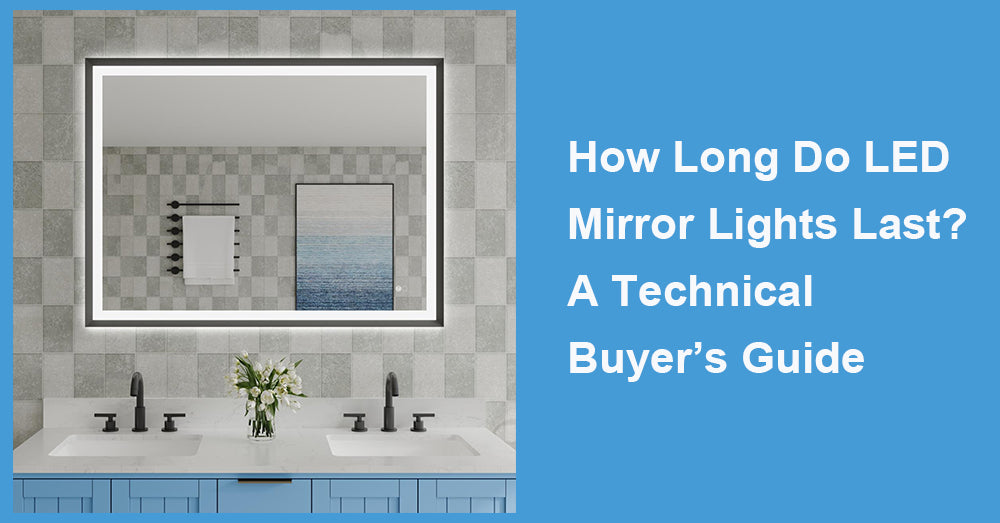
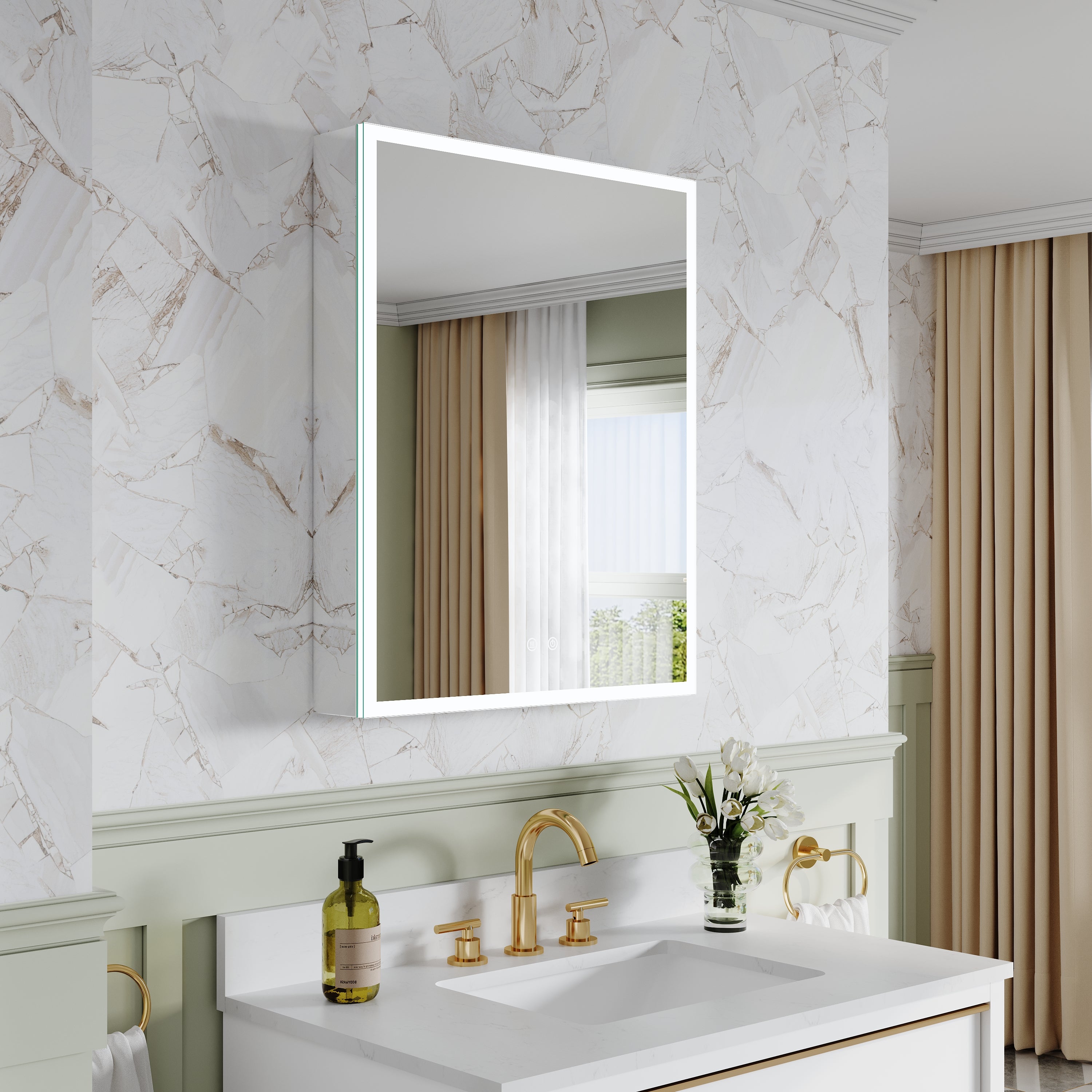
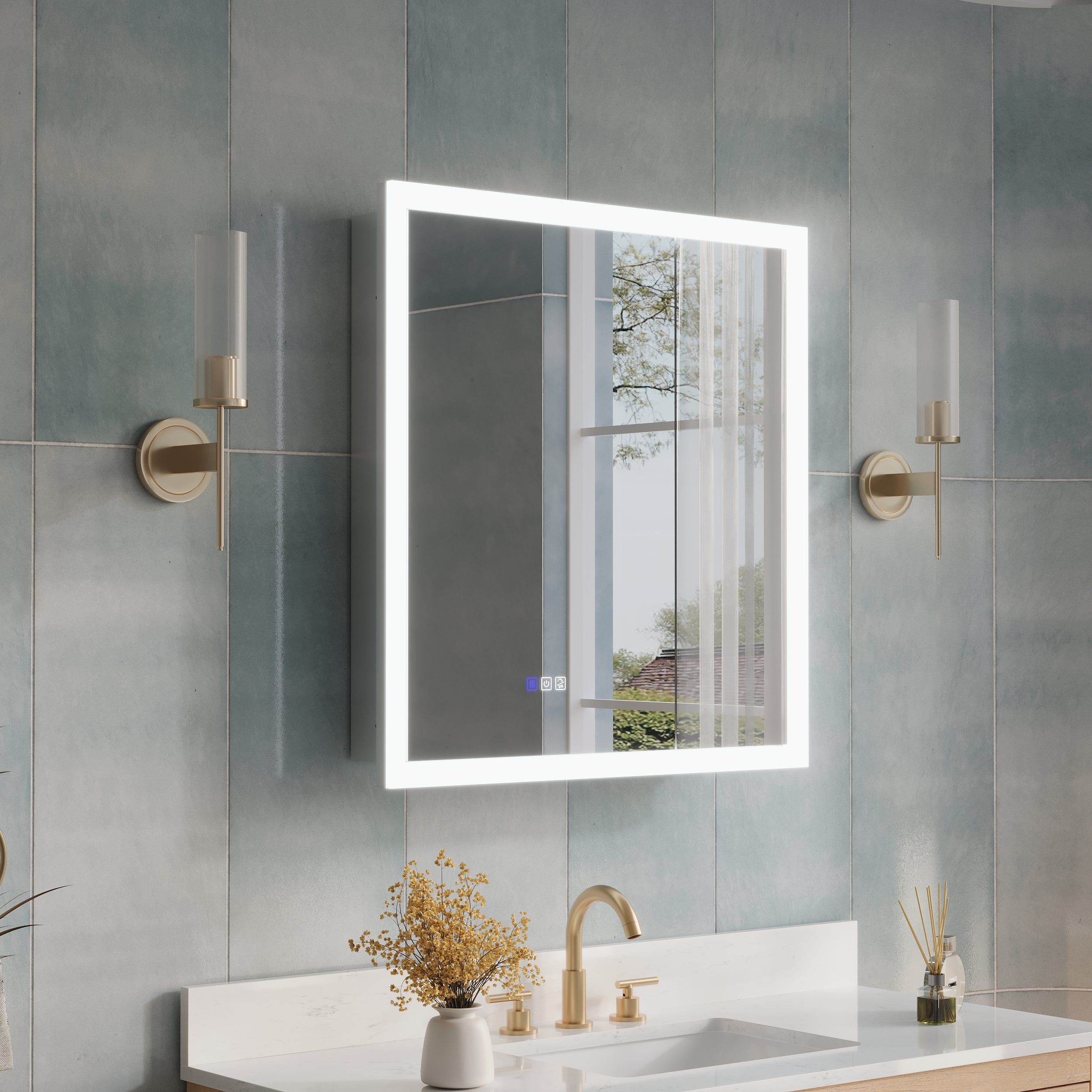
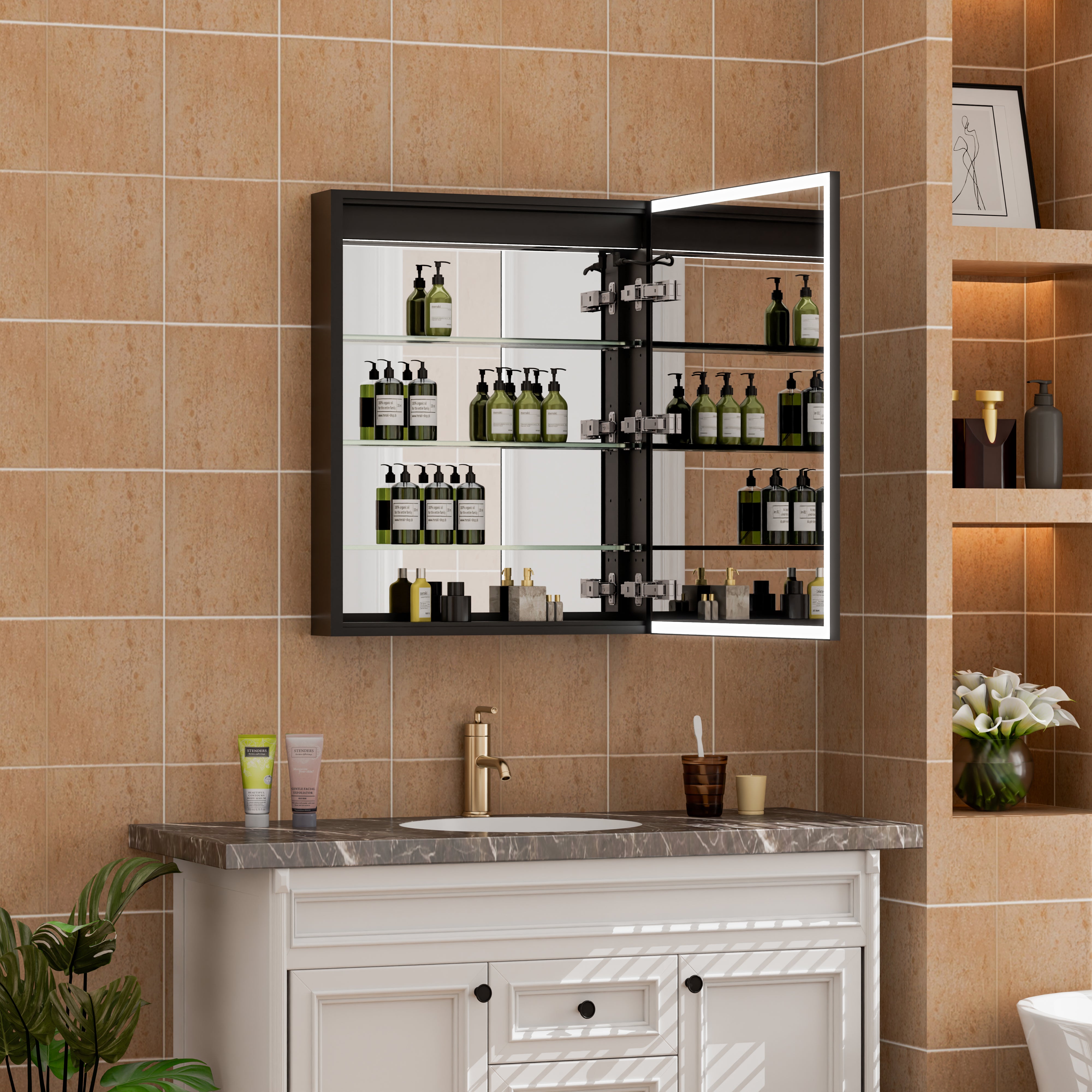
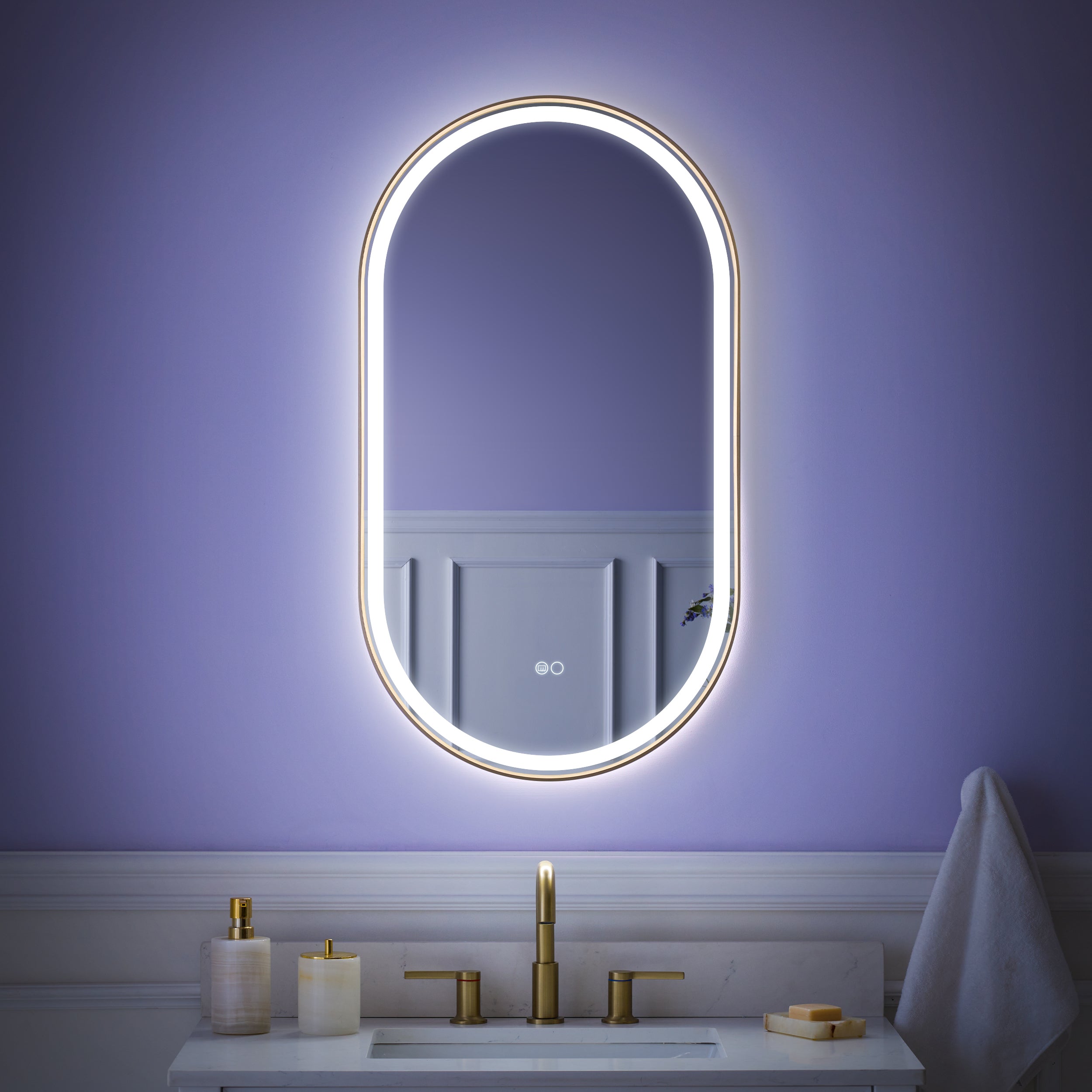
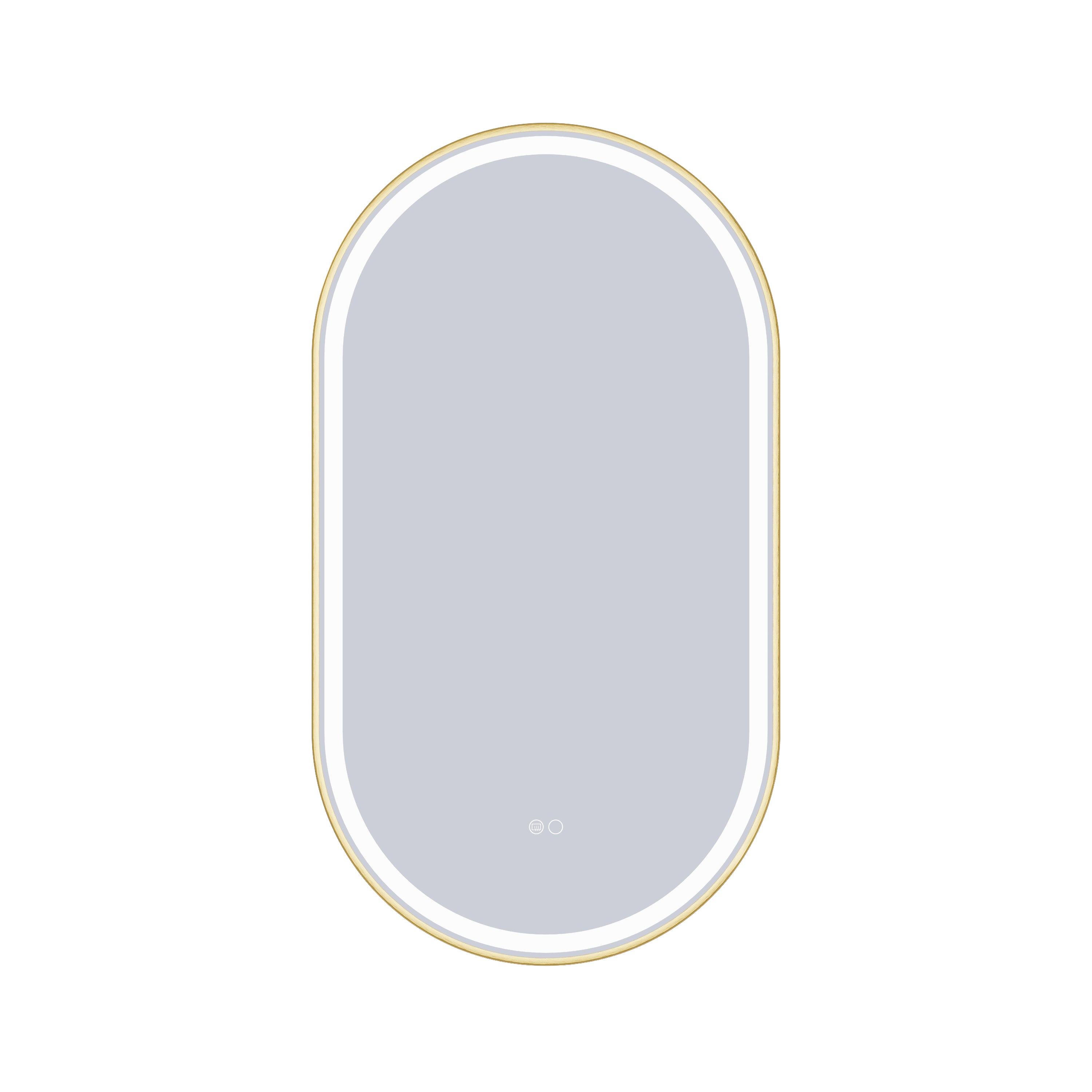
In modern bathroom design, LED mirrors have gradually transformed from a "decorative product" to an important device that combines lighting, functionality, and design value. Whether in new residential construction or bathroom renovation projects, illuminated mirrors are widely used in grooming areas, makeup areas, and even full-length mirror spaces. However, in the actual purchasing process, consumers and designers often focus on a core question: how long will LED mirrors last?
From an industry perspective, there is no simple standard answer to this question. Although LED light sources themselves have a long theoretical lifespan, the actual durability of an LED mirror depends on factors such as light-source quality, power supply, structural design, and bathroom environment. This article will analyze the lifespan of LED mirrors from multiple industry dimensions to help users have a more comprehensive understanding of this product.
1 The theoretical lifespan of LED light sources is usually very long.
One of the important reasons why LED technology is widely used is its excellent durability. Compared to traditional incandescent or halogen lamps, LED bulbs can operate continuously for tens of thousands of hours under normal use. The industry generally believes that the theoretical lifespan of high-quality LED light sources is typically between 30000 and 50000 hours.
If calculated based on 2 to 3 hours of daily use, a single LED mirror light source can last for more than ten years. Therefore, from the perspective of the light source itself, the illumination part of LED mirrors usually has a longer service life.
However, it should be noted that the "lifespan" of LED chips usually refers to the time when the brightness decays to 70% of its initial value, rather than completely ceasing to work.Therefore, after long-term use, the lighting may gradually become less bright than before.
2. The power system is an important factor affecting the lifespan
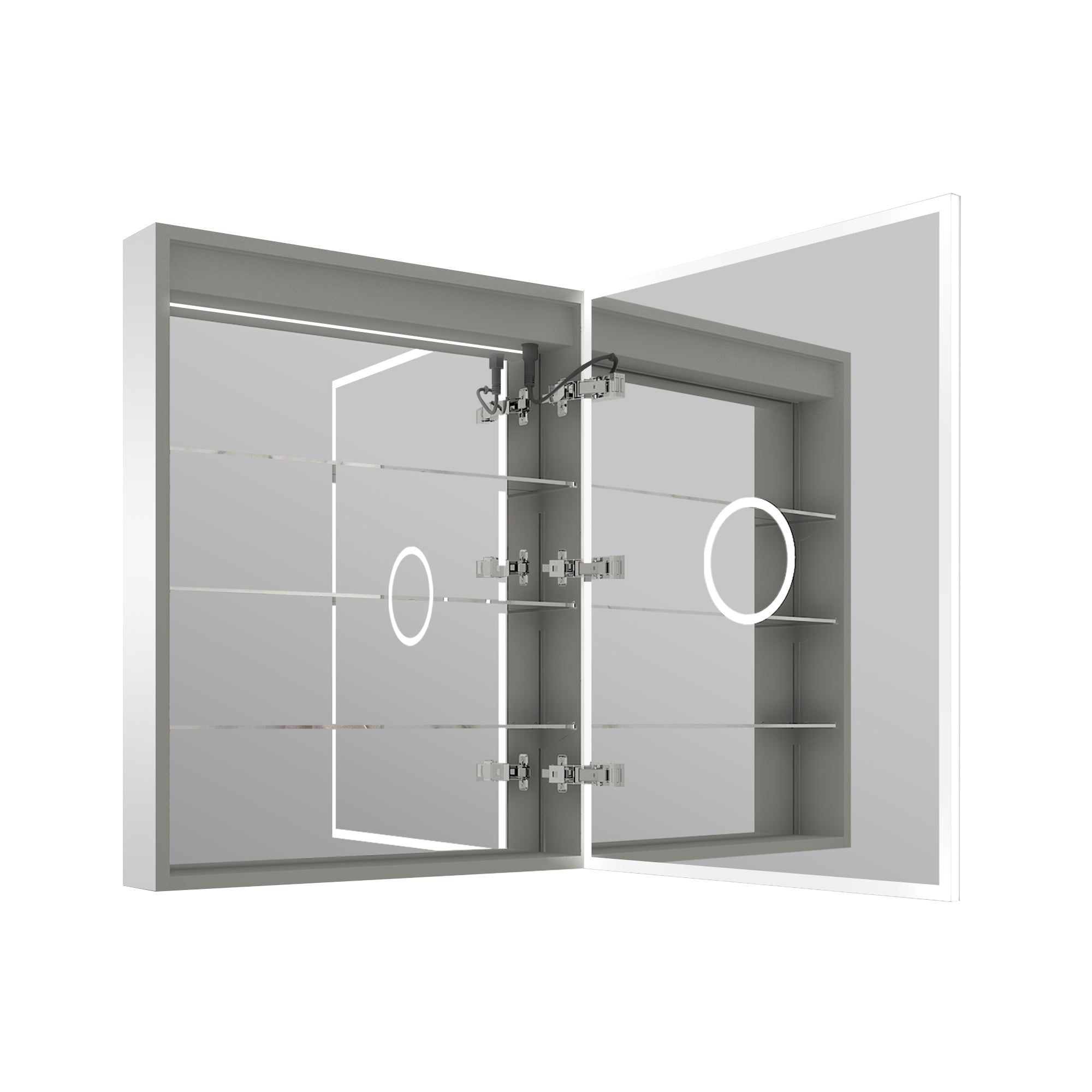
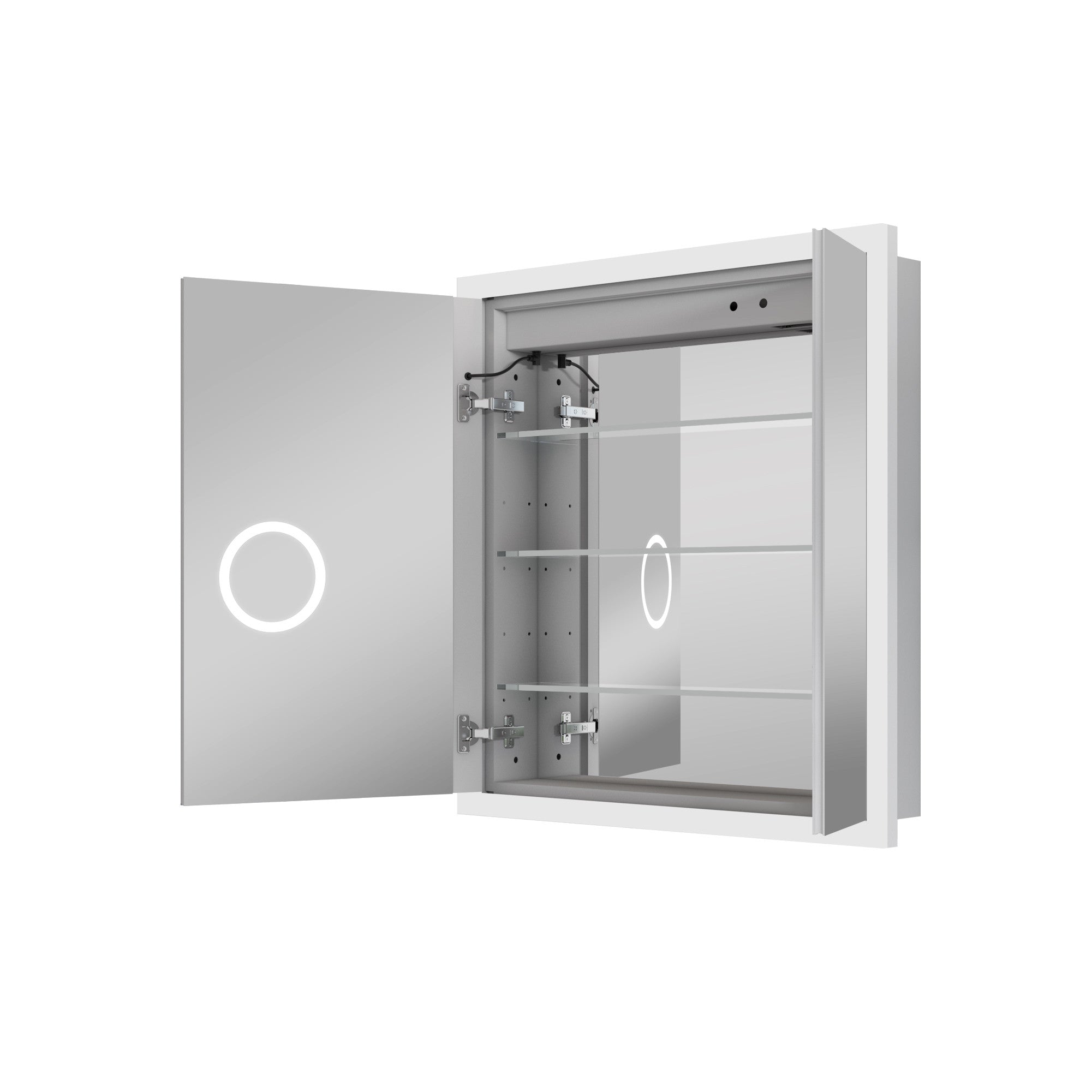
In the overall structure of LED mirrors, the driving power supply is often a key component that affects their lifespan.
LED chips require stable current and voltage to function properly, so LED drivers are installed inside the mirror to complete power conversion. If the driver's quality is low, it may cause flickering lights, unstable brightness, and even premature damage.
High-quality LED mirrors typically use more stable power modules and feature safety features such as overvoltage protection, short-circuit protection, and temperature protection. These configurations can help the lighting fixtures maintain stable operation, thereby extending their overall lifespan.
3. Heat dissipation design determines the long-term stability of lighting fixtures
Although LED lights consume less energy, they still generate some heat during operation. If heat cannot be dissipated promptly, long-term accumulation may accelerate the aging of the lamp beads.
Therefore, many high-end LED mirrors will incorporate a heat-dissipation design into their structure. For example:
Use an aluminum light strip substrate
Set up a ventilation space on the back
Using thermal conductive materials
These designs can effectively reduce the working temperature of the lighting fixtures, thereby slowing down the aging rate of the light source.
4. The impact of bathroom environment on LED mirrors
Compared to ordinary lighting equipment, bathroom LED mirrors face more complex environmental conditions. The bathroom often has high humidity and rapid temperature changes, which can affect electronic components.
If the product's seal is insufficient, water vapor may enter the internal circuit, affecting the driver or connecting components. To address this environmental challenge, many manufacturers incorporate moisture-proof structures into their designs, such as:
Waterproof connection interface
Sealed power module
Moisture-resistant coating
These designs can significantly enhance the product's stability in humid environments.
5. Usage habits also affect product lifespan
Although LED lighting fixtures have strong tolerance for frequent switching, usage habits still affect their overall lifespan.
For example, in commercial spaces or public places, LED mirrors may run continuously for a long time, which can accelerate the aging rate of the light source. In ordinary home environments, if the daily usage time is limited, LED mirrors can usually maintain a longer usage cycle.
In addition, a stable power environment also helps to extend the product's lifespan. If the voltage fluctuates greatly, electronic components may be more prone to malfunction.
6. Durability of mirror and structural materials
The lifespan of LED mirrors is not only determined by the lighting system, but also closely related to the mirror surface and structural materials.
High-quality bathroom mirrors often use copper-free mirror surfaces or multi-layer protective coatings to reduce corrosion in humid environments. If the mirror quality is poor, black edges or oxidation may appear in a few years.
Meanwhile, the backplate material, moisture-proof coating, and frame structure can also affect the overall durability of the product.
7. Additional challenges brought by intelligent functions
In recent years, many LED mirrors have begun to incorporate more intelligent features, such as touch control, color temperature adjustment, anti-fog heating, and Bluetooth sound systems. These features enhance the user experience, but at the same time increase the complexity of electronic systems.
If the electronic module design is reasonable, these functions usually do not significantly affect the product's lifespan; But if the quality of the control system is insufficient, it may become a new source of failure. Therefore, when choosing LED mirrors with intelligent functions, stability and manufacturing quality are equally important.
8. Proper installation helps to extend the service life
The installation method of LED mirrors can also affect their long-term performance. If the power connection is unstable during installation, it may cause flashing lights or circuit faults. In addition, weak wall fixation or an excessively humid environment may also affect the product structure.
Therefore, the industry typically recommends installation by professionals and ensuring that power lines and fixed structures meet safety requirements. Proper installation can not only improve usage safety but also help extend product lifespan.

Conclusion
Overall, the light source lifespan of LED mirrors can typically reach tens of thousands of hours, and can be used for over ten years in ordinary household environments. However, it should be recognized that the actual durability of LED mirrors depends not only on the LED beads themselves but also on various factors, such as the power system, heat dissipation design, moisture-proof structure, and installation quality. With the continuous advancement of manufacturing technology, high-quality LED mirrors have maintained stable performance in complex bathroom environments. For consumers, when choosing a product, they should not only pay attention to the appearance and design, but also consider the technical configuration and manufacturing quality. Only by achieving a good balance between structural design, material selection, and usage environment can LED mirrors continue to exert their lighting and spatial design value in long-term use.










Leave a comment
This site is protected by hCaptcha and the hCaptcha Privacy Policy and Terms of Service apply.