
















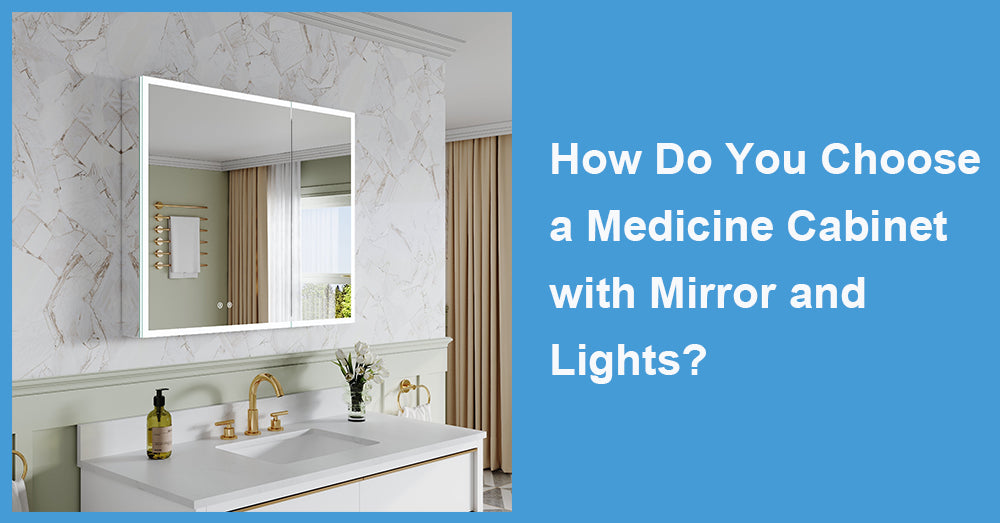
In the bathroom, the medicine cabinet with mirror and lights has long transcended the simple concept of "storage + mirror." Today, more and more households are opting for bathroom mirror cabinets with lights, and the reason is straightforward: morning and evening routines like washing, applying makeup, shaving, and skincare demand excellent lighting. At the same time, people want to tuck away their daily bottles and jars into the wall, keeping countertops clean and uncluttered. But the market is flooded with models that fall short—insufficient brightness, mismatched color temperature, fogging issues, installation limitations, sagging doors over time... these pitfalls are all too common.
This article starts with "what you truly need" to break down key selection factors: size, installation method, lighting specs, anti-fog features, safety ratings, materials and hardware, internal storage, additional functions, plus a budget and pitfall avoidance checklist—helping you make the right choice first time.
First, clarify: What problem are you solving with this mirror cabinet?
Define your needs upfront to avoid confusion with subsequent specifications:
For lighting: Prioritize makeup-grade illumination with even facial lighting and minimal shadows. Focus on brightness, color rendering, color temperature, and light strip placement.
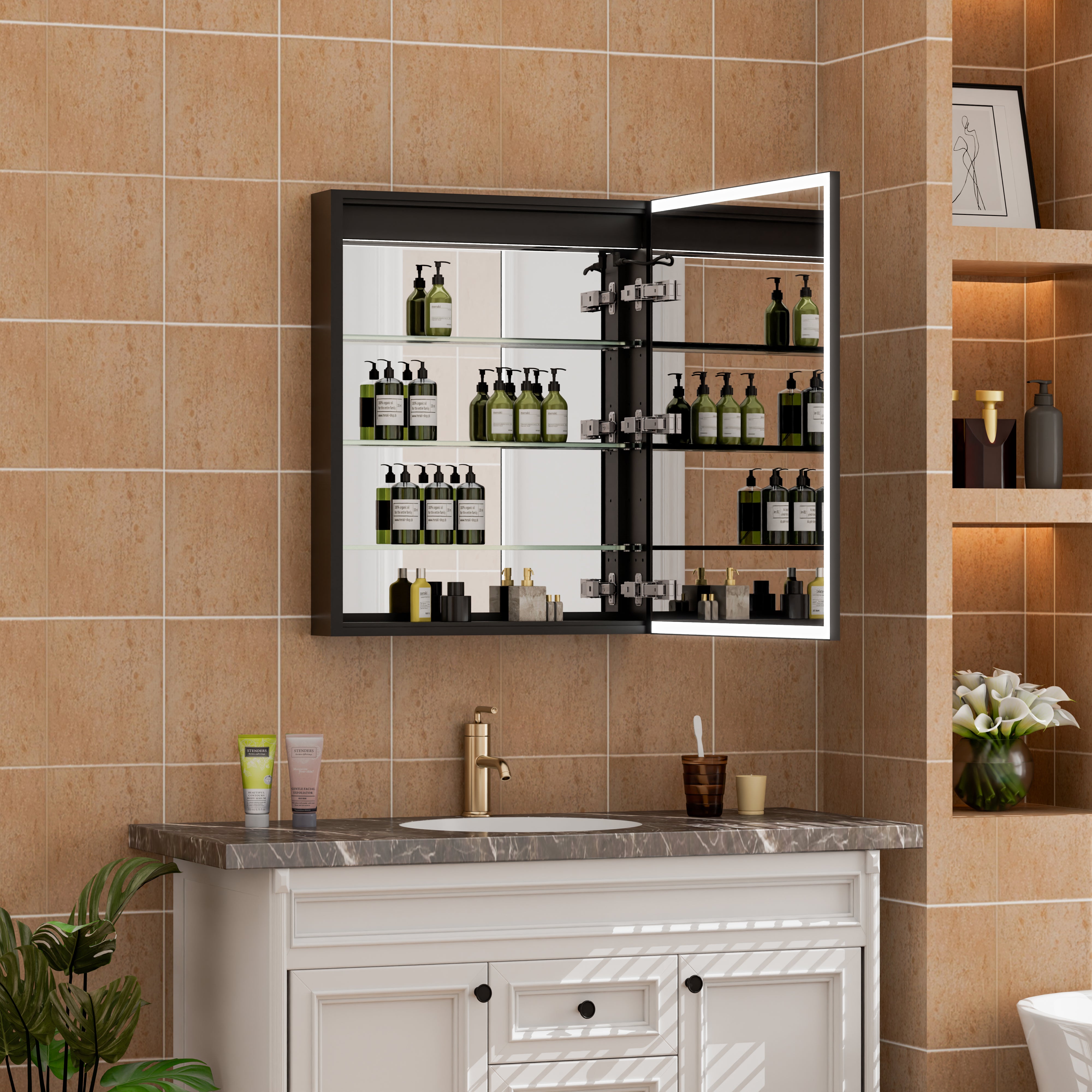
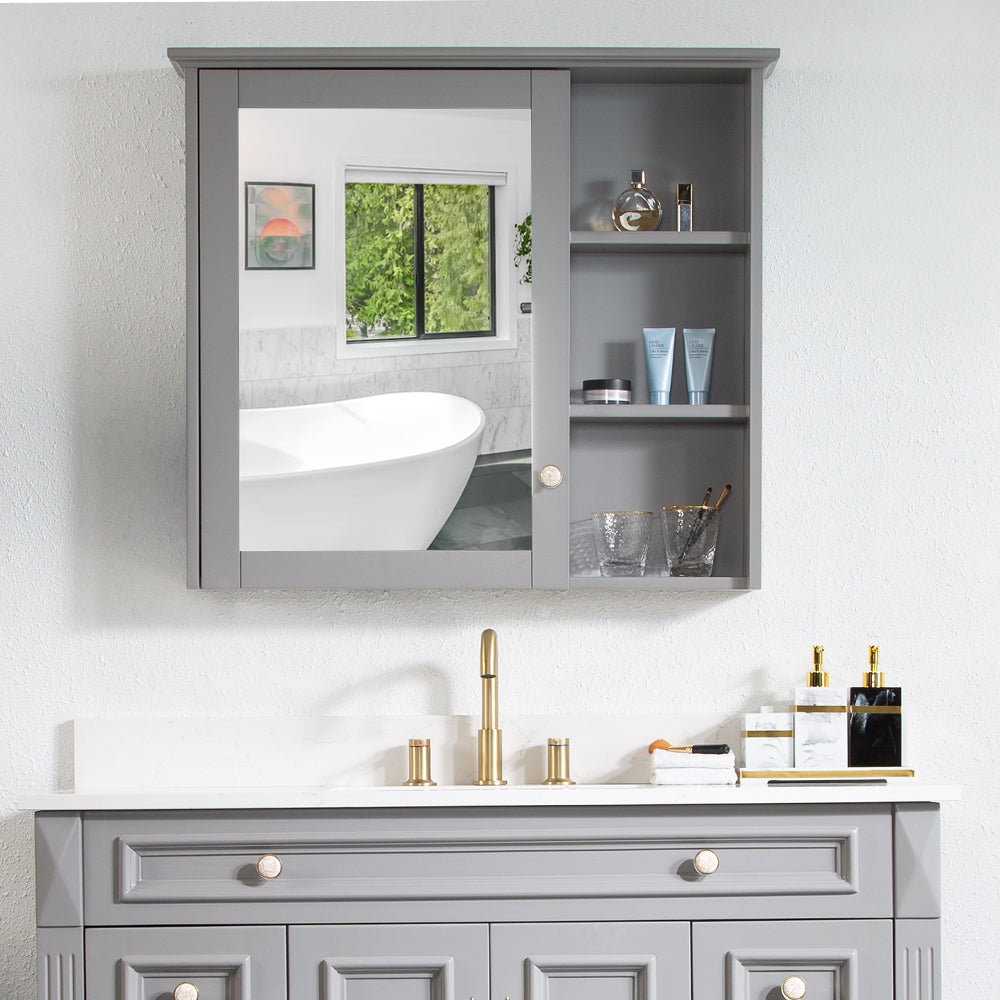
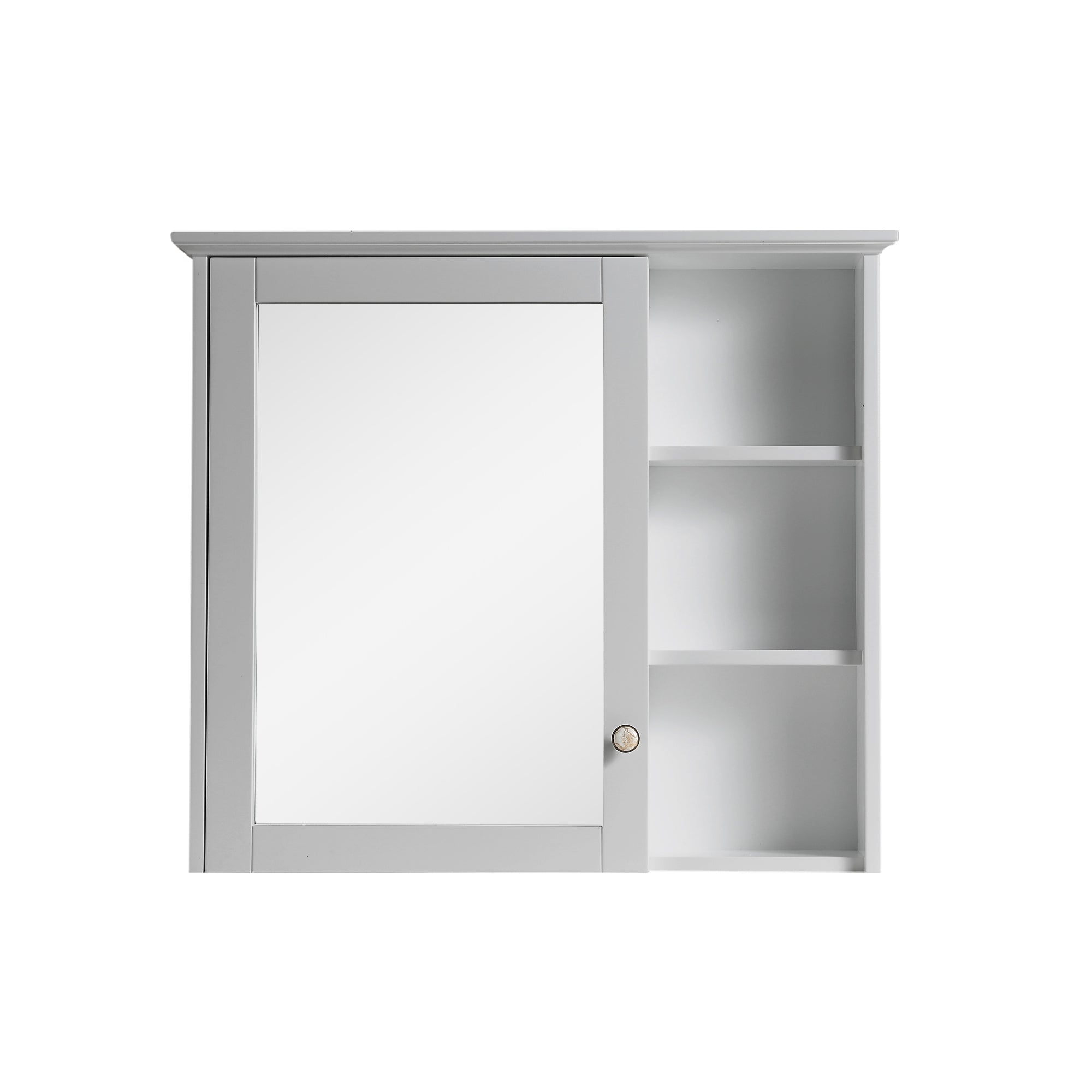
Storage-focused: If clearing counter space is your goal, prioritize adjustable shelves, mirror depth, weight capacity, and door opening mechanisms.
Space optimization: For compact bathrooms or limited mirror-to-wall distance, focus on cabinet thickness, door style, and suitability for built-in installation.
Experience upgrade: Seeking anti-fog, night lights, touch controls, USB ports, or memory functions? Prioritize feature reliability and safety certifications.
Prioritize your needs (lighting/storage/space/features), and you'll realize many "high-end" configurations are unnecessary—often more expensive and complicated.
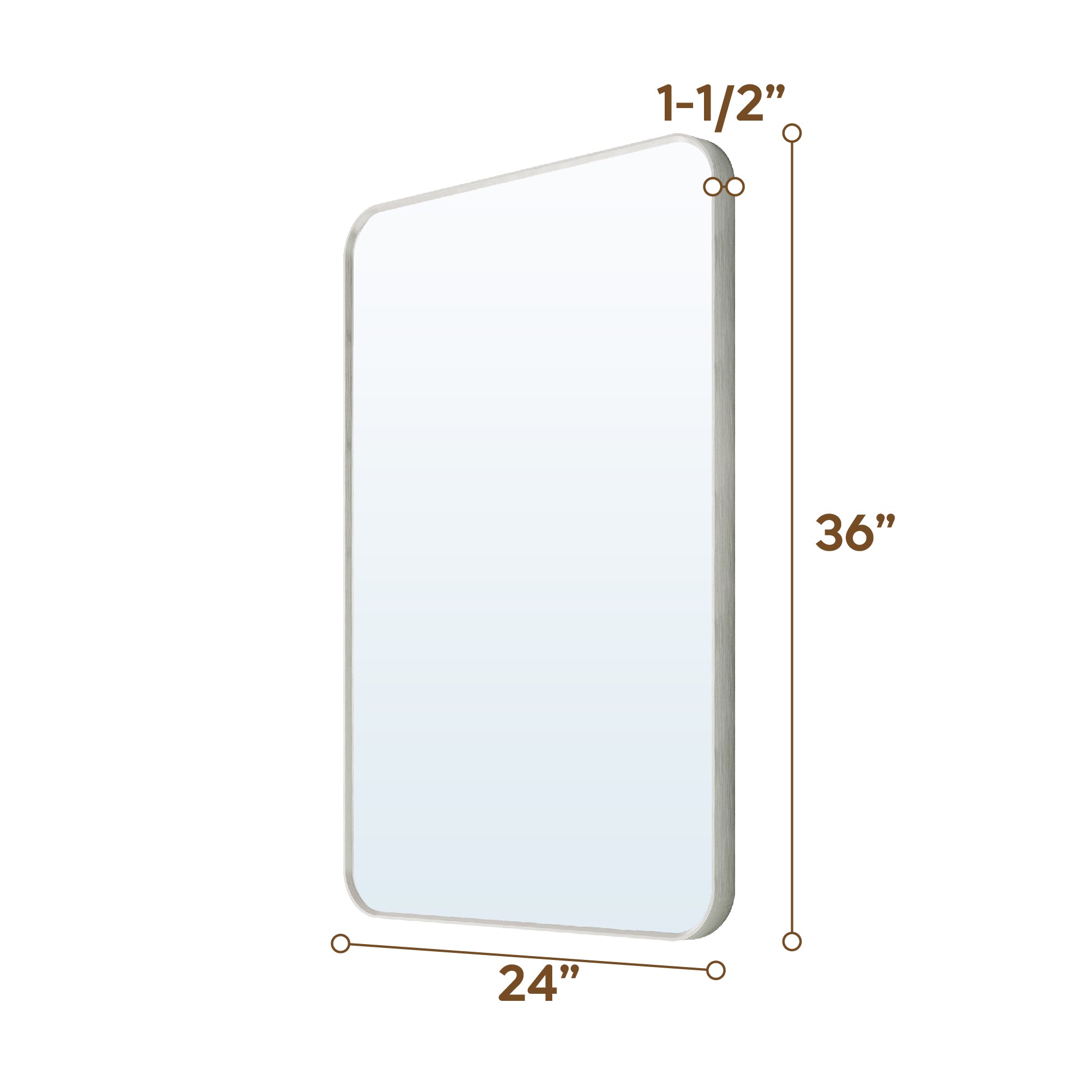
Dimensions & Layout: Measure first, buy later (the number one pitfall)
Incorrect mirror cabinet dimensions directly cause: too-small mirrors, uneven lighting, doors that won't open, or conflicts with faucets/wall lights.
Key measurements:
Basin width: Mirror cabinet width typically matches the basin/vanity width. Common practice is to make it the same width or slightly narrower (for a cleaner look).
Height from countertop: Leave adequate space between the bottom of the mirror cabinet and the countertop to prevent water splashes from accumulating on the lower edge. Also consider the user's height.
Available Wall Space: Check for obstructions like outlets, switches, windows, towel racks, wall sconces, or central piping.
Door Swing Radius: Especially for double/triple-door cabinets, ensure doors won't hit side walls or hardware in compact spaces.
Practical Tips:
For households with multiple users and varying heights, choose a mirror cabinet height that maximizes the mirror's coverage area.
If the sink is corner-mounted, opt for sliding doors/single doors with reversible hinges or wider opening angles to avoid "door-opening" awkwardness.
Installation Method: Recessed vs. Surface-Mounted (Aesthetics & Difficulty)
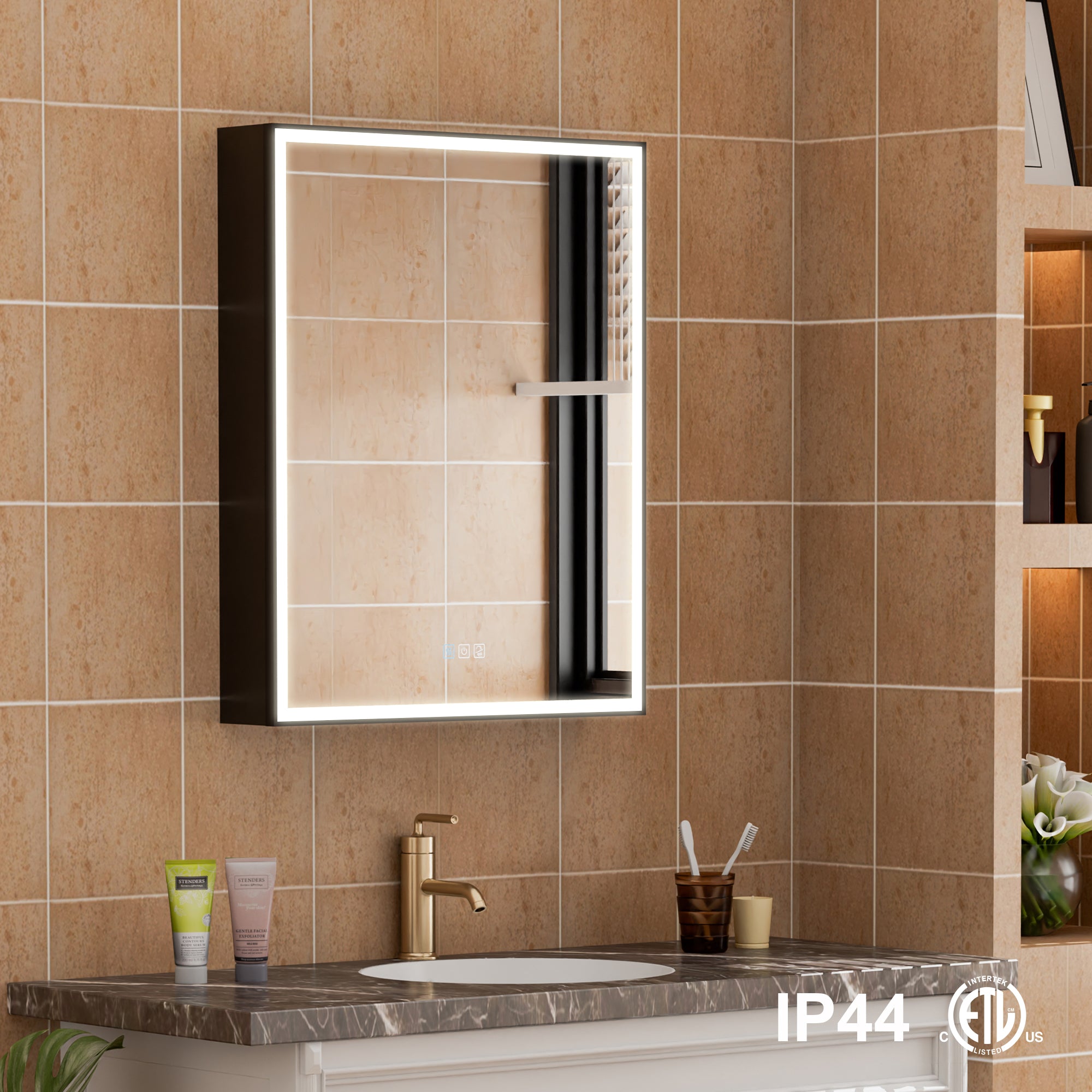
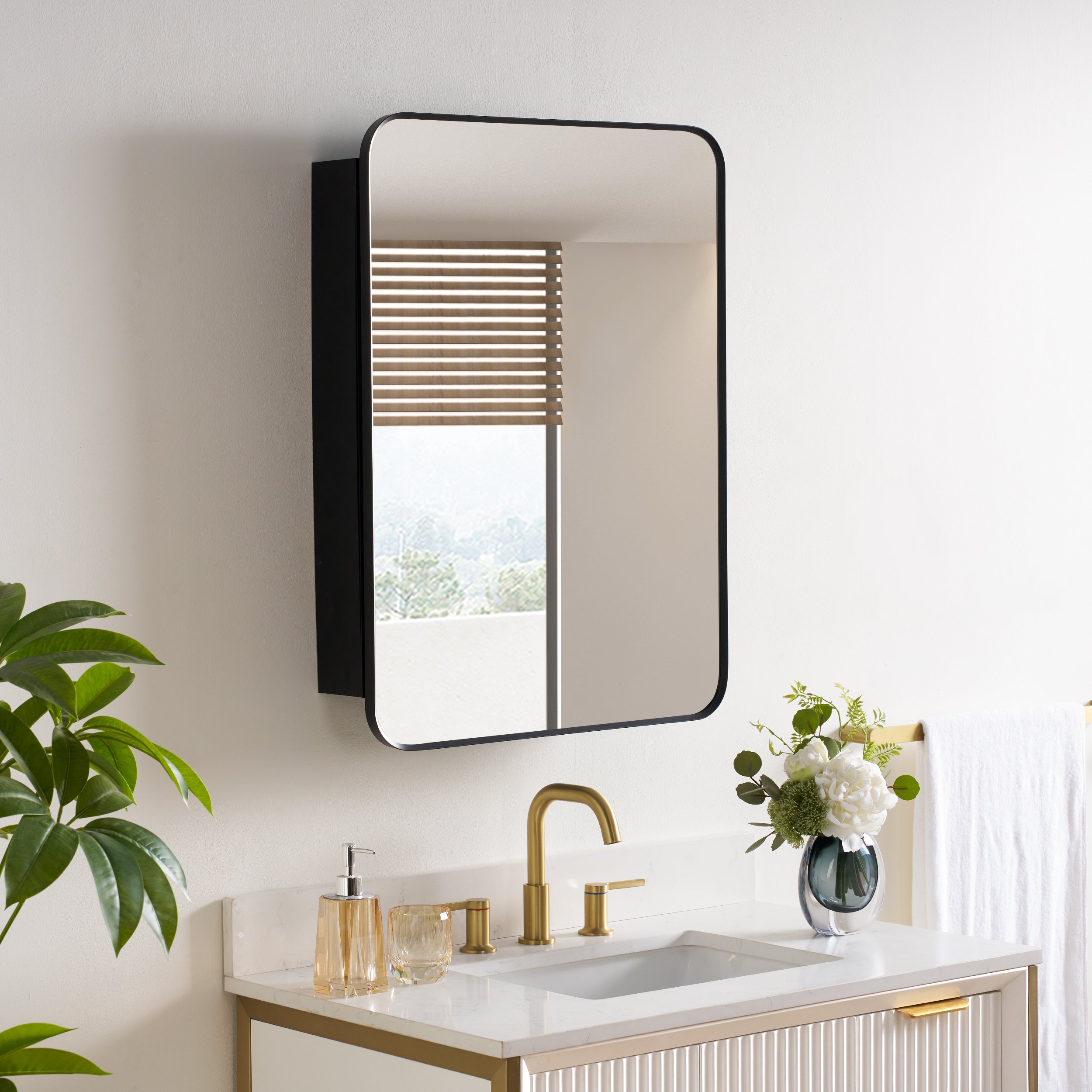
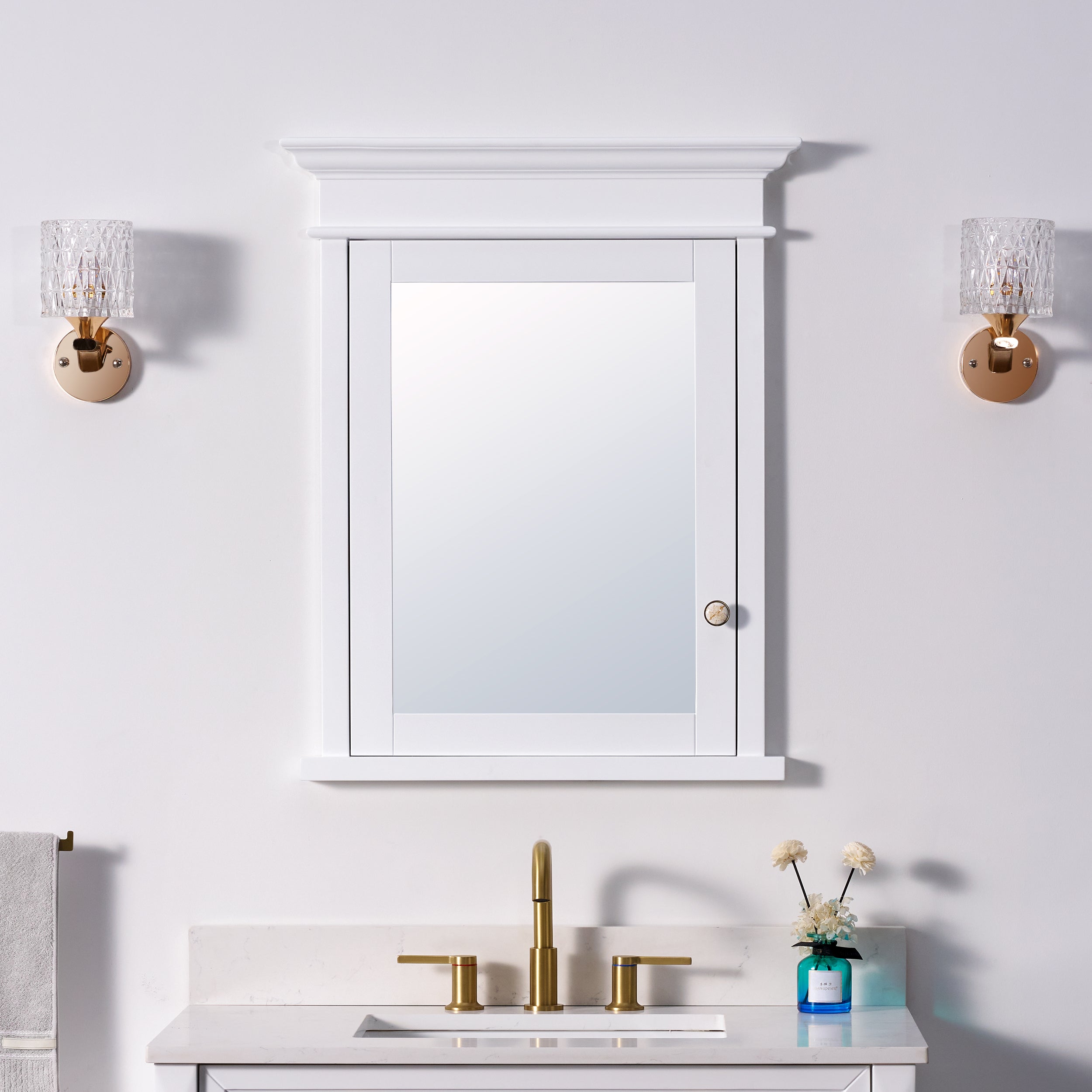
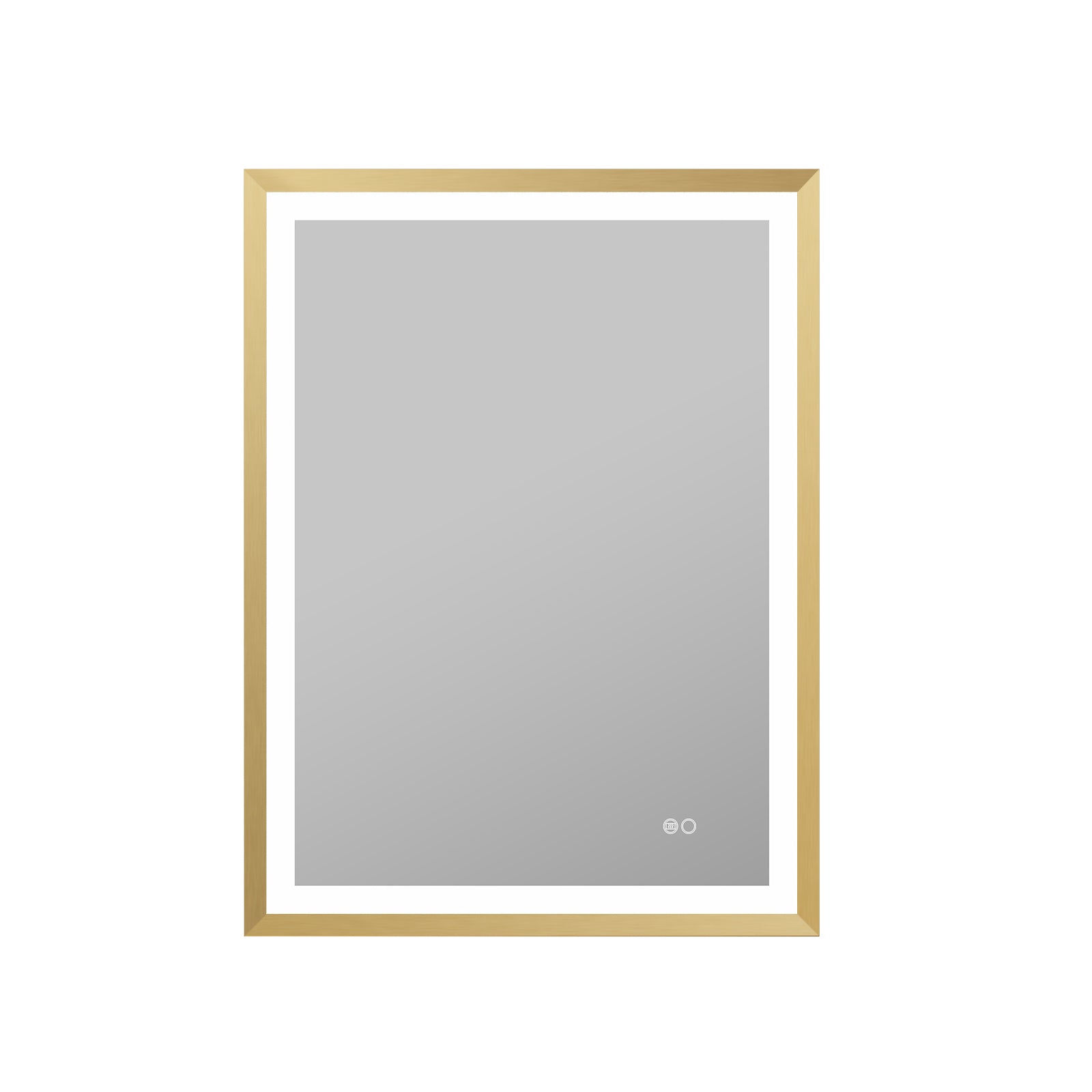
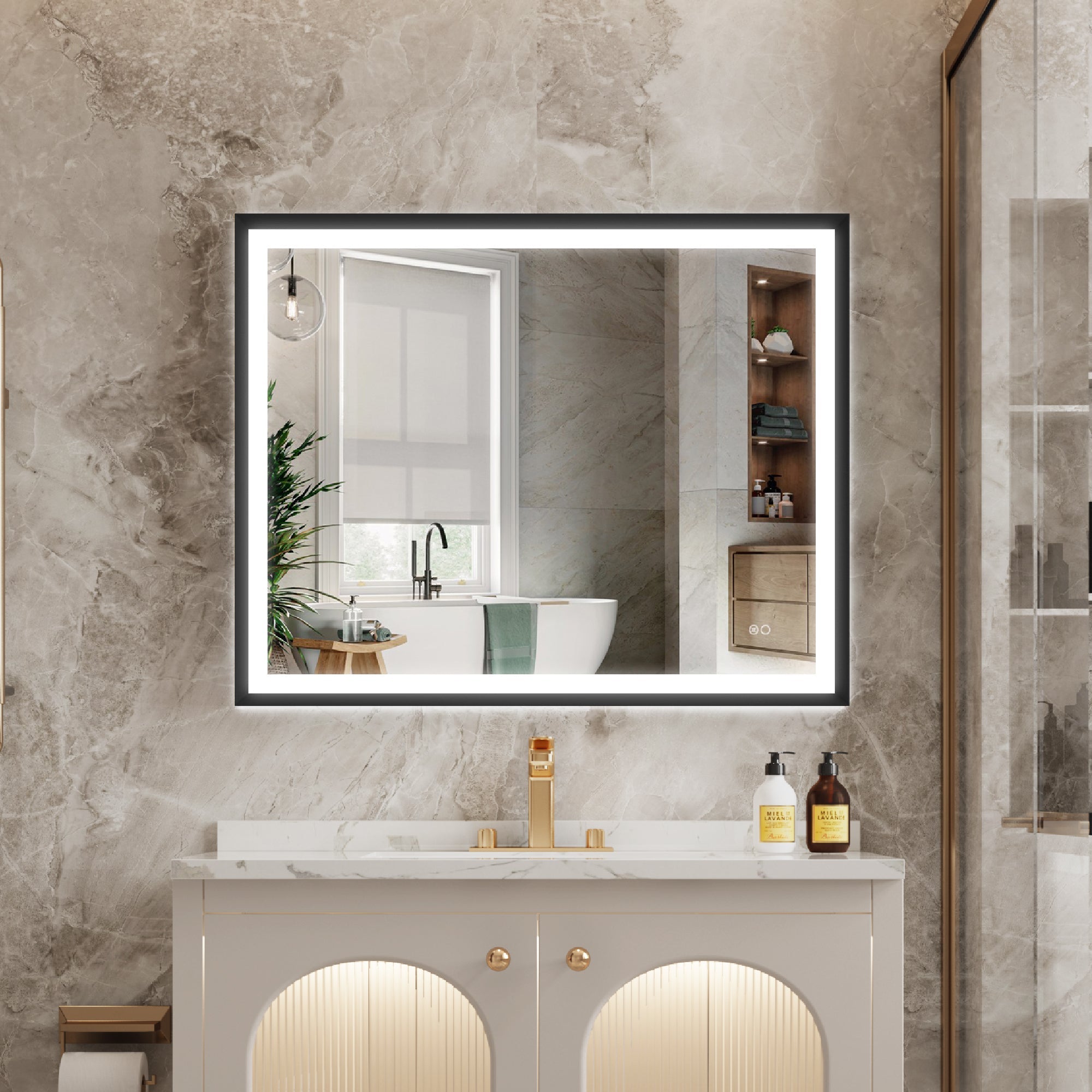
Lighted mirror cabinets typically support two installation types: recessed and surface-mounted.
Recessed (In-Wall)
Pros:
Thinner, cleaner lines, and a more "custom-made" look
Minimizes cabinet protrusion, ideal for narrow hallways or compact bathrooms
Cons:
Requires specific wall conditions: sufficient internal space, clear of studs/pipes
Complex installation, higher renovation costs
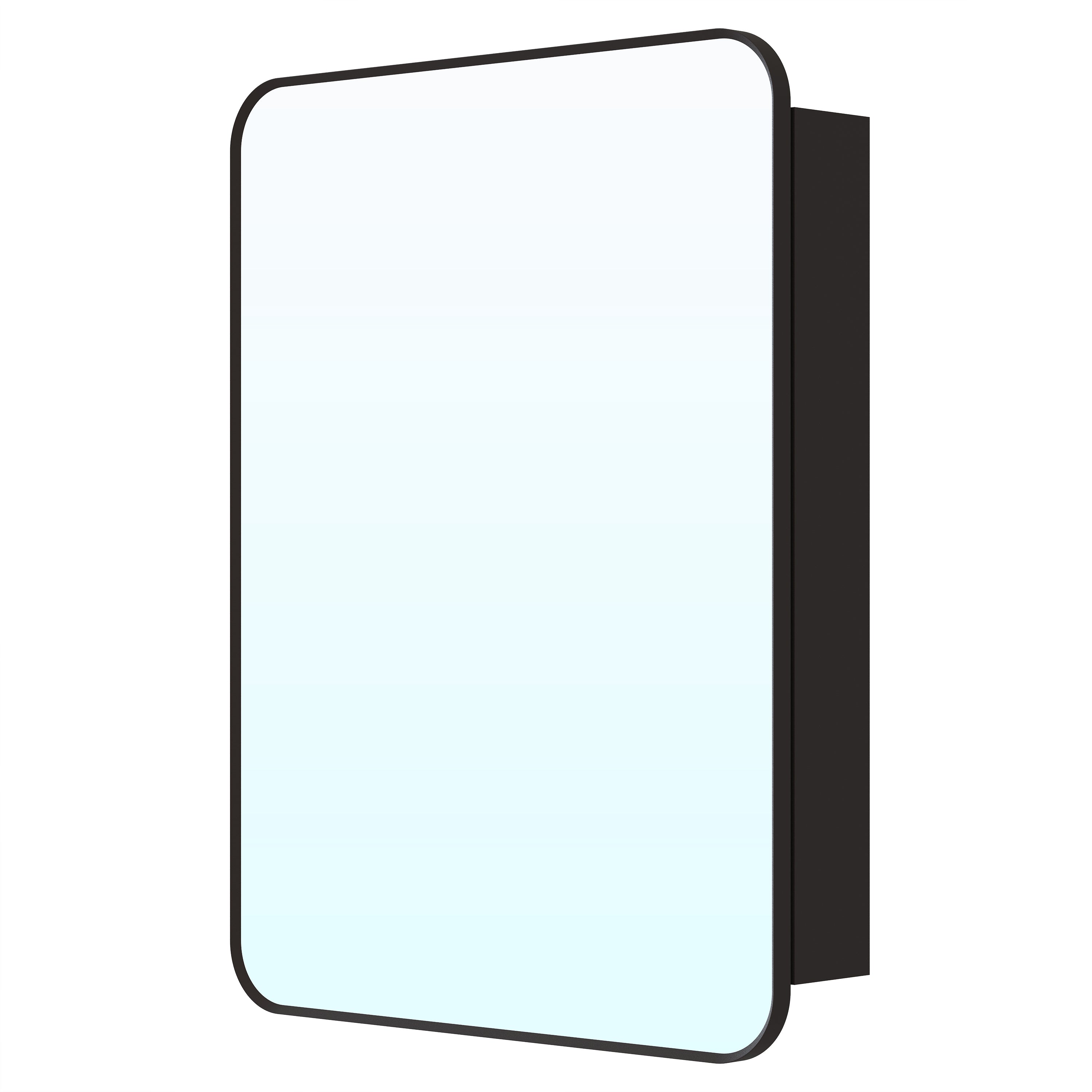
Surface-Mounted (On-Wall)
Pros:
Simpler installation, lower wall requirements
Suitable for renters or those avoiding major renovations
Disadvantages:
Unit protrudes outward, requiring consideration of visual bulk and head-bumping risks.
Higher demands on "slim design."
How to Choose:
If you're renovating/remodeling and wall conditions permit, prioritize built-in.
If you seek quick installation and minimal construction, choose wall-mounted, but opt for slim profiles + models with aesthetically pleasing side trims.

Lighting Parameters: Determining "Good or Bad Lighting, Beautiful or Ugly Illumination"
Many people buy lighted vanity mirrors only to find that "it looks bright, but the reflection isn't flattering." The root cause is choosing the wrong lighting parameters.
1. Brightness: Don't just look for "lights"—check if it's sufficient.
Vanity lighting should cover both the face and sink area. Too dim leads to makeup mistakes and heavy shaving shadows; while excessive glare causes eye strain.
Guidance:
Daily grooming: Prioritize sufficient, even illumination
Makeup/shaving: Requires higher brightness without overhead-only lighting
2. Color Temperature: Warm light is cozy, cool light is sharp, neutral light is most versatile
Warm light (yellowish): Softer and relaxing, but may distort foundation color perception.
Cool light (whitish): Offers sharper definition but may make complexion appear cooler and skin imperfections more noticeable.
Neutral light (sunlight-like): Best for most households, balancing true skin tone representation and comfort
Preferred option: Adjustable color temperature (3000K/4000K/5000K) for switching between morning/evening and different tasks.
3. Color Rendering Index (CRI): A must-check for makeup enthusiasts
Higher CRI means truer colors. Poor CRI lighting distorts foundation and lipstick shades, leading to embarrassing makeup mishaps when you step out.
Recommendation: Opt for CRI ≥ 90 for reliability; never go below 80.
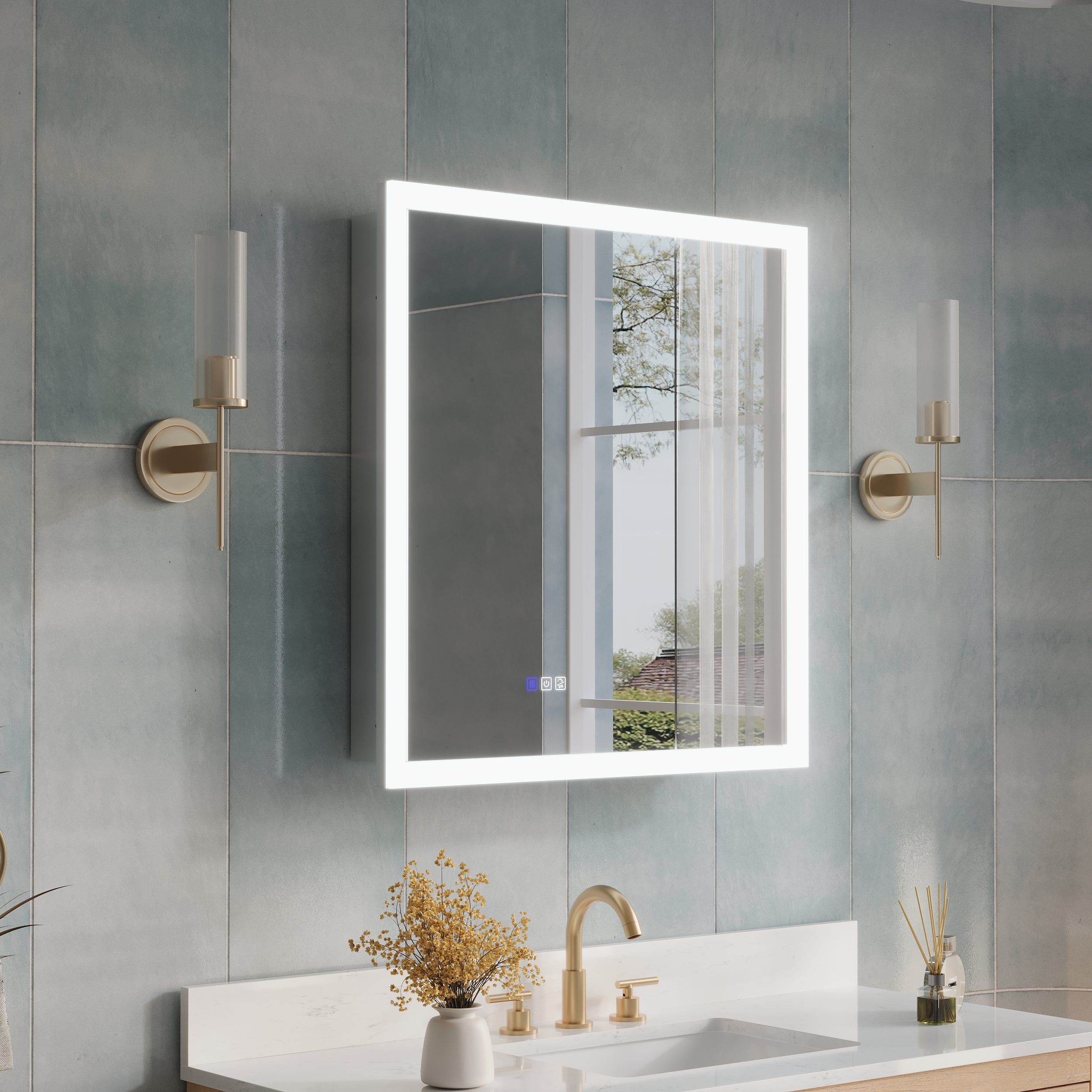
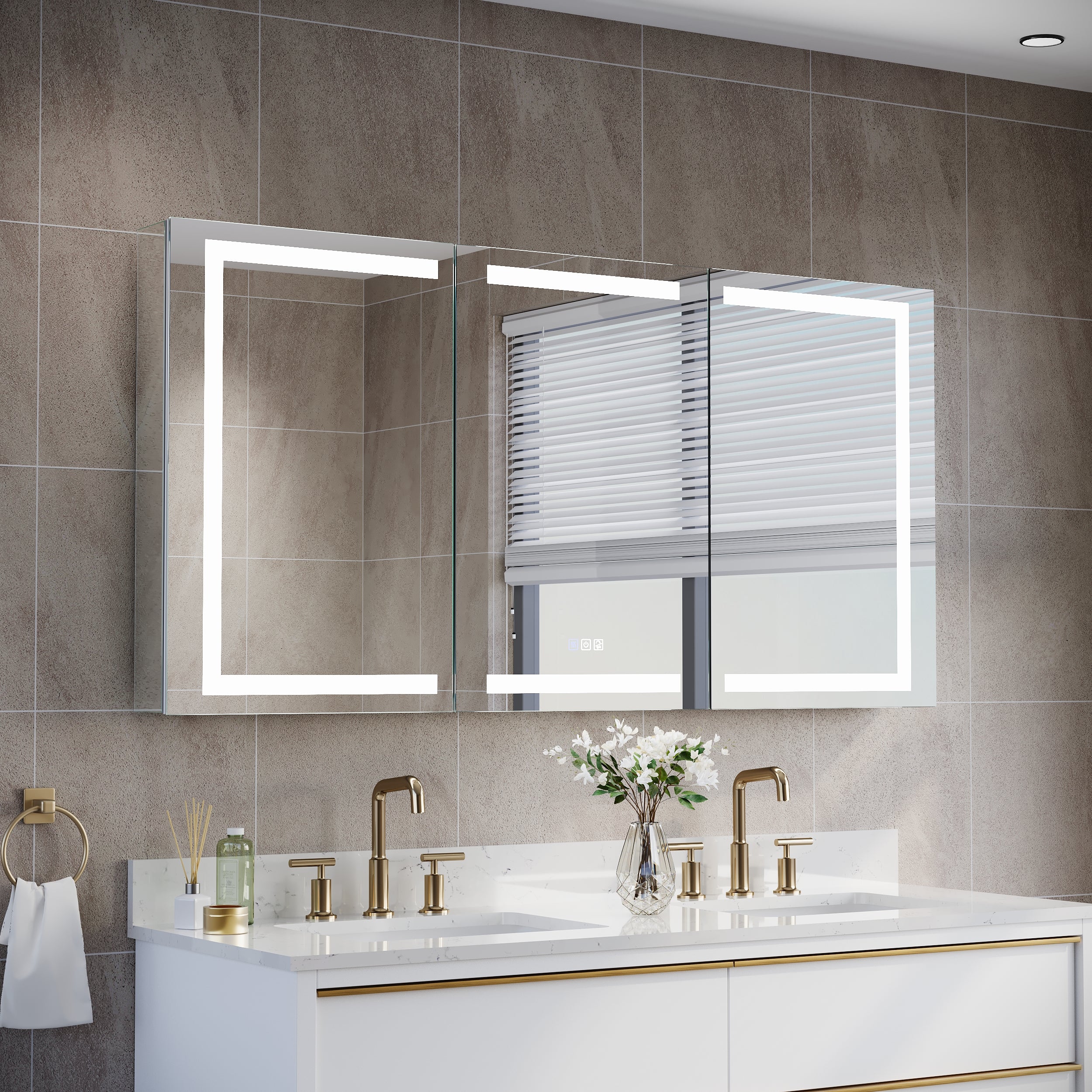
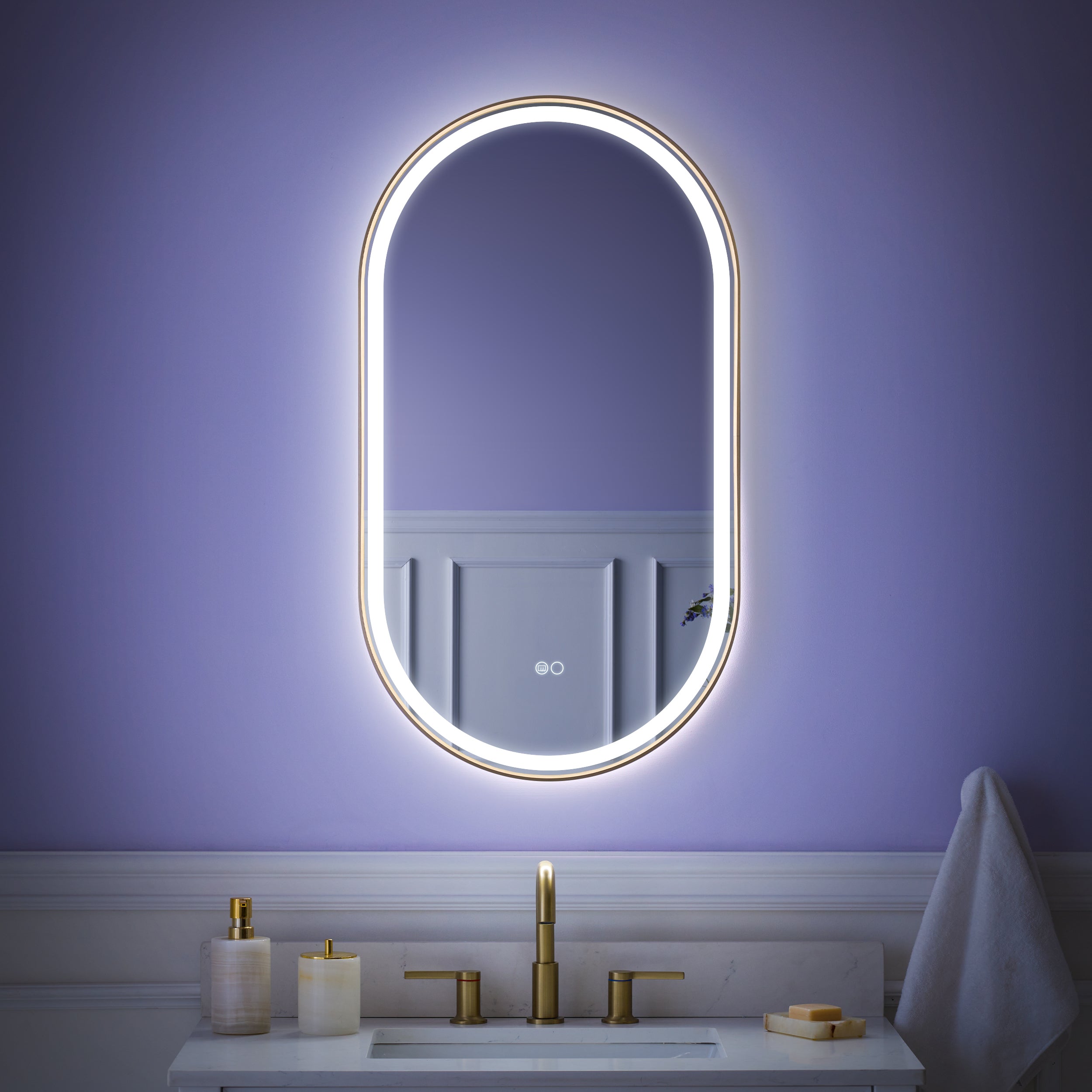
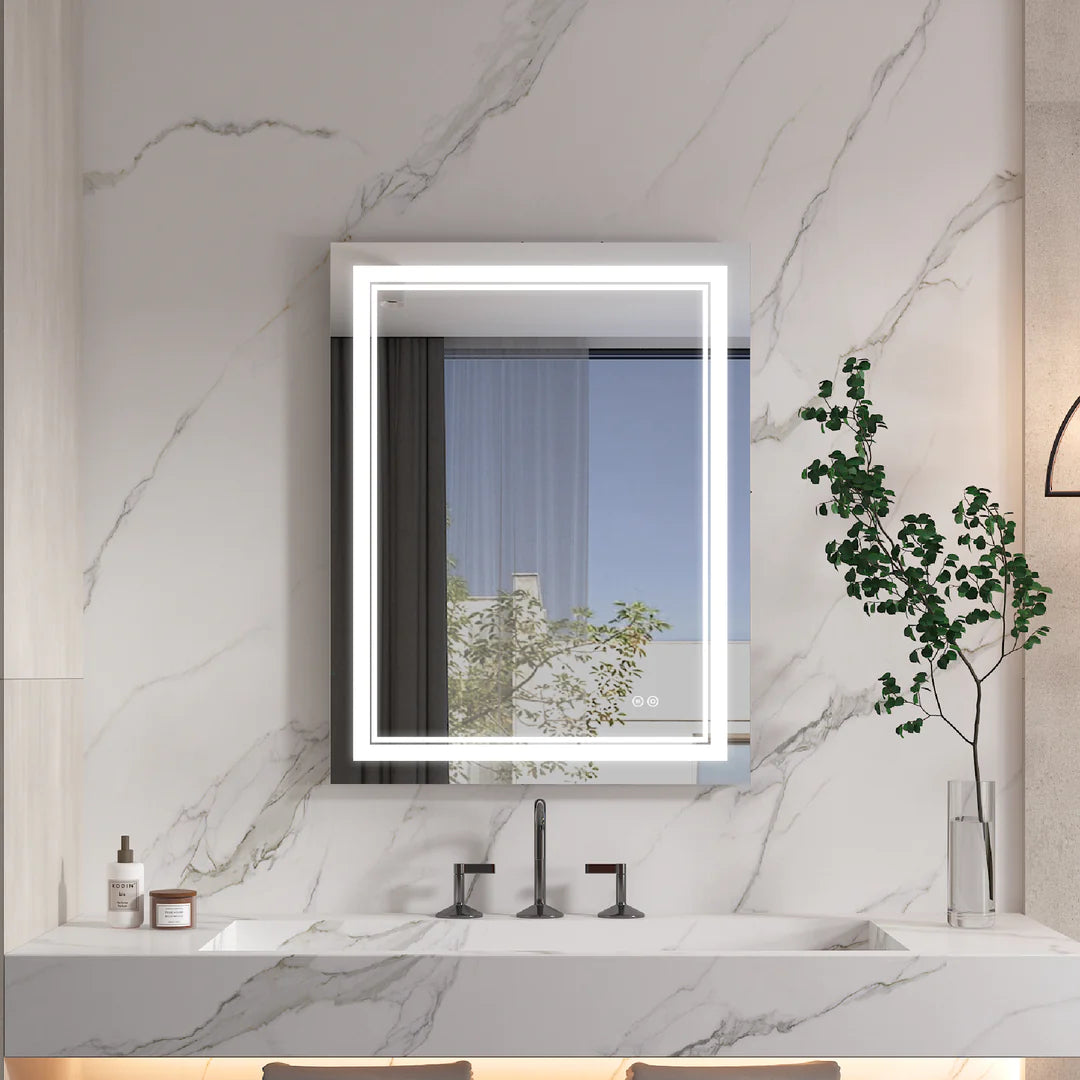
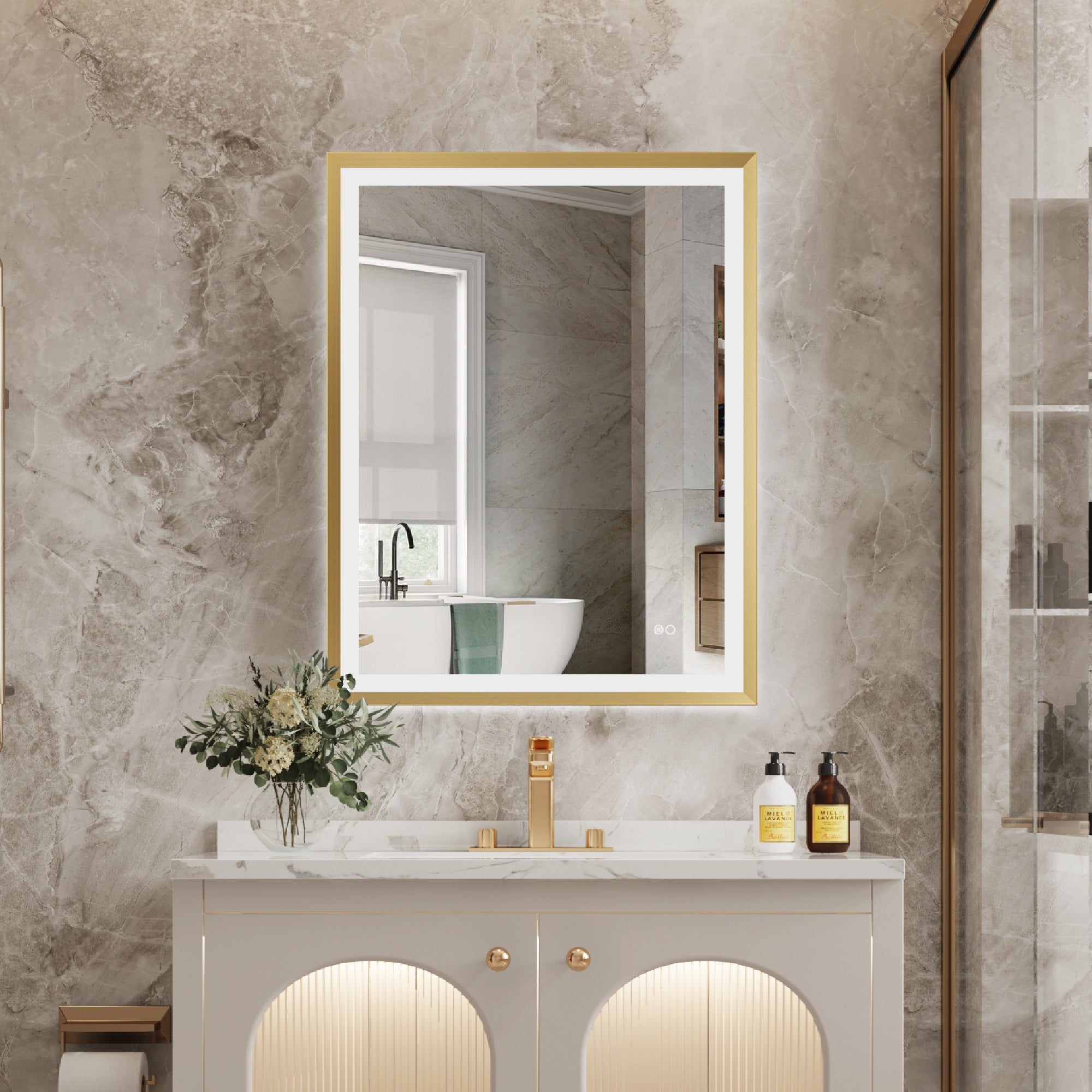
4. Lighting Configuration: Front-facing surround lights outperform "ceiling-only" setups
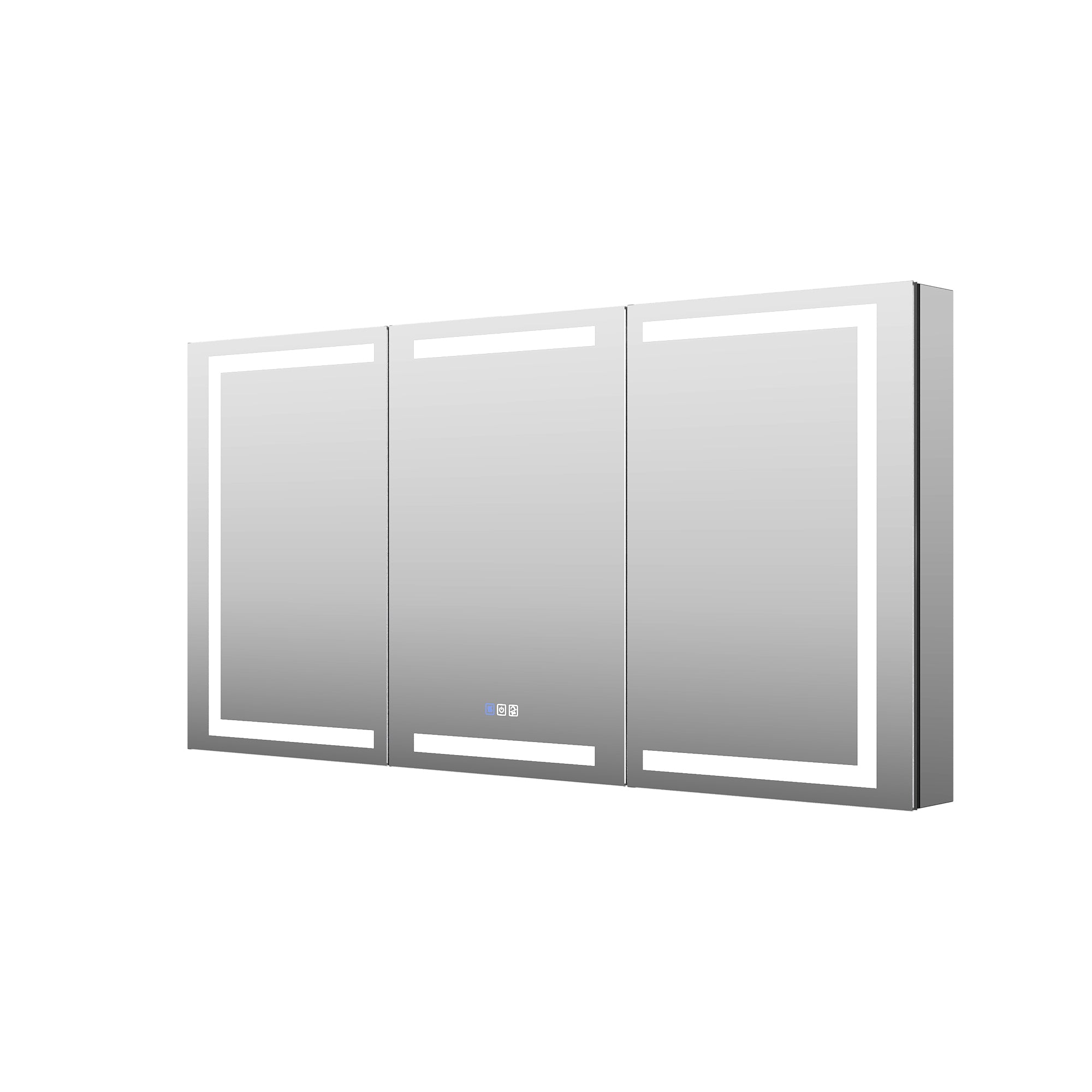
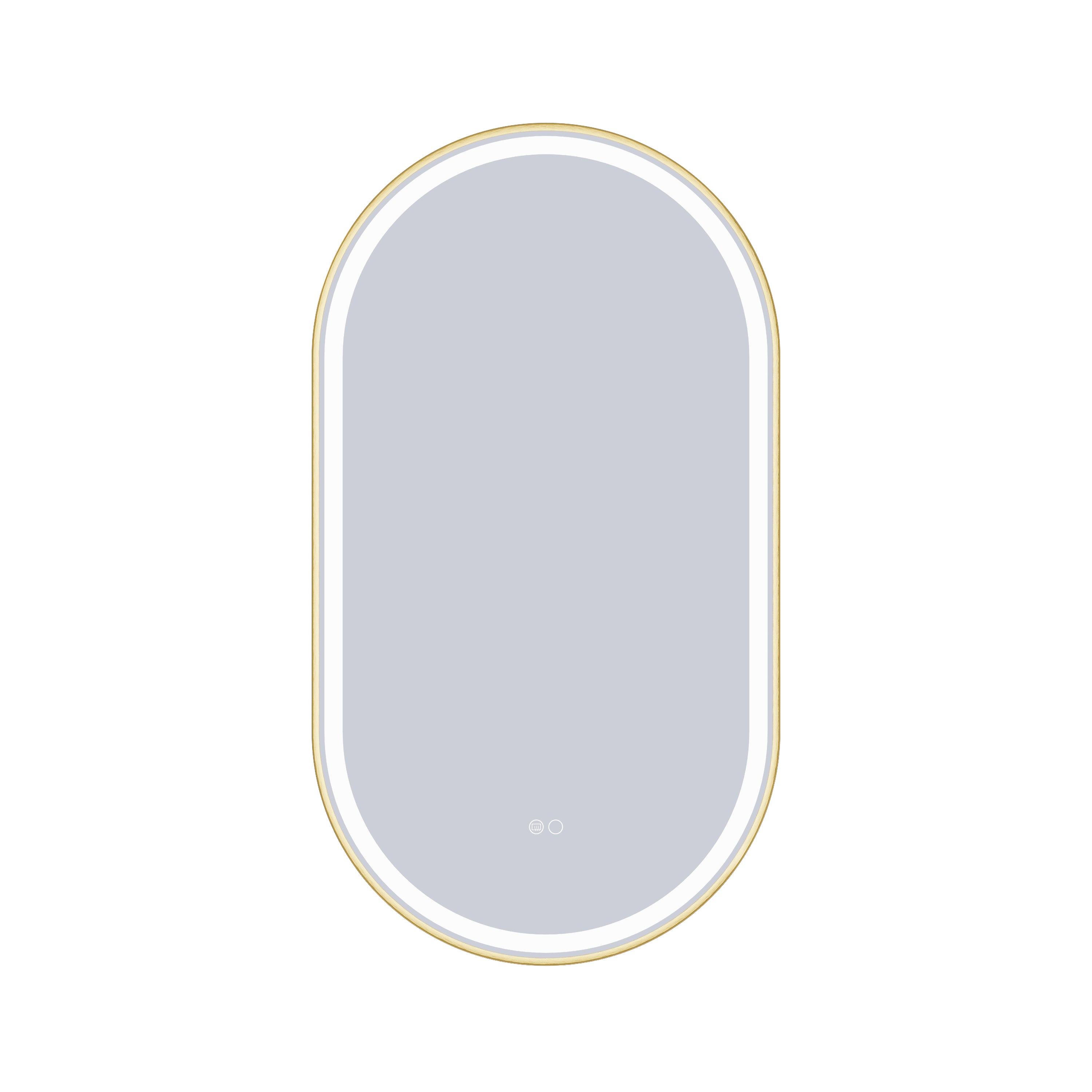
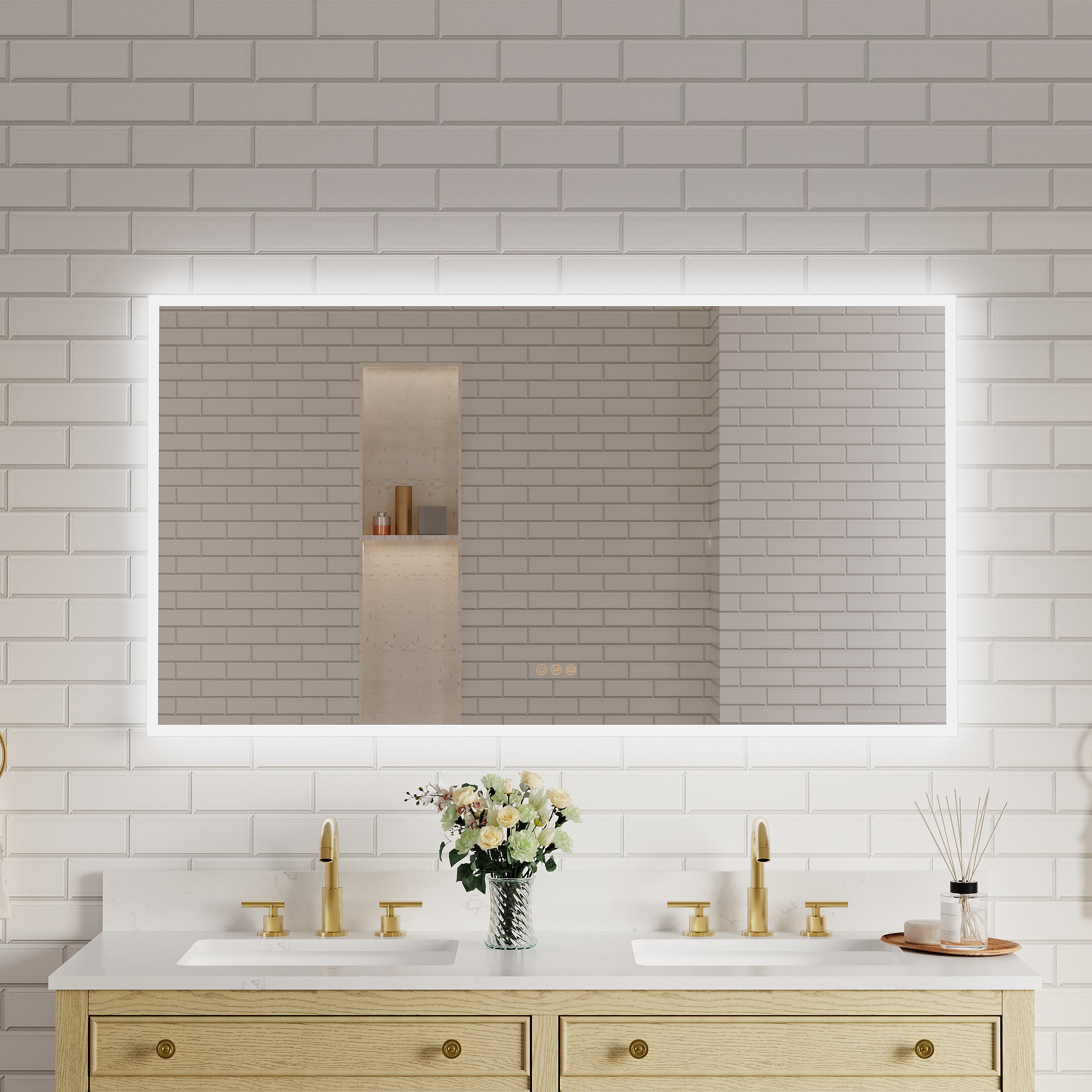
Surround/front light strips provide more even illumination and reduce shadows.
Ceiling-only lights tend to cast shadows under the eyes and along the nose wings, compromising makeup application.
If you prioritize makeup application and shaving, prioritize designs with stronger frontal fill lighting.
5. Anti-fog Function: Not optional, but a high-frequency necessity
Mirror fogging after hot showers severely compromises usability. A bathroom cabinet with a mirror and lights featuring anti-fog is a cost-effective upgrade.
Key selection points:
• Sufficient anti-fog coverage area (a small corner section is ineffective)
• Independent switch functionality (saves energy when not in use)
• Anti-fog activation speed and sustained effectiveness (especially in winter or poorly ventilated bathrooms)
Material and Construction: True premium quality means no sagging or rusting over time
Mirror cabinets open and close daily, with the most common long-term issues being hinges, door panels, cabinet corrosion resistance, and mirror durability.
Key inspection points:
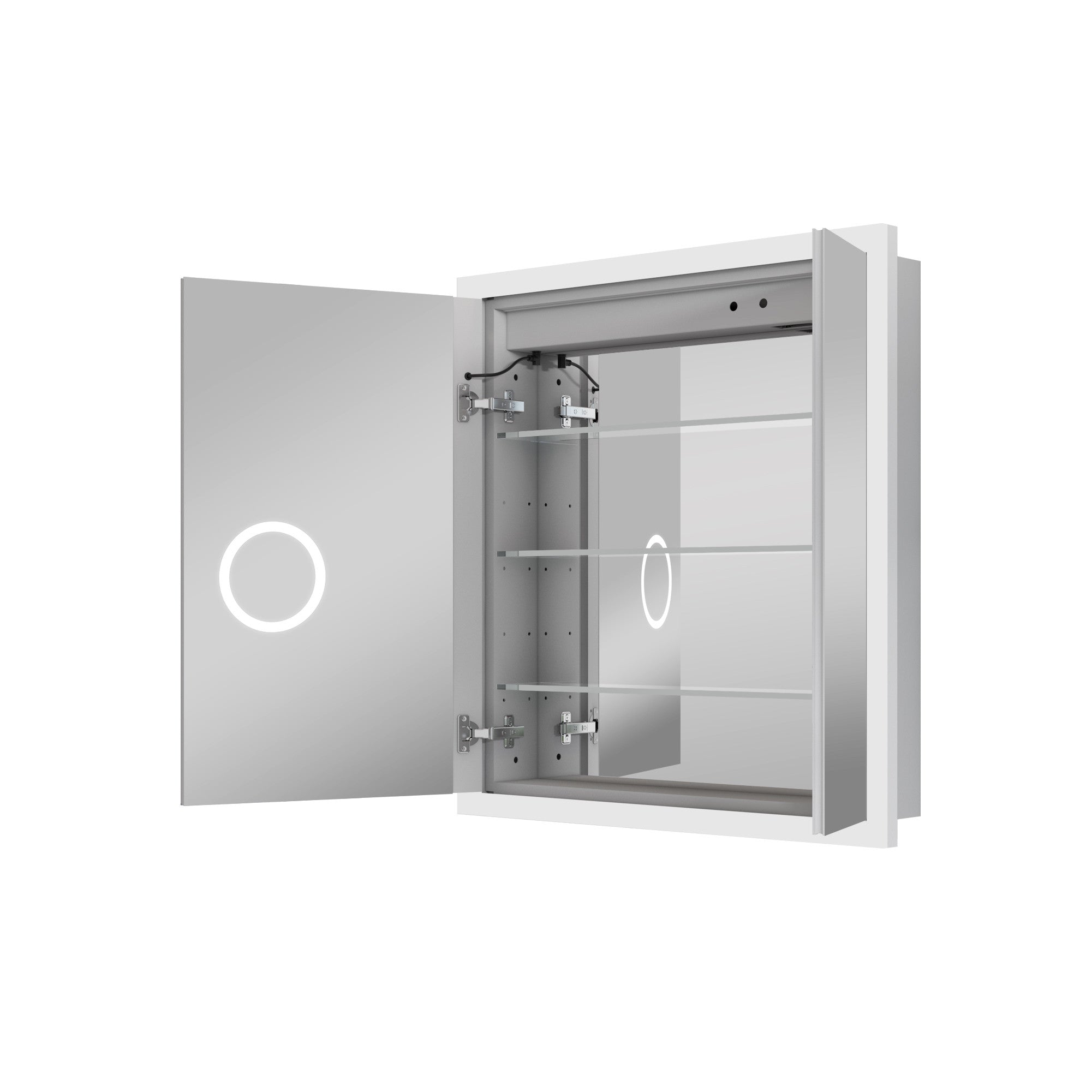
l Cabinet material: Aluminum alloy/stainless steel typically offers better moisture resistance; for wooden cabinets, check edge sealing and moisture-proof treatment.
Mirror Quality: Clear, corrosion-resistant mirrors last longer (bathroom environments are harsh on mirrors).
Hinges & Dampers: Soft-close mechanisms operate quietly and reduce vibration-induced loosening.
Door Clearance & Assembly Precision: Even gaps and smooth operation indicate superior craftsmanship.
Bottom Line: Don't just judge by photos—products showing structural details and hardware specifications are more reliable.
Conclusion: Choosing the right medicine cabinet with a mirror and lights elevate your bathroom experience.
The core value of a bathroom mirror cabinet with mirror and lights isn't just about "looking premium," but about making daily use more convenient: providing a clear, true-to-life reflection, preventing fogging, keeping countertops tidier, ensuring quieter opening/closing, and maintaining durability in humid environments.
Focus on three essentials to avoid mistakes: proper sizing + reliable lighting + sturdy construction. Additional features like anti-fog, outlets, or night lights can be added based on your personal preferences.










Leave a comment
This site is protected by hCaptcha and the hCaptcha Privacy Policy and Terms of Service apply.