
















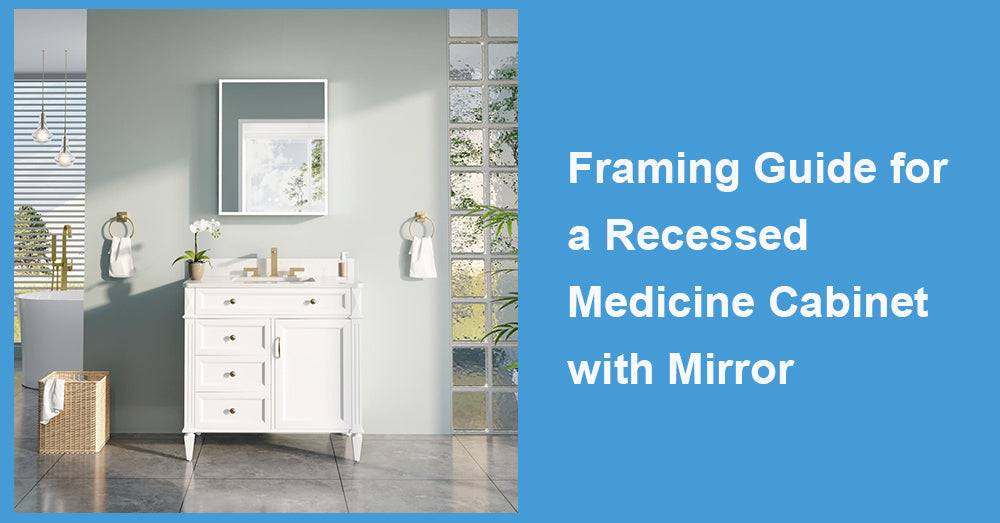
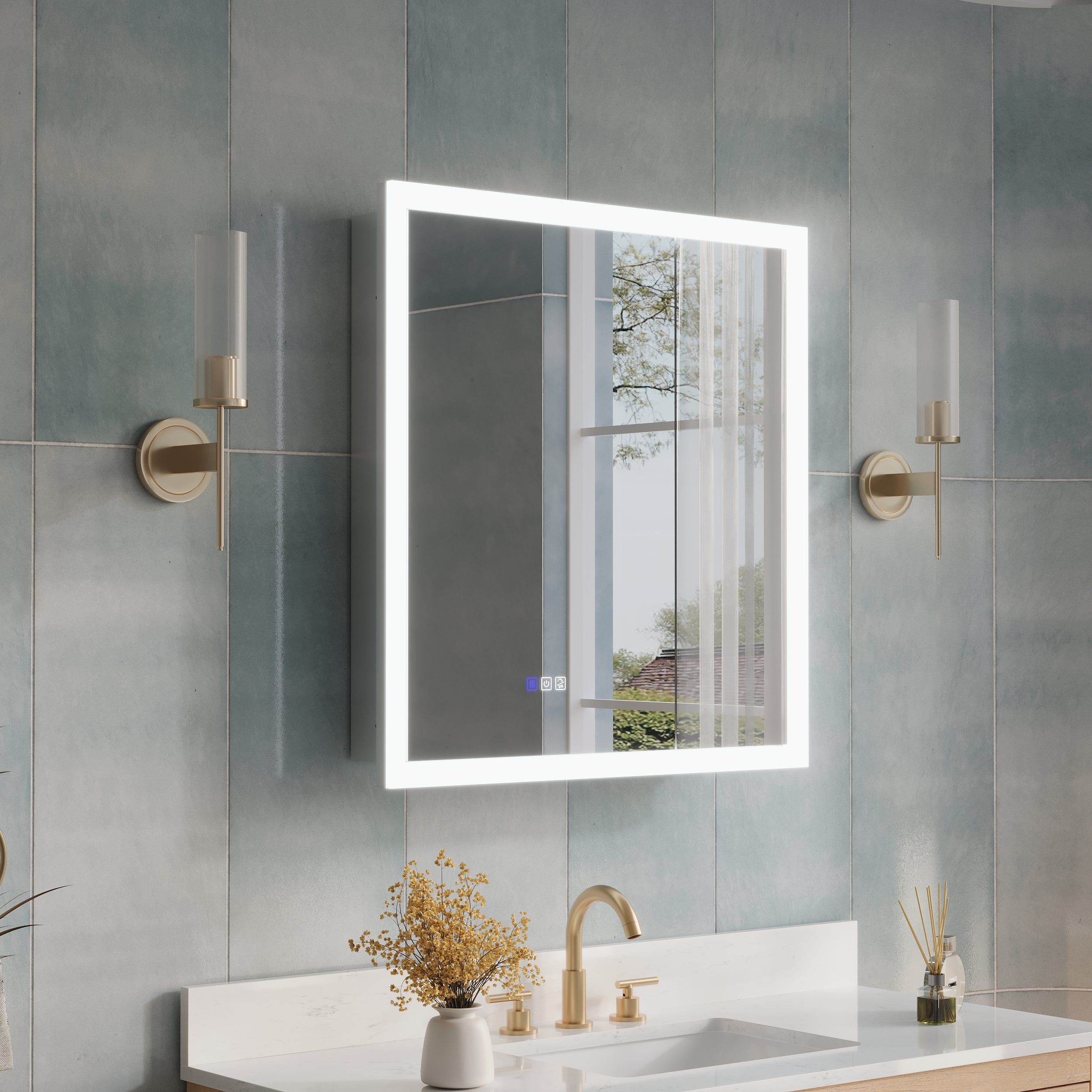
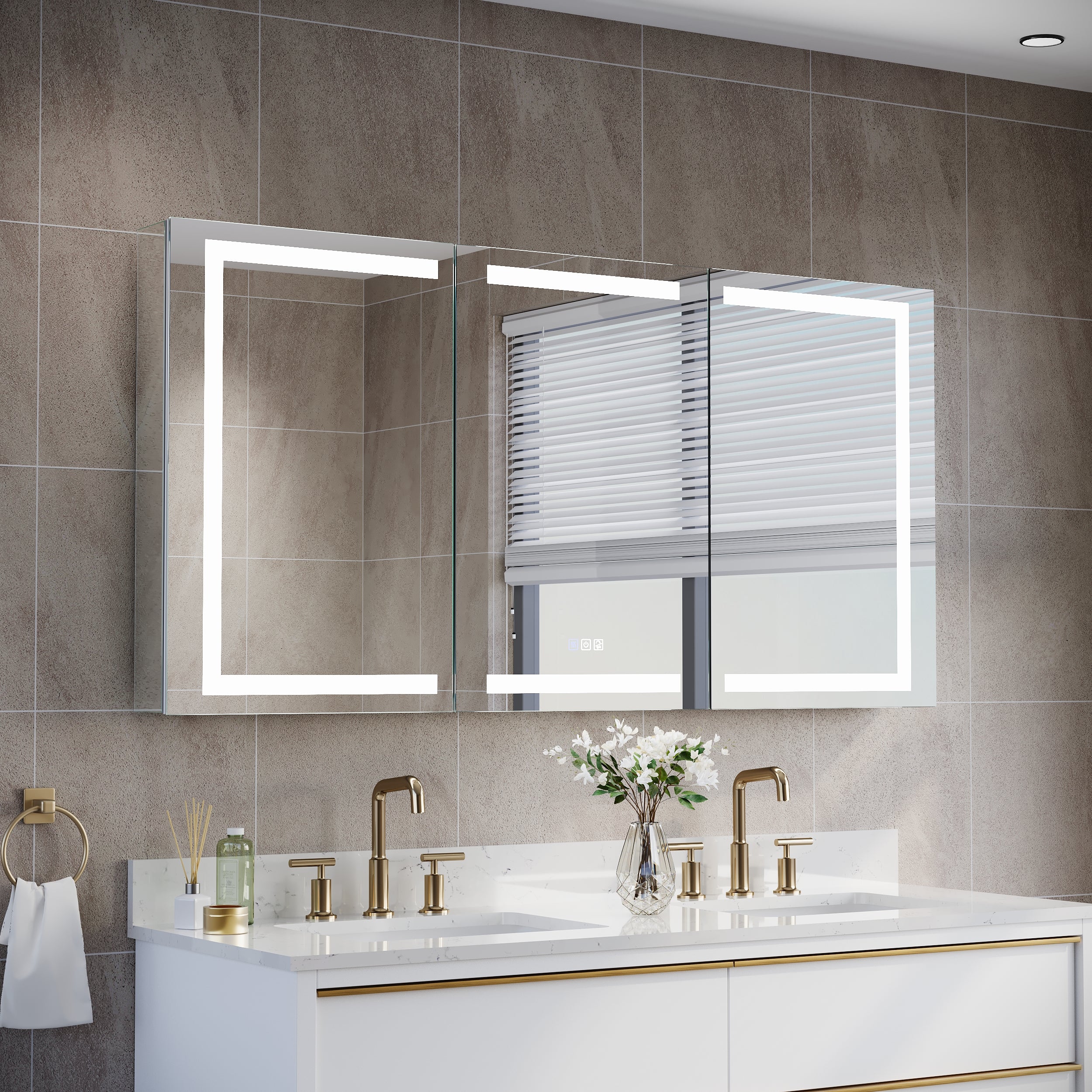
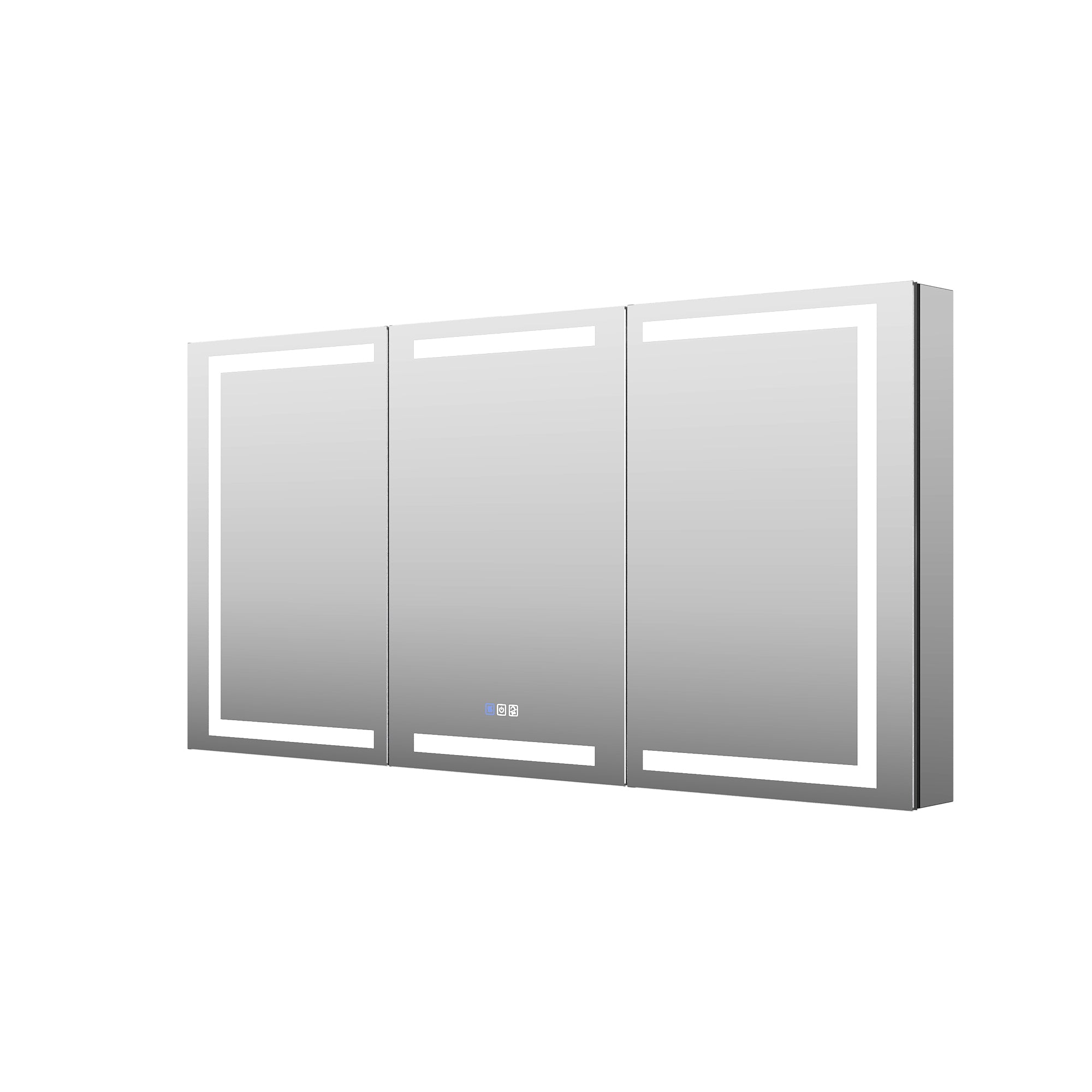
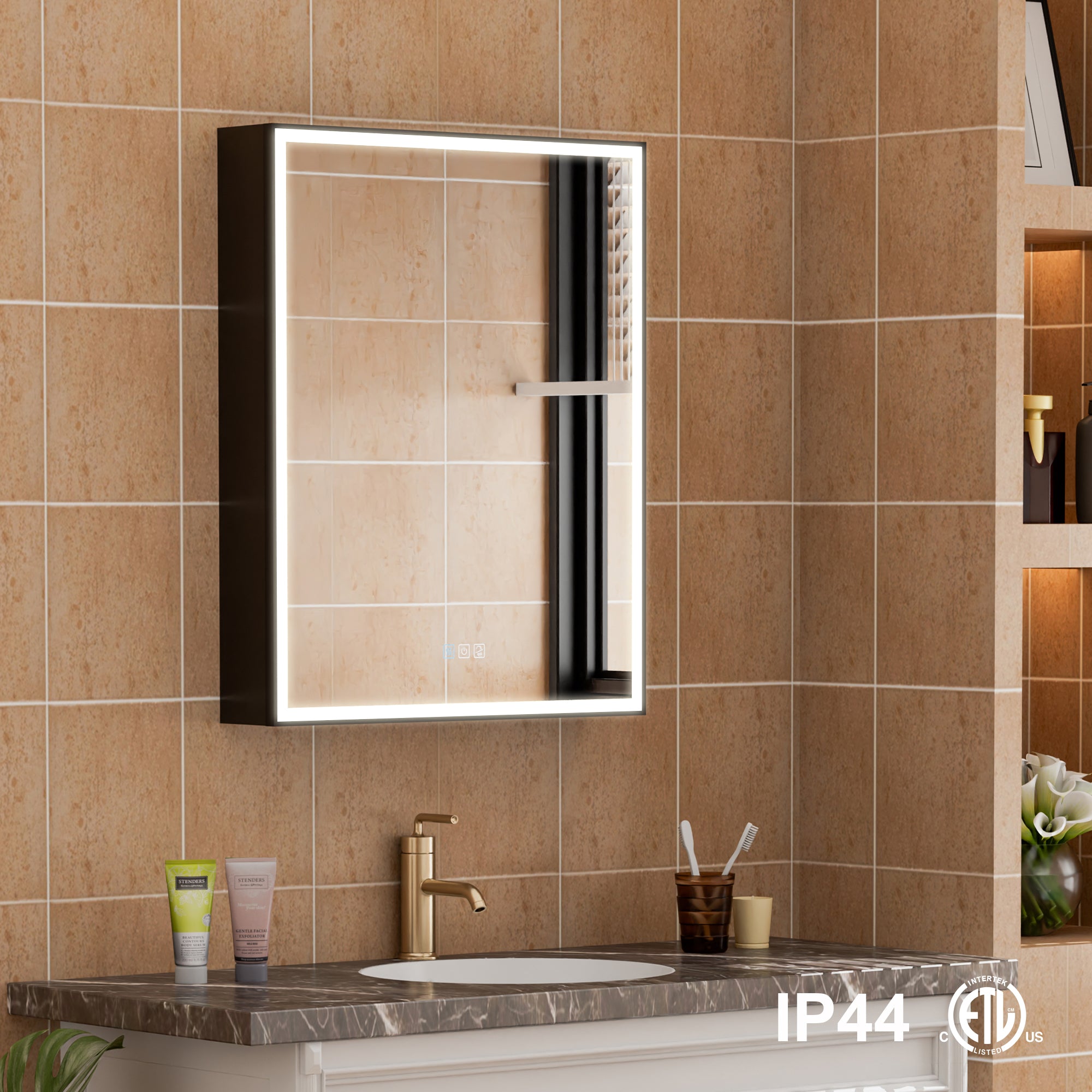
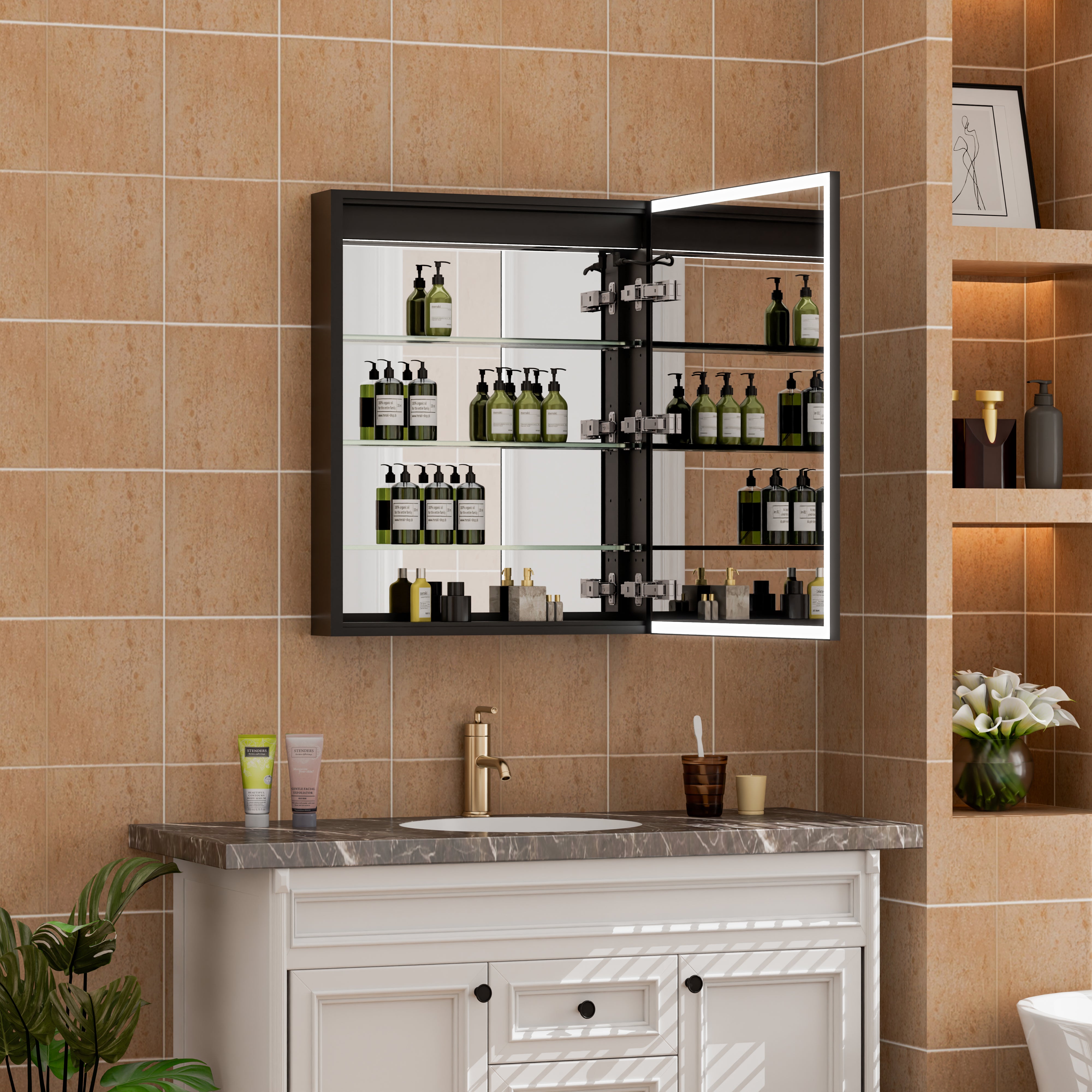
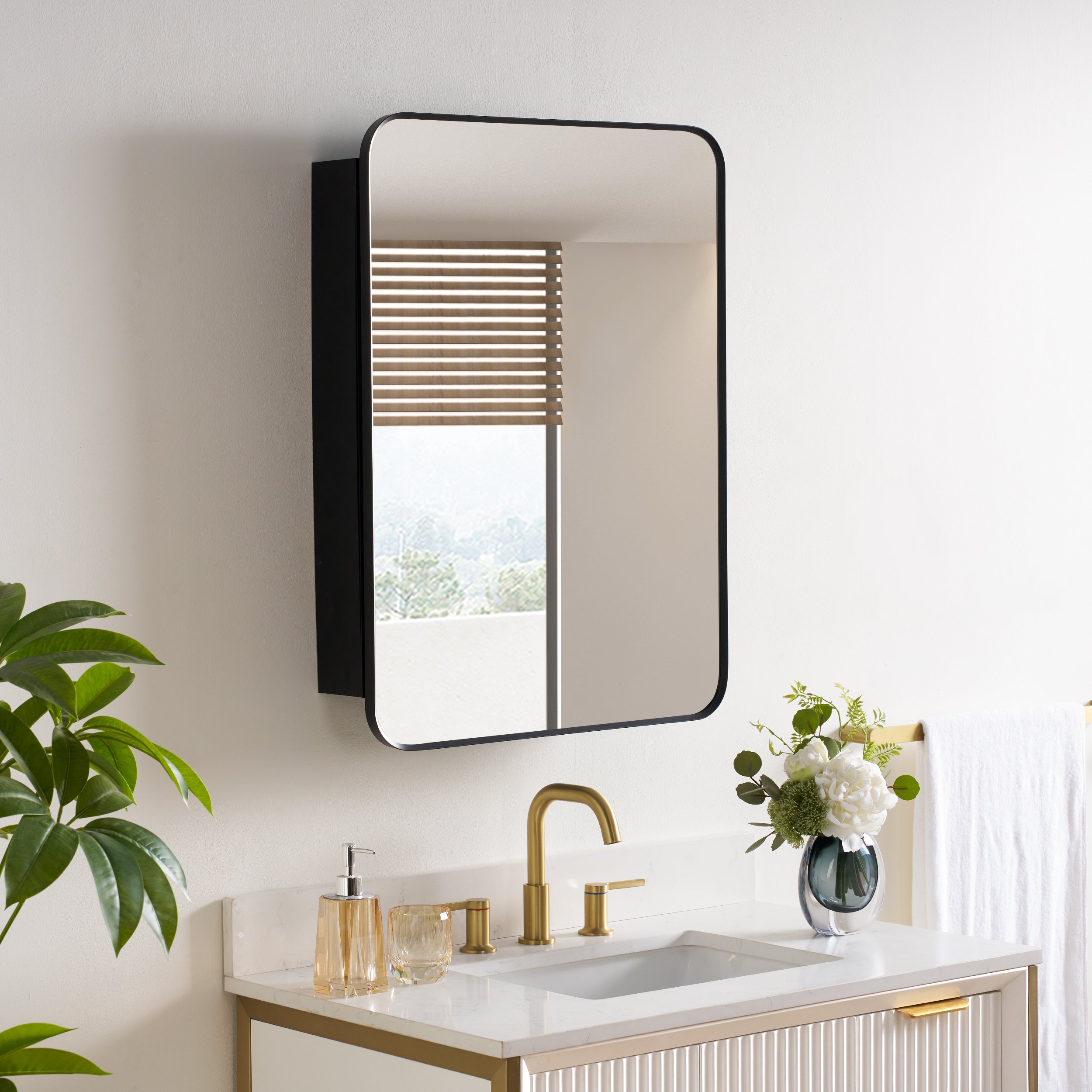
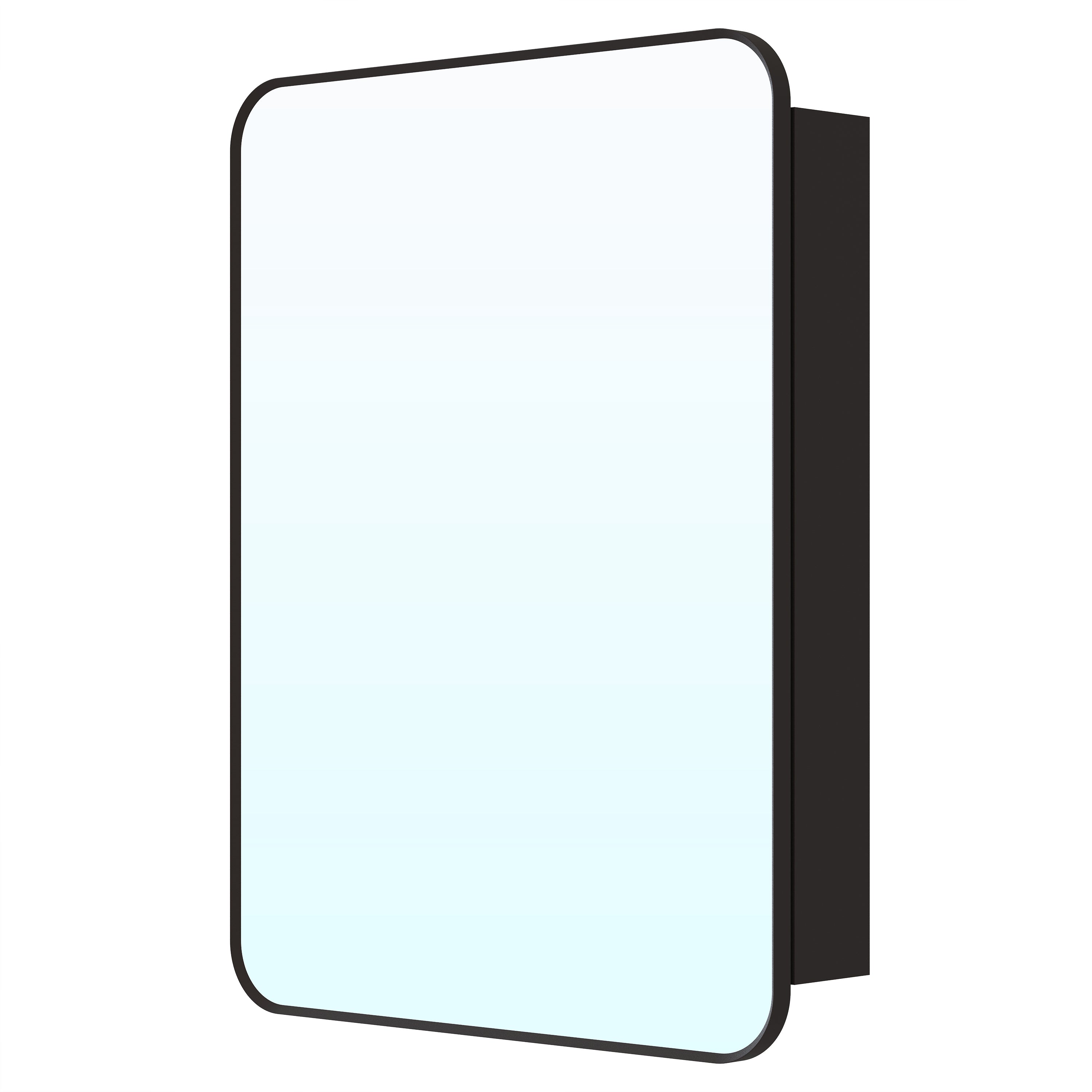
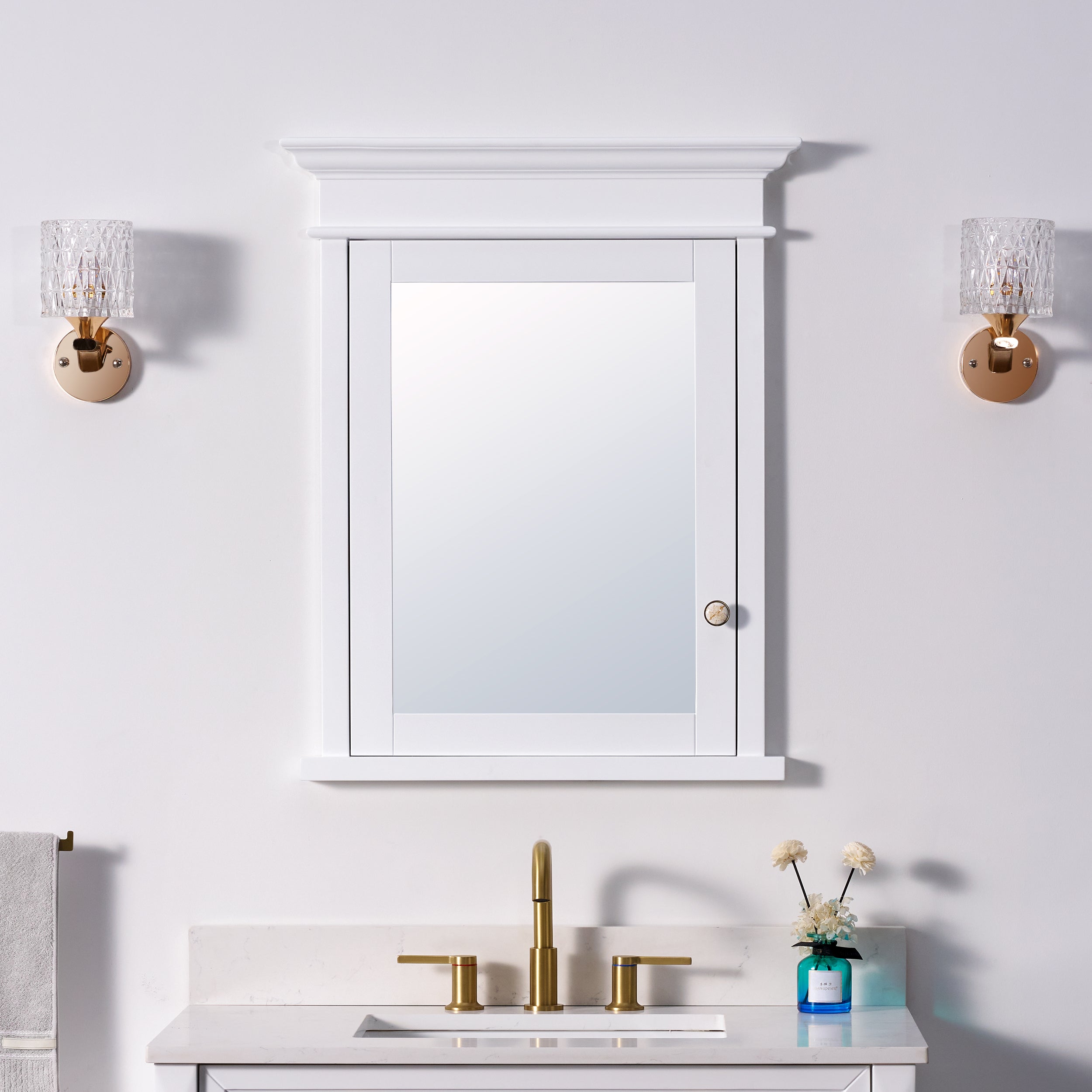
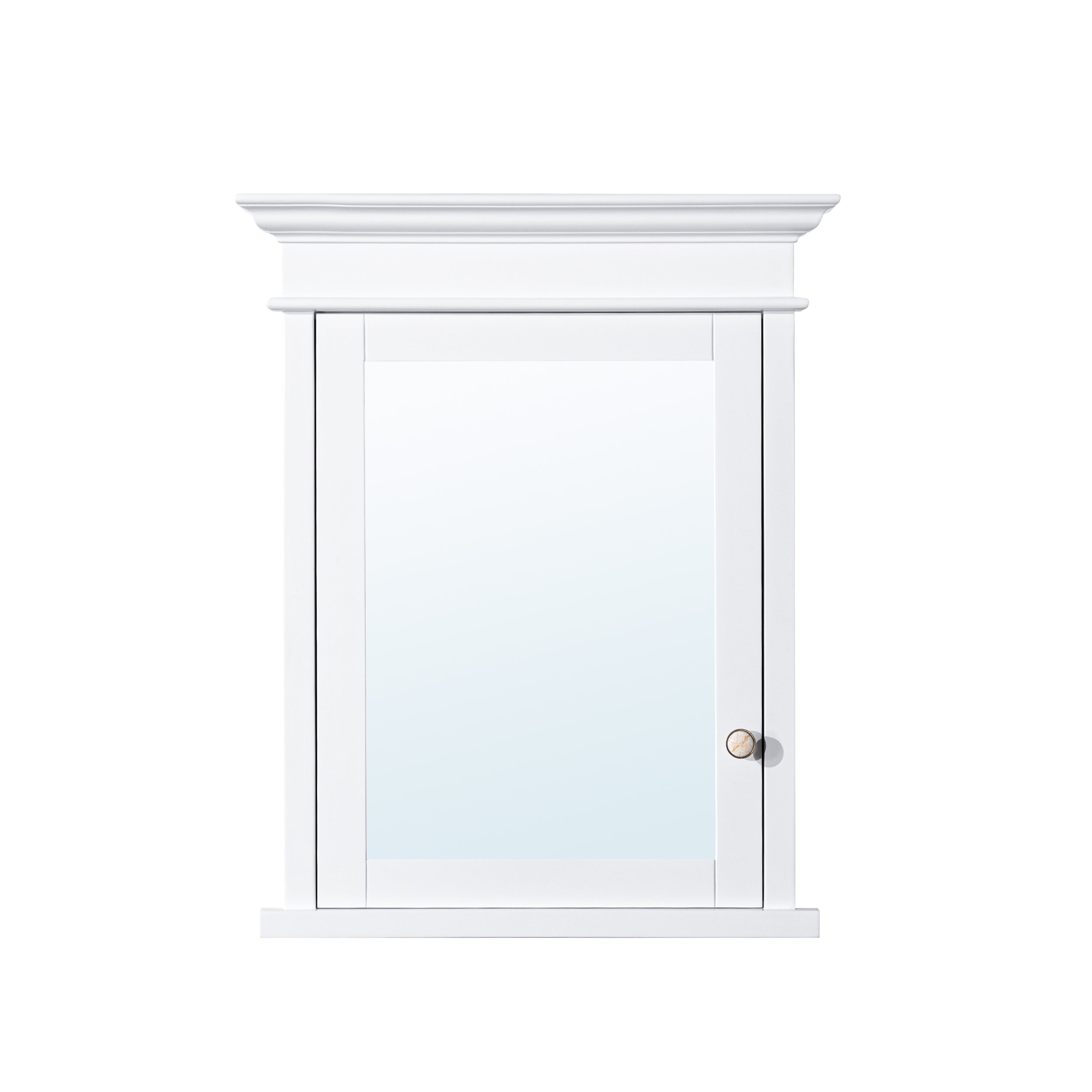
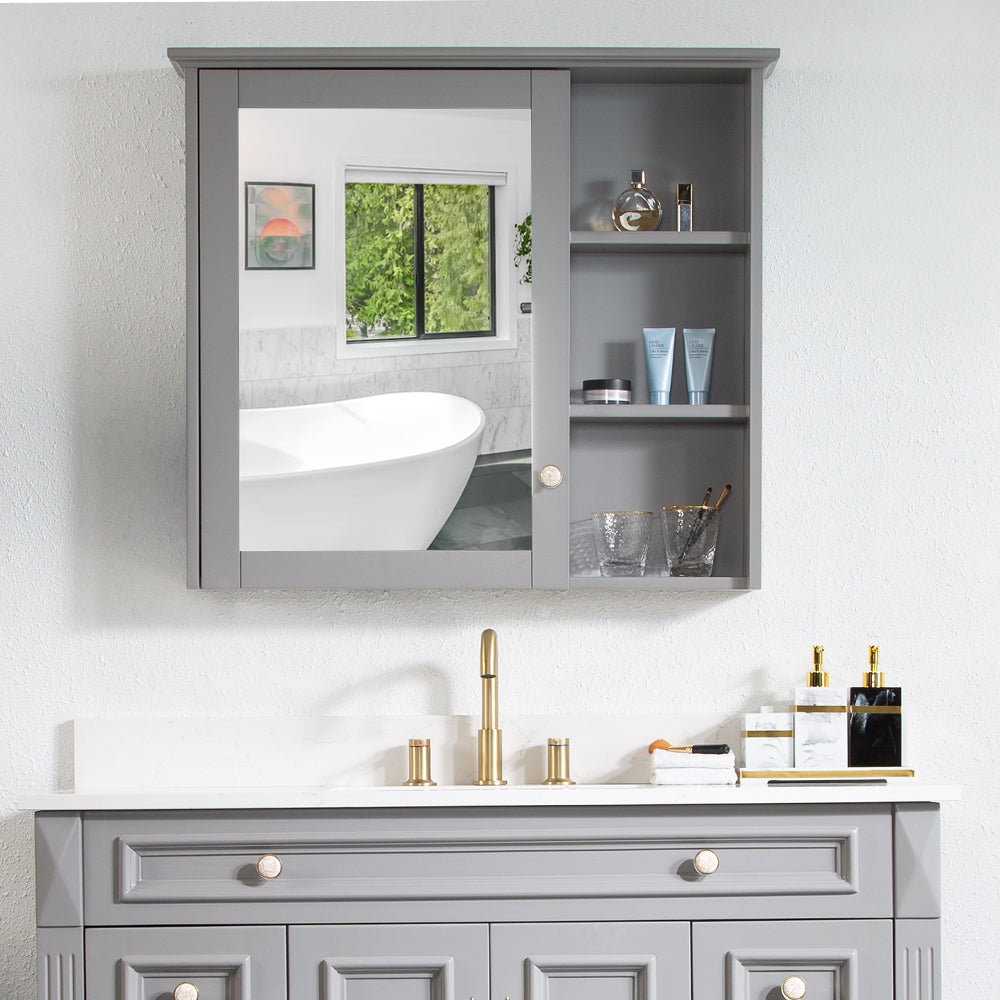
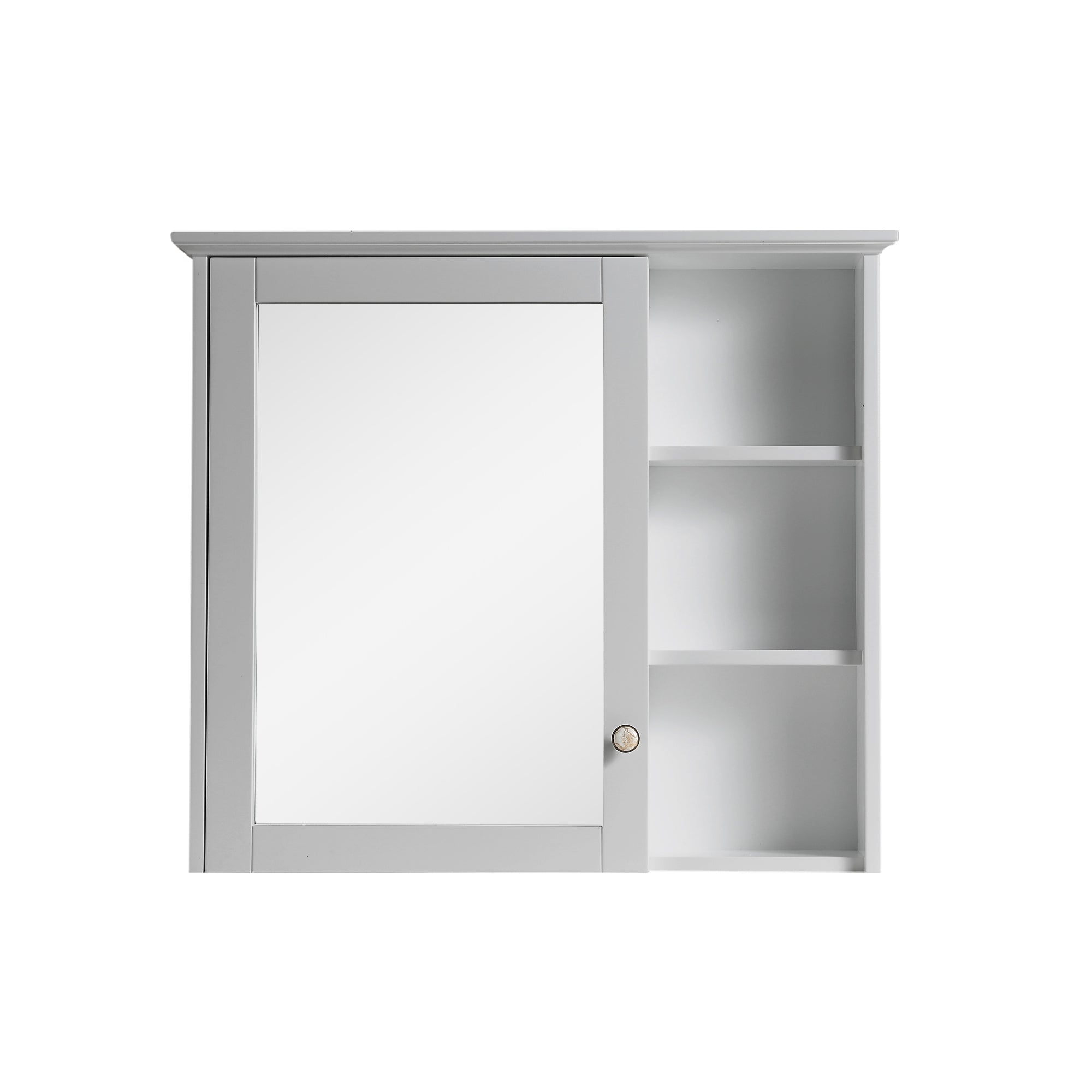
A recessed medicine cabinet with mirror is becoming increasingly popular in modern bathroom space design. This type of embedded mirror cabinet embeds the cabinet body into the wall structure, so the mirror surface is flush with the wall, saving space and providing additional storage capacity. Compared to surface-mounted mirror cabinets, embedded structures are visually simpler and more in line with modern minimalist design trends. Industry data on bathroom renovations shows that in overall projects, more than 50% of mirror cabinets are installed using embedded methods, especially in bathrooms with an area of less than 70 square feet, which can significantly improve space utilization. However, to achieve a stable and safe installation, the planning and size reservation of the wall frame structure are crucial.
1. Understanding Wall Structure: The Foundation of Mirror Cabinet Installation
Most residential walls use wooden keel structures, with a common spacing of 16 inches on center between keels. This means that the clearance between the two keels is usually around 14.5 inches. Therefore, many embedded mirror cabinets are designed with standard widths of 14 or 15 inches to accommodate wall structures.
For wider mirror cabinets, such as 24-inch or 30-inch-wide products, it is usually necessary to cut some of the keel and add horizontal support structures during installation. This process, called 'framing reinforcement,' aims to maintain the wall's stability.
Data shows that, for embedded mirror cabinets with a width exceeding 20 inches, about 60% of projects require local frame adjustments.
2. Determine the Size of the Mirror Cabinet and the Size of the Opening
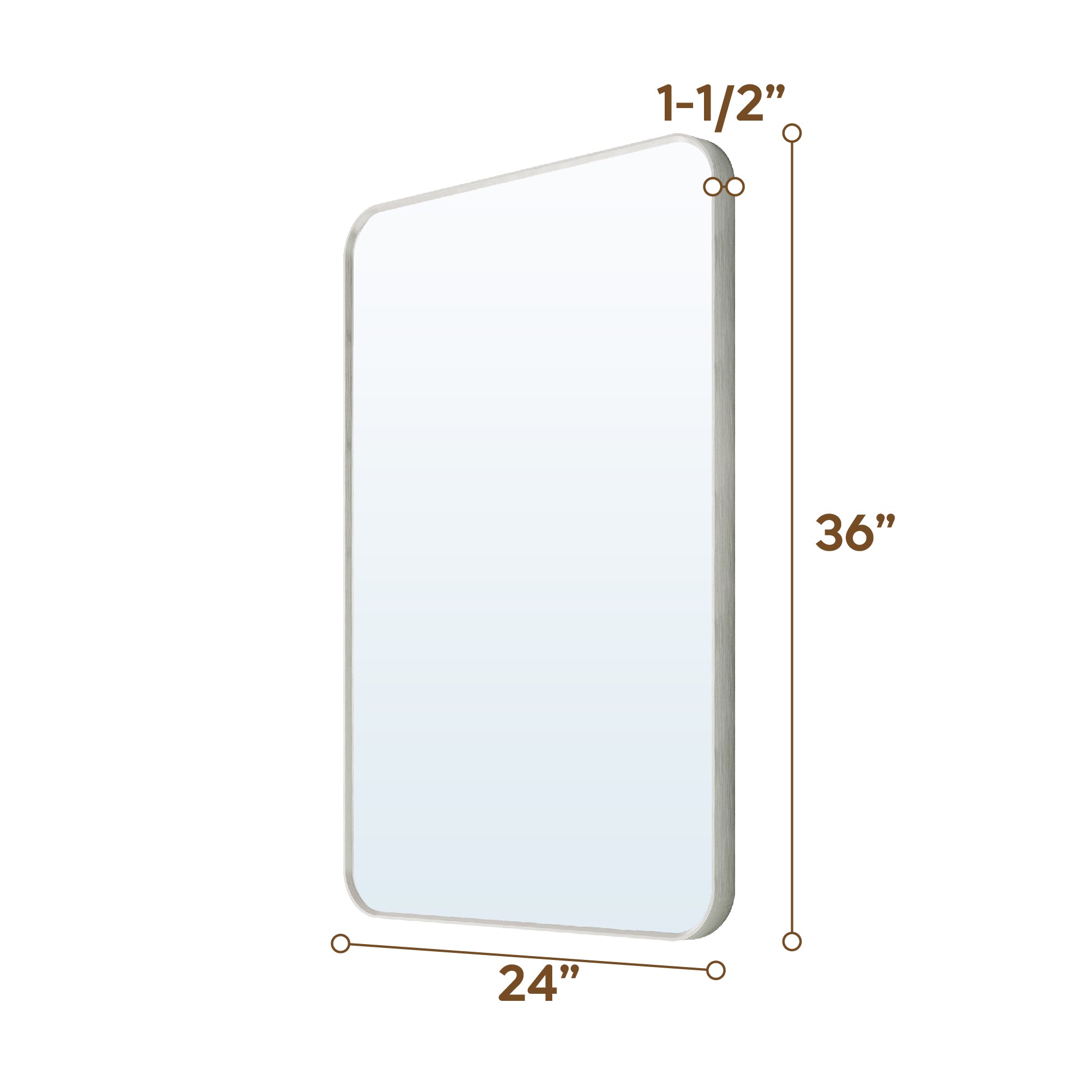
Before installing the embedded mirror cabinet, accurately measure the cabinet and wall opening sizes. Usually, the external dimensions of the mirror cabinet are slightly larger than the mounting hole size so that the front frame can cover the edges.
For example:
The installation hole for a 24-inch wide mirror cabinet is usually about 22-23 inches.
The installation hole for a 30-inch wide mirror cabinet is approximately 28-29 inches.
The common height is 26-30 inches.
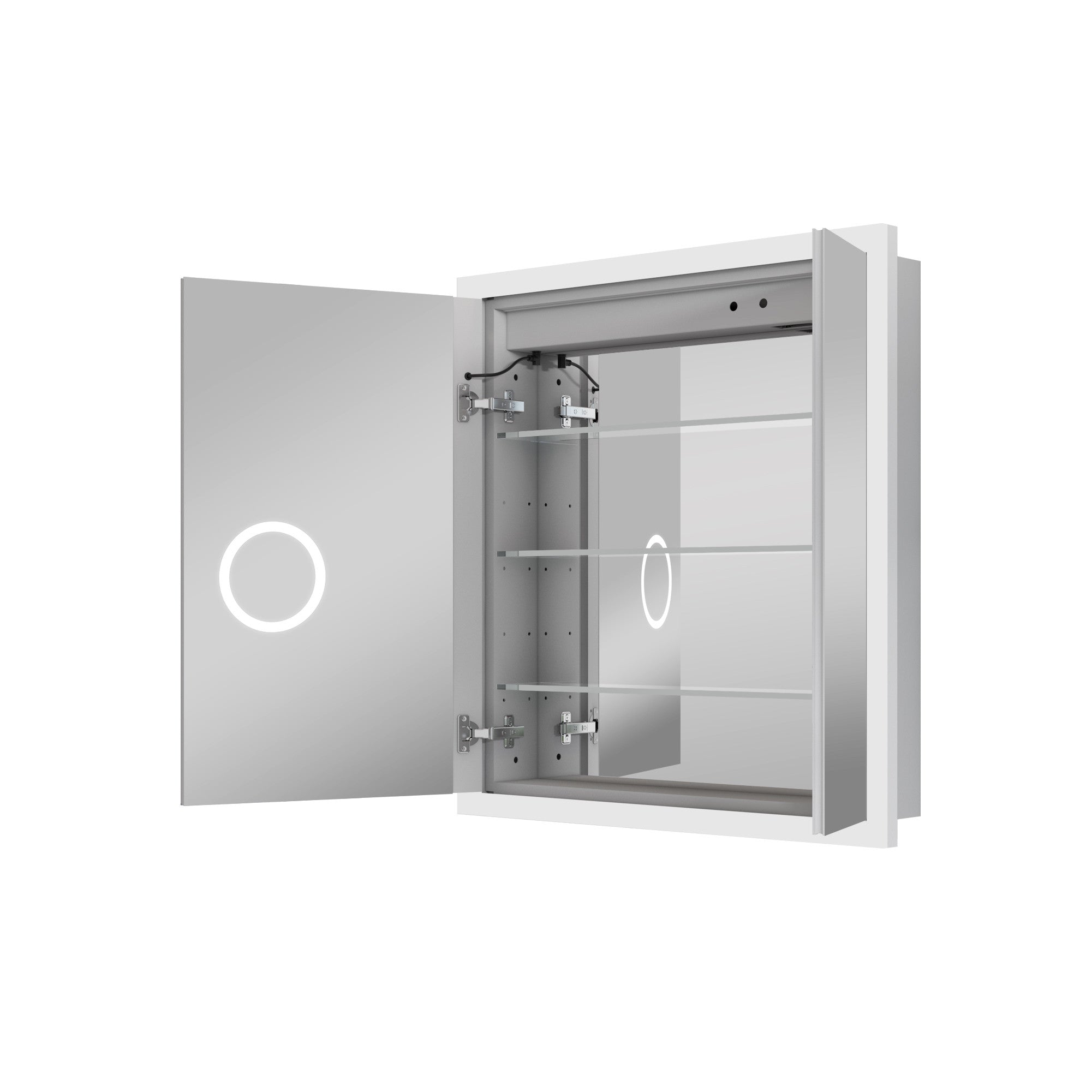
In terms of depth, embedded mirror cabinets are typically 3.5-4 inches thick, which matches the thickness of standard wall studs. If the wall thickness is insufficient, it may be necessary to increase the back panel space or choose a shallow mirror cabinet.
Data shows that about 80% of embedded mirror cabinets are designed with a depth of less than 4 inches to ensure compatibility with common wall structures.
3. Frame Reinforcement: Ensuring Structural Stability
When the width of the mirror cabinet exceeds the spacing between individual keels, frame reinforcement is required. Common methods include adding headers and sills.
The specific steps generally include:
Cut off the middle part of the keel.
Install horizontal wooden beams above as support.
Add a crossbeam stabilizing structure at the bottom.
This structure is similar to the frame style of door and window openings. After proper reinforcement, the wall can still maintain good load-bearing capacity.
Research on building structures shows that adding upper and lower crossbeams can maintain the wall's stability at over 90% of its original structural strength.
4. Power Reserve and Function Expansion
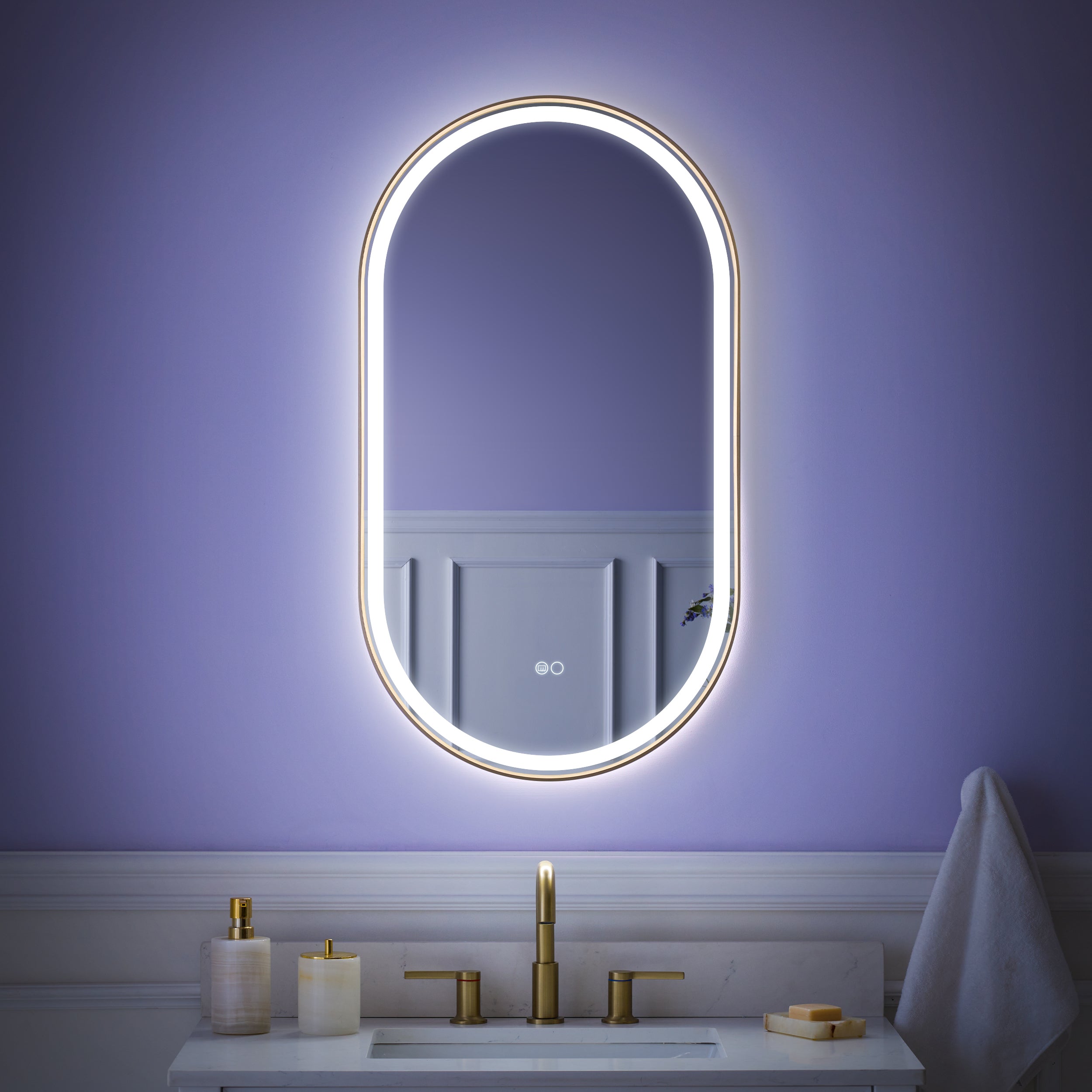
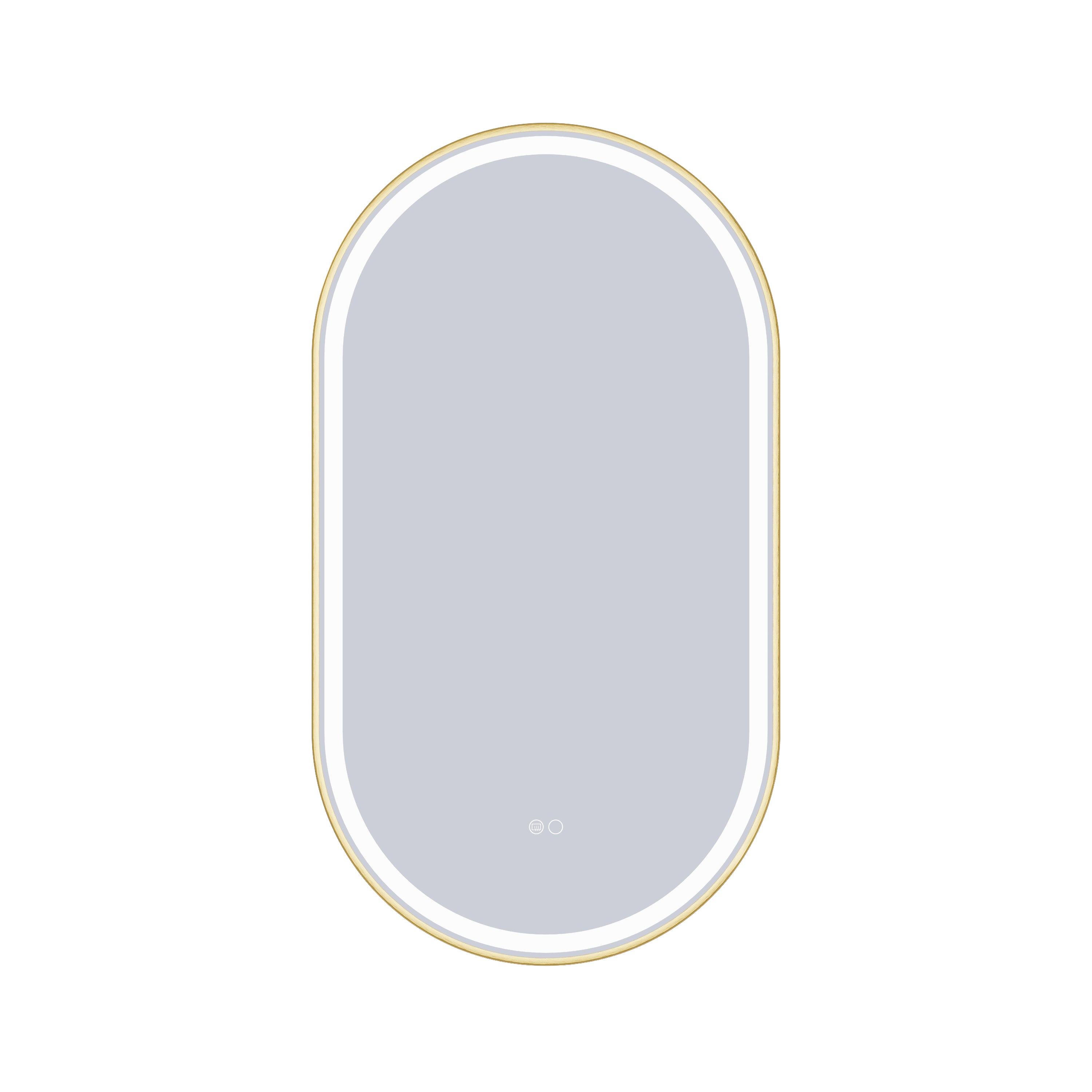
Many modern mirror cabinets come with LED lighting, anti-fog heating, or internal socket functions, so power lines should be planned during the wall opening stage.
The power supply position is usually reserved in the upper back area of the mirror cabinet, and is most commonly located about 2-4 inches from the top of the cabinet. This can both conceal the circuit and facilitate later maintenance.
Data shows that planning the power supply for mirror cabinet installations can reduce construction time by about 15%.
5. Installation Height and Ergonomics
The installation height of the mirror cabinet directly affects the daily user experience. It is generally recommended that the center of the mirror be about 60-65 inches from the ground, which accommodates the line-of-sight height of most adults.
The bottom of the mirror cabinet is usually 5-10 inches from the countertop to avoid countertop items obstructing the cabinet door opening. For bathroom cabinets 36 inches high, this installation ratio can maintain visual balance.
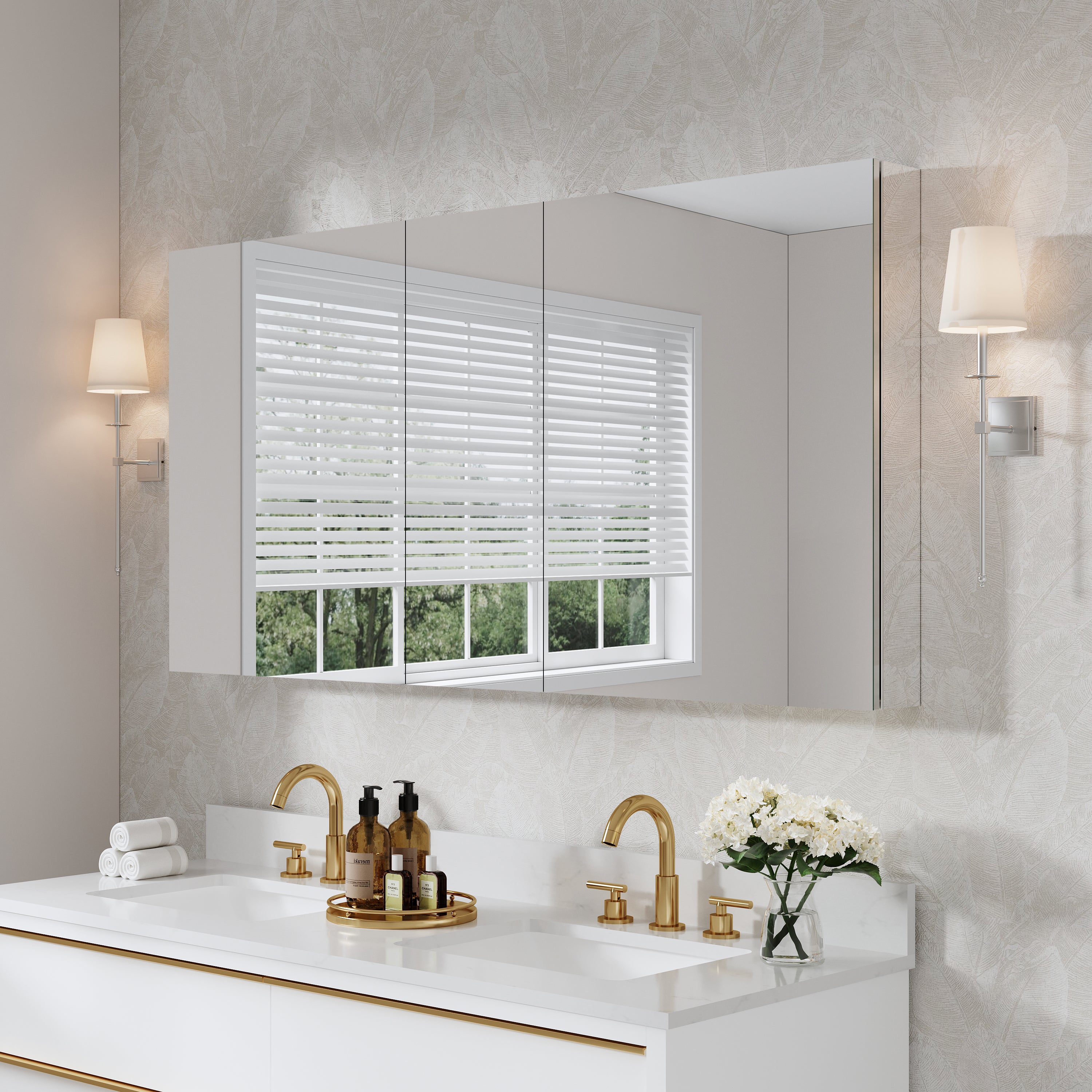
In a double-basin layout (such as a 60-inch or 72-inch countertop), two independent mirror cabinets or a large double-door mirror cabinet can be selected.
6. Moisture and Mold Prevention Measures
Due to the high humidity in the bathroom, the embedded installation also needs to consider moisture resistance within the wall. It is recommended to use moisture-proof gypsum board or sealant around the opening for protection.
In addition, applying a waterproof sealant at the edge of the mirror cabinet where it contacts the wall can reduce the likelihood of water vapor entering the wall cavity.
The data shows that after sealing treatment, the risk of humidity accumulation inside the wall can be reduced by about 25%.
7. Debugging After Installation Completion
After the installation of the mirror cabinet is completed, the following aspects should be checked:
Is the cabinet door level
Is the hinge smooth
Is the frame of the mirror cabinet attached to the wall
Is the electrical function normal?
High-quality mirror cabinets are usually equipped with adjustable hinges that can be fine-tuned after installation to ensure proper alignment of the door panel.
8. Space Advantages of Embedded Design
The biggest advantage of embedded mirror cabinets is their space-saving design. Compared to surface-mounted mirror cabinets, the protruding part of the wall usually has a frame thickness of only about 1 inch, while surface-mounted mirror cabinets often protrude 4-6 inches.
In bathrooms with an area less than 60 square feet, this difference can significantly improve the accessibility and visual cleanliness.

Conclusion
A recessed medicine cabinet with a mirror achieves a balance between space efficiency and design aesthetics by hiding the storage system within the wall structure. However, to achieve the desired effect, it is necessary to do a thorough job of framework planning, dimensional measurement, and structural reinforcement during construction.
Every detail, from the spacing between the keels to the size of the openings to the reserved power supply, will affect the final installation quality. As long as the framework design is carried out according to the specifications and combined with a reasonable size selection, the embedded mirror cabinet can not only provide sufficient storage space but also create a cleaner, more modern visual effect in the bathroom.











Leave a comment
This site is protected by hCaptcha and the hCaptcha Privacy Policy and Terms of Service apply.