

















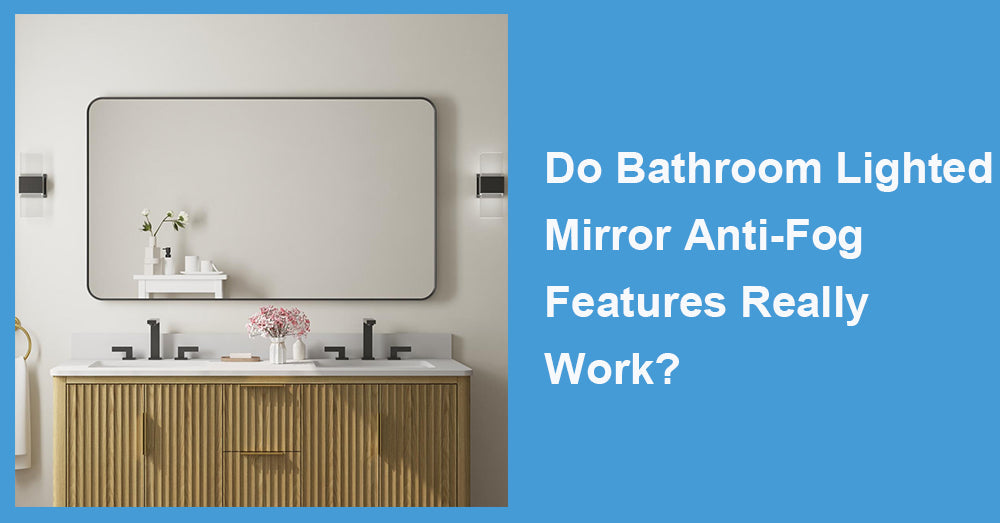
A bathroom lighted mirror can make daily routines feel far more convenient, but one feature often draws extra attention: anti-fog. Many homeowners like the promise of a mirror that stays clear after a hot shower, yet they still wonder whether the feature truly works or if it is mostly a marketing add-on. In practical terms, anti-fog technology does work, but its effectiveness depends on how the system is designed and how the bathroom manages heat, steam, and ventilation. The real value of this feature comes from understanding what it is meant to do, what it cannot do, and why some mirrors perform better than others.
1. Why Bathroom Mirrors Fog Up in the First Place
To understand anti-fog performance, it helps to start with the reason mirrors fog. Fog appears when warm, moisture-heavy air meets a cooler glass surface. The moisture in the air condenses into tiny droplets, and those droplets scatter light across the mirror. Instead of a clean reflection, the surface turns cloudy.
This is especially common after a hot shower because the room fills quickly with humid air. If the mirror surface is cooler than the surrounding air, condensation forms almost immediately. In many bathrooms, the mirror is one of the first surfaces to show this effect. That is why even a high-end mirror can fog up if it does not include a system designed to keep the glass temperature more stable.
2. How Anti-Fog Technology Actually Works
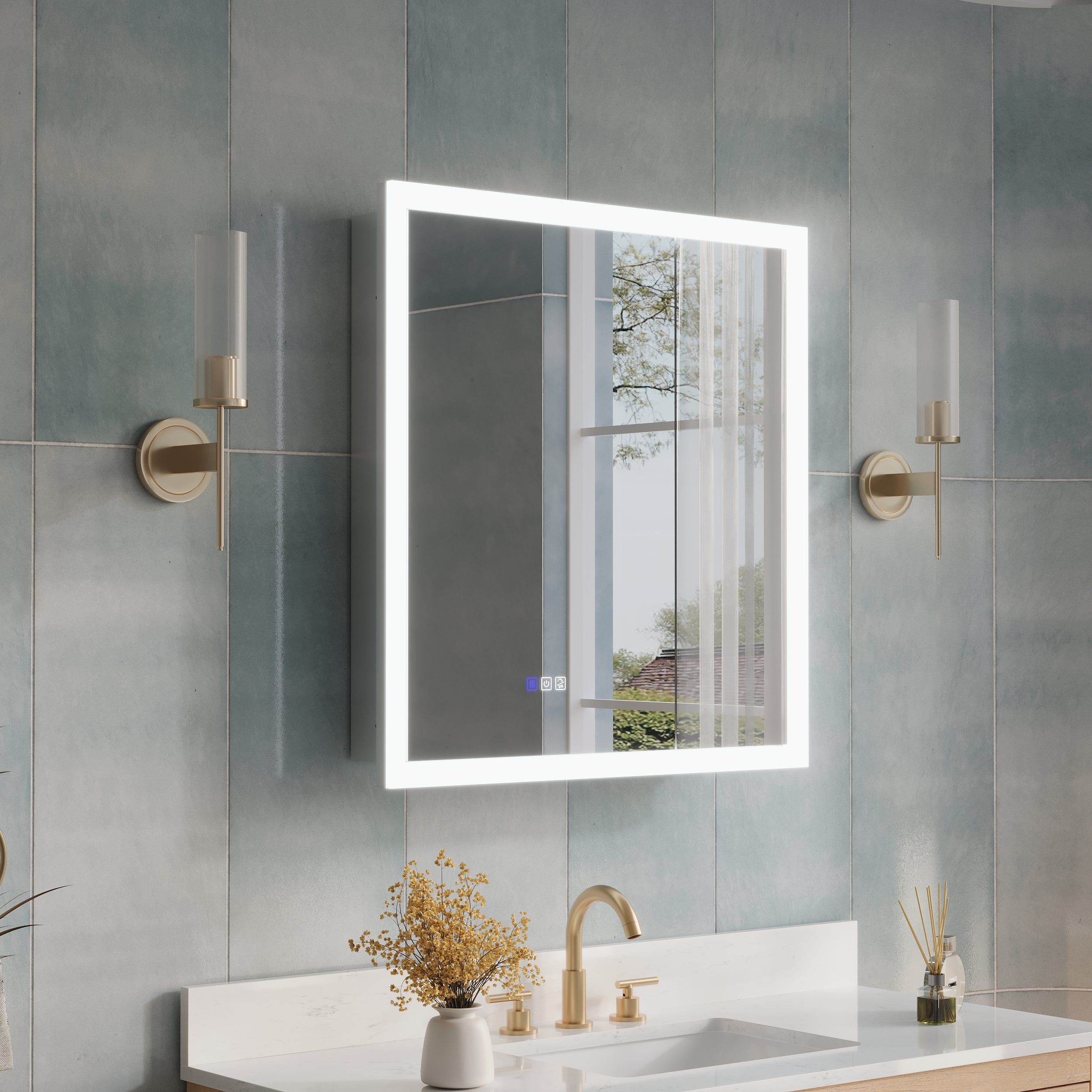
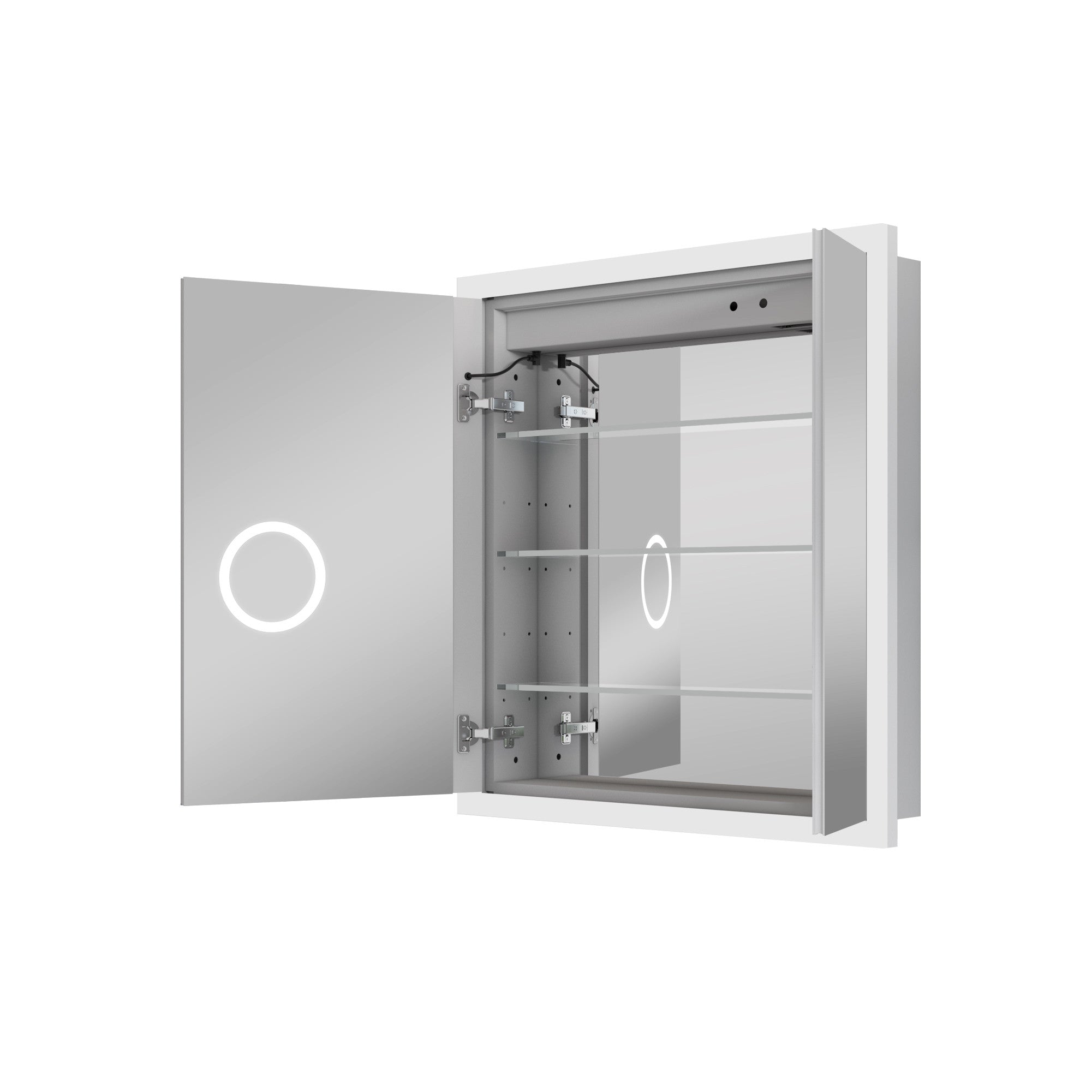
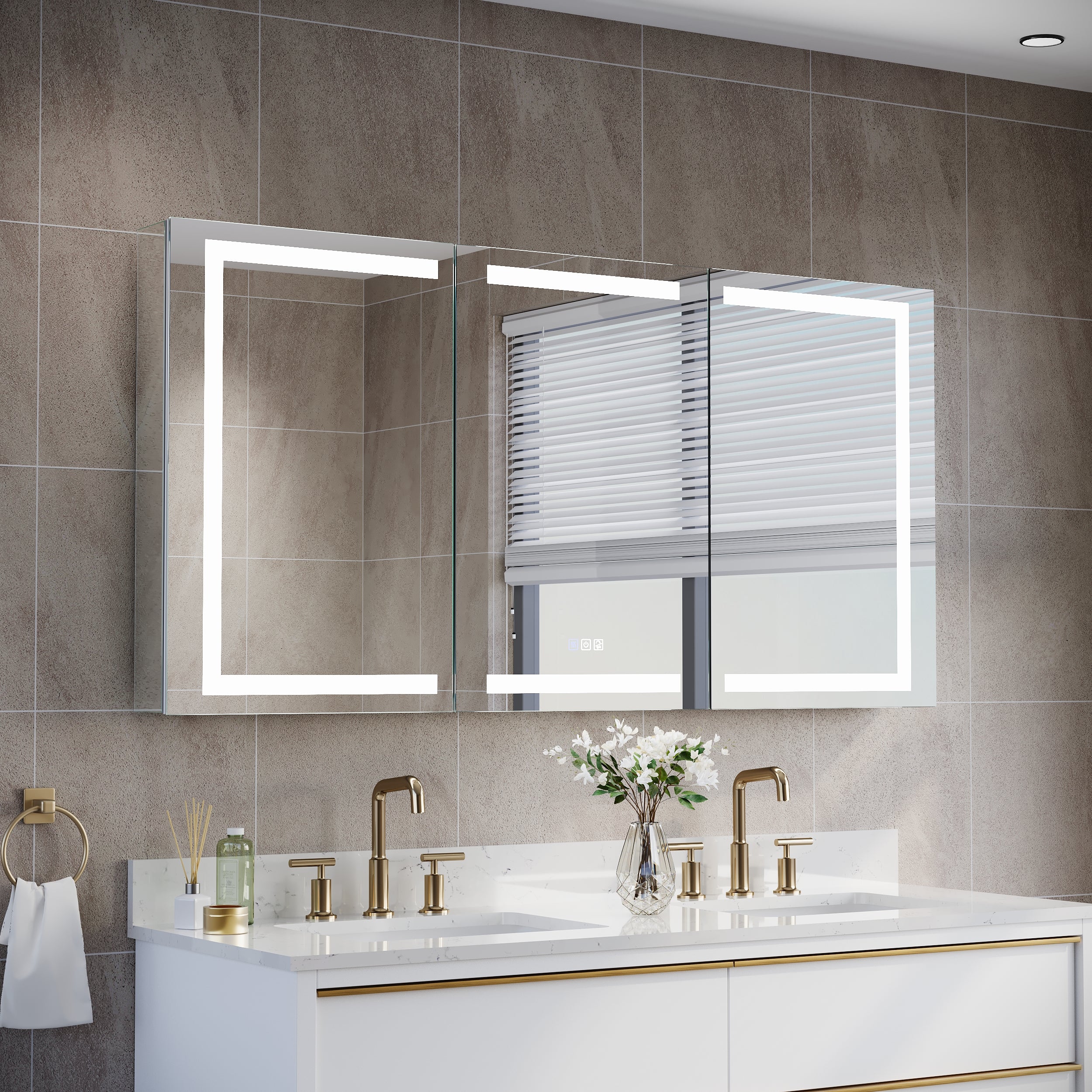
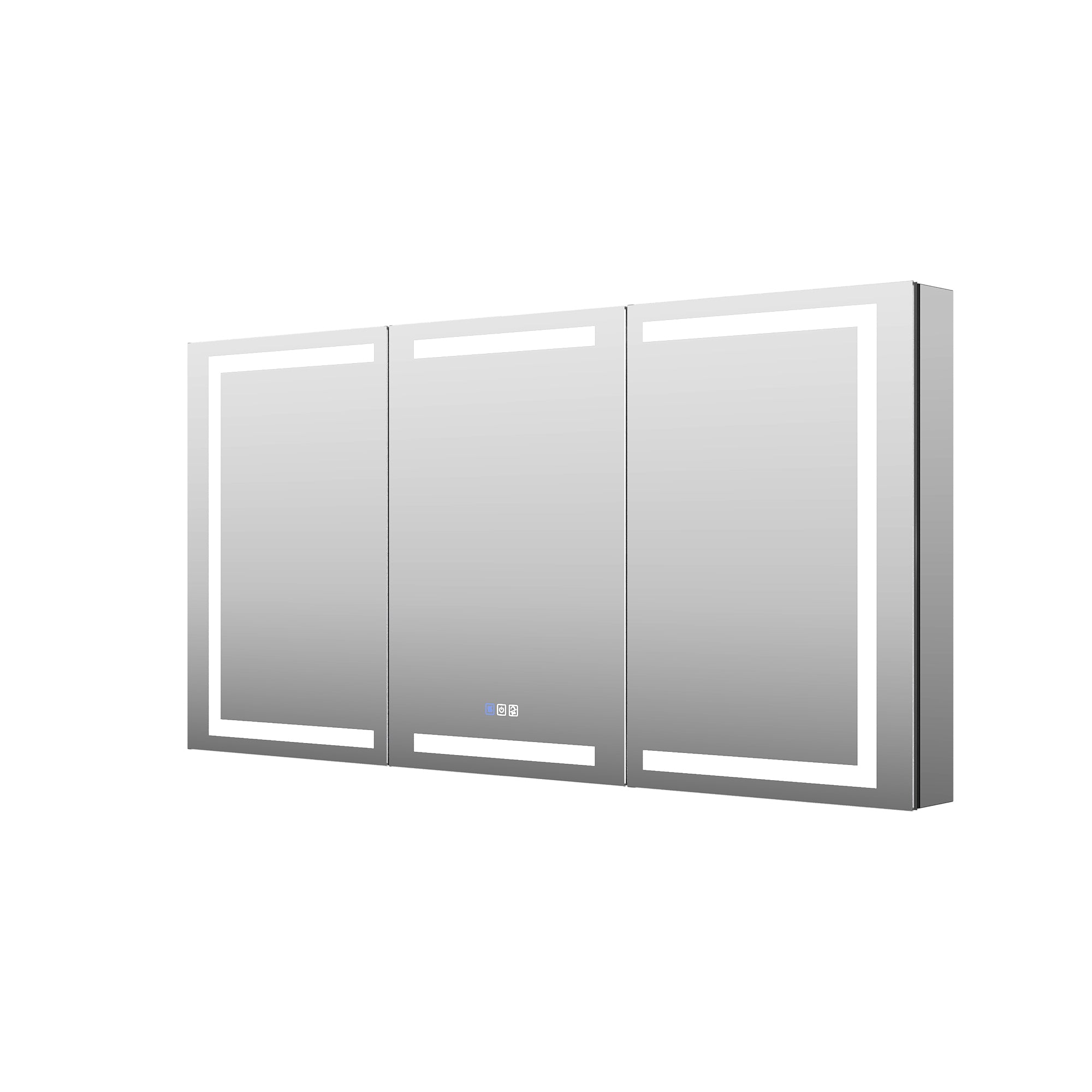
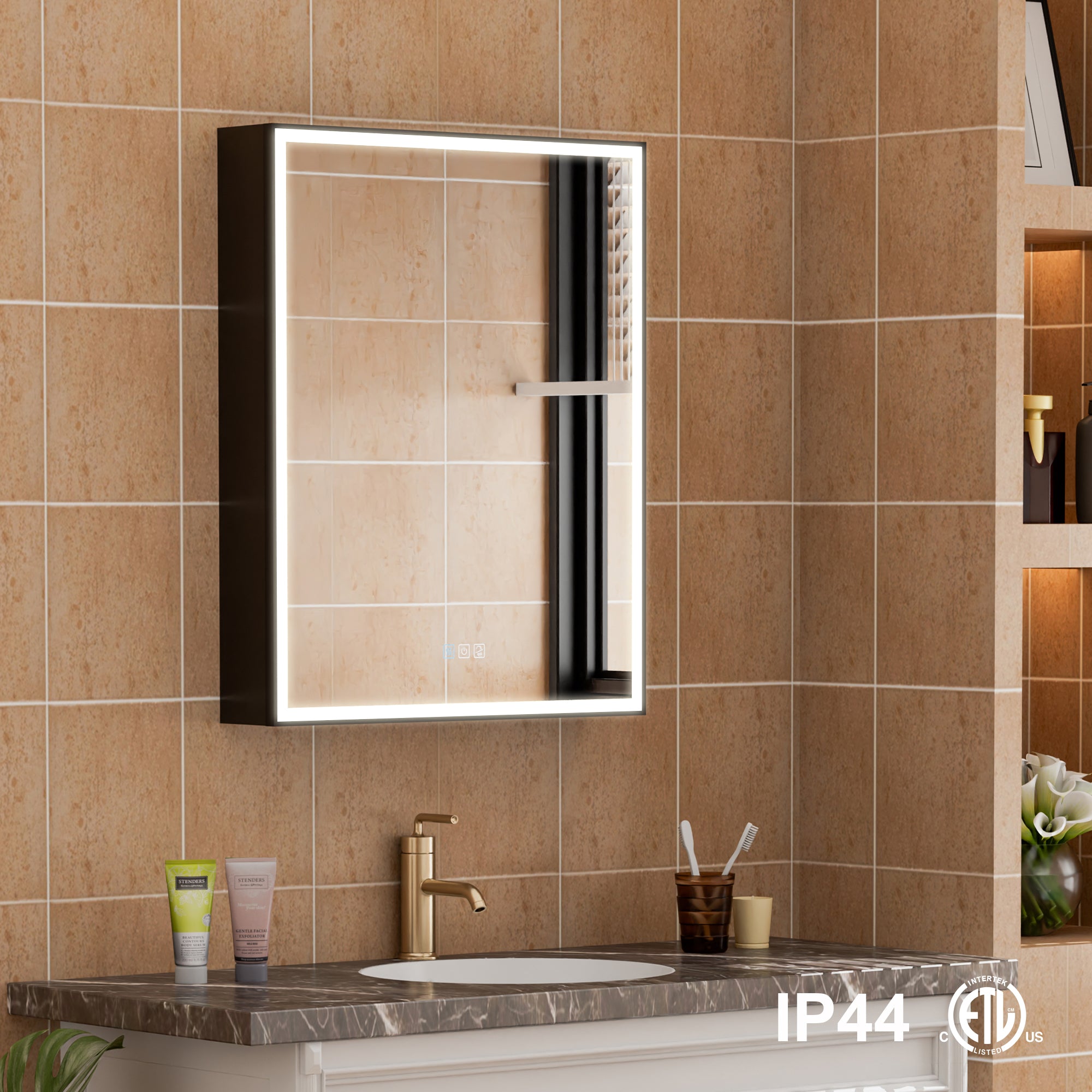
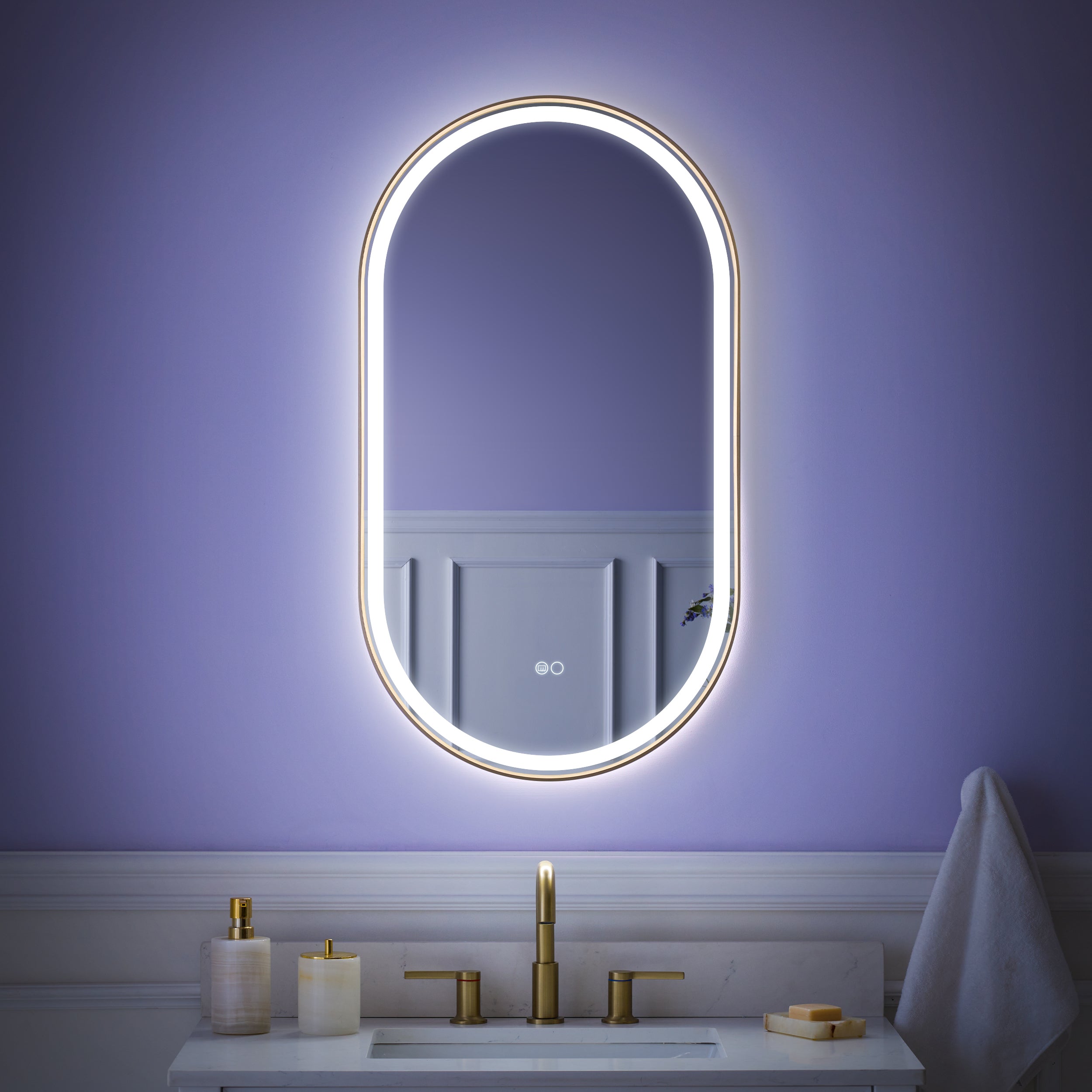
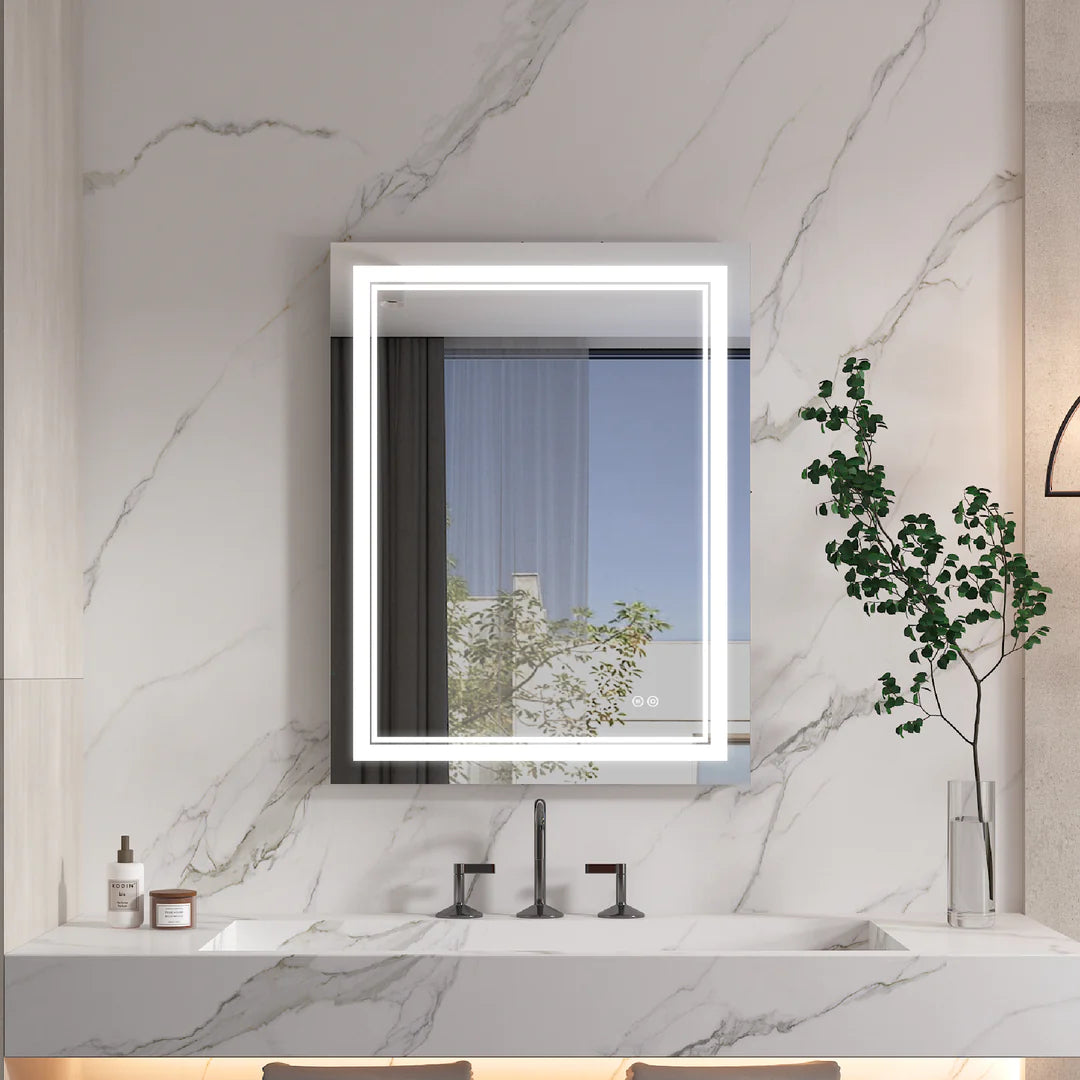
Most anti-fog bathroom lighted mirror models use a thin heated pad placed behind the glass. When activated, the pad gently warms the mirror surface. That slight increase in temperature helps prevent condensation from forming in the main viewing area.
The concept is simple. If the mirror surface stays warm enough, moisture is less likely to collect as visible fog. The feature does not remove steam from the room and does not function like a fan or dehumidifier. Instead, it targets the mirror itself.
In real-world use, this means the mirror can remain clear or clear up much faster than a standard mirror. For shaving, skincare, makeup, and general grooming, that difference can be significant. Instead of wiping the glass by hand and leaving streaks behind, users can continue their routine with a clearer reflection.
3. Do Anti-Fog Features Really Work in Daily Use
Yes, in most cases they do. A well-made anti-fog mirror usually keeps the main center viewing area clear during and after a shower. That said, "working" does not always mean the entire mirror stays perfectly free of moisture from edge to edge.
Many anti-fog systems are designed to heat only the most important section of the glass rather than the full mirror. This helps reduce power use and protects long-term performance. As a result, the middle portion may stay clear while the outer border shows a little mist. That is normal and does not mean the feature has failed.
The biggest difference users notice is convenience. Even partial anti-fog coverage can make the mirror much more functional right when it is needed most. For someone who gets ready immediately after bathing, that convenience is not minor. It changes how useful the mirror feels every single day.
4. Why Some Anti-Fog Mirrors Perform Better Than Others
Not all anti-fog systems are built the same. Performance can vary based on several factors.
First is the size and placement of the heating pad. A larger heated area generally delivers better coverage. A smaller pad may clear only the central reflection zone. Second is the speed of heat activation. Some mirrors warm up quickly, while others perform better if turned on a few minutes before a shower.
Third is the thickness and quality of the mirror glass. Better materials tend to support more even heating and more stable performance. Fourth is the overall bathroom environment. A room with poor airflow, constant steam buildup, and no effective exhaust fan creates a much harder test for any anti-fog mirror.
This is why one homeowner may say the feature works perfectly, while another says it only helps a little. Often, the difference is not the idea behind anti-fog technology. It is the combination of mirror design and bathroom conditions.

5. The Role of Ventilation in Anti-Fog Performance
A bathroom mirror with a lighted mirror and anti-fog coating works best when paired with proper ventilation. This point matters because many people expect the mirror to solve a room-wide moisture problem. It cannot.
If the bathroom holds heavy steam for long periods, the mirror has to fight constant moisture exposure. An exhaust fan helps remove humid air, which reduces the burden on the mirror surface. In a well-ventilated bathroom, anti-fog features tend to work more efficiently and consistently.
That means the best setup is not choosing between anti-fog and ventilation. It is using both. The ventilation system controls the room environment, while the anti-fog feature protects the mirror surface. Together, they create a more comfortable and practical grooming space.
6. What Users Should Realistically Expect
A realistic expectation is important. Anti-fog technology is meant to improve visibility, not create a completely dry bathroom. In most cases, it will keep the mirror usable during or shortly after a shower. That alone is a strong benefit.
Users should also know that some models require manual activation, while others connect the anti-fog function to the light or touch controls. In many cases, turning on the anti-fog feature before the shower yields the best results. Waiting until the mirror is already covered in moisture may still help, but prevention usually works better than recovery.
Another point is energy use. Since anti-fog systems rely on mild heating, they do consume power, but generally in a limited and targeted way. For most households, the added convenience outweighs the modest energy demand, especially when the feature is used only when needed.
7. Is Anti-Fog Worth It for Modern Bathrooms
For many buyers, yes. Anti-fog is one of those features that may seem optional at first, but becomes highly appreciated in daily life. It adds comfort, saves time, and helps preserve a clean, polished look without constant wiping.
This is especially true in shared bathrooms, primary bathrooms, and spaces used during busy morning routines. A mirror that stays clearer supports smoother use and feels more premium. In design terms, it also fits well with the broader shift toward functional upgrades that combine convenience, lighting quality, and clean modern styling.
From an industry perspective, anti-fog features are no longer just decorative extras. They reflect a growing demand for mirrors that do more than reflect. Buyers increasingly expect lighting, defogging, touch controls, and streamlined aesthetics to work together in one product.
8. Final Thoughts
Do bathroom lighted mirror anti-fog features really work? The answer is yes, when they are properly designed and used in a bathroom with reasonable ventilation. They are not magic, and they do not remove moisture from the air. What they do is prevent or reduce condensation on the mirror surface, thereby improving visibility and usability.
That practical benefit is what makes anti-fog worth serious attention. A standard mirror reacts to steam. A bathroom mirror with a lighted mirror and an anti-fog coating is built to resist it. For everyday grooming, that difference matters more than many people expect. Over time, it turns a small feature into one of the most noticeable quality upgrades in the bathroom.













Leave a comment
This site is protected by hCaptcha and the hCaptcha Privacy Policy and Terms of Service apply.