
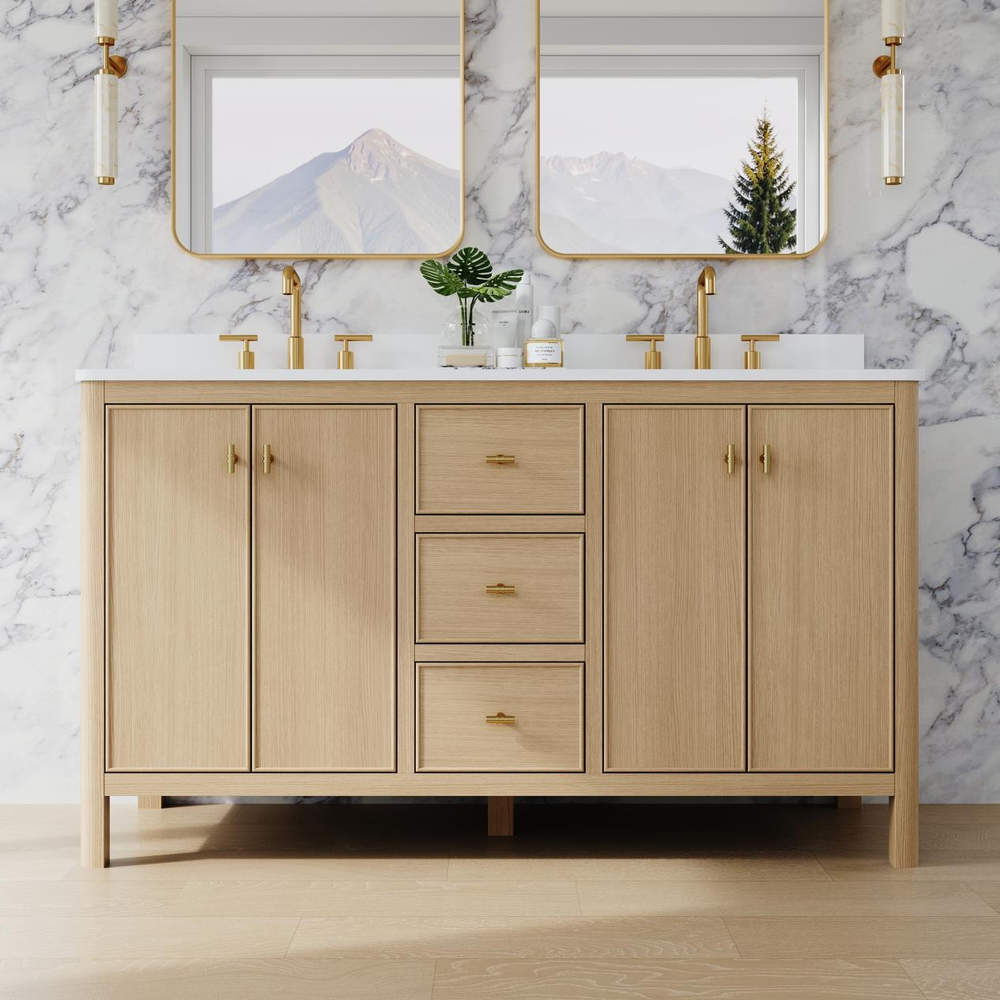
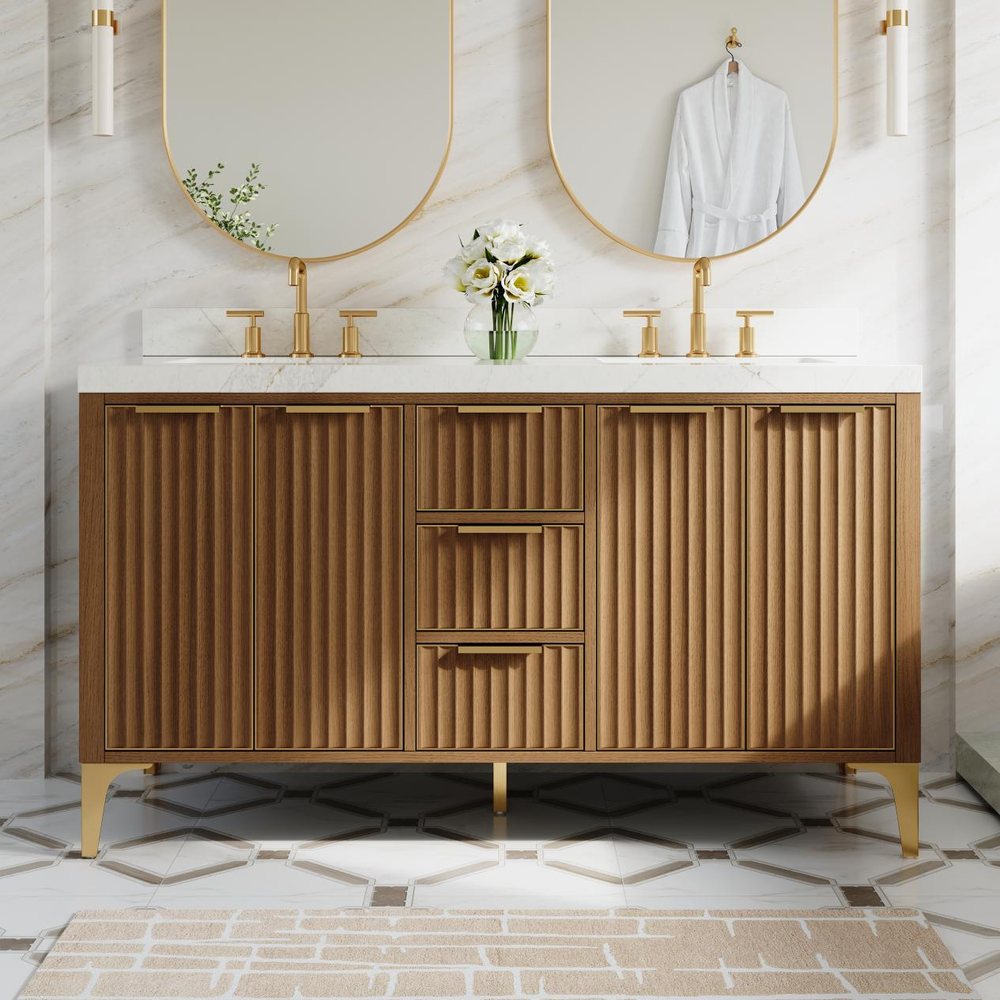
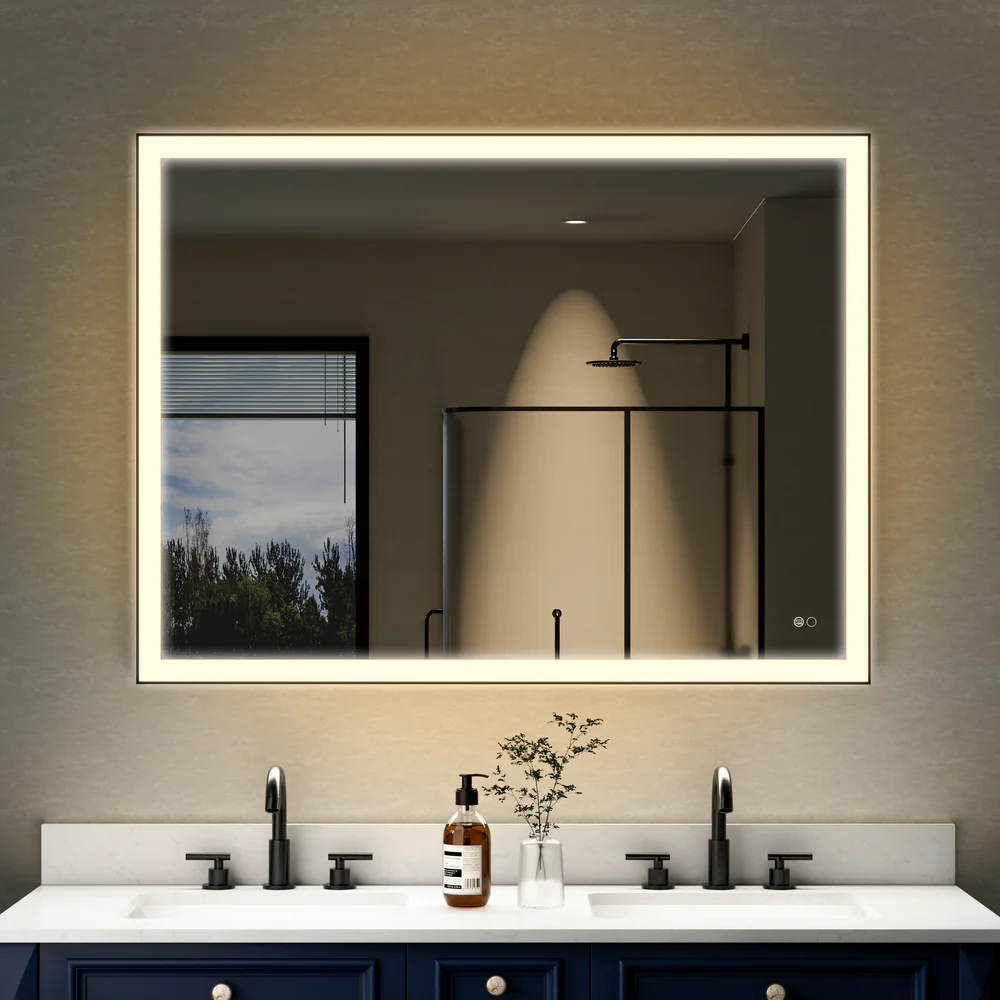
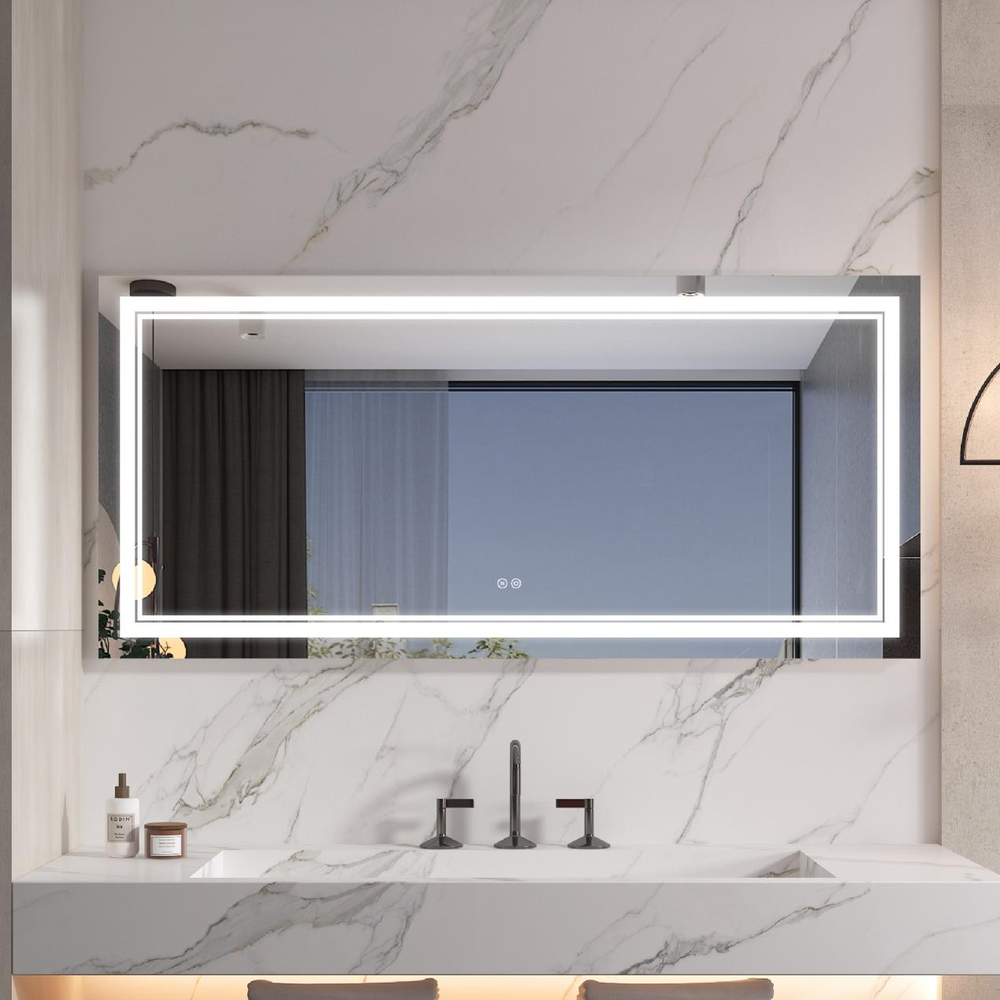
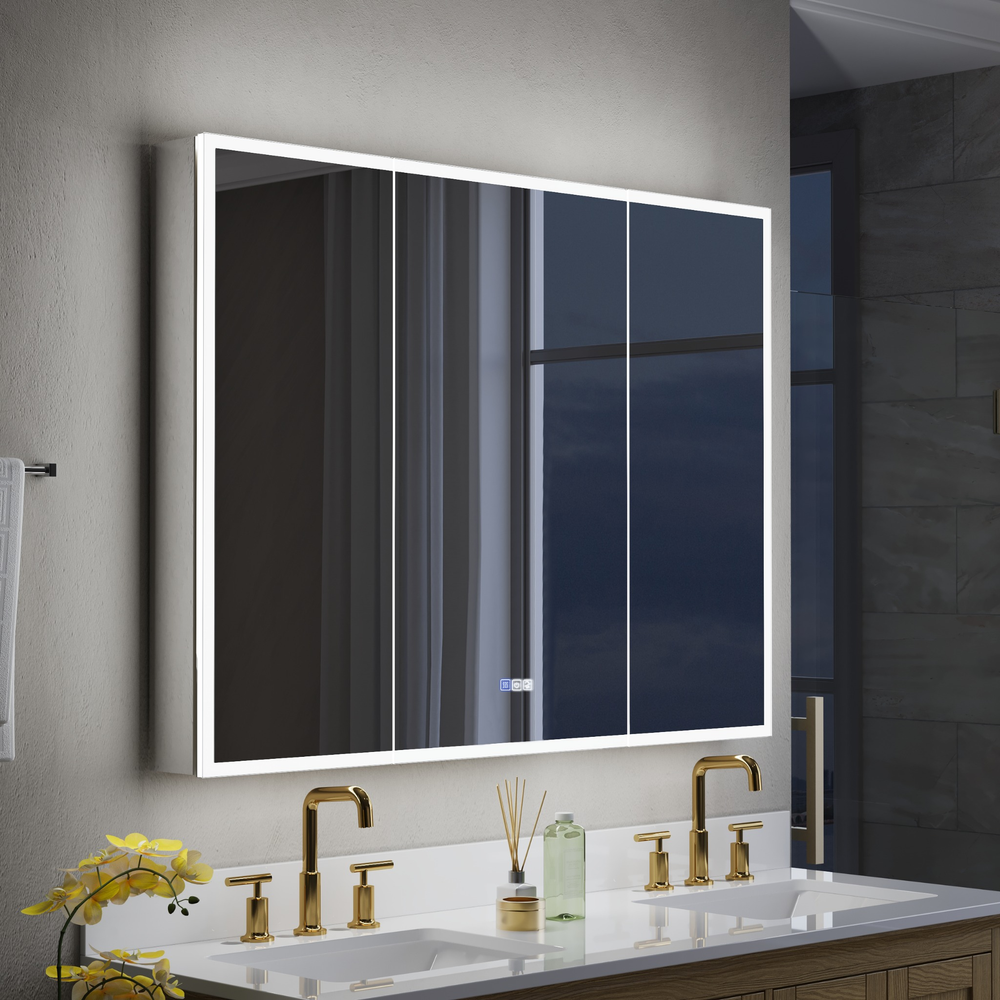
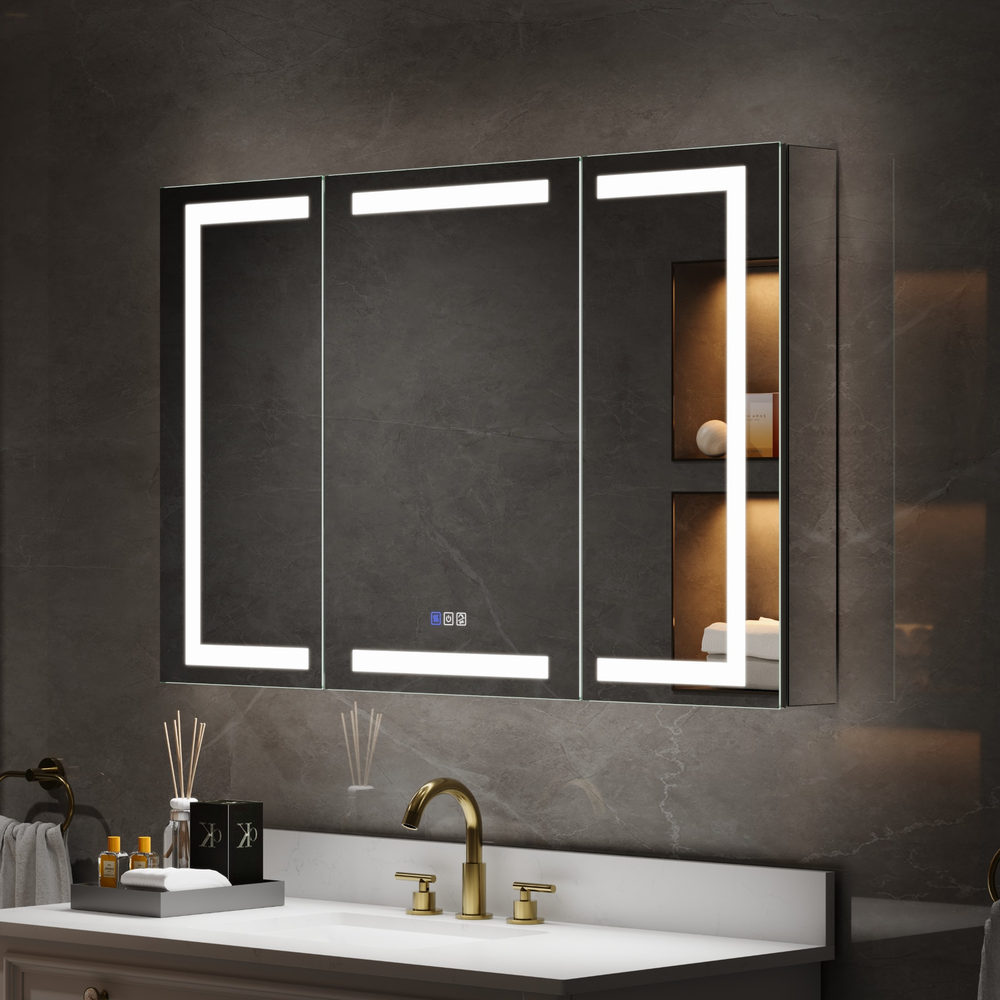

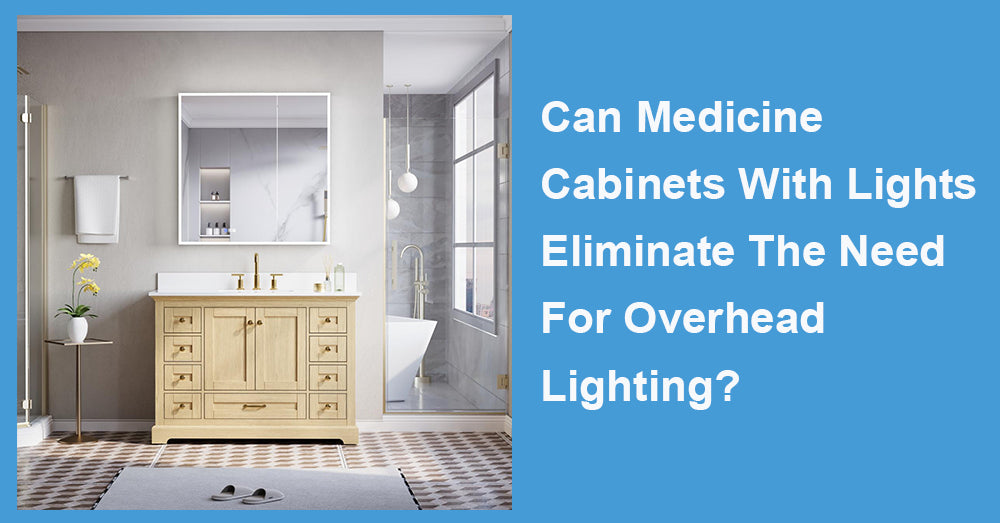
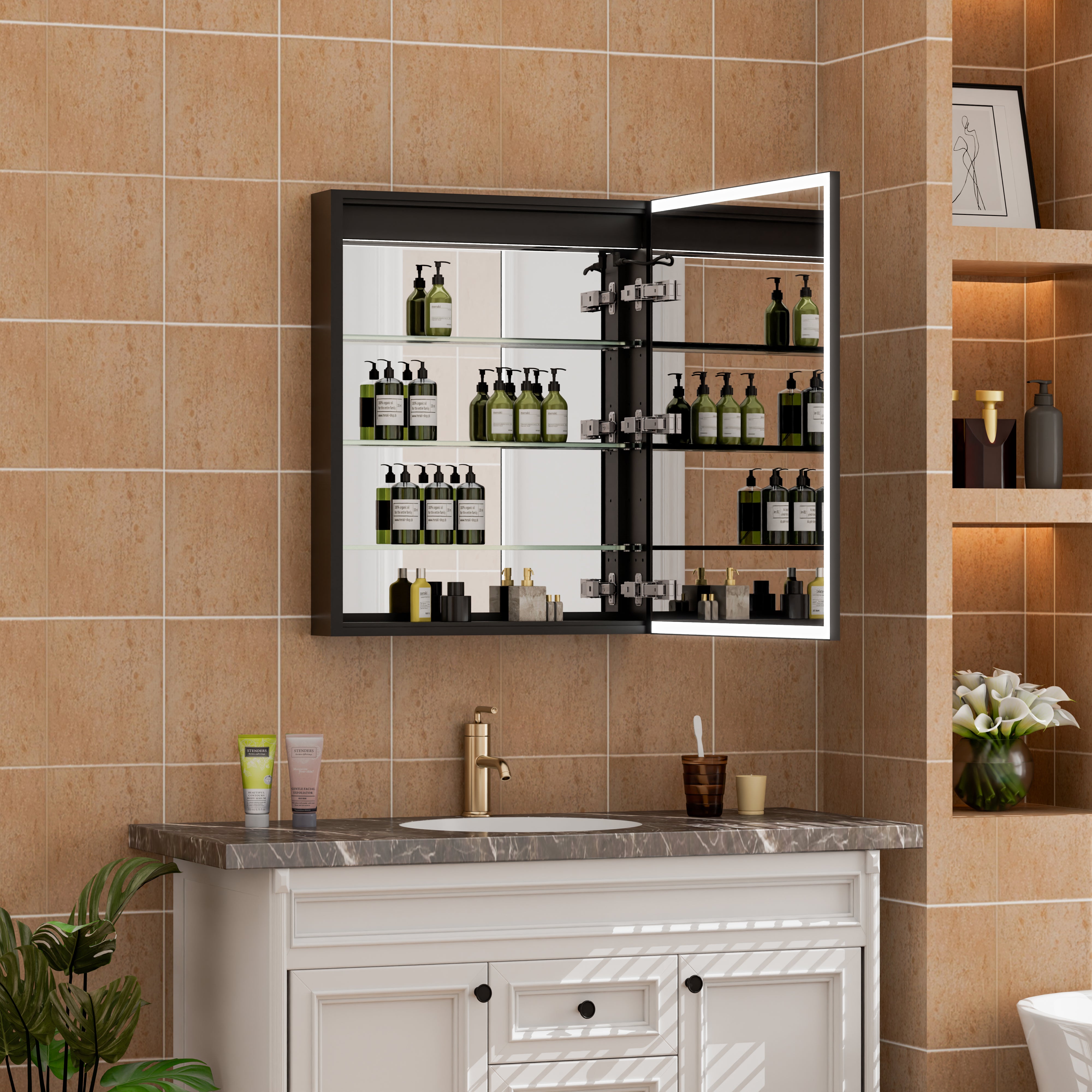
Medicine cabinets with lights are no longer a niche upgrade. The latest bath trend reports show that lighting has moved to the center of bathroom planning: NKBA says 91% of surveyed professionals rank lighting quality as a top consideration, and 92% say task lighting should always be included in the primary bath. Houzz reports that 36% of renovated bathrooms now include wellness-oriented features, with upgraded lighting leading that category at 30%. That shift explains why more homeowners and designers are asking a sharper question than before: can an illuminated medicine cabinet do enough work to let the ceiling light go?
1. Why is this question coming up now
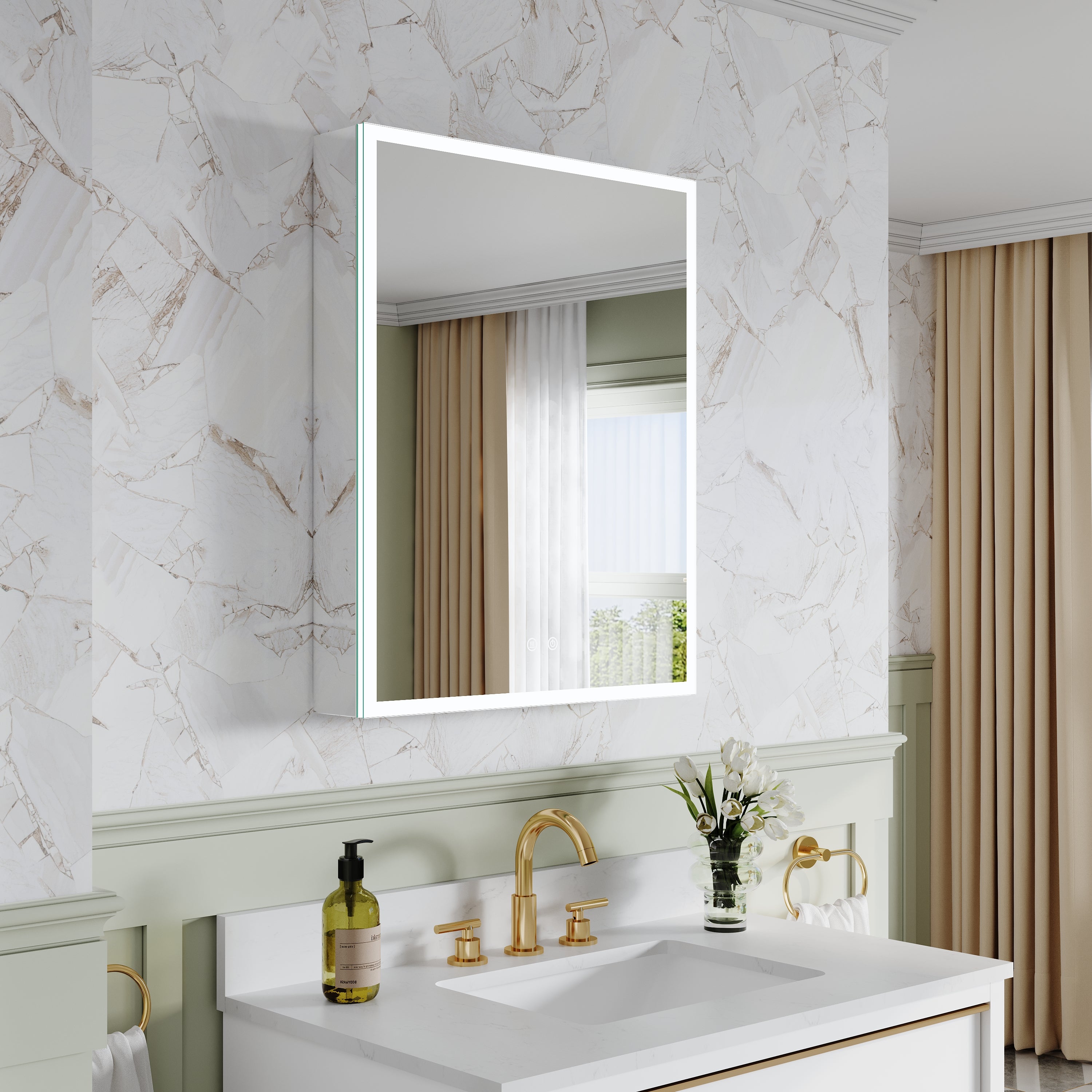
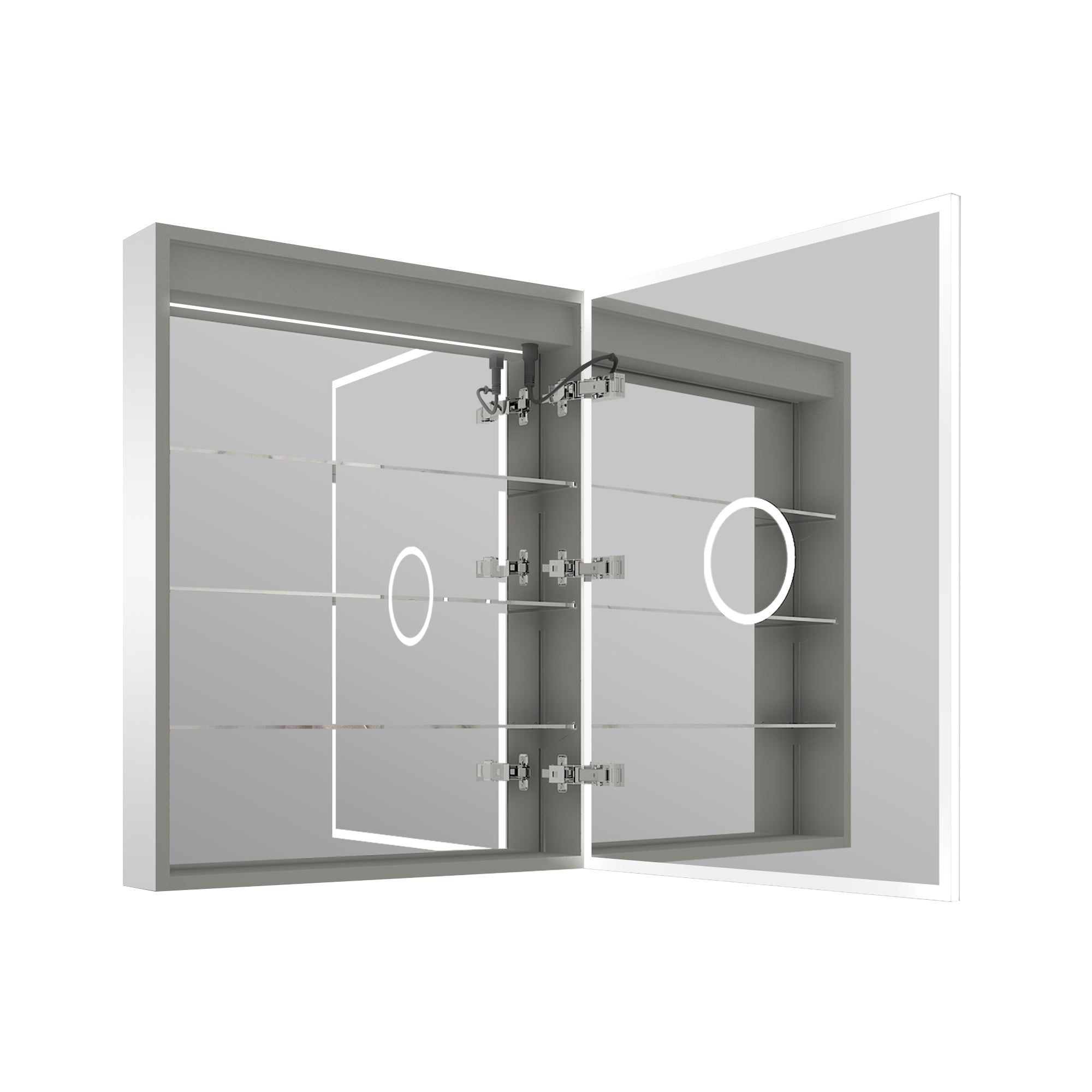
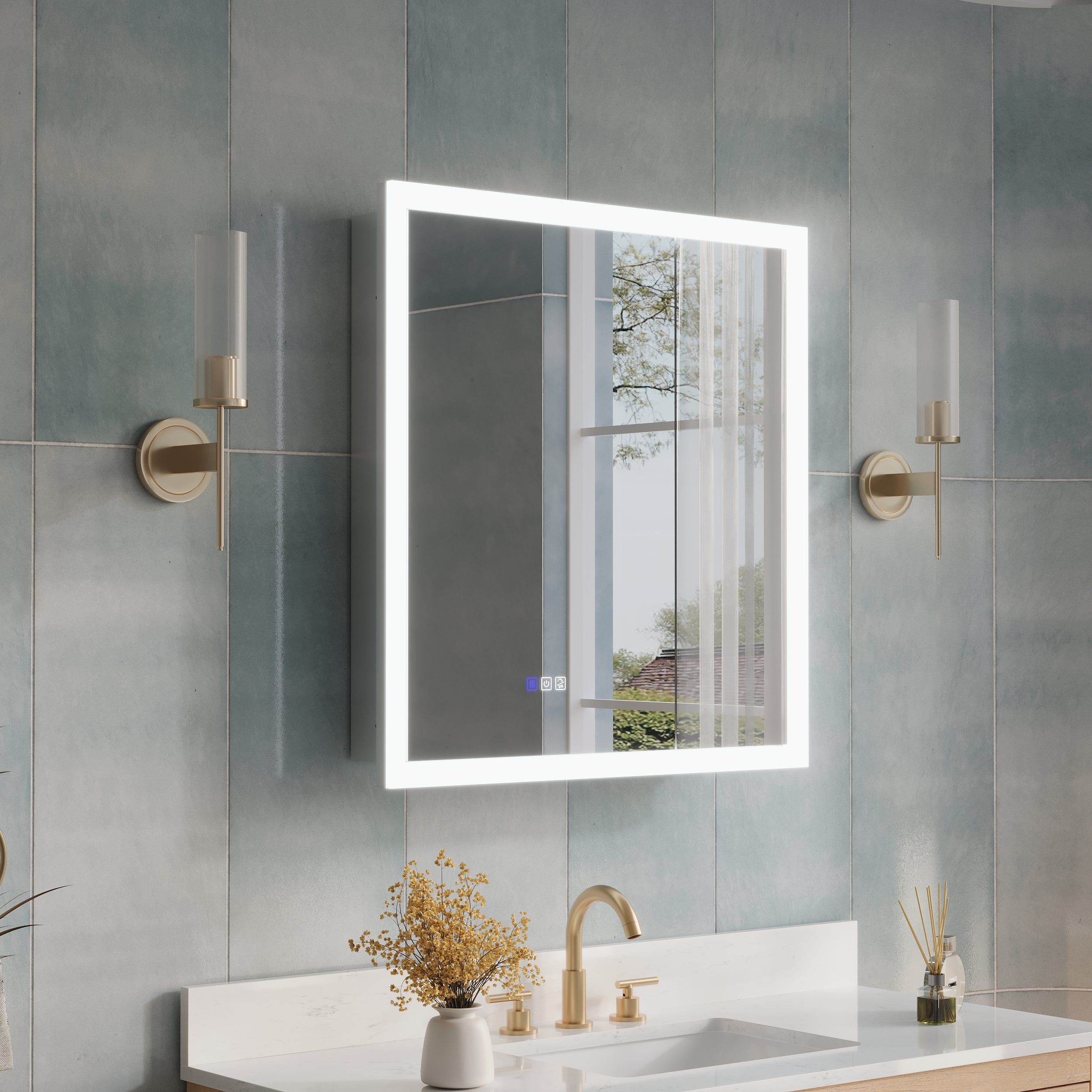
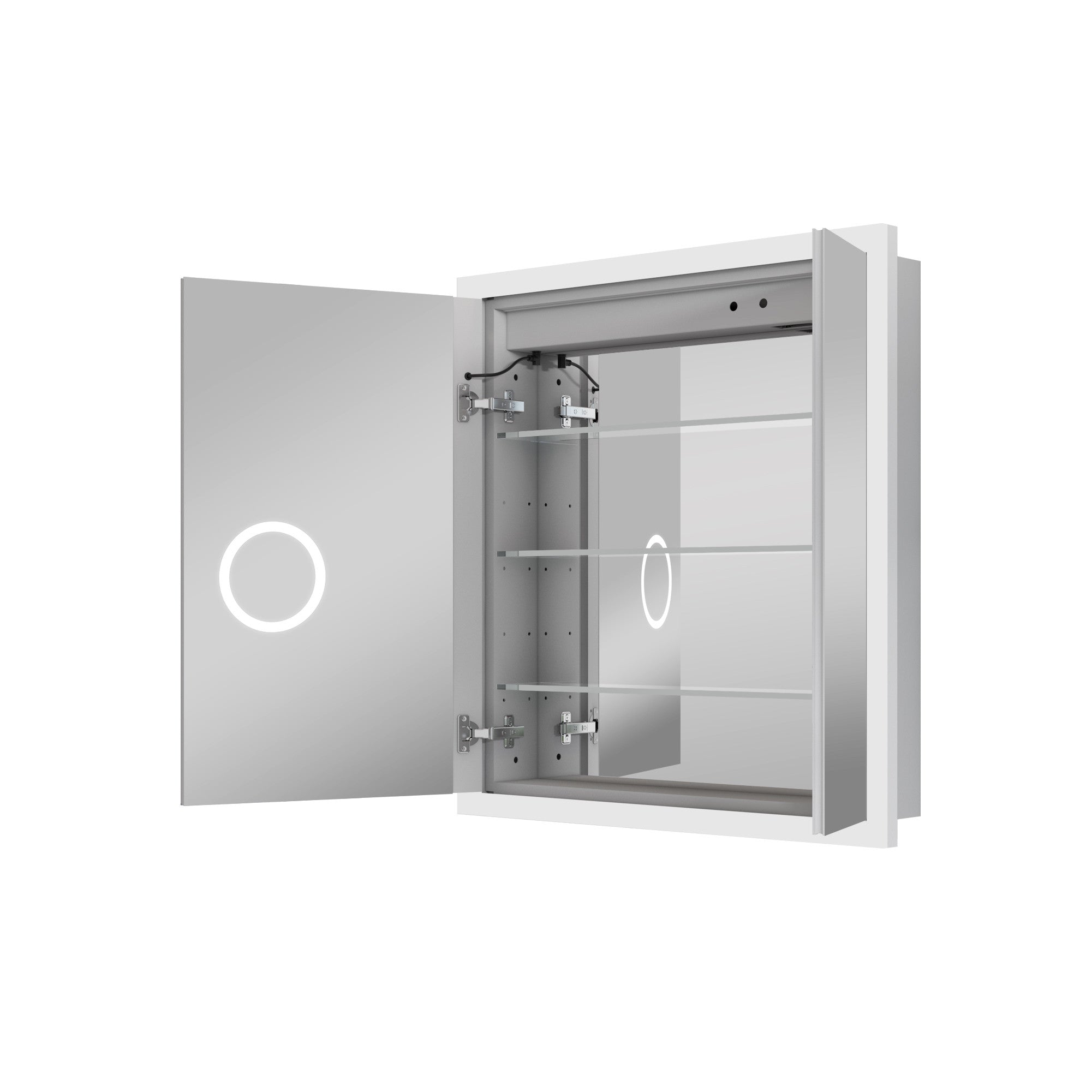
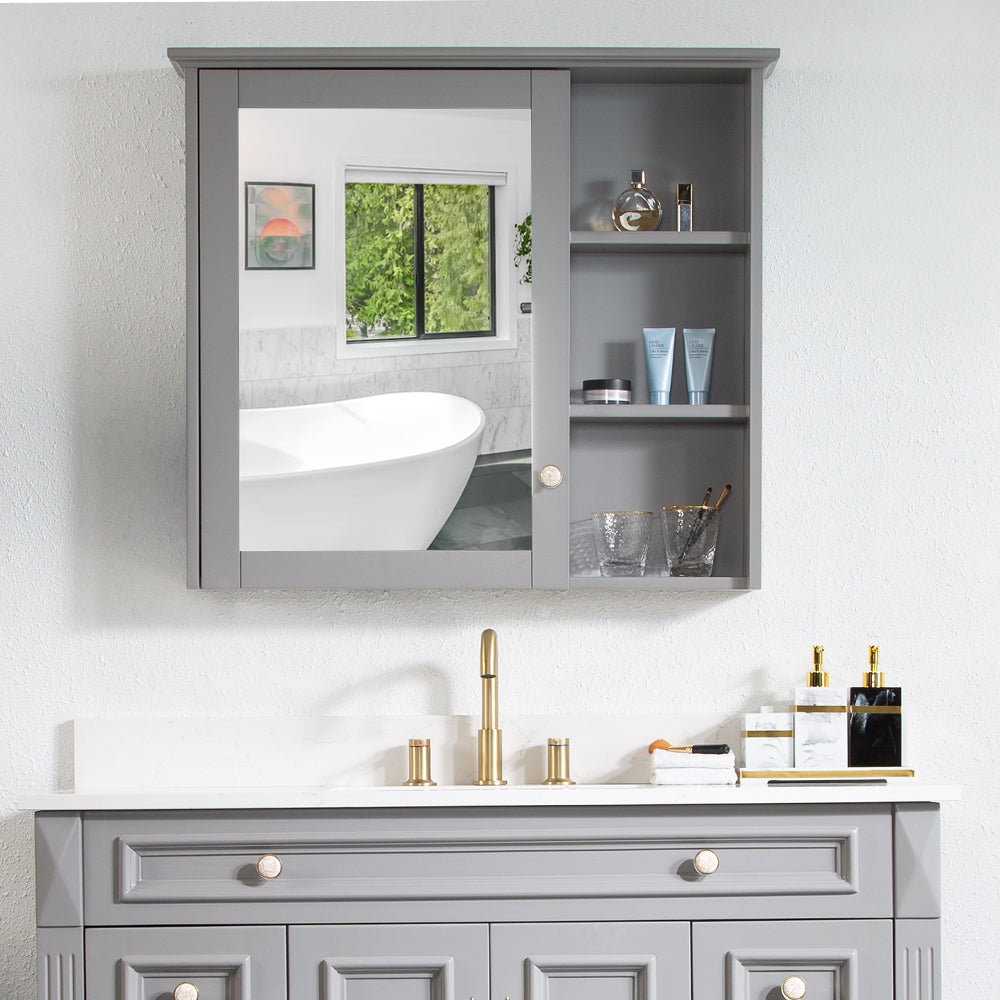
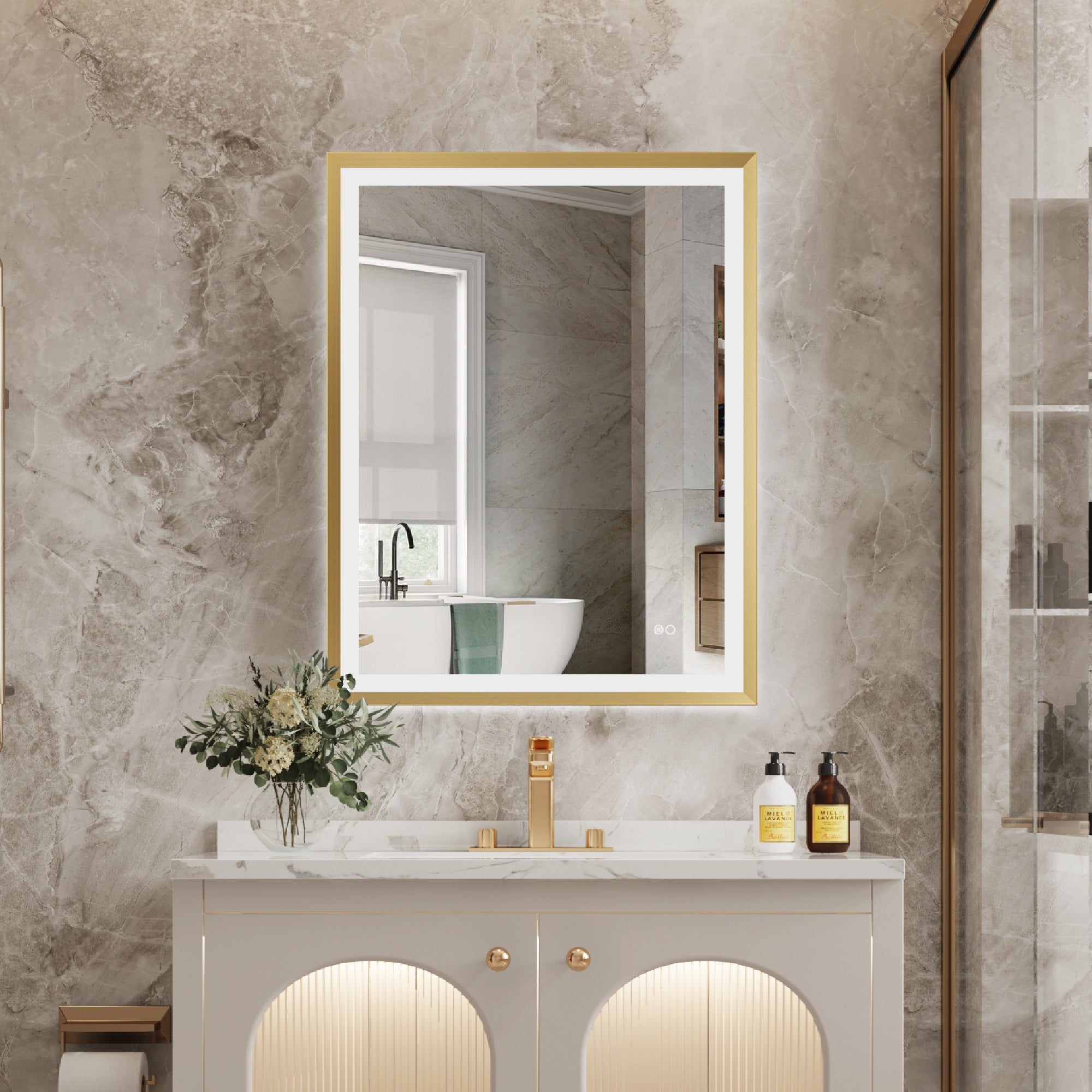
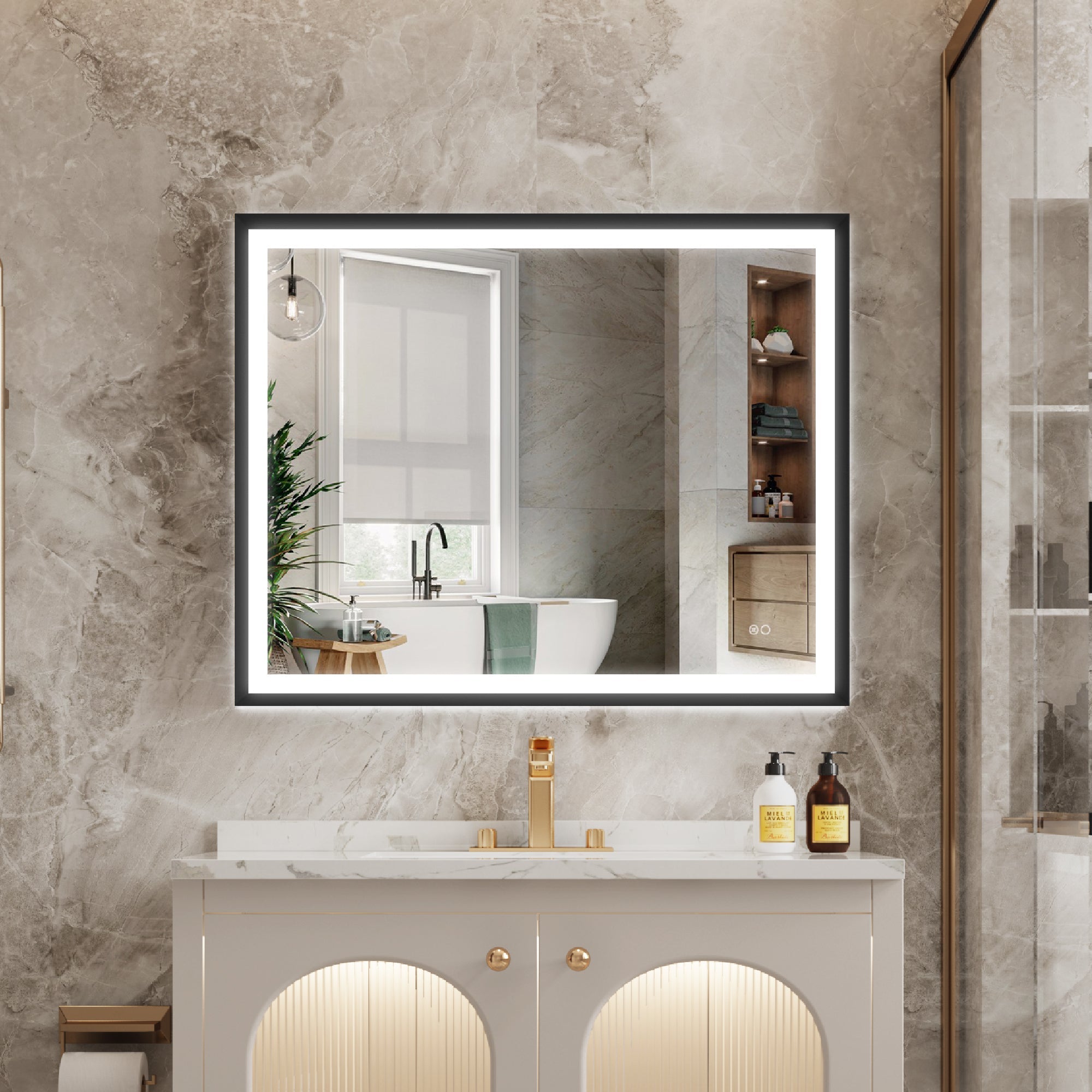
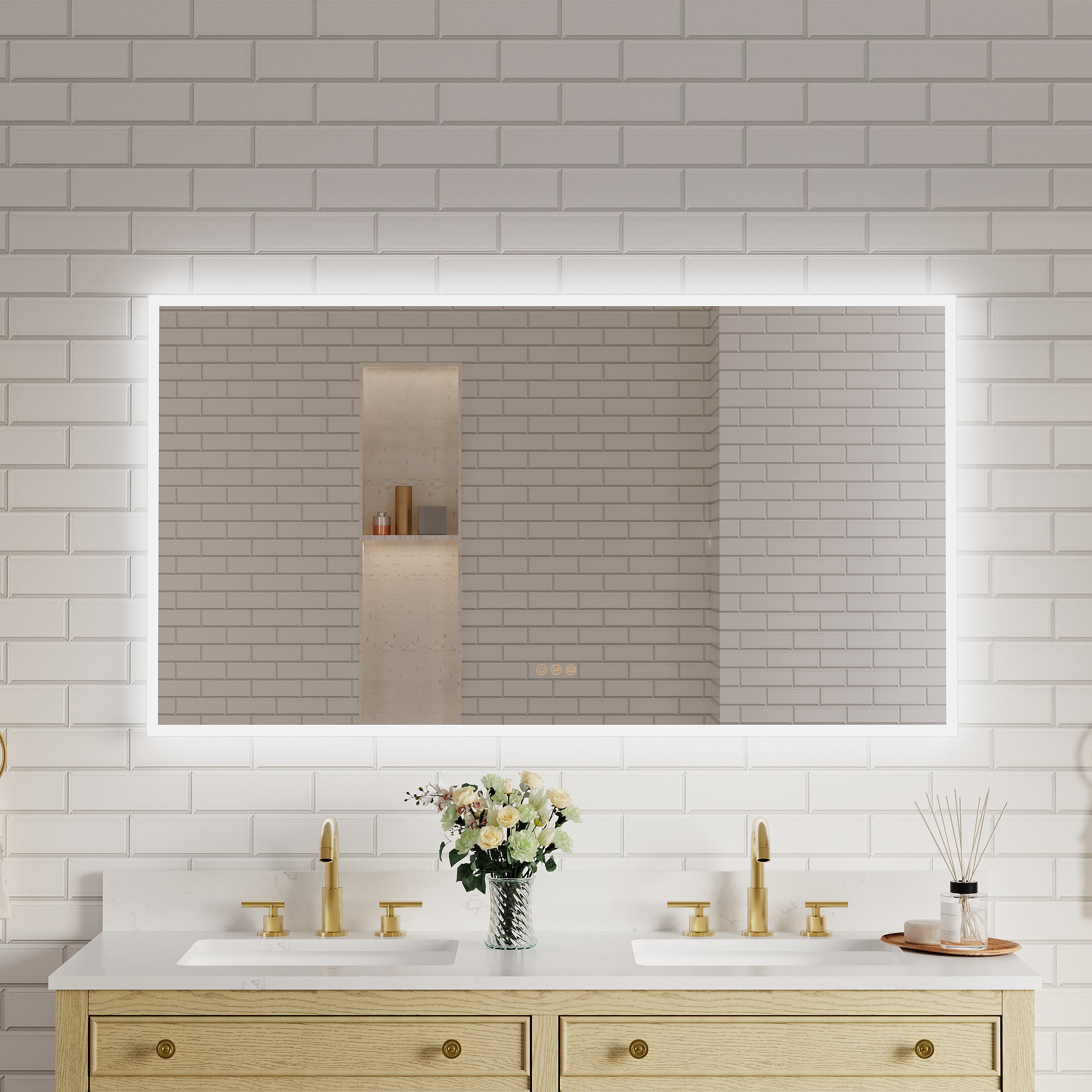
The appeal is obvious. A lighted medicine cabinet combines mirror, storage, and task lighting in a single footprint, which aligns with the broader move toward cleaner lines and harder-working fixtures. NKBA’s 2026 bath trends report says 47% of respondents expect integrated lighting in mirrors to gain favor over the next three years, while Houzz’s 2025 study shows homeowners increasingly want bathrooms that support relaxation and personal-care routines rather than just basic utility. In other words, the bathroom is being designed around what happens at the mirror, not just what happens under a ceiling fixture.
That matters because most everyday bathroom tasks happen face-first at the vanity: shaving, skin care, contacts, makeup, hair touch-ups, and medication access. When the cabinet itself becomes the main task-light source, it can outperform a single ceiling light where it counts most. That does not automatically mean it can replace overhead lighting in every room, but it does mean the old lighting hierarchy is changing.
2. What a lighted cabinet does better than a ceiling fixture
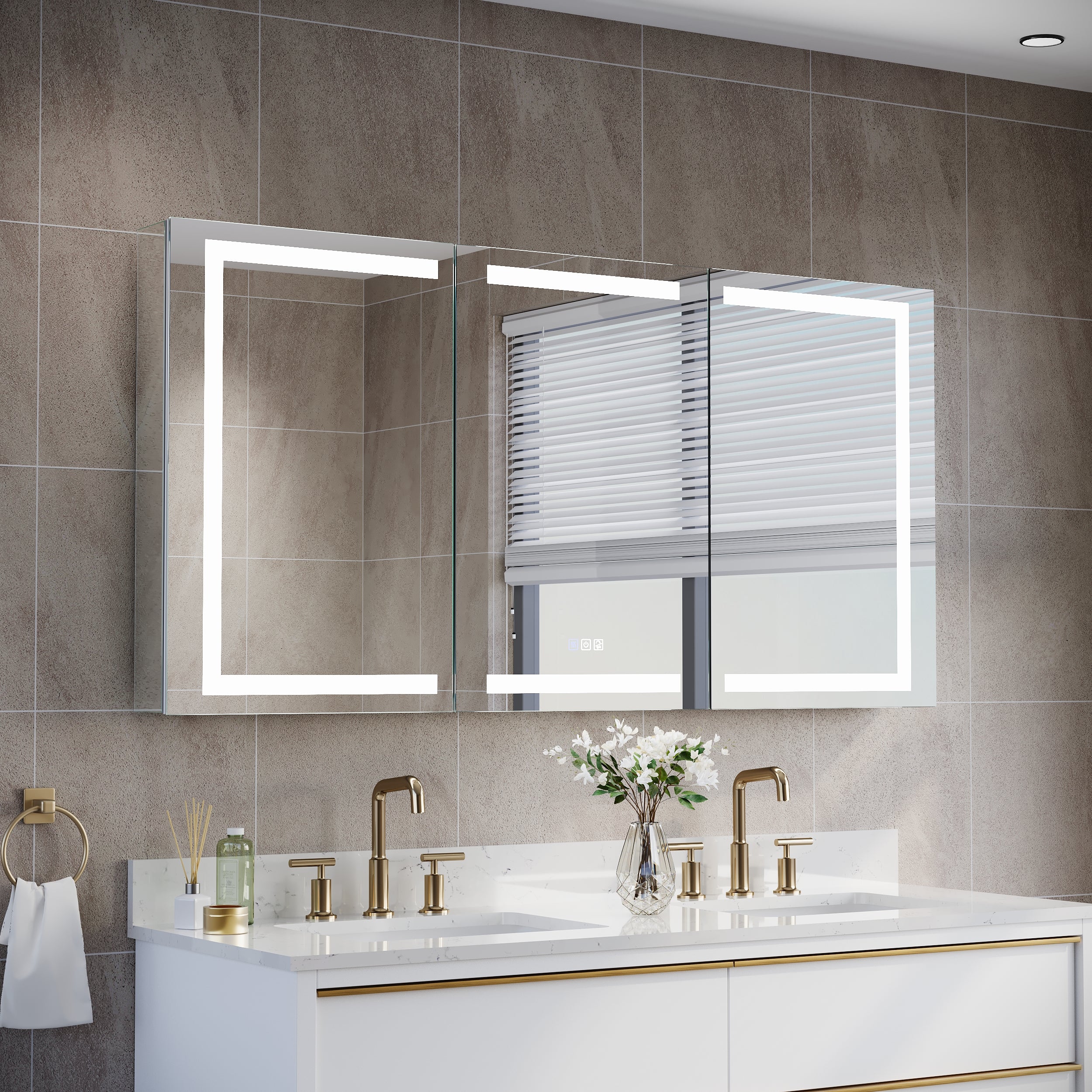
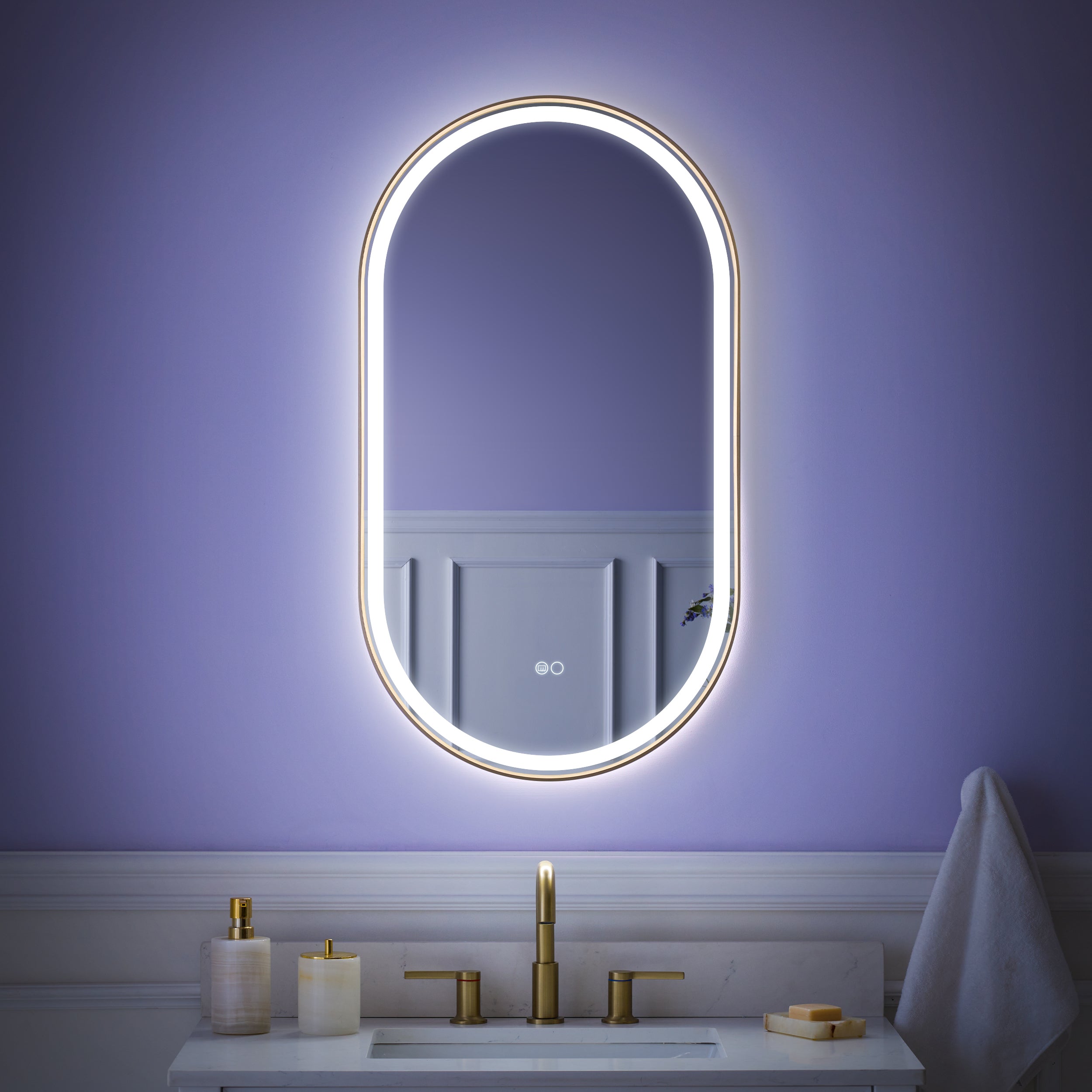
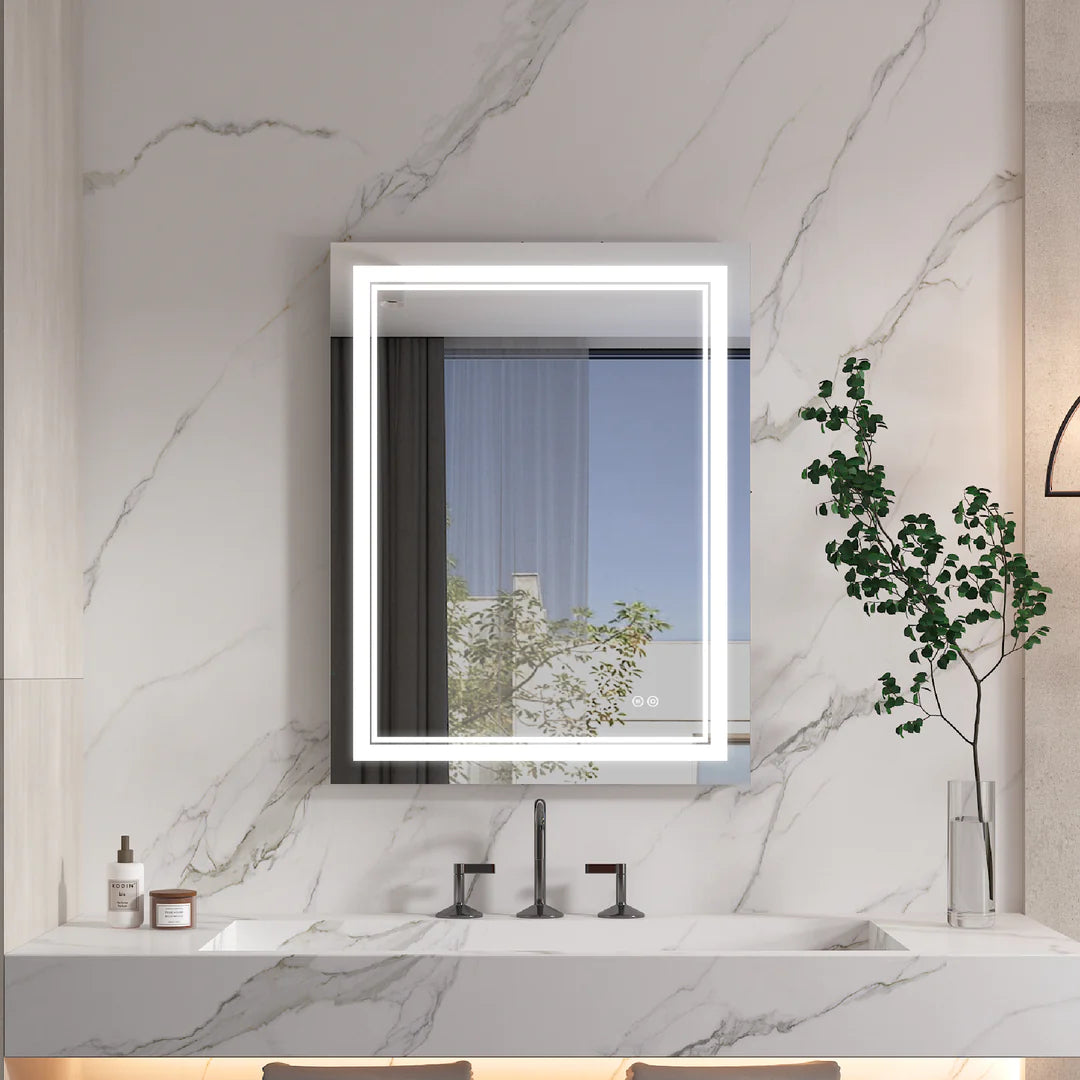
The strongest argument for a lighted medicine cabinet is the direction of the light. NKBA’s bath planning guidance recommends task lighting at the vanity beside the mirror and at eye level, with the lamp not visible. That guidance points to a basic lighting truth: illumination placed close to the face reduces the harsh downward shadows that a single ceiling fixture often creates under the eyes, nose, and chin. So, for grooming accuracy, a well-designed cabinet with vertical or perimeter lighting usually performs better than overhead lighting alone.
Light quality matters too. The Department of Energy defines CRI, or Color Rendering Index, as a 1 to 100 scale for how accurately a light source reveals color, and says 80 or higher is acceptable for most indoor residential use. In builder guidance published by ENERGY STAR, bathroom lighting is commonly paired with a CRI around 90 and a color temperature in the 2700K to 3000K range, which is a strong fit for flattering yet still useful grooming light. Put simply, the right cabinet light can make skin tone, fabric color, and daily grooming details easier to judge than a generic overhead bulb can.
3. When a lighted medicine cabinet can replace overhead lighting
There are cases where the answer is yes. In a compact powder room, a guest bath, or a minimalist vanity-focused layout, a bright, evenly diffused cabinet light may provide enough illumination for the sink zone and enough ambient spill for the room to feel complete. This is especially true when the design goal is soft nighttime use, low visual clutter, and a cleaner ceiling plane. Because the latest design research shows bathrooms are increasingly organized around layered task and mood lighting, illuminated cabinets now have a credible argument as the primary visible fixture in smaller spaces.
The best candidates are cabinets with dimming, high color fidelity, and an even light pattern rather than a glaring hotspot at the top edge. DOE notes that LED lighting is highly energy efficient, uses at least 75% less energy than incandescent lighting, lasts up to 25 times longer, and emits very little heat. Those qualities make integrated cabinet lighting practical for daily use, not just decorative use. So, from an efficiency and maintenance standpoint, relying more heavily on the cabinet light makes sense.

4. Why overhead lighting still survives in most full bathrooms
For most full baths, though, the ceiling fixture is not obsolete. NKBA’s own planning guideline is clear that task lighting should be provided in addition to general lighting for each functional area in the bathroom, including grooming and showering. That wording is important. It treats vanity lighting and general room lighting as partners, not substitutes. A lighted cabinet can make the mirror area look much better. Still, it usually does not fully illuminate the shower, toilet area, entry path, and room corners as consistently as a dedicated overhead source.
Safety and installation rules push in the same direction. NKBA’s summary of code requirements states that bathroom lighting in tub and shower spaces must be suitable for damp locations, and that hanging fixtures cannot be placed within 36 inches horizontally and 96 inches vertically from the top of the tub rim or shower threshold. Separately, the 2024 IRC requires at least one lighting outlet controlled by a listed wall-mounted control device in every bathroom. That does not necessarily force a separate ceiling fixture in every layout. However, it does reinforce the idea that whole-room lighting and safe fixture placement still matter beyond the mirror itself.
5. What buyers and specifiers should look for now
The smarter question is not whether a lighted cabinet can replace overhead lighting in theory. The question is whether the cabinet is specified sufficiently to carry more of the load in practice. Current guidance suggests focusing on even front-facing illumination, a CRI at the high end of residential quality, dimming capability, and a warm-to-neutral color temperature that remains useful during the day and night. Controls also matter: NKBA access guidance specifies that lighting controls be placed between 15 inches and 48 inches above the floor, which aligns with the broader move toward easier daily usability.
Trend data backs up that direction. NKBA says lighting layers, task lighting, and integrated mirror illumination are rising priorities, while Houzz shows upgraded lighting remains one of the most common wellness-driven bathroom upgrades. The market is not moving toward fewer thoughtful lighting decisions. It is moving toward better ones, with more work being assigned to the mirror wall than before.
6. Final takeaway
A lighted medicine cabinet can eliminate the need for overhead lighting in some smaller, vanity-centered bathrooms. Still, it usually should not be expected to do that job in a full bath. Its real strength is not total replacement. Its strength is improving the quality of light exactly where people need it most. The latest bath design data suggests the future is layered, integrated, and more intentional. In that future, the best lighted medicine cabinets are not completely killing ceiling lights. They are forcing ceiling lights to play a smaller, smarter role.









Leave a comment
This site is protected by hCaptcha and the hCaptcha Privacy Policy and Terms of Service apply.