














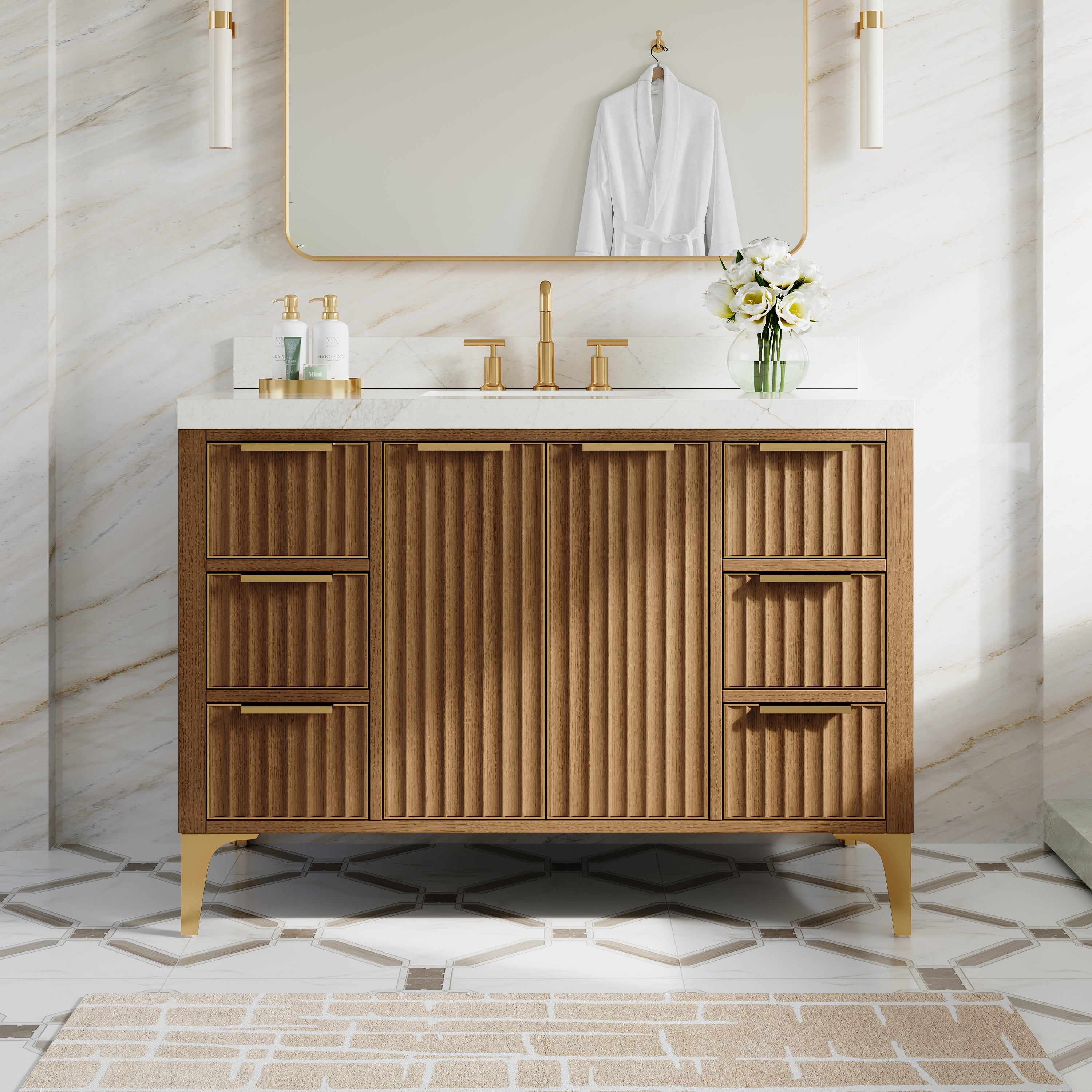


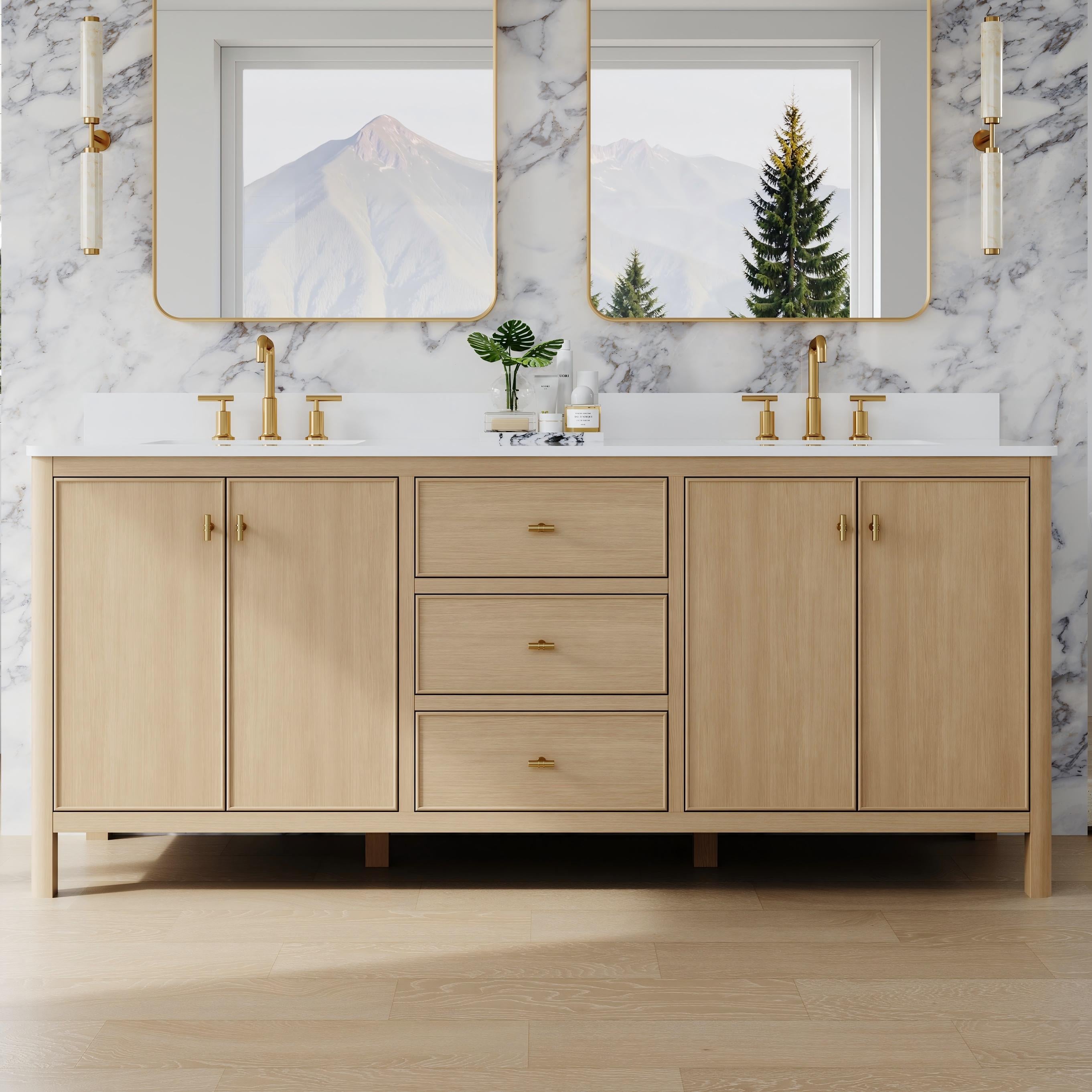
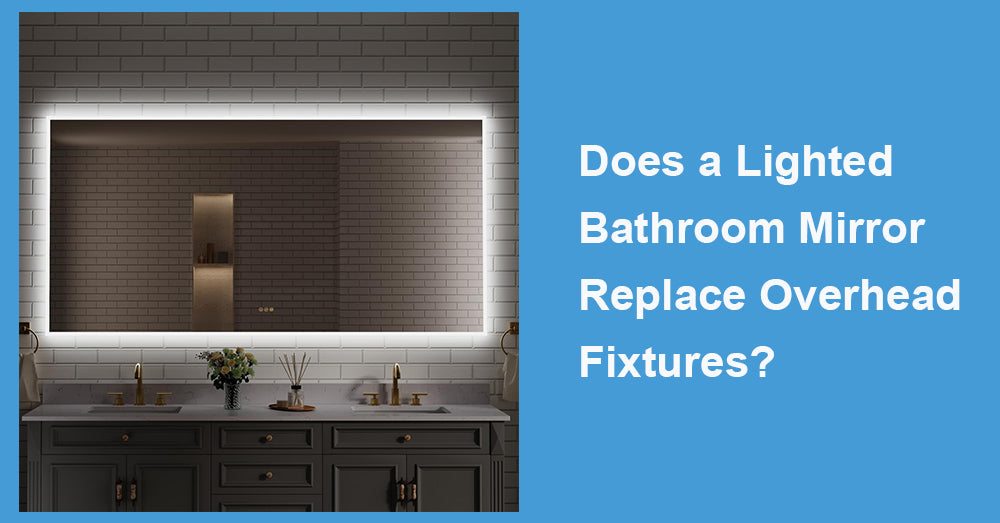
A lighted bathroom mirror can do more than many homeowners expect. It sharpens task lighting, improves visibility at the sink, and gives the room a cleaner, more tailored look. But after years of seeing these mirrors installed in real homes, model units, and renovation projects, I would not say they always replace overhead fixtures. Sometimes they can. Often, they should not.
1. What a lighted bathroom mirror does well
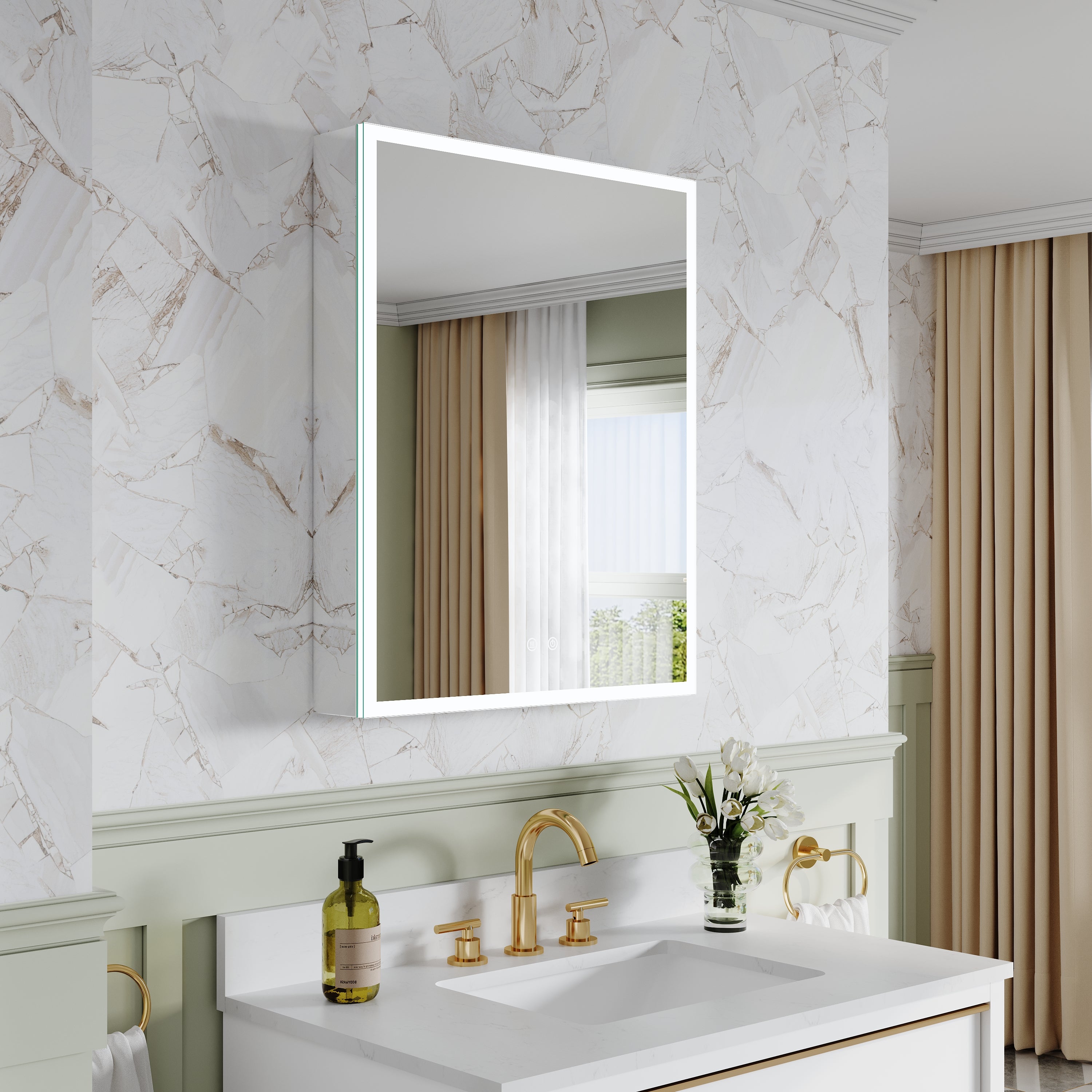
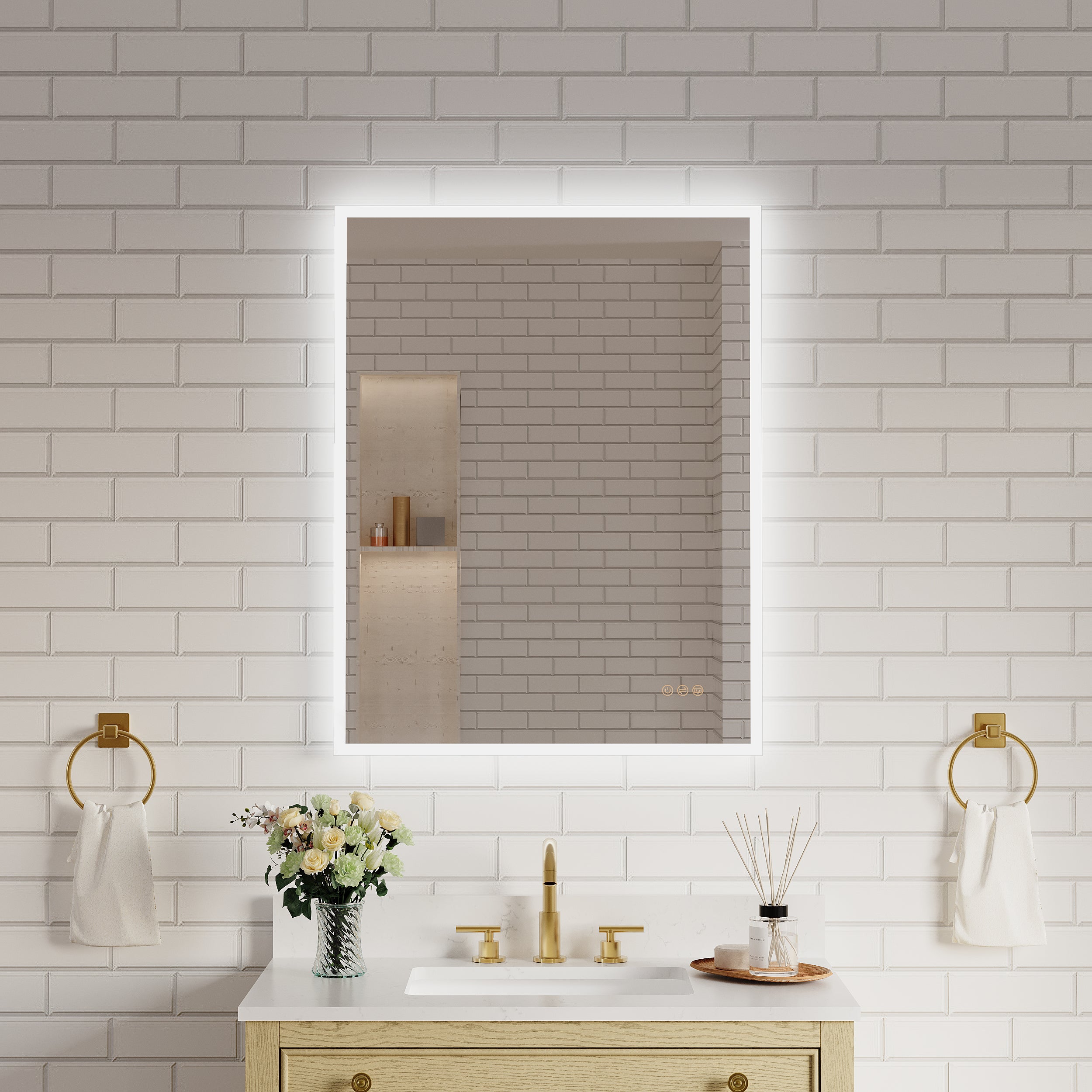
The biggest strength of a lighted mirror is where the light lands. Instead of casting light from the ceiling straight down, it puts illumination closer to your face. That matters for shaving, skincare, makeup, inserting contact lenses, and even quick morning grooming when you are half awake and not interested in fighting shadows.
This is why so many bathrooms feel better after the switch, even when the room itself has not changed much. The mirror lighting is more intentional. It solves a problem overhead fixtures often create: dark pockets around the eyes, chin, and cheeks.
In smaller bathrooms, this effect is even more noticeable. A compact powder room or guest bath can instantly feel more modern with one upgrade. I have seen homeowners replace an old builder-grade mirror and basic vanity light with a single LED mirror and wonder why the room suddenly feels more expensive. It is not magic. It is better light placement.
2. Can a lighted bathroom mirror replace overhead fixtures?
Sometimes yes. Most of the time, only partly.
If the bathroom is small, has light-colored finishes, and is used mainly for sink-related tasks, a lighted bathroom mirror may provide enough illumination for daily use. Think powder rooms, guest baths, or secondary bathrooms where nobody is taking long showers, folding laundry, or cleaning the whole space under that light.
In a larger bathroom, that answer changes. Ceiling fixtures do more than brighten the vanity wall. They support ambient light across the room. They help with movement, cleaning, bathing, and general visibility. If you remove them entirely, corners can feel dim, and the shower or toilet area may end up underlit.
This is one of the most common homeowner misconceptions. People assume a brighter mirror means complete room lighting. It does not. A mirror is task-focused by design. An overhead fixture spreads light more broadly.
Where replacement works best
A lighted mirror can often stand on its own when the bathroom is:
under about 40 to 50 square feet
designed with pale tile, white walls, or reflective surfaces
used mostly as a guest or powder room
already getting decent daylight during the day
In those spaces, a clean mirror setup can be enough, especially if the mirror has strong front-facing illumination rather than weak edge glow.
Where replacement usually falls short
It tends to disappoint in primary bathrooms, family bathrooms, and rooms with darker finishes. Charcoal tile, walnut cabinetry, matte black hardware, and deep paint colors all absorb light. The mirror may still look beautiful, but the room itself can feel moodier than intended.
I would also keep overhead lighting if the bathroom has a separate shower zone, enclosed toilet area, or limited natural light.
3. Industry reality: layered lighting still works better
From a planning standpoint, layered lighting remains the smarter approach. That means task lighting at the mirror, ambient lighting from the ceiling, and sometimes accent lighting if the bathroom is large enough to justify it.
This is not just a designer preference. It is practical. Bathrooms are one of the hardest-working rooms in a home, and they are used at every hour of the day. The lighting needs to handle quick morning routines, late-night visits, deep cleaning, and everything in between.
I have walked through plenty of beautifully renovated bathrooms where the mirror looked fantastic online but felt incomplete in person because the homeowner went too minimal with the rest of the lighting plan. The opposite can happen too: a strong overhead fixture with no mirror lighting often makes the vanity less usable.
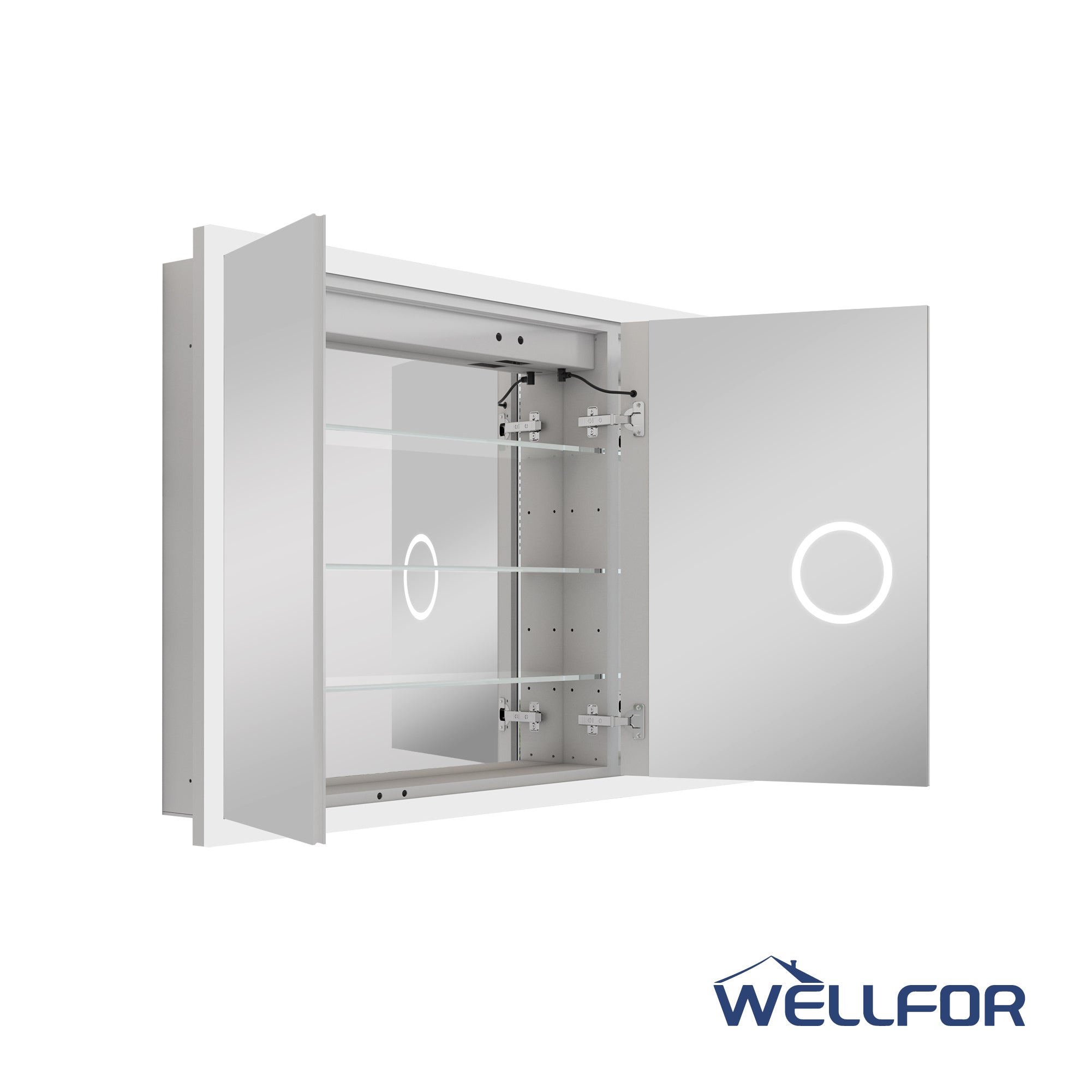
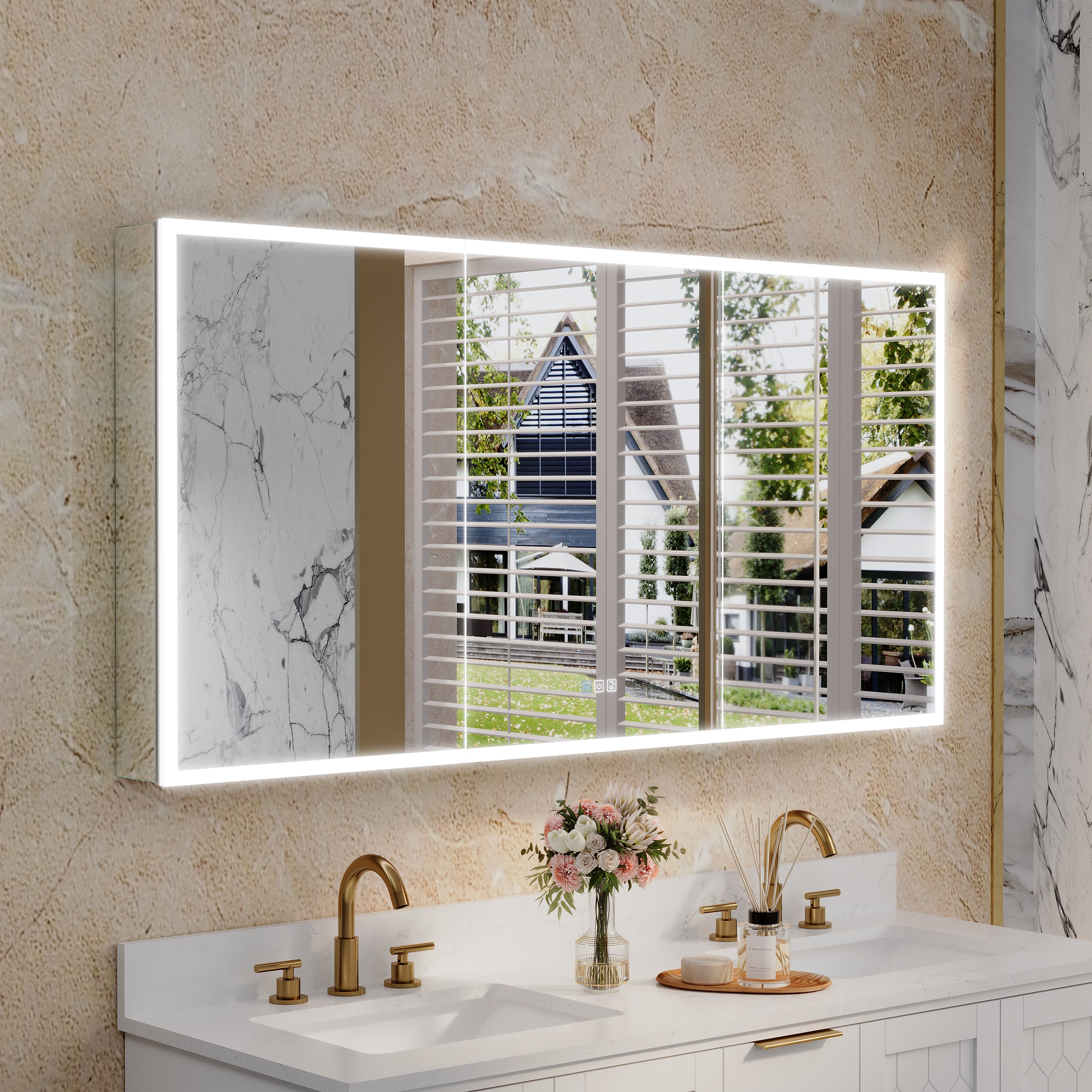
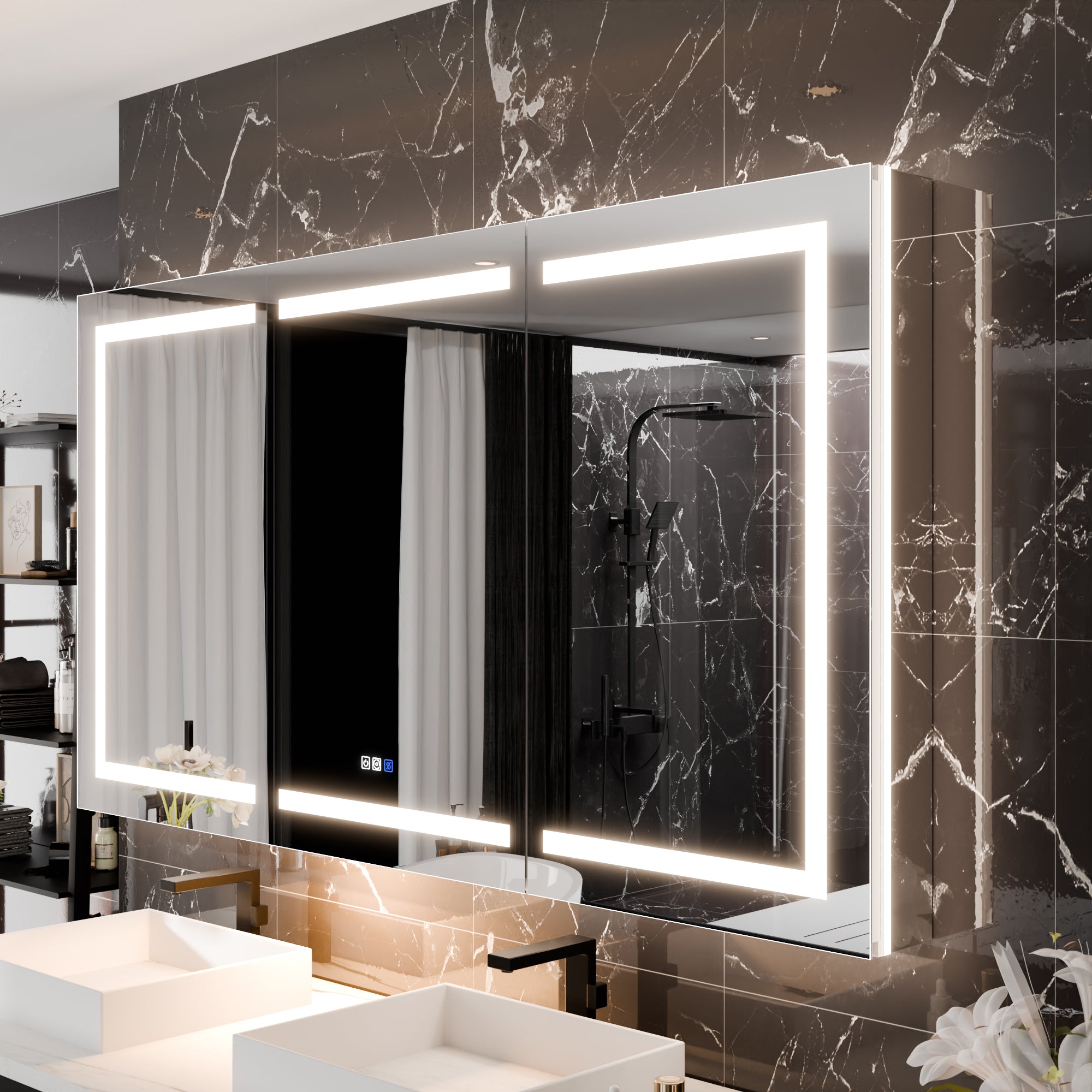
That balance is where brands like Wellfor fit nicely. A well-made lighted mirror can elevate the task-lighting side of the equation, but it performs best when the rest of the room lighting has been considered instead of removed by default.
4. Pros, limitations, and buying advice
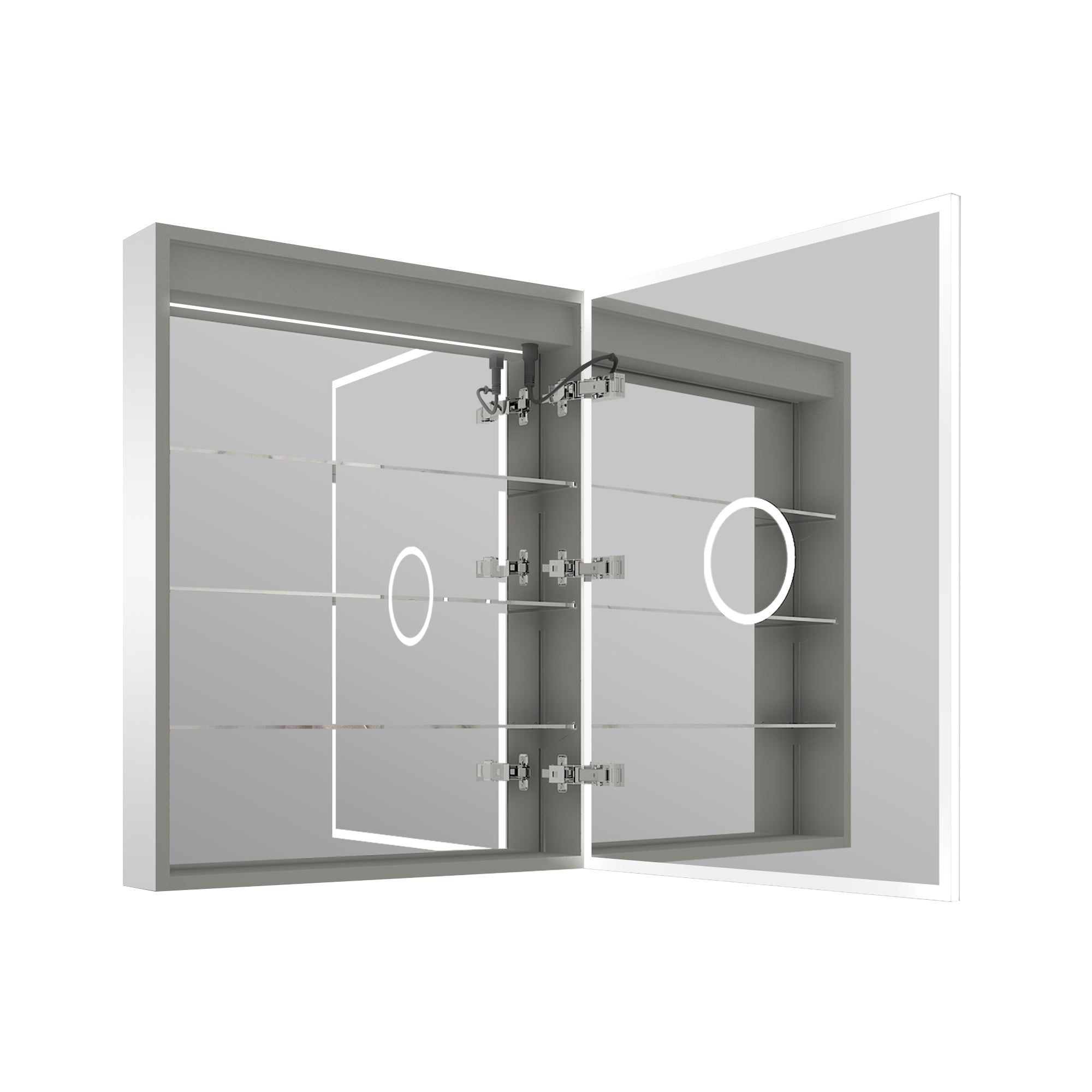
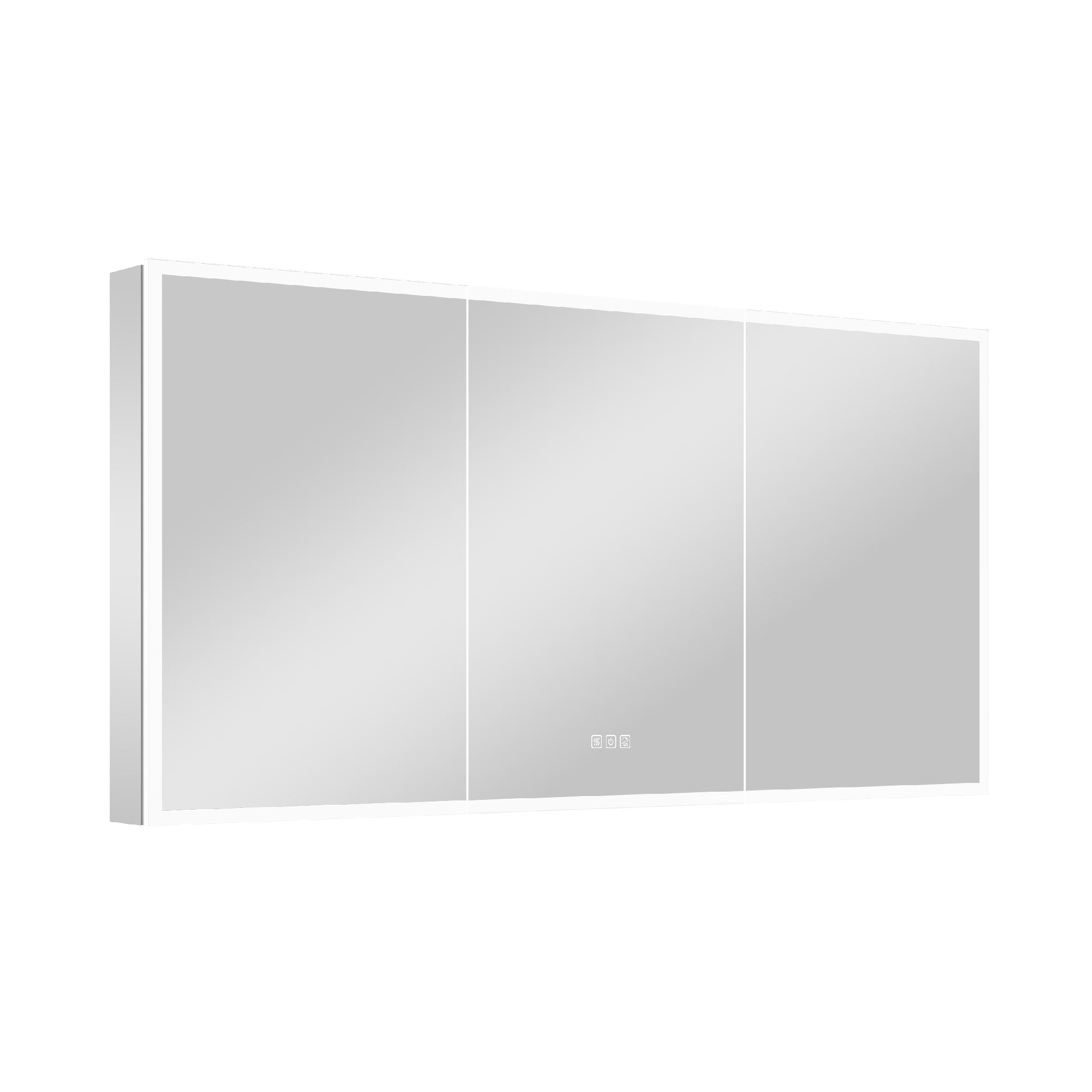
The advantages are clear. A lighted mirror gives targeted light where you need it most. It reduces facial shadows. It can make a bathroom feel cleaner and more contemporary. Many models also add useful features like anti-fog, dimming, and adjustable color temperature.
The limitations are just as real. Not every LED mirror is bright enough to carry a room. Some lower-cost models look impressive when turned on in a showroom but feel weak in an actual bathroom at night. Others create more decorative glow than functional light.
That is why I usually tell buyers to stop focusing only on shape and size. Ask better questions. How bright is the mirror in real use? Is the light front-facing, backlit, or both? Does it offer color settings that work for grooming? Is the output comfortable, or does it feel clinical?
A few buying mistakes I see often
One is choosing a mirror that is too small for the vanity. The room ends up looking under-scaled, and the lighting effect becomes narrower than expected.
Another is skipping electrical planning. If you are replacing both mirror and fixture, have the wiring reviewed before finalizing the design. Hardwired lighted mirrors usually look cleaner, but they need proper placement and wall preparation.
The third mistake is assuming every LED mirror is low-maintenance. They are fairly easy to live with, but they still need care. Keep the edges dry, avoid harsh chemical cleaners on the glass, and check the anti-fog function and touch controls periodically if your model includes them.

5. Installation in real homes
For installation, I usually recommend keeping some form of ceiling lighting unless the room is very small and the mirror output has been confirmed to be strong enough. Recessed lighting is often the least intrusive partner. It supports the room without competing with the mirror visually.
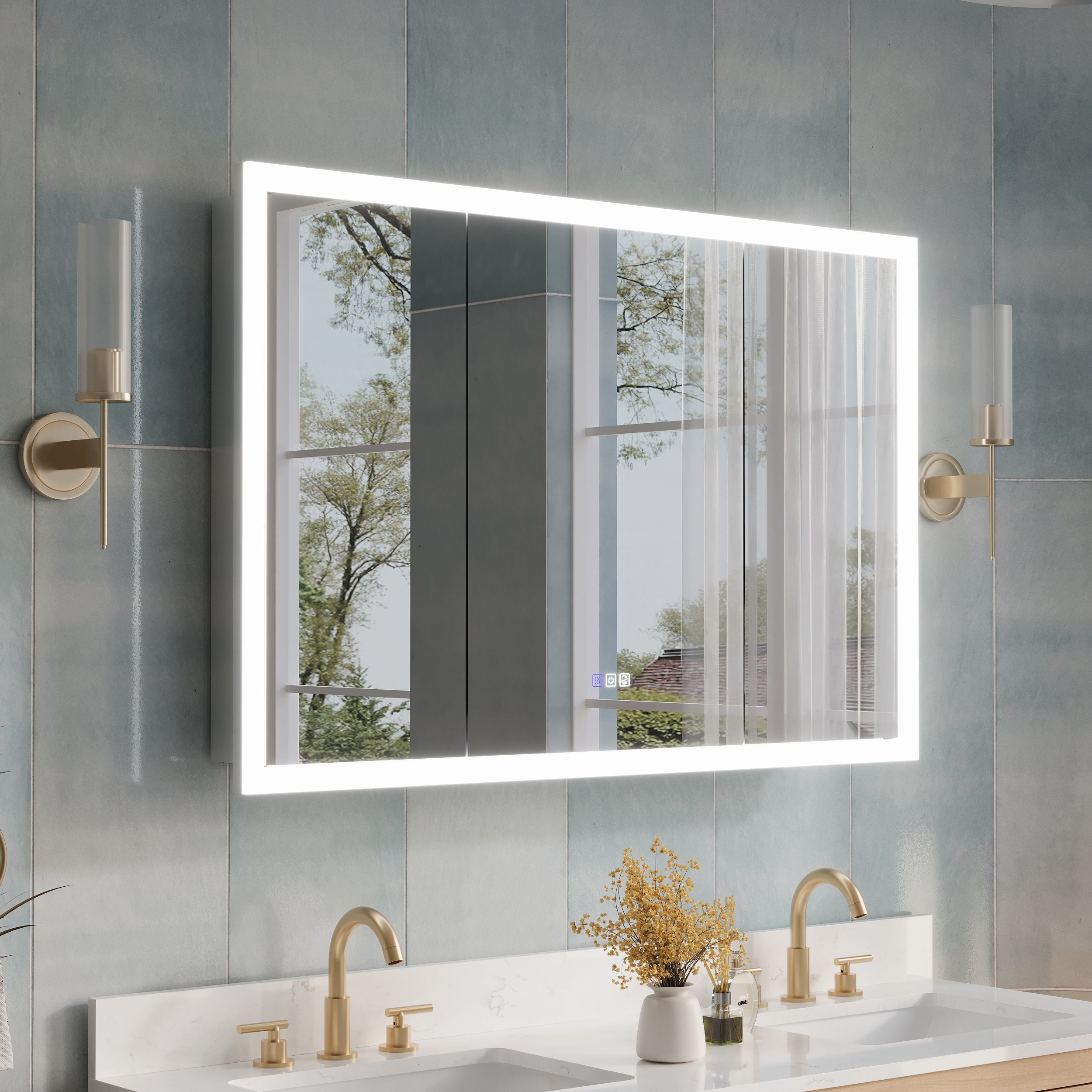
Placement matters. Hang the mirror at a height that works with the users, not just the vanity dimensions. Make sure the light hits the face evenly. If you have double sinks, do not try to stretch one undersized mirror across the whole wall just to save money. It rarely looks right.
If you are choosing for a primary bath, keep the overhead fixture or recessed lights and let the mirror handle the close-up work. If you are updating a powder room, a lighted bathroom mirror may be all you need. The smartest choice is not the one that removes the most fixtures. It is the one that makes the room easier to use every single day, and for many homes, that still means pairing a lighted bathroom mirror with thoughtful overhead lighting.
















Leave a comment
All comments are moderated before being published.
This site is protected by hCaptcha and the hCaptcha Privacy Policy and Terms of Service apply.