


















Introduction
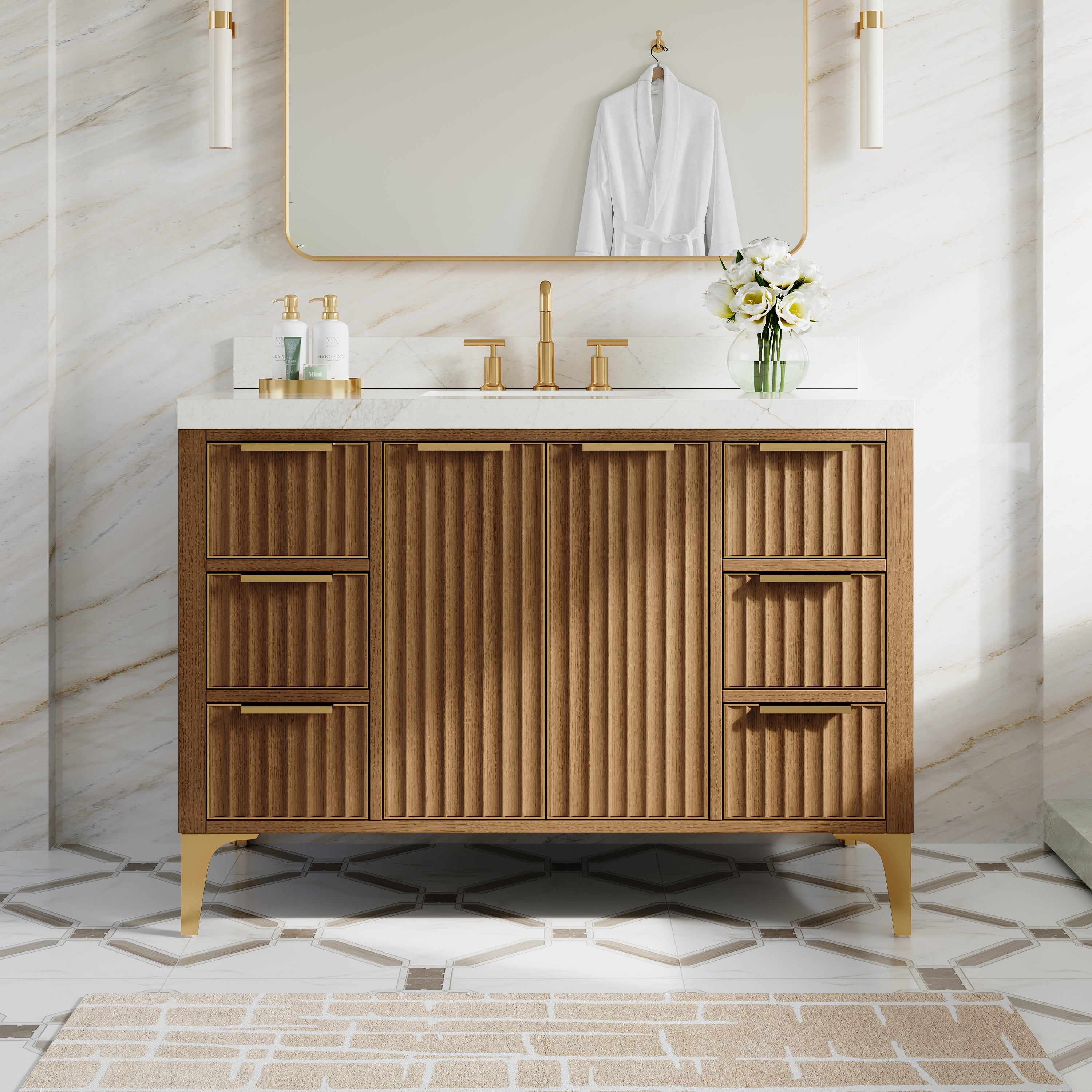
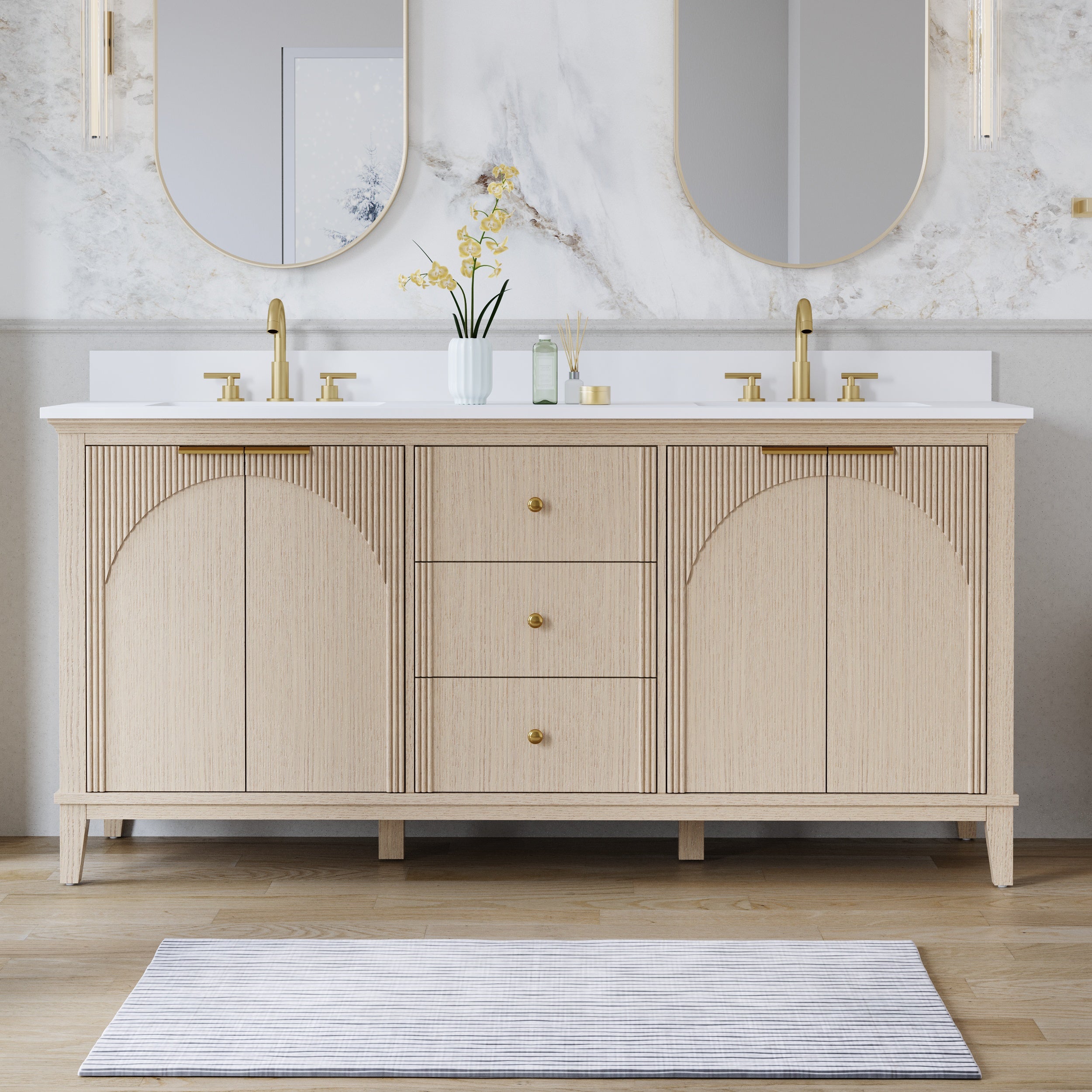
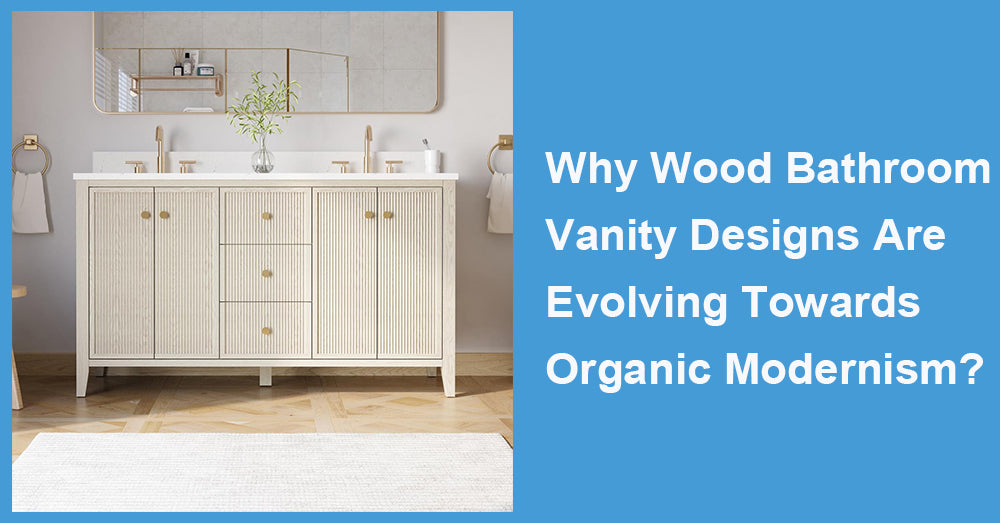
A wood bathroom vanity makes immediate sense in the kind of bathrooms homeowners want in 2026: calmer, warmer, and less polished in that overly showroom way. I have watched bathroom design move away from hard-edged minimalism toward spaces that feel softer and more grounded, and wood is one of the clearest signals of that shift. It brings texture, natural color variation, and a sense of quiet permanence that painted cabinetry often struggles to match.
This is not just a social-media look. It lines up with broader industry direction. According to NKBA, natural materials are gaining ground in bath design, and wood-faced vanities have overtaken painted ones in popularity as biophilic design becomes a stronger influence.
(Source: NKBA)
1. Why Wood Bathroom Vanity Designs Fit Organic Modernism So Well
Organic modernism works because it softens modern design without throwing away its clarity. You still get clean lines and visual restraint, but the room feels more human. A wood bathroom vanity is central to that balance because it introduces grain, warmth, and a natural break from the porcelain, glass, tile, and metal that dominate most bathrooms.
Houzz’s 2026 design coverage points in the same direction. Warm and medium wood tones are making a strong comeback, and designers are pairing them with layered, nature-connected interiors. Houzz also notes that organic modern bathrooms often rely on lighter woods, softer colors, and natural elements rather than cold, all-white surfaces.
(Source: Houzz)
In practice, this shows up most clearly in primary baths, guest baths, and powder rooms where homeowners want the room to feel restful rather than sharply styled. A wood vanity makes the bathroom feel designed, but not overdesigned.
2. Why Homeowners Are Moving Away From Colder Bathroom Looks
A few years ago, many bathrooms chased the same formula: bright white finishes, crisp black accents, and very little softness. It looked clean, but it did not always feel comfortable. That is one reason wood vanity designs are shifting. People still want modern bathrooms, though they want them to feel more livable.
According to NKBA’s 2026 Bath Trends Report, natural materials, matte finishes, and warmer palettes are all gaining momentum. That combination naturally supports organic modern styling, where wood tones, stone-like textures, and quieter finishes replace the colder, highly polished look.
(Source: NKBA)
I see this in real remodeling decisions all the time. Homeowners are less interested in a bathroom that looks clinically perfect and more interested in one that feels grounded first thing in the morning and relaxing at night. Wood answers that better than many painted finishes.
A common mistake buyers make
Many people think “organic modern” means they should choose the most rustic-looking vanity they can find. That is usually a mistake.
Organic modernism is not about making the bathroom look handmade at all costs. It is about control and warmth working together. A vanity with overly distressed finishes, exaggerated farmhouse detailing, or heavy red undertones can fight the look instead of supporting it. The better choice is usually cleaner-lined cabinetry with a wood tone that feels natural rather than theatrical.
What wood does better than painted cabinetry
Painted vanities still have a place. They can feel crisp and classic. Still, wood tends to bring more depth to the room. Grain adds movement. Tone variation adds softness. Even a simple flat-front vanity can feel richer when the material has some visual life to it.
Houzz’s most-saved bathroom inspiration continues to feature welcoming wood vanities and earthy materials, which tells you buyers and homeowners are responding to that warmth in finished spaces, not just in trend forecasts.
(Source: Houzz)
3. The Benefits, the Limits, and Who This Look Suits Best
The advantages are easy to understand. Wood vanity designs support a softer modern look, pair naturally with stone, matte black, brushed nickel, and warm brass, and help a bathroom feel connected to the rest of the home. They also tend to age well visually. A good wood tone often feels more timeless than a trend-heavy painted color.
This direction works especially well in modern, Scandinavian, Japandi, transitional, and spa-like bathrooms. It is also a strong fit for homes where wood flooring, natural textiles, and warm neutrals already exist nearby. The bathroom feels like part of the same house.
There are limits. Wood can look heavy in a very small bathroom if the stain is too dark or the cabinet too bulky. Poorly finished wood-look products can appear flat and artificial. And in bathrooms with weak ventilation, any vanity with a vulnerable finish can suffer. The material does not excuse bad construction.
When it may not be the right fit
I would be cautious with a wood vanity in a bathroom that is already visually busy with strong wall color, aggressive tile pattern, and multiple competing textures. Organic modern design depends on restraint. If the room is already full of statements, wood may not calm it enough. In a very bright, highly tailored bathroom where the goal is crisp contrast, a painted vanity may still be the better choice.

4. What to Look For Before You Buy One
Start with tone. Some woods lean golden, some neutral, some slightly gray, and some reddish. That undertone needs to work with the flooring, countertop, and light in the room. A wood vanity only looks effortless when its color story makes sense.
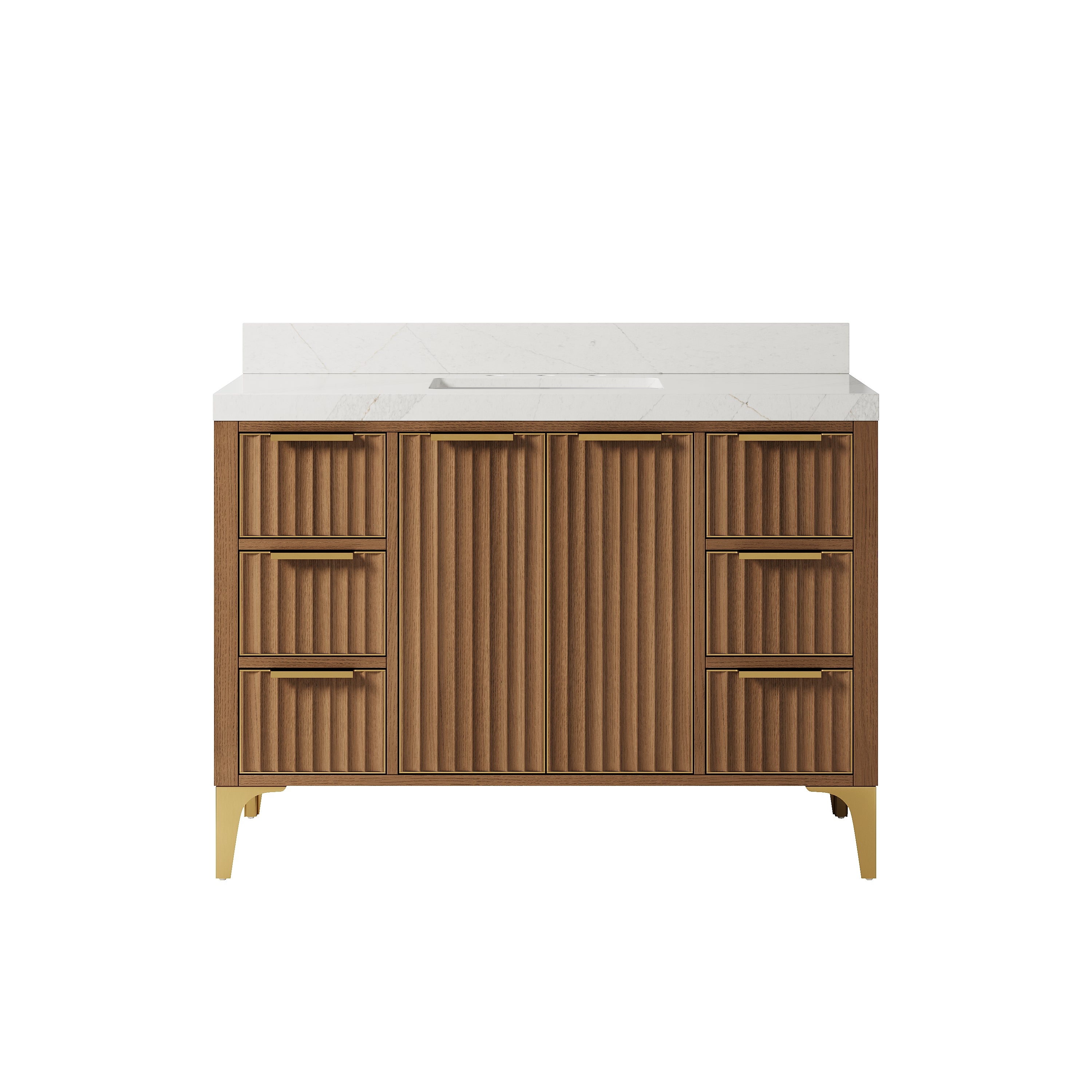
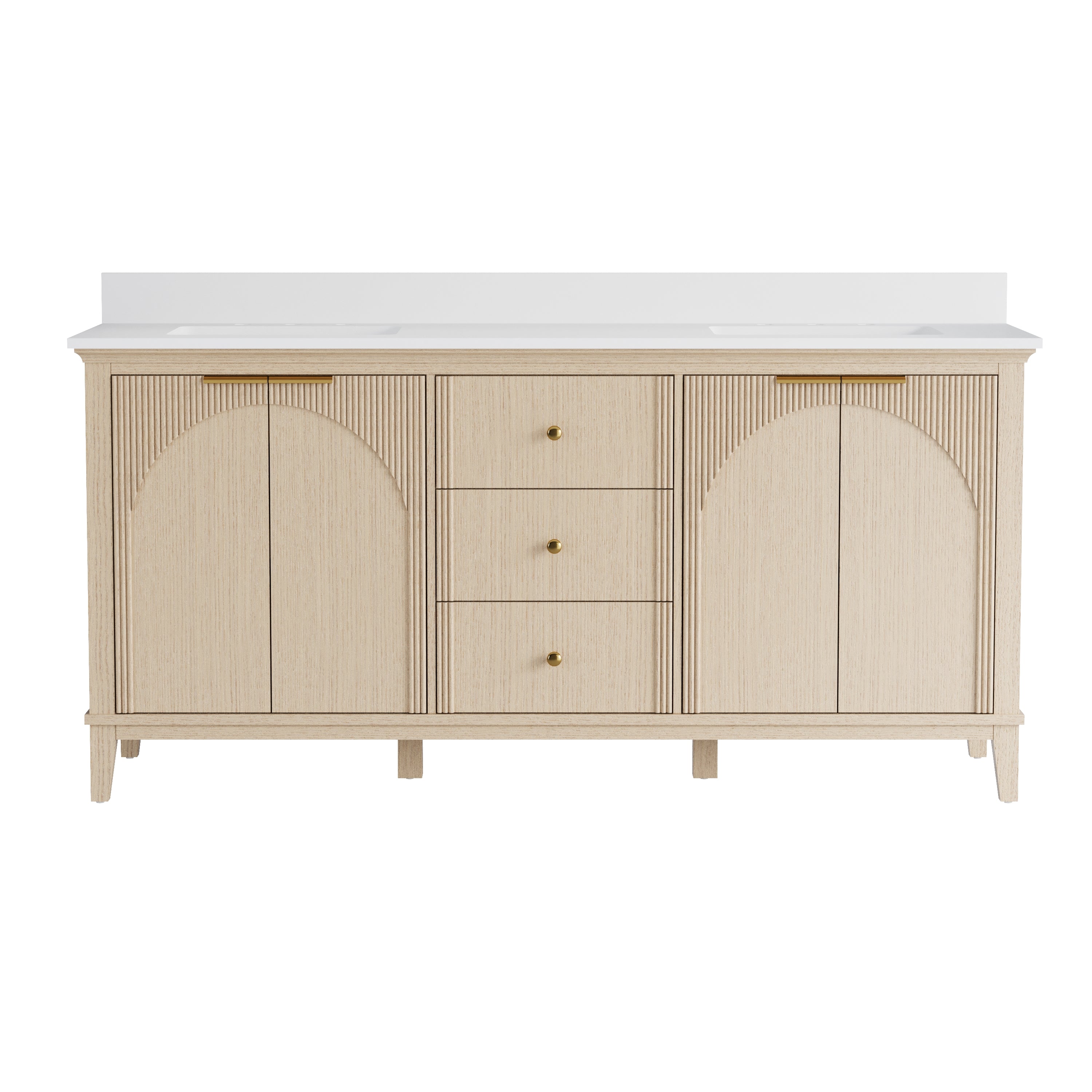
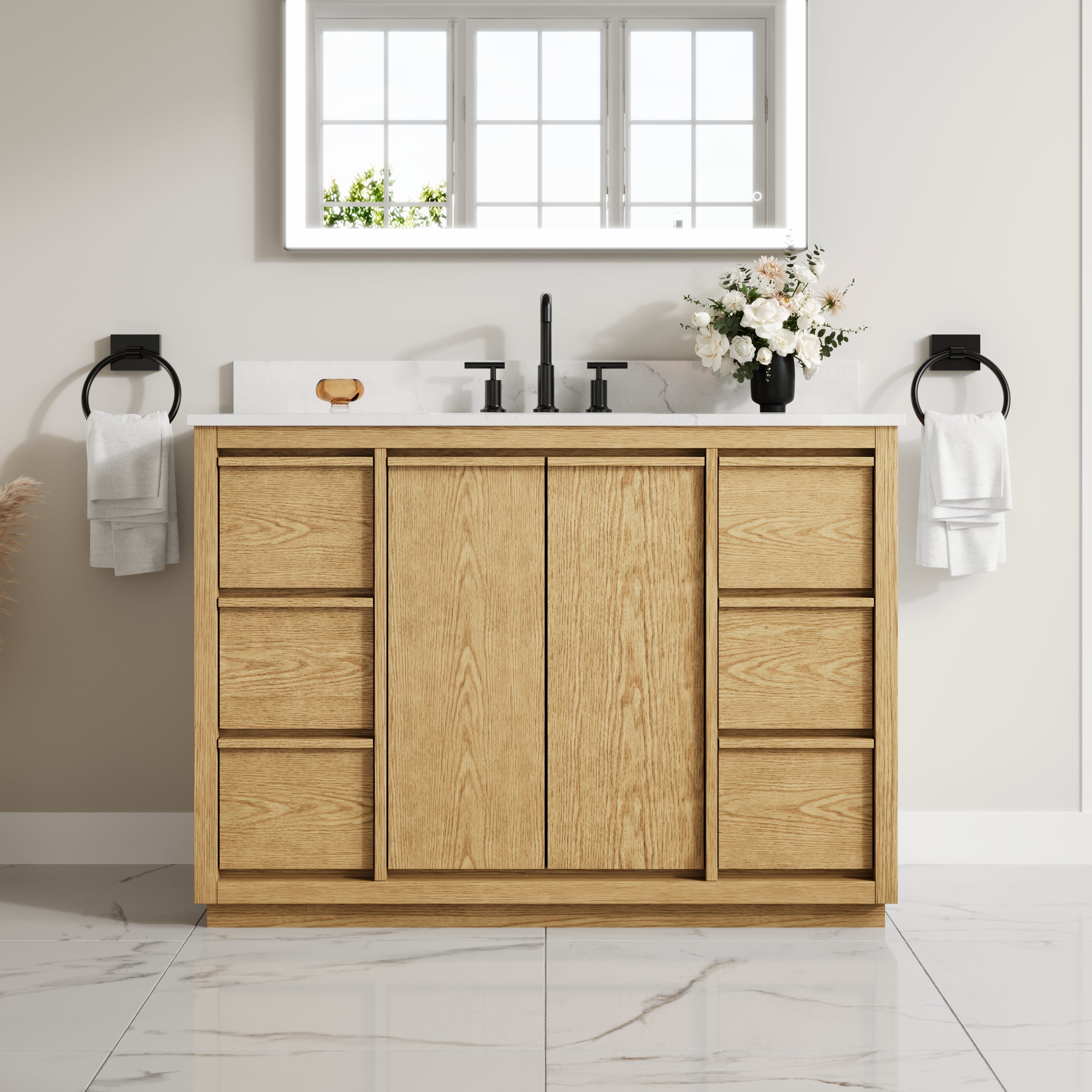
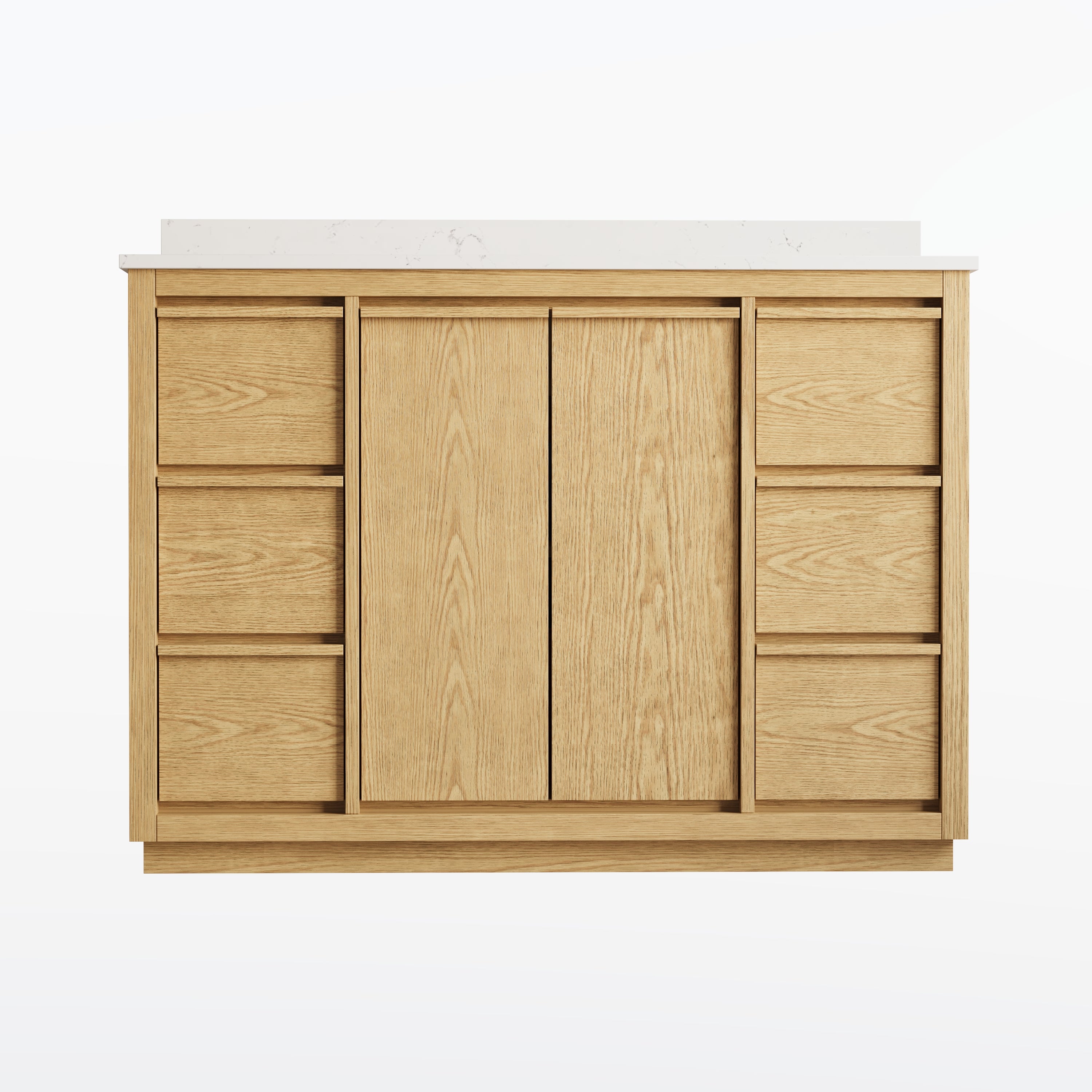
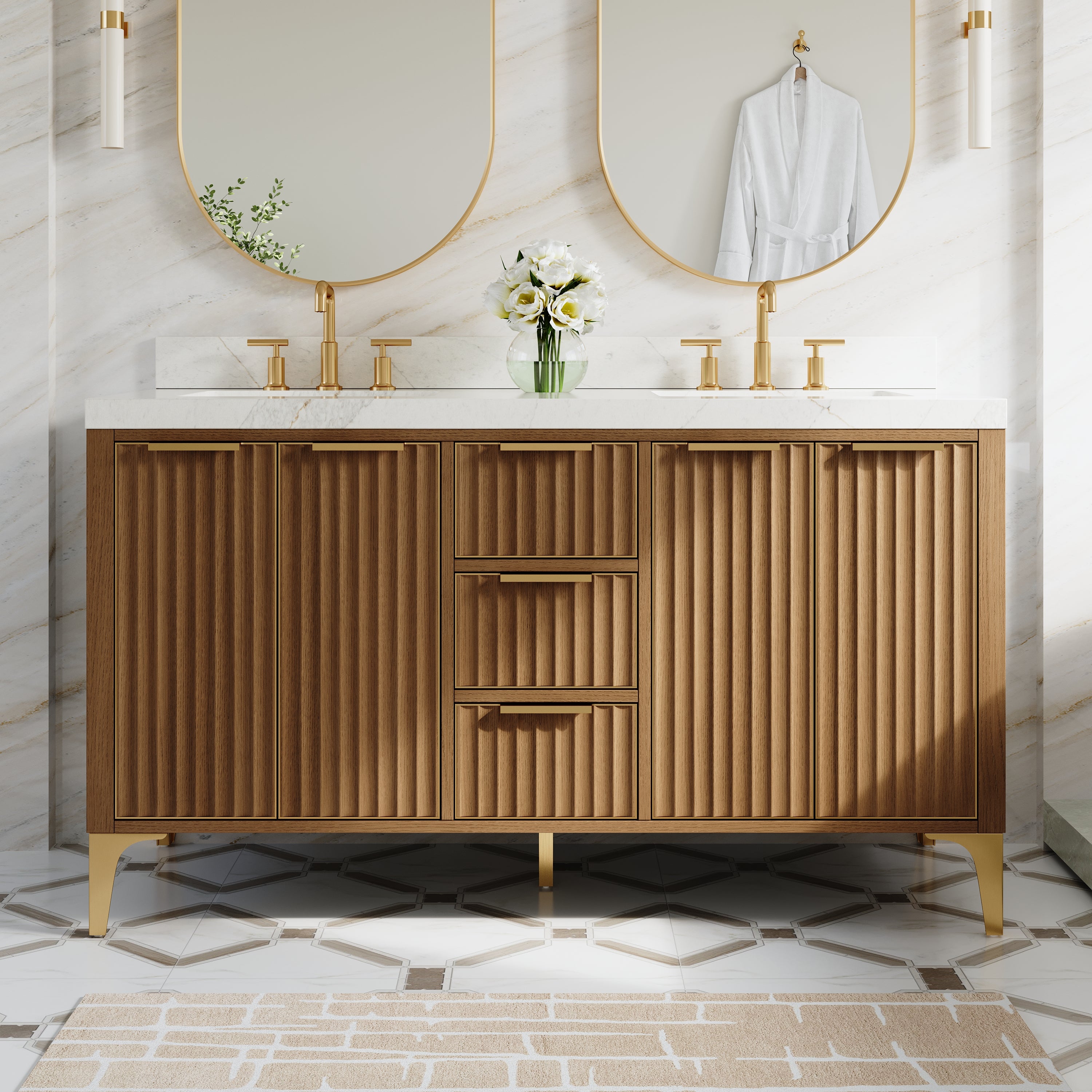
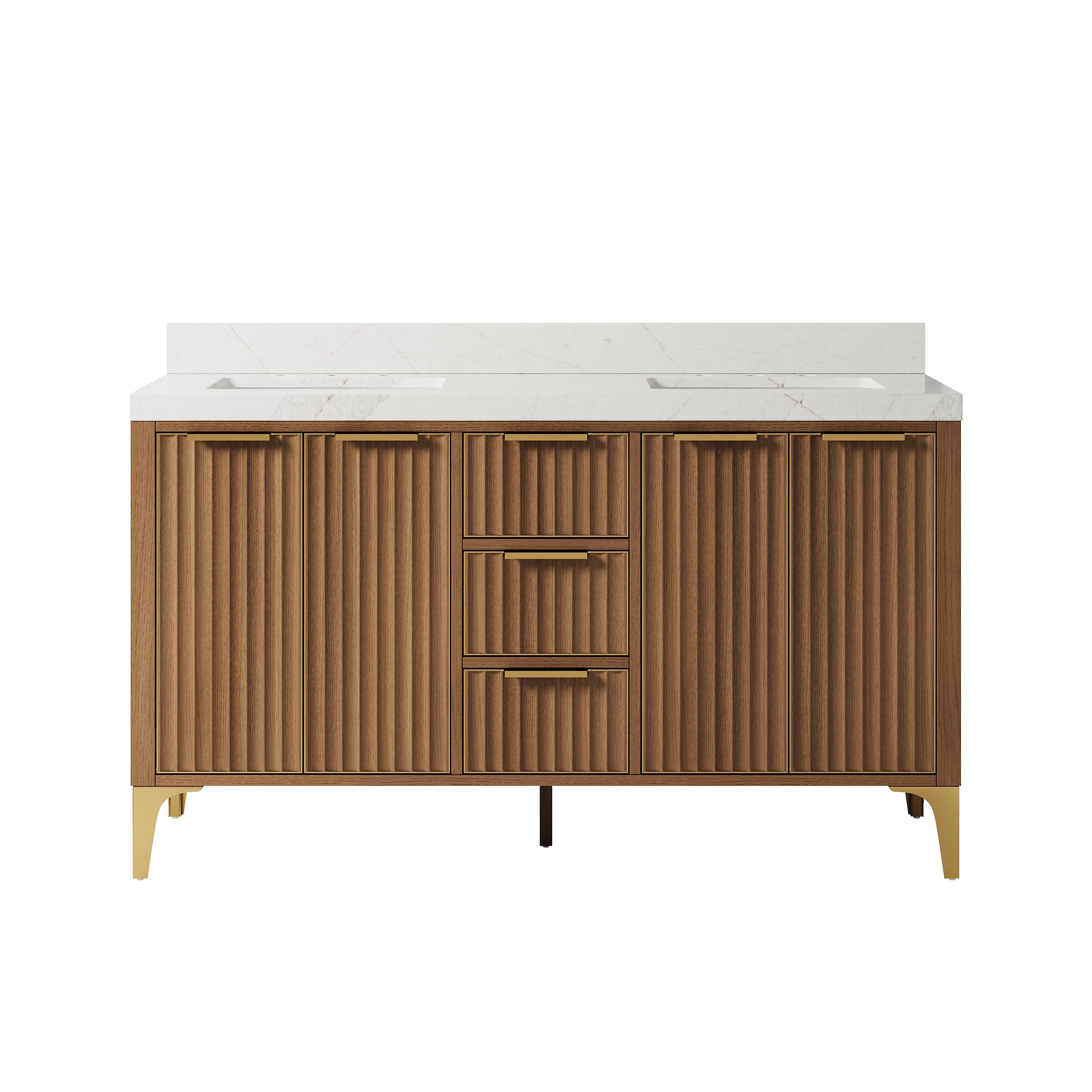
Then look at shape. Organic modern bathrooms usually benefit from cleaner silhouettes. Flat-front drawers, simple slab doors, quiet hardware, and well-proportioned sink placement tend to work better than ornate trim. Floating vanities can reinforce the look nicely, though freestanding versions work too if the lines stay clean.
Construction matters just as much. According to NKBA, natural materials and wellness-focused design are becoming more central in bathrooms, which means buyers should care not only about appearance but also about how materials live in the space long term.
(Source: NKBA)
Installation and maintenance deserve some honesty too. A wood vanity should be level, well-sealed around the top, and protected from slow leaks. Wipe standing water, run the fan long enough to clear steam, and do not let wet towels sit on drawer fronts every day. That is not high-maintenance. It is just basic respect for the material.
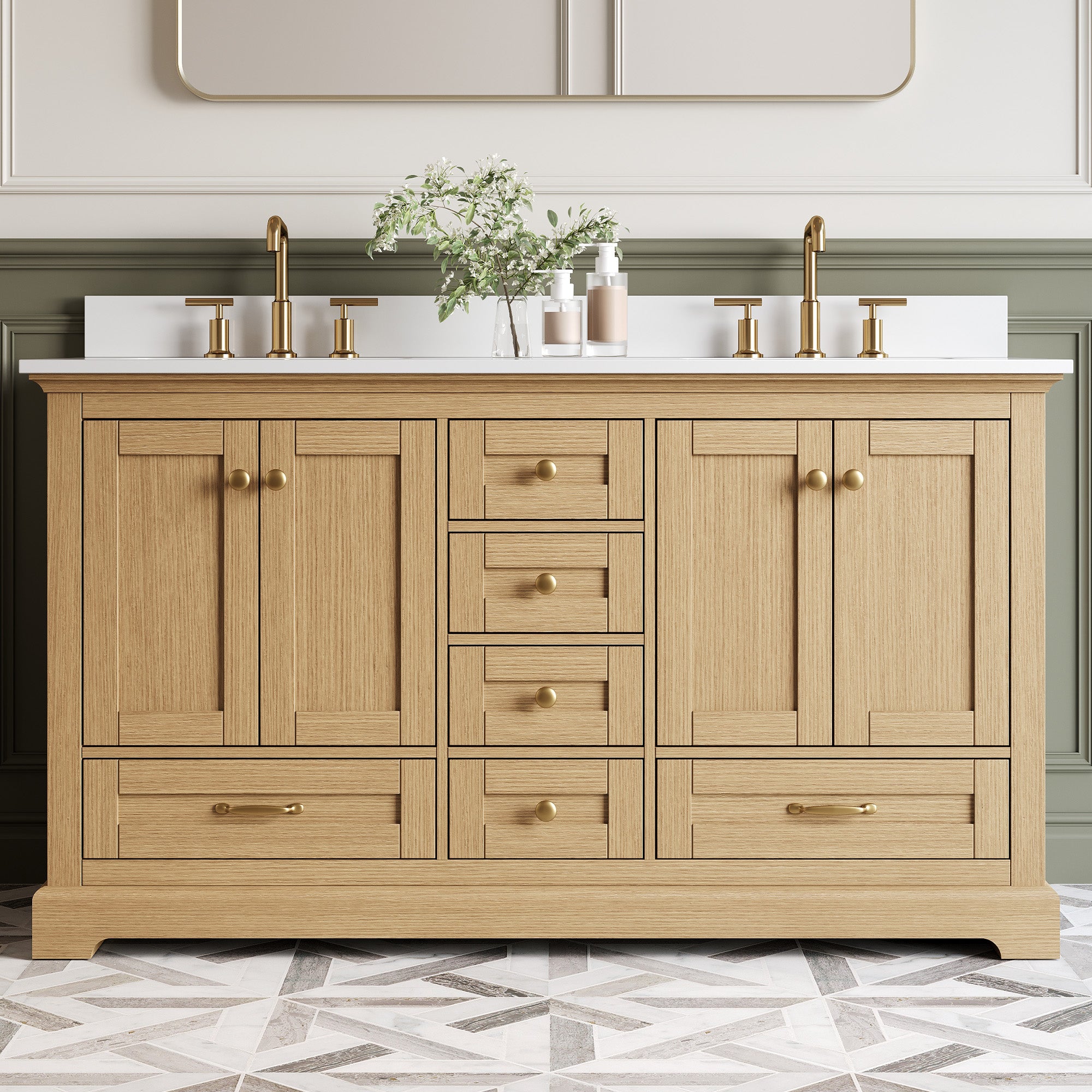
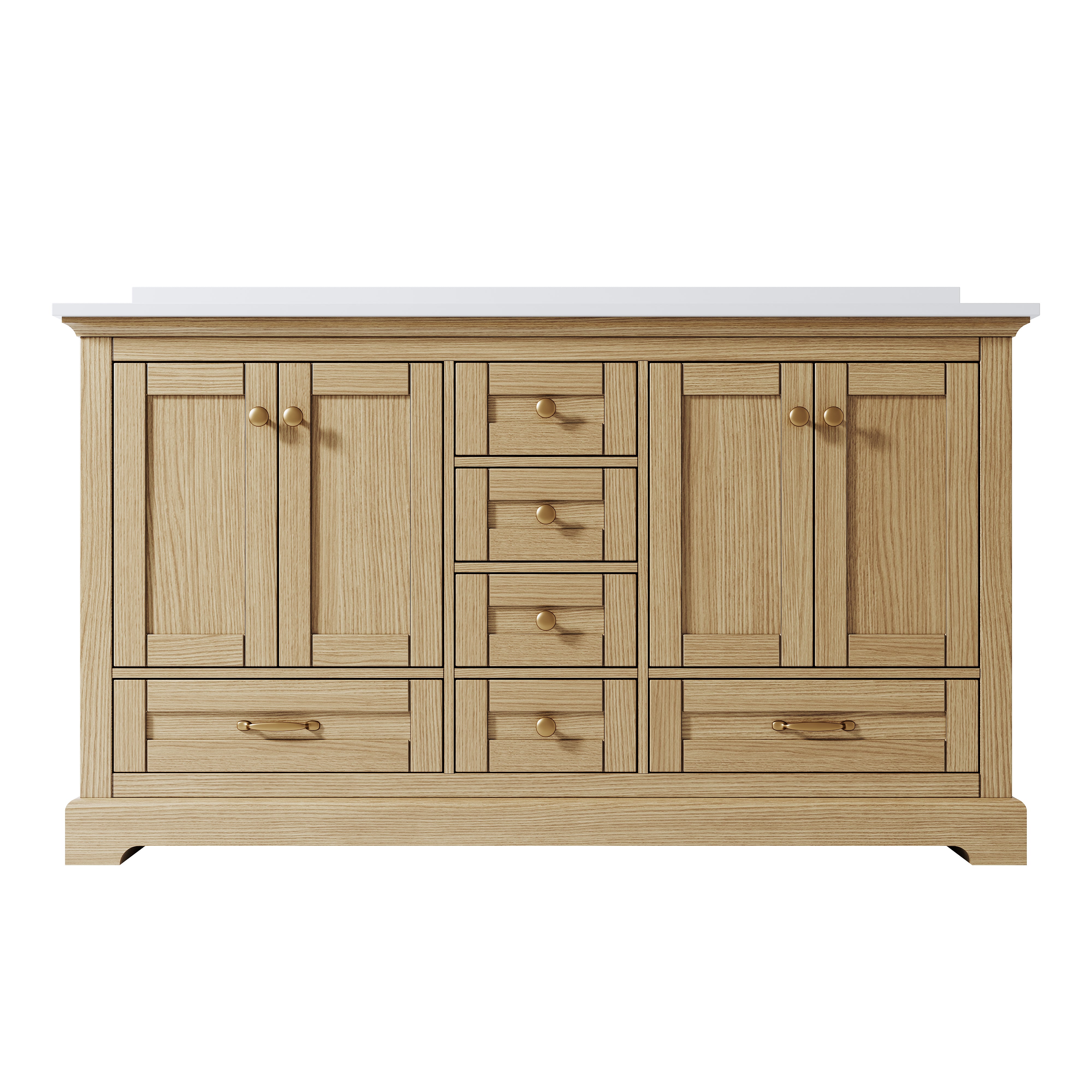
For homeowners shopping brands like Wellfor, the best move is to choose a wood bathroom vanity that feels warm without feeling heavy, modern without feeling cold, and simple without looking generic. That is why the category is moving toward organic modernism in the first place. It gives people a bathroom that feels easier to live with, not just easier to photograph.






























Leave a comment
This site is protected by hCaptcha and the hCaptcha Privacy Policy and Terms of Service apply.