

















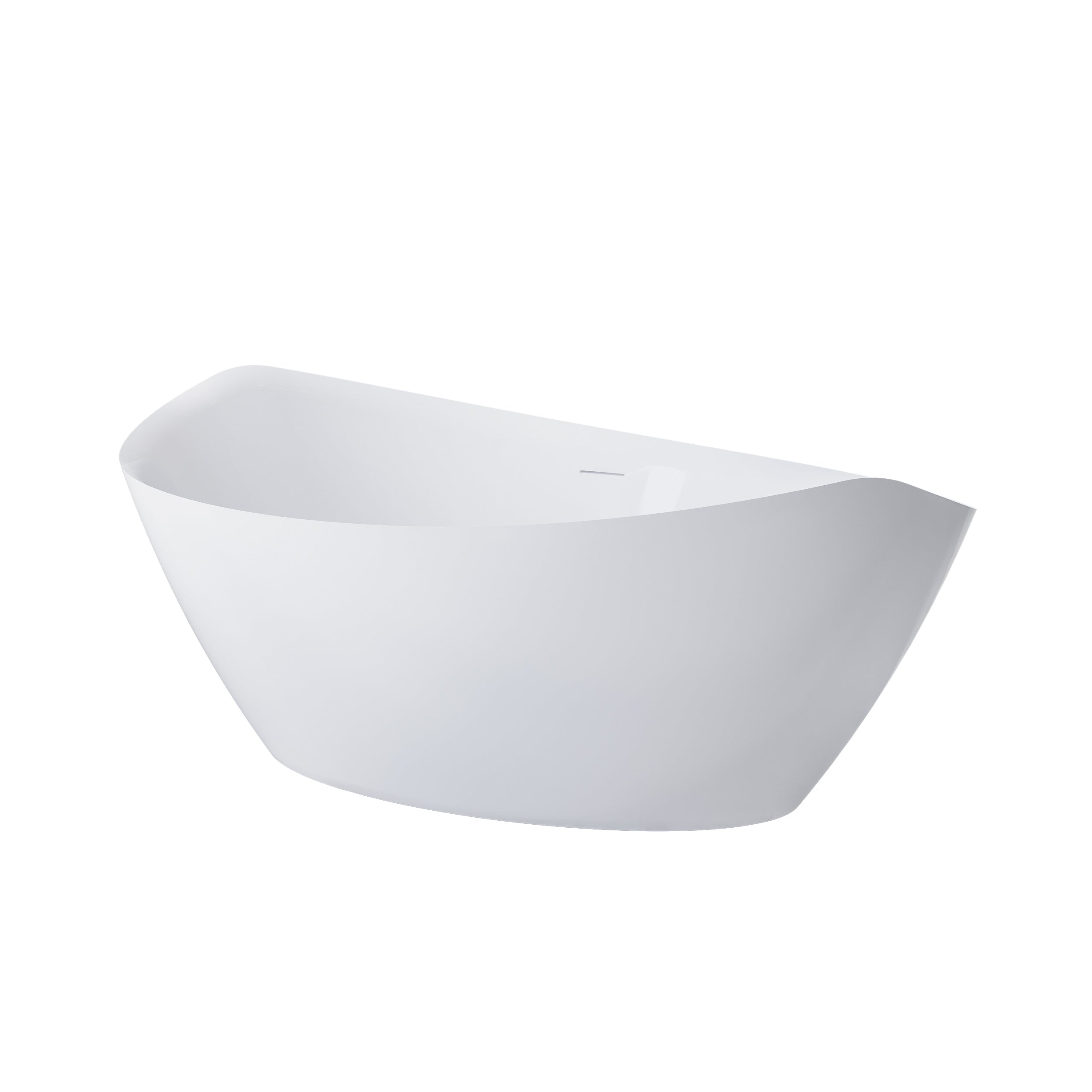
An acrylic tub is often a strong family choice because durability in a busy bathroom involves more than simply choosing the hardest material. A family tub has to cope with frequent bathing, dropped bottles, bath toys, cleaning products, warm water, and years of repeated use. Acrylic combines impact tolerance, a noncorrosive surface, relatively easy maintenance, and repairability while remaining lighter than cast iron. Bathtubs also remain relevant in current remodeling: the 2025 Houzz Bathroom Trends Study found that 34% of renovating homeowners upgraded their bathtub, while 45% of upgraded tubs were freestanding flat-bottom models and 40% were alcove designs. For households that still rely on a tub every day, material performance matters just as much as appearance.
Durability Means More Than Having the Hardest Surface
Cast iron is exceptionally hard and can last for decades, so acrylic should not automatically be described as stronger than every alternative.
For families, however, practical durability involves several factors:
· Resistance to everyday impact
· Resistance to corrosion
· Ability to handle frequent water exposure
· Ease of cleaning
· Repairability after minor damage
· Structural stability during repeated use
Acrylic performs well across this broader group of requirements.
Instead of using a brittle or extremely rigid surface alone, most quality acrylic tubs combine a formed acrylic shell with reinforcement underneath. The result is a bathtub that is relatively lightweight but capable of handling normal household use when properly supported.
Industry judgment: For family bathrooms, the most durable material is often the one that survives everyday abuse and can be maintained or repaired without requiring complete replacement.
Acrylic Does Not Rust or Corrode
Water is unavoidable around a bathtub, and families tend to generate more of it.
Children splash. Shower-tub combinations remain wet around the rim. Shampoo bottles drip onto the deck. Water may remain around the drain after bathing.
One advantage of acrylic is that it does not rust.
This is different from metal-based tubs, where damage to protective coatings can eventually expose the underlying material. Acrylic itself is not dependent on a metal substrate for corrosion resistance.
That makes it particularly useful for alcove and freestanding tubs that see frequent bathing.
EPA moisture guidance recommends keeping wet areas dry and addressing water problems promptly. It also advises keeping indoor relative humidity below 60%, ideally between 30% and 50%.
Those recommendations still matter around an acrylic tub because caulk, walls, flooring, and framing can all be affected by prolonged moisture even when the tub itself is not.
Minor Surface Damage Can Often Be Repaired
No family bathtub remains untouched forever.
Toys are dropped. Metal grooming tools may fall into the basin. Cleaning mistakes happen. Over time, fine scratches can appear.
Acrylic has an advantage here because certain superficial scratches and marks can often be polished or professionally repaired, depending on their depth and the manufacturer's instructions.
That is different from damage that penetrates a separate surface coating and reveals a contrasting material underneath.
A high-quality acrylic tub made with consistent color through the acrylic layer can hide minor wear more effectively than a product relying only on a very thin decorative surface.
When shopping, it is worth asking whether the manufacturer provides repair instructions or an approved repair kit.
Repairability is part of durability because keeping a product in service is usually better than replacing it after relatively minor cosmetic damage.
The Material Handles Everyday Impact Well
Bathrooms used by families rarely behave like showrooms.
A shampoo bottle may fall from a shelf. A child may drop a bath toy. A removable showerhead can bump against the tub wall.
Acrylic has some flexibility compared with extremely rigid materials. That slight give can help it tolerate ordinary bumps without immediately chipping.
This does not mean acrylic is impossible to crack. Poor installation, insufficient support, manufacturing defects, or a severe impact can still cause damage.
The installation underneath the tub matters greatly.
A properly installed 60-inch alcove tub should have the base support required by the manufacturer. Freestanding tubs also need level flooring and correct drain connections.
A strong material cannot compensate for an unstable installation.

Its Lighter Weight Can Reduce Installation Stress
Weight is often overlooked when comparing tub durability.
Acrylic tubs are generally much lighter than cast iron. That can make transportation, positioning, and installation more manageable, especially during a remodel where the tub has to pass through existing doors, hallways, or stairs.
The lower weight can also reduce structural demands on the floor.
For larger tubs, always consider the full operating load, including:
· Tub weight
· Water weight
· User weight
A deep soaking tub containing dozens of gallons of water creates a substantial total load regardless of what the tub itself weighs.
This is why installation instructions and floor conditions need to be checked before choosing a larger 67-inch or similarly deep bathtub.
Acrylic Feels Warmer During Family Bath Time
Durability is partly about whether the product remains comfortable enough to use regularly.
Acrylic does not usually feel as cold to the touch as metal surfaces. That can make entering the tub more comfortable, particularly for children.
It also tends to feel warmer along the backrest and rim during soaking.
This matters because bathrooms are increasingly being designed around comfort rather than basic washing alone. The 2025 Houzz Bathroom Trends Study found that 25% of respondents use the primary bathroom for rest and relaxation, while 18% of renovated bathrooms included soaking tubs or spa baths as wellness-oriented features.
For families, the same comfort can make everyday bathing more pleasant without requiring a specialized spa tub.
Modern Acrylic Tubs Work in Several Bathroom Layouts
Durability has little value if the material does not fit the project.
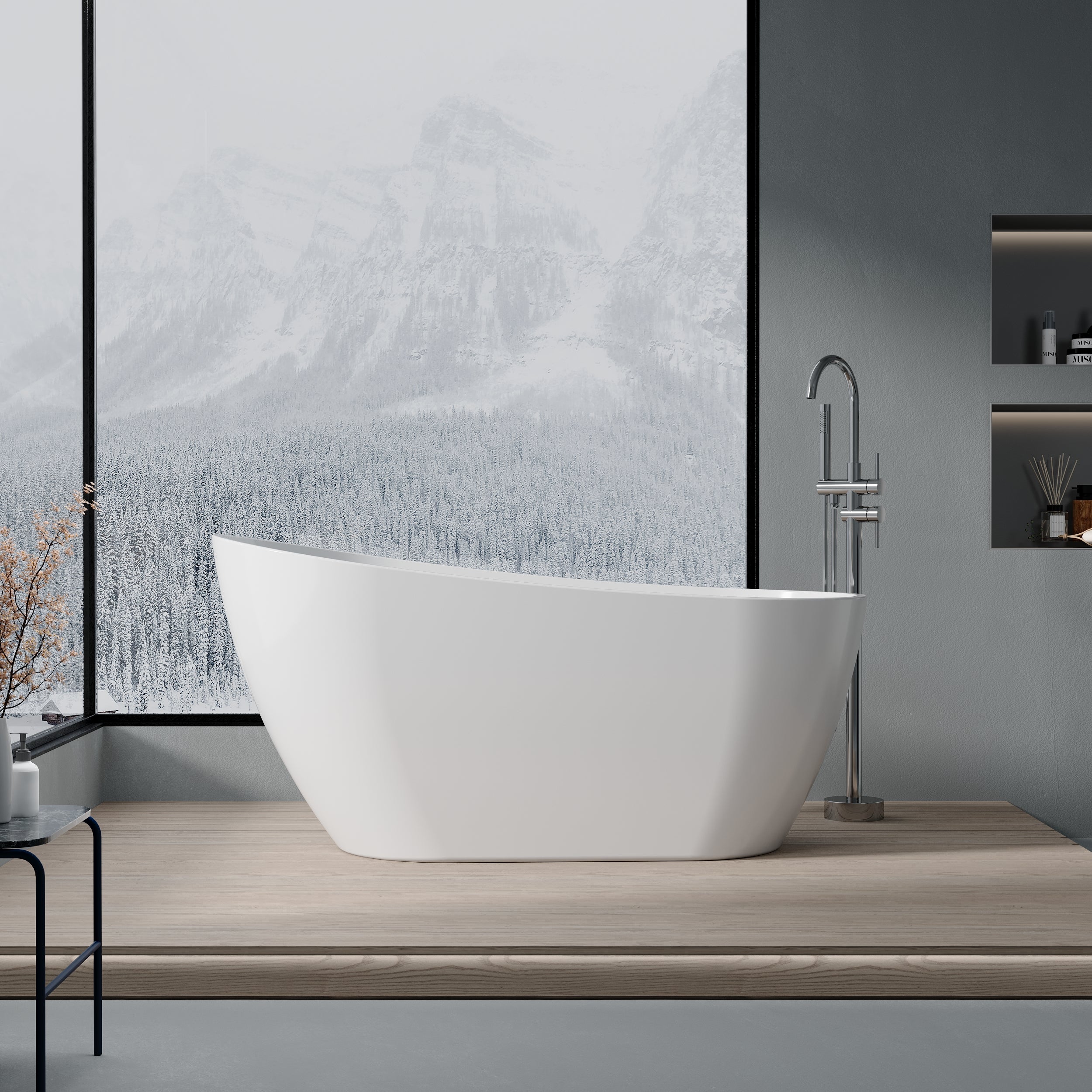
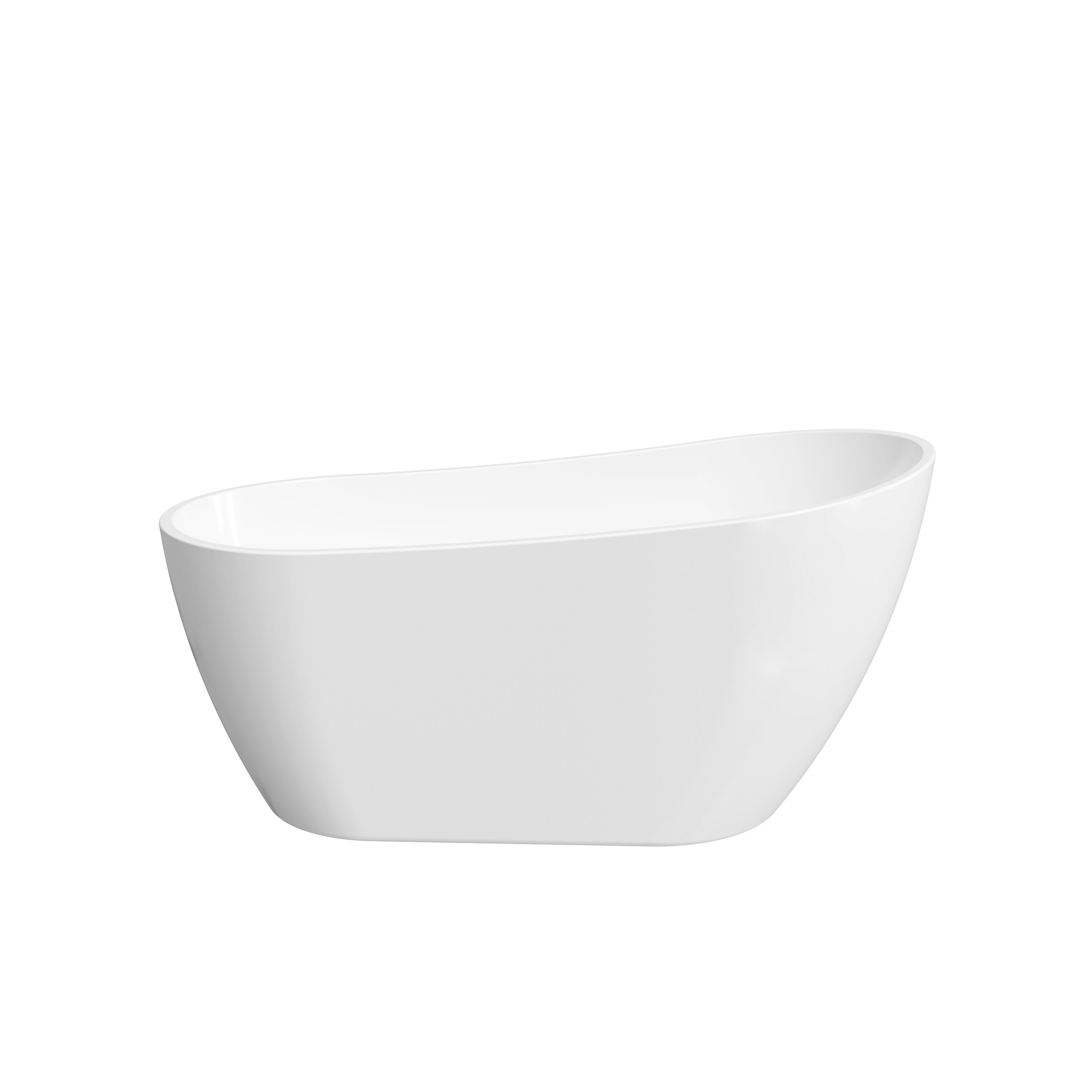
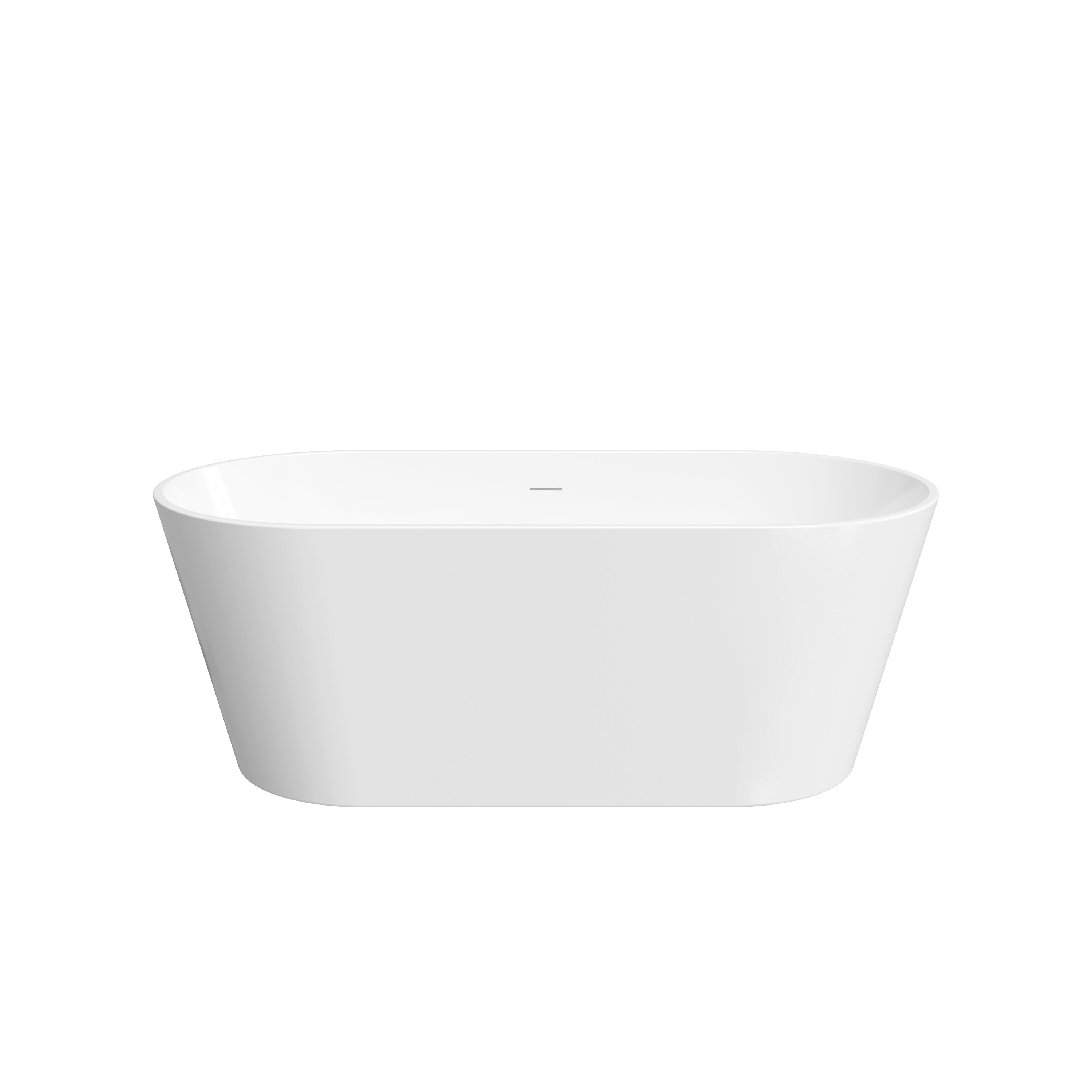
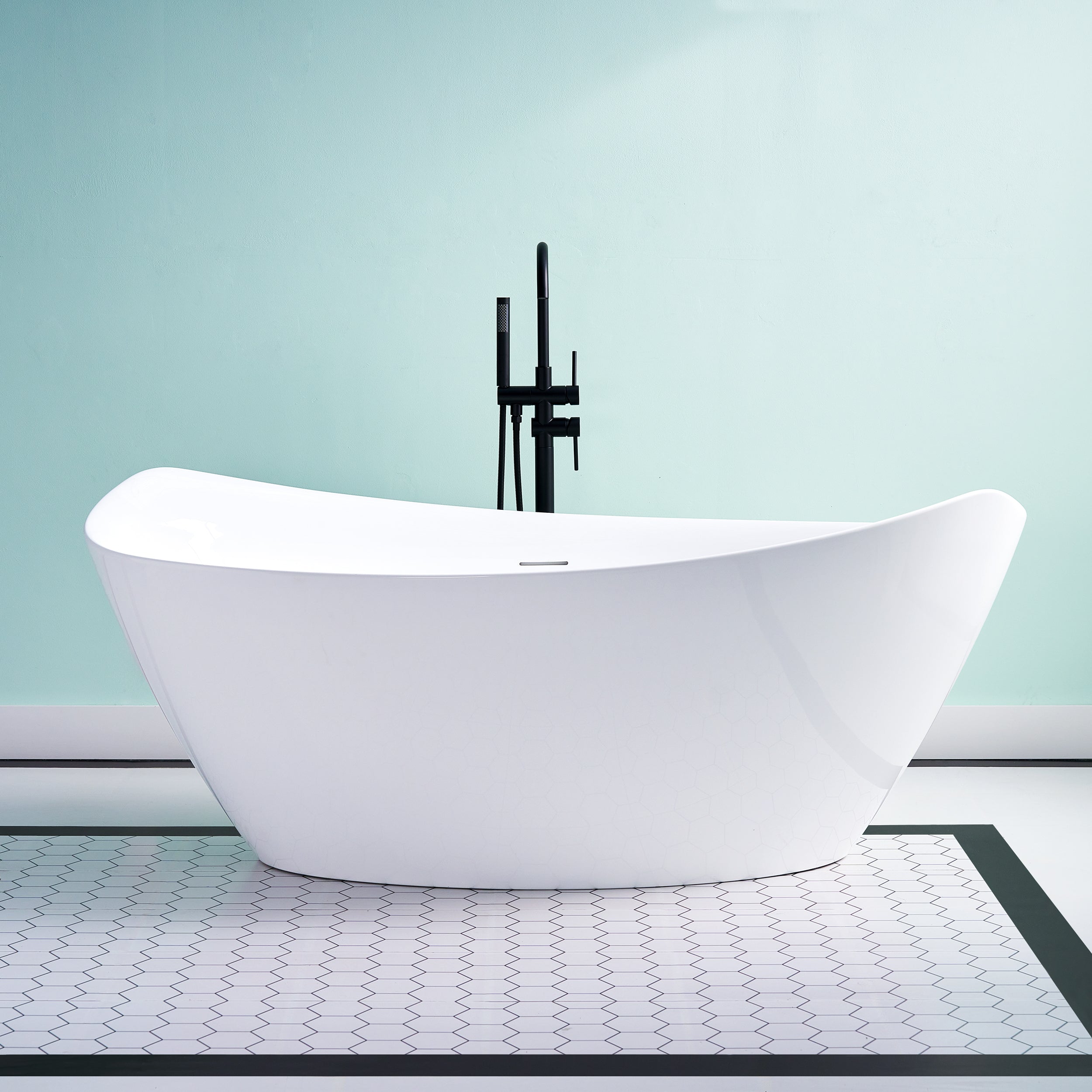
Acrylic is used across a wide range of tub styles, including:
· 59-inch freestanding tubs
· 60-inch alcove tubs
· 67-inch soaking tubs
· Back-to-wall tubs
· Double-slipper tubs
· Compact soaking designs
Current renovation data shows how varied bathtub preferences have become. Houzz's 2025 study found freestanding flat-bottom tubs leading upgraded installations at 45%, with alcove tubs close behind at 40%.
That is useful for families because the same general material can serve very different layouts.
An alcove acrylic tub can work well in a children's bathroom where a shower is also needed. A larger freestanding acrylic tub may suit a primary bath focused more heavily on soaking.
Safety Features Matter as Much as Material Strength
A family tub should not be judged only by how difficult it is to damage.
Houzz found that 55% of homeowners upgrading their bathtub added at least one specialty feature. Nonslip flooring was the leading feature at 24%, closely followed by grab bars at 23%.
These numbers reflect a broader shift toward bathrooms designed for different ages and abilities.
A practical family tub may benefit from:
· Textured or slip-resistant bathing surfaces
· Grab bars where appropriate
· A comfortable step-over height
· Rounded interior transitions
· A stable tub base
· Easy access to faucets and controls
Families with young children should also consider how easily an adult can reach into the tub from outside.
A very deep soaking tub may be comfortable for adults but less convenient when bathing a small child.
















Leave a comment
This site is protected by hCaptcha and the hCaptcha Privacy Policy and Terms of Service apply.