














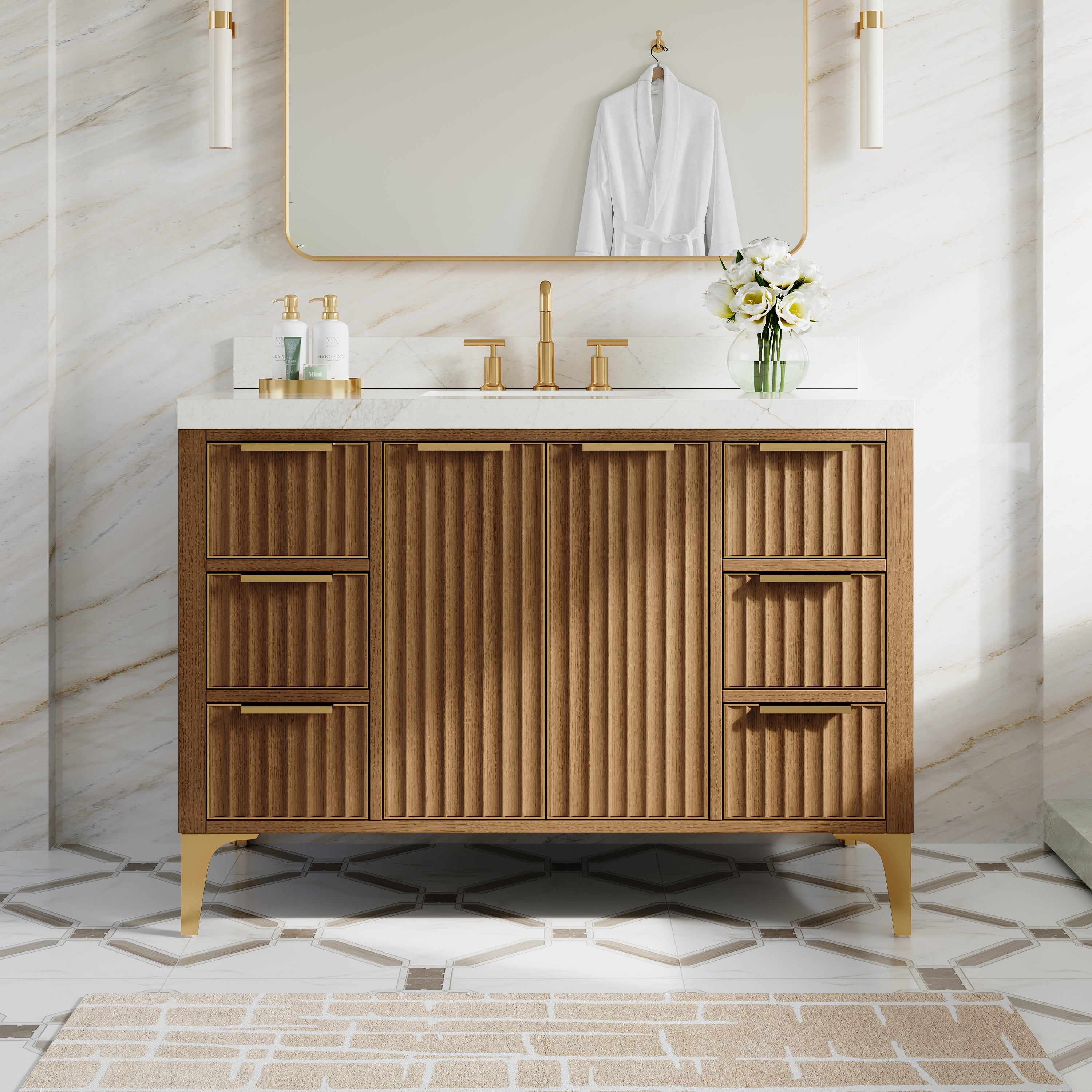
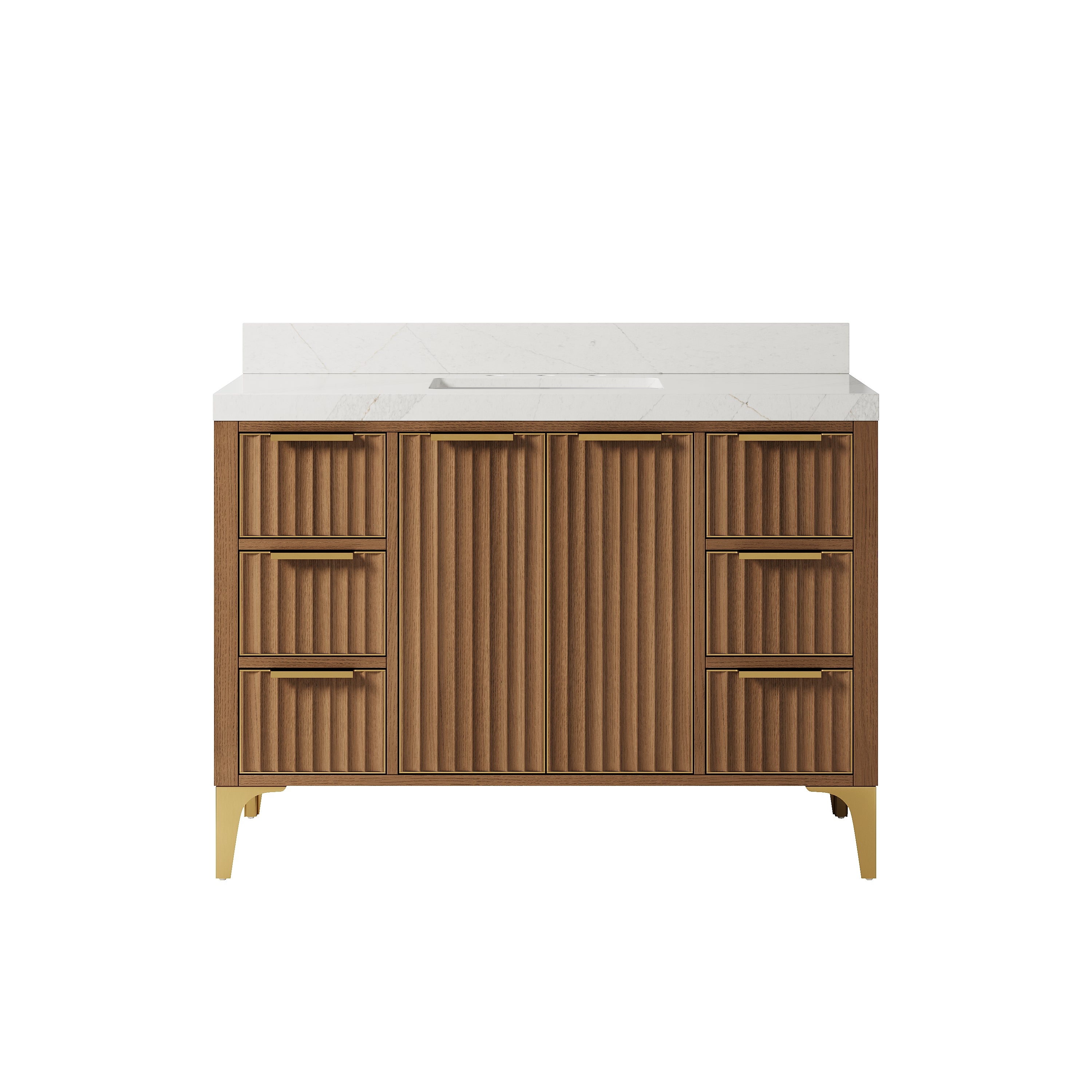


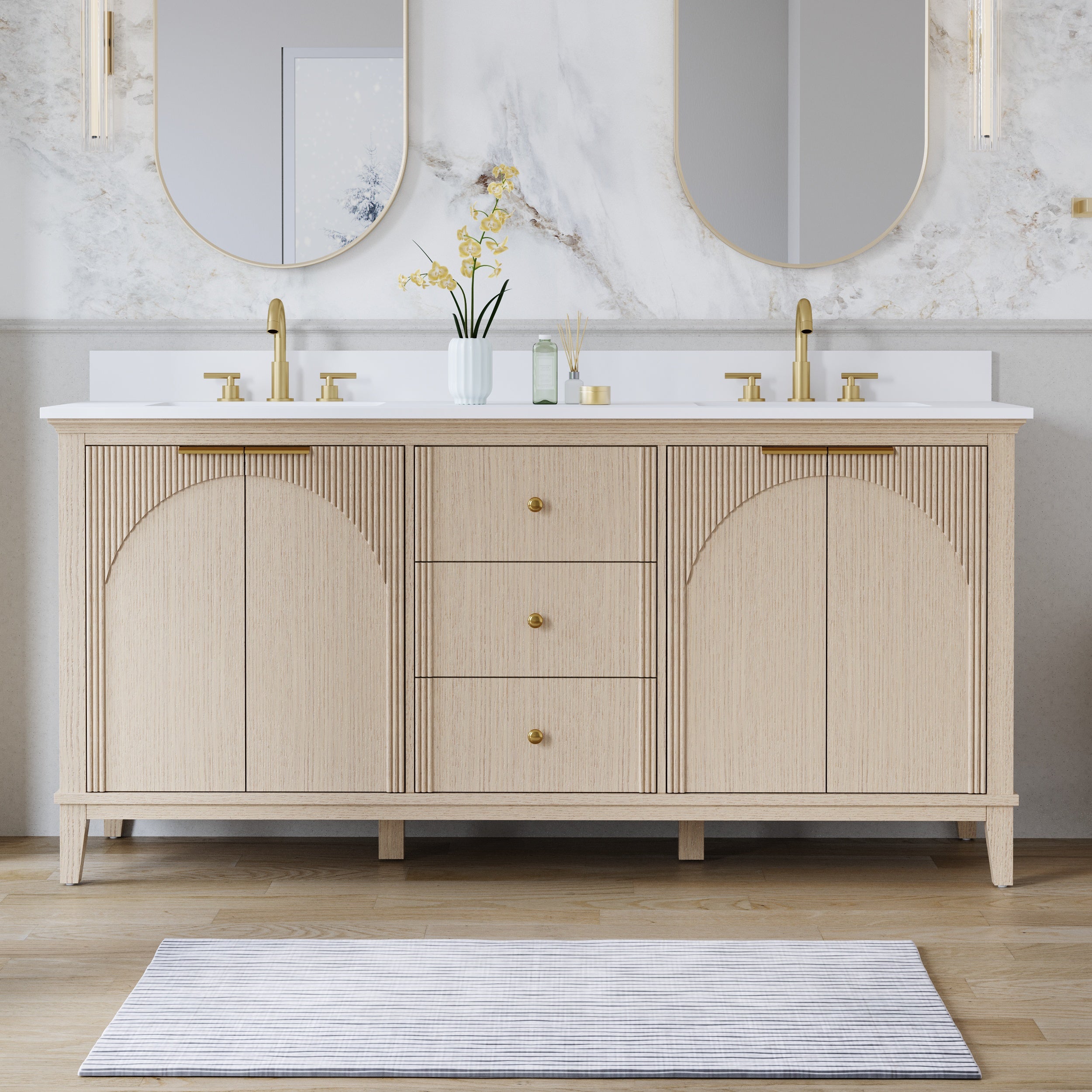
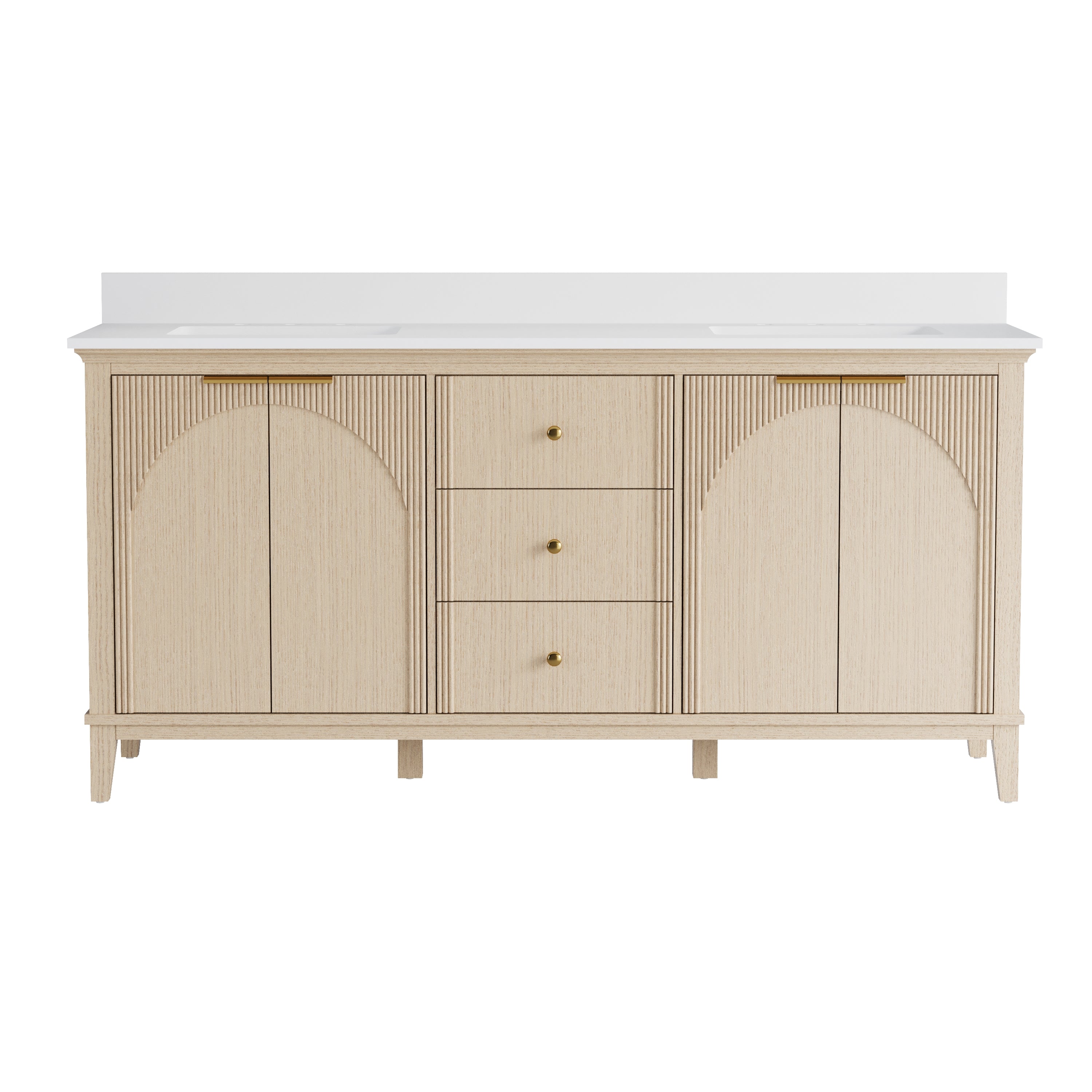
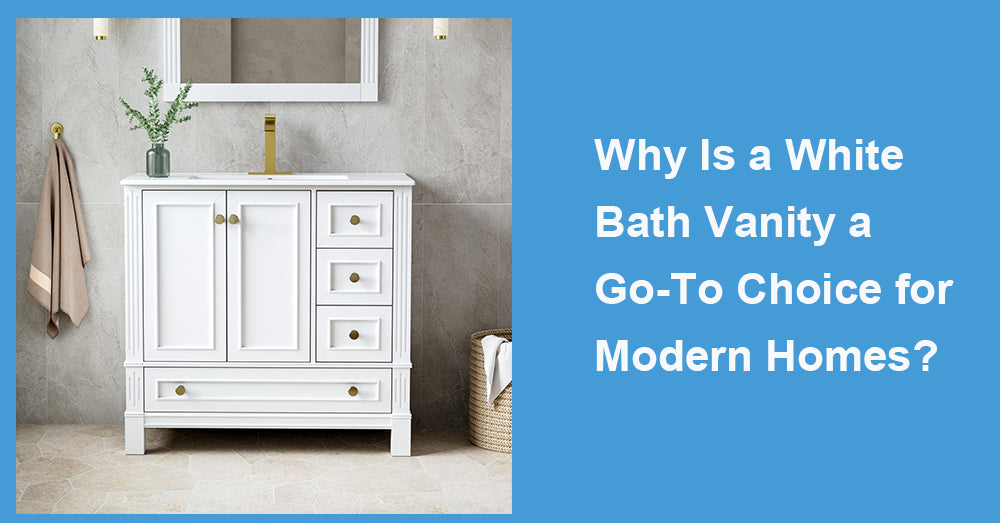
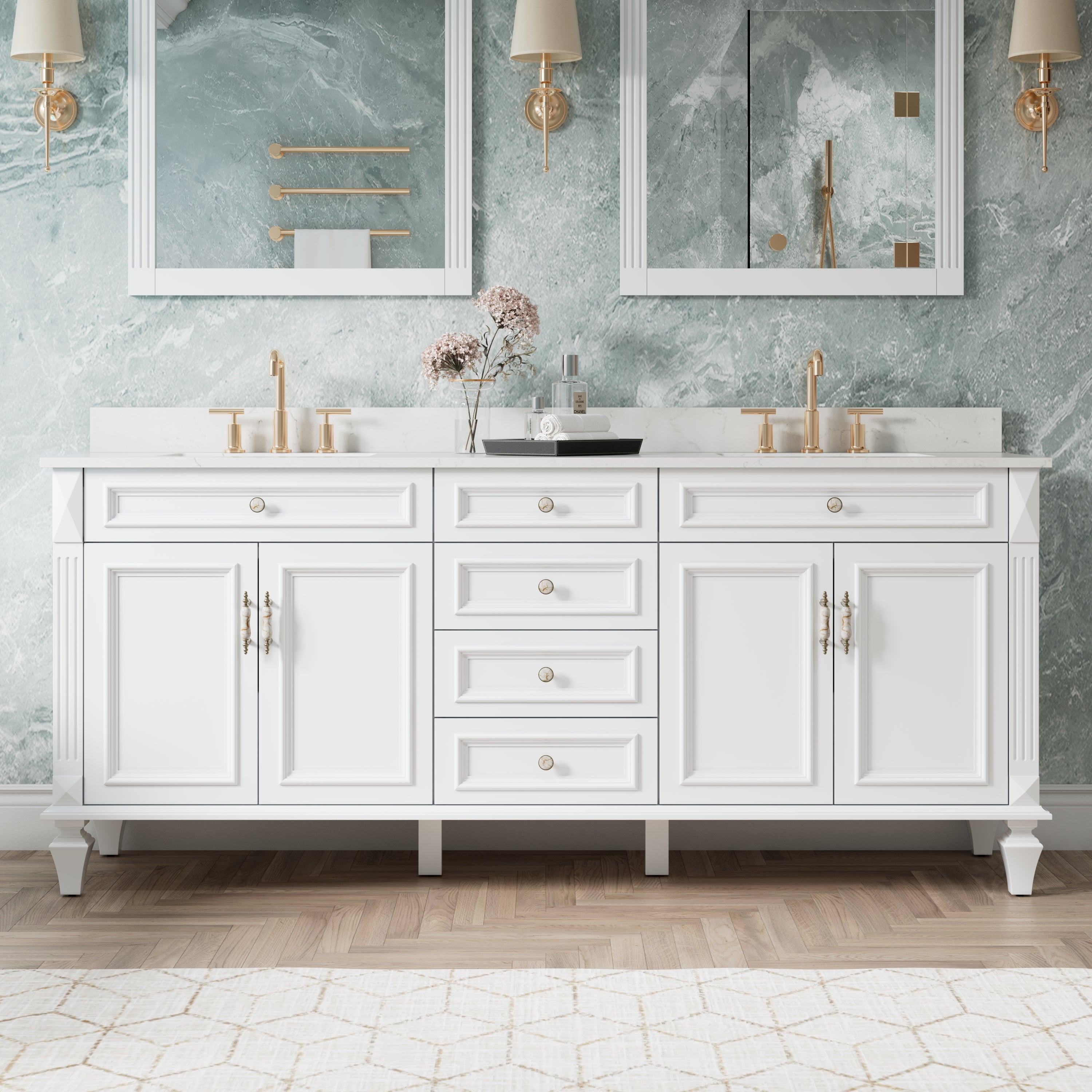
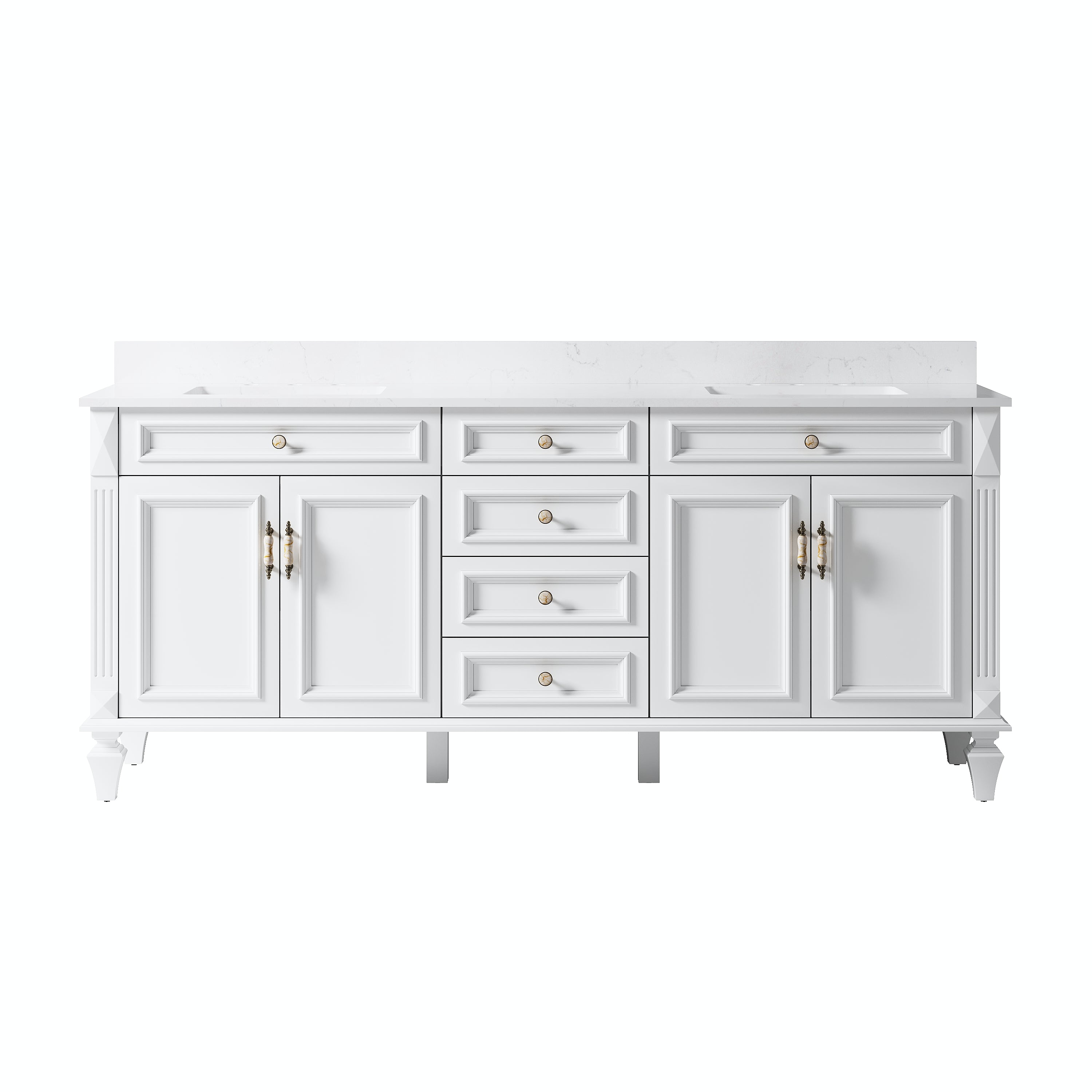
A white bath vanity remains one of the most dependable choices for modern homes because it brings brightness, flexibility, and a clean visual foundation to the bathroom. After more than 20 years of working with bathroom cabinetry and renovation projects, I have seen white vanities perform well in small guest baths, busy family bathrooms, and spacious primary suites. They work with an unusually wide range of countertops, tile, mirrors, and hardware. Still, the best result depends on proper sizing, construction quality, storage, and the right shade of white.
1. A White Bath Vanity Makes the Room Feel Lighter
White cabinetry reflects more available light than dark wood or saturated finishes.
That can be especially helpful in bathrooms with small windows, limited daylight, or darker flooring. The vanity becomes less visually dominant, allowing the room to feel more open.
This does not mean white can fix a poor layout.
A vanity that is too deep will still crowd the walkway, and an oversized cabinet can overwhelm a small room regardless of color. Measure width, depth, countertop overhang, and nearby clearances before focusing on finish.
2. White Fits Many Modern Design Styles
One reason white continues to work is its adaptability.
Flat-front drawers, thin hardware, and a simple countertop can create a clean contemporary look. Shaker-style doors make the same color feel more transitional. A floating white vanity can appear architectural, while a freestanding version feels more substantial.
Modern Does Not Have to Mean Cold
A common mistake is pairing white cabinetry only with gray tile and chrome.
Warm beige stone, natural wood accents, brushed brass, and textured walls can soften the room considerably.
I often prefer a white vanity when the homeowner wants flexibility because it leaves more freedom to introduce warmth through the surrounding materials.
3. White Works Well With Different Countertops
A white cabinet is one of the easiest bases for countertop selection.
Marble-look quartz creates a familiar, refined combination. Warm cream surfaces make the room softer. Dark countertops introduce contrast without making the cabinetry itself feel heavy.
The key is restraint.
If the countertop has bold veining, keep the floor or wall tile simpler. If the room already contains patterned tile, a quieter countertop usually creates better balance.
The vanity should support the composition, not compete with every other surface.
4. The Shade of White Matters More Than Expected
White is not a single color.
Some finishes have cool blue or gray undertones. Others lean warmer, with cream or beige in the mix.
Check the Finish Under Real Lighting
A crisp white may look excellent beside cool gray stone but slightly harsh against ivory tile. A warmer white can feel inviting with beige flooring but may look yellow next to blue-gray walls.
Lighting changes the result as well.
Whenever possible, view the cabinet finish next to your countertop and tile under the bathroom’s actual lighting.
This is a small step that prevents a surprisingly common design mistake.
5. White Can Make Larger Cabinets Feel Less Bulky
A 48-, 60-, or 72-inch vanity occupies a substantial amount of visual space.
White helps reduce some of that weight, particularly when the walls are also light.
This can be useful in primary bathrooms where storage requirements call for a wide cabinet.
A floating design can make the effect even lighter because more flooring remains visible beneath it. The tradeoff is that wall-mounted cabinets may provide less storage and require stronger structural support.
Freestanding models usually offer more capacity and simpler installation.
6. Storage Still Matters More Than Appearance
A good-looking vanity quickly becomes frustrating if the storage does not match everyday routines.
Deep drawers are excellent for skincare, cosmetics, brushes, and grooming tools. Under-sink cabinets work better for cleaning supplies, taller bottles, and spare paper goods.
Do not count storage based on drawer fronts alone.
The sink may occupy space behind upper fronts, while plumbing can reduce drawer depth significantly.
For a family bathroom, I would always prioritize usable drawers and adjustable storage over decorative symmetry.
7. White Has Practical Drawbacks
White cabinetry is versatile, but it is not maintenance-free.
Makeup, hair dye, toothpaste, fingerprints, and dark dust can be easy to spot. High-gloss finishes may also reveal streaks under strong mirror lighting.
For heavily used bathrooms, satin or low-sheen finishes are usually easier to live with.
White also makes chipped corners more visible if a darker material is exposed underneath.
If the finish is damaged, repair it promptly so moisture does not reach the substrate.
8. Construction Quality Should Come Before Color
A beautiful finish cannot compensate for weak cabinet construction.
Inspect drawer boxes, hinges, slides, edge sealing, and the area beneath the sink.
Solid wood components can provide strength and repairability. Quality plywood is often an excellent cabinet-box material because it remains relatively stable as bathroom humidity changes.
Well-sealed engineered materials can perform successfully too.
What concerns me most are poorly protected edges and plumbing cutouts, since moisture often reaches the cabinet there first.
9. Know Where White Works Best
White vanities are particularly effective in guest baths, compact bathrooms, modern primary suites, and rooms where you want flexibility for future updates.
They may be less suitable when the bathroom already contains large amounts of white tile, white walls, and pale countertops with no contrasting texture.
That type of room can feel flat.
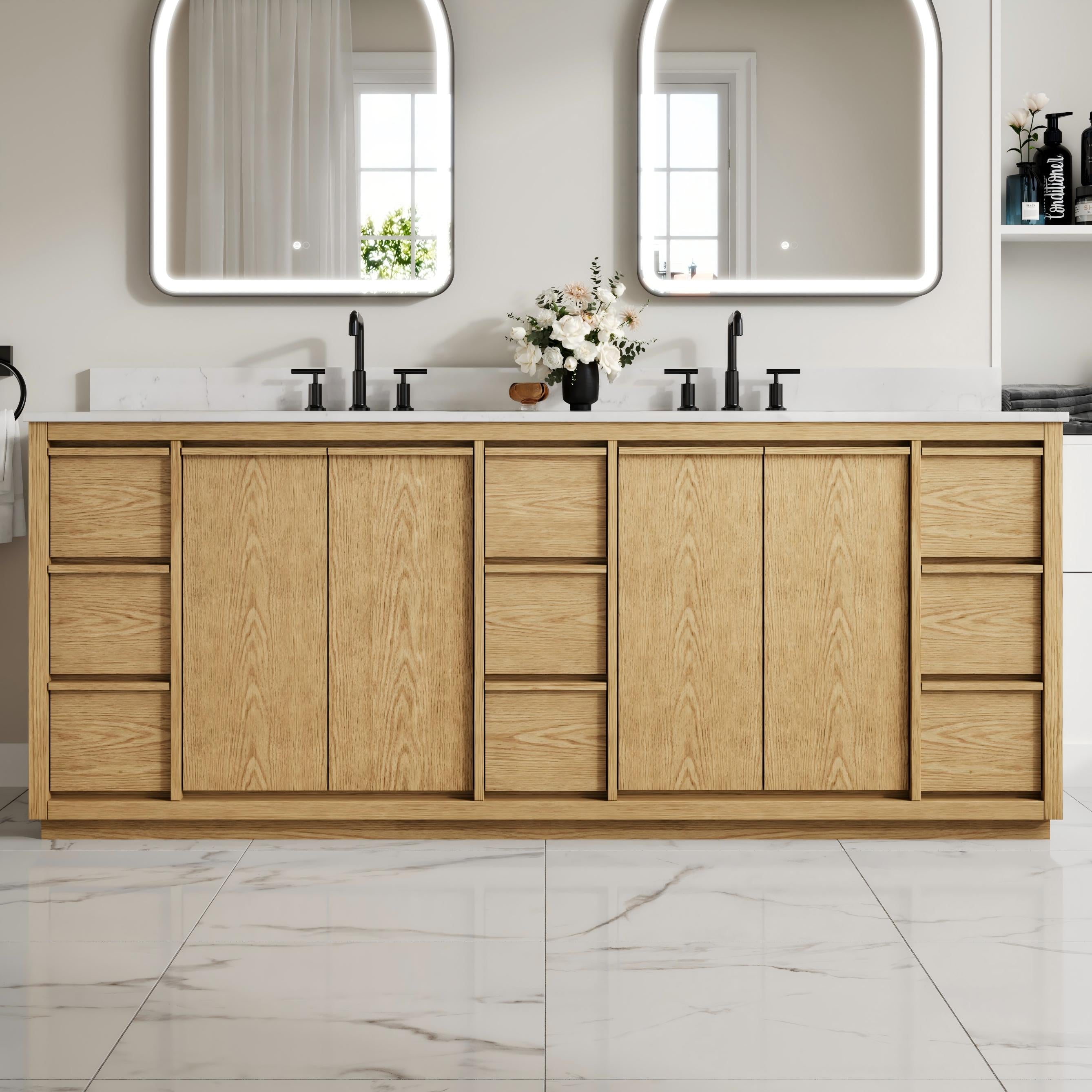
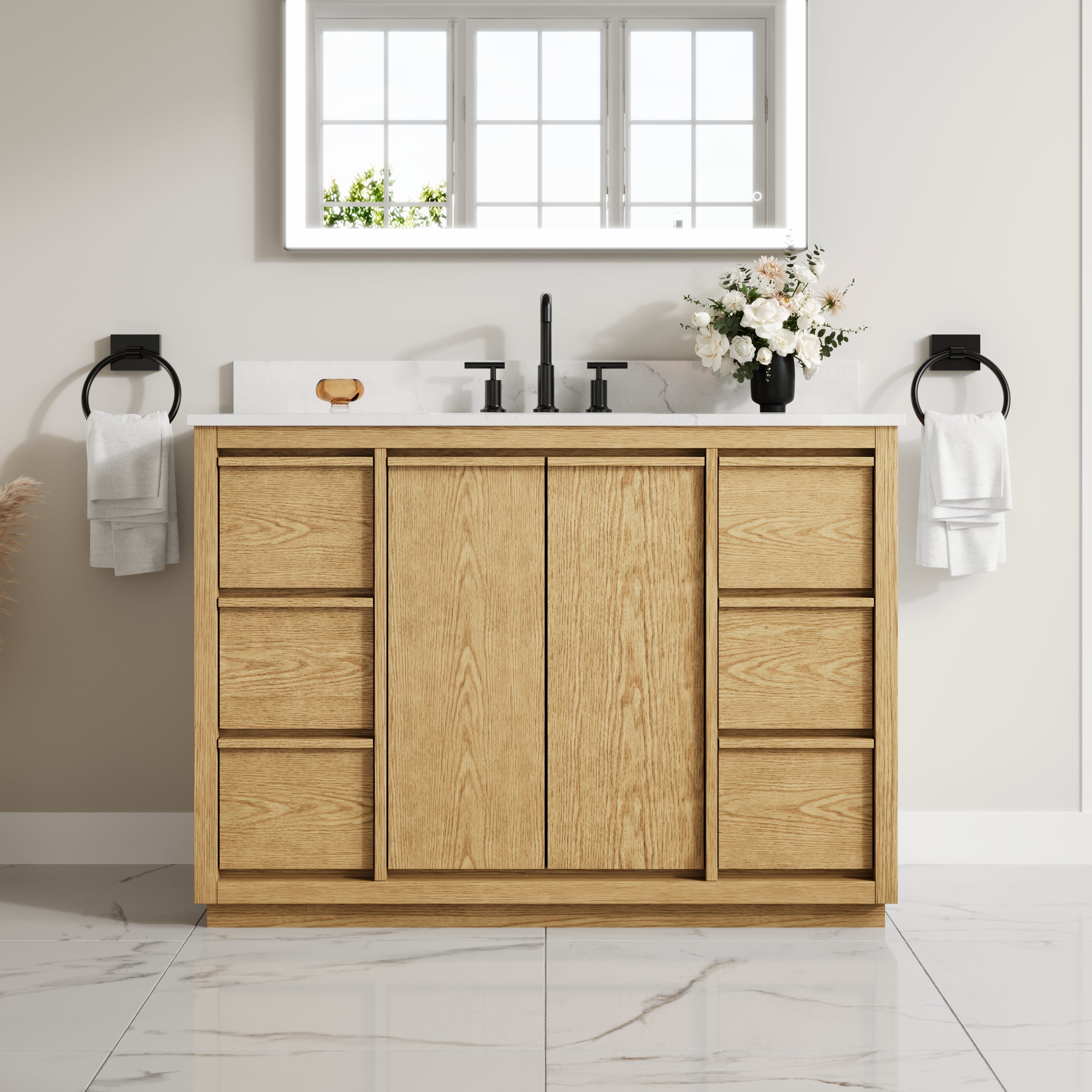
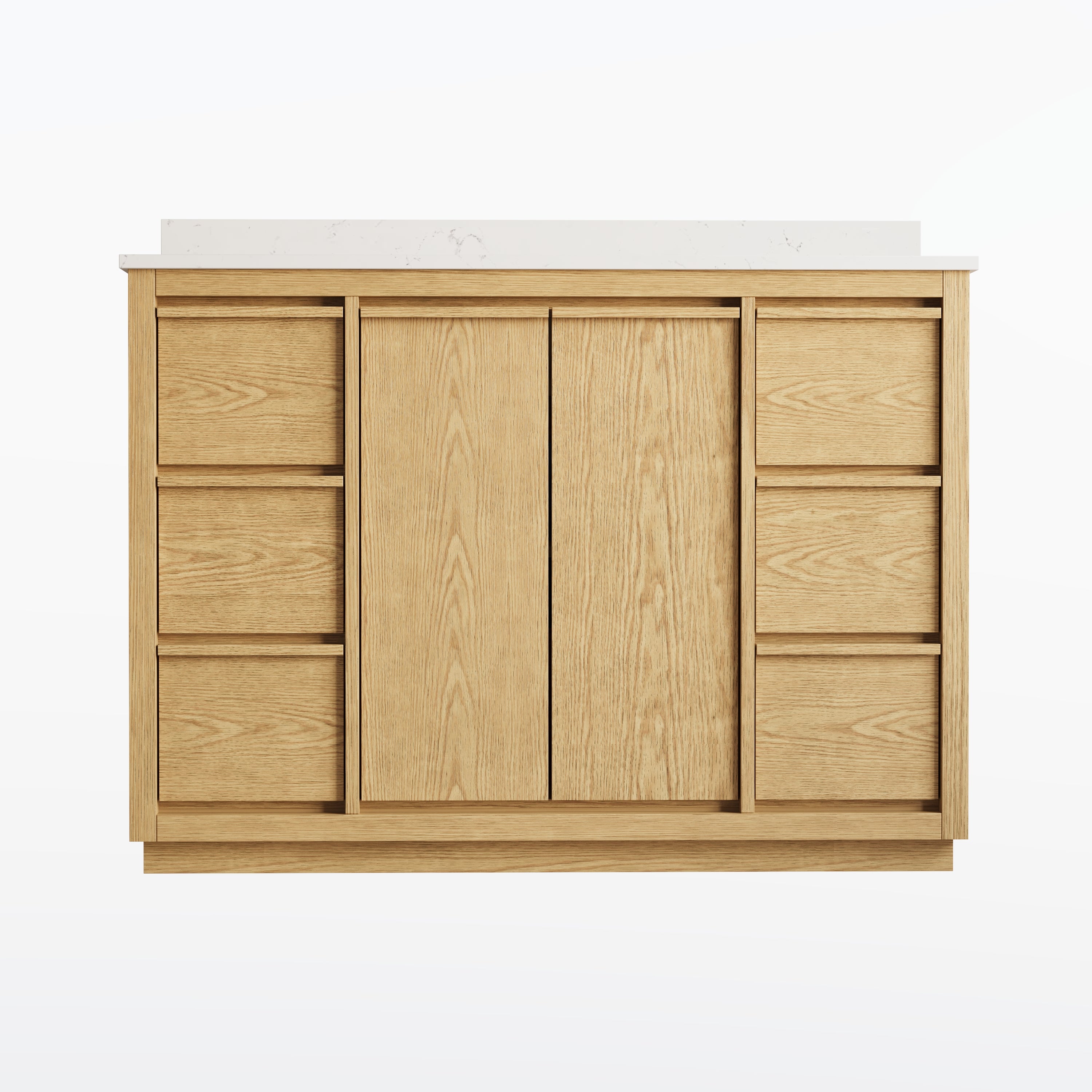
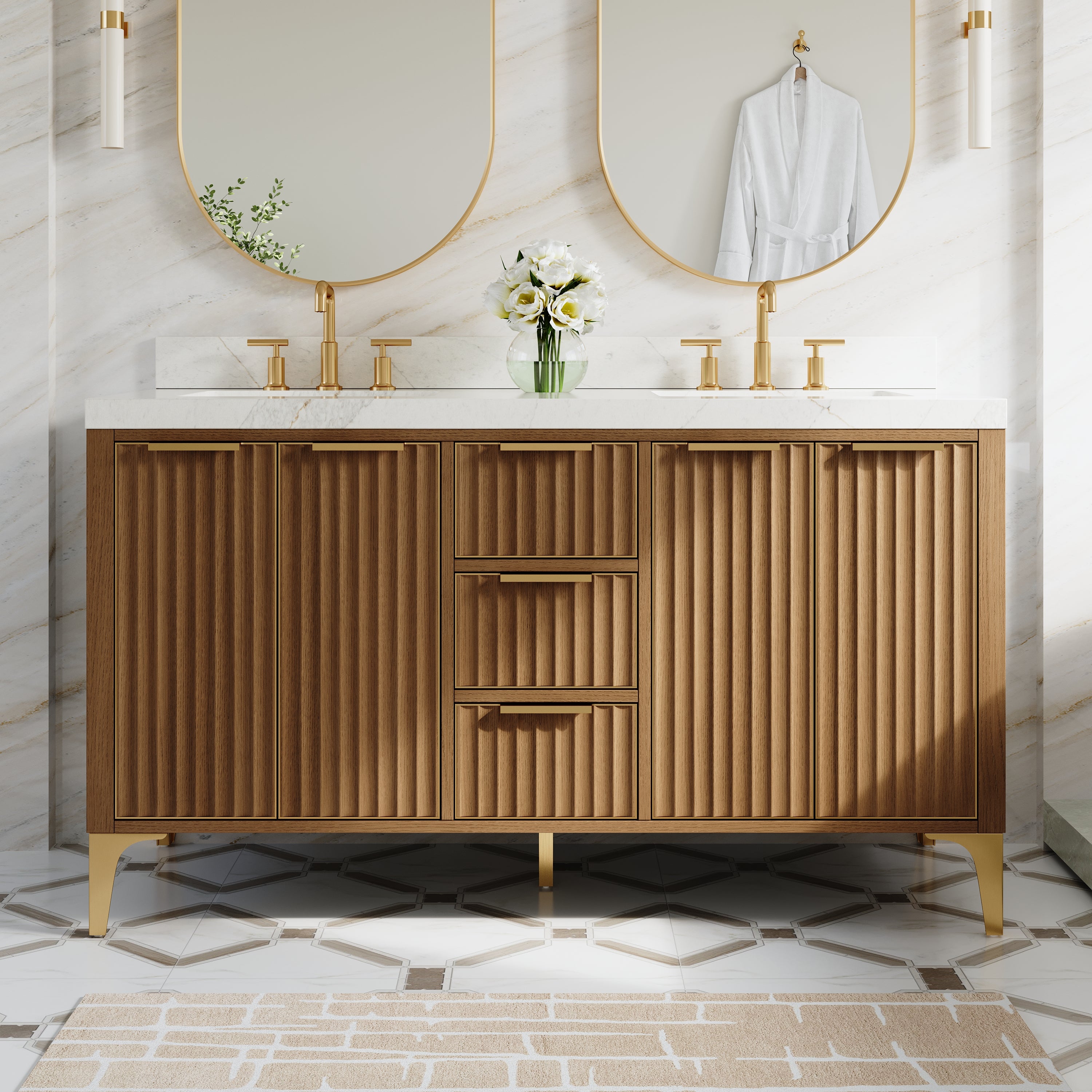
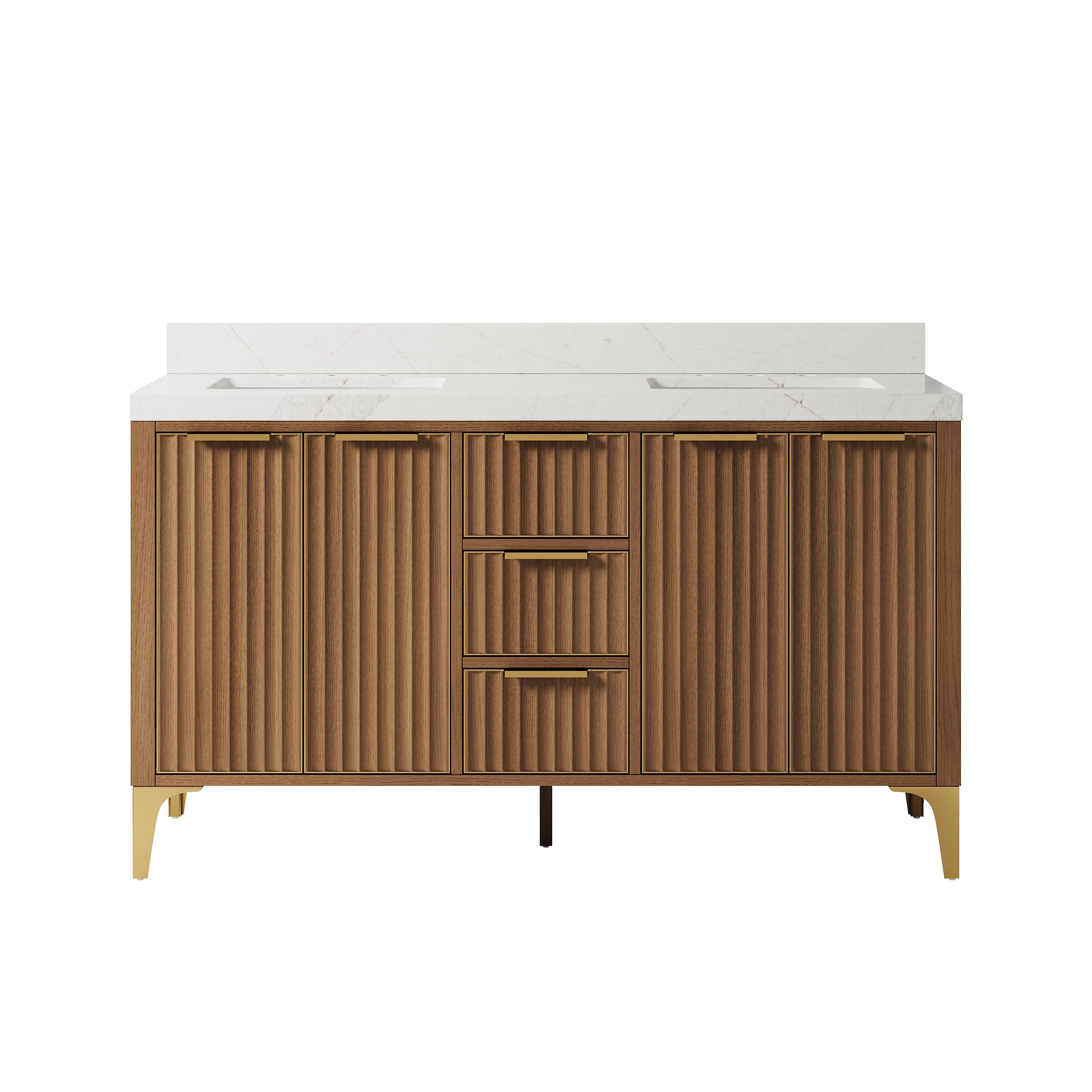
Natural wood, darker hardware, textured tile, or warmer stone can solve the problem. In some bathrooms, choosing a wood vanity instead may create better balance from the start.

10. Install and Maintain It Carefully
Set the vanity level before installing the countertop. White cabinetry makes uneven drawer gaps and crooked lines easy to notice.
Check the drain and supply-line locations before cutting into the cabinet.
Seal the sink, faucet openings, countertop joints, and backsplash carefully. Test every plumbing connection before filling the storage areas.
For maintenance, use a mild, non-abrasive cleaner and wipe standing water, cosmetics, and toothpaste promptly. Run the exhaust fan after showers and inspect beneath the sink periodically for leaks.
When comparing Wellfor options, start with dimensions, usable storage, construction, plumbing compatibility, and countertop pairing. Then choose the white tone that works with your lighting and permanent surfaces. A white bath vanity remains a go-to choice for modern homes because it gives the bathroom a flexible foundation without forcing the entire design to revolve around one strong finish.

















Leave a comment
This site is protected by hCaptcha and the hCaptcha Privacy Policy and Terms of Service apply.