
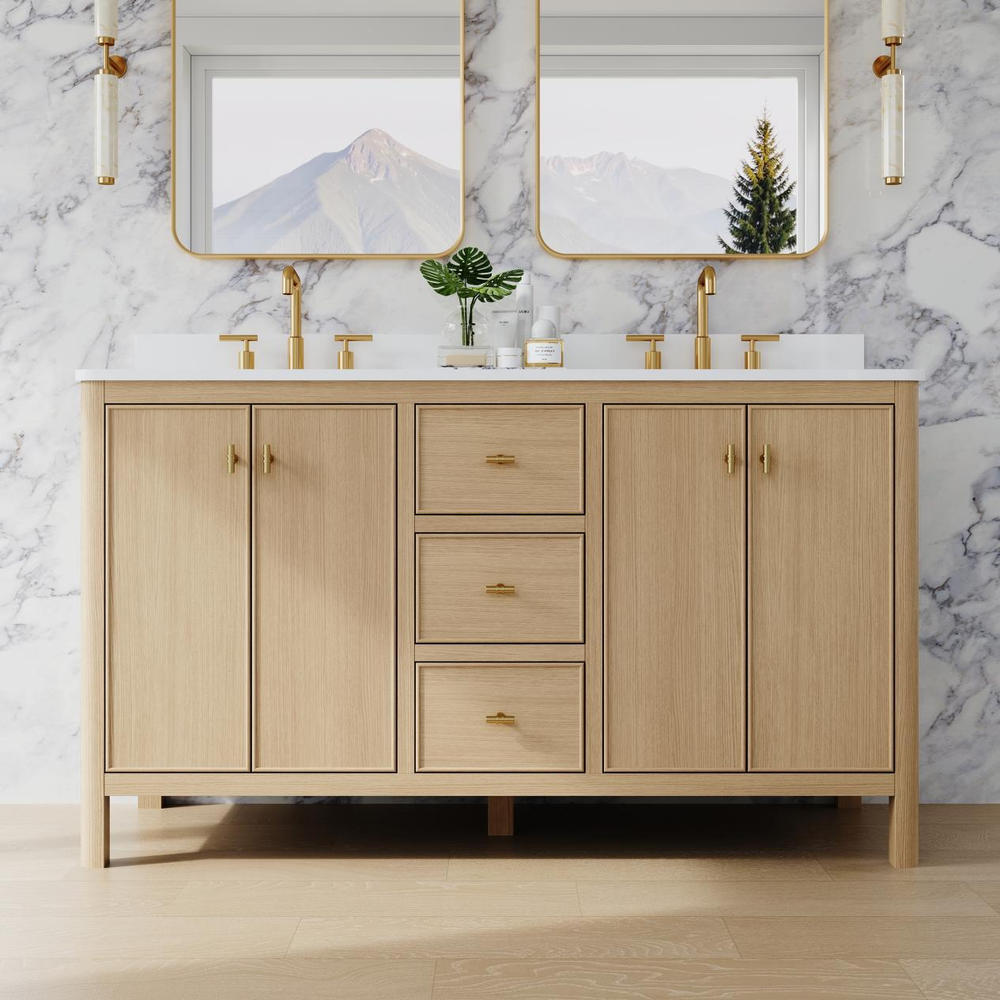
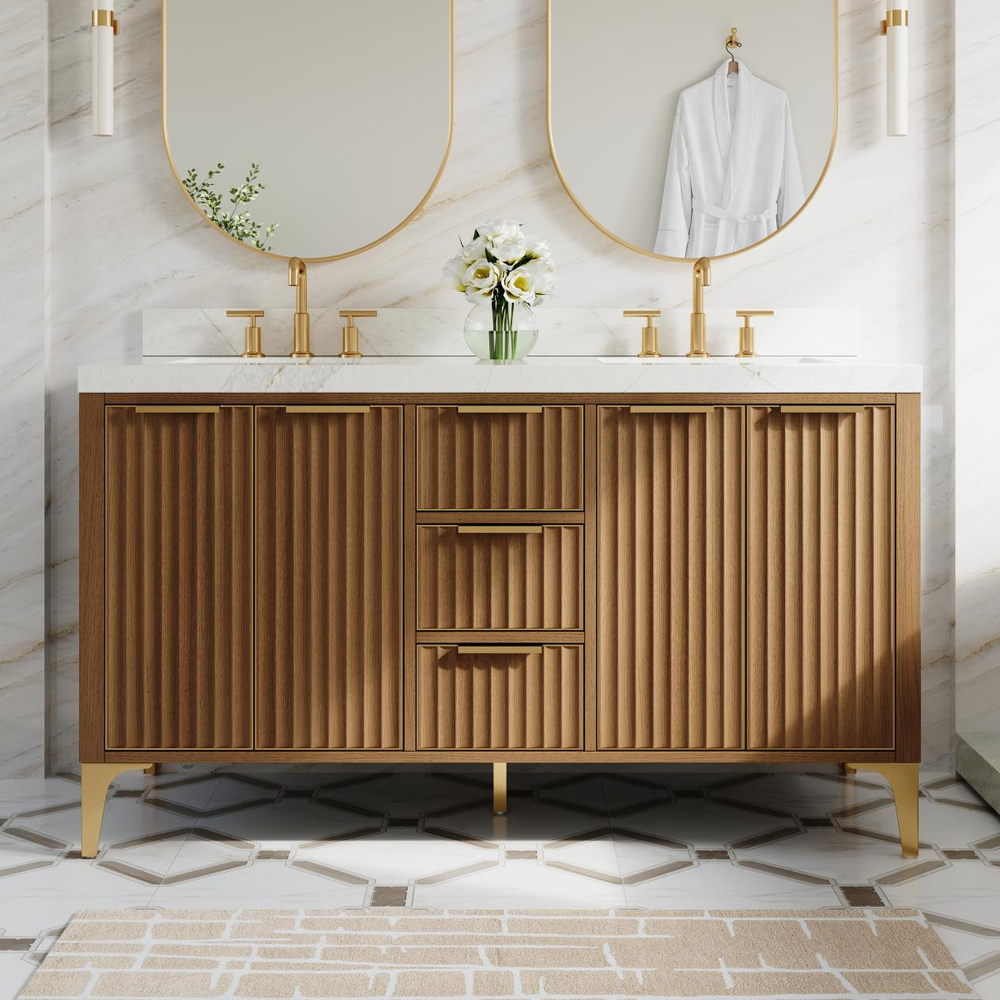



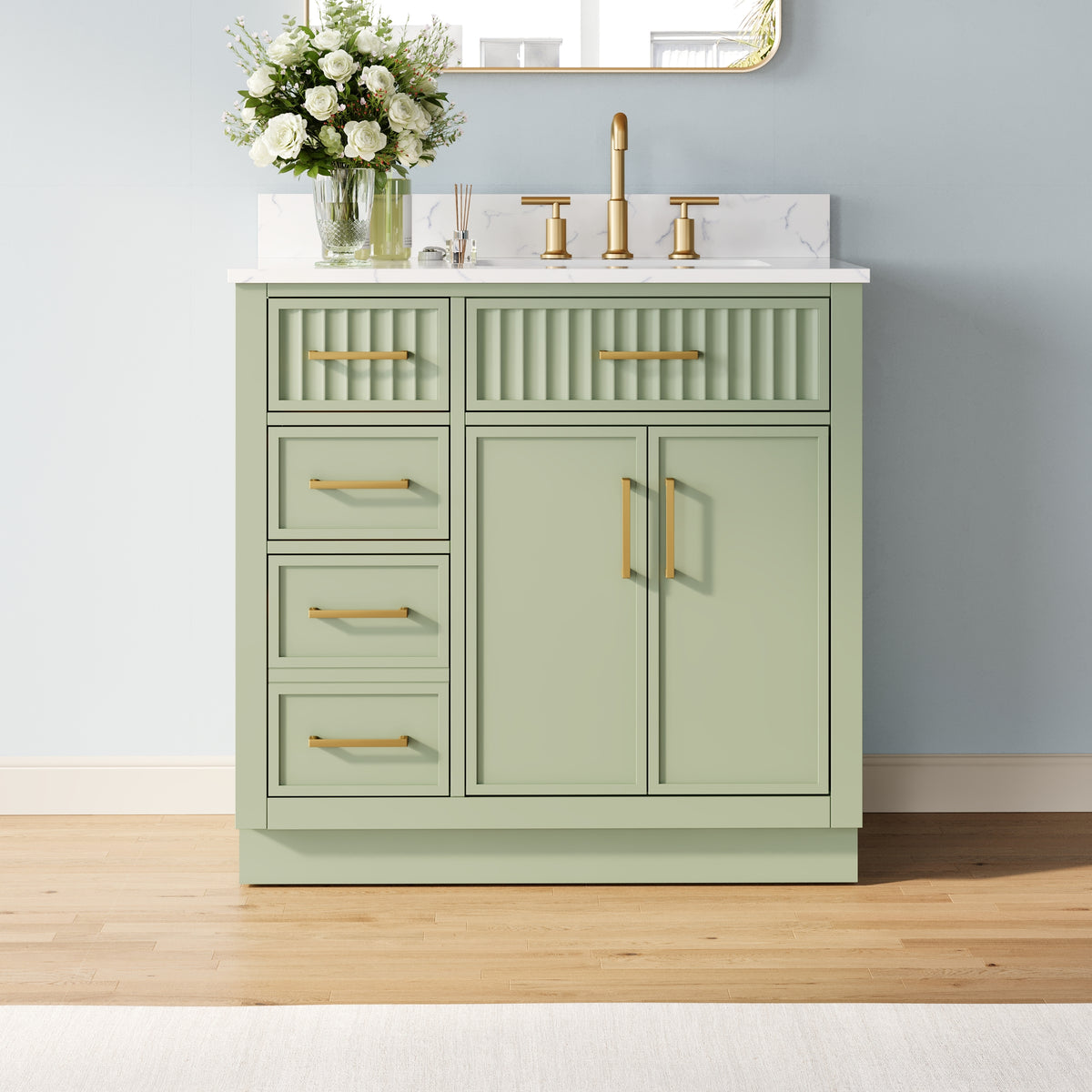
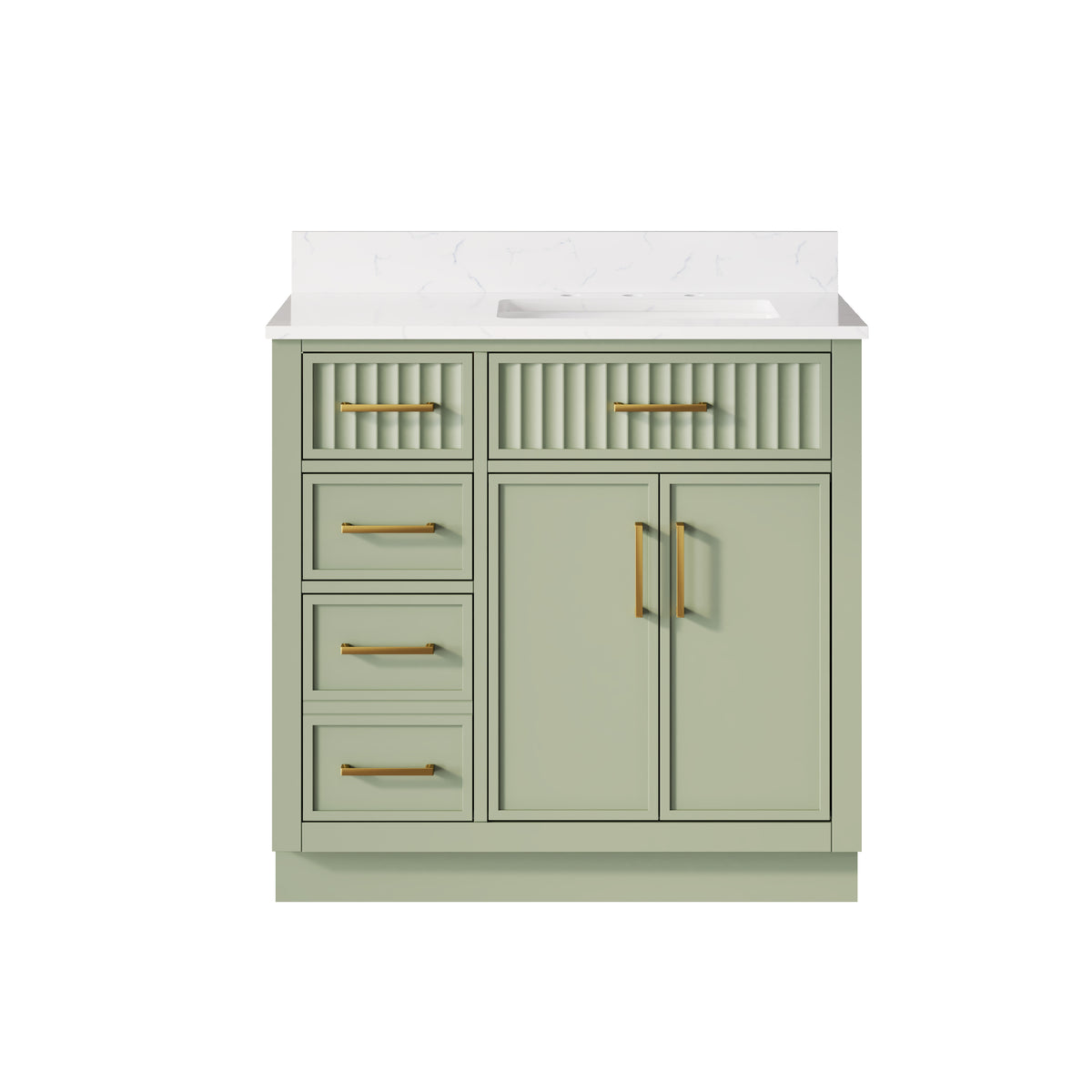
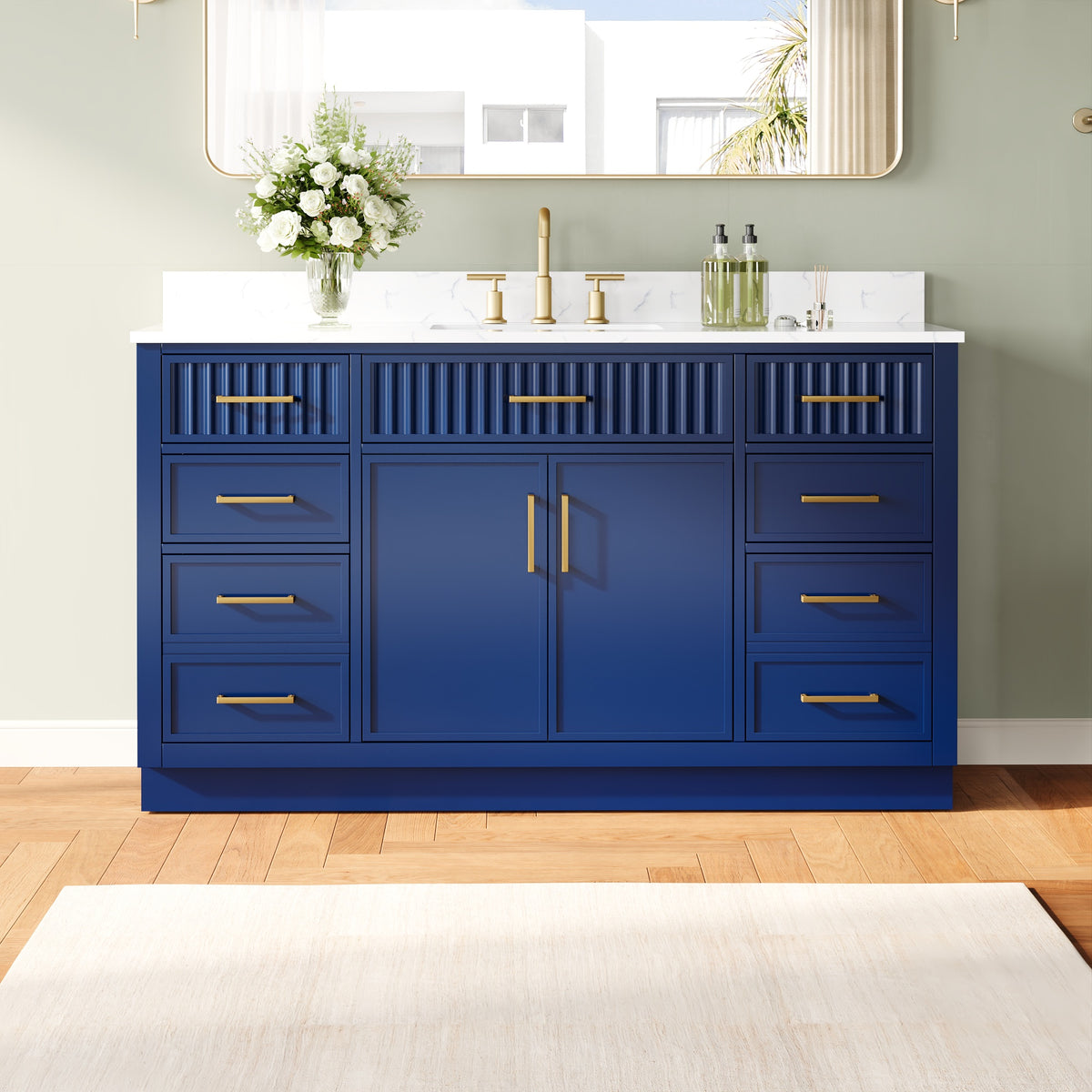
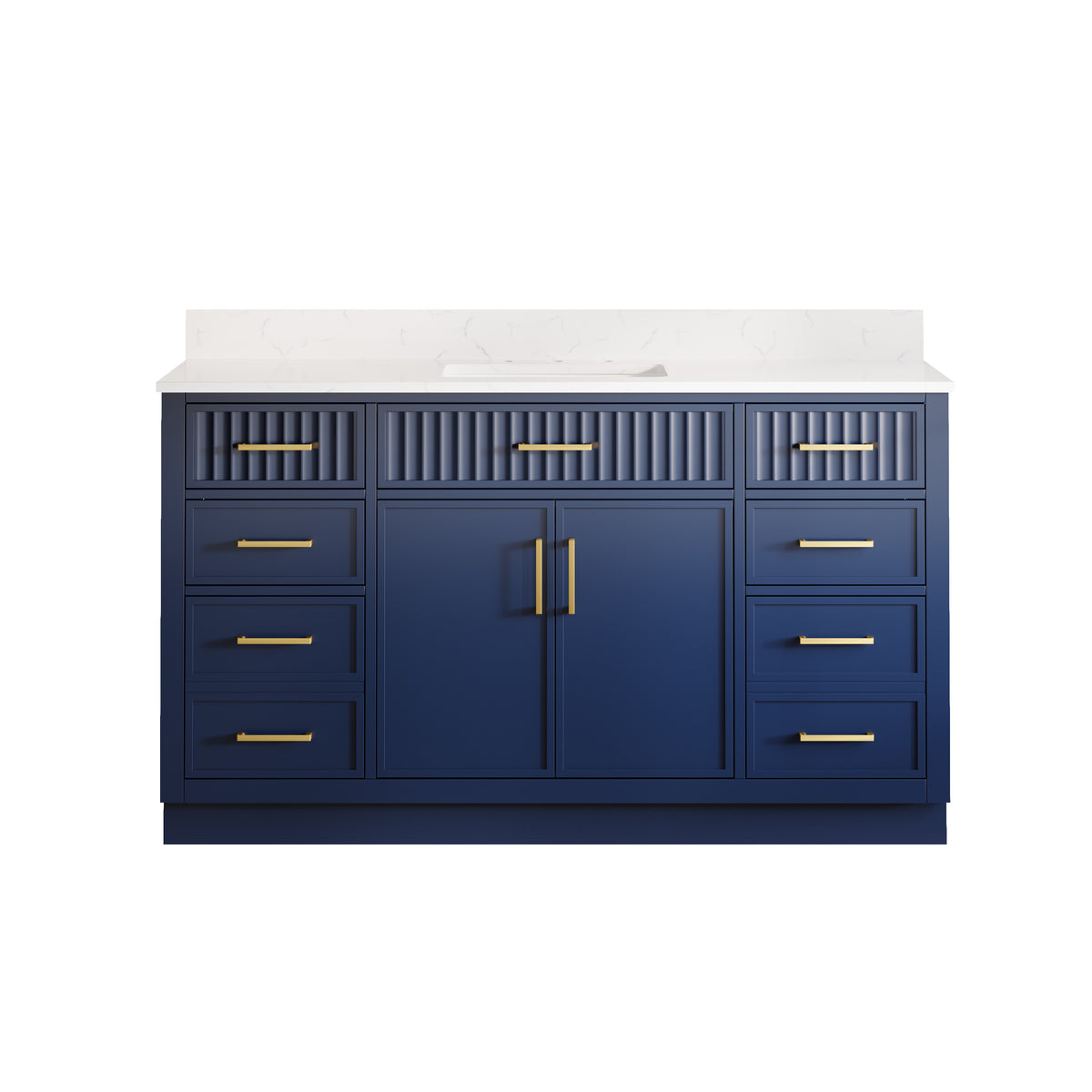
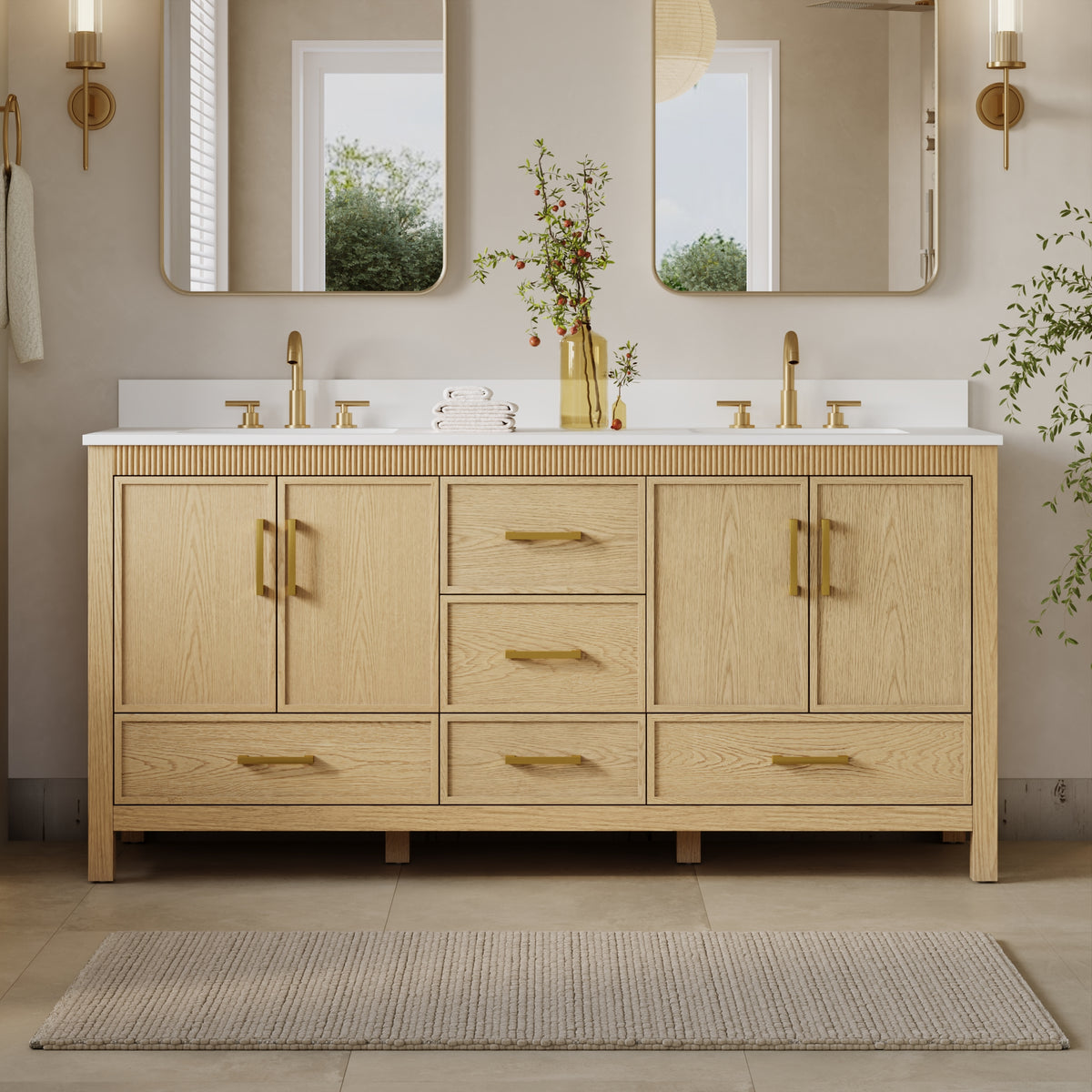
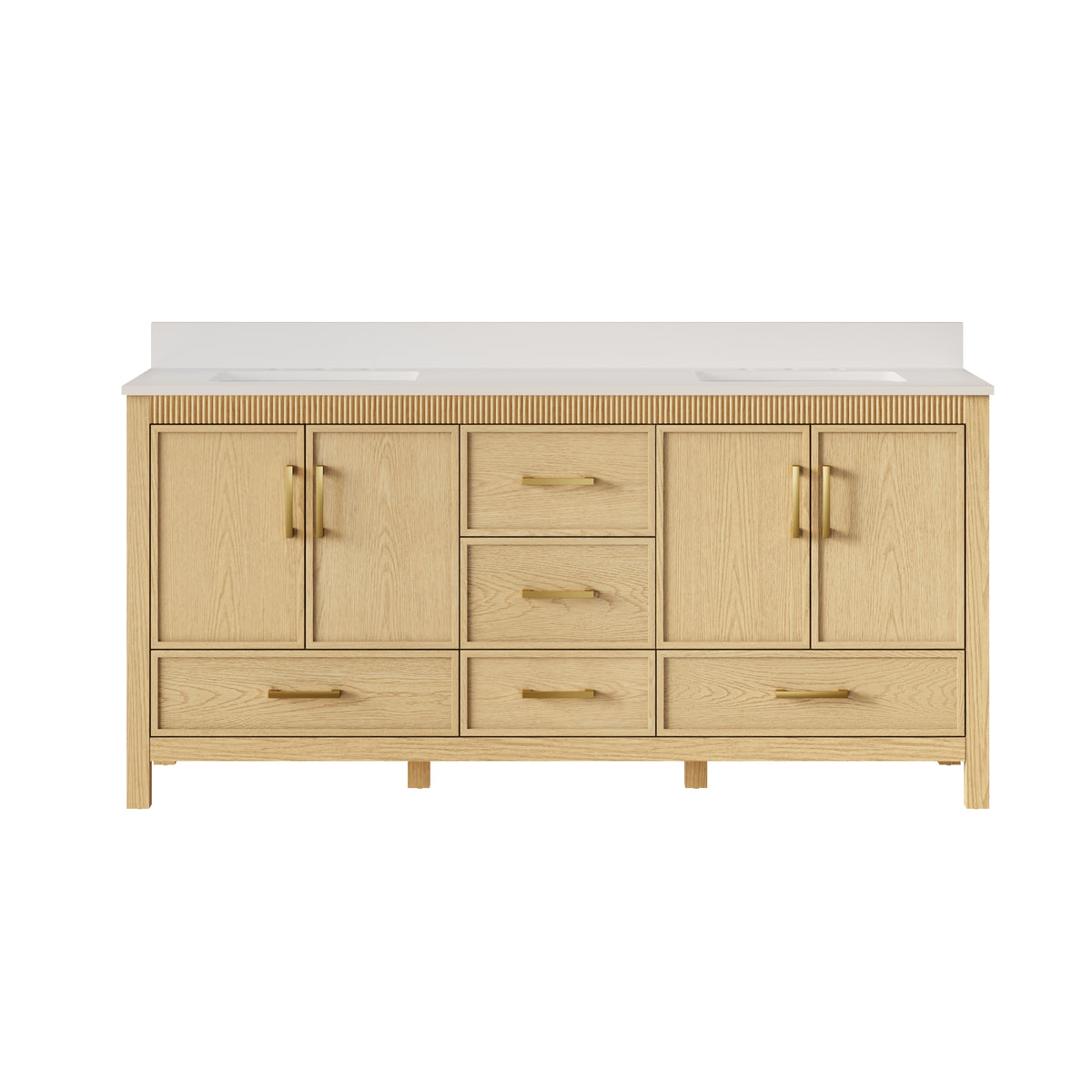
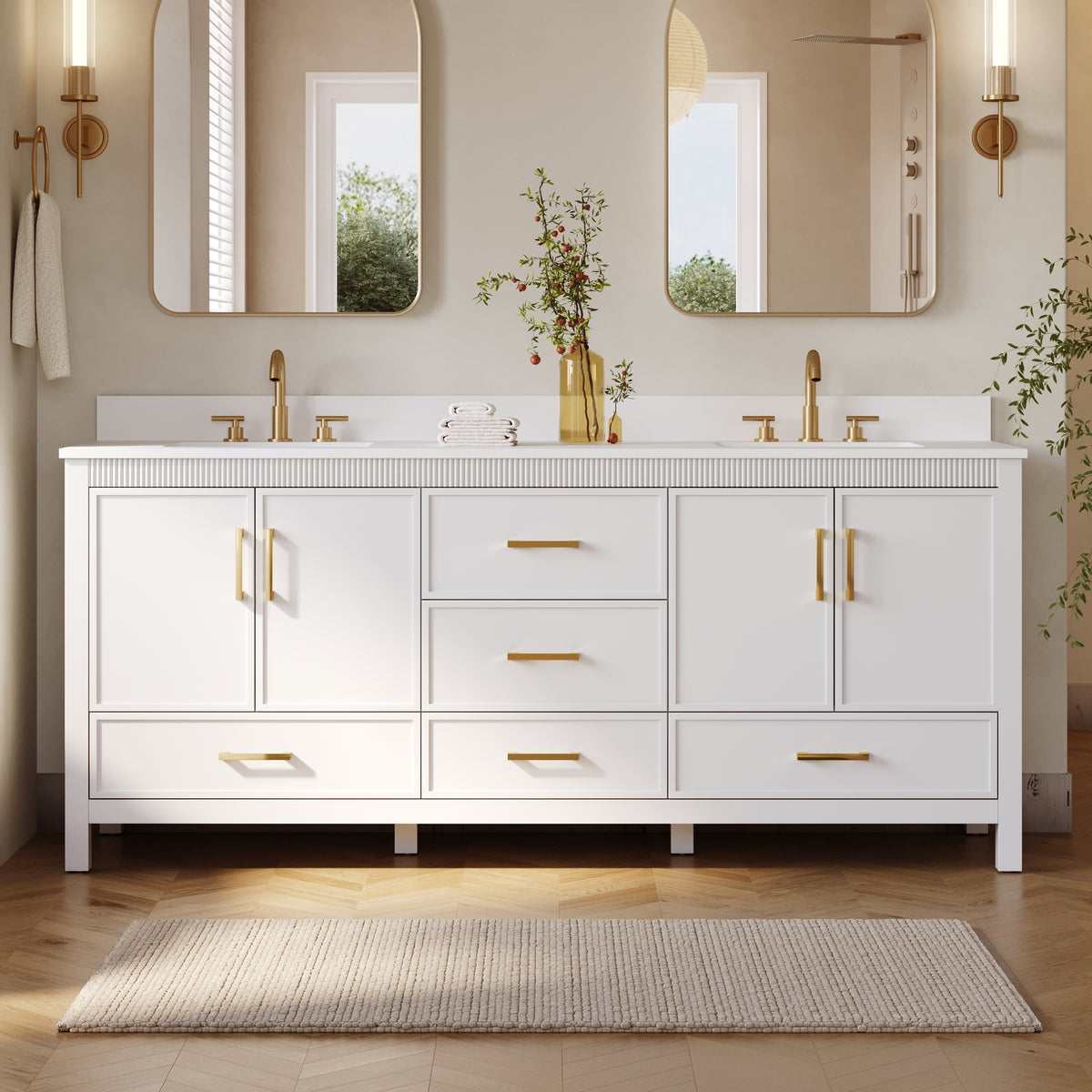
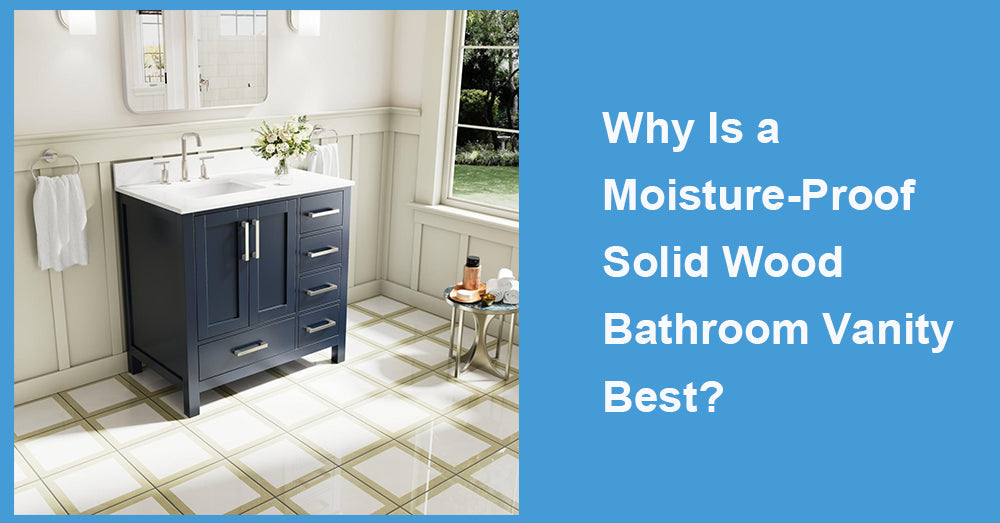
Bathrooms and wood have a complicated relationship. For years, homeowners were told to avoid wood at all costs in wet spaces, opting instead for painted MDF or laminate that could handle the steam. But anyone who has lived with a cheap particleboard vanity knows the truth: when water eventually gets in, that material swells, crumbles, and never recovers. A solid wood bathroom vanity with proper moisture-proofing changes the equation entirely. It brings warmth and real durability to a room that desperately needs both. But "solid wood" is a broad term, and not every piece labeled that way will survive a steamy shower routine. Here is what actually makes a moisture-proof solid wood vanity the superior choice, and what to watch out for before you buy.
What "Solid Wood" Actually Means (And Why It Matters)
Let's clear up a common confusion first. Many vanities marketed as "wood" are actually plywood or MDF with a wood-look veneer. That is not necessarily bad—plywood handles humidity reasonably well because its cross-layered construction resists swelling. But solid wood is a different category. It is a solid piece of timber, and when it is finished correctly, it can last for decades.
The 2026 U.S. Houzz Bathroom Trends Study found that solid wood is the most common vanity material, chosen for 75% of upgrades, followed by plywood at just 8% and MDF at 7% . That overwhelming preference is not just about looks. Homeowners have learned that solid wood holds screws, resists daily wear, and can be refinished if the surface ever gets damaged. Particleboard, by contrast, swells and loses its grip on screws once it gets wet—and the sink base is exactly where water tends to pool .
The Species Question: Not All Wood Is Equal
If you are going to invest in solid wood, the species matters. Some woods are naturally better equipped for moisture than others.
Teak is the gold standard for wet environments. It contains natural oleoresin in its fibers, which waterproofs the wood from within. Spill a glass of water on untreated teak, and it beads up on the surface rather than soaking in . The catch is price. Tropical timber like teak typically costs 30 to 60 percent more than comparable European oak, largely due to transport and limited supply .
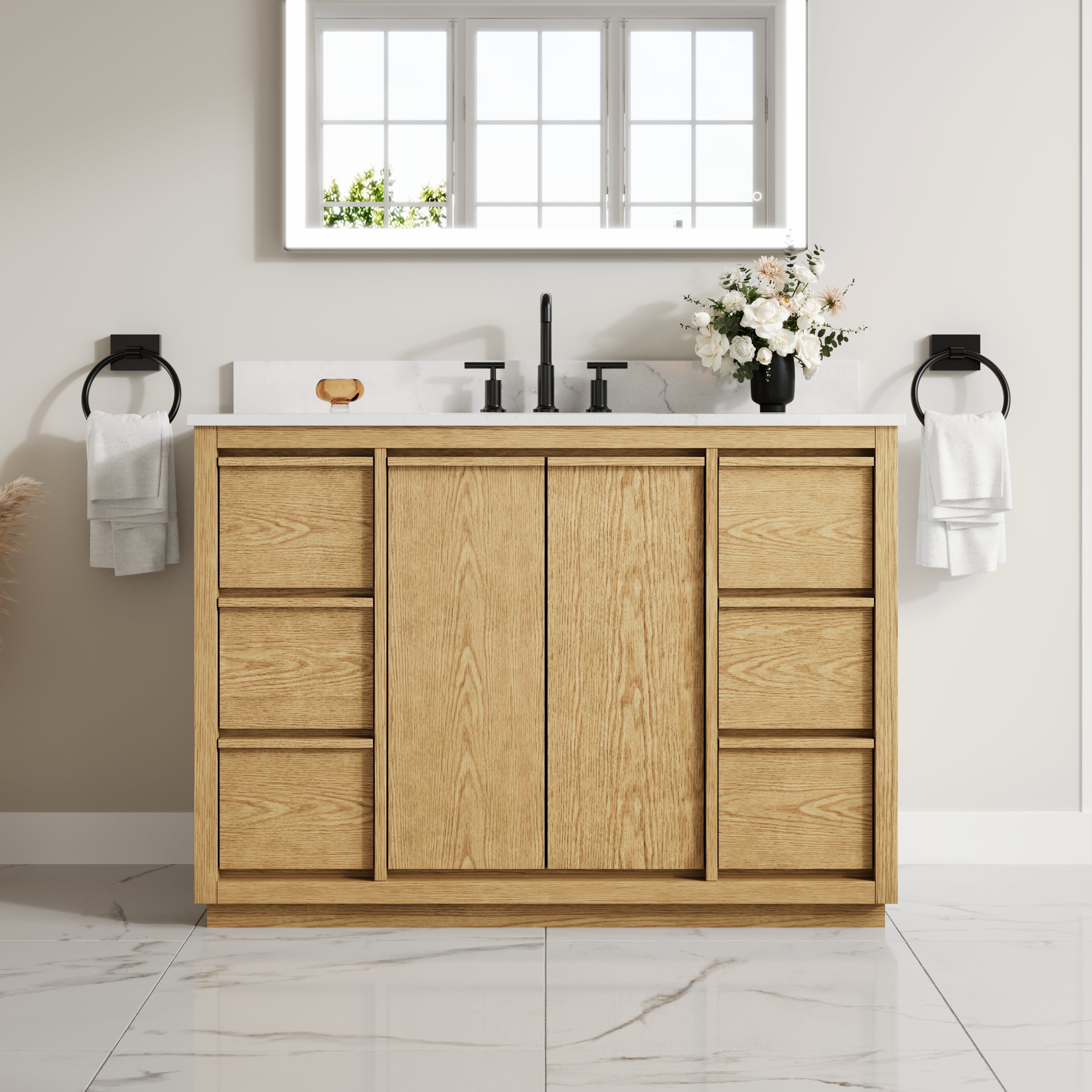
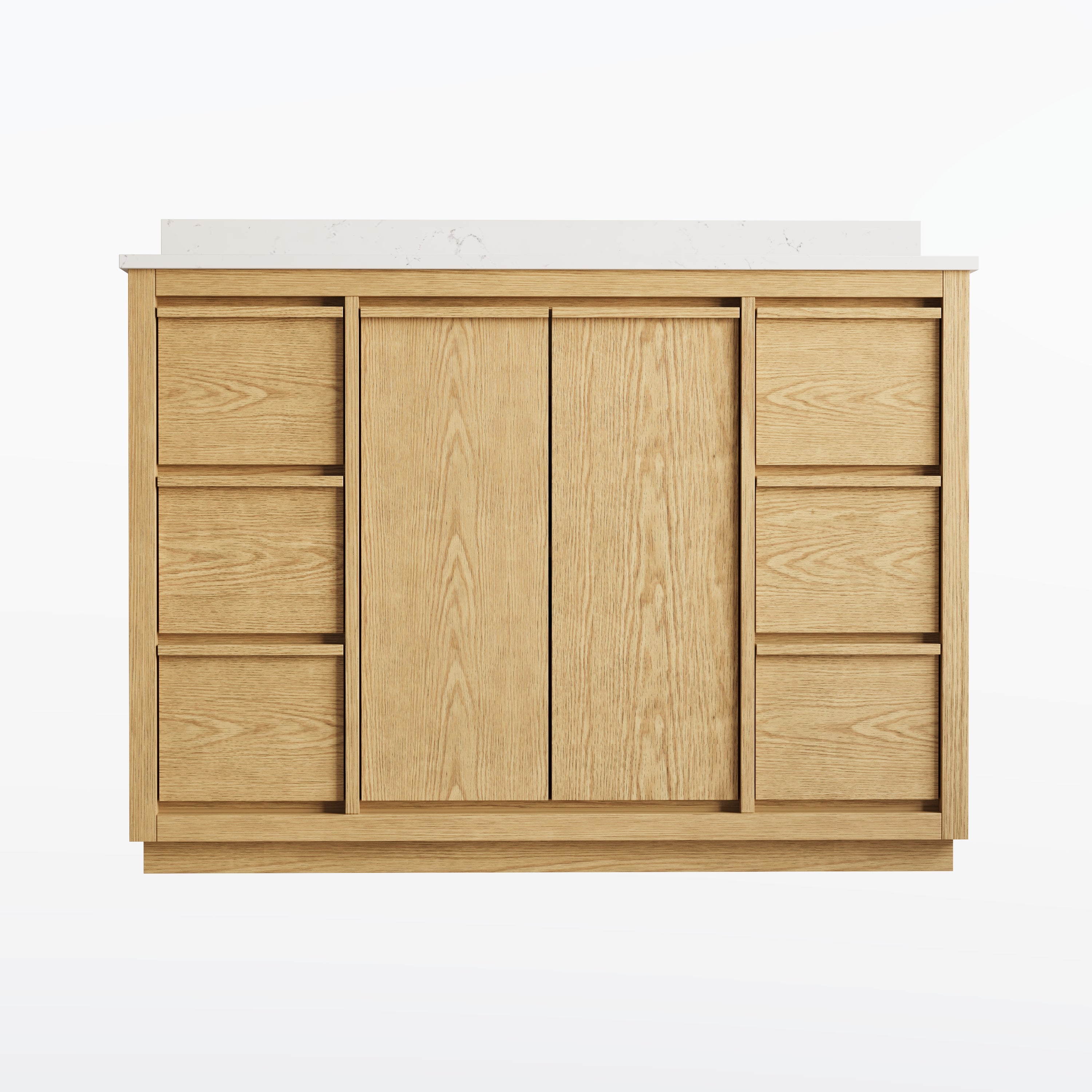
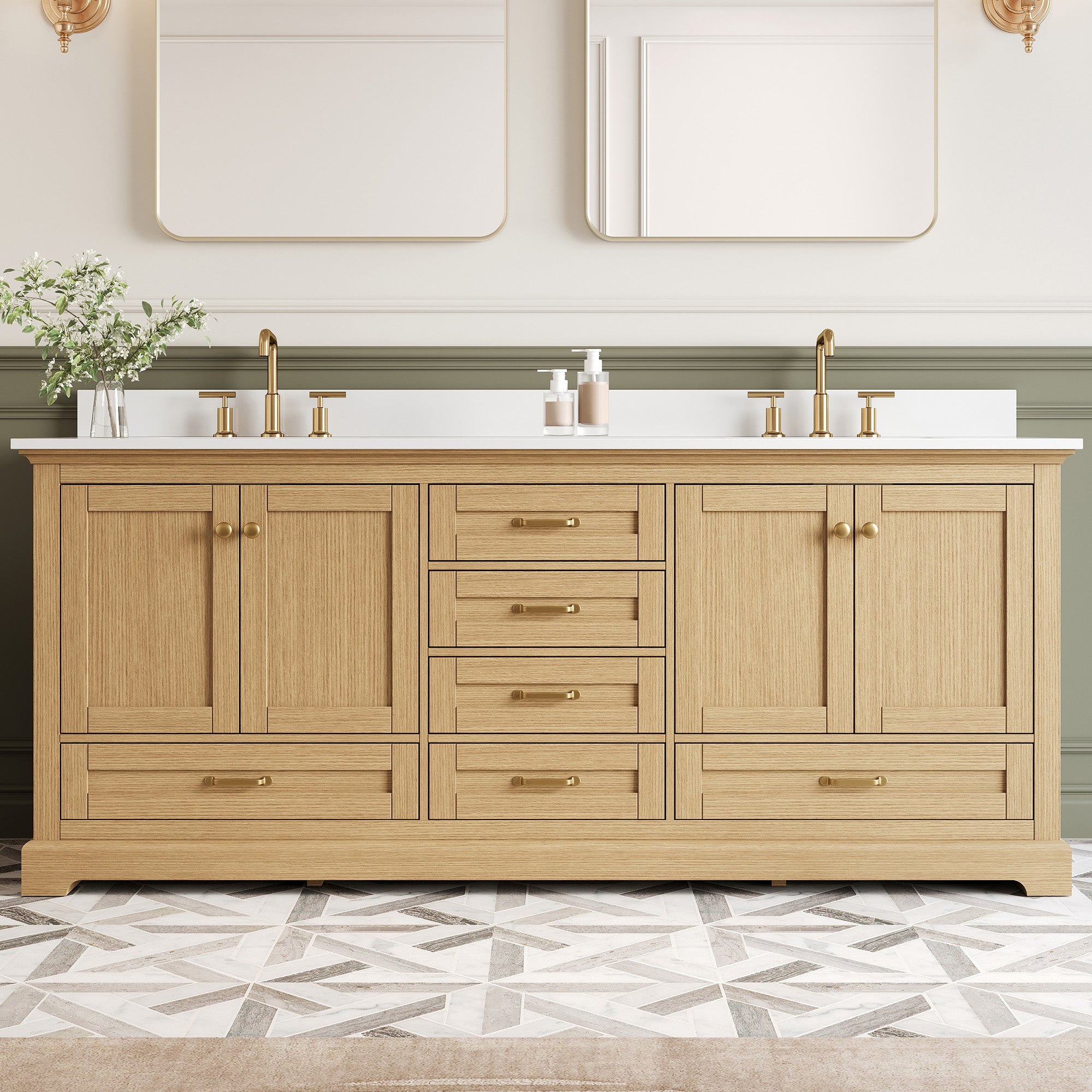
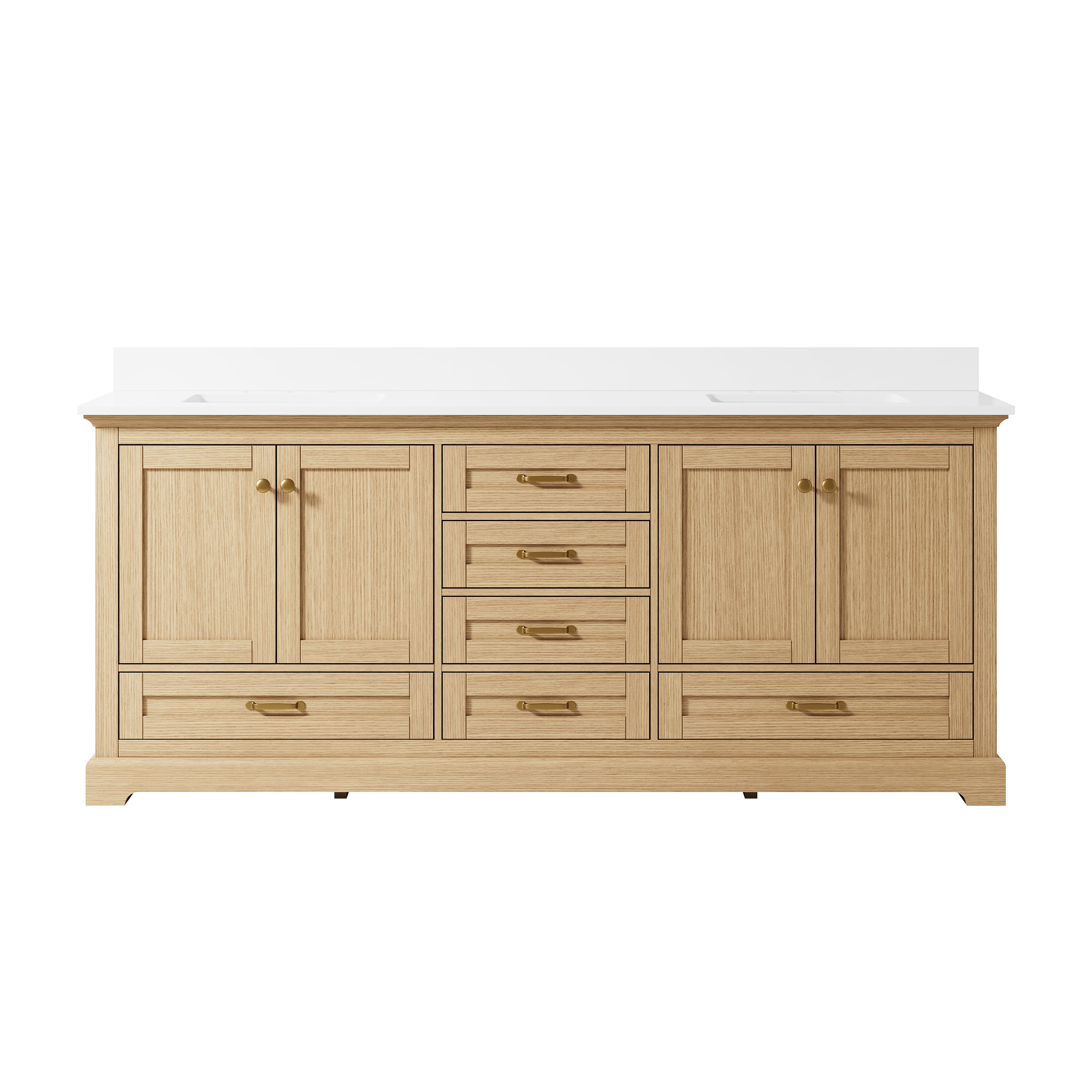
For American buyers, oak is the practical workhorse. It is dense, durable, and handles moisture well as long as the surface is properly sealed. Geberit's guidance notes that oak is "robust with water-resistant qualities" and copes well with moisture when the finish is intact . Cedar and larch are also solid choices thanks to their natural oils and resins, while acacia offers a more budget-friendly option with decent moisture resistance .
What should you avoid? Pine is susceptible to blue-stain fungi if exposed to prolonged moisture. Walnut can discolor from water absorption. Maple is hard but stains easily when cleaning agents are used . These species can work in a bathroom, but they demand more vigilance.
The Finish Is the Real MVP
Here is the uncomfortable truth: even the best solid wood will fail in a bathroom if the finish is compromised. The wood itself is only half the equation. The other half is the barrier that keeps moisture out.
Quality manufacturers apply multi-layer finishes specifically designed to withstand bathroom humidity. A resilient high-gloss paint surface, for example, provides a sealed barrier that prevents moisture from reaching the wood fibers . The American Hardwood Information Center confirms that oak, walnut, cherry, and maple will all stand up well to a steamy environment as long as the room is properly ventilated and the wood surfaces are treated with a moisture-resistant finish like tung oil, polyurethane, or varnish .
The most common corner cut in cheap vanities is the interior. A raw or unfinished cabinet interior in a room that gets steamed twice a day is a recipe for eventual failure. Look for vanities with fully finished interiors—sealed edges, coated shelves, and a sealed sink cutout. That continuous barrier does more for the vanity's lifespan than upgrading from one hardwood species to another .
Why Solid Wood Beats the Alternatives
The practical case for solid wood comes down to three things: repairability, structural integrity, and longevity.
Laminate and thermofoil surfaces are non-porous, which sounds great until the edge banding chips or peels. Once water gets behind that barrier, the substrate underneath is exposed, and there is no fixing it. Solid wood can be sanded and refinished. If the finish dulls or a small area gets damaged, you can restore it rather than replace the whole vanity.
Structural integrity matters too. Solid wood frames and dovetailed drawers hold up to the constant opening and closing of daily use far better than stapled particleboard. A well-built solid wood vanity with soft-close hardware and plywood or solid wood drawer boxes will still feel tight in fifteen years. A particleboard unit might not make it to five .
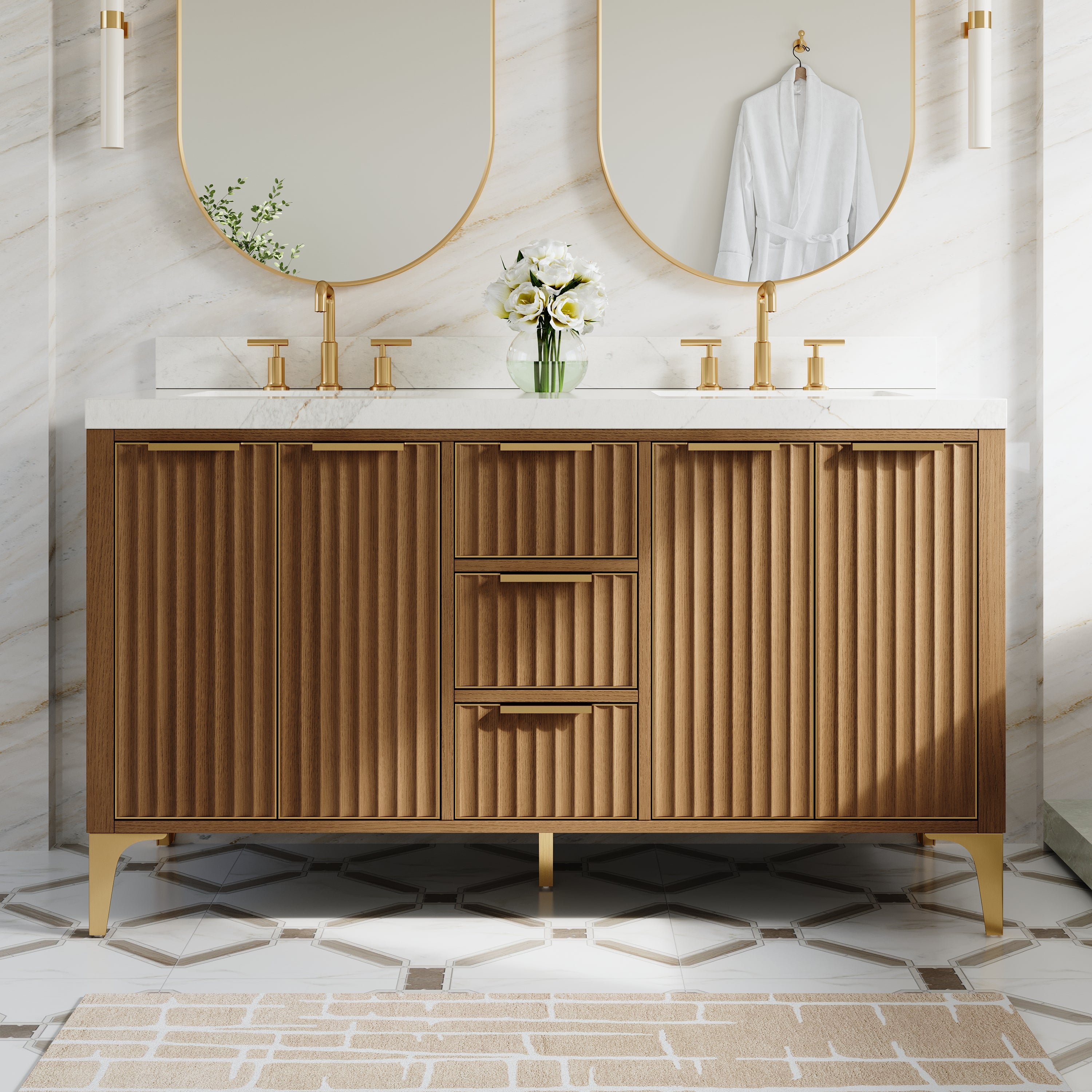
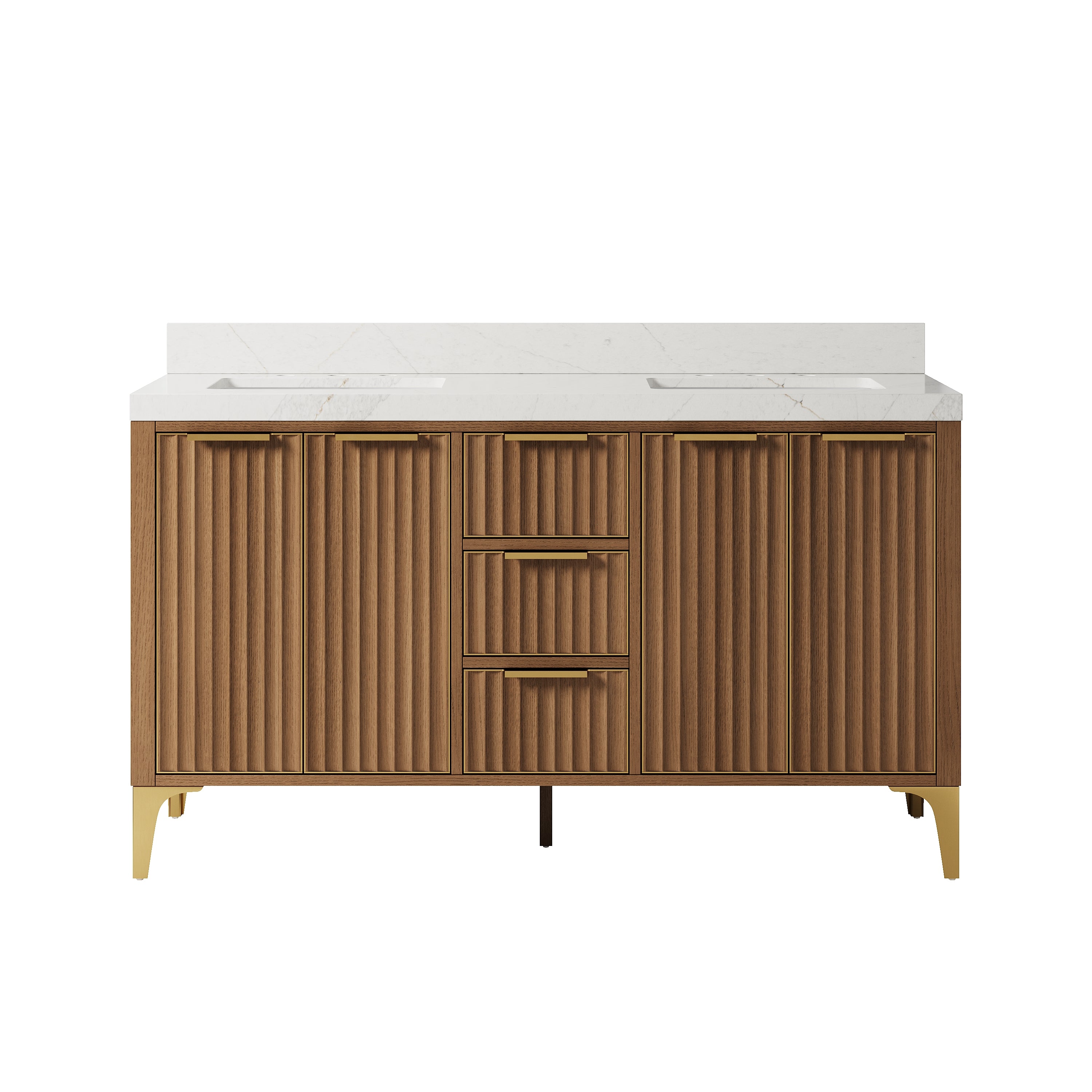
And there is the aesthetic factor. Wood tones are the most popular vanity color choice in 2026, selected by 31% of renovating homeowners . People want the warmth and character that only real wood provides. A painted MDF box cannot replicate that.
The Maintenance Reality Check

A moisture-proof solid wood vanity is not maintenance-free. It is low-maintenance if you do a few things consistently.
Wipe up standing water on the countertop and around the sink edge rather than letting it sit. Run the exhaust fan during and after every shower—this is the single highest-leverage habit for keeping bathroom wood healthy. Check under the sink twice a year for slow leaks from the plumbing trap, because the cabinet bottom is where water damage first shows up. And re-caulk where the countertop meets the wall when the bead starts to lift, since that joint is the main route for water to get behind the vanity .
Oiled finishes need occasional re-oiling to maintain their seal. Painted or varnished finishes need less frequent attention but should be inspected for cracks or chips. None of this is difficult. It is just the difference between treating a wood vanity like furniture and treating it like a piece of bathroom infrastructure.
The Bottom Line
A moisture-proof solid wood bathroom vanity is the best choice because it combines real structural durability with a finish that can actually keep water out. The species matters—oak, teak, cedar, and acacia are safer bets than pine or walnut—but the finish and construction quality matter just as much. Look for a fully sealed interior, a continuous surface barrier, and a vanity built with plywood or solid wood drawer boxes rather than particleboard. With those specifications and a few simple maintenance habits, solid wood brings warmth and permanence to a bathroom in a way that no laminate or MDF alternative can match.













Leave a comment
This site is protected by hCaptcha and the hCaptcha Privacy Policy and Terms of Service apply.