
















Introduction
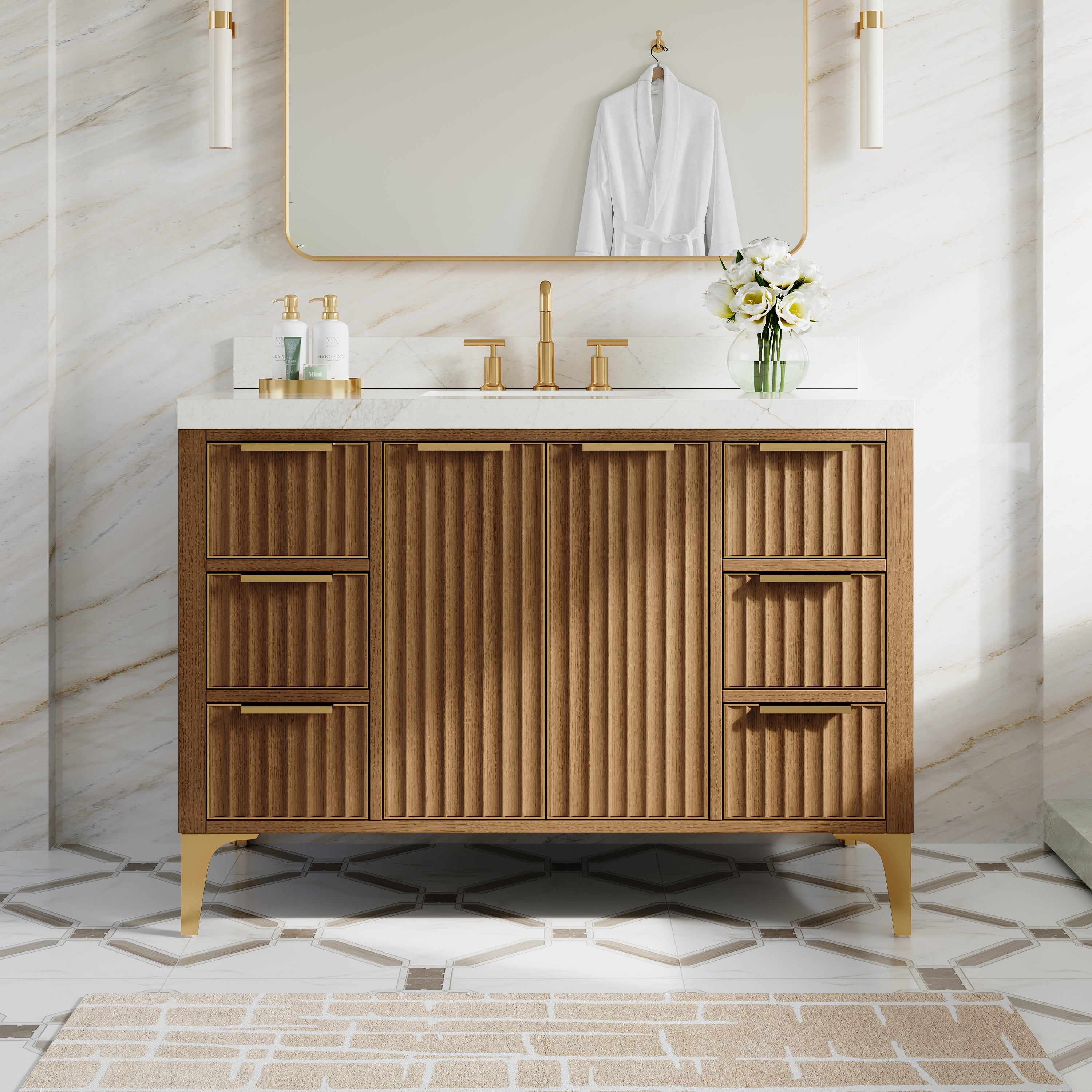
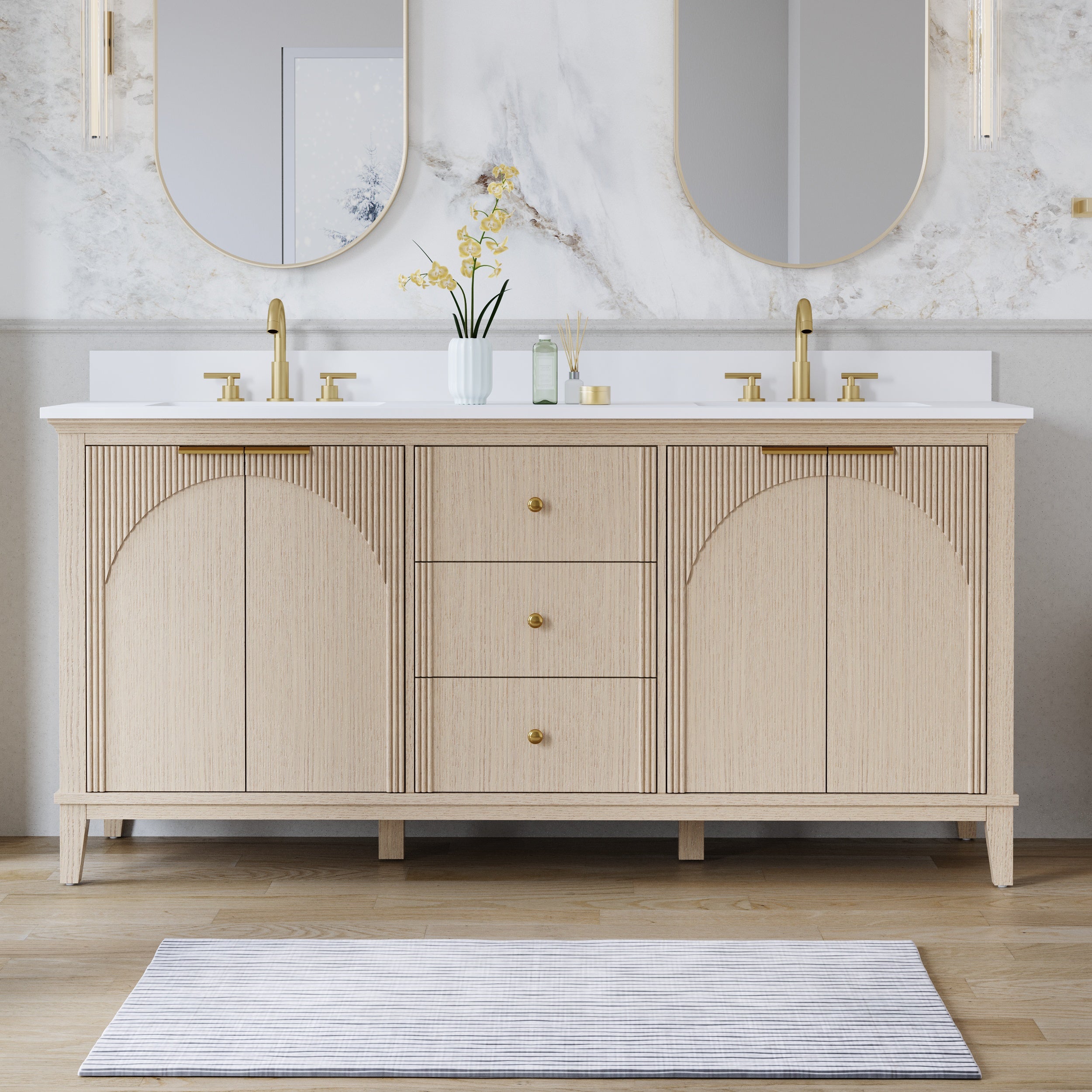
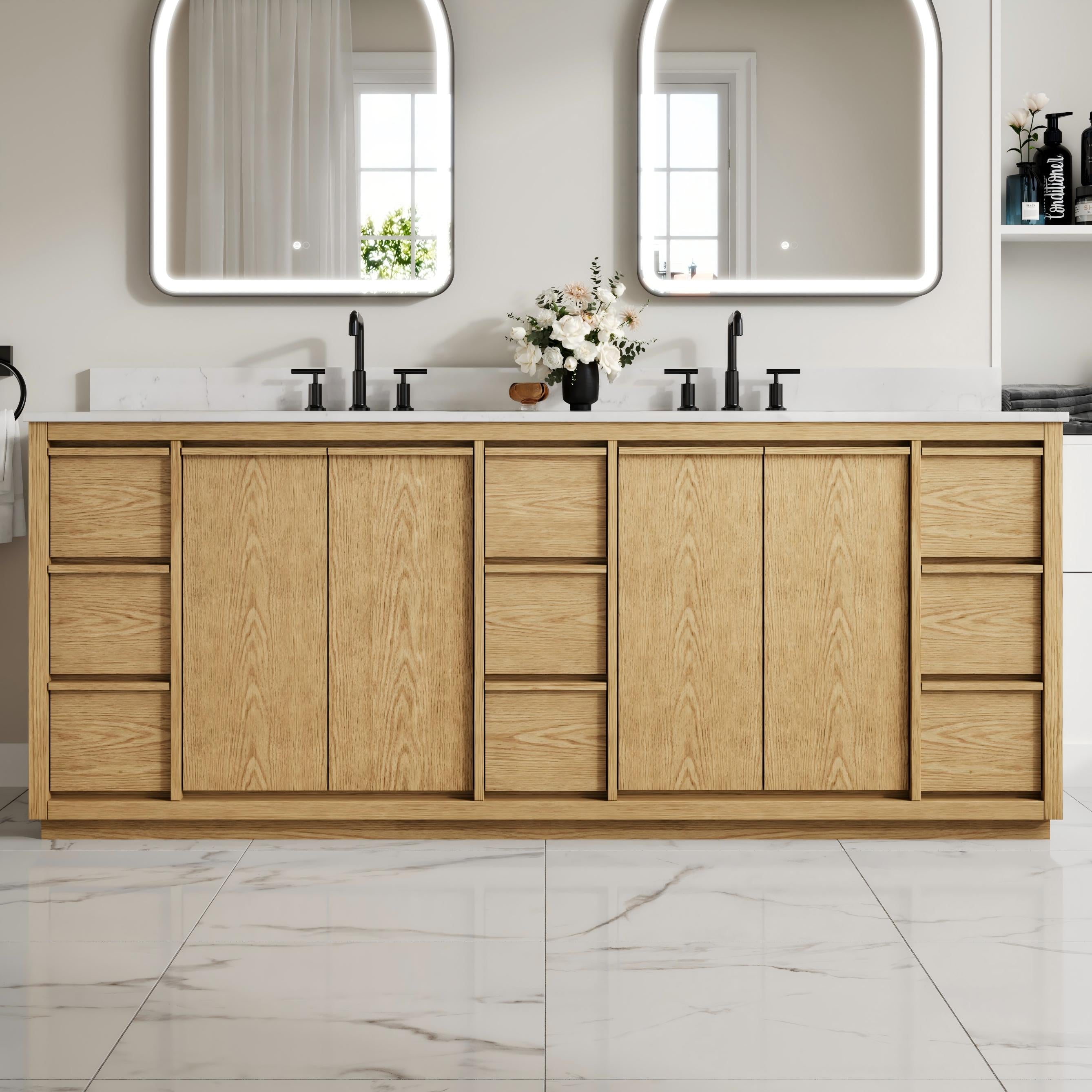
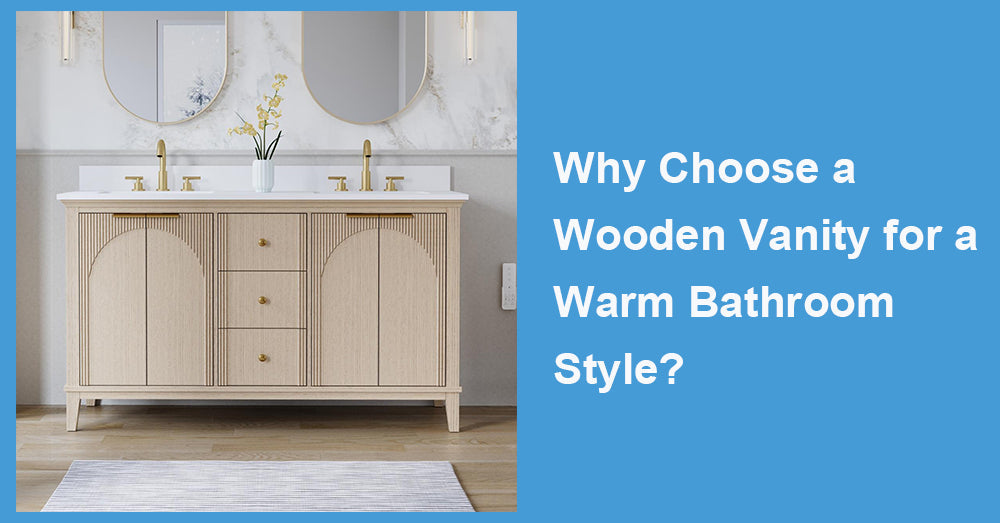
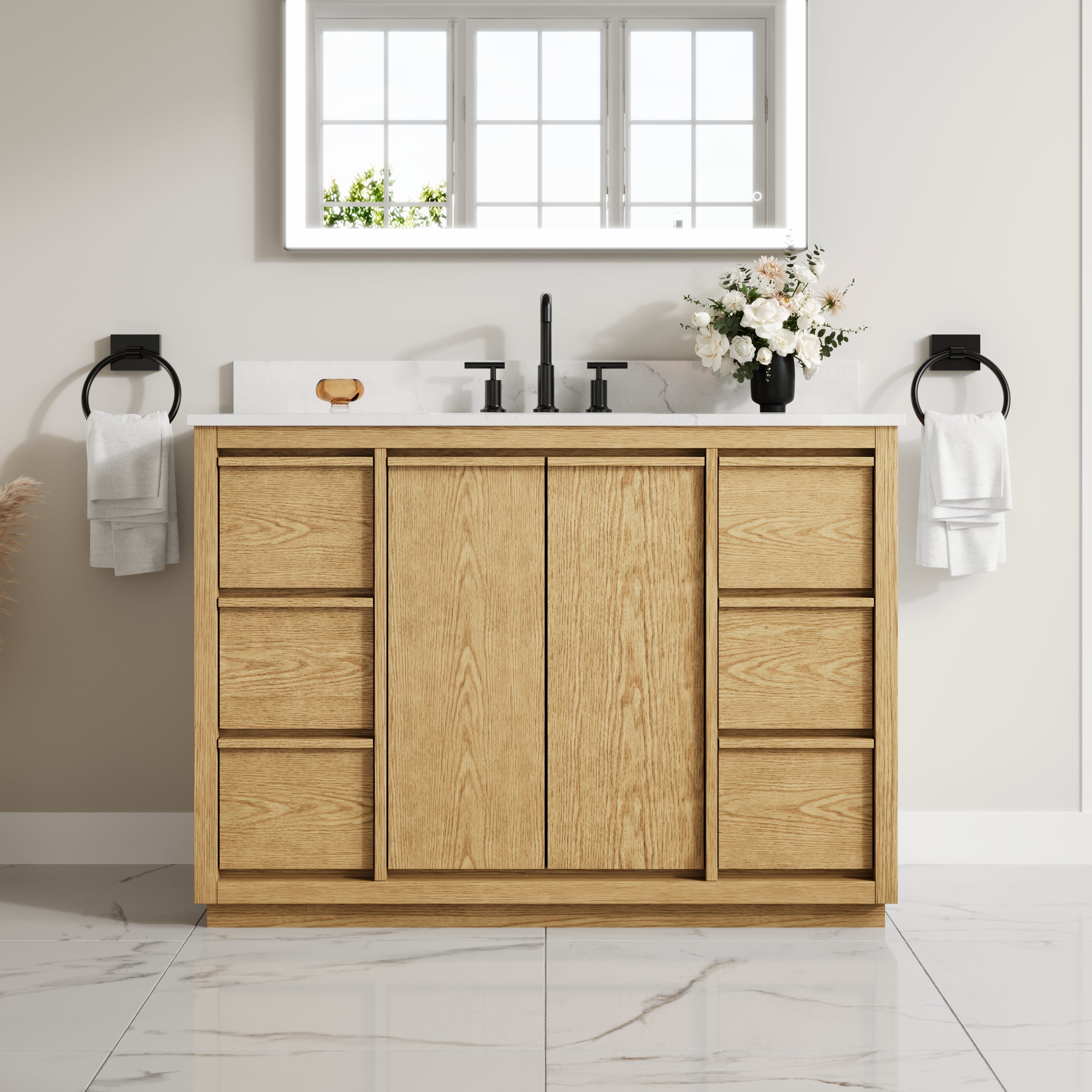
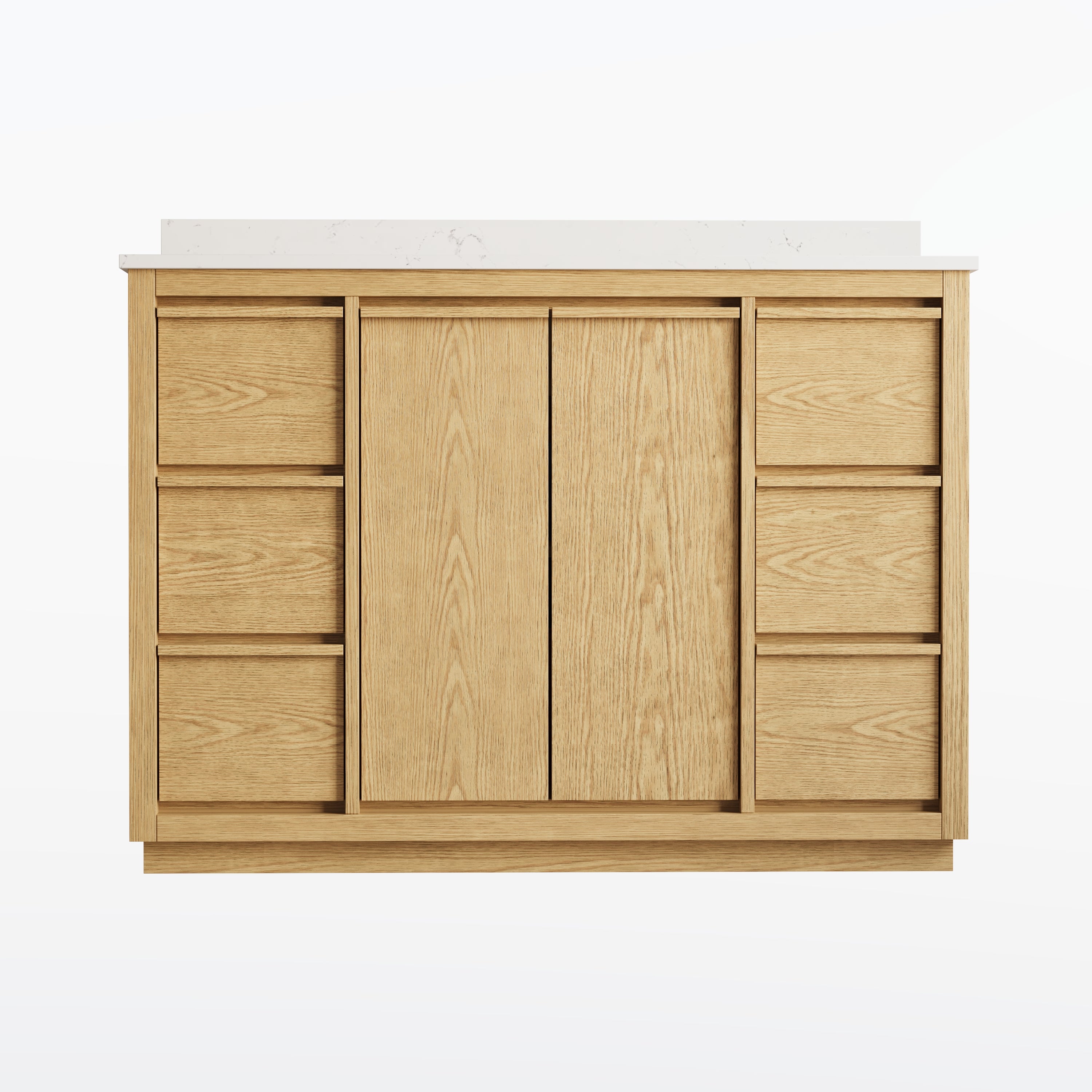
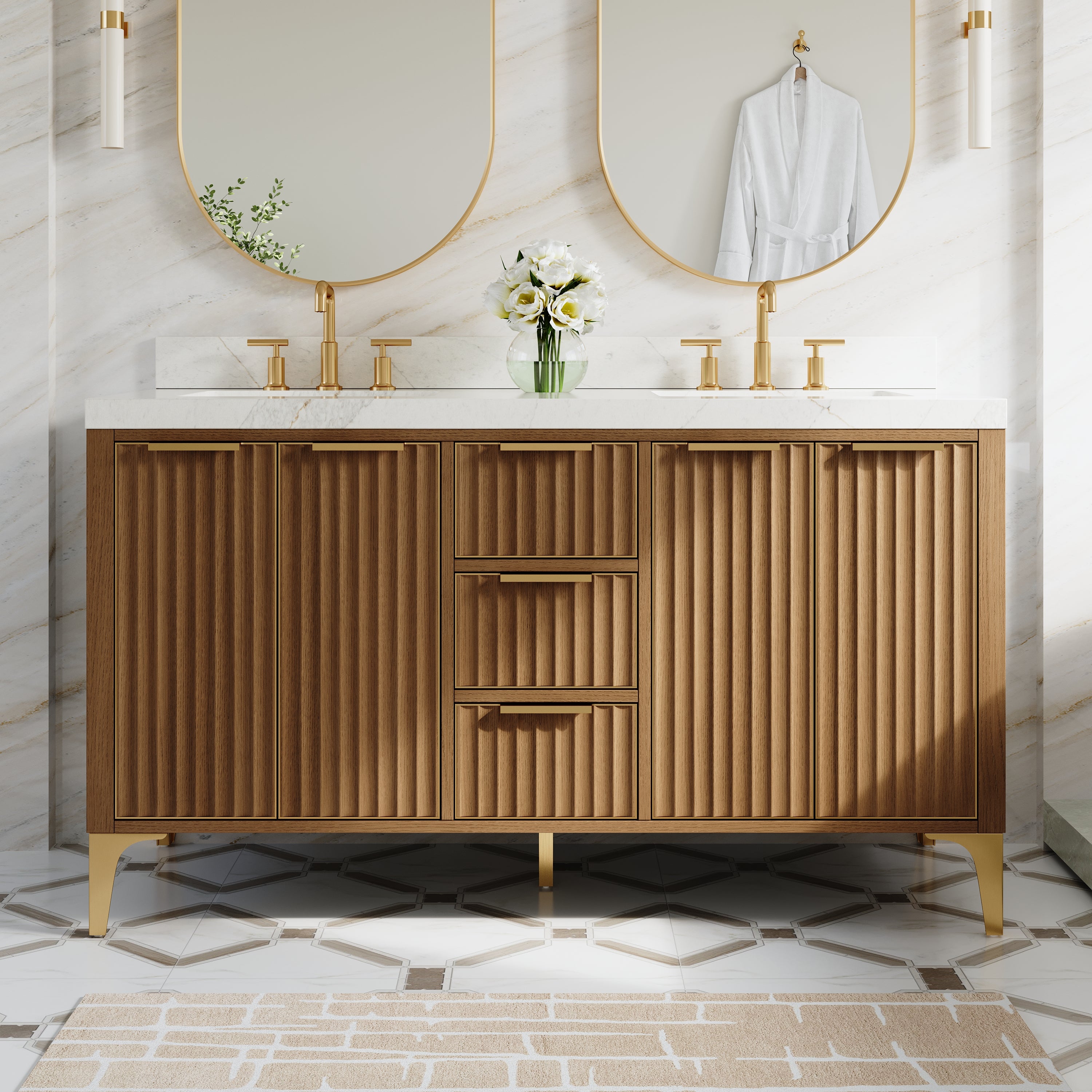
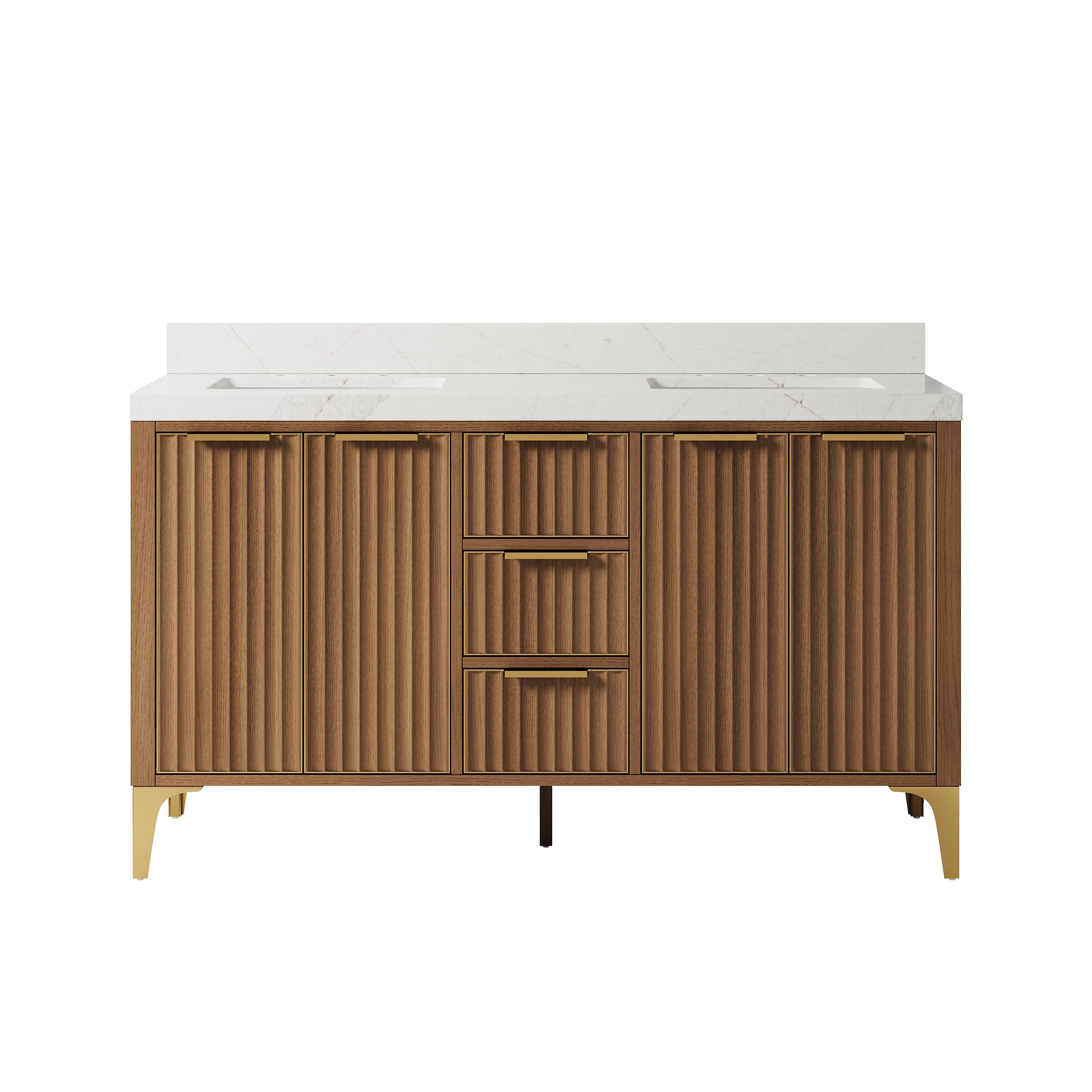
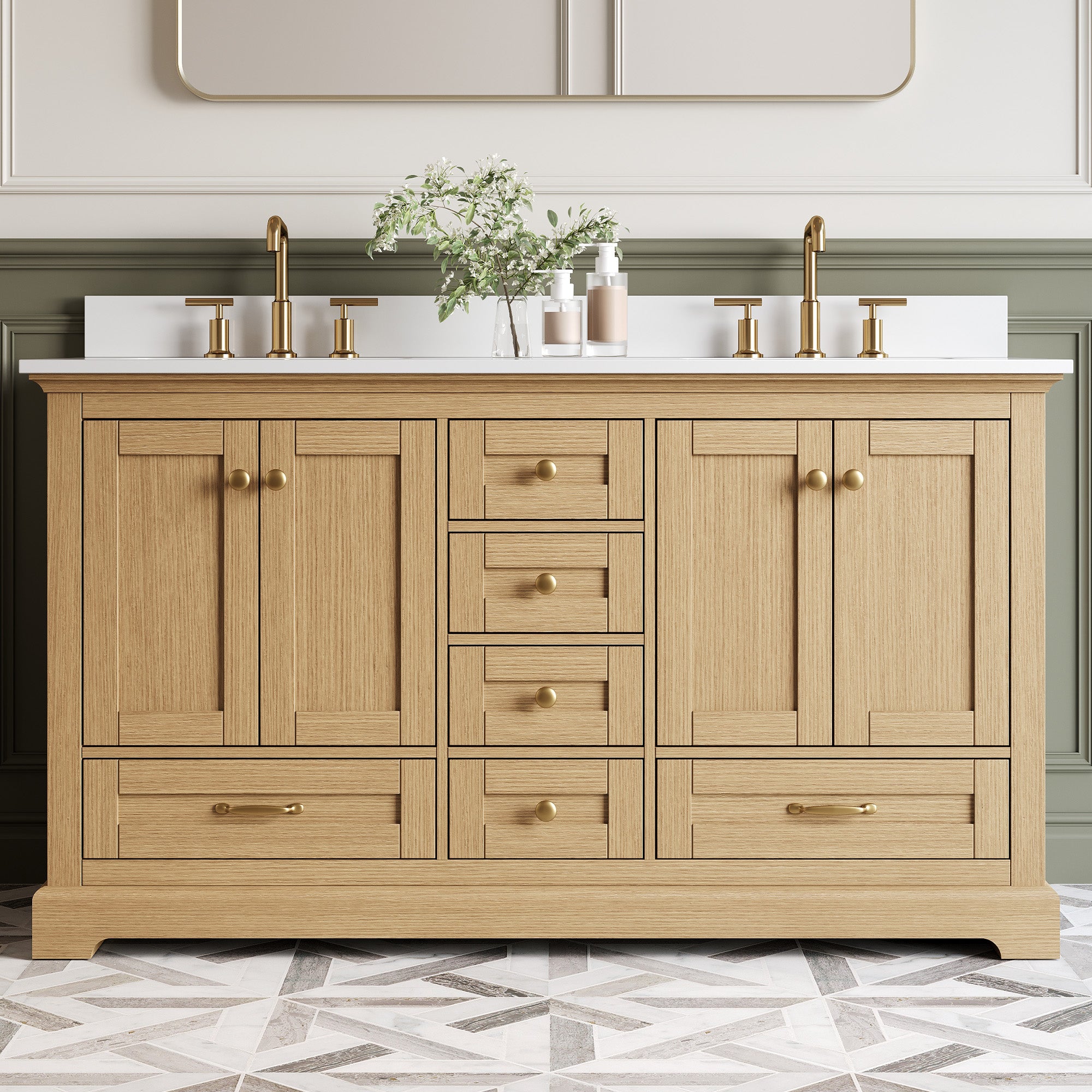
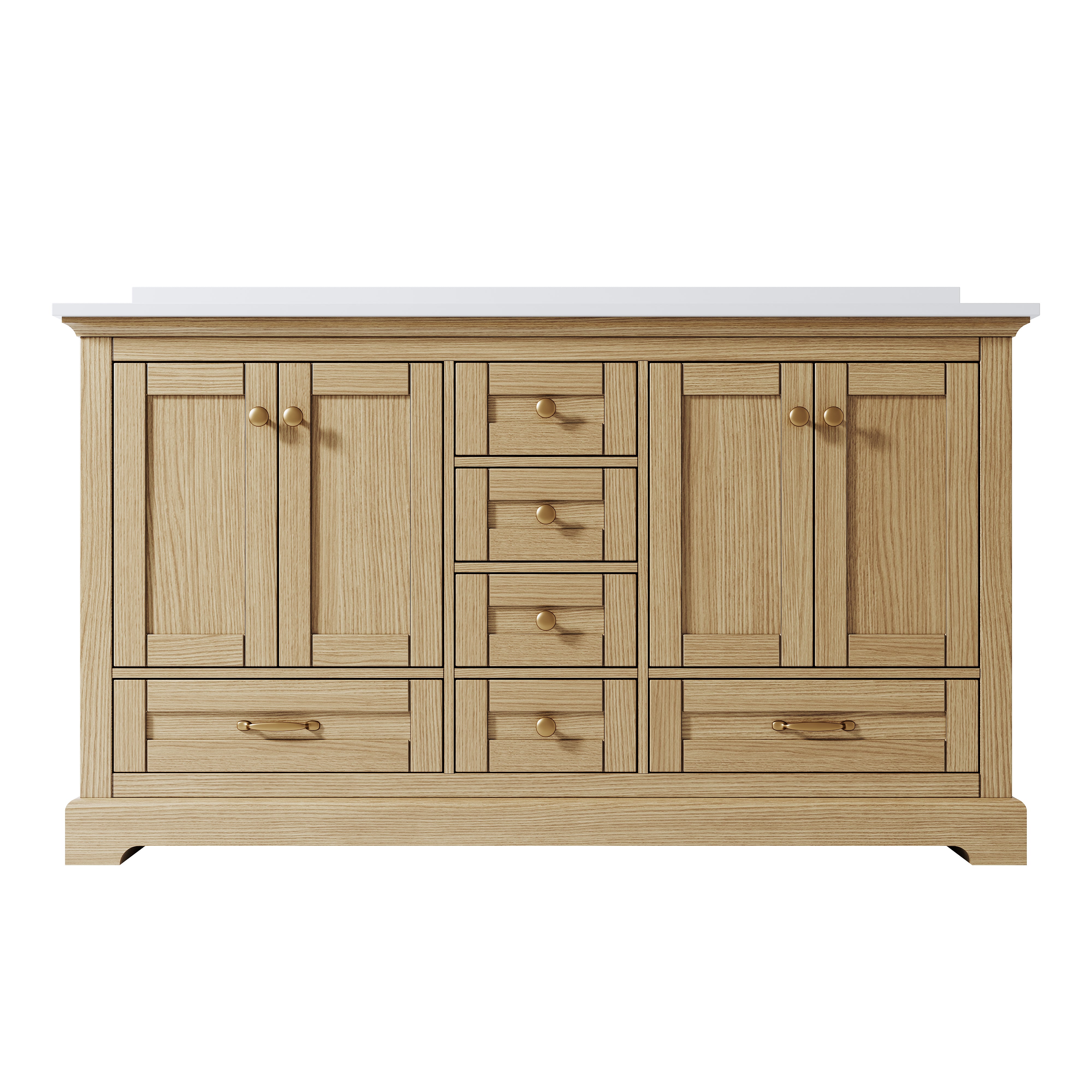
A wooden vanity does something few bathroom pieces can do on its own: it makes the room feel warmer without adding clutter. I’ve seen bathrooms with good tile, clean lines, and expensive fixtures still come across as cold because every surface felt hard or polished. Once a wooden vanity went in, the space changed. It felt more inviting. More settled. Less like a display and more like a room people would actually enjoy using every day.
That warmth is not just visual. It changes how a renovation feels over time. A bathroom with natural wood tones often feels easier to live with, easier to decorate around, and less likely to feel dated after one trend cycle passes. Still, that does not mean every wooden vanity is the right choice. Some are built to last. Some only look good in listing photos.
1. Why a Wooden Vanity Brings Warmth That Other Finishes Cannot
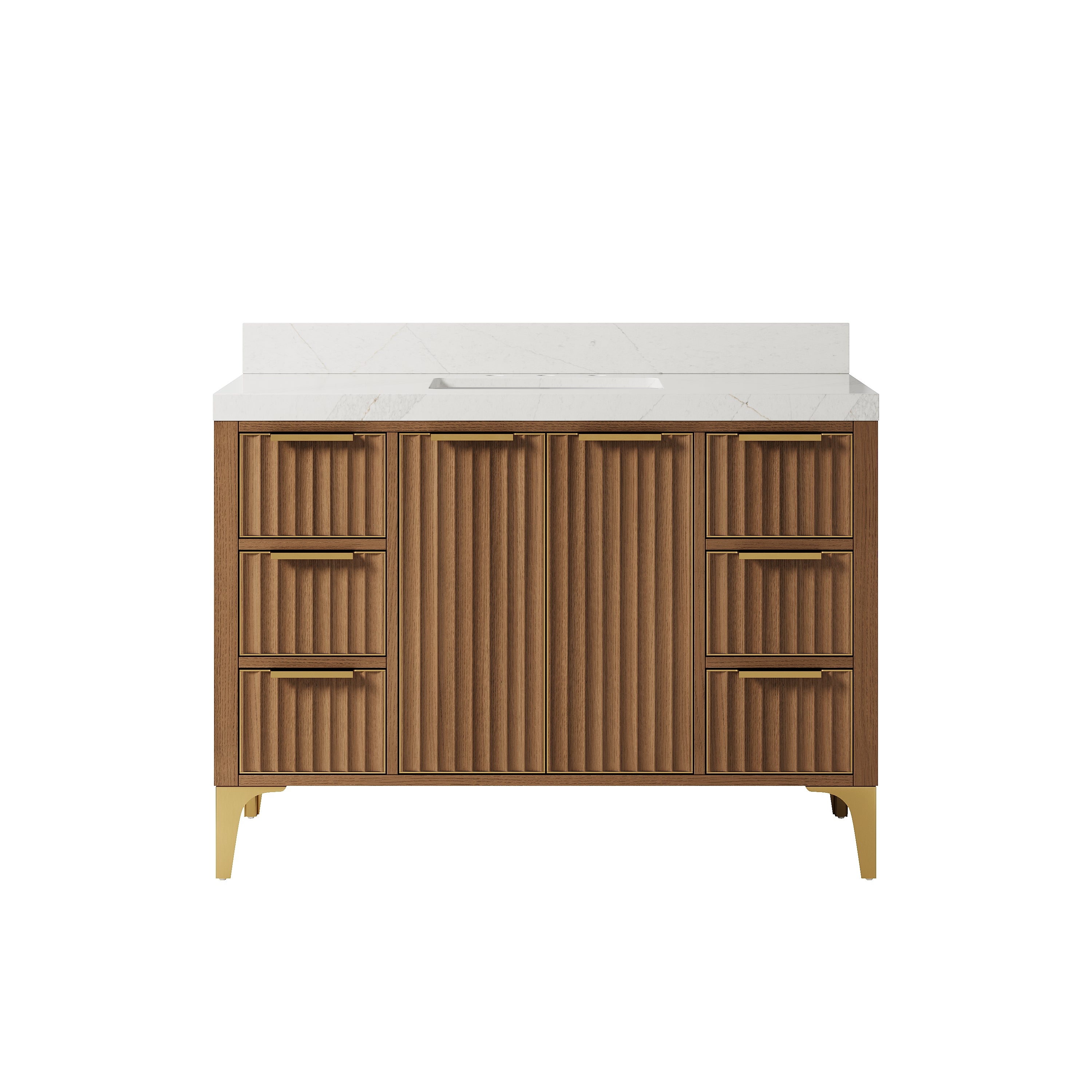
Bathrooms are usually built around practical materials: porcelain, stone, ceramic, chrome, glass. All of them work hard, and all of them tend to run cool in tone. That is why a wooden vanity can have such a strong effect. It introduces grain, texture, and a natural visual break from all the smooth, reflective surfaces around it.
This matters in both large and small bathrooms. In a compact guest bath, wood can stop the room from feeling stark. In a primary bathroom, it can make the space feel calmer and more layered. Even in modern interiors, where homeowners often lean toward clean shapes and restrained palettes, wood keeps the room from becoming too clinical.
I have also noticed that bathrooms with a wooden vanity tend to feel more connected to the rest of the house. If there is wood flooring nearby, warm trim, woven textures, or neutral furnishings in adjacent rooms, the bathroom does not feel isolated. It feels designed as part of a home, not as a separate, overly polished zone.
2. Where a Wooden Vanity Works Best in Real Homes
A wooden vanity performs especially well in primary bathrooms, guest bathrooms, and family bathrooms that need a sense of comfort without losing function. It is often a smart choice when the goal is warm modern, transitional, Japandi, farmhouse, or organic-style design. Those looks depend on balance. If everything is white, gray, and shiny, the room can start feeling flat. Wood fixes that quickly.
In guest bathrooms, the effect is immediate. People may not comment on the vanity itself, but they notice the room feels welcoming. In primary baths, wood usually works best when paired with simple counters and restrained wall finishes, letting the vanity carry some of the personality.
A common mistake people make
Many buyers assume all wood tones create warmth in the same way. They do not.
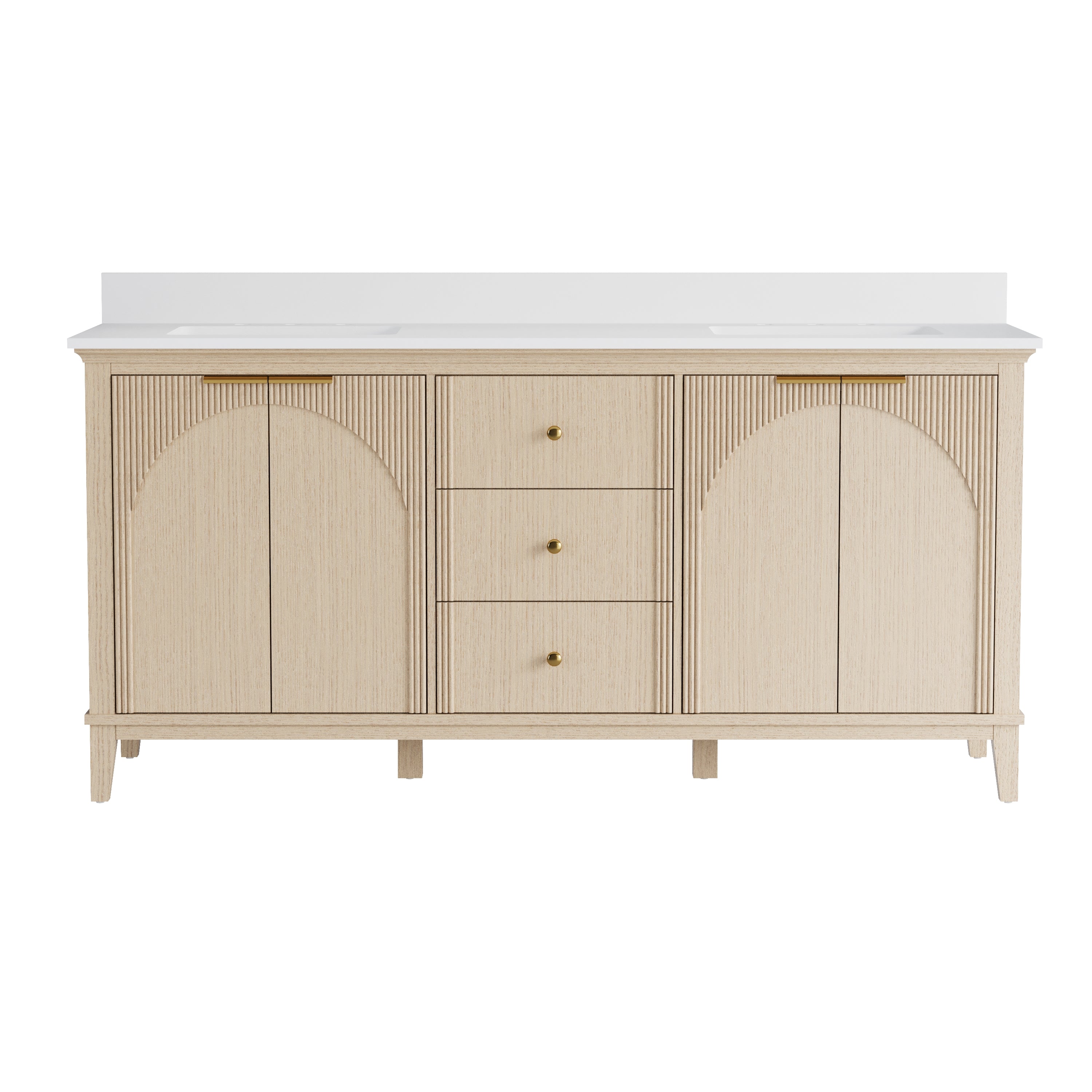
A light oak finish gives a bathroom a softer, airier warmth. Walnut feels deeper and more tailored. Medium wood tones sit in the middle and are often the easiest to live with long term. If the stain is too red, too dark, or too yellow for the rest of the room, the vanity can feel disconnected rather than warm. Matching undertones matters more than people expect.
3. The Practical Advantages Beyond Looks
Warmth may be the reason people start shopping, but it is not the only reason to choose wood. A good wooden vanity gives a bathroom visual depth, which is useful in rooms with plain white walls, large-format tile, or simple countertops. It adds contrast without forcing a bold design decision.
Wood tones also tend to hide light dust, minor water marks, and day-to-day wear better than bright painted surfaces. Not perfectly. No vanity is maintenance-free. Still, in many homes, wood ages more gracefully because small imperfections blend into the natural variation of the finish instead of standing out sharply.
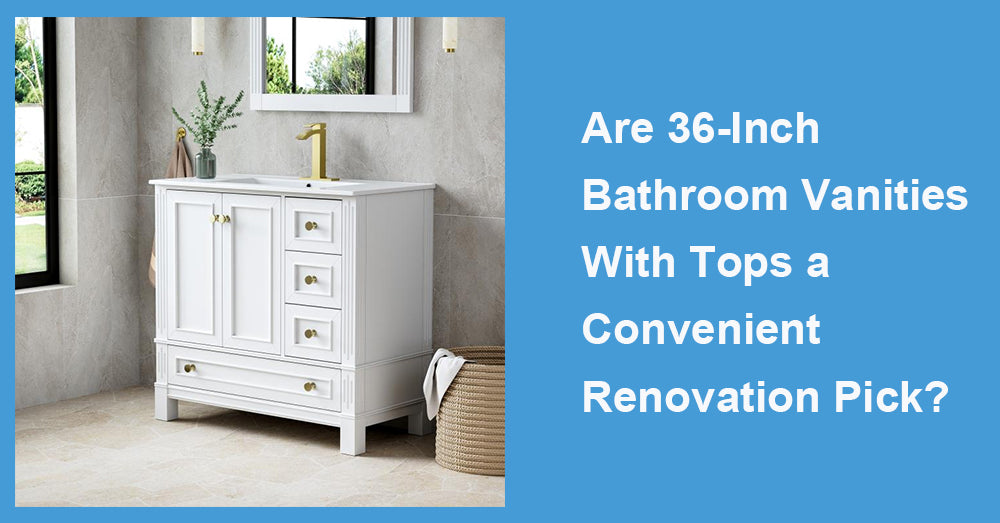
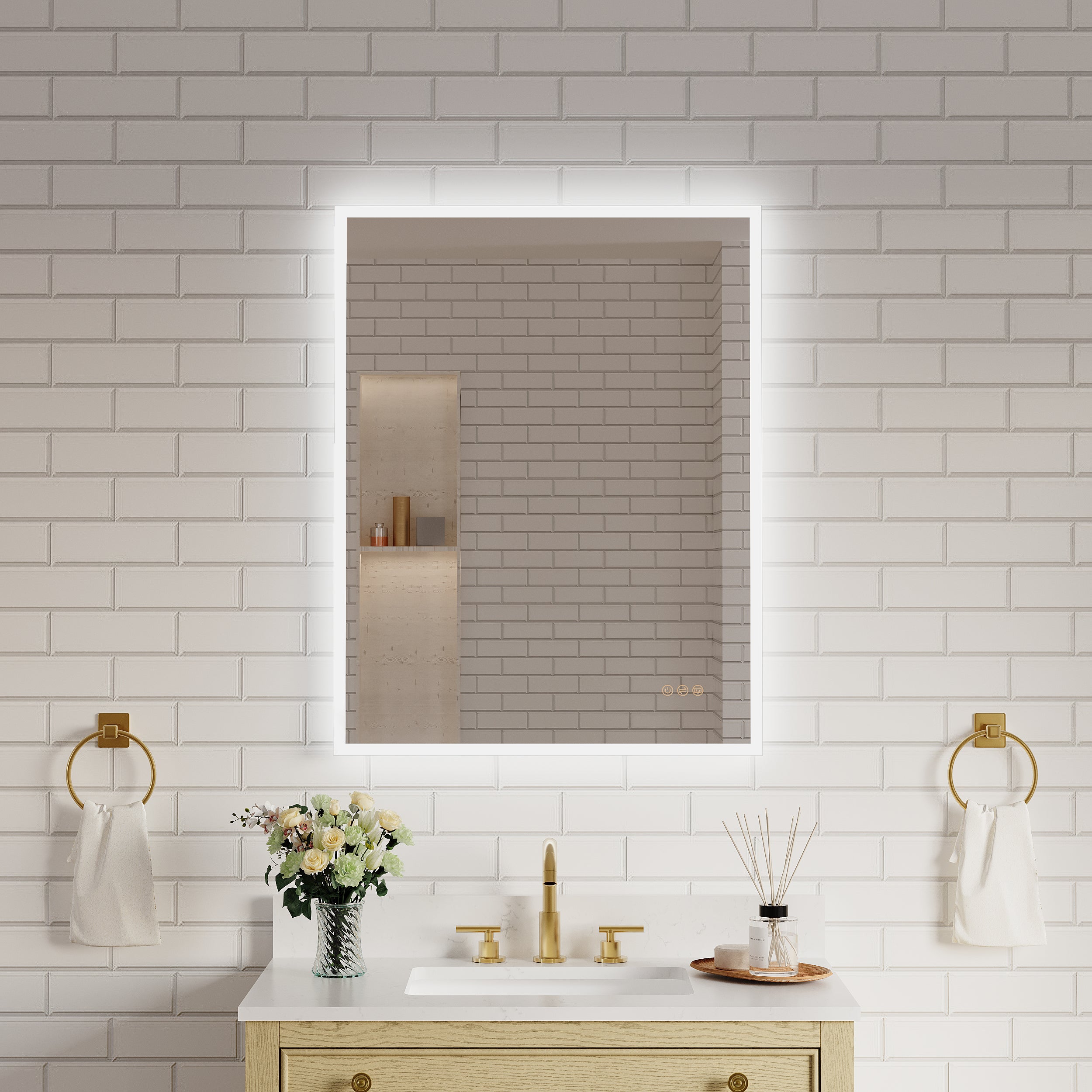
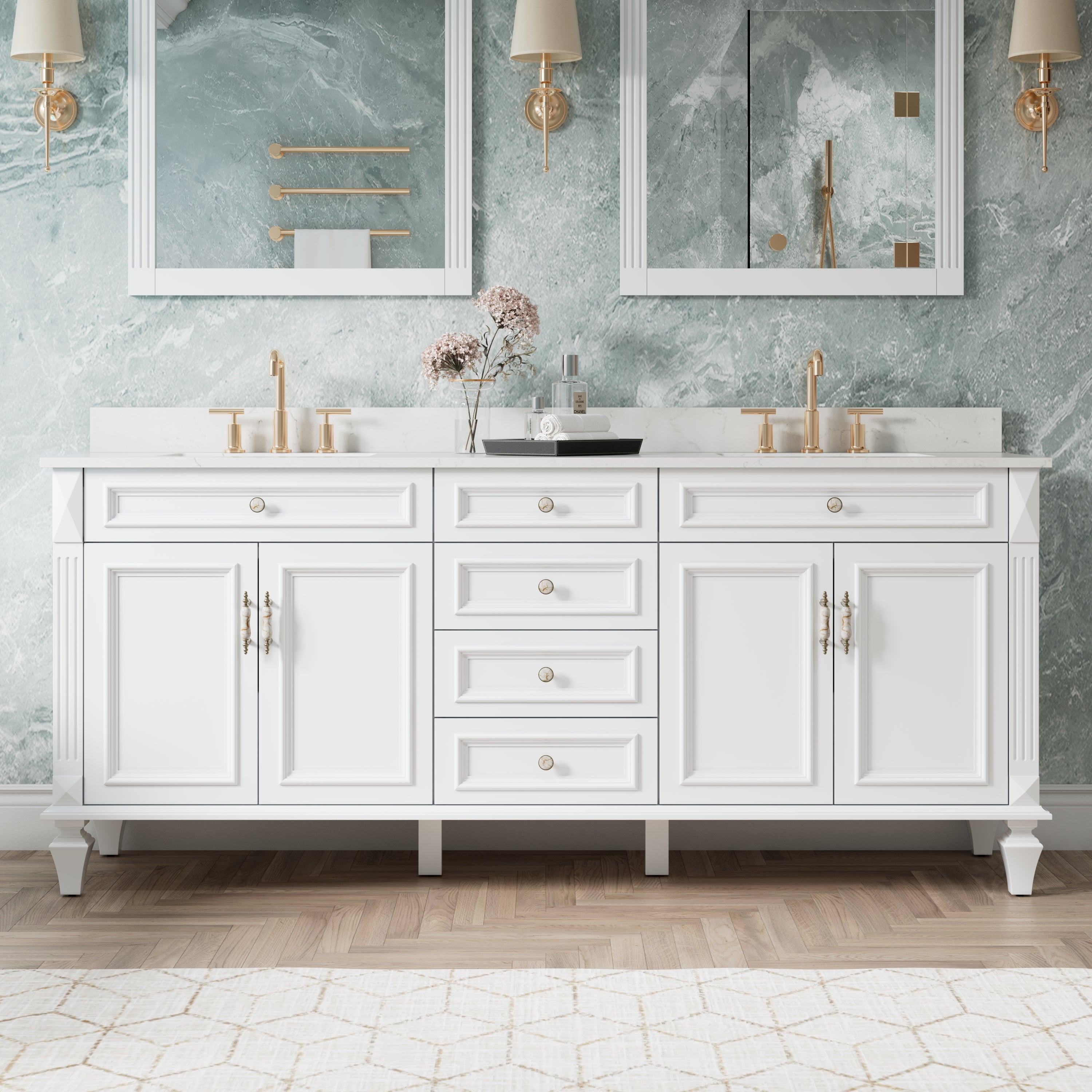
There is also a styling advantage. A wooden vanity works with matte black hardware, brushed nickel, brass, soft white counters, marble-look tops, and both framed and frameless mirrors. That flexibility is valuable when a bathroom is updated in phases. People rarely change every single finish at once. A wood vanity gives you room to evolve the space gradually.
Where it may not be the best choice
A wooden vanity is not ideal for every bathroom.
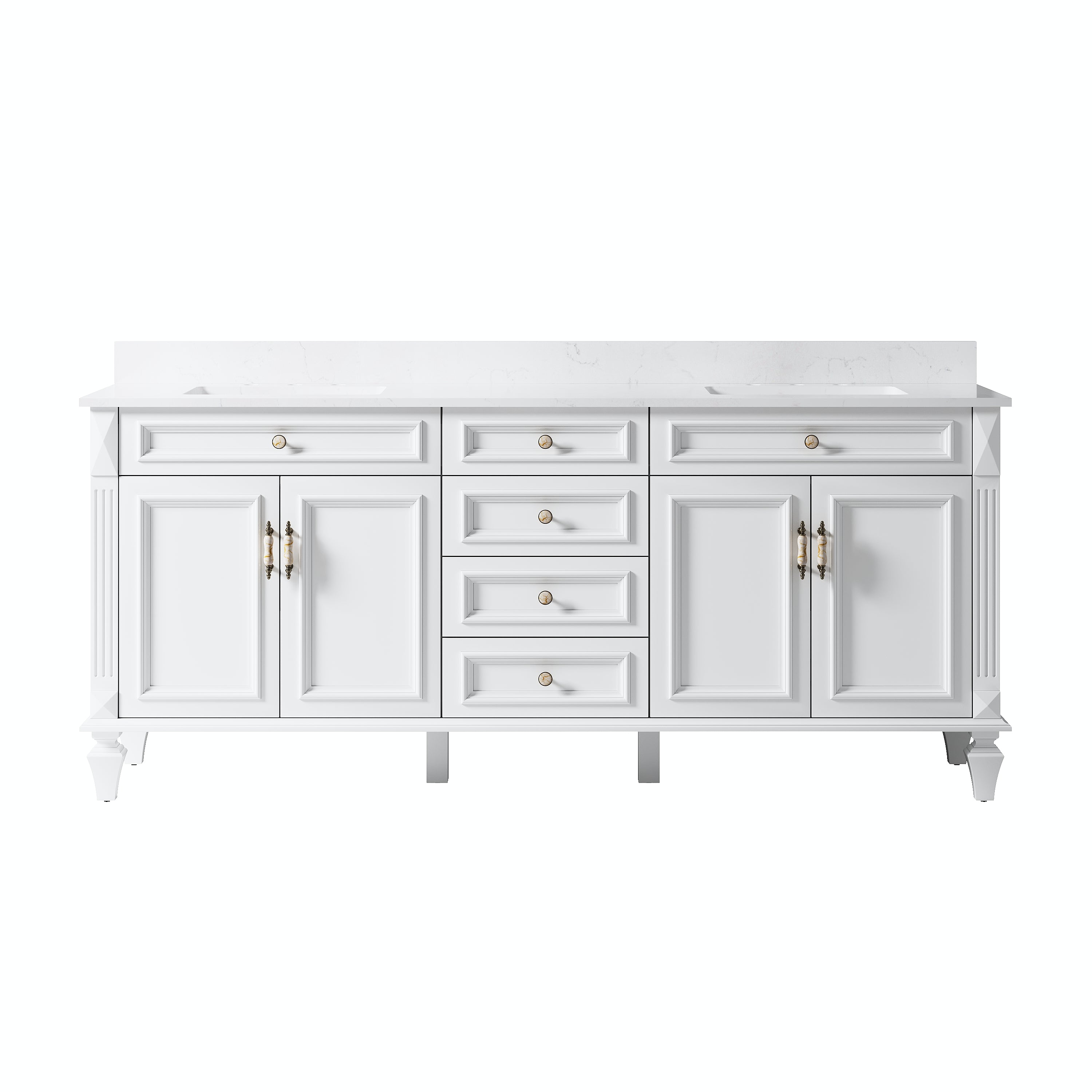
If the room has poor ventilation, frequent standing water, or very heavy daily use with little upkeep, wood needs more caution. In extremely small bathrooms, a dark and bulky vanity can make the room feel tighter. And if the look you want is bright, crisp, and almost hotel-like, a painted white vanity may support that direction better.
Budget matters too. A cheap wood-look cabinet can disappoint faster than a simple painted vanity that is well made. If the grain pattern looks artificial or the finish feels flat in person, the warmth you want may never really show up.
4. What to Check Before Buying One
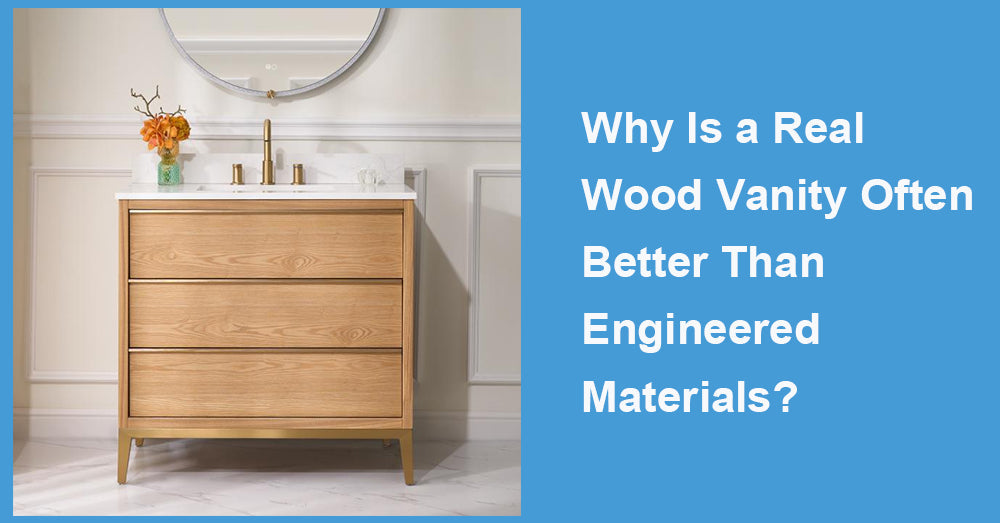
Construction comes first. Ask what the cabinet box is made from. Solid wood can be excellent, but high-quality plywood with veneer can also perform very well in a humid bathroom. Lower-grade particleboard with a thin decorative finish is where problems often start.
Look closely at the sealing and finish quality. Around sink cutouts, door edges, and the cabinet base, moisture protection matters. I have seen more vanity failures caused by weak finishing and minor plumbing leaks than by wood itself.
Storage layout matters just as much as material. A beautiful vanity that cannot handle daily essentials becomes frustrating quickly. Deep drawers, usable interior space, and easy access around plumbing are all worth checking before you fall for the finish.

5. Installation and Maintenance Advice That Actually Helps
Measure carefully. Not just wall width. Check door swing, drawer clearance, faucet reach, plumbing location, and how much space you need to stand comfortably at the sink. A vanity can technically fit and still feel wrong every morning.
During installation, make sure the cabinet is level, the countertop is sealed properly, and plumbing connections are clean and dry. Small leaks inside a vanity can do quiet damage for months before anyone notices. That is true with any cabinet, but wood makes the consequences more visible.
Maintenance is simple, though it should be consistent. Wipe splashes early. Do not let wet towels sit against the cabinet face for hours. Use a soft cloth and a mild cleaner that will not strip the finish. Run the exhaust fan long enough to clear steam, especially after hot showers.
For homeowners shopping brands like Wellfor, I usually recommend thinking beyond color and asking how the vanity will feel after two years of use, not just on delivery day. Choose a wooden vanity when you want your bathroom to feel warmer, more grounded, and easier to live with. If the construction is solid, the finish is well protected, and the tone fits the room, that warmth will not feel temporary. It will feel like the smartest part of the whole bathroom.














Leave a comment
This site is protected by hCaptcha and the hCaptcha Privacy Policy and Terms of Service apply.