






















1. Introduction
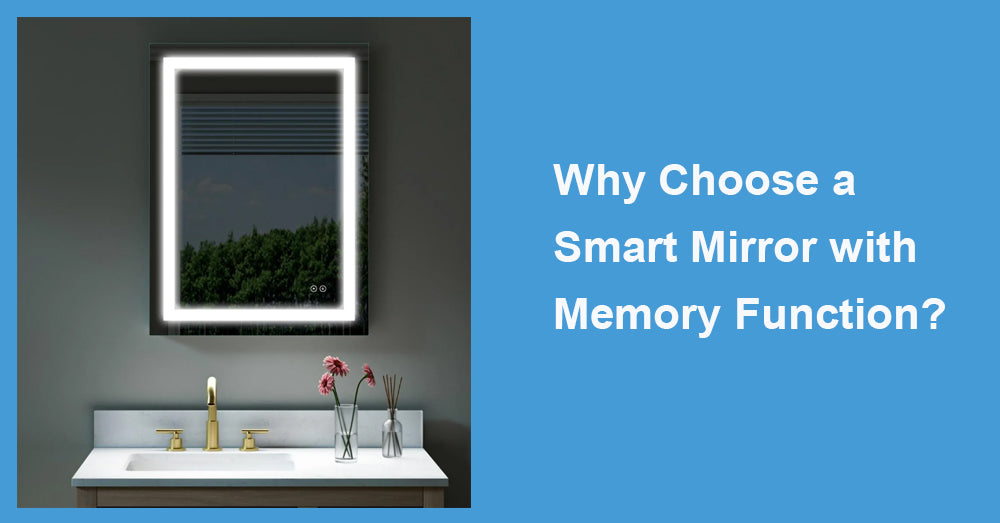
As bright bathrooms gradually mature, the smart bathroom mirror with memory function is shifting from a "high-end looking" configuration to a practical feature that truly improves daily experiences. Compared with traditional bathroom mirrors, smart mirrors with memory function do not differ significantly in appearance. Still, over the long term, they can dramatically reduce repetitive operations and improve usage efficiency. So, what problem does this feature actually solve? Is it worth prioritizing?
2. What Does the "Memory" of Smart Mirrors Remember?
The so-called memory function is not complex data storage, but continuous recording of user preferences. Standard memory contents include brightness level, color temperature setting, anti-fog status, and, for some products, the latest switch combination.
In daily use, many people repeatedly perform the same operations in front of the mirror: dimming lights, switching color temperature, and turning on anti-fog. Survey data shows that on average, people spend 10-20 seconds adjusting their settings in front of the mirror before each wash, which may seem brief. Still, in high-frequency usage scenarios, this repetitive operation is easily perceived as "troublesome".
3. From a One-Time Setup to a "Thoughtless" Experience
A smart mirror without a memory function is a device that starts from scratch every time. Even if there are many functions, if they need to be readjusted every time, it will weaken their convenience.
The smart mirror with memory function enters a state of "no need to think" from the second use. The lighting will automatically return to its previous brightness and color temperature, and the anti-fog will also be turned on or off according to the predetermined logic. This experience change is not a dazzling sense of technology, but a "sense of stability" that is closer to the mature stage of home appliances.
4. Stronger Adaptability to Different Usage Scenarios
In real home environments, bathrooms are often not exclusively for one person. There are significant differences in lighting needs among users; for example, they prefer higher brightness for morning washing and softer lighting for nighttime use.
The memory system of some smart mirrors can now precisely restore the "last use status" under a single power logic. This means that the mirror does not force a fixed pattern, but continuously adjusts according to the actual usage rhythm to reduce friction.
5. The Larger the Size, the More Significant the Value of the Memory Function
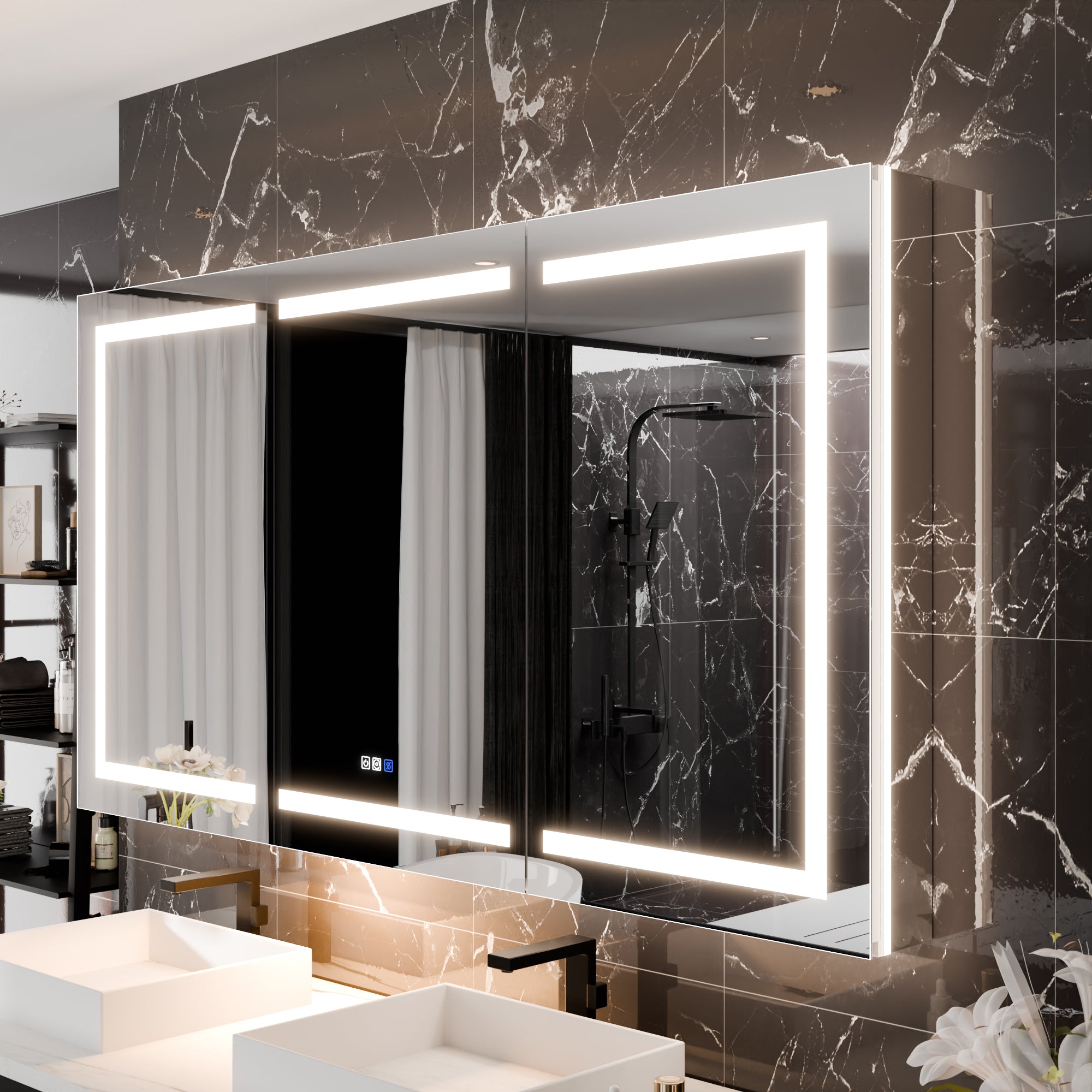
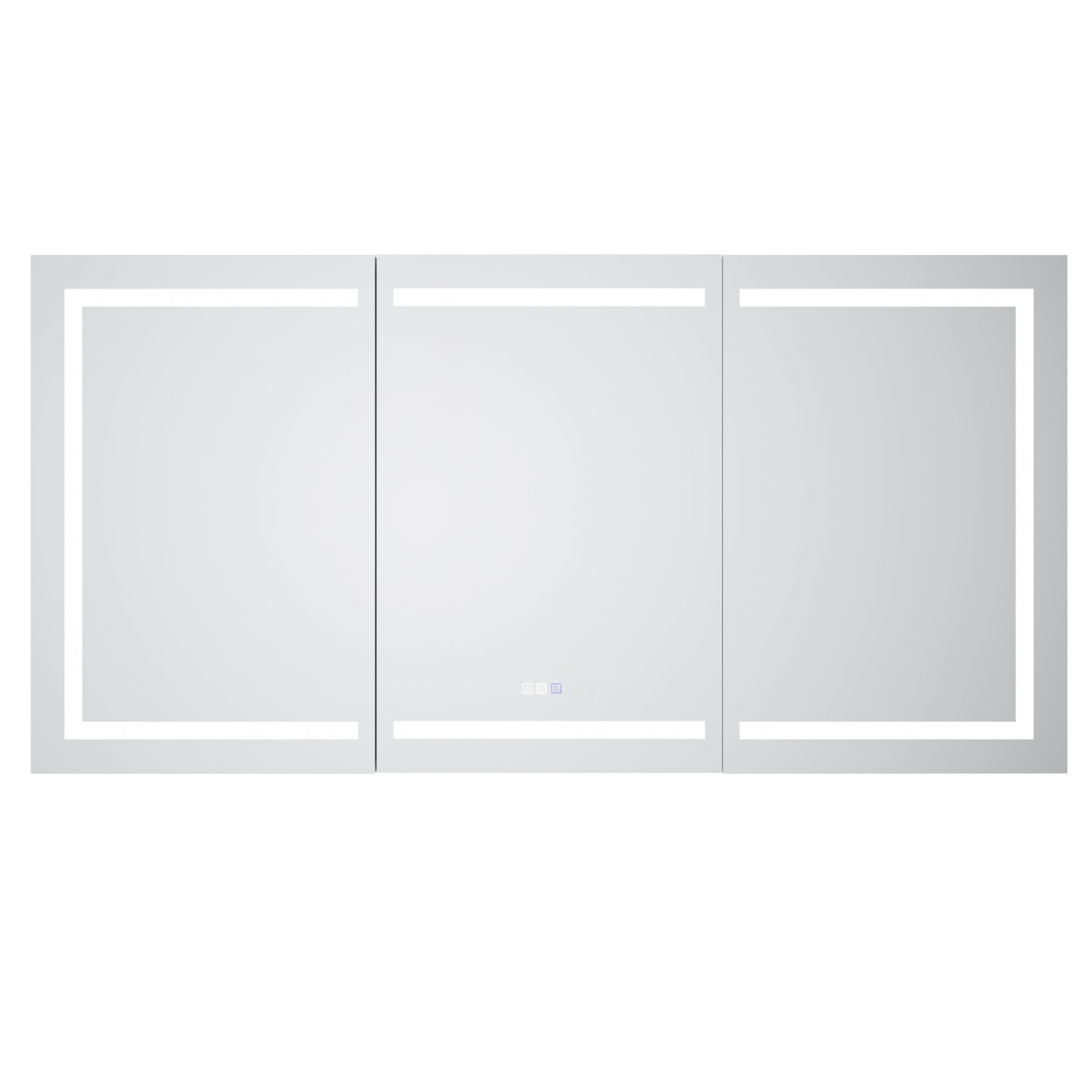
In large bathroom mirrors measuring 30-48 inches wide, the light output and coverage will increase significantly. In this case, the need to manually adjust brightness and color temperature also increases.
Data shows that over 60% of users will actively adjust lighting parameters after the first use of large-sized backlights or front mirrors. If these settings cannot be memorized, every use means repeated operations, which is the most intuitive value of the memory function.
6. Collaborative Advantages with Anti-Fog and Dimming Systems
Memory function does not exist independently; its significance lies in forming synergy with other functions. For example, in smart mirrors with anti-fog systems, the anti-fog module's power is usually between 20 and 40W and does not need to be activated for each short-term use.
Through the memory function, the system can maintain the previous anti-fog selection, avoiding unnecessary energy consumption and reducing misoperation. This "invisible" optimization is an essential step for smart mirrors to move from functional stacking to experience optimization.
7. The Higher the Frequency of Use, the Clearer the Value
Smart mirrors are high-frequency devices. For example, in ordinary households, bathroom mirrors are used 4-8 times a day for tasks such as washing, skincare, shaving, and makeup.
At such a usage frequency, even if 10 seconds are saved each time, the accumulated time and psychological costs will still be significant over a year. The significance of memory function is amplified through long-term and repetitive use.
8. Technological Maturity Is No Longer a Hidden Danger
The memory function of early smart mirrors had issues with unstable responses or loss of settings during power outages. But with the maturity of control modules and power management systems, such situations have significantly decreased.
The current mainstream products retain the latest settings after a power failure, so there is no need to reconfigure after power is restored. This stability transforms memory function from an "optional novelty" to a "reliable tool".
9. From an Industry Perspective, This Is a Watershed for Intelligence
In the process of industry development, accurate intelligence is not reflected in the number of functions, but in whether it reduces user operations. The memory function embodies this concept precisely.
When a mirror begins to "remember you" rather than requiring you to adapt to it constantly, smart devices truly integrate into daily life rather than becoming an additional burden.

10. So, Why Choose a Smart Mirror with Memory Function?
If it is used only occasionally or is not sensitive to lighting changes, the presence of the memory function may be less pronounced. But for those who view the bathroom as a high-frequency, stable-use space, the convenience this feature provides will accumulate over time.
From the perspective of long-term experience, operational efficiency, and overall completion, the smart bathroom mirror with memory function is not a gimmick upgrade, but a clear signal of the maturity stage of bright bathrooms.
From the perspective of purchasing logic, the memory function quietly changes the evaluation criteria for smart mirrors. In the past, people were more easily attracted by brightness, color temperature range, or whether it was equipped with anti-fog, but now, more and more attention is turning to whether it is easy to use every day. As basic functions converge, details that can reduce operational and cognitive costs become essential for distinguishing product levels. The memory function is precisely the kind of configuration that is not flashy but continues to deliver value over the long term. It allows smart mirrors to stop merely upgrading parameters and truly participate in daily rhythms.







































Leave a comment
This site is protected by hCaptcha and the hCaptcha Privacy Policy and Terms of Service apply.