
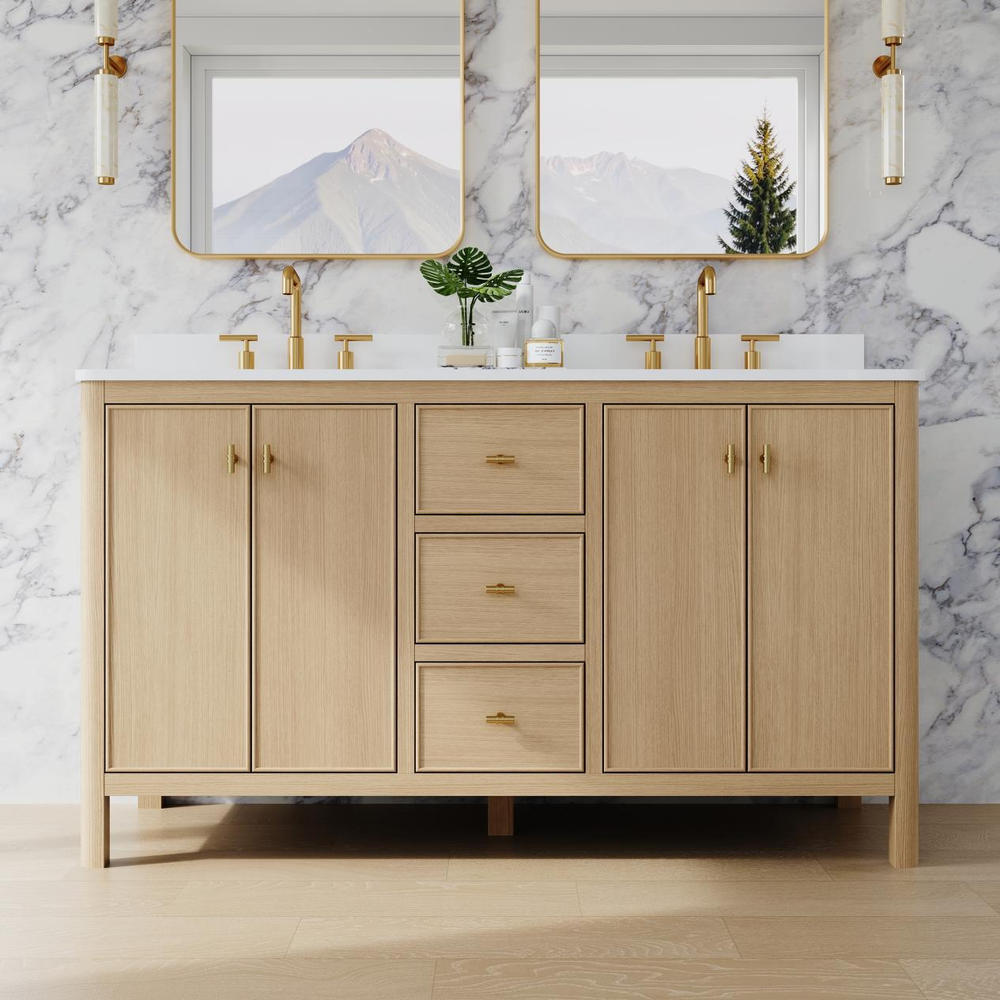
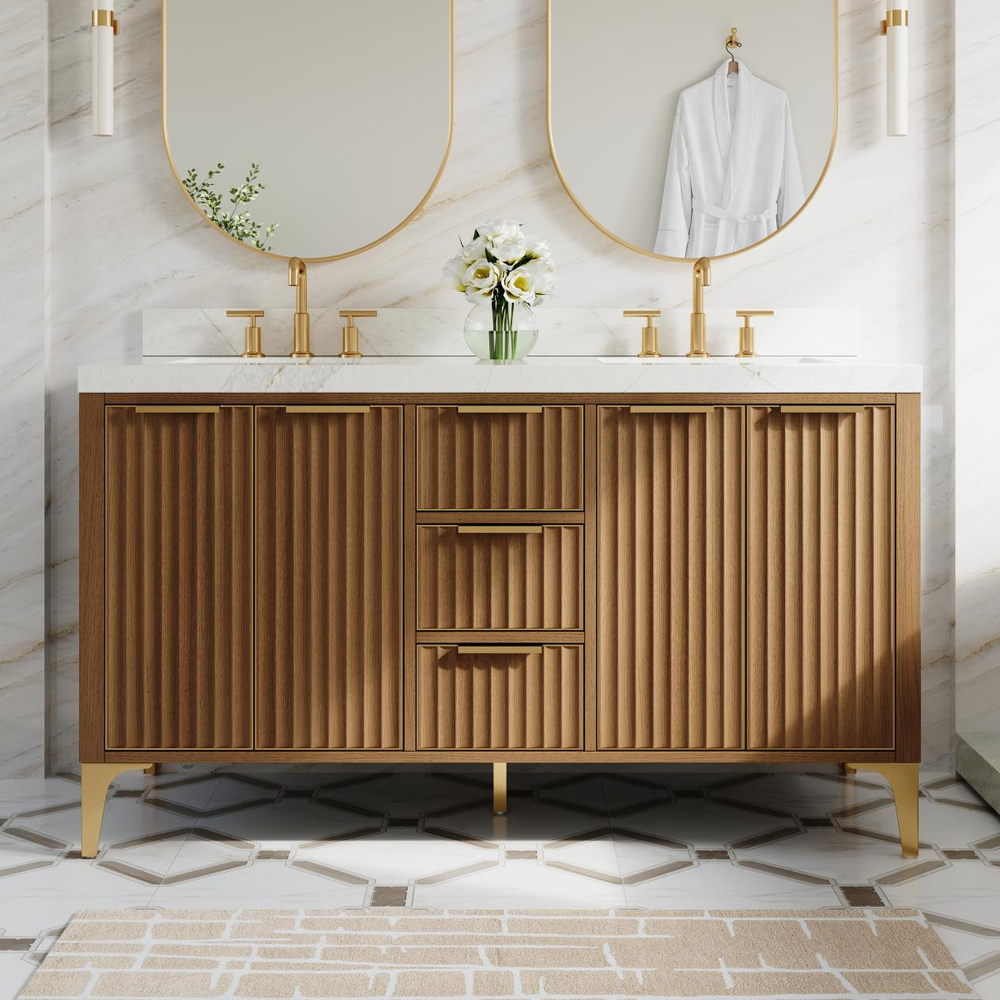

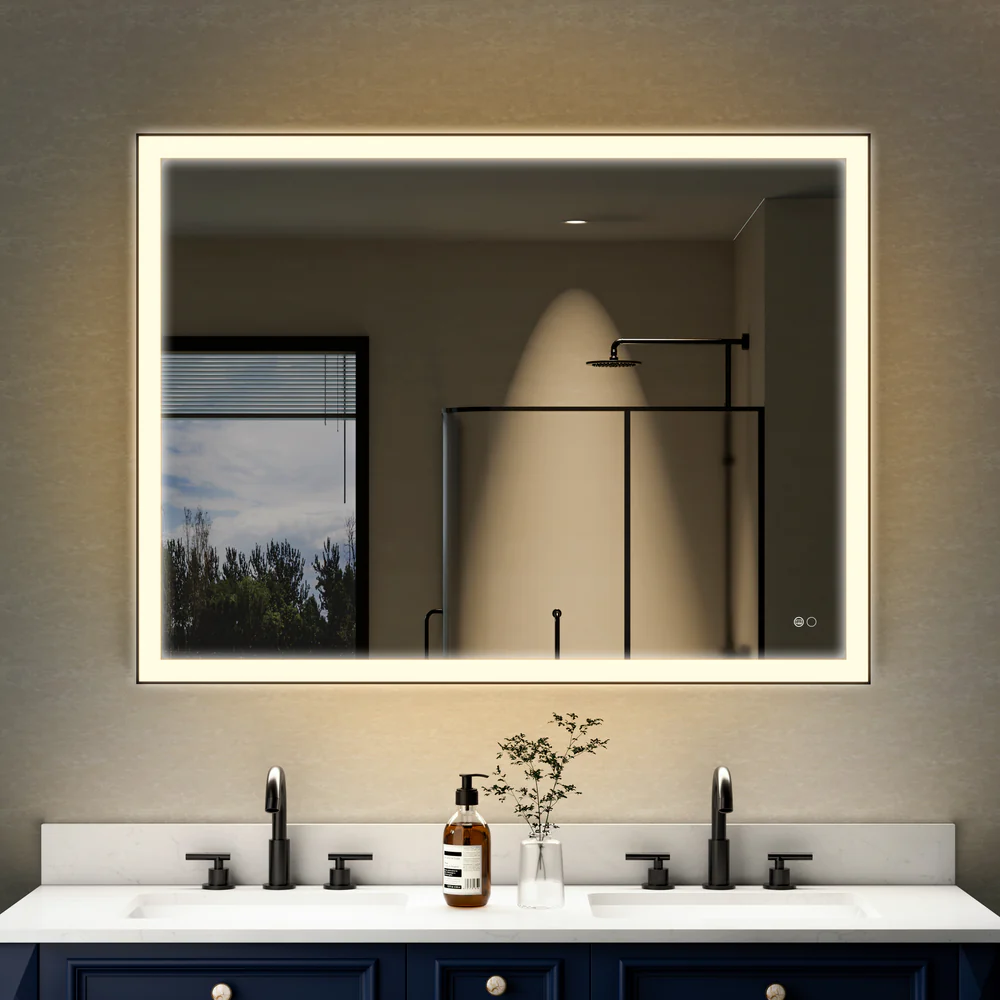

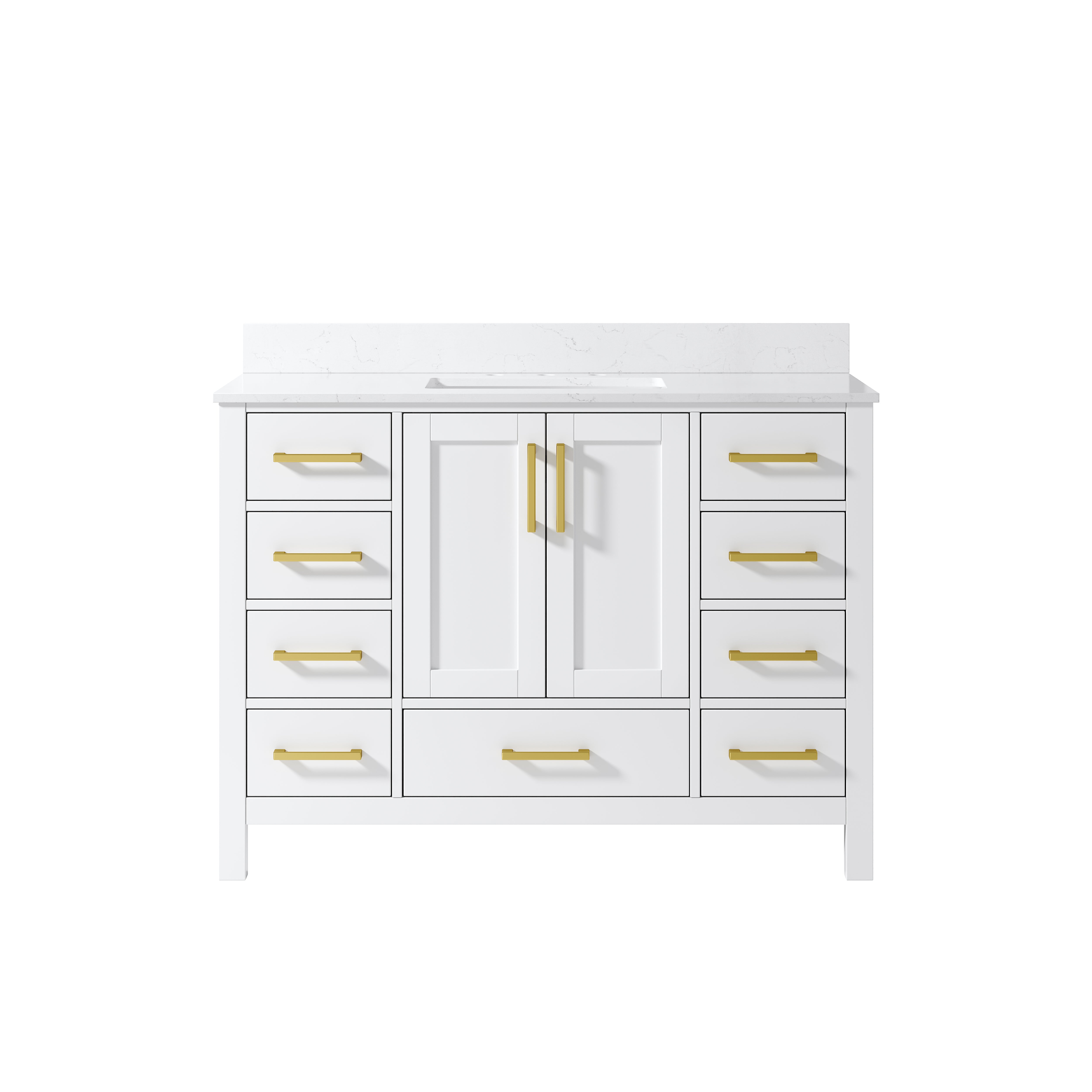


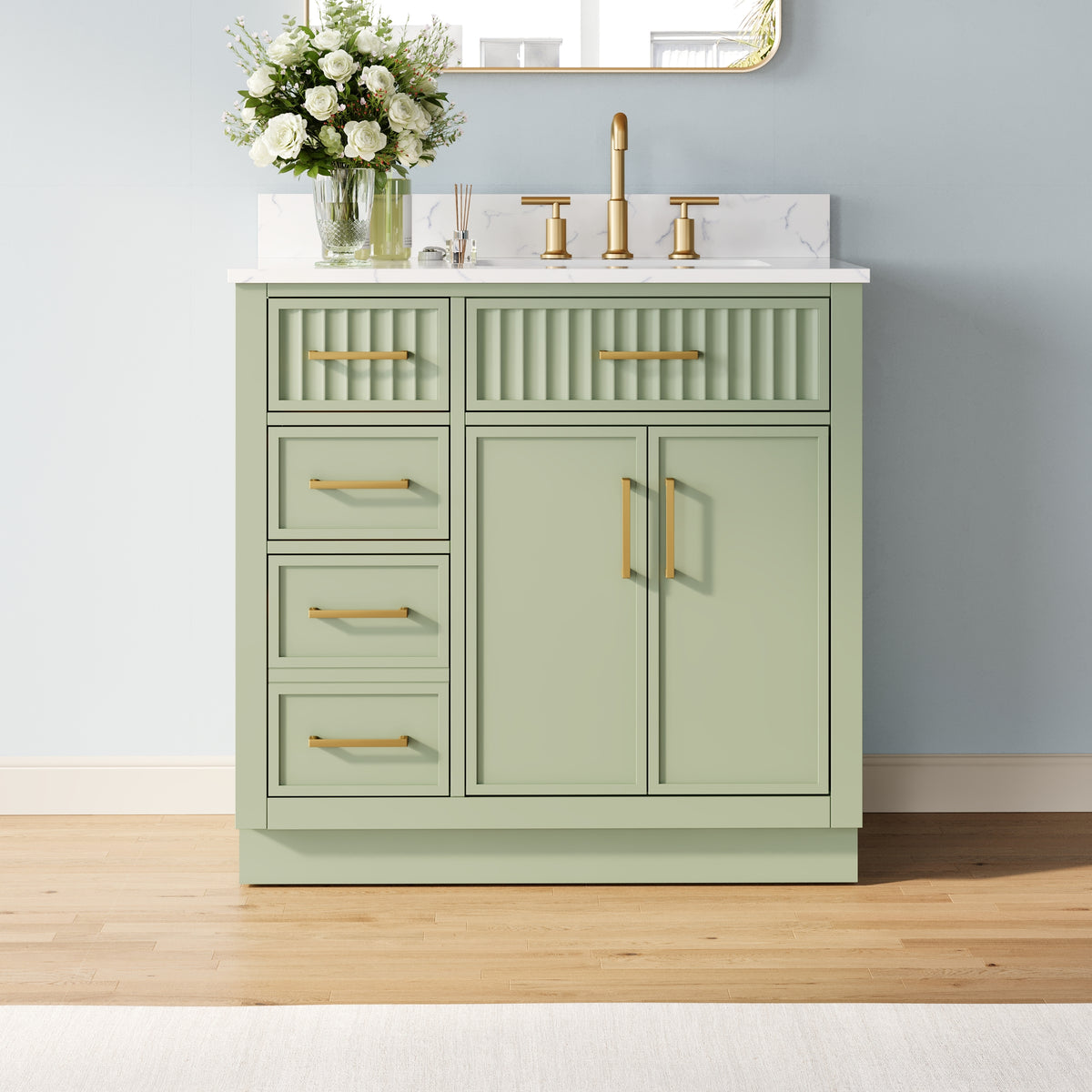
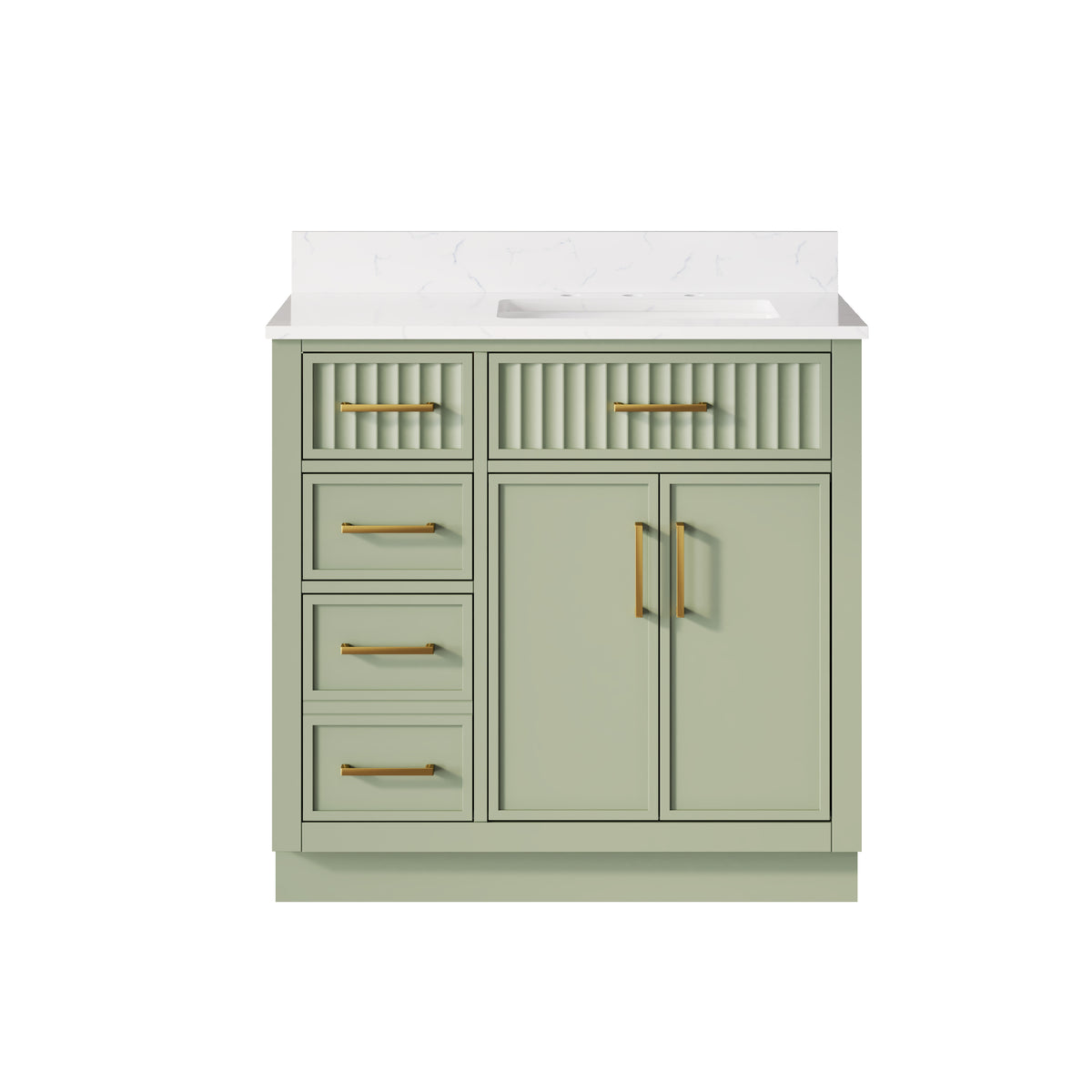
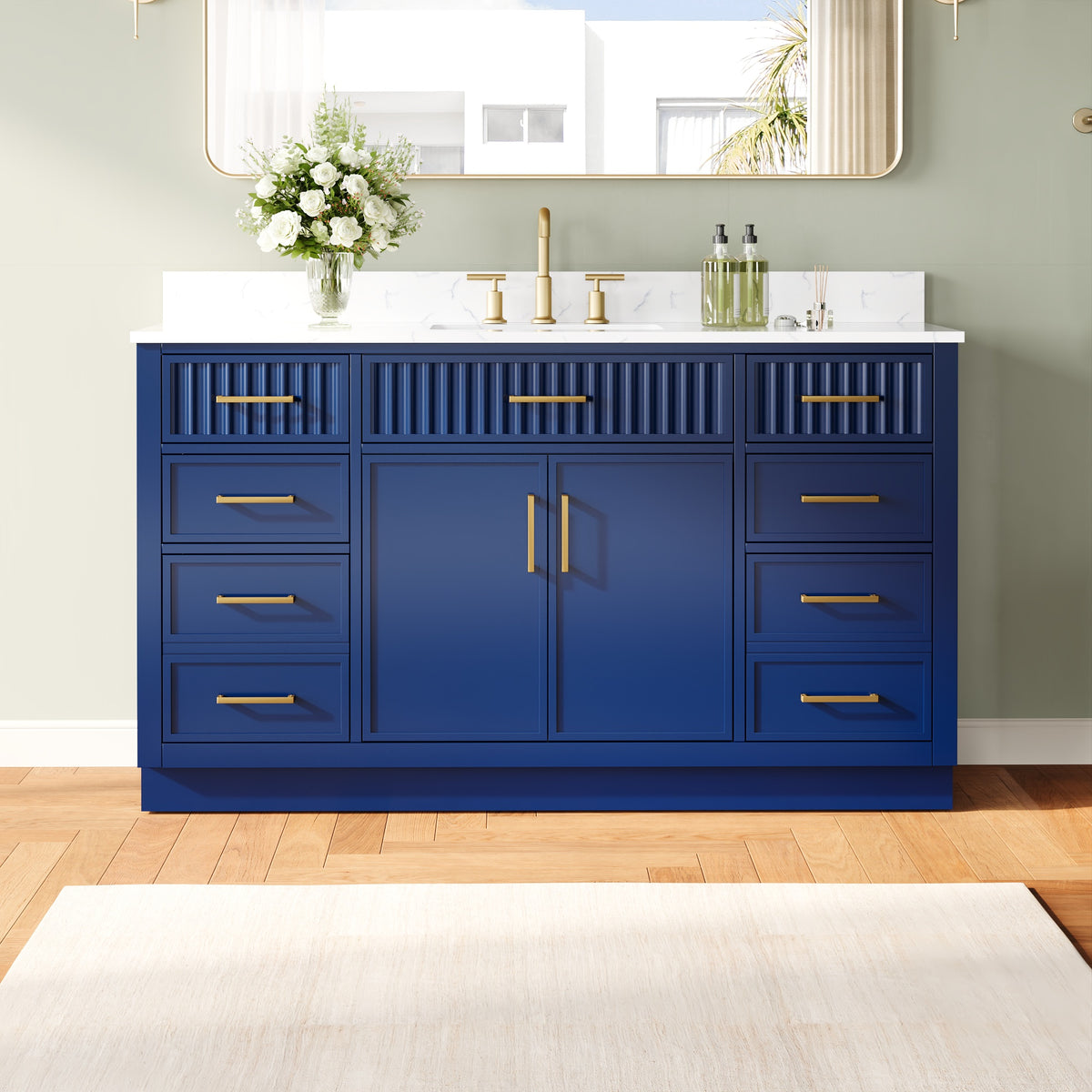
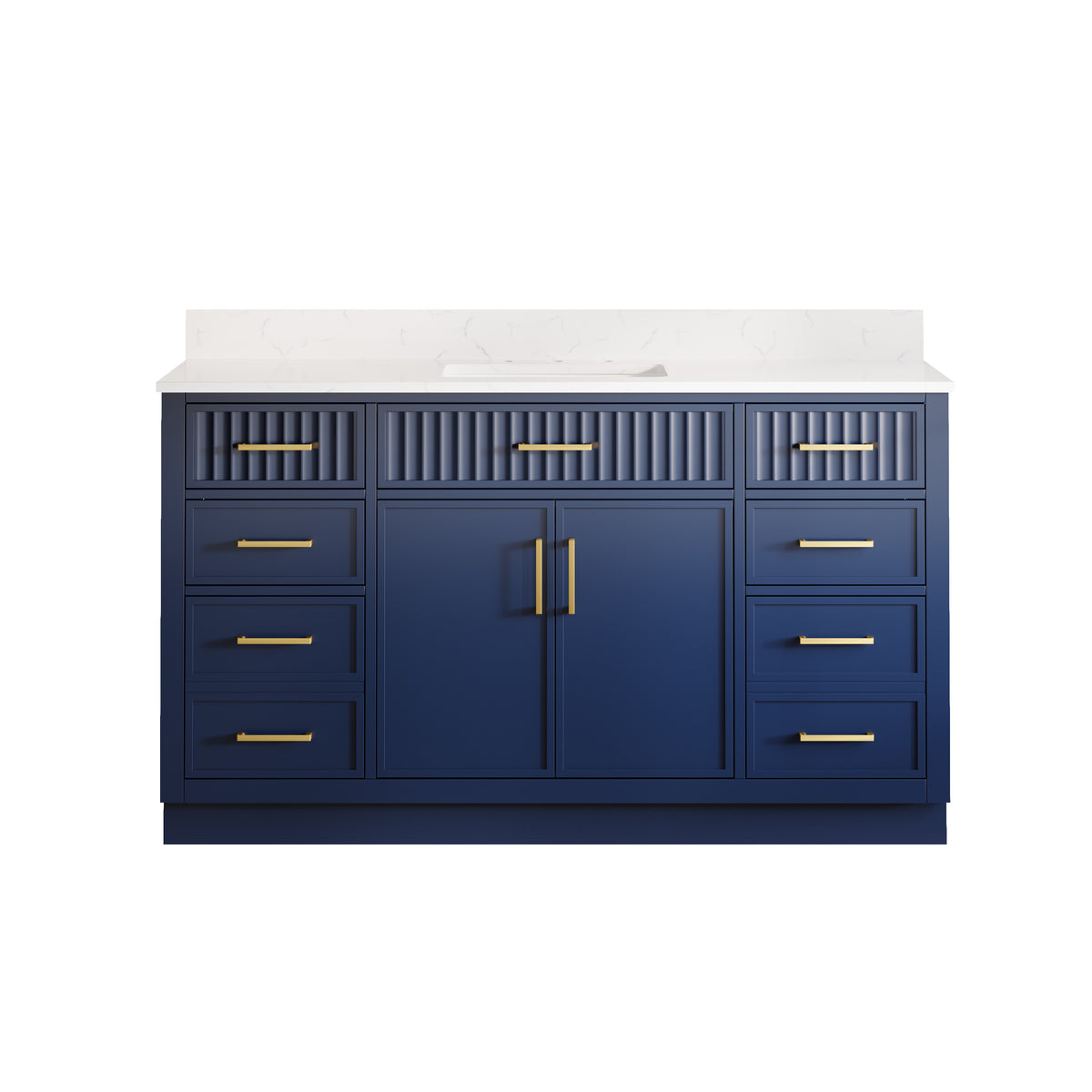
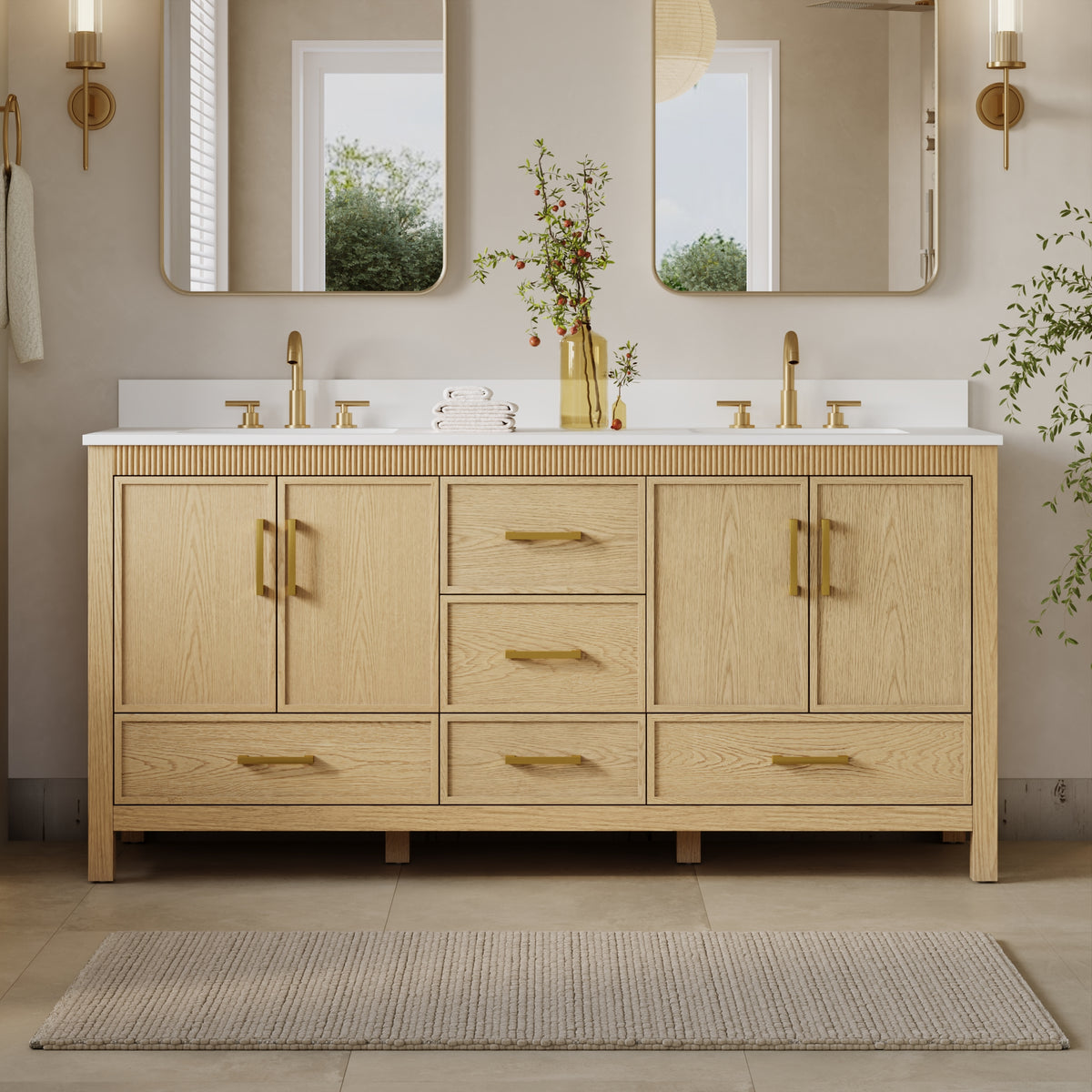
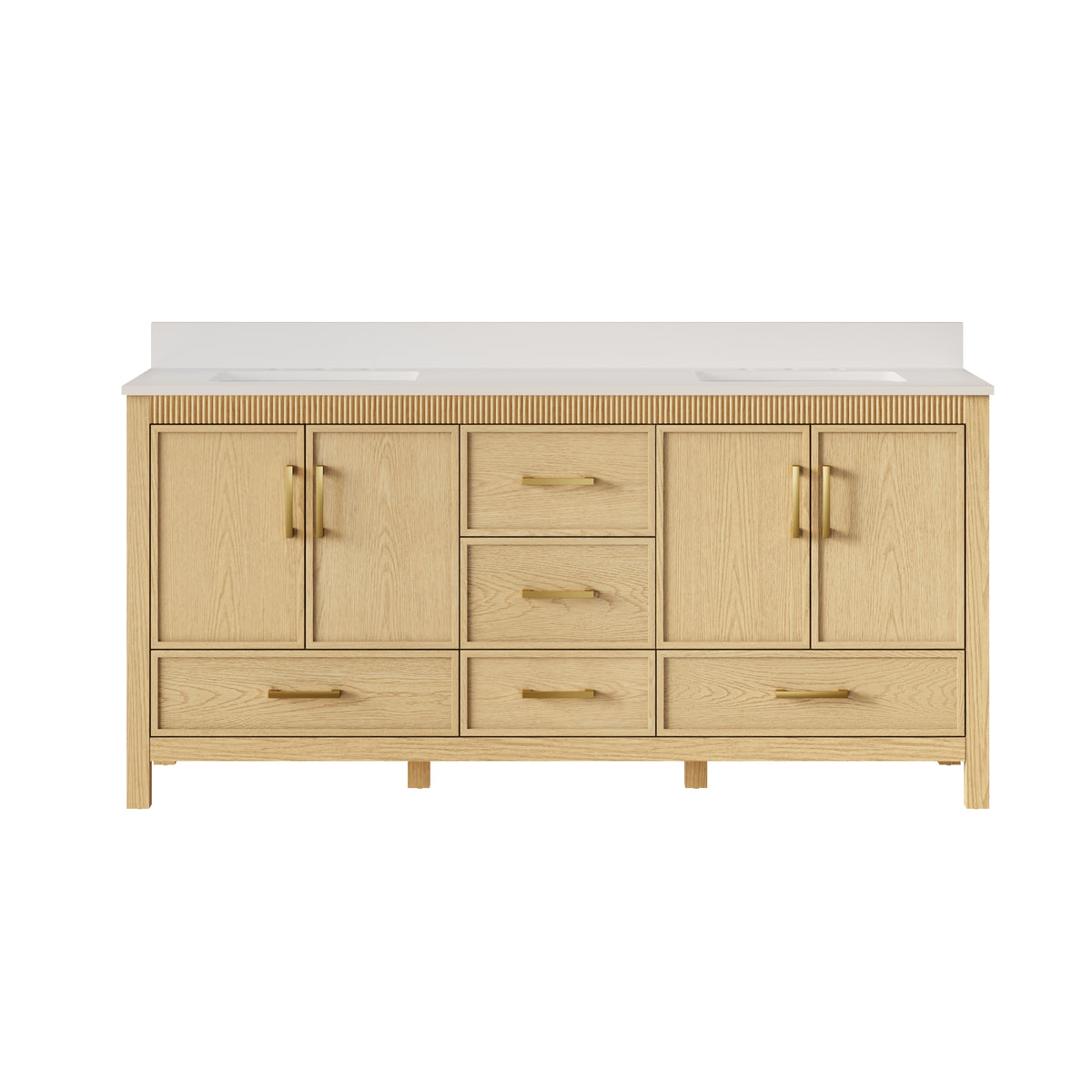
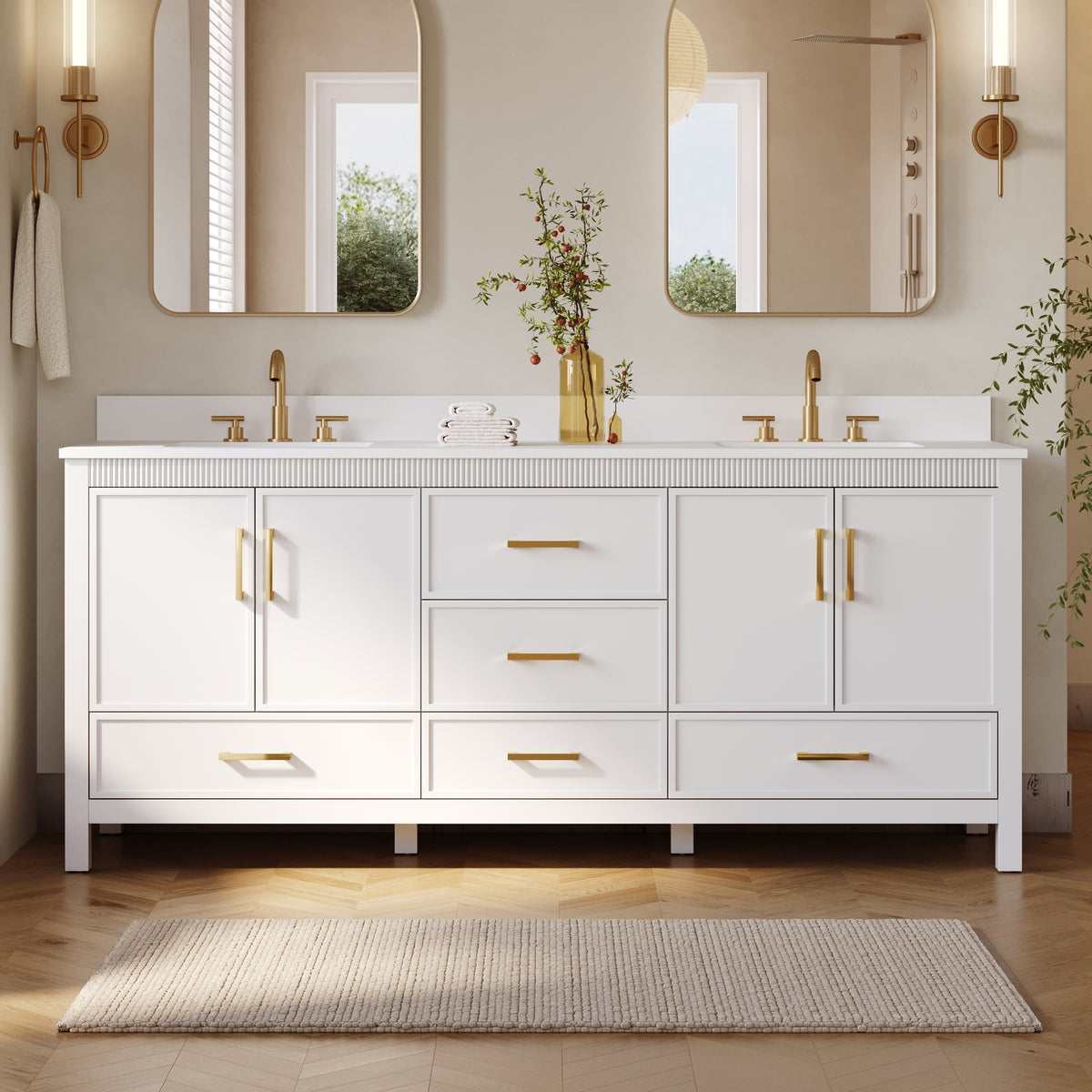
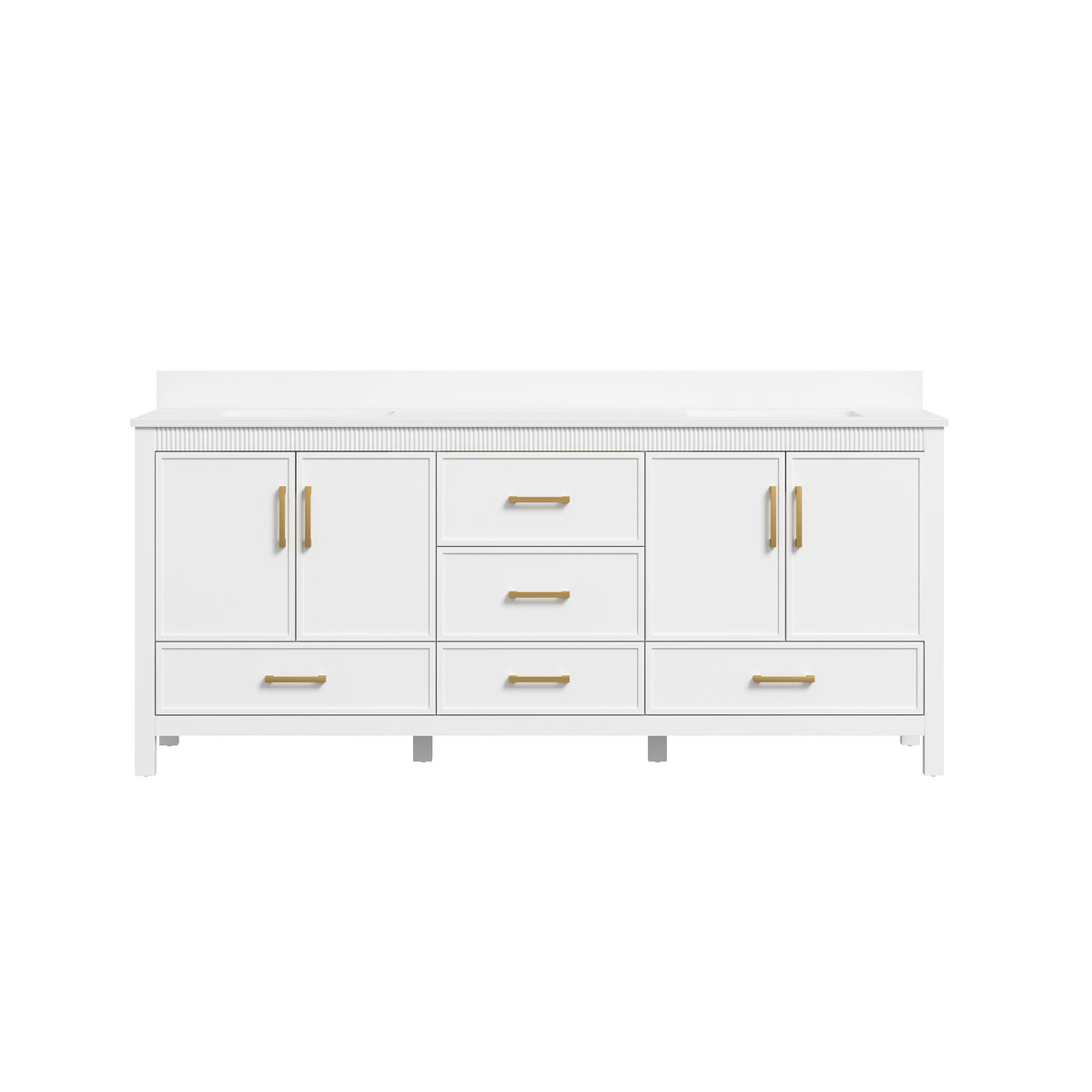

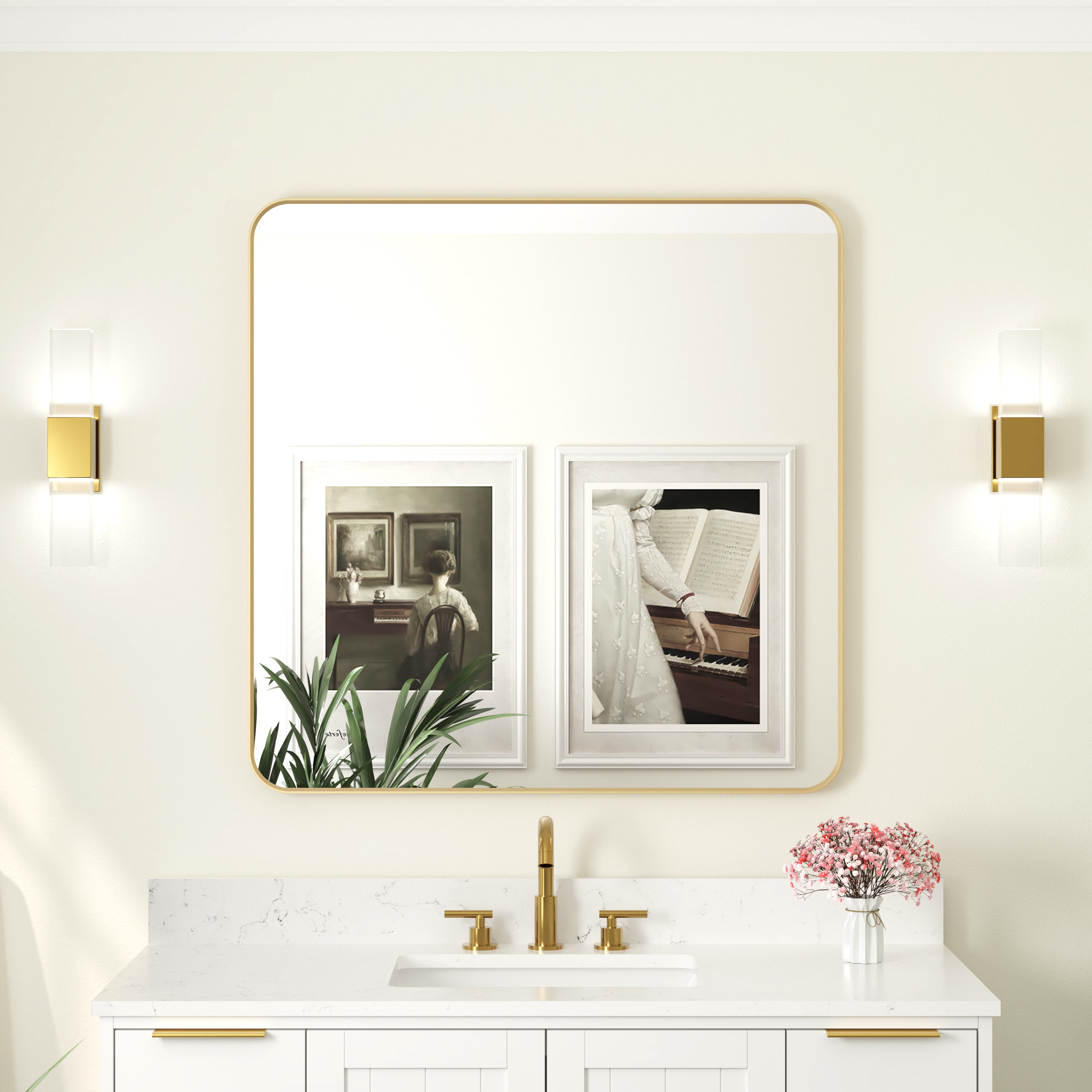
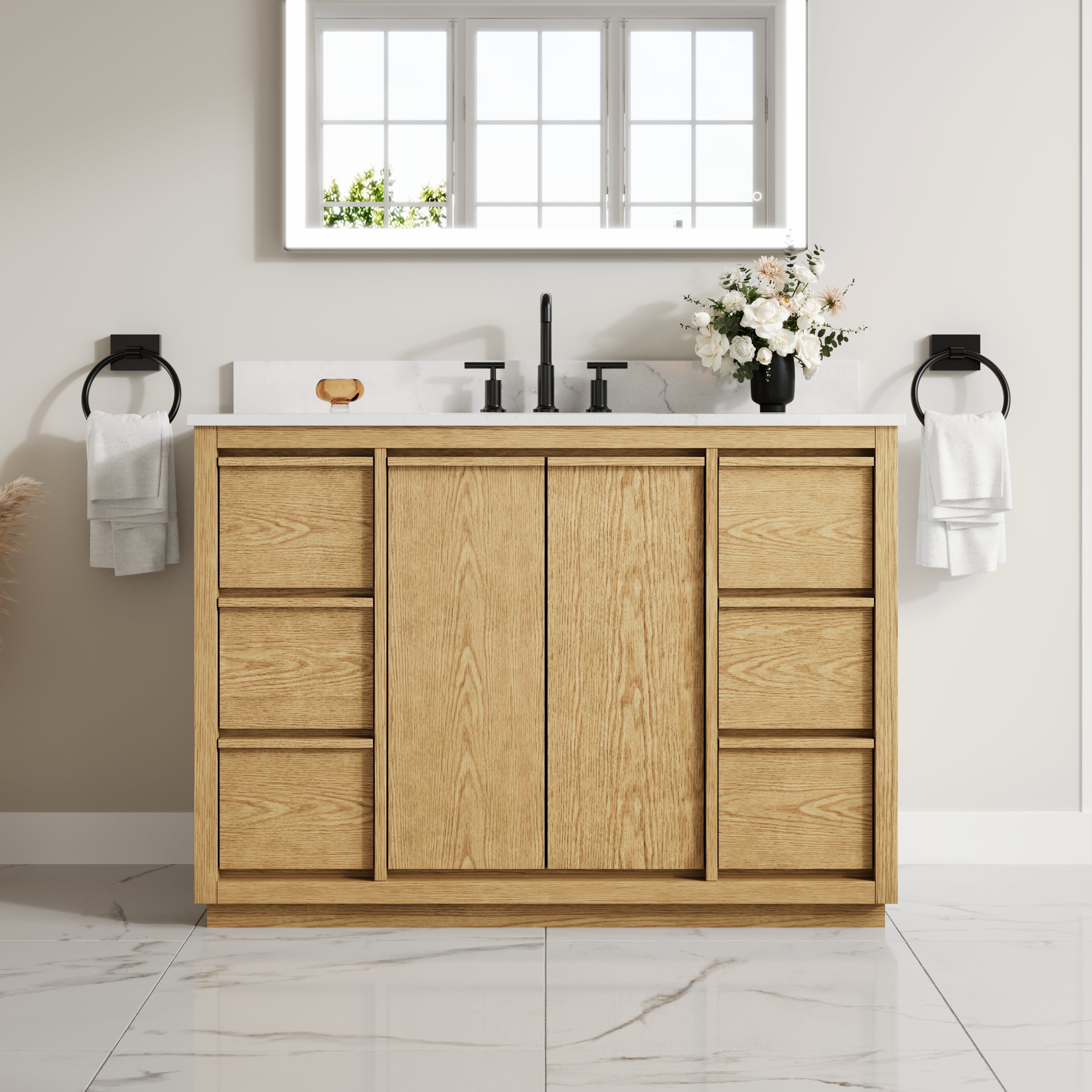
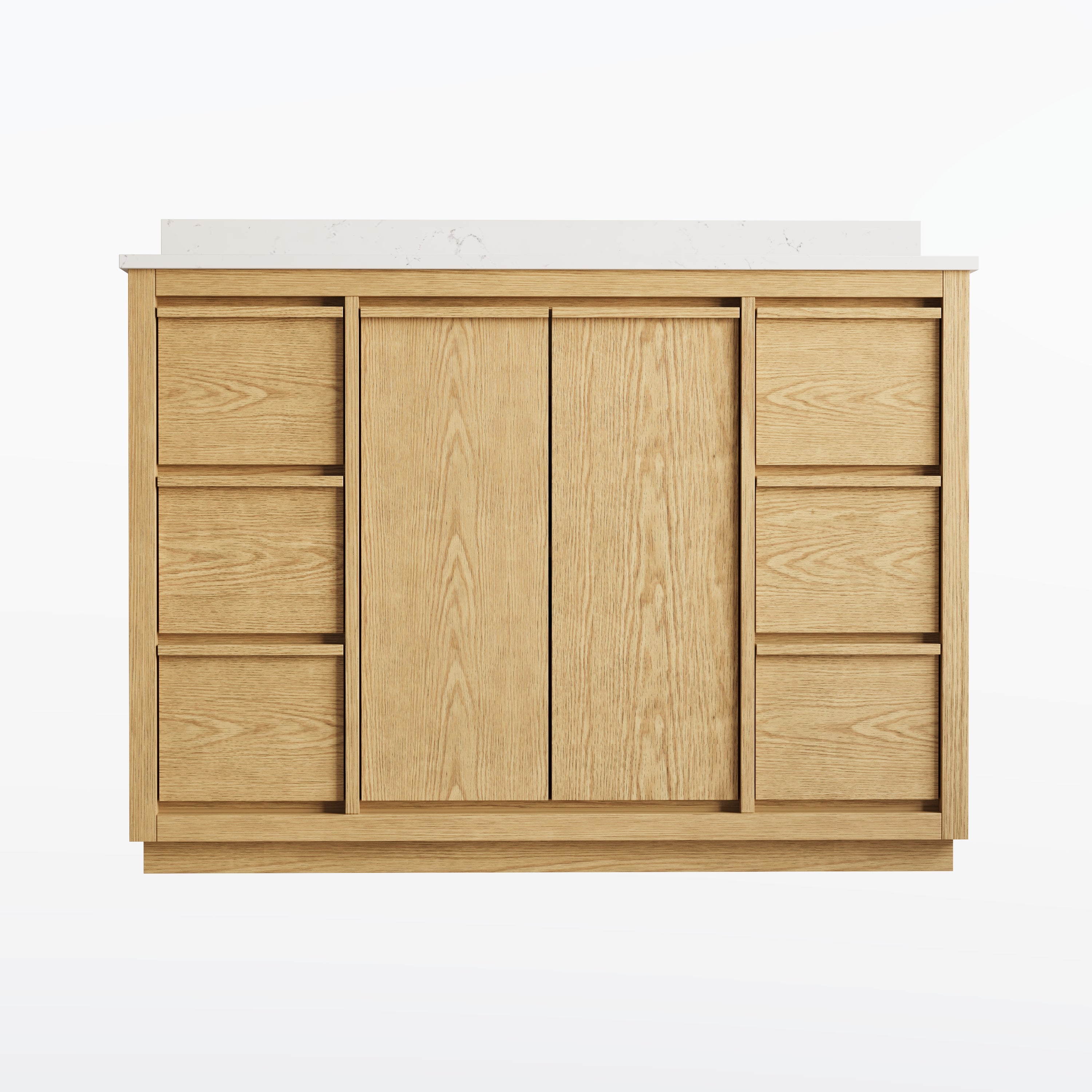
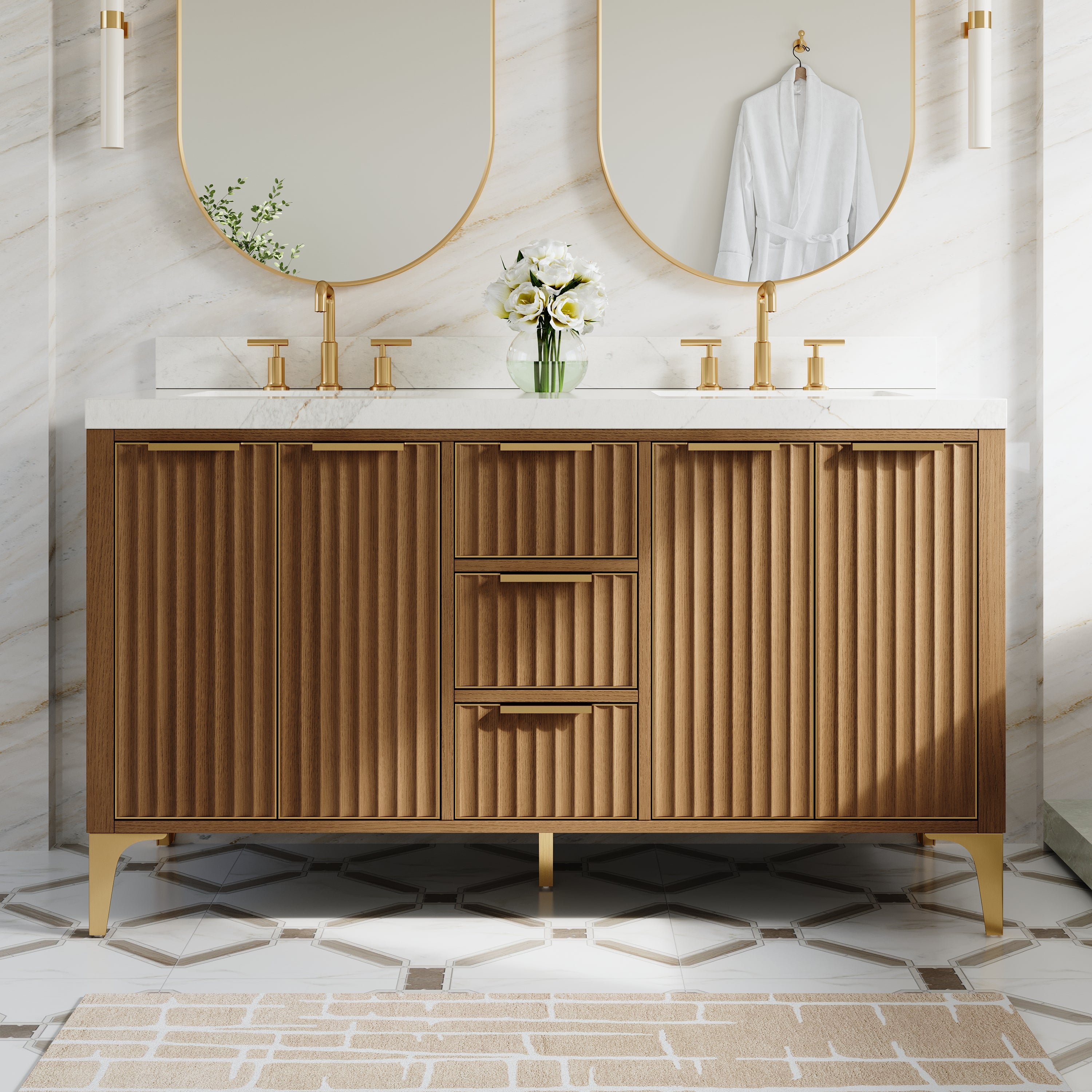
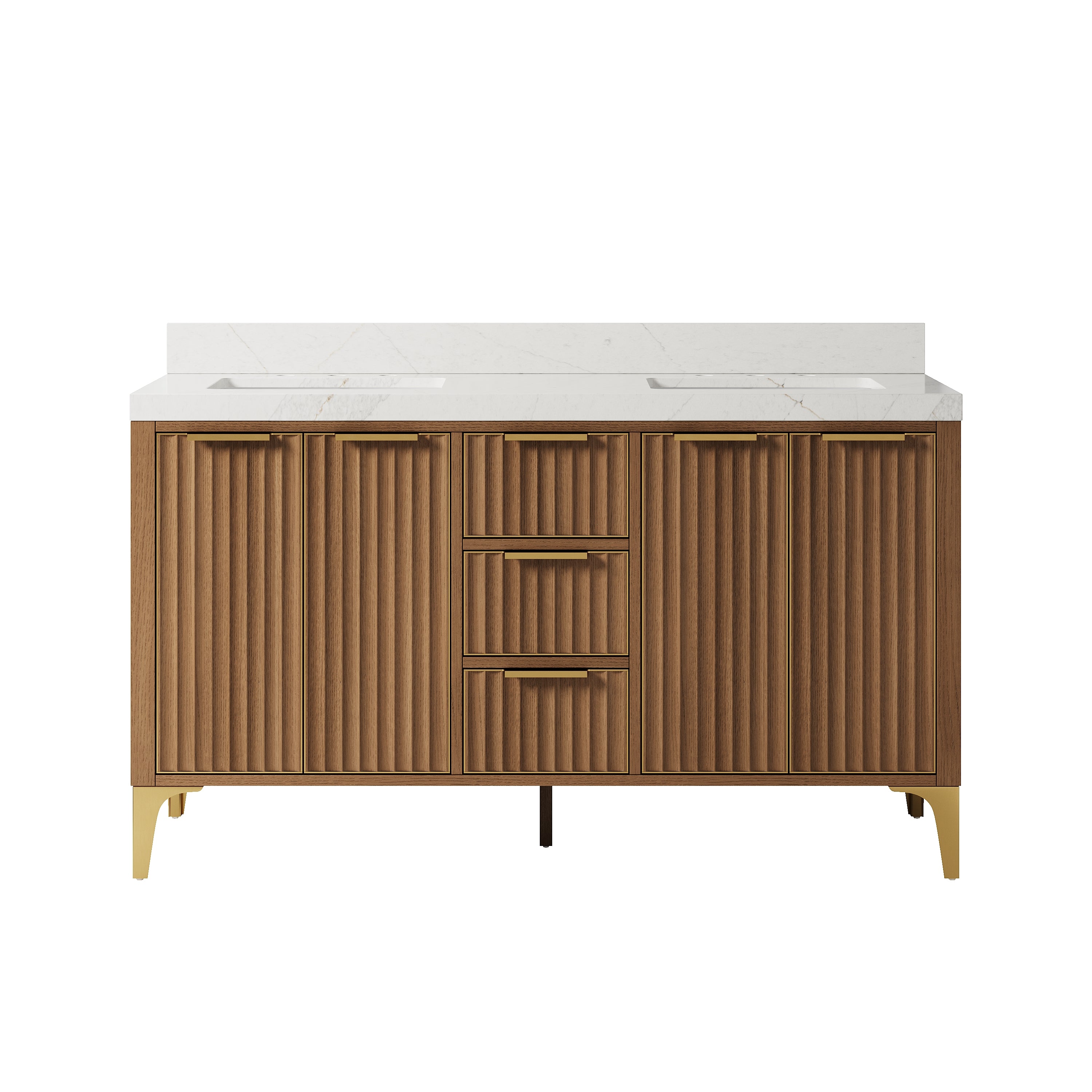
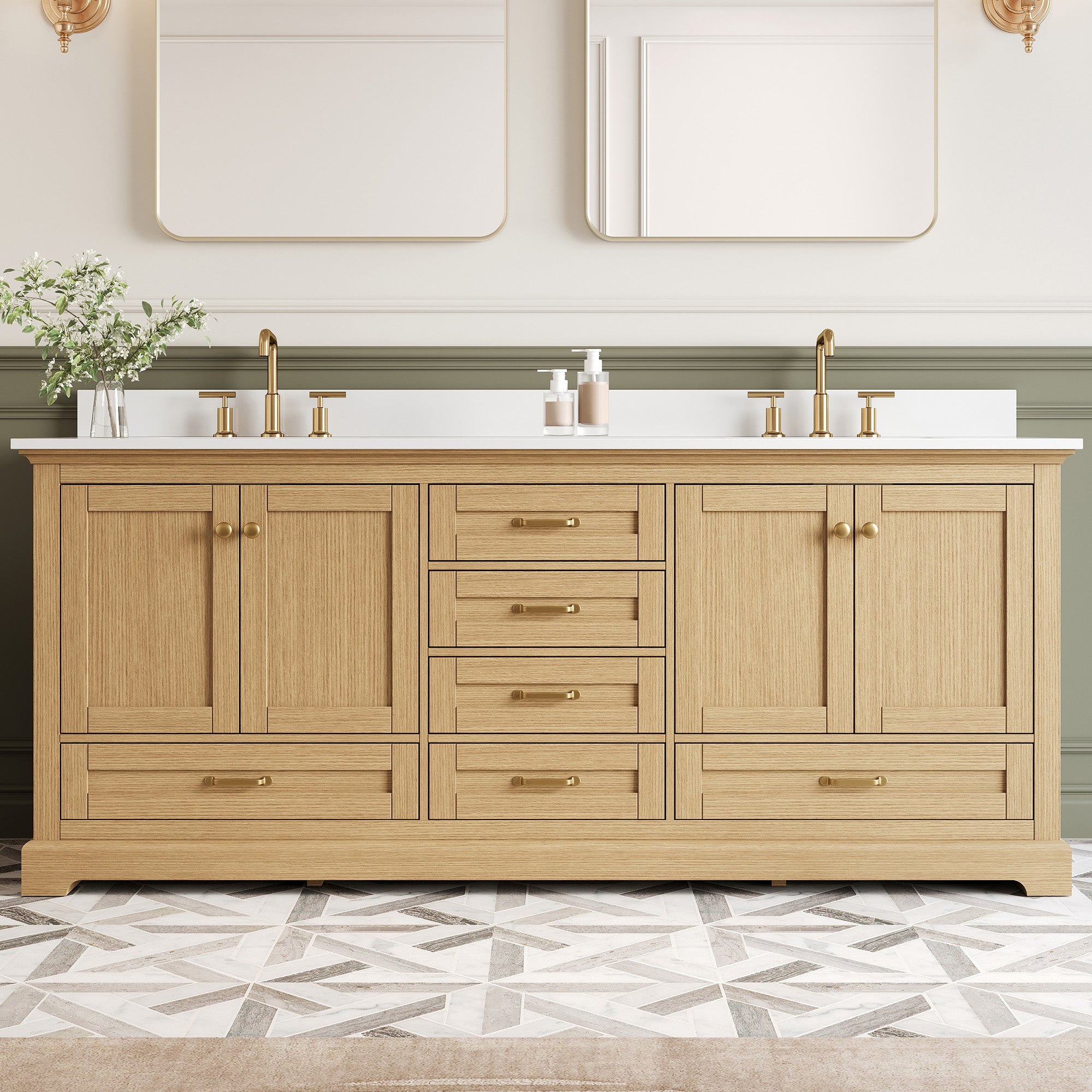
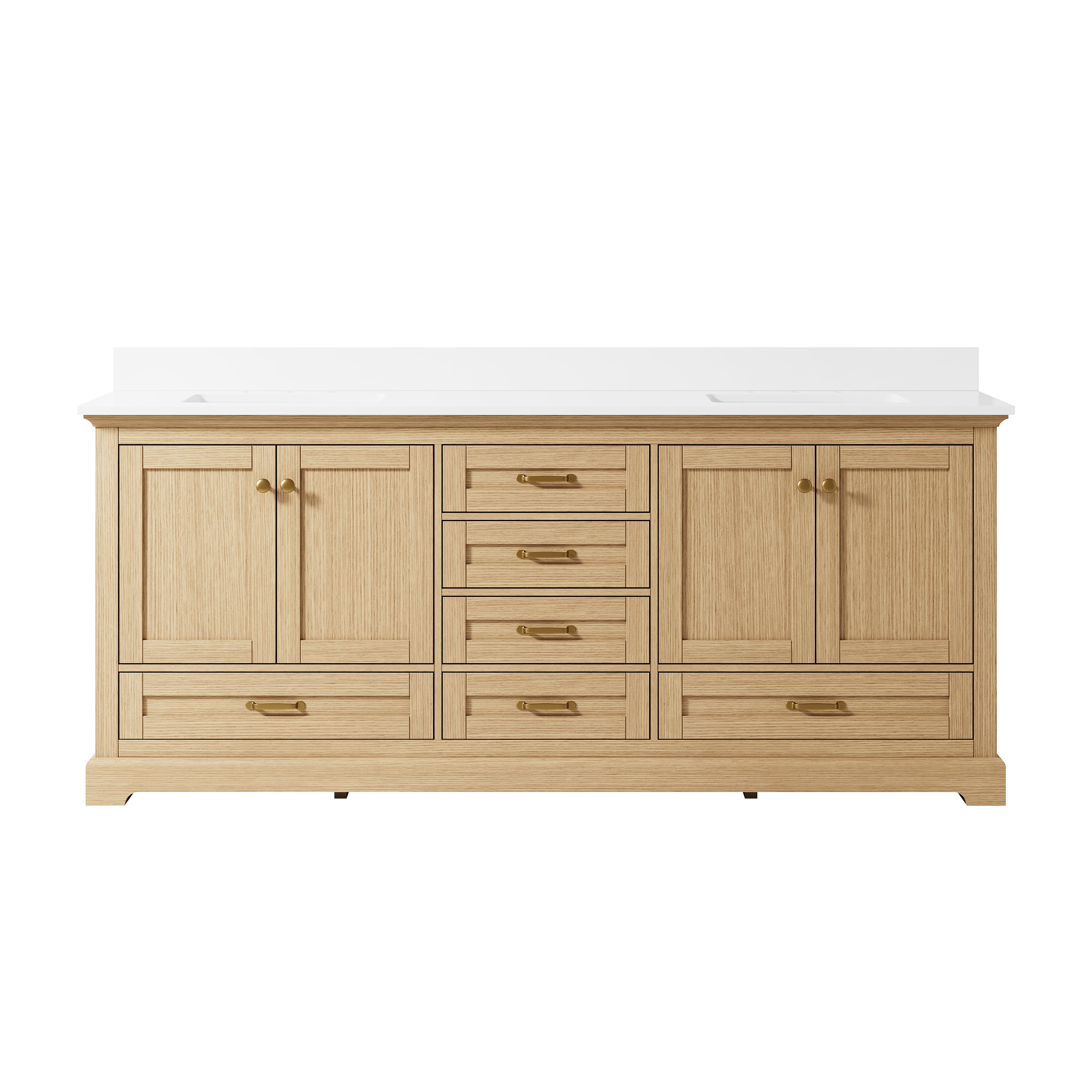
A 36 inch bathroom vanity with top offers a practical middle ground for homeowners who need more storage and counter space but cannot accommodate a double-sink cabinet. Buying the countertop and vanity together can also simplify a bathroom renovation. Still, an integrated top is not automatically the best option. The sink construction, cabinet layout, plumbing position, and available floor space all affect how well the unit performs once the bathroom is back in use.
1. Know What an Integrated Vanity Top Really Is
The terminology causes more confusion than it should. Some manufacturers use “integrated top” to describe a sink and countertop formed as one piece. Others use it for a cabinet supplied with a matching countertop and a separate undermount basin. The second arrangement is often sold as a complete vanity set, but the sink itself is not integrated.
That difference matters when cleaning and repairing the unit. A seamless basin has fewer joints where toothpaste residue and grime can collect. With a separate sink, a damaged basin may be easier to replace without changing the entire counter, depending on its mounting method.
Read the included-components list before ordering. Faucet, pop-up drain, supply lines, and backsplash are not necessarily part of the package.
2. Why a 36 Inch Bathroom Vanity with Top Fits Everyday Life
Thirty-six inches is a useful width for a family bathroom, a guest bath that gets regular use, or a smaller primary bathroom. It provides room beside the sink for a soap dispenser, electric toothbrush, or a few skin-care products. Those extra inches make a noticeable difference during busy mornings.
But cabinet width is only one measurement. Look at the depth, countertop overhang, drawer extension, and the space between the vanity and nearby fixtures. A model that looks perfectly proportioned in a showroom can feel bulky beside a toilet or an inward-opening bathroom door.
Check the Room Before Choosing the Style
Measure the finished wall, not just the gap between baseboards. Open neighboring doors and imagine a drawer pulled all the way out. If the room has a narrow walkway, a shallower cabinet may be more comfortable than a standard-depth model, even if both are 36 inches wide.
3. Where Buying the Cabinet and Top Together Saves Trouble
The main benefit is coordination. A bundled vanity removes the need to separately match countertop dimensions, basin placement, mounting points, and cabinet support. The selected finishes should also create a more consistent look.
This is particularly helpful during a straightforward replacement. When a homeowner wants to refresh a dated bathroom without relocating plumbing, fewer separate orders can mean fewer opportunities to buy incompatible parts.
There is a catch: “complete” does not always mean ready to install. A faucet may need one hole or three, the drain may need to be purchased separately, and the existing trap might not align with the new sink.
Compare the Final Cost, Not the Display Price
A combined set can represent good value, but do the arithmetic before deciding. Include shipping, missing plumbing hardware, installation labor, and any wall repairs. A lower-priced cabinet with no countertop may ultimately cost more, while a premium bundled unit may include features you would never use.
4. The Drawbacks Worth Considering
Integrated designs usually offer fewer customization choices. You might like the cabinet finish but want a different basin shape, a wider faucet deck, or a natural-stone counter with distinctive veining. With a molded sink and top, damage to either section may require replacement of the whole piece.
Material selection also changes the maintenance burden. Cultured marble and resin-based surfaces are often easy to wipe down, but some are vulnerable to abrasive cleaners. Natural stone may require sealing, depending on the stone and finish. Engineered materials vary considerably, so manufacturer care instructions should take priority over claims of being “maintenance-free.”
One common buying mistake is focusing on the countertop while overlooking the storage. Deep plumbing cutouts, narrow drawers, and decorative false fronts can leave much less usable space than the exterior suggests.
5. Installation Details That Prevent Expensive Surprises
Start by locating the water supplies and drain outlet. Compare those positions with the cabinet's interior layout, especially if it has full-width drawers. Confirm the finished height works for everyone using the sink and that the countertop fits around any uneven walls.
Before applying adhesive or sealant, place the top on the cabinet to check alignment. Level the cabinet first; a slight lean can create visible gaps and cause water to collect in unwanted areas. Secure the unit according to the manufacturer's instructions, and use sealant only where specified. A heavy stone top or complex plumbing layout is a sensible reason to hire a professional.
Never assume the old faucet will fit the new top. Check mounting-hole spacing and faucet reach before dismantling the existing vanity.
6. Keep the Vanity Looking Good After Installation
Daily maintenance is uncomplicated if you match the cleaning method to the surface. Use a soft cloth and a mild, manufacturer-approved cleaner. Wipe away hair dye, cosmetics, and standing water promptly, particularly around the faucet and backsplash.
Check silicone joints periodically for cracks or separation, and address leaks beneath the sink before cabinet panels swell. Keep the bathroom ventilated after showers. Even a moisture-resistant cabinet benefits from less lingering humidity.

7. Make the Purchase Fit the Bathroom, Not the Photograph
For a practical renovation, a coordinated vanity can be an excellent choice. When reviewing options from Wellfor, prioritize a dimension drawing, clear material specifications, usable drawer space, and an accurate list of included parts over styling alone.
Choose a 36 inch bathroom vanity with top when the layout is reasonably standard and you want fewer purchasing decisions. If you need an offset basin, unusual depth, or a custom countertop, separate components may serve you better. Measure twice, confirm the plumbing, and choose the surface you will actually be comfortable cleaning every week.
















Leave a comment
This site is protected by hCaptcha and the hCaptcha Privacy Policy and Terms of Service apply.