














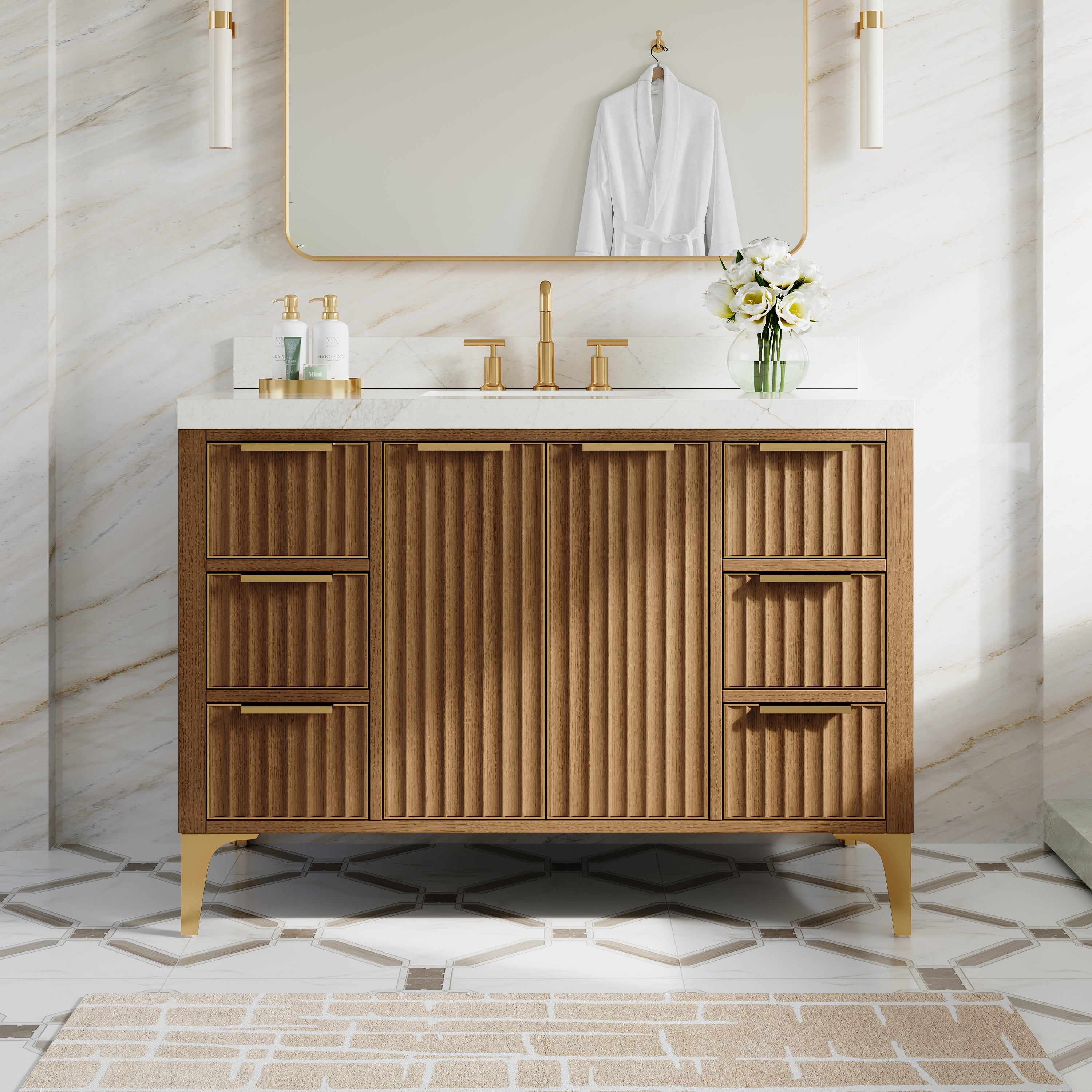
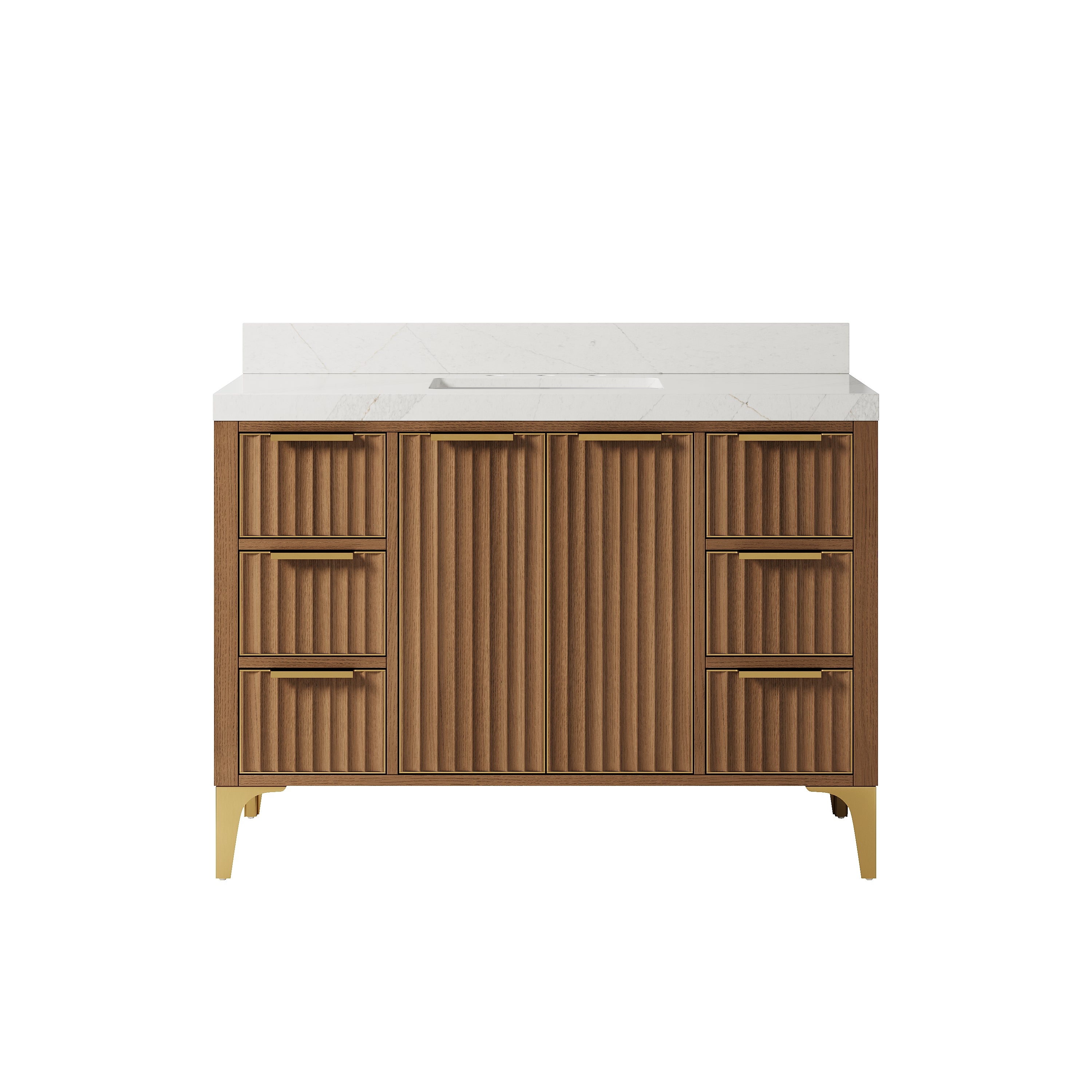


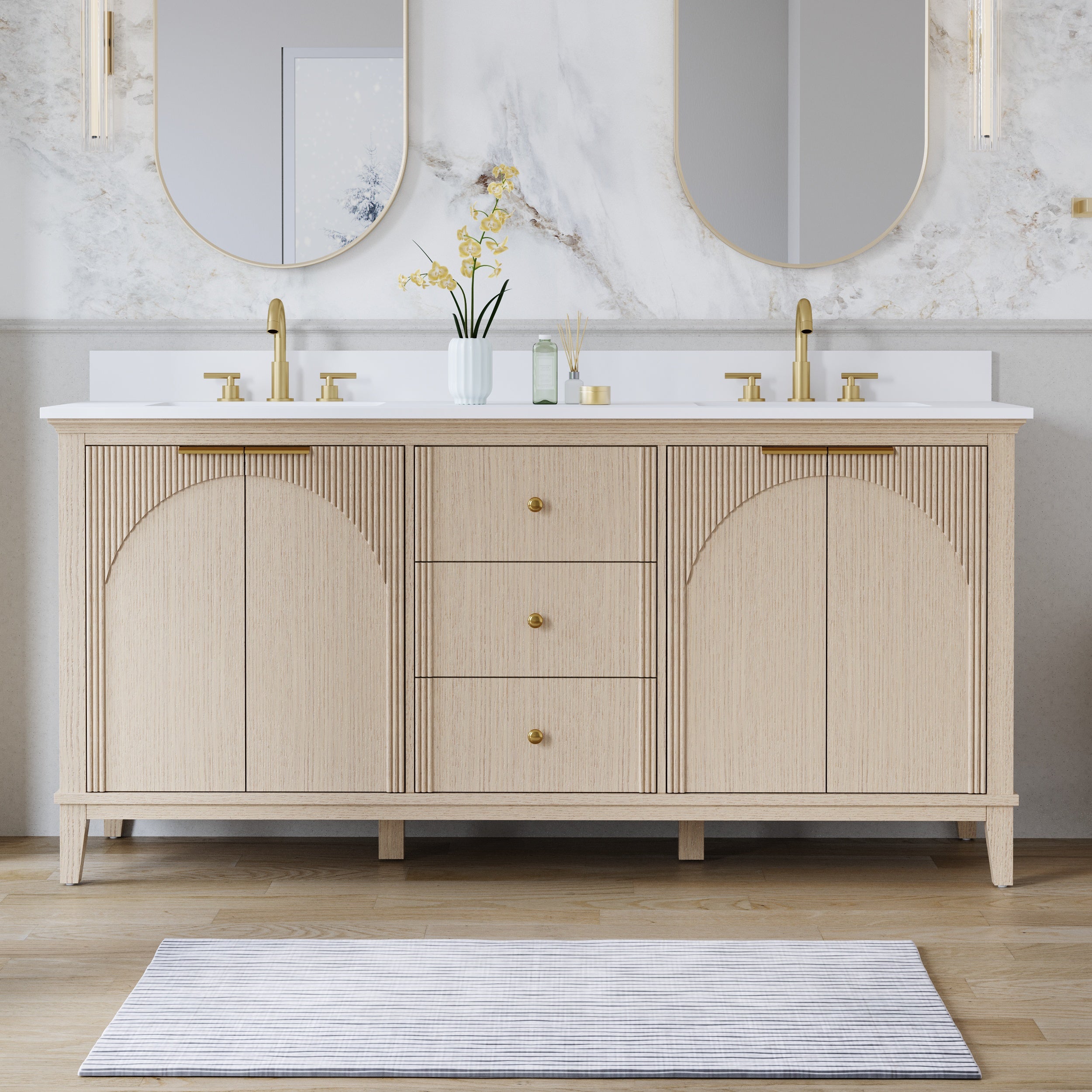
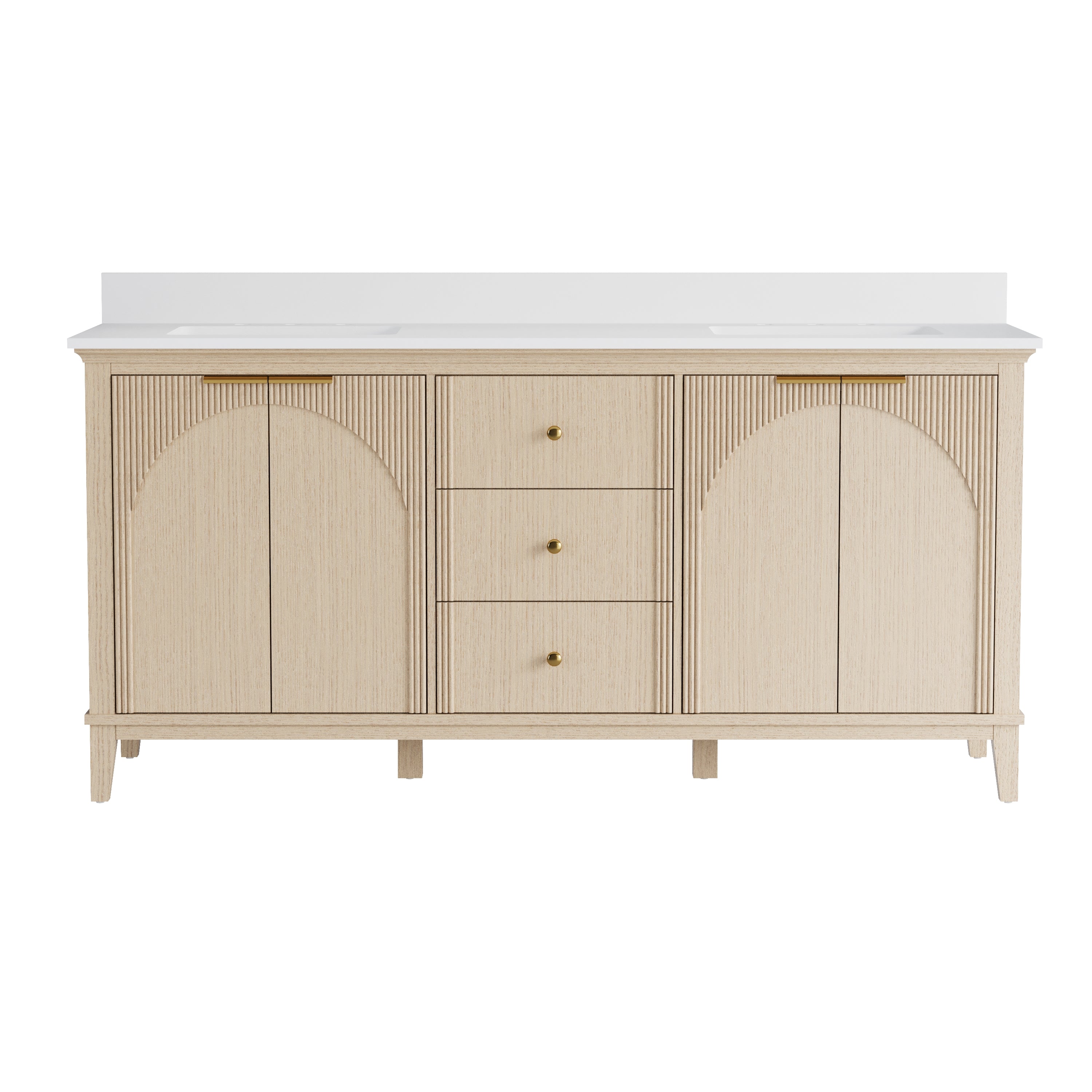
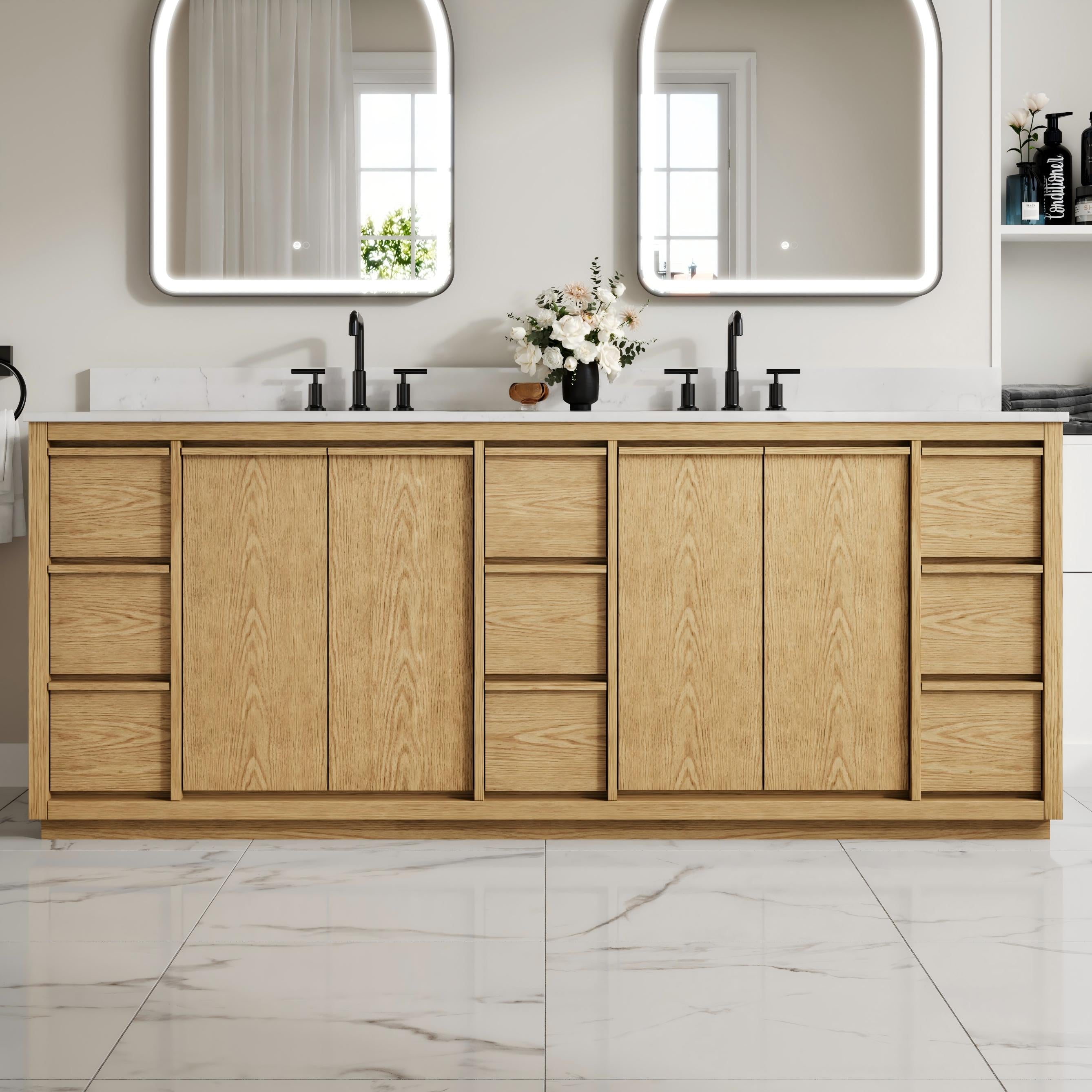
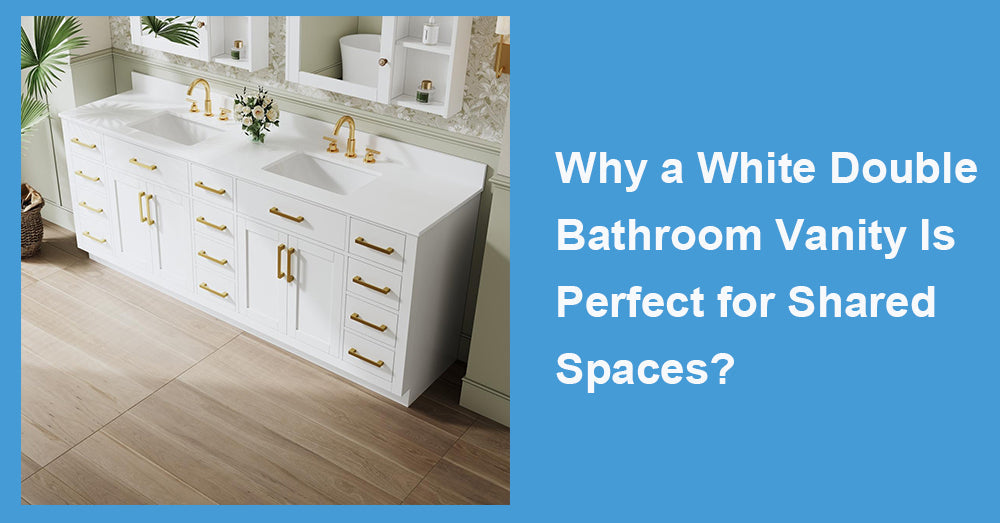
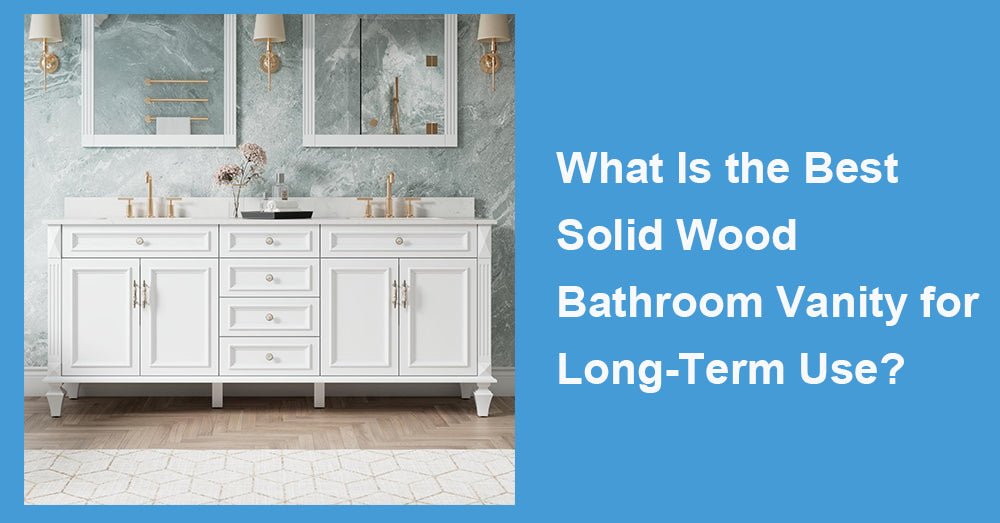
As modern homes demand greater functionality, storage, and daily efficiency, shared bathrooms are evolving from basic grooming quarters into living spaces that harmonize personal routines, storage, and aesthetics. Driven by this shift, a white double bathroom vanity is becoming a go-to choice for primary suites and shared family baths alike.
According to Houzz trend data, nearly 65% of homeowners choose to install double-sink vanities during primary bathroom renovations. Furthermore, the 2025 Houzz Bathroom Trends Study reveals that white remains a leading color choice—nearly 20% of new vanities and 48% of new countertops feature white finishes. This data clearly highlights a strong consumer preference for double-sink configurations and clean white aesthetics.
The first solution for dual sinks is the problem of "simultaneous use"
The primary challenge in a shared bathroom isn't square footage, but overlapping schedules.
When schedules overlap, two people often need to brush, wash, style their hair, or get ready for the day simultaneously. With a single sink, one person's routine inevitably leaves the other waiting.
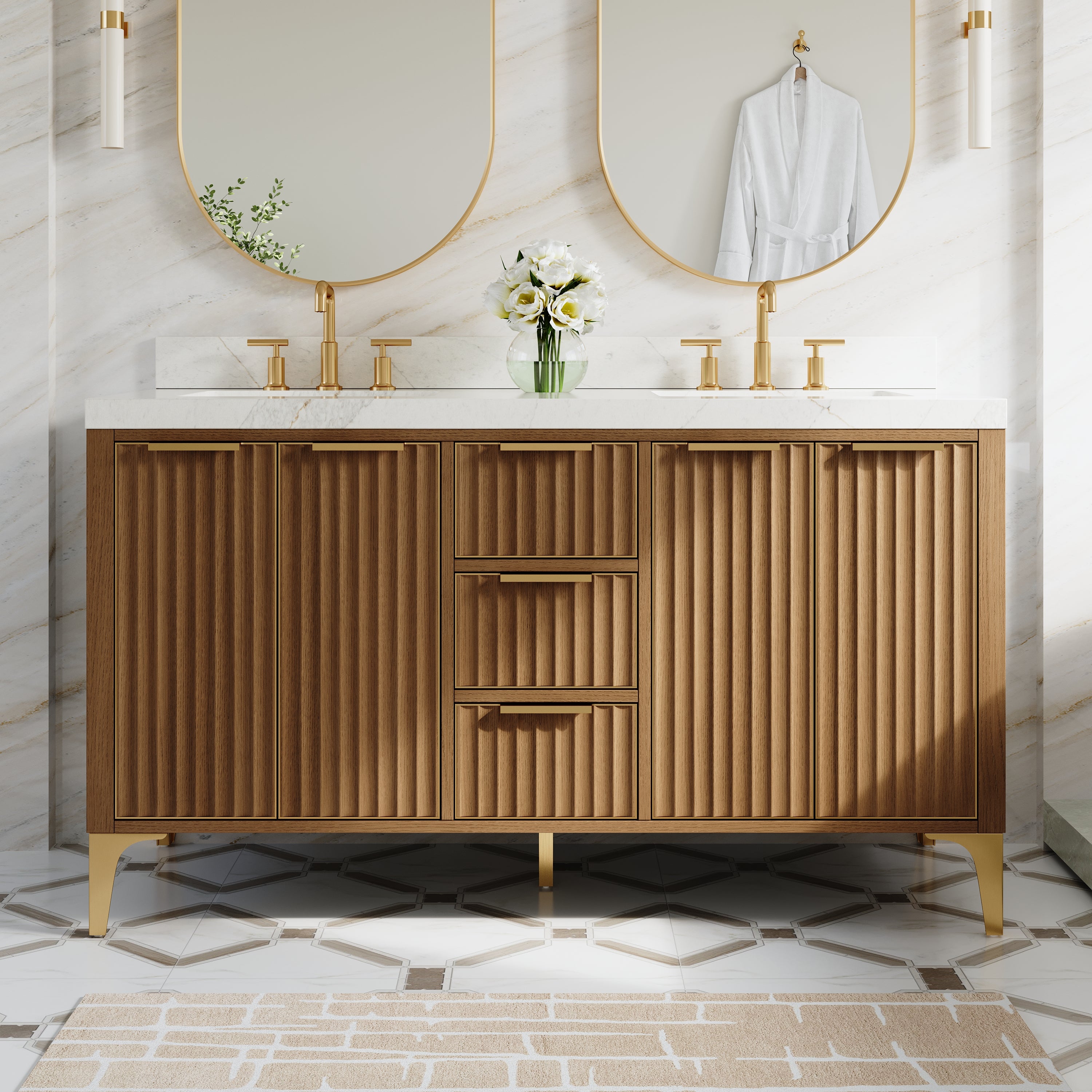
The double bathroom vanity naturally divides the washing area into two usage units through two independent sinks. Two people can simultaneously complete their own morning or bedtime care, reducing waiting time and improving bathroom efficiency.
That's also why dual sinks have become an important feature in home decor. Houzz data shows that in the renovation of the main bathroom, the proportion of dual sinks has reached about 65%, reflecting that consumers' demand for "His&Hers" or "two independent use areas" is becoming a mature design trend.
This trend aligns seamlessly with industry insights from the National Kitchen and Bath Association (NKBA). In its 2025 Bathroom Trend Report, the NKBA highlights "His and hers; separate but connected" as a key design direction—one that offers two users dedicated functional zones while maintaining complete visual harmony throughout the space.
White makes the double bathroom vanity "big but not heavy"
Compared to single-sink bathroom vanities, double-occupancy bathroom vanities typically have larger horizontal dimensions. If the cabinet color is too dark, it can easily become the visual focus in the bathroom, creating a sense of heaviness in the space.

White provides another solution.
White vanities can form a continuous visual relationship with light colored walls, white countertops, and mirrors, reducing the sense of boundaries of large vanities. Especially in shared bathrooms with limited lighting or space, white is more likely to create a bright, tidy, and open visual effect.
Houzz's 2025 data also shows that among consumers participating in bathroom renovations, white bathroom vanities account for 20% of new bathroom cabinet color choices, second only to wood. In new bathroom countertops, white accounts for 48%, significantly ahead of other colors.
Therefore, the white double bathroom vanity is not simply a combination of "two sinks+white vanity", but a balance between functionality and visual appeal: it is large enough in size without making the space appear too crowded.
Storage capacity is also an important competitive advantage for shared bathrooms.
A shared bathroom usually means two or even more family members sharing the same storage system. Toothbrushes, skincare products, towels, hair dryers, shaving products, and various daily care products can easily accumulate on countertops without proper storage space.
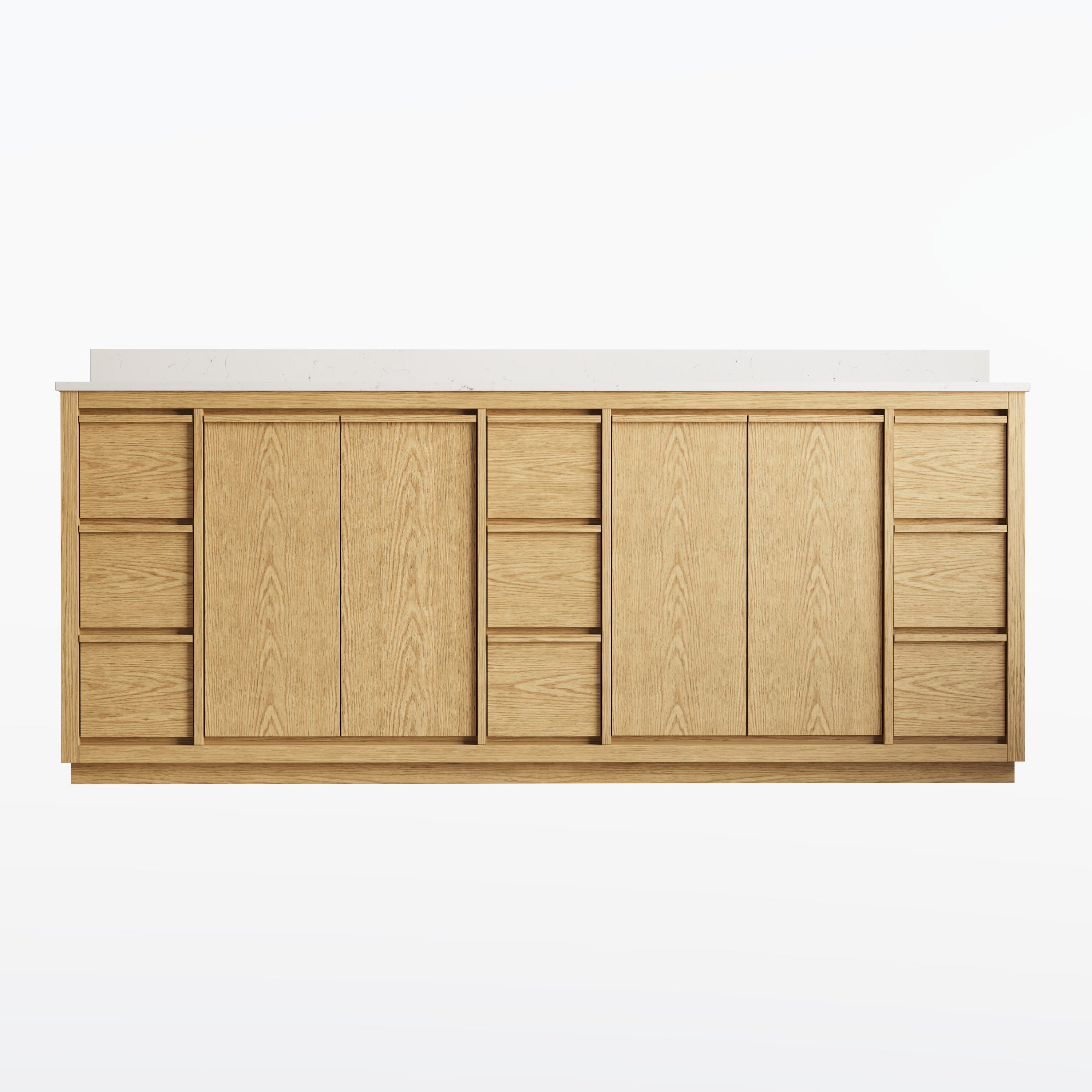
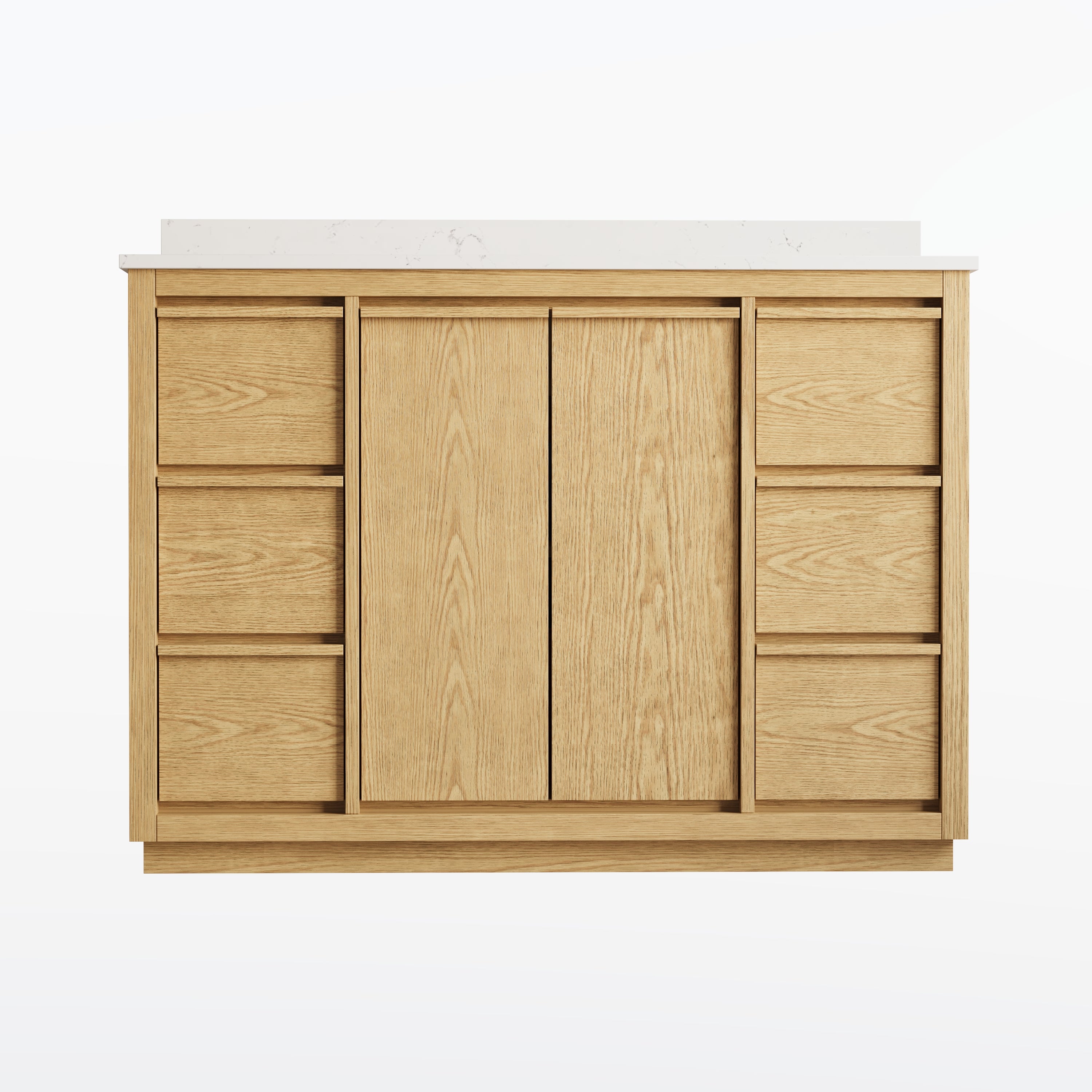
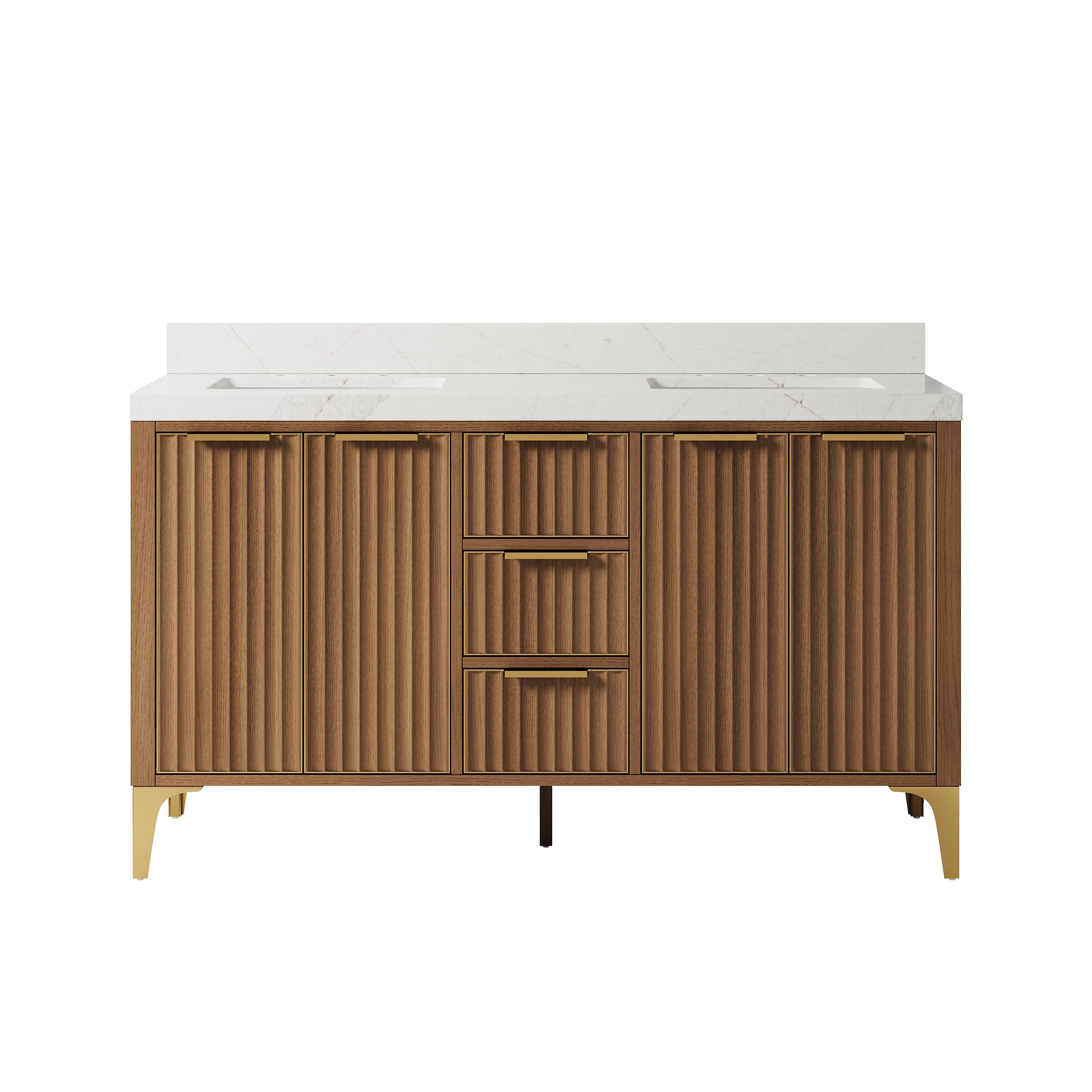
A major benefit of a double vanity is its expansive footprint, which accommodates more drawers and maximizes interior storage.
For families, this design can further promote "regional storage": one side is mainly used to store one person's daily necessities, the other side is used for another person's belongings, and the middle area can store household shared items. This not only improves storage efficiency, but also reduces the confusion caused by two people searching for items.
NKBA's 2025 bathroom trend study also points out that bathroom design is increasingly emphasizing 'simple, elegant storage within arm's reach', which means providing sufficient and aesthetically pleasing storage space within daily use.
This means modern vanities are no longer just about housing a sink—they have evolved into the primary storage hub for the entire shared bathroom.
White is easier to adapt to different decoration styles.
Because shared bathrooms must accommodate varying aesthetic tastes, overly bold vanity colors can restrict overall design flexibility.
The true beauty of white lies in its sheer versatility.
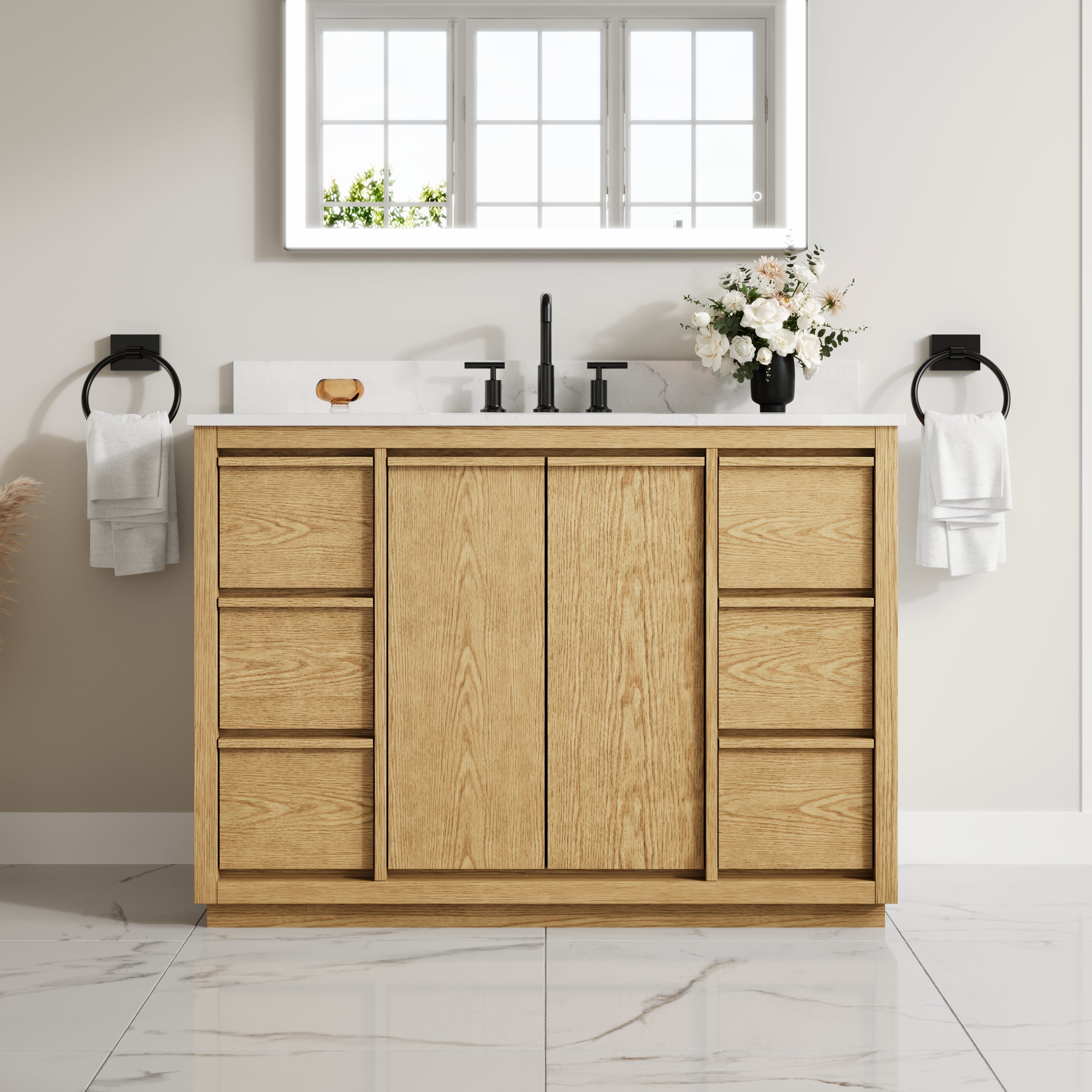
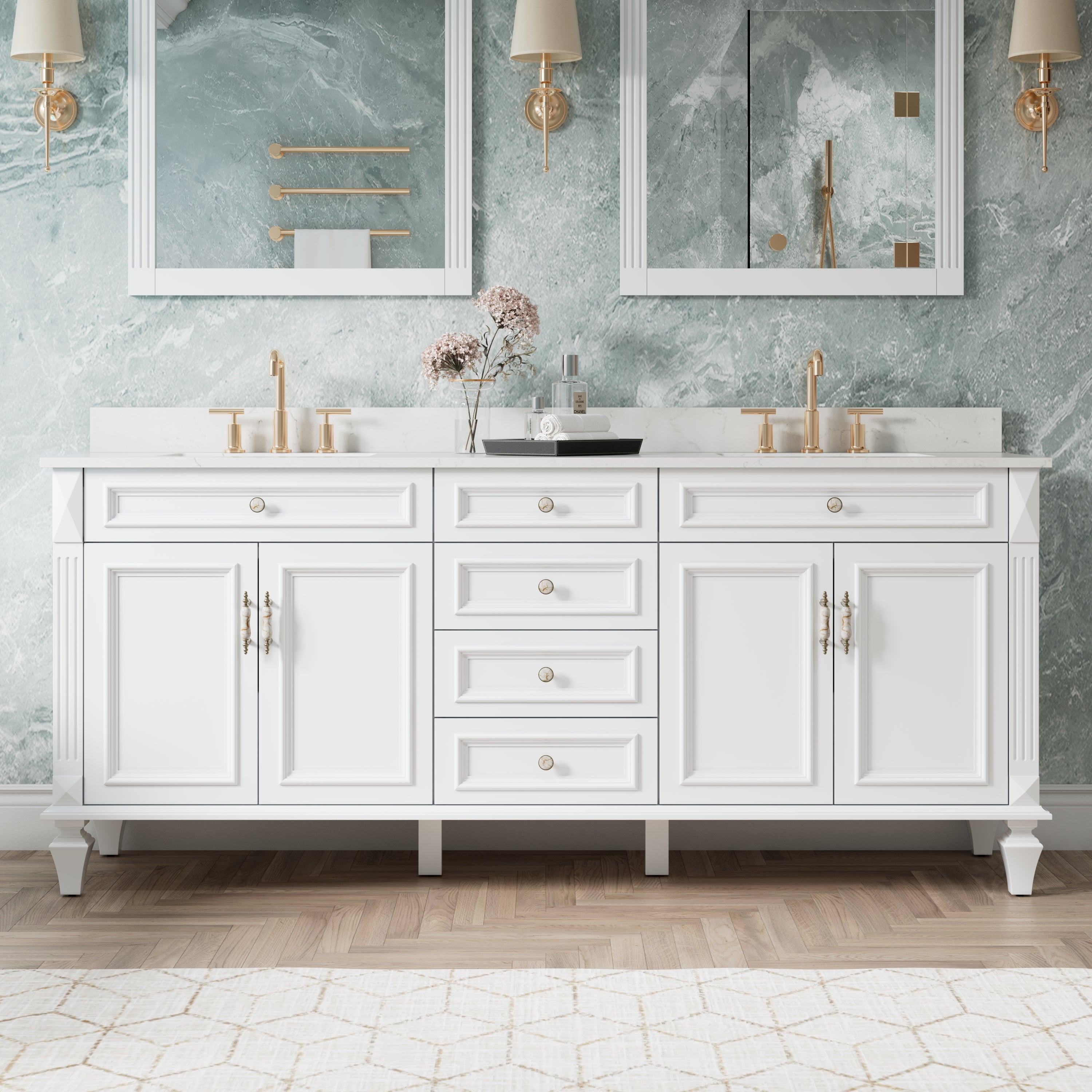
Paired with black hardware, it can create a modern industrial style; Paired with Brushed Nickel, it can present a more classic American bathroom effect; Paired with gold hardware, it can enhance the sense of delicacy. The white vanity can also be combined with Carrara-style white countertops, gray tiles, light wood grain, and green plants.
From an industry perspective, designing for enduring relevance is critical. NKBA data indicates that 2025 bathroom design embraces a calming, warm, and natural aesthetic while prioritizing low-maintenance living by minimizing cleaning demands.
Therefore, for families who hope to remain timeless in a few years, white double bathroom vanities have strong design flexibility.
WELLFOR: Designing Shared Sanitary Ware Based on Functional Requirements
In response to these market trends, WELLFOR remains focused on addressing homeowners' real-world needs regarding vanity sizing, storage capacity, and overall aesthetics.
For shared bathrooms, a double bathroom vanity does not necessarily mean 'the bigger the size, the better'. Reasonable size, dual sink layout, ample drawer space, and coordination with mirrors and lighting systems are equally important.
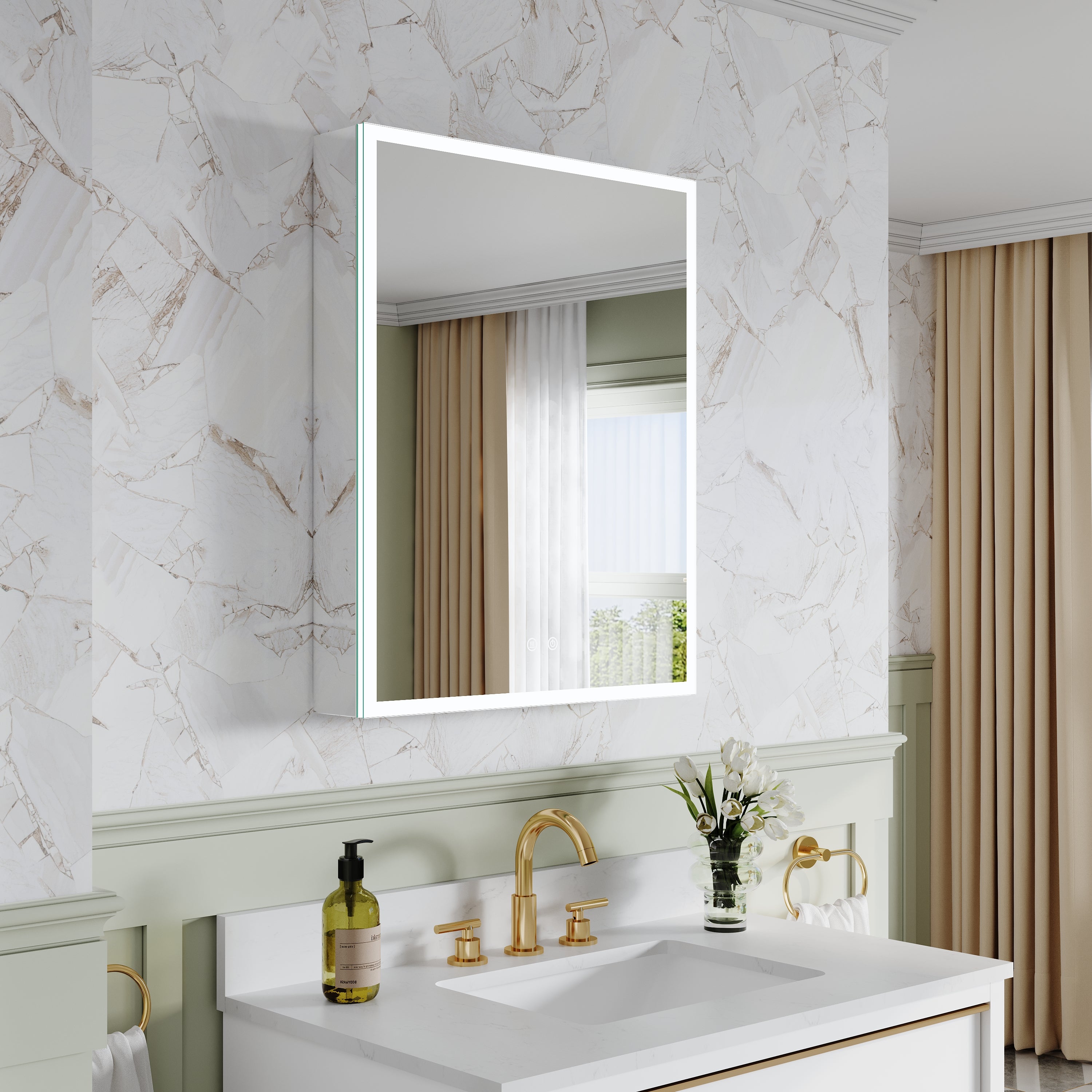
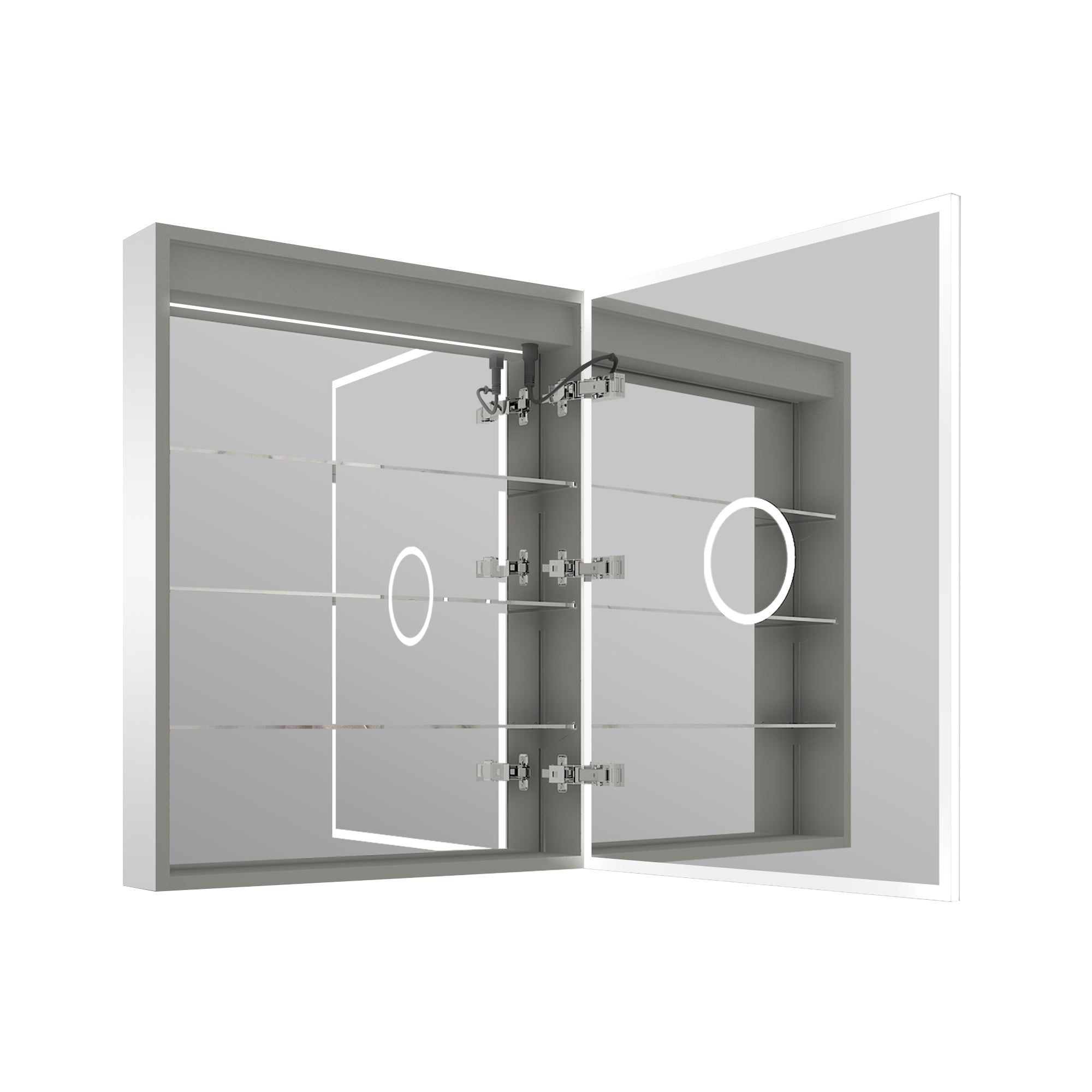
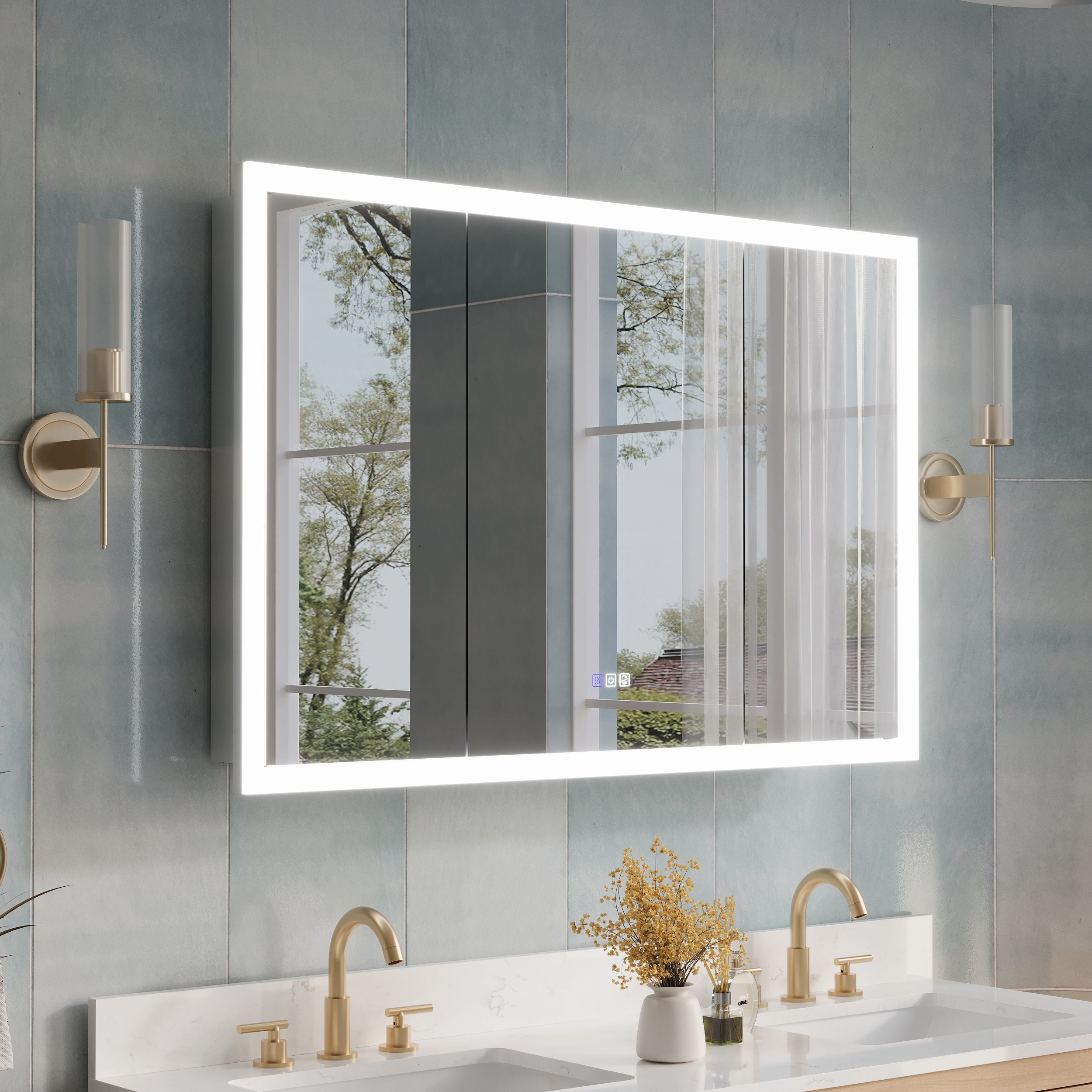
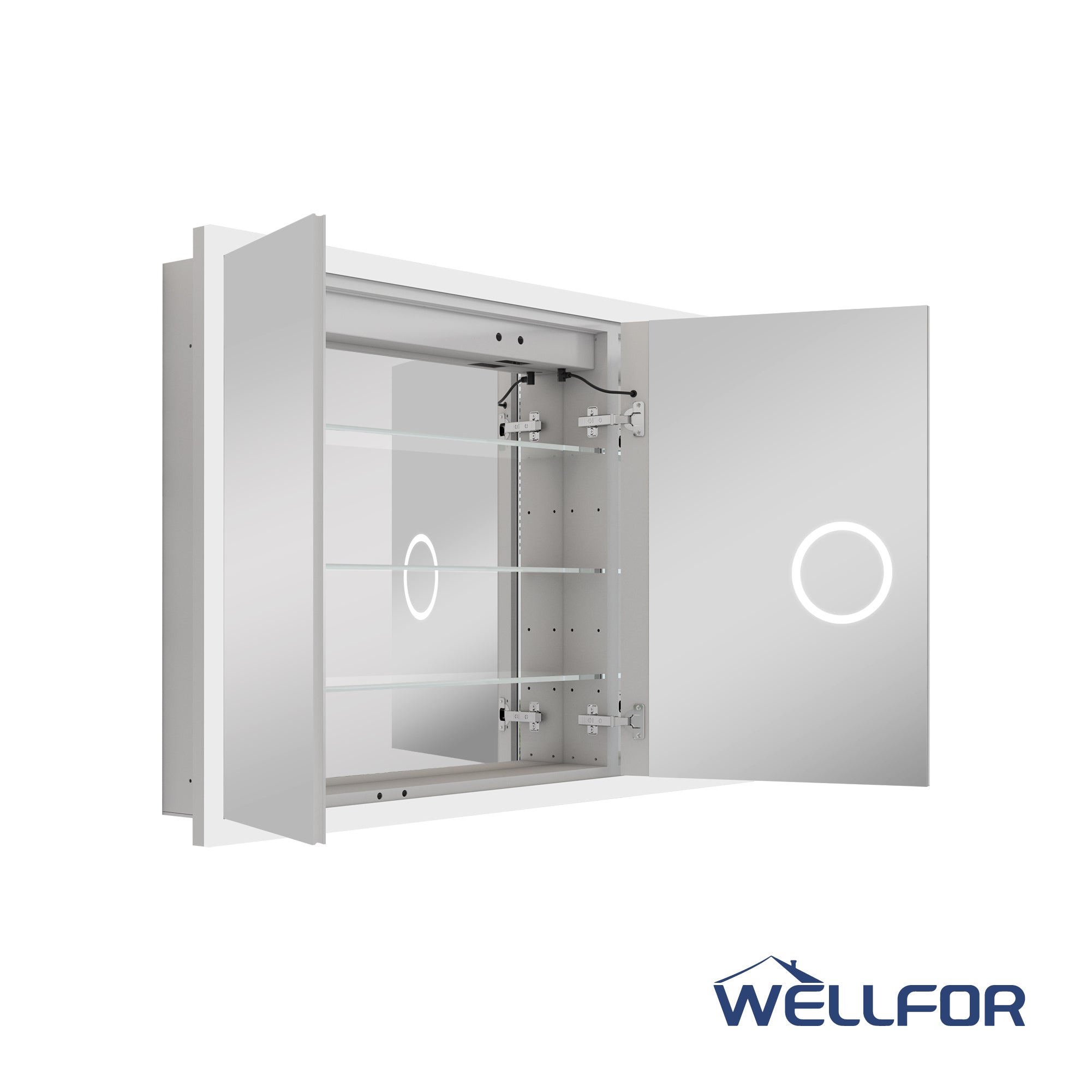
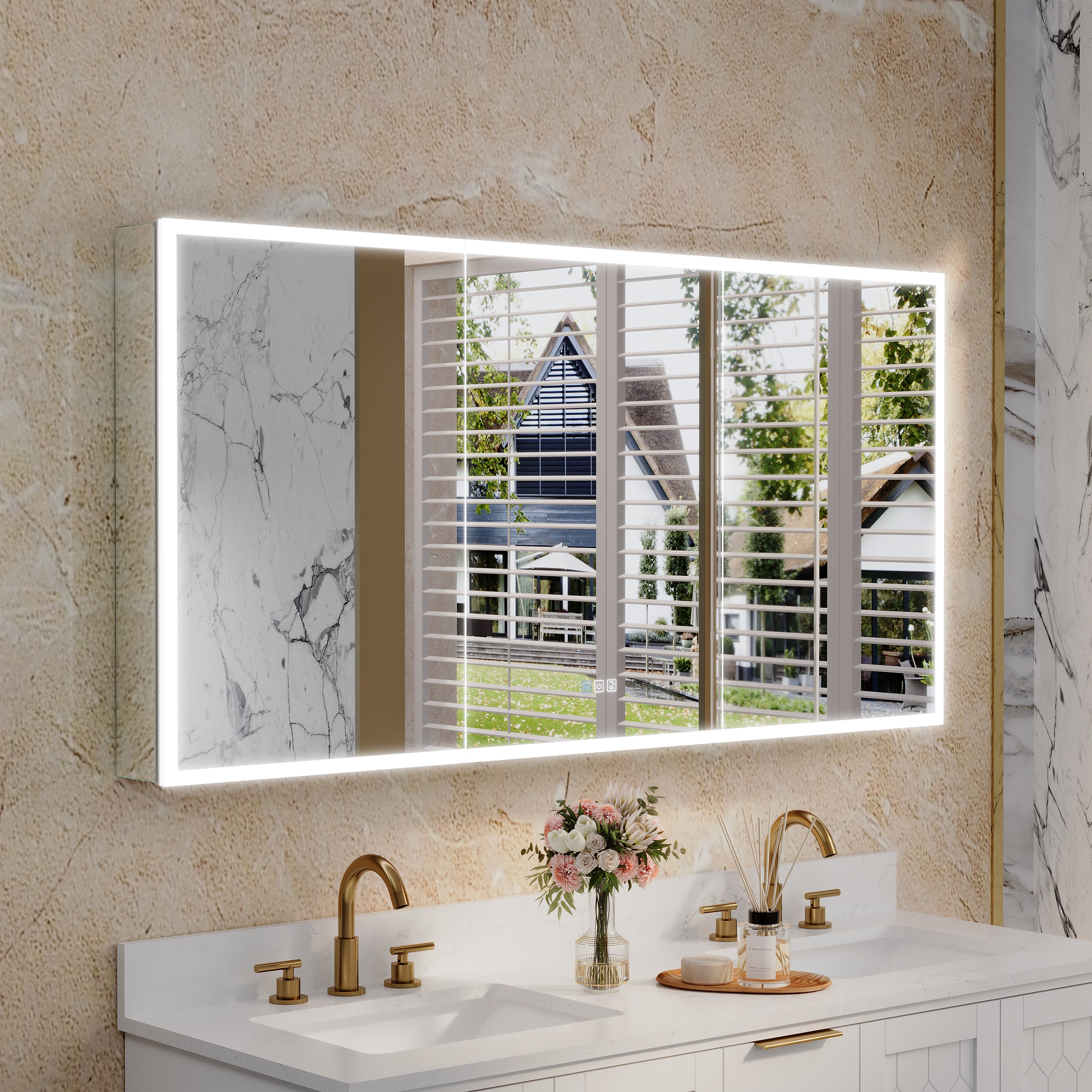
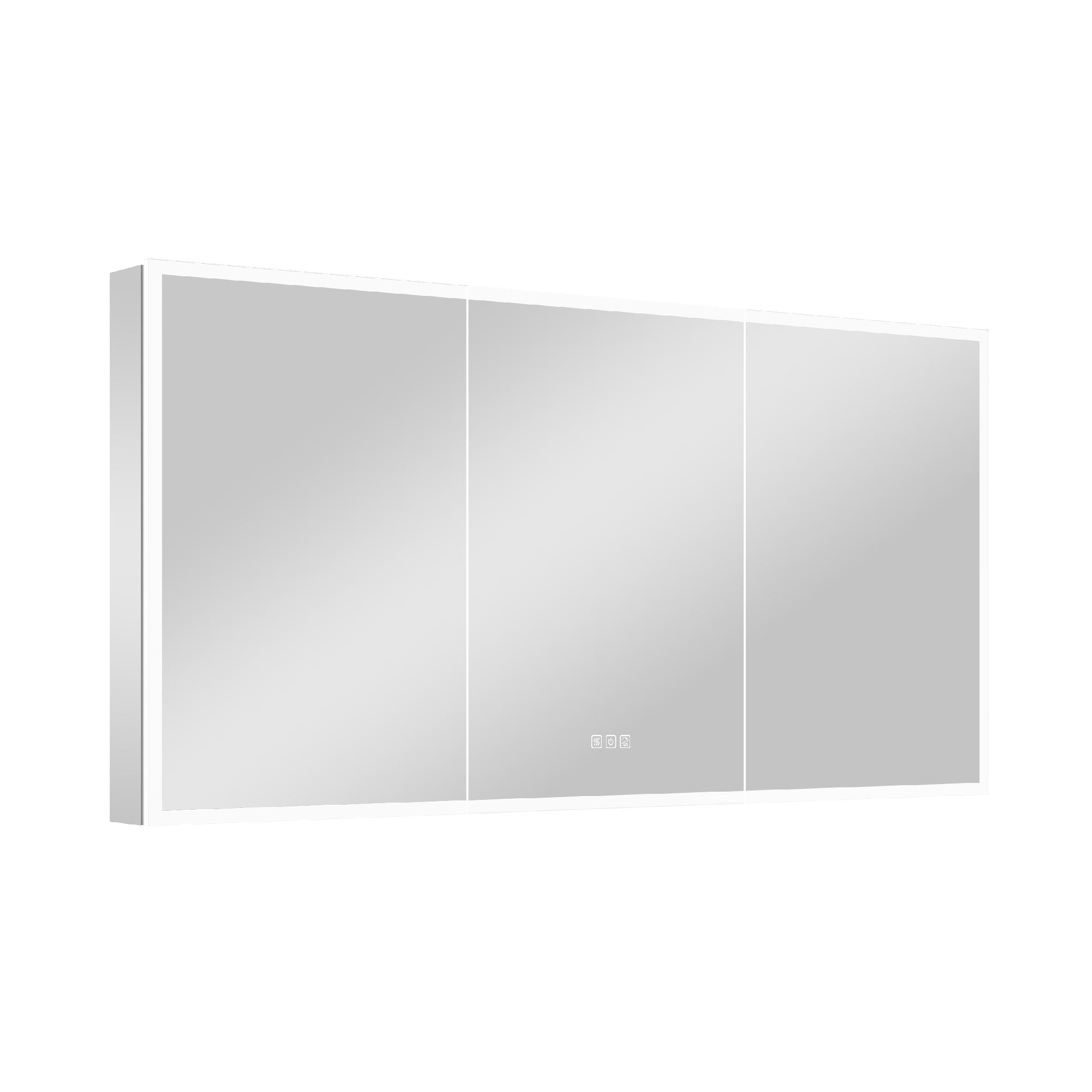
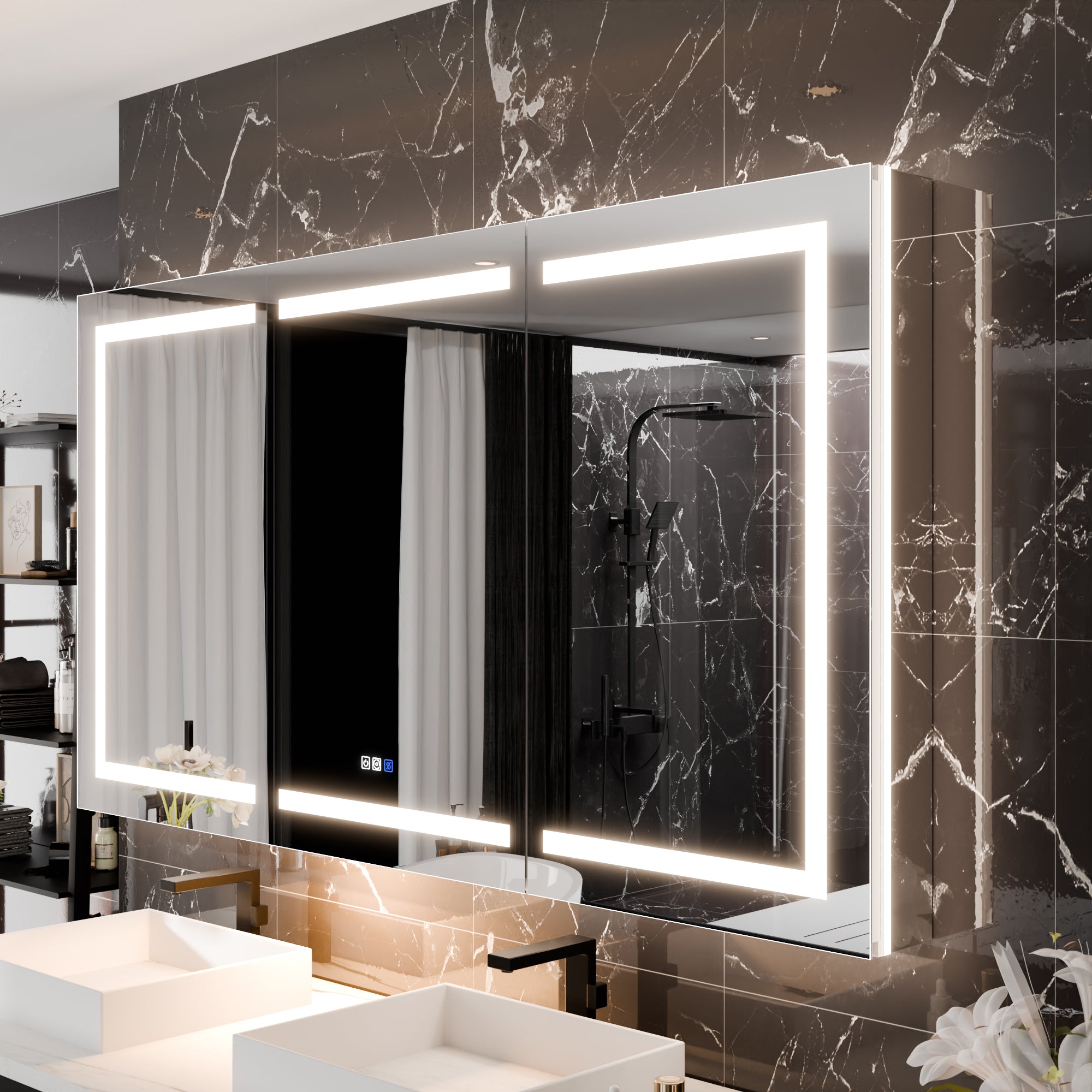
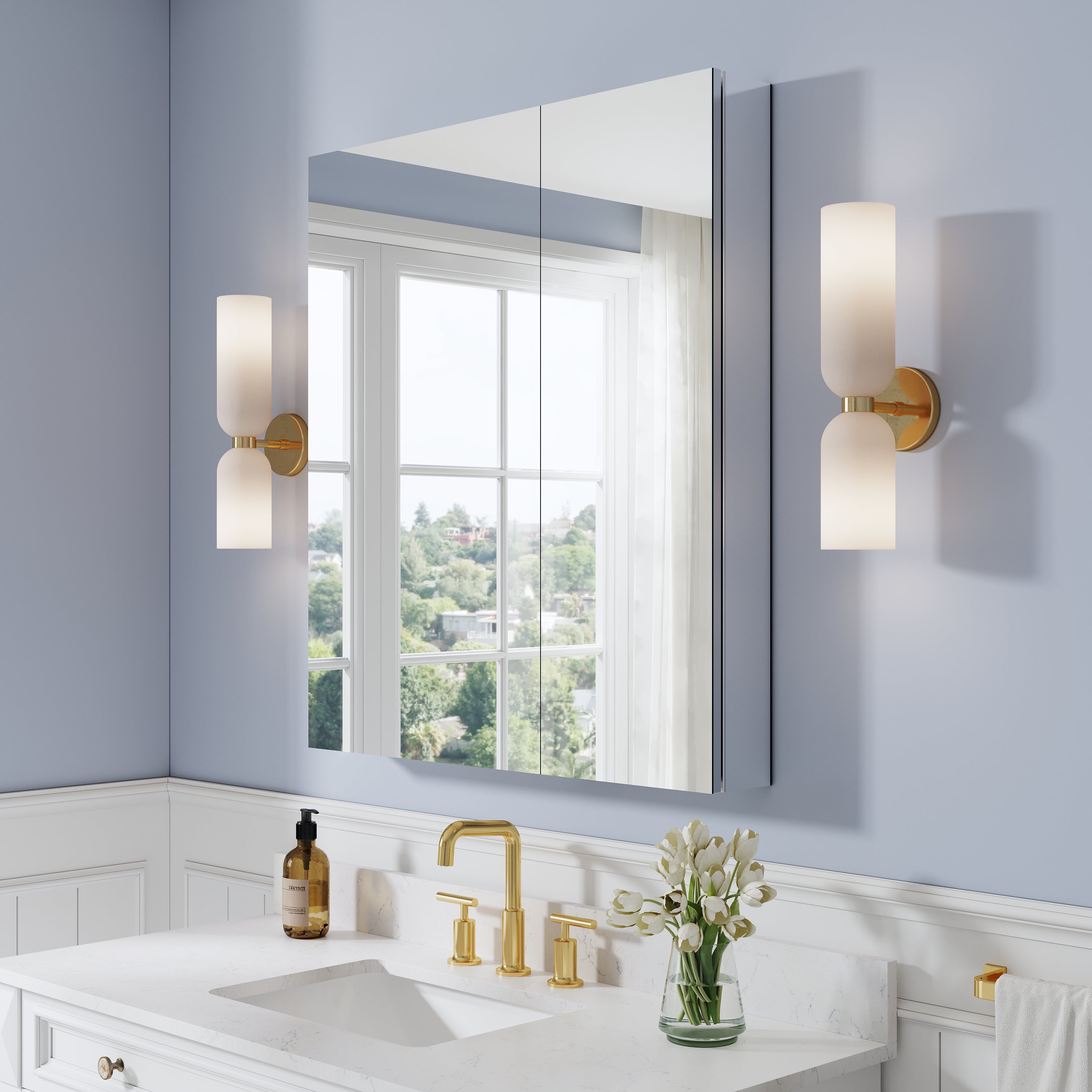
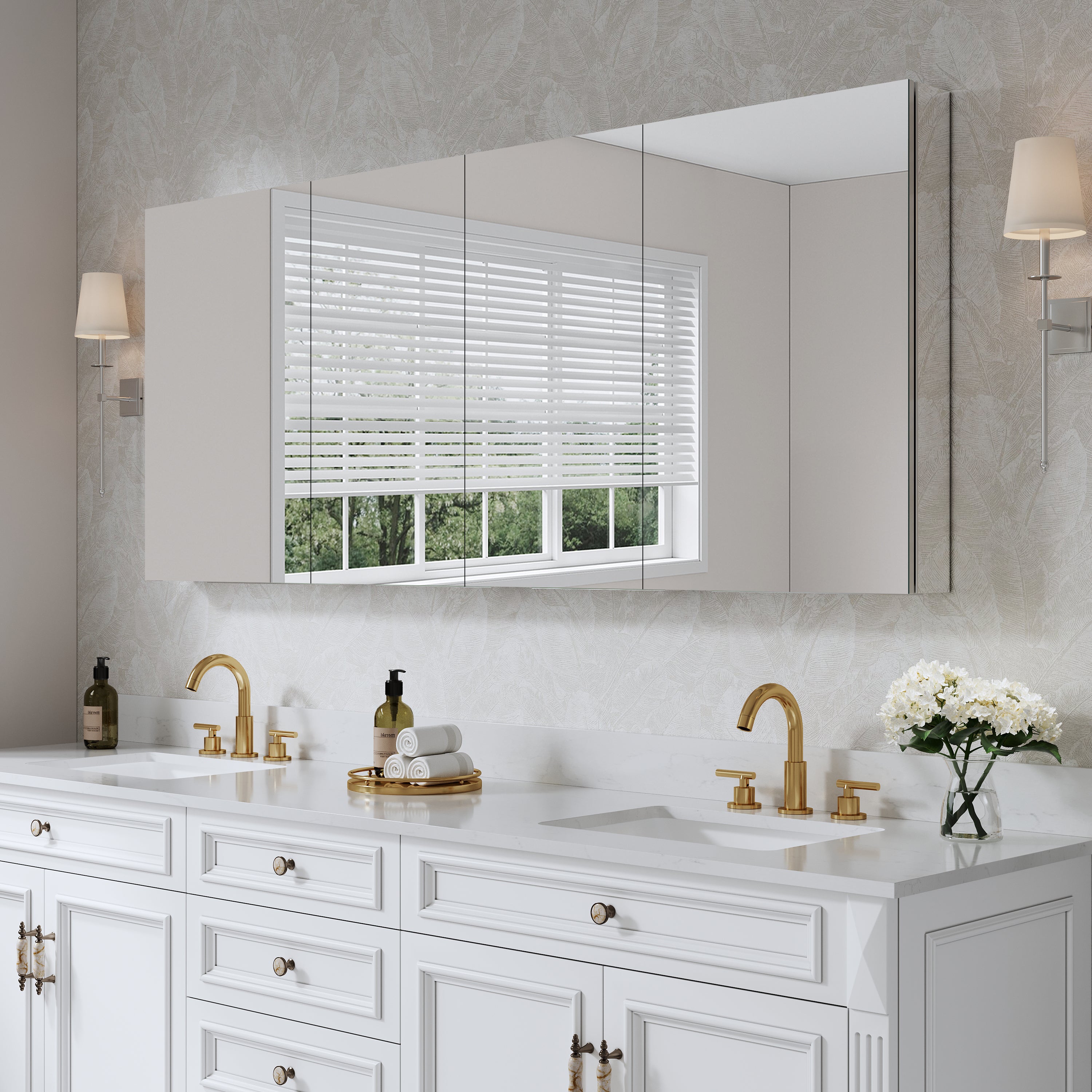
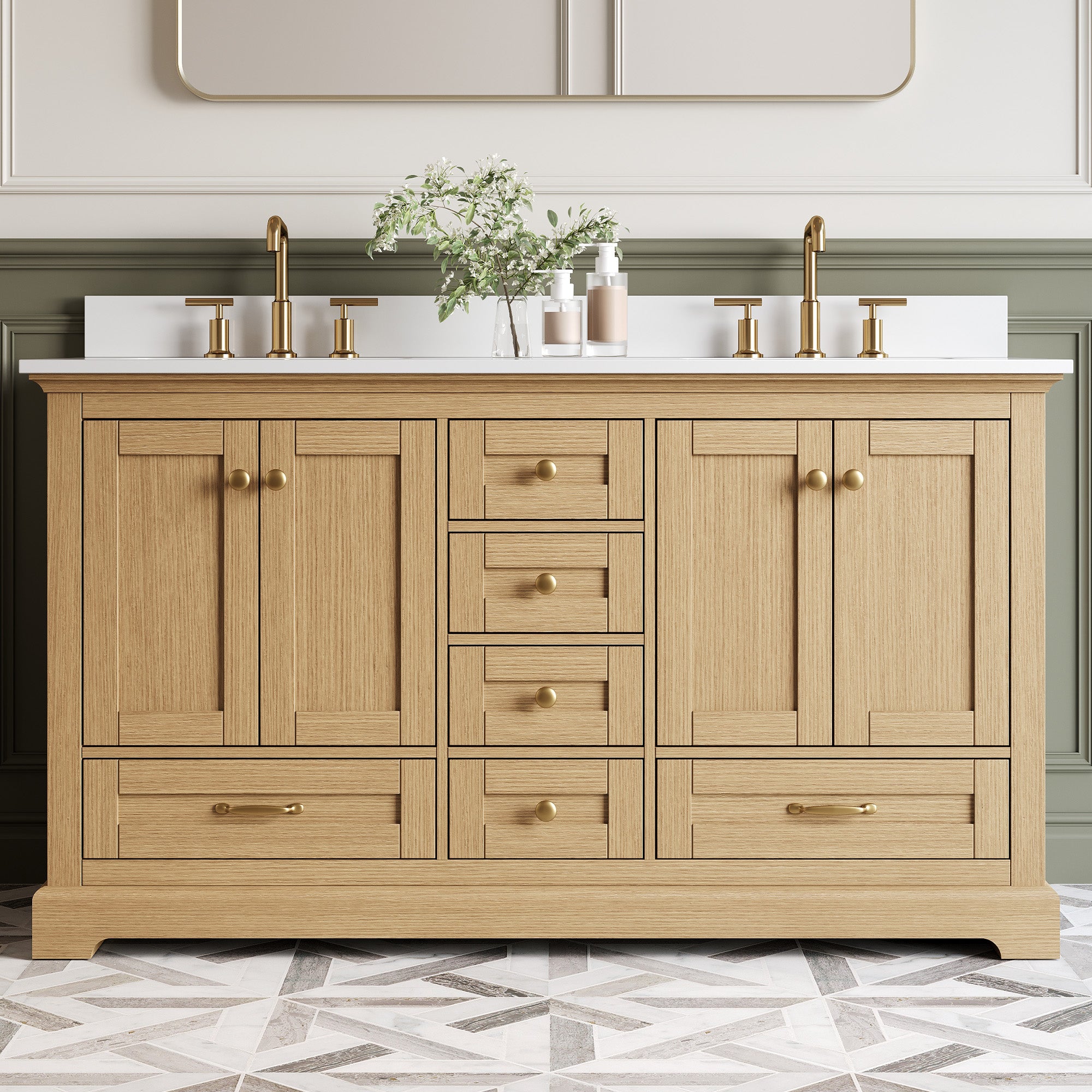
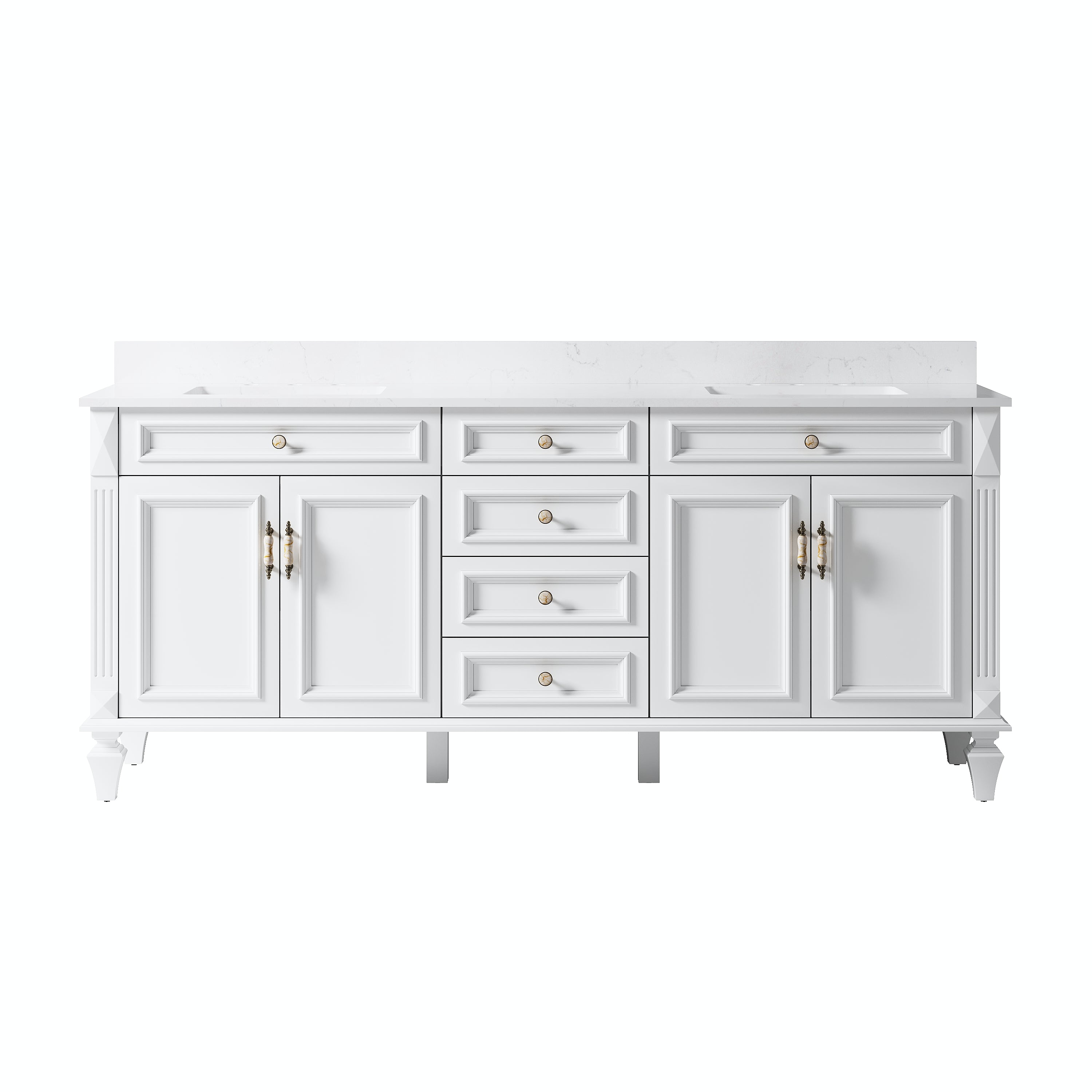
WELLFOR offers a diverse range of vanity sizes and styles, making it simple to tailor a dual-user layout to your primary bath. The pairing of a crisp white vanity with a light stone-textured countertop offers a timeless look with broad appeal, while customizable hardware finishes, medicine vanities, and lighting configurations allow homeowners to seamlessly curate modern, transitional, or understated luxury aesthetics.
Above all, WELLFOR believes a vanity should be designed for real life. In a shared bath, exceptional design goes beyond aesthetics—it enables two people to coexist effortlessly in the same space.
From 'sharing' to 'individual ownership'
A clear shift is underway in modern bathroom design: sharing a space no longer means compromising on personal territory.
A double vanity delivers a far more practical solution: allowing two users to share a bathroom with dedicated stations while preserving overall visual harmony.
From the widespread adoption of double sinks to the demand for ample storage and the enduring popularity of white finishes, industry data consistently points to one core insight: homeowners are prioritizing efficiency, comfort, and long-term functionality in their bathrooms.
Therefore, for families with a master bathroom, shared bathrooms for couples, or those who need multiple people to use the bathroom at the same time, white double bathroom vanities are becoming a rational choice that balances functionality, spatial sense, and design lifespan.
For WELLFOR, this also means that future bathroom vanity designs will not just be "bigger", but more focused on how family members can use the space together - allowing each person to have their own place while keeping the entire bathroom bright, tidy, and coordinated. This may be the real reason why white double bathroom vanities can continue to attract consumer attention.













Leave a comment
This site is protected by hCaptcha and the hCaptcha Privacy Policy and Terms of Service apply.