



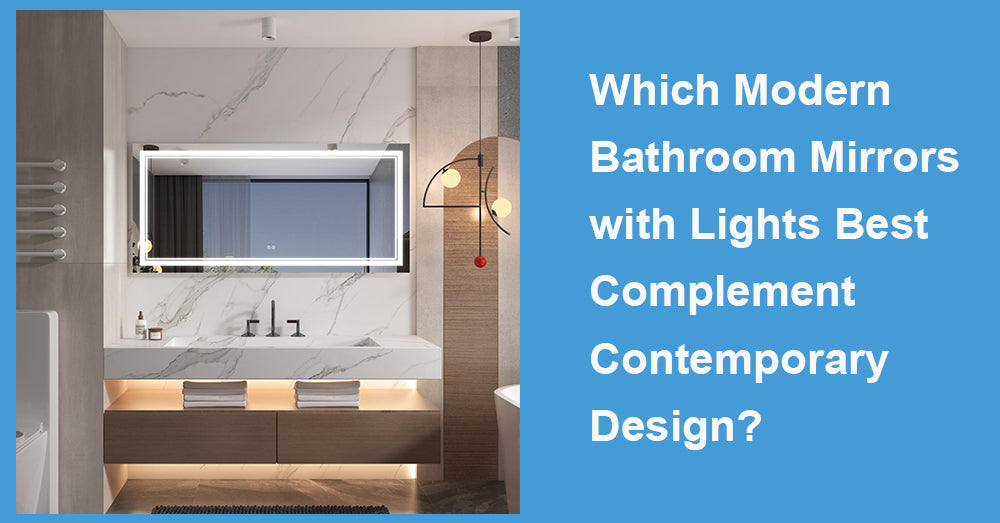
The most convincing bathroom mirrors with integrated lighting are not necessarily the ones with the longest feature list. In a contemporary bathroom, the mirror has to work with the vanity, wall finish, and lighting plan without making the space feel overly technical. That matters because modern bath design is moving toward cleaner surfaces but more layered function. NKBA's 2026 Bath Trends Report, based on input from nearly 700 industry professionals, found contemporary, modern, and minimalist styling among the leading directions for the next three years. The same report found that 47% favor lighting integrated directly into mirrors. In other words, the illuminated mirror is becoming part of the architecture, not just another gadget on the wall.
1. Front-Lit Mirrors Make the Most Sense for Daily Grooming
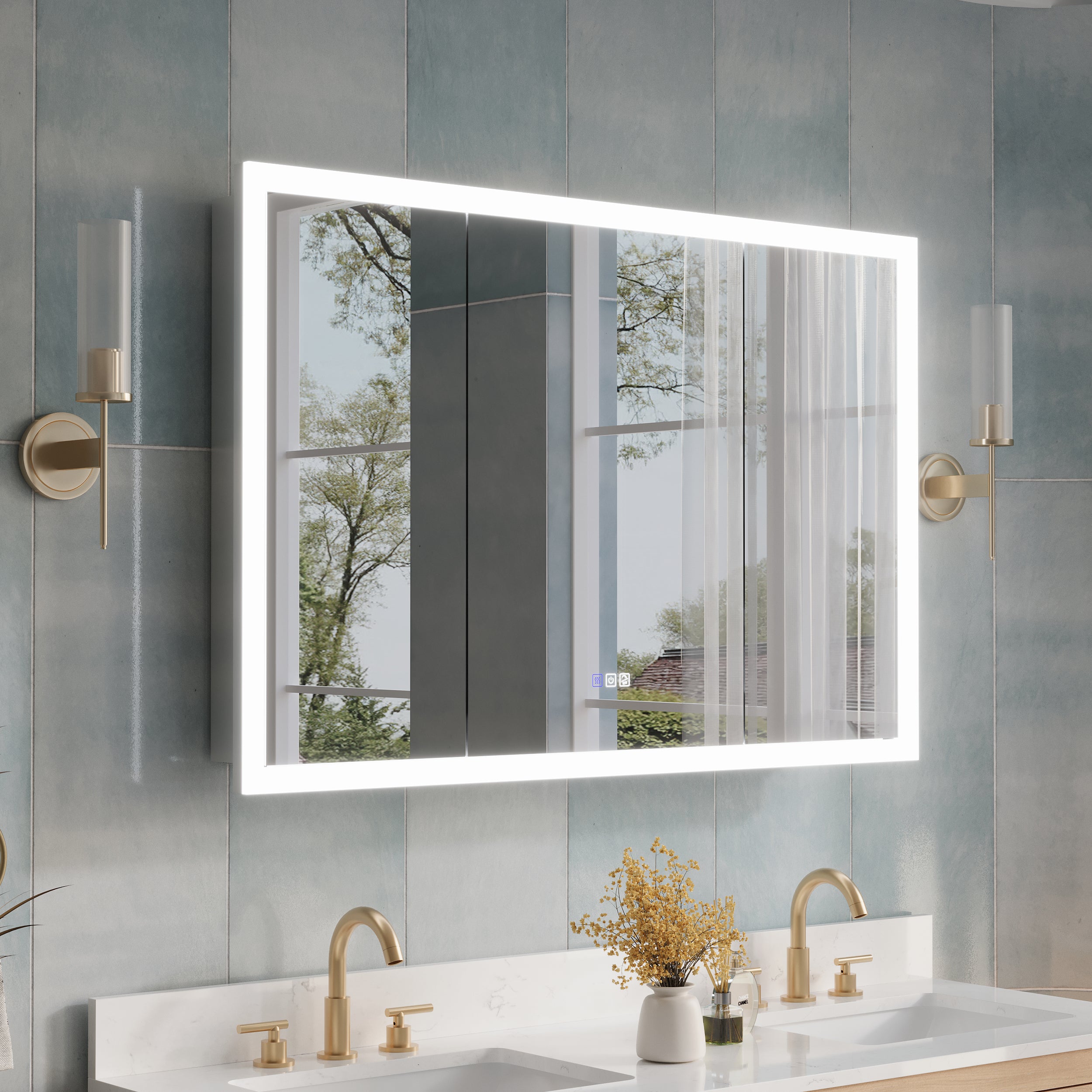
If the mirror will be used every morning, start with the light on the front rather than the glow behind it.
Front lighting reaches the face more directly, which is helpful for shaving, skin care, makeup, and other close-up routines. It also reduces the dependence on one ceiling fixture several feet away.
This is especially useful over a 30-inch or 36-inch vanity where there may not be much room for side sconces.
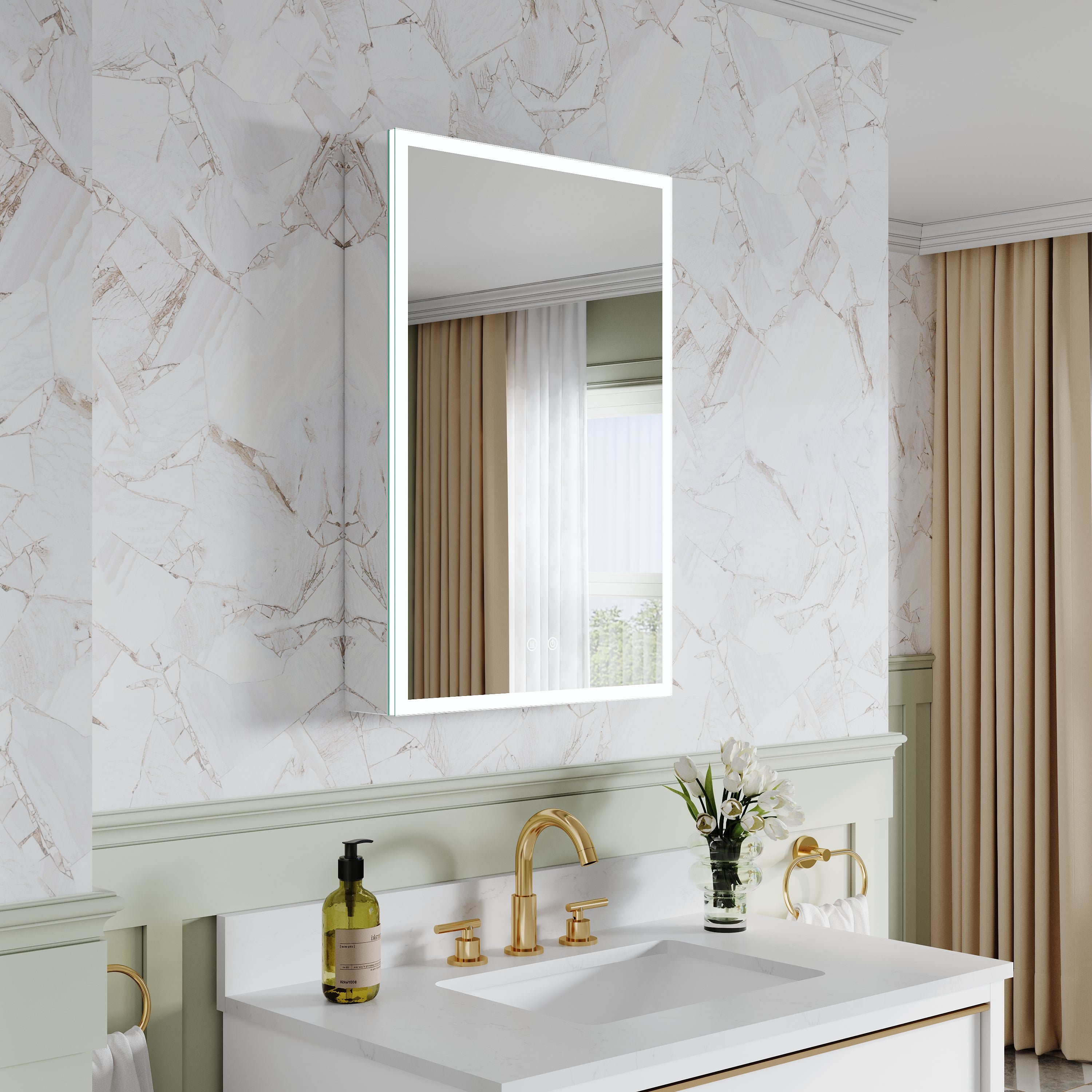
For a contemporary bathroom, a narrow illuminated border usually looks cleaner than a wide frosted band. The mirror feels lighter, and the lighting does not dominate the wall.
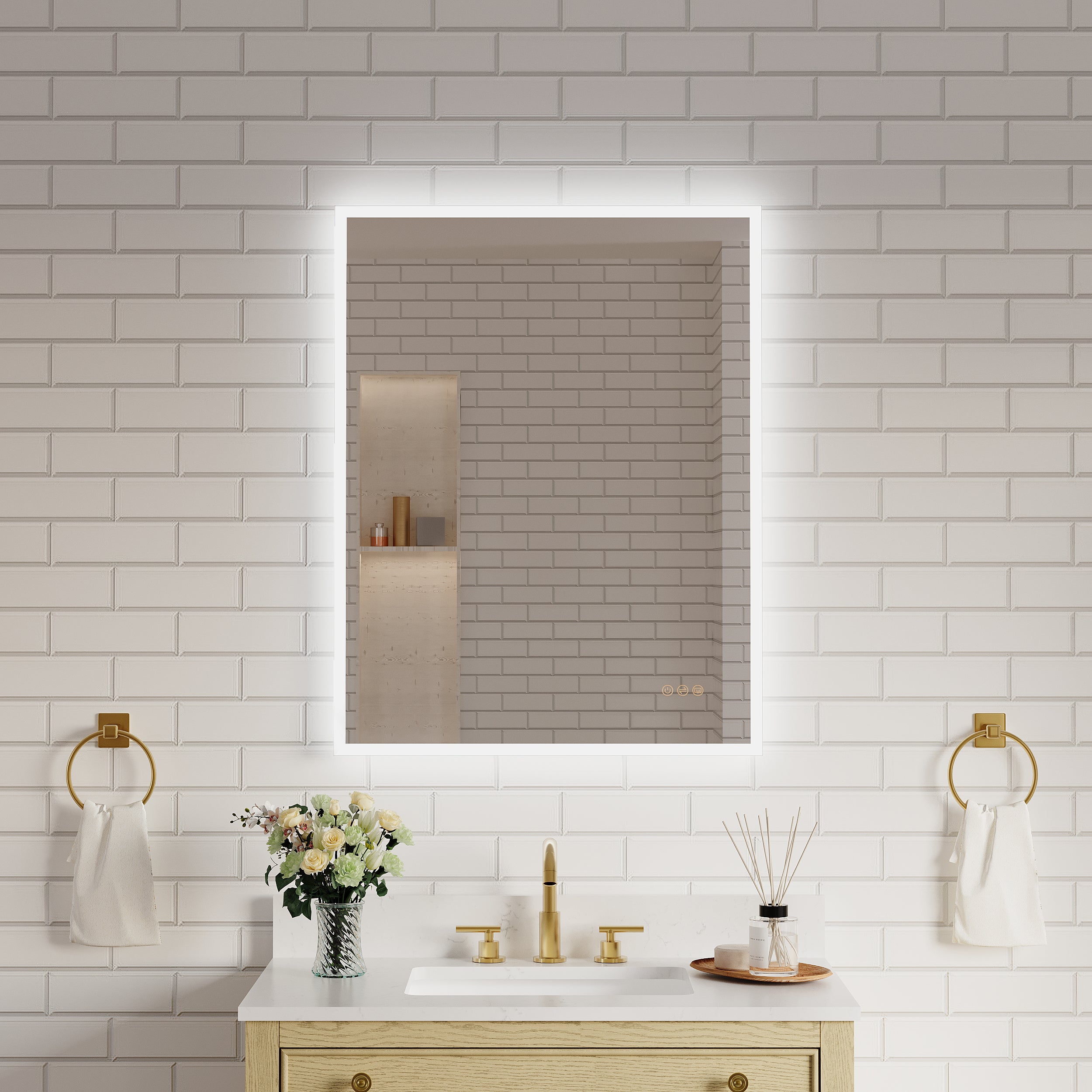
2. Backlit Mirrors Work Better When Atmosphere Matters
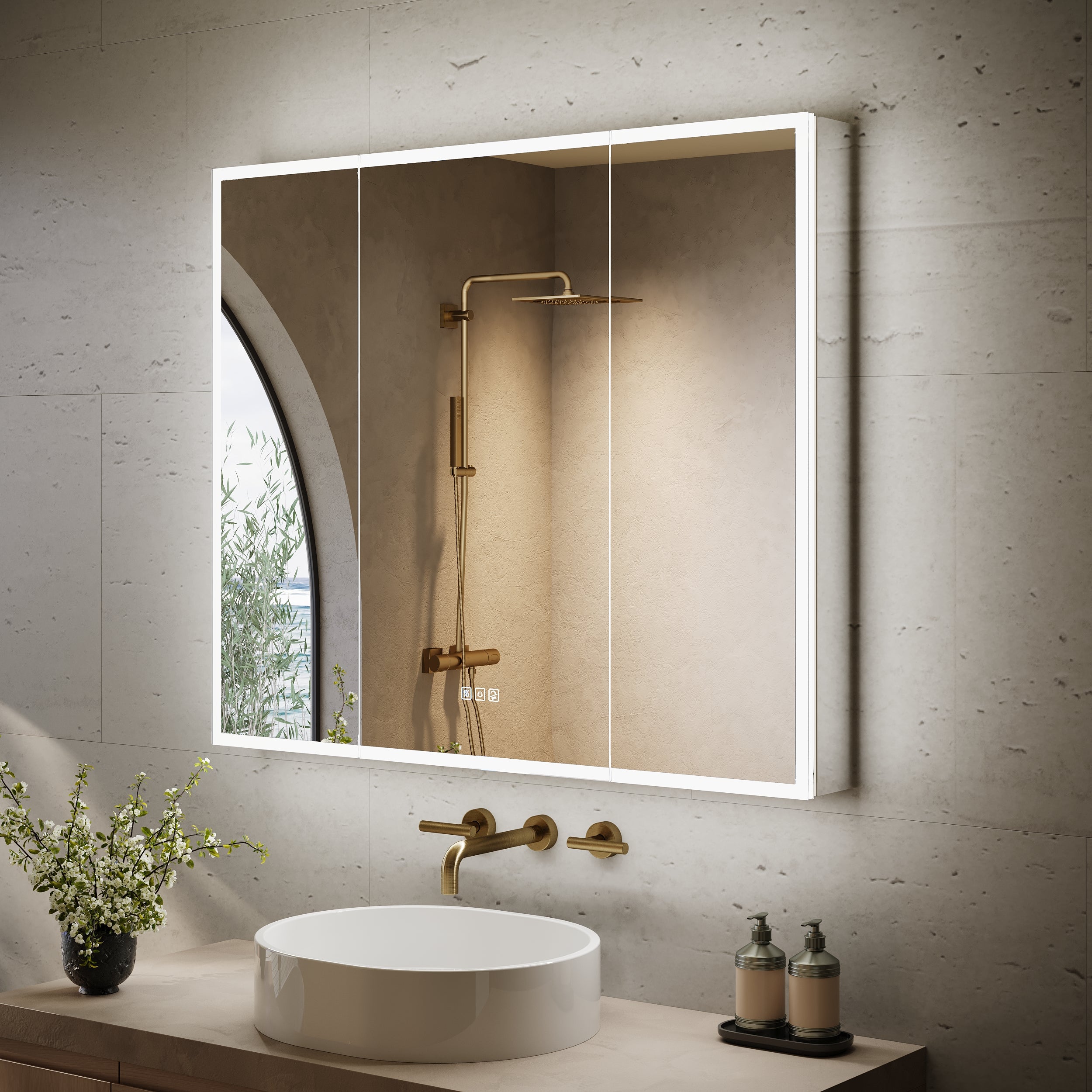
Backlighting has a different job.
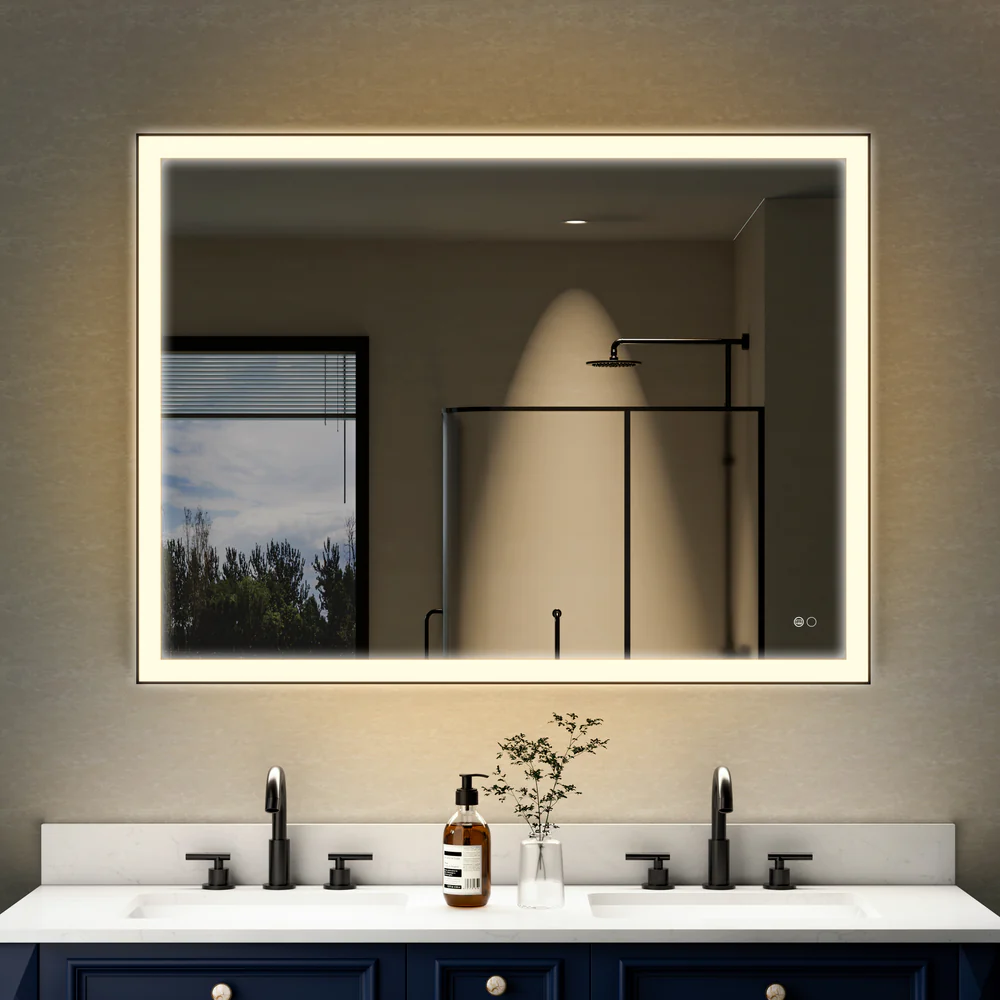
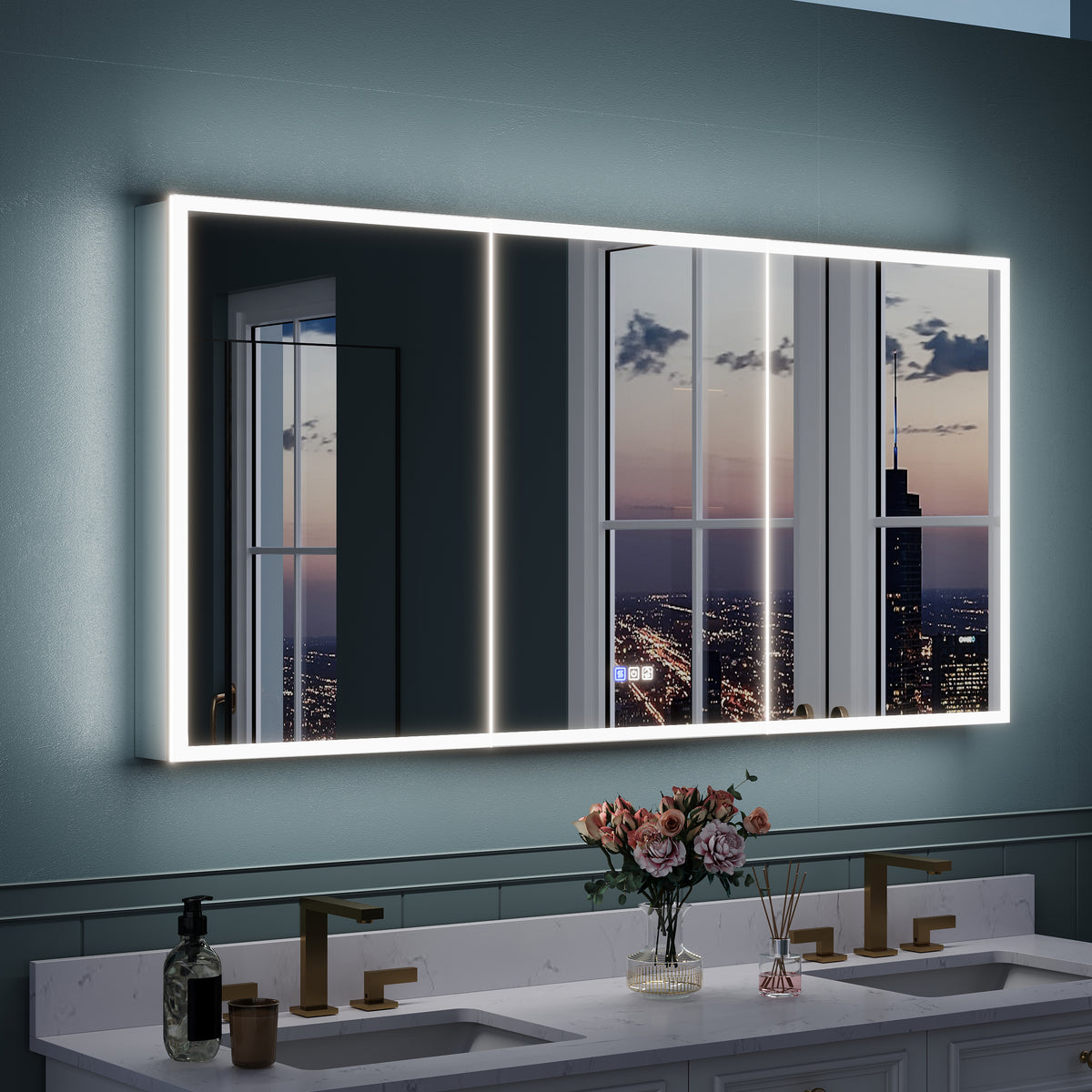
Instead of illuminating the face strongly, it throws light onto the wall and creates a soft outline around the glass. That makes the mirror appear to float slightly forward.
The effect works particularly well against:
· Stone-look wall panels
· Large-format porcelain
· Warm gray walls
· Textured tile
· Darker accent surfaces
A backlit mirror can make a very simple bathroom feel finished without adding decorative framing.
For a powder room or secondary bath where detailed grooming is less important, this may be all the lighting the mirror needs.
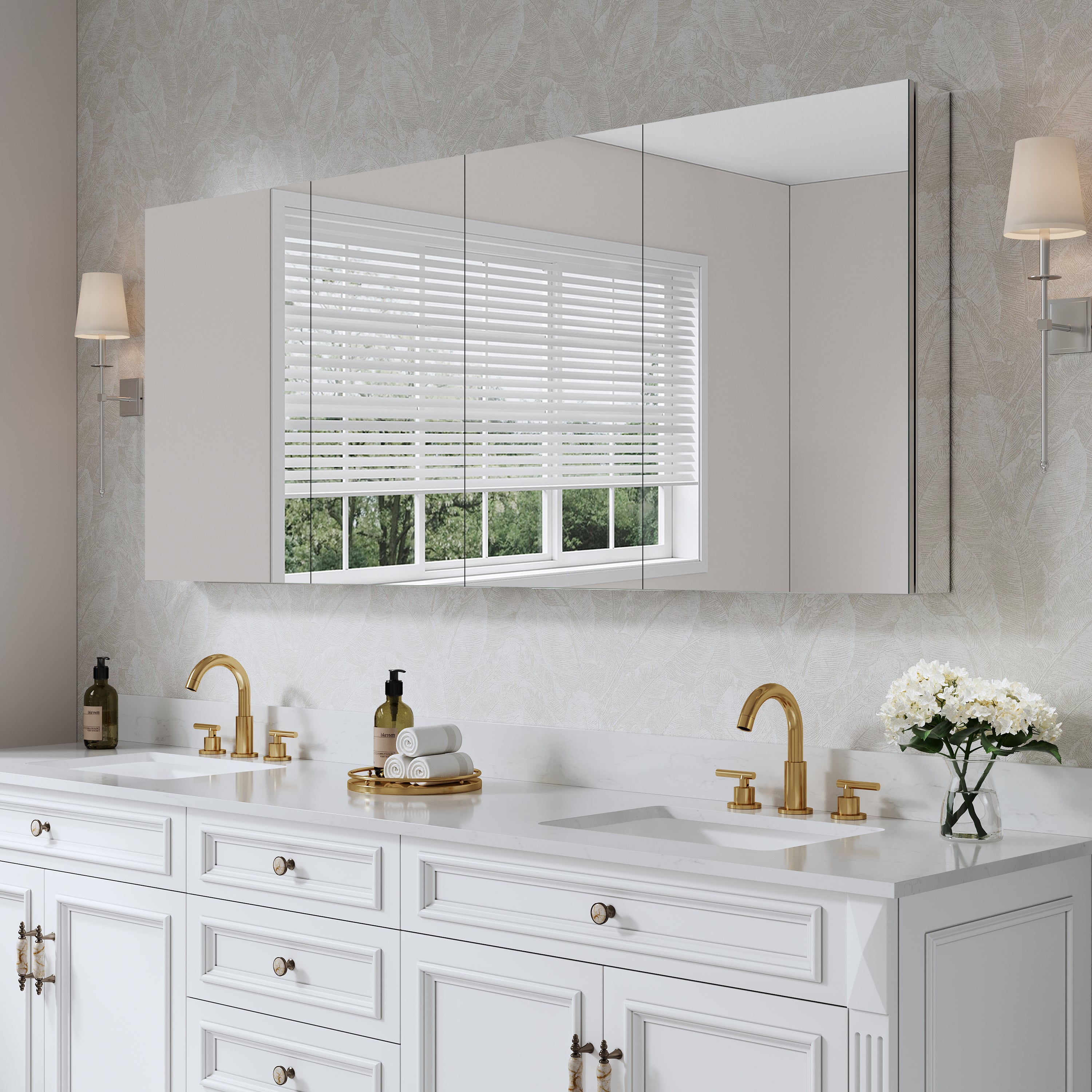
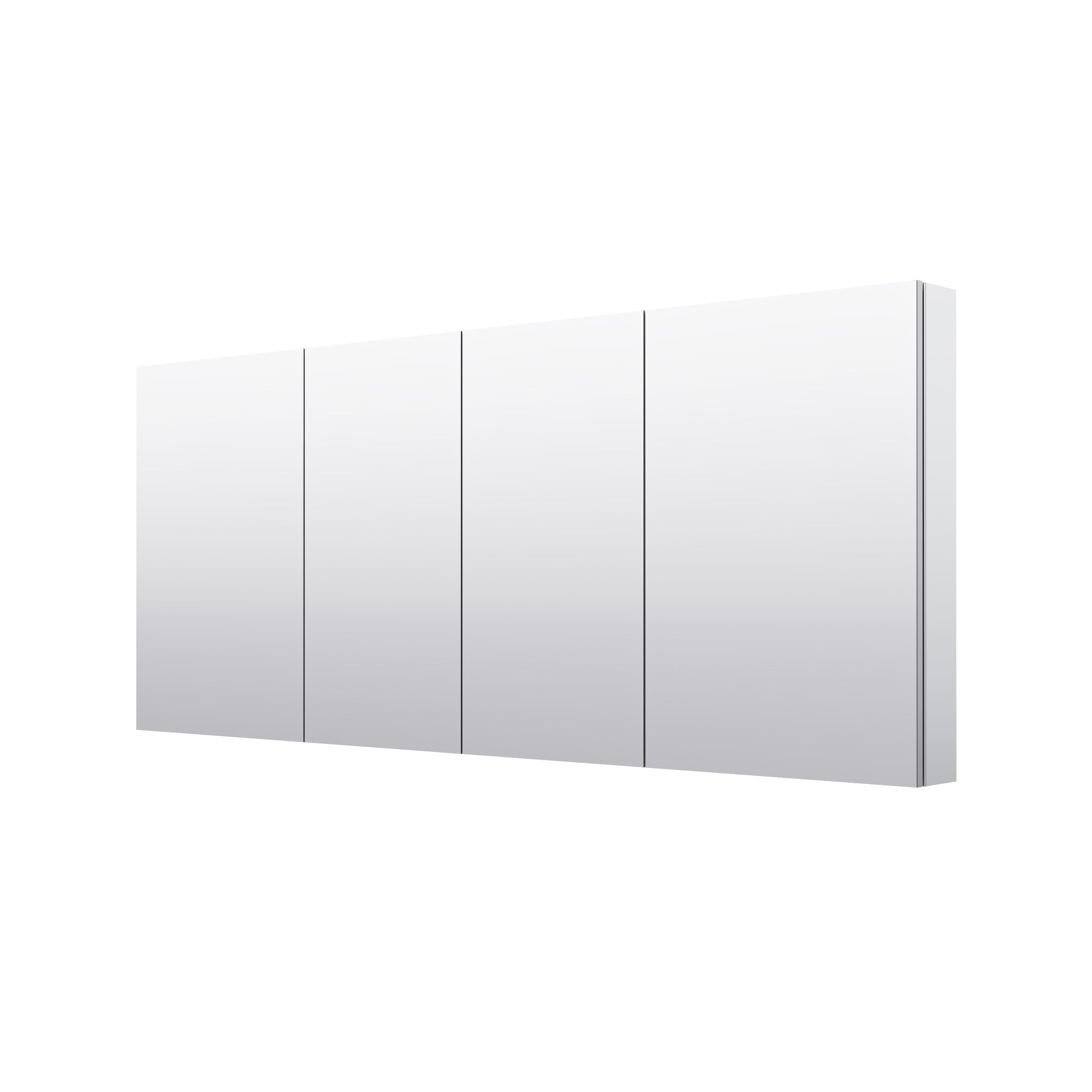
3. Rectangle Mirrors Still Work Best With Long, Clean Vanities
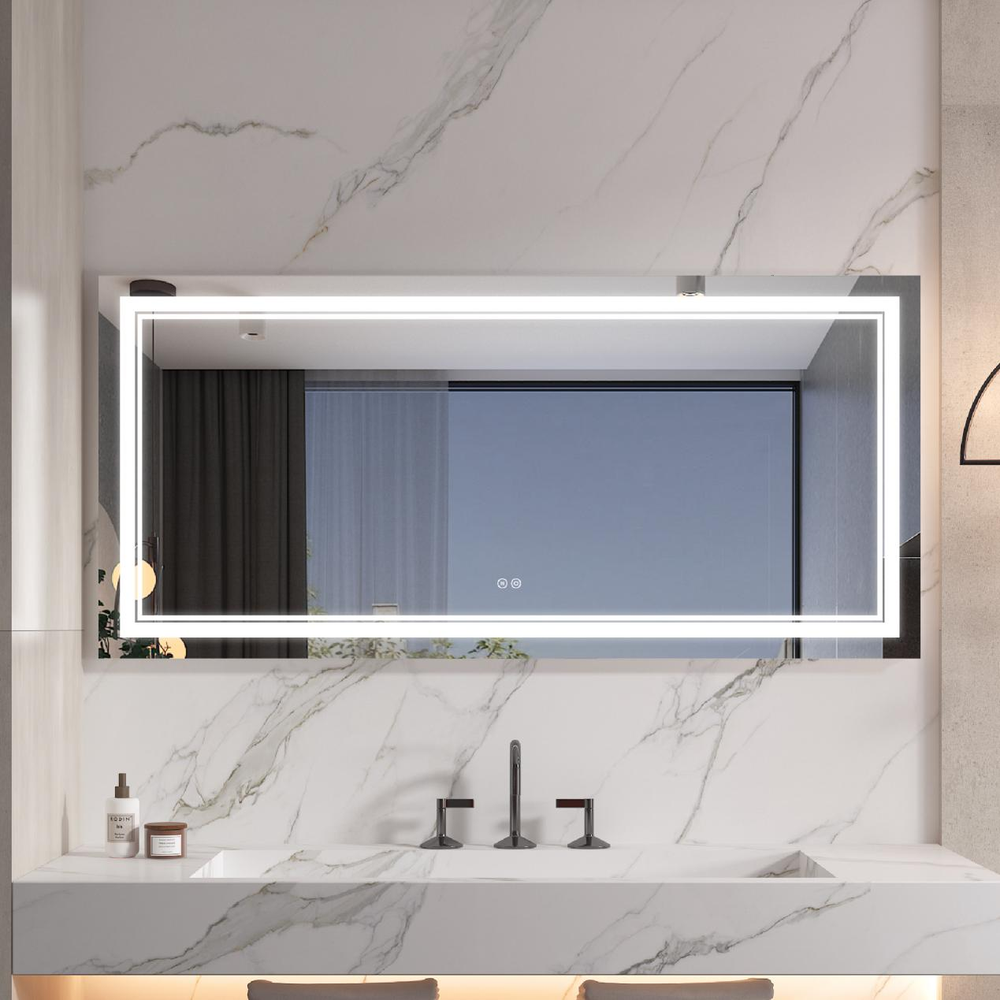
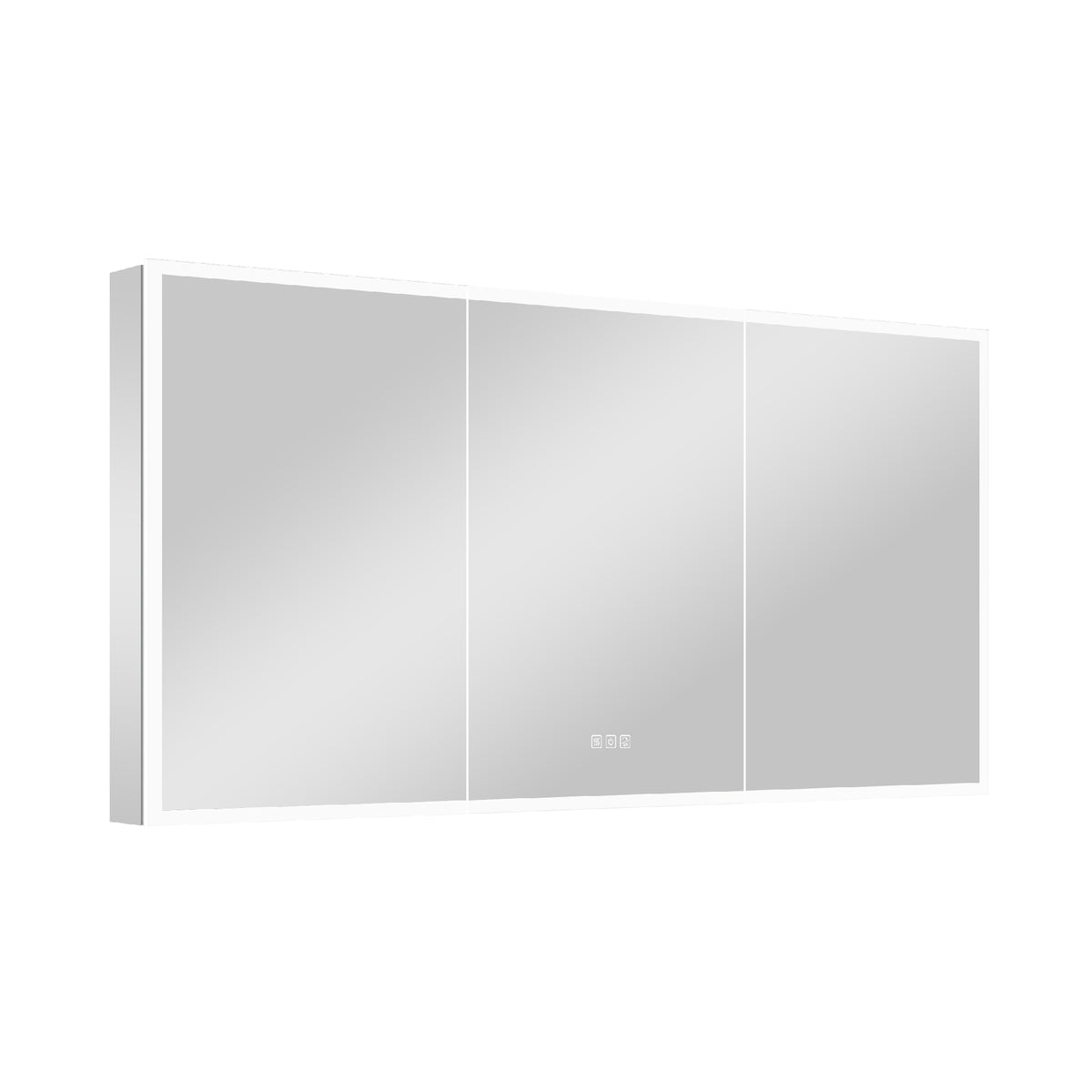
A rectangular mirror is difficult to beat when the bathroom already has strong horizontal lines.
It pairs naturally with:
· Flat-panel cabinetry
· Floating vanities
· Long quartz countertops
· Wide-format tile
· Minimal metal hardware
The point is not to match the cabinet width exactly. A little wall space around the glass often makes the whole composition feel less forced.
Frameless versions usually look the most contemporary because there is no second outline competing with the light.
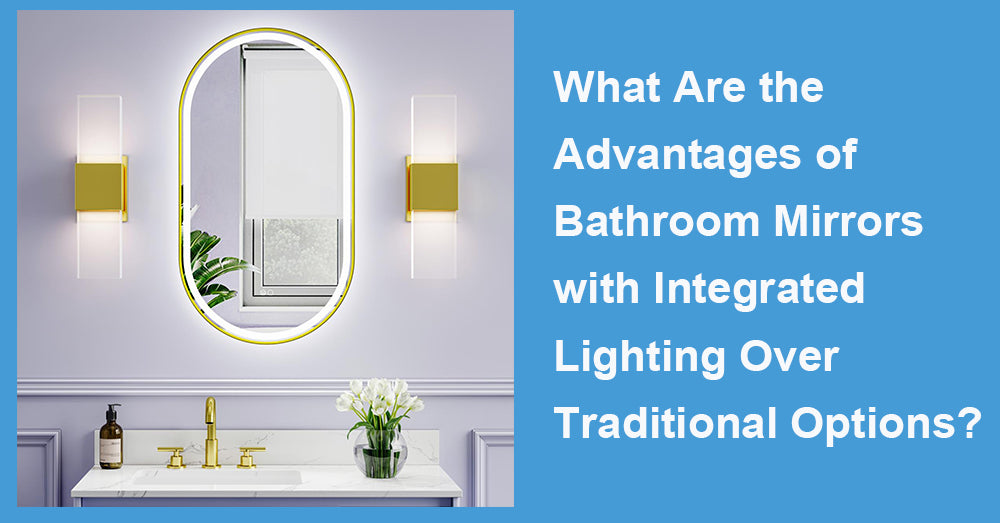
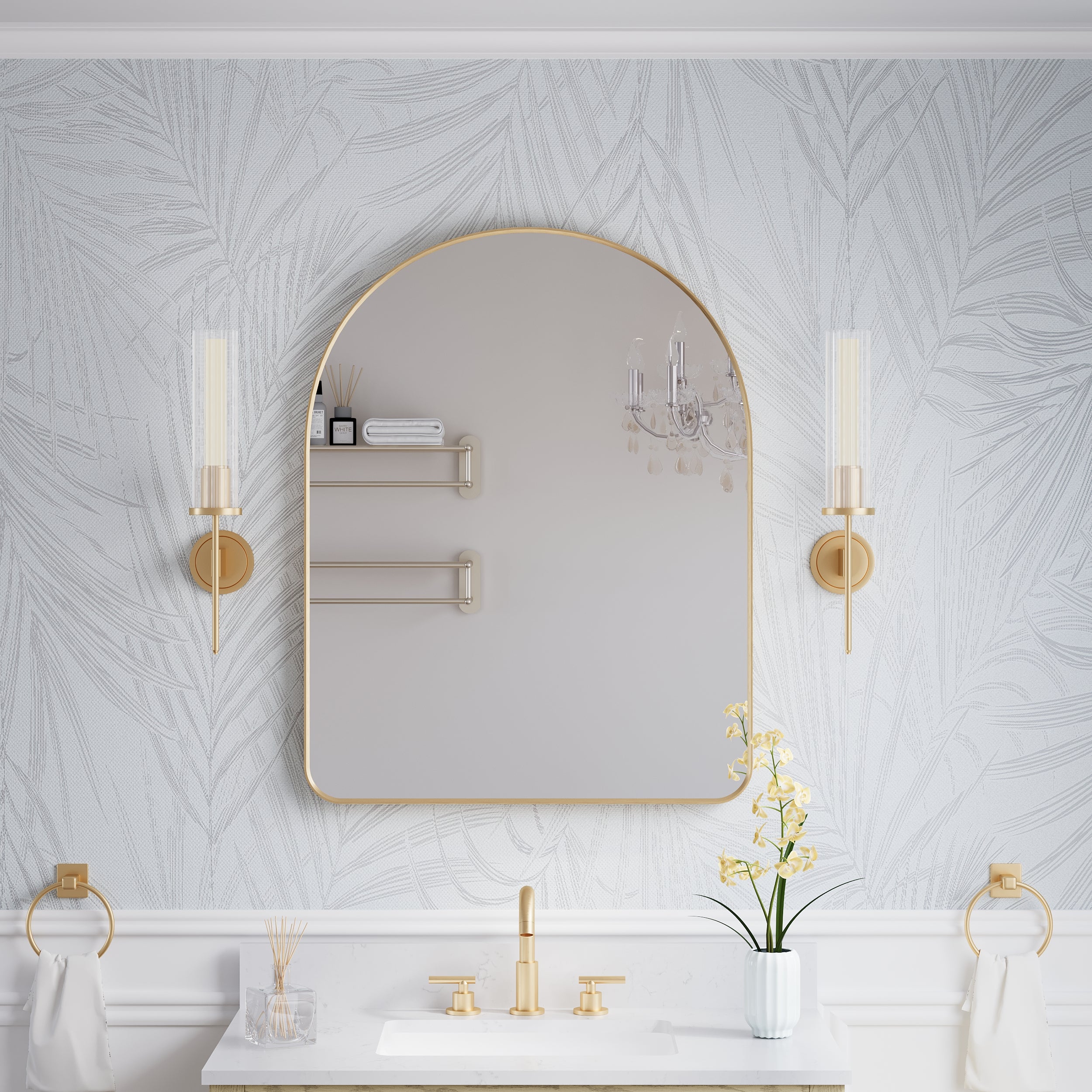
4. Round and Oval Mirrors Can Soften a Very Angular Bathroom
Not every contemporary bathroom needs another rectangle.
If the vanity, tile, shower enclosure, and cabinet doors are all made from straight lines, a round or oval illuminated mirror can introduce just enough contrast.
A 30-inch to 36-inch round mirror can work particularly well above a single vanity.
Oval mirrors are useful in narrower wall areas because they provide more vertical reflection without becoming excessively wide.
The lighting should follow the shape closely. A clean illuminated perimeter usually feels more refined than a heavy decorative frame combined with LEDs.
This is one area where modern does not have to mean rigid.
5. Adjustable Color Temperature Is Worth Having
A mirror fixed at one very cool light setting can make an otherwise warm bathroom feel disconnected.
Contemporary interiors now use much more oak, beige, cream, and muted stone than the cold gray palettes common a few years ago. NKBA's latest report found neutrals dominating bath color expectations, with off-white, light brown, tan, and white among the leading choices.
An adjustable mirror lets the light follow those materials.

6. Anti-Fogging Makes More Sense Than Many Novelty Features
Certain functions may appear appealing in a product description, but they do not influence daily operations.
However, anti-fogging technology is an exception.
In cases of a small bathroom attached to the bedroom, the mirror will fog up right after showering. The addition of a heat-producing element behind the mirror can keep the functional part of the mirror unfogged, thus making an additional wipe unnecessary.
This means that there will not be any need to wipe the surface of the mirror or wait for the bathroom to become cooler and cleaner.
The exhaust fan is the main element helping to control humidity levels in the bathroom; the heater in the mirror only resolves the condensing issue.
For the majority of households, this feature is more beneficial than any sophisticated app or decorative functions that are rarely set.
7. A Modern Mirror Should Not Look Like a Control Panel
This is where some illuminated mirrors go wrong.
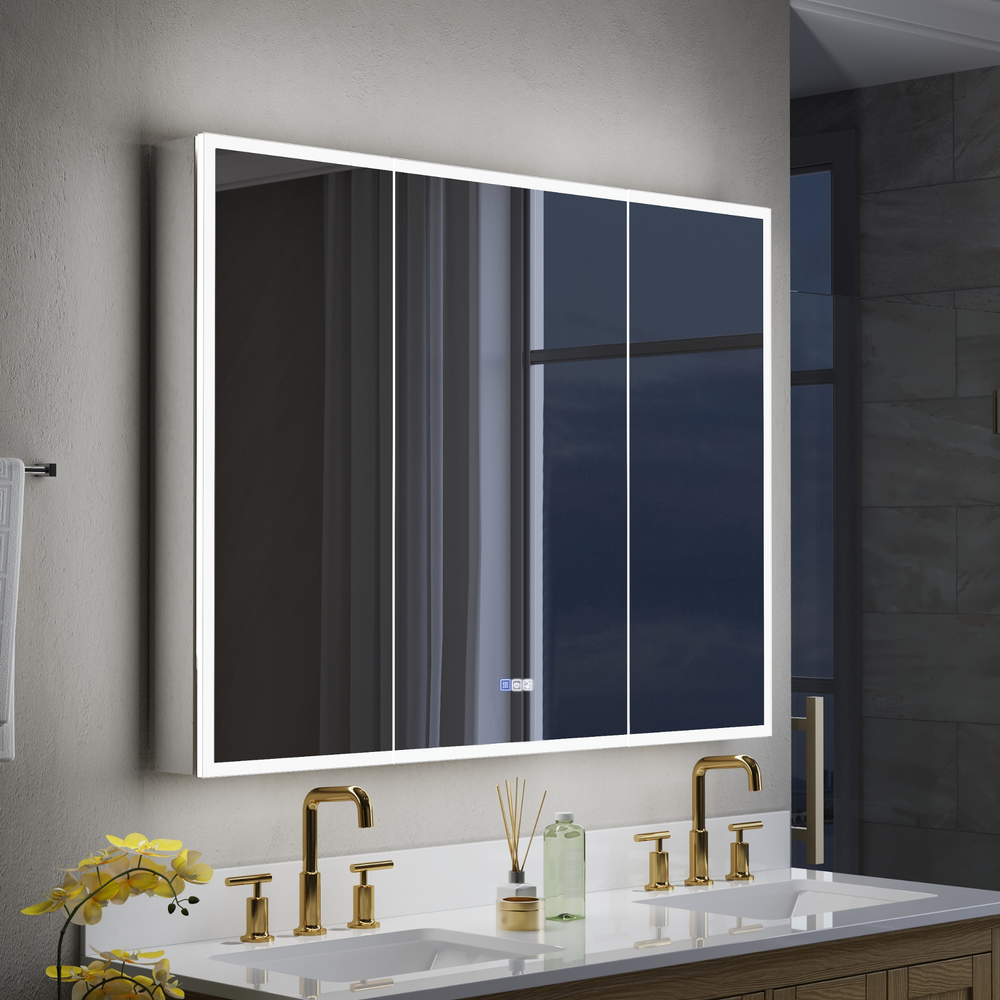
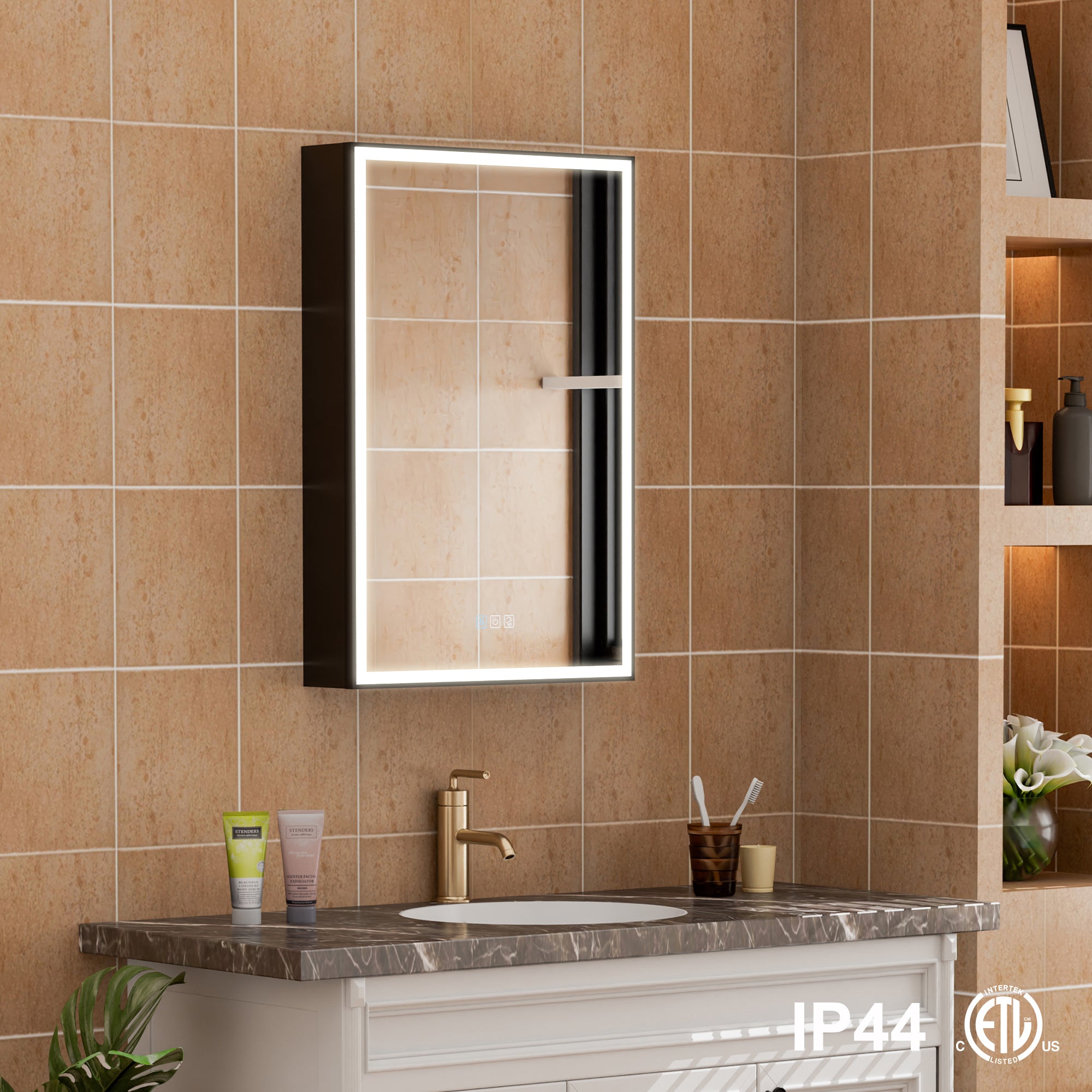
Too many visible icons, large buttons, or bright indicator lights can undermine an otherwise clean bathroom.
For contemporary design, controls should be easy to find without becoming the main visual feature.
Look for:
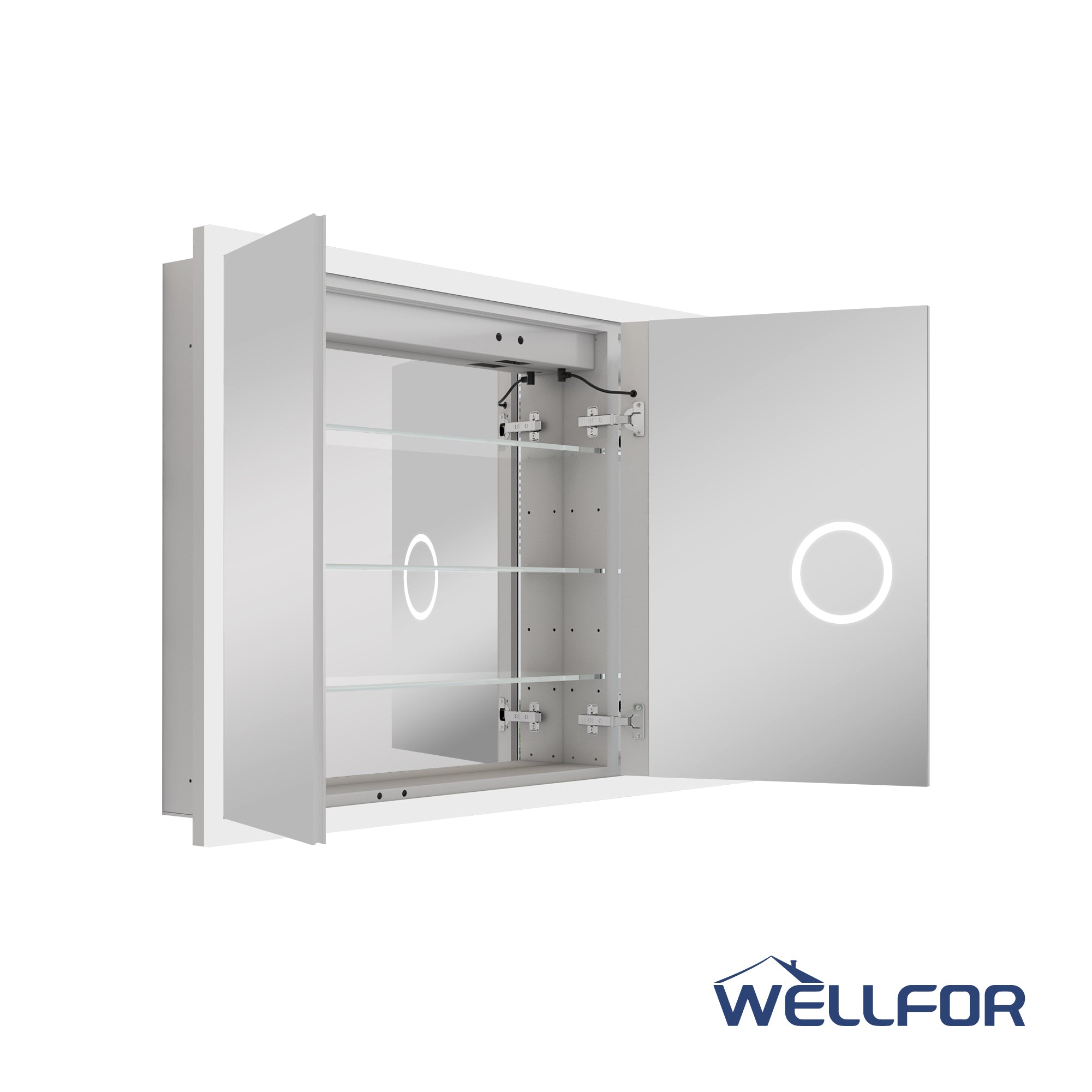
· Small touch controls
· Dimming
· Color-temperature adjustment
· Memory function
· Separate anti-fog control
A memory setting is particularly useful because it allows the mirror to return to the preferred light level without being adjusted every morning.
Technology works best when the user stops thinking about it.
8. Mirror Lighting Should Still Be Part of a Larger Plan
A lit mirror does not have to illuminate the entire bathroom.
As stated in the Bathroom Trends Survey 2025 by Houzz, 40% of all renovated bathrooms are fitted with recessed lighting, and illuminated mirrors have made their way into 22% of bathrooms and counting. This speaks volumes more than just the fact that lit mirrors are becoming more popular - more people now realize that not one kind of light will suffice, and they combine different lighting fixtures.
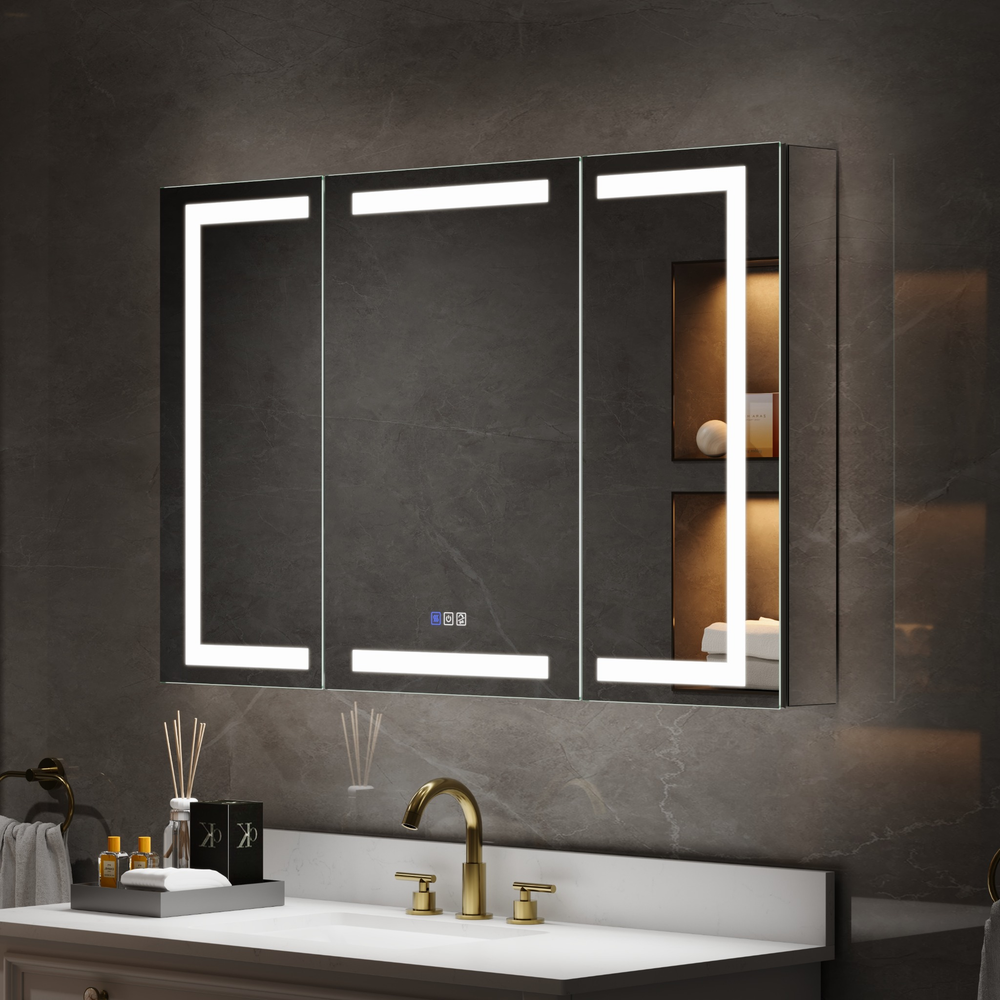
A modern bathroom may feature ceiling light fixtures installed in the room, an illuminated mirror placed above the vanity, and softer light used somewhere in the shower area, or illuminating something that is suspended, for example, a cabinet.
This approach to layering lighting is far more pleasant compared to practically blinding a person at the mirror because it is so bright.
9. The Best Choice Is Usually the Simplest One That Does Enough
Those modern bathroom mirrors with lights that are considered best quality usually have similar characteristics: no awkward proportions, good illumination on the face, dimming function, and good color management, thus providing good coordination in design with the vanity below.
A rectangular dual-light mirror goes well with a floating 48-inches vanity. A round mirror, which has a light in the front, can be perfect in case there is a small 36-inches vanity. A bigger model with no frame can make a primary bath wall visually broader.
It is important to eliminate mirrors with high features when choosing one.
A good design is when all the pieces, such as lighting, glass, cabinetry, and wall surface, look like they have been designed together. A good mirror with illumination has to help in using the bathroom instead of just being an impressive accessory in it.













Leave a comment
This site is protected by hCaptcha and the hCaptcha Privacy Policy and Terms of Service apply.