
















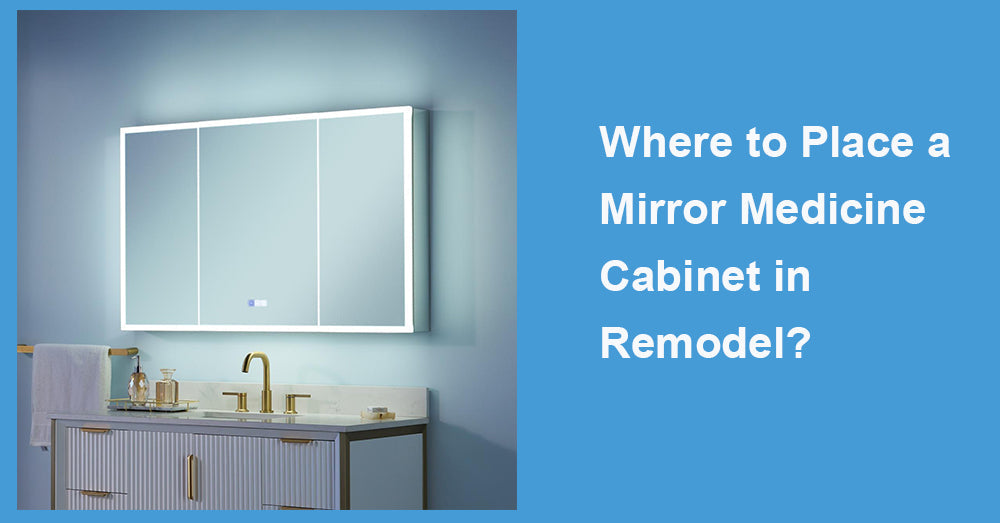
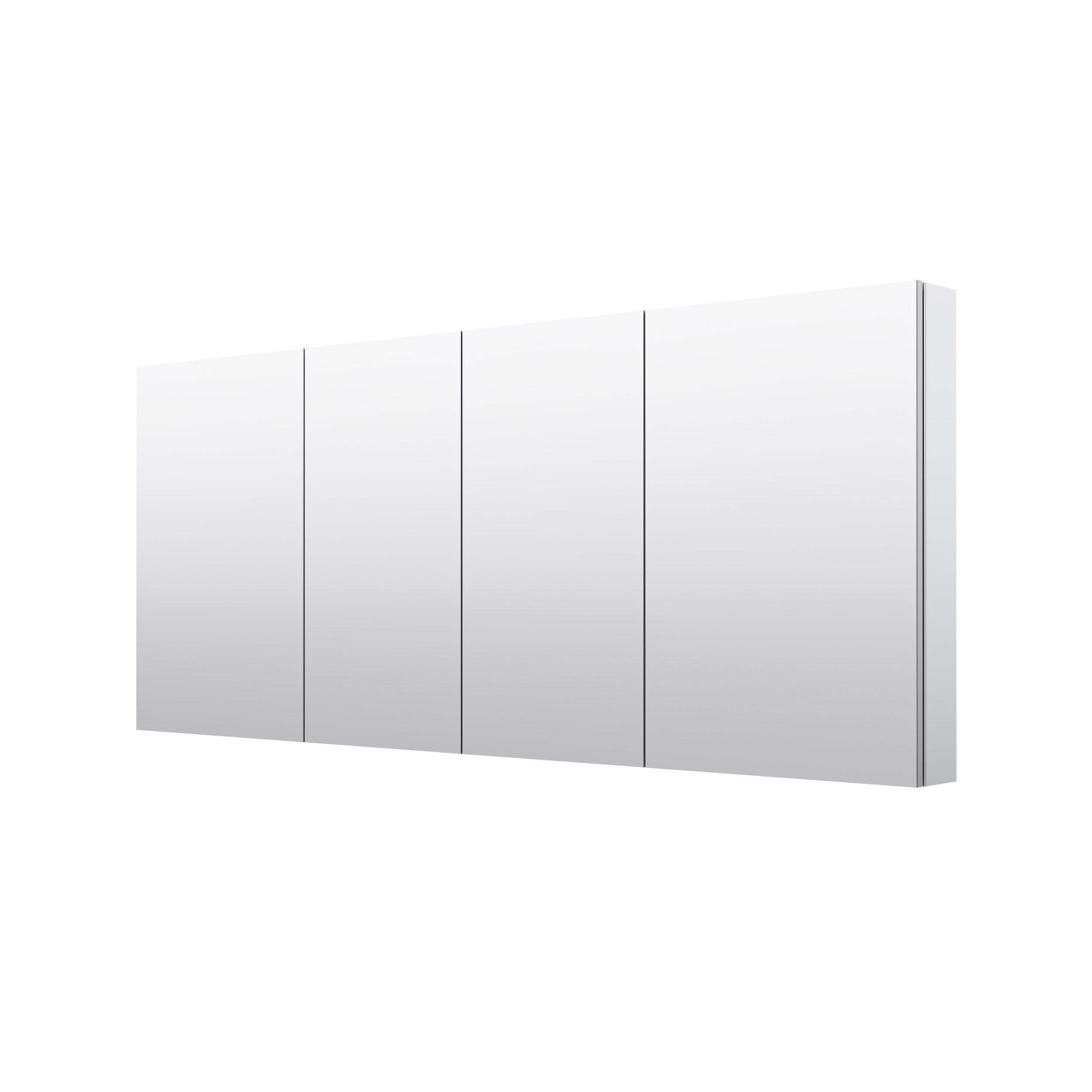
In the process of bathroom renovation, the location for the mirror medicine cabinet often determines the ultimate user experience before its style and function. As a high-frequency component that integrates mirror, storage, and partial lighting functions, the installation location of the mirror cabinet not only affects visual proportion but also directly affects ergonomics, circulation smoothness, and the convenience of later maintenance. Industry research shows that in bathroom cases with unsatisfactory user experience, improper selection of the mirror cabinet's location is one of the most common yet easily overlooked issues.
1. The planning of the mirror cabinet position should start from the washbasin, not the wall
In practical renovations, a common misconception is first to determine the locations of wall decorations or lighting fixtures, then "find a place" for the mirror cabinet. This sequence often leads to misalignment between the mirror cabinet and the washbasin, affecting daily use.
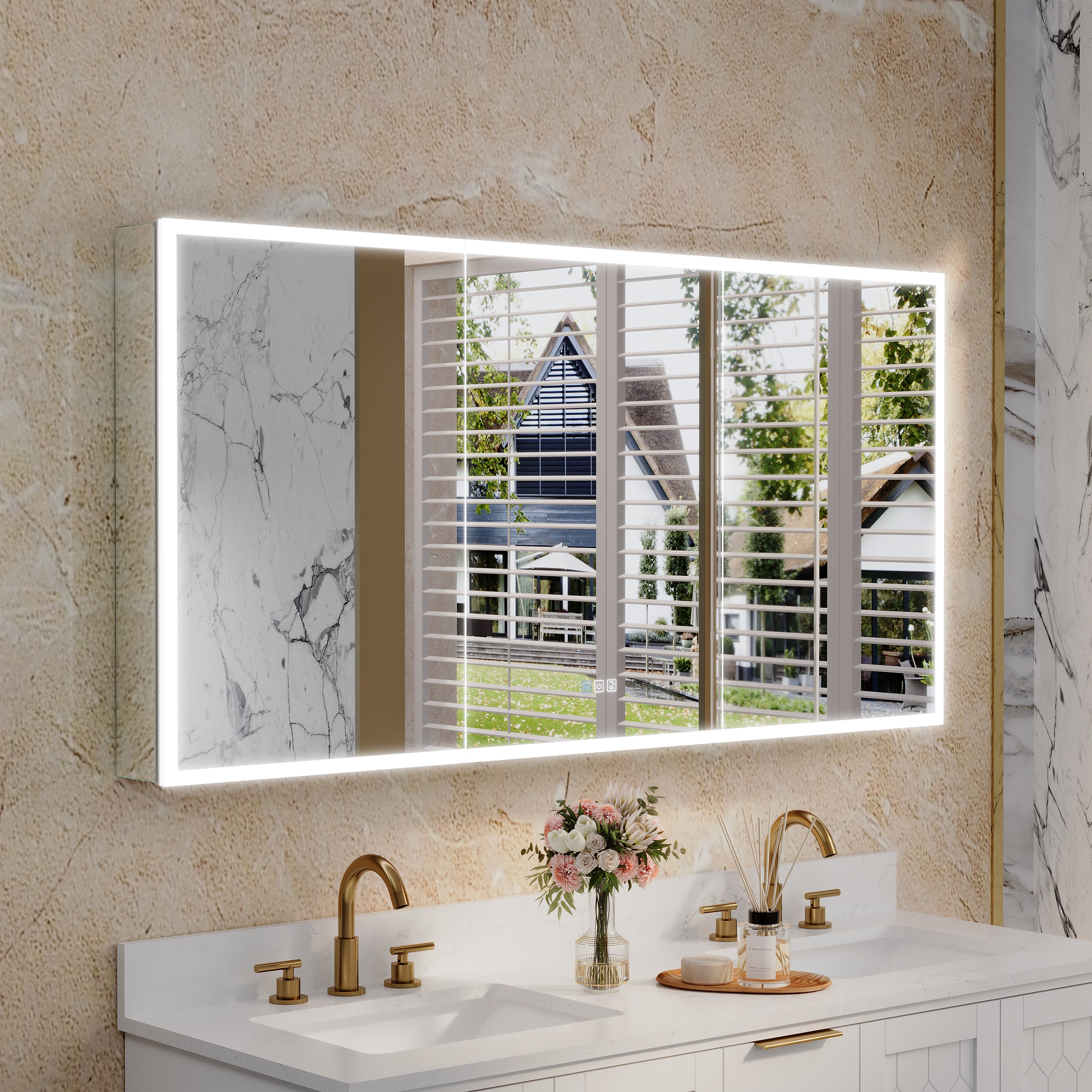
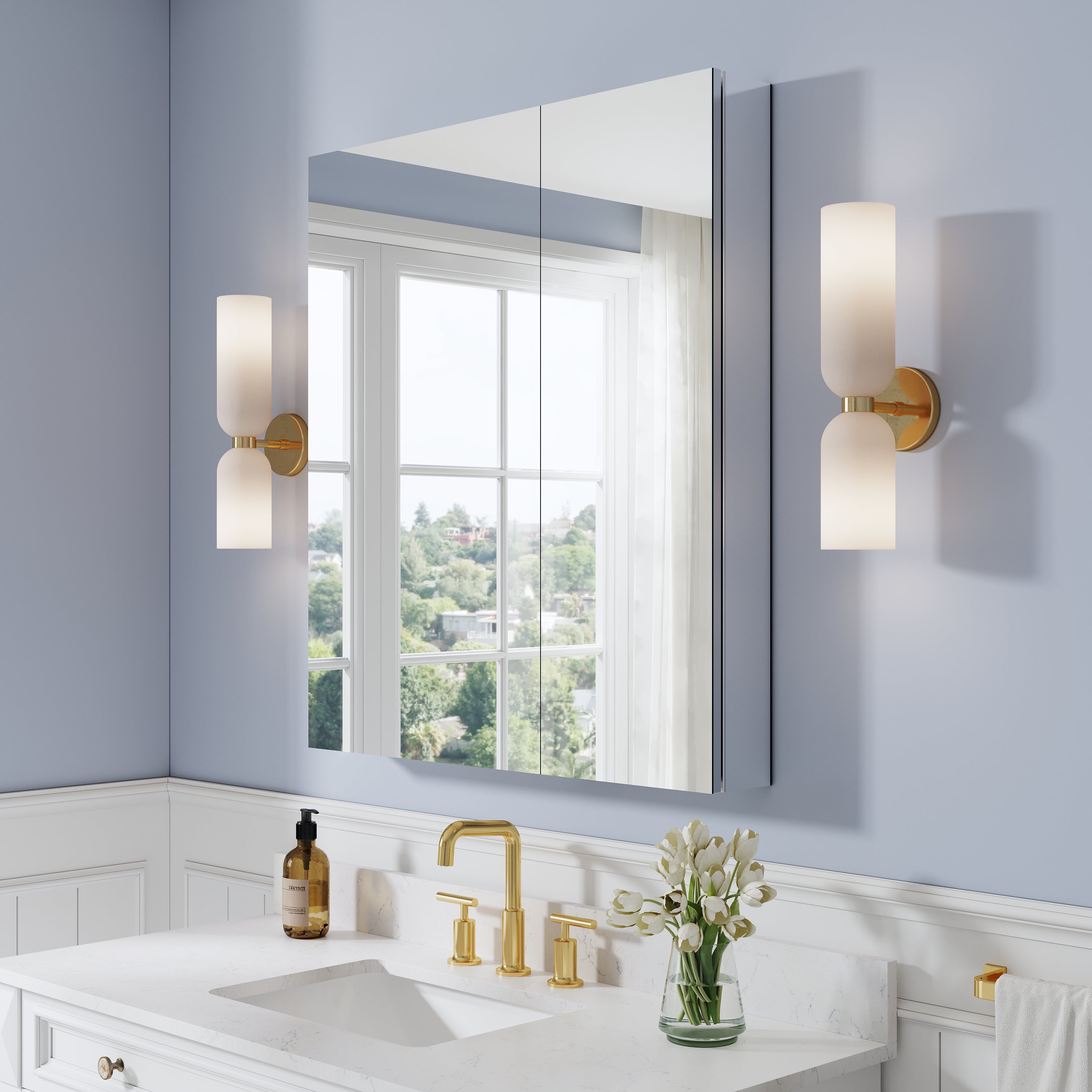
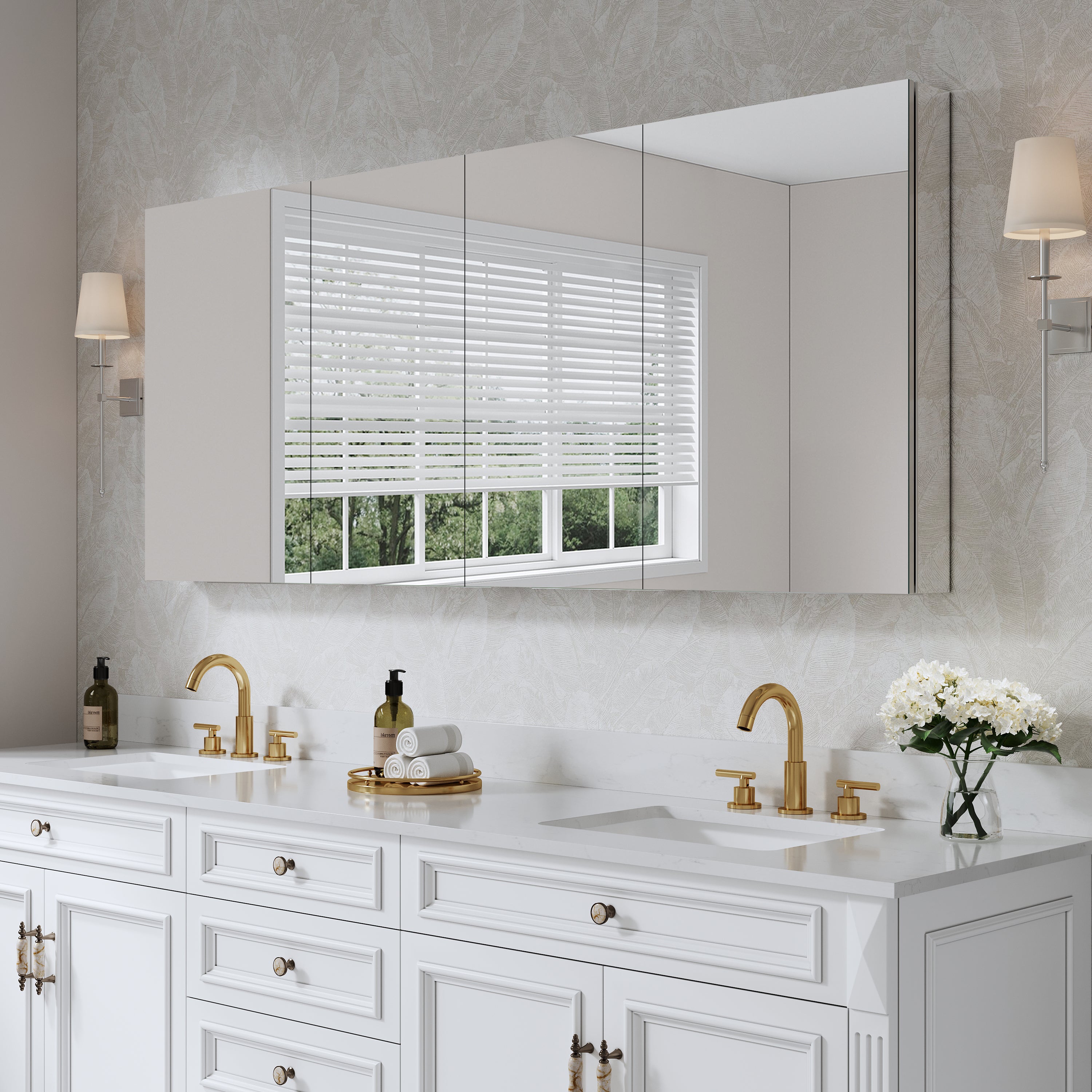
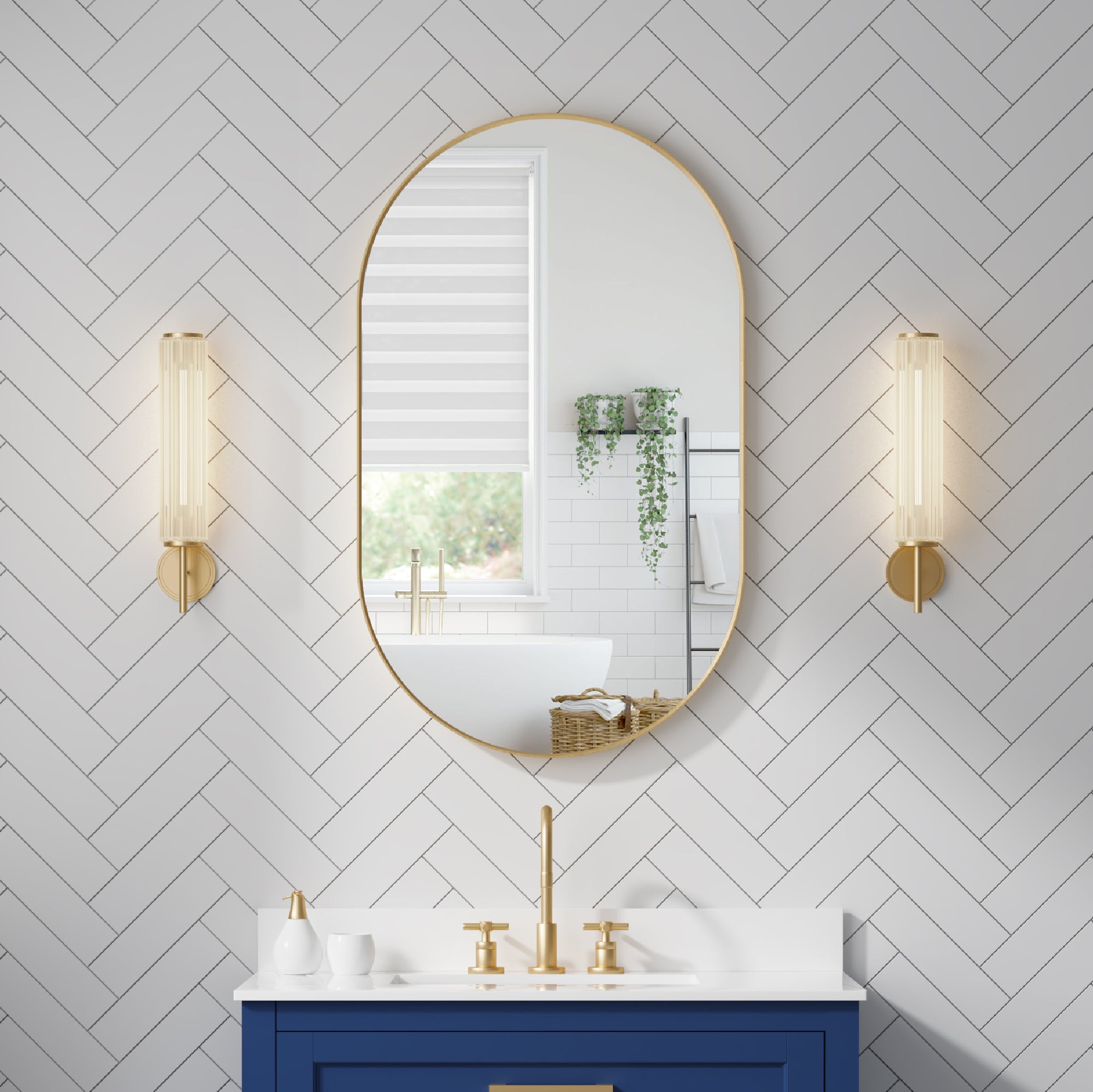
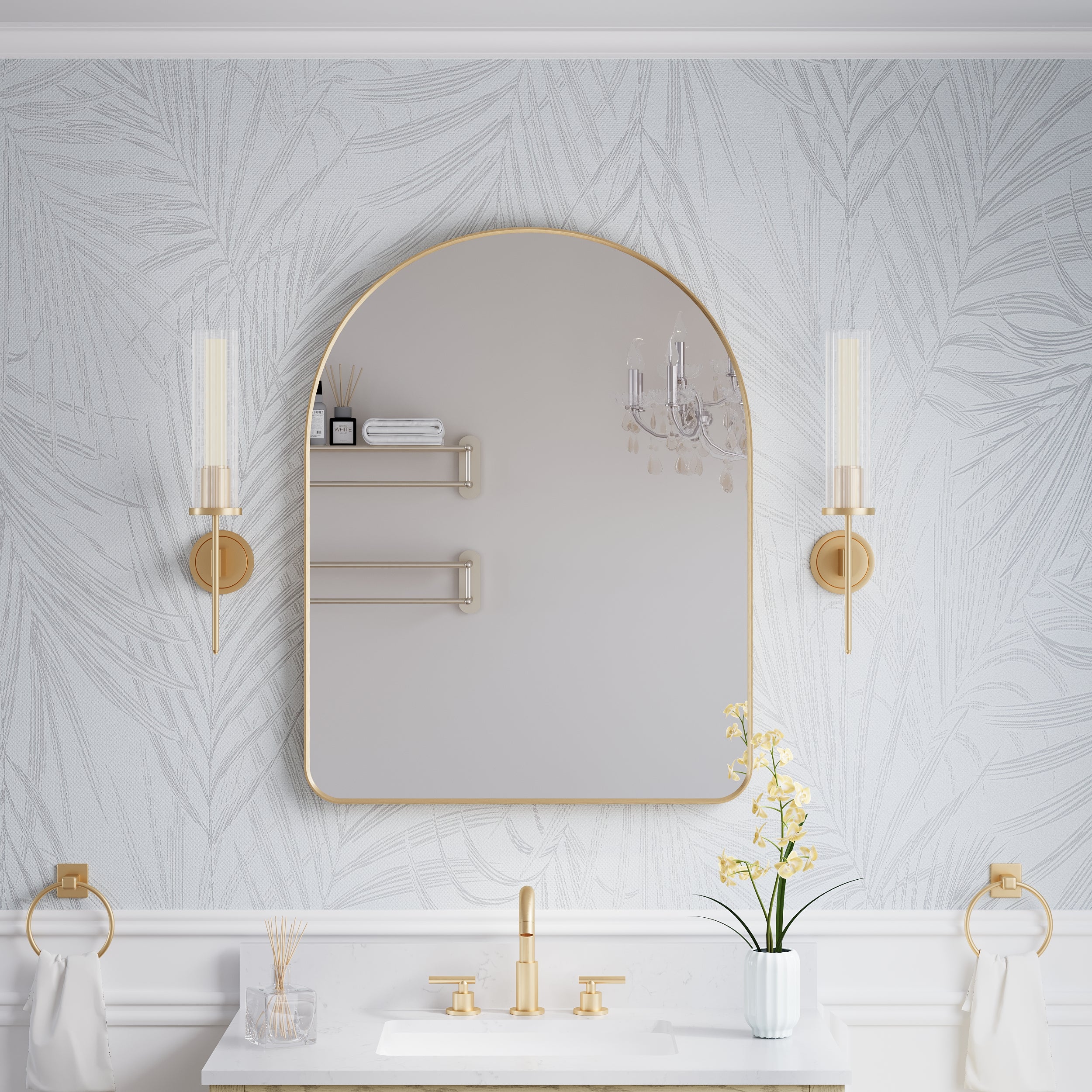
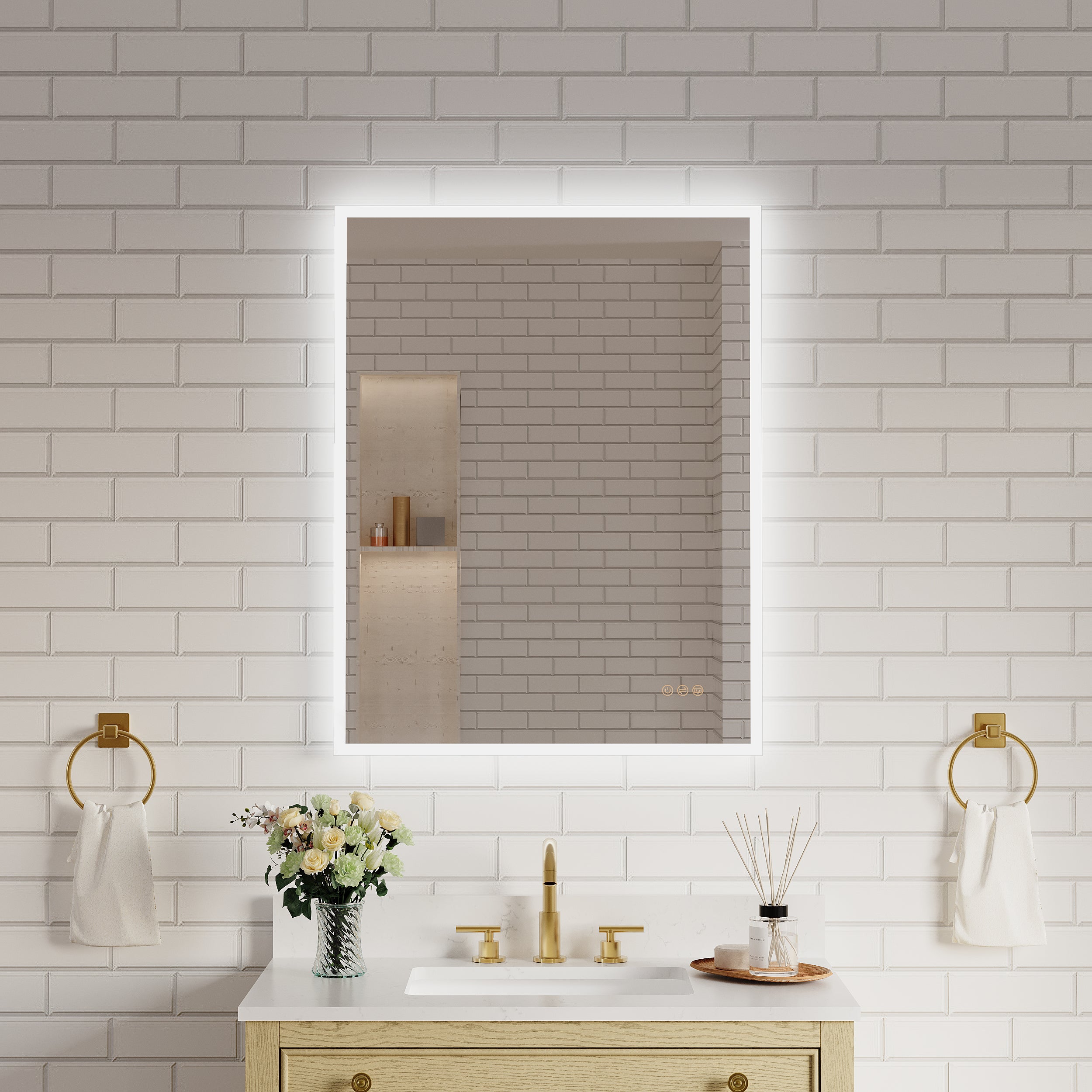
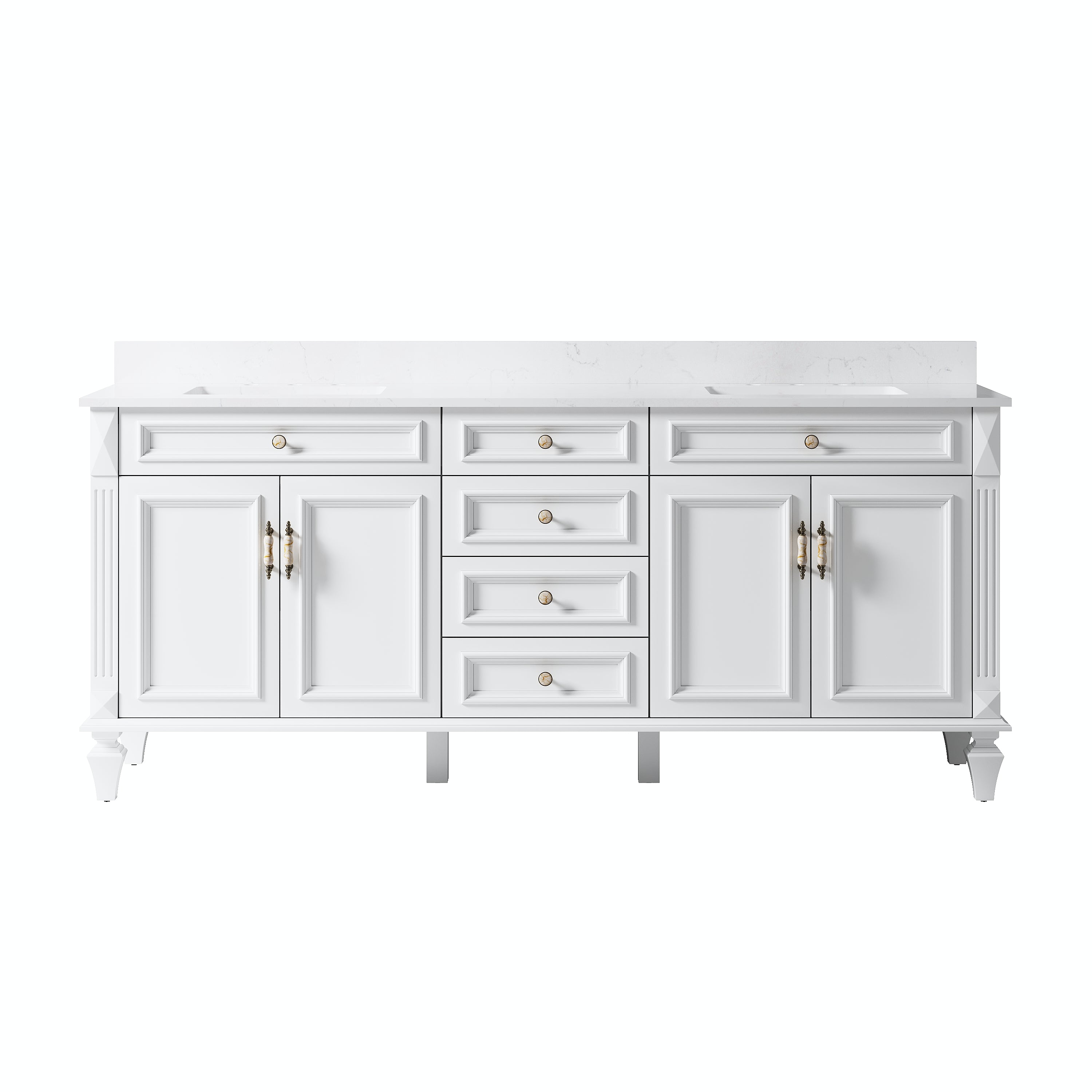
From an industry perspective, the mirror cabinet should always be positioned with the washbasin as the core reference point. The typical width of washbasins is 30–48 inches. If the mirror cabinet is aligned horizontally with the countertop's center, the overall visual effect will be more stable, and the circulation of use will also be more natural. An installation method that deviates from the center often magnifies the sense of disharmony during daily use.
2. A reasonable vertical height determines the upper limit of comfort
The installation height of the mirror cabinet is a key factor affecting user comfort. Industry experience shows that if the center height of the mirror cabinet covers the primary user's line of sight, daily grooming and care operations will be more natural.
Typically, the bottom of the mirror cabinet should be a certain distance above the countertop of the washbasin to prevent water vapor and splashes from directly affecting the cabinet body and mirror surface. At the same time, the top of the mirror cabinet should not be too high, as this would diminish the cabinet's practicality and increase the inconvenience of retrieving and placing items. In multi-member households, appropriately increasing the overall height of the mirror cabinet can accommodate users of different heights.
3. Central installation remains the most stable choice
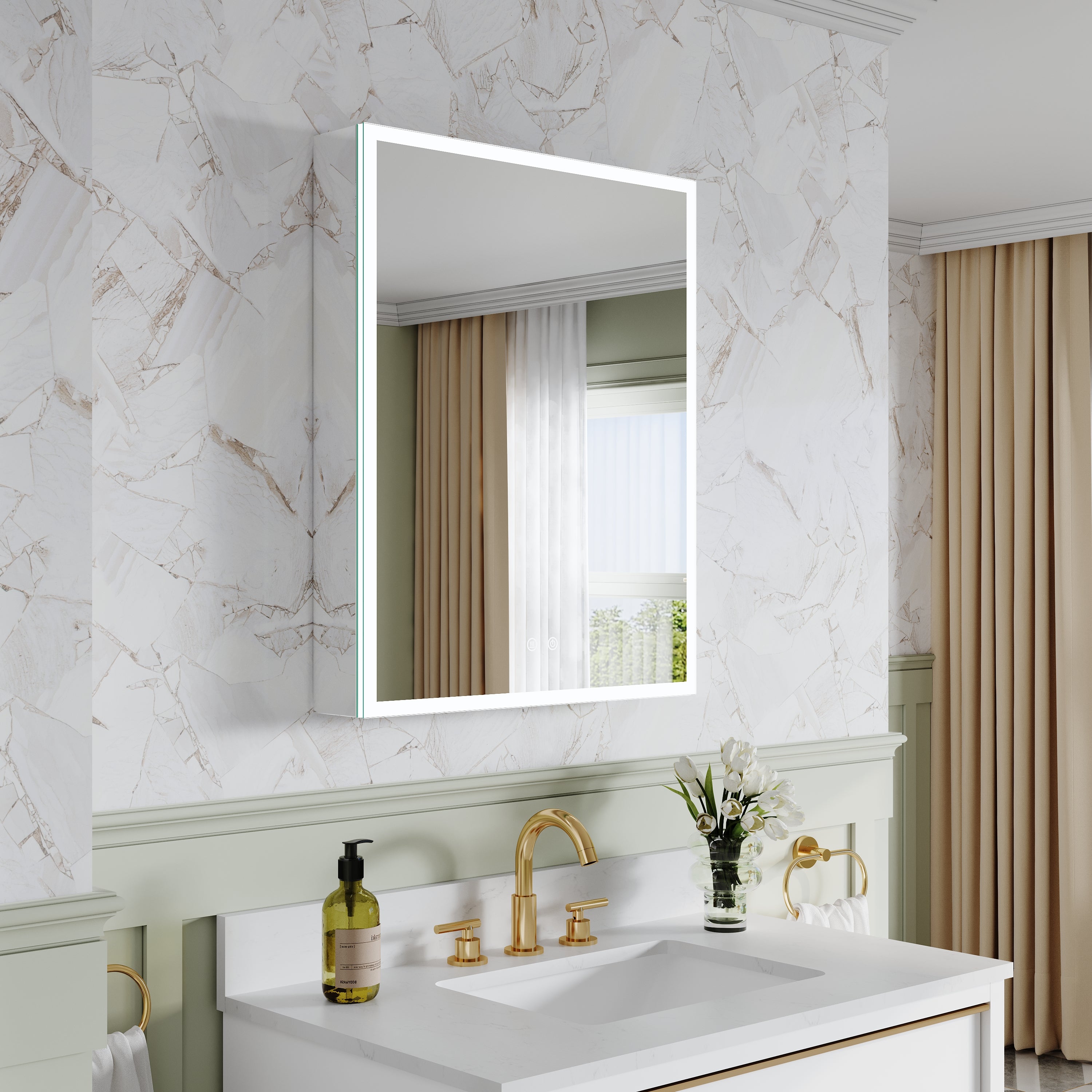
In most bathroom layouts, installing the mirror cabinet directly above the washbasin remains the most mature and lowest-risk solution. This layout aligns with most people's intuitive use and facilitates the integration of lighting, mirror surface, and operational areas.
Industry data shows that compared to offset or partitioned installations, centrally aligned mirror cabinets have higher satisfaction rates in long-term use. This is not due to a more complex design, but rather their greater stability and ease of use.
4. Applicable conditions and limitations of offset installation
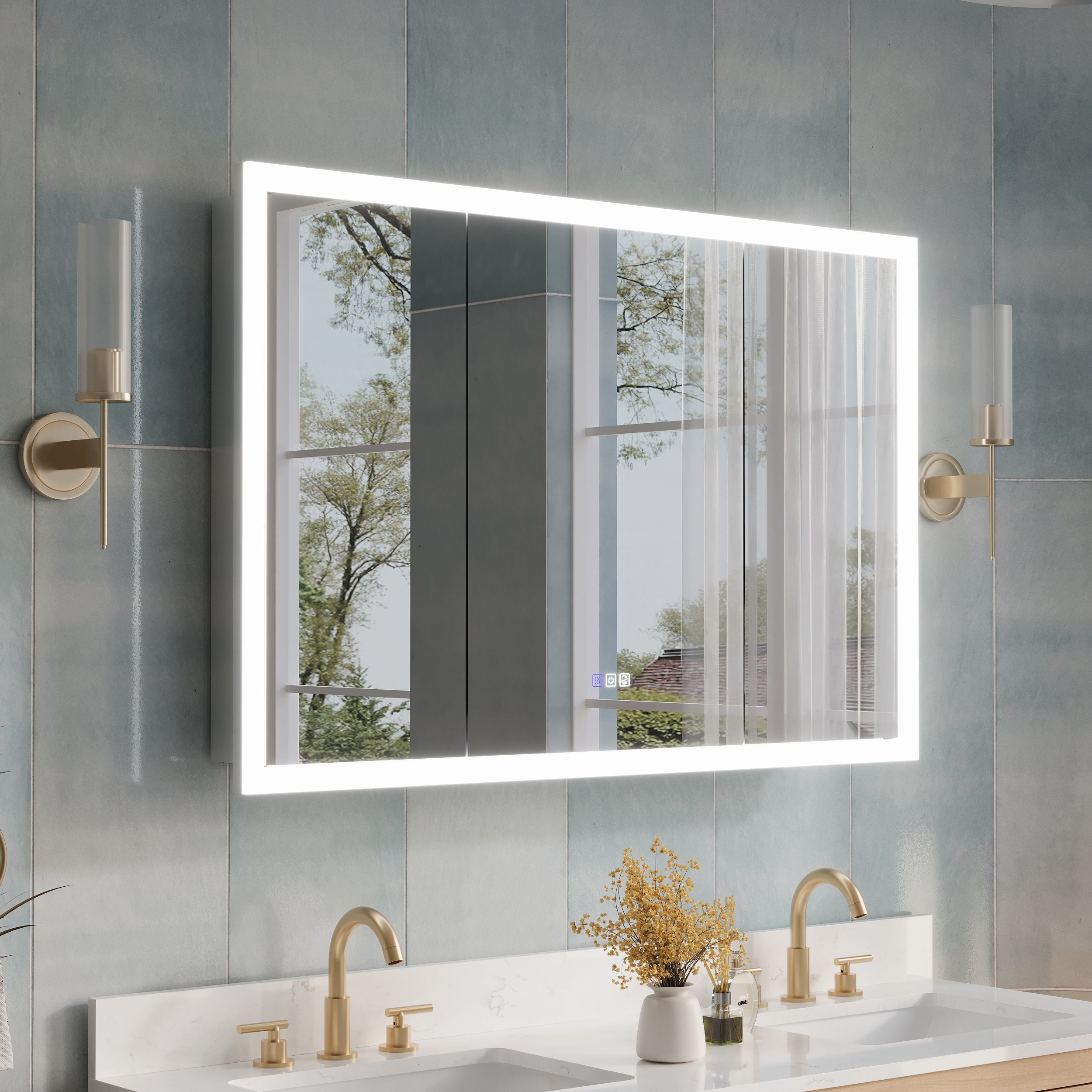
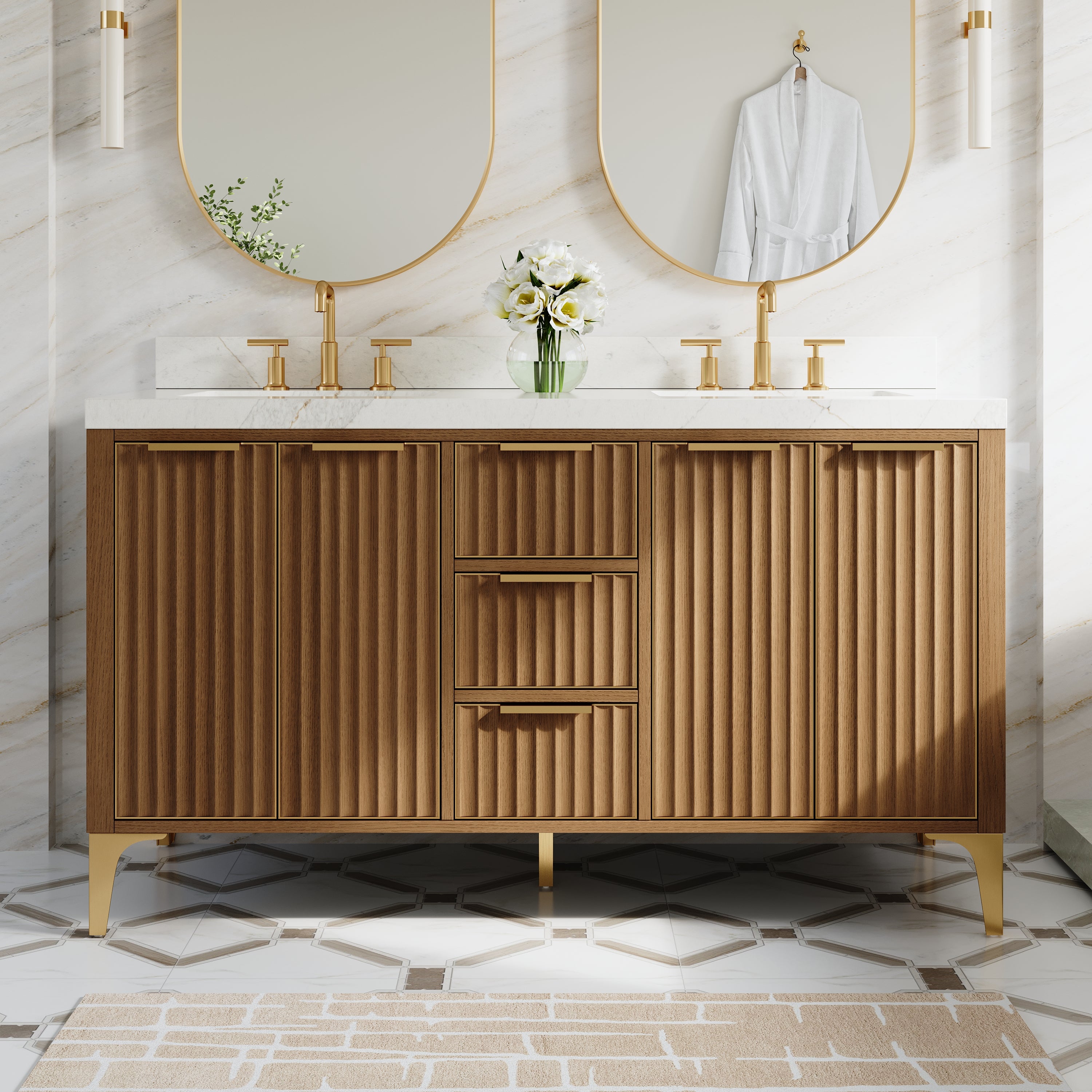
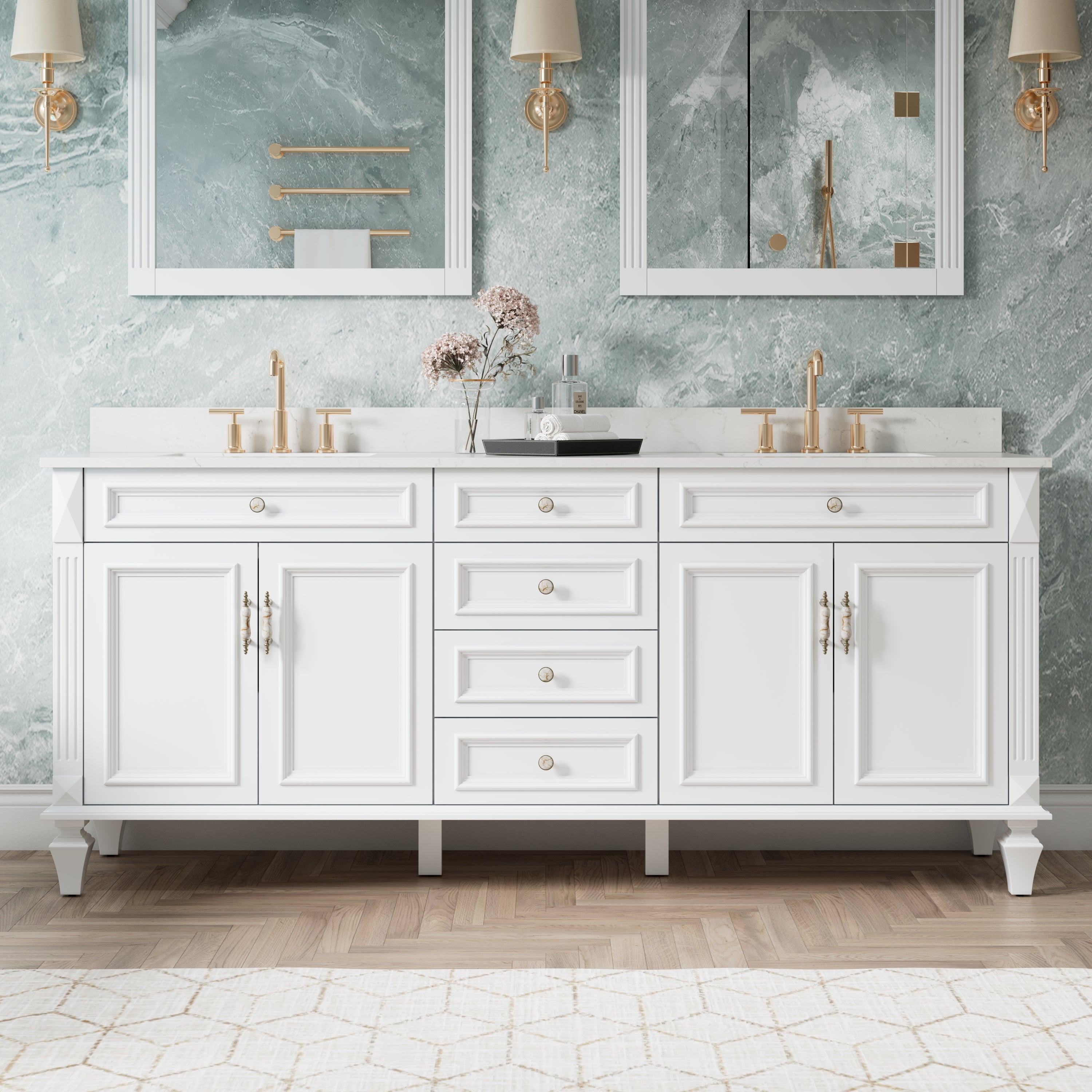
In specific special layouts, such as double sinks or asymmetric wall structures, the mirror cabinet does not necessarily have to be completely centered. However, such offset installation must be based on thorough planning.
Industry experience indicates that offset mirror cabinets are better suited as "auxiliary mirror cabinets" rather than as the primary mirror surface. If the mirror cabinet is tasked with the primary mirror function, excessive offset can cause discomfort during daily use, especially in single-person bathrooms.
5. Planning the location for the built-in mirror cabinet should be initiated earlier
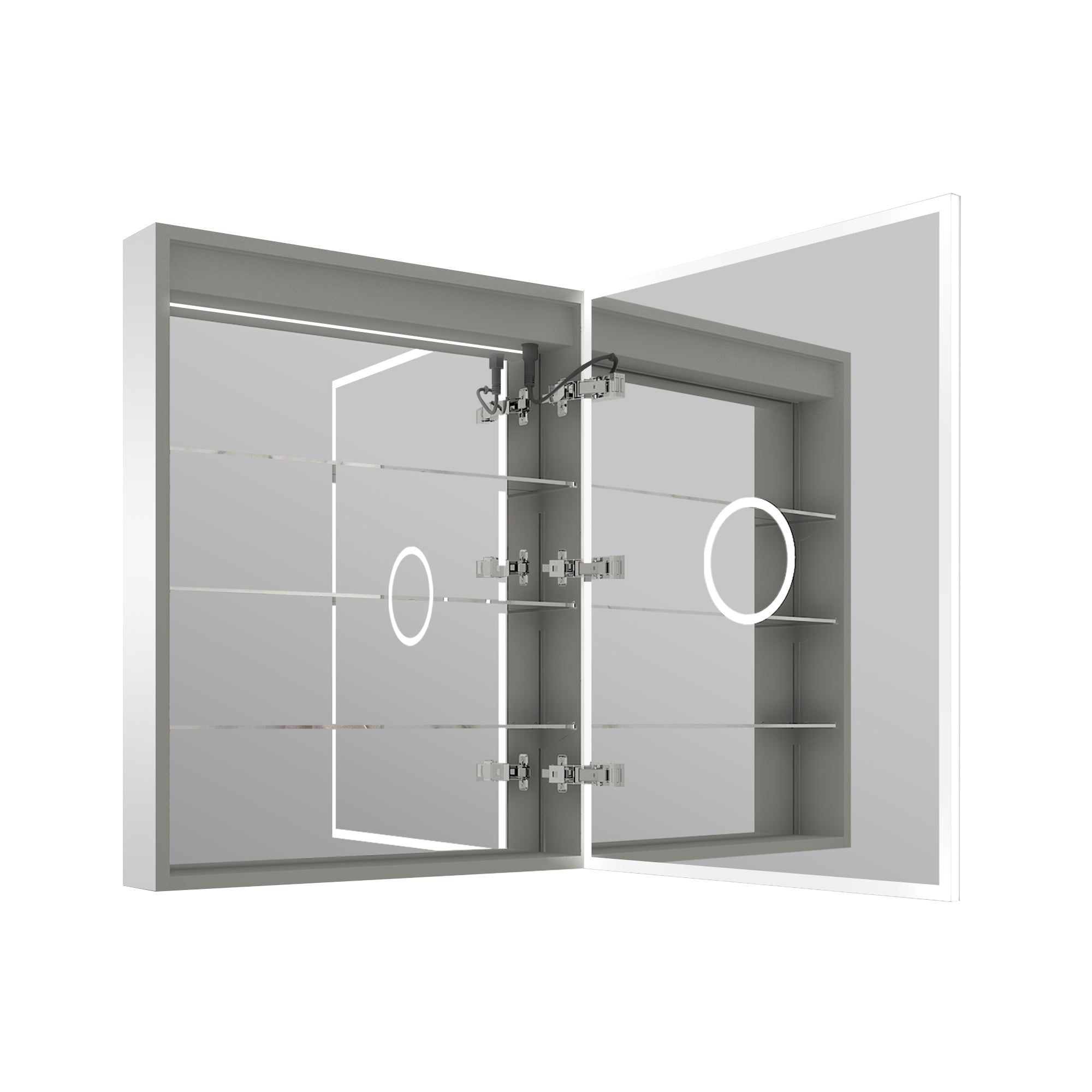
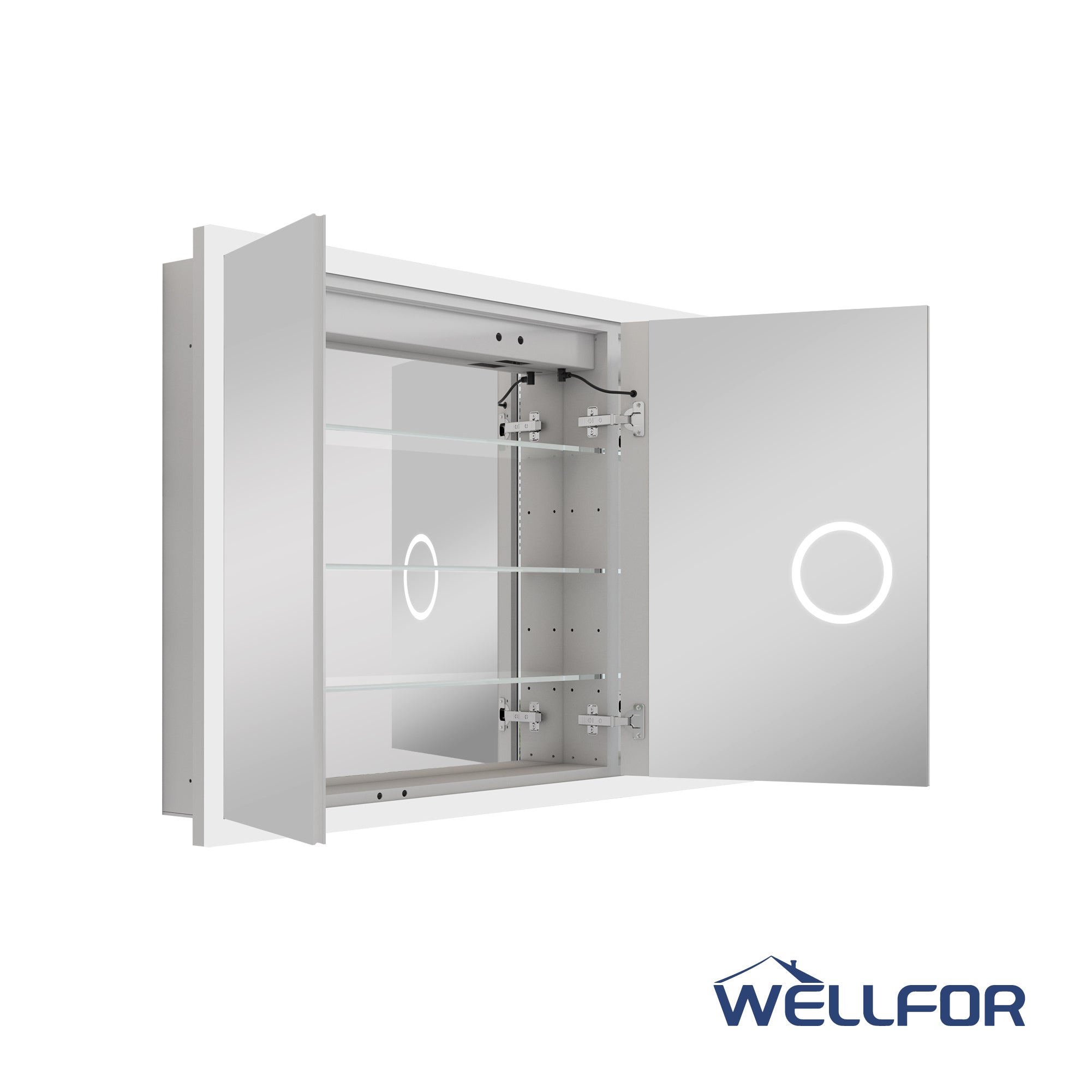
Embedded mirror cabinets offer clear advantages in visual and spatial utilization, but their location planning must be finalized early in the renovation process. The embedded structure involves wall thickness, internal pipelines, and joist distribution. Once the wall construction is completed, the adjustment space will be minimal.
Industry practice shows that if the embedded mirror cabinet is planned synchronously with the wall structure, washbasin, and lighting system, its final effect is often superior to a wall-mounted solution that is compromised later.
6. The synergistic relationship between the mirror cabinet and lighting positions
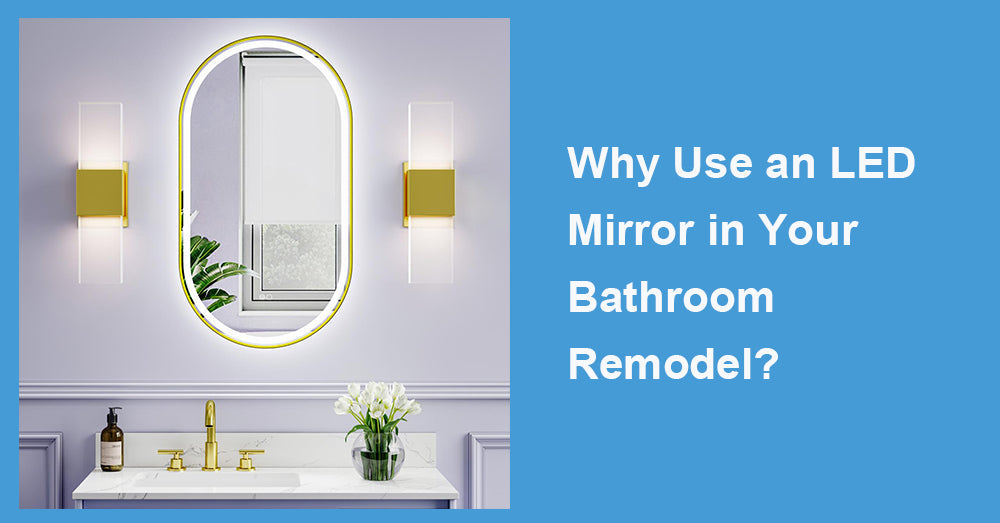
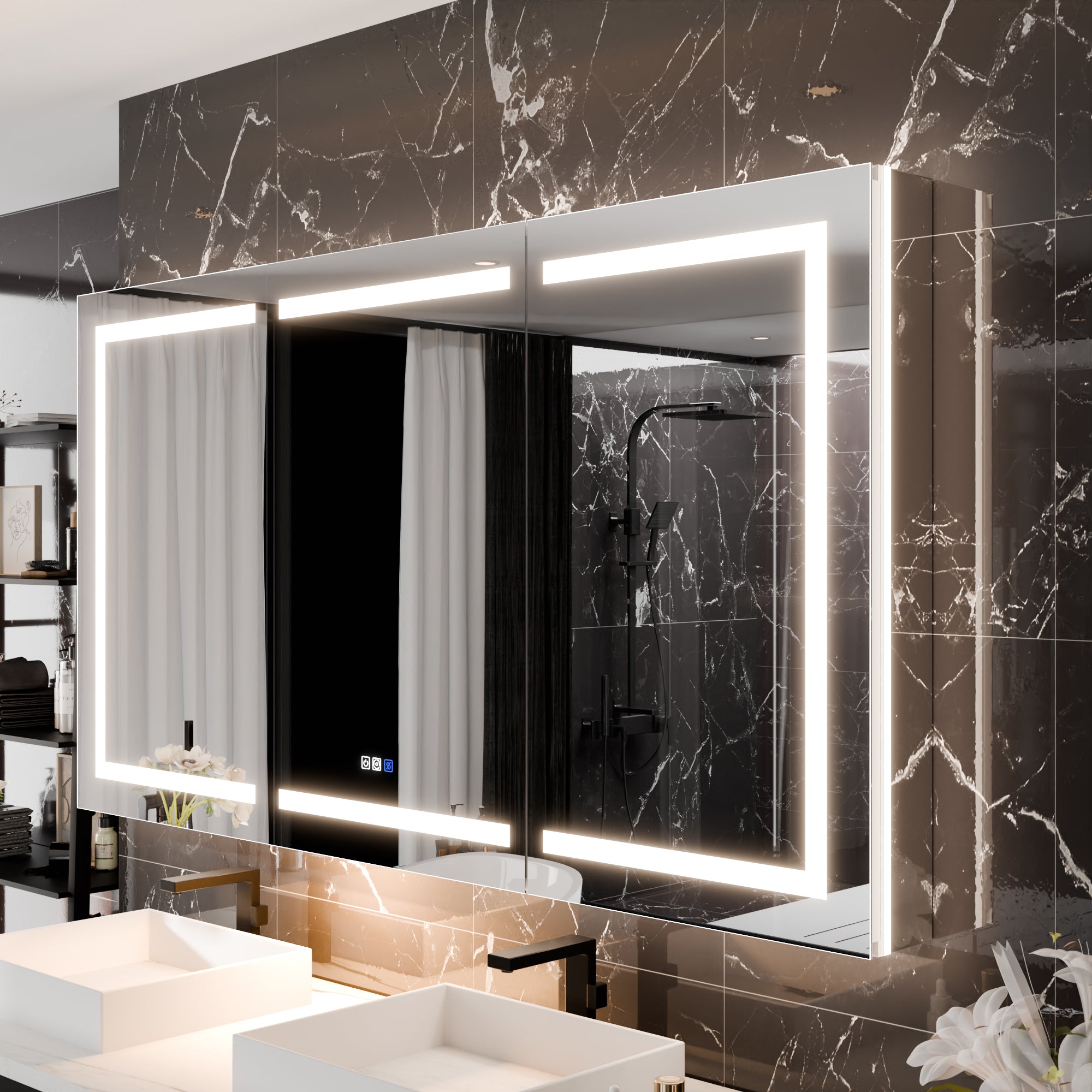
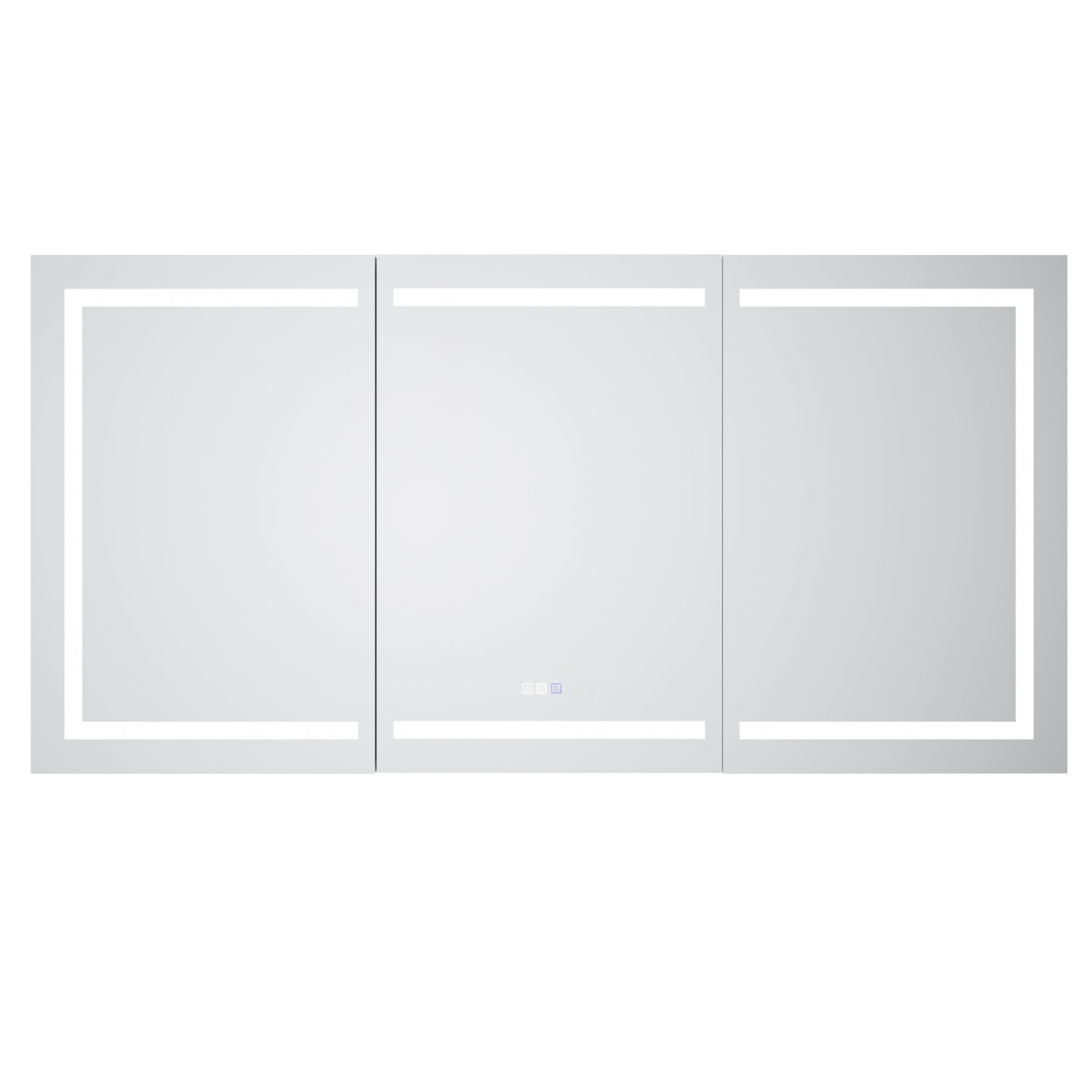
The placement of the mirror cabinet should not be considered in isolation; rather, it should be part of a synergistic relationship with the lighting system. If the main lighting comes from top fixtures, the mirror cabinet should be placed to avoid being blocked or casting significant shadows. If using mirror lights or integrated lighting in mirror cabinets, ensure the light evenly covers the facial area.
Industry research indicates that when mirror cabinets and lighting systems are planned under a common logic, overall lighting quality and user satisfaction will be significantly improved.
7. Distance control from doors, windows, and other facilities
The placement of the mirror cabinet also needs to consider its relationship with the bathroom door, windows, and other facilities. If the mirror cabinet is close to the door opening, it may cause visual interference when the door is opened; if it is close to the window, attention should be paid to the impact of natural light reflection on the use of the mirror surface.
In a bathroom with limited space, properly controlling the distance between the mirror cabinet and surrounding facilities helps maintain clear circulation and reduce the risk of collisions.
8. The impact of electrical and functional configurations on location
With the increasing integration of functions in mirror cabinets, such as built-in lighting, anti-fogging, and sockets, more requirements have been set for installation locations. The position of the mirror cabinet must ensure that the power lines are arranged in a reasonable manner to avoid exposure or temporary wiring changes in the later stage.
Industry experience indicates that planning power supply locations before determining mirror cabinet positions can significantly reduce construction complexity and potential safety hazards.
9. The logic of placement choices in a small bathroom
In a small bathroom, the placement of the mirror cabinet is particularly crucial. If the mirror cabinet is too high or too deep, it tends to magnify the sense of oppression in the space. Industry data shows that in compact bathrooms, positioning the mirror cabinet in the central visual area and reducing horizontal offset is more conducive to maintaining spatial balance.
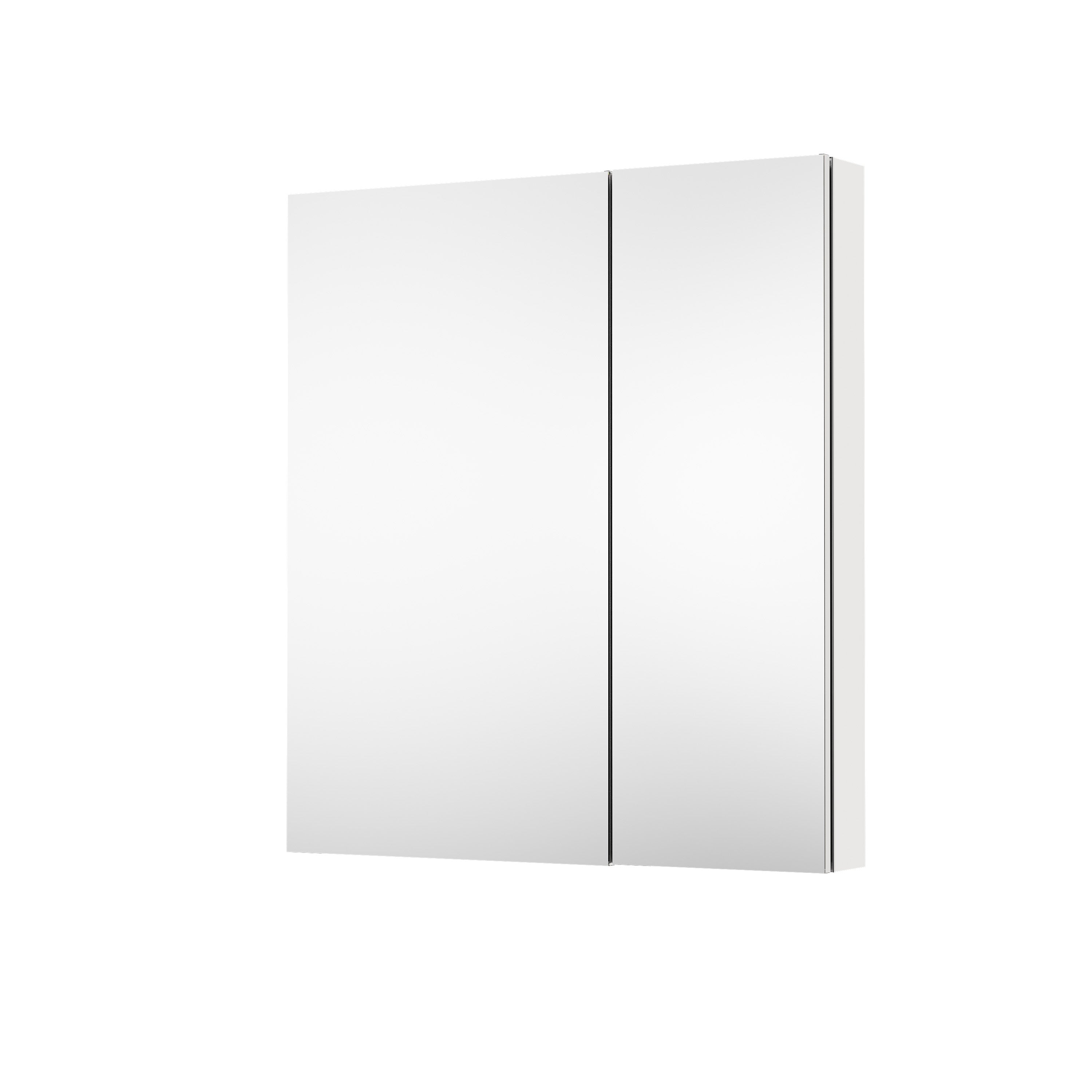
If conditions permit, small bathrooms are better suited for built-in or thin wall-mounted mirror cabinets to reduce the sense of bulkiness.

10. Evaluate the location's rationality from a long-term perspective
Mirror cabinets are fixed components with a low replacement frequency. Once installed, their position will significantly affect the user experience over the long term. Industry experience indicates that well-positioned mirror cabinets are less likely to be "noticed" during prolonged use, as they seamlessly integrate into daily routines.
From an industry perspective, there is no absolutely unified answer to the optimal location of a mirror medicine cabinet. However, discussions always revolve around the washbasin, eye level, lighting coordination, and structural conditions. This positioning approach, centered around usage logic, is the principle most worth following in bathroom renovations.












Leave a comment
This site is protected by hCaptcha and the hCaptcha Privacy Policy and Terms of Service apply.