














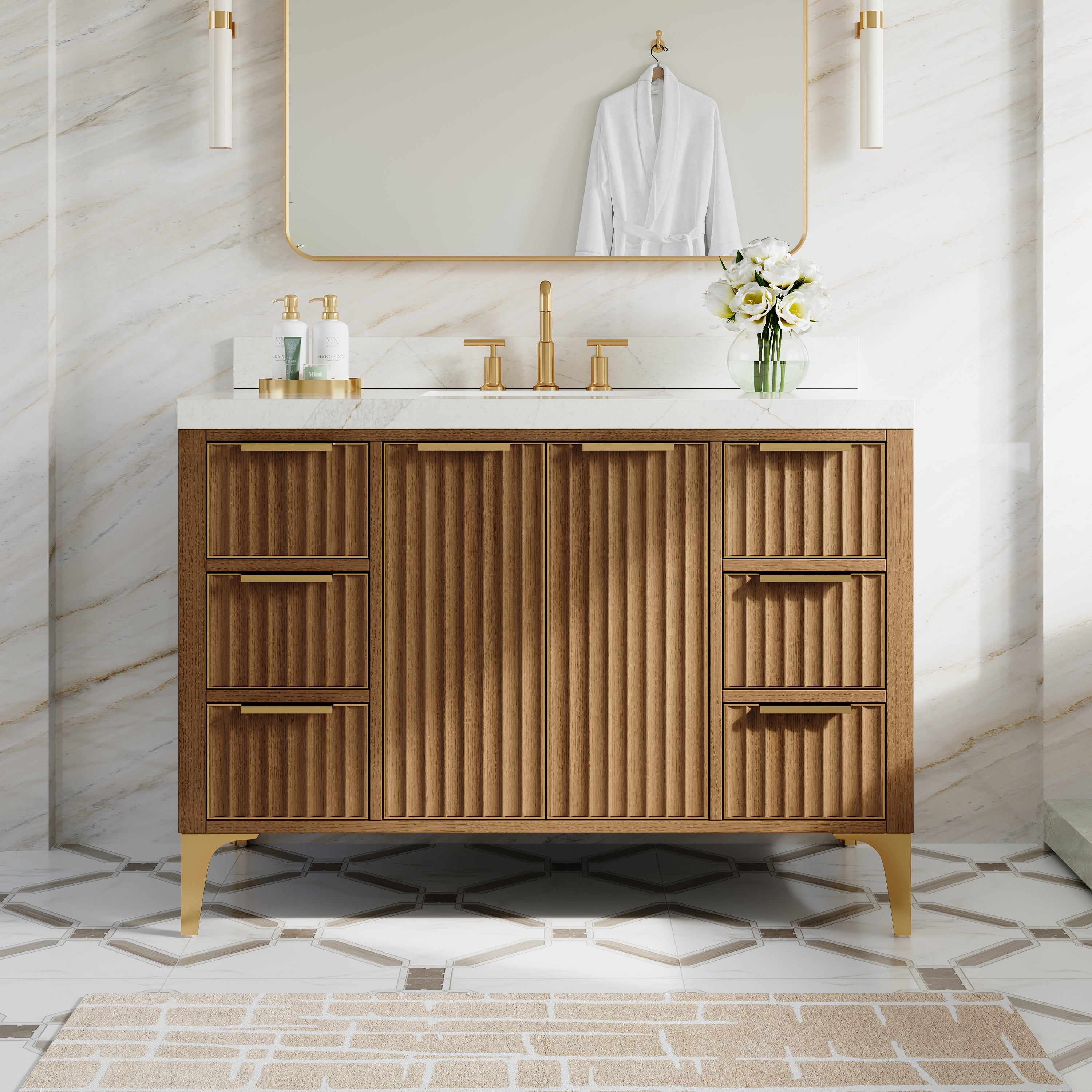
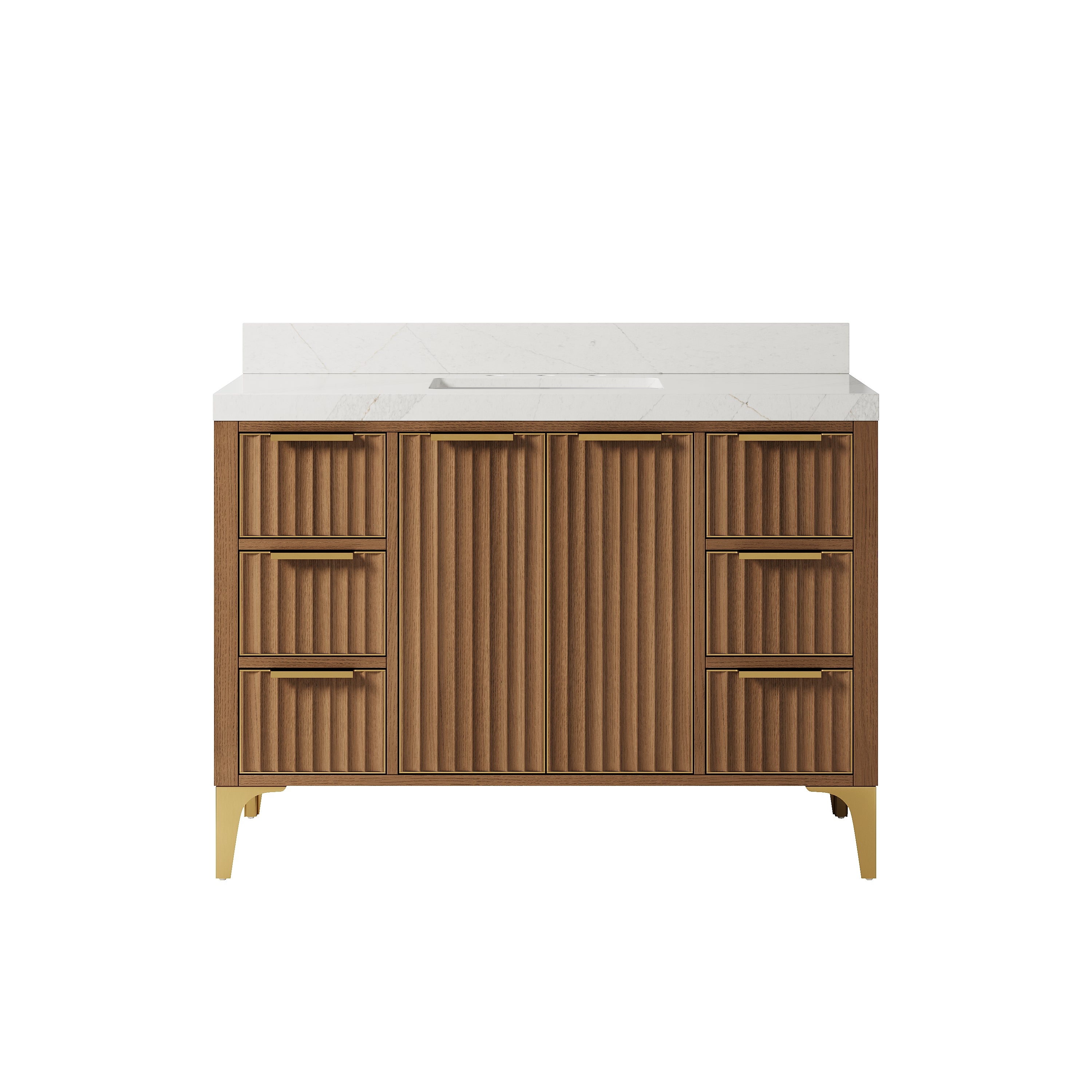


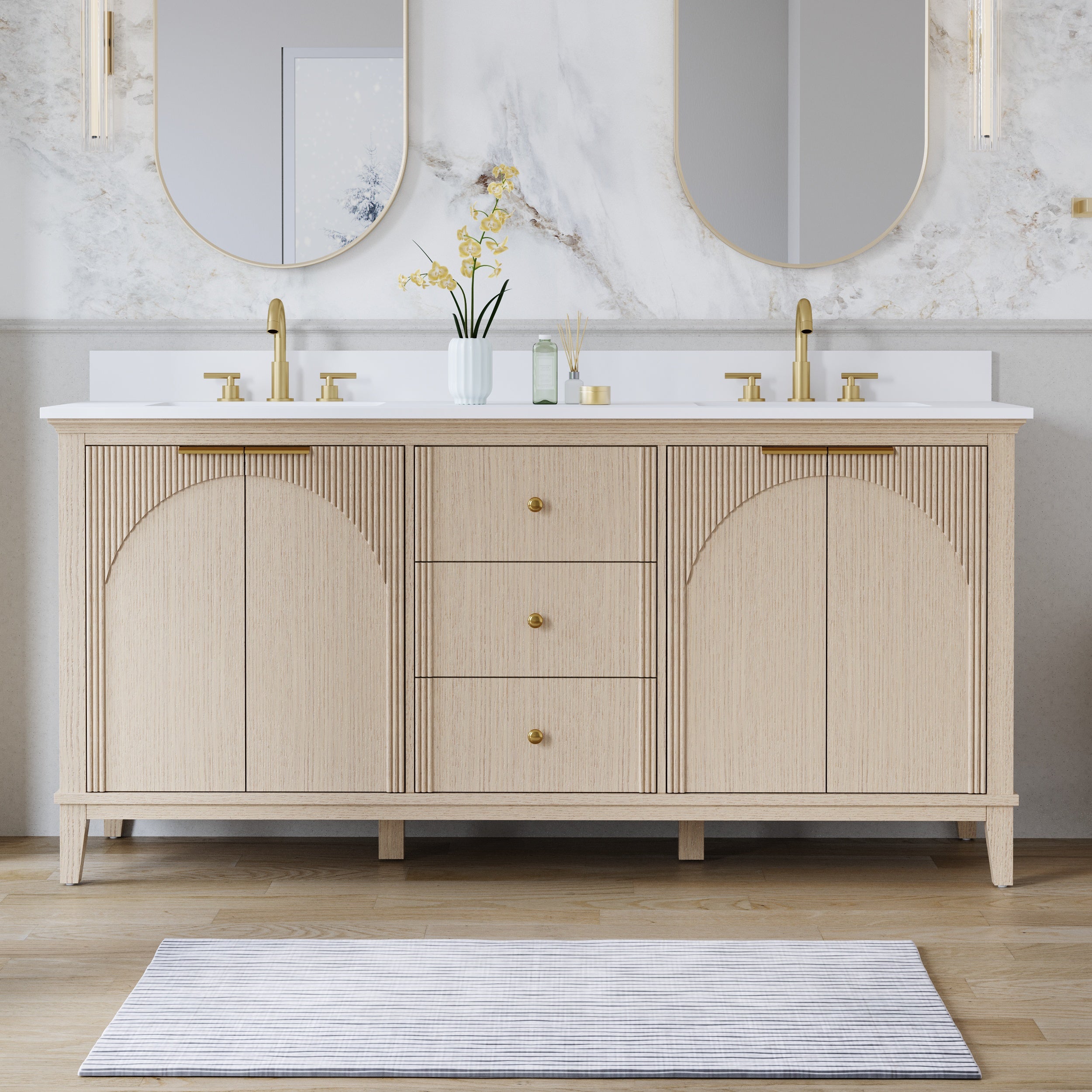
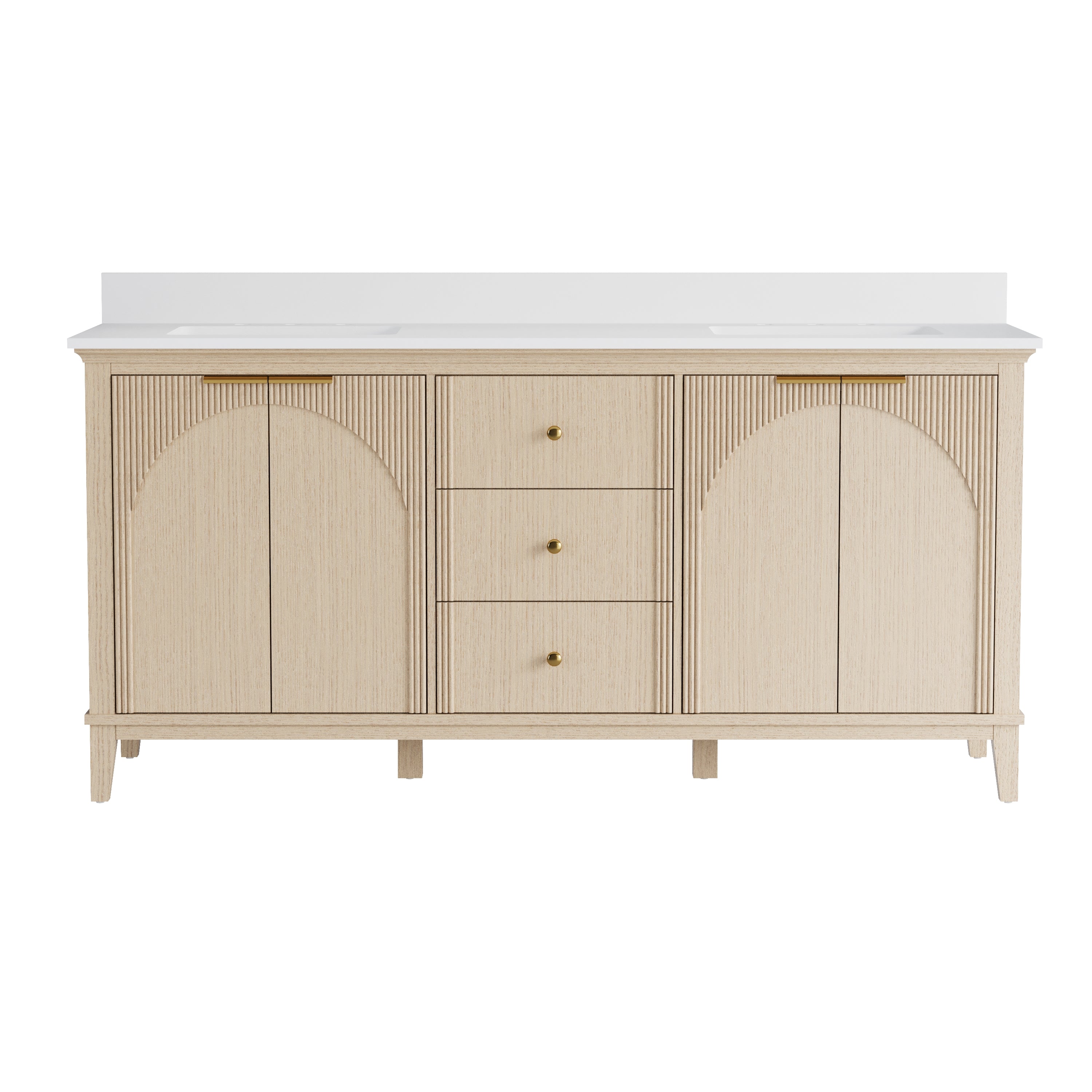
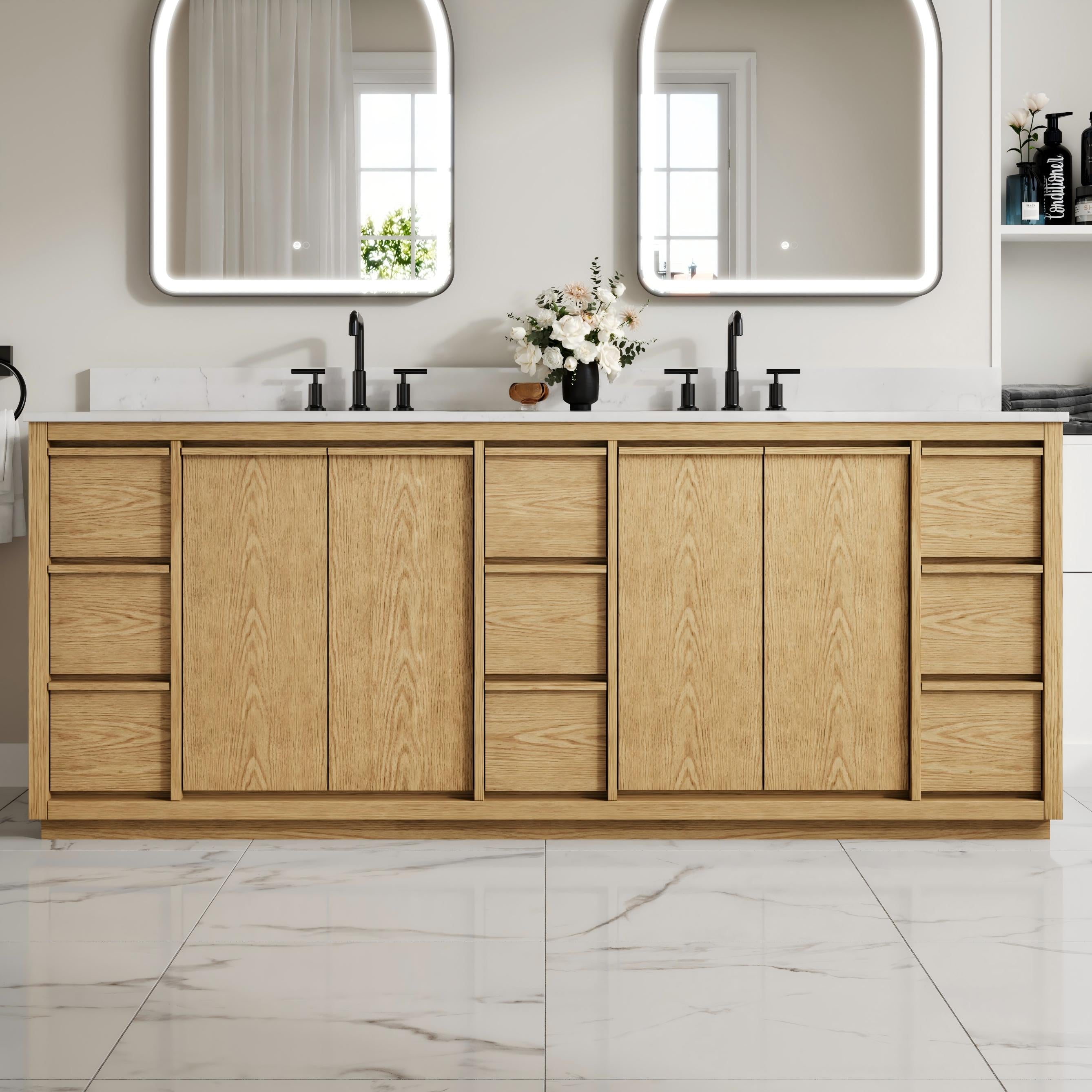
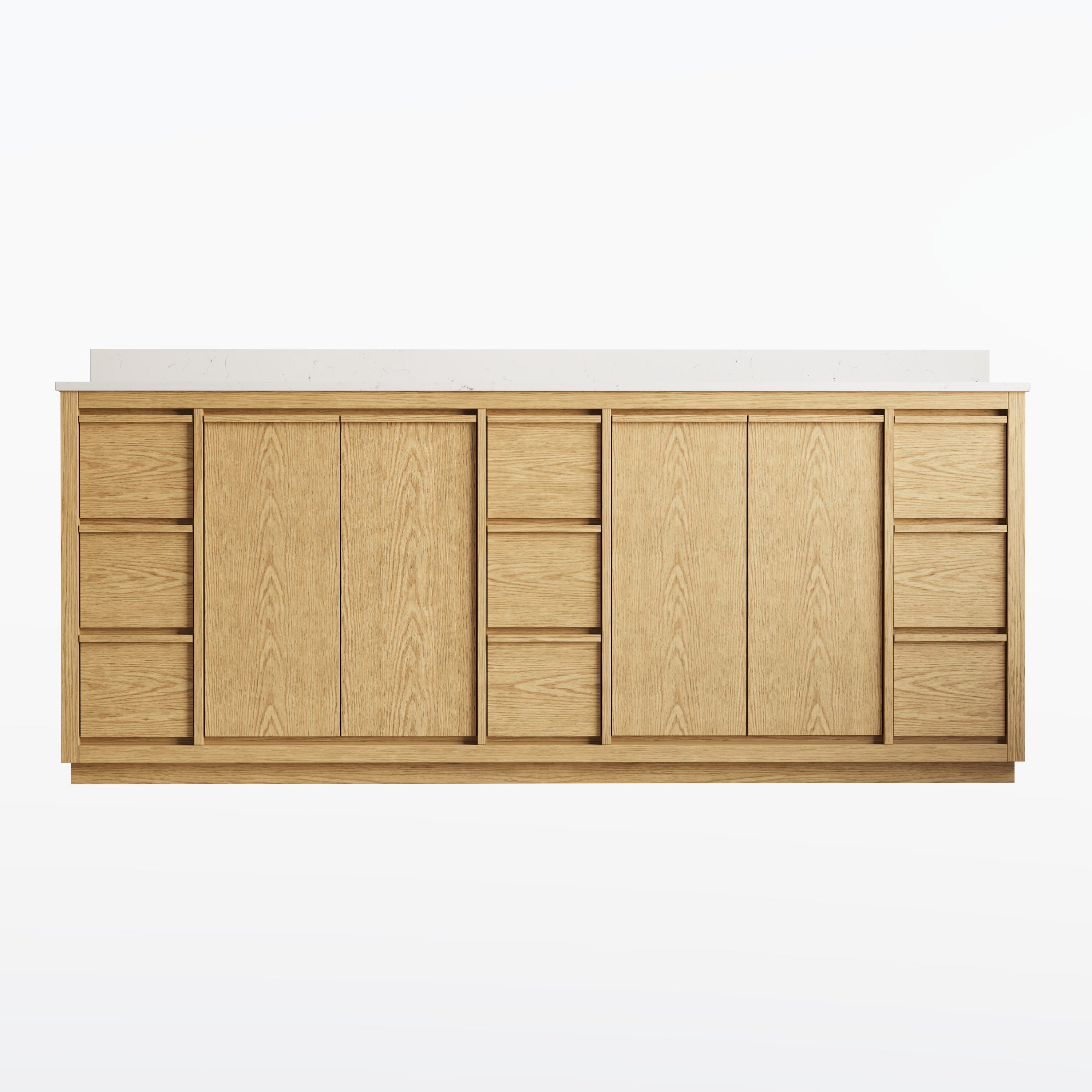

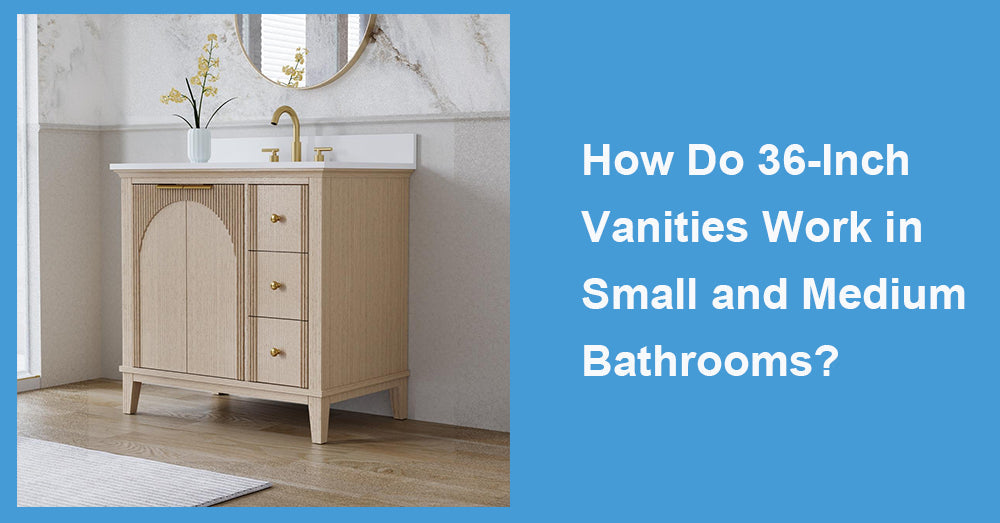
A 36 inch bathroom vanity with top is often a sensible choice for a guest bath, family bathroom, condo, or compact primary suite. It provides more usable storage than most 24- or 30-inch cabinets without taking over the room. Still, after more than 20 years of working with bathroom cabinetry, I have learned that the label alone tells buyers very little. Cabinet depth, countertop overhang, sink size, plumbing compatibility, and interior storage all determine whether the vanity will work comfortably.
1. Measure More Than the Available Wall Width
A 36-inch cabinet does not always arrive with a top that measures exactly 36 inches. Some countertops extend half an inch or more beyond the cabinet sides. Decorative trim, filler panels, or legs may also affect the finished dimensions.
Measure the wall at floor level, countertop height, and near the upper edge of the proposed vanity. Older bathrooms are not always square. Baseboards, door trim, and uneven drywall can reduce the usable opening.
Depth is just as important. Mark the proposed footprint with painter’s tape, then open the bathroom door, shower enclosure, and nearby drawers. Stand at the sink position. A vanity may fit neatly against the wall while projecting too far into the walkway.
Do not forget the delivery route
Measure every doorway, hallway, staircase, and tight corner between the entrance and the bathroom. A fully assembled cabinet with a stone top can be surprisingly heavy and difficult to maneuver.
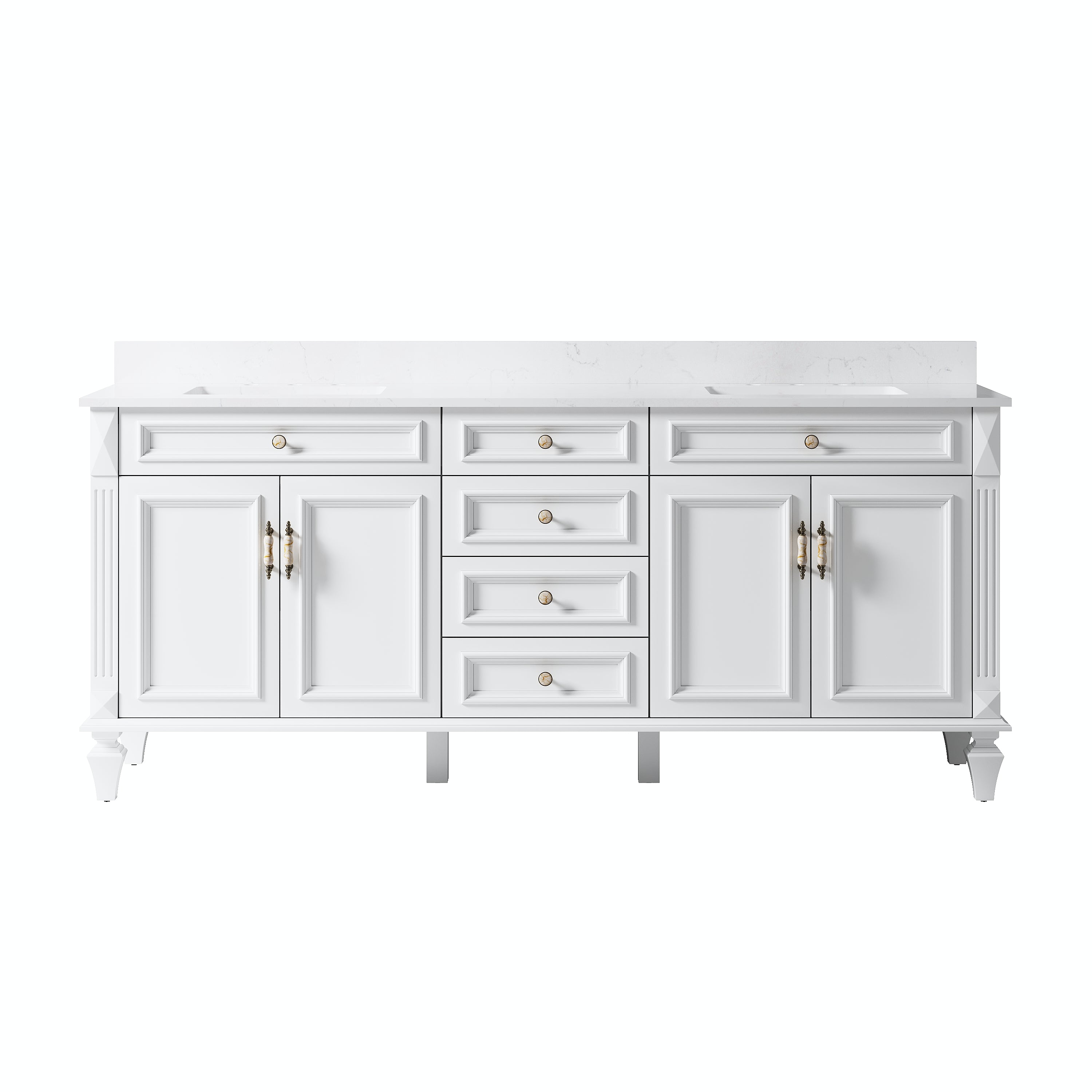
2. Evaluate the 36 Inch Bathroom Vanity with Top as a Complete Package
Buying the cabinet, top, and sink together simplifies a remodel. The components are already coordinated, which reduces the risk of ordering a countertop that does not fit or a basin that requires custom fabrication.
That convenience has limits. Buyers often assume every accessory shown in the product photograph is included. The faucet, drain, backsplash, side splash, mirror, and mounting hardware may be sold separately.
Read the contents list carefully. Confirm whether the sink is preinstalled and whether the countertop arrives attached to the cabinet. A detached top may be easier to carry upstairs, while an attached top can reduce installation steps.
The faucet-hole configuration matters too. A single-hole top will not accept a widespread faucet without modification. Stone, ceramic, and cultured-marble surfaces cannot always be drilled safely after delivery.
3. Inspect Cabinet Construction Before Choosing the Finish
The countertop usually attracts attention first, but the cabinet determines how well the vanity handles daily use.
Solid wood framing and quality plywood are dependable materials when properly sealed. Moisture-resistant engineered wood can also perform well. I become cautious when a listing relies on vague language such as “premium material” without explaining the cabinet box, drawer construction, or edge protection.
Open the drawers if shopping in person. They should move smoothly and feel stable when extended. Full-extension slides provide access to the back, while soft-close hardware reduces repeated impact on doors and drawer fronts.
Visible drawer fronts may not be functional
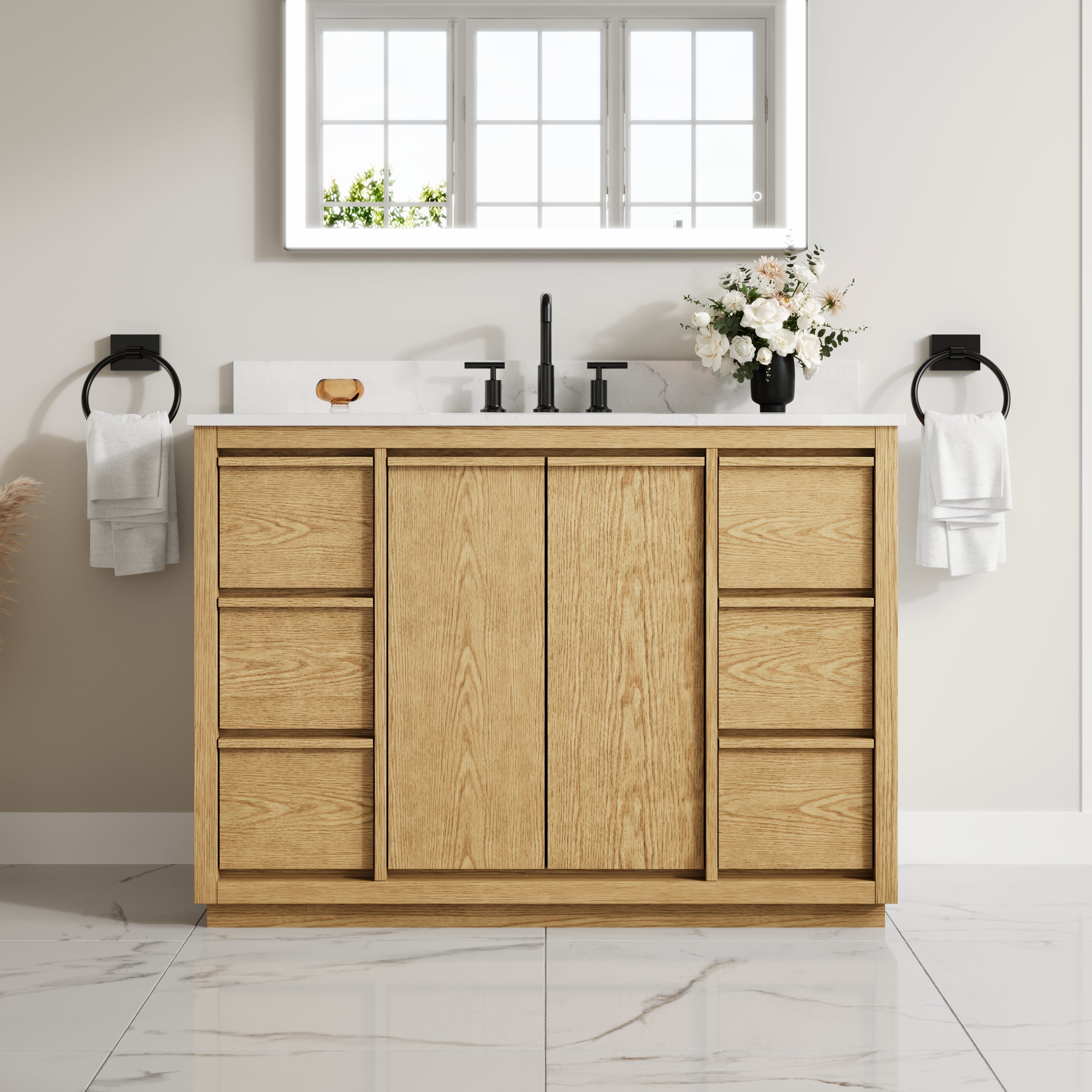
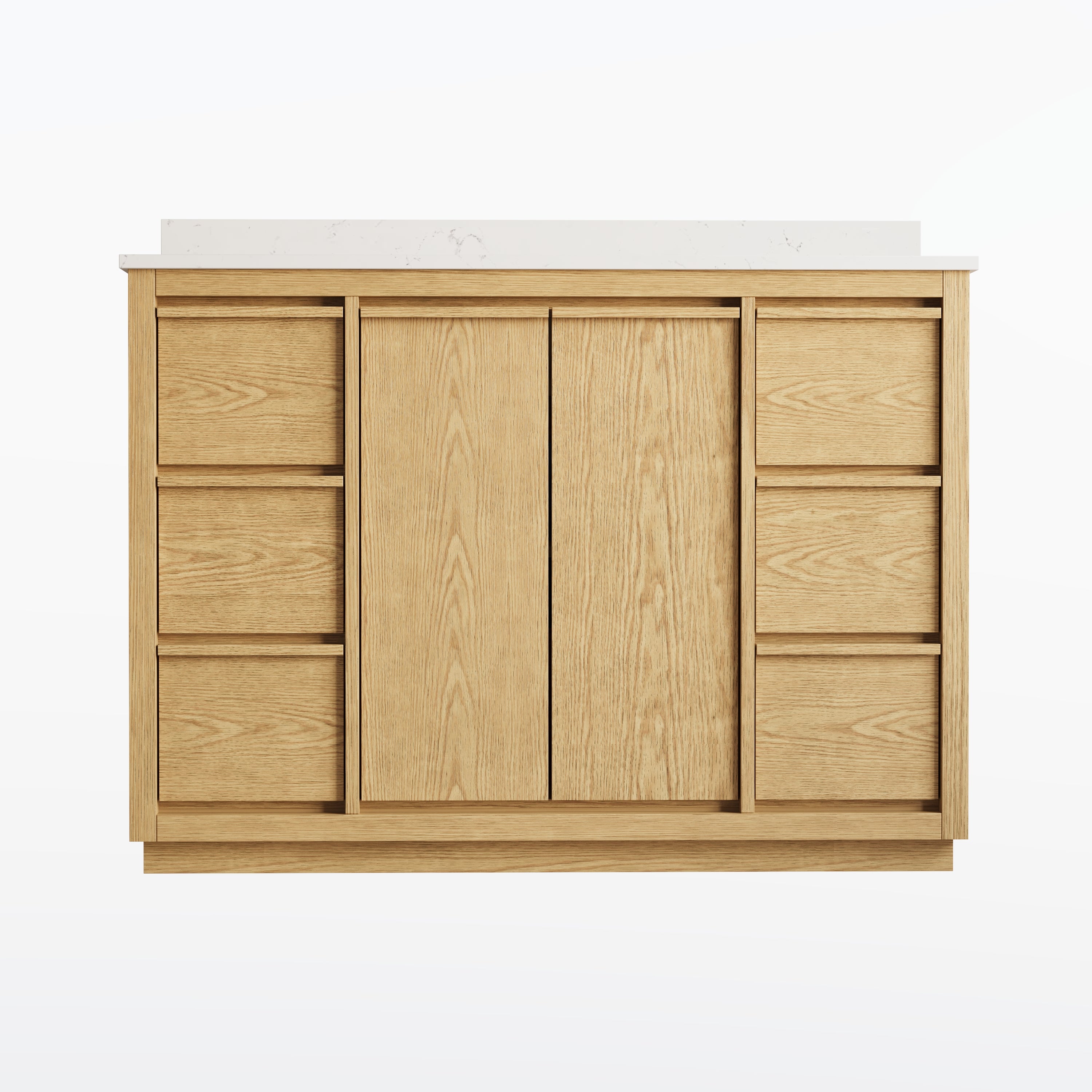
Some top drawers are decorative because the sink occupies the space behind them. Others use U-shaped cutouts around the plumbing, leaving less room than the front suggests.
Study interior photographs and dimensions. One deep functional drawer may be more useful than several shallow compartments.
4. Choose a Countertop for Your Real Cleaning Habits
Quartz is a practical option for a busy bathroom because it resists most stains and requires little routine maintenance. Cultured marble often offers good value and may include an integrated sink, reducing seams where grime can collect.
Ceramic tops are easy to clean, though they may provide less counter space around the basin. Natural marble offers character and variation, but it can stain or etch if exposed to certain cosmetics, acidic products, or harsh cleaners.
There is no universally superior surface. The best choice is one you are willing to maintain.
Sink size affects the package as well. An oversized basin may look impressive online, yet it can leave almost no room for soap, skincare, or a guest’s toiletry bag. For most 36-inch vanities, a moderately sized undermount sink creates the best balance between washing space and usable counter area.
5. Check Whether the Storage Supports Daily Use
A guest bath may need room for towels, toilet paper, and basic cleaning products. A family bathroom has a more demanding job. It may need to hold hair tools, skincare, medicine, backup toiletries, and children’s items.
Deep drawers keep small products visible and easier to reach. Cabinet space beneath the sink works better for taller bottles and bulk supplies. Adjustable shelves add flexibility, but they should not block access to shutoff valves or drain connections.
Do not buy based on cabinet width alone. Poor plumbing placement can consume much of the interior.
6. Know When This Size Is—and Is Not—Appropriate
A 36-inch vanity works best in medium-sized bathrooms used by one person at a time. It offers a comfortable single-sink station and enough visual presence to anchor a mirror and lighting.
It may be too deep for a narrow powder room. A shallow 30-inch model could preserve movement more effectively. It may also feel limited in a primary bathroom shared by two adults with overlapping morning routines.
Bigger is not always better, but neither is forcing a middle-sized vanity into the wrong room. Daily circulation should guide the decision.

7. Plan Plumbing and Installation Before Ordering
Record the drain and supply-line positions relative to the floor and side walls. Compare those measurements with the cabinet diagram. Pipes that conflict with drawers may require costly relocation or force the installer to remove useful storage.
The cabinet must be level so the doors remain aligned and the sink drains properly. Seal the faucet openings, sink rim, countertop, and backsplash joints. Test every plumbing connection before filling the drawers.
Floating models require secure wall support. Freestanding cabinets are usually easier to retrofit, though their bases should not sit where water regularly collects.
8. Protect the Vanity After Installation
Use a soft cloth and mild, non-abrasive cleaner. Wipe standing water around the faucet and sink, and run the exhaust fan after showers. Check beneath the sink several times a year for slow leaks.
When comparing Wellfor models, focus first on full dimensions, cabinet materials, usable storage, countertop care, and plumbing compatibility. Confirm every included component before ordering. A carefully selected 36 inch bathroom vanity with top should fit the room comfortably, support everyday routines, and reduce remodeling complications rather than create new ones.




















Leave a comment
This site is protected by hCaptcha and the hCaptcha Privacy Policy and Terms of Service apply.