
















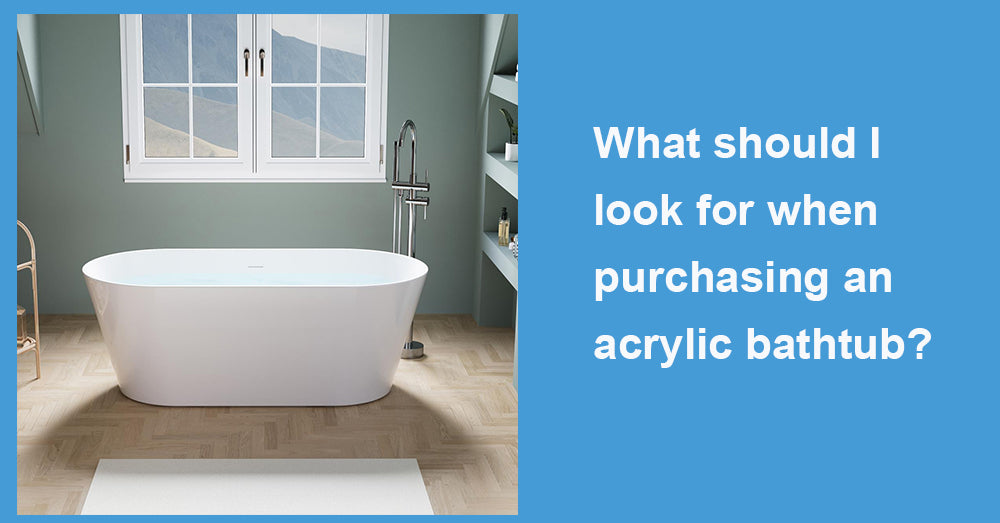
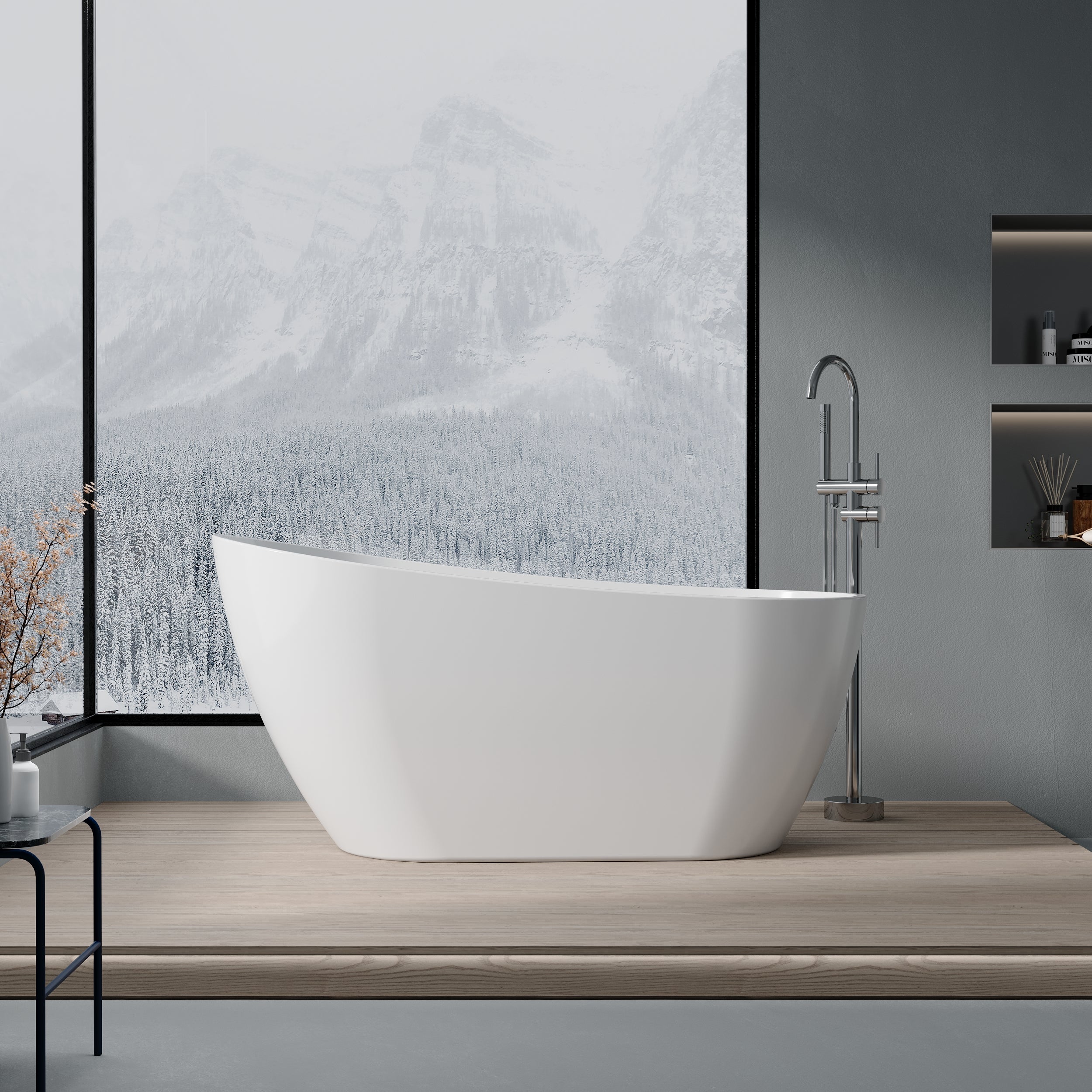
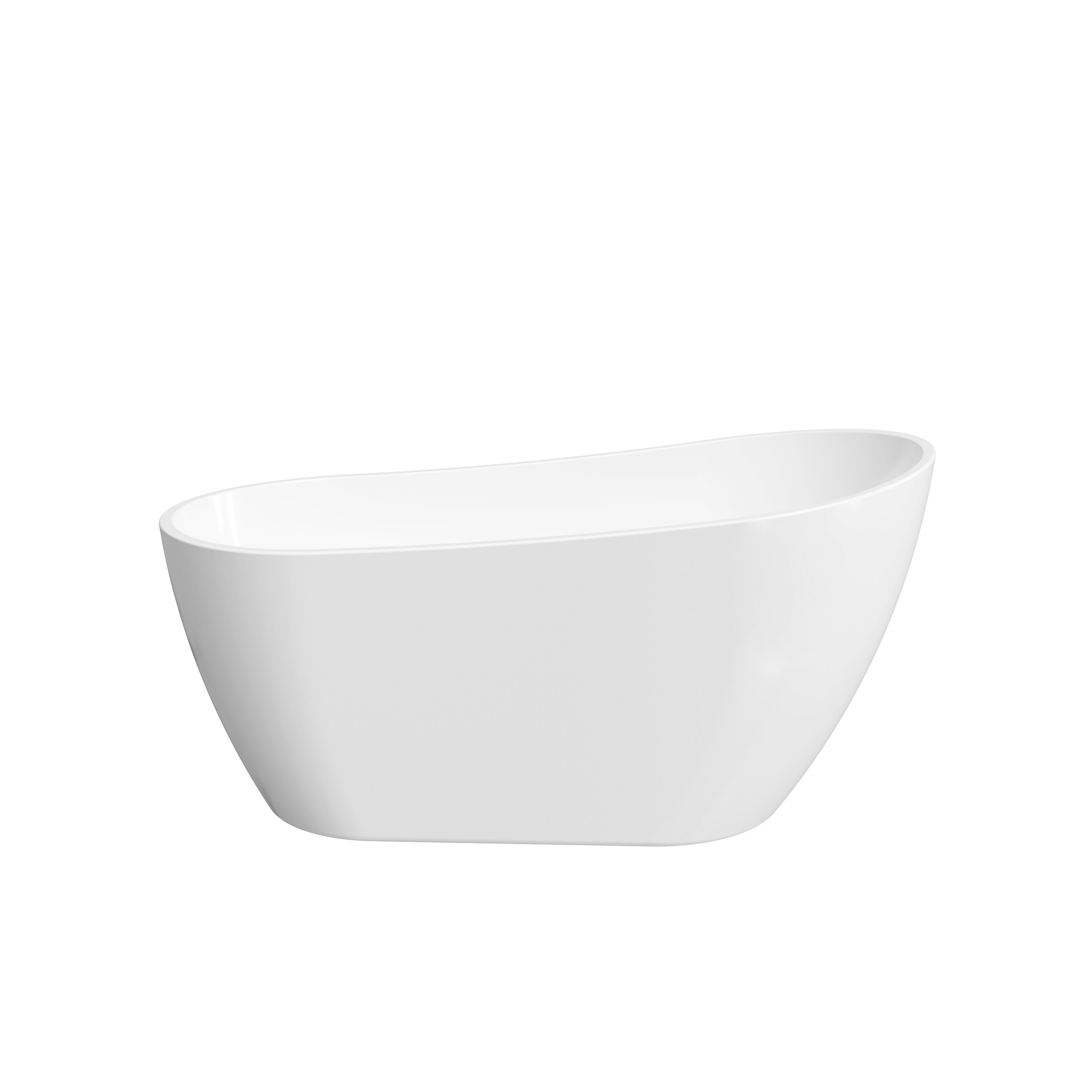
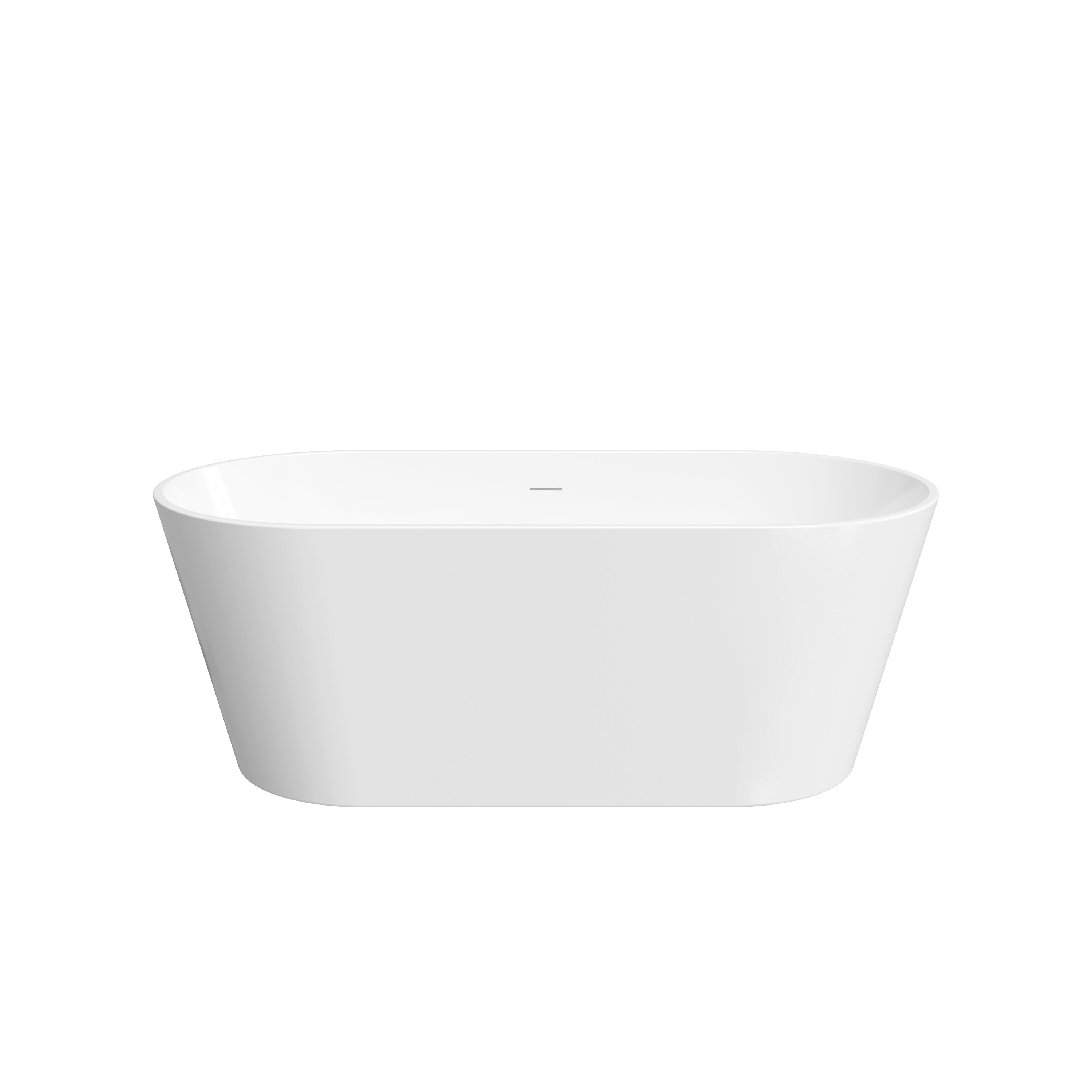
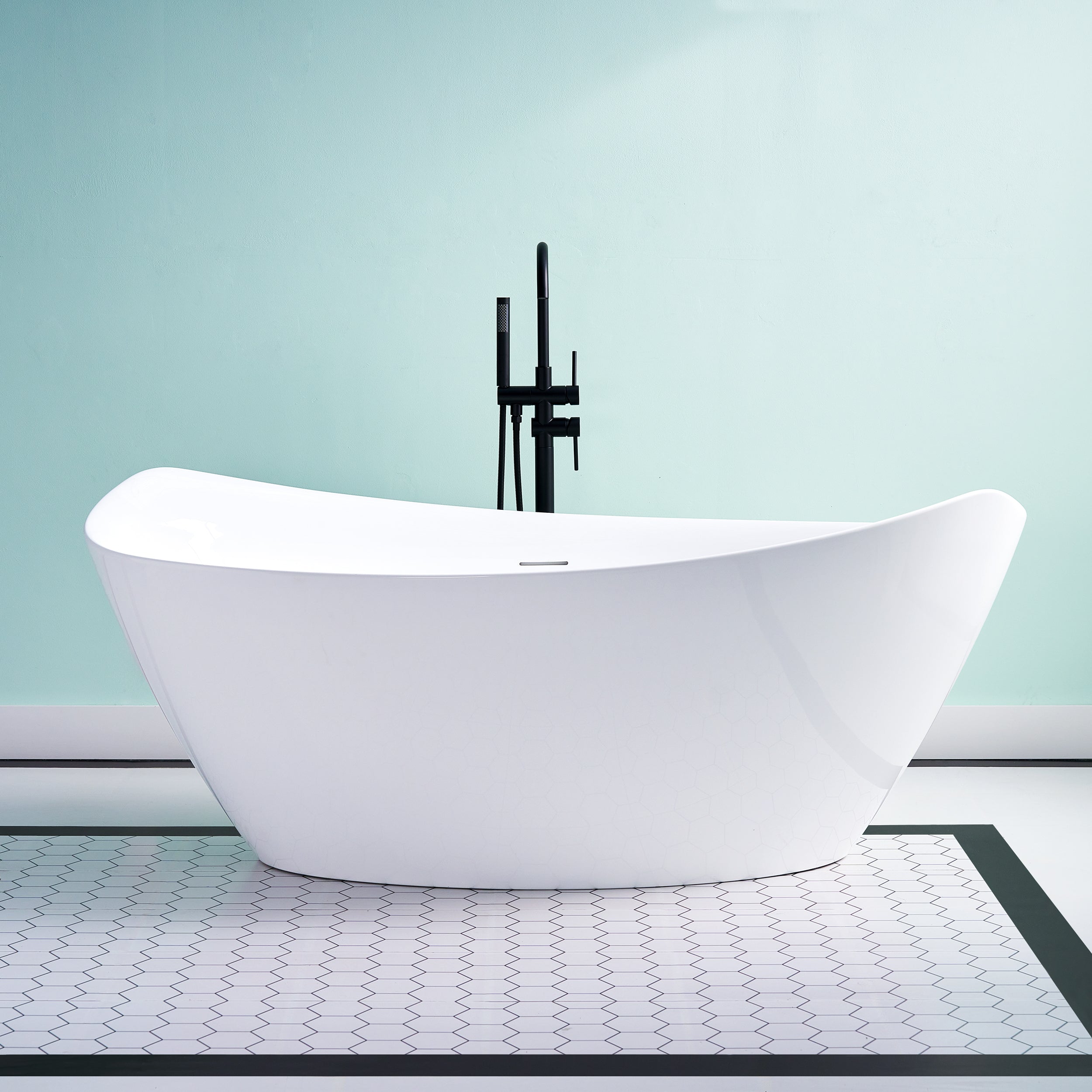
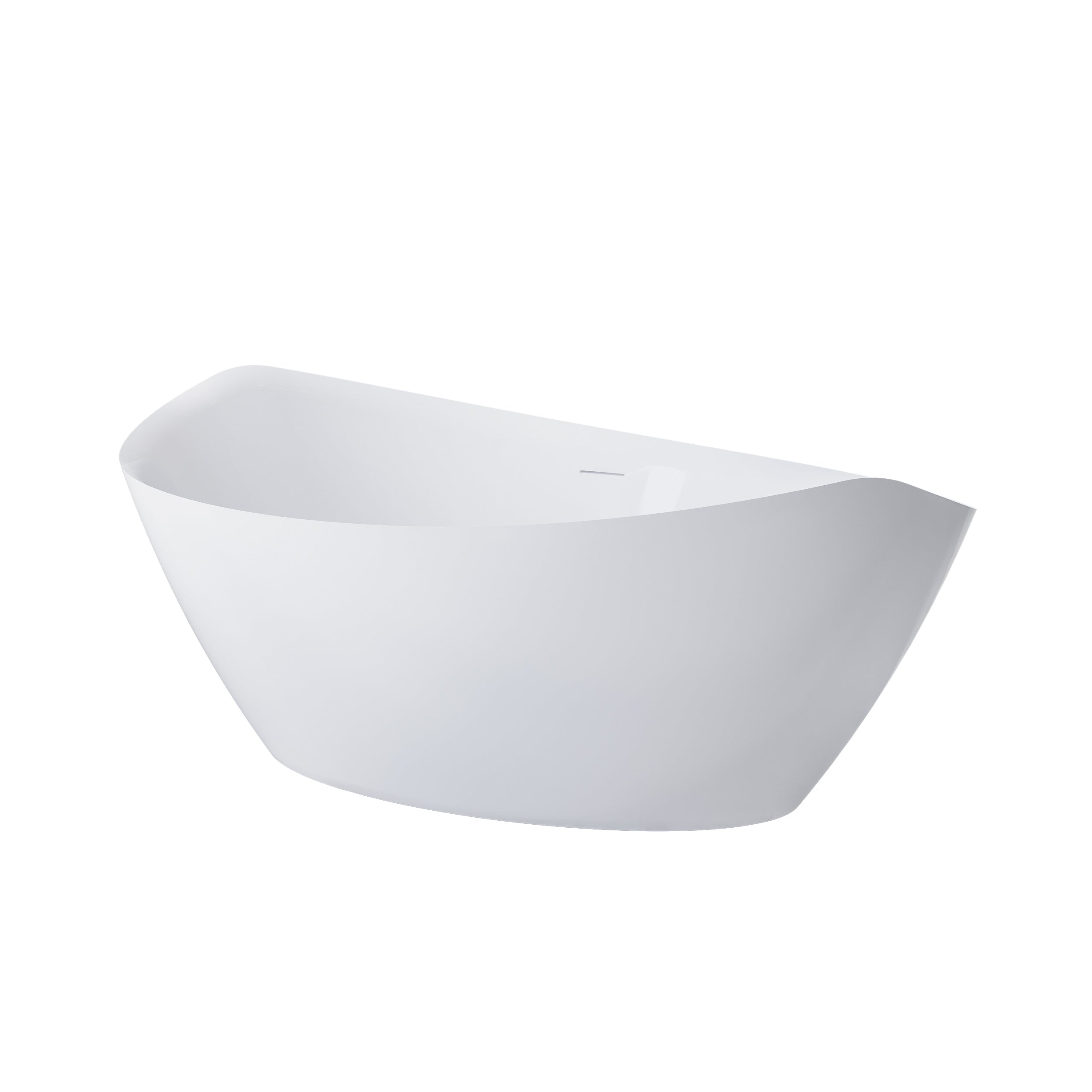
The Acrylic bathtub is continuously becoming one of the most popular choices in bathroom renovation and new construction projects. With its lightweight, high durability, elegant modern design, and skin-friendly texture, acrylic bathtubs have seen a continuous increase in market demand over the past five years. According to the latest data released by the American Kitchen and Bath Association (NKBA), acrylic material has accounted for over 73% of the freestanding bathtub market, becoming the absolute mainstream. As consumers increasingly value comfort and interior design aesthetics, choosing high-quality, easy-to-maintain, ergonomic acrylic bathtubs has become a key consideration in home decor.
This article will summarize the key points that consumers need to pay attention to when choosing acrylic bathtubs from key aspects such as material technology, structural stability, size selection, insulation performance, drainage system, brand, and after-sales service. Combined with current industry trends and market observations, it will provide consumers with a professional purchasing guide.

1. Material thickness and craftsmanship: key indicators for determining durability
High-quality acrylic bathtubs typically use a 100% PMMA (polymethyl methacrylate) surface layer, reinforced with multiple layers of fiberglass. In the market, the common thickness of acrylic sheets for bathtubs is 0.14"—0.24". The higher the thickness, the more resistant the bathtub is to scratches, deformation, and structural fatigue caused by long-term use.
In recent years, high-end brands have tended to use a "double-layer acrylic structure", adding a reinforcement layer on the outer layer to make the bathtub have better strength and insulation ability while maintaining lightweight. Consumers should pay attention to the following details when making a purchase:
Is the board uniform?
The more uniform the board, the better it can ensure visual texture and durability.
Does it have multi-layer fiberglass reinforcement?
The more reinforcement layers there are, the higher the structural stability.
Does the surface have anti-fouling and anti-yellowing treatment?
The resistance to yellowing of high-quality PMMA is particularly critical.
2. Structural stability: The base and supporting frame determine the service life
The most easily overlooked part for many consumers when choosing a bathtub is the bottom structure. The stability of a standalone acrylic bathtub depends heavily on its stainless steel support base and adjustable metal footrest. A well-structured bathtub typically has:
Galvanized or 304 stainless steel chassis: rust-proof, moisture-proof, and corrosion-resistant.
Adjustable support feet from 4 to 6 o'clock: Ensure that the bathtub remains stable on uneven surfaces.
Thickened bottom load-bearing layer: enhances the bathtub's durability, preventing sinking or deformation over time.
Industry data shows that one of the highest after-sales rates for bathtubs is for "unstable bottom" models, so it is essential to pay attention to this when purchasing.
3. Size and spatial layout: the most common pain points for home purchases
The best-selling freestanding acrylic bathtub size range is 55-67 inches (approximately 140-170 cm). The most common consumer concerns include:
Is there enough space to accommodate a bathtub?
Can the bathtub be smoothly moved into the bathroom?
Does the bathtub design conform to ergonomics?
Professional designers generally suggest that families should pay attention to the following before purchasing:
Measure the width of the bathroom entrance and the hallway to ensure you can move in on the day of installation.
Choose the most suitable bathtub depth based on height and preference, with a general height range of 15 to 17 inches.
Choose a back tilt angle that is more suitable for your sitting and lying posture, usually between 105 ° and 115 °, which is the most comfortable.
4. Thermal insulation: a key factor affecting the bathing experience
Compared to cast-iron bathtubs, acrylic bathtubs have slightly weaker insulation effects, so whether they have a thickened double-layer structure has become a focus of consumer attention. High-end brands in the market have widely adopted:
Double-layer acrylic insulation design
Fiberglass reinforced insulation layer
Deep groove design reduces heat loss
The better the insulation performance, the longer consumers can enjoy taking a bath while saving heating costs.
5. Drainage system and overflow outlet design: balancing safety and convenience
The residential renovation contractor stated that the choice of drainage system directly affects the user experience. Consumers should pay attention to:
Does the pre-installed drainage system include a pop-up drain?
Is the drain material made of brass or stainless steel? (More corrosion-resistant)
Does the overflow outlet comply with local building regulations?
Some brands also offer hidden overflow outlets, which align with the trend of modern minimalist bathroom design.
6. Surface gloss, antibacterial properties, and cleaning convenience
Consumers generally prefer acrylic surfaces with a High Gloss Finish because:
Easy to clean
More modern feel
Visually more transparent, enhancing the overall brightness of the bathroom
The latest industry trends also indicate that sales of high-end acrylic bathtubs with antimicrobial coatings will increase significantly from 2024 to 2025, reflecting consumers' greater concern for home hygiene and lower daily maintenance costs.
7. Brand reputation, certification, and after-sales service: consumers' ultimate considerations
The competition in the bathroom product market is fierce, and consumers are increasingly inclined to choose products that have:
good reputation
Clear warranty policy (such as a 5-year structural warranty)
UL/UPC and other related inspection standards (especially when it comes to drainage accessories)
Online consumer reviews have also become one of the most relied-on sources of information for buyers, especially on platforms such as Amazon, Home Depot, and Wayfair.
Conclusion: The future trend of acrylic bathtubs - lightweight, aesthetic, and comfortable
Overall, demand for acrylic bathtubs remains strong, and consumers should pay close attention to key factors such as material, structural stability, actual size, insulation capacity, and drainage system when purchasing. With the ongoing evolution of home aesthetics, the industry is welcoming more innovations, including ergonomic curve optimization, intelligent drainage systems, upgraded antibacterial materials, and lighter designs.
In the future, the trend in bathroom renovations will shift toward personalization and space optimization, and acrylic bathtubs, with their flexibility and design extensibility, will remain the biggest winner.














Leave a comment
This site is protected by hCaptcha and the hCaptcha Privacy Policy and Terms of Service apply.