


















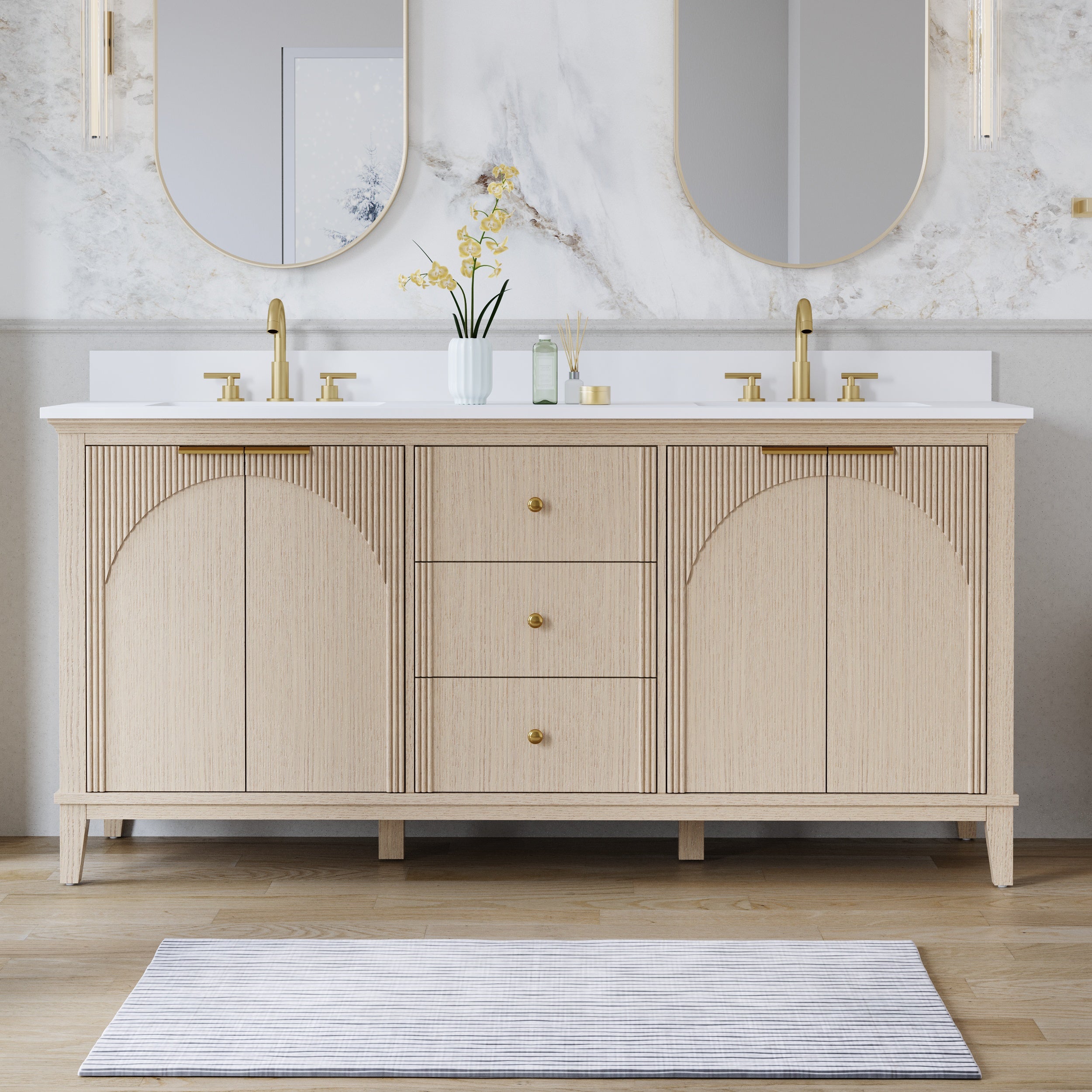
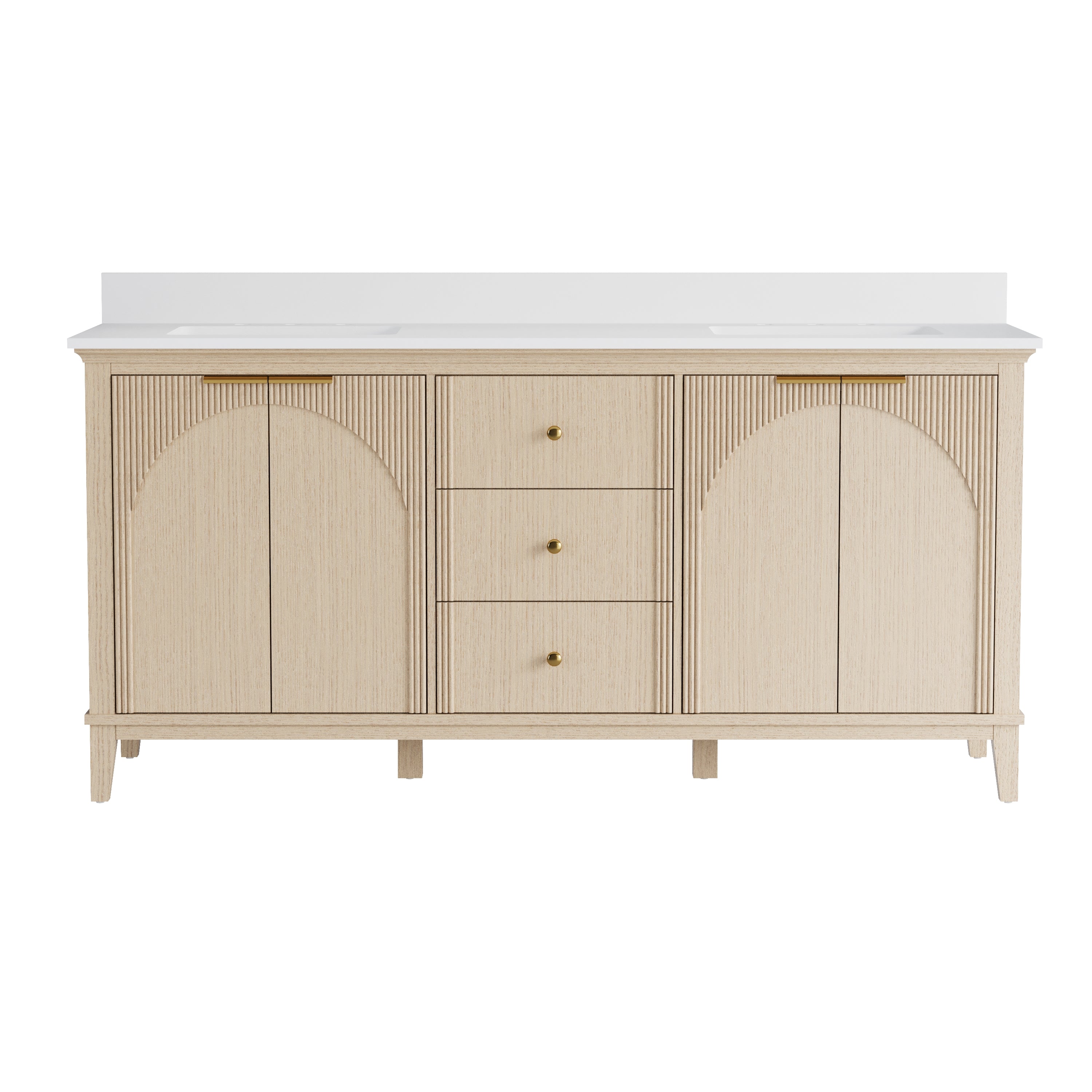


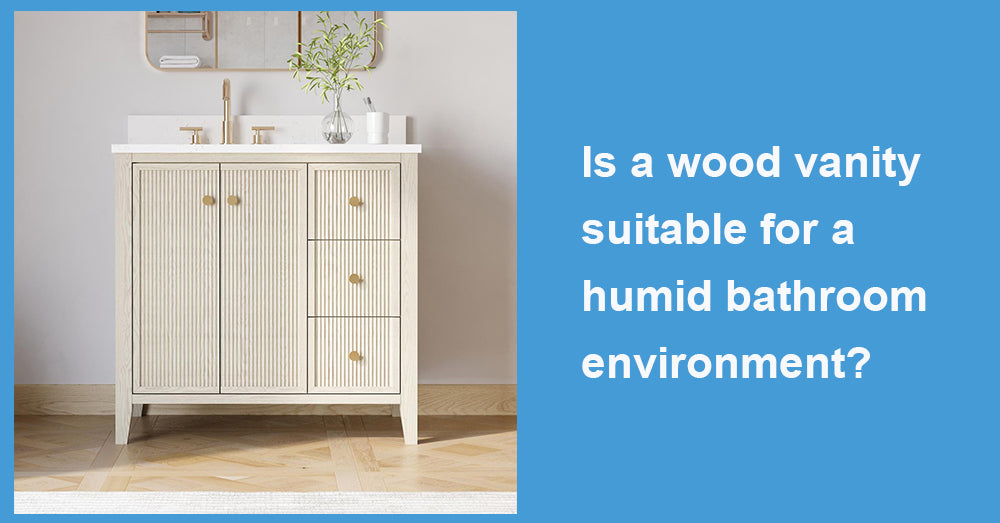
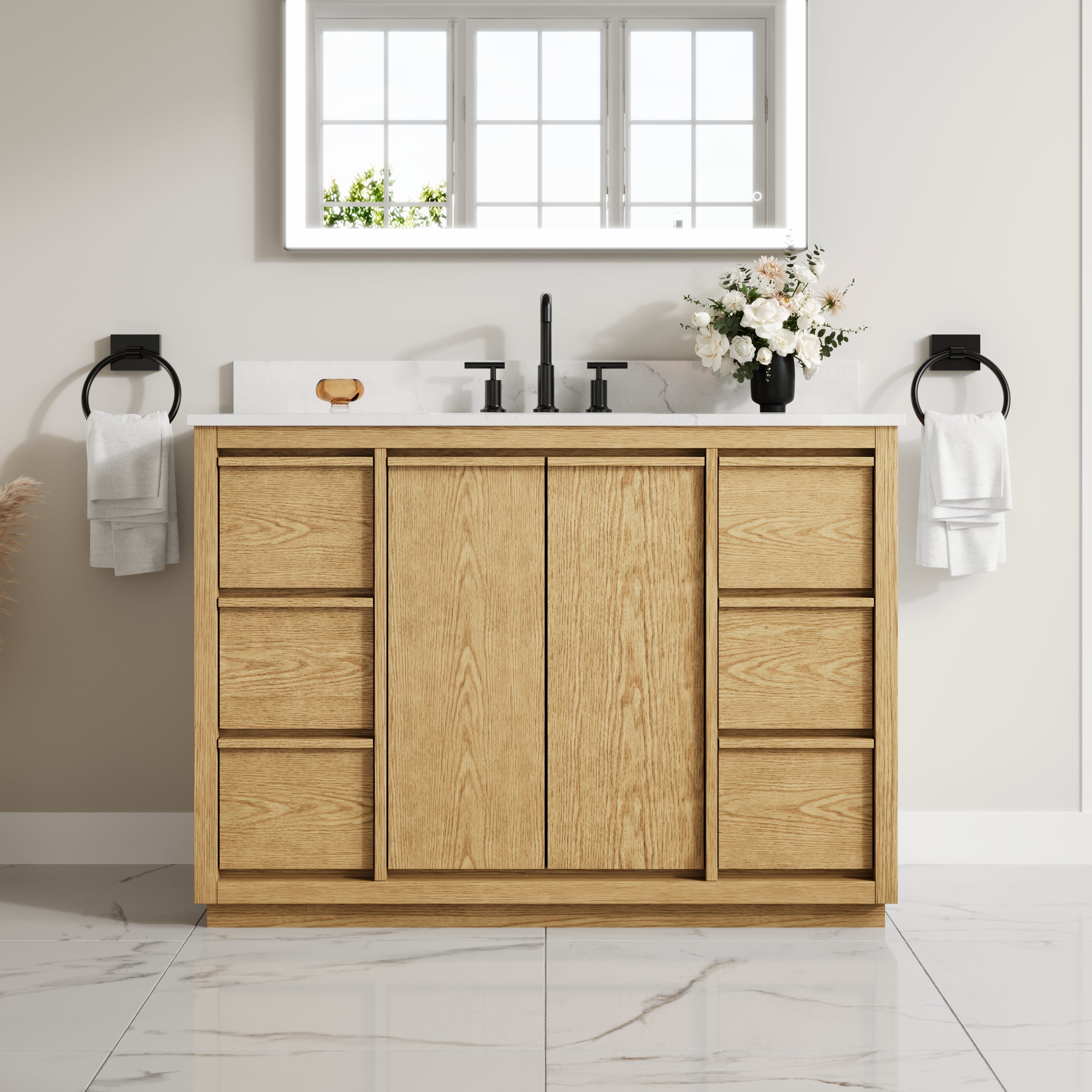
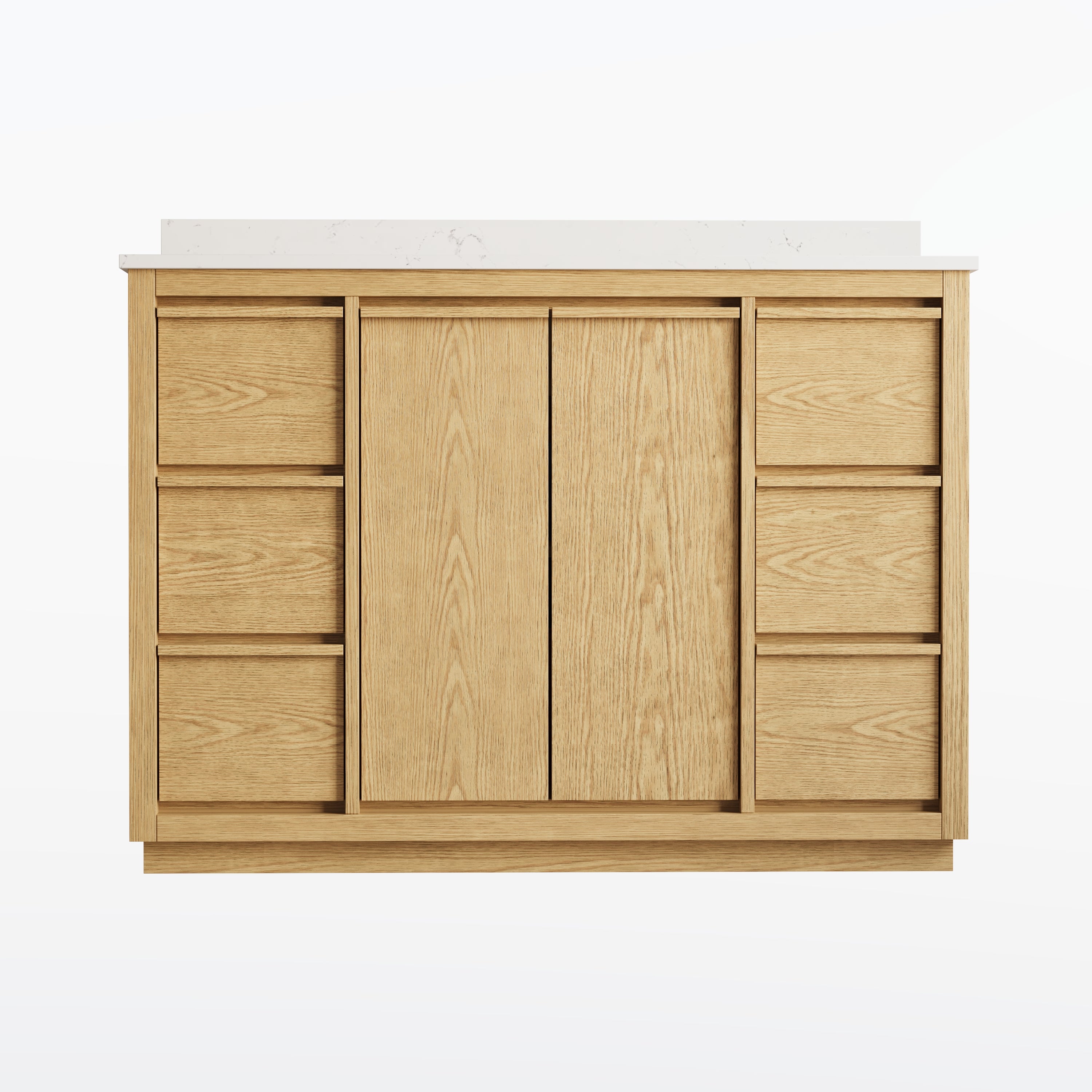
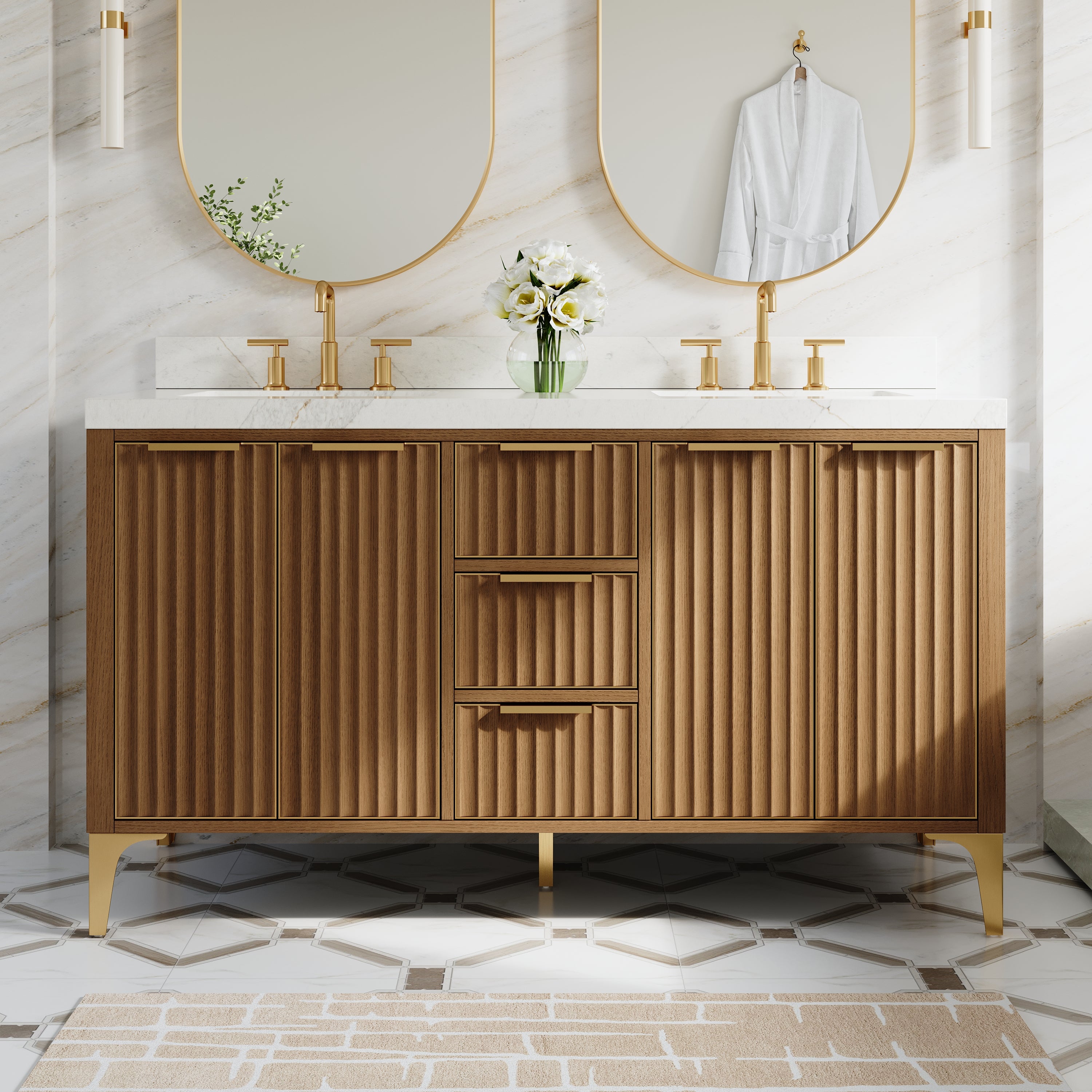
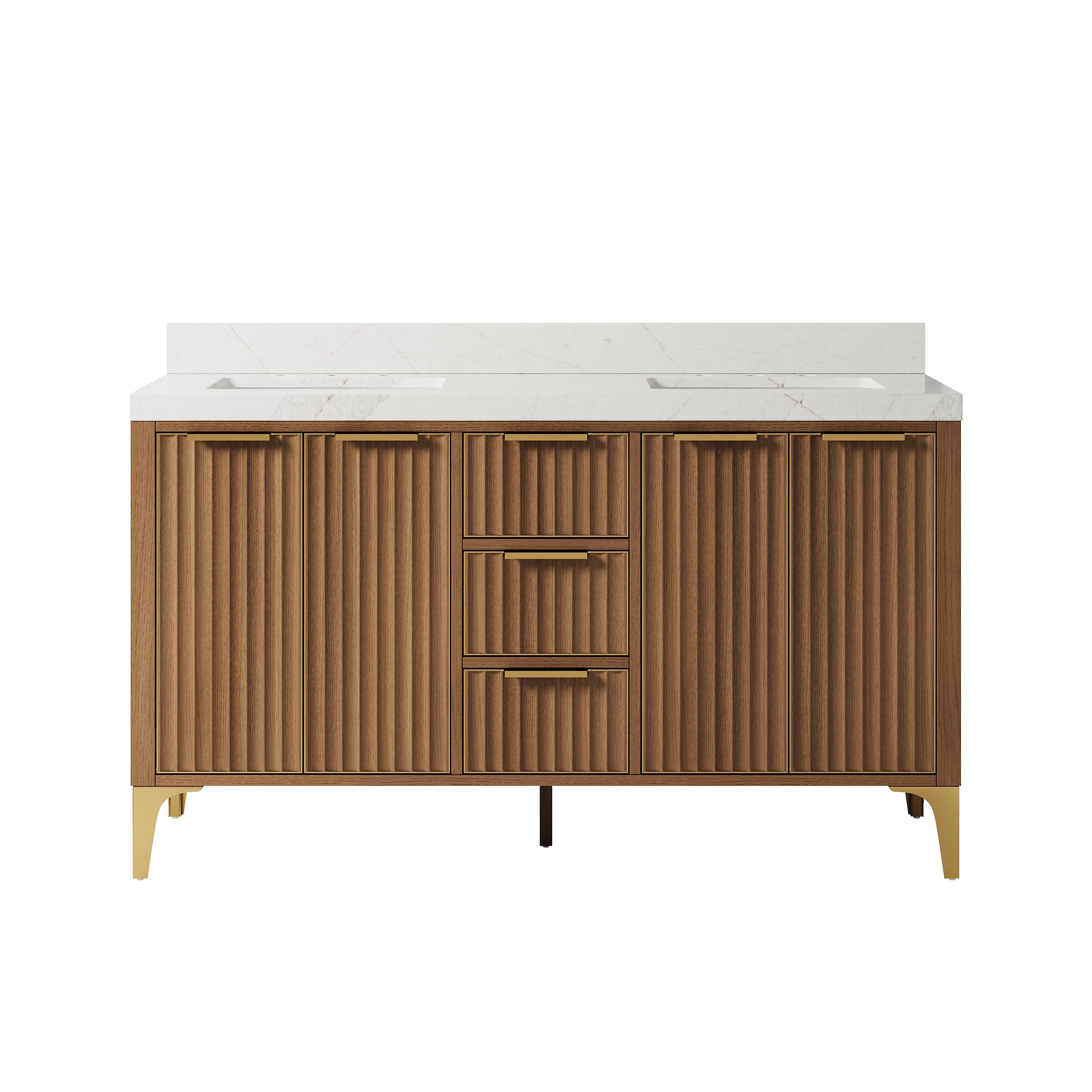
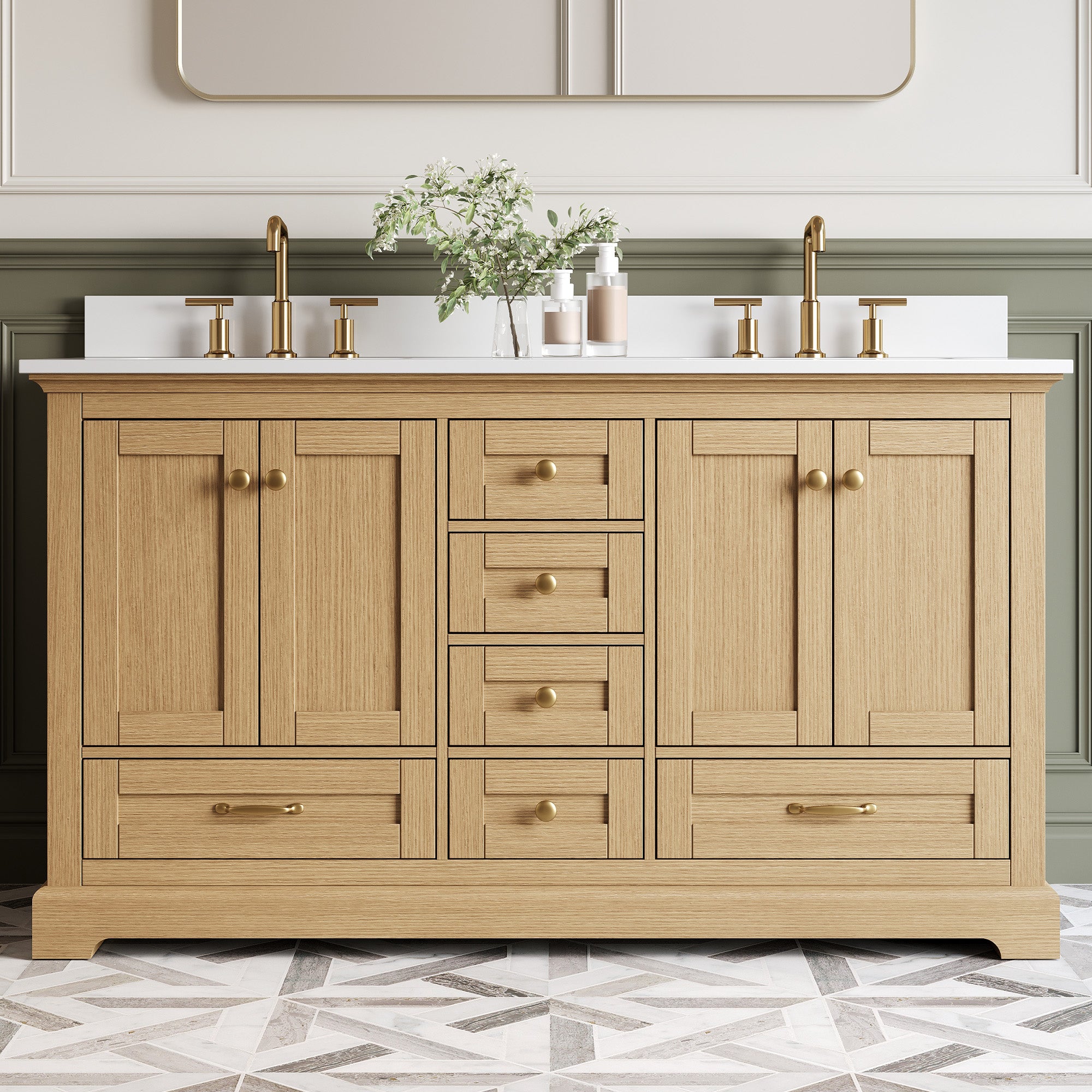
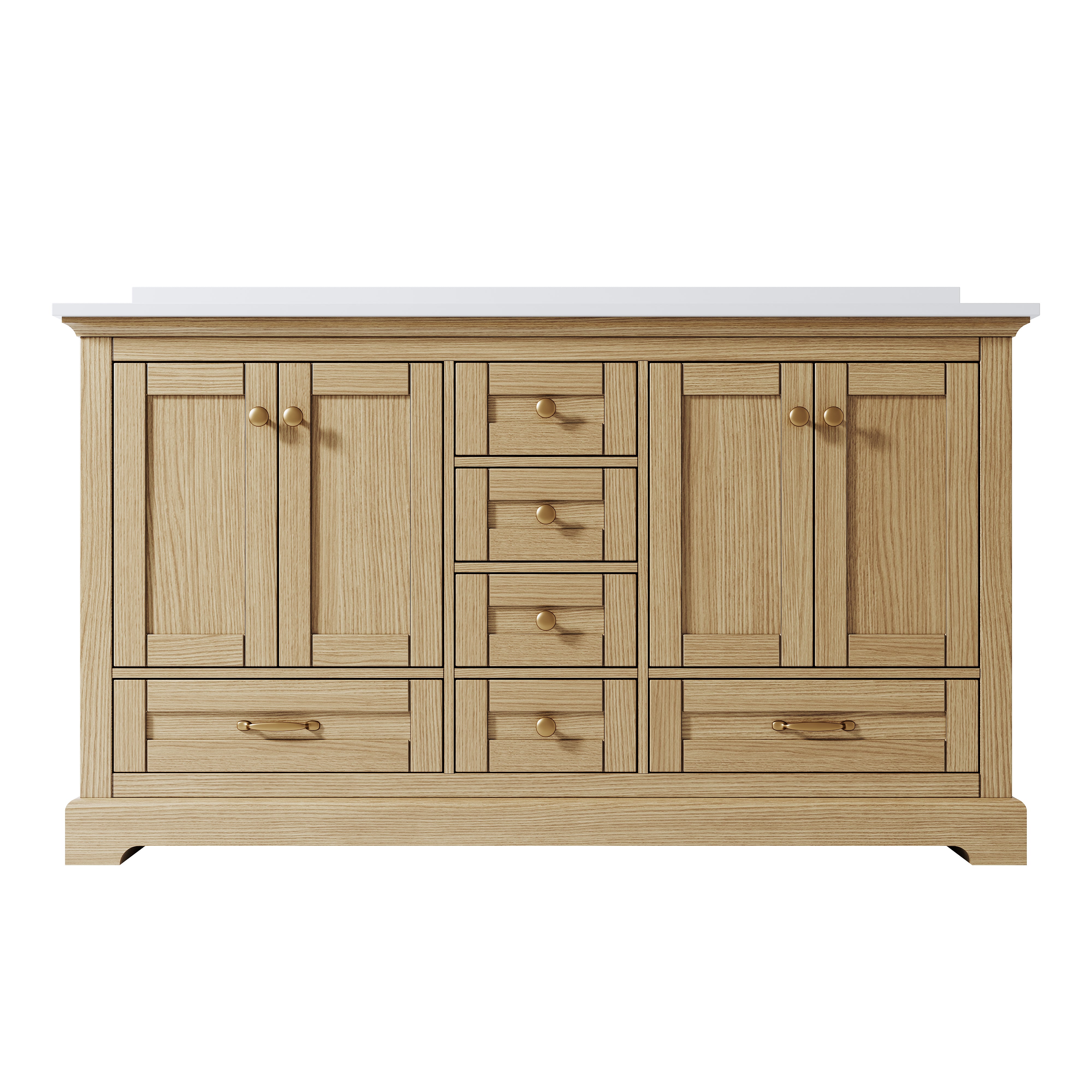
If you appreciate the warmth, texture, and natural, unpretentious feel of wood, a Wood vanity is an exceptionally charming choice. However, bathrooms are inherently high-humidity, high-moisture, and splash-prone environments—can wood withstand them? The answer is, "Yes, but with conditions." Here, I'll help you analyze whether a wooden bathroom cabinet is suitable and how to turn that "yes" into a "reliable" option.
1.Why Do Many People Choose Wood vanity?
l With firm natural texture and a warm visual appeal, the wood grain, variations in depth, and natural hues create a "natural texture" that plastic, metal, and stone find difficult to replicate. Using wood can transform a cold, utilitarian bathroom into a more "homely corner"—warm, cozy, and complete with life.
l Durable and repairable. Compared to inferior engineered wood panels (MDF, particleboard, etc.), which tend to swell and warp when exposed to moisture, solid or high-quality wood is more complicated and more durable. If the surface is damaged, it can be sanded, repainted, or sealed to restore texture and protection.
l Diverse in style and highly adaptable. Whether you prefer a modern, Nordic, rustic, or retro look, wooden sinks can easily complement various bathroom designs—flexibly transformed through staining, painting, accessories, handles, and countertop materials.
Therefore, for those seeking a "warm," "natural," and "individualistic" home decor, the wooden vanity often serves as the soul of bathroom renovation.
2. Challenges Faced by Wood vanity
Despite its many advantages, wood does have some "restless" traits in bathroom environments, which are worth considering carefully before purchasing or using:
l Wood is not naturally waterproof. It has pores and strong moisture absorption properties. Without proper moisture-proofing or waterproofing, prolonged exposure to damp conditions can lead to water absorption, swelling, deformation, cracking, and mold growth.
l Requires higher maintenance. To maintain moisture-proof and waterproof functions, regular inspections, prompt drying of water stains, and occasional reapplication of sealant/wood oil/waterproof coating are necessary. Neglecting maintenance may lead to gradual issues over time.
l The damage caused by moisture/temperature fluctuations to wood. Bathrooms have high water vapor, coupled with fluctuating temperatures/humidity. If ventilation and dehumidification are inadequate, frequent contraction and expansion of timber can accelerate structural damage.
l It is linked to the frequency and habits of bathroom use. If the bathroom is frequently splashed with water or has multiple users, including children, wooden cabinets will face more challenges. Conversely, if it is a guest restroom with low usage and proper drainage and ventilation, wooden cabinets are more likely to remain in good condition.
In short, Wooden sinks are more "delicate," but they are not "unusable."
3.What precautions should be taken when installing a wooden vanity in the bathroom?
To maximize the advantages of wooden bathroom cabinets and minimize issues caused by moisture, keep these key points in mind and implement them effectively:
l Choose the correct wood type/construction method: Prioritize hardwoods with superior moisture and water resistance, such as oak, teak, and cherry. These woods have dense structures and contain natural oils or inherent wood properties, making them more resistant to humidity.
l Proper surface treatment is essential: use high-quality waterproof coatings (sealants, varnishes, wood oils, etc.), and ensure that seams, edges, and junctions between countertops and sinks are waterproofed. It is best to verify that the seal is tight during installation.
l Maintain ventilation and moderate dehumidification: Bathrooms should have proper ventilation design (exhaust fans, windows, dehumidifiers, etc.). Excessive humidity or prolonged stuffiness are the enemies of wood.
l Prompt Cleaning and Maintenance: Wipe away water stains immediately after each use to prevent water from lingering on the countertop, edges, or seams. Conduct periodic inspections for cracks, swelling, or peeling paint, and perform maintenance or reapply waterproofing as needed.
l Determine suitability based on usage habits: If your bathroom is frequently damp, has high humidity, is used often, or has children/multiple users sharing it, then carefully weigh the maintenance costs and risks of wooden cabinets. For master baths, guest powder rooms, or spaces that prioritize ventilation and upkeep, wooden cabinets can be a durable and elegant choice.

4.From data/practical experience, is a wooden bathroom cabinet reliable?
l Some decoration manufacturers/brands explicitly state that "using solid wood+good sealing paint+regular maintenance", Wood vanity can be used in bathroom environments for 15-20 years. If properly maintained, this lifespan is similar to that of many stone/artificial materials.
l Industry analysis also believes that the key is not whether wood can be used, but whether you can manage moisture/water/usage habits well. As long as these are done well, the natural texture and the advantages of wood's texture can be preserved for a long time.
l On the contrary, if maintenance is neglected, water is not sealed, and bathroom ventilation is poor, problems such as deformation, cracking, paint peeling, and mold may occur within a few years. Many failure cases are not due to wood being "inherently unsuitable", but rather "improperly used".
Conclusion: Wooden washbasin - if conditions permit, it is an elegant solution worth considering
Generally speaking, the wooden washstand is "OK" in the bathroom - but only if you are willing to put in a bit of effort. If you enjoy the natural warmth that wood brings, while also being able to:
l Choose the right wood and apply waterproof coating treatment,
l Ensure bathroom ventilation/dehumidification,
l Regularly dry water stains, conduct regular inspections and maintenance,
So Wood vanity not only add visual and aesthetic appeal to the bathroom, but can also be used for a long time and even become a part of classic design.
Suppose you are more focused on "worry-free/low maintenance/moisture resistance". In that case, you can also consider other materials such as moisture-proof boards, composite boards, stainless steel, stone, PVC, etc. - but you will lose the charm of wood's "warmth", "naturalness", and "sense of time accumulation".
In summary, Wood vanity are not a "bathroom forbidden zone", but an elegant option that requires environmental and usage habits.






























Leave a comment
This site is protected by hCaptcha and the hCaptcha Privacy Policy and Terms of Service apply.