

















Against the backdrop of constantly evolving bathroom storage trends, the configuration of medicine cabinets is changing. From the most traditional mirrorless storage cabinets to the now popular medicine cabinet with mirror, there are significant differences in functionality, design, space utilization, and user experience between the two. With the accelerated refinement of bathroom spaces, choosing the right medicine cabinet has gradually become a critical decision in home decoration.
This article will analyze the core differences between medication cabinets with and without mirrors from the perspectives of structural function, storage experience, visual effects, installation requirements, and market trends, and explain them with industry data.
1. The core functional positioning of the two is different
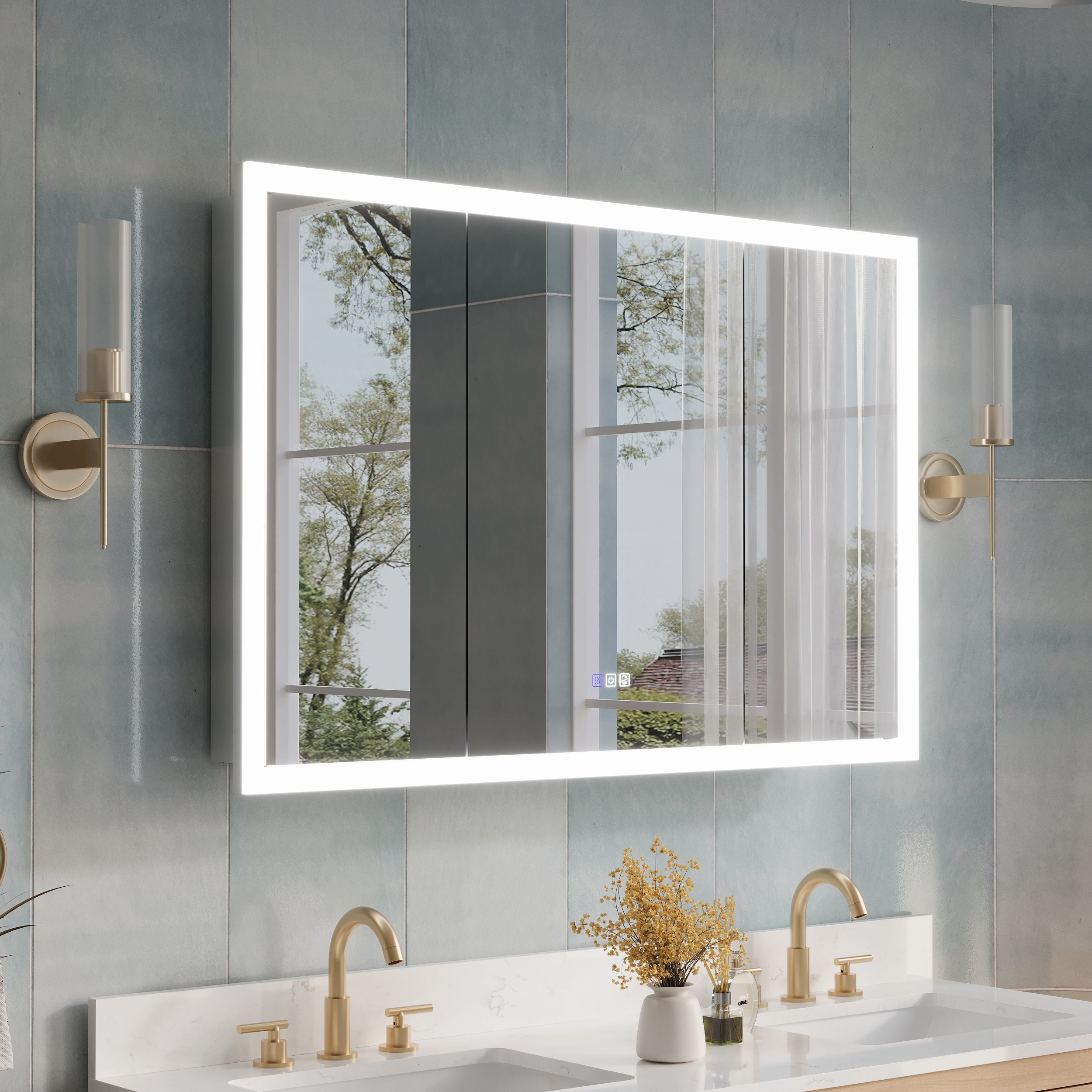
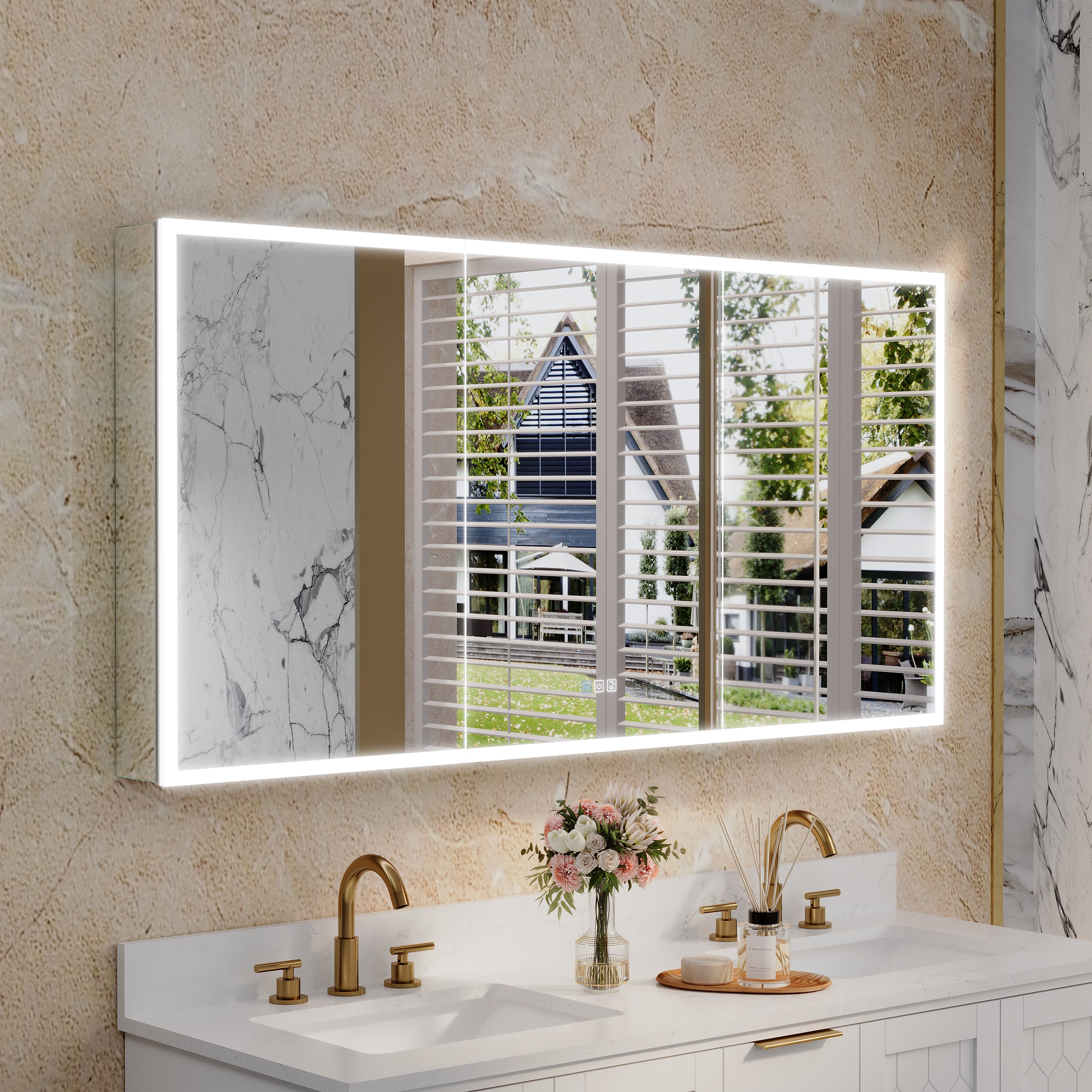
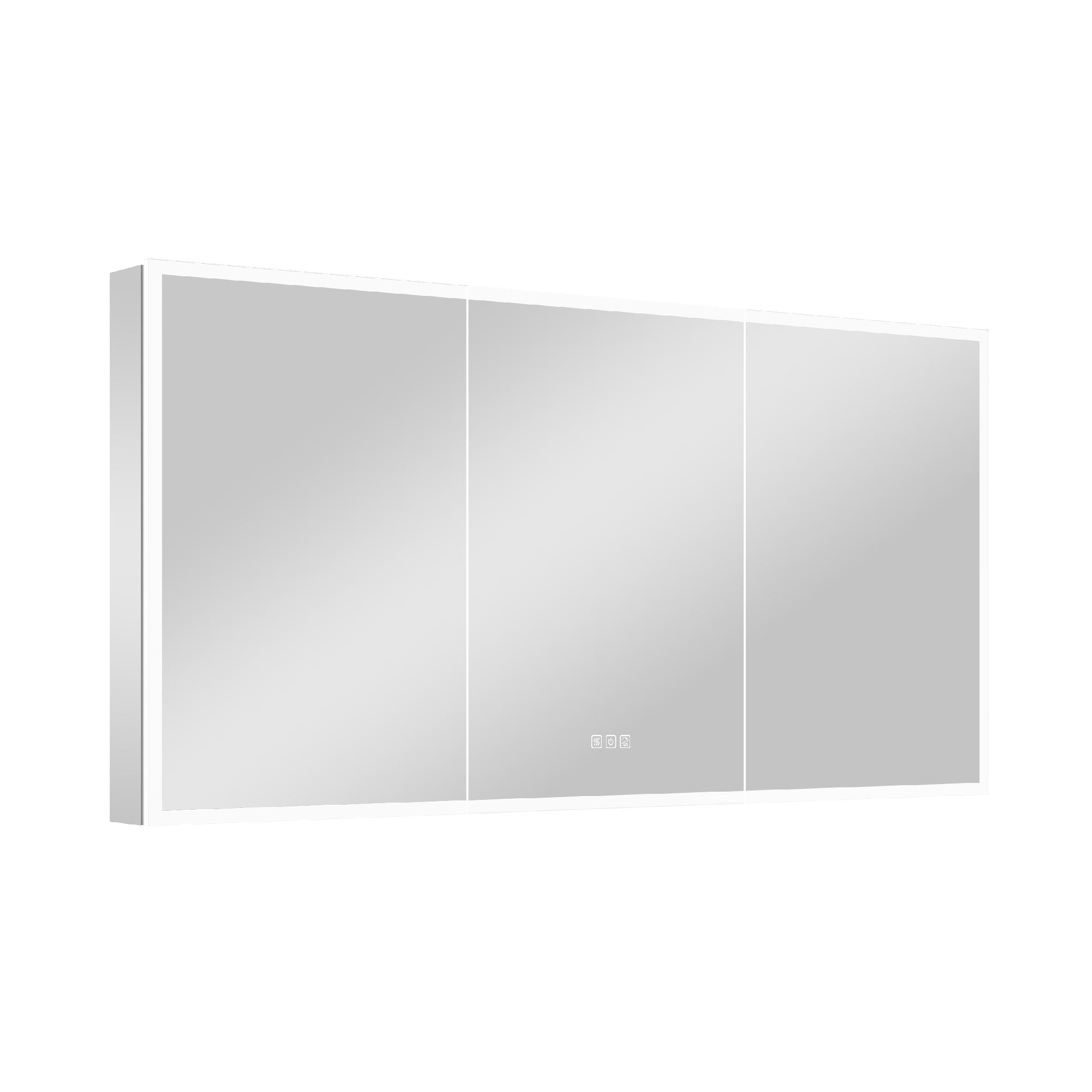
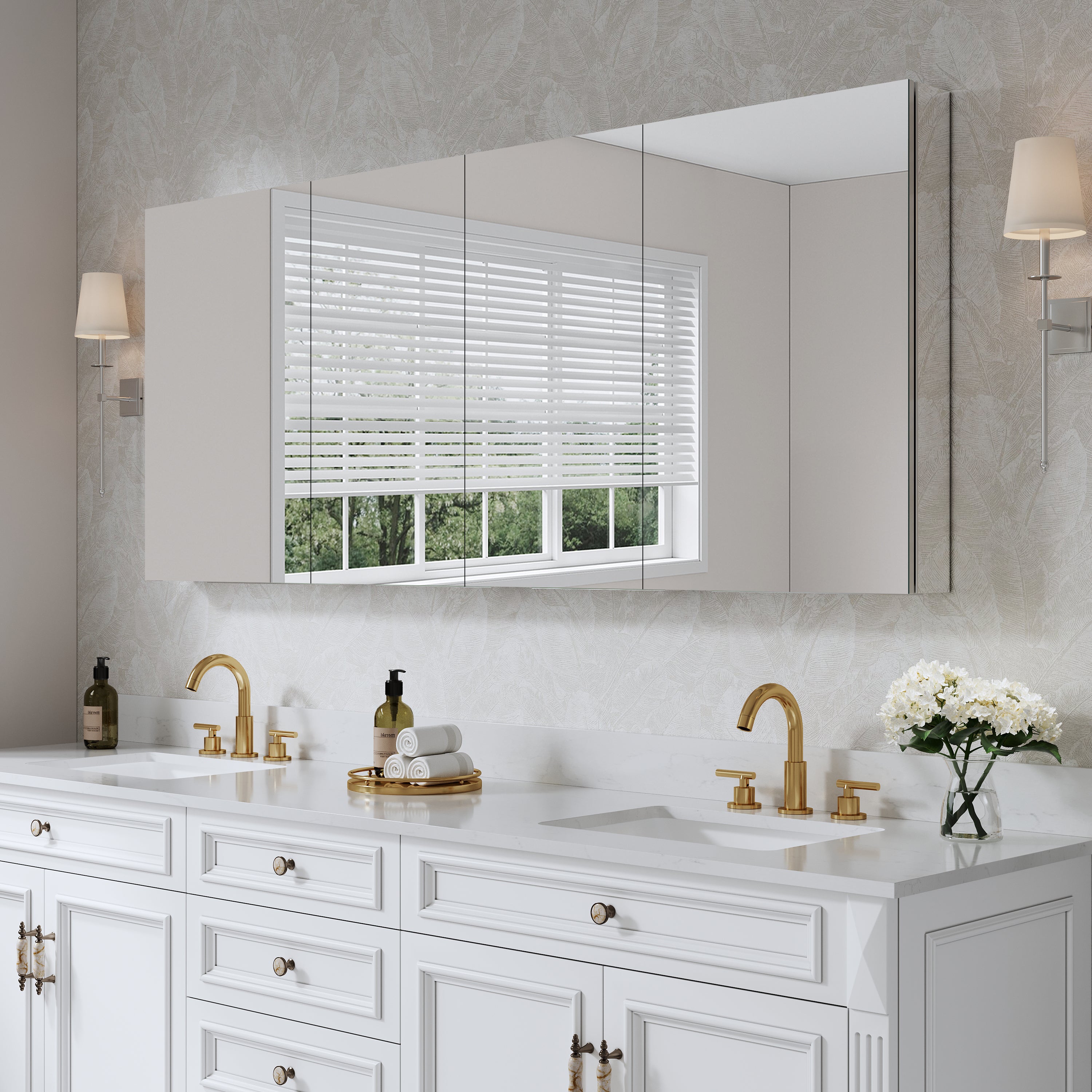
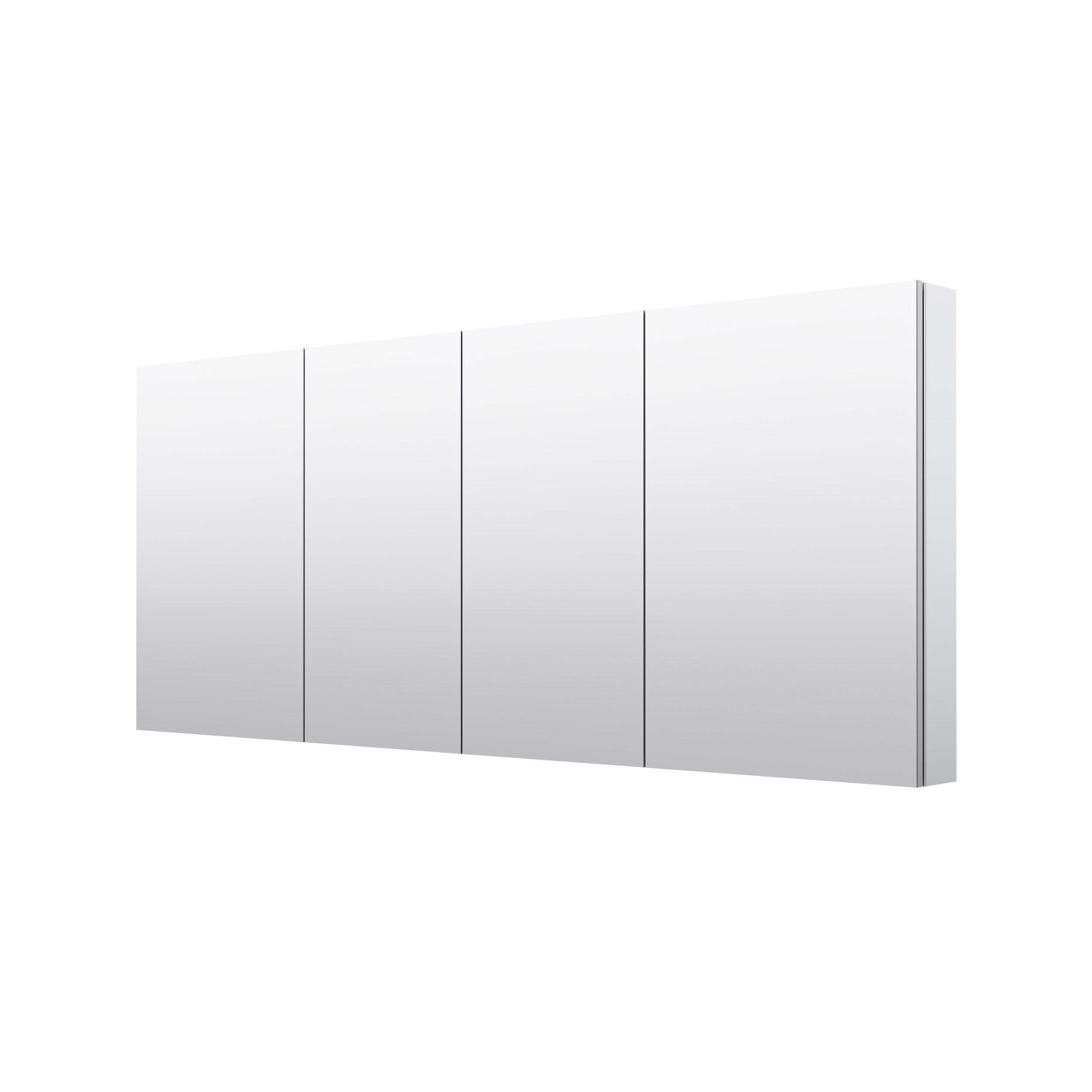
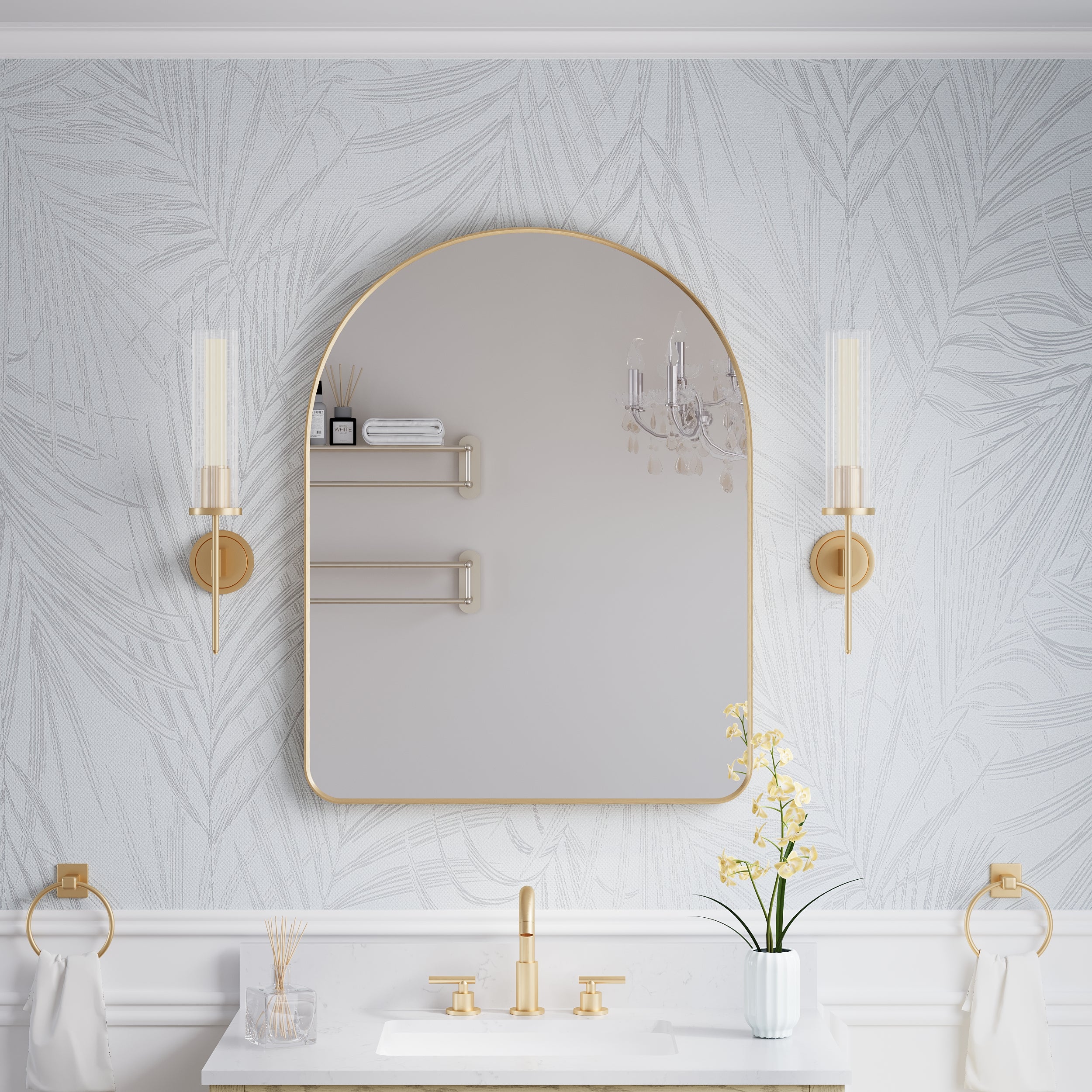
1.1 Medicine Cabinet with Mirror: A multifunctional product
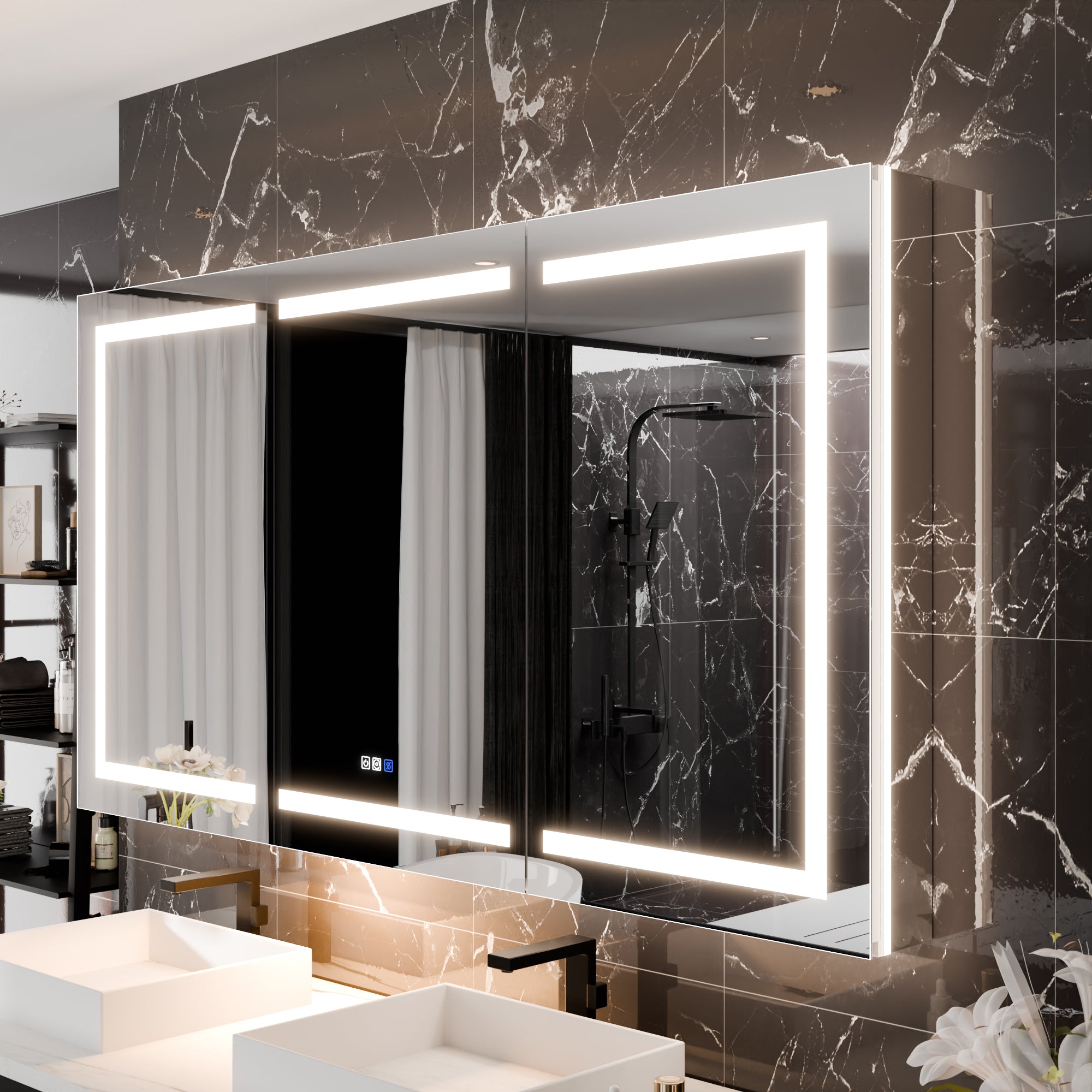
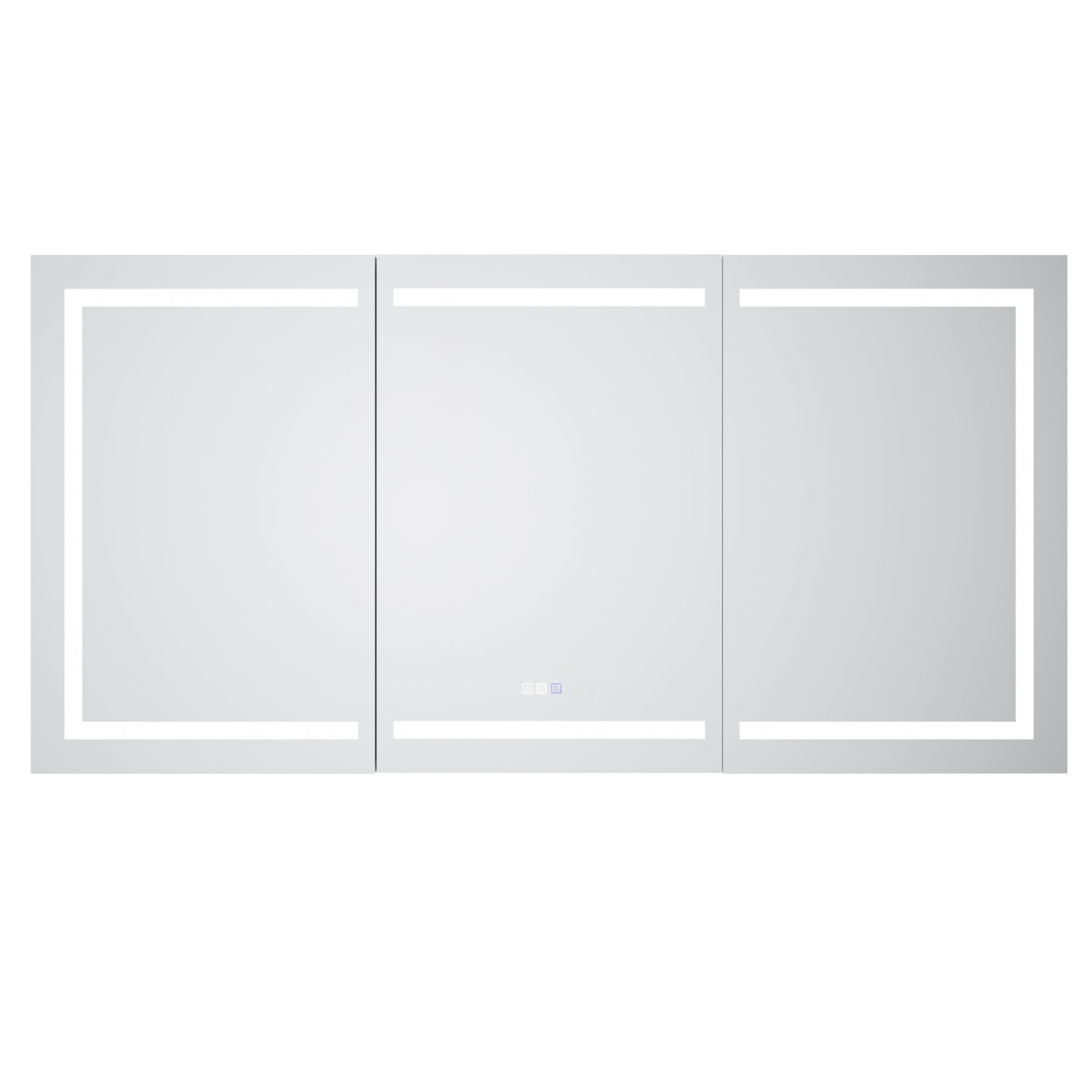
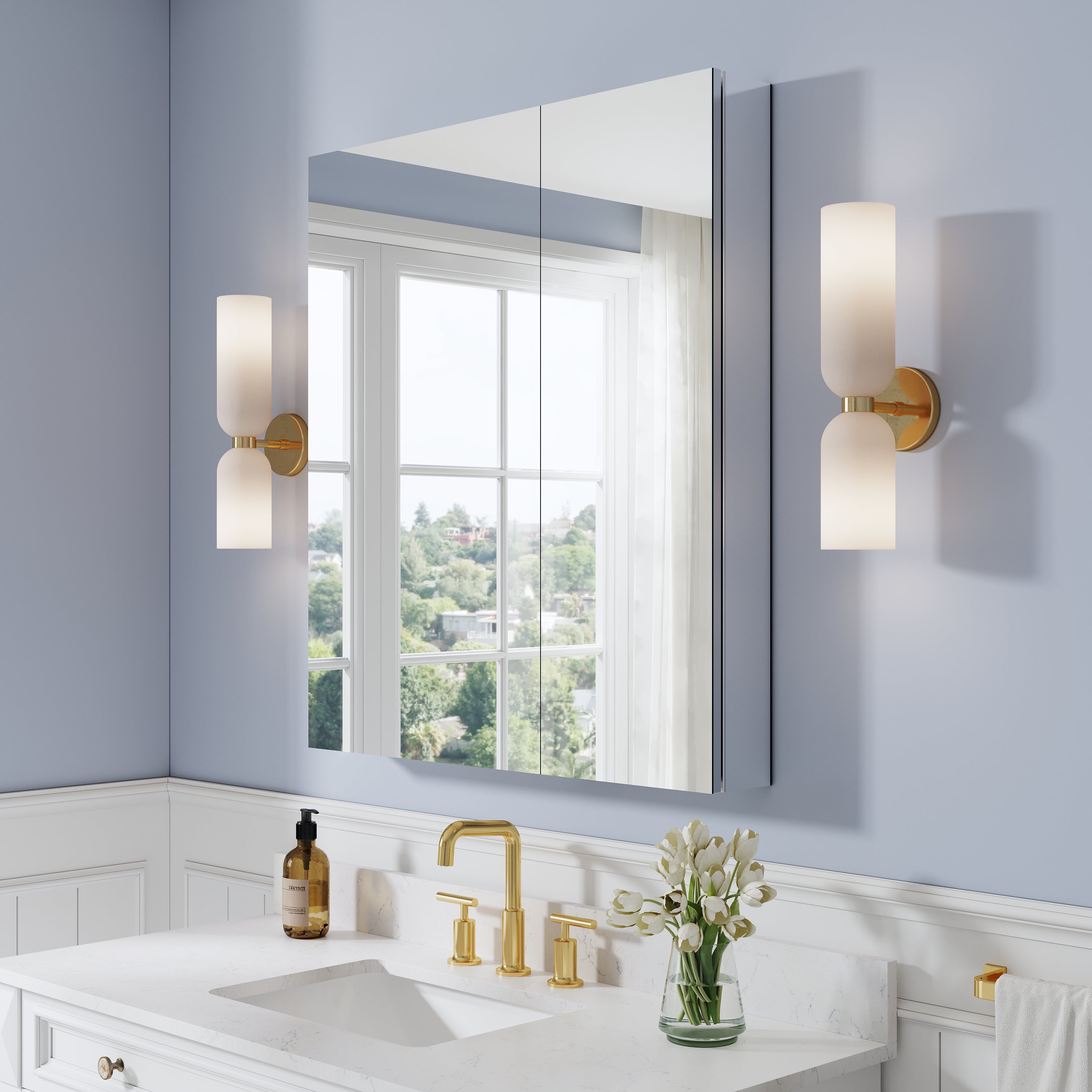
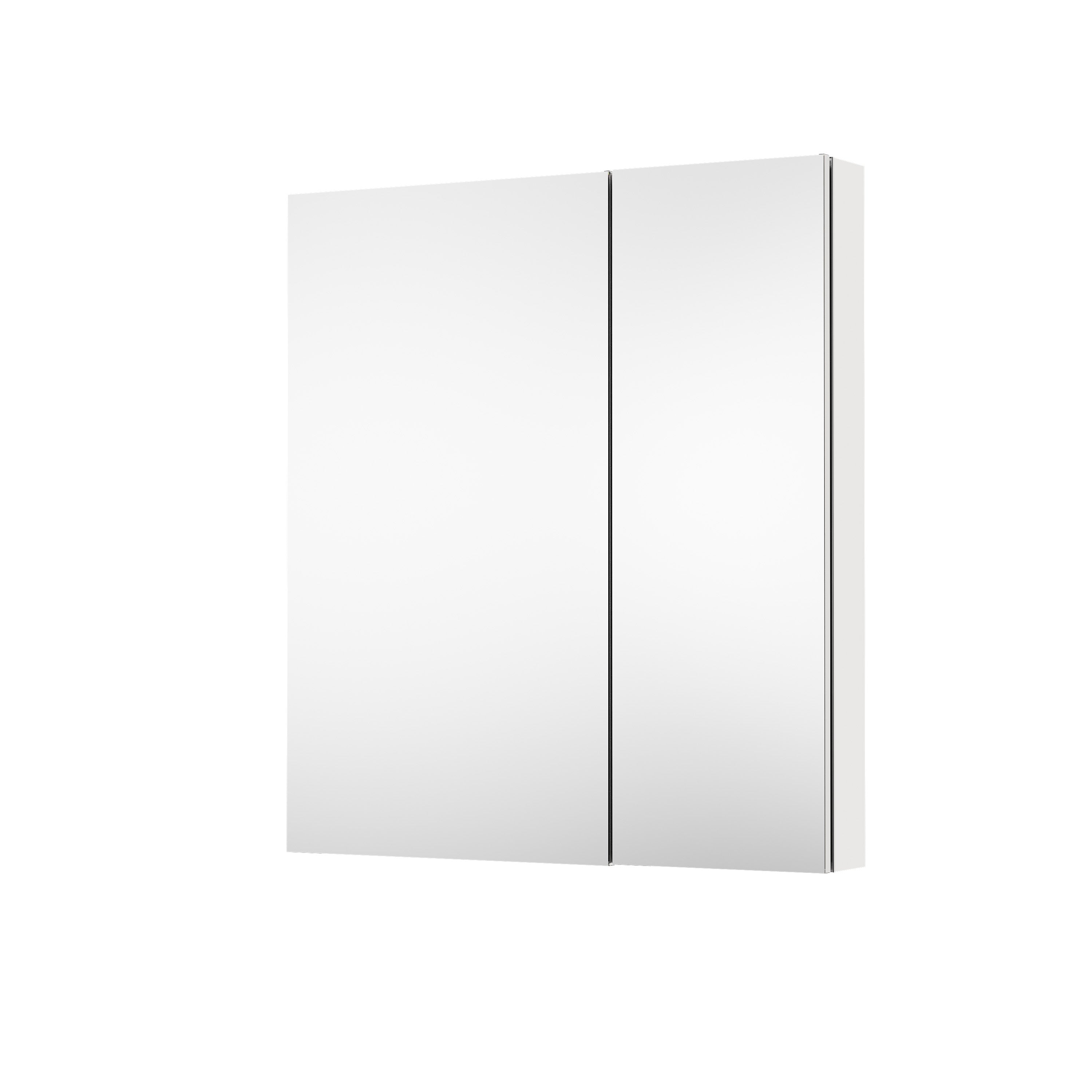
The medicine cabinet with mirrors combines storage and mirrors, making it a typical "multifunctional integrated" product. In addition to basic storage, it also undertakes:
Mirror for washing up
Fine care, such as makeup and shaving
Increase bathroom brightness
Expand visual space
According to a survey of 400 home bathrooms conducted by BathWarehousInsights.com, over 72% of bathrooms consider mirrors essential, with storage cabinet functionality ranking second (source: BathWarehousInsights.com). Therefore, a design that integrates the two is more efficient in practical use.
1.2 Medicine cabinet without a mirror: traditional storage is the primary method
A medicine cabinet without a mirror is essentially a wall-mounted storage cabinet, and its advantages are mainly focused on:
Pure storage space is more flexible
More configurable drawer shelves
Can be used in various rooms (such as laundry rooms, storage rooms)
Not limited by the mirror size ratio
It is more inclined towards functional "item storage" and is mainly used in the bathroom to store towels, medicines, and daily necessities.
2. The difference in spatial utilization between the two is significant
2.1 A medicine cabinet with a mirror is more suitable for small bathrooms
Due to the magnifying effect of mirrors on visual space, medical cabinets with mirrors are particularly popular in small bathrooms.
A spatial analysis of data from InteriorSpaceLab. Org shows that installing a large area mirror in a bathroom can increase the visual experience by about 30% in terms of spatial extension (source: InteriorSpaceLab.org). As a "mirror+storage" two-in-one design, the medicine cabinet with a mirror occupies the same wall space while improving space utilization efficiency.
Especially in bathroom areas with a wall width of 24-36 inches, medication cabinets with mirrors are often given priority.
2.2 Non-mirror medicine cabinets are suitable for households with larger storage capacity requirements
The depth of the cabinet without mirrors is usually greater. For example:
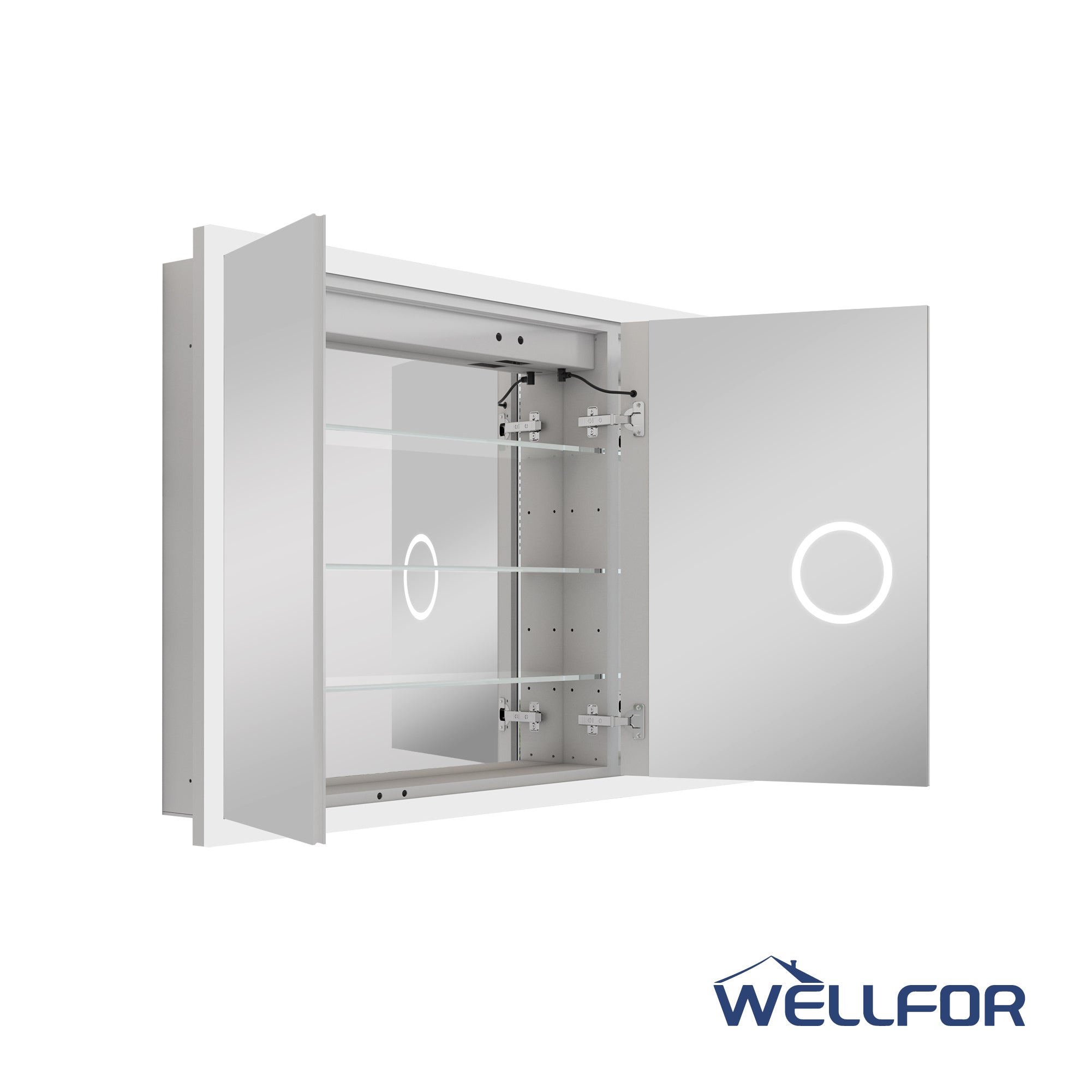
The typical depth of a medication cabinet with a mirror is 4-6 inches
The mirrorless medicine cabinet can achieve 8-12 inches
For households that require a large storage area, such as towel stacking and a lot of bottled supplies, the capacity advantage of deep cabinets is more obvious.
3. Different visual effects affect the overall style of the bathroom
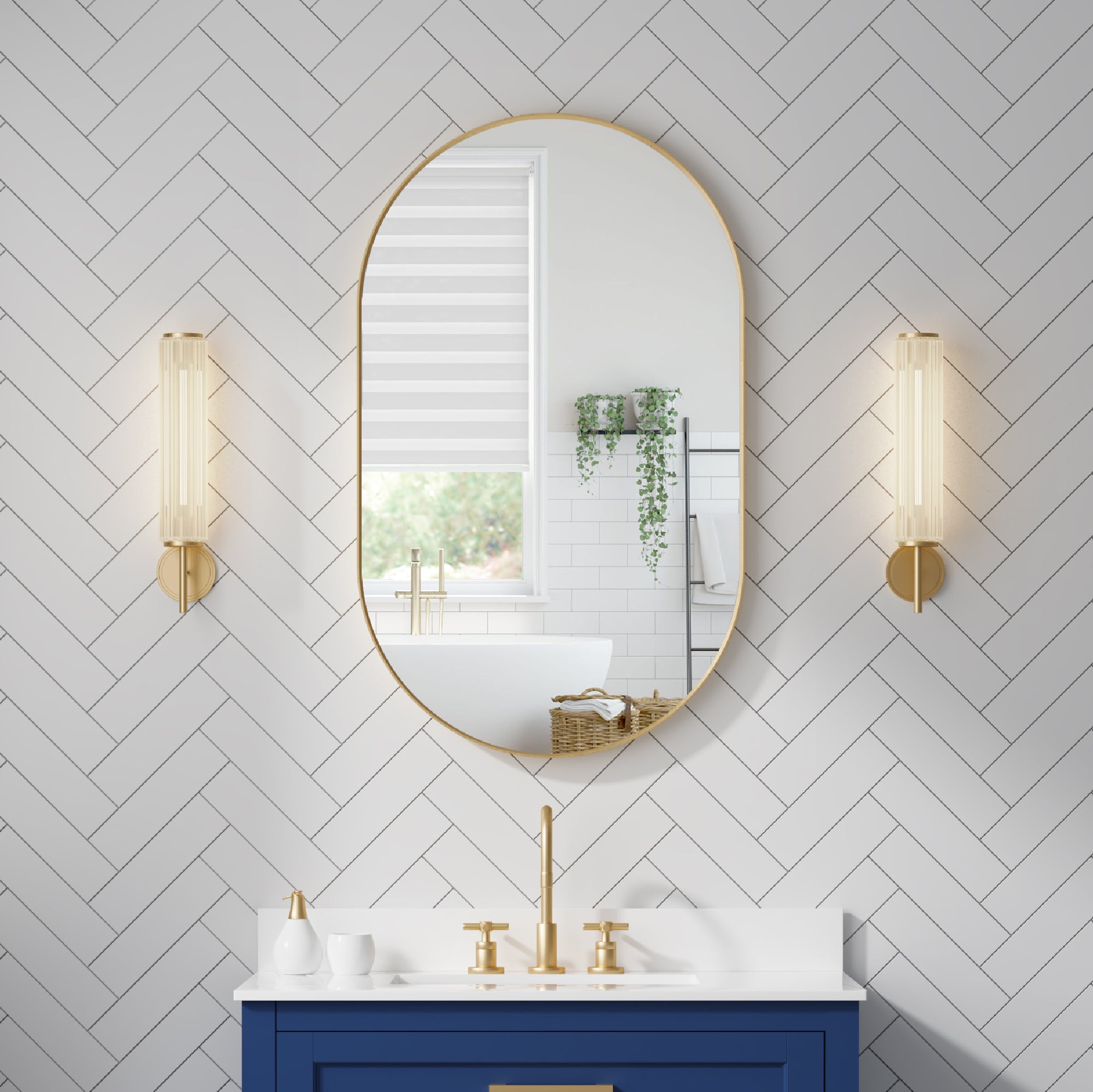
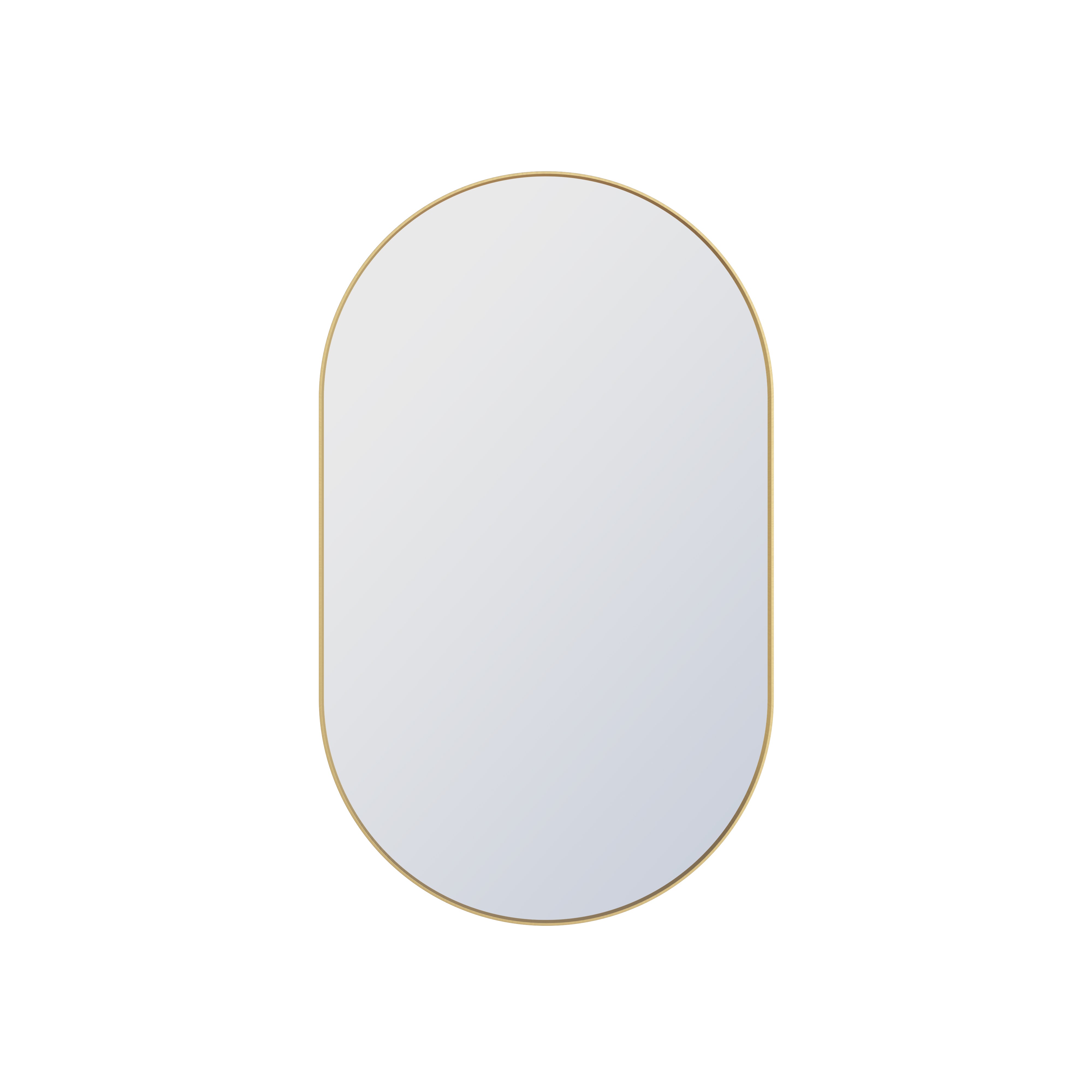
3.1 Medicine cabinets with mirrors usually have a simpler visual appearance
As one of the most prominent flat surfaces on the bathroom wall, mirrors can reduce visual clutter and make the overall style more modern and clean.
Paired with a frameless design or a thin metal frame, it can further enhance the sense of lines.
3.2 The medicine cabinet without glasses emphasizes the "furniture feel."
The mirrorless medicine cabinet is more like a small wall cabinet, highlighting the material and shape, for example:
Wood grain cabinet
Open grid
Door panel with handle
Spaces that emphasize style expression are more suitable, such as retro, natural, or industrial style bathrooms.
However, in narrow bathrooms, this 'solid cabinet' may create a sense of oppression.
4. There are also different requirements for installation methods
4.1 The installation of medication cabinets with mirrors requires more wall reservation
Most medicine cabinets with a mirror support:
wall-mounted installation
embedded installation
The embedded installation requires the wall to have an internal depth of at least 3.5 inches and ensure that the keel position meets the requirements for openings.
4.2 Installing medication cabinets without glasses is more flexible
Due to the absence of mirror weight restrictions, the cabinet can adopt:
wall-mounted
Semi embedded
Independently placed on the ground (some models)
It has lower requirements for wall load-bearing capacity and structure, and is more suitable for old buildings or rooms where wall modifications are inconvenient.

5. Differences in user experience: differences in daily convenience
5.1 The convenience of the medicine cabinet with a mirror is higher
Mirrors are essential tools for daily use when washing your face, brushing your teeth, and practicing skincare. The medication cabinet with a mirror allows users to:
Looking at the mirror while retrieving items
Faster morning and night care
Reduce walking and improve efficiency
According to a survey by DailyRoutineReport.com, bathroom mirrors are used more than 3.5 times as often as regular storage cabinets (source: DailyRoutineReport.com), indicating that the high-frequency use attribute of medicine cabinets with mirrors is more pronounced.
5.2 Medicine cabinets without glasses are more suitable for "classified storage."
Due to the deeper and wider layers, responsible for:
towel
cleaning supplies
Extensive bottle washing and care products
A small amount of regular medicines
It is more like a "storage warehouse" in the bathroom, undertaking lower-frequency but larger-volume storage tasks.
6. Future trend: faster growth of medication cabinets with glasses
Based on industry trends, prescription cabinets with glasses are expected to maintain rapid growth in the coming years due to various reasons, including:
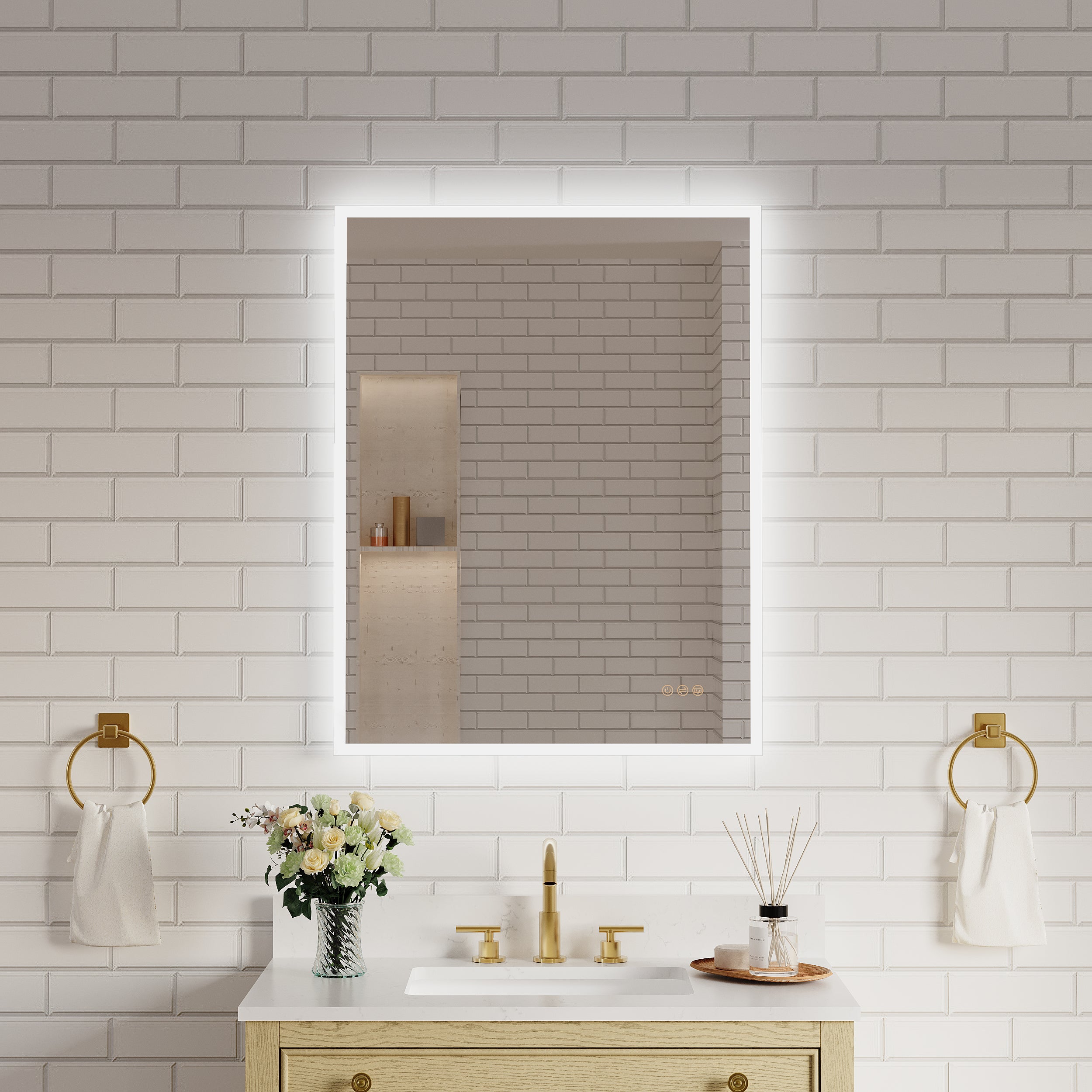
Popularization of LED light mirrors: Many medicine cabinets now integrate lighting, anti-fog, and touch controls.
The increase of small residential buildings: the composite utilization of space has become a necessity.
Minimalist aesthetic trend: Mirrors are more easily integrated into modern styles.
According to industry forecasting firm HomeFixtureTrends. Com, the growth rate of medication cabinets with glasses is expected to be about 25% higher than those without glasses (source: HomeFixtureTrends.com).
Although there is still widespread demand for mirrorless medicine cabinets, they are increasingly seen as auxiliary storage furniture.
Conclusion: The emphasis of the two is entirely different, and the choice should be based on the functional requirements of the bathroom
The advantages of a medicine cabinet with a mirror:
save space
Increase lighting and visual extension
Improve daily usage efficiency
More suitable for compact bathrooms
More modern and simple appearance
The advantages of not having a mirror medicine cabinet:
Larger storage capacity
Flexible installation method
Low requirements for walls
Highlighting the expression of materials and styles
The final choice depends on the bathroom's actual structure and usage habits. If space is limited and you want to improve lighting and efficiency, a medicine cabinet with a mirror is more advantageous; If the storage demand is particularly high, a mirrorless medicine cabinet can be more effective.












Leave a comment
This site is protected by hCaptcha and the hCaptcha Privacy Policy and Terms of Service apply.