







Trying to figure out what qualifies as a small vanity mirror? Discover the exact U.S. dimensions, sizing ratios, and layout rules for small bathrooms and powder rooms.
Walk into any massive home improvement store and you’ll see mirrors the size of a garage door. They look great on a massive double vanity, but if you live in a standard American apartment or an older home, those giant mirrors will completely overwhelm the room. This is where a small vanity mirror becomes a total lifesaver.
But what actually qualifies as "small"? Is it just anything under 30 inches? Well, not exactly. As an interior designer who has squeezed storage and style into countless tiny powder rooms, I can tell you that "small" is relative to your specific layout. Here is the no-nonsense guide to the exact dimensions, proportions, and rules you need to follow.
The Exact U.S. Specs: What Counts as "Small"?
In the U.S. market, there is no strict legal definition, but the industry generally agrees on a baseline.
A standard vanity mirror is usually around 30 to 36 inches wide. Therefore, a small vanity mirror typically measures anywhere from 12 to 24 inches in width. (Source: Lowe's) If you are looking at round mirrors, a small one usually falls in the 12 to 20-inch diameter range.
Anything under 12 inches is usually considered a decorative accent mirror or a makeup mirror, rather than a primary functional vanity mirror. If you try to use a 10-inch mirror over a standard sink, you’re going to feel like you’re looking through a porthole.
The "70 to 80 Percent" Sizing Rule
Here is where people mess up all the time. They buy a small mirror, but they buy it too small.
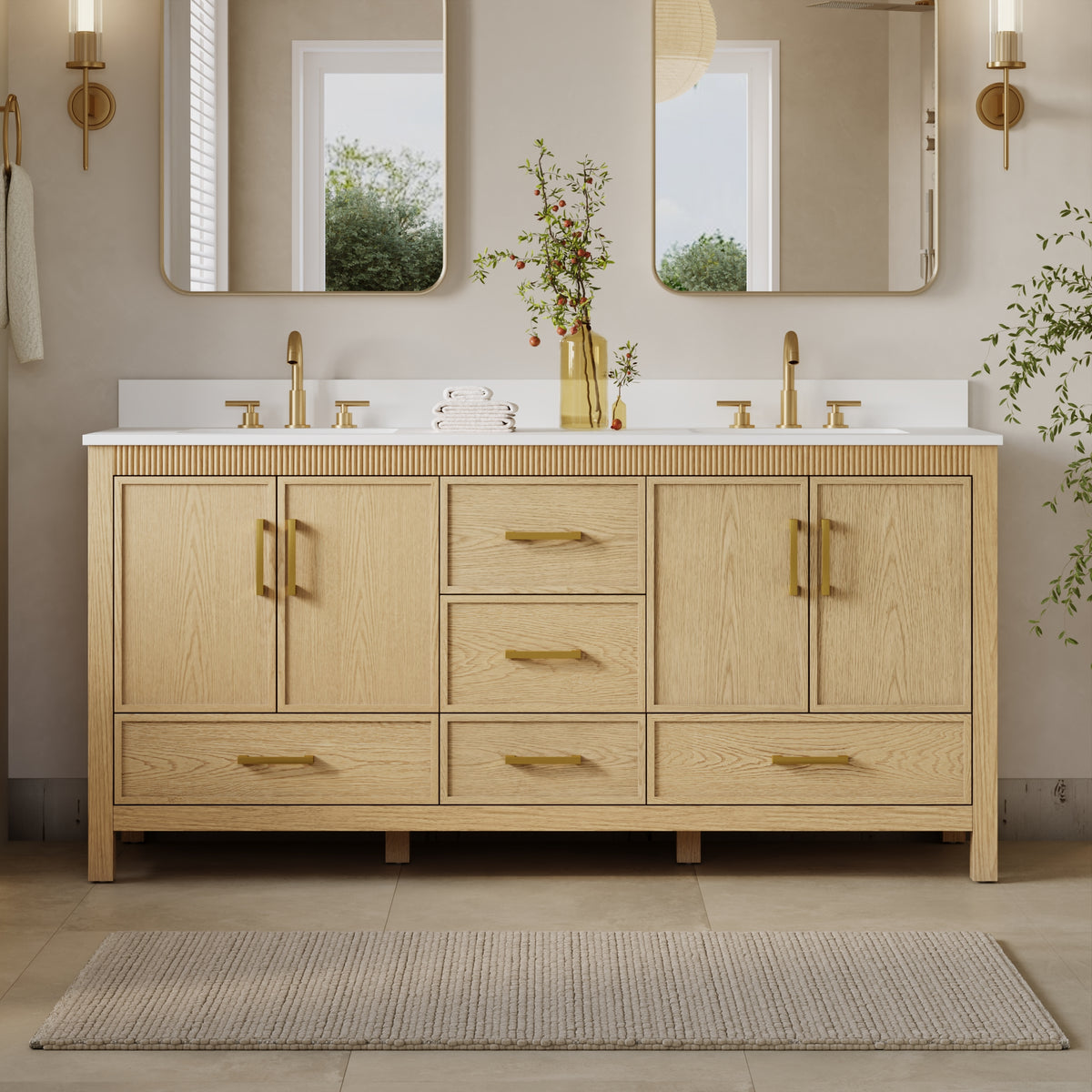
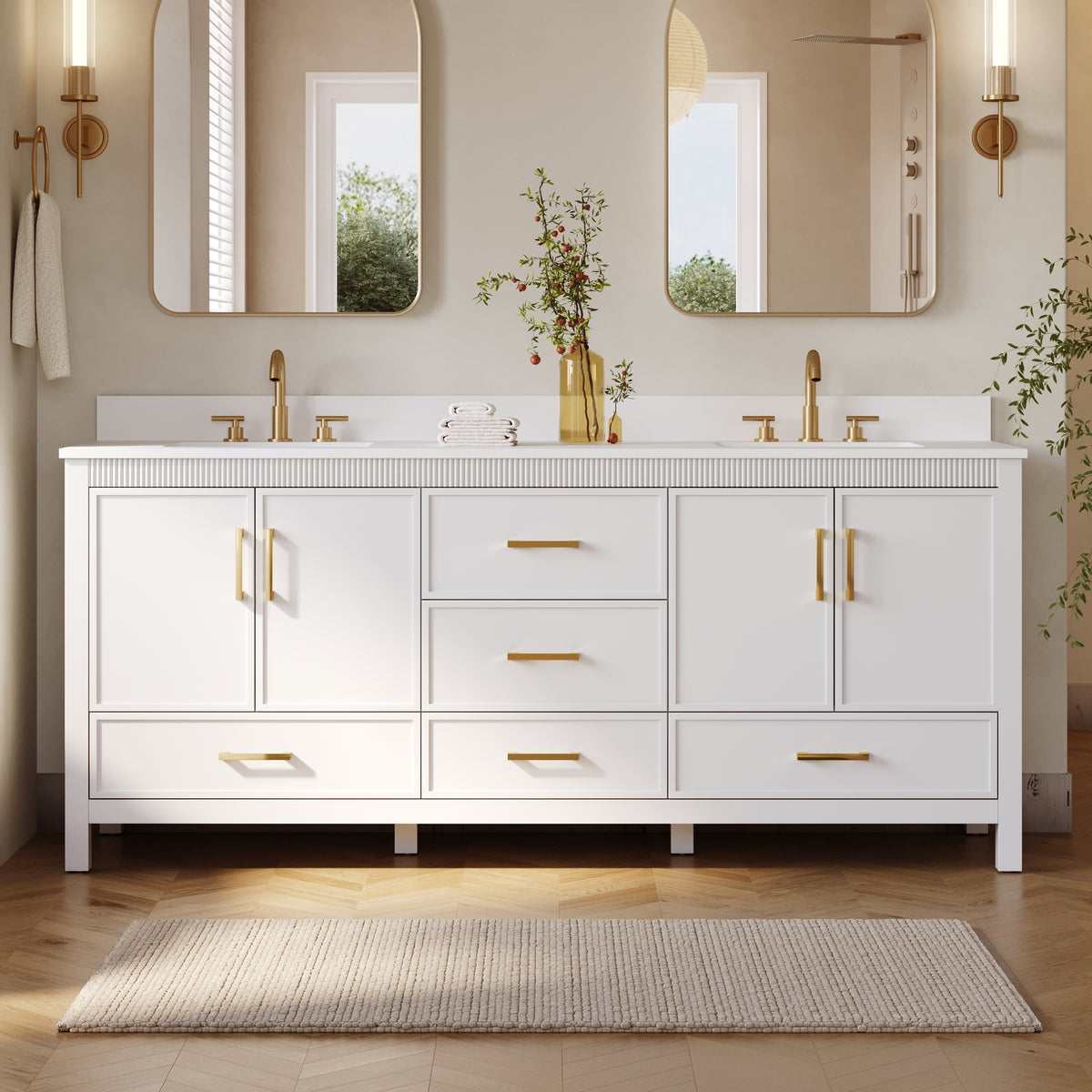
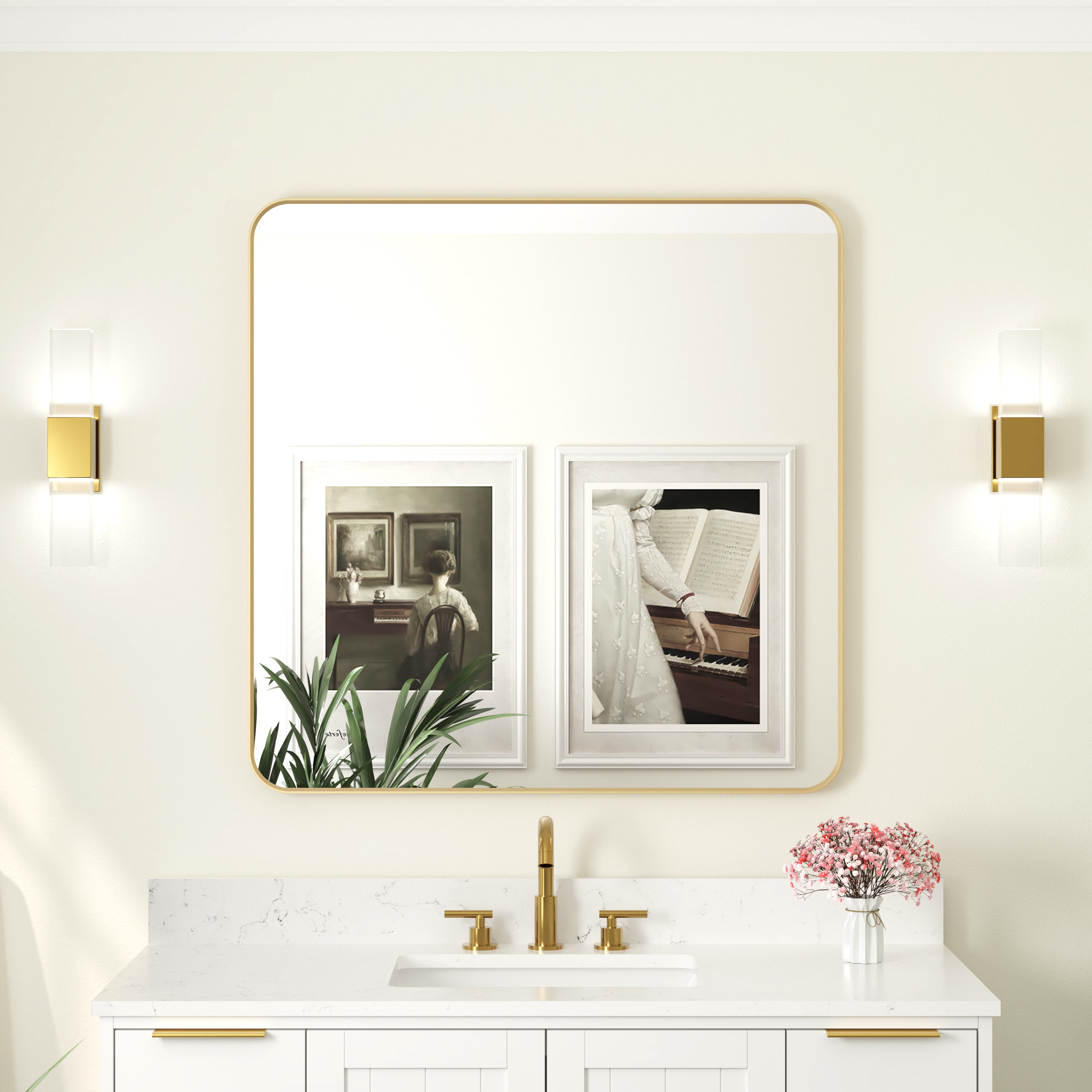
The mirror needs to visually balance the vanity below it. You don't want a tiny mirror floating over a massive piece of furniture. The general rule of thumb in interior design is that the mirror should be about 70% to 80% of the width of the vanity. (Source: Houzz)
So, let’s do the math. If you have a standard 24-inch small vanity, a mirror that is 17 to 19 inches wide is your sweet spot. If you have a 30-inch vanity, you can step up to a 21 to 24-inch mirror. If you go below 70%, the mirror will look out of place and disproportionate.
The Height and Clearance Requirements
Width is only half the battle. You also have to think about height and clearance.
A small mirror needs to be mounted at the right eye level. The center of the mirror should generally sit about 60 to 65 inches from the floor for an average adult. (Source: National Kitchen & Bath Association)
But here is the critical part: check the clearance above your faucet. You need enough space to actually turn on the water and wash your hands without splashing the bottom of the mirror. I always recommend leaving at least 5 to 10 inches of clearance between the bottom of the mirror and the faucet aerator. If you have a tall, high-arc faucet, a very small mirror might hang too low and cause a major headache.
Why Go Small? (The Layout Advantages)
Why would anyone actively choose a small mirror when they could buy a big one?
1. You Have Wall Sconces
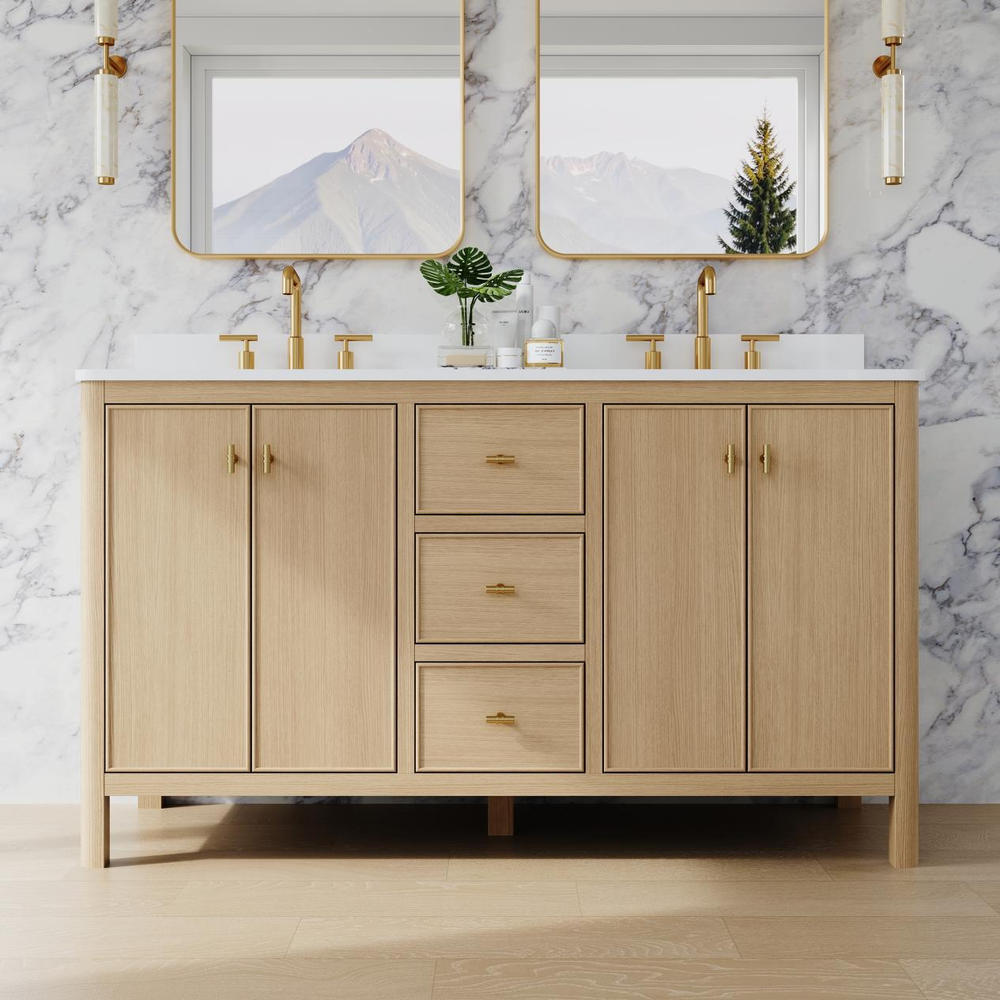
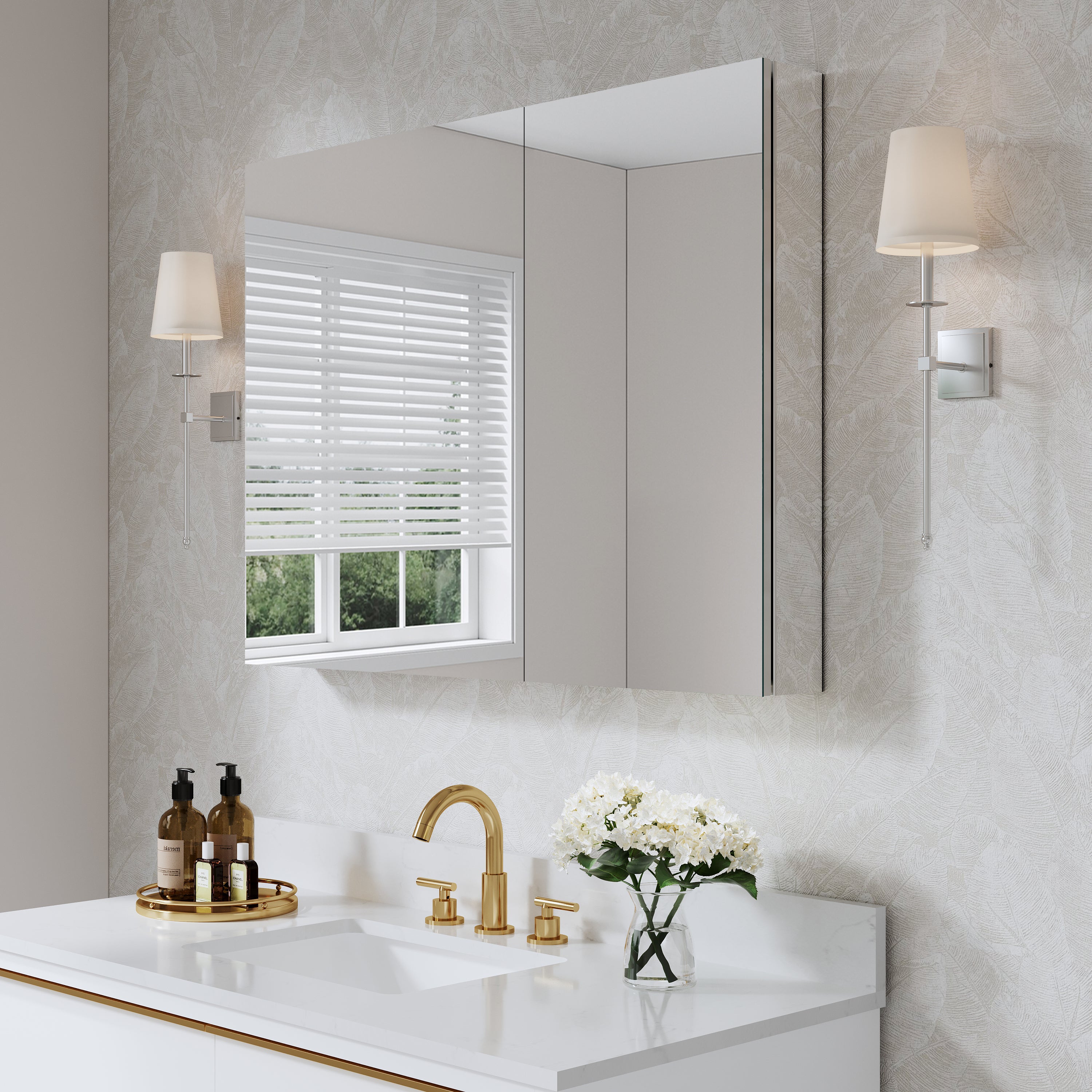
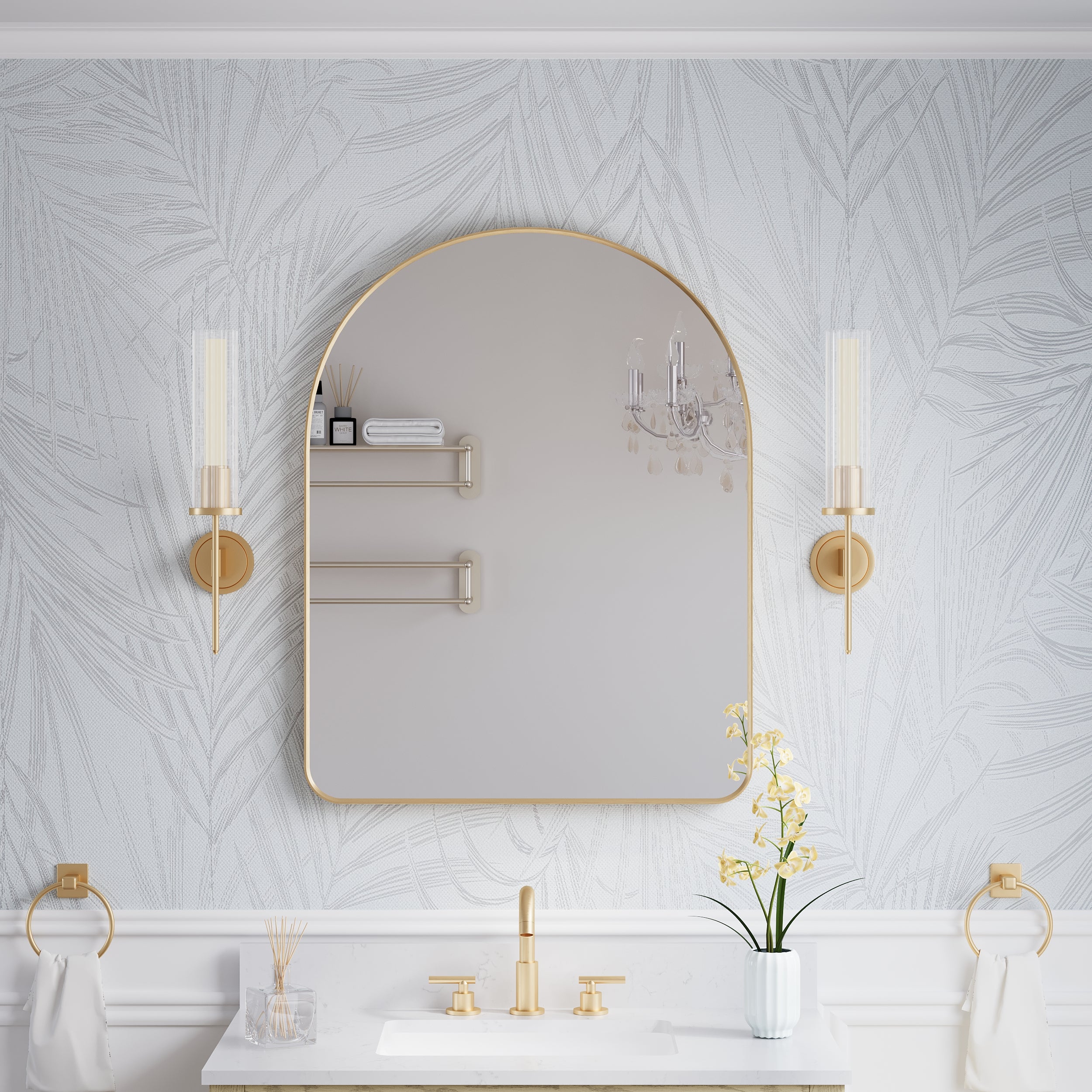
If you have beautiful wall sconces on either side of the vanity, you can't hang a giant mirror. A small mirror placed perfectly in the center allows the sconces to shine and provides beautiful, symmetrical lighting.
2. Small Bathrooms Feel Bigger
Counterintuitively, a mirror that is properly sized to the wall (leaving some wall space around it) actually makes a room feel larger and more finished. A mirror that goes wall-to-wall can look like a cheap builder-grade trick. A framed, small mirror looks like a piece of custom art.
3. You Have an Asymmetrical Layout
If you have an offset sink or a vanity that is pushed into a corner, a small, centered mirror is the only way to balance the space.
Shape and Style Considerations
When you go small, the shape of the mirror matters more than ever.
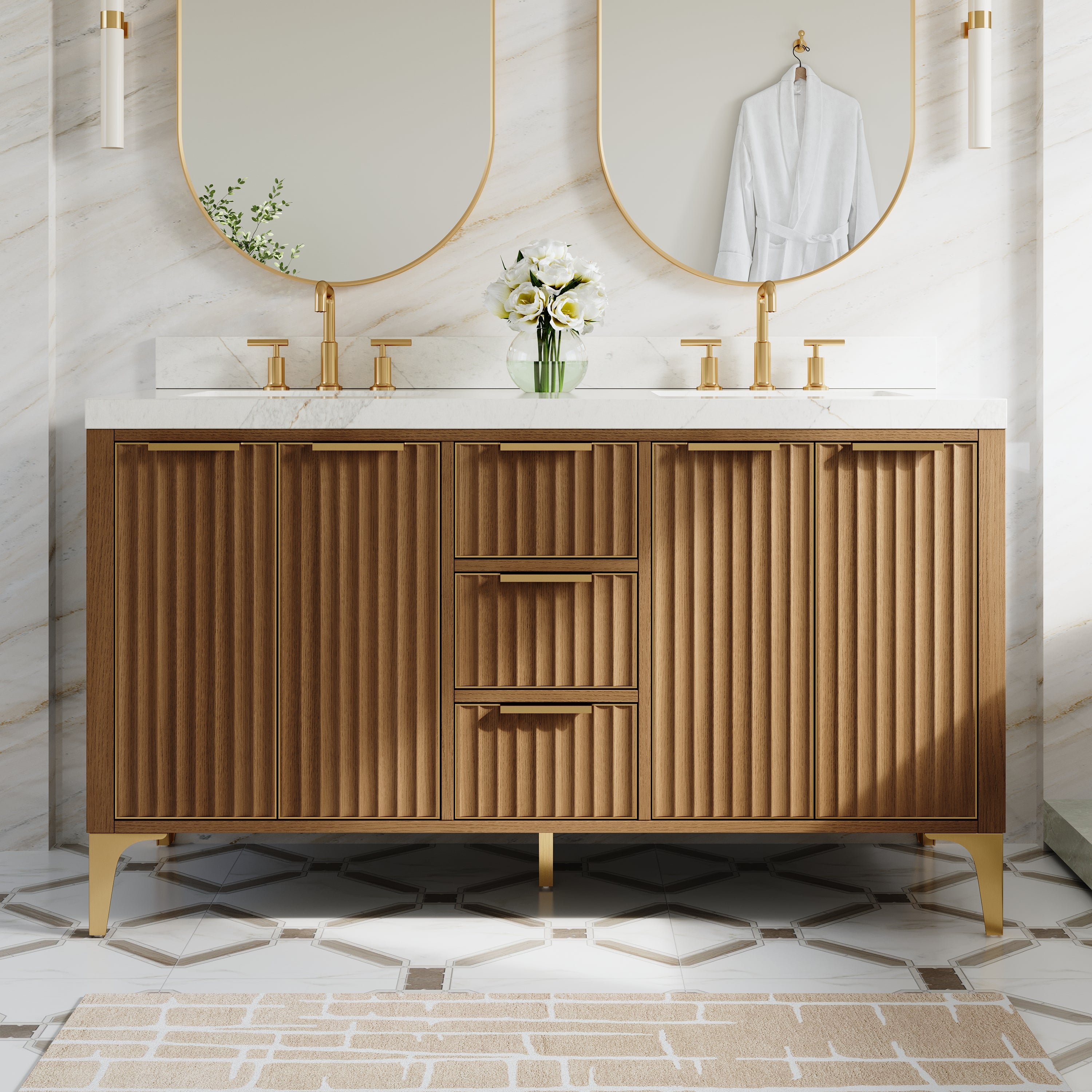
Round or Oval: These are incredibly popular for small vanities. The curves soften the harsh angles of a small bathroom.
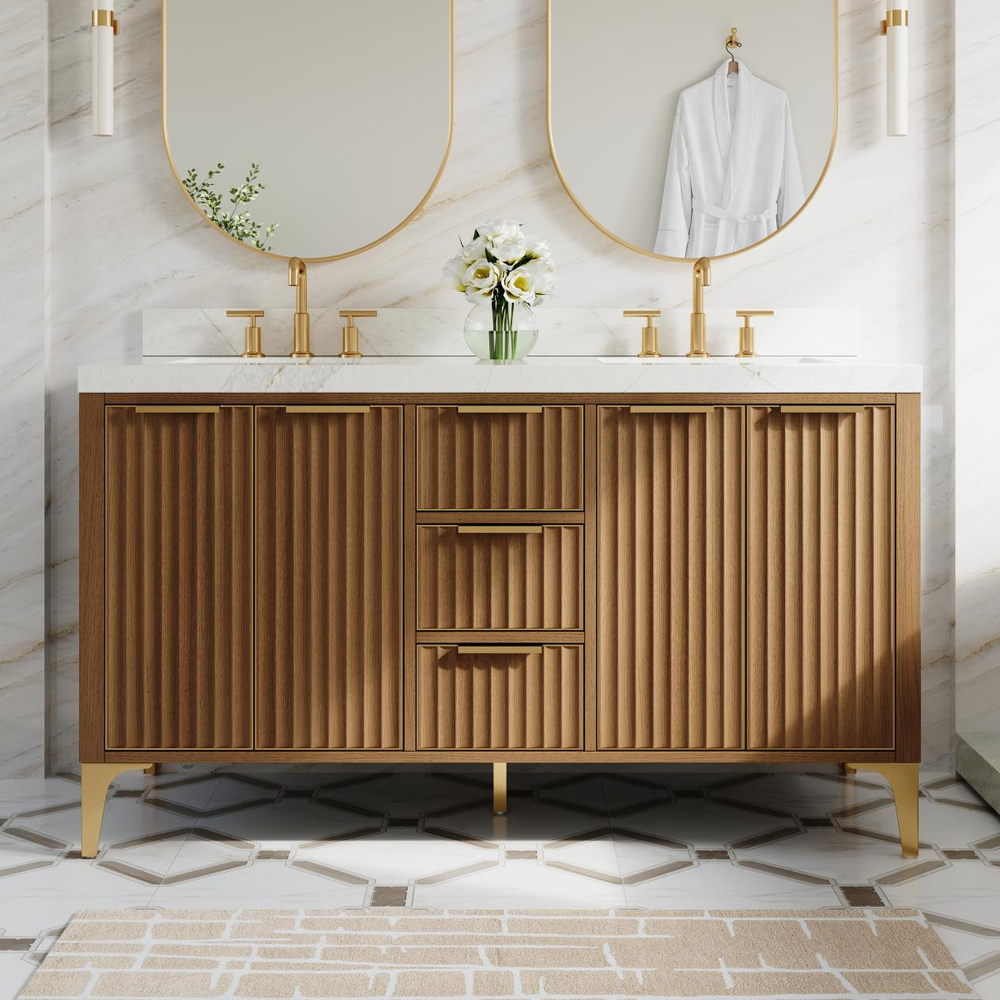
Arched: A small arched mirror adds height to the room, drawing the eye up and making the space feel taller.
Framed vs. Frameless: If you want a modern, clean look, a small frameless mirror is fantastic. If you want to add character, a thin metal or wood frame will make the small mirror pop against the wall.
The "Lighted" Small Mirror Upgrade
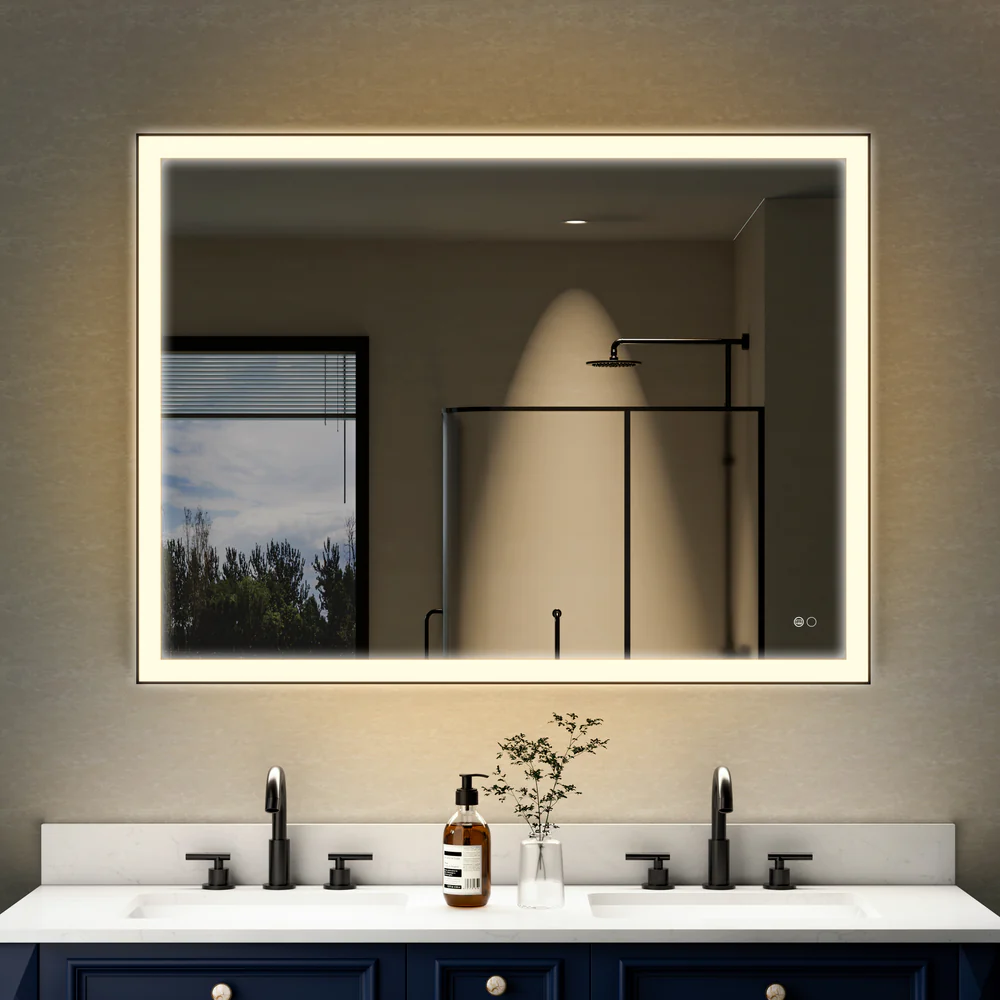
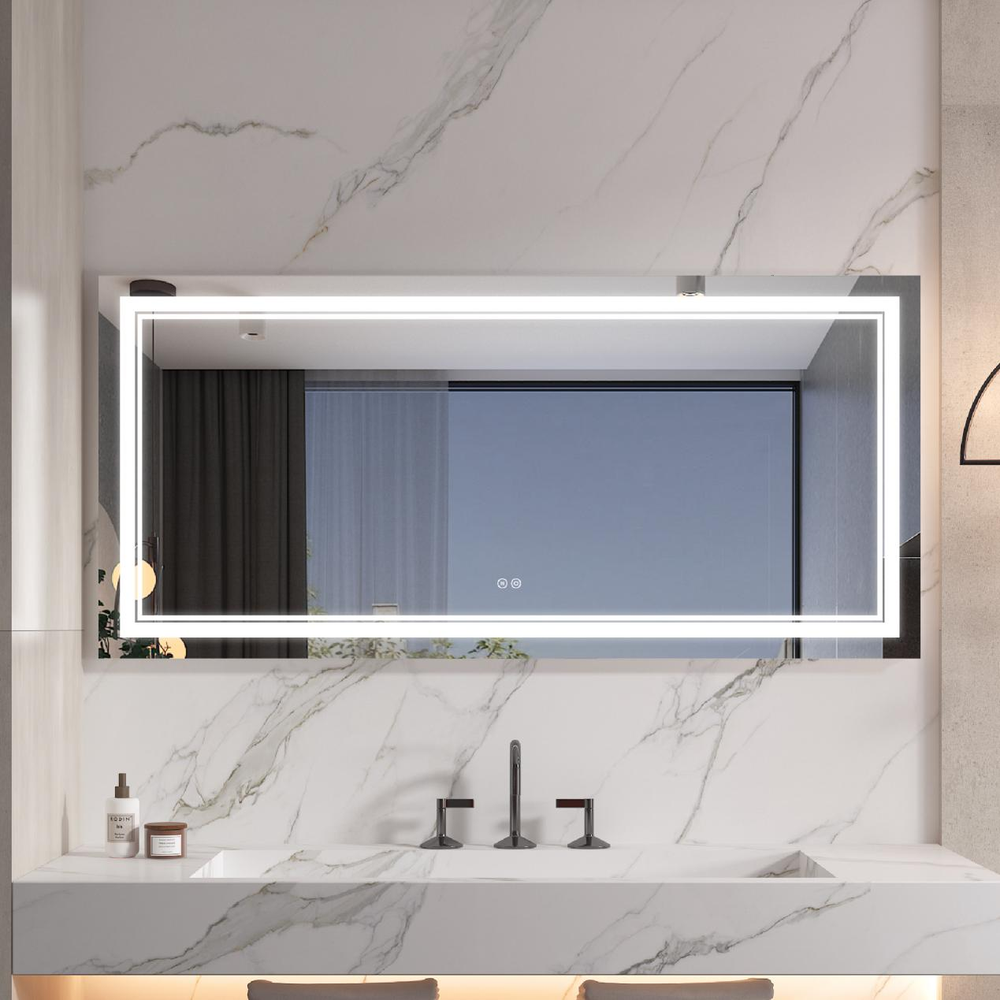
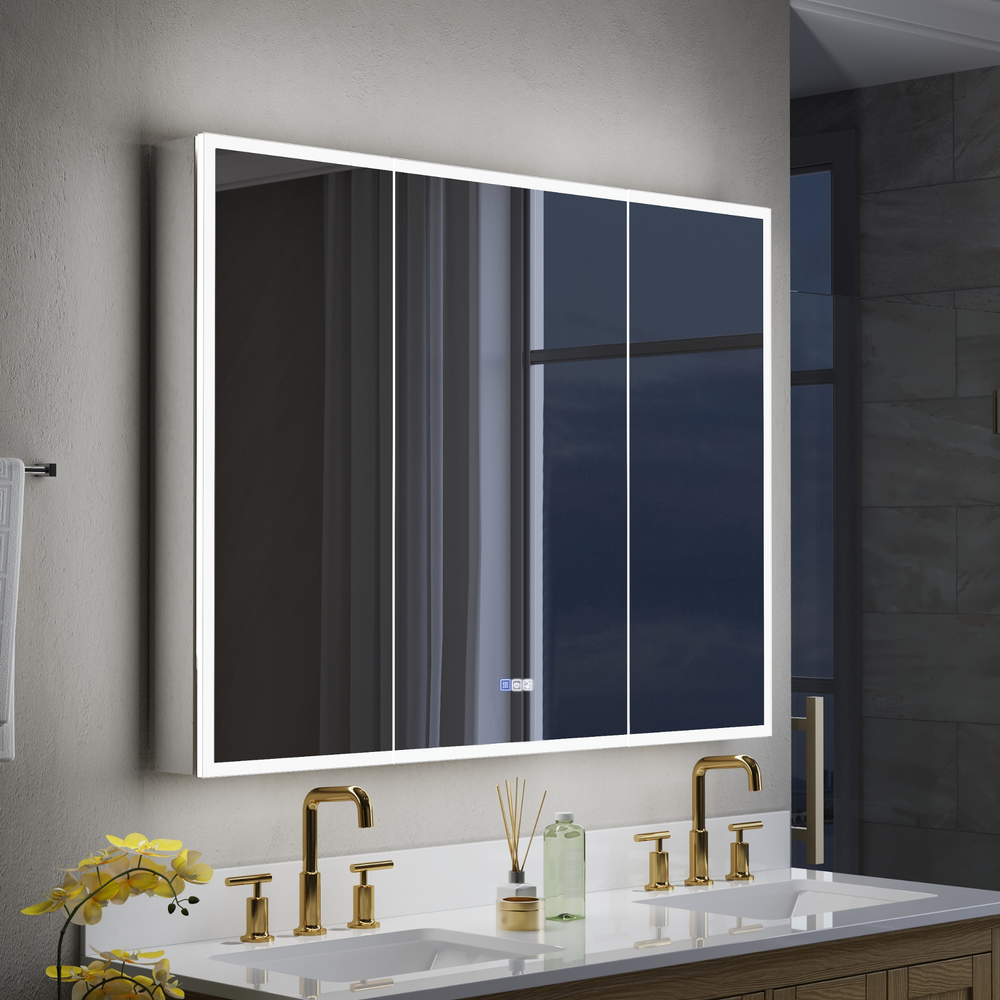
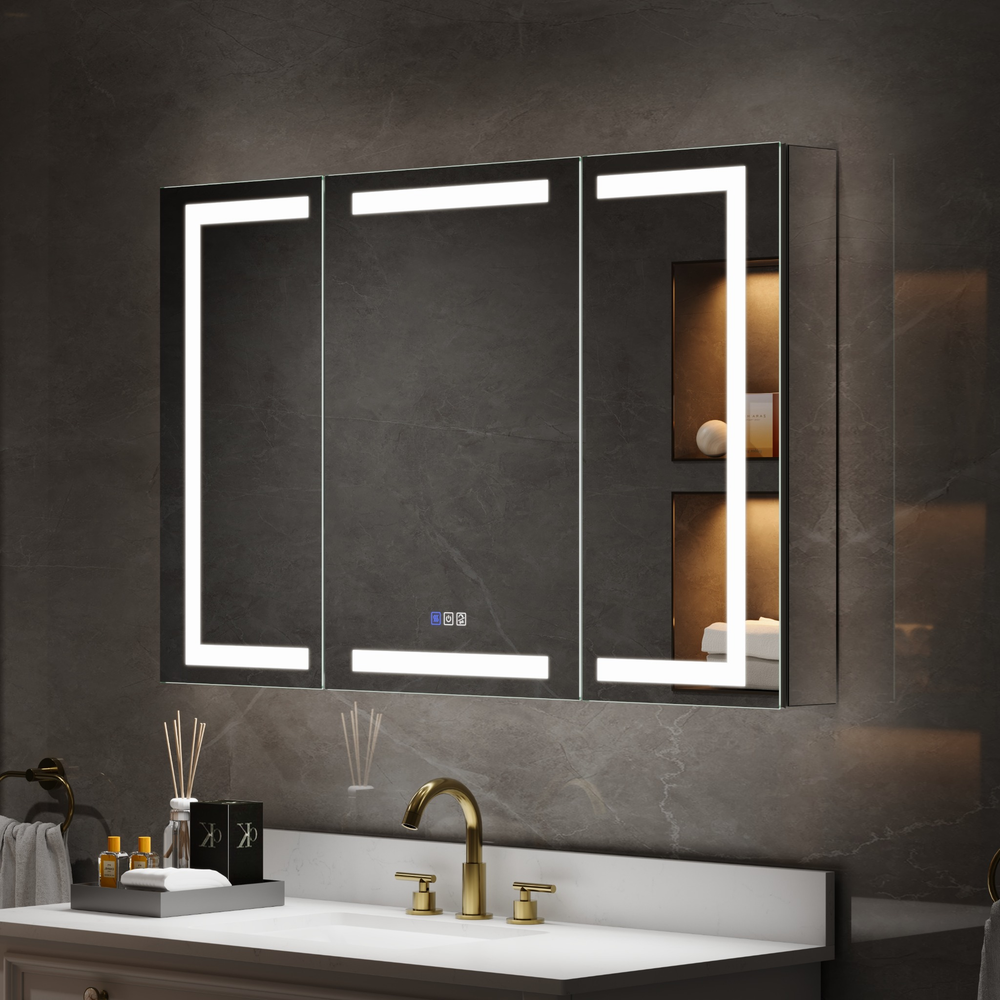
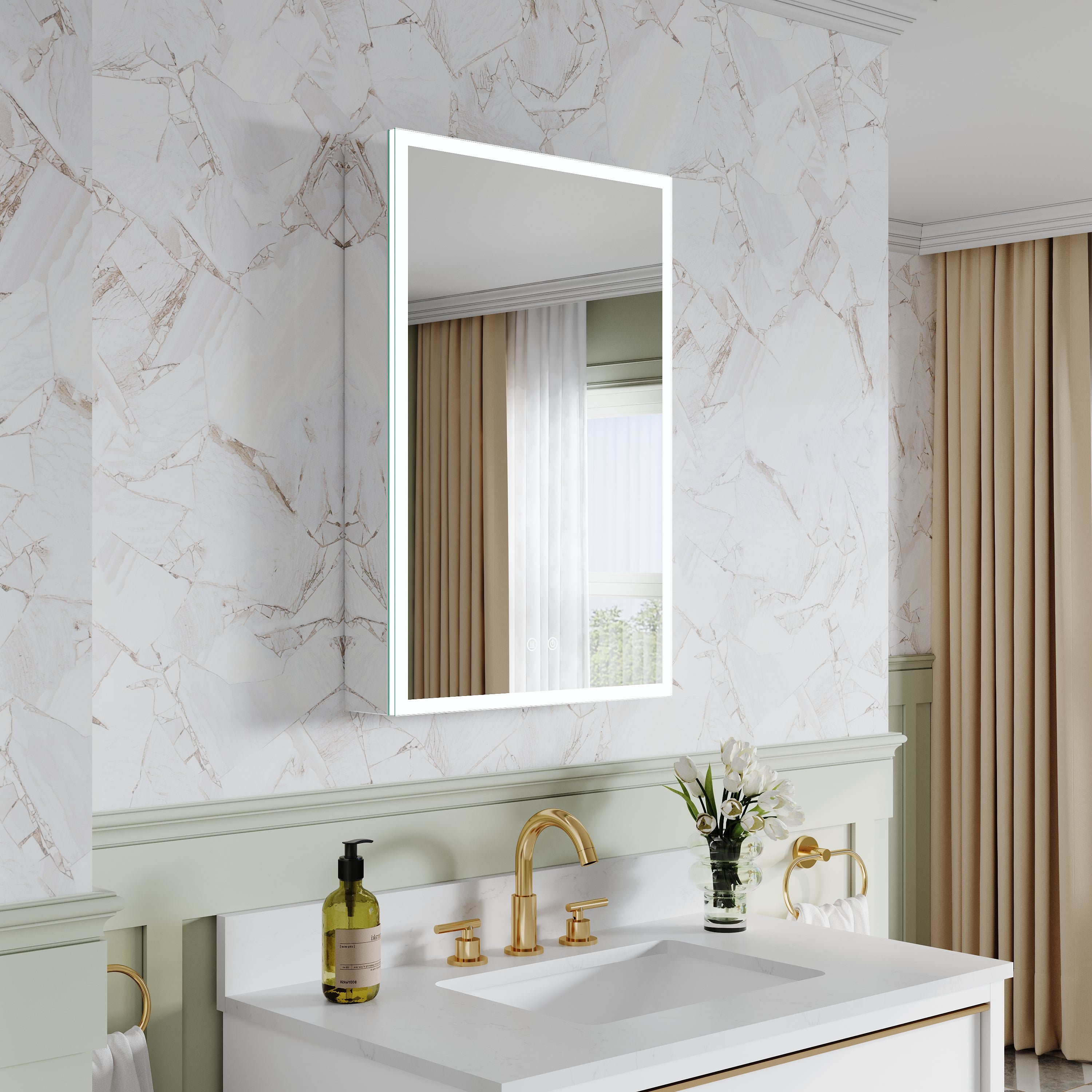
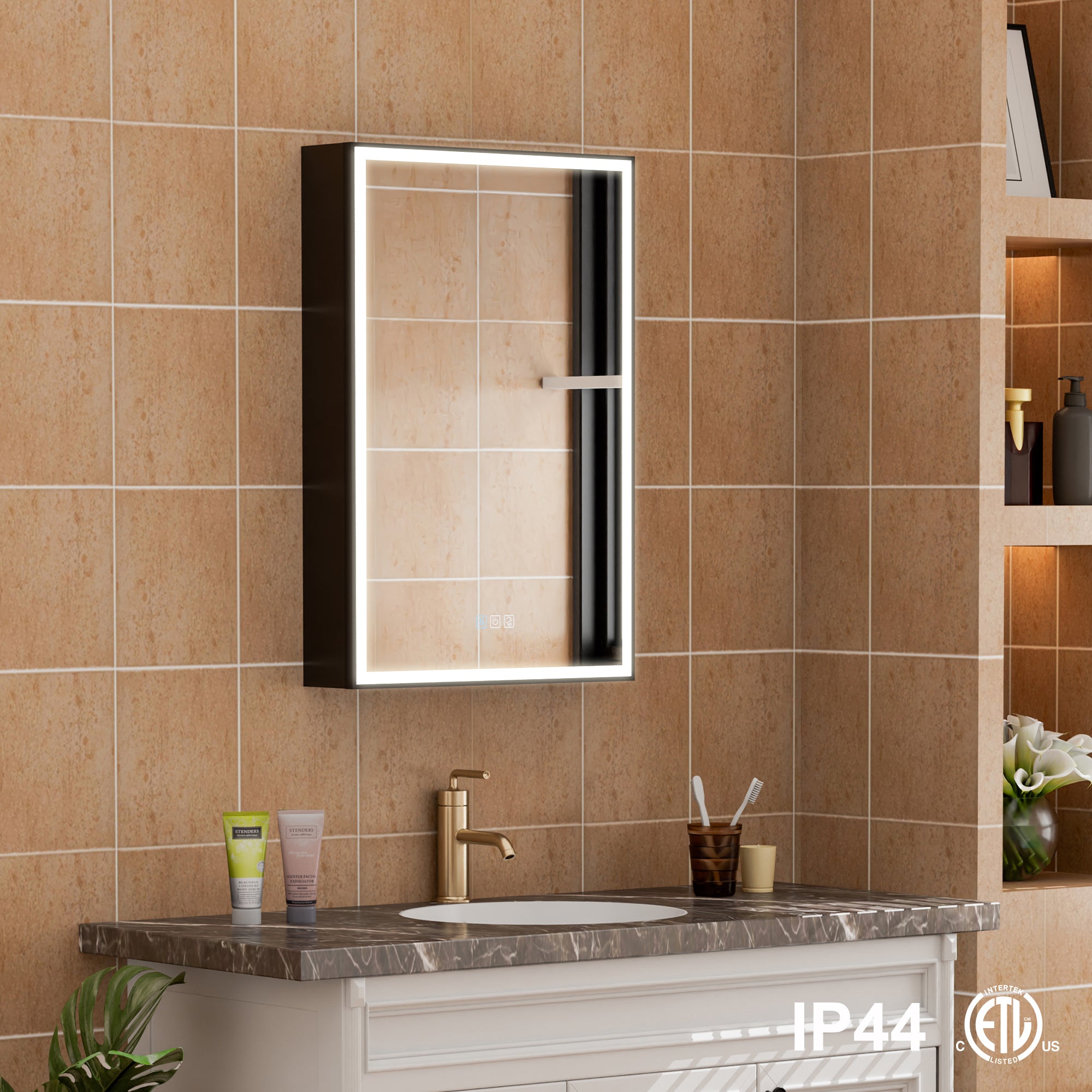
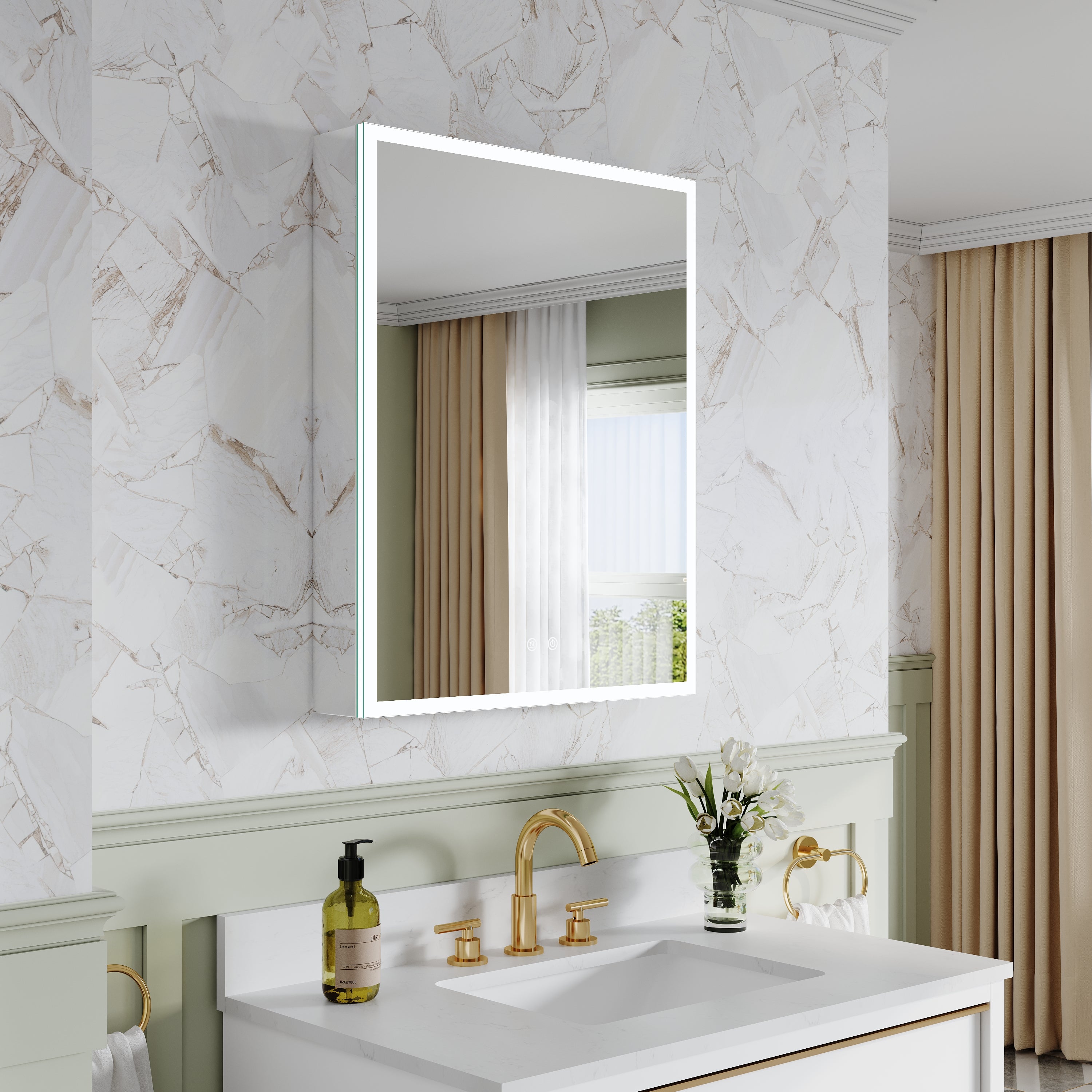
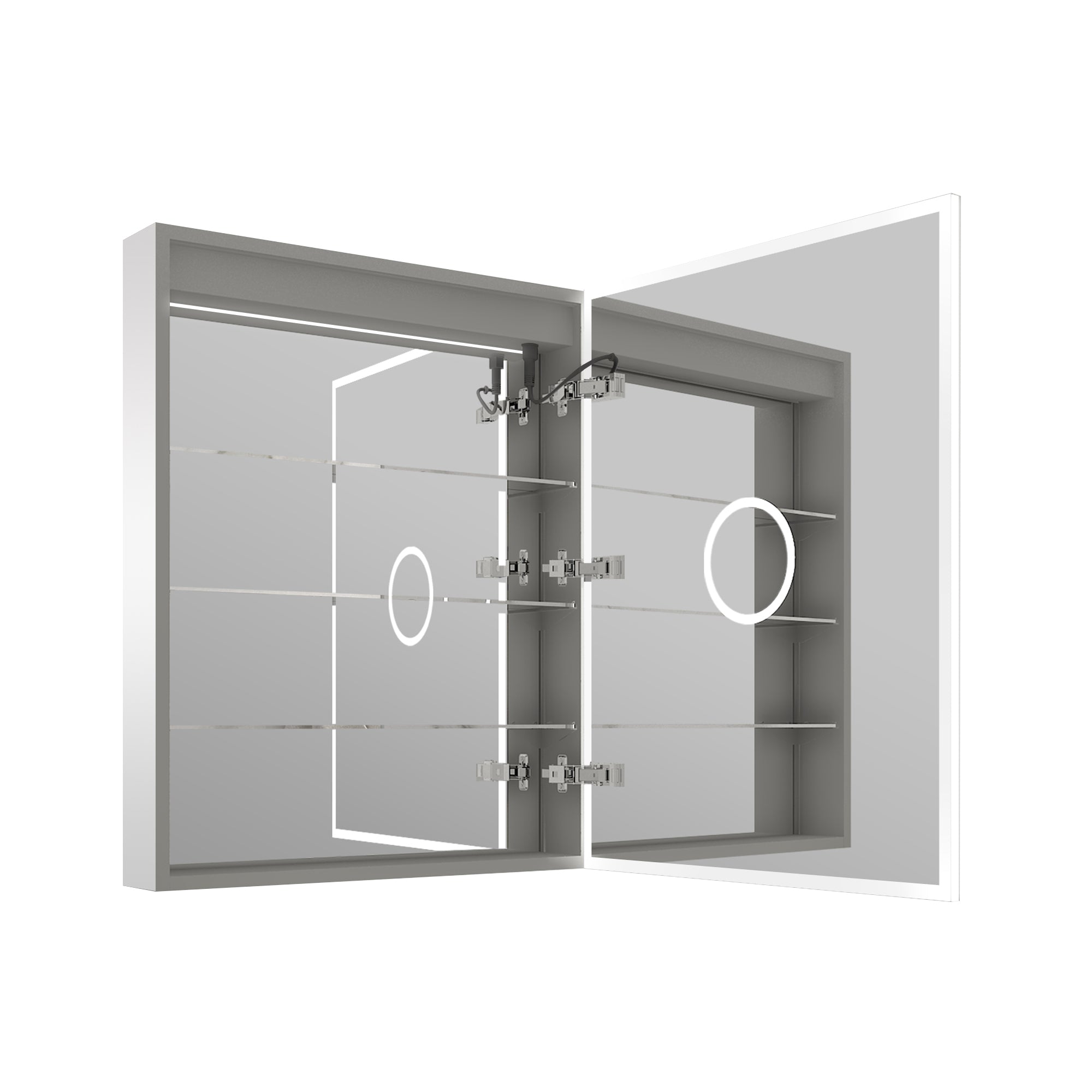
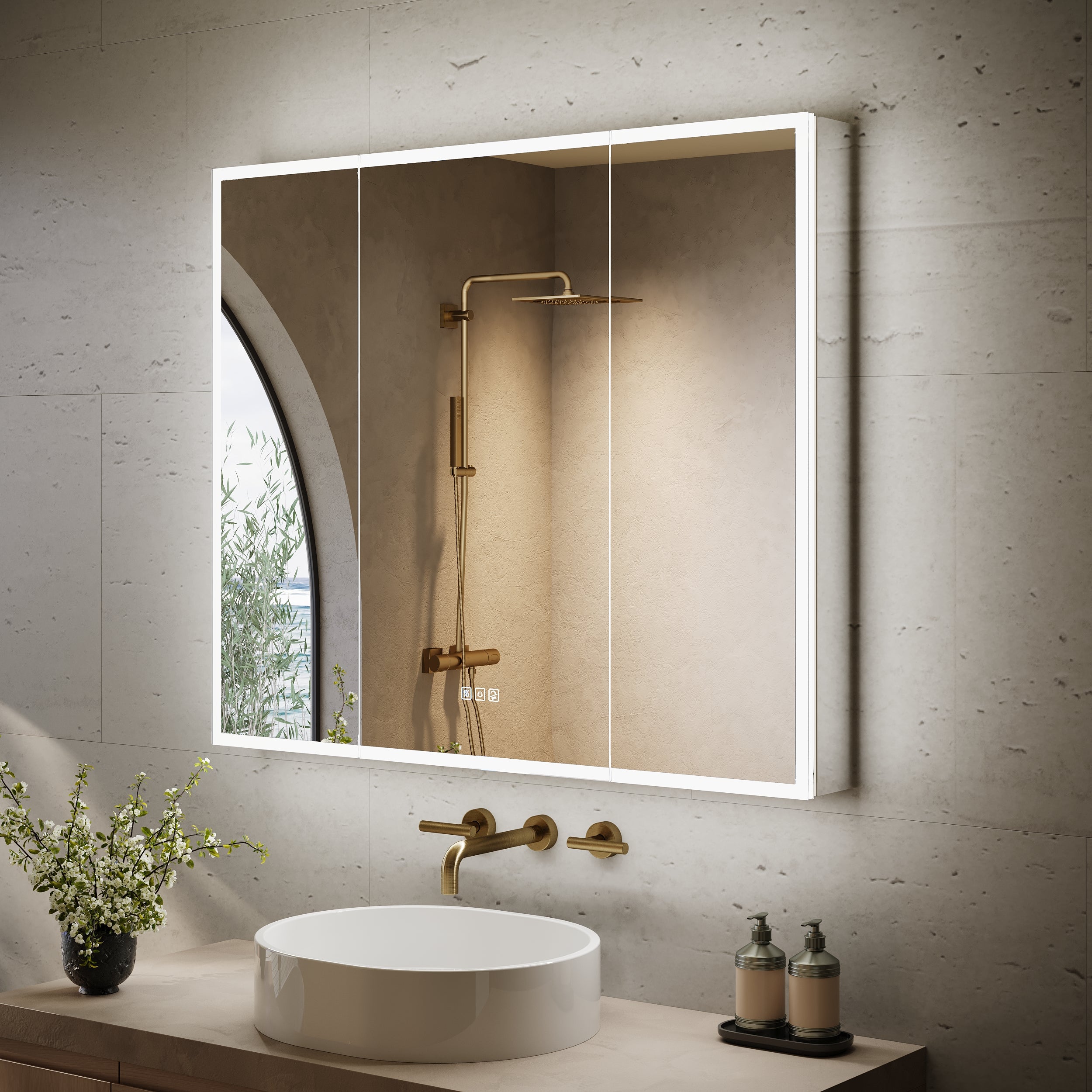
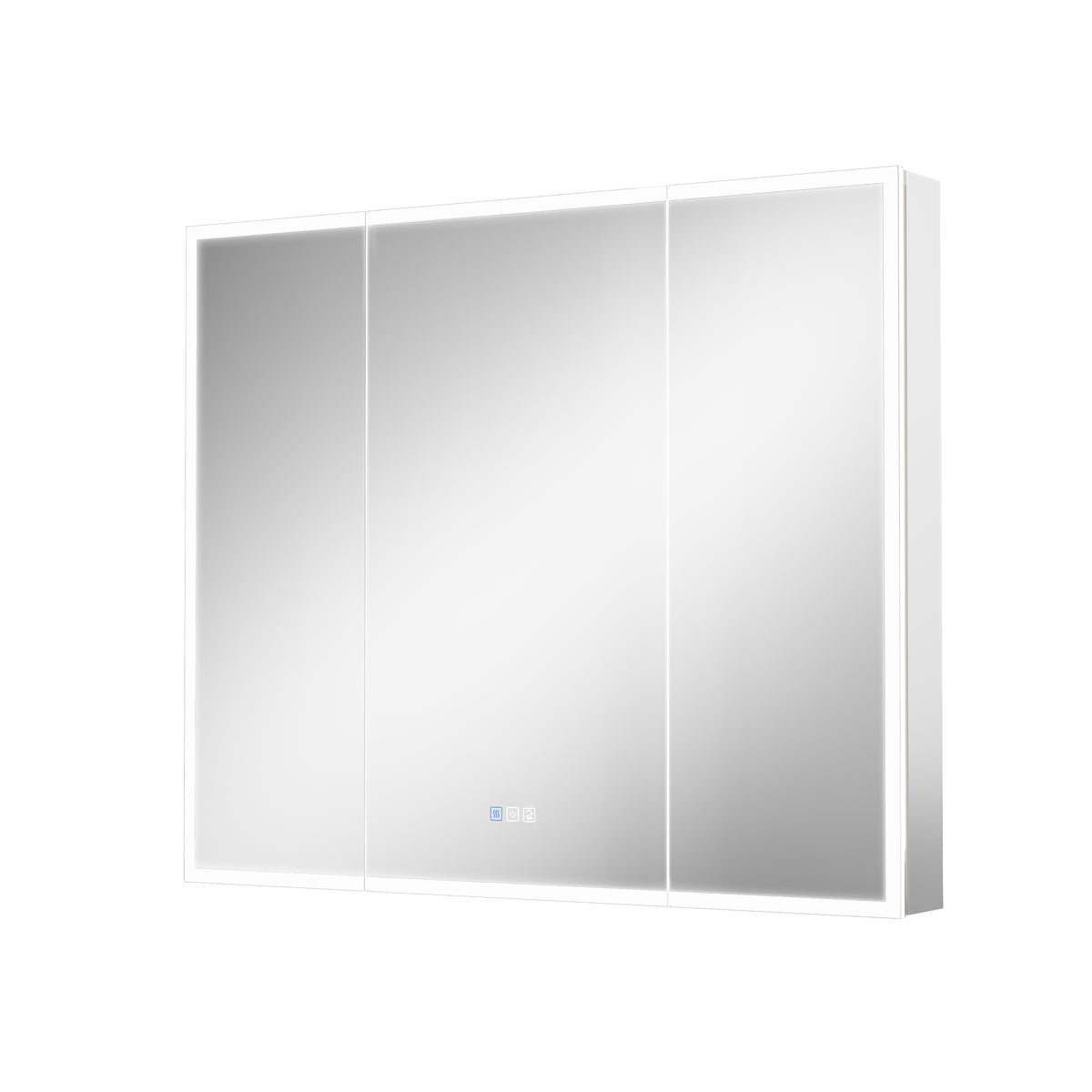
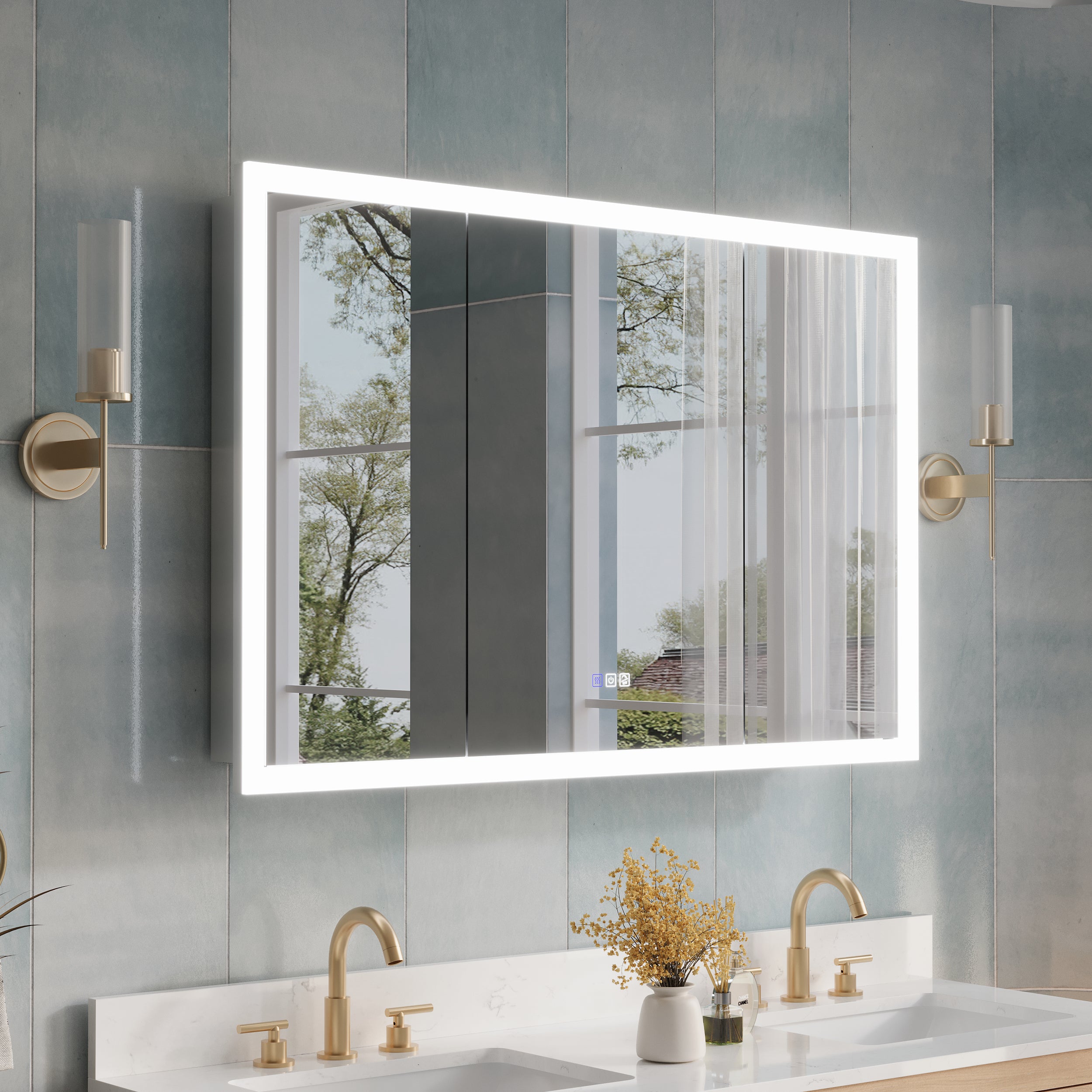
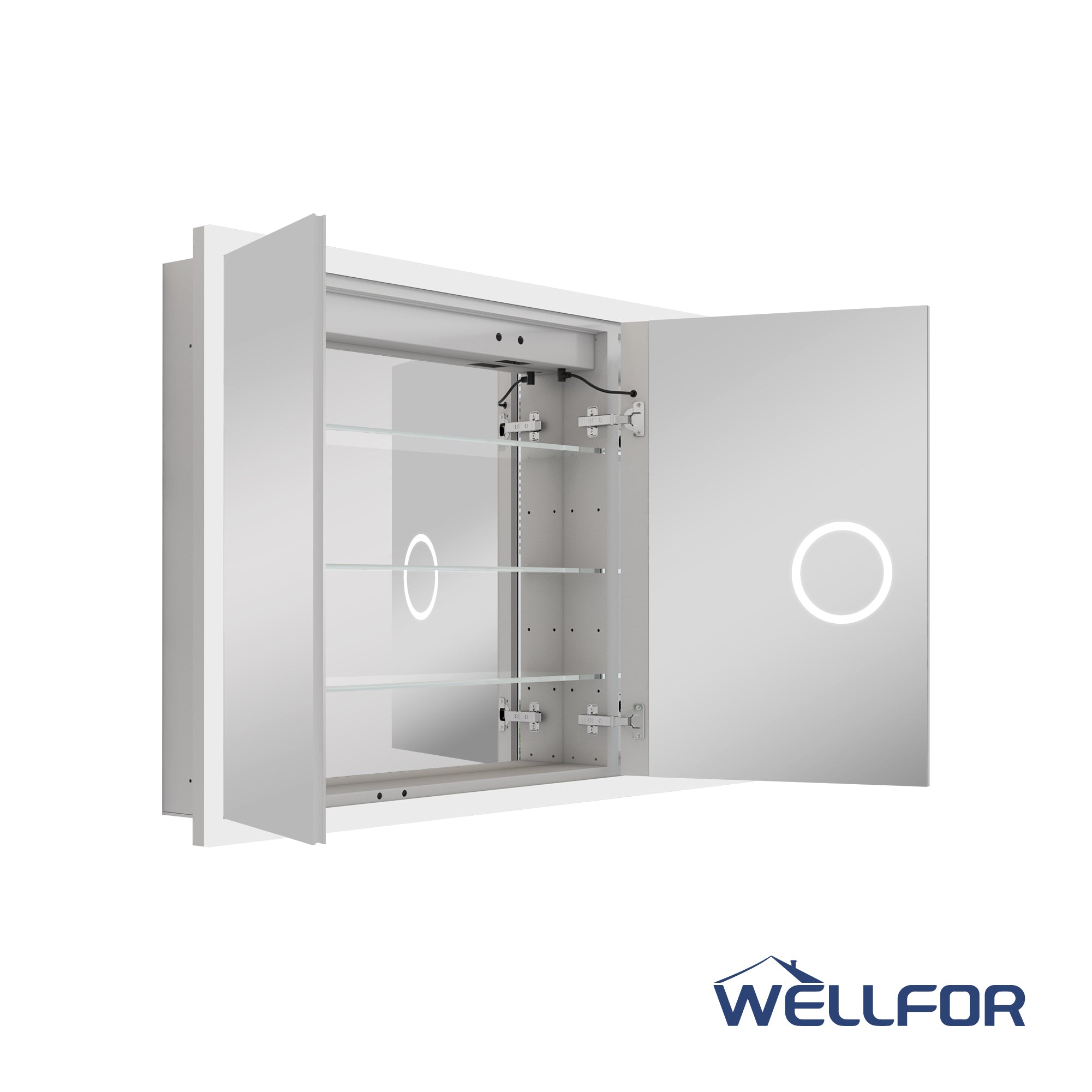
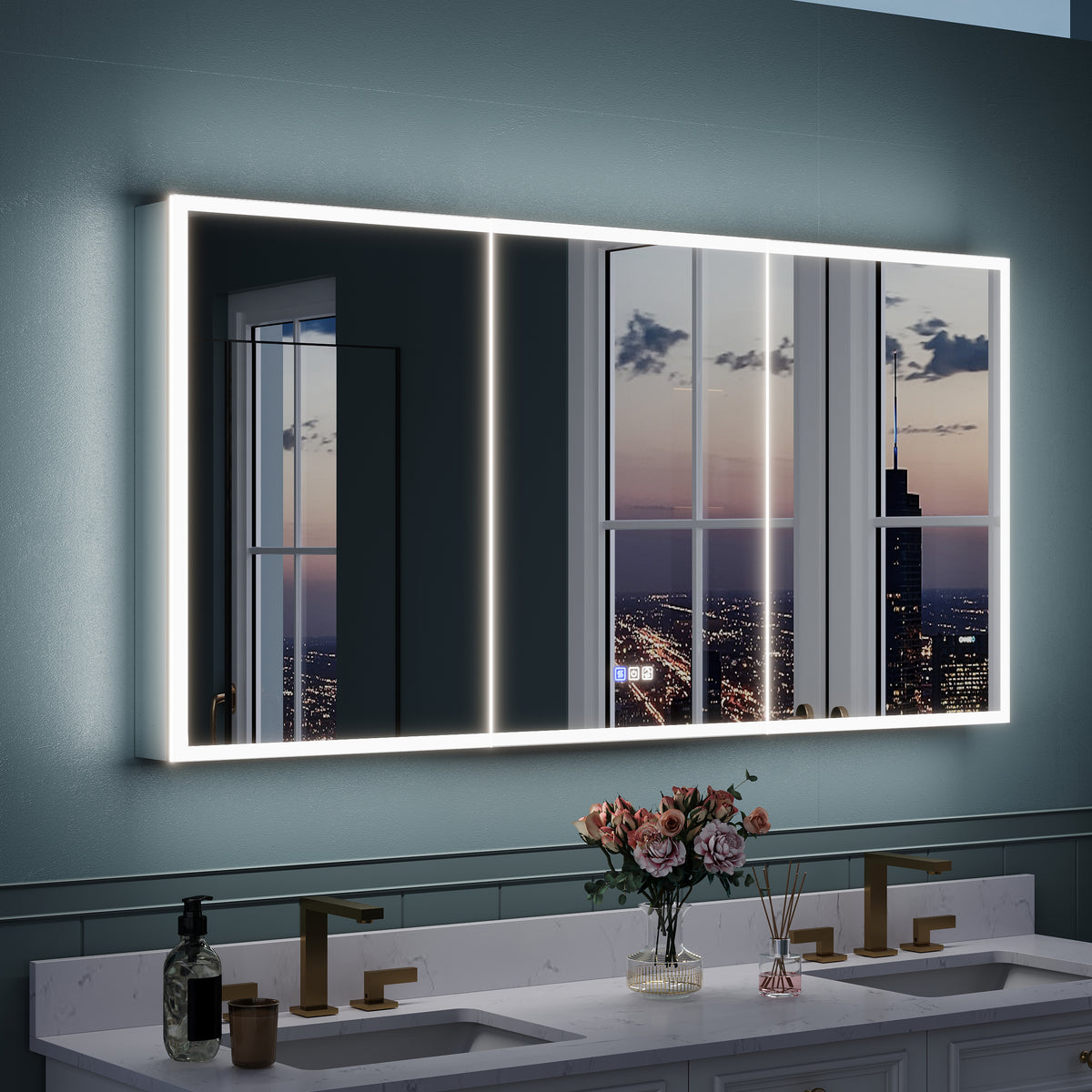
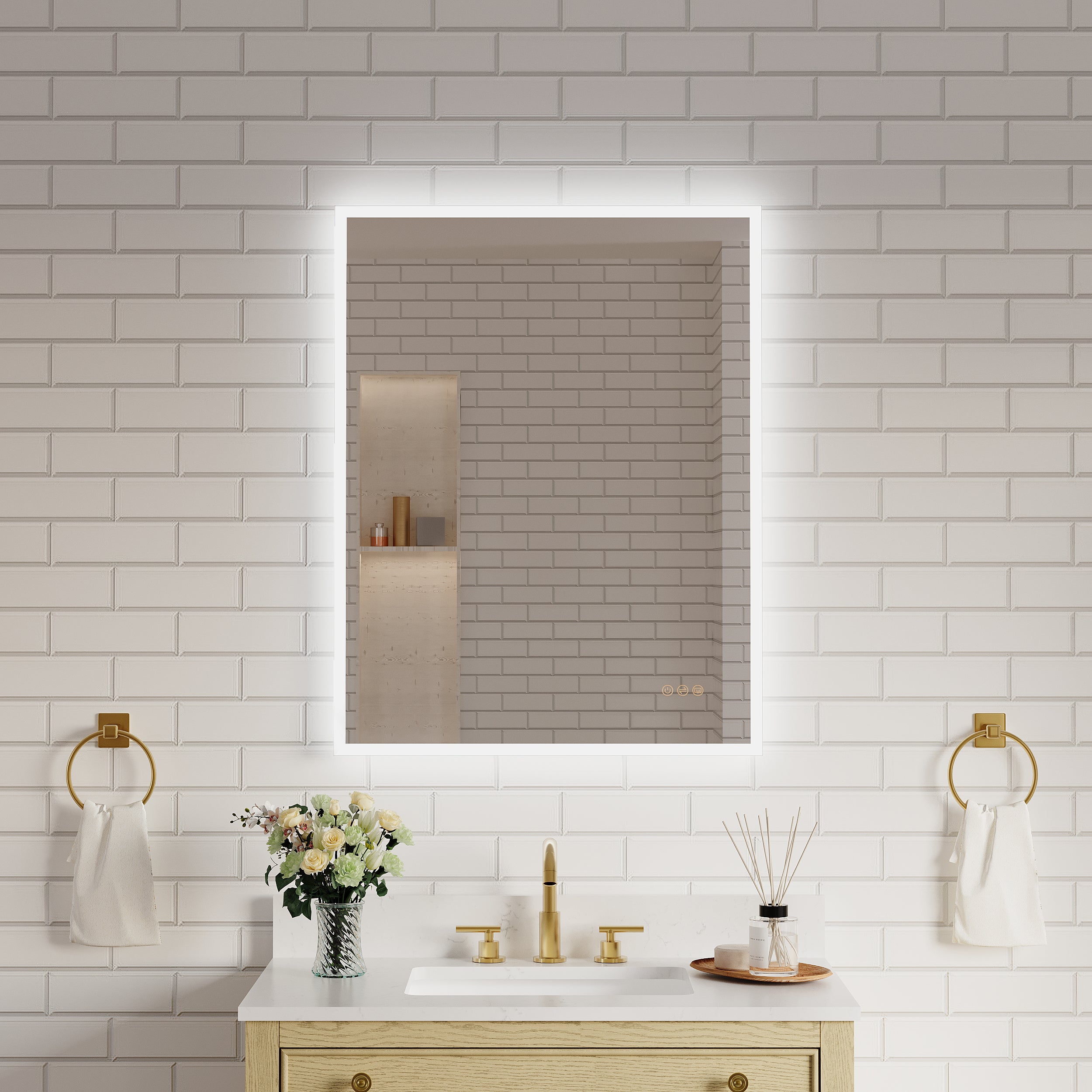
If you are working with a small mirror, you might be sacrificing lighting space. Many people are now opting for a small lighted vanity mirror. These models have LED strips built right into the frame.
This is a brilliant trick for tiny bathrooms. You get the precise task lighting you need for shaving or makeup, but you don't have to give up wall space for bulky sconces. Just make sure you have an electrician run a wire to the mirror's location—this is a job you do not want to DIY if you aren't comfortable with electrical work near a wet area.

Final Buyer's Checklist
Before you pull out your credit card, grab a measuring tape.
1. Measure your vanity width. Multiply by 0.75 to find your ideal mirror width.
2. Measure the clearance from your countertop to the bottom of your mirror. Make sure your faucet fits.
3. Check your mounting height. Will you be looking at your neck or your eyes?
A small vanity mirror is all about proportion. If you get the dimensions right, it will instantly elevate your bathroom and make the space feel perfectly curated.













Leave a comment
This site is protected by hCaptcha and the hCaptcha Privacy Policy and Terms of Service apply.