
















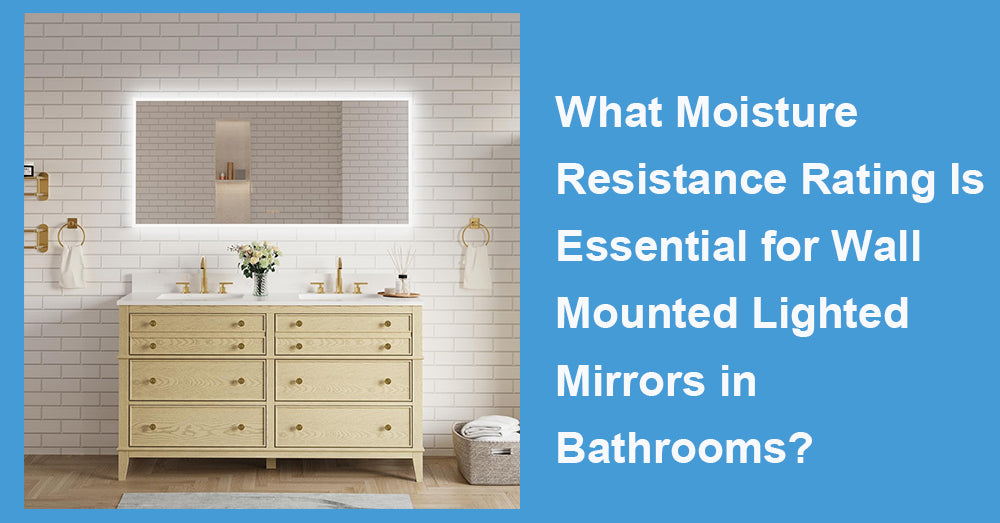
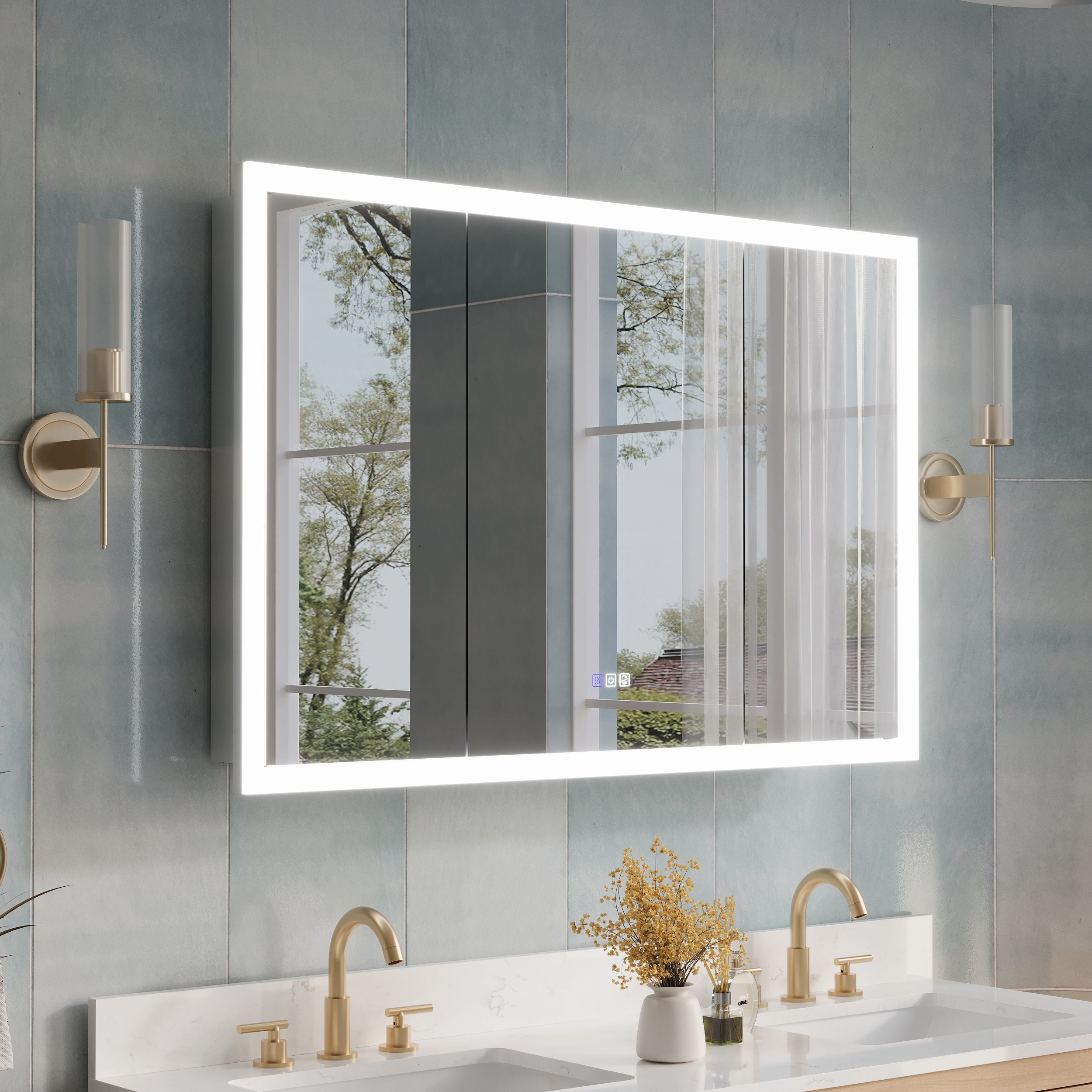
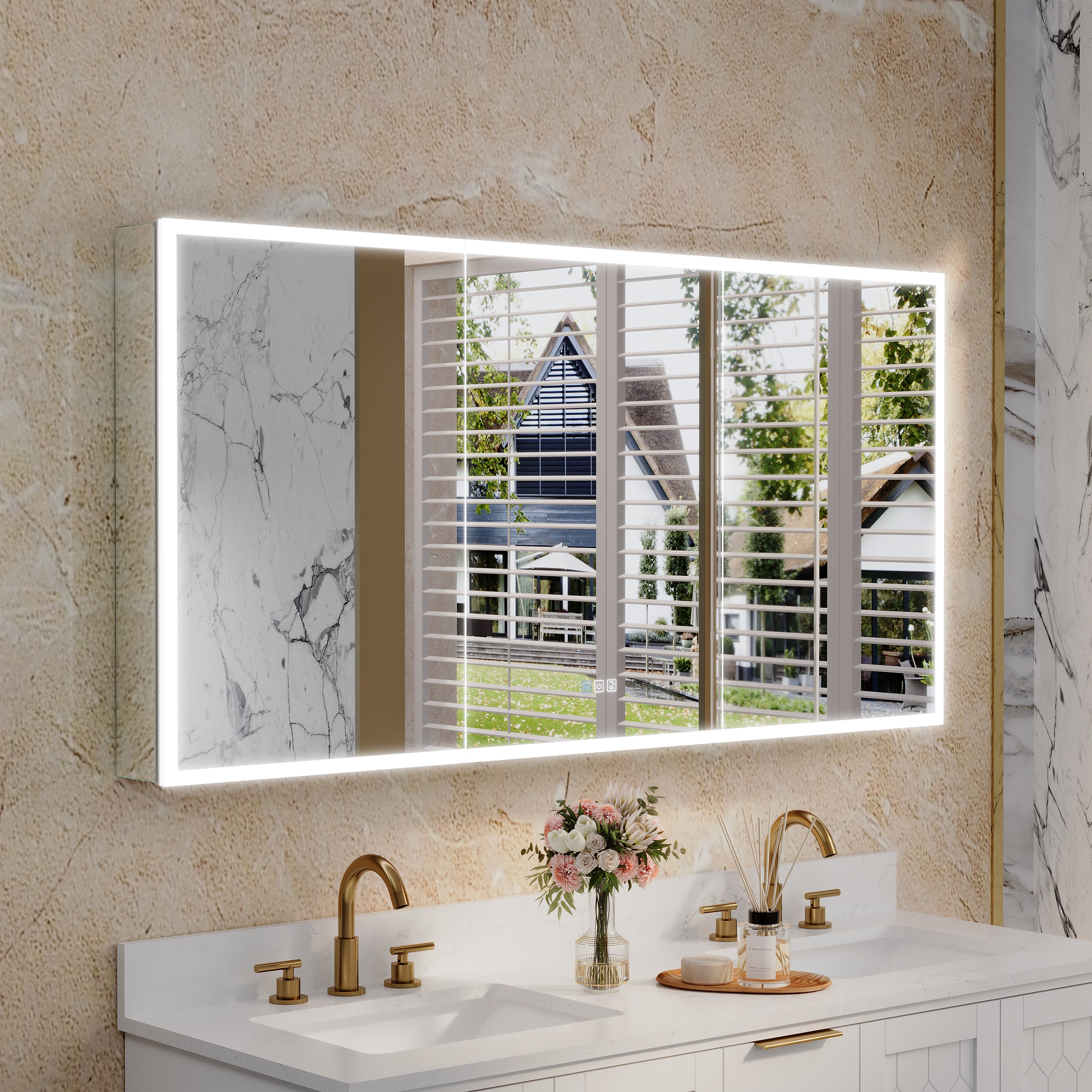
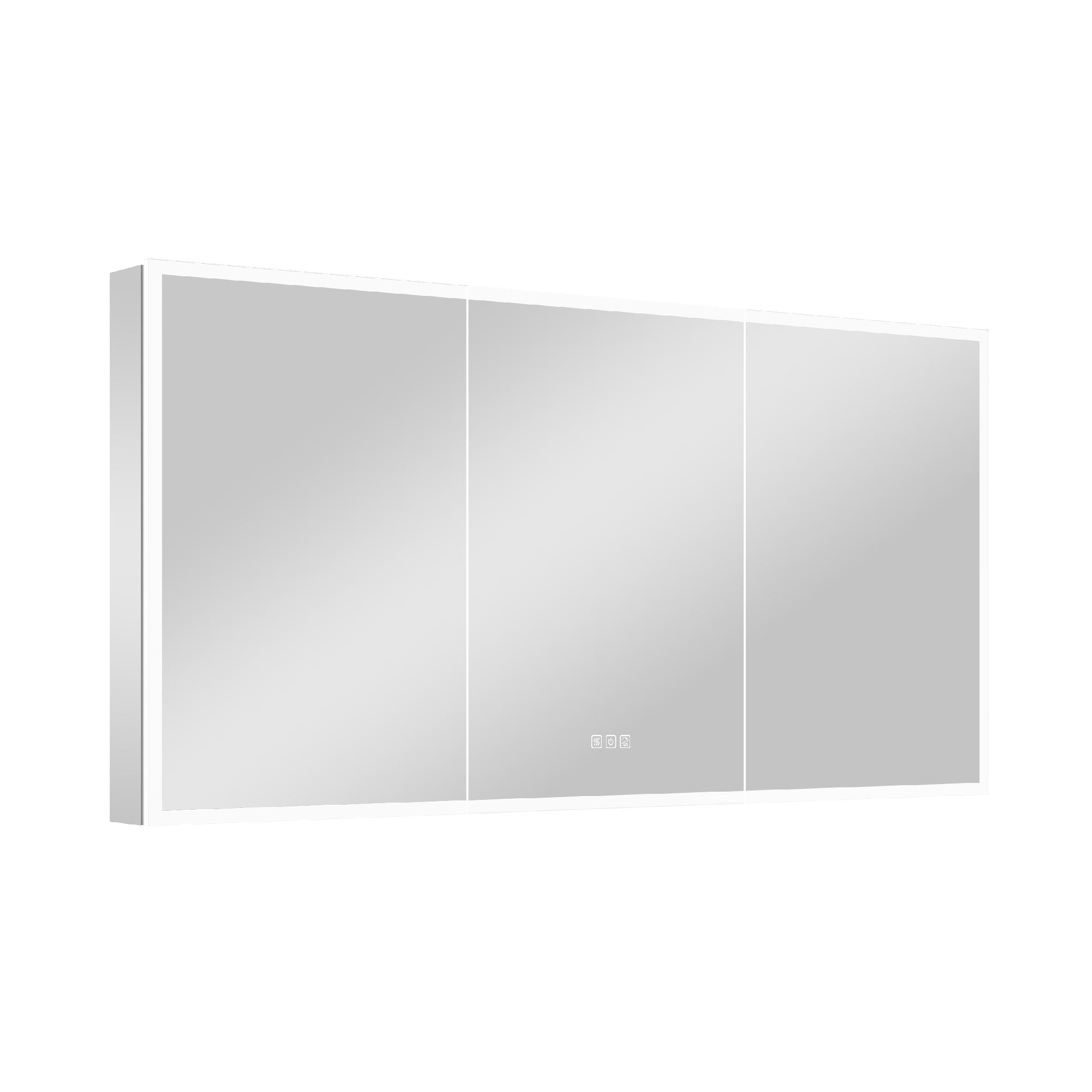
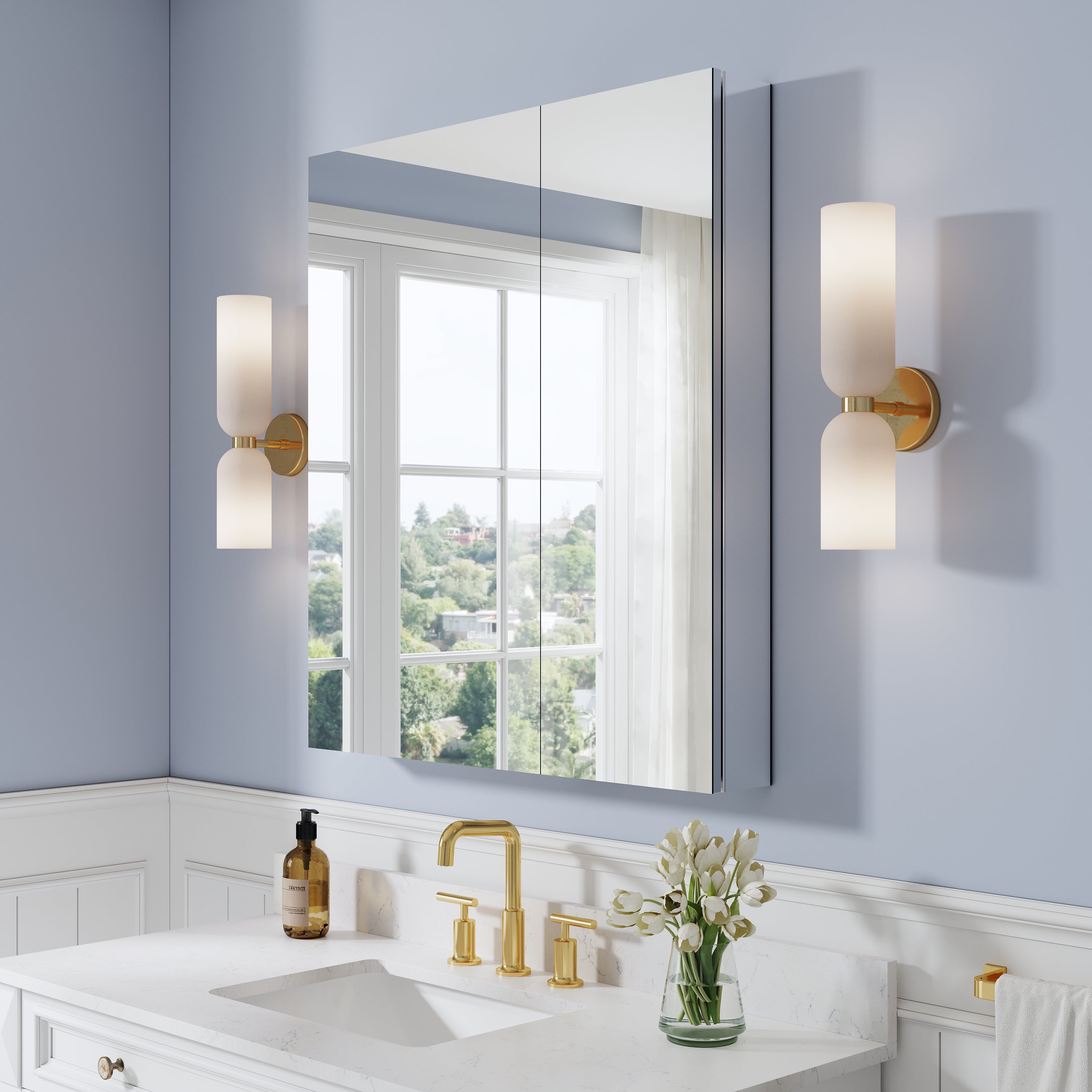
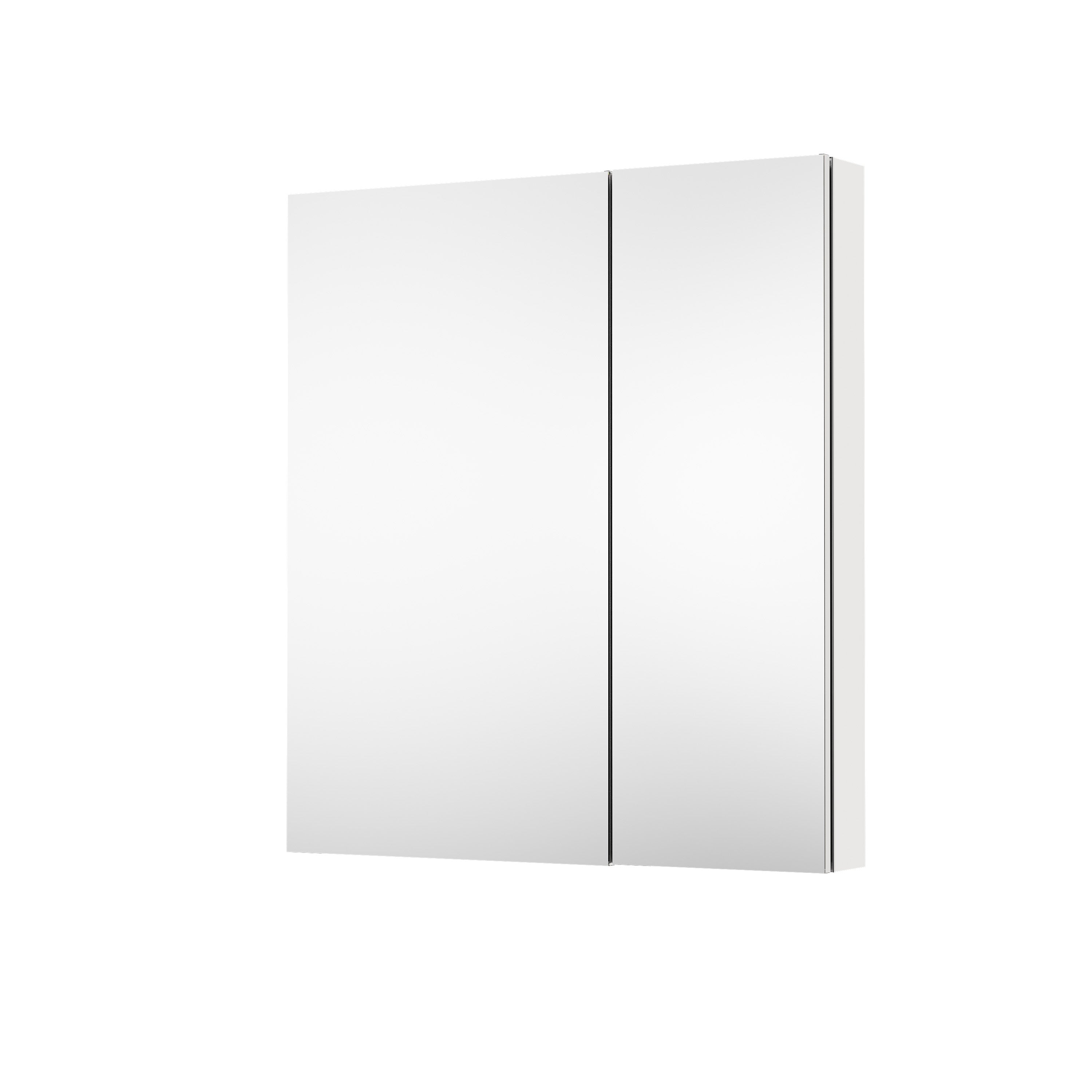
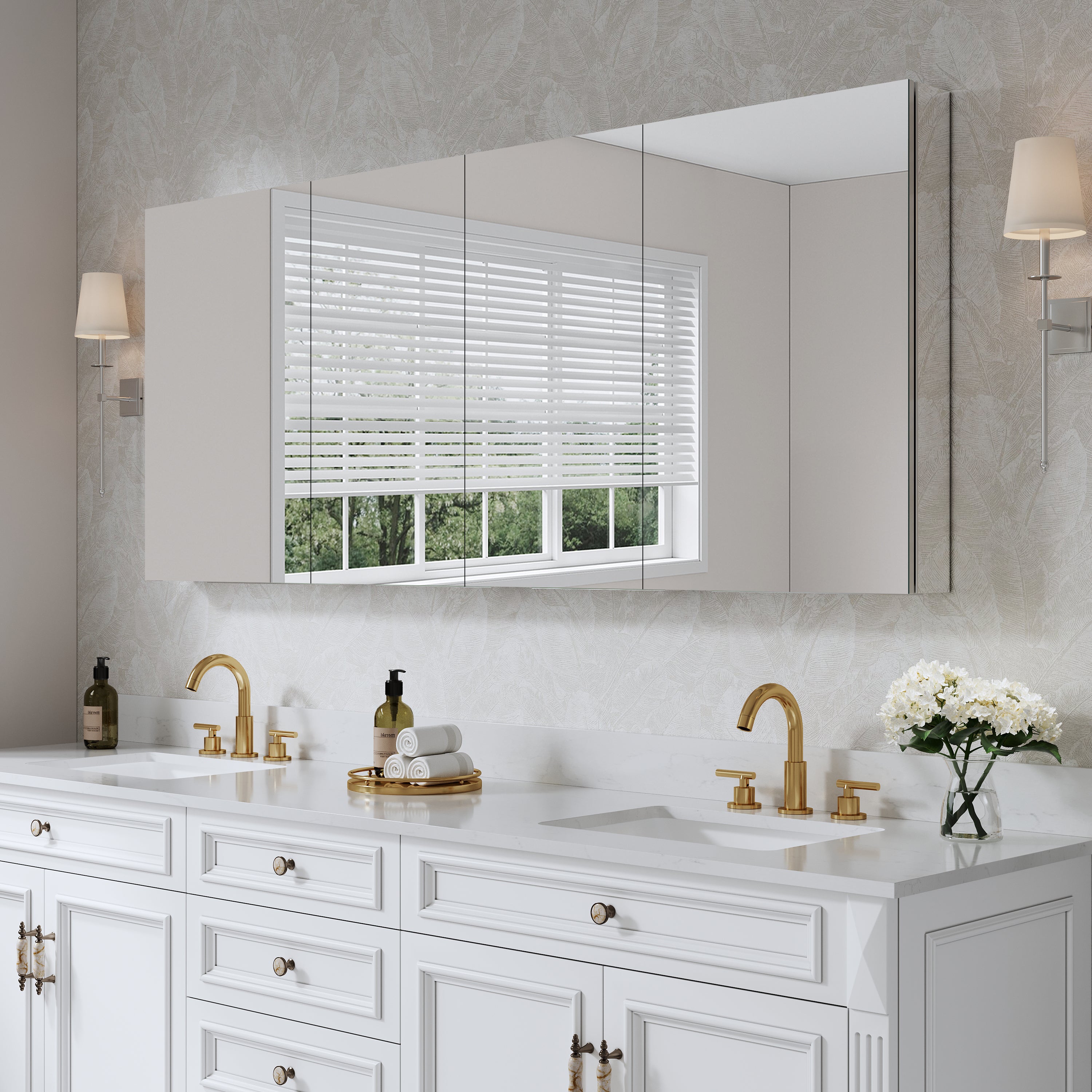
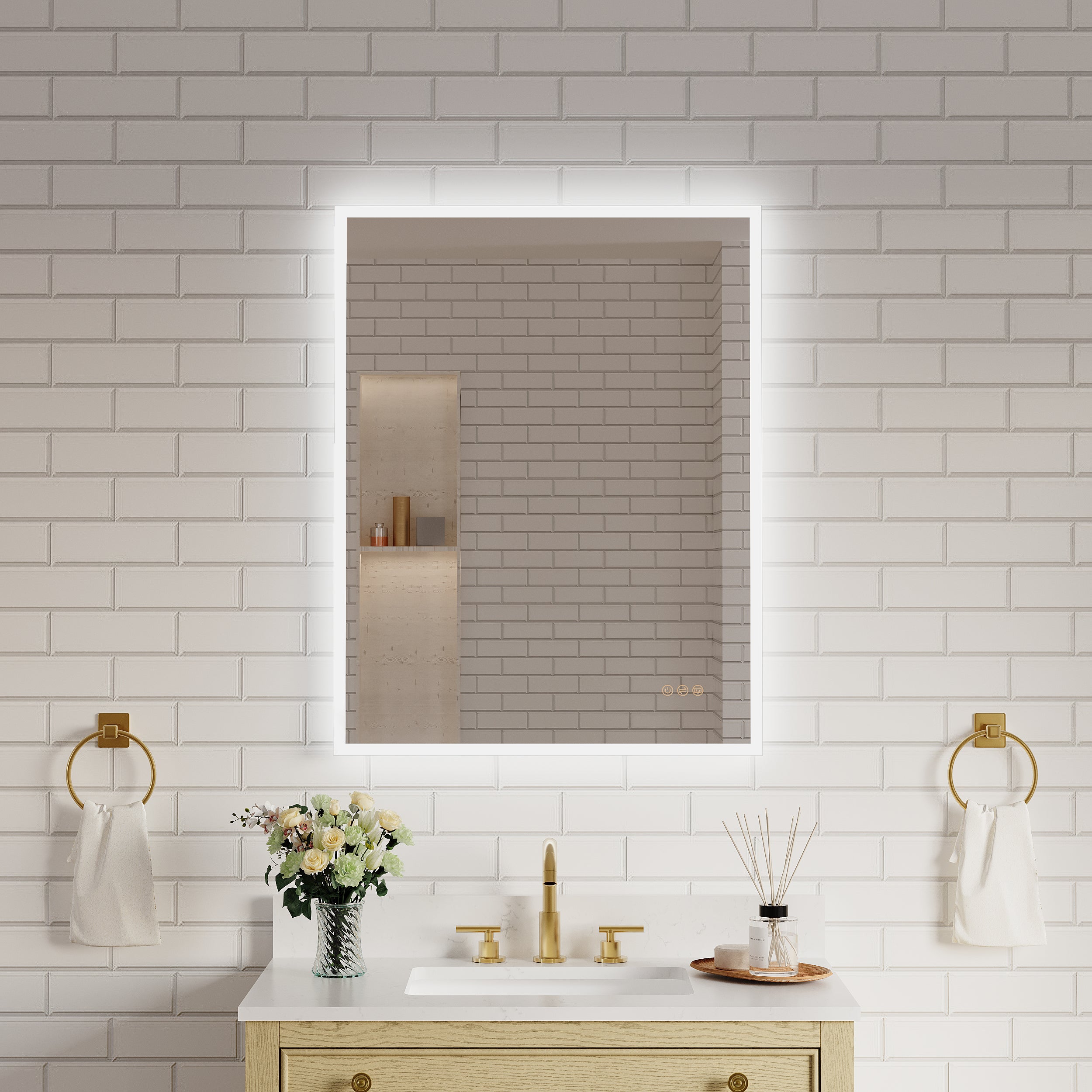
The wall mounted lighted mirrors bathrooms are rapidly becoming a "standard" in the upgrading of residential and commercial bathroom spaces. It integrates lighting, mirrors, and storage or intelligent functions, which not only enhance the space's texture but also directly affect its safety and durability. Due to long-term high humidity, alternating hot and cold environments, and the easy splashing of water in the bathroom, moisture resistance has become a key indicator for determining whether a lighting mirror is qualified and suitable for installation in different areas. This article will systematically examine the moisture-resistance level bathroom wall-mounted lighting mirrors should possess, as well as the latest trends in selection and installation, in line with industry standards.

1. Why is the moisture resistance level so important?
The water vapor in the bathroom can enter the interior of the lighting fixtures through gaps. If the protection is insufficient, it can easily lead to the following problems:
Electrical safety risks: Moisture can cause short circuits and electrical leakage, posing a risk of electric shock.
Shortened lifespan of light source: LED modules experience increased light decay, flicker, or failure when exposed to moisture.
Mirror surface and structural damage: Water vapor corrodes metal parts, mold grows on the back plate, and the silver layer on the mirror oxidizes.
Rising maintenance costs: frequent replacements or repairs affect user experience.
Therefore, building codes and certification systems have put forward precise environmental adaptation requirements for bathroom lighting products.
2. Common moisture-proof level system: IP protection level
In the field of lighting mirrors, the most commonly mentioned protection level is IP (Ingress Protection). This level consists of two digits:
The first digit represents dust resistance (0-6);
The second digit represents waterproof ability (0-8).
For bathroom wall-mounted lighting mirrors, the waterproof rating is particularly critical:
IP44: It can prevent water splashing from all directions and is the most common and lowest recommended level in the sink area of the market.
IP54: Further dustproof based on IP44, suitable for household bathrooms with general ventilation conditions;
IP65: Can withstand low-pressure water jet, commonly used near shower areas or high-humidity commercial spaces;
IP67 (a few high-end products): Can be immersed in water for a short period of time, often used for special designs or customized projects.
The industry consensus is that the area above the washbasin in ordinary residential buildings should be ≥ IP44, and it is recommended to be ≥ IP65 near the shower or bathtub area.
3. UL/ETL certification and "wet zone rating" requirements
In addition to IP rating, consumers and contractors also attach great importance to UL or ETL certification. These two types of certifications will indicate the applicable environment of the product, and standard markings include:
Damp Location: Suitable for bathrooms above washbasins with good ventilation;
Wet Location: Suitable for locations that may be directly sprayed with water, such as near shower areas.
The National Electrical Code (NEC) also specifies that:
Lighting equipment installed in damp or areas that may come into direct contact with water must be labeled with the corresponding wet zone applicable level.
Therefore, in the market, a compliant bathroom wall-mounted lighting mirror must be at least UL/ETL certified and clearly labeled as Damp or Wet Location.
4. How can structural design improve moisture resistance?
Moisture prevention is not only reflected in certification labels but also in the details of the product structure. The current mainstream designs include:
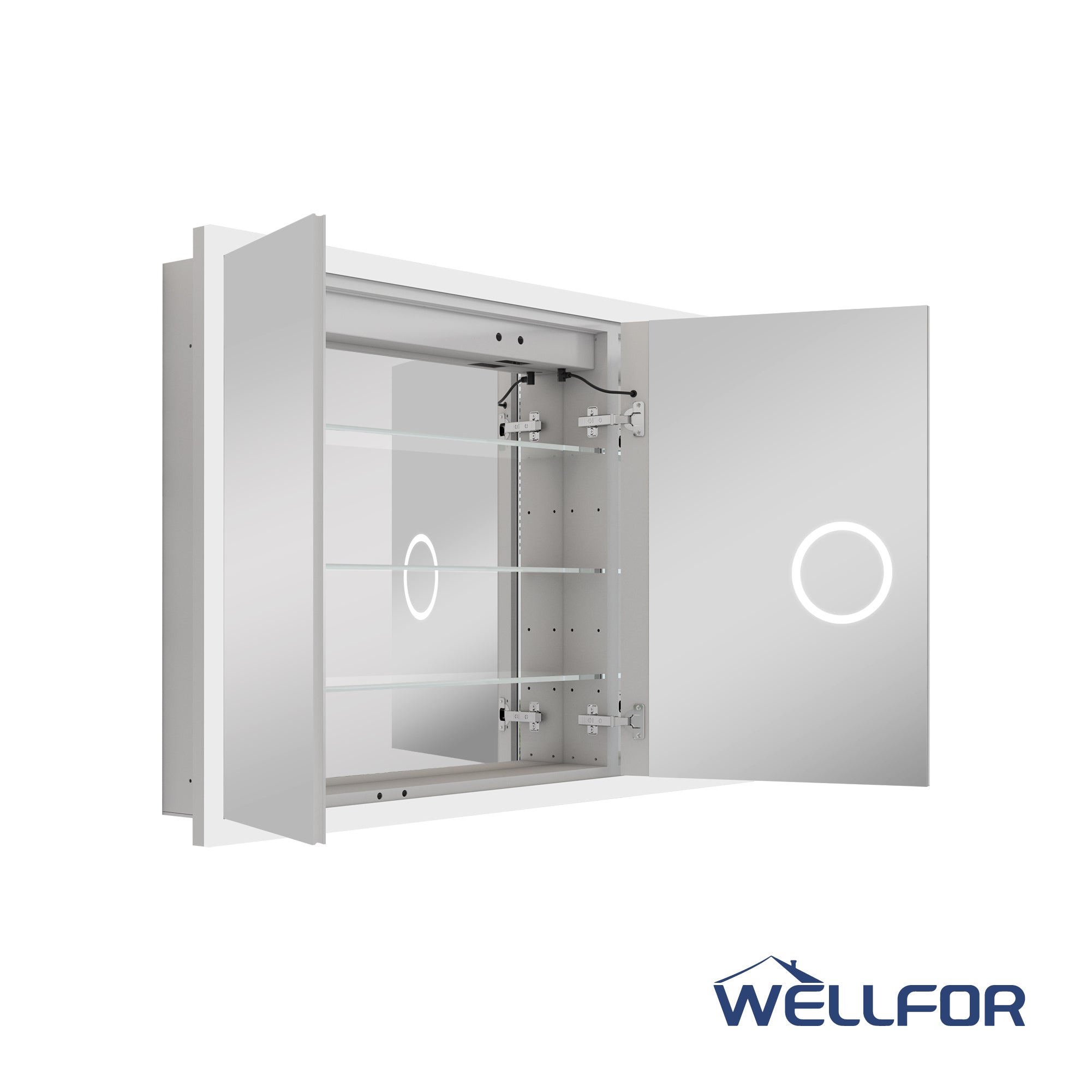
Fully enclosed LED light strip and power compartment: sealed with silicone or waterproof rubber ring to reduce water vapor intrusion;
Waterproof drive power supply: an independent power box to enhance stability in high-humidity environments.
Aluminum alloy or stainless steel backplate: Compared to ordinary steel plates or density boards, it is more corrosion-resistant and less prone to deformation.
Anti-fog heating film partition design: to avoid the influence of temperature difference condensation on the circuit.
These design features have become value-adding highlights in high-end residential, hotel, and apartment projects.
These designs have become bonus points in high-end residential, hotel, and apartment projects.
5. New requirements for moisture prevention under the trend of intelligence
With the increasing demand for smart lighting mirrors (such as touch dimming, color temperature switching, Bluetooth, clock, etc.), the requirement for moisture resistance has increased further. Touch panels, sensing modules, and control chips are all sensitive to humidity, which has prompted manufacturers to upgrade in the following areas:
Adopting a low-voltage DC power supply to reduce safety risks;
Concentrate the control module in a sealed area with a higher waterproof rating;
Protect the circuit board with a moisture-proof coating (Conform Coating);
Provide clearer installation area recommendations to avoid incorrect installation.
Industry data shows that smart lighting mirrors with a high-grade moisture-proof design have a significantly lower repair rate than ordinary products.
6. Industry recommendations for selection and installation
From the perspective of building materials channels and the practical experience of designers, when choosing bathroom wall-mounted lighting mirrors, the following should be given special attention:
Clearly define the moisture resistance level: prioritize products with an IP44 rating or higher.
Check the certification information: confirm whether it has passed UL or ETL, and indicate the Damp/Wet Location.
Matching installation location: The closer to the shower area, the higher the required waterproof level.
Pay attention to structural materials: the backplate, power compartment, and sealing process directly affect the service life.
Standardized installation: Wiring shall be installed by professional electricians in accordance with NEC requirements to ensure grounding and waterproofing.
Conclusion
In the market, bathroom wall-mounted lighting mirrors are no longer just "illuminating a mirror", but functional products that integrate safety, design, and technology. A reasonable moisture resistance level is not only the bottom line of regulations and certifications, but also the guarantee for users to use it with peace of mind in the long term. As consumers' demands for quality and intelligent experience continue to increase, moisture resistance is shifting from an "invisible configuration" to a core indicator in industry competition. Choosing a lighting mirror that is truly suitable for the bathroom environment has become an indispensable part of modern bathroom upgrades.












Leave a comment
This site is protected by hCaptcha and the hCaptcha Privacy Policy and Terms of Service apply.