
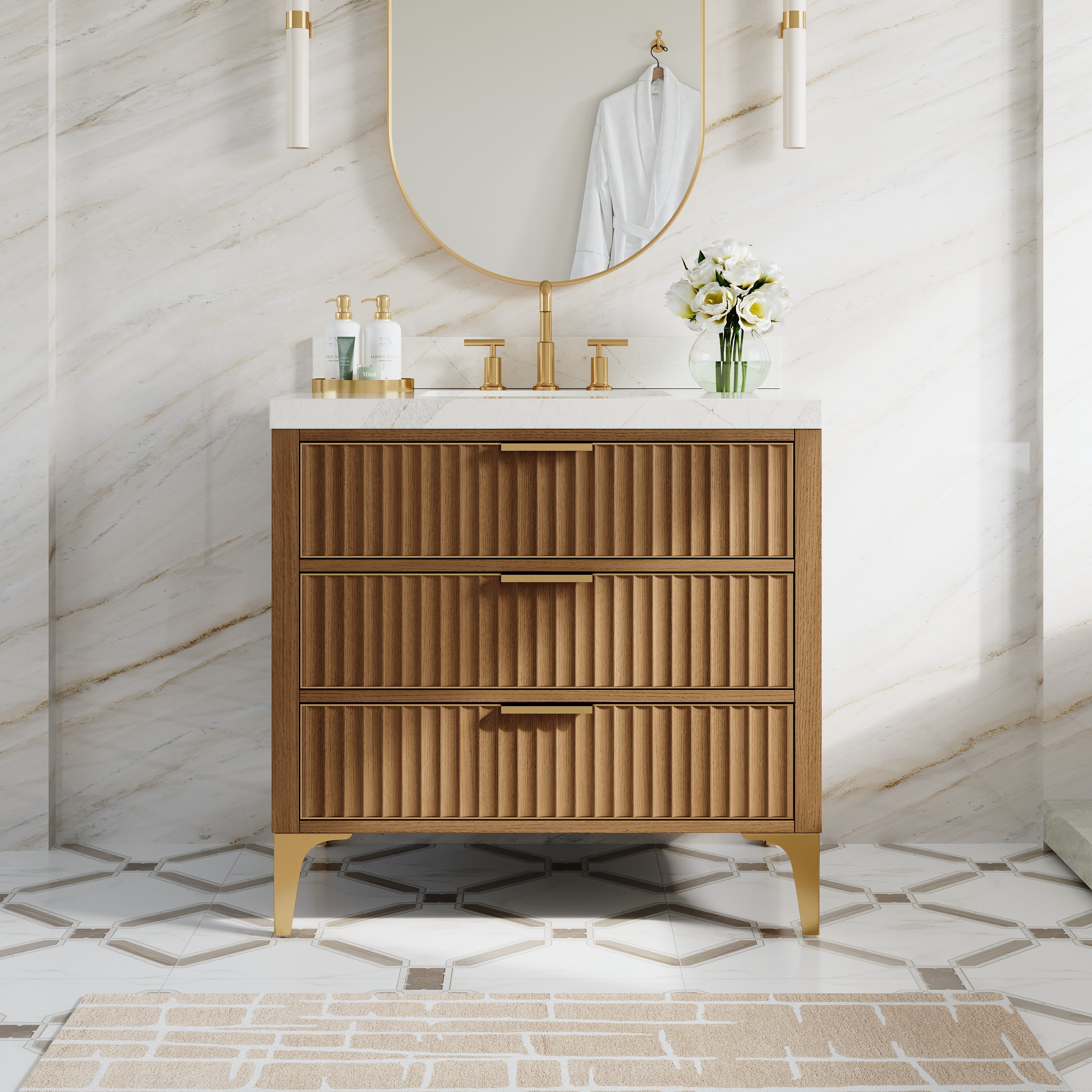
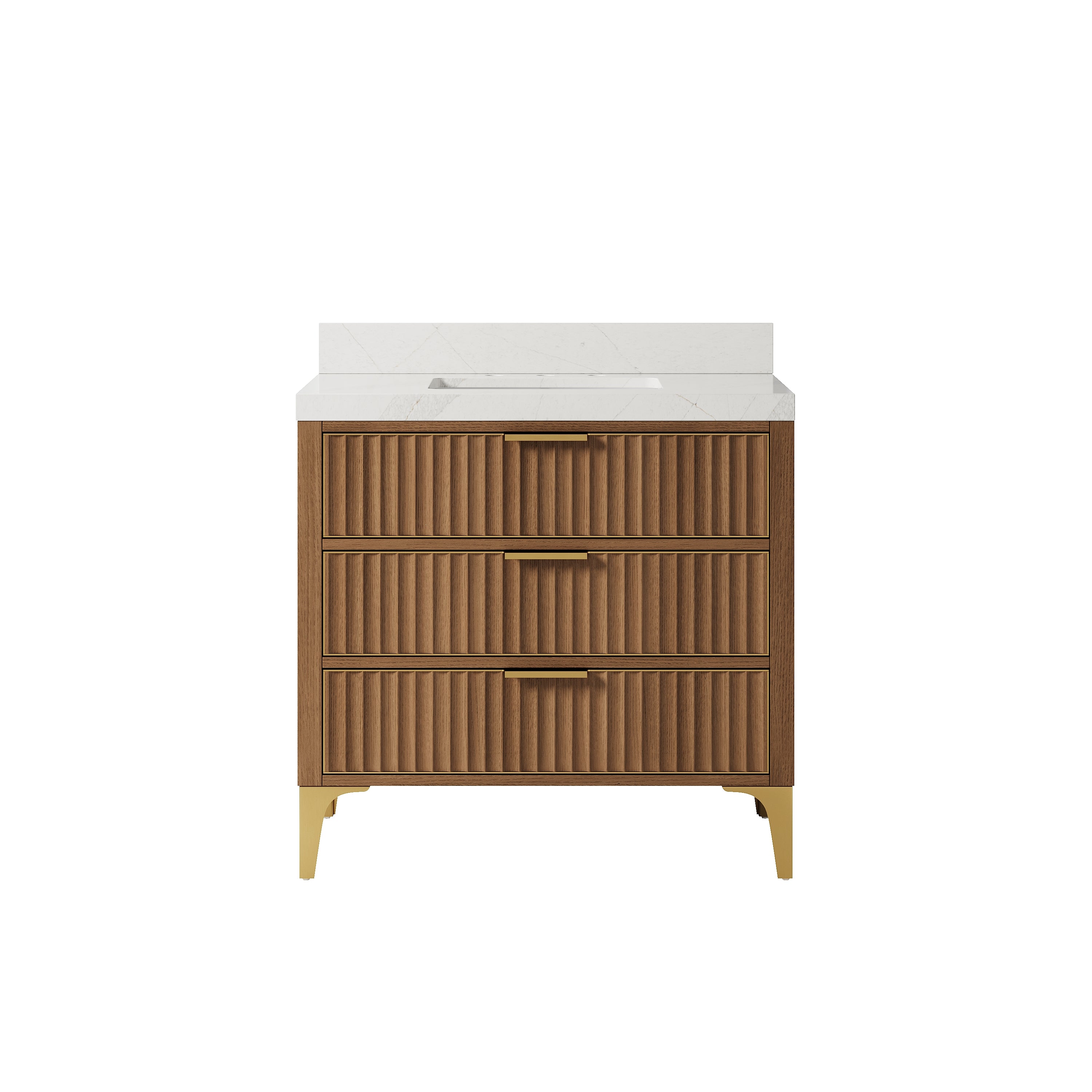
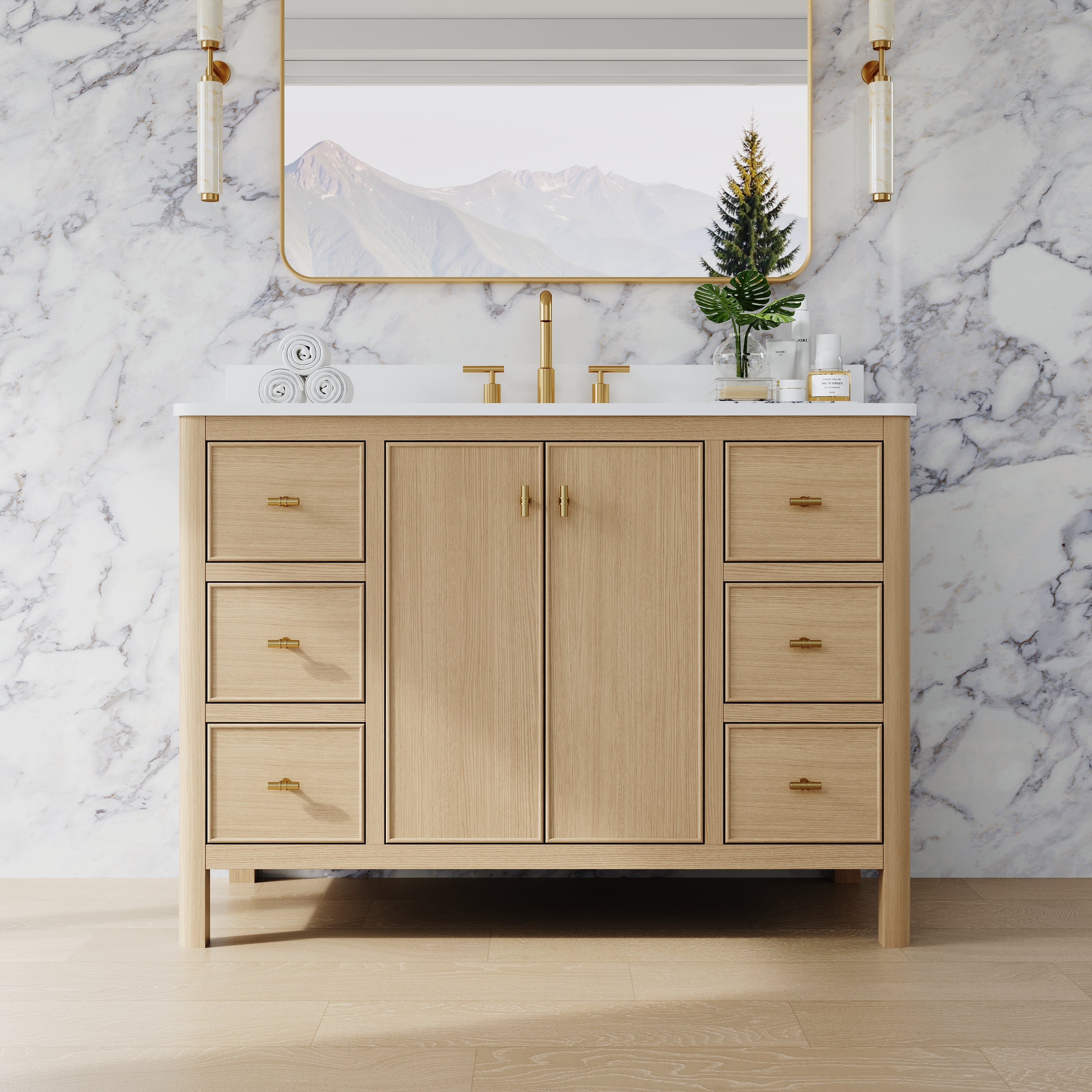
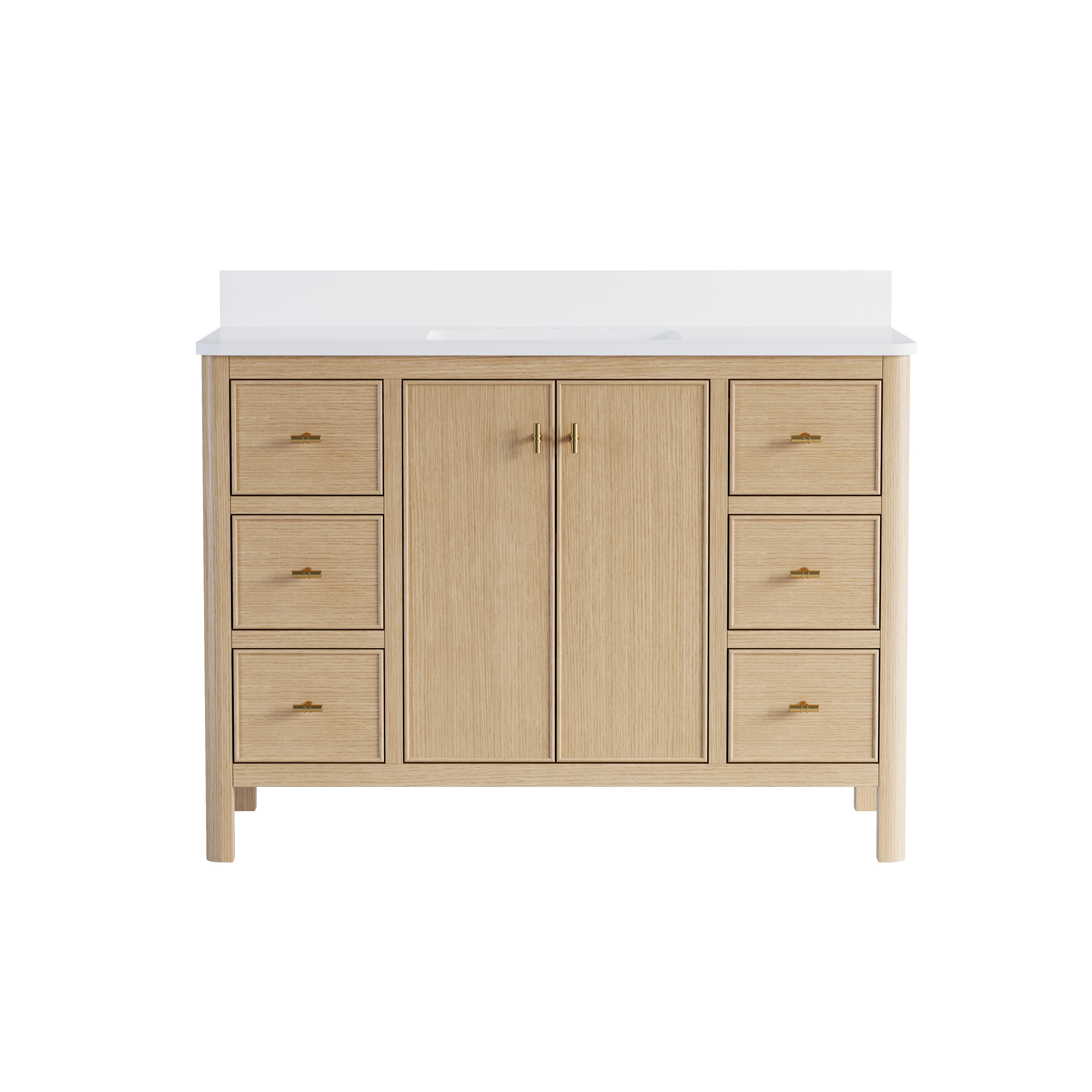
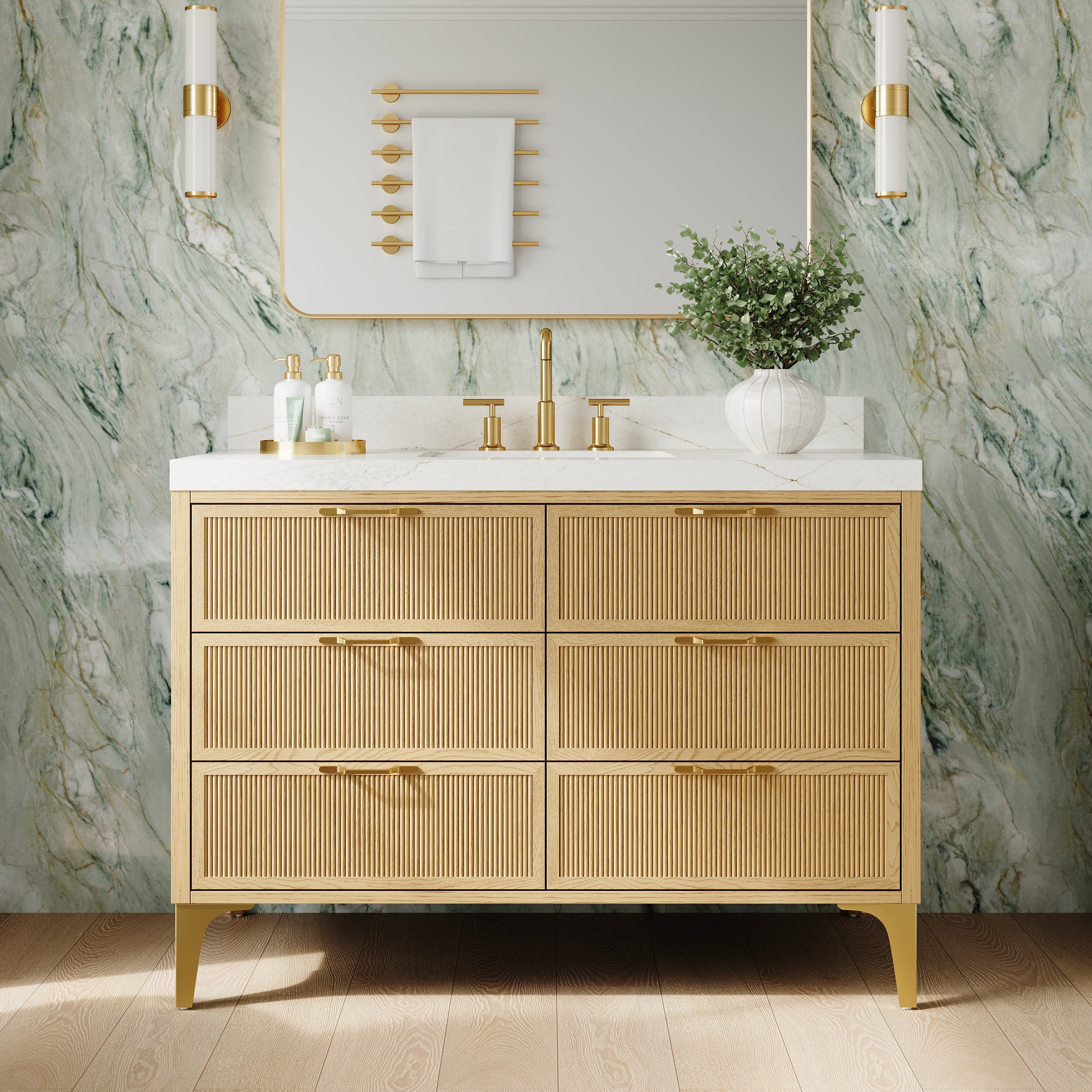
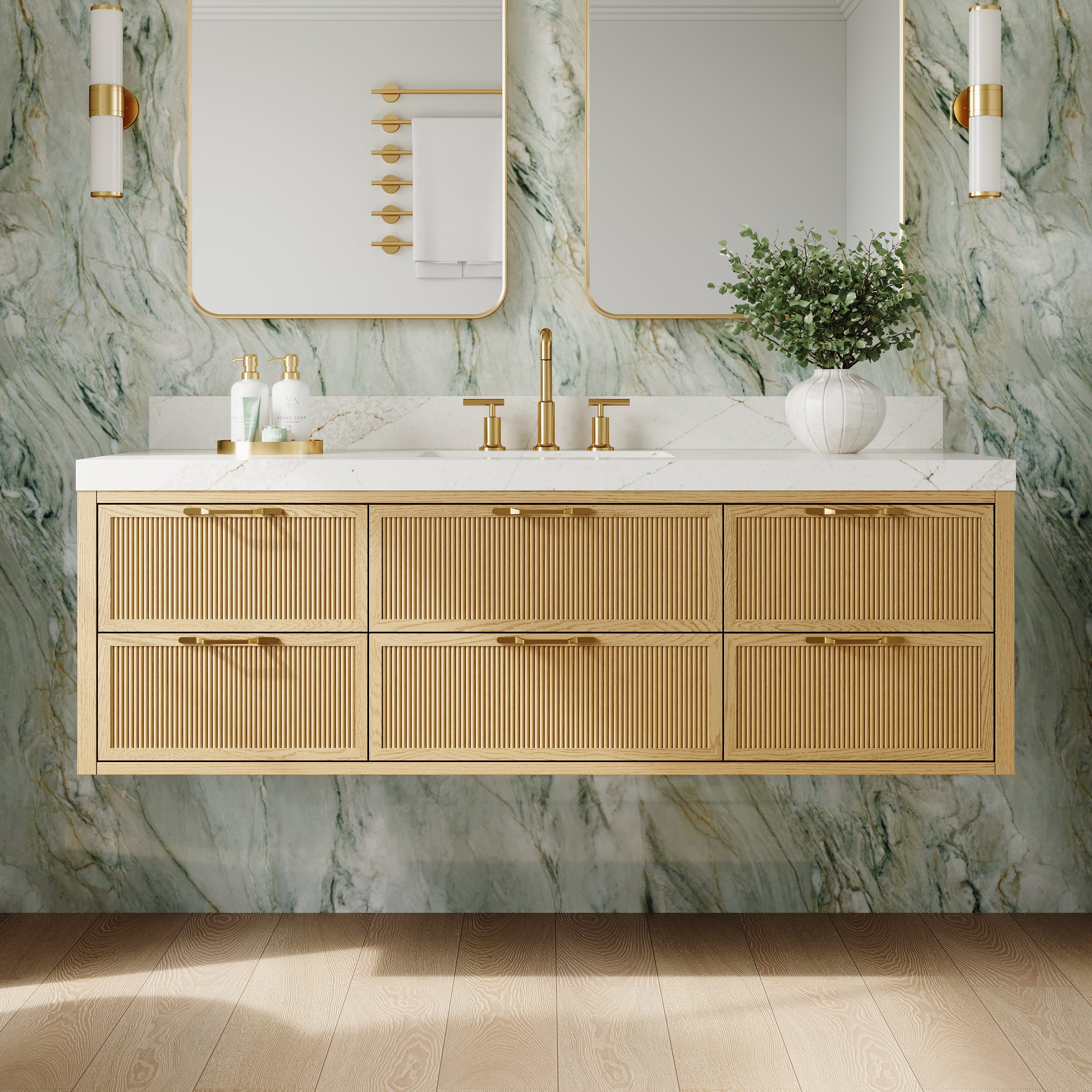
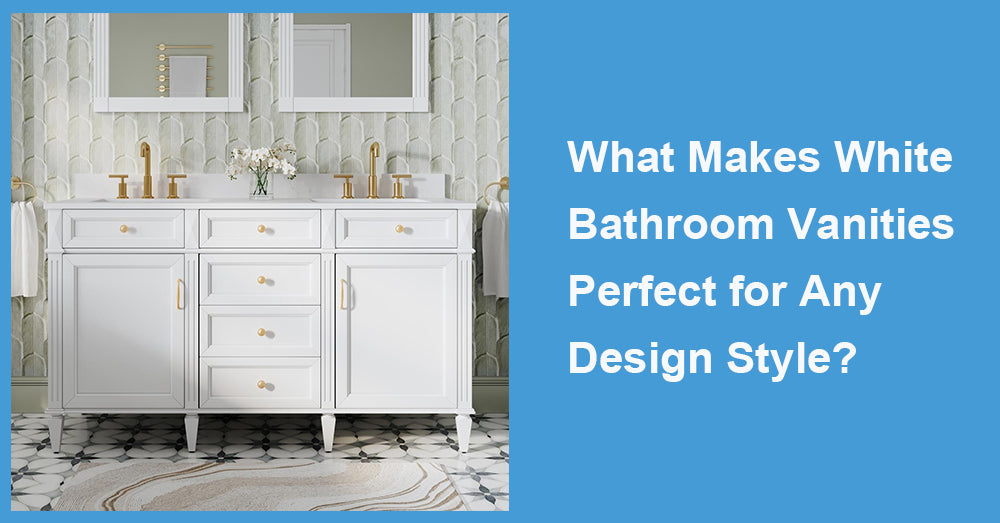
A white bathroom vanity works in almost every bathroom because it acts like a “visual amplifier”: it brightens the vanity zone, simplifies the color palette, and makes it easier to layer in different materials (stone, metal, wood, tile) without the room feeling busy. Done right, white doesn’t look bland—it looks intentional, clean, and flexible. The key is choosing the right white (undertone and finish), pairing it with the right hardware and lighting, and selecting materials that hold up to humidity and daily cleaning.
1. White Improves Brightness and Perceived Space
Bathrooms often feel cramped not because of actual square footage, but because light doesn’t spread evenly and surfaces feel visually “heavy.” White surfaces help reflect available light, which can make the room feel airier.
Paint and finish professionals often describe this using Light Reflectance Value (LRV), which indicates how much light a color reflects compared with pure black (0) and pure white (100). Educational resources note that many whites and off-whites land in high LRV ranges—often in the 80s or 90s, depending on the specific shade.
There’s also evidence that brighter bounding surfaces can change how space is perceived. A peer-reviewed study found that the luminance of a room’s bounding surfaces significantly influences perceived spatial layout, with brighter surfaces tending to appear farther away.
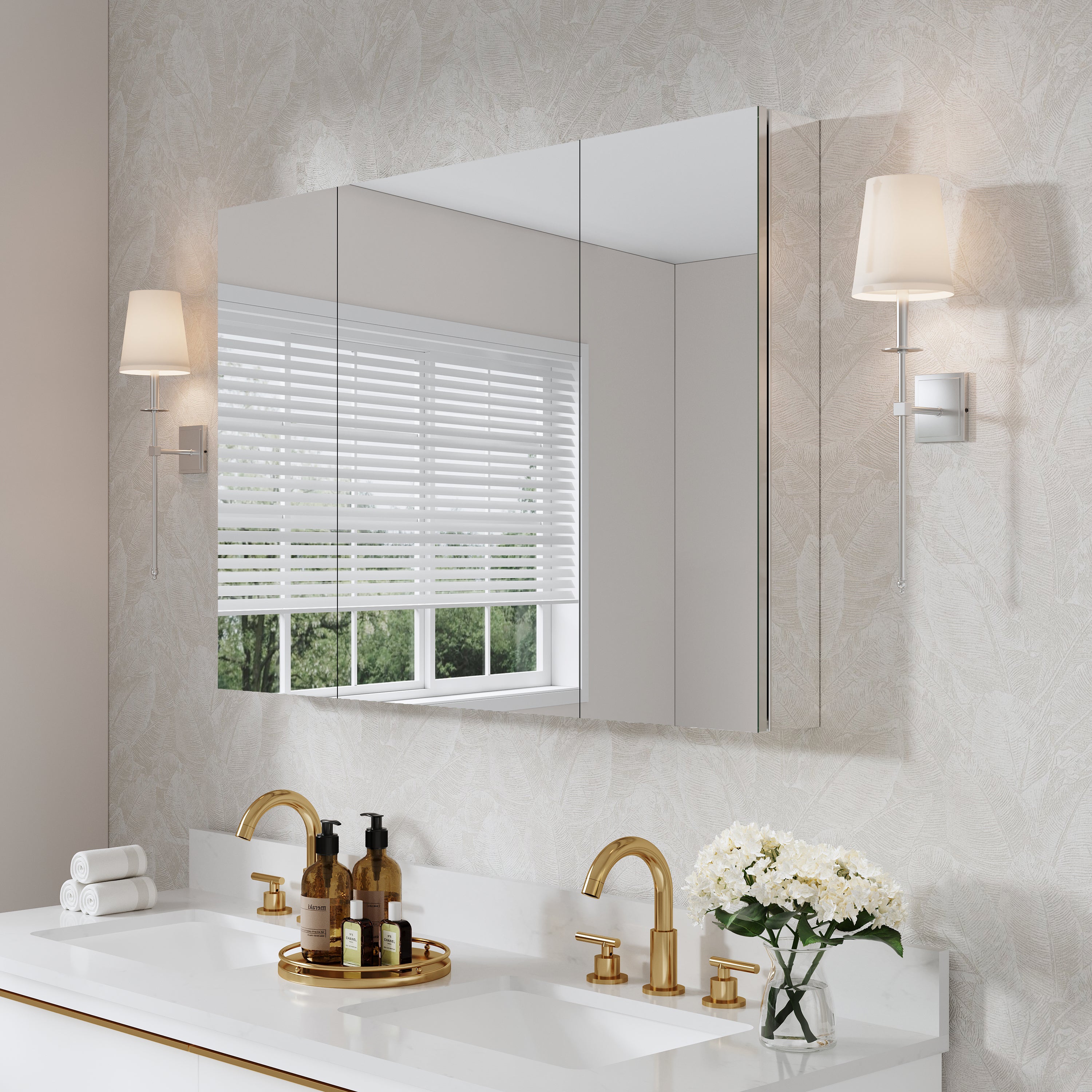
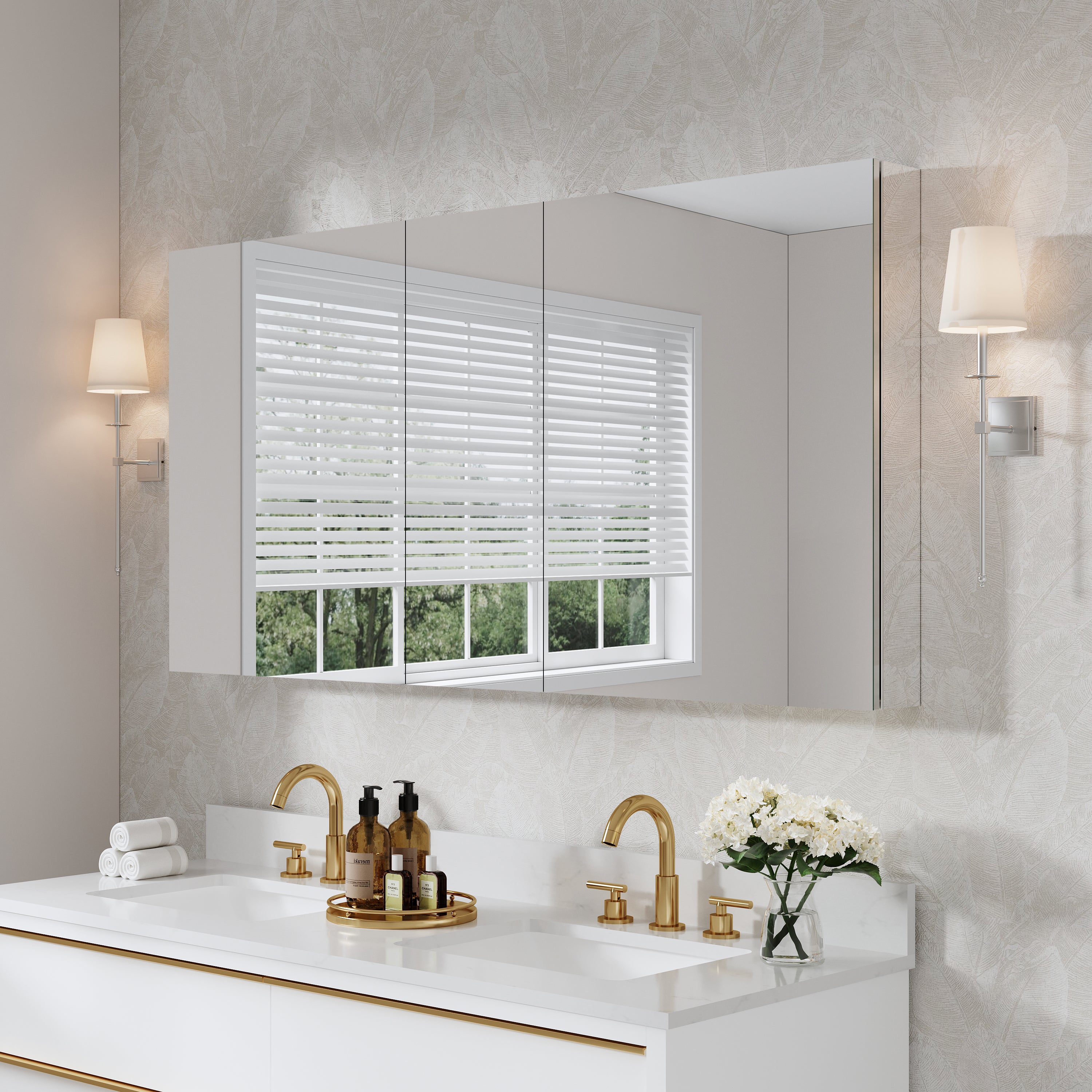
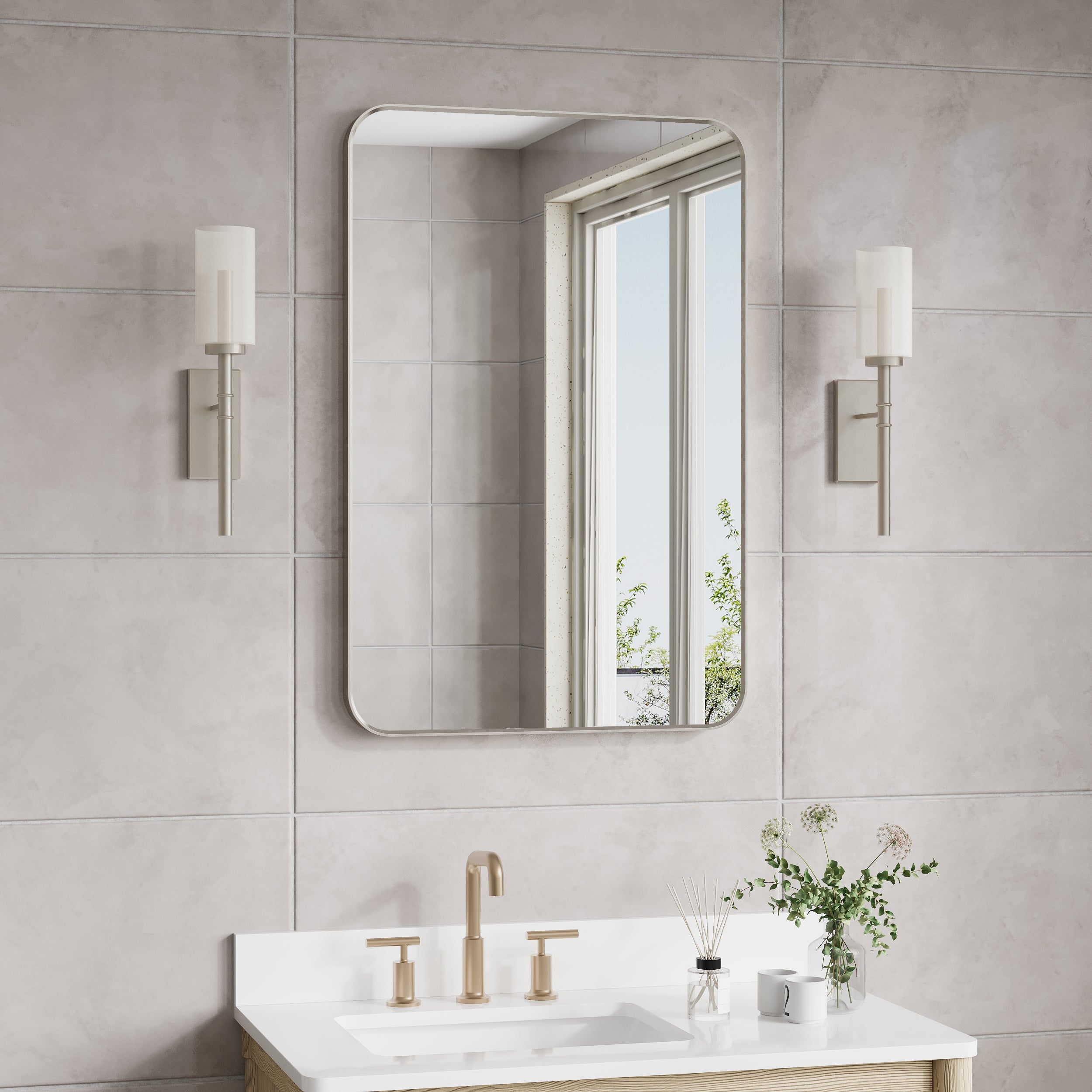
In a bathroom, that means a white vanity (especially paired with a large mirror and well-placed lighting) can support an “open” feeling without moving a single wall.
2. White Is the Best Neutral for Style Flexibility
The reason white vanities work across styles is simple: they don’t compete.
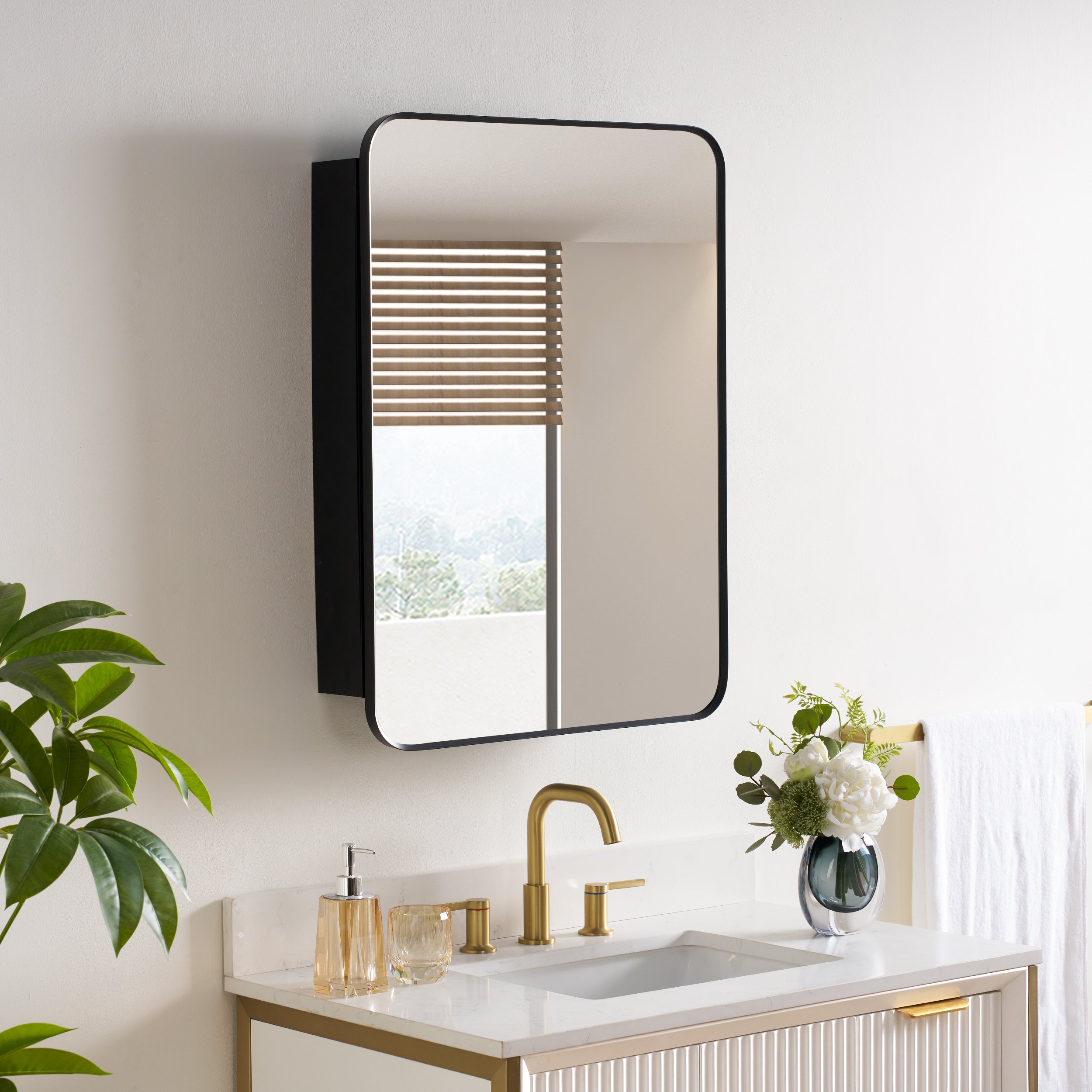
· Modern minimal: white + flat panels + matte black pulls = crisp and architectural.
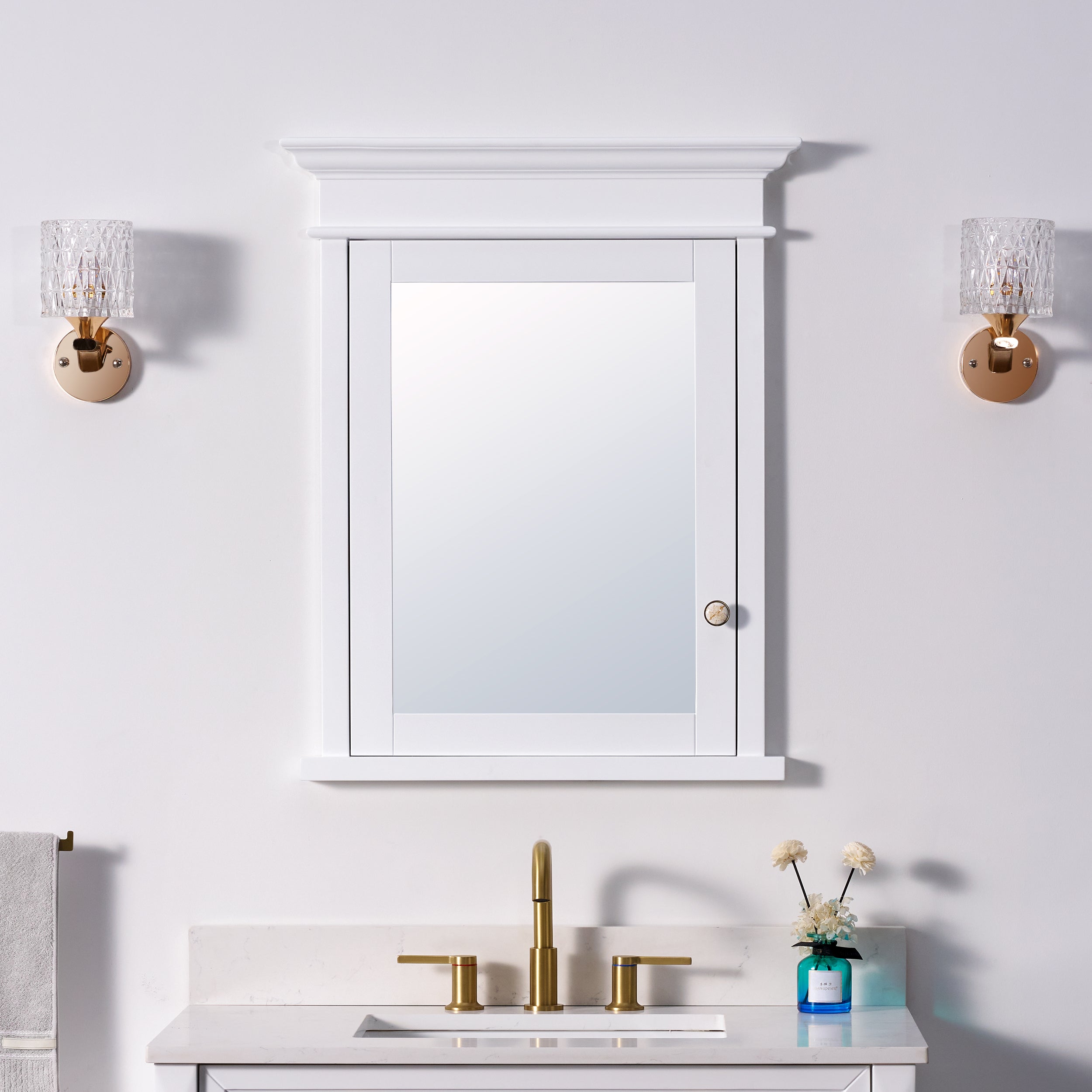
· Transitional: white shaker doors + brushed nickel = clean but warm.
· Classic: white vanity + polished chrome + marble-look top = timeless.
· Organic spa: white vanity + light wood accents + soft neutral tile = calm and natural.
This flexibility matters during renovations because bathrooms are built from multiple finishes. A vanity is a large block of color; white reduces risk when you’re mixing tile, countertops, mirrors, and lighting.
3. White Feels “Cleaner” and Shows Design Quality More Clearly
White is unforgiving—in a good way. It reveals misalignment, sloppy edgework, and cheap hardware fast. That’s why a well-made white vanity looks premium: clean lines look sharper, and the room reads more “finished.”
But white also puts pressure on your material choices. A vanity should not only look clean; it should stay clean-looking after repeated wiping and humidity cycles.
4. The Finish You Choose Determines Whether White Stays Beautiful
Not all white vanities age the same. The finish system influences:
· stain resistance (makeup drips, hair products, cleaners)
· scratch visibility
· how easily fingerprints show
· long-term color stability
If you want a low-stress white vanity, look for finishes designed for durability and easy cleaning. Thermally fused melamine (TFM) is commonly described as offering a sealed, durable surface with scratch and stain resistance and easier maintenance compared with many painted finishes.
The point is not that one finish is “best” in every case, but that a white vanity’s elegance depends heavily on how well the surface resists daily abuse.
Practical finish rule:
· If your bathroom gets heavy daily use (kids, frequent guests, lots of products), prioritize a surface known for wipe-clean durability.
· If you want a softer, more “furniture-like” look, a quality painted finish can be beautiful—just accept that it may require gentler cleaning habits and occasional touch-ups.
5. White Makes Hardware and Countertops Look More Intentional
White vanities act like a backdrop, which makes your “accent materials” do more work:
· Hardware: matte black feels graphic; brushed nickel feels calm; warm brass feels upscale.
· Countertops: white helps stone veining stand out without fighting cabinet color.
· Faucets and lighting: white supports both warm and cool metals without clashing.
This is why designers often recommend white when homeowners plan to change accessories over time. You can swap pulls, mirrors, and lighting later without repainting the vanity.
6. White Supports Better Lighting Design at the Vanity
A bathroom’s lighting plan is only as good as what it illuminates. White cabinetry reflects light more evenly than dark surfaces, which can reduce the “cave effect” around the sink.
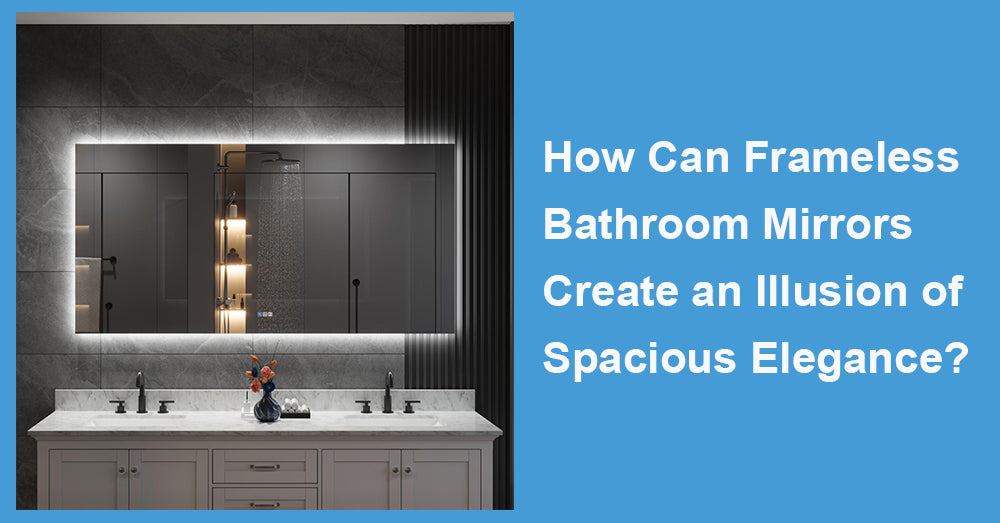
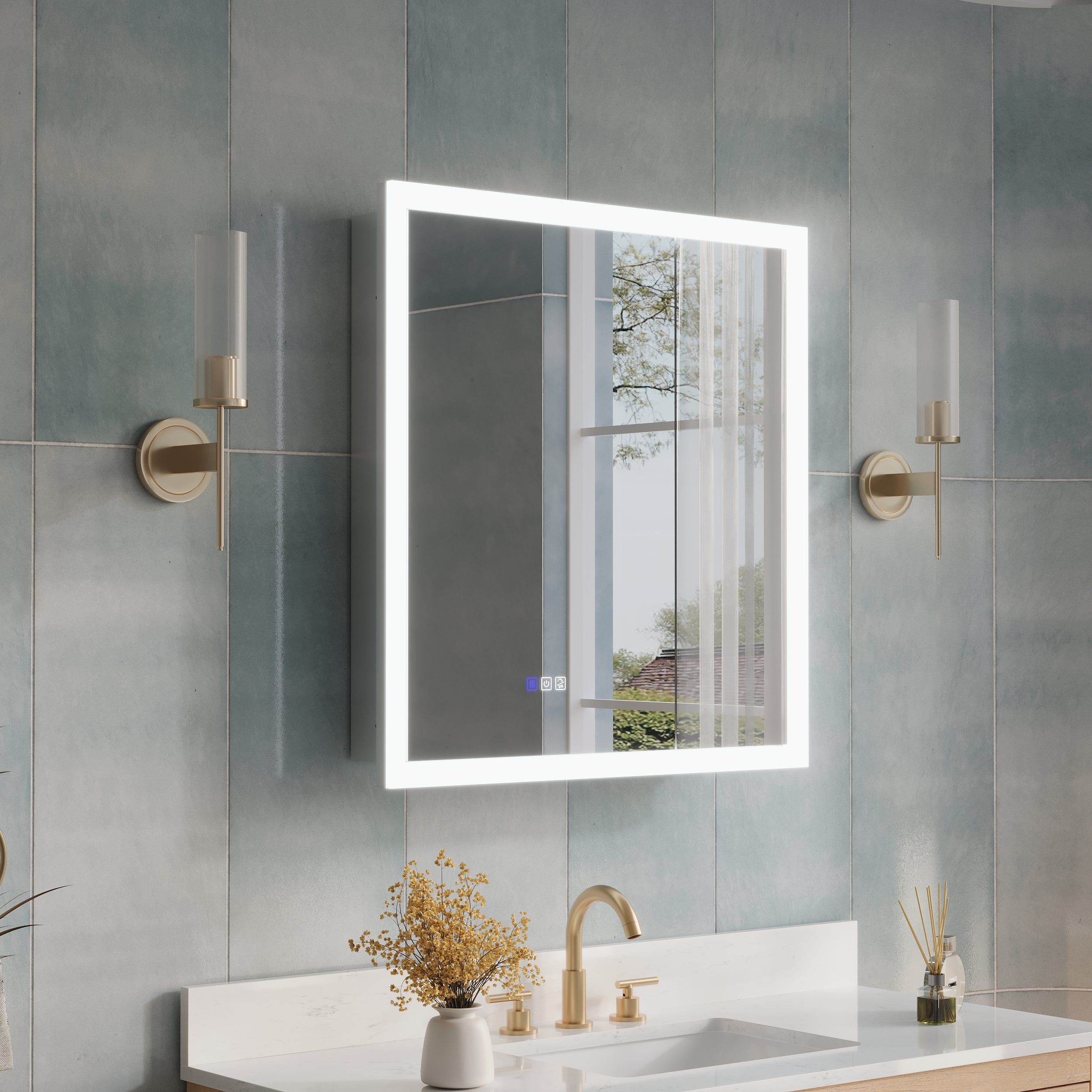
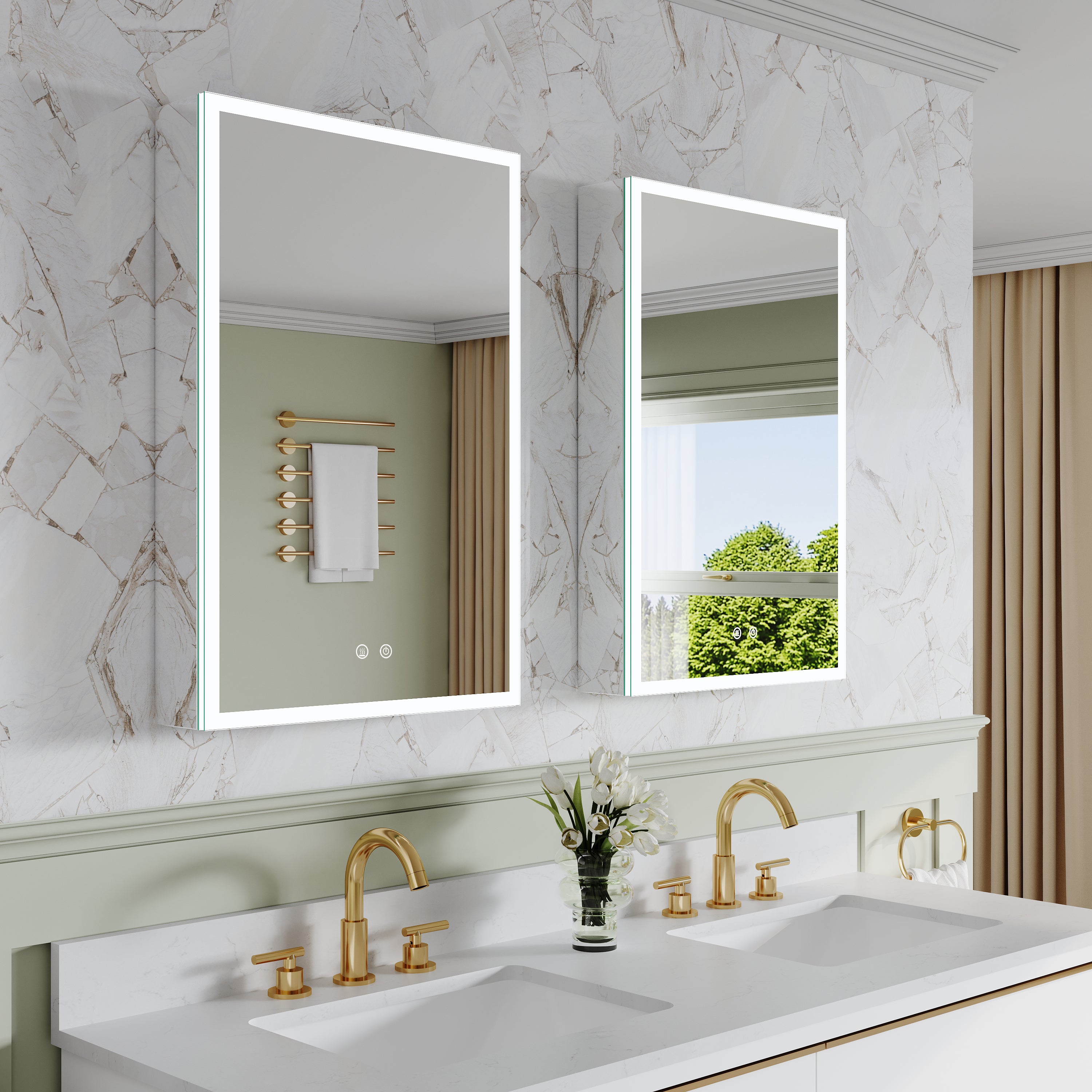
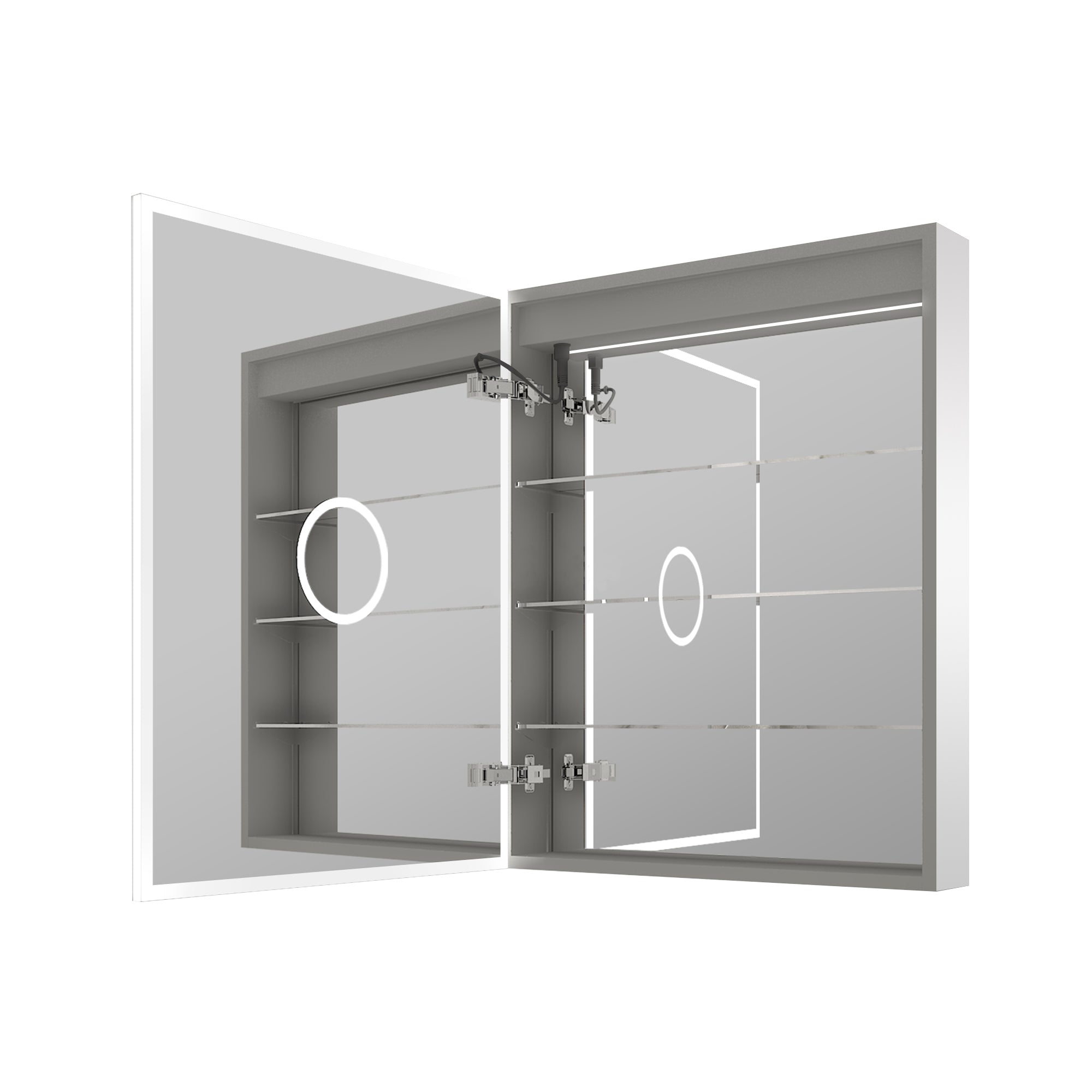
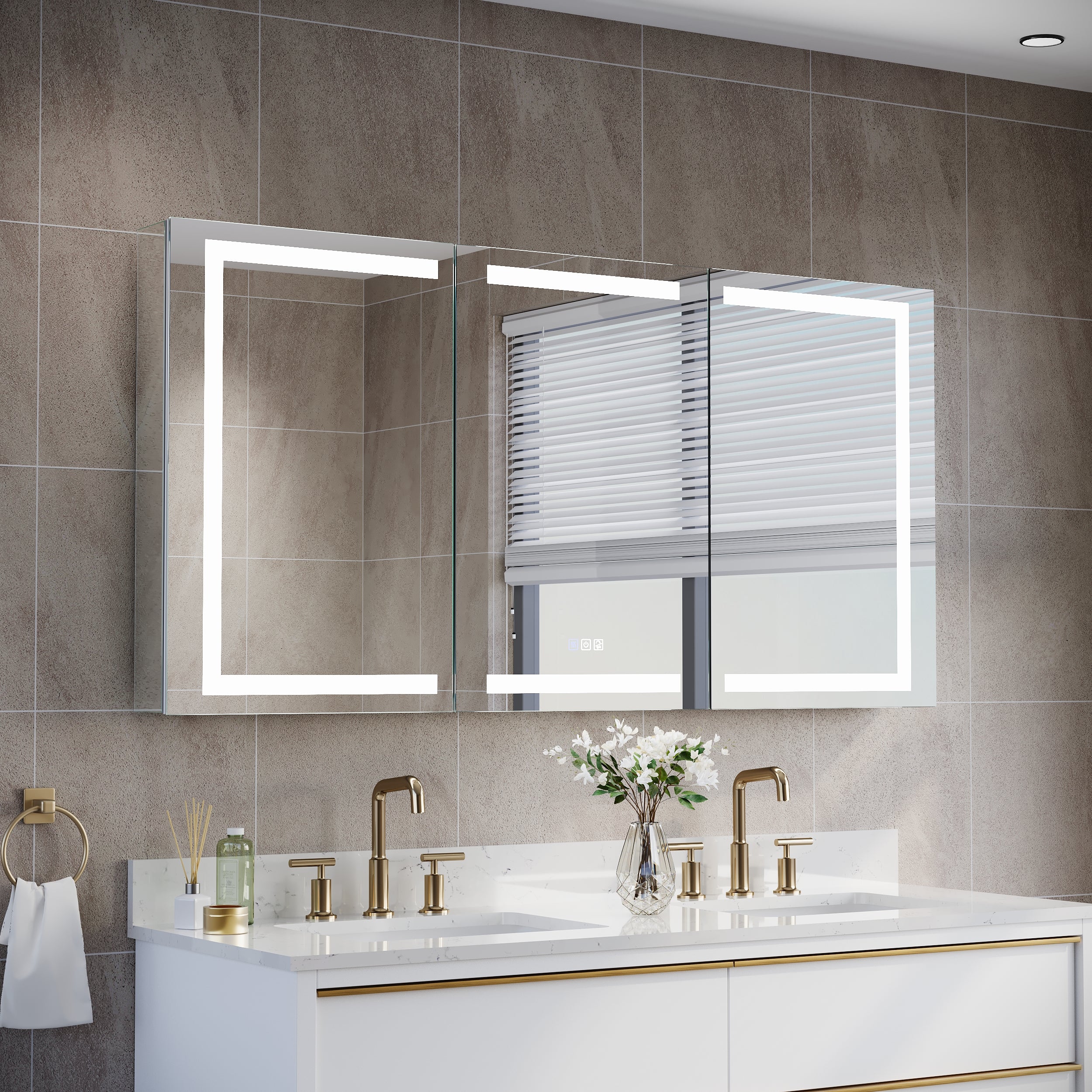
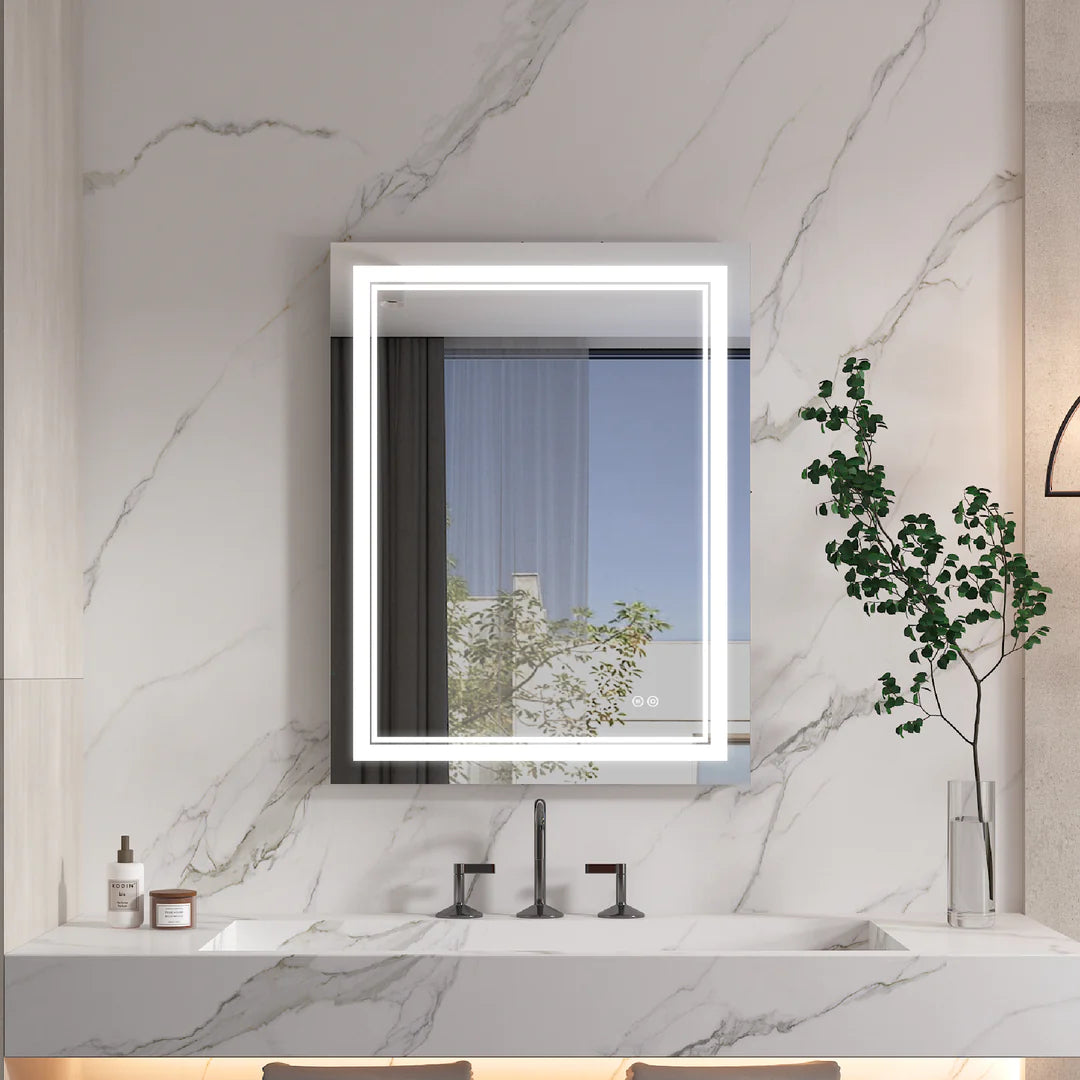
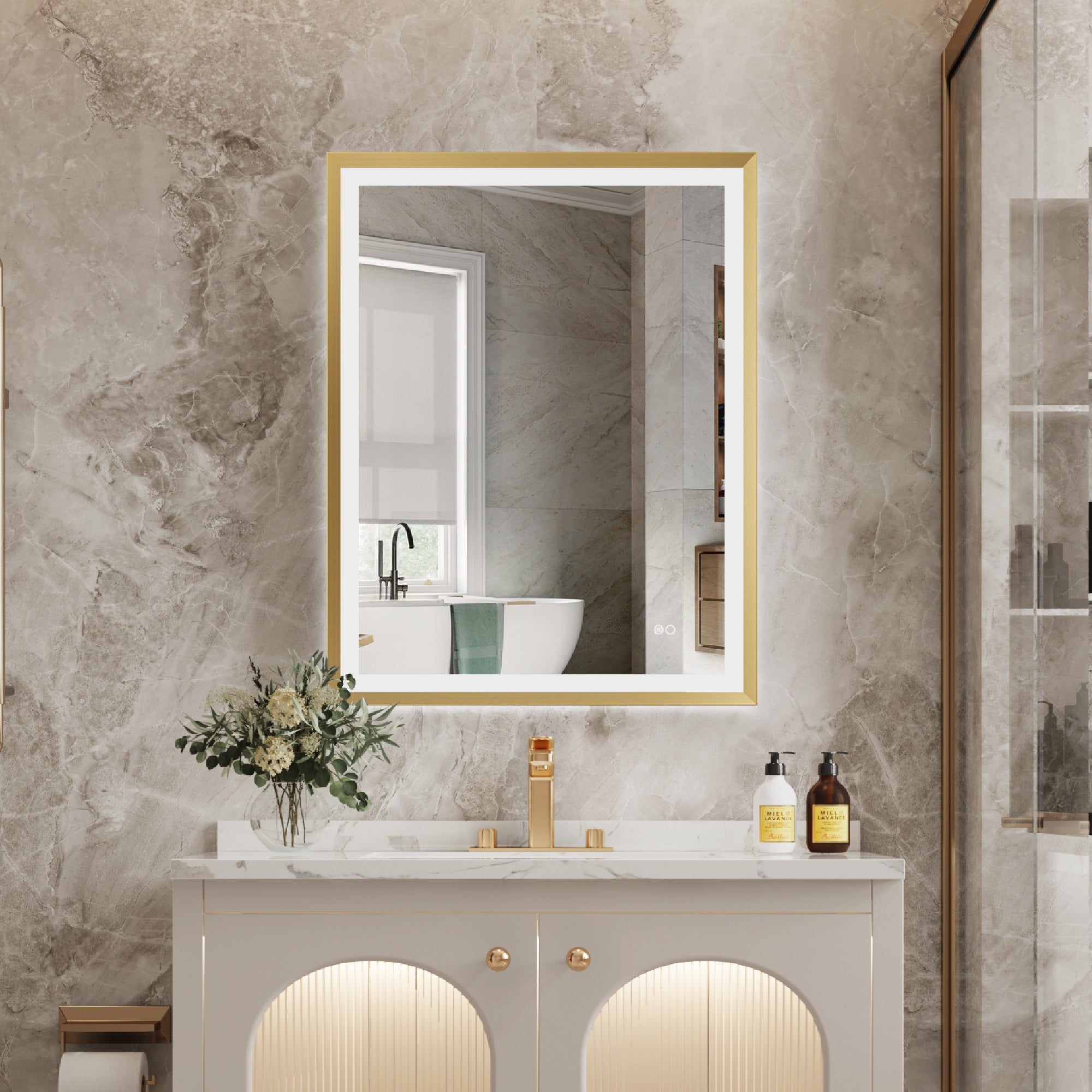
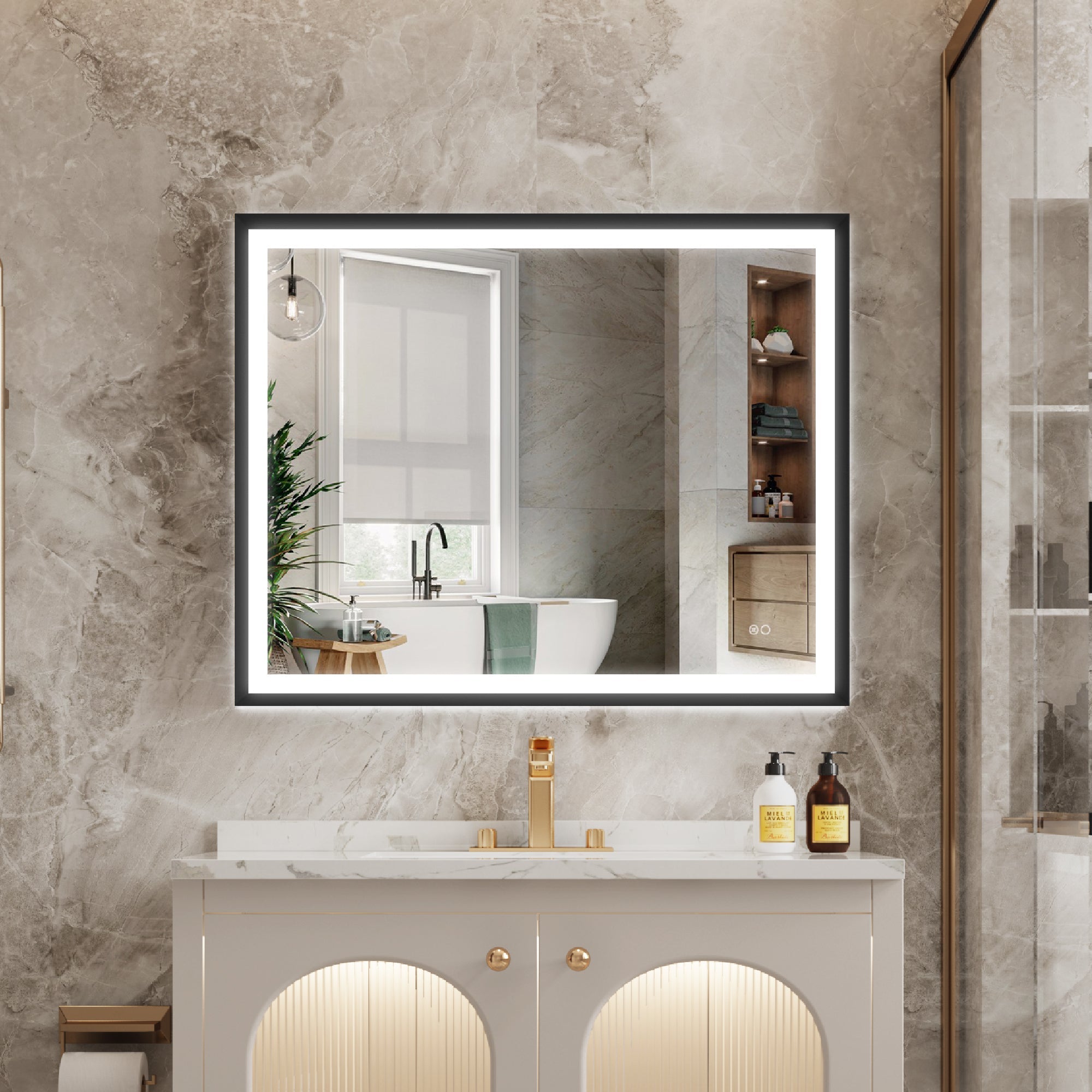
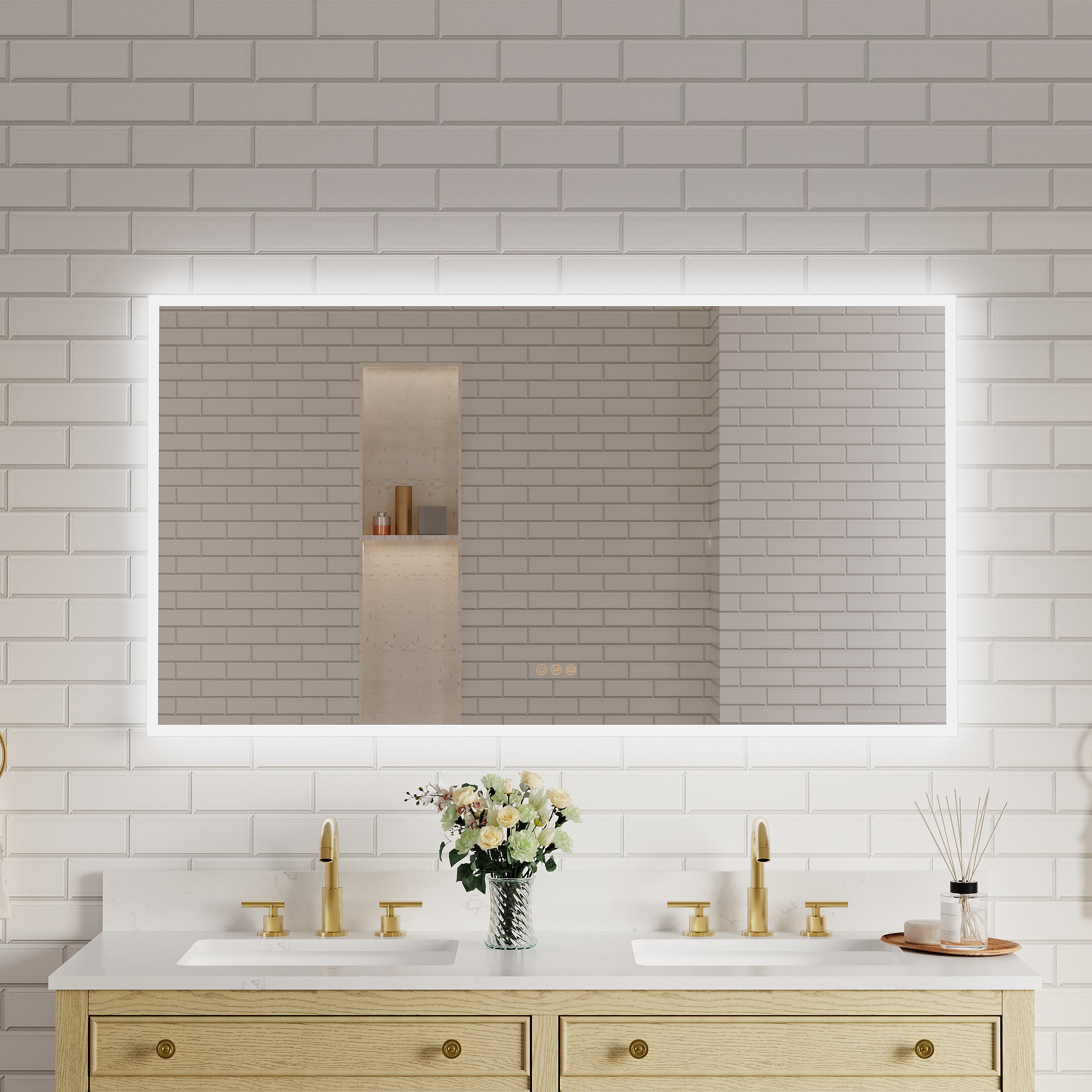
If you pair a white vanity with a mirror that provides face-friendly illumination (sconces or a quality LED mirror), you get a more reliable grooming zone. And because white doesn’t absorb as much light, you may not need to push brightness as aggressively to feel comfortable.
7. White Vanities Fit Renovation “Value Thinking”
Bathrooms are high-impact spaces for daily use and resale appeal. Remodeling benchmarks consistently show bathrooms as meaningful project categories.
The 2025 Cost vs. Value Report includes midrange bath remodel figures with cost recoup typically around ~80% in many markets/regions.
A vanity is only one component of a remodel, but choosing a timeless, flexible vanity color reduces the chance that your bathroom looks dated quickly—especially compared with trend colors that can feel “of the moment.”
8. How to Choose the Right White So It Works in Any Bathroom
“White” is not one color. Undertones determine whether your vanity looks crisp, creamy, or slightly gray—and whether it clashes with tile.
Three-step selection method:
1. Match the undertone to your fixed finishes
· Cool tile (blue/gray) often pairs better with cooler whites.
· Warm tile/stone often pairs better with softer, warmer whites.
1. Decide your sheen based on lifestyle
· Matte/soft finishes can look more expensive but may show marks sooner.
· Satin/semi-gloss can be easier to wipe clean and more forgiving for busy bathrooms.
1. Choose contrast intentionally
· If everything is white (vanity, walls, countertop), add contrast through hardware, lighting, or texture—otherwise the room can feel flat.
9. A Copy-Friendly Checklist
Use this before you buy:
· Brightness strategy: choose white to reflect and amplify light; high-LRV whites often fall in the 80–90 range.
· Space illusion: brighter surfaces can influence perceived spatial layout (brighter surfaces appear farther away).
· Finish durability: prioritize easy-clean, stain-resistant surfaces for heavy daily use; TFM/melamine surfaces are commonly described as scratch and stain resistant and easy to clean.
· Style flexibility: pick hardware and countertop materials to create the style (modern, classic, spa), since white will support almost all of them.
· Renovation value: midrange bath remodels often recoup around ~80% in published benchmarks, reinforcing the value of timeless choices.

Conclusion
White bathroom vanities work across nearly every design style because they brighten the room, simplify coordination with other materials, and keep the vanity wall feeling clean and intentional. With high-reflectance whites commonly landing in very high LRV ranges and research showing brighter surfaces can affect perceived spaciousness , a white vanity isn’t just “safe”—it’s strategically effective. The final step is choosing a durable finish and pairing it with the right metals, countertop, and lighting so the bathroom stays elegant and easy to live with.




















Leave a comment
This site is protected by hCaptcha and the hCaptcha Privacy Policy and Terms of Service apply.