




















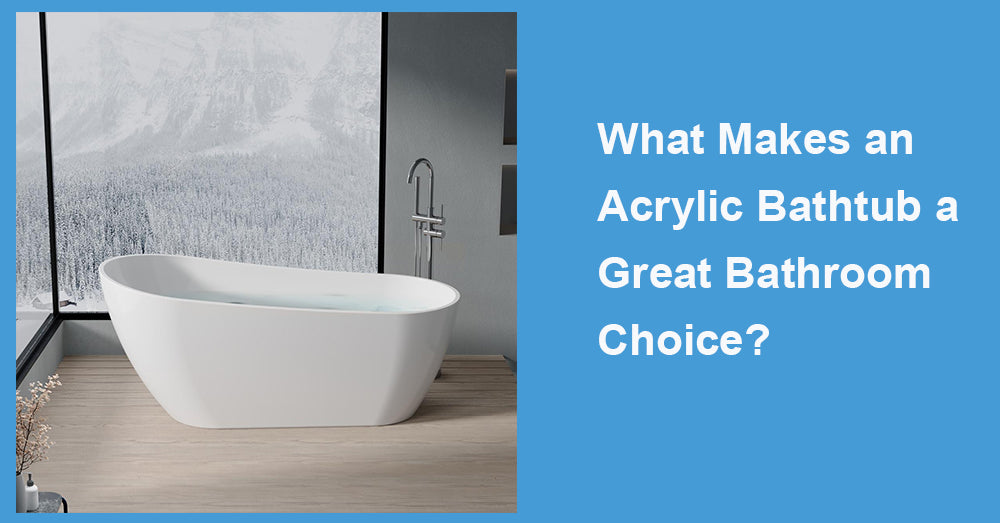
In modern homes, bathrooms not only serve the functions of cleaning, relaxation, and restoration, but also become spaces that enhance the quality of life and a sense of ritual. Among various bathtub materials, acrylic bathtub have gradually become the preferred choice for more households, hotel projects, and renovation projects in the past decade. Compared to traditional cast iron, steel, or natural stone bathtubs, acrylic bathtubs demonstrate more practical advantages in terms of weight, insulation, price, installation flexibility, and maintenance costs.
From a market trends perspective, research data on the bathroom industry shows that the proportion of lightweight-material bathtubs in the overall bathtub category has continued to rise in recent years, with acrylic material showing the highest growth rate (source: statista.com). This trend not only reflects changes in consumption structure, but also indicates that users' attention to bathroom space experience and convenience is increasing.
1. Lighter weight and more flexible installation
Although traditional cast iron bathtubs are sturdy and durable, they are often heavy and difficult to transport. Many cast iron bathtubs can weigh over 250lbs, while acrylic bathtubs typically weigh between 70lbs and 120lbs, making them noticeably lighter. Lightweight means that transportation, moving, placement, and positioning are easier, and it can also be installed in more residential structures.
For example, when renovating an older house or a high-rise apartment, the floor's load-bearing capacity cannot be ignored. Overloaded bathtubs may require additional structural reinforcement, increasing construction costs. Acrylic bathtubs can significantly simplify this part of the engineering process, making bathroom renovation projects easier to execute.
2. Better insulation effect, enhancing bathing comfort
Acrylic itself has reasonable thermal control, which can maintain water temperature for a more extended period, making the bathing experience more durable and comfortable. In contrast, metal bathtubs will quickly draw heat from the water when first filled, causing the water temperature to drop faster.
According to home factory tests, the water-temperature decay rate of acrylic bathtubs is significantly slower than that of steel bathtubs and some stone bathtubs when filled with hot water at about 100 °F (source: homeinnovation.com). In daily life, this means acrylic bathtubs can reduce the need for frequent water heating in similar usage scenarios.
Better insulation capability not only enhances the experience but also aligns with the trend of energy conservation. The energy-saving benefits that accumulate in everyday small details are becoming an essential consideration for more and more families when choosing bathtubs.
3. Warm touch, more comfortable to use
The acrylic surface has a soft, delicate feel, which does not give people a cold, metallic first-touch experience like a metal bathtub. Whether it's the soles of the feet, the back, or the arms in contact with the inner walls of the bathtub, you can feel a relatively soothing tactile feedback.
For people who enjoy taking long baths, this is particularly important. The comfortable touch often directly enhances the relaxation of bathing, making the bathroom a truly private healing space.
4. Flexible design that can adapt to more bathroom styles
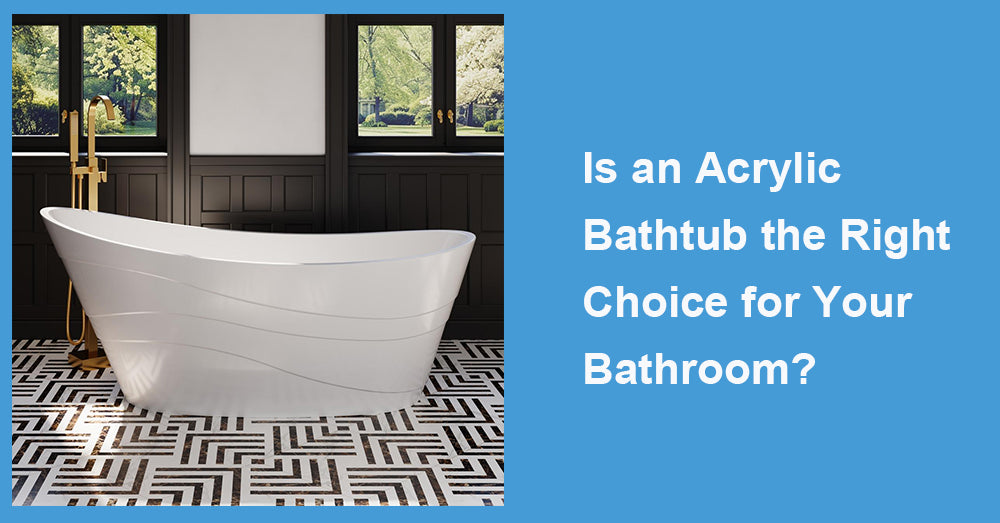
Acrylic material has excellent plasticity, allowing for a variety of design forms, including oval, upright, slider, freestanding, corner, and more. For small bathrooms, acrylic bathtubs can be customized in a range of sizes based on layout, from standard sizes of 48, 54, and 60 inches to larger sizes of 67 and 71 inches.
For users who pursue the visual beauty of the bathroom, the smooth surface and streamlined shape of the acrylic bathtub can also make the space appear lighter and more modern. The bathtub itself is no longer just a functional device but an essential element in spatial aesthetics.
5. Durability and long-term usability
Acrylic bathtubs are highly resistant to cracking, chipping, and corrosion compared to traditional materials like cast iron or stone. With proper use and maintenance, an acrylic bathtub can last for many years without significant wear.
Even in daily heavy-use scenarios, acrylic maintains its shape and surface integrity, reducing the risk of leaks or deformation. This durability not only ensures a longer product lifecycle but also minimizes future repair and replacement costs, making it a practical investment for homeowners.
6. Easy to clean and low maintenance cost
The acrylic surface has natural, smooth anti-fouling properties, and daily cleaning requires only warm water and neutral cleaning agents, without the need for strong acids or steel brushes. In contrast, some stone or enamel bathtubs require regular maintenance, sealing, or more complex cleaning processes.
At the same time, even minor scratches on the acrylic bathtub can be repaired through polishing and other methods, making maintenance costs more manageable.
In the long-term use cycle, low maintenance costs have become a significant advantage.

7. More cost-friendly, suitable for different budgets
From a price perspective, acrylic bathtubs usually have an advantage over materials such as cast iron and stone resin. With the same size and functional configuration, the overall budget for acrylic bathtubs is more affordable, making it suitable for a broader range of layouts and decorations.
However, it is worth noting that a higher price does not necessarily mean a better experience. The key factors affecting user satisfaction are the advantages and disadvantages of materials and the degree of spatial matching. An acrylic bathtub is an option that strikes a balance between "experience, functionality, and cost".
8. Conclusion
Choosing a bathtub is not just about material selection; lifestyle, spatial layout, aesthetic preferences, and daily use habits also influence the decision. Acrylic bathtubs are becoming an increasingly common rational choice in new construction and renovation projects due to their advantages of lightweight, easy installation, sound insulation, comfortable surface feel, diverse styling options, and low maintenance costs.
For those looking to create a comfortable, practical bathroom space, an acrylic bathtub is worth serious consideration.



































Leave a comment
This site is protected by hCaptcha and the hCaptcha Privacy Policy and Terms of Service apply.