
















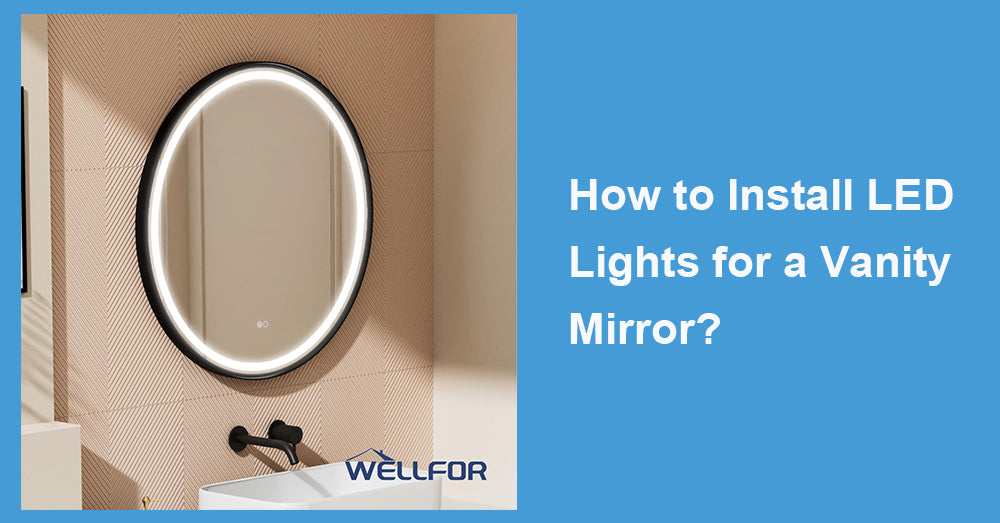
In recent years, the use of vanity mirrors with lighting features has become increasingly common in home decor, personal care, and beauty settings. Compared to traditional mirrors, the led for vanity mirror significant advantages in light uniformity, lighting direction, and color temperature adjustment. It can reduce shadows and improve the visibility of facial details, providing a more comfortable visual experience during washing, skincare, or makeup. According to research data on the home lighting industry, LED mirror products with adjustable brightness and energy-saving properties have seen significant growth in recent years (source: statista.com).
However, in some renovation projects, users may already have a regular vanity mirror and hope to enhance lighting by adding LED light strips or LED light bars later. This type of modification is not a complex project, but it requires following reasonable selection, wiring, and safe installation steps. The following will introduce how to install LED lights on existing vanity mirrors from a practical perspective.
1. Clarify the installation location: mirror frame, backlight, or mirror front light strip?
Before starting, determine the installation method for the LED lights in the mirror. The typical installation paths currently include:
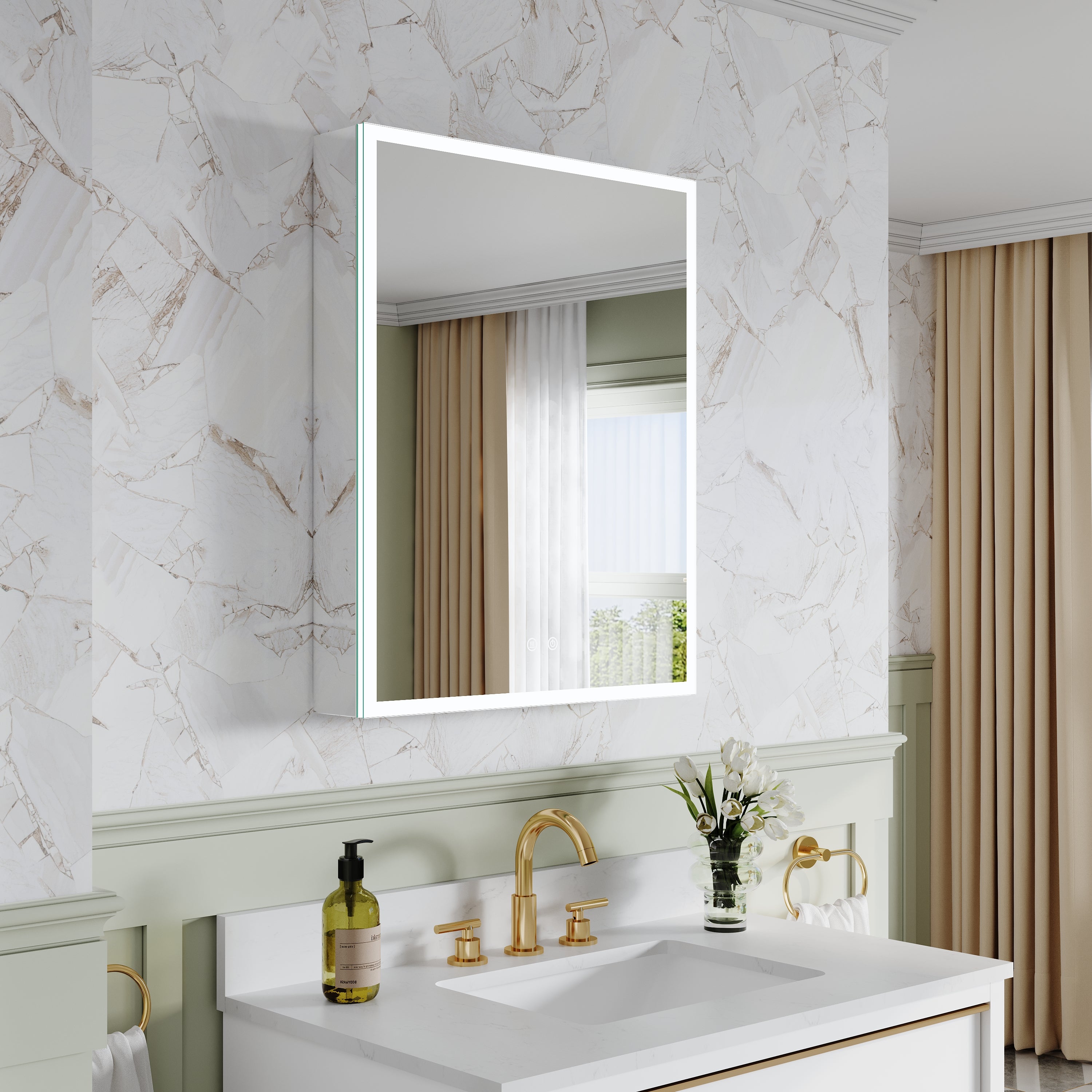
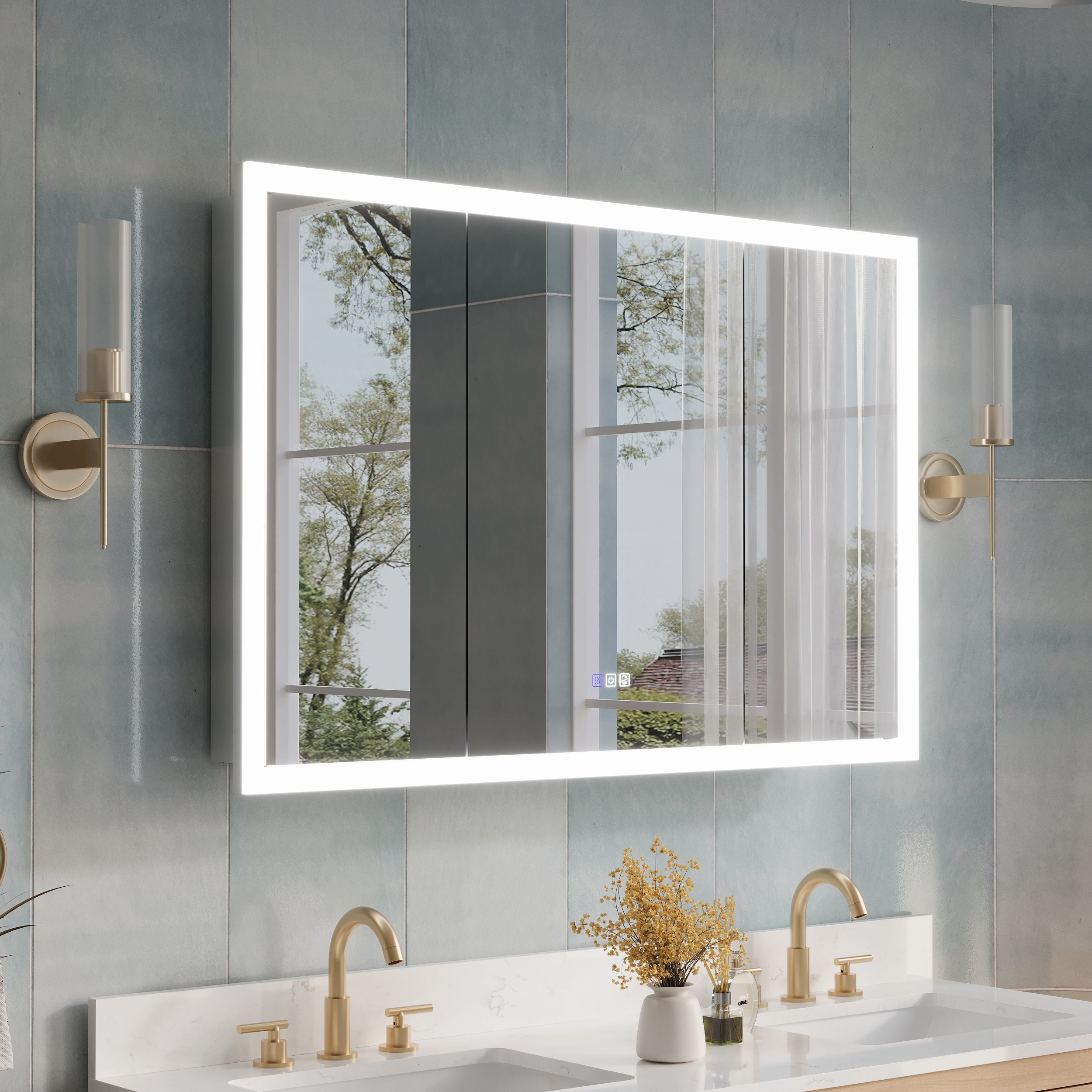
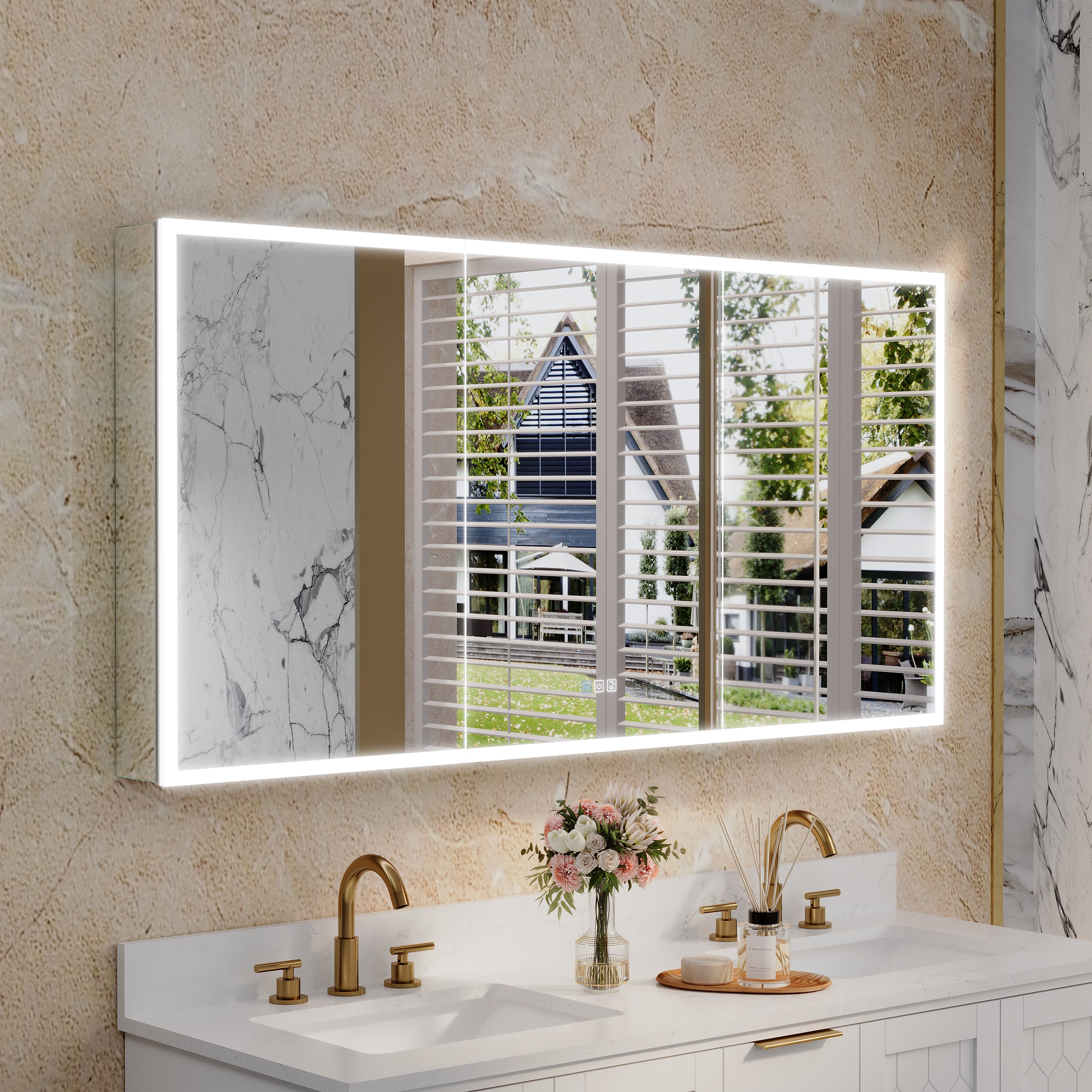
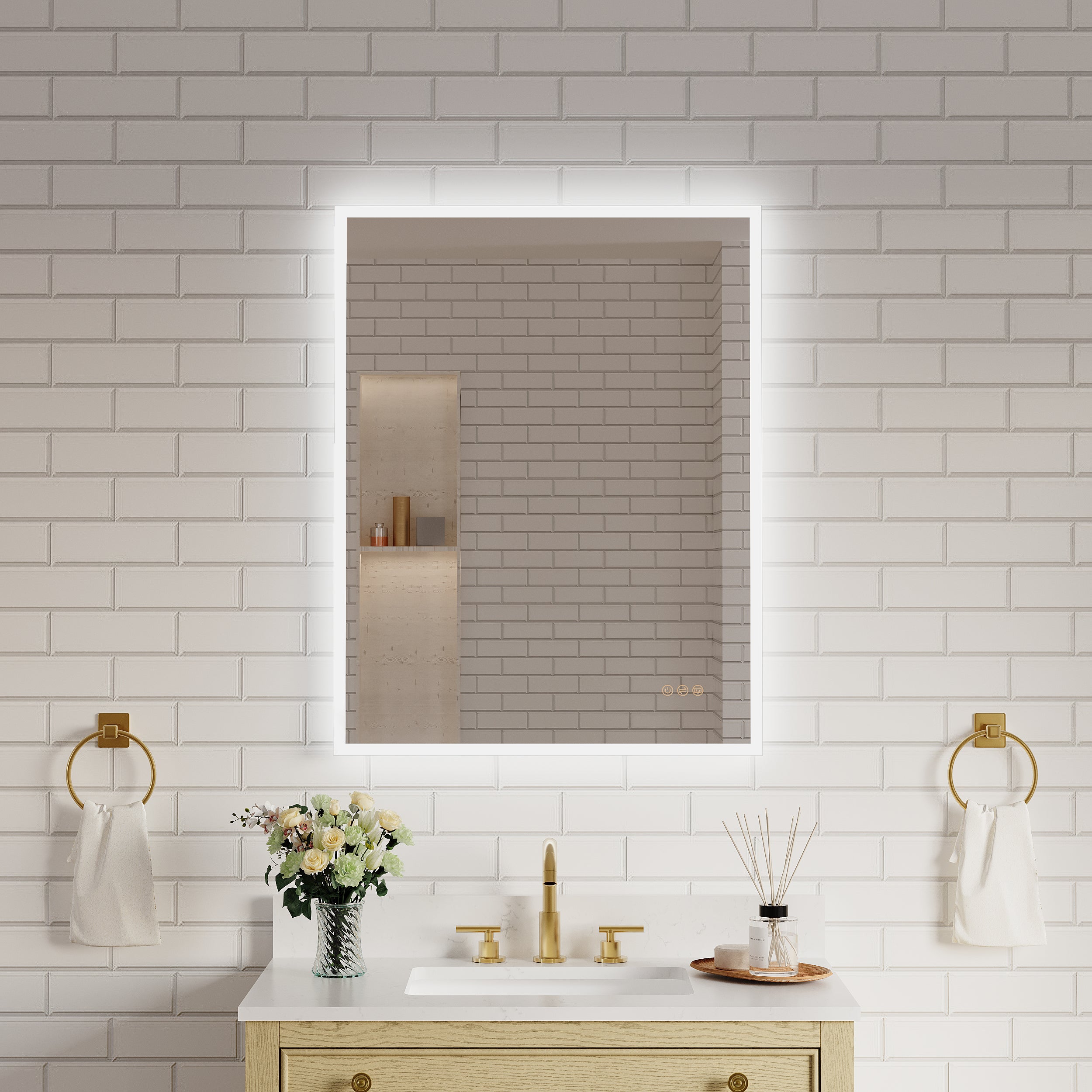
Backlit Mirror: Mount the LED strip on the back of the mirror near the frame, allowing light to radiate outward from around the mirror, creating a soft lighting atmosphere suitable for creating an environmental feel and daily lighting.
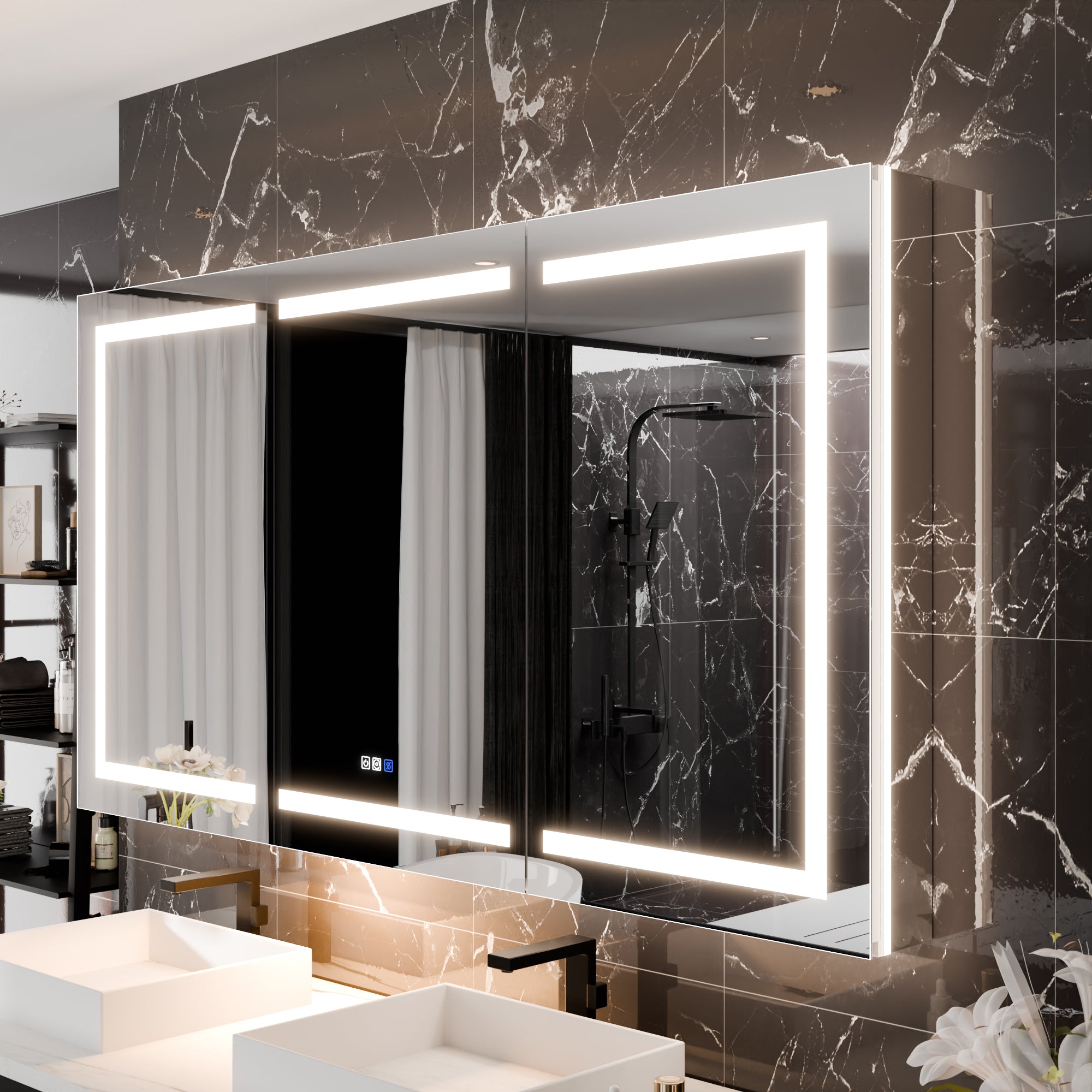
Front lit: Install light strips on the left, right, or top of the mirror to directly illuminate the face, making it more suitable for fine care or makeup.
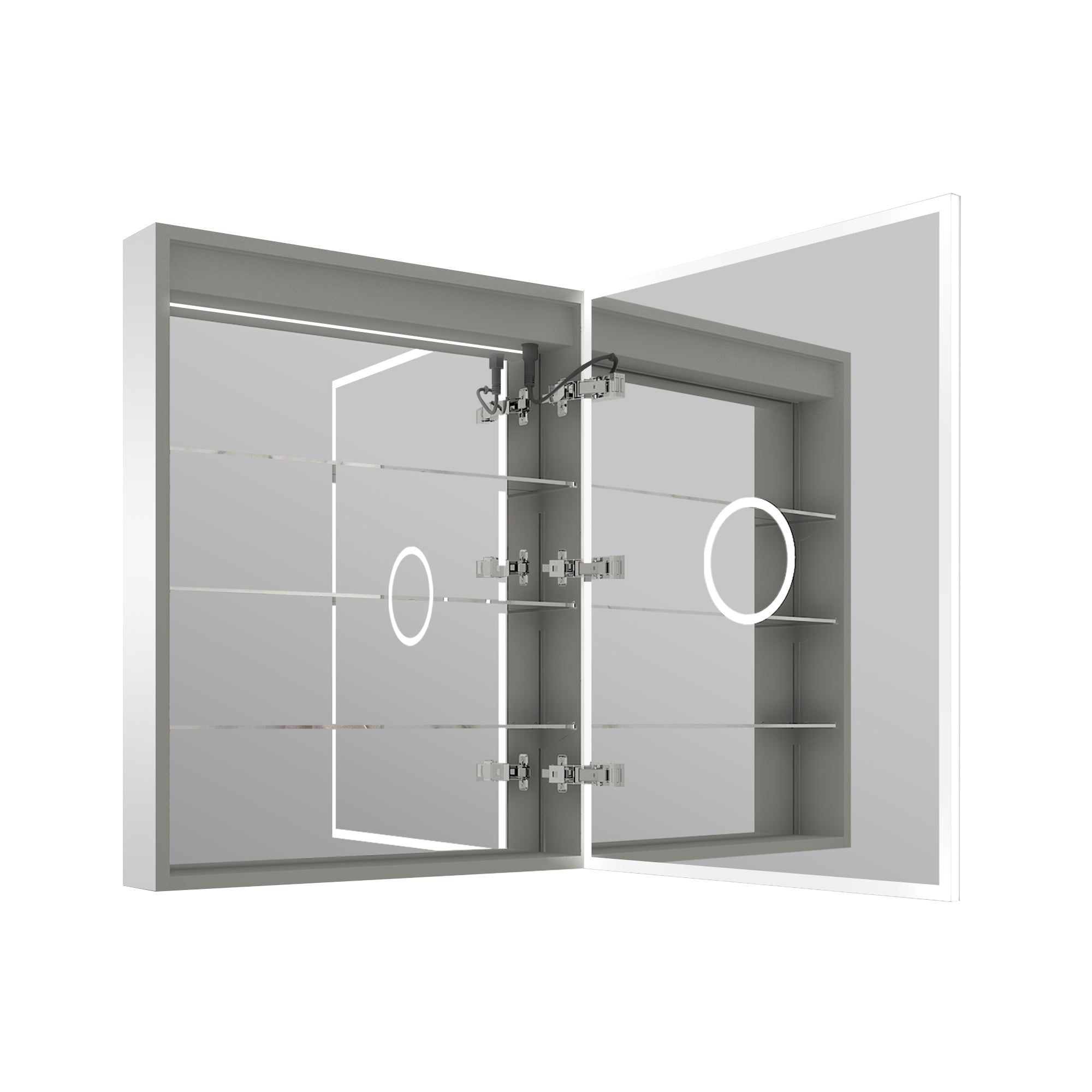
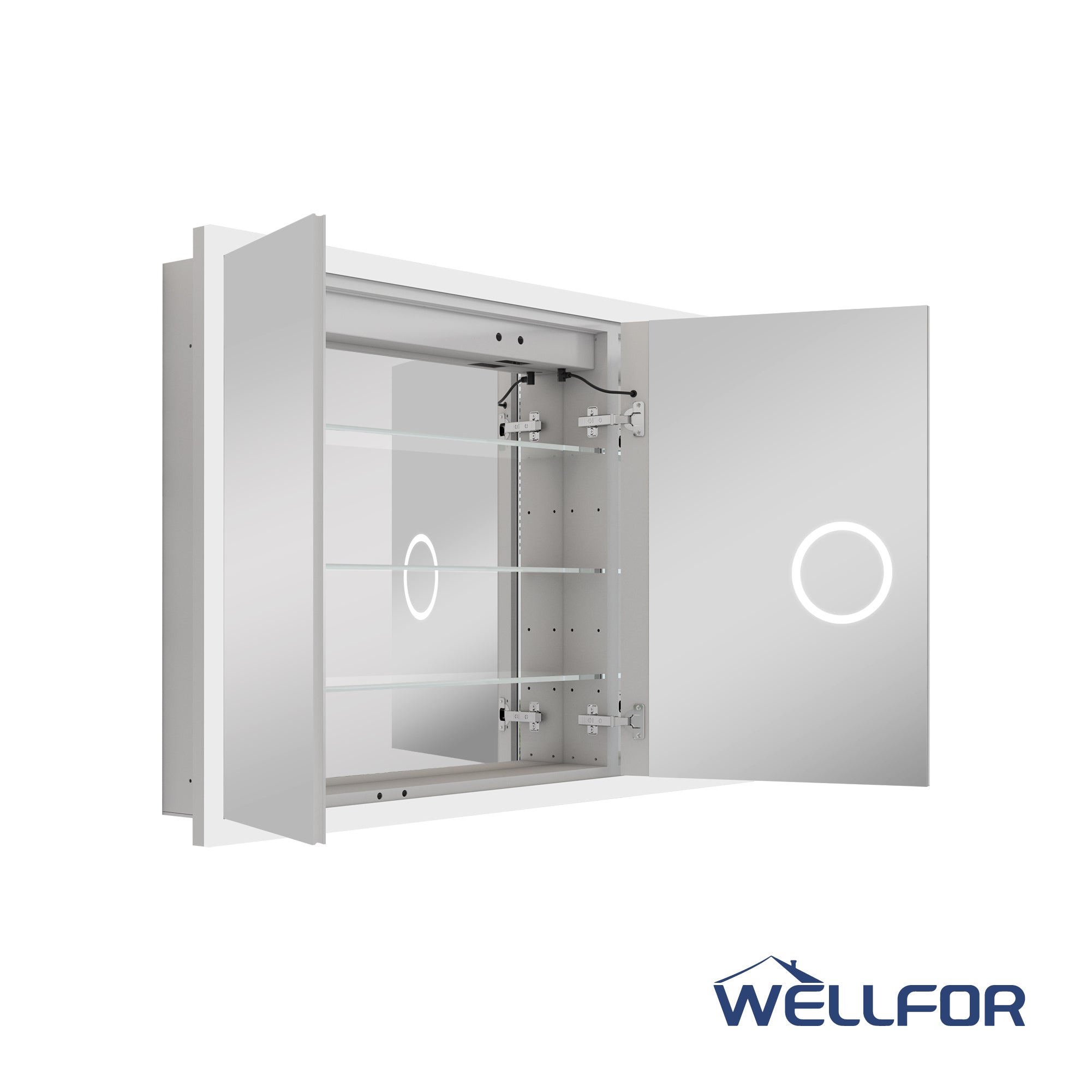
Integrated lighting in a mirror cabinet: If the mirror has a storage function, LED lights can be installed inside the door or in the compartment to enhance the visibility of items.
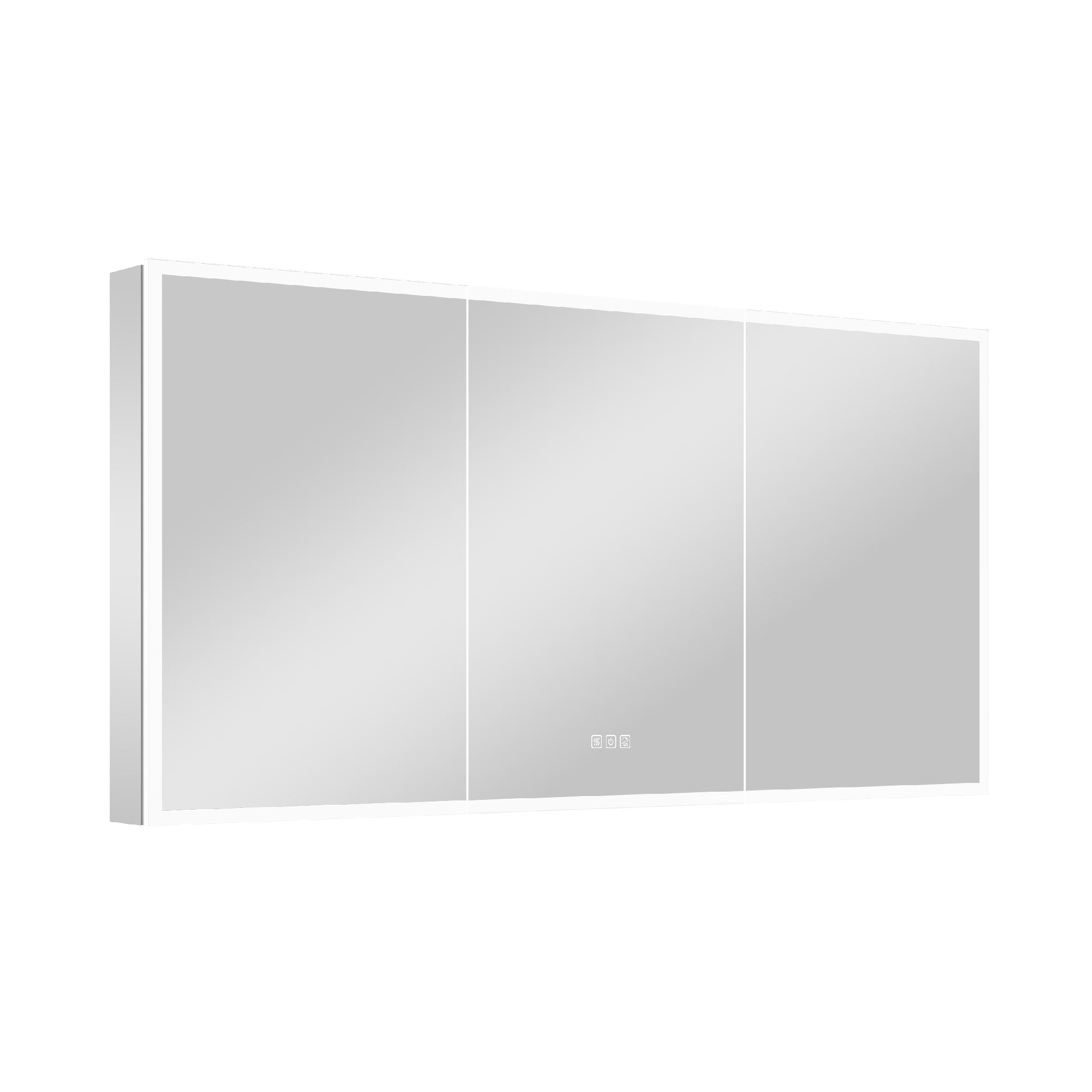
When deciding on the method, consider the mirror's size. For example, for a vanity mirror with a width of 24 to 36 inches, the standard approach is to use lateral front light or a surround backlight. Mirrors 48 inches or larger tend to combine backlighting with a central focal light source to achieve a more balanced lighting effect.
2. Choose LED light sources that match the scene: brightness, color temperature, and color rendering
To achieve the desired final light effect, it is necessary to pay attention to three key parameters of the LED light source:
Lumens: When used for washing and makeup, mirror lighting is usually recommended to be between 1200 and 2500 lumens, depending on the width of the mirror and the user's preference for brightness.
Color temperature (Kelvin): The standard range is between 2700K and 6500K.
2700K -3000K with warm light and a soft atmosphere.
4000K-5000K belongs to the natural sunlight zone, which is more suitable for daily care and makeup.
According to research in the beauty lighting industry, lighting with a color temperature close to natural daylight is more effective in reducing color difference errors (source: beautyyindustryreport.com).
CRI color rendering index: It is recommended to choose LED light sources with CR ≥ 90 to ensure a closer representation of real skin tone and color details (source: energy.gov).
3. Choose LED components with a safety level suitable for the bathroom environment
The protection level of LED accessories and power supply is equally vital in humid bathroom environments.
It is recommended to choose IP44 or higher for the light strip's protection level to reduce the impact of water mist.
The power driver should have overload and overheating protection.
If installed indoors, prioritize installing the power supply in a dry area.
In wiring, ensure the wires are not exposed or closely attached to areas with high water vapor. The installation location should maintain a safe distance from the socket to avoid electrical risks.
4. Installation steps (simplified process example)
The following are typical examples of LED backlight or sidelight strip installation processes:
Clean the mirror or frame surface.
Wipe the installation area with a neutral cleaner to remove dust and oil stains, ensuring the LED strip can be attached more firmly.
Position the positioning light strip.
Measure the distance on the back or side of the mirror, plan the routing direction, and avoid the light strip from breaking at corners.
Paste the LED light strip.
Tear off the adhesive strip on the back and stick it evenly along the edge of the mirror. If installing the light strip on the front, use metal fixing strips or transparent brackets to enhance stability.
Connect the power driver.
Ensure that the power polarity is correctly connected, and be careful not to make direct contact with the metal mirror backplate. Insulation gaskets can be added.
Perform a power test.
Before final fixation, test the brightness uniformity and color temperature to ensure they meet expectations.
Organize wires and closures.
Use zip ties, cable trays, or back bars to keep wiring neat, improve overall appearance, and enhance safety.
If wall openings, embedded wiring, or modifications to the main power interface are involved in the installation, it is recommended to have a professional electrician perform them.

5. Expansion options for intelligent and dimming functions
The current LED mirror lights have become more flexible in terms of control methods, such as:
Touch switch, mirror sensing switch
The wireless remote control adjusts brightness.
Switchable color temperature mode (warm/neutral/daylight)
Linkage with smart home systems (voice dimming, automatic brightness adjustment, etc.)
According to the lighting trend report, the demand for dimmable LED lighting products continues to grow, and they are mainly used to enhance personal living comfort (source: lightingglobal.org).
Conclusion
Installing LED lights on a Vanity Mirror is not only a lighting improvement project, but also a part of upgrading the home experience. The key is not whether the installation itself is complex, but whether the selection is reasonable, whether the light distribution is scientific, and whether the safety wiring is standardized. As long as the planning is based on principles of material selection, brightness requirements, electrical safety, and light direction, even ordinary vanity mirrors can be enhanced with LED lighting to create a more modern, practical bathroom lighting experience.















Leave a comment
This site is protected by hCaptcha and the hCaptcha Privacy Policy and Terms of Service apply.