














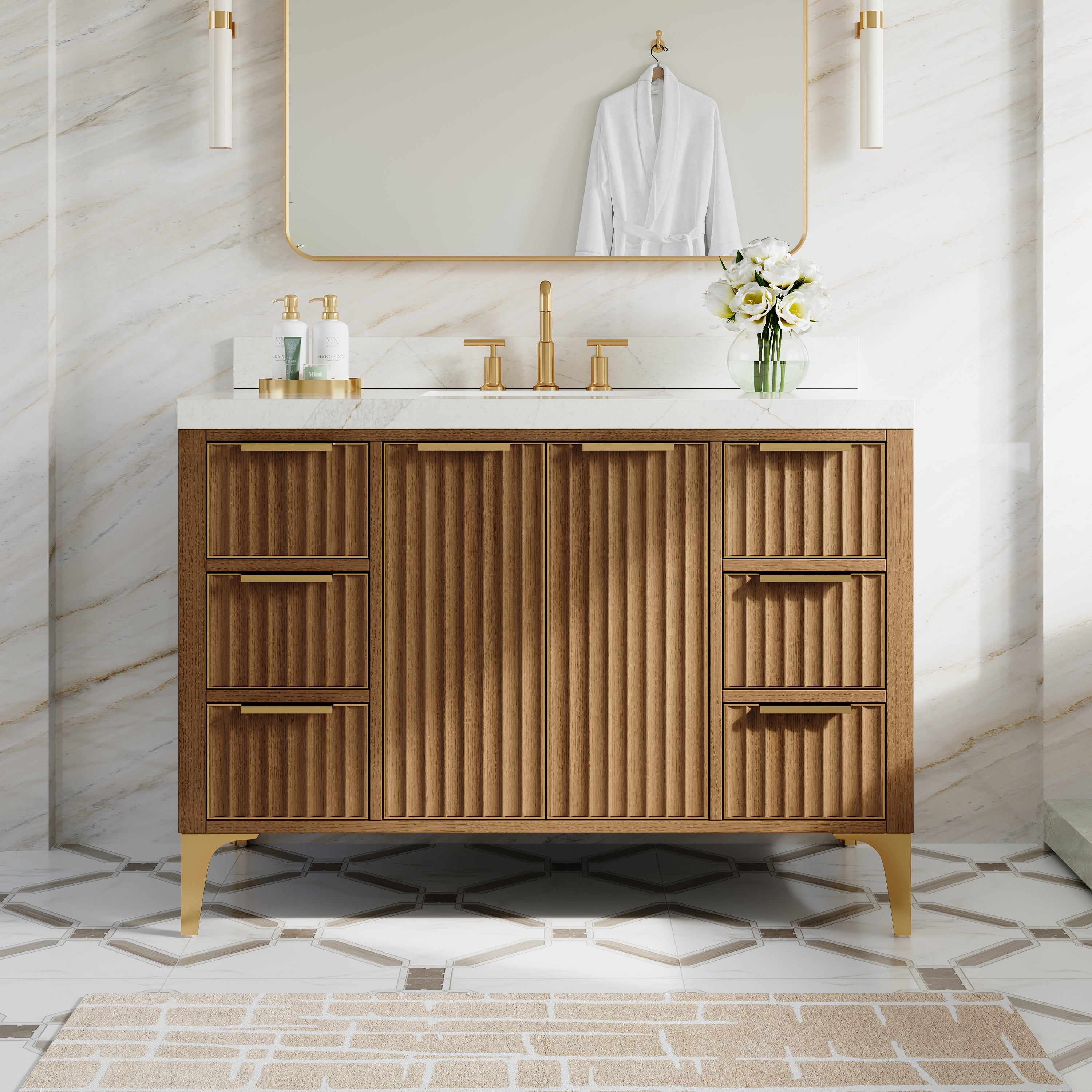
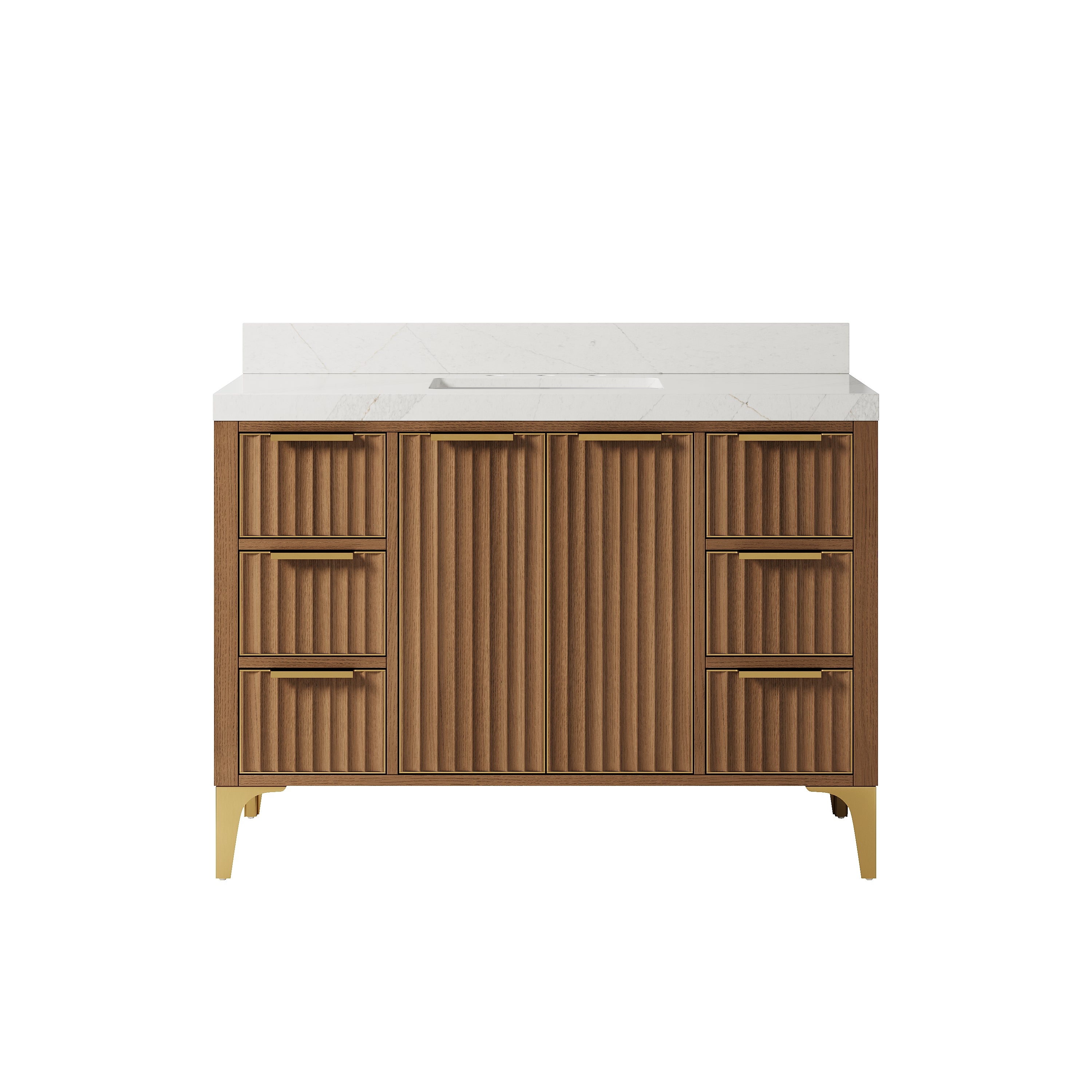


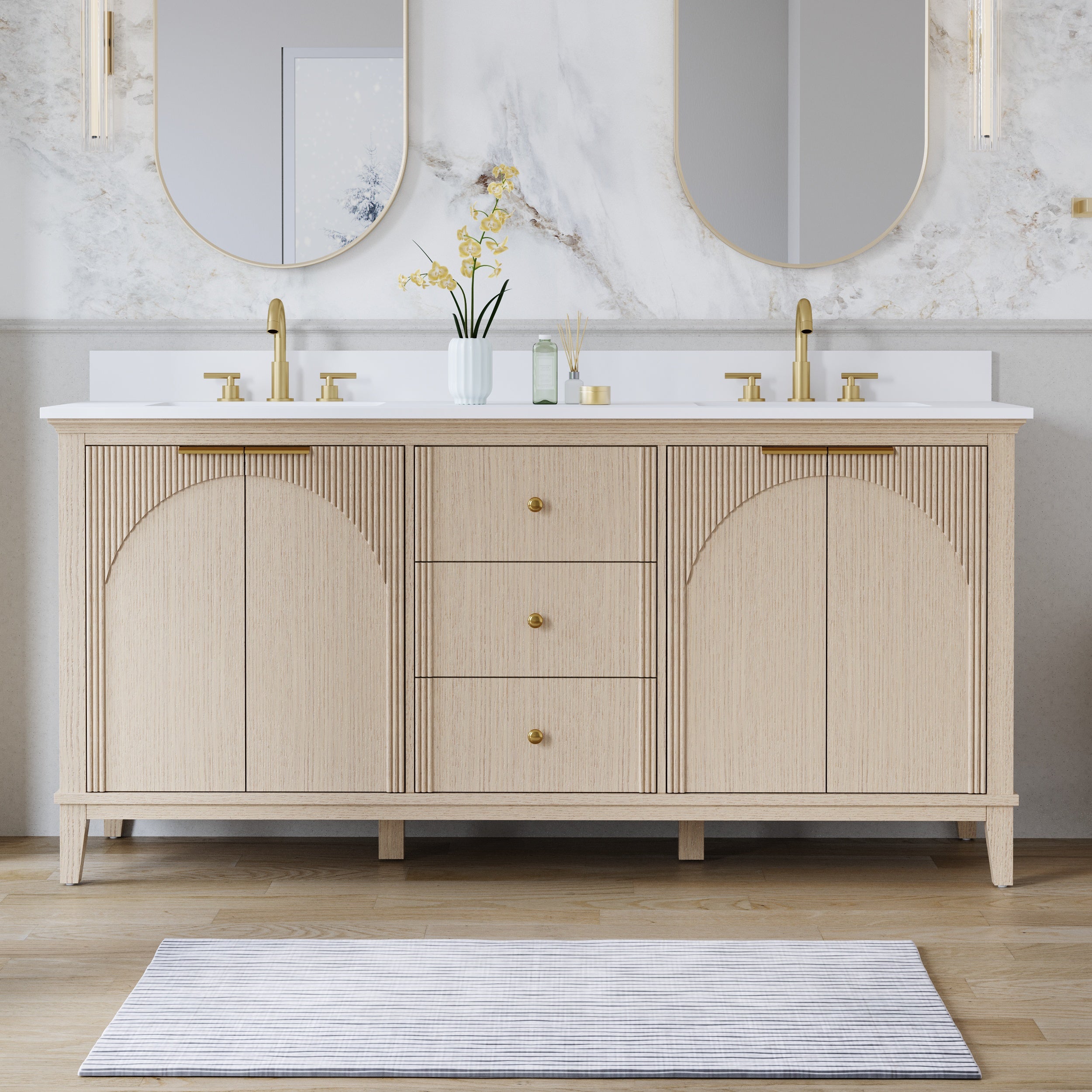
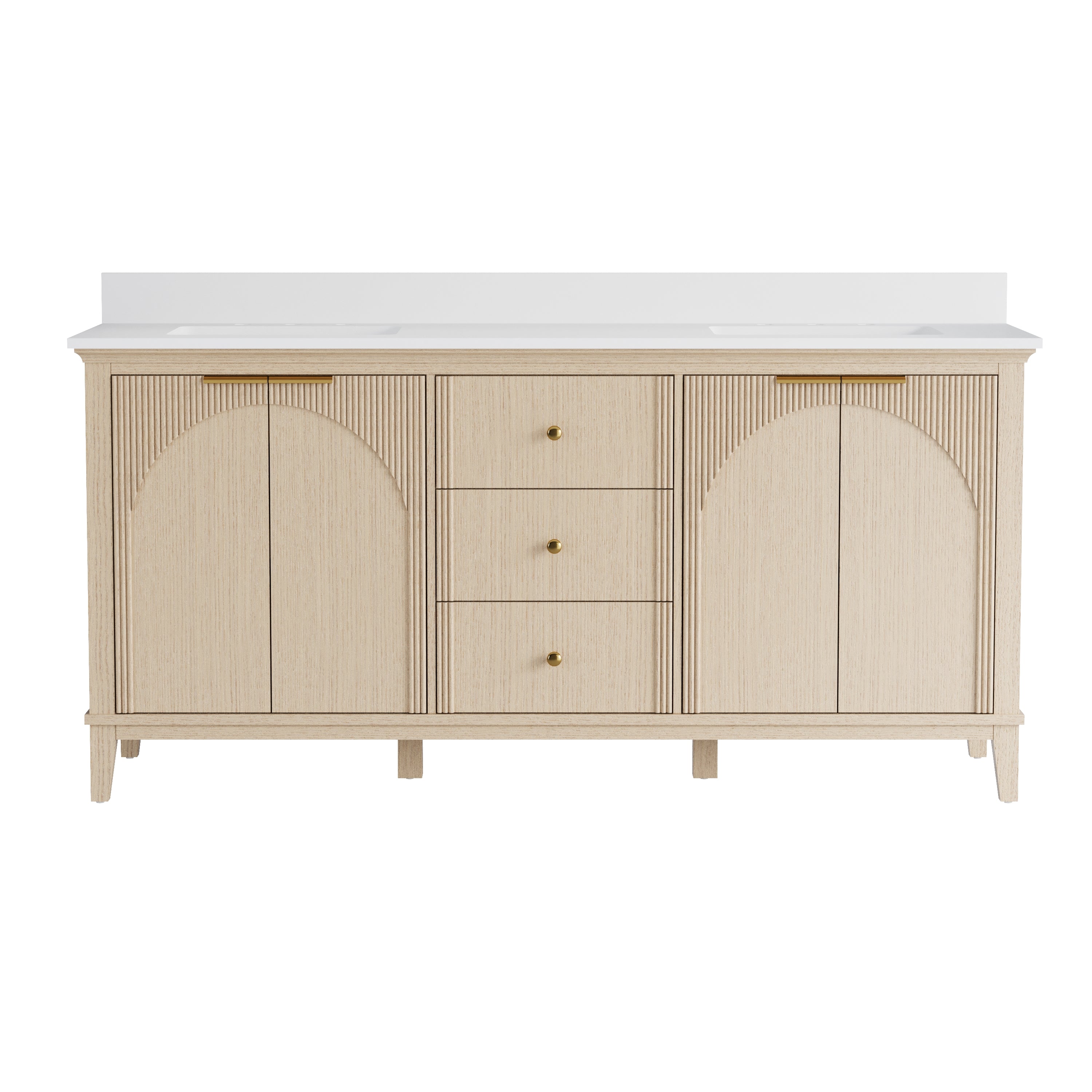
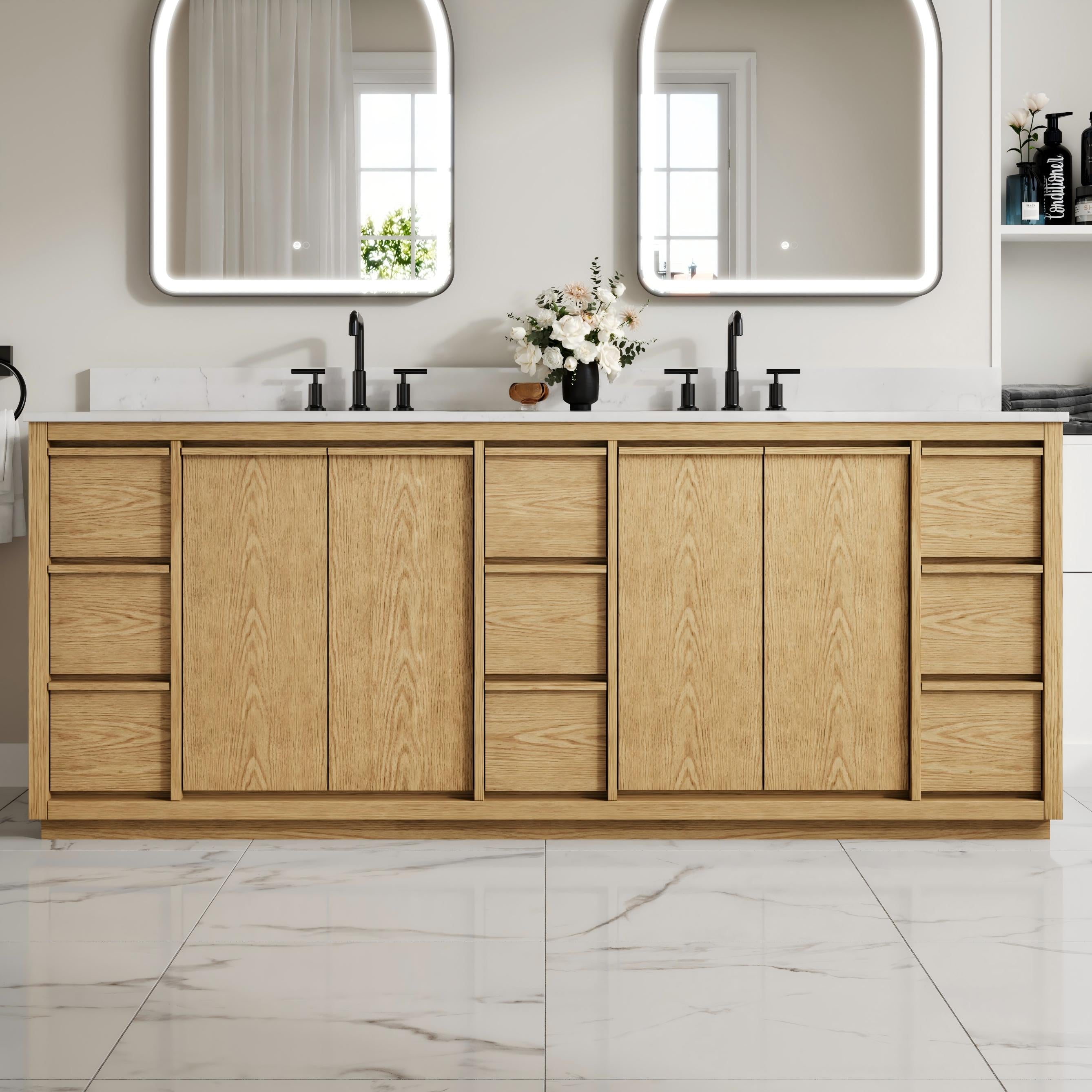
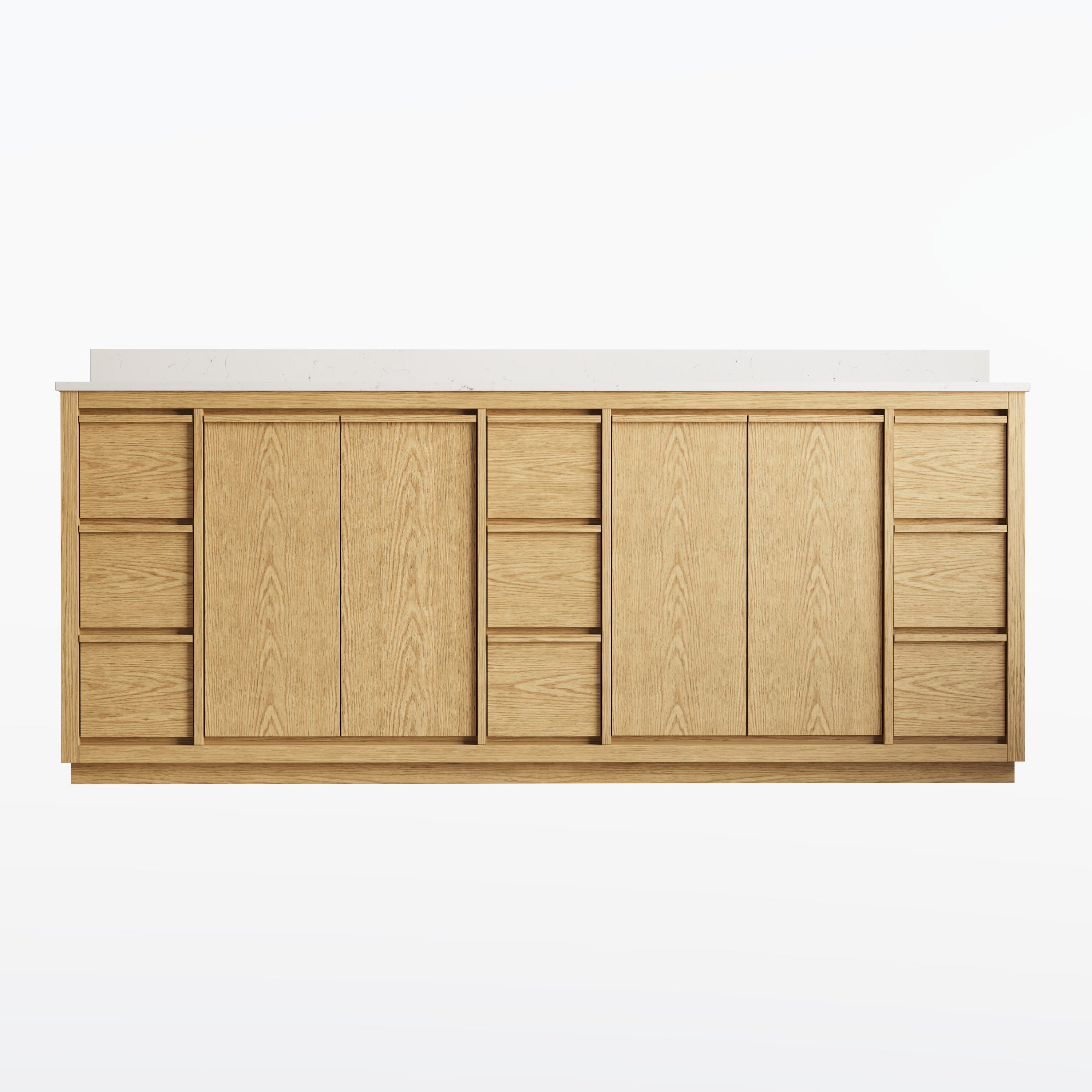
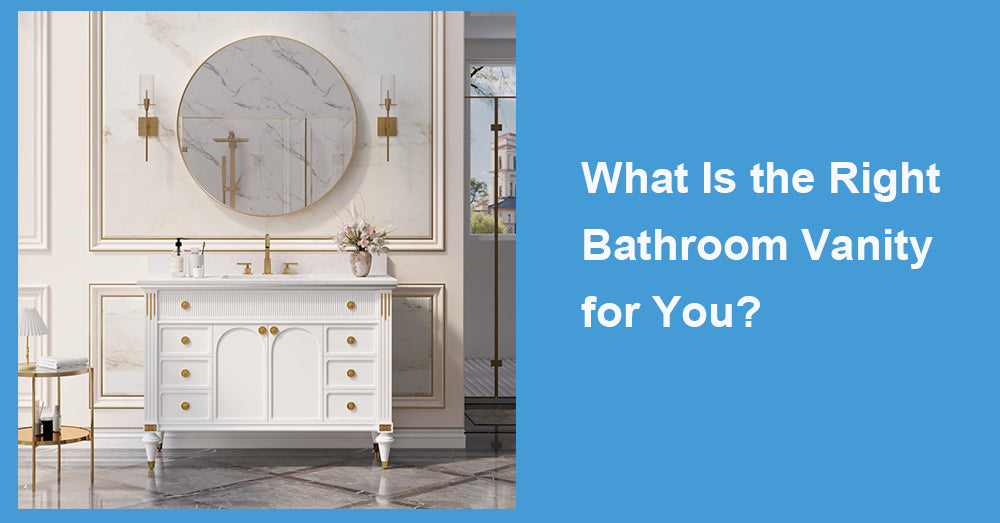
Choosing the right bathroom vanity is less about following a trend and more about matching the cabinet to your room, storage habits, plumbing, and daily routine. After more than 20 years of working with bathroom cabinetry and remodeling projects, I have seen expensive vanities disappoint because they were too deep, poorly organized, or difficult to install. I have also seen modest designs work beautifully for years because the dimensions and storage made sense. The right choice should feel natural every time you use the bathroom.
1. Start With the Size of the Bathroom
Measure the available wall width first, but do not stop there.
Cabinet depth can affect comfort just as much as width. A vanity that projects too far into a narrow room may interfere with the toilet, shower door, or main walkway.
Mark the proposed footprint with painter's tape. Open nearby doors, stand at the sink position, and walk through the room as you normally would.
This simple test often exposes layout problems before money is spent.
A 24- or 30-inch vanity may suit a powder room, while a 36-inch model often works well in guest baths. Larger primary bathrooms can support 48-, 60-, or 72-inch cabinets depending on the number of users.
2. Choose a Bathroom Vanity Around Your Daily Routine
The best vanity is one that supports the way you actually use the bathroom.
A guest bath may need storage for towels, toilet paper, cleaning products, and a few toiletries. A family bathroom has a much harder job. It may need to organize hair tools, cosmetics, children's products, skincare, medicine, and backup supplies.
Count Usable Storage, Not Drawer Fronts
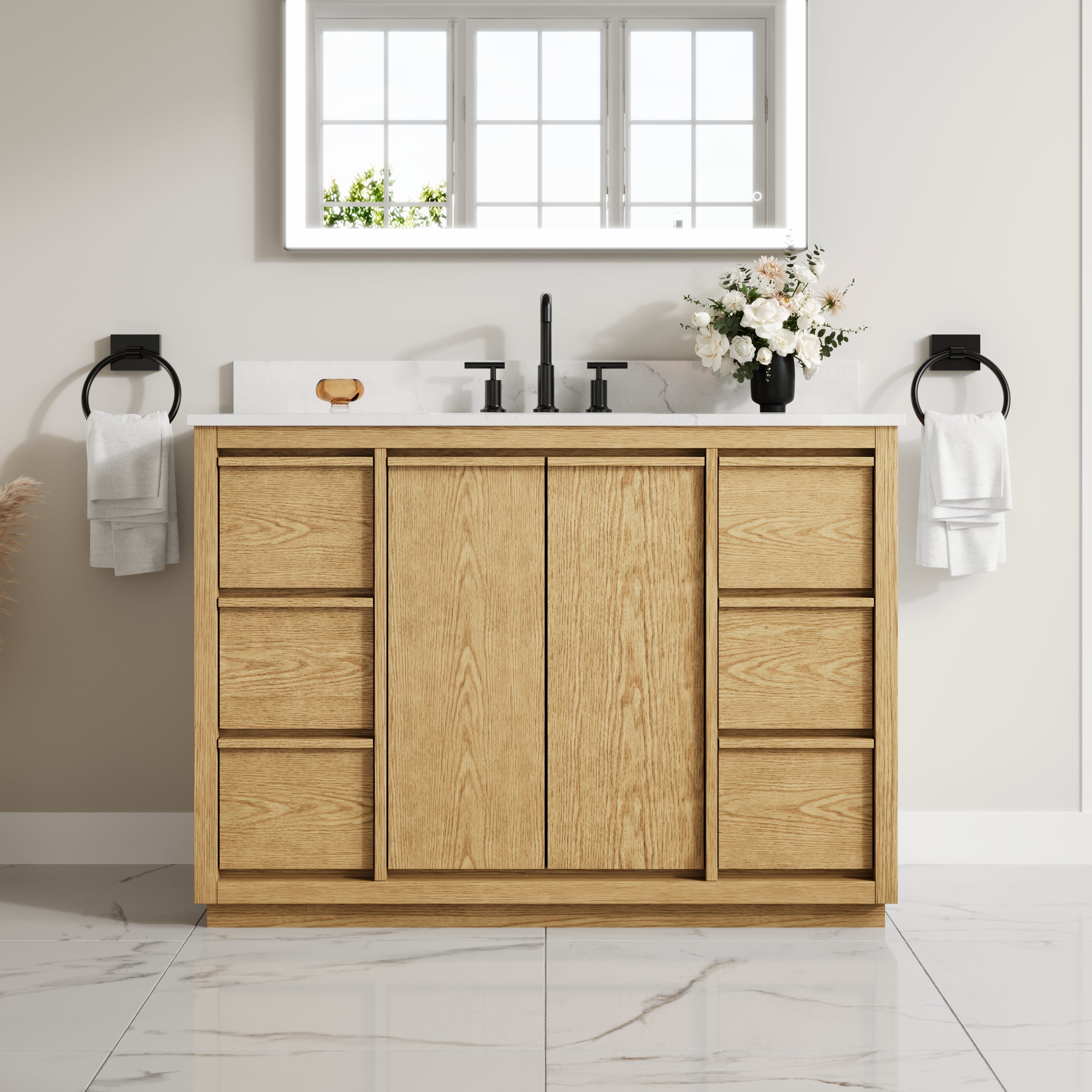
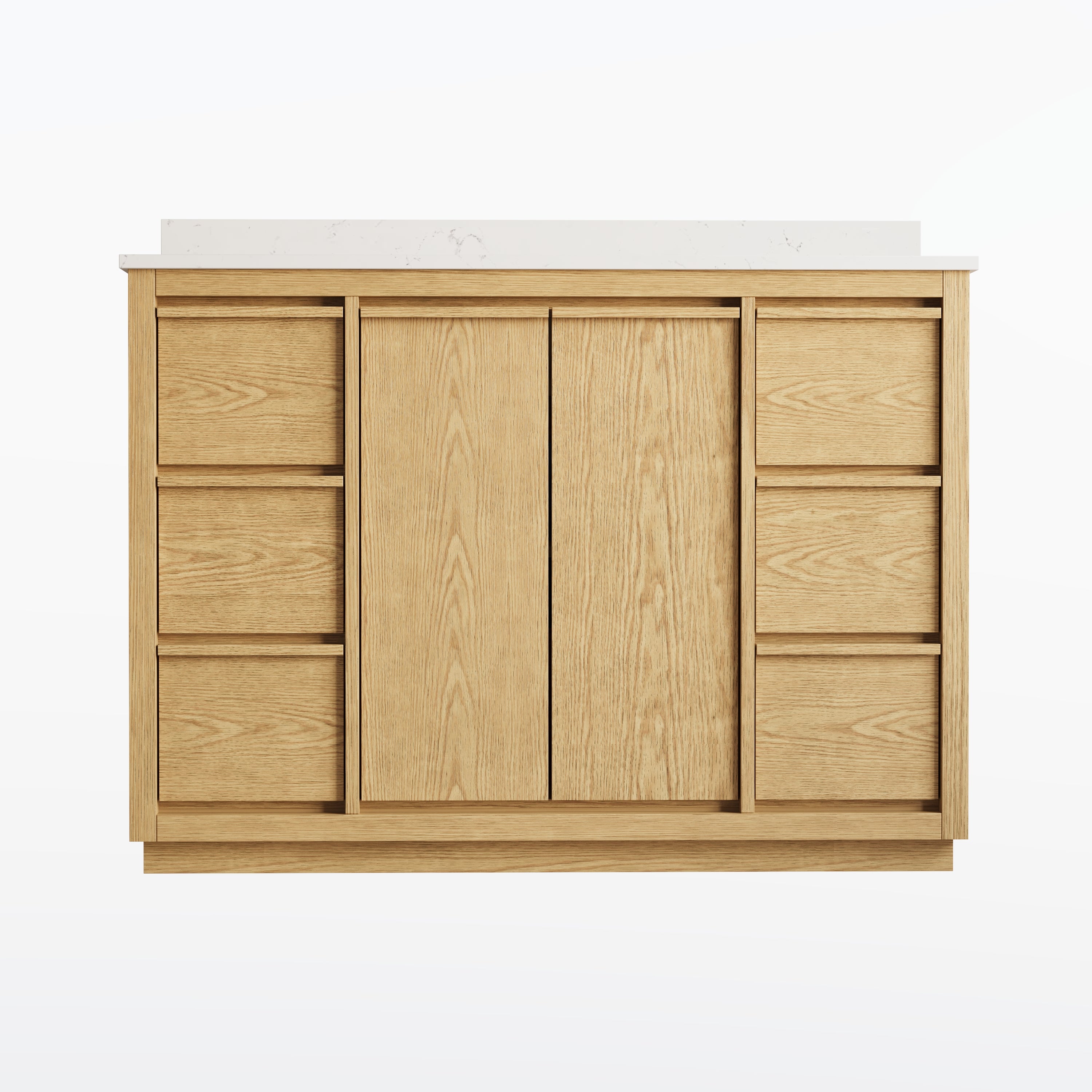
One common mistake is assuming every visible drawer front represents a working drawer.
The sink may occupy the space behind upper fronts, while plumbing can reduce drawer depth considerably.
Look at interior photographs and dimensional diagrams before buying.
Deep drawers are excellent for smaller daily items because they keep products visible. Under-sink cabinets work better for tall bottles, cleaning supplies, and bulky items.
3. Decide Between Single and Double Sinks
A single sink provides more countertop space and usually leaves more room for drawers.
For one user—or two people who rarely get ready at the same time—that may be the better arrangement.
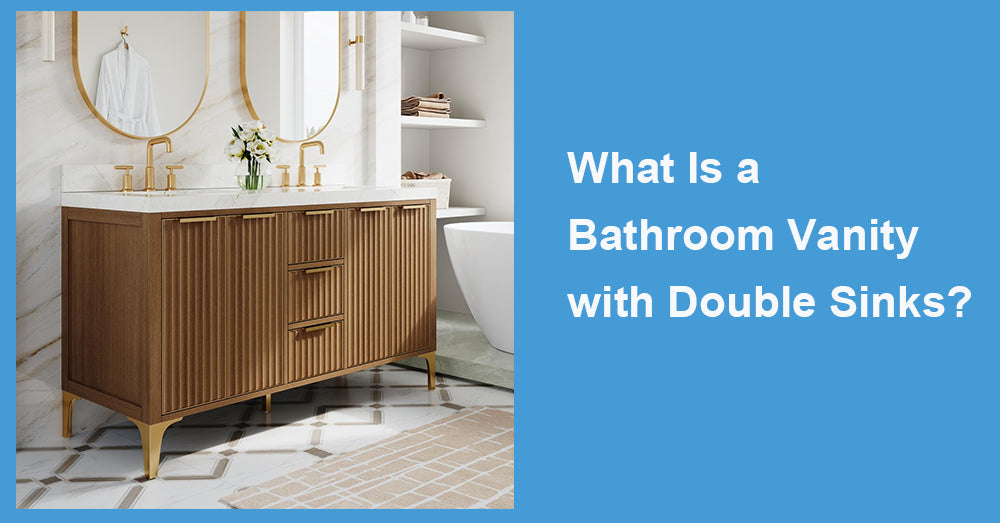
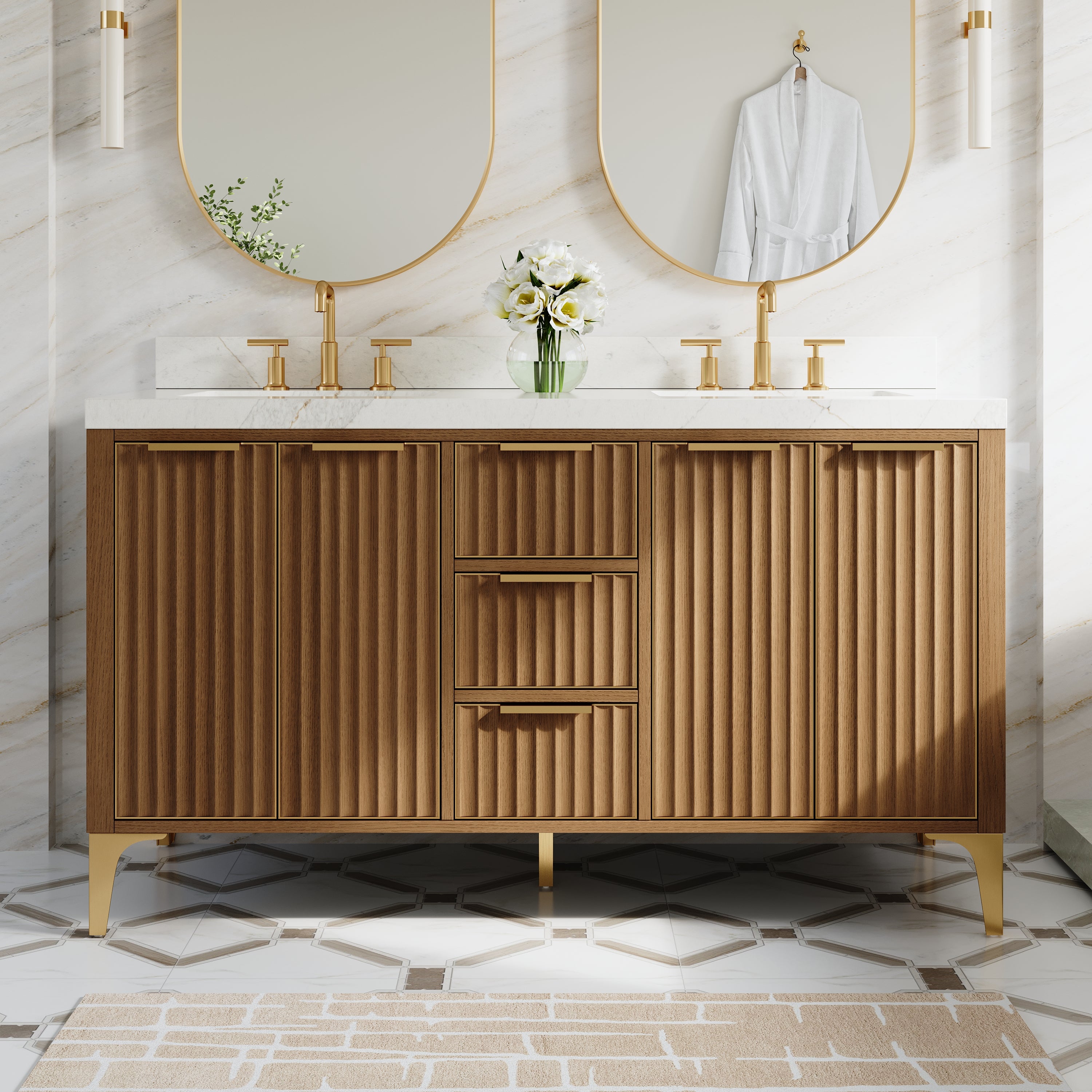
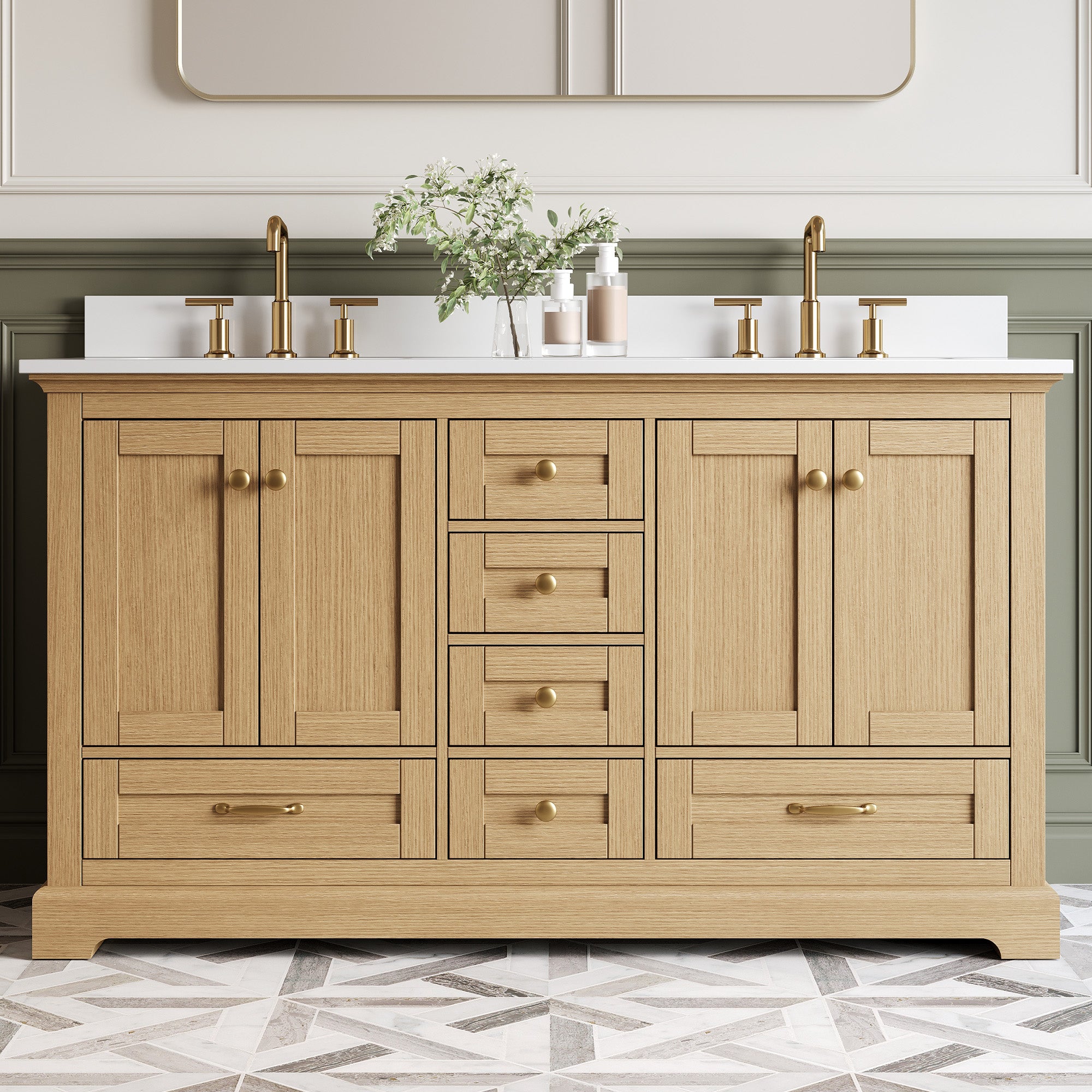
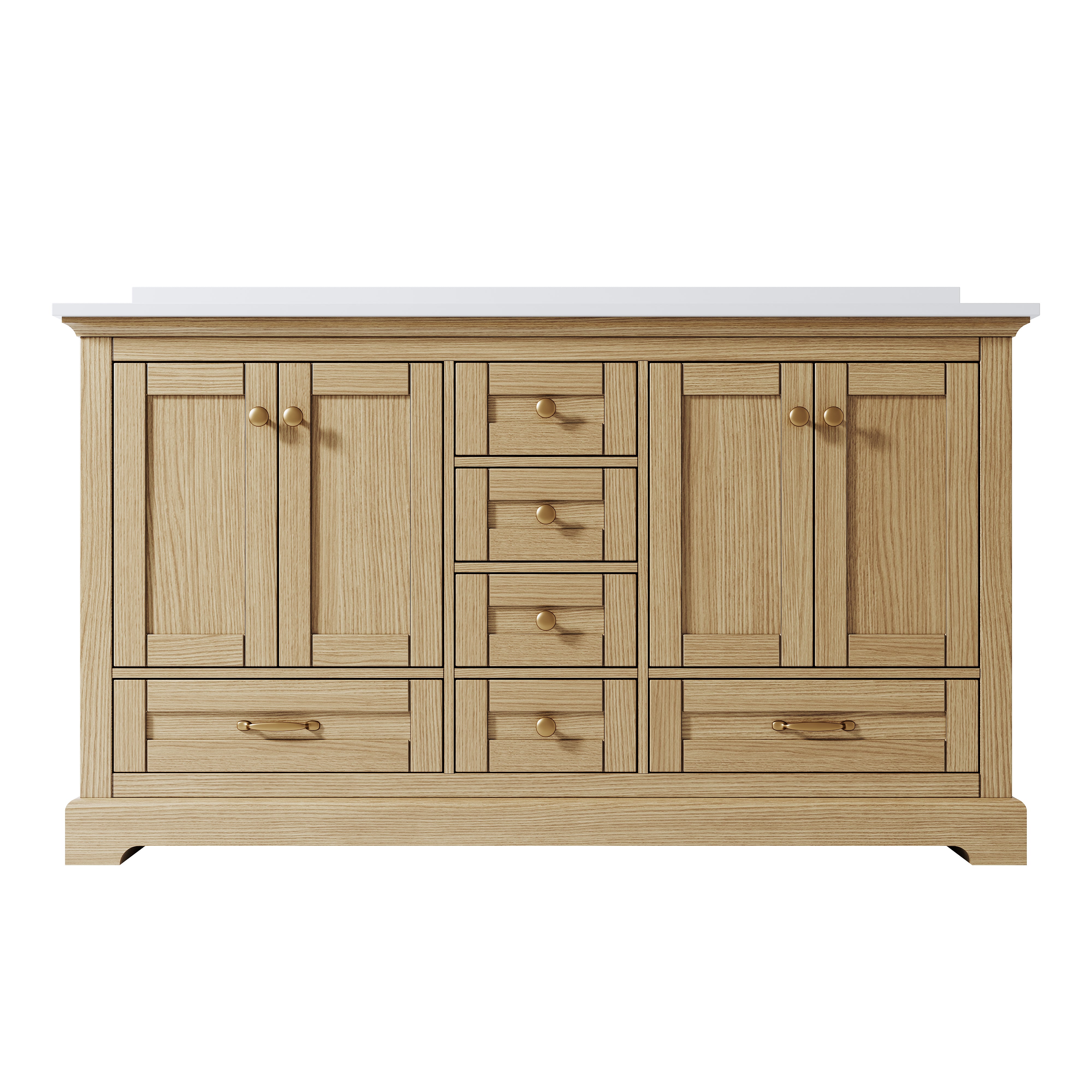
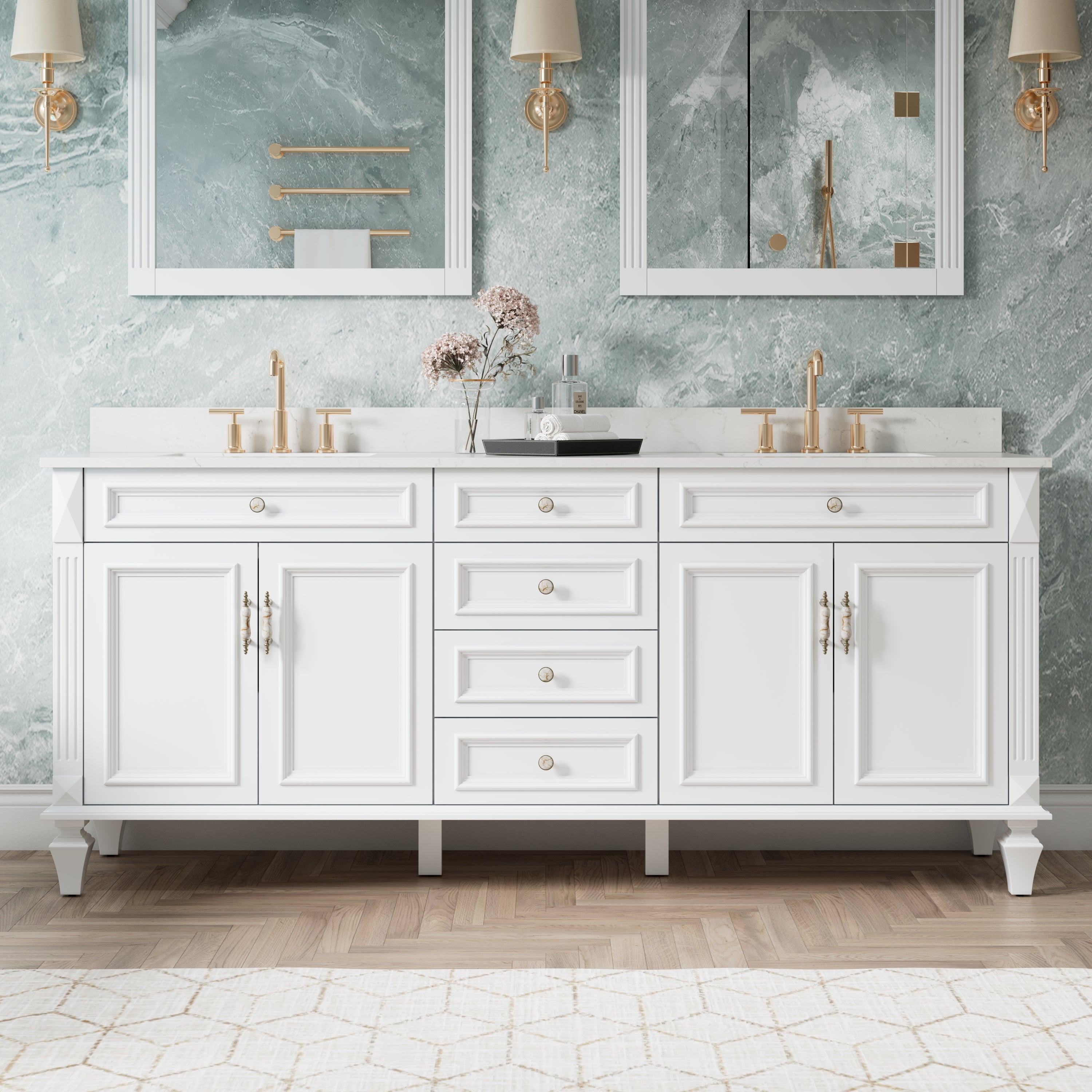
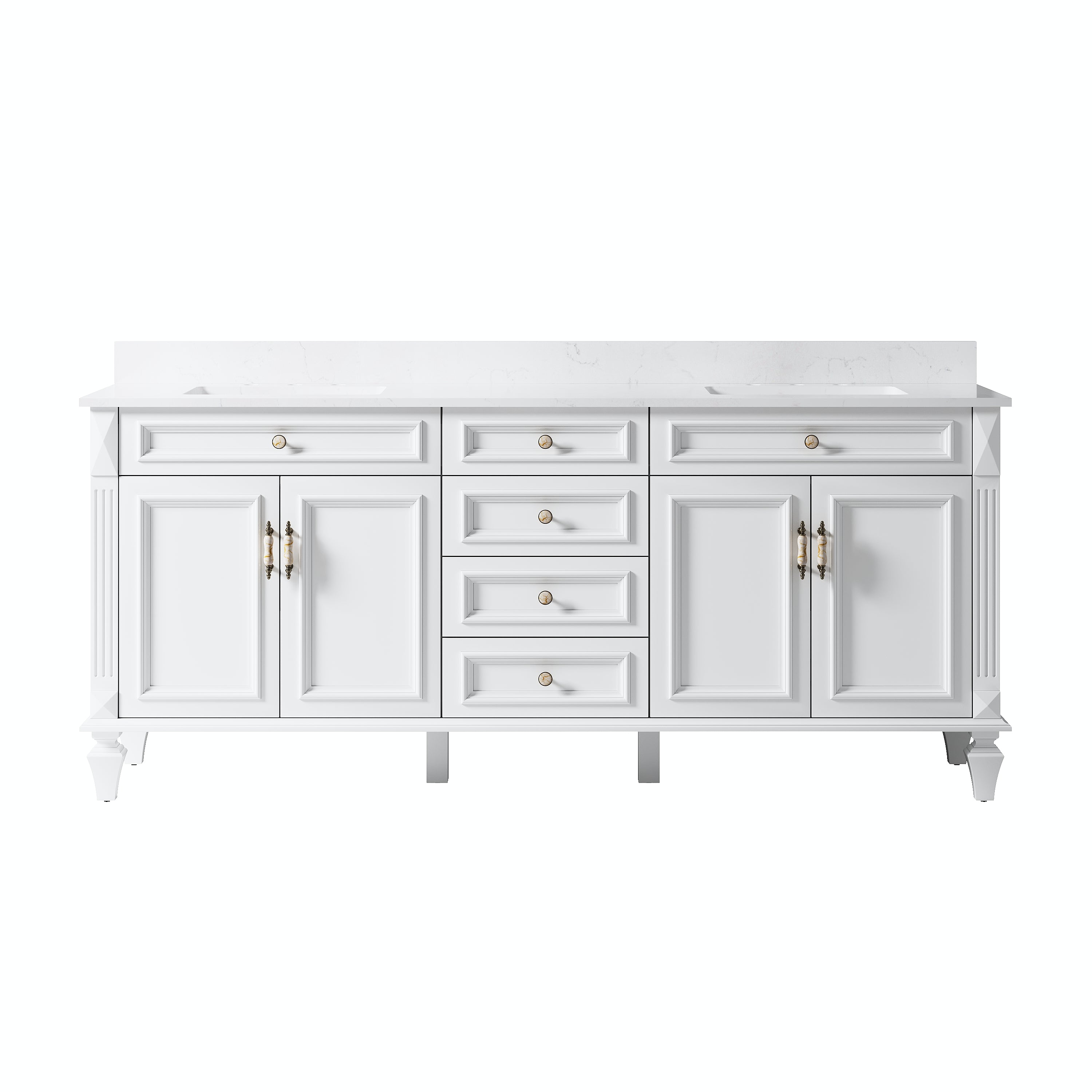
Double sinks make sense in shared primary bathrooms where both people regularly use the vanity together. They create separate washing stations and can make morning routines easier.
There is a tradeoff.
Two basins consume more countertop and create two plumbing zones inside the cabinet. On a smaller vanity, that can reduce both storage and usable surface area.
Do not choose two sinks simply because the room technically has enough width.
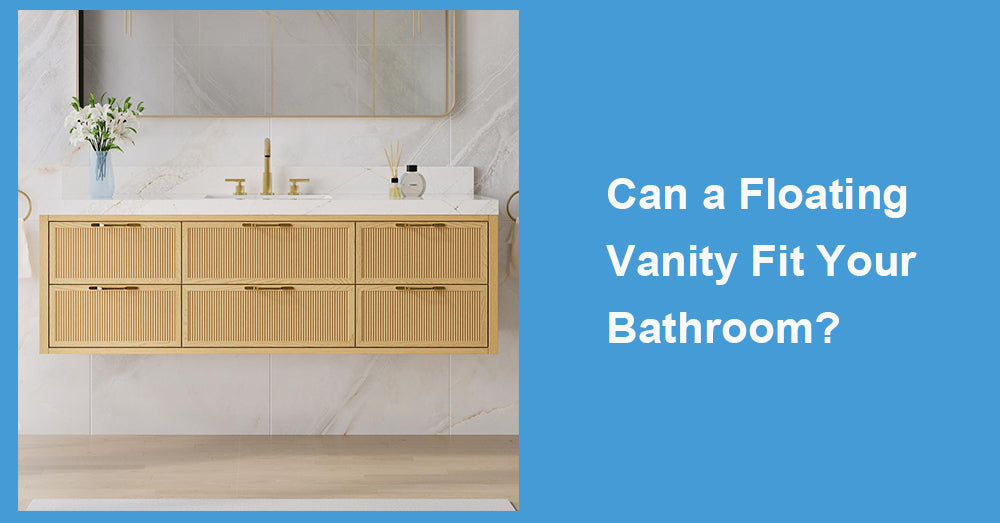
4. Compare Floating and Freestanding Designs
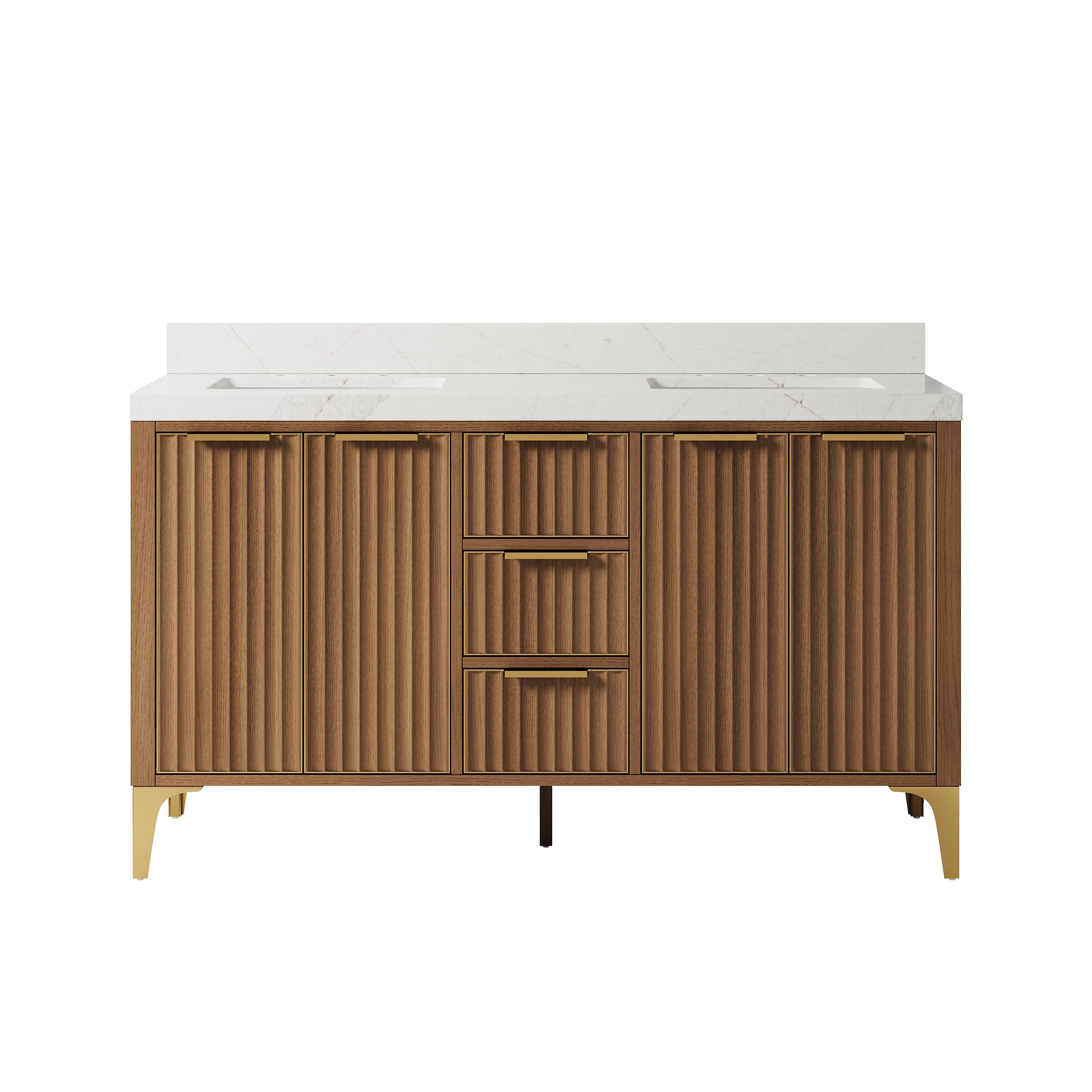
Floating vanities are mounted to the wall, leaving open space underneath. They work particularly well in modern bathrooms and smaller spaces because more flooring remains visible.
They also simplify floor cleaning.
Floating Designs Need Stronger Planning
The wall must support the cabinet, countertop, sink, stored items, and daily use. Structural blocking or secure attachment to framing may be required.
Freestanding vanities are generally easier to install around existing plumbing and often provide more total storage.
Their disadvantage is visual weight. A large floor-standing cabinet can make a narrow bathroom feel heavier.
Choose the mounting style based on construction and storage needs, not just appearance.
5. Select Materials for a Humid Environment
Bathroom cabinetry faces moisture every day.
Solid wood components can offer strength, visible grain, and repair potential. Quality plywood is often an excellent cabinet-box material because it remains relatively stable as humidity changes.
Well-sealed engineered materials can also perform well.
What matters most is how the vanity is constructed and finished. Check edges, drawer bottoms, plumbing cutouts, and the area beneath the sink.
Exposed material near water is a concern regardless of the price tag.
Wood is not waterproof. Painted cabinetry is not waterproof either. Good ventilation and prompt cleanup are essential.
6. Match the Sink and Countertop to the Cabinet
Sink size has a major effect on how the vanity functions.
A large basin may look luxurious but leave little room for soap, skincare, or grooming products. On medium-size vanities, I usually prefer a moderately sized undermount or integrated sink.
Vessel sinks create more visual impact but add height and require careful faucet positioning.
Countertop material should match your maintenance expectations. Quartz is practical for busy households. Cultured marble can offer good value and simple cleaning. Natural stone brings unique character but may require more care.
Think beyond the showroom appearance.
7. Check Plumbing Before You Order
Plumbing conflicts can turn a straightforward installation into an expensive project.
Measure the drain and supply-line positions, then compare them with the interior cabinet layout.
If pipes pass through functional drawers, you may need to modify the vanity or relocate the plumbing.
During a full renovation, this is easier to plan. For a simple replacement, choosing a cabinet compatible with existing connections can save significant labor.
Keep shutoff valves accessible after installation.
8. Choose the Finish for the Room, Not the Trend
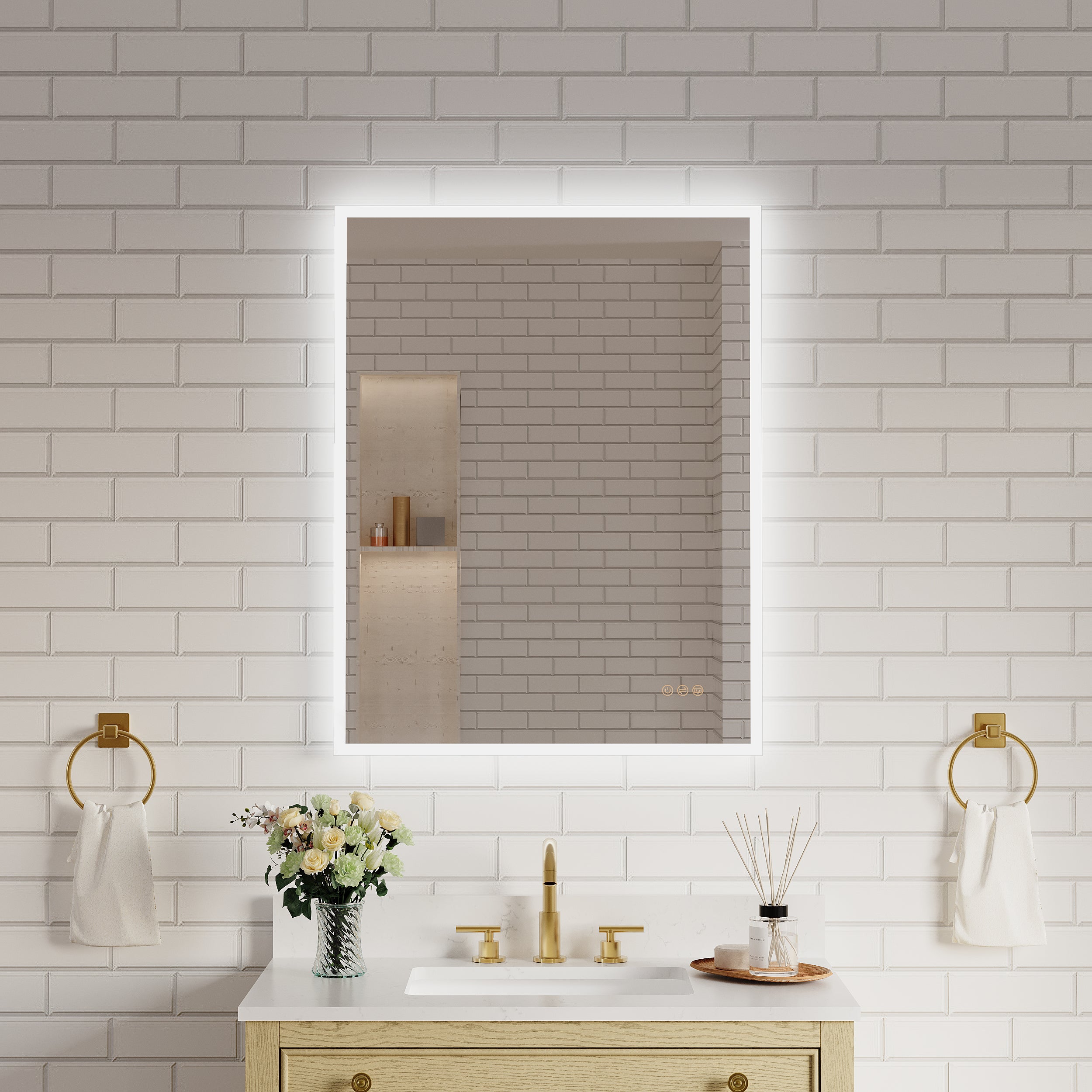
White cabinetry feels clean and flexible. Natural wood introduces warmth. Dark finishes create stronger contrast and often work best in rooms with good lighting.
Pay attention to undertones.
A cool white cabinet may clash with creamy stone, while warm oak can look out of place beside blue-gray tile.
I prefer looking at the vanity finish beside the flooring and countertop rather than choosing each material separately.
A timeless bathroom usually relies on materials that relate to one another without matching perfectly.
9. Know When a Vanity Is Simply Too Much
Bigger is not always better.
A wide vanity may provide impressive storage but make the room harder to move through. A double sink may sound appealing but eliminate useful countertop space.
Likewise, a floating cabinet may look elegant but become impractical if the wall needs major reinforcement.
The best purchase is often the one that avoids unnecessary complexity.
If a smaller vanity leaves more comfortable clearance and still holds what you need, that is usually the smarter decision.

10. Install and Maintain It for Long-Term Use
Set the cabinet level before attaching the countertop. Seal the sink, faucet openings, backsplash, and countertop joints carefully.
Test all plumbing connections before filling drawers and cabinets.
For routine care, use a mild, non-abrasive cleaner and wipe standing water promptly. Run the exhaust fan after showers and inspect beneath the sink periodically for slow leaks.
When comparing Wellfor options, start with dimensions, usable storage, plumbing compatibility, cabinet construction, and sink configuration. Then choose the finish and style. The right bathroom vanity should not simply look good on installation day; it should make the room easier to use, easier to organize, and easier to maintain for years.
















Leave a comment
This site is protected by hCaptcha and the hCaptcha Privacy Policy and Terms of Service apply.