














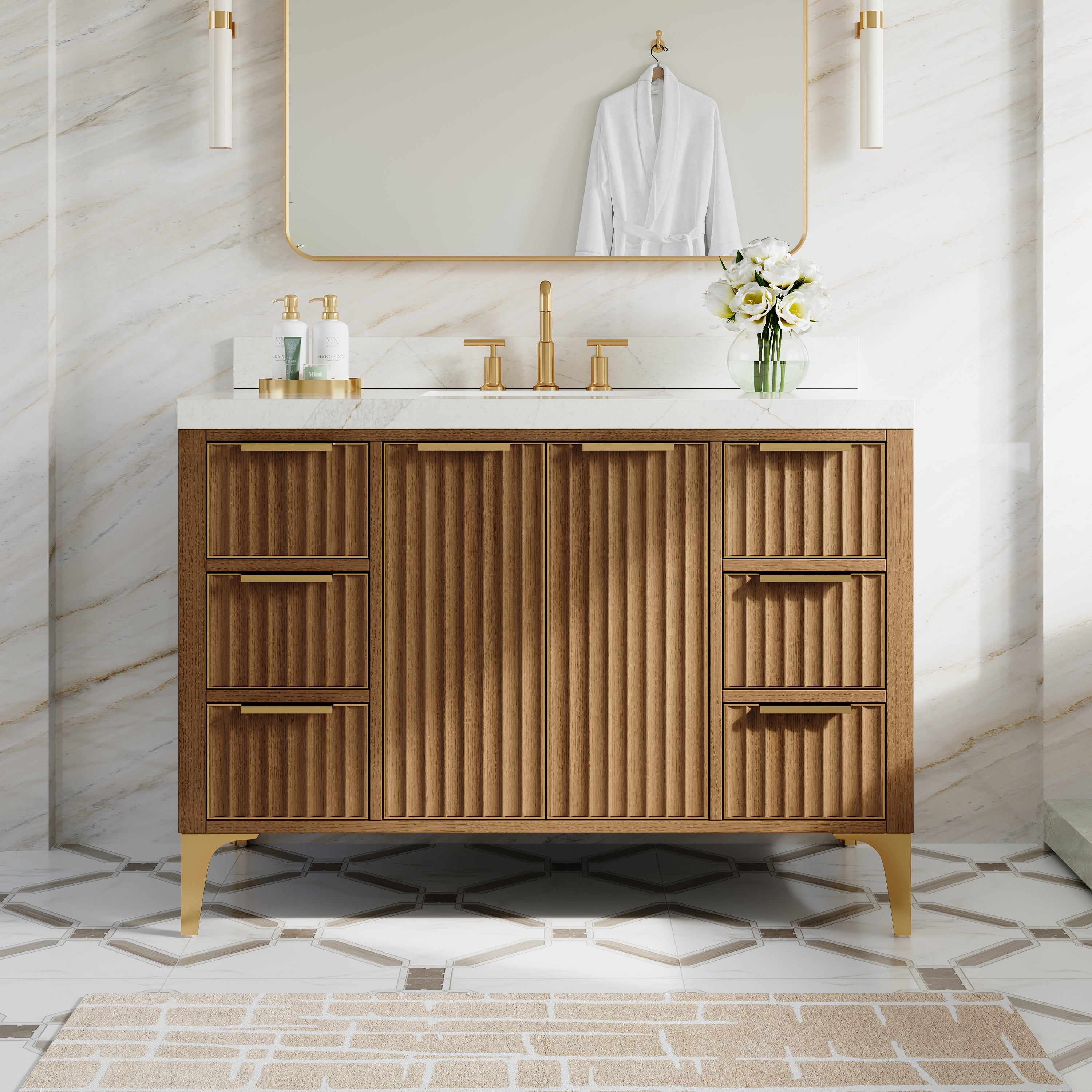
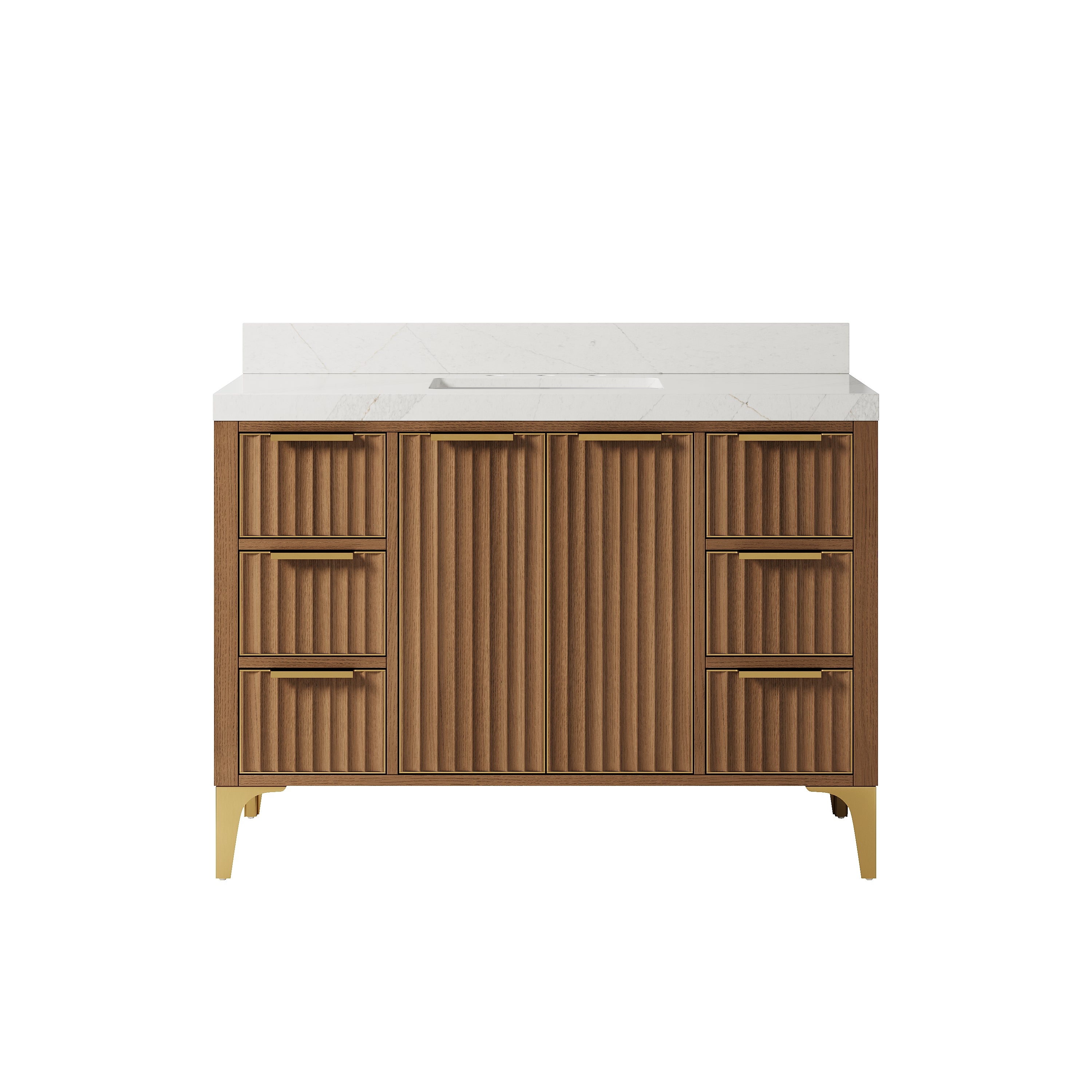


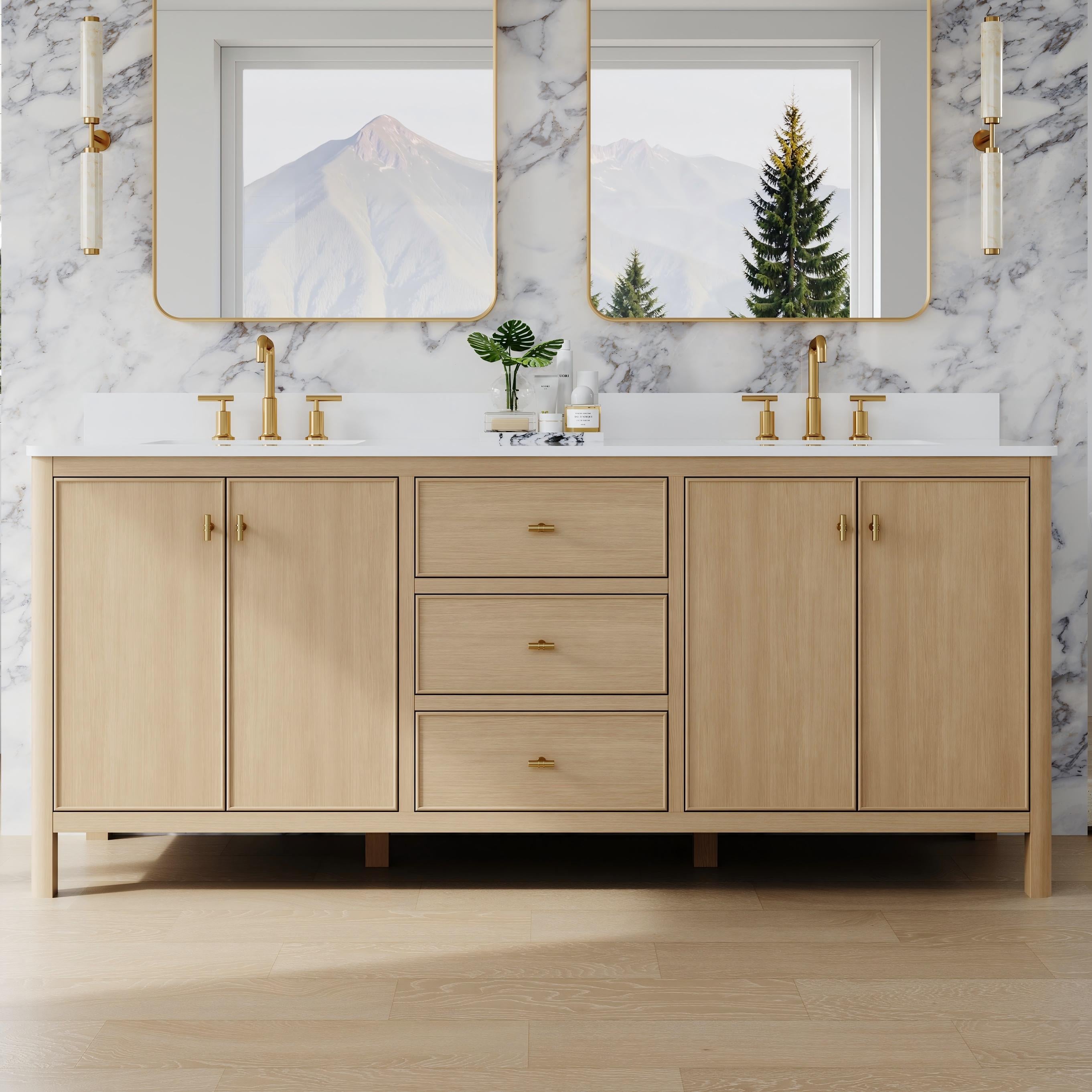
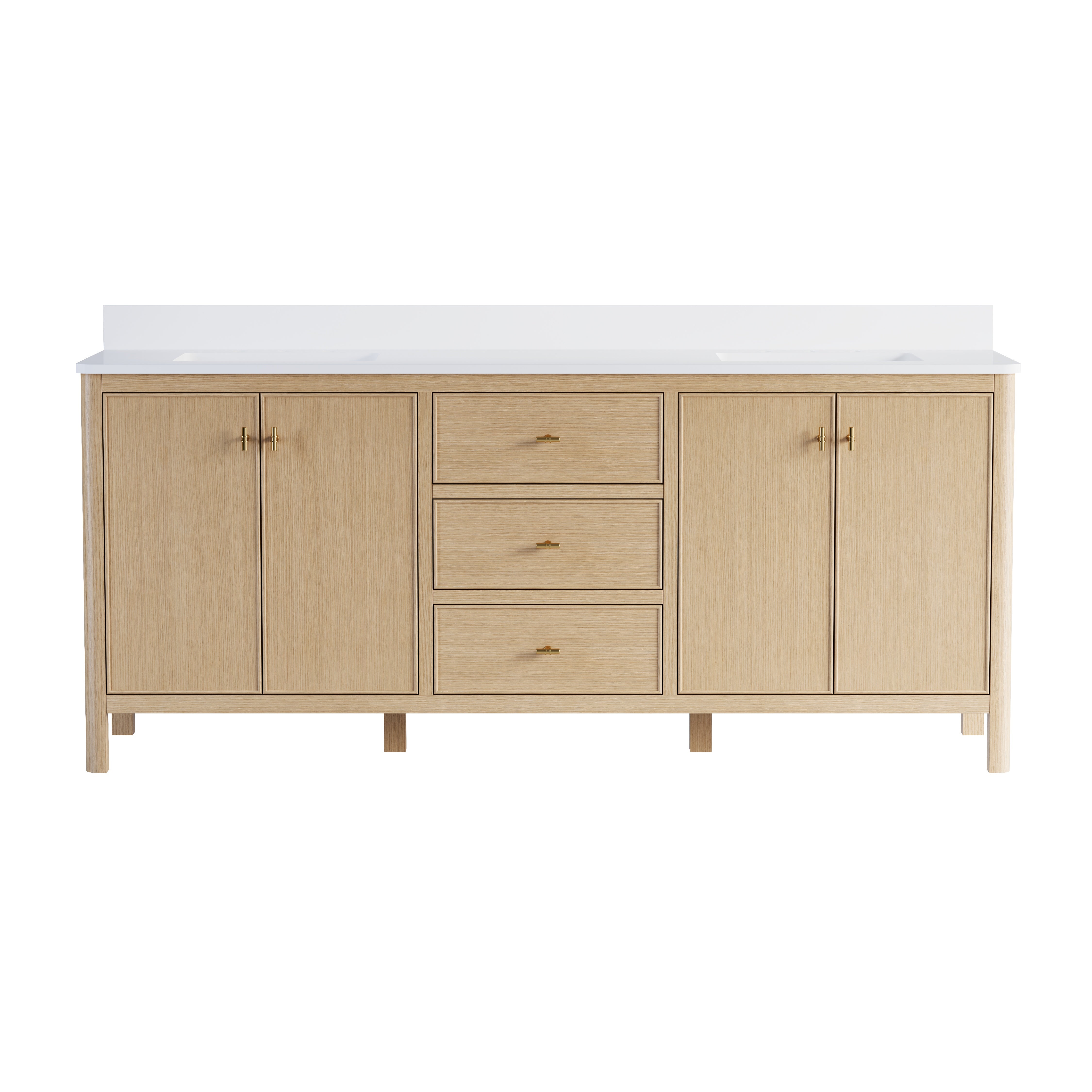
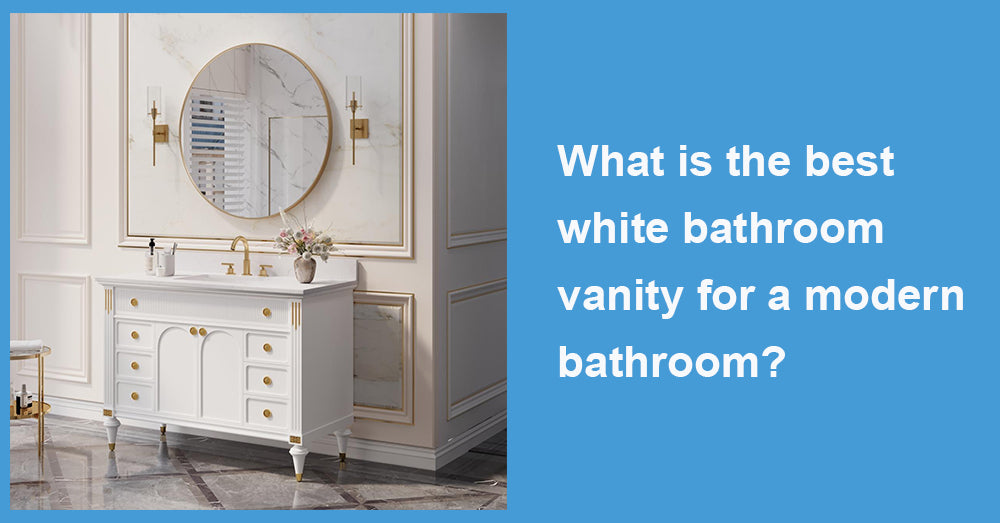
In recent years, attention to White bathroom vanity has increased significantly amid the ongoing trend in interior decoration. With clean and sleek visual effects, highly adaptable interior style extension, and designs that maintain good functionality across different bathroom areas, these products are becoming one of the most critical storage and visual cores in bathroom spaces. Especially in the context of the trend of emphasizing "lightweight design", "hidden storage", and "visual expansion" in modern bathrooms, choosing a suitable white bathroom cabinet has shifted from a simple appearance judgment to a careful consideration of size, structure, material stability, surface technology, and installation flexibility.
1. Why has the white bathroom cabinet become the mainstream choice in modern bathrooms?
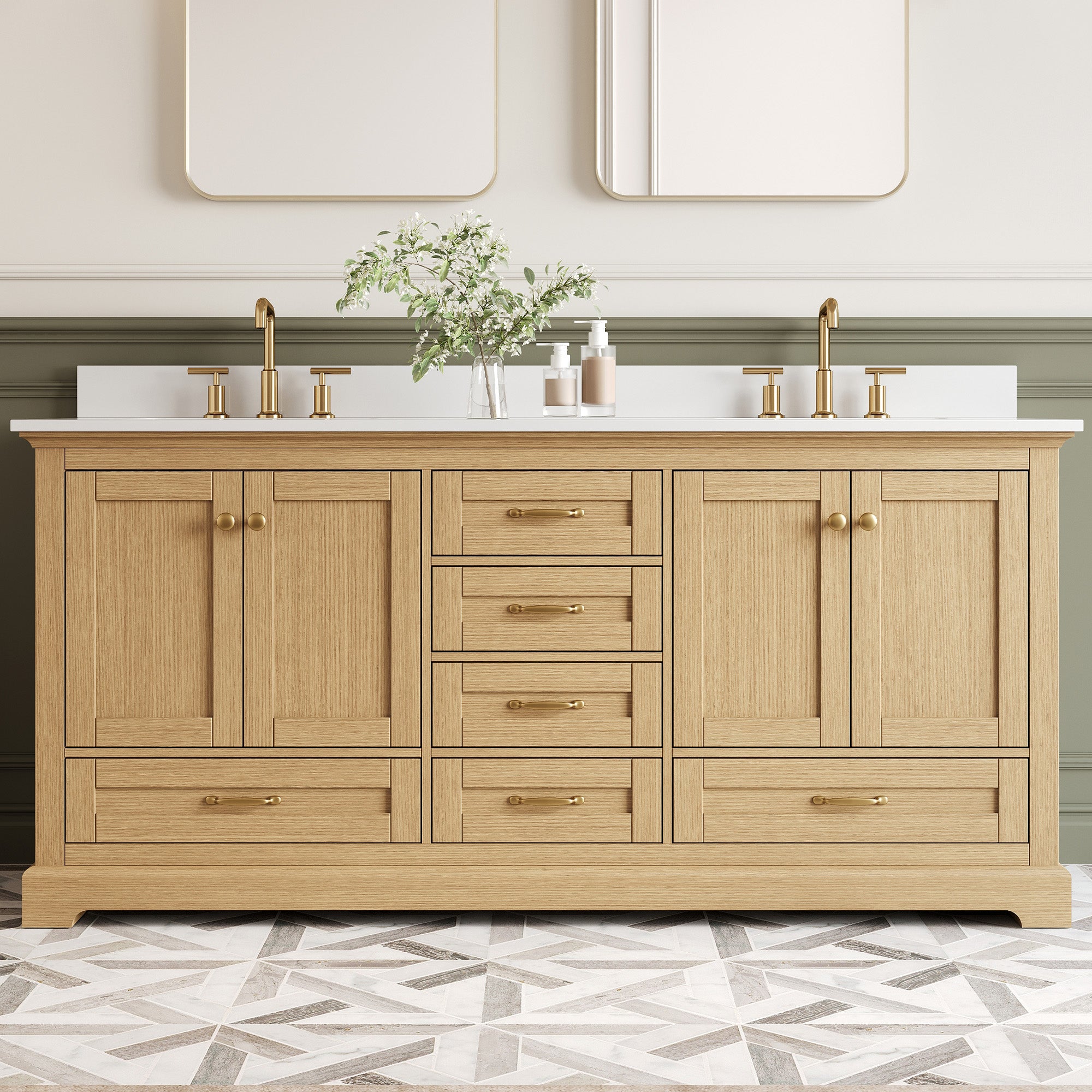
In spatial design, the transparency and reflective properties of white can effectively alleviate the common sense of oppression in bathrooms. Multiple interior design data platforms have reported that the visual expansion rating of light-colored bathroom cabinets is generally 18% higher than that of dark-colored products (source: Houzz.com). Especially in smaller bathrooms, a 40-48-inch white bathroom cabinet can strike a good balance between storage needs and space, keeping the usage area clean without feeling cramped.
In addition, white surfaces are more easily combined with common materials such as quartz countertops, stainless steel hardware, brushed-metal faucets, and light-colored tiles. As bathroom cabinet products have gradually evolved into complete sets and standardized, the competitiveness of white cabinets that can integrate different styles has significantly increased in the market.
2. The most suitable White Bathroom Vanity size range in modern bathrooms
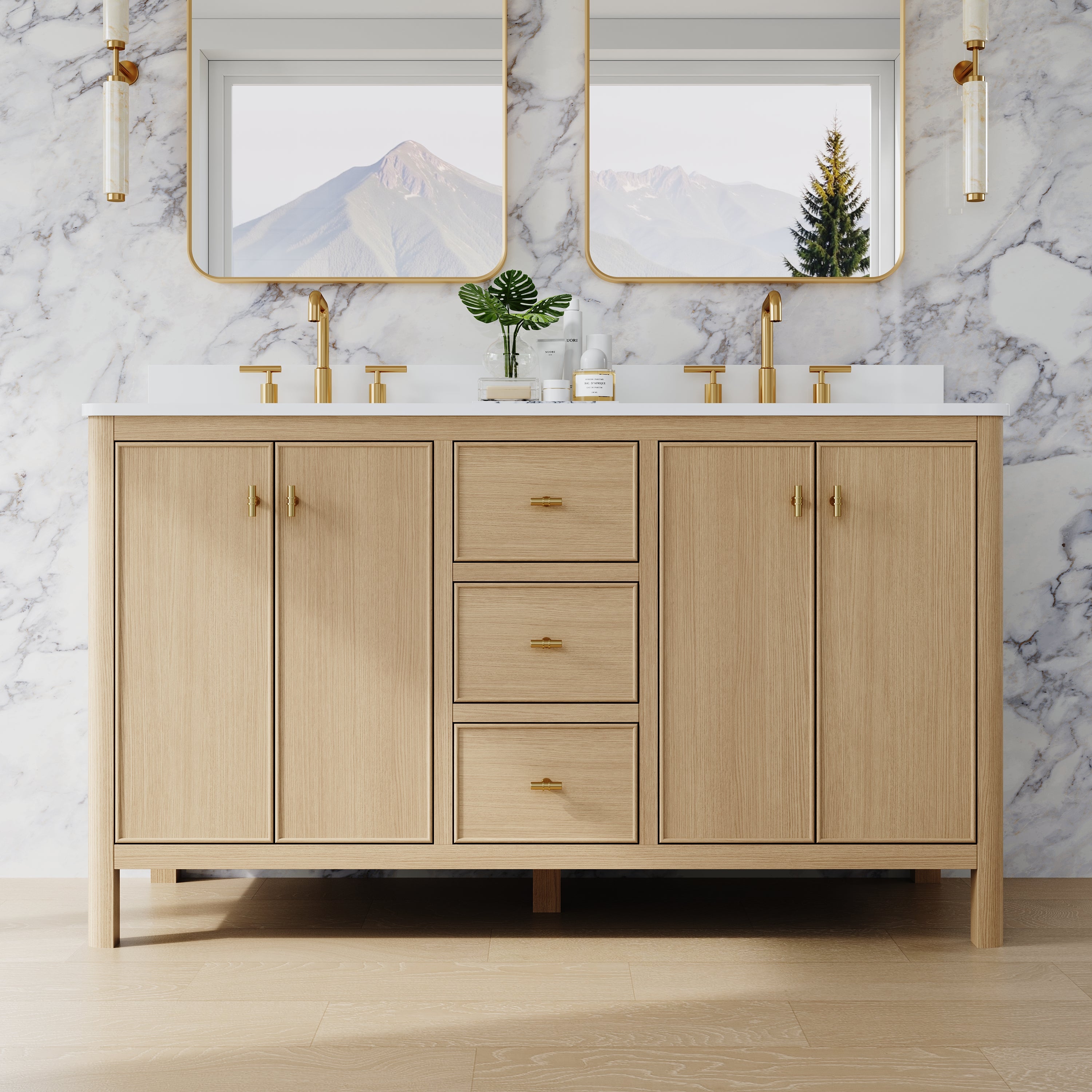
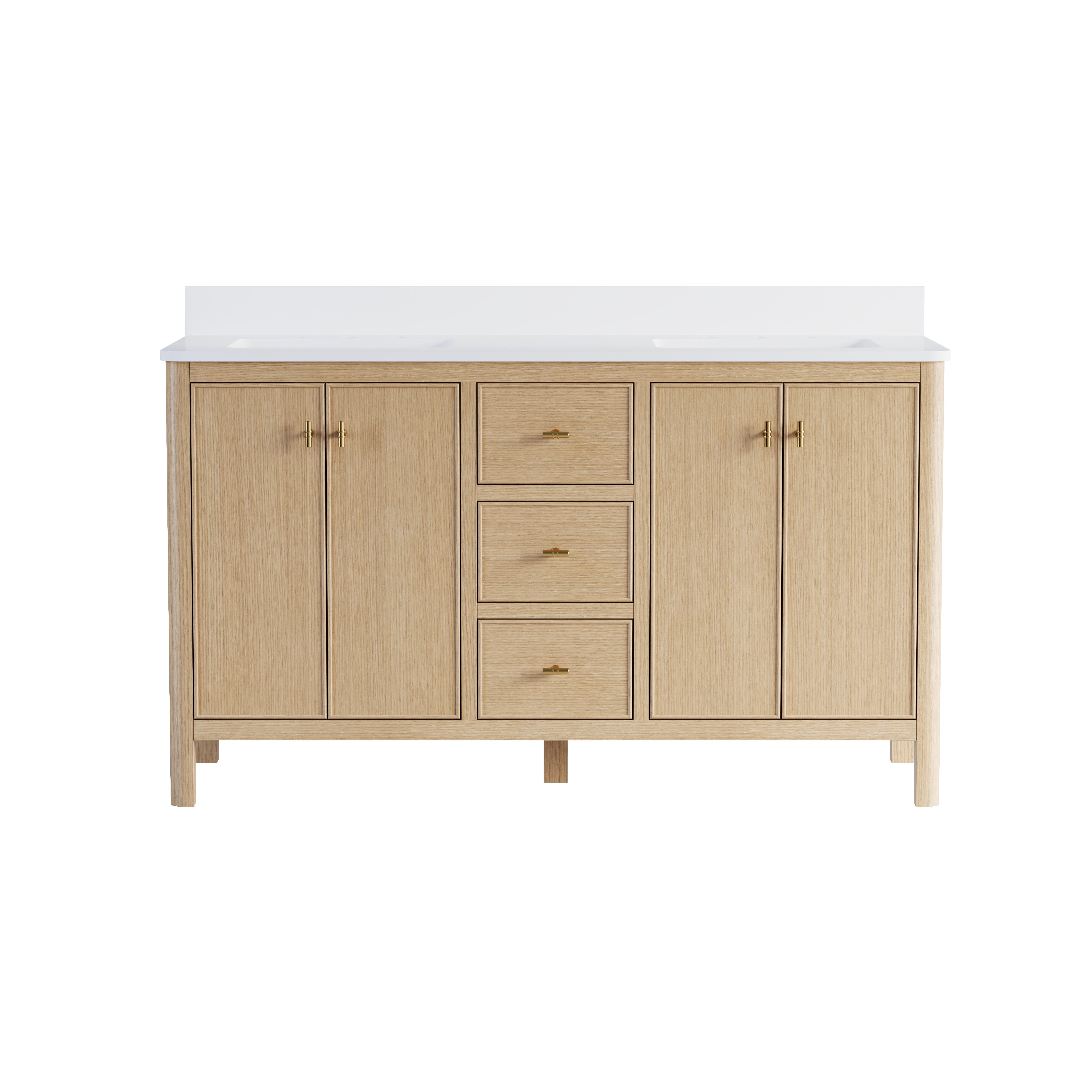
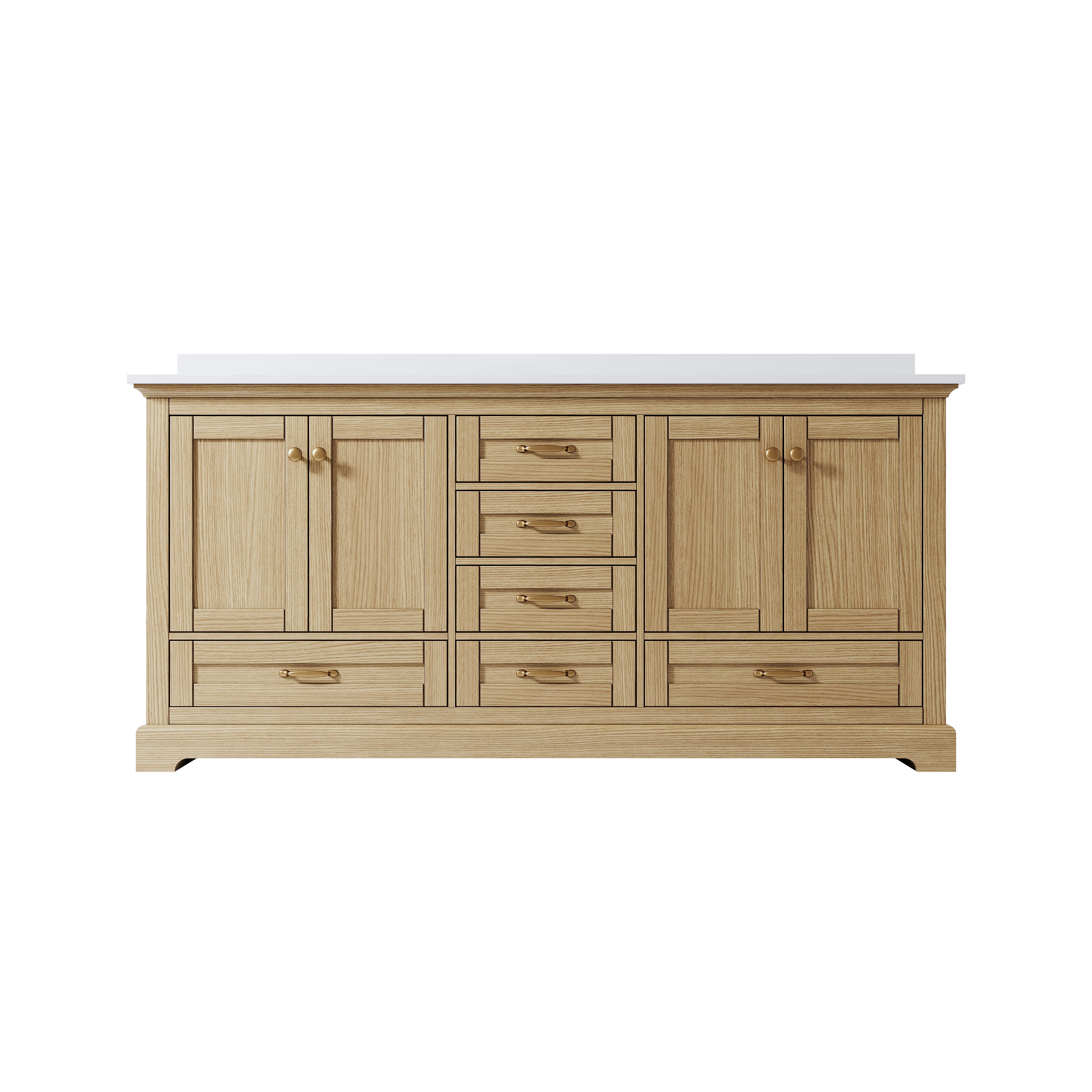
The size selection of bathroom cabinets is mainly based on frequency of use, the number of family members, and the available space. According to industry retail platform statistics, sales of medium-sized 48-inch and 60-inch products continue to lead (source: Wayfair.com). The 48-inch single-basin structure is suitable for most standard bathrooms and offers sufficient drawer and open-compartment storage. The double-basin structure of 60 inches or more is more ideal for multi-population, multi-person households or primary hygiene scenarios.
In small bathrooms, the standard 24-30-inch bathroom cabinet is the best solution for saving space. These types of products often use vertical storage drawers or double-layer cabinet structures to provide more usable space in limited areas. Especially in modern bathrooms that focus on flow planning, "narrow depth" has become a key indicator. For example, bathroom cabinets with a depth range of 18-20 inches are significantly better than traditional 22-inch depths, making the aisle area more comfortable (source: Build.com).
3. Material Trend: Balancing Durability and Lightweight
The mainstream materials for modern white bathroom cabinets include solid wood, plywood, and MDF. There are significant differences in the performance of different materials in terms of stability, moisture resistance, and service life.
Solid wood structure: Excellent stability, suitable for environments with high humidity. White bathroom cabinets made of oak, birch, and other materials are not easily deformed due to moisture during long-term use. According to data from multiple material research institutions, the dimensional stability index of solid wood bathroom cabinets in high humidity environments is about 27% higher than that of MDF (source: WoodDatabase.com).
Multi-layer board structure: combining lightweight and durability, commonly used in mid to high-end bathroom cabinets. Its layered structure makes it less susceptible to moisture and deformation, making it suitable for scenarios that require frequent opening and closing of cabinet doors.
MDF structure: Good surface flatness, suitable for making large-area white spray-painted cabinet doors. It is more common in budget-friendly products, but in bathroom environments with significant long-term humidity fluctuations, it is necessary to rely more on surface-sealing techniques to enhance durability.
With advances in surface technology, white bathroom cabinets are now available with traditional glossy and matte coatings, as well as a more scratch-resistant, less yellowing polyurethane coating. Products that maintain white purity for 3-5 years of use are preferred.
4. Storage structure becomes the core competitiveness
Modern bathrooms are increasingly emphasizing vertical use and hidden storage. Some brands are launching drawers with U-shaped drainage pipes to utilize the space below better. At the same time, technologies such as double-layer drawers, fully stretched sliding rails, and buffer hinges have also become standard features of modern bathroom cabinets.
According to statistics from home retail platforms, up to 64% of users who purchase white bathroom cabinets prioritize "drawer count" (source: Overstock.com). This reflects the real demand of modern bathroom users for storage classification and convenient retrieval.
5. Installation method and spatial adaptability
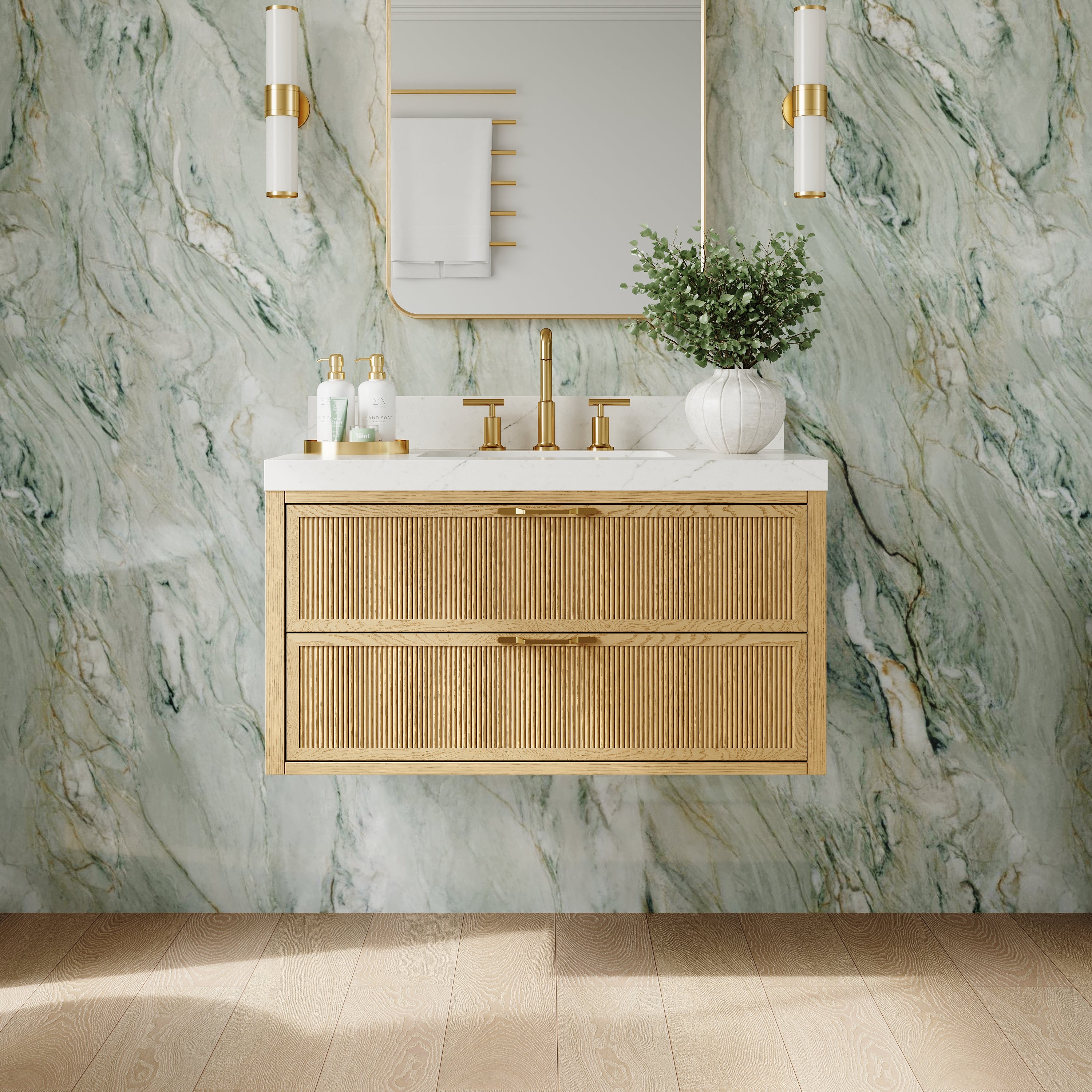
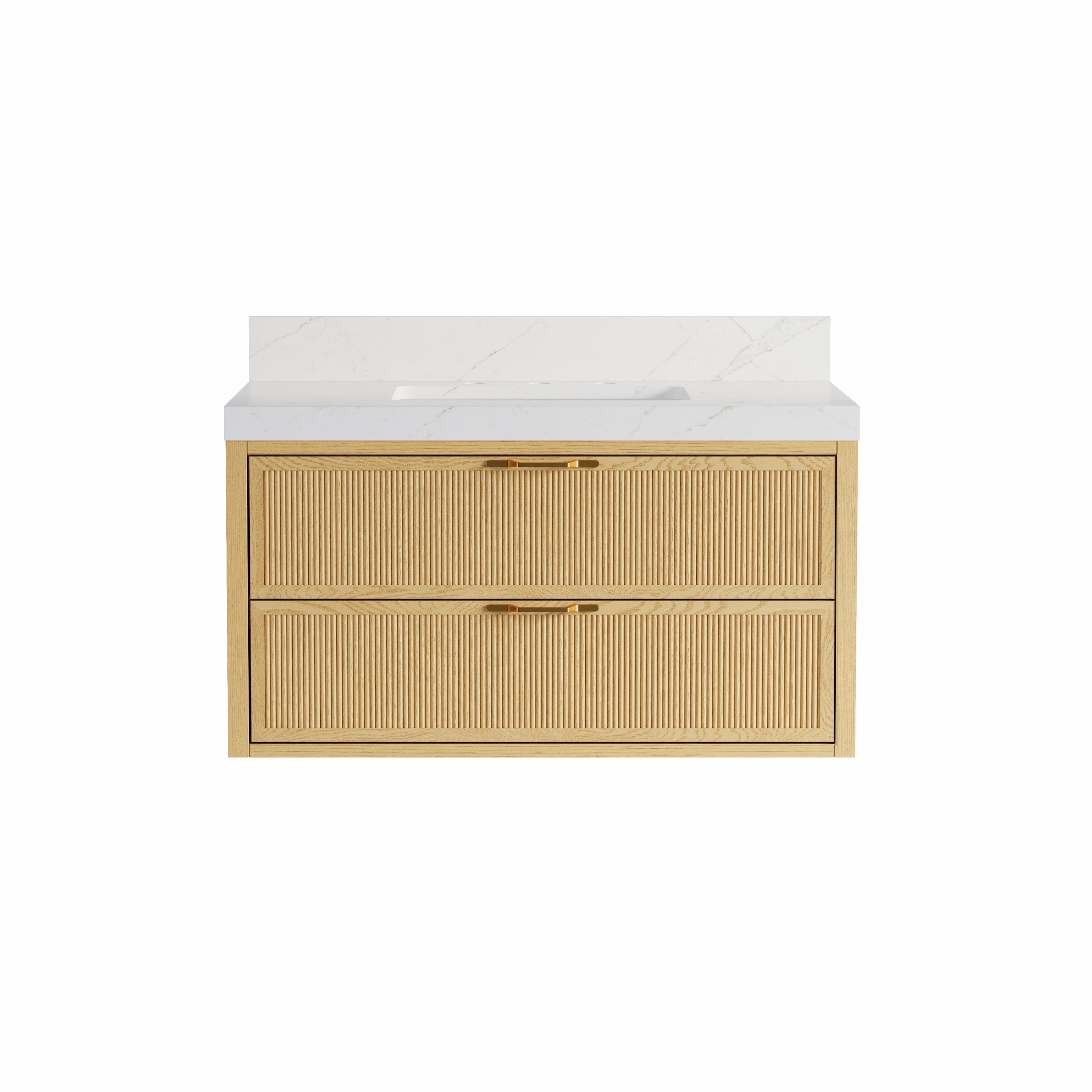
The installation methods of White Bath Vanity are mainly divided into two categories: floor-standing and wall-mounted.
Floor-standing products are more suitable for households with significant storage needs, offer a stable structure, and are well-suited for medium to large bathrooms over 48 inches.
Floating products are visually lighter and easier to clean the floor due to their suspended bottom design. In many bathrooms with less than 50 square feet of space, wall-mounted bathroom cabinets with a depth of 18-20 inches are preferred for smoother visual flow.
From an industry perspective, the market share of wall-mounted white bathroom cabinets has increased by nearly 21% over the past three years (source: Statista.com), making them a popular choice for modern minimalist-style bathrooms.

6. Which modern bathroom is the most suitable choice? Summary of Industry Trends
Overall, White Bathroom Vanity, which is suitable for modern bathrooms, exhibits the following characteristics:
The size is mainly 40-60 inches, combining spatial presence and storage.
Adopting lightweight and durable multi-layer boards or solid wood structures, the surface coating has anti-yellowing properties.
The simple, straight-line design paired with a bright white or matte white surface makes it easier to integrate different styles.
Emphasize the refinement of the storage structure, including double-layer drawers, hidden power sockets, and partitioned storage.
The demand for wall-mounted and narrow-depth products has increased significantly, which aligns more closely with the requirements of modern bathrooms for flow and cleaning convenience.
As bathroom spaces shift from simple use areas to spaces that emphasize atmosphere, storage, and ceremony, a suitable White Bath Vanity is no longer just furniture; it is an essential visual and functional center in modern home experiences. In the future, as material technology continues to advance and intelligent devices are integrated, the selection of white bathroom cabinets will become more diverse and remain an indispensable focus in bathroom renovation projects.



















Leave a comment
This site is protected by hCaptcha and the hCaptcha Privacy Policy and Terms of Service apply.